



























Article Contents:
- Wall Molding: What It Is and Why People Buy It
- Decorative Function: Line as Language
- Hiding Joints and Imperfections
- Creating Architectural Rhythm
- Accent and Frame Compositions
- Which Wall Molding to Buy for Your Task
- Molding for Wall Panels
- Molding for Mirror and Decor Frames
- Moldings for accent walls
- Molding for Wall Zoning
- Molding for the Lower Part of the Wall
- Moldings for narrow corridors and high ceilings
- Wooden moldings, MDF, or paintable: what to choose
- Wood: oak
- Wood: beech
- High-density MDF
- Primed profiles: ready for painting
- For enamel
- For natural finish
- How to choose moldings by interior style
- Classic: architectural dictionary
- Neoclassical: history without excess
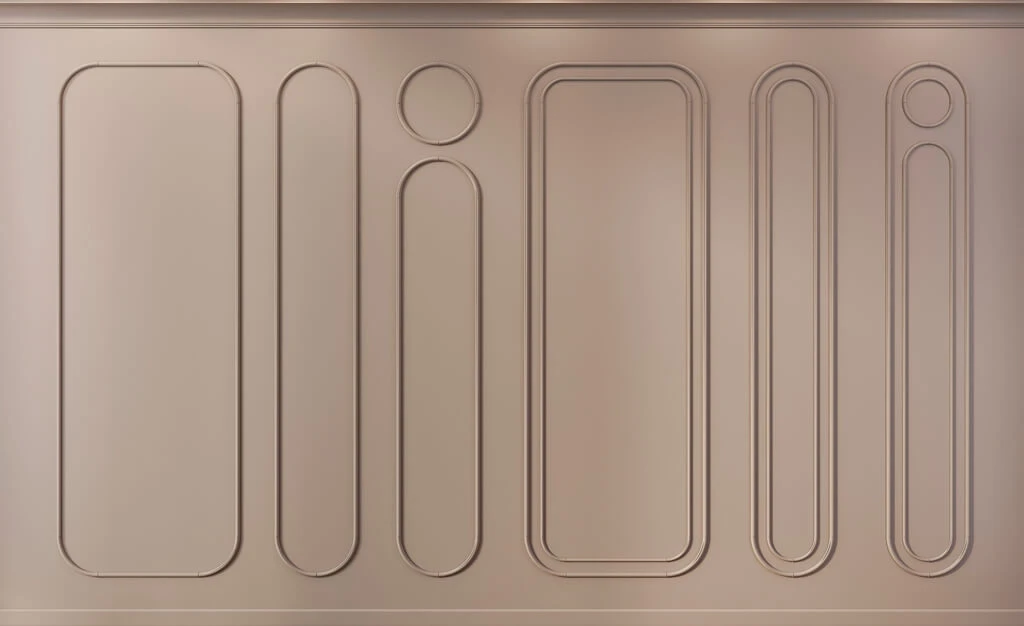
- Modern interior: geometry as a statement
- Concise smooth profiles: neutral solution
- Carved profiles: when detail carries meaning
- Moldings for different rooms: specific recommendations
- Molding for the Living Room
- Molding for the Bedroom
- Molding for the Kitchen and Dining Room
- Moldings for the bathroom
- Molding for the Hallway and Foyer
- Moldings for panels, frames and accent walls: how to assemble
- Large panels: scale and proportion
- Geometric Compositions: Rhythm and Symmetry
- TV area: molding as a frame for the screen
- Framing mirrors, pictures, shelves
- When Decorative Molding is Needed
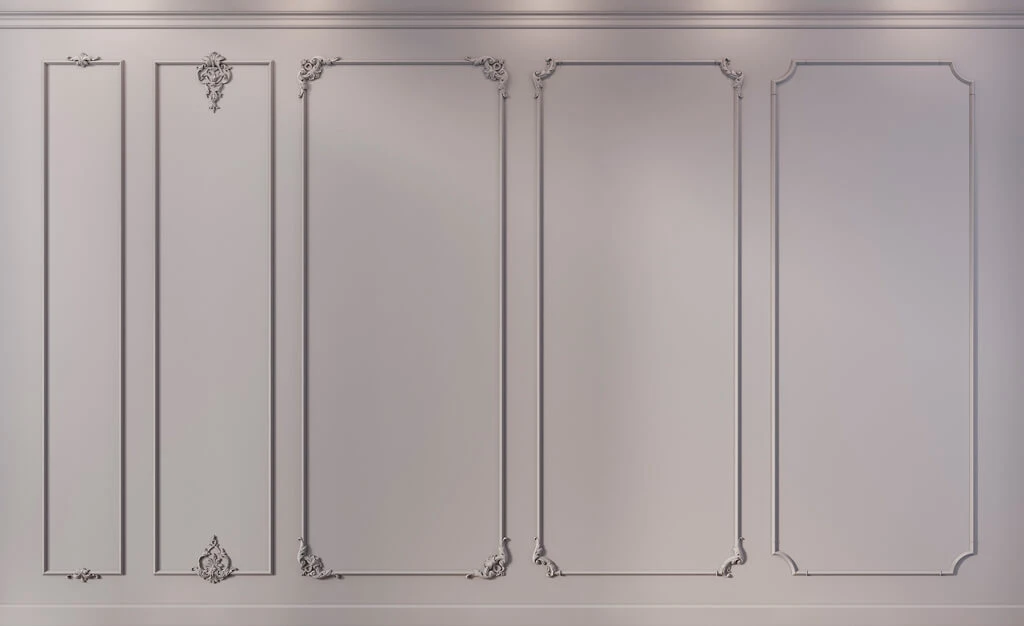
- Corner elements: elegance at the intersection point
- Center overlays: accent in the middle
- Connecting decor
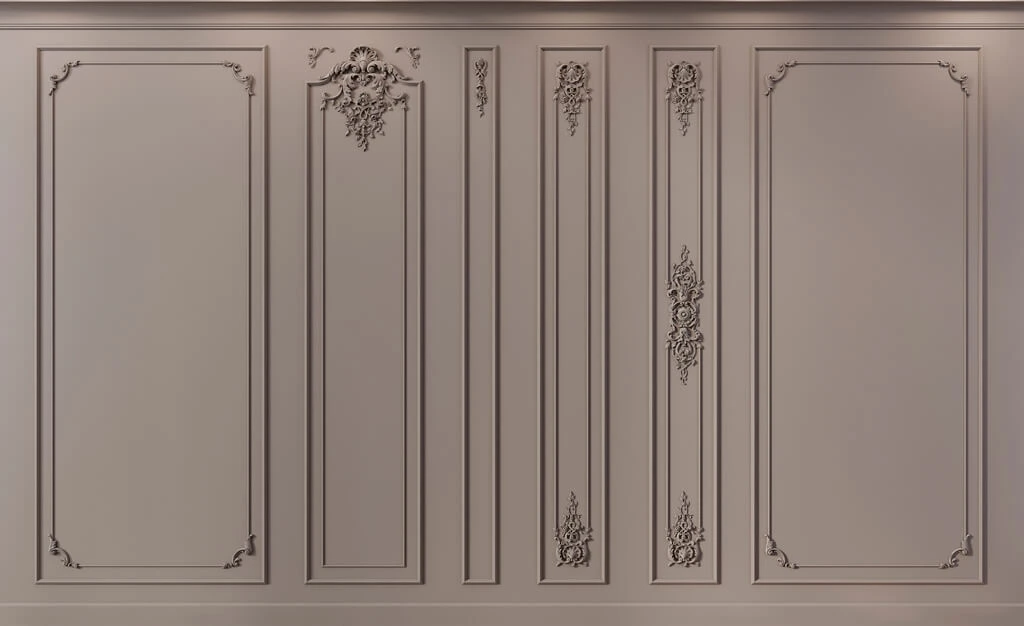
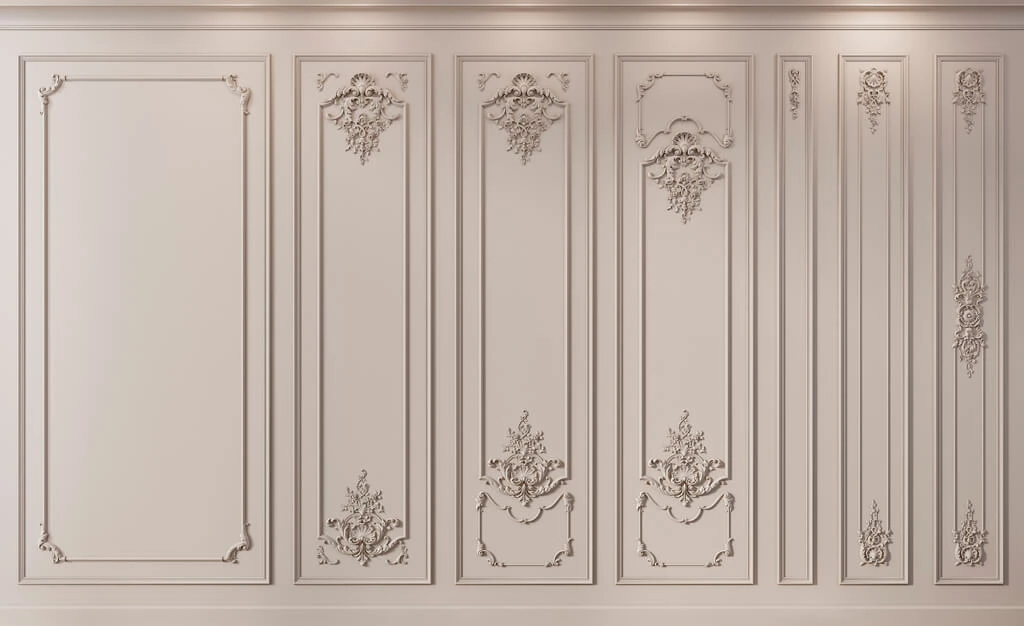
- Ready-made classic compositions
- What determines the price of wall moldings
- Material
- Profile width
- Complexity of relief
- Availability of decor
- Order volume
- Standard or custom profile
- Where to buy wall moldings for interiors without mistakes
- 1. Determine the material
- 2. Choose the profile width
- 3. Calculate the footage
- 4. Decide on the decor
- 5. Go to the relevant catalog section
- About the Company STAVROS
- FAQ: popular questions about wall moldings

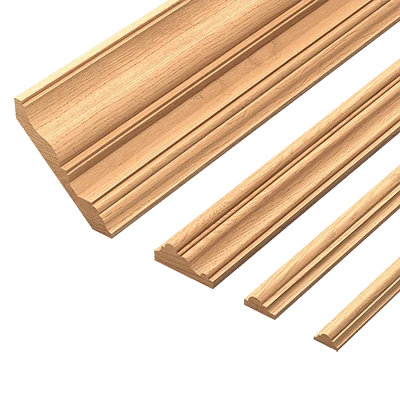
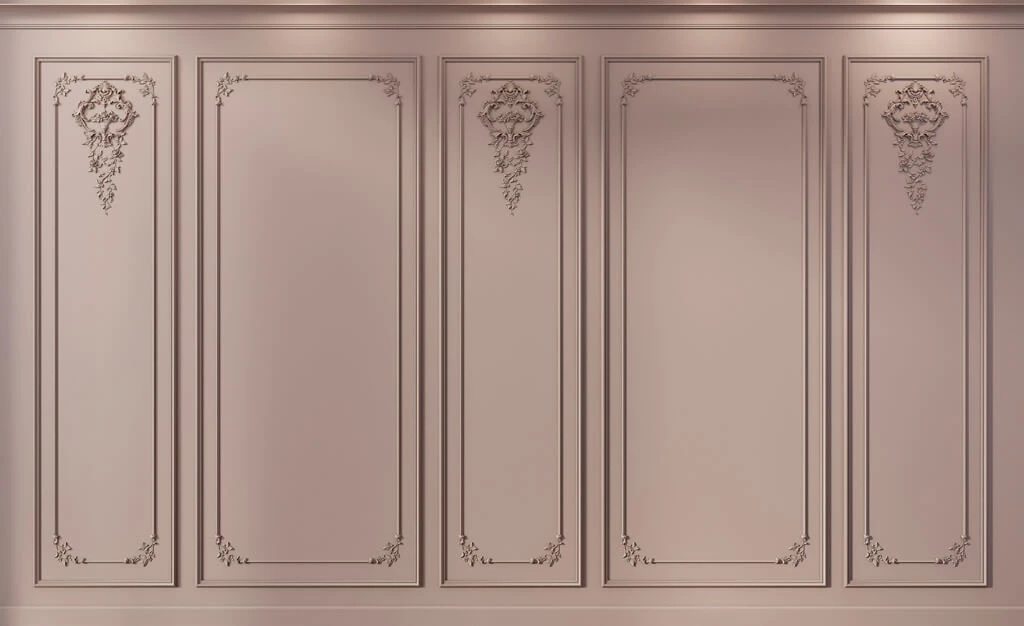
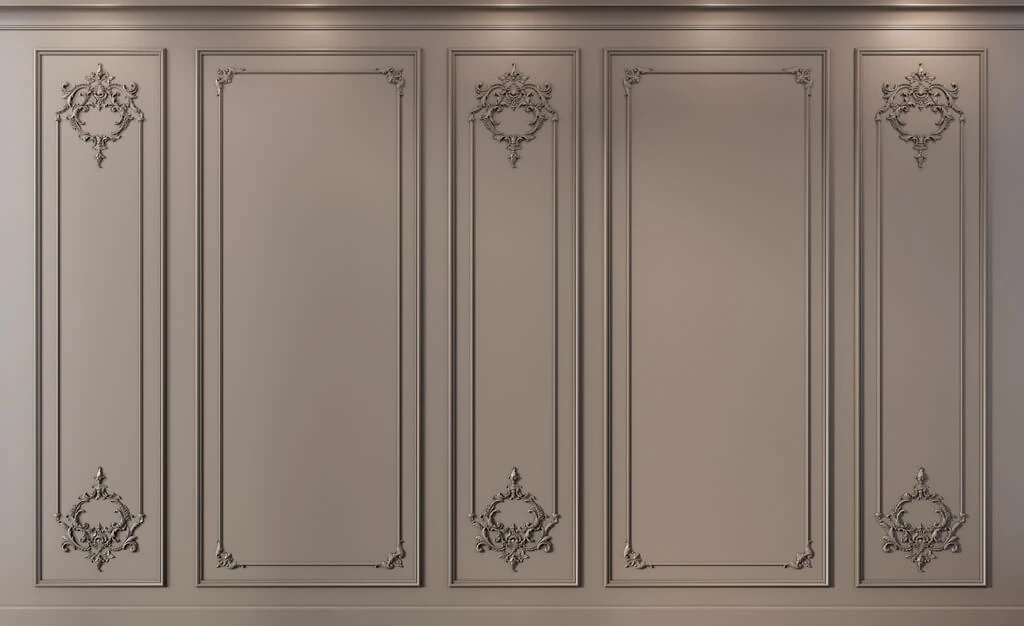
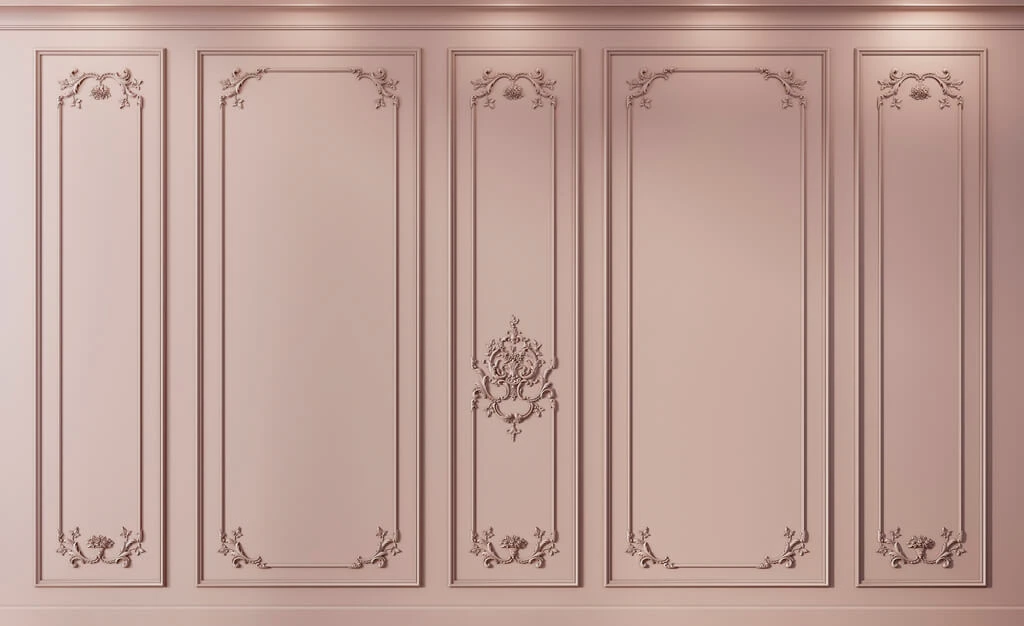
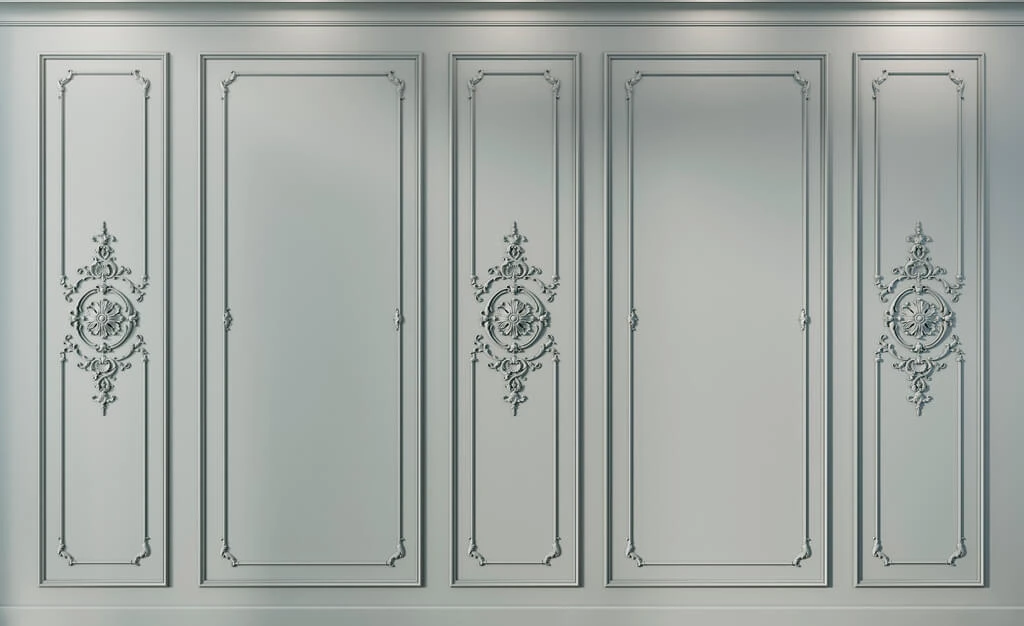
Wall moldings in interiors are decorative profile strips that are mounted on vertical surfaces and transform a plane into an architecturally organized space. Not just decoration: a system of profiles sets rhythm, conceals defects, creates frames and panels, and structures the gaze.
If you are looking for whereBuy Wall Moldingwith maximum effect for reasonable money—this article answers exactly your question. No theory for theory's sake: only what is needed for the right choice and an informed purchase.
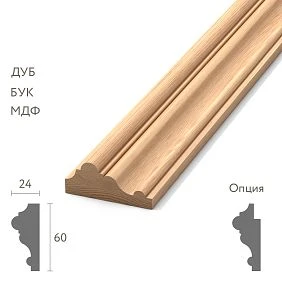
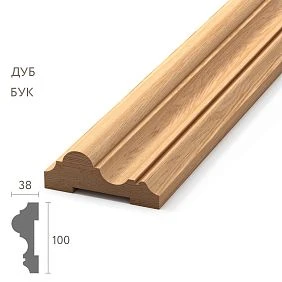
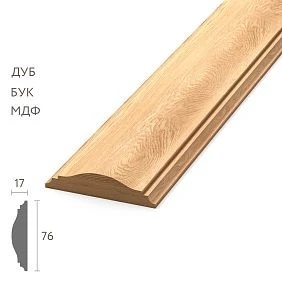
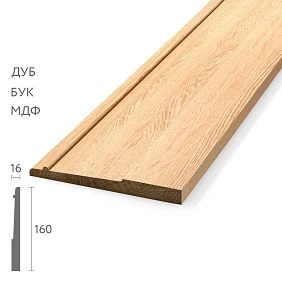
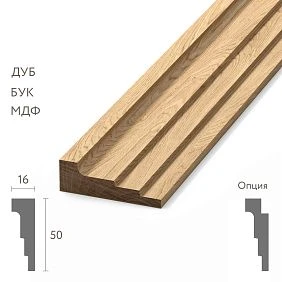
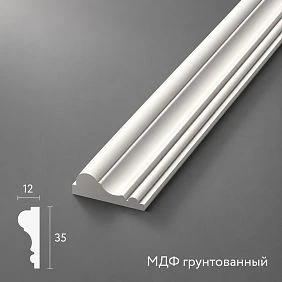
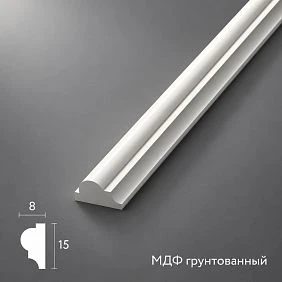
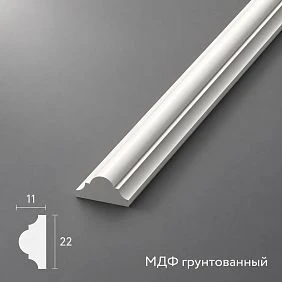
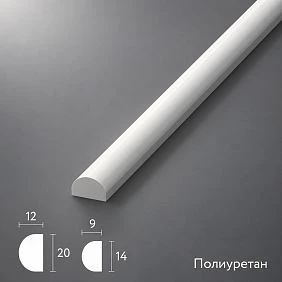
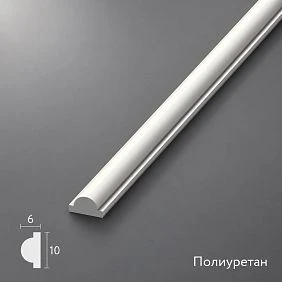
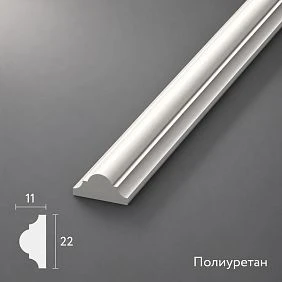
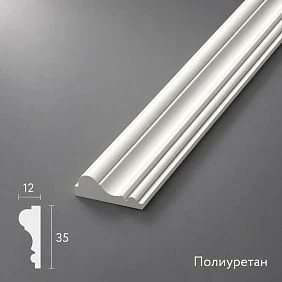
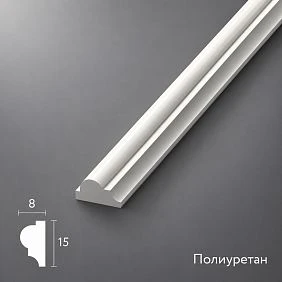
Wall Molding in Interior Design: What It Is and Why You Should Buy It
Before making a choice, you need to understand: why is this even necessary? There's a wall, it's flat, painted the right color. How will a profile strip enhance it?
The answer isn't obvious but is precise: molding gives a wall scale. Without it, a wall is just an area. With it—it's a surface with internal logic, where each element has its place. This is the very difference between 'just a room' and 'an interior.'
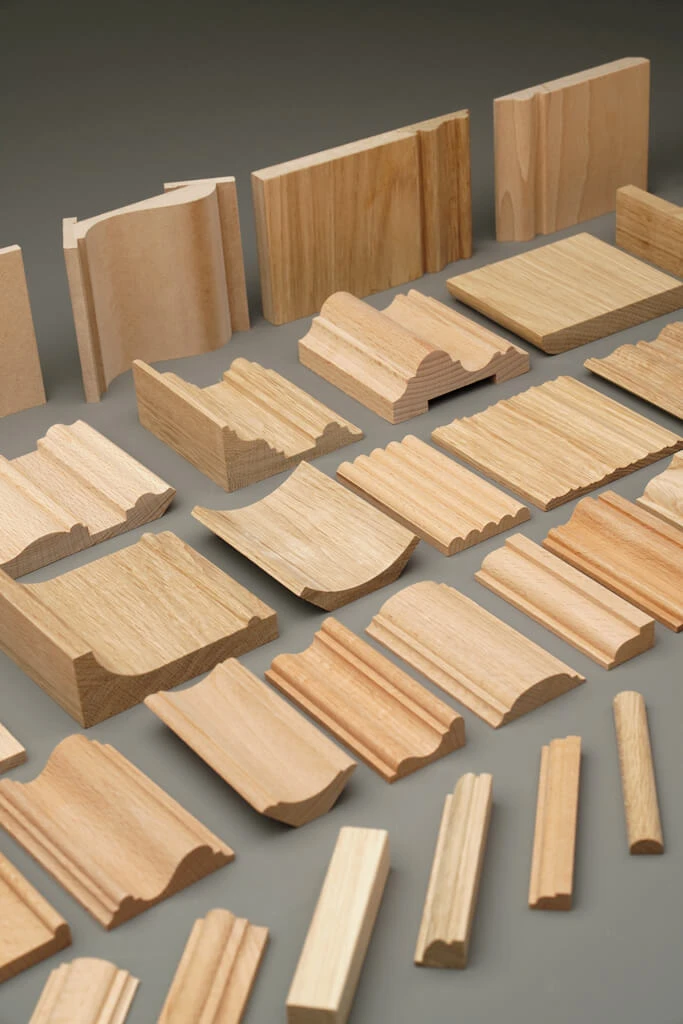
Decorative Function: Line as Language
Molding on a wall is a line. Horizontal or vertical, straight or closed into a frame—any line on a flat surface immediately creates a hierarchy. The lower part of the wall becomes a 'baseboard,' the upper part—a 'field.' A frame denotes a 'center' or 'accent.' Vertical stripes divide a long wall into sections.
Professional designers use this technique not because 'it looks nice,' but because a molding system is the fastest way to give a space architectural conviction. And at the same time—one of the most accessible in terms of price-to-visual-effect ratio.
Our factory also produces:


Hiding Joints and Imperfections
Wall molding often serves a purely practical function: it covers the joint line between wallpaper and paint, the connection point of wall panels with drywall, the transition between two different finishing materials. A horizontal belt exactly along the line of material change—and the problematic joint turns into a design element.
Moreover,Moldings for wallsThey level out the visual perception of minor plaster imperfections: a relief line on the surface creates its own light-and-shadow pattern, which 'overrides' random defects.
Get Consultation
Creating Architectural Rhythm
Rhythm in interior design is repetition. Molding frames, running with equal spacing along the wall, create a rhythmic pattern that sets the pulse for the entire space. It is precisely because of this that an interior is perceived as 'elaborated': it contains not just things, but a system.
Accent and Frame Compositions
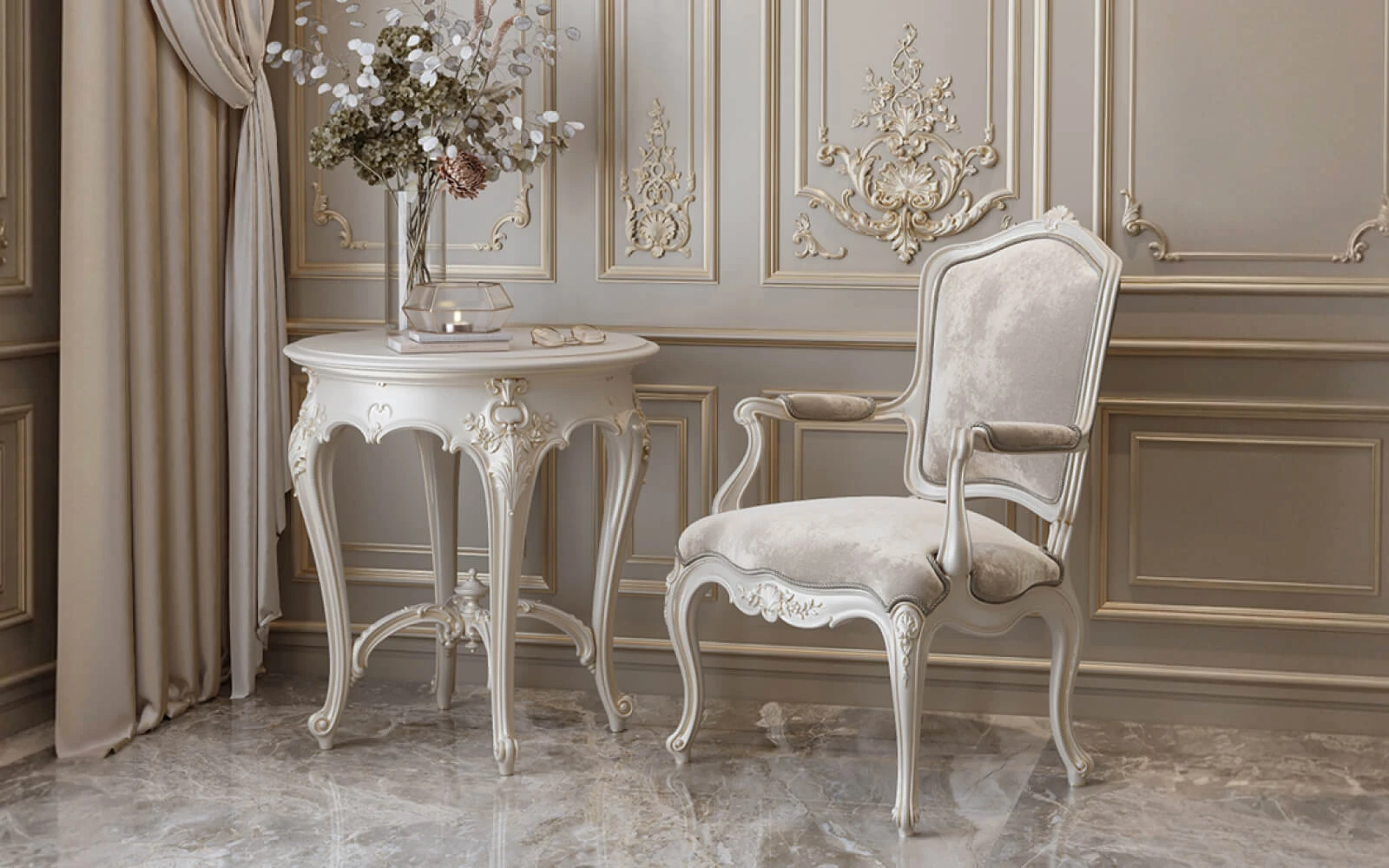
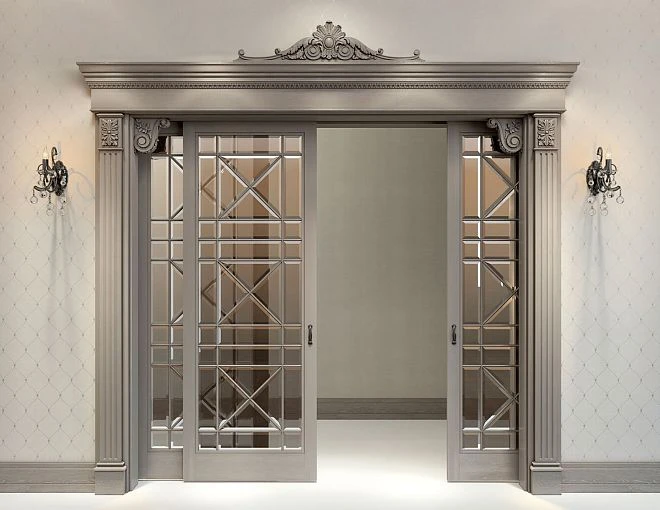
A separate application category is frames for decor. A large mirror, TV, art object, gallery wall with photos — all of these look significantly more convincing when 'framed' with a molding frame. The profile acts as an architectural frame that integrates the object into the wall's context. This is the case whendecorative wall moldingsthey work as an independent design technique.
Which wall moldings to buy for your task
One answer for all situations is impossible here. Different tasks require different solutions — in terms of profile width, relief, and element length. Let's examine the key scenarios.
Moldings for Wall Panels
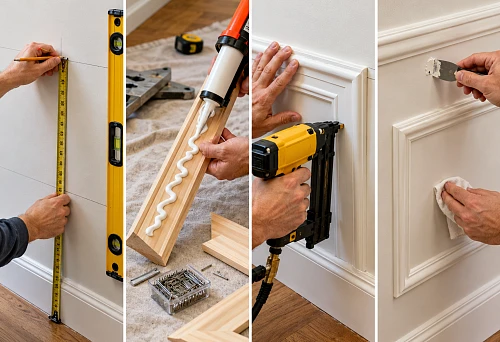
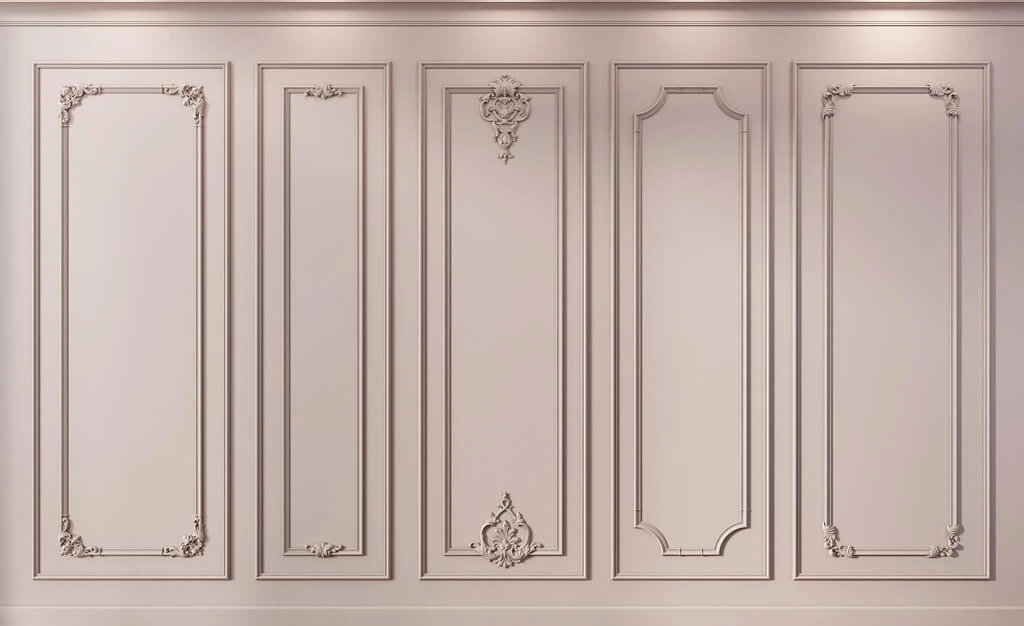
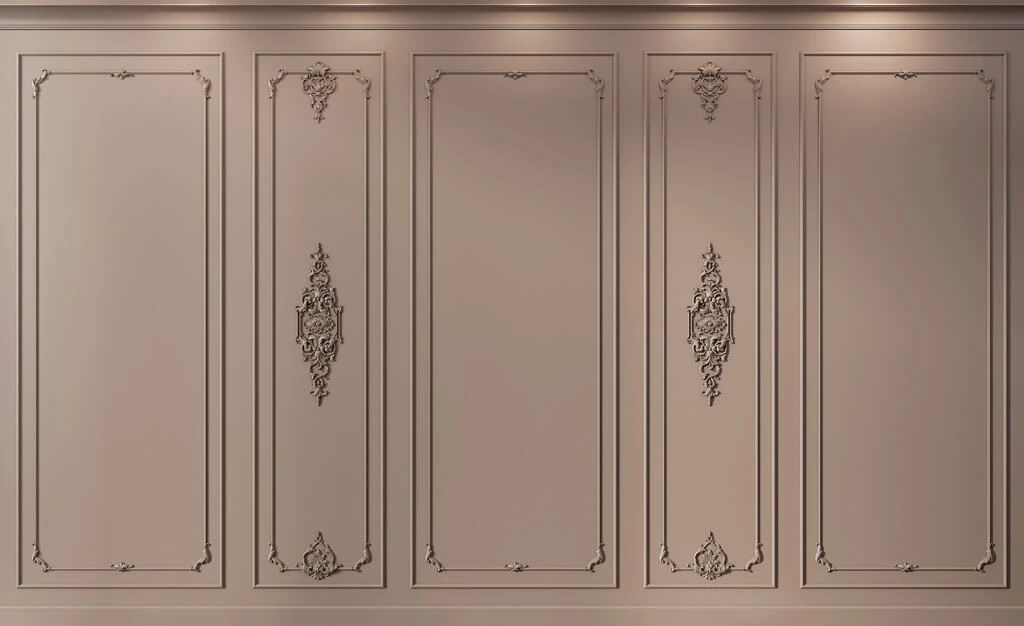
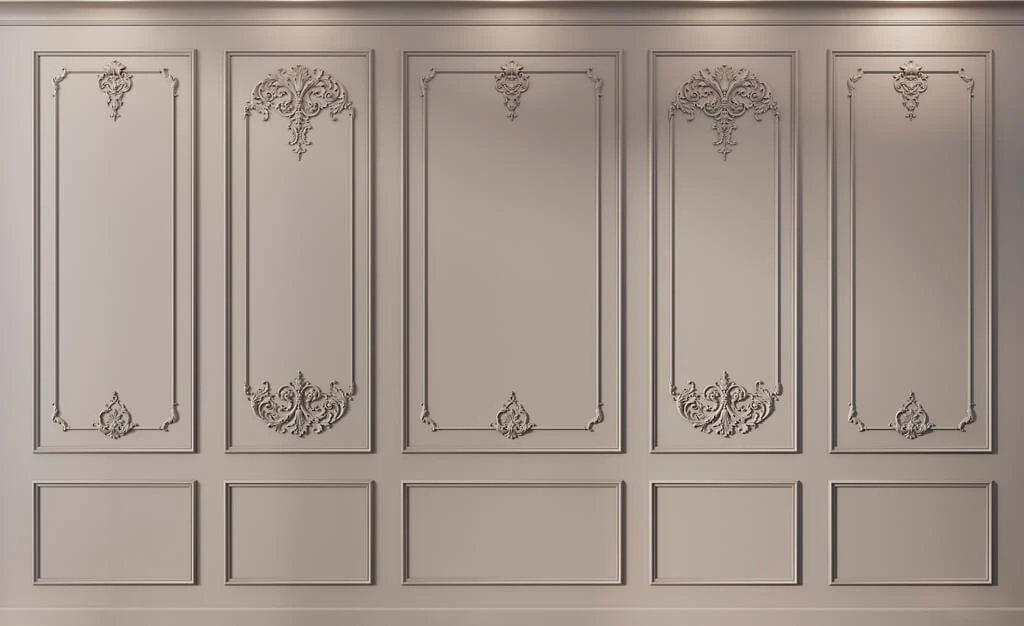
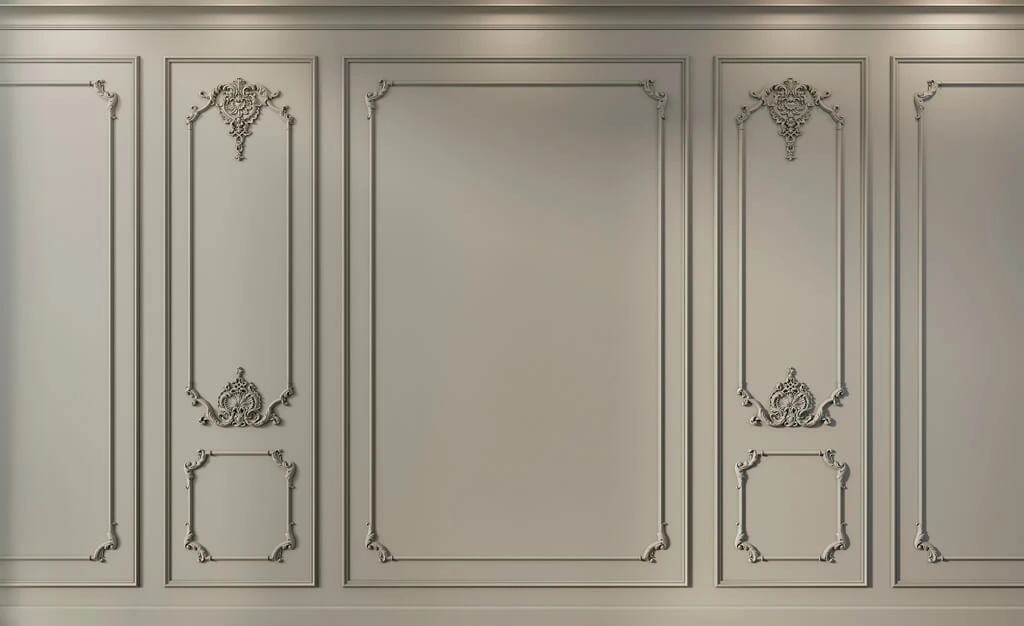
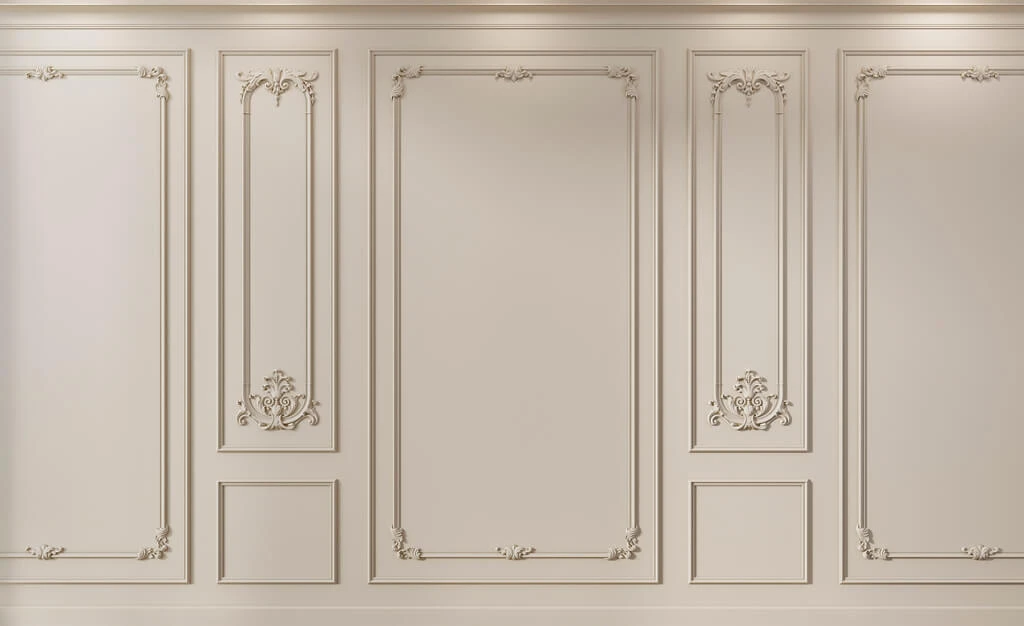
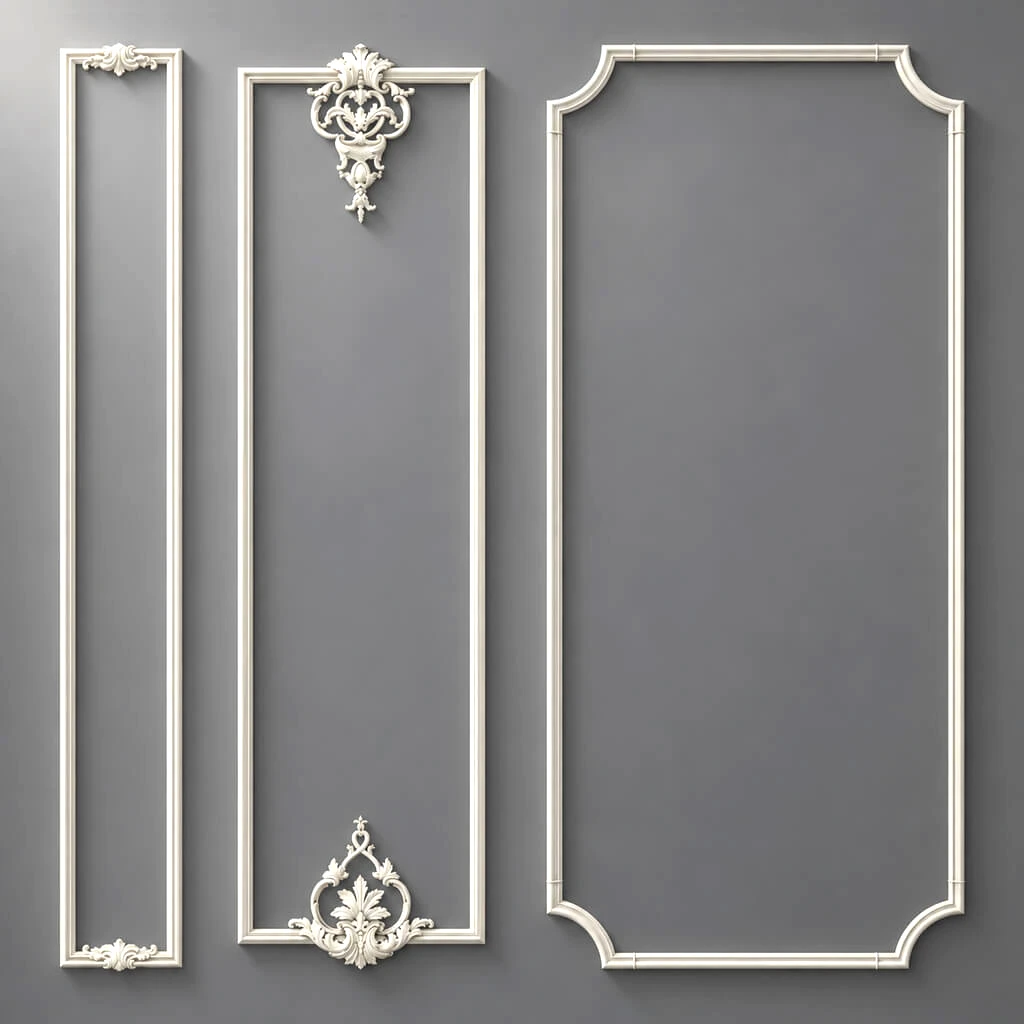
A wall panel system is a set of rectangular frames arranged on a wall in one or several rows. Each frame consists of four molding strips, cut at 45° at the corners.
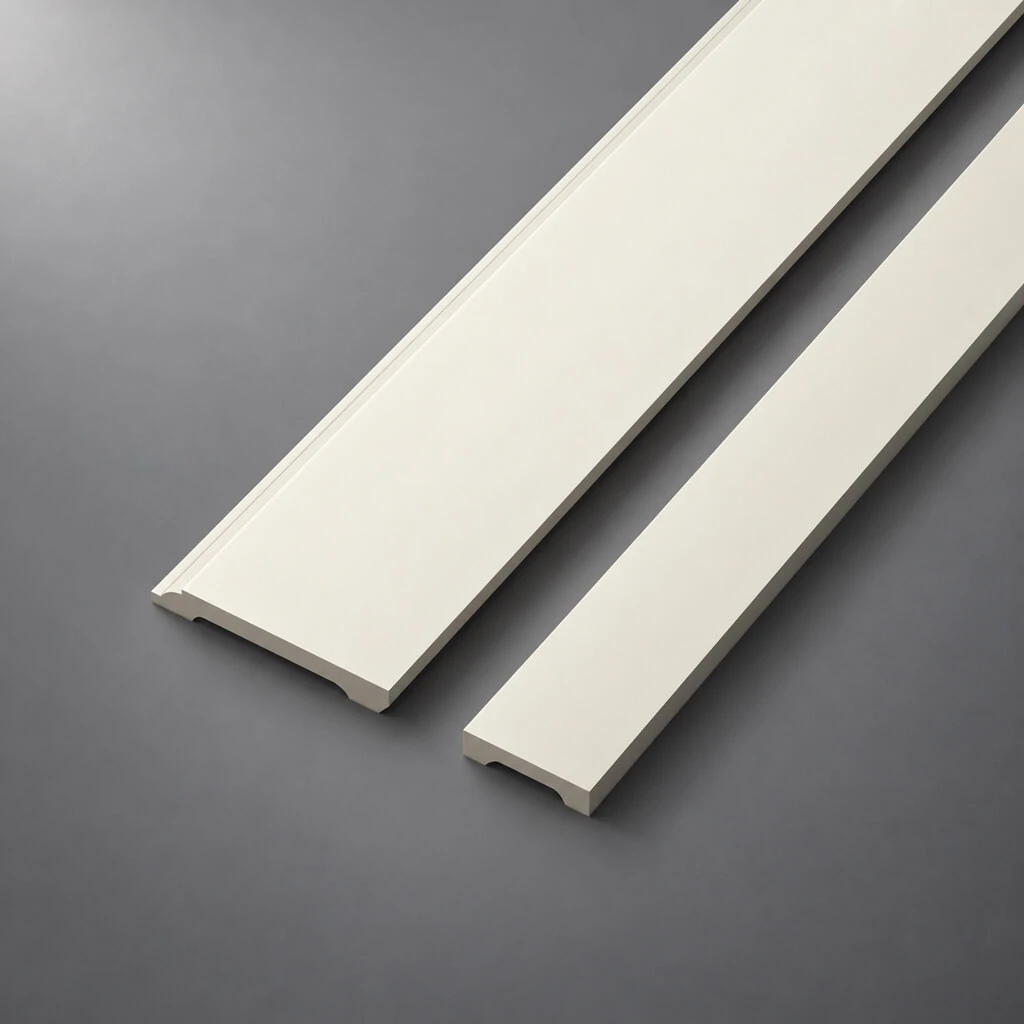
For panels, a medium profile is optimal: 25–50 mm wide, with moderate relief or smooth. A too thin profile (up to 15 mm) gets lost on the wall — the frames appear as random scratches. A too wide one (from 80 mm) is overwhelming: the frame itself starts competing with what's inside it.
Panel proportions: height to width — in the range of 1.4:1 to 1.7:1. This is an 'active' rectangular shape that is perceived naturally. Square frames look heavier; very elongated ones look nervous.
Number of frames per wall: for a wall 3.5–4 m long — 3 frames with equal intervals (20–30 cm between frames and from the wall edges). For a wall 5–6 m long — 4–5 frames. Important: the distance between frames and from the outermost frame to the wall corner must match.
Moldings for Mirror and Decor Frames
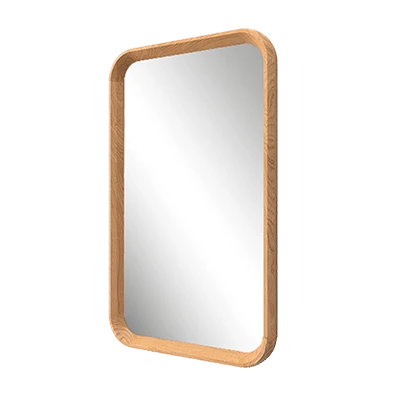
Framing a mirror with molding is one of the most 'expensive' in impression and most accessible in execution techniques. An 80×120 cm mirror in a frame made of 50–60 mm oak profile with tinting is a ready-made designer object.
For such frames, choose a profile with more pronounced relief, 40–80 mm. The material is best selected in accordance with the rest of the wood in the interior: if there is wooden furniture, an oak floor — an oak frame with the same tint. Unity of material works more reliably than any other coordination techniques.
Moldings for an accent wall
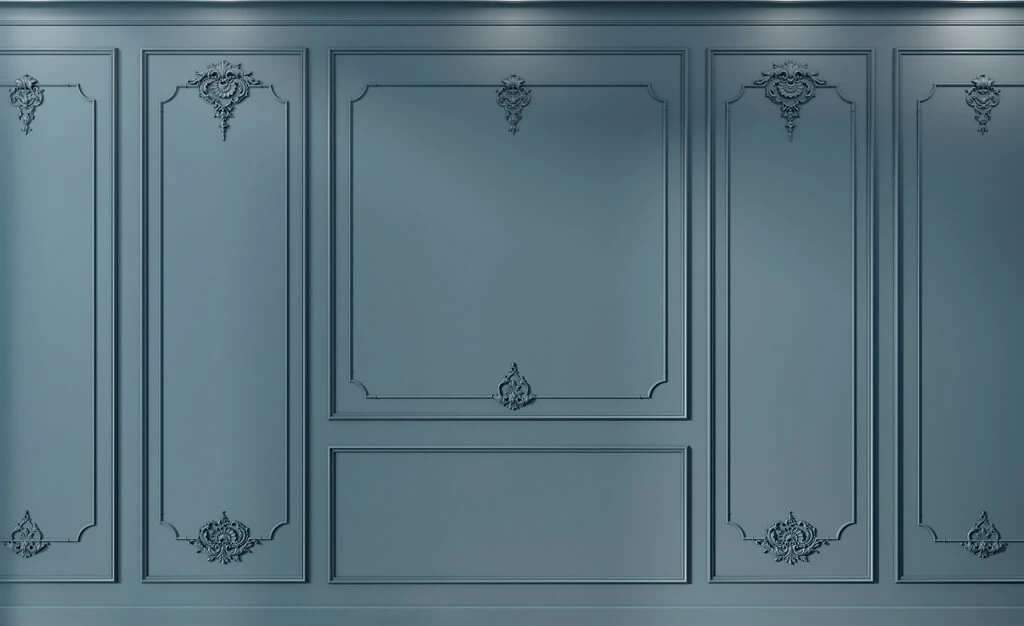
An accent wall is the wall that carries the main decorative load in a room. Usually, it is the wall behind the sofa, the wall behind the bed, or the wall with the TV. On it, the molding system works at full capacity: several frames + a horizontal belt + contrasting painting inside the frames.
For an accent wall, choose a slightly richer profile than on the other walls: 40–65 mm, with relief, possibly with decorative corner overlays.wall moldingsIn this scenario, they work as the skeleton of the design solution — paint or wallpaper inside the frames creates volume and depth.
Moldings for wall zoning
A horizontal molding belt on the wall is the simplest and most reliable way to zone a wall by height. Installation height: 90–100 cm from the floor. Below — the 'base,' which is often painted in a darker shade or covered with wooden panels. Above — the 'upper field' with its own decor or a clean color.
This same technique also works for functional zoning of space: a molding belt demarcates the dining and living areas in an open-plan kitchen-living room, highlights the work area in a study, creates a 'children's' level in a child's room.
Moldings for the lower part of the wall
The lower part of the wall from the baseboard to the horizontal belt is the 'base' zone. In classic interiors, it is covered with wooden panels or decorated with molding frames on a larger scale. In modern ones — painted in a contrasting shade and covered with a frame molding.
The profile for the lower zone can be slightly larger than for the upper panels: 40–60 mm. This creates visual weight at the base of the wall — the correct feeling of 'groundedness' for the space.
Moldings for narrow corridors and high-ceilinged rooms
In narrow corridors, molding is a tool for optical correction. Horizontal belts at the same level on both walls 'widen' the corridor by creating a single horizontal line. Vertical moldings, on the contrary, increase the sense of height in low-ceilinged rooms.
In rooms with high ceilings (from 3 m), a horizontal belt at a height of 90 cm 'grounds' the space, making it human-scale. Without it, a high-ceilinged room can seem empty and uncomfortable, despite its area.
Wooden moldings, MDF, or paintable: what to choose
This question is the main one at the purchase stage. Because the wrong choice of material is either money wasted or a result that does not meet expectations.
Wood: oak
Oak is the most in-demand material for decorative moldings in classical and neoclassical interiors. Density 700–750 kg/m³, hardness on the Brinell scale — about 3.7 kN/mm², durability 50+ years with proper maintenance.
A pronounced texture with large pores is the hallmark of oak. Under tinting, the texture is enhanced: dark pores accept more pigment, light fibers remain cleaner. The effect of 'living' wood is precisely what is fundamentally irreproducible in MDF.
Finishes for oak: clear varnish (preserves color), tinting (changes shade while preserving the grain), oil-wax (matte natural finish with tactility), patina (aged effect for classic styles).
Wooden wall moldingsMoldings made of oak are the best choice for representative spaces, classic living rooms, studies, libraries, formal hallways.
Tree: beech
Beech is fine-pored, without a pronounced grain pattern, and uniform. These very properties make it ideal for painting: enamel applies evenly, without spotting, resulting in a smooth and 'sealed' surface.
Beech is 15–30% cheaper than oak with an equal profile. If the final finish is white or colored enamel, there is no point in overpaying for oak: under an opaque coating, the difference is indistinguishable. Beech under white matte enamel is a neutral, versatile, and very high-quality result.
High-density MDF
MDF (Medium Density Fiberboard) is pressed wood fibers with a density of 800–900 kg/m³. The fundamental advantage of MDF over solid wood is isotropy: identical properties in all directions. This allows for milling complex reliefs without the risk of chipping or splitting along the grain.
ForMDF wall moldingsThe main argument is the price-to-profile-complexity ratio. A shaped profile with three levels of relief made from MDF costs 3–5 times less than a similar one made from oak. For a 'painting' task, the quality of the result is comparable.
Important nuance: MDF is more sensitive to humidity than solid wood. In high-humidity areas (bathroom) — only special moisture-resistant MDF (HMDF) or well-isolated solid wood.
Primed profiles: ready for painting
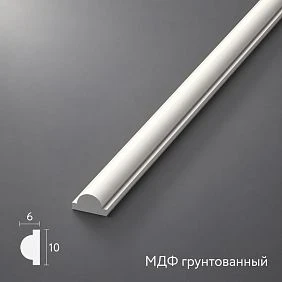
A primed molding made from MDF or beech is a profile with factory-applied primer, ready for final painting. The surface is already prepared: sanded and coated with primer. Apply 2 coats of finish enamel — and it's done.
This is the optimal choice for those who paint themselves: no need to handle surface preparation, sanding, or priming. Just paint.
Under Enamel
Moldings for enamel are made of beech or MDF. White enamel on a white wall creates monochrome decor with a barely perceptible relief shadow. This is the quintessence of modern interior: no color, no contrast—only form. The effect is sophisticated and yet very 'calm'.
Colored enamel (complex gray, deep blue, muted green) on an accent wall molding is a contrasting technique. The profile is painted to match the inner field of the frame or the main wall color—depending on the design task.
For natural finishes
Oil, wax, tinting—only on natural wood. MDF lacks pores to absorb oils and does not create a textural effect under tinting. If you want living wood on the wall—only solid wood.
View the full assortment in the section Oak, beech, and MDF moldings—here both material lines are gathered in one place for easy comparison.
How to choose moldings according to interior style
Style in interior design is not about 'beautiful' or 'ugly'. It is a system of rules where each element plays a specific role. A molding that does not fit the style ruins even the most well-thought-out interior.
Classic: architectural vocabulary
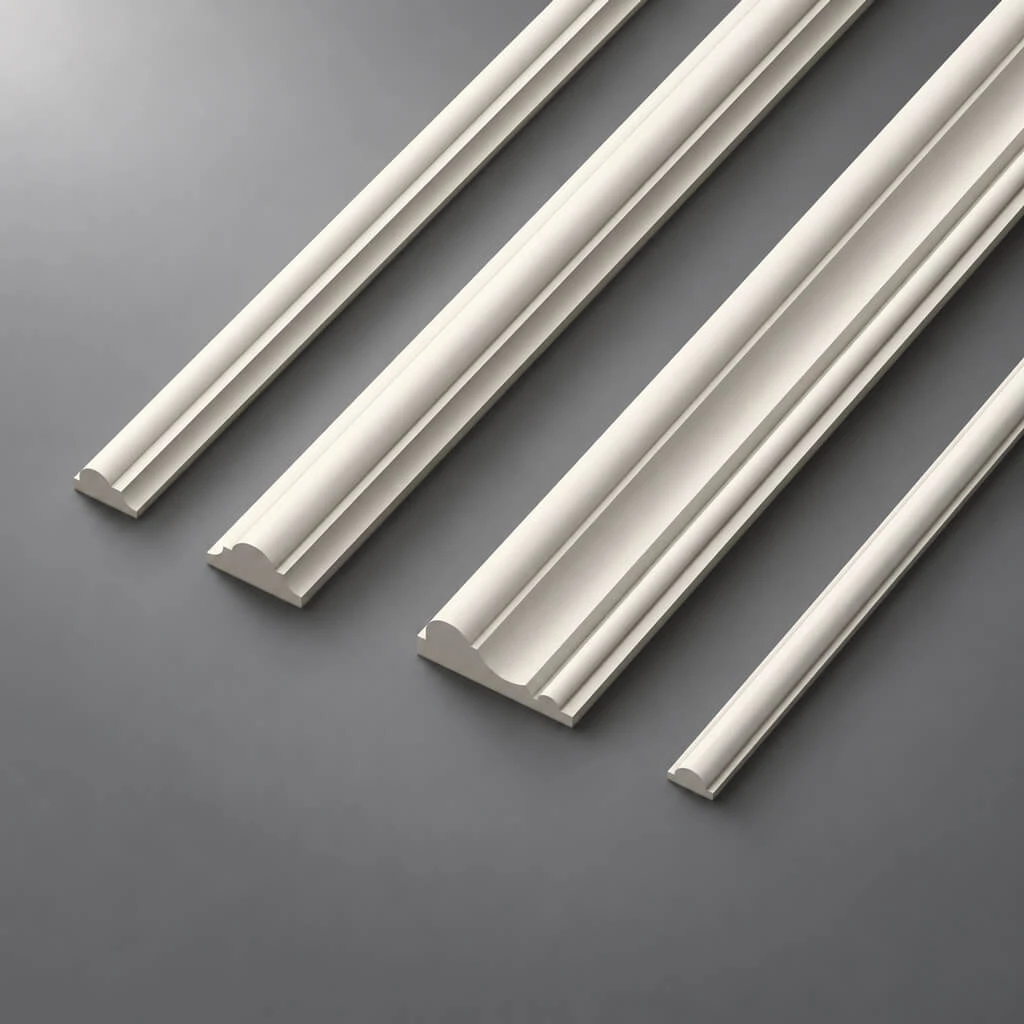
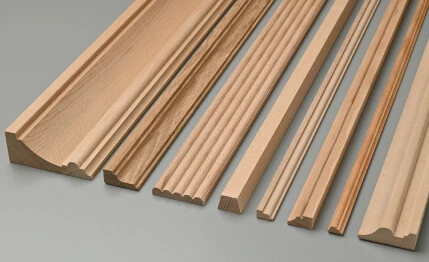
Classical wall moldings are historical profiles with recognizable names. Cymatium (gusyok)—a transition from concave to convex curve. Cavetto—a mirror reflection of cymatium. Ovolo—a concave quarter-circle. Torus—a semicircular projection. Astragal—a small torus with a bead.
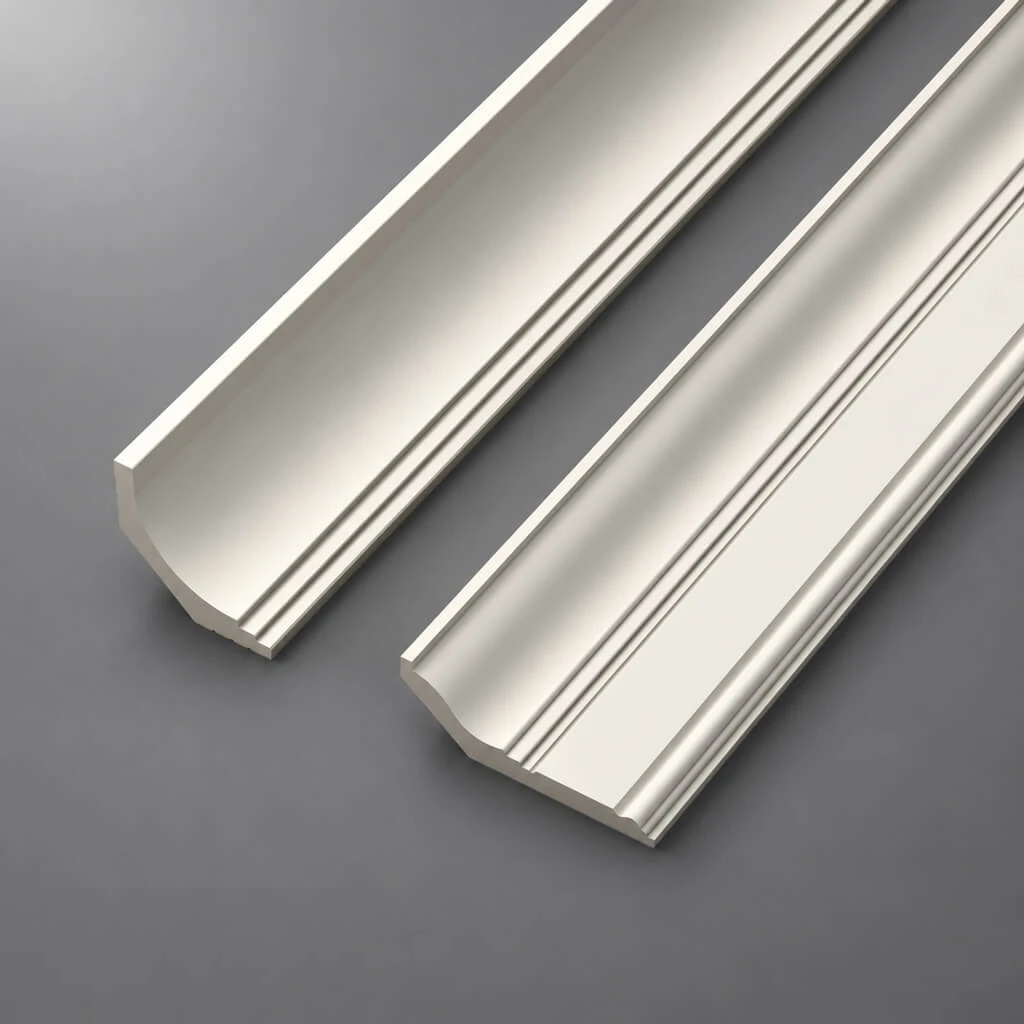
In the right combination, these elements form a profile with historical resonance—the very one found in classical palace interiors. For walls: a horizontal belt with a 'cymatium + shelf' profile, frame panels with an 'ovolo + torus' profile, a ceiling cornice with a rich multi-part profile.
Material for classic style — oak is a must. Stained to resemble dark walnut, mahogany, or patina. No MDF in close-up areas: the natural oak grain is part of the artistic statement of a classic interior.
Neoclassicism: history without excess
Neoclassicism adopts historical proportions but removes ornamental overload. Profile — 35–60 mm, with one or two clear geometric transitions, no floral motifs. The cross-section — legible and laconic.
Oak with a grey wash stain on a light grey wall — this is neoclassicism in a modern version. Beech under white matte enamel on a white wall with an accent marble shelf — also neoclassicism, just in a more neutral register.
Corner appliqués for neoclassicism are geometric: square or rhombus-shaped blocks without carving.
Contemporary interior: geometry as a stance
Contemporary molding is a tool for structuring, not decoration. Profile 15–35 mm, smooth or with a single bevel, perfect geometry. No curvilinear transitions, no historical cross-sections.
Color — matching the wall (monochrome) or contrasting (accent). A monochrome system produces the most sophisticated effect: the frames are barely visible but create depth and rhythm. A contrasting one is bright and categorical.
Laconic smooth profiles: a neutral solution
A smooth rectangular profile of 25–40 mm is absolutely neutral. It works in classic, contemporary, Scandinavian, and transitional styles. It carries no stylistic load — it simply structures. This is a 'silent' molding that never makes a mistake.
For those who don't want to risk stylistic mismatch — a smooth MDF or beech profile for painting. The most versatile choice.
Carved profiles: when detail carries meaning
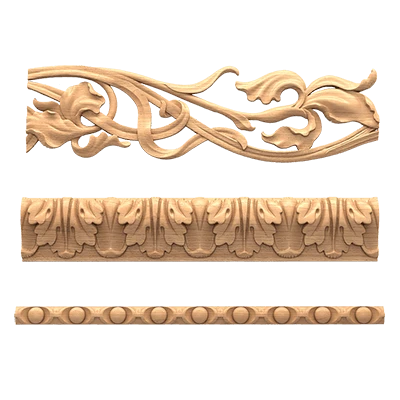
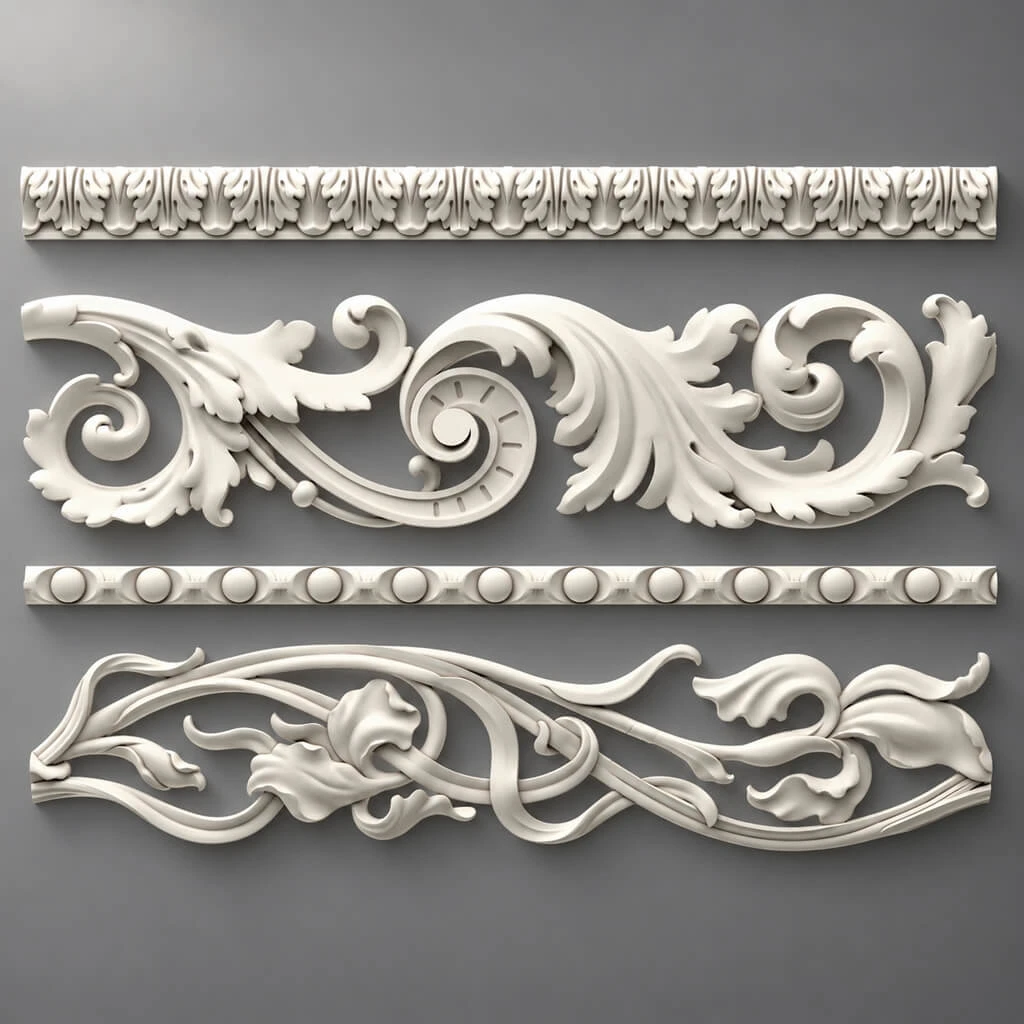
Carved molding — meander, acanthus leaf, pearl — is the language of high classicism. It is appropriate with ceilings of 3+ meters, with furniture in a corresponding style, with natural finishes. In a standard apartment with a 2.7-meter ceiling, a carved profile will look like an excess, not enhancing but overwhelming the space.
If you want decoration but without historical overload — use carvedmolding decorative elements only in corner overlays, keeping the frame profile itself smooth. This is the right balance: detail where the eye stops, neutrality where the line simply leads.
Moldings for different rooms: specific recommendations
Moldings for the living room
The living room is the main decorative statement of the house. It is here that the molding system should be most elaborate.
The wall behind the sofa is an accent wall. A horizontal belt at a height of 90–100 cm, three or four panel frames from the belt to the ceiling (or from the baseboard to the ceiling without a belt), corner overlays on the frames. Contrasting painting inside the frames is one of the most effective techniques in modern residential design.
TV area — a frame composition sized to the screen + a large frame around it. The television ceases to be a 'black rectangle on the wall' and becomes part of the decorative program.
Profile for the living room: 35–65 mm depending on the scale of the room. Material — oak for classic and neoclassical, MDF for painting — for contemporary.
Moldings for the bedroom
In the bedroom, moldings work more intimately — they create coziness, not formality. The strongest technique: a panel frame-'architrave' behind the bed headboard. A frame from the headboard to the ceiling (or to a horizontal belt), slightly wider than the bed — it creates a 'niche' for the bed, a visual 'nest'.
Inside the frame — accent paint, wallpaper, fabric. Or simply nothing but another shade of the main color. In any case, it works.
For the bedroom — a more modest profile than in the living room: 25–45 mm, with soft relief or smooth. No overload with detail — the bedroom should calm, not excite.
Moldings for the kitchen and dining room
In the kitchen, molding is used in areas not in direct contact with moisture: around the perimeter of cabinet fronts, at the transition between the backsplash and upper cabinets, in the ceiling area.
Material — moisture-resistant MDF or well-varnished solid wood. Profile — small, 15–30 mm, functional. Color — matching the cabinetry or contrasting for accent. Do not overload the kitchen with decorative moldings: surface cleanliness is valued here.
In the dining room — molding frames on the 'dining wall' (the wall seen by those sitting at the table) will add solemnity to the interior. Profile 30–50 mm, with light relief.
Moldings for the bathroom
Bathroom — a high-humidity area, and here molding is only moisture-resistant MDF or varnished solid wood, and only outside areas of direct contact with water: on the upper part of the wall, in the mirror framing area, on the ceiling.
Framing a bathroom mirror with wooden molding is one of the most 'luxurious' impression techniques. Profile 35–60 mm, white enamel or dark tint matching the overall interior tone. The mirror ceases to be just a mirror and becomes a decorative accent.
Moldings for the hallway and entryway
Entryway — the first thing a guest sees. Here the molding system works in the 'lower' zone: frames from the baseboard to the horizontal belt at a height of 90–100 cm. This is 'panel' decor for the lower part of the walls, making the entryway architecturally expressive.
For the entryway — profile 25–40 mm, laconic. The lower zone between the baseboard and belt — in a darker tone for 'groundedness.' The upper — in a light tone for 'airiness.'
In a long, narrow corridor — a horizontal belt at the same height on both walls creates a 'tunnel' perspective that visually expands the space. The belt height aligns with the top edge of doorways — this creates a sense of a unified horizontal axis.
Moldings for panels, frames, and accent walls: how to assemble them
This is the most specific section — about exactly how to build decorative compositions from moldings on the wall.
Large panels: scale and proportion
A large panel is a frame that occupies from one-third to half of the wall. Such a frame behind a sofa is an independent decorative object. Inside — wallpaper, colored paint, a mirror, fabric upholstery. The frame 'collects' the content, giving it the status of an object.
Proportions: frame width — from the width of the sofa to 130% of the sofa's width. Height — from seating level (45–50 cm from the floor) to the ceiling or to a horizontal cornice. This creates an 'architrave' above the sofa — one of the classic architectural techniques.
Geometric compositions: rhythm and symmetry
Geometric frame system — several rectangular or square frames arranged in a row or grid. Principle: all frames are the same size, equal spacing between them, symmetry relative to the wall axis.
For long walls — a horizontal row of frames at one level (from the baseboard to a horizontal belt or higher). For walls of medium proportions — a two-row system: a lower row of smaller frames, an upper row of larger ones.
TV zone: molding as a frame for the screen
A TV wall with moldings is a more thoughtful answer to the question 'how to hang a TV beautifully'. System: a large frame behind the TV + two or three smaller frames on the sides and below. The TV becomes part of the decorative system, not a 'foreign object' on the wall.
Important: inside the TV frame and adjacent frames — the same coloring, contrasting relative to the rest of the wall. This creates unity in the 'screen zone'.
Framing of mirrors, paintings, shelves
Mirror framing — profile 45–70 mm, with relief. Installation: first the molding, then the mirror is glued inside the frame with mounting adhesive. Or: first the mirror, molding around — "over" the mirror field.
Painting framing — profile 25–50 mm, proportional to the canvas size. Principle: molding is mounted on the wall 3–5 cm larger than the painting size around the perimeter. The painting is hung inside the frame.
Shelf framing — molding under the shelf as a "windowsill" plus moldings on the sides. The shelf becomes a built-in object, not just a board on brackets.
When molding decor is needed
Decor for moldings — this is not a mandatory element, but where it is appropriate, it radically changes the impression.
Corner elements: elegance at the intersection point
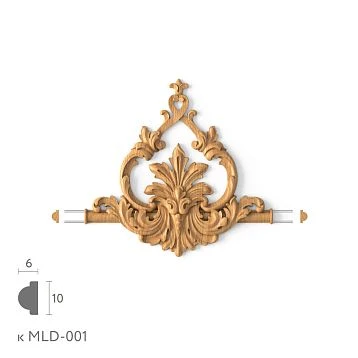
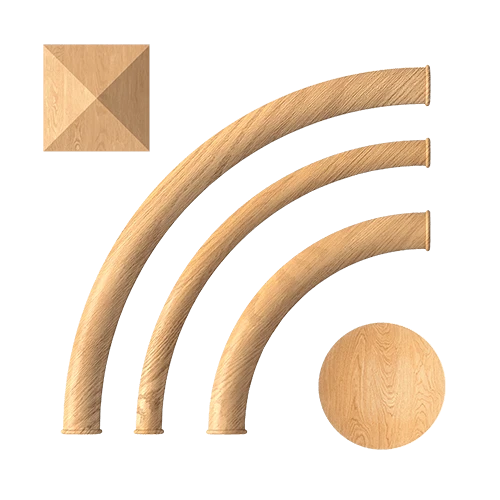
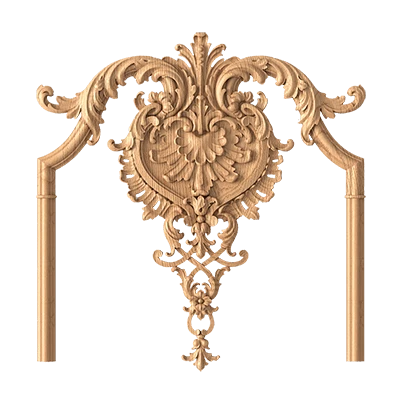
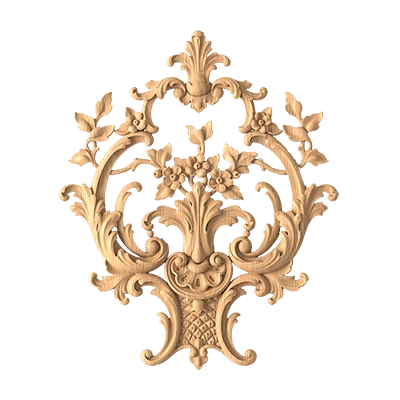
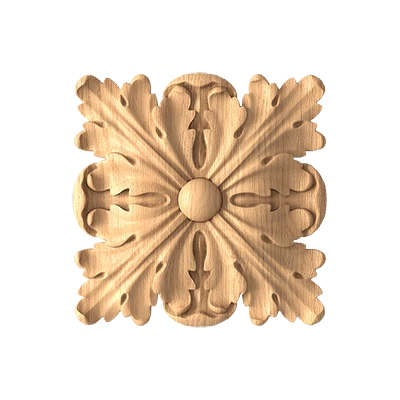
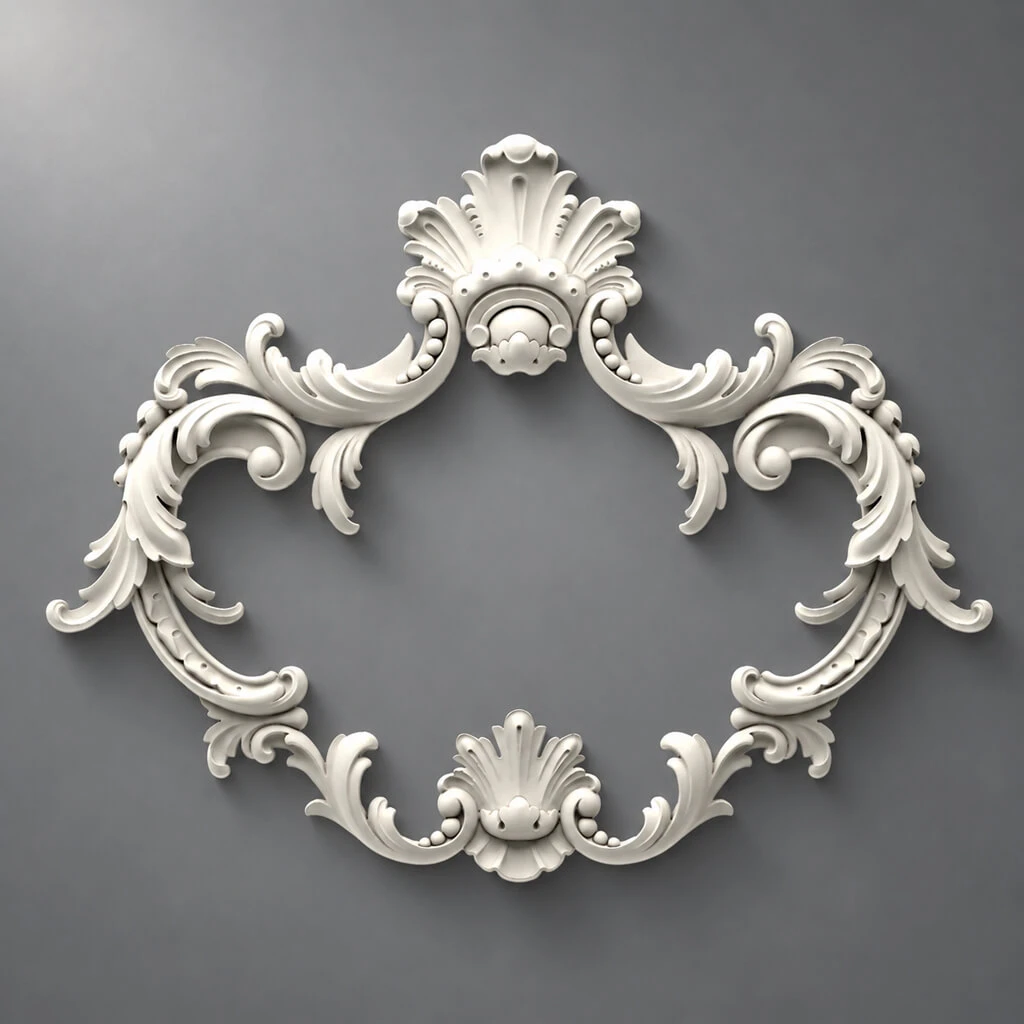
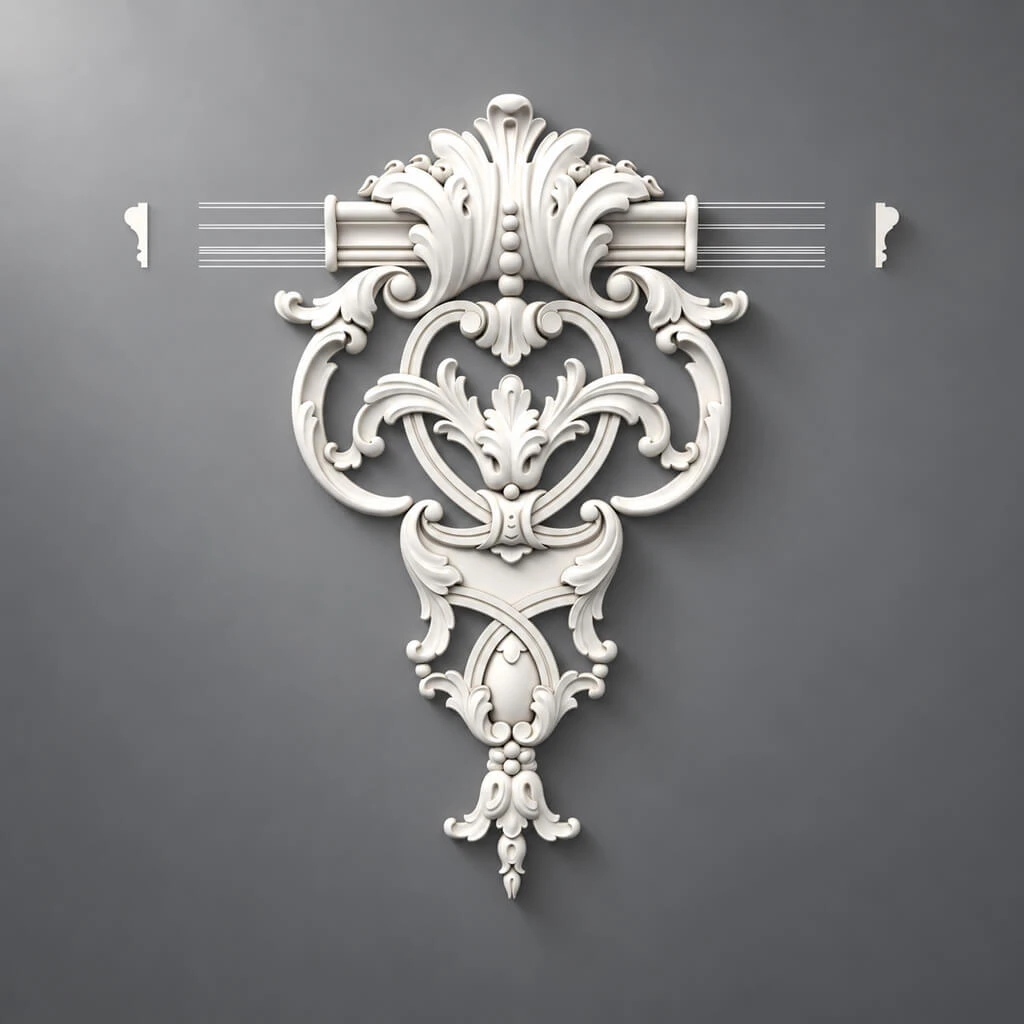
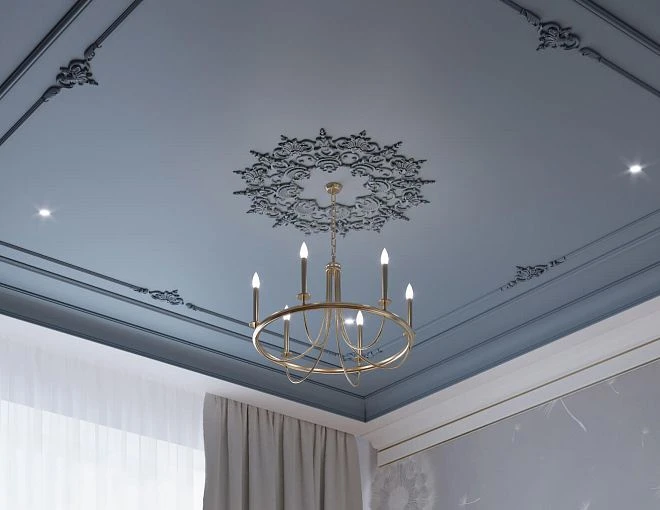
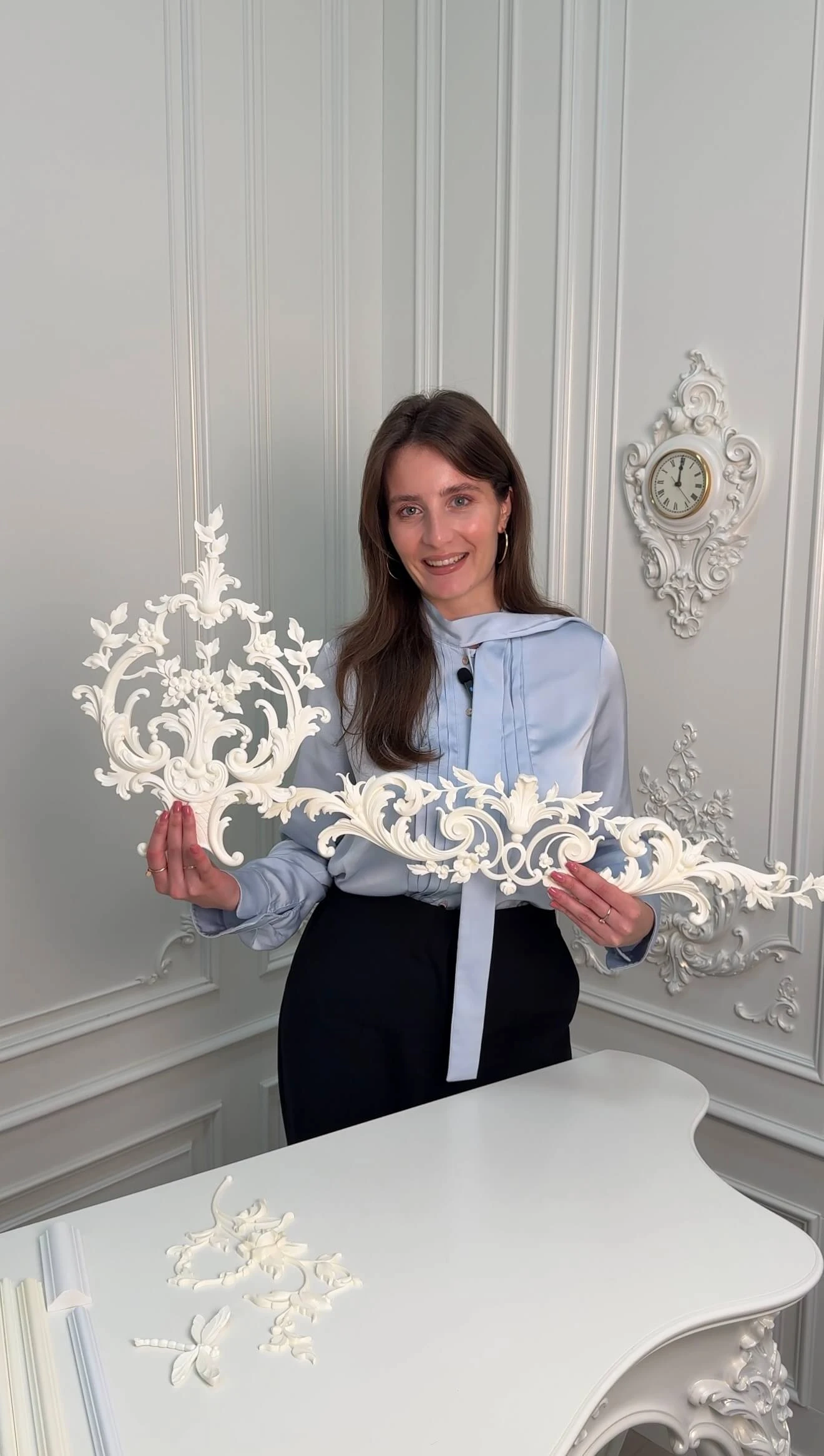
Corner element — a decorative overlay mounted at the intersection point of two moldings. It is a square or rectangular part with an ornament: rosette, medallion, cartouche, geometric block.
Function: covers the corner without precise cutting at 45° (moldings are simply brought to the edge of the corner overlay). Additional function: accent. The gaze, moving along the molding line, stops at the corner overlay — where two lines intersect.
Molding corner piecesin the STAVROS catalog — from geometric blocks for modern interiors to carved classic medallions.
Central overlays: accent in the middle
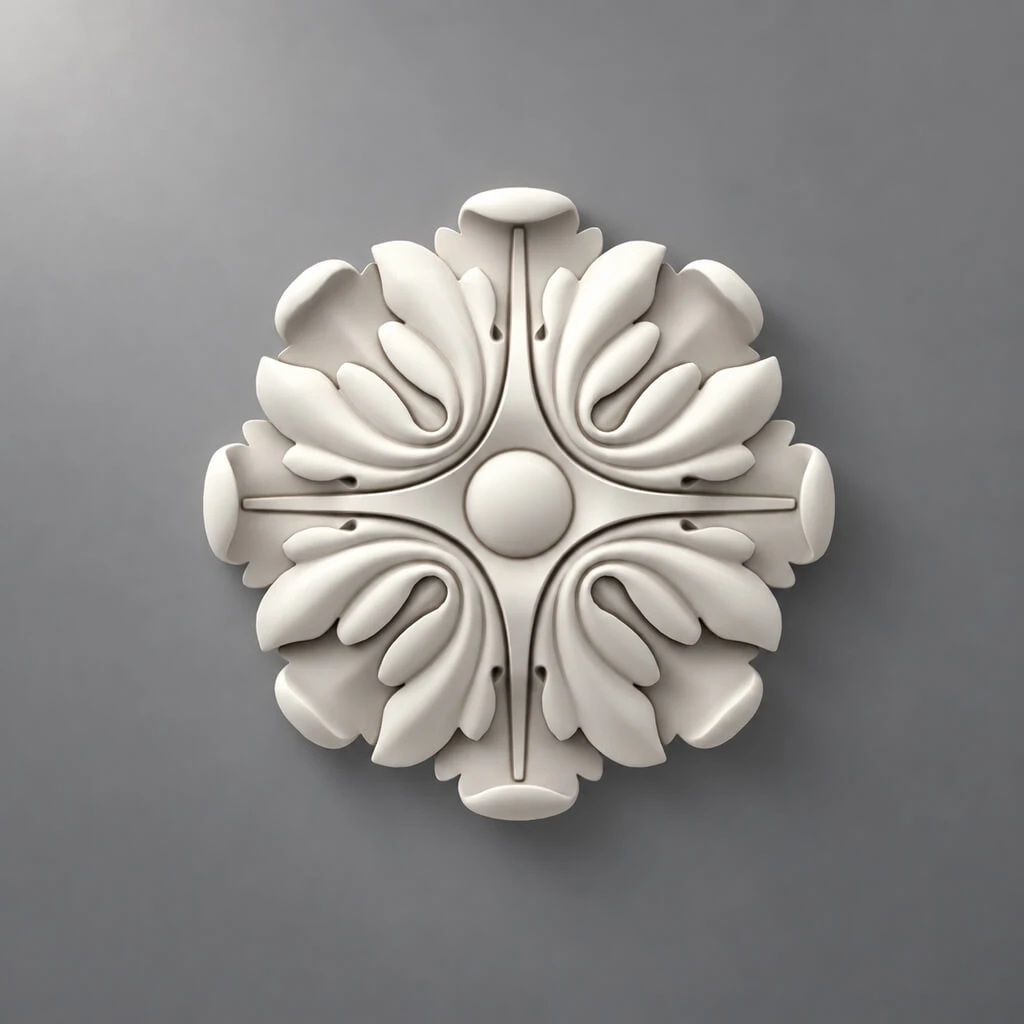
The center rosette is mounted on the middle of a horizontal or vertical molding segment — where there is no corner but a 'point' is needed. This can be a diamond, oval, fleuron, or medallion. It transforms a plain line into a rhythmic pattern with accents.
For classic horizontal bands — a center rosette in the middle of the wall plus corner rosettes at the corners of the frames. This is the complete classic decorative 'three-point' program — simple and convincing.
Connector decor
The connector element covers the joint of two moldings in a longitudinal connection. Where it's needed: if the profile is longer than the standard plank length (usually 2.4 or 3 m) and extension is required. The connector decor masks the joint, turning it into an intentional ornamental element.
Ready-made classic compositions
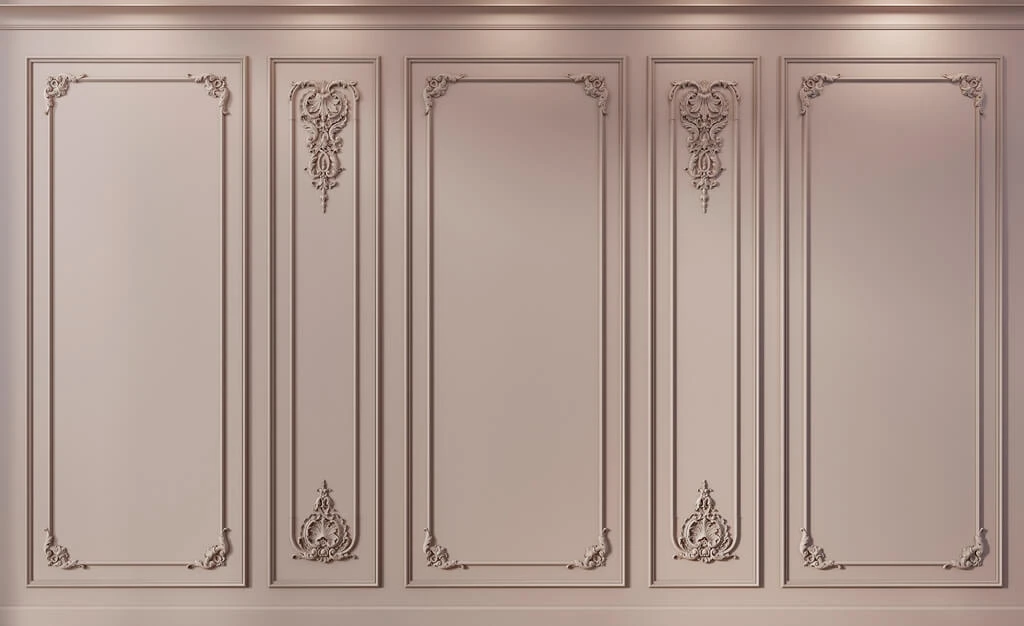
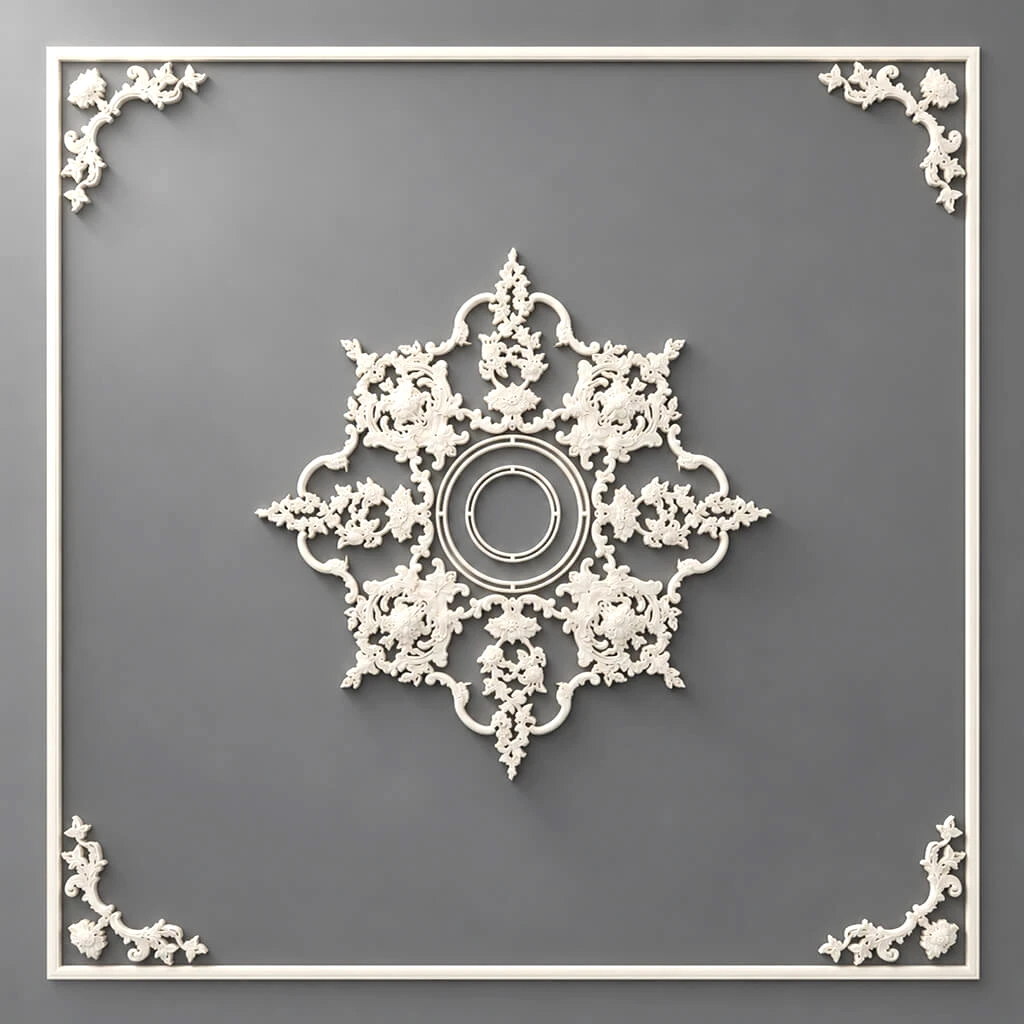
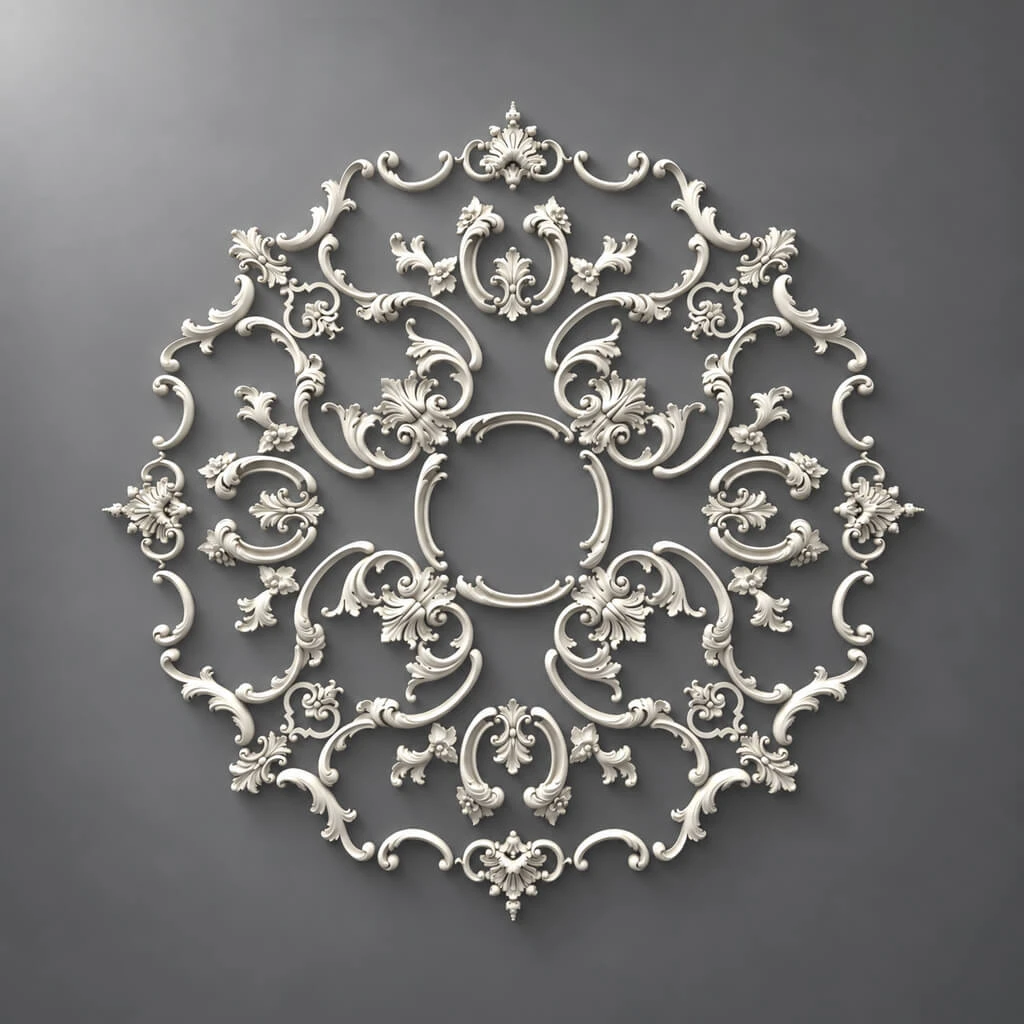
For those who don't want to design the system themselves — a ready-made classic frame composition consisting of molding + four corner rosettes + a center rosette. This is a complete set for one decorative panel.
Detailed assortment of carved rosettes, corner elements, center medallions — in the section decoration for moldings.
What determines the price of wall moldings
Let's break it down frankly: what exactly you're paying for when choosing a more expensive or cheaper molding.
Material
MDF — the most affordable. Beech — 30–50% more expensive than MDF. Oak — 15–25% more expensive than beech. This is the basic range: from a budget MDF profile to a premium oak one with the same cross-section, the price difference will be 2–4 times.
Profile width
The wider it is, the more material per linear meter, the more expensive. Linear dependence: a 20 mm profile and an 80 mm profile made from the same material—the price difference is proportional to the difference in wood volume.
Complexity of relief
Smooth profile — one milling operation. Figured with two levels — three to four passes. Carved with ornament — 3D milling plus manual finishing. The price difference between smooth and carved of the same width — from 5 to 15 times.
Presence of decoration
Corner overlay, central medallion, connecting element — each adds to the cost of the set. For a large room with 20+ frames, the number of decorative parts significantly affects the final estimate.
Order volume
Retail from 1 linear meter — maximum price. Batch 20–50 m — wholesale terms. Project order from 100 m — negotiated prices. If you have a large house or work as a designer — it makes sense to request project terms.
Standard or custom profile
Catalog profile — fast and cheaper. Non-standard profile according to an author's drawing — individual calculation, minimum production run, longer lead times.
| Parameter | Price range |
|---|---|
| MDF, smooth, 20–30 mm | from 100–250 rub./m |
| Beech, smooth, 25–40 mm | from 280–550 rub./m |
| Oak, geometric, 35–55 mm | from 600–1,400 RUB/m |
| Oak, figured, 50–80 mm | from 1,400–3,500 RUB/m |
| Oak, carved, 60–100 mm | from 3,500–10,000 RUB/m |
| Corner trim, geometric | from 300–800 RUB/pc. |
| Corner trim, carved | from 800–3,500 RUB/pc. |
Where to buy wall moldings for interiors without mistakes
Five questions — five answers. That's the entire algorithm for a correct purchase.
1. Determine the material
For painting → MDF or beech. For natural finish → oak. Classic → oak is a must. Budget project in monochrome → MDF.
2. Choose the profile width
Room up to 15 m² → 20–35 mm profile. Standard room 15–25 m² → 30–50 mm. Representative space from 30 m² → 50–80 mm. Ceiling cornice: ceiling height (in mm) × 0.025 = approximate cornice width in mm.
3. Calculate the footage
For each frame: (height + width) × 2 + 15% margin. For horizontal belt: room perimeter — width of all door openings + 10%. For ceiling cornice: room perimeter + 10%.
4. Decide on the decor
Modern style → no decor, cut at 45°. Neoclassical → geometric corner overlays. Classic → carved corner overlays + central medallions.
5. Navigate to the desired catalog section
About the company STAVROS
STAVROS — a Russian manufacturer of solid oak, beech, and MDF products. Founded in 2002 in St. Petersburg. Among completed projects are the State Hermitage Museum, Konstantinovsky Palace, Alexander Palace in Tsarskoye Selo. Hundreds of residential and commercial projects.
STAVROS production includes a full cycle: chamber drying of wood to 8–12%, four-sided planing with a tolerance of ±0.1 mm, 3D milling of complex profiles, manual finishing of carved elements. In-house quality control at every stage.
Retail sales from 1 linear meter. Work with designers and architects within project deliveries. Custom profile manufacturing based on author drawings. Contact us to confirm shipping to your destination. and CIS.
FAQ: popular questions about wall moldings
Which moldings are best for walls in interior design?
It depends on the task. For painting — MDF or beech, profile 25–45 mm. For natural finish — oak. For classic style — wide (45–80 mm) oak with relief. For modern style — narrow (15–30 mm) smooth for enamel.
What is better: wood or MDF?
Wood is more durable, better for natural finishes, essential for classic interiors. MDF is cheaper, ideal for painting, more precise in relief. For the task 'painting white' — MDF or beech is more practical than oak.
How to choose moldings for painting?
Choose MDF or beech with factory primer. Apply 2 coats of matte or satin enamel. Molding matching the wall color — monochrome; in a contrasting color — accent. Fill the seam between molding and wall with putty and sand before painting.
Which moldings are suitable for wall panels?
Medium profile 25–50 mm, smooth or with moderate relief. Too thin profile (up to 15 mm) gets lost in the frame, too wide (from 70 mm) is overwhelming.
When is decoration needed for moldings?
In classic and neoclassical interiors, corner overlays are always needed — they complete the frame system. In modern interiors, decoration is removed: cut at 45° and no overlays.
How many moldings are needed per wall?
Formula for a frame system: (frame height + frame width) × 2 × number of frames + 20% reserve. Example: three frames 60×90 cm → (0.6 + 0.9) × 2 × 3 = 9 m + reserve 1.8 m = 10.8 m. Always take a reserve — an extra meter is cheaper than a separate trip for additional quantity.
How are wall moldings installed?
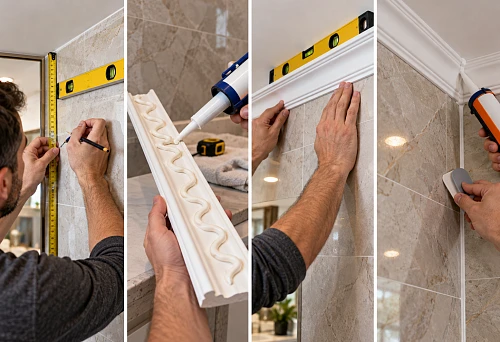
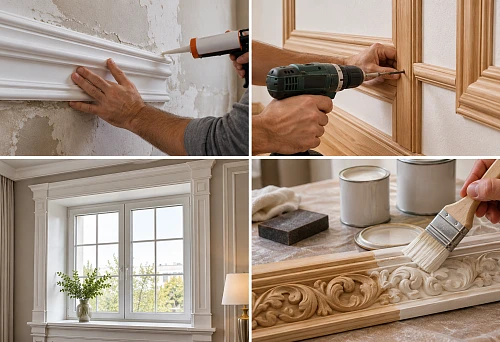
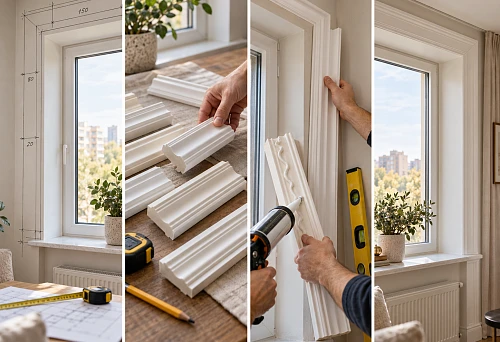
Glue (PVA construction adhesive or acrylic construction adhesive) + finishing nails 1.2×20 mm. Corners are cut at 45° using a miter box or miter saw. Apply putty to joints and corners before final painting. The key is precise marking: using a laser level is recommended.