




























































Article Contents:
- What Are Furniture Moldings and Where Are They Used
- On Cabinet Facades
- On Kitchen Facades
- On Dressers and Nightstands
- On Buffets and Display Cases
- In Classic and Modern Furniture
- Which Furniture Moldings to Buy for Your Task
- For Facades: Frame Effect
- For the kitchen: style + practicality
- For the wardrobe: scale and proportion
- For the chest of drawers: precision and details
- For custom furniture
- Wooden moldings for furniture: when they are better than MDF
- Solid wood for premium furniture
- MDF for painted fronts
- What to choose for the project
- When the natural wood grain matters
- Carved or smooth moldings: how to choose a profile
- For classic style: figured and carved profile
- For neoclassical: geometric profile
- For modern interior: smooth profile
- For minimalist facades
- For accent furniture decor
- Moldings for furniture facades: how to choose size and proportions
- Narrow profiles (10–25 mm)
- Medium profiles (25–55 mm)
- Wide profiles (55–100 mm and above)
- How not to overload a facade
- How to combine molding with milling and overlays
- Moldings and interior lines: a unified visual language
- What determines the price of furniture moldings
- Material
- Profile complexity
- Width and volume of material
- Finish Coating
- Order volume
- Standard or custom order
- How to calculate the quantity of furniture moldings
- For one facade
- For a series of cabinets
- For Kitchen
- Cutting allowance
- When an individual calculation is needed
- Where to buy furniture moldings without mistakes
- What to check before ordering
- What dimensions are needed
- When to use a standard profile
- When to order according to a drawing
- How to choose moldings to match furniture style
- About the Company STAVROS
- FAQ: answers to popular questions about furniture moldings

There are things that don't immediately catch the eye—yet they determine why one piece of furniture seems like 'just a cabinet' while another becomes an interior design element. Lines. Textured transitions. Neat frames on doors. Subtle volume where a flat sheet would have neither character nor mood. Behind all this lies one solution—furniture moldings.
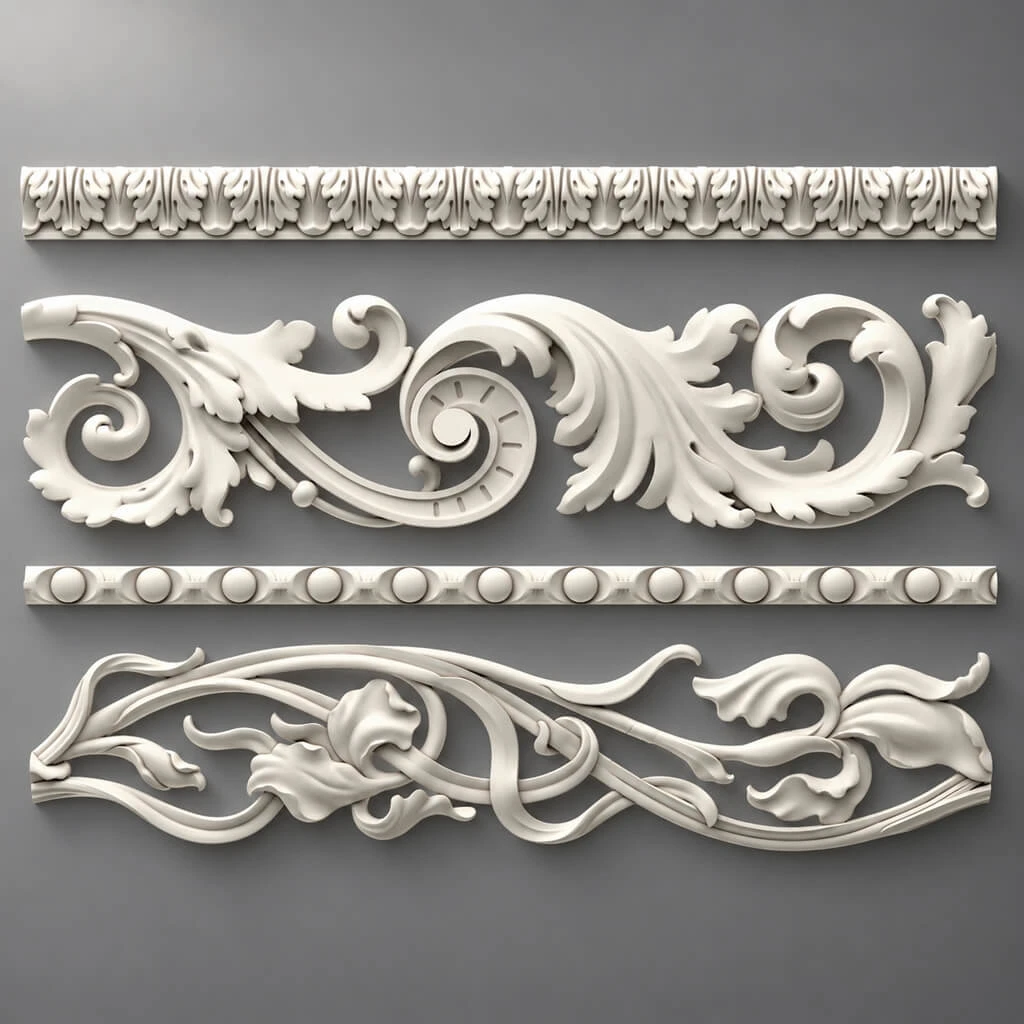
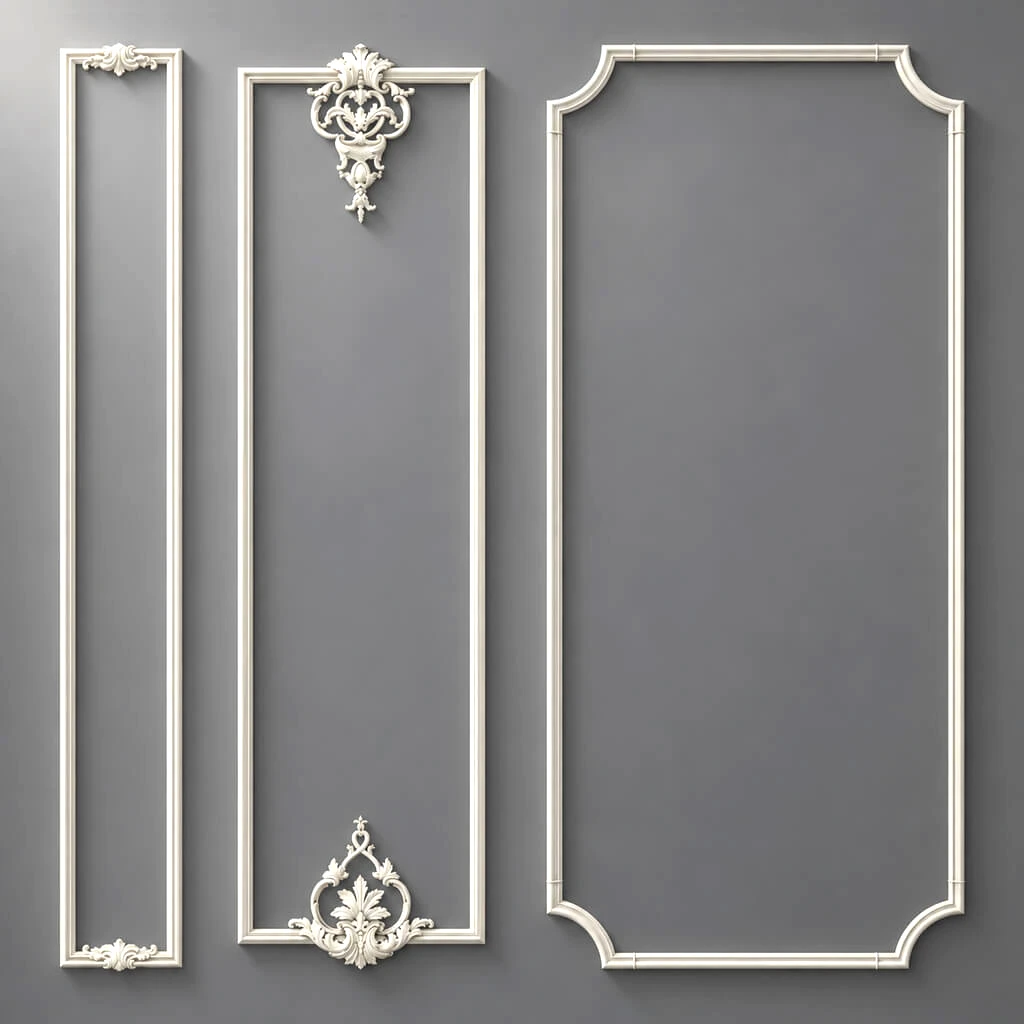
Decorative furniture molding is a profile strip that is glued or nailed onto the surface of a furniture facade, body, or top line. One such element changes the perception of the piece: where there was a boring rectangle, a classic frame structure appears; where there was a faceless cabinet, furniture with character emerges. That's why buying furniture moldings isn't just cosmetic—it's an architectural decision.
In this article, we'll cover everything: what profiles exist, what each is suitable for, how to calculate quantity, what to choose—solid wood or MDF, carved or smooth. And most importantly—how to avoid mistakes in selection so the result is exactly what you envisioned.
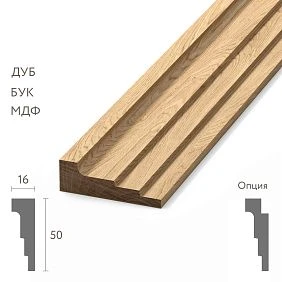
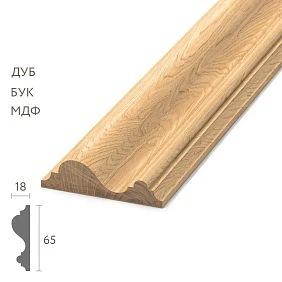
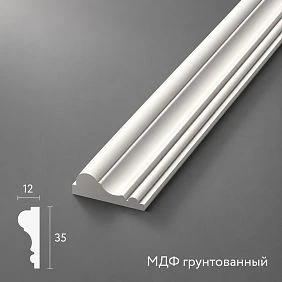
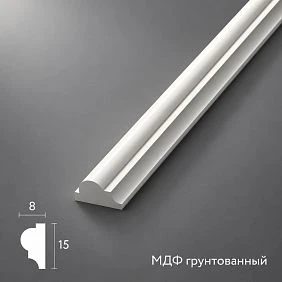
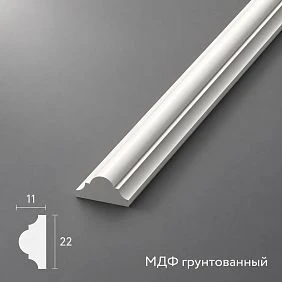
What are furniture moldings and where are they used
The term 'molding' comes from the English word 'moulding'—profile, molded element. In Russian furniture manufacturing, it's an established professional term understood by everyone from designers to carpenters. Furniture molding is a linear strip with a cross-sectional profile: rectangular, beveled, rounded, shaped, or carved. It's mounted on the visible surface of furniture and creates a decorative effect.
It's important to understand one thing: molding isn't stucco or appliqué in the classical sense. It's a linear product that works precisely through rhythm and length. One strip around a facade perimeter—a frame. Several horizontal strips on a door—a structured surface. Vertical lines across the entire body—architectural rhythm. All of these are molding in different application scenarios.
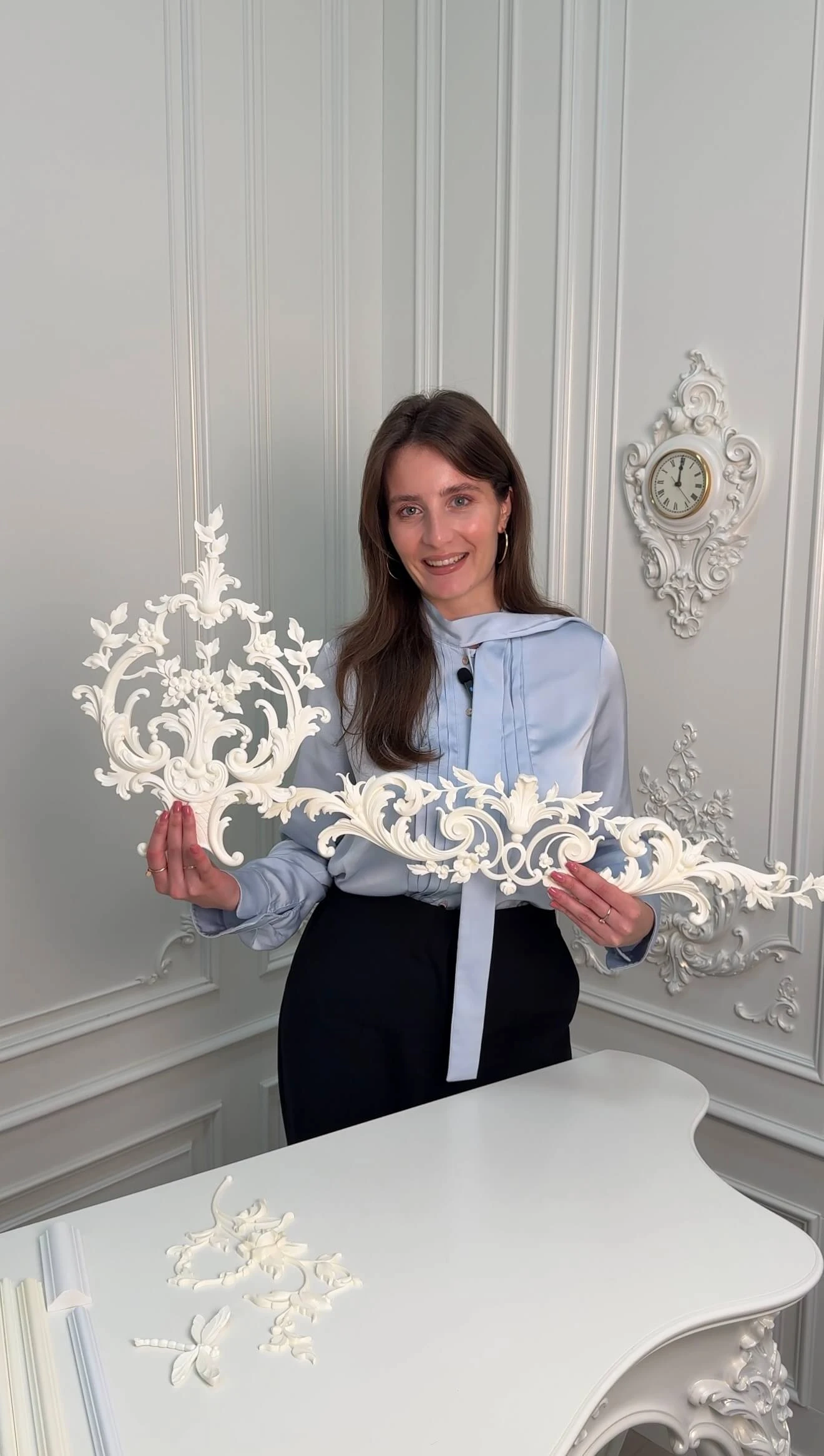
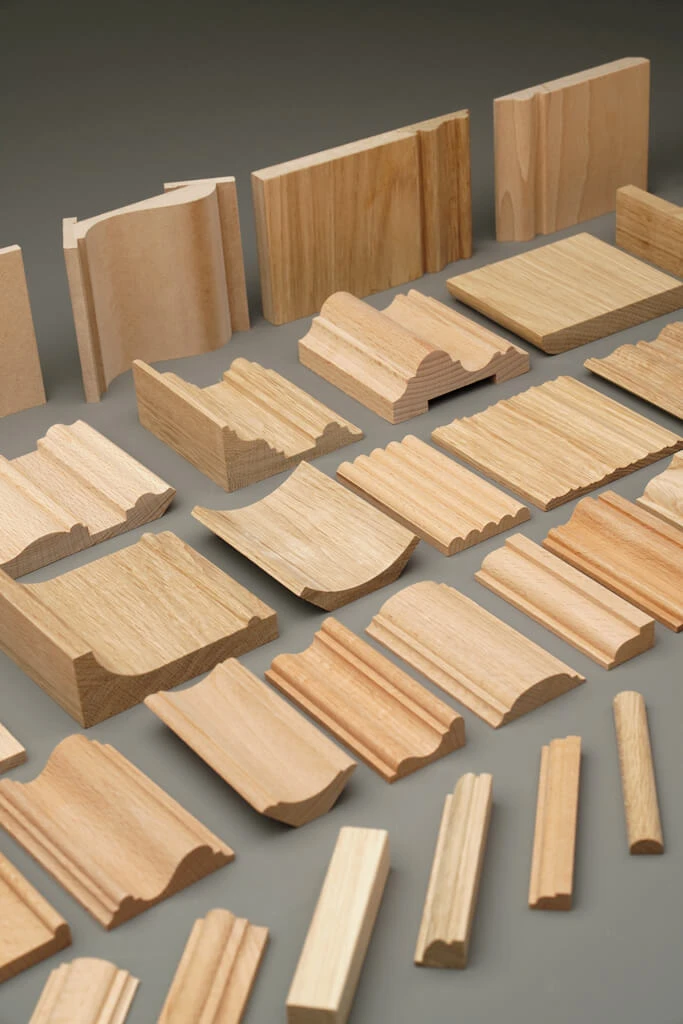
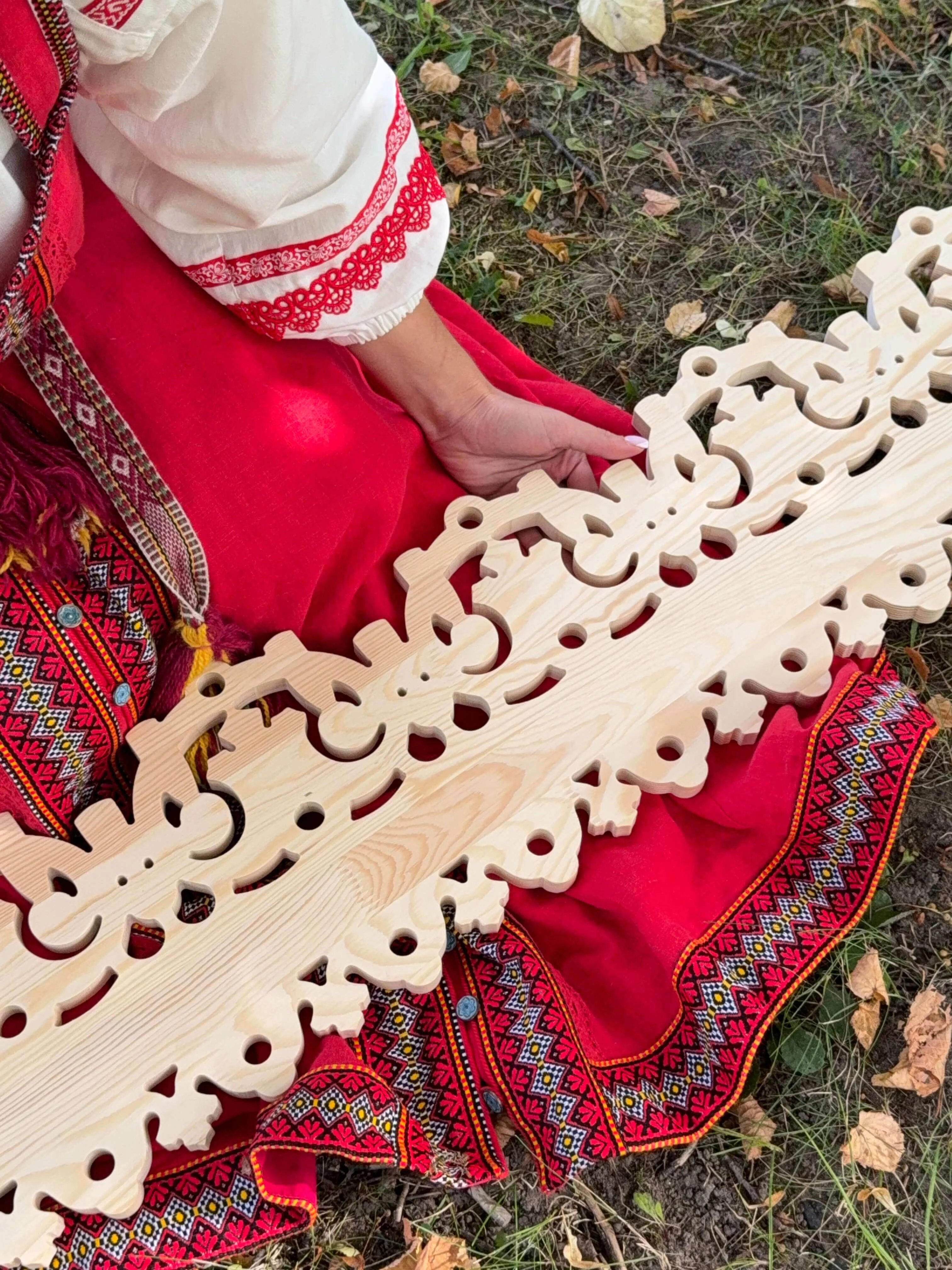
On cabinet facades
A cabinet with flat doors is a box. A cabinet with molding-framed doors is a piece of furniture. The difference isn't in size or color—only in one wooden strip around each door's perimeter. This technique transforms a budget MDF facade into a piece perceived as custom-made.
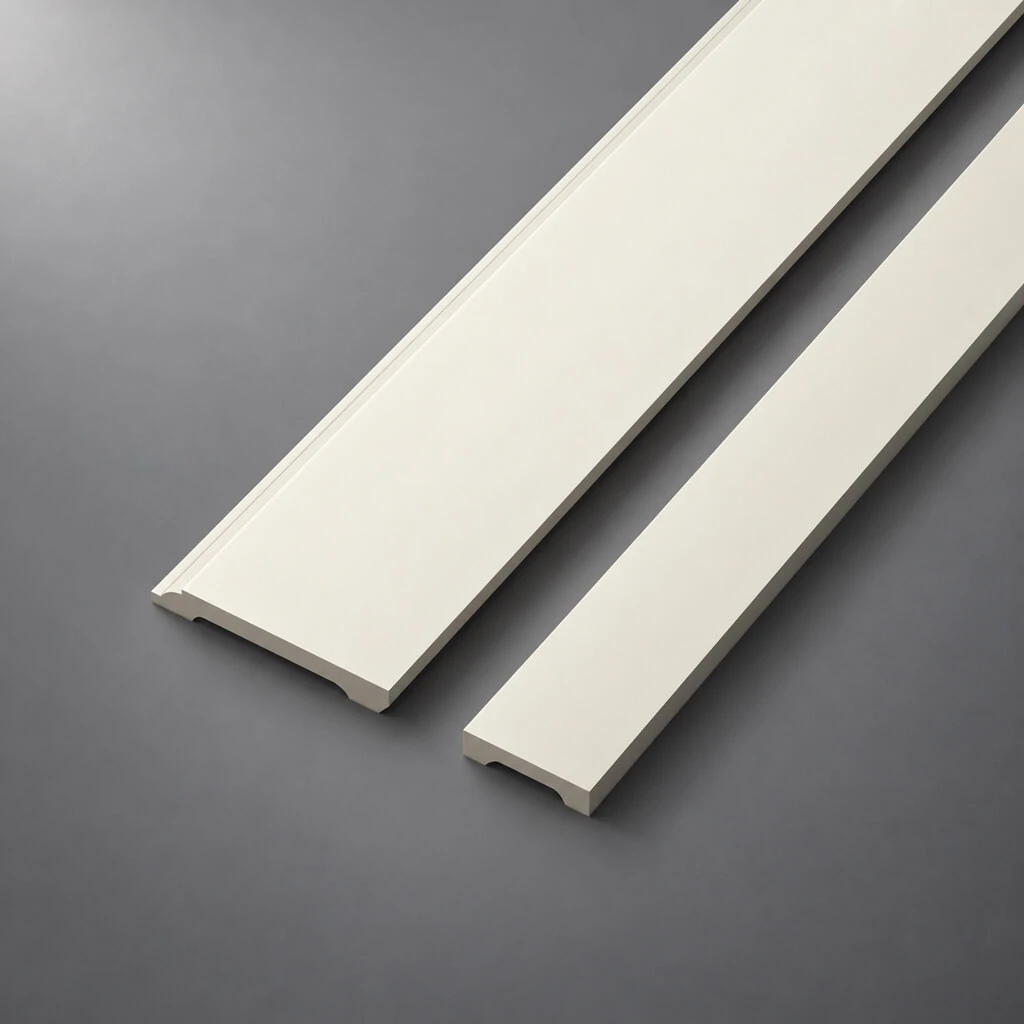
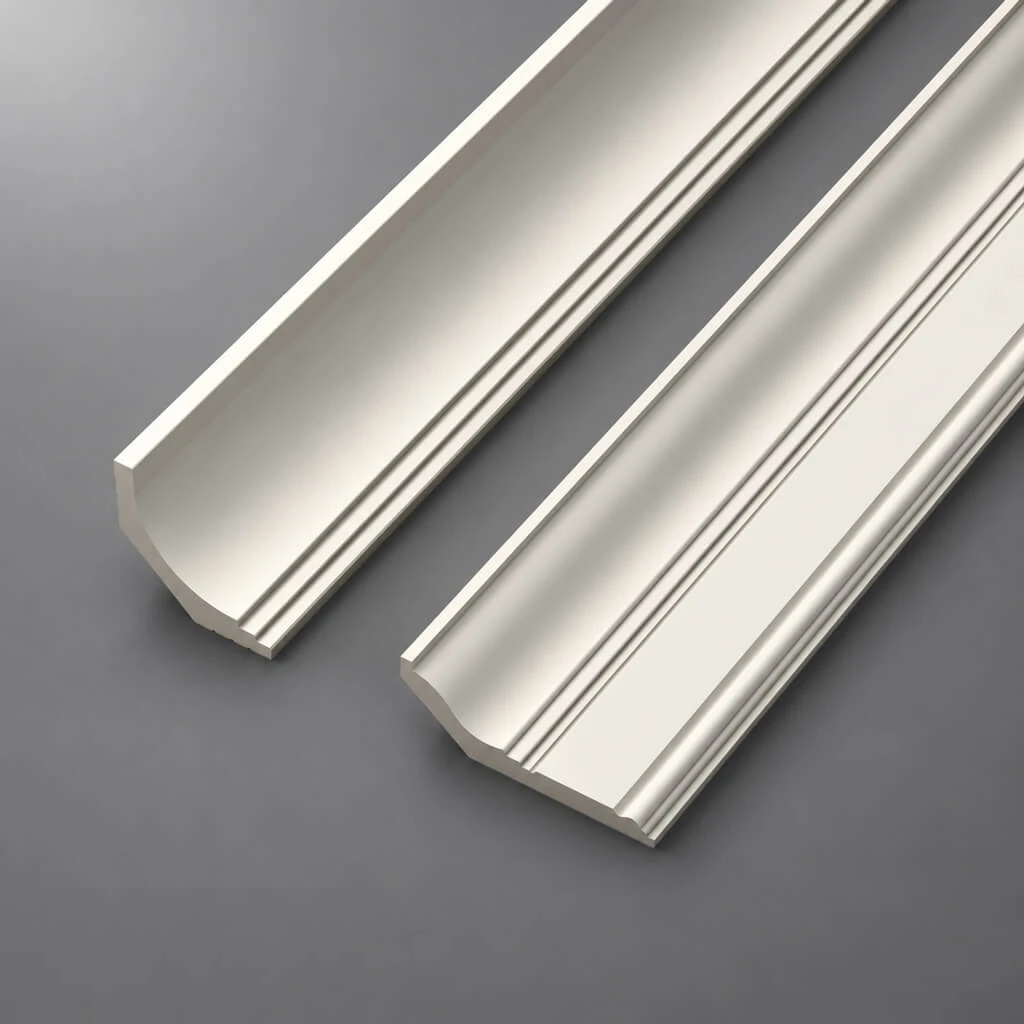
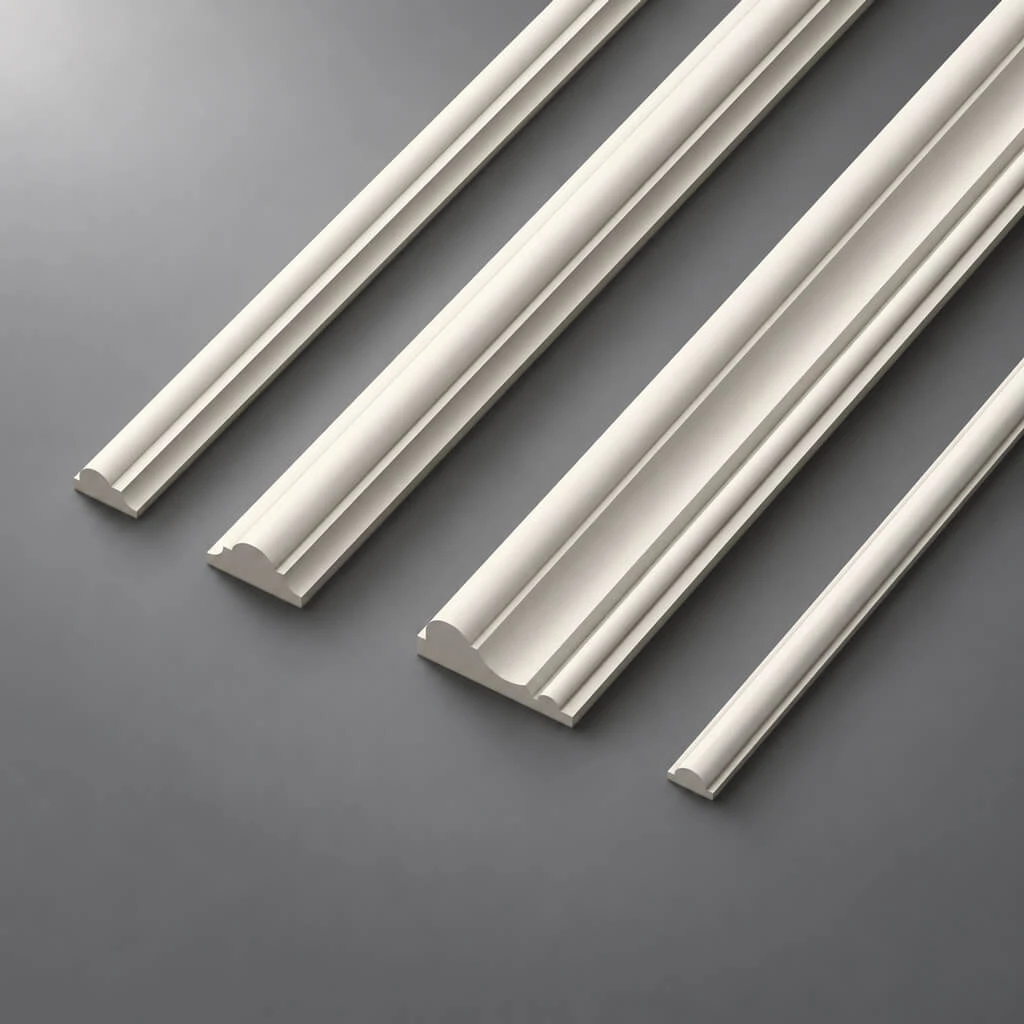
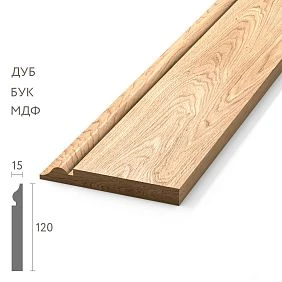
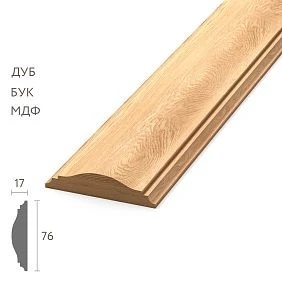
Wooden moldings for furniturefrom the STAVROS catalog — this is exactly what is installed on cabinet facades to create a framing effect. Profile width — from 15 to 100 mm, material — solid oak or beech, finish — for painting or with a ready-made tint.
Our factory also produces:
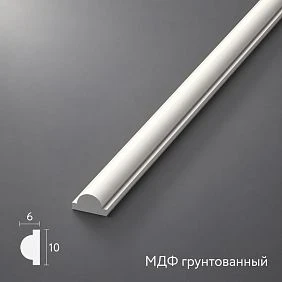


On kitchen facades
The kitchen is the most demanding place for furniture decor. Here, molding carries a double load: it creates the structure of the facade and must withstand the operational environment — humidity fluctuations, grease, frequent wiping. Therefore, for kitchen facades, moldings with a closed finish are chosen: varnish or oil-wax on solid wood, hard enamel on MDF.
In the kitchen, molding works systematically: the profile on the upper cabinet facades must be coordinated with the profile on the lower ones. If you addFurniture crown moldingthe same profile along the top line of the unit — a single architectural frame is created around the entire kitchen.
Get Consultation
On dressers and cabinets
A dresser and a cabinet are objects that are perceived from a close distance. This means that the molding here is in the zone of detailed examination: any defect in the profile, an inaccurate angle, or a careless joint will be noticeable. That is why for dressers, moldings with clear geometry are preferred — shaped or smooth profiles with precise 45° cutting.
On buffets and display cabinets
A buffet, bookcase, display cabinet with glazed inserts — this is furniture with architectural pretensions. Here, molding works as a frame for the glass insert, as a cornice belt along the top of the body, as a divider of sections. In classic buffets, molding is a mandatory element, without which the structure looks unfinished.
In classic and modern furniture
Furniture molding is appropriate in both contexts—but these are completely different profiles. Classic: a wide, shaped profile with a goose, heel, and shelf, made of solid oak, with patina or tinting. Modern interior: a narrow, smooth profile 20–25 mm made of beech under white matte enamel. The same technique, two different design languages.
Which furniture moldings to buy for your task
The question is not 'which molding is better.' The question is what task it is needed for. Let's examine specific scenarios.
For facades: a framing effect
The main task is to create a frame on a flat facade. The molding is glued along the perimeter of the door, stepping back from the edge by 10–20 mm. Profile width: 20–40 mm. The larger the door—the wider the permissible profile. On a small 40×60 cm door, a wide molding will be overkill; on a large 60×90 cm door—it is appropriate.
Corner joints—at 45°. Cutting accuracy is critical: a 1 mm gap in the corner is visible to the naked eye on a painted facade.
For the kitchen: style + practicality
For the kitchen, it is recommended: a profile with a closed finish coating, width 20–35 mm, cross-section without deep grooves (grease accumulates in grooves). Smooth or with a soft bevel—for modern kitchens. Shaped with moderate relief—for neoclassical kitchen sets.
Moldings and cornices for furnitureOak and beech in the STAVROS catalog are profiles that are mounted on kitchen facades and withstand real operating conditions with proper coating.
For the wardrobe: scale and proportion
A wardrobe is a vertical object with doors elongated in height. The molding frame should account for this: on a narrow, tall door, a 30 mm wide molding creates a harmonious frame; a 60 mm molding will turn it into an overloaded surface.
For built-in floor-to-ceiling wardrobes with doors 240 cm high — molding up to 50 mm is acceptable. For wardrobes with low doors (60–80 cm) — no more than 30 mm.
For a chest of drawers: precision and detail
A chest of drawers is an object for detailed examination. Maximum precision is required here: 45° angles without gaps, a smooth profile surface without waves. The best choice is a beech profile for painting: the homogeneous structure of beech provides a perfectly smooth enamel surface. Width — 15–25 mm for small drawer fronts.
For custom-made furniture
Custom furniture designed to individual projects requires custom profiles. STAVROS manufactures non-standard moldings according to drawings and technical specifications. If you needcustom-sized furniture moldings— this is possible with a corresponding production run.
Wooden moldings for furniture: when are they better than MDF
This is one of the most frequent questions. The answer depends on three factors: budget, operating conditions, and planned finish.
Solid wood for premium furniture
Solid oak or beech is a material for furniture built to last decades. Durability — 30–50 years with proper care. Natural grain impossible to imitate. Can be sanded and repainted after 10–15 years without replacing the molding. Preciselysolid wood molding for furnituresolid wood is the right choice for studies, living rooms, bedrooms with furniture of 'above-average' class.
Oak: dense, hard, with pronounced grain and large pores. Takes walnut, wenge, dark oak stains excellently. Visually substantial — even a narrow oak profile is perceived as 'serious'.
Beech: fine-pored, uniform, ideal for enamel painting. White matte enamel on beech is even, without blotchiness. Slightly cheaper than oak.
MDF for painted fronts
High-density MDF is not 'worse', but 'different'. An isotropic material (identical in all directions) allows milling the finest relief details without risk of chipping along the grain. For painting — indispensable where a perfectly smooth white or colored surface without visible grain is needed. Cheaper than solid wood.
MDF drawbacks: handles high humidity worse without proper coating; cannot be sanded and repainted as many times as solid wood; service life — 10–15 years vs. 30–50 for solid wood.
What to choose for the project
Practical rule:
-
Furniture with exposed natural wood → solid oak or beech
-
Furniture for painting in a neutral color → beech or MDF
-
Kitchen with frequent wiping → MDF with hard enamel or solid wood with polyurethane lacquer
-
Prestigious interior, library, study → only solid wood
-
Budget project "make it cheap and beautiful" → MDF for painting
When the natural wood grain is important
If the project involves an open texture — tinting to color, lacquer without opacity, oil-wax with a natural tone — MDF is not suitable here. Only solid wood: its pores, annual rings, medullary rays — this is a living pattern that cannot be reproduced.Solid wood molding for furnituremade of oak with an oil-wax finish — this is that "warm" result that people seek from natural wood.
Carved or smooth moldings: how to choose a profile
A molding profile is its cross-section. The profile determines everything: style, scale, compatibility with furniture and interior. Three main groups.
For classic style: figured and carved profile
Classical furniture is built on the order system: bases, shafts, capitals, cornices. Moldings here are not just decoration, but part of the architectural language. Ogee (S-shaped profile), fillet (horizontal platform), reverse ogee (reverse S), astragal (half-round with beads) — these are historically established profiles, each with its own place in the classical decorative system.
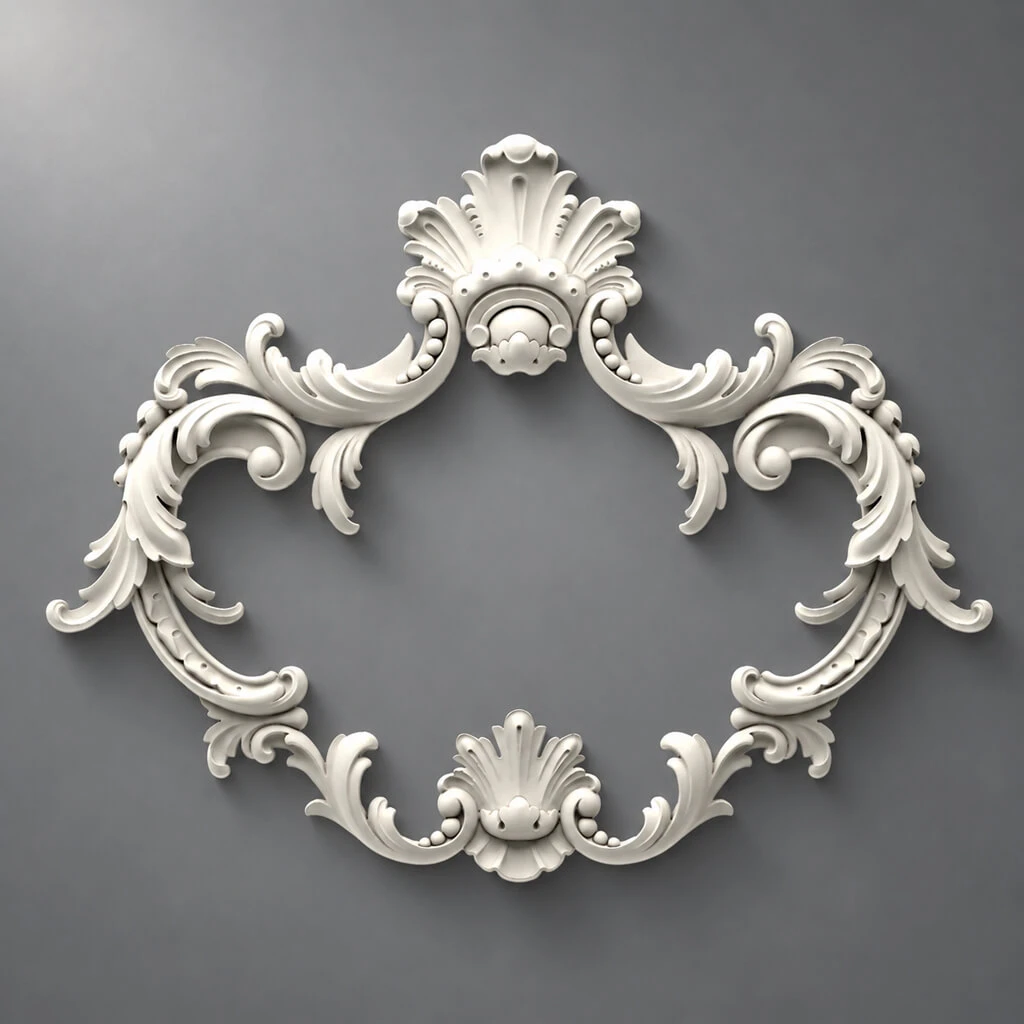
Carved molding is the highest level of classical decoration. Ornament on the profile creates not just a line, but a relief strip with a play of shadows. In the STAVROS catalog, series with carved oak decor allow achieving this level for custom furniture projects.
For neoclassicism: geometric profile
Neoclassical interior is simplified classicism without excessive detail. The molding here is geometric: straight edges, one or two bevels, a clear step. Without historical ornaments, but with sufficient relief to create shadow and depth.
Width for neoclassicism: 30–55 mm. Material: oak with walnut stain or natural oak. Finish: semi-matte lacquer. This is a highly sought-after combination in modern 'warm classic' interiors.
For contemporary interior: smooth profile
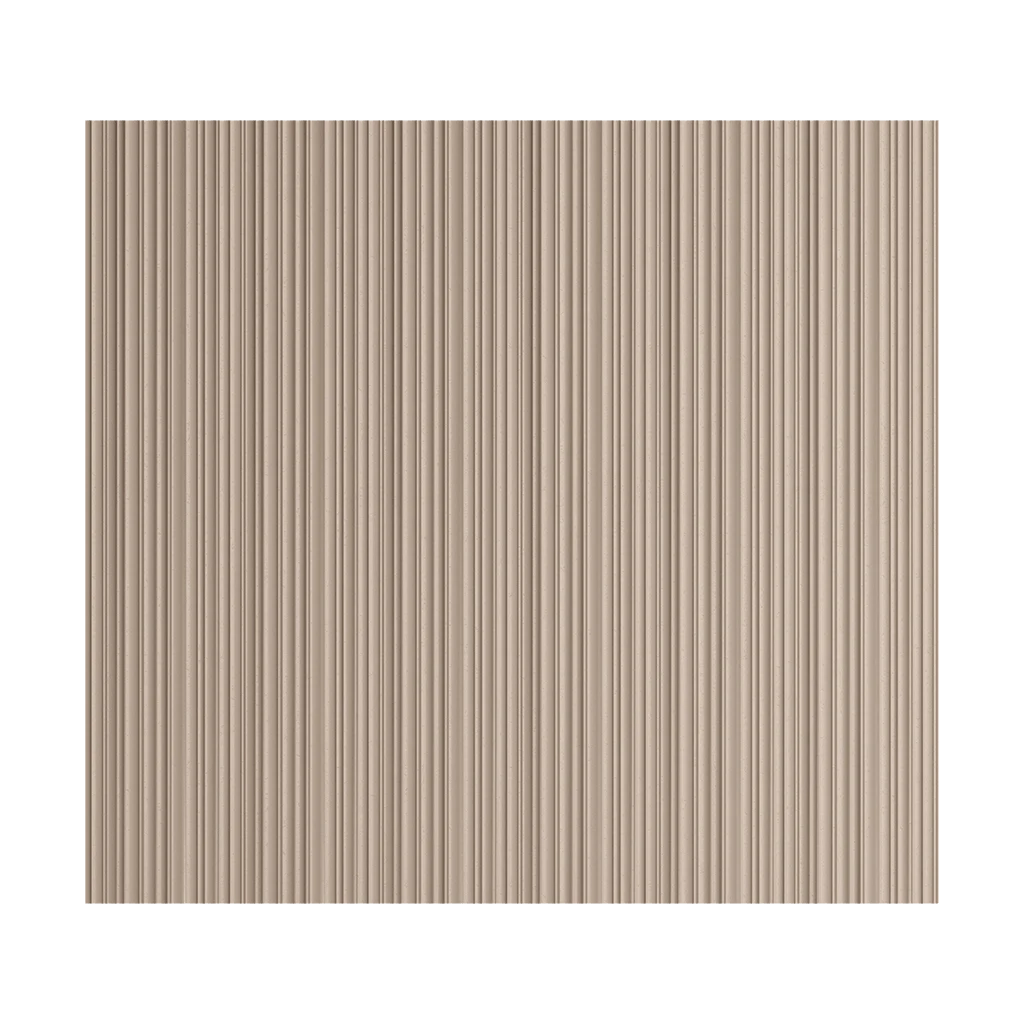
Smooth molding — rectangular cross-section with minimal or no bevel. Clean line, no ornaments. Creates structure without unnecessary details. This is the language of Scandinavian design, high-tech, contemporary minimalism.
White matte beech molding, 20 mm wide, on a white matte facade — almost invisible, but important. It's there because without it the facade is 'empty'. But it doesn't draw attention to itself — all focus is on the form and proportions of the furniture.
For laconic facades
A laconic facade does not tolerate overload. Here, one molding is one frame per door. Not double, not with corner overlays, not with a central insert. Just a smooth line around the perimeter. This is not a poverty of design—it is discipline.
For accent furniture decor
Accent molding is an intentional contrast. A dark profile on a light facade. A gilded molding on dark oak. A wide carved belt in the middle of a buffet cabinet. Such a technique requires a precise sense of proportion: one accent per item is enough. Two is already too many. Three is a catastrophe.
Moldings for furniture facades: how to choose size and proportions
Proportion is the main thing in furniture decor. An incorrectly chosen molding size will make the facade worse, not better.
Narrow profiles (10–25 mm)
Used on small facades: dresser drawers, doors of small cabinets, cabinet fronts. Creates a neat, delicate frame. For modern interiors and minimalist furniture—the optimal range.
Also, a narrow profile is used as an inner line for double framing: wide molding on the outside + narrow on the inside = two-level decor.
Medium profiles (25–55 mm)
The most versatile range. Works for most tasks: cabinet doors, kitchen fronts, side panels of buffets. Noticeable enough to create a decorative effect, but not so wide as to overload the surface.
For a kitchen in neoclassical style — a 35–45 mm oak molding with a walnut finish. For a wardrobe in a modern interior — a 25–30 mm beech molding under white enamel. Both tasks fall within the medium profile range.
Wide profiles (55–100 mm and above)
For large fronts: tall cabinet doors, buffet sides, case panels. Also for classic and executive interiors, where the scale of the molding must match the scale of the architecture.
A wide solid oak profile on a large case cabinet is a visually very powerful solution. Requires confidence in style choice: here you cannot do 'a little bit'. It's either yes or no.
How not to overload the facade
A simple rule: the total width of all moldings on one side of the front should not exceed 30–35% of the total door width. If the door is 40 cm wide — the molding frame around the perimeter takes up 5–7 cm on each side. The inner panel remains clean.
Another principle: the richer the surface of the furniture itself (veneer with a pronounced pattern, exotic wood species), the more modest the molding should be. And vice versa: a neutral, solid-color surface allows for a more complex and expressive profile.
How to combine molding with milling and overlays
Molding, front milling, and decorative overlays are three different tools. They can be combined, but carefully: no more than two types of decoration on one surface. Molding + milling — yes. Molding + a center overlay rosette — yes. Molding + milling + overlay — already too much.
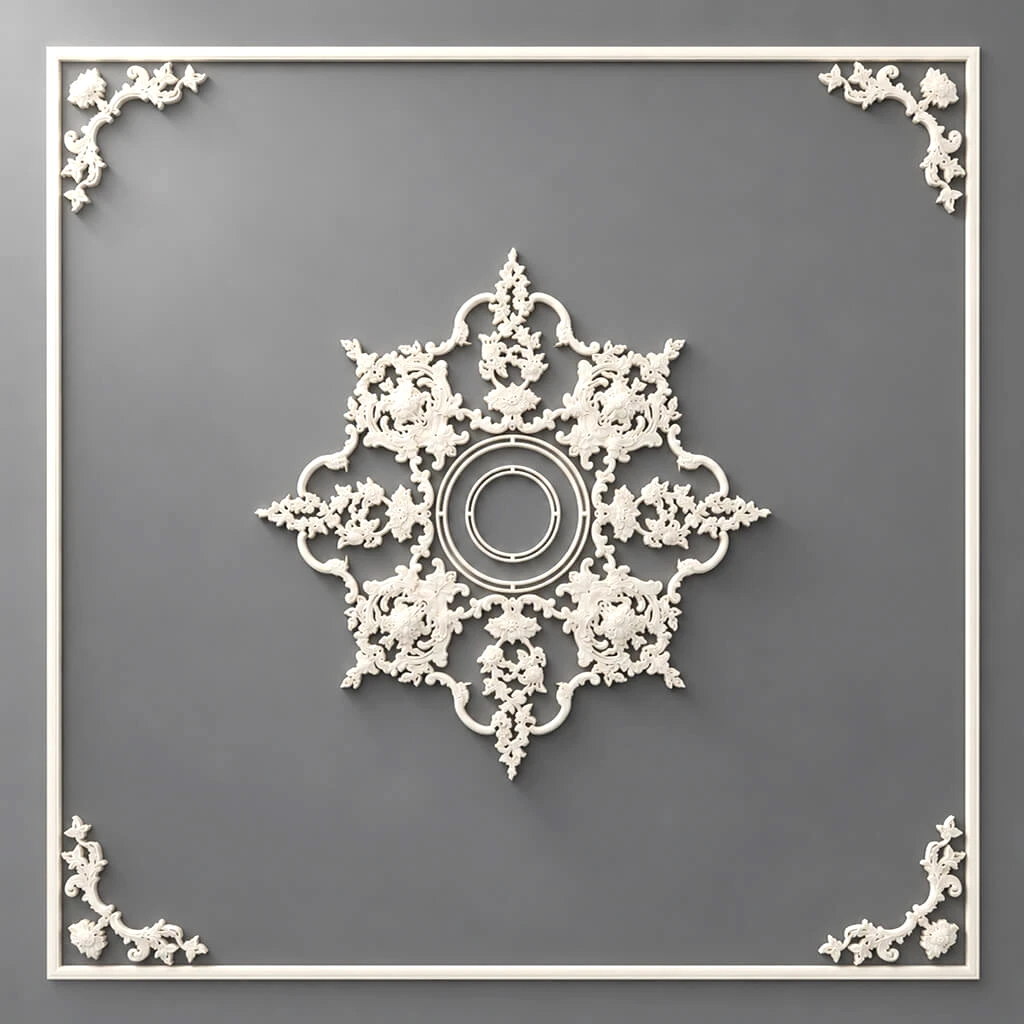
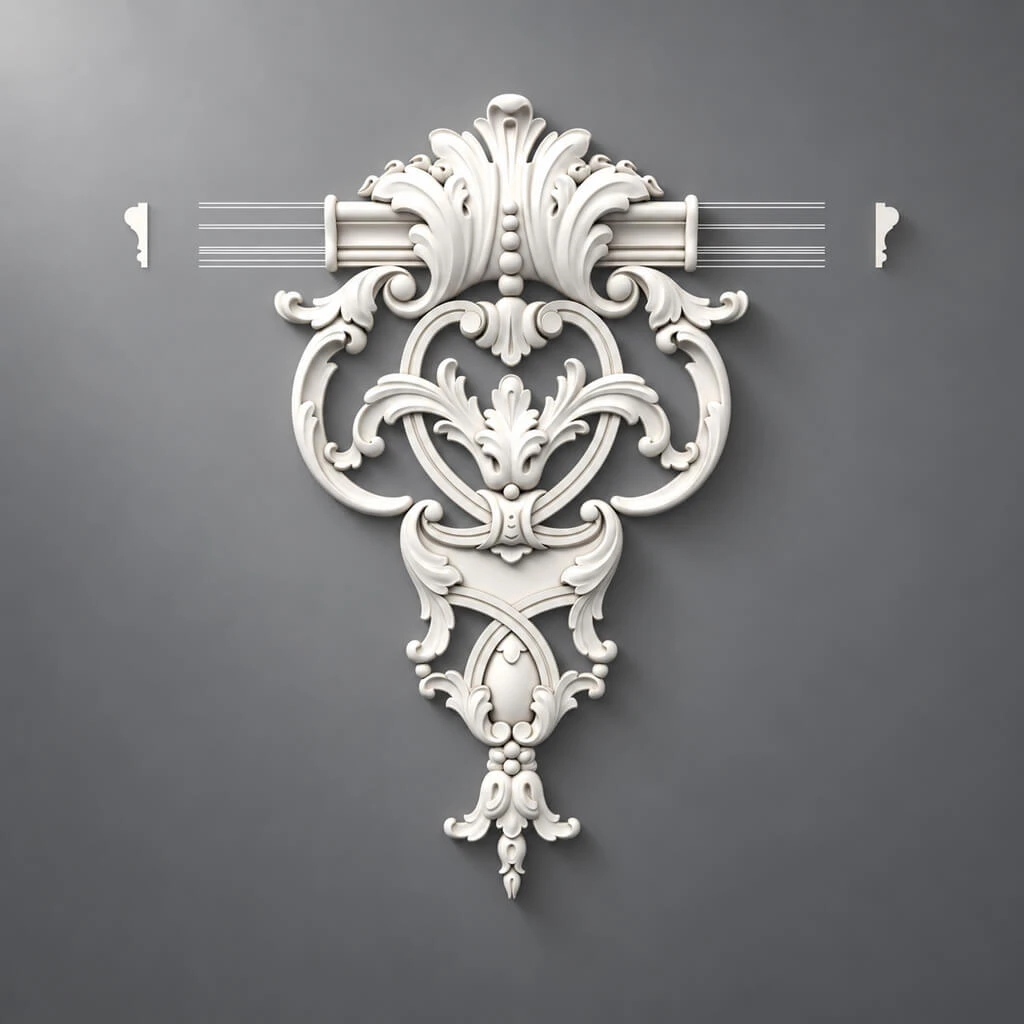
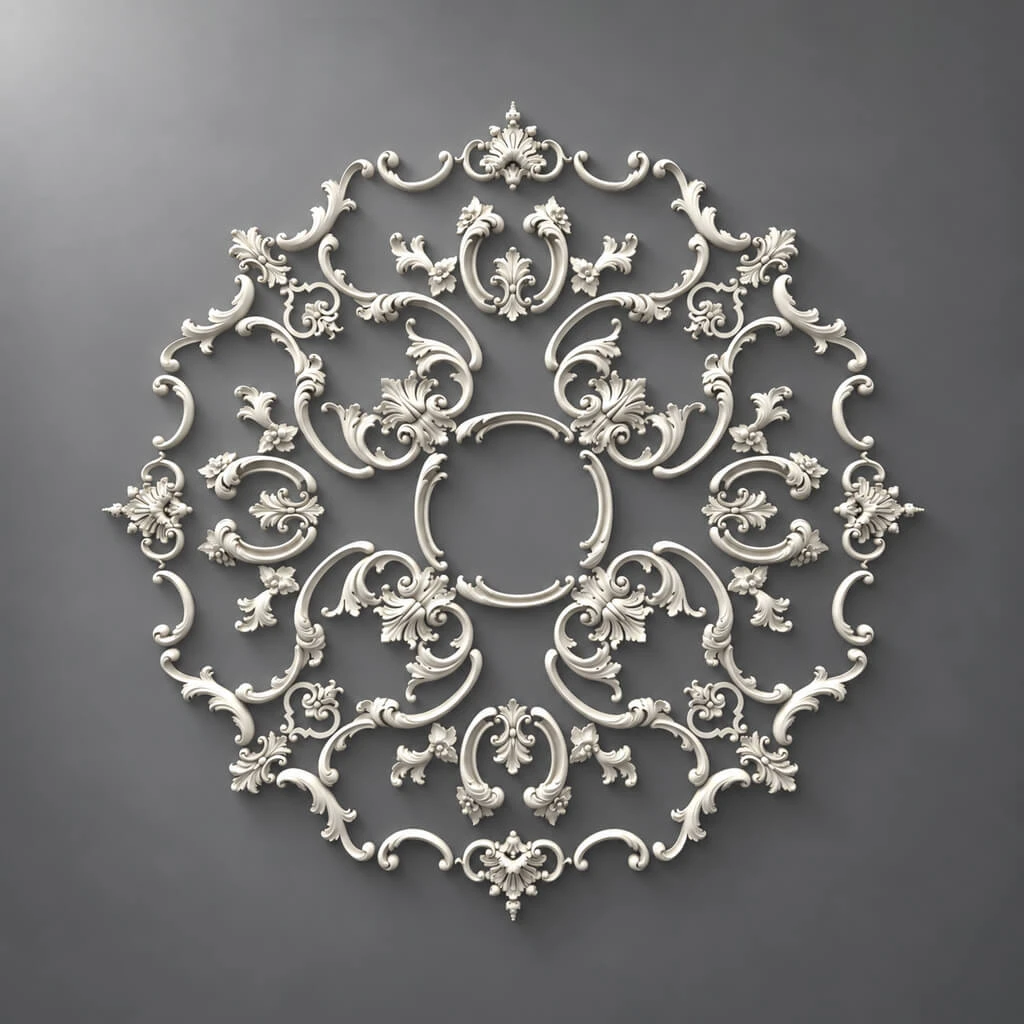
decorative inlays for furniturefrom the STAVROS catalog — corner elements, rosettes, medallions — are point accents that work well paired with a laconic molding, but do not tolerate competition with a rich carved profile.
Moldings and interior lines: a unified visual language
The most professional effect is when moldings on furniture and moldings on walls speak with one voice. This is the principle of 'visual rhymes': the same profile on wall decor and on furniture fronts creates the feeling that the furniture and interior were designed by a single author.
Wood moldings and furniture overlaysThis is a topic that STAVROS explores in detail: how lines on walls continue the lines of furniture, creating an integrated architectural environment. A horizontal wall belt at countertop height + a molding of the same profile on lower cabinet fronts = a unified horizontal kitchen architecture.
If you are designing an interior from scratch or doing a renovation with furniture replacement — choose a molding profile simultaneously for walls and for furniture. This does not complicate, but simplifies: one order, one material, one result.
What determines the price of furniture moldings
The price range for wooden furniture moldings is wide: from 150 rub./m to several thousand rubles per linear meter. Let's honestly break down what follows what.
Material
Solid oak > solid beech > high-density MDF — in descending order of price. Oak is on average 15–25% more expensive than beech of a similar profile due to density and processing complexity. MDF is the most affordable, but with limitations in durability.
Profile complexity
A rectangular smooth molding 20×10 mm — minimal milling, minimal price. A profile with two bevels — several passes. A figured one with three levels of relief — significantly more complex. A carved oak ornament — 3D milling, manual finishing, significant labor intensity.
Width and volume of material
A wide 80 mm oak molding contains 3–4 times more material than a 20 mm molding. The price increases proportionally.
Finishing coating
A blank 'for painting' — base price. Toning, varnish, oil-wax, patination — an additional charge for work and materials, but saves your time on self-processing.
Order volume
Retail — from 1 m — maximum price per unit. Batch 20–50 m — wholesale discount. For furniture manufacturers and carpentry workshops, regular supplies from STAVROS mean real savings in the cost structure.
Standard or custom
Standard profile from the catalog — fast and at standard price. Non-standard profile, unique ornament, specific cross-section — individual calculation. Possible with corresponding print run.
| Molding type | Material | Approximate price |
|---|---|---|
| Smooth 15–25 mm | Beech/MDF | from 150–350 RUB/m |
| Figural 25–45 mm | Oak/beech | from 350–800 rub./m |
| Geometric 40–60 mm | Oak | from 700–1,800 rub./m |
| Carved 50–80 mm | Oak | from 1,500–5,000 RUB/m |
| Wide classic 80+ mm | Oak | from 3,000–15,000 RUB/m |
How to calculate the amount of molding for furniture
Calculation is money. Calculating correctly means not overpaying for extra footage and not running out of material in the middle of the job.
For one facade
If the molding goes around the perimeter of the door:
-
Add the width and height of the facade, multiply by 2
-
Add 20% for waste when cutting at 45°
Example: facade 45×70 cm → (45+70)×2 = 230 cm = 2.3 m + 20% = 2.76 m → take 3 m.
For a series of cabinets
Sum the perimeters of all facades in the series. Add 10–15% margin (serial cutting produces less waste than single facades).
Example: 6 facades 45×70 cm each → 6 × 2.3 m = 13.8 m + 15% = 15.87 m → take 17 m with margin.
For Kitchen
A kitchen has 8–14 facades of different sizes. Measure each, sum the perimeters, add 20% for waste and unforeseen alterations. For the cornice along the top line — length of the entire top section + two side overhangs + 15%.
For a typical kitchen set 3.5 m long + corner section: total molding footage for facades — 25–40 m depending on the number and size of doors.
Margin for trimming
Standard margin — 15–20% for single items, 10–15% for serial. Increase to 25% if:
-
no experience cutting at 45°;
-
work with wide, expensive profiles;
-
the profile has an asymmetrical pattern requiring pattern matching in corners.
When an individual calculation is needed
Non-standard facade shape (arch inserts, radius corners), complex kitchen geometry, custom design project — in these cases, it's better to calculate with a STAVROS manager using a drawing.
Where to buy furniture moldings without mistakes
What to Check Before Ordering
Three key parameters before purchase:
-
Material: solid wood or MDF — depending on the task and finish
-
Profile width: matching the facade size (see section above)
-
Finish: "for painting" or with a ready-made finish
Ensure the selected profile is available in the required quantity. Purchasing additional stock later is risky: the tint color or material batch may vary slightly.
What dimensions are needed?
Before placing an order, measure all facades you plan to decorate. Make a list with the dimensions of each. Calculate the total footage. Only then—place the order.
When to choose a standard profile
In 85–90% of cases, a standard profile from the catalog fully meets the requirement. The STAVROS catalog contains over 50 molding options: from minimalist strips to complex carved profiles made of solid oak. For most projects—this is a comprehensive selection.
Buy furniture moldingsfrom the STAVROS catalog can be purchased retail starting from 1 linear meter—this is convenient for private clients who need to decorate a wardrobe or chest of drawers at home.
When to order according to a drawing
Non-standard profile, atypical cross-section, unique ornament for a specific author's project—this is custom production. Minimum batch—check with the manager. Timelines and costs are agreed upon individually.
How to choose moldings to match the furniture style
The main guideline is the interior style and furniture material:
-
Classic, Empire, Baroque → carved or multi-level figured profile made of oak, dark tinting or patina
-
Neoclassical, Provence → medium figured profile made of oak or beech, tinted to walnut or bone color
-
Modern classic, Art Deco → geometric profile made of oak, natural or tinted
-
Scandinavian style, minimalism → smooth profile made of beech under white enamel
-
Japandi, eco-style → thin slat or smooth profile made of oak in natural tone, without coating or with oil-wax
STAVROS furniture moldingcovers all these styles — from minimalist smooth slats to carved classic profiles. It is the only system that allows implementing any scenario from a single source, preserving material and production unity.
About the company STAVROS
STAVROS is a Russian manufacturer of wooden moldings, molding, decorative overlays, and furniture decor made of solid oak and beech. Founded in 2002. The company's history began with restoration projects: the Hermitage, Konstantinovsky Palace, Alexander Palace — objects that required historical accuracy of profiles and impeccable material quality.
Today STAVROS is a full-cycle production in St. Petersburg. Standards: wood drying to 8–12%, four-sided planing on German equipment, 3D milling with a tolerance of ±0.1 mm, manual finishing of complex profiles. Assortment — over 50 series of moldings and molding, decorative overlays, slats, cornices, corners, blocks.
Working with private retail clients, designers, and furniture manufacturers — wholesale and custom projects. Showrooms in Moscow and St. Petersburg. Contact us to confirm shipping to your destination. and CIS. Phone: 8 (800) 555-46-75 (toll-free within Russia).
FAQ: answers to popular questions about furniture moldings
Which moldings are better for furniture — wood or MDF?
For furniture with open texture, for decades, in classic and executive interiors — only solid wood. For furniture to be painted, in neutral modern spaces, with a limited budget — MDF. Both materials are good in their respective areas of application.
What is better for facades: solid wood or MDF?
For kitchen facades with intensive use — MDF with hard enamel or solid wood with polyurethane lacquer. For bedroom, office, and living room cabinets — solid wood is preferable for durability and aesthetics.
How to calculate molding for a facade?
Facade perimeter (sum of all sides) + 20% margin. For a 45×70 cm facade: (45+70)×2 = 230 cm = 2.3 m + 20% ≈ 2.76 m. Take 3 m.
Can furniture moldings be ordered by size?
Yes. STAVROS manufactures custom profiles according to drawings and technical specifications. Standard catalog items are also available from 1 linear meter for retail.
What moldings are suitable for a kitchen?
Profile with a closed finish (varnish or enamel), width 20–40 mm, cross-section without deep grooves. For a classic kitchen — figured from oak, for a modern one — smooth from beech under enamel.
What moldings to choose for a wardrobe and a chest of drawers?
For a wardrobe: profile width 25–45 mm depending on the door size. For a chest of drawers: 15–25 mm, with precise cutting at 45°. Material — beech for painting or oak for tinting.
How to properly glue molding onto a facade?
The profile is cut at 45° at the corners. The facade surface is degreased. Adhesive — PVA wood glue or special mounting adhesive for wood. Press with clamps or painter's tape until completely dry (12–24 hours). After drying, fill the corners with putty and touch up the paint.
Can old furniture be decorated with molding?
Yes. This is one of the best ways to update: an old wardrobe, the surface of which is in good condition, is decorated with molding and repainted — the result is indistinguishable from new custom-made furniture.
Should the molding be painted separately from the facade?
Better — yes: paint the profile before installation, let it dry, then install and touch up the joints. This gives a more even coating than painting an already installed molding on a finished facade.
How much molding is needed for the entire kitchen?
It depends on the number and size of the fronts. On average, a typical kitchen set with 10–12 fronts requires 25–45 linear meters of molding. Plus a cornice along the top line — another 3–5 m. Exact calculation is based on the measurement sheet.