




























Article Contents:
- What are interior moldings and what tasks do they solve
- Wall decoration: line as a tool
- Ceiling design: about scale
- Creating frames and panels: interior as a gallery
- Hiding joints and transitions between materials
- Visual Space Correction
- Architectural base paired with baseboard
- Which moldings to buy for your task
- Wall moldings: frames, belts, pilasters
- Ceiling moldings: cornice and transition
- Moldings for accent compositions
- Moldings for mirror and picture frames
- Moldings for classic interior
- Moldings for modern interior
- Wooden moldings or MDF: which is better to choose
- Solid oak: a heavyweight argument
- Solid beech: ideal for painting
- MDF: precision, affordability, perfect surface
- MDF moldings for painting
- For natural flooring: only solid wood
- For a designer project
- How to choose moldings by interior style
- Classic: history in details
- Neoclassical: rigor on a historical basis
- Modern interior: less is more precise
- Minimalism: The Boundary Between Nothing and Everything
- Concise profiles for any style
- Carved profiles: when detail carries meaning
- How to combine moldings and baseboards: a system instead of randomness
- Unified profile rhythm
- Material-based combination
- Profile height combination
- When to choose solid wood for both
- When MDF is more practical
- Navigator: where to view both product classes
- Wall and ceiling moldings: how to assemble an interior composition
- Wall panels: rhythm and proportions
- Wall frames for mirrors and accent decor
- Ceiling transitions: cornice as a finishing touch
- Space zoning: molding as a boundary
- Working with high ceilings
- What determines the price of interior moldings
- Material: base rate
- Profile width
- Complexity of relief
- Order length
- Standard or custom solution
- Moldings for different rooms: specific solutions
- Living room: feature wall
- Bedroom: bed area
- Entryway: First Impression
- Kitchen: functional accent
- Children's room: light and fun
- Where to buy interior moldings without mistakes
- 1. For which surface?
- 2. Which material?
- 3. Do you need skirting boards from the same series?
- 4. Calculate the footage
- 5. Where to go in the catalog
- About the Company STAVROS
- FAQ: popular questions about interior moldings

Look at any interior you would call 'expensive'. Most likely, there is nothing fundamentally inaccessible there: ordinary materials, standard layout, familiar furniture. But there is one thing — the line. The horizontal belt on the wall, the clear transition at the ceiling, the frame panel above the sofa. It is this architectural detail that brings the space together as a whole and creates a sense of class.
Behind this detail lies a unified tool: interior moldings. Decorative profile strips that solve three tasks at once — they structure the surface, create rhythm, and hide everything that is better not shown. At the same time, buy interior moldings today you can find them in wood or MDF, to suit any style and any budget.
But this is exactly where most people get lost: too many profiles, too many styles, too many materials. This article is your practical navigator. No unnecessary theory. Only what you need to make the right choice.
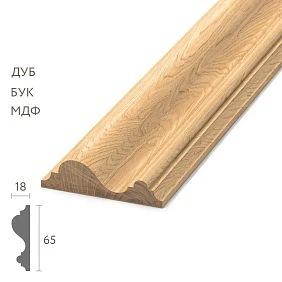
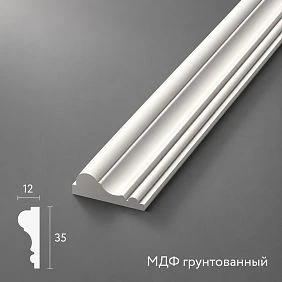
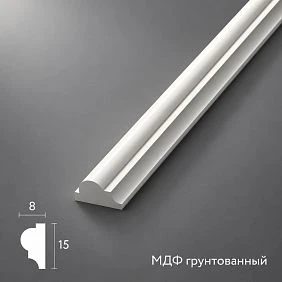
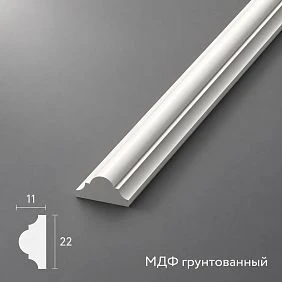
What are interior moldings and what problems do they solve
Imagine a book page without margins. The text runs from edge to edge, no indents, no breathing room. It's unpleasant to read, even though the information is the same. Walls without moldings are exactly the same situation: there is space, but no structure.
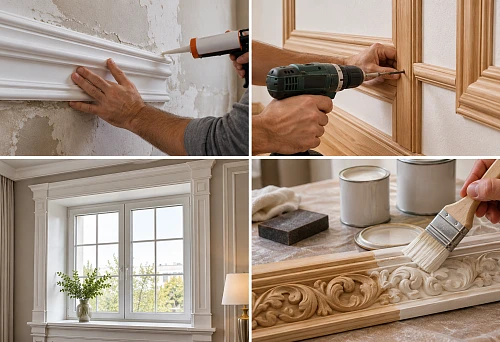
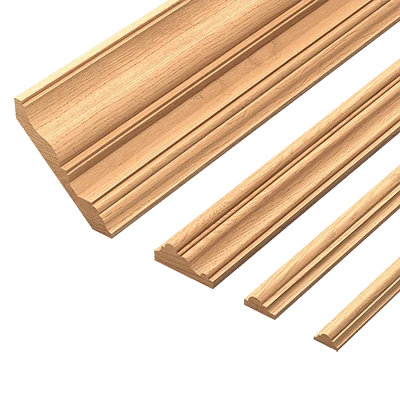
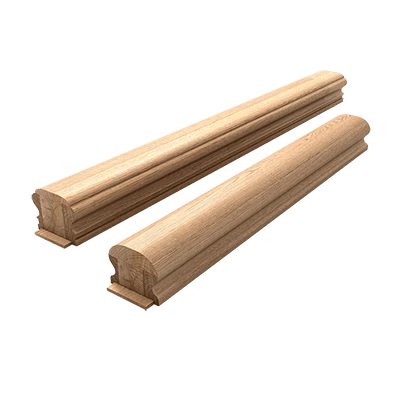
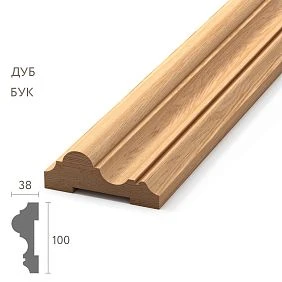
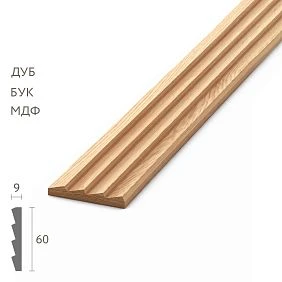
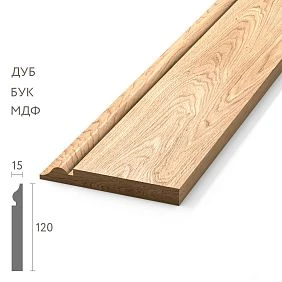
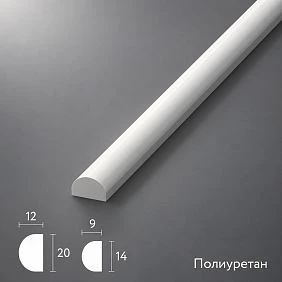
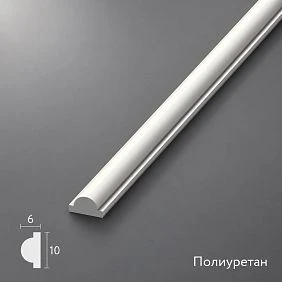
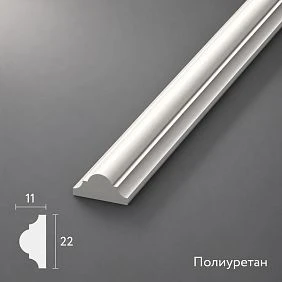
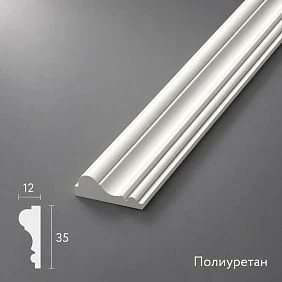
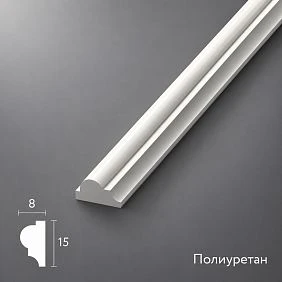
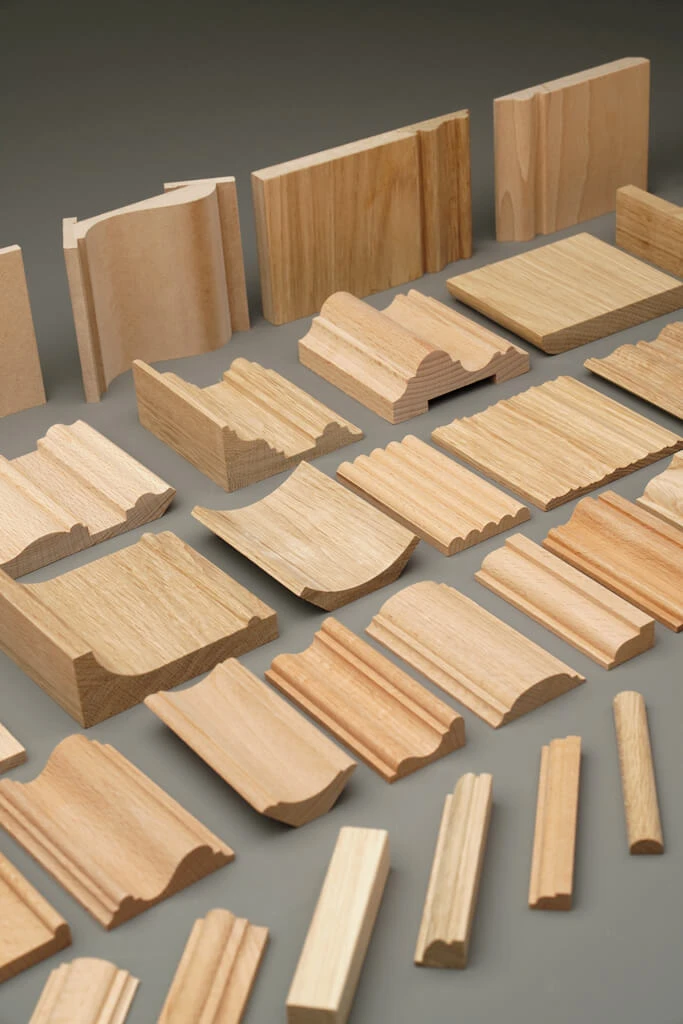
Interior moldings— are profiled strips made of wood or MDF that are applied to walls, ceilings, and furniture surfaces. Their task is to define lines, create transitions, highlight zones, and form architectural rhythm.
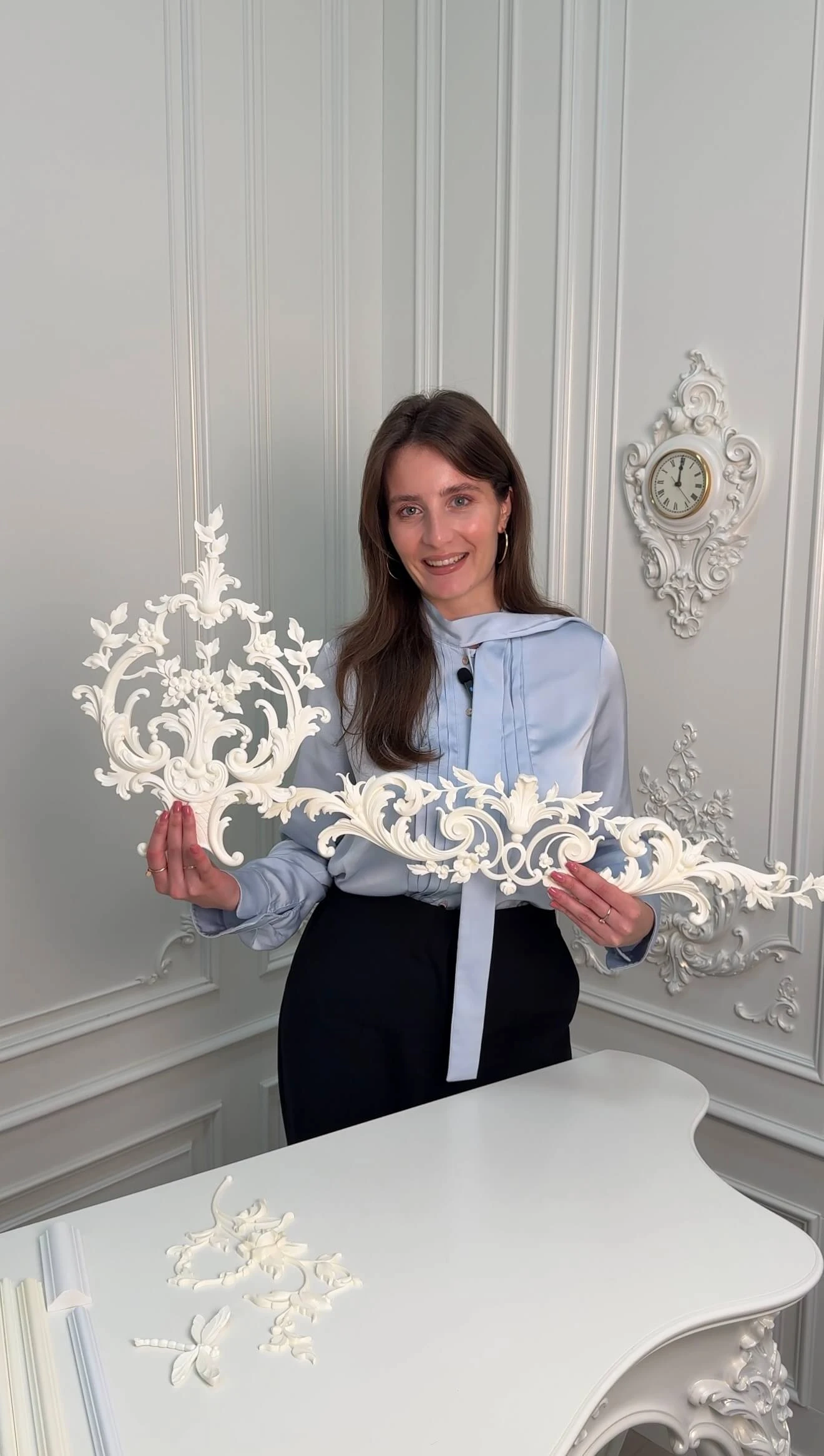
Wall decoration: line as a tool
A blank wall is a visual dead end. The eye has nothing to catch onto, no support, no scale. Molding provides a line — horizontal or vertical, a frame or a belt — and the wall immediately gains depth. Add framed panels: the room transforms into a space with character.
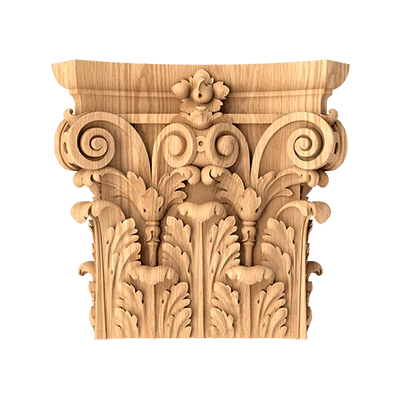
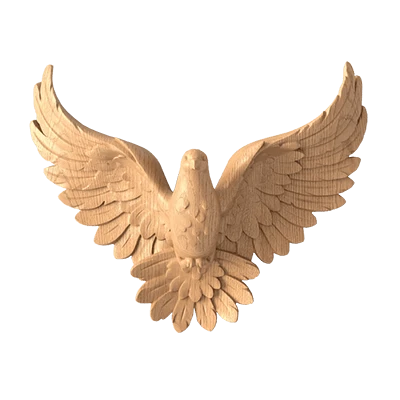
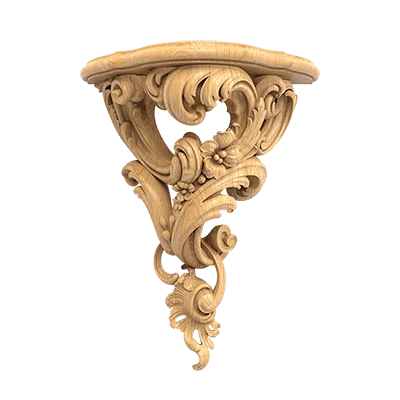
Our factory also produces:



Ceiling design: about scale
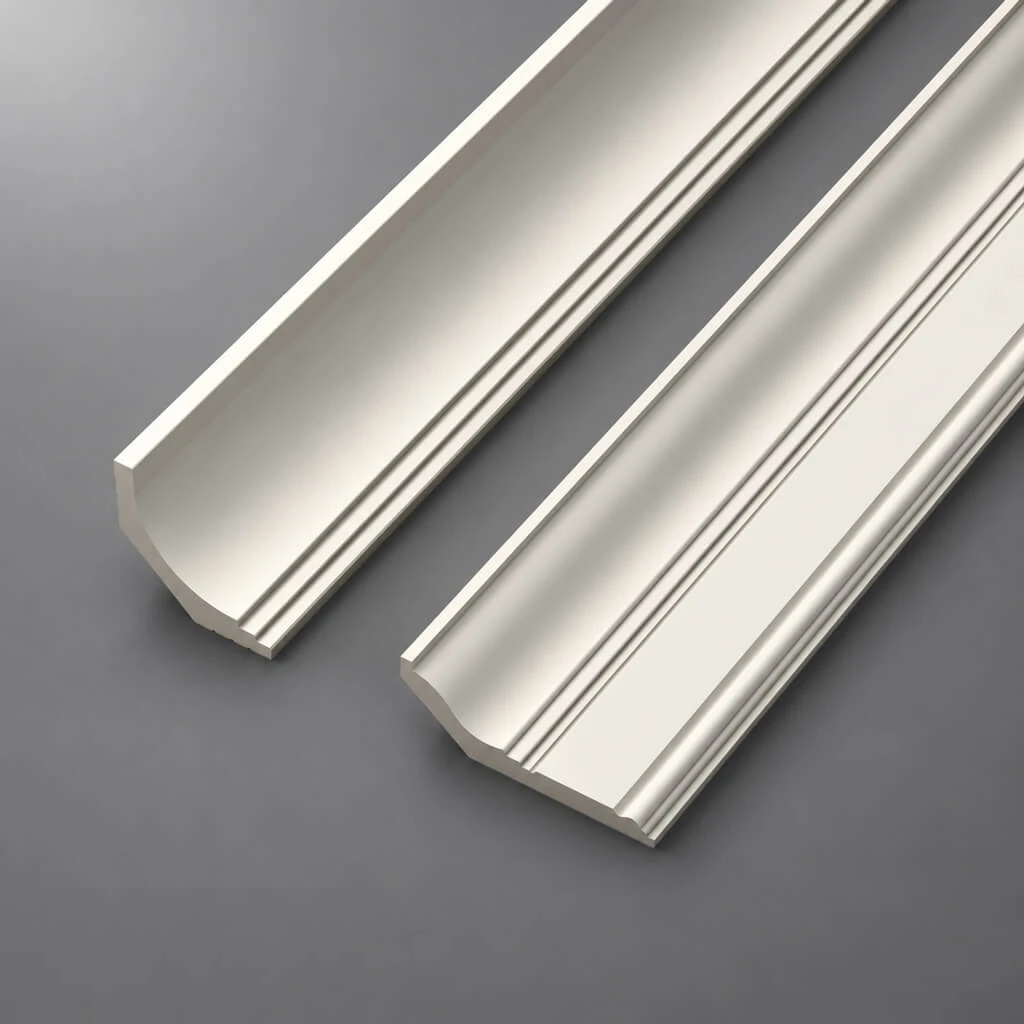
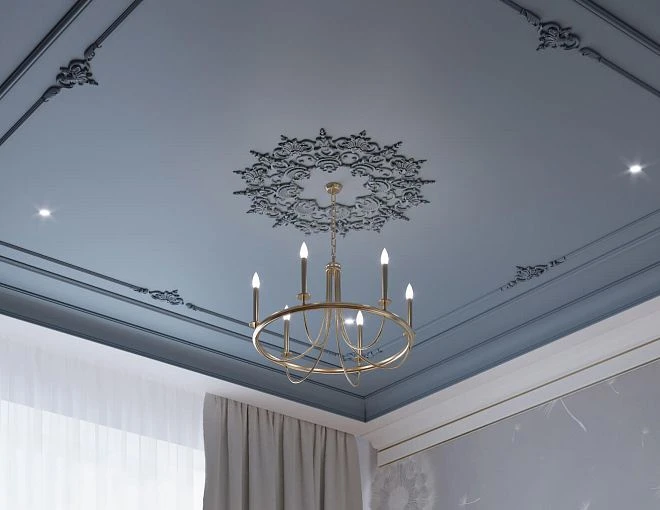
Cornice molding at the transition zone between wall and ceiling is one of the oldest architectural techniques. It works simply: a wide cornice 'raises' the ceiling visually, creating a shadow line that separates the vertical plane from the horizontal. With a standard height of 2.7 m, a 60–80 mm profile adds a sense of height to the room.
Get Consultation
Creating frames and panels: interior as a gallery
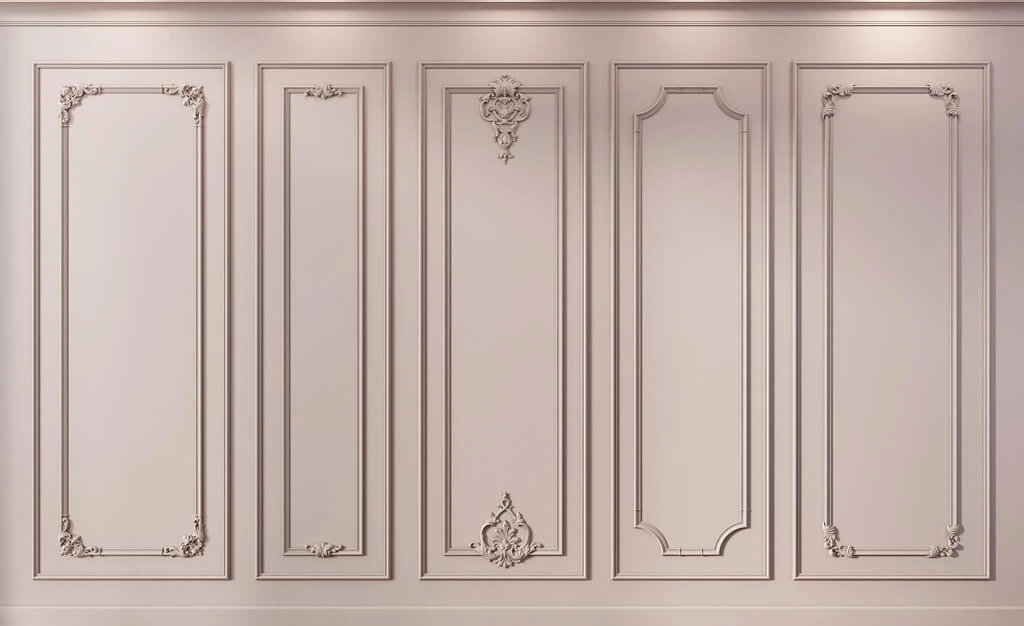
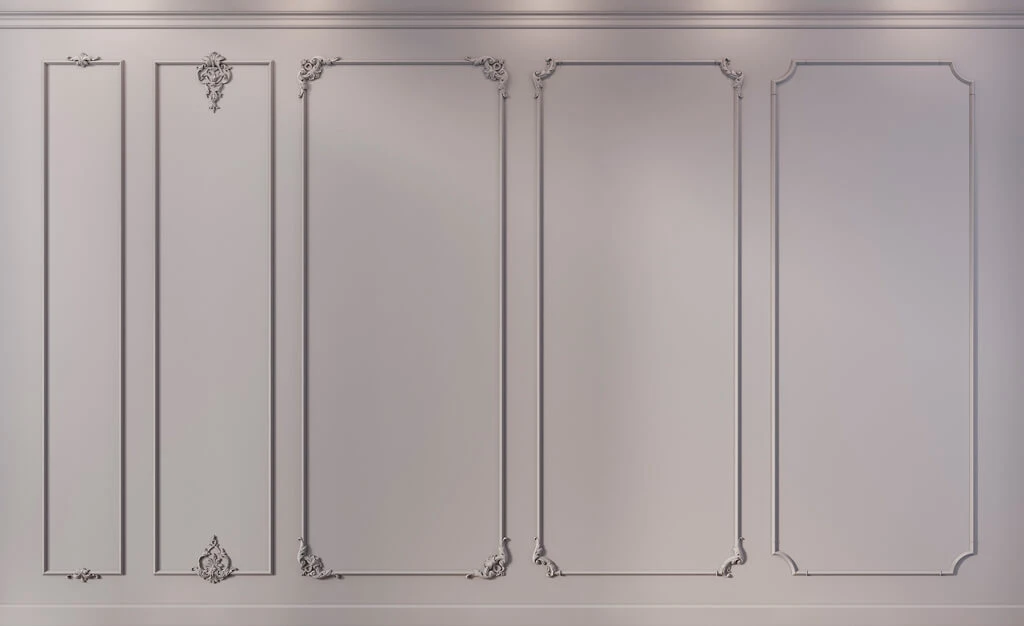
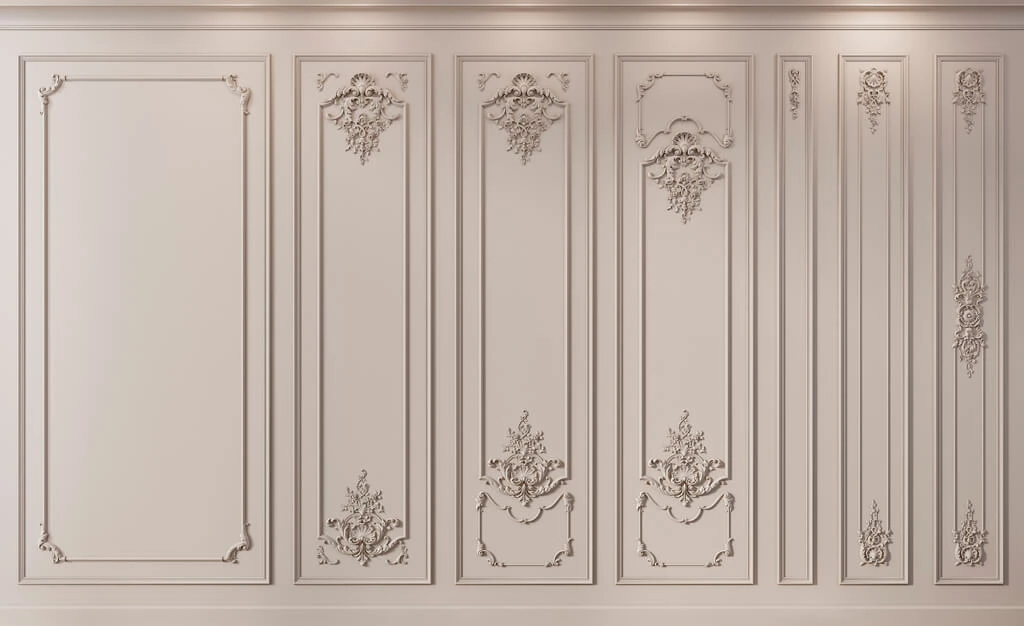
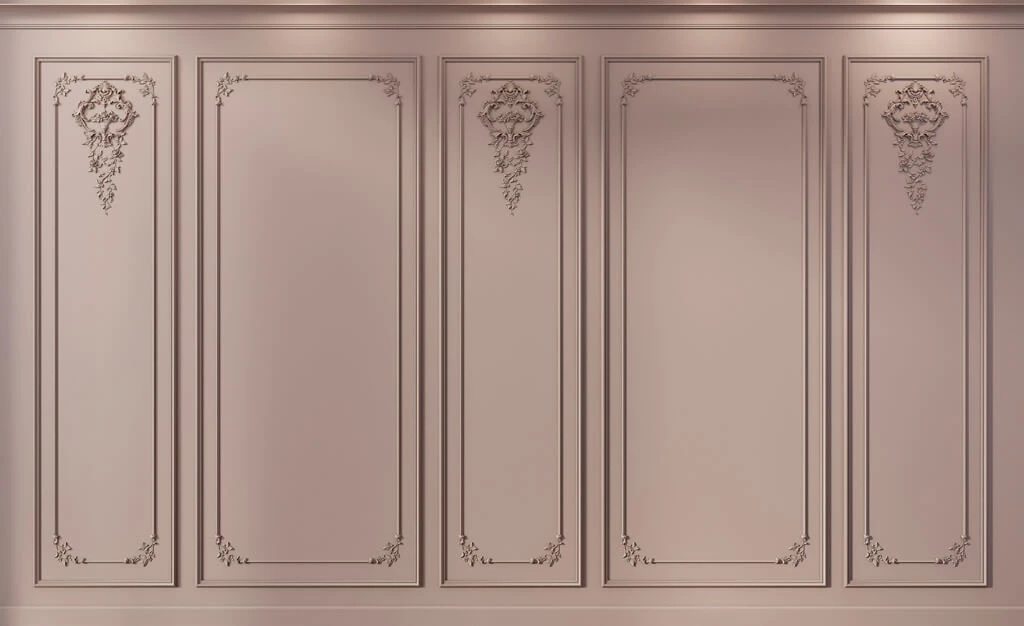
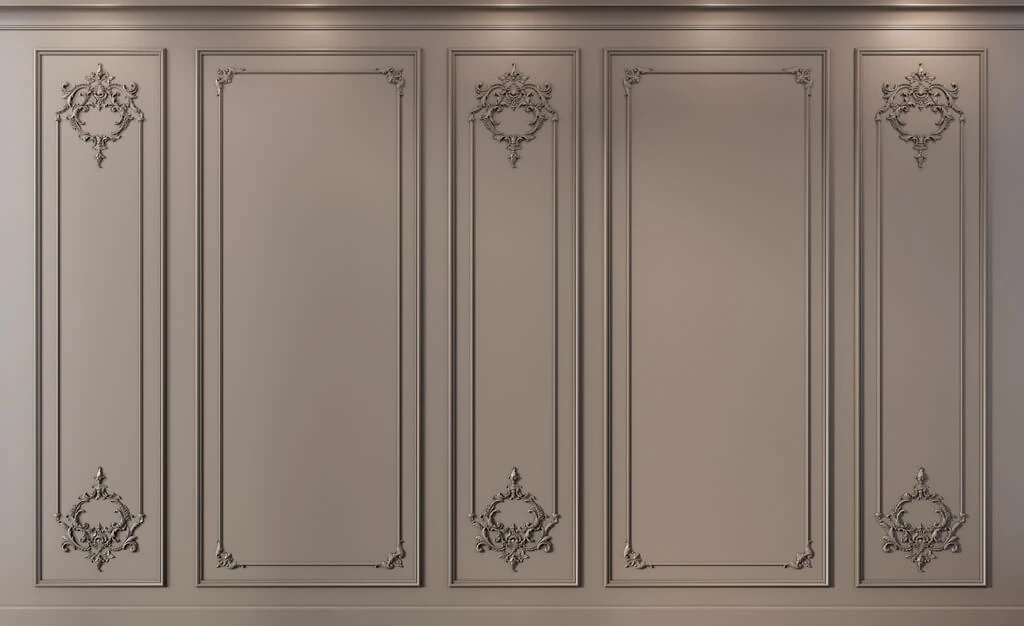
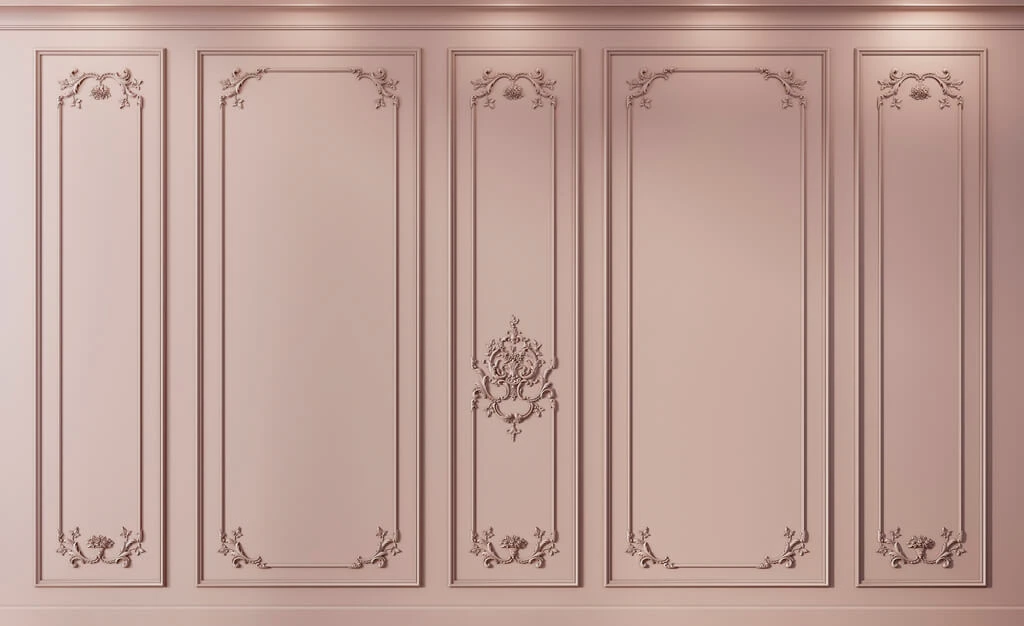
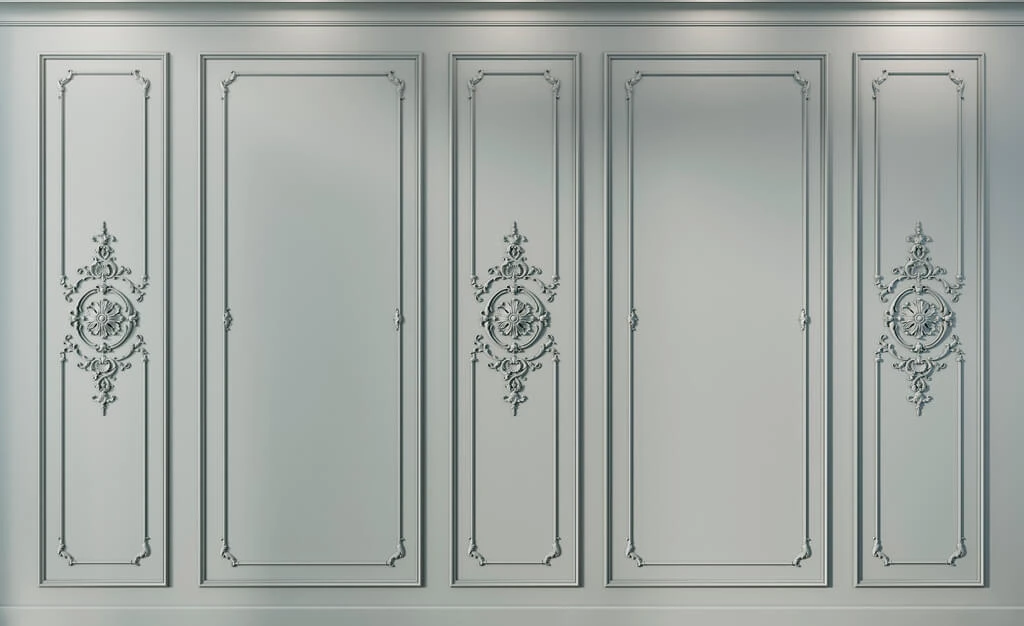
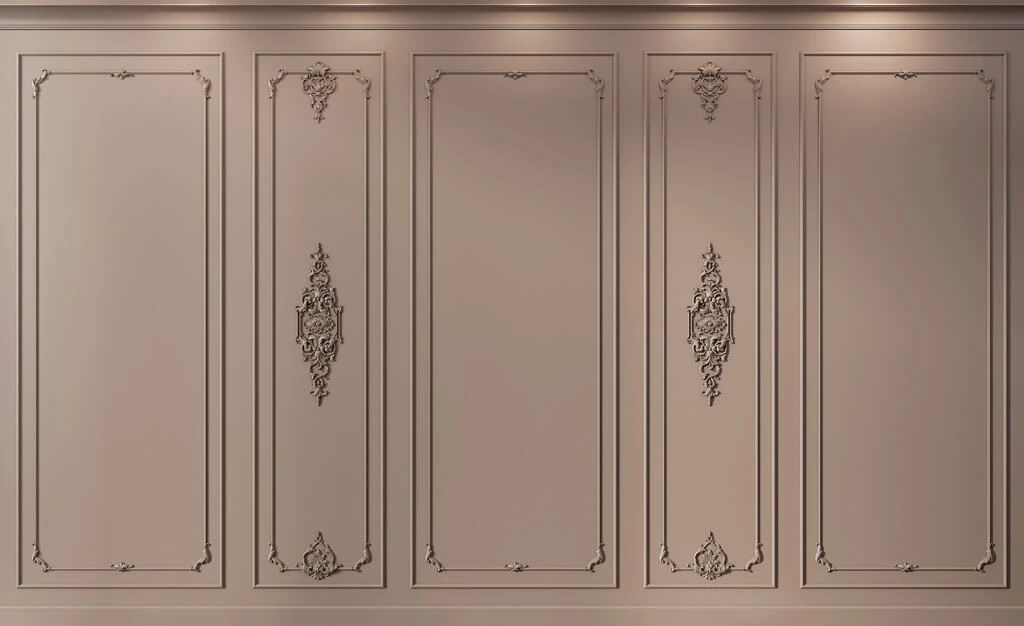
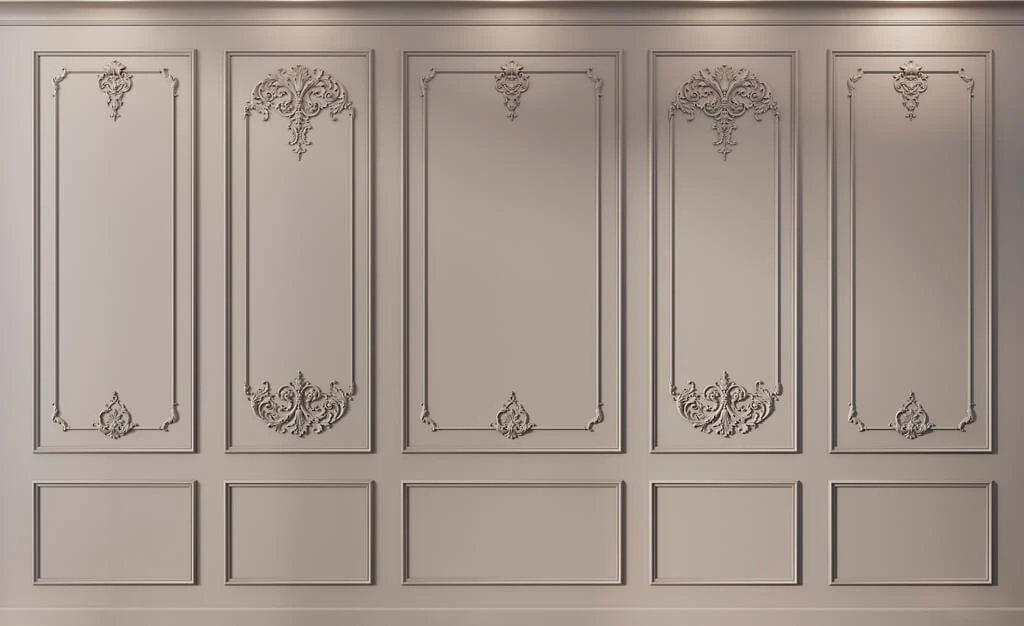
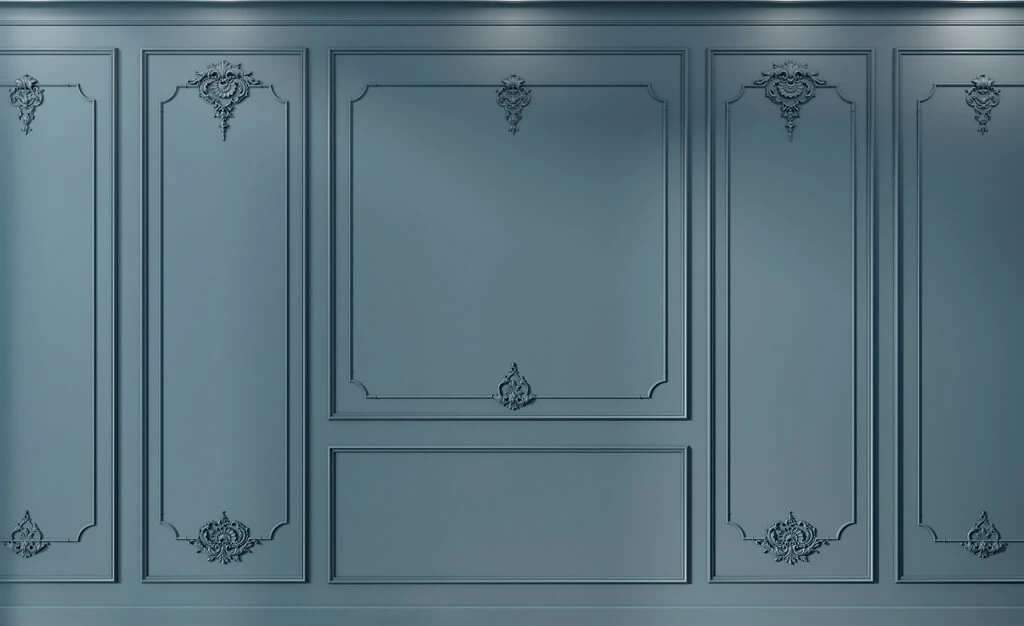
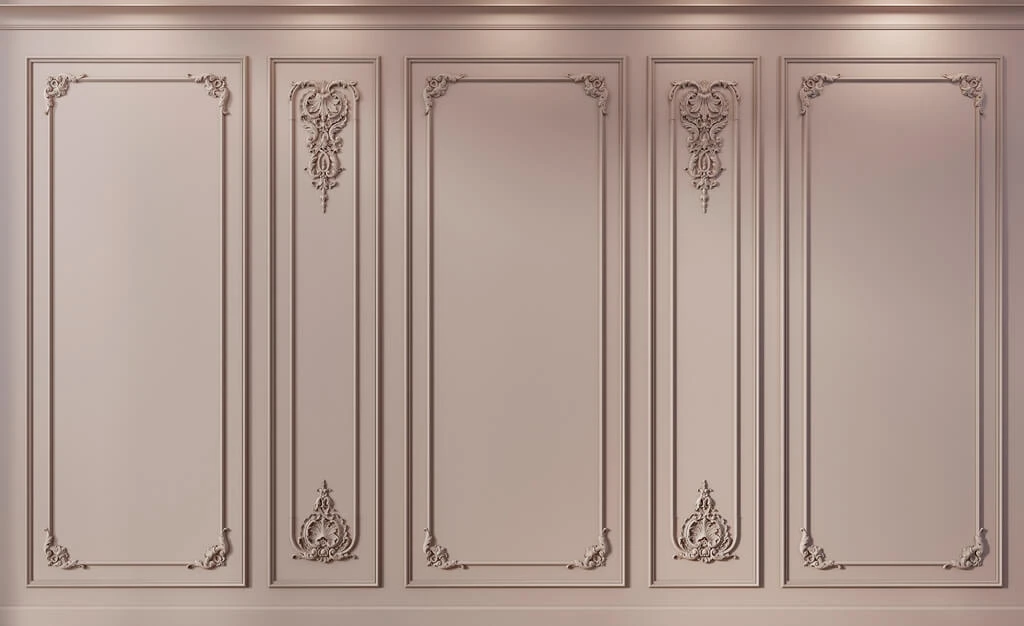
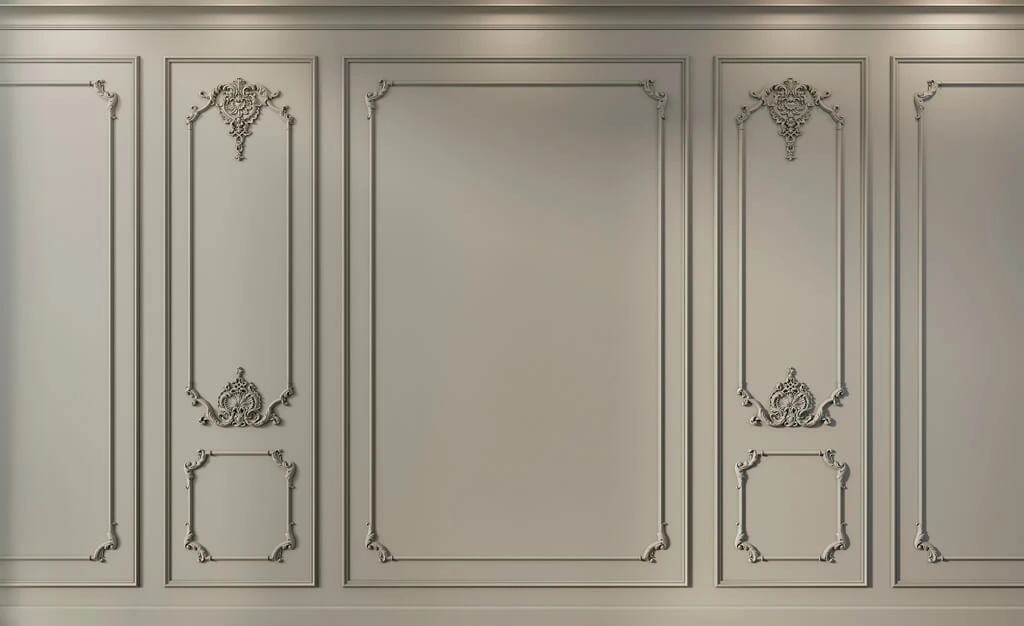
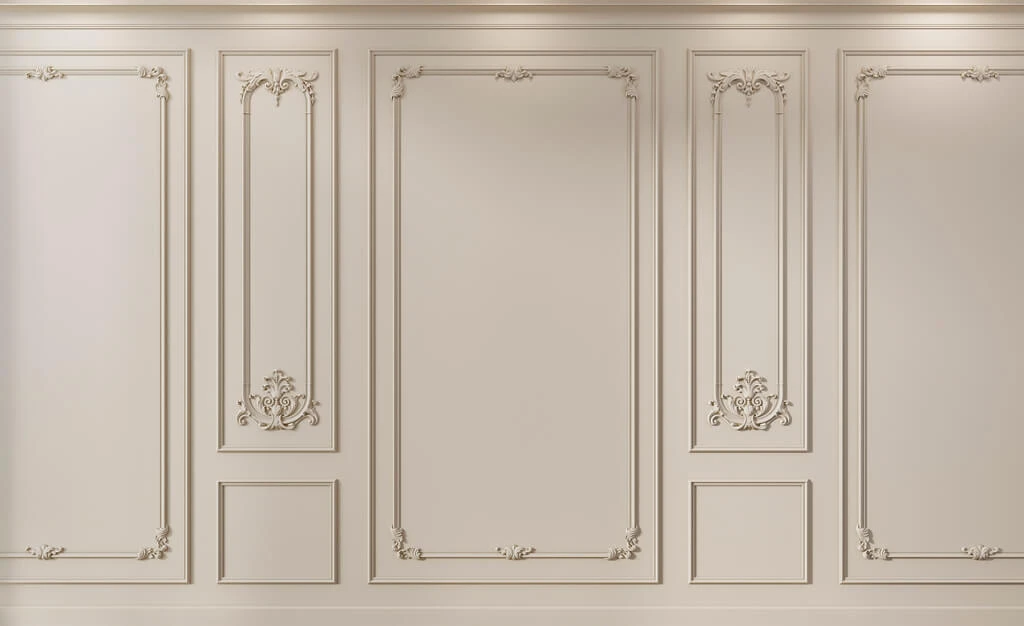
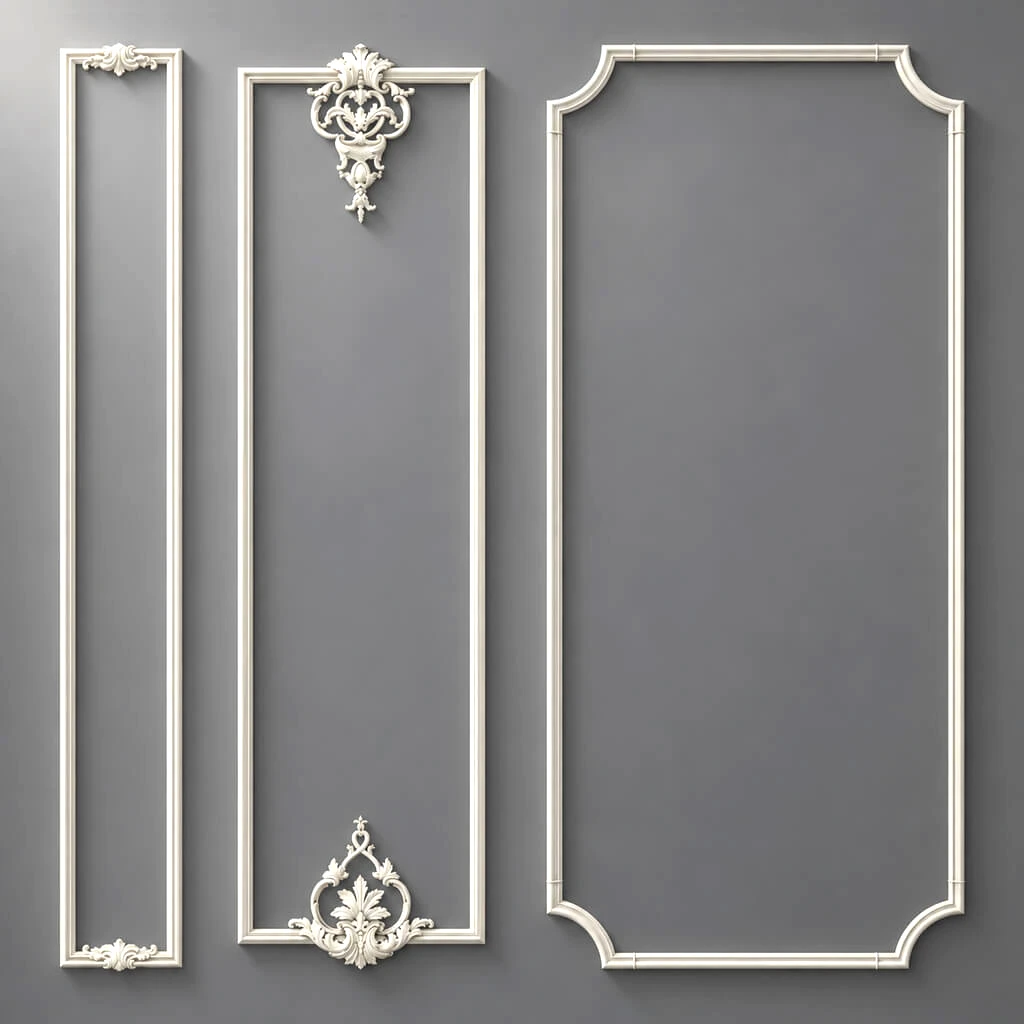
Framed molding panels on a wall are the most popular application scenario. Rectangular frames made from profiles, arranged in a row or system on the wall, create a 'paneled' decor familiar from classic English interiors. The effect is convincing. The implementation cost is significantly lower than it seems at first glance.
Concealing joints and transitions between materials
Where wallpaper meets paint, tile meets plaster, wood panel meets drywall—there's always a problematic line. Molding covers it once and for all. This isn't 'trim,' but an architectural element that turns a problem spot into a decorative accent.
Visual Space Correction
Low ceiling? Vertical pilaster moldings will 'stretch' the room. Narrow space? A horizontal belt will widen it. Too long a hallway? Vertical frame divisions will break it into visual sections. Molding is an optical tool in the hands of someone who knows how to use it.
Architectural base paired with baseboard
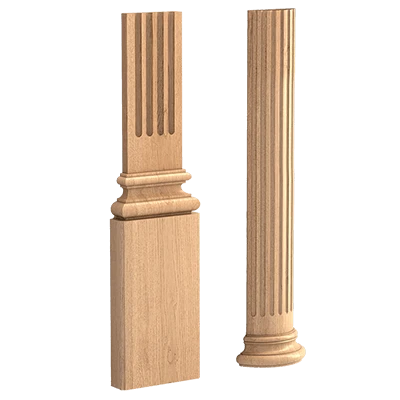
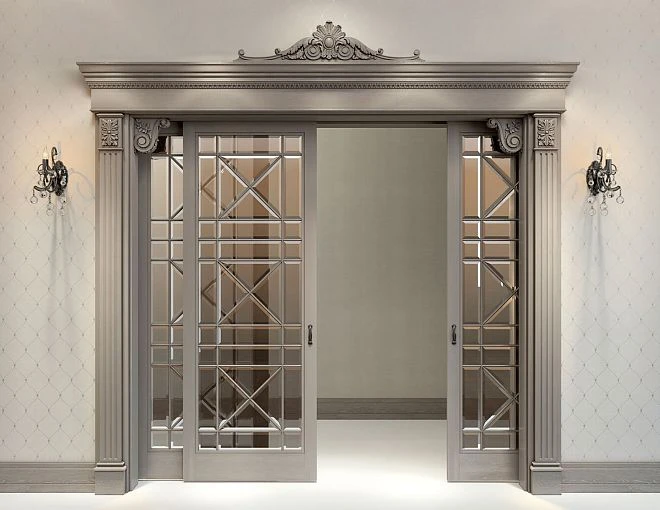
Molding never works in a vacuum. Its partner below is the baseboard. Together they create a 'frame' for the wall: the baseboard closes the bottom line, the crown molding—the top. Horizontal wall belts between them divide the plane into zones. It's about this system—solid wood baseboards and moldings as an architectural foundation—that's important to think about from the very beginning of the project.
Which moldings to buy for your task
The right question isn't 'which molding is prettier,' but 'for what task.' Let's go through the key scenarios.
Wall moldings: frames, belts, pilasters
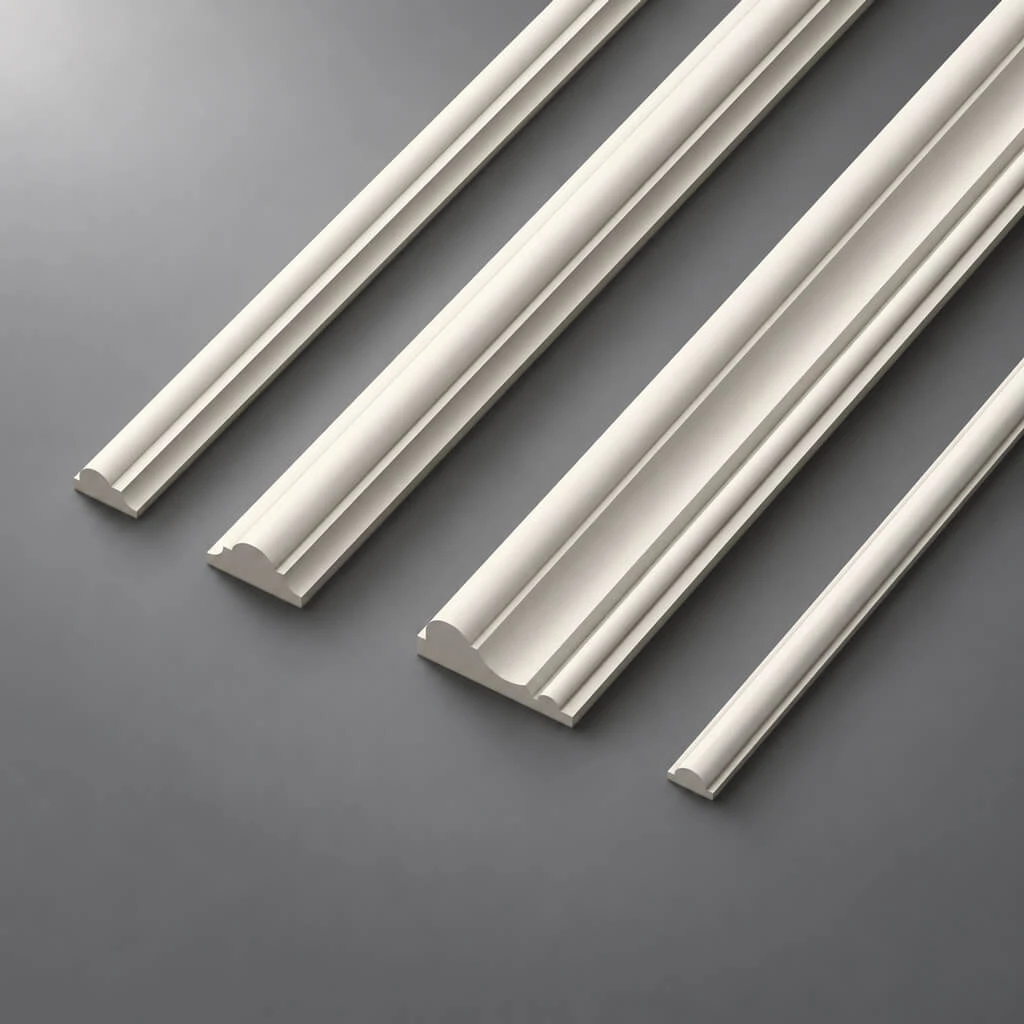
The widest range of applications. Wall molding is mounted directly on a vertical surface and can perform three functions:
Frame panel — a rectangular frame made of molding, creating a 'field' on the wall. For a standard room with a height of 2.7 m, the optimal panel proportion is: 50–70 cm width × 80–120 cm height. The offset from the floor is 10–15 cm or above the horizontal belt.
Horizontal belt — a single horizontal plank dividing the wall into a 'plinth' and 'top' at a height of 90–110 cm. A classic technique of 'English interior' that works in any style.
Vertical pilasters — vertical moldings dividing the wall into sections. They enhance the vertical vector and add scale to long walls.
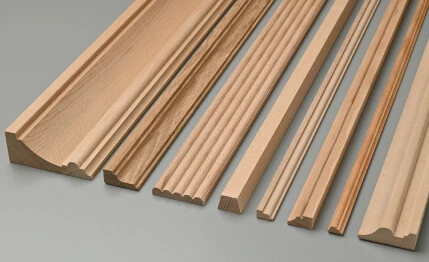
wall and ceiling moldingsmade of solid oak and beech — this is the key category of STAVROS with a full range of profiles for all wall tasks.
Moldings for ceilings: cornice and transition
Ceiling molding — cornice — solves the problem of a 'raw' transition between wall and ceiling. Profile 30–50 mm for low ceilings, 60–100 mm for standard ones, 100–200 mm for high-end representative spaces.
An important nuance: a wide ceiling molding made of solid wood with proper toning is a detail that everyone notices. It sets the tone for the entire interior. That is why in projects with a good budget, ceiling molding is always made of natural wood.
Moldings for accent compositions
Accent wall — one of the four walls in a room that carries the main decorative statement. A molding panel system on such a wall, painted in a contrasting color, is one of the strongest and yet technically simple techniques. One wall, several profile frames, contrasting paint inside — and the room transforms.
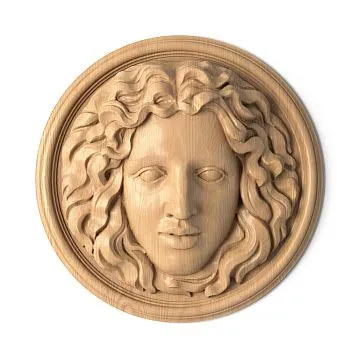
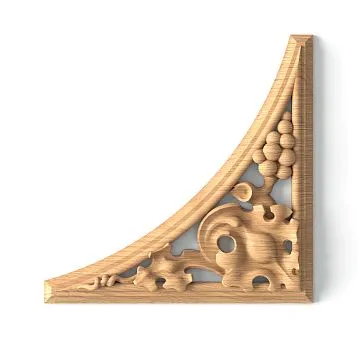
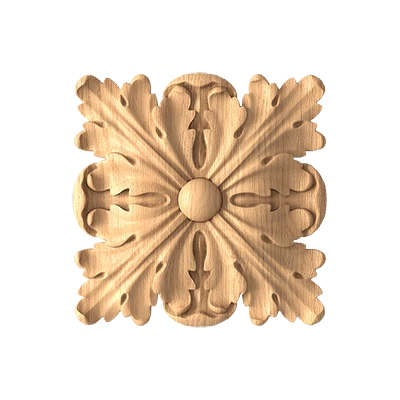
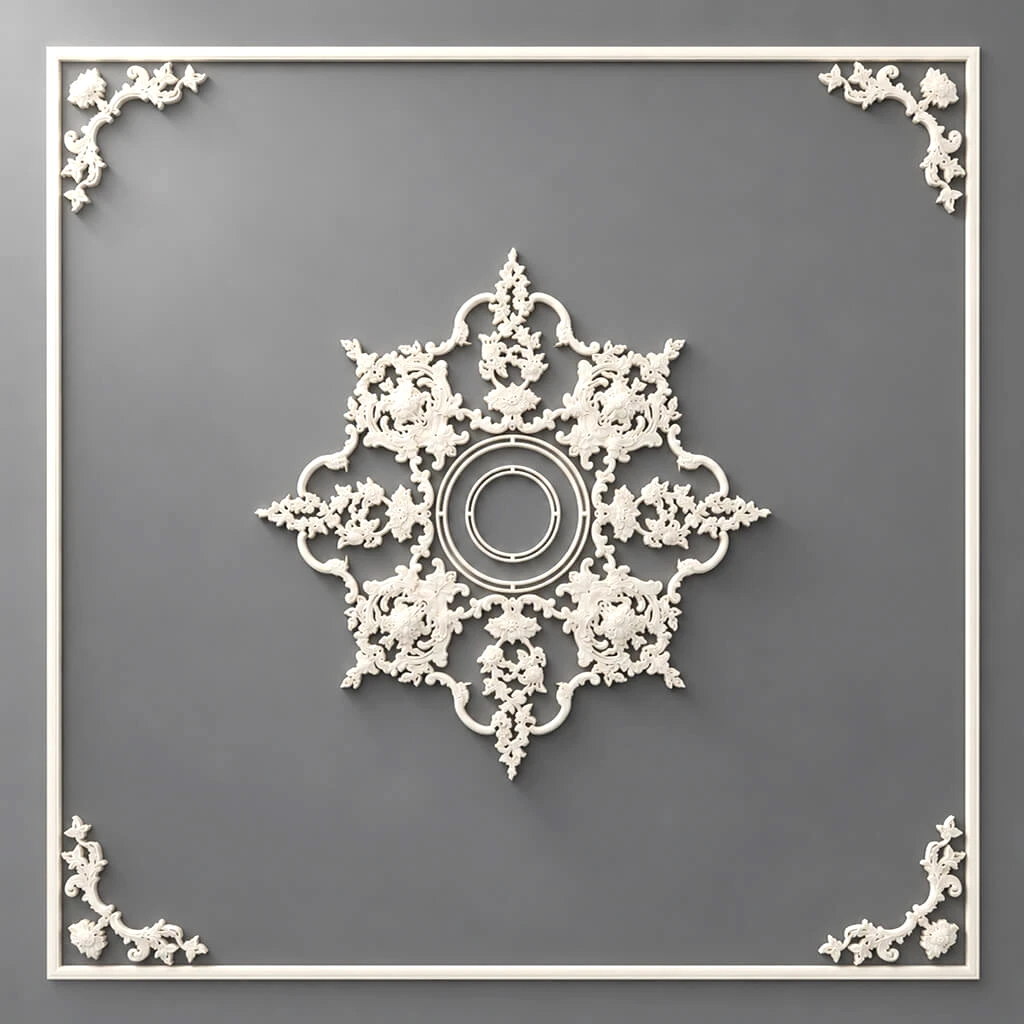
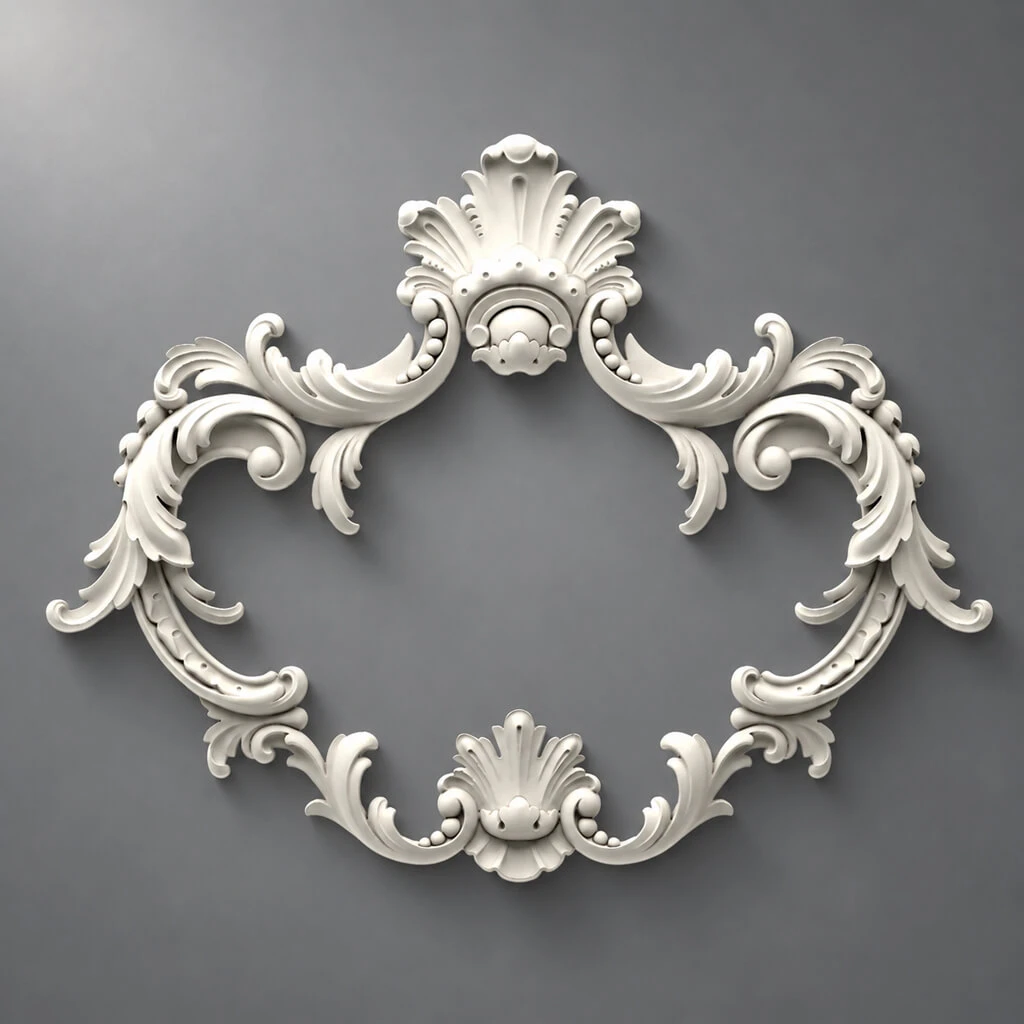
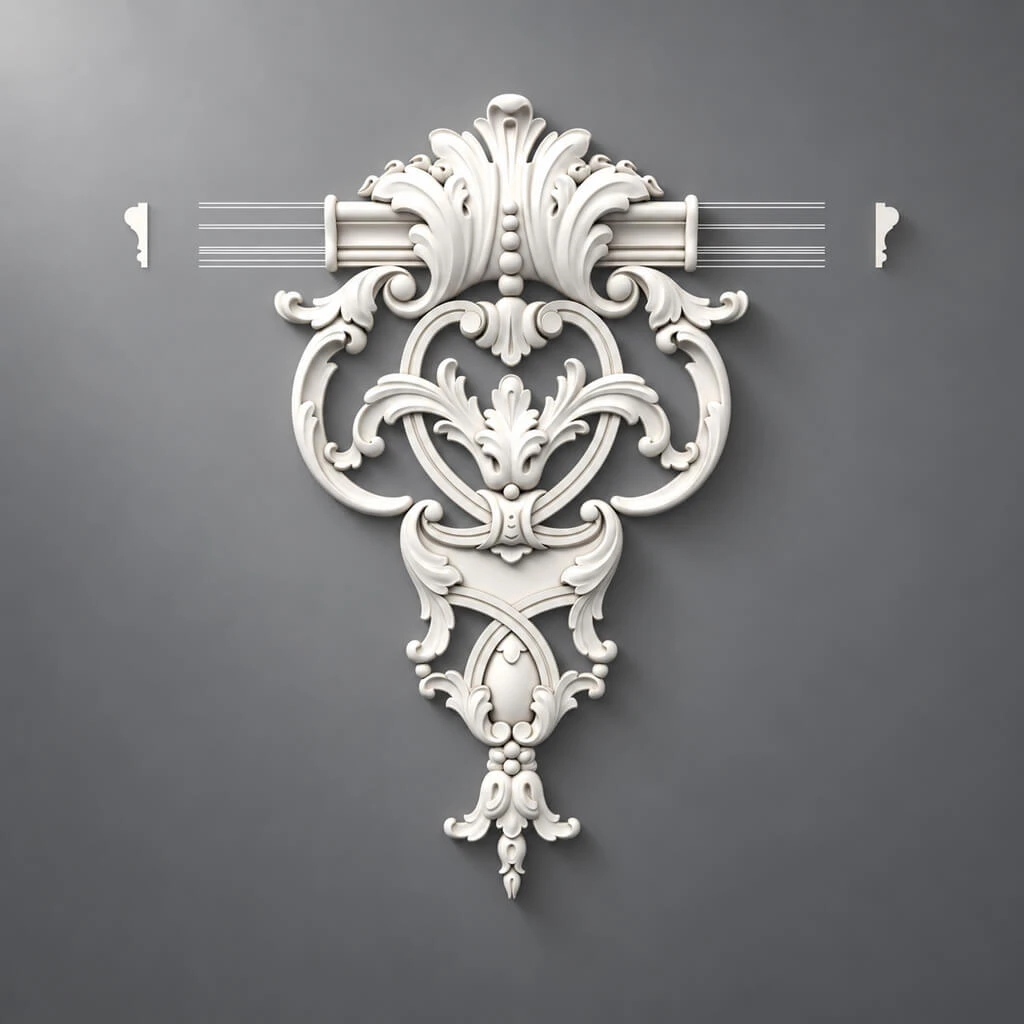
For accent walls, choose a richer profile: 40–70 mm, with relief, possibly with corner decorative overlays from the seriesdecoration for moldings.
Moldings for frames for mirrors and paintings
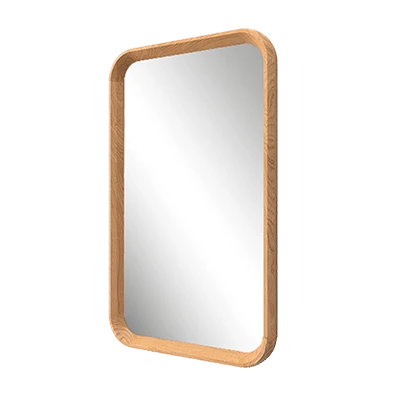
A mirror in a wooden molding frame is not just a mirror. It's an interior piece. A 45–80 mm profile made of oak, stained to resemble dark walnut — and an ordinary mirror becomes a significant object.
For paintings — proportion is critical: a narrow canvas 20×30 — profile 15–25 mm; a large canvas 80×120 — profile 45–70 mm. A frame that's too thin 'loses' the painting, one that's too wide — overwhelms it.
Moldings for classic interior
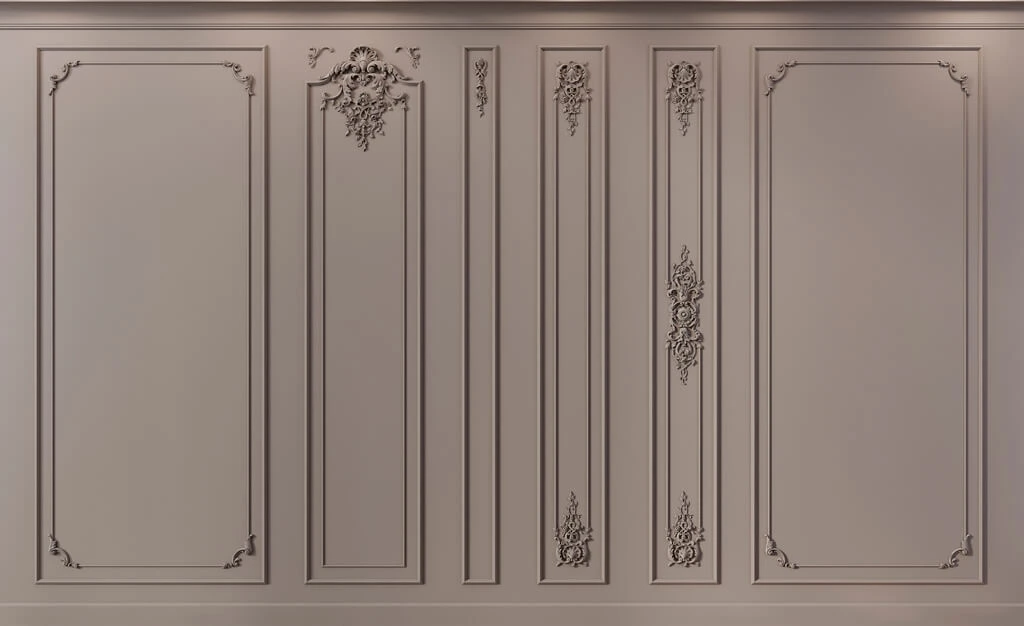
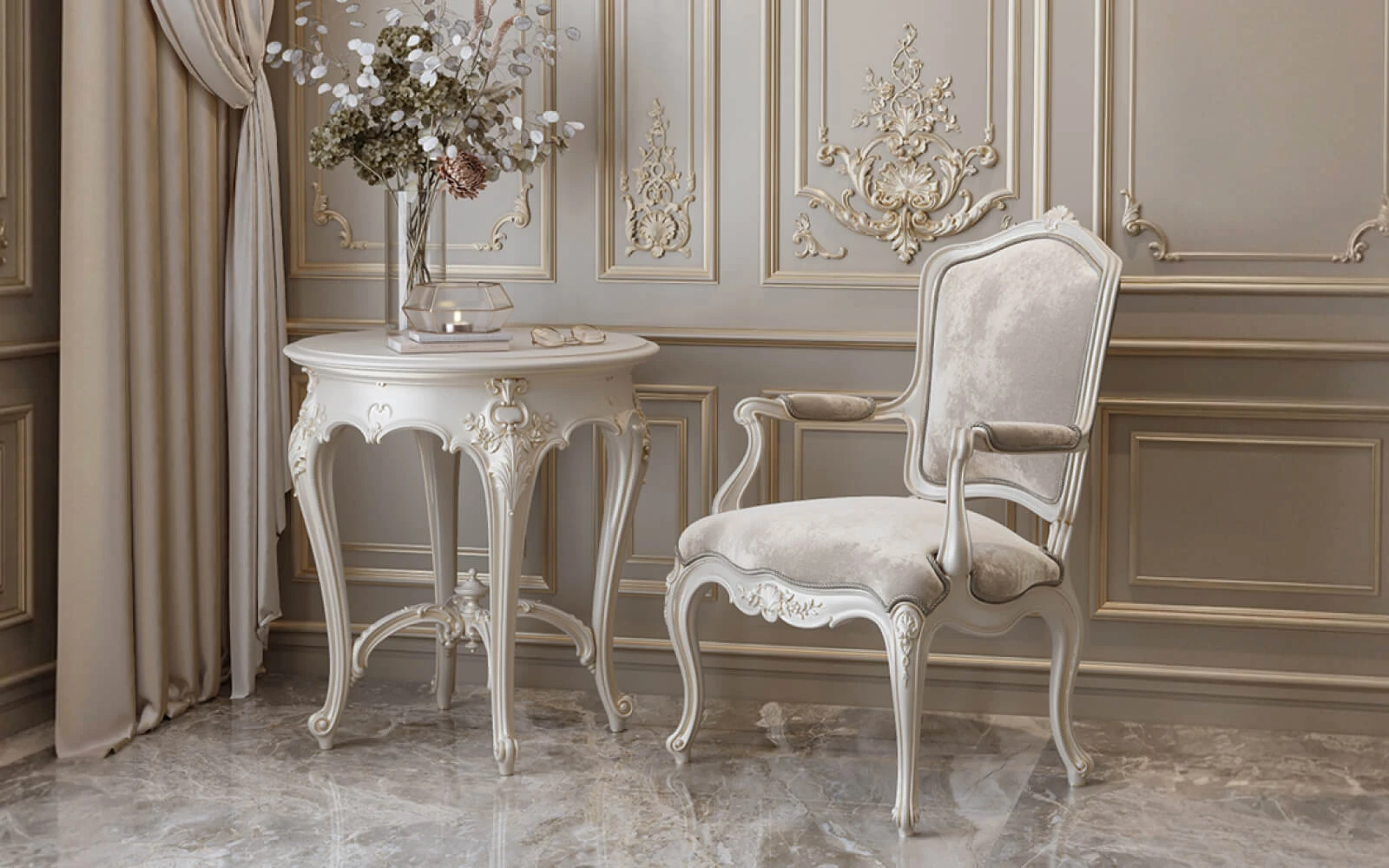
Classic requires a system: a horizontal belt at plinth height (90–110 cm), panel frames in the area up to the belt and above it, a wide cornice molding at the top,Wooden baseboardwith a rich profile at the bottom. All from the same material, the same stain. This is a complete architectural wall program.
Moldings for modern interior
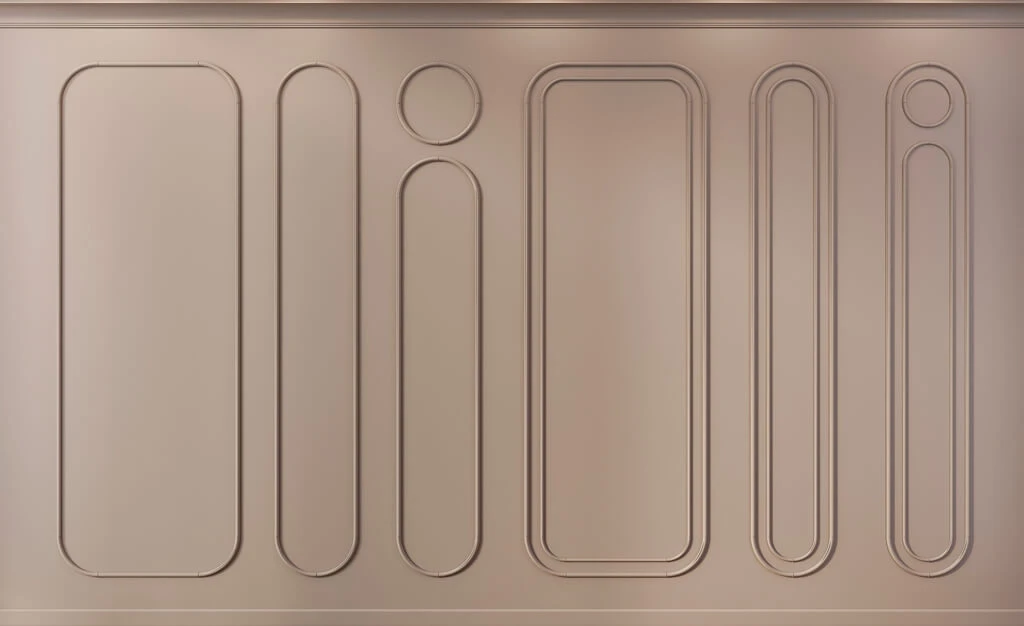
Modern interior speaks the language of geometry and neutrality. Molding here is not decoration — it's a structuring tool. Profile 15–30 mm, smooth, for painting to match the wall color. No ornaments, no corner overlays — clean 45° cuts. A monochrome wall with molding frames in the same tone is one of the most enduring visual trends of recent years.
Wooden moldings or MDF: which is better to choose
This is the choice that determines both the budget, durability, and character of the finish. An honest breakdown — without advertising simplifications.
Solid oak: a heavyweight argument
Oak — density 700–750 kg/m³, Brinell hardness 3.7 kN/mm², durability 50+ years. This is not just 'beautiful' — it's a material with physical arguments. Pronounced texture with large pores, warm brown pattern, ability to accept any finish — from transparent oil-wax to opaque enamel.
Oak wood molding under patina tinting — a classic of academic interiors. Under oil-wax — it's a 'warm Scandinavian' style. Under matte dark enamel — it's modern classic.
Wooden moldings for interiormade of oak in the STAVROS catalog — from smooth geometric profiles to complex carved series with historical cross-sections.
Solid beech: the ideal for painting
Beech — fine-pored, uniform, without a pronounced pattern. It is the best material for molding under enamel: the surface is even, accepts opaque paint without spotting or gaps. White beech molding on a white wall — perfect monochrome that cannot be reproduced with MDF of the same price category.
Beech is 15–25% cheaper than oak. For the task of 'painting' — the choice in favor of beech is obvious.
MDF: precision, affordability, perfect surface
High-density MDF (HDF) – pressed wood fibers with a density of 800–900 kg/m³. Isotropic: identical in all directions. Allows milling the finest relief details without risk of chipping along the grain. Surface – perfectly smooth, without pores.
MDF's main advantage: a complex relief profile made from MDF costs 2–4 times less than a similar one made from solid wood. This allows implementing classic profiles with rich relief in budget projects.
Oak, beech, and MDF moldings– a unified STAVROS section where both material lines are gathered together for convenient comparison.
MDF moldings for painting
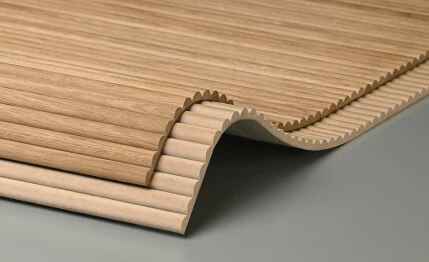
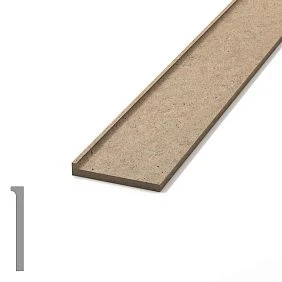
MDF moldings for interior– a specialized category in the STAVROS catalog. Profiles made from high-density MDF, primed and ready for self-painting. Apply 2 coats of acrylic enamel – and get a smooth, professional surface without visible seams.
This is the best choice for modern monochrome interiors, where the molding is painted to match the wall. Neither wood nor polyurethane provides such an even base for painting.
For natural finish: only solid wood
Oil, wax, tinting – work exclusively with live wood. MDF has no pores to absorb oil, does not provide texture for tinting. If the goal is a warm natural surface with a visible wood grain – choose only oak or beech.
For a designer project
For custom interiors with non-standard requirements — STAVROS manufactures moldings according to individual drawings. This is especially relevant for projects involving historical reproduction of profiles or with non-standard dimensions.
How to choose moldings according to interior style
Style is not a wish for an interior, but a system of rules. And a molding that violates these rules ruins even a well-thought-out design.
Classic: history in details
A classic interior is a hierarchy of elements based on historical sections. Each classic profile has a name and meaning: ovolo ('cymatium') — a transition from concave to convex curve. Cyma reversa — the mirror reflection of the ovolo. Cavetto — a concave quarter-circle. Torus — a semicircular projection. In the correct combination, they create a profile with historical resonance.
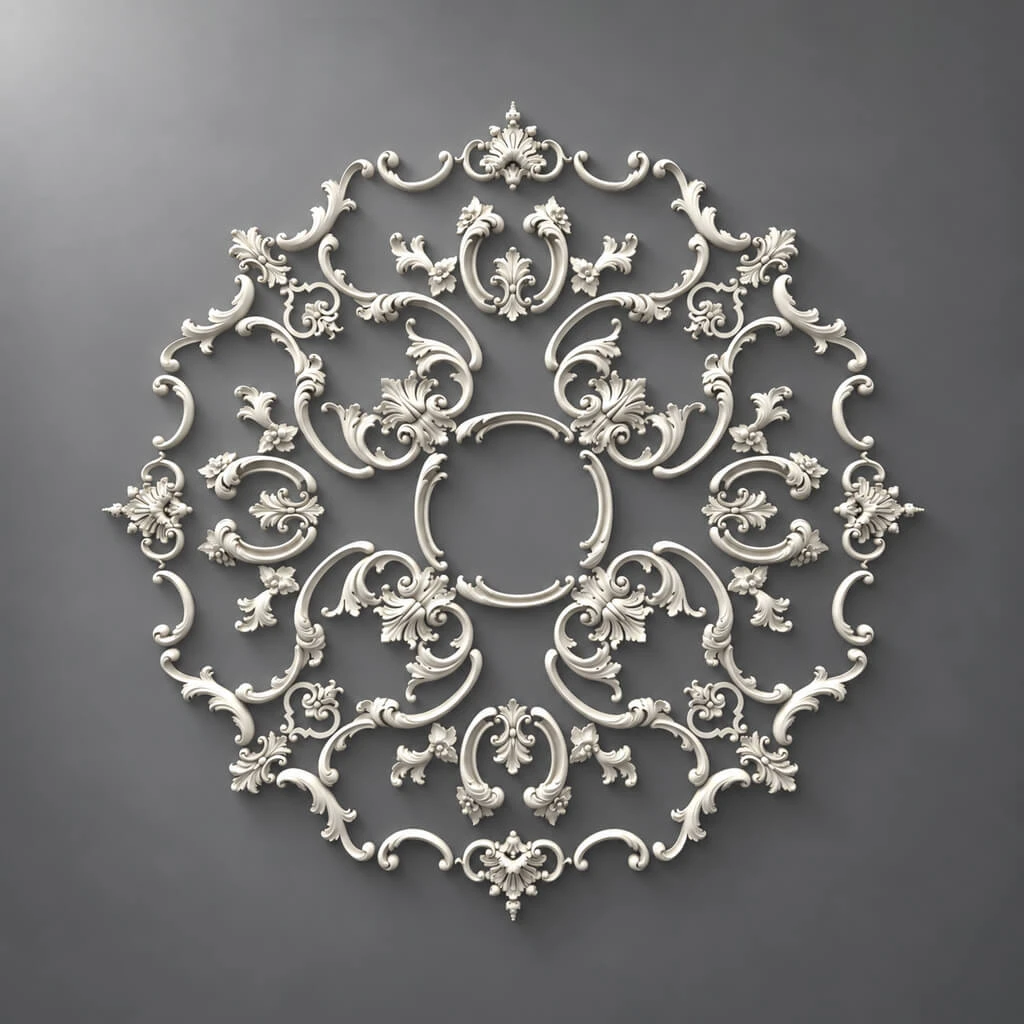
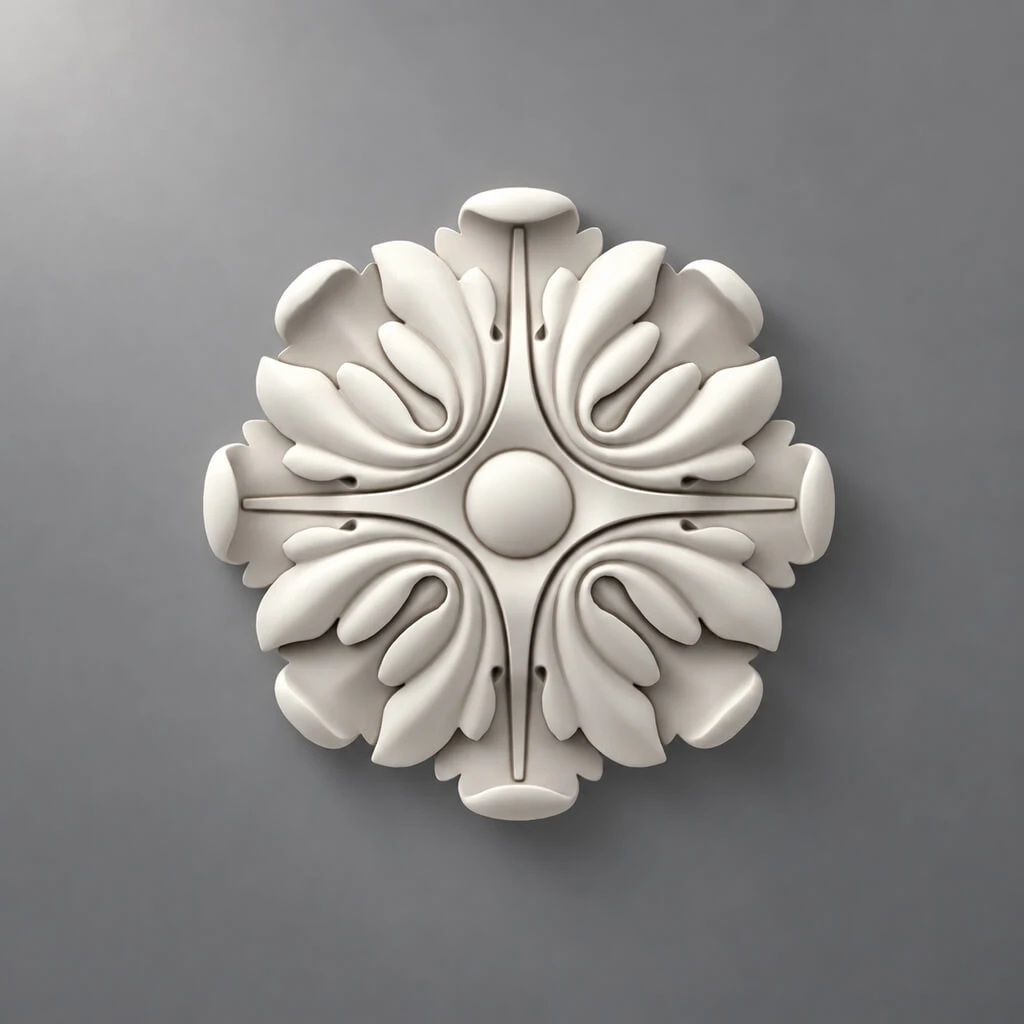
For classic: profile 45–100 mm with several curved transitions, made of solid oak, stained to resemble dark walnut or with patina. Corner overlays are essential: cartouches, medallions, or rosettes made ofdecoration for moldings.
Neoclassical: strictness on a historical basis
Neoclassicism is when historical proportions remain, but ornamental load is reduced. Profile — 30–60 mm, geometric section with one or two transitions, without floral or plant motifs. Material — oak with a natural light stain or beech under white enamel. Corner overlays — geometric, without carving.
Neoclassicism is currently one of the most sought-after styles in premium residential design. Oak moldings with a grey wash stain on a light gray wall — this is precisely neoclassicism in a modern interpretation.
Modern interior: less is more precise
Molding in a modern interior is not a decoration, but a geometric tool. Profile 15–30 mm, rectilinear, without curved transitions. A clean 45° bevel without corner caps — strict geometry. Material — paintable MDF or beech for white enamel. Color — matching the wall for an 'invisible' effect or contrasting for emphasis.
Modern interior moldings— a separate STAVROS publication on how a laconic profile works in a contemporary living space: without opulence, without historical references, but with a full design result.
Minimalism: the boundary between nothing and everything
Minimalism does not like molding in the classical sense. But a horizontal cut on the wall made from a narrow 8–12 mm profile is already an architectural line, not a 'decoration'. One thin molding dividing a surface into two color fields is a minimalist, yet very powerful move.
Laconic profiles for any style
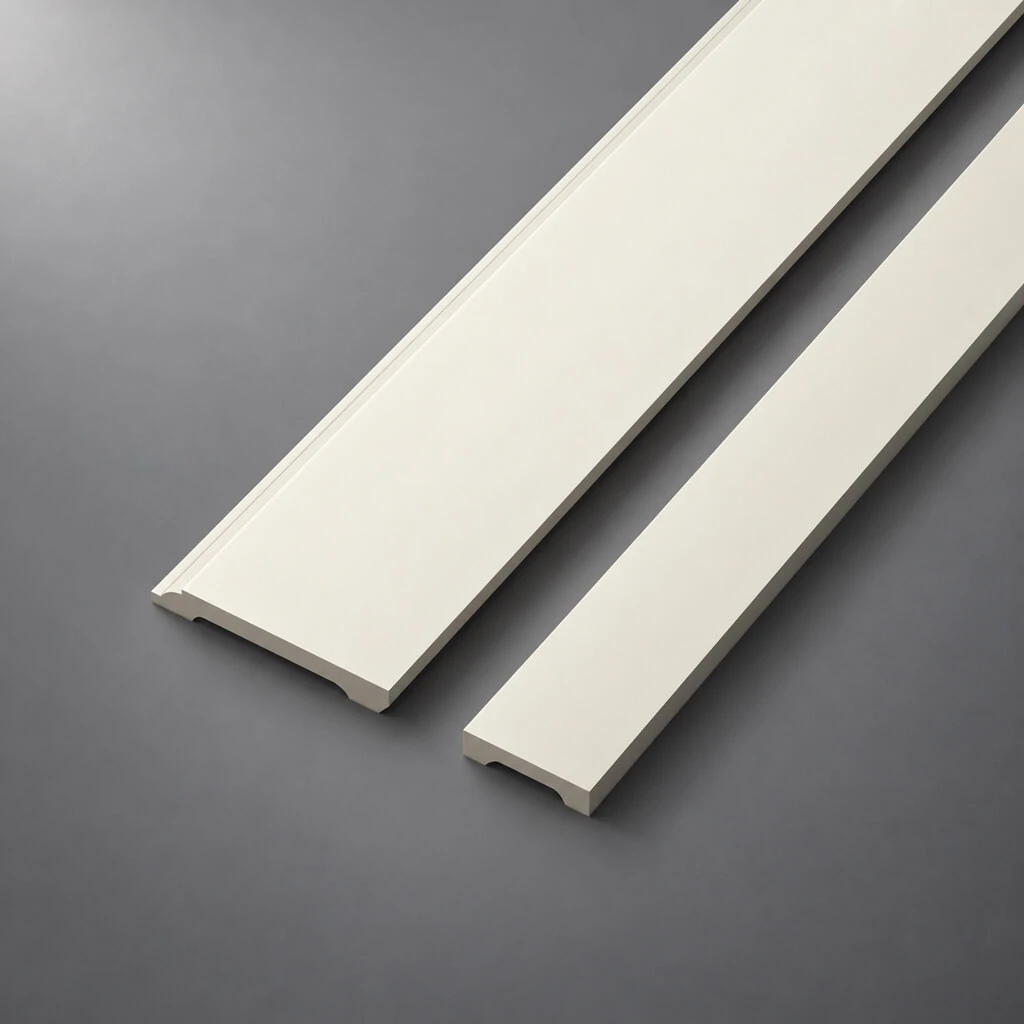
A smooth rectangular profile 25–40 mm — absolutely neutral, works in any interior. It is a 'quiet' molding that does not compete with furniture, paintings, or finishes — it simply structures. For those who want architectural quality without stylistic obligations — the best choice.
Carved profiles: when detail carries meaning
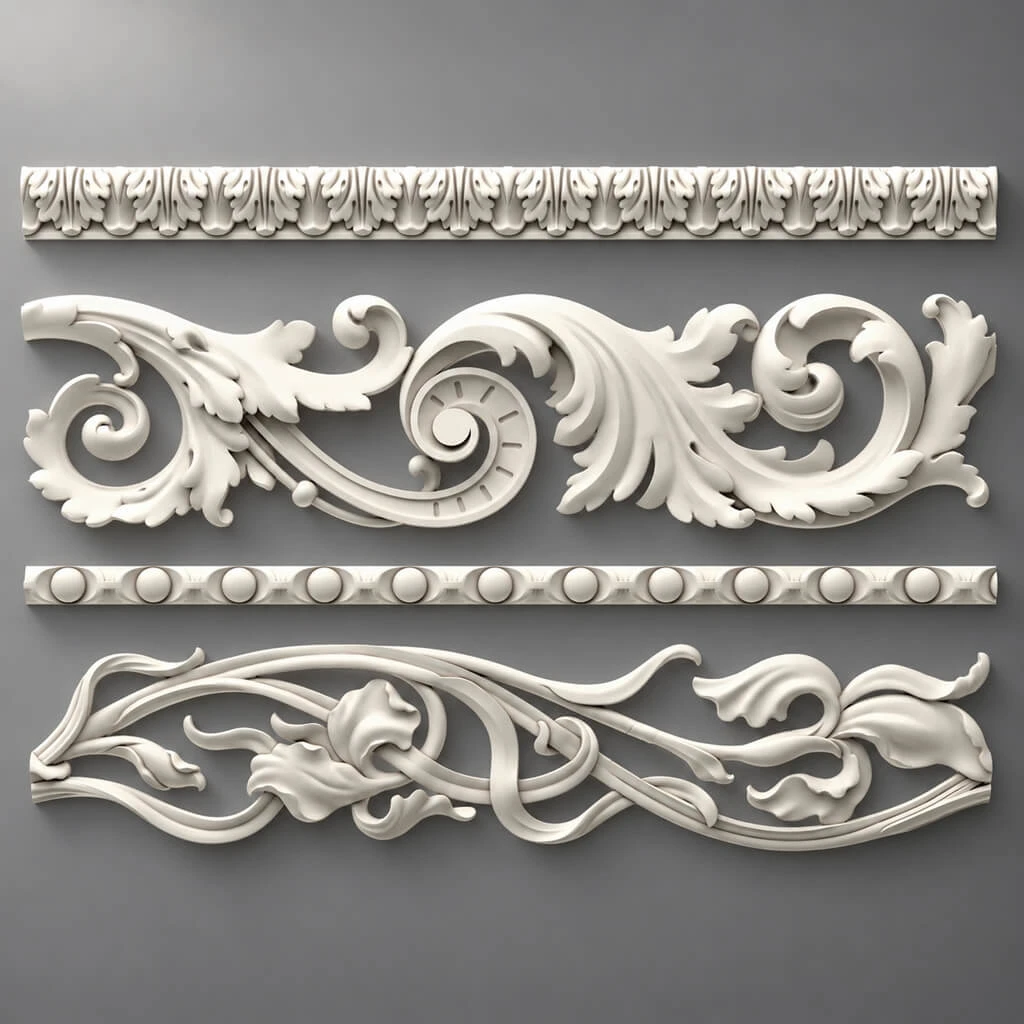
A carved molding with ornamentation is the language of high classicism. Acanthus leaf, meander, pearl, lambrequin. In the right context (ceiling 3+ m, furniture in a classical style, natural finishes) — this is the pinnacle of decorative craftsmanship. In a small apartment with a low ceiling — an excess that will 'weigh down' the space.
How to combine moldings and baseboards: a system instead of randomness
This is perhaps the most important section of the article. Because moldings without properly selected baseboards are half the job. And an interior where moldings and baseboards are from the same system is already a complete architectural statement.
Unified profile rhythm
The main principle: the profile of the molding and the profile of the baseboard should 'speak' the same language. Not necessarily with identical cross-sections—but with repeating elements. If the baseboard has a bead and a fillet, the molding should contain at least one of these elements.
This is not an aesthetic wish, but a constructive principle of classical architecture.Solid wood baseboards and moldings— a detailed article by STAVROS is precisely about this: how to create the architectural foundation of an interior through a system of profiles.
Combination by material
Ideal: baseboard and moldings made from the same material and the same wood species. Oak everywhere—matching tones. Or beech everywhere—under a unified enamel. This is maximum unity.
Acceptable: baseboard made of oak, moldings made of beech—provided there is a unified finish (e.g., white enamel on both). The difference in texture under the enamel is practically unnoticeable.
Undesirable: baseboard made of solid wood with a natural finish, moldings made of MDF for painting. The material contrast will be visible.
Combination by profile height
Classical hierarchy: skirting board is the tallest (80–150 mm), horizontal wall molding belt is medium (40–80 mm), panel frame molding is the thinnest (25–50 mm), ceiling cornice is large (60–150 mm). Each level is 'heavier' than the lower ones, creating a vertical hierarchy.
wooden baseboardIn the STAVROS catalog, it is available in several heights: from 50 to 150 mm — choose according to ceiling height and interior scale.
When to choose solid wood for both
For classical and neoclassical interiors — solid wood is a must for both moldings and skirting boards. Natural wood in both places creates a unified material field — a sense of a 'real' interior that polymer or MDF solutions cannot replicate.
Wooden skirting boards and moldings from the same series— see this STAVROS category if you want to select skirting boards and moldings from the same assortment.
When MDF is more practical
For modern monochrome interiors to be painted — MDF for both: for moldings and skirting boards. Same surface, one paint — perfect unity. The cost of the system is lower than solid wood; the visual result with proper painting is high-level.
buy MDF skirting boardand MDF moldings from the same series — the most practical solution for DIY installation with subsequent painting.
Navigator: where to view both product classes
If you're unsure where to start — here's the entry point:quick navigator for decor, rails, moldings, and baseboardsThis is a compass article covering all STAVROS millwork assortment: it will help you navigate which category to go to for the needed product.
Wall and ceiling moldings: how to assemble an interior composition
A single molding is an element. A molding system is an interior. Let's break down how to assemble a system.
Wall panels: rhythm and proportions
A classic wall panel made from molding is a rectangular frame with correct proportions. The 'golden ratio' proportion (1:1.618) looks most natural: frames of 50×81 cm, 60×97 cm, 70×113 cm — all are close to this ratio.
Number of frames on a wall: for a 4 m wall — 3 or 4 frames (spacing 80–100 cm). For a 5 m wall — 4 or 5 frames. The distance between frames — equal or with a slight increase towards the corners (so-called 'optical alignment').
Height of the lower edge of the frame from the floor: 10–15 cm in the absence of a horizontal belt; 10 cm above the horizontal belt if present.
Wall frames for mirrors and accent decor
A single large molding frame on an accent wall is a 'window' into another space. Inside: a mirror, wallpaper, an art object, a decorative centerpiece. Or simply an empty field painted in an accent color—which is a strong technique in itself.
An 80×120 cm frame made from a 50–70 mm profile with decorative corner overlays on the wall behind the sofa—this is the living room centerpiece that costs less than half the sofa but creates a comparable design effect.
Ceiling transitions: cornice as a finishing touch
A ceiling cornice is the finishing horizontal line of an interior. Without it, even well-designed walls look 'unfinished': the gaze rises upward and hits a bare corner. The cornice covers this corner, creating shadow and depth.
Technical note: before installing the cornice, check the horizontality of the corner. Wall deviations from vertical are compensated during installation with putty; larger irregularities—by leveling with subsequent gap filling.
Space zoning: molding as a boundary
A molding horizontal belt at a height of 90–100 cm divides the wall into a base and an upper panel. This is not just decoration: the lower zone 'grounds' the space, the upper one opens it up. In classic interiors, the lower zone is often clad with wooden panels or painted in a darker shade.
For zoning space by function (rest area / work area), molding works through contrasting finishes within frames: one side—a calm color, the other—an accent color.
Working with high ceilings
A ceiling of 3 m and above is not only an opportunity but an obligation: the space must be 'filled' vertically, otherwise it feels empty and cold. Three-zone division: base (0–90 cm), main panel zone (90 cm – 220 cm), upper frieze (220 cm – ceiling). Moldings structure all three zones.
With a ceiling of 3.5 m and above, a ceiling cornice of 120–200 mm is not a luxury but an architectural necessity. It is such solid oak profiles that make a high space majestic, not just large.
What determines the price of interior moldings
Let's break it down factor by factor — without marketing rounding.
Material: base rate
MDF < beech < oak — in ascending order of price. MDF is 40–60% cheaper than beech for the same profile. Oak is 15–25% more expensive than beech. Carved oak is in a separate price zone.
Profile width
The wider the profile, the more material per linear meter. A 20 mm profile and an 80 mm profile have roughly a 4-fold difference in material cost.
Complexity of relief
Smooth profile — one milling operation. Shaped profile with two levels — three to four operations. Carved with ornament — 3D milling plus manual finishing. The price difference between a smooth and a carved profile of the same width is 5–10 times.
Order length
Retail from 1 m — maximum price. Batch from 20 m — wholesale terms. For project purchases from 50 m — contractual relations with the manufacturer.
Standard or project solution
Standard profile from catalog — fast and cheaper. Non-standard profile for an author's project — individual calculation and minimum production run from the manufacturer.
| Type | Material | Width | Approximate price |
|---|---|---|---|
| smooth | MDF | 15–25 mm | from 120–280 RUB/m |
| smooth | Beech | 20–30 mm | from 280–480 RUB/m |
| Decorative | Oak/beech | 30–50 mm | from 480–950 RUB/m |
| Geometric | Oak | 50–70 mm | from 900–2,200 RUB/m |
| Carved | Oak | 60–100 mm | from 2,200–8,000 RUB/m |
| Wide cornice | Oak | 80–150 mm | from 3,500+ RUB/m |
Moldings for different rooms: specific solutions
Living room: main wall
The living room is the most 'expressive' space. The wall behind the sofa with a molding system (horizontal belt + 3–4 frames) and an accent color is the center of the interior. Profile 35–60 mm, solid oak with tinting or MDF with white enamel. Ceiling cornice is a must.
Bedroom: bed area
In the bedroom, the molding system works locally — behind the bed headboard. One 'architrave' frame, with a height from the headboard to a level of 70–90 cm, creates an 'arcade' above the bed. Inside — accent color or fabric upholstery. This is one of the most convincing bedroom design techniques.
Entryway: first impression
The hallway is small, but it is what forms the first impression. Molding panels in the lower zone of the walls (fromwooden baseboard for floorto the horizontal belt at a height of 90 cm) — this is a hallway classic. Medium profile, 25–40 mm. Painting the lower zone in a slightly darker shade — and the hallway gains an 'anchor' at the floor.
Kitchen: functional accent
In the kitchen, molding works in areas without direct contact with water: along the perimeter of the cabinet fronts, in the transition between the backsplash and the upper cabinets, in the ceiling area. Material — moisture-resistant MDF or lacquered solid wood. Tone — to match the cabinets.
Children's room: light and fun
In the children's room — narrow MDF profile 15–25 mm, frame panels at a height of 70–100 cm from the floor. Inside the frames — magnetic or chalkboard paint. This is both decor and a functional area for play and drawing. Change the paint — change the 'mood' of the children's room without dismantling the moldings.
Where to buy interior moldings without mistakes
Five questions to ask yourself before ordering
1. For which surface?
Wall → frame or belt moldings, medium profile 25–50 mm. Ceiling → cornice profile 40–120 mm. Furniture → thin furniture molding 10–25 mm.
2. Which material?
For painting → MDF or beech. For natural finish → oak or beech. Classic interior → oak is a must. Budget project → MDF.
3. Do you need skirting boards from the same series?
If yes — look at both categories at once: moldings and wooden skirting board purchase from one series. A unified profile rhythm is the foundation of a systematic interior.
4. Calculate the footage
Wall with frames: perimeter of each frame × quantity + 15% margin. Horizontal belt: room perimeter minus door openings. Ceiling cornice: room perimeter + 10% margin.
5. Where to go in the catalog
About the company STAVROS
STAVROS — a Russian manufacturer of products from solid wood and MDF: moldings, millwork, skirting boards, furniture, and interior decor. Founded in St. Petersburg in 2002. Portfolio includes state-level objects: the Hermitage, Konstantinovsky Palace, Alexander Palace. Hundreds of residential and commercial projects across Russia.
STAVROS production: chamber drying of wood to 8–12%, four-sided planing on German equipment with a tolerance of ±0.1 mm, 3D milling of complex profiles, manual finishing of carved elements. Over 50 series of moldings and millwork. Entire assortment — from smooth minimalist profiles to complex carved classic series.
Working with private buyers from 1 linear meter, with designers and architects — within project supplies. Showrooms in Moscow and St. Petersburg. Contact us to confirm shipping to your destination. and CIS.
FAQ: popular questions about interior moldings
Which moldings are best for the interior?
Depends on the task. For modern style — smooth MDF or beech for painting. For classic style — solid oak with a relief profile 45–80 mm. A universal choice for most tasks — a 30–45 mm profile made of beech for white enamel.
What's better: solid wood or MDF?
Solid wood is better for natural finishes (oil, wax, tinting), for durability and the feeling of a 'real' material. MDF is better for painting, for budget projects, for complex profiles at an affordable price.
How to match moldings to baseboards?
Look for profiles from the same series. If it's the same series — unified material and unified finish. The molding profile should 'echo' the baseboard profile by repeating at least one element of the cross-section (bead, ogee, ovolo).
Which moldings are suitable for classic style?
Wide (45–80 mm), with historical relief (ovolo, cyma reversa, pearl ornament), made of solid oak with tinting. Decorative corner overlays are a must.
Which moldings are suitable for a modern interior?
Smooth or geometric, 15–35 mm, made of MDF or beech for painting. No ornaments, no corner overlays. Monochrome or contrasting painting.
How many moldings are needed per wall?
Formula: perimeter of each frame × number of frames + 15–20% margin. For a 4 m wall with four 60×90 cm frames — 17–18 linear meters.
Which baseboards pair best with moldings?
Baseboard from the same material and same series. For oak —wooden baseboardfrom oak. For paintable MDF —MDF Skirting Boardfrom the same product line.
Can moldings be installed by oneself?
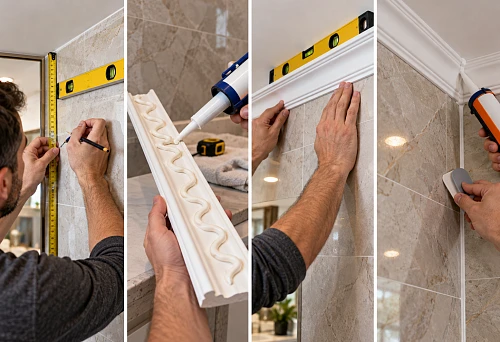
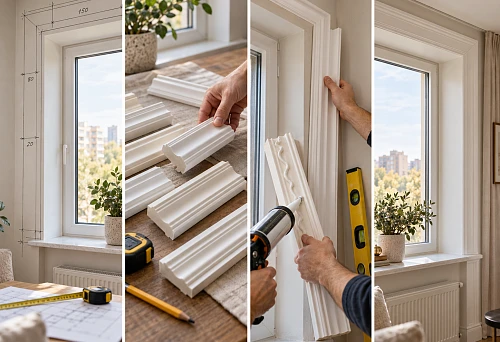
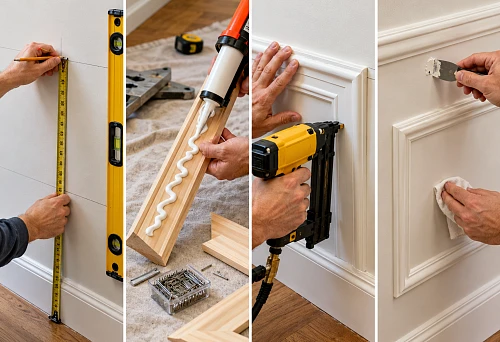
Yes. Adhesive (construction PVA or liquid nails) + finishing nails 1.2×20 mm. Corners — miter box or miter saw at 45°. Fill joints with putty before painting. The hardest part — precise layout; with careful approach, the task is achievable.