

























Article Contents:
- Why production matters when choosing classic furniture
- Classic is in the details
- What exactly depends on production
- How a good classic furniture factory differs from a mediocre one
- Signs of quality production
- Material: wood, solid wood, veneer, MDF, and combined solutions
- When solid wood is needed
- Combined construction: where reason triumphs over purism
- Why the finish of a material is more important than its name
- Classic furniture facades: form, proportions, and finish
- The facade is the face of the furniture
- Facade proportions
- Color and coating of facades
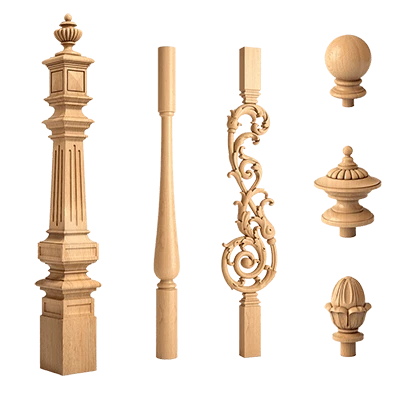
- Wooden decor in the production of classic furniture
- Decor is not decoration, but a constructive language
- Types of decorative elements
- Requirements for decorative elements
- Legs and supports: why they influence the style of furniture
- The leg is the first thing that sets the character of an object
- Types of legs for classic furniture
- What to look for when evaluating legs
- Handles for classic furniture
- Handle — the final touch of style
- Handle options for classic style
- Principle of matching handles
- How to assess the quality of classic furniture before buying
- Buyer's checklist: what to check in a store or showroom
- Classic furniture for an apartment: how not to overload the interior
- Classic in a modern apartment: the rule of moderation
- Modern classics — the optimal choice for an apartment
- Classic furniture for different rooms: a brief overview
- FAQ: popular questions about the production and selection of classic furniture
- Where to buy classic furniture and wooden decor
- STAVROS: production of classic furniture and wooden decor from solid wood
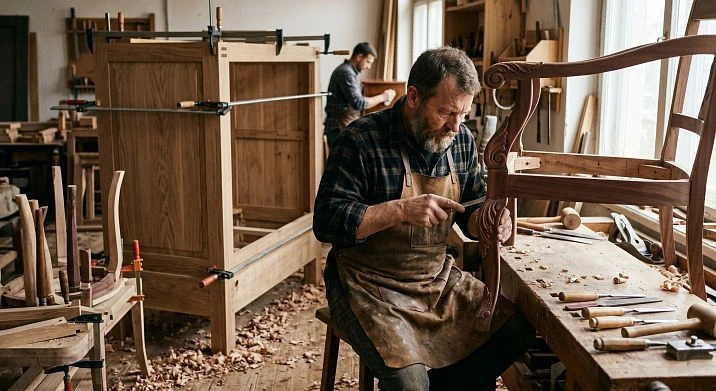
When buying classic furniture, people rarely think about production. They look at the photo, evaluate the color, ask the price. And only then — when the cabinet starts to warp after a year, the facade bubbles, and the leg creaks — they ask the question that should have been asked at the beginning: who made it and how?
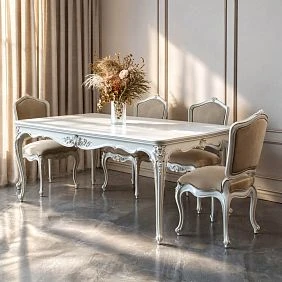
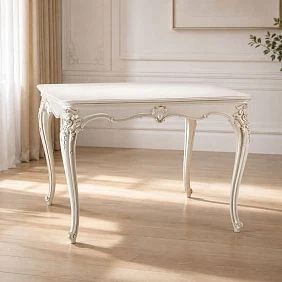
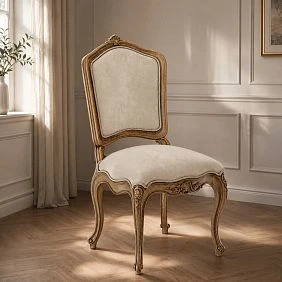
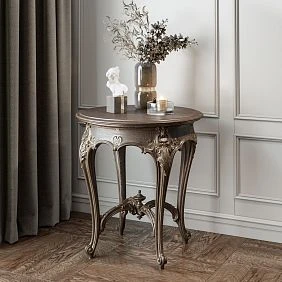
Production of classic furniture — it's not just "made of wood." It's technology, material, geometric precision, finish quality, hardware selection, and the neatness of decorative elements. These are decisions made during production before the furniture reaches the store — and they determine how it will behave after one, five, and ten years.
This article is for those who want to choose classic furniture consciously: understand what lies behind the beautiful picture in the catalog, how to assess the quality of the factory, and what to look for before purchasing.
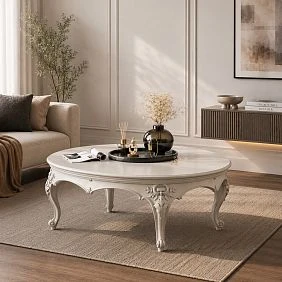
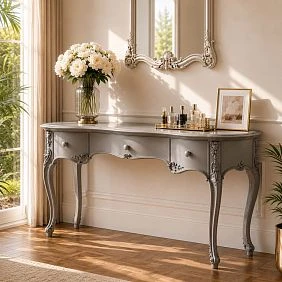
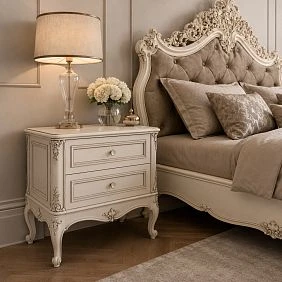
Why production matters when choosing classic furniture
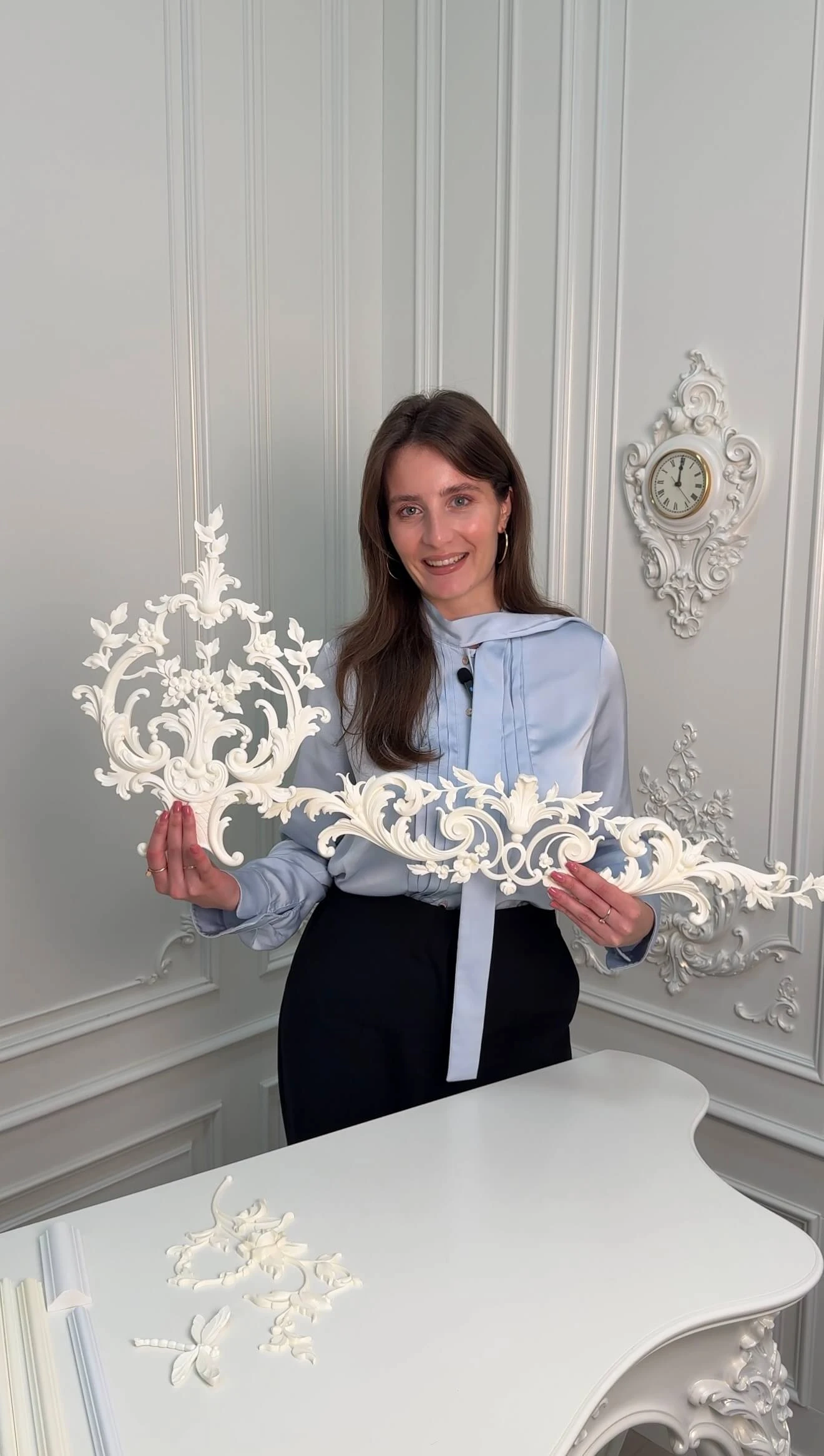
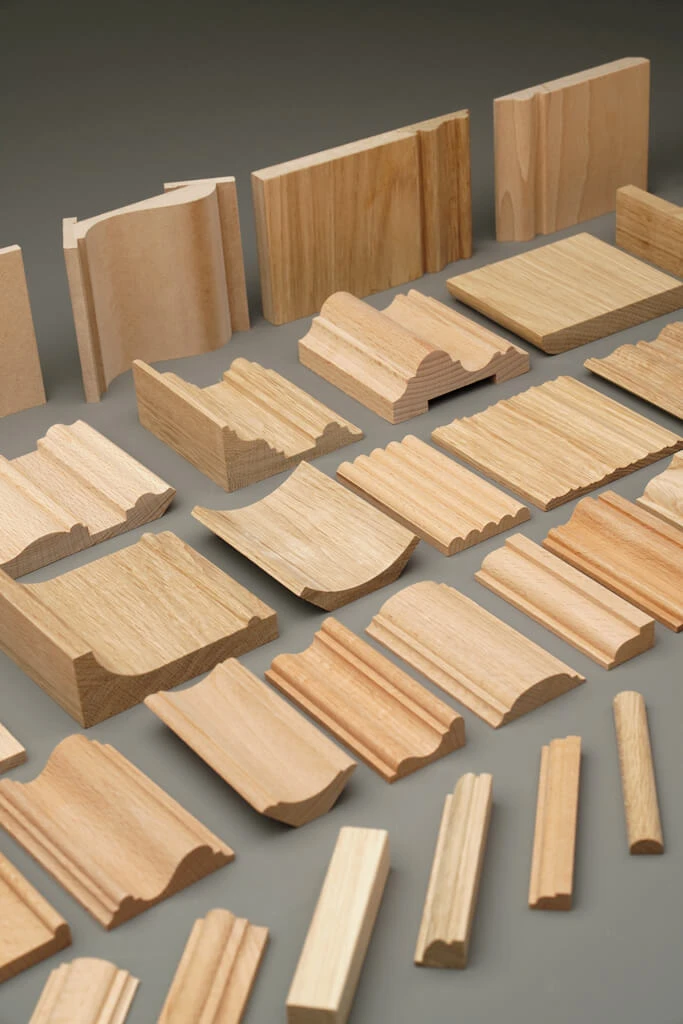
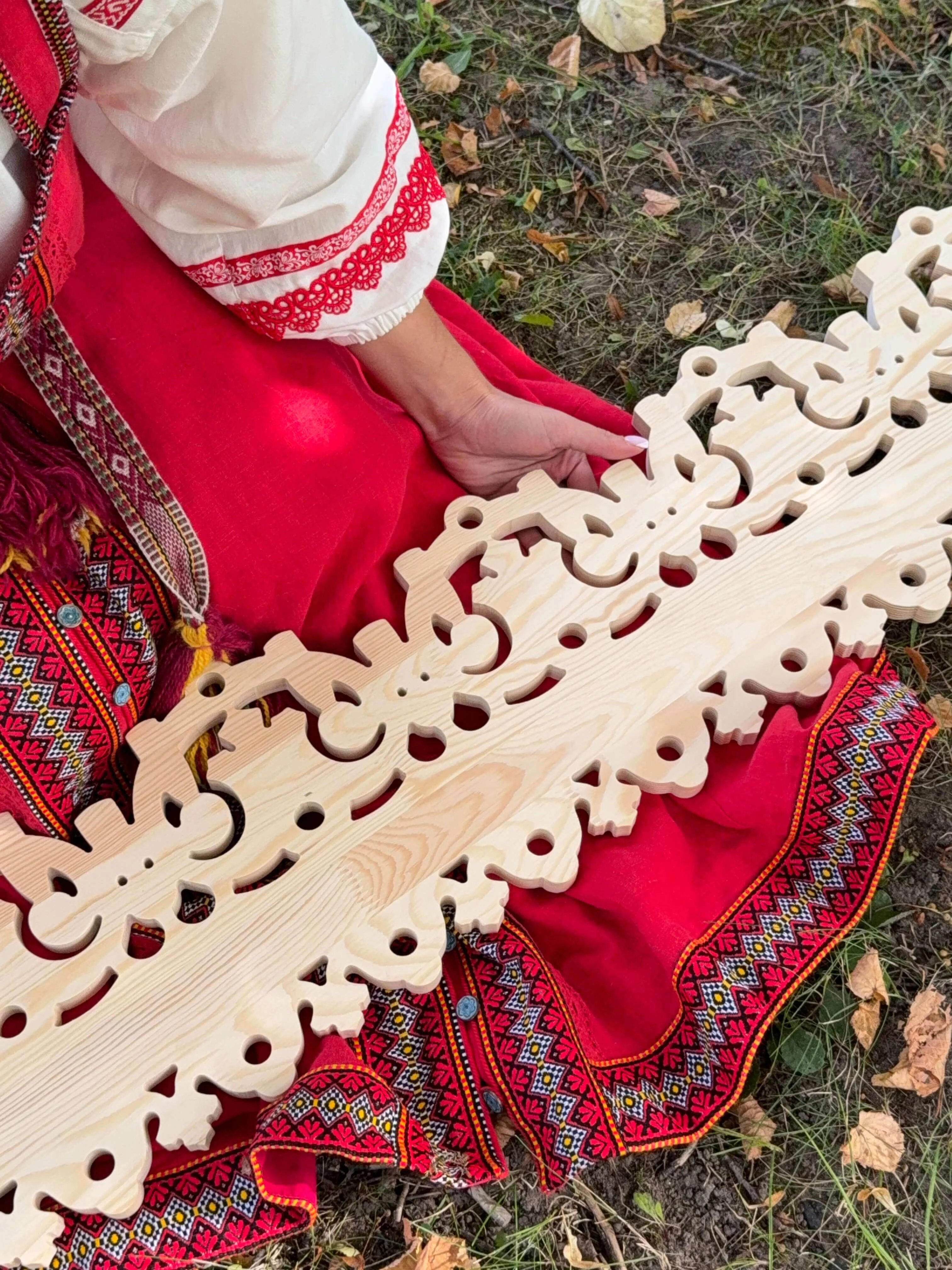
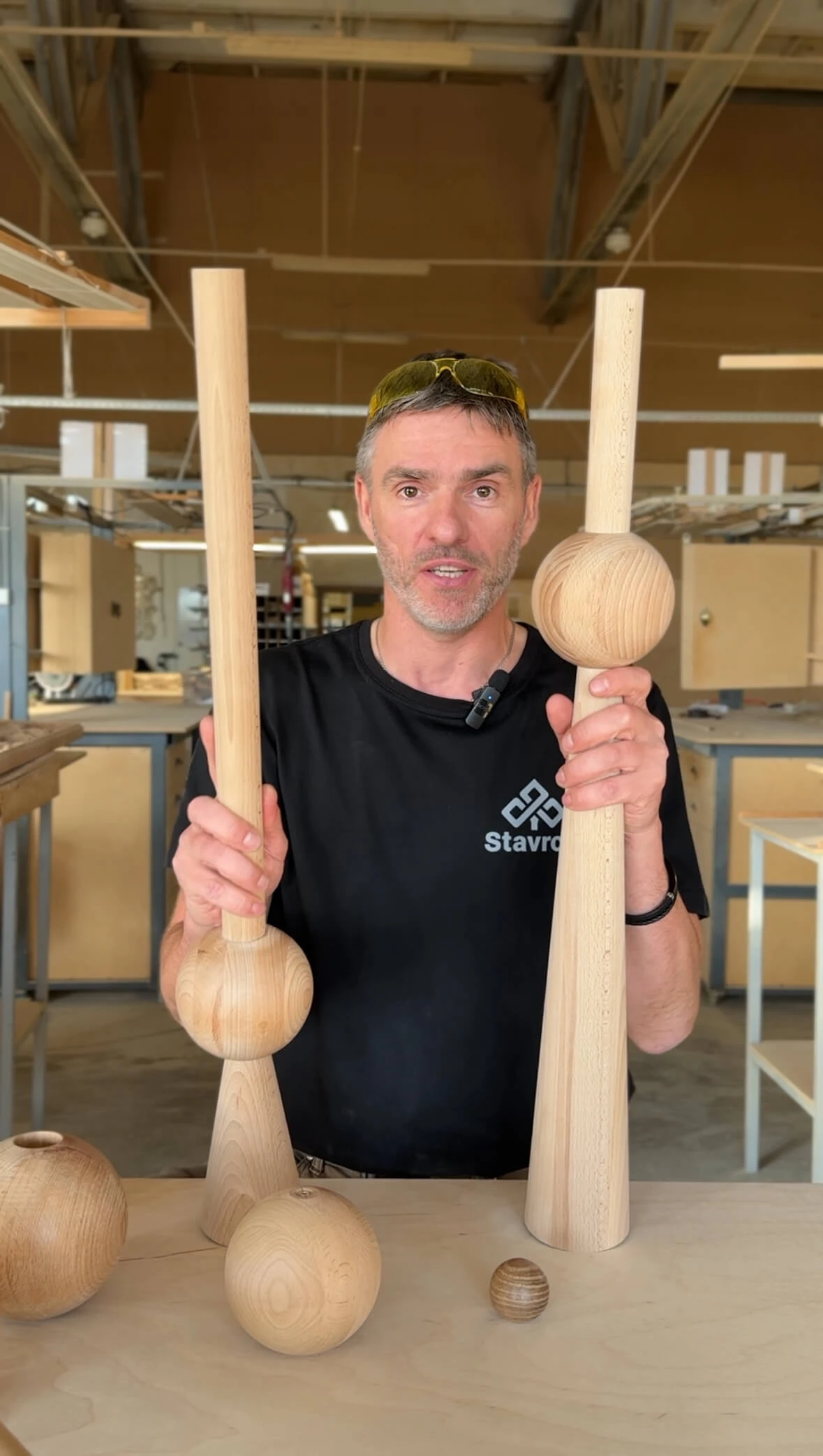
Classics are in the details
In classic furniture, nothing is accidental. Every element — the facade profile, the shape of the leg, the applied decor, the hardware — carries a visual and structural load. And each of these elements depends on how the production is organized.
Modern minimalist furniture forgives small imperfections: straight lines, simple shapes, lack of details — all of this smooths out inaccuracies. Classics forgive nothing. A slightly uneven milling on the facade profile — visible immediately. An asymmetrical applied rosette — visible immediately. A leg of a different shade than the body — visible immediately.
This means that when choosing furniture in classic style for interior you need to look not only at the overall appearance, but also at the precision of the details. And this is where the difference between a good factory and a mediocre one lies.
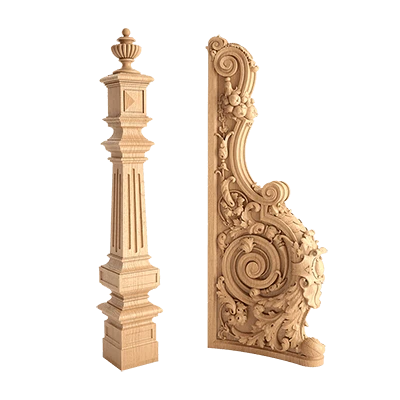
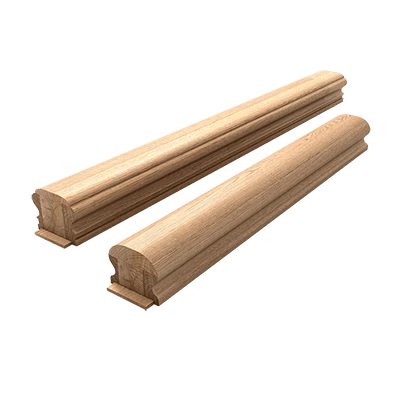
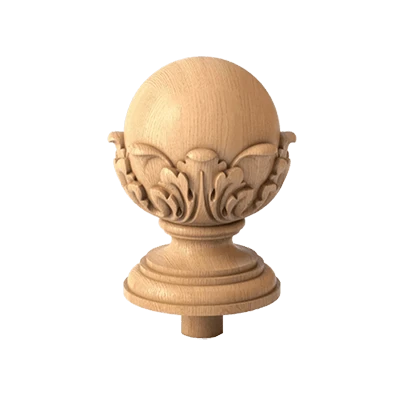
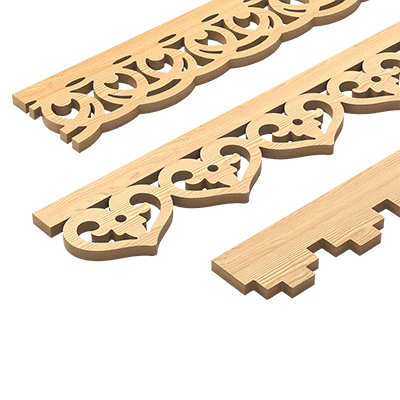
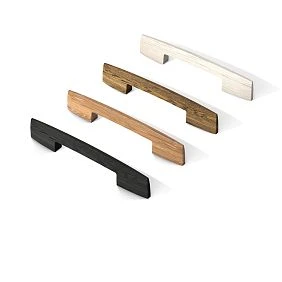
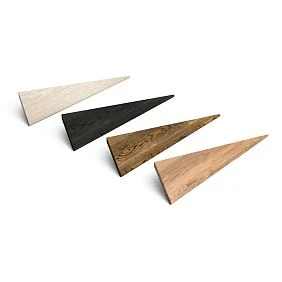
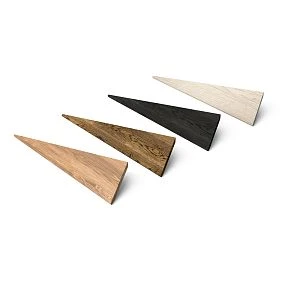
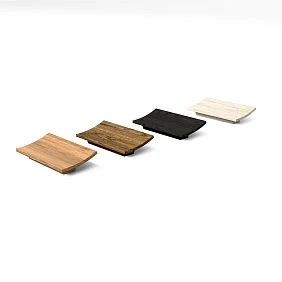
Our factory also produces:
What exactly depends on production
-
Body geometry. Right angles, even diagonals, tightly fitting facades — this is the result of precise cutting and high-quality equipment.
-
Surface finish quality. Tinting, varnish, enamel — evenness of application, absence of drips and bubbles, color consistency.
-
Milling precision. Facade profiles, cornices, decorative overlays — neatness of relief, clarity of lines.
-
Quality of connections. How the body is assembled, how the legs are attached, how the hinges and guides are installed.
-
Accuracy of decorative elements. Symmetry, precision of positioning, uniform tone of all overlays.
Get Consultation
What distinguishes good classic furniture factory from mediocre
Signs of quality production
Stability. A good factory produces furniture of consistent quality — not "sometimes good, sometimes not so much." This is achieved through control at every stage: from drying and cutting wood to final packaging.
Repeatability of parts. If you buy a wardrobe now, and a year later an additional dresser from the same collection, the parts must match: tone, profile, size, texture. For a quality factory, this is the case.
Unified stylistic concept. A collection is a set of items that look like a single whole. Same proportions, same facade profile, same hardware, same decor. If the wardrobe is "different" from the bed from the same collection, this is a sign of weak production or a compiled catalog.
Clear composition. A good factory openly states what the furniture is made of: what solid wood, what veneer, what MDF, and in which areas. Hidden composition or evasive answers are a reason to be wary.
Thought-out finish. The coating should be uniform, resistant to household loads, and repairable. High-quality enamel or varnish on classic furniture does not peel, yellow, or delaminate.
Material: wood, solid wood, veneer, MDF and combined solutions
When solid wood is needed
Solid wood is a material from which a solid piece is cut without gluing. Classic solid wood furniture is characterized by a pronounced texture, tactile warmth and maintainability — the solid wood surface can be sanded, repainted, and restored.
Solid wood is justified:
-
In decorative parts (legs, overlays, carved elements).
-
In facades with deep milling.
-
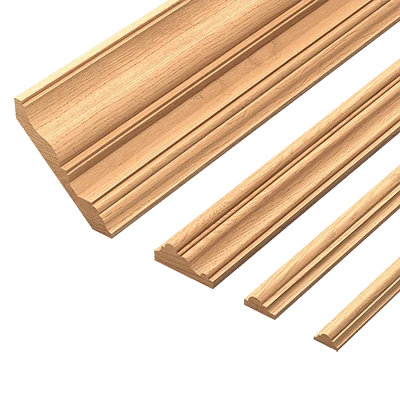
In cornices and profile strips.
-
In products intended for long-term use.
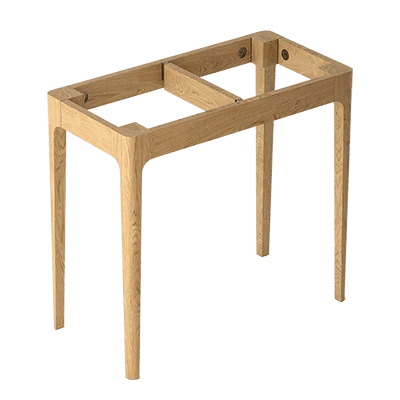
Classic wooden furniture Made of beech or oak solid wood — dimensionally stable with proper drying, expressive in texture and truly durable.
Combined construction: where reason triumphs over purism
In professional production of classic furniture, a combined construction is the norm, not a compromise. A cabinet body made of laminated chipboard or MDF + fronts made of solid wood or furniture board + decorative solid wood details is a practical and technologically sound solution.
Not only the material matters, but also its application:
-
A body made of moisture-resistant MDF is more stable than solid wood under conditions of humidity fluctuations.
-
A front made of furniture board with good finishing is durable and beautiful.
-
Legs, overlays, cornices made of solid wood — where expressiveness is needed.
The main question when evaluating a material is not "what is it made of?", but "how is it processed?".
Why material finishing is more important than its name
Expensive solid wood with poor sanding and cheap paint is worse than MDF with a professional coating. The coating protects the material, determines its durability, and shapes the visual impression. That is why professional factories invest no less in finishing than in the material itself.
Classic furniture fronts: shape, proportions, and finishing
The front is the face of the furniture
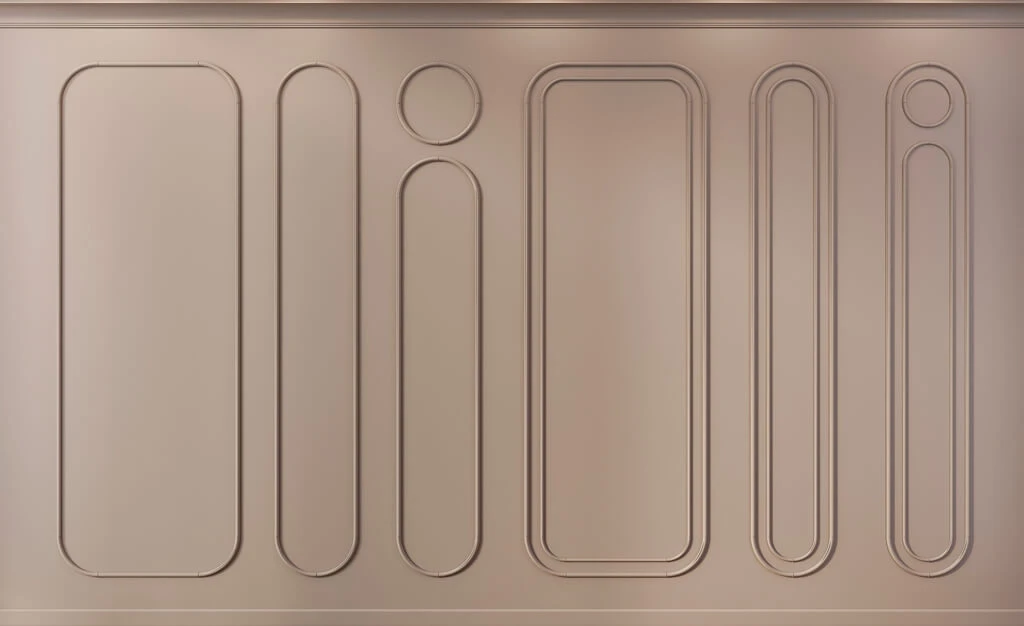
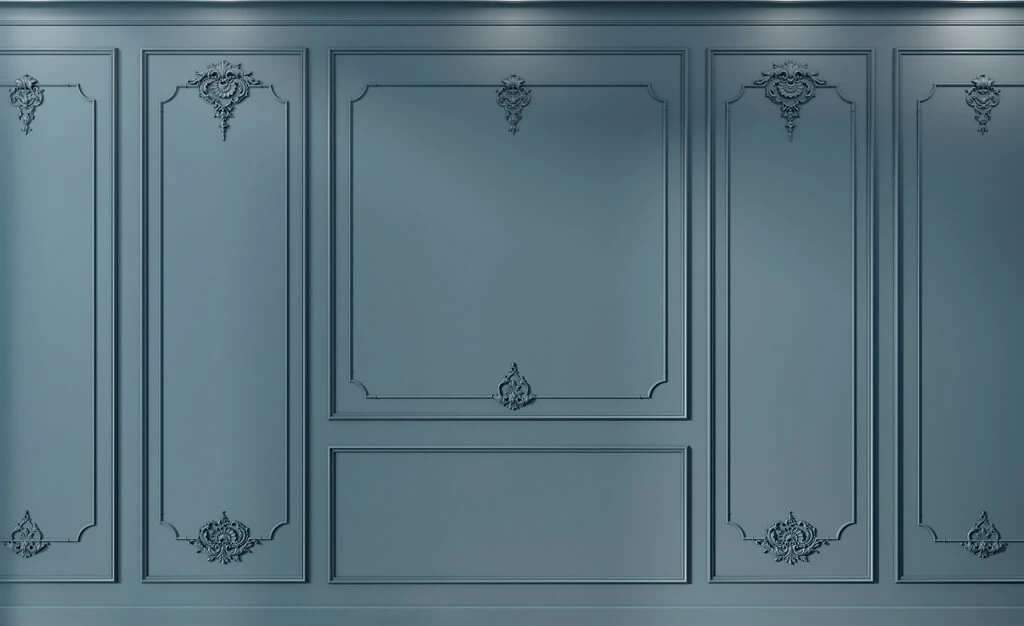
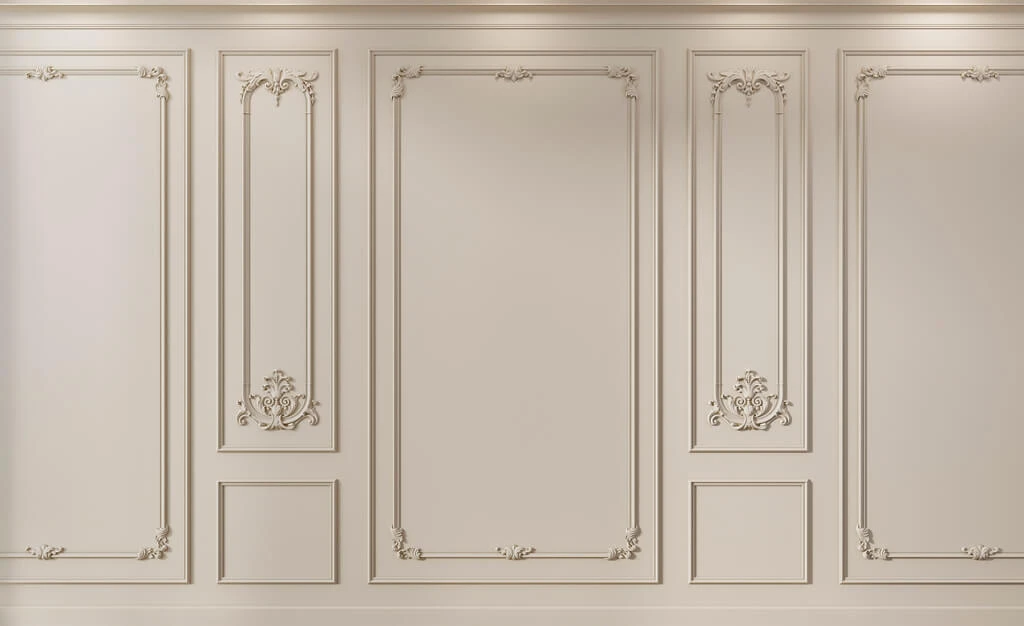
The facade of classic furniture is not a flat panel. It is an expressive relief element with a profiled edge, an inset panel, a decorative strip, or a combination of several elements.
Frame facade. Consists of a frame (profiled border) and an inset panel. The most classic type: resembles an architectural frame, creates depth and shadows. Can be simple (flat panel) or complex (shaped, volumetric, decorative panel).
Solid facade with milled profile. A single panel with milling along the perimeter or in the center. Looks slightly more modern than a frame facade but retains a classic character. Popular in modern classic furniture.
Facade proportions
Proportions are a key criterion for a classic facade. The width of the frame relative to the height, the ratio of horizontal and vertical elements, symmetry or deliberate asymmetry — all of this contributes to the overall look.
At a good factory, proportions are designed, not "obtained by chance." A poorly designed facade is immediately visible — a frame that is too thin for a tall facade, a panel that is too small, broken symmetry.
Color and coating of facades
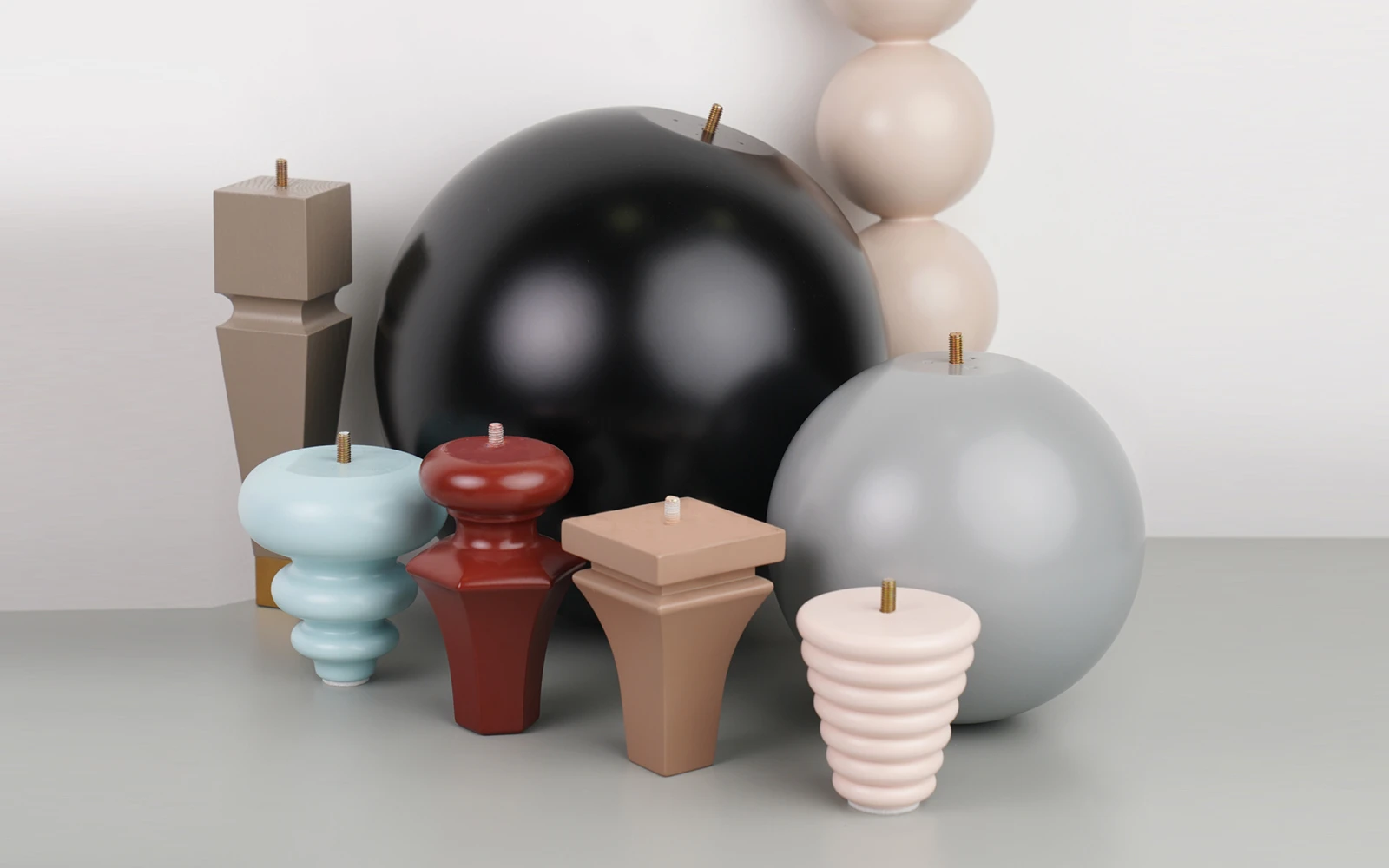
colors of classic furniture — from white and cream enamel to deep dark walnut. Important: the color should be even, without streaks or variations, resistant to mechanical impact.
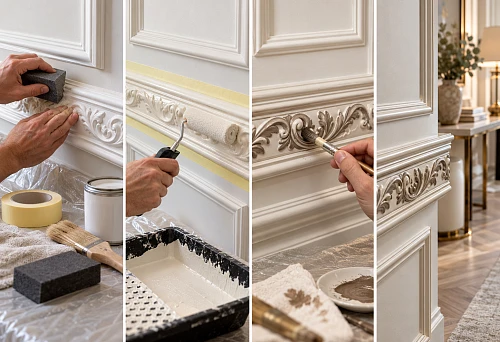
Professional coating of classic facades consists of several layers with interlayer sanding. This is not visible, but it is felt: the surface is smooth, without pores, with an even sheen.
Wooden decoration in the production of classical furniture
Decorative elements are not mere ornamentation, but a constructive language
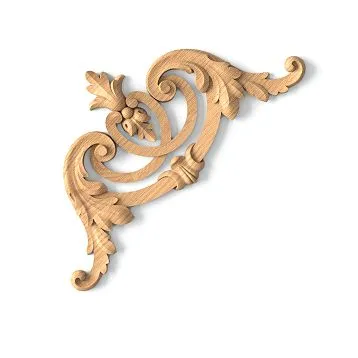
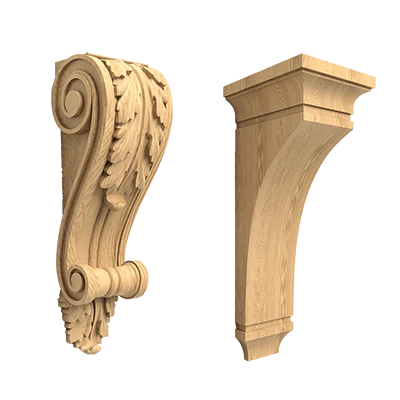
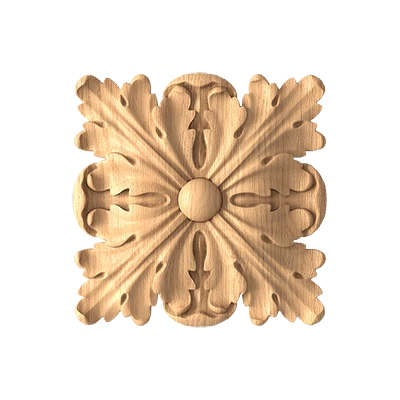
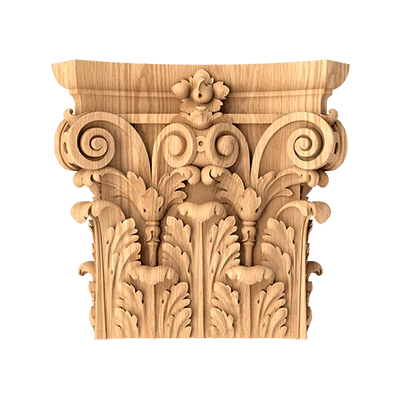
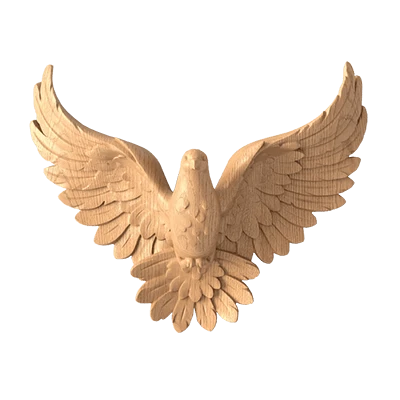
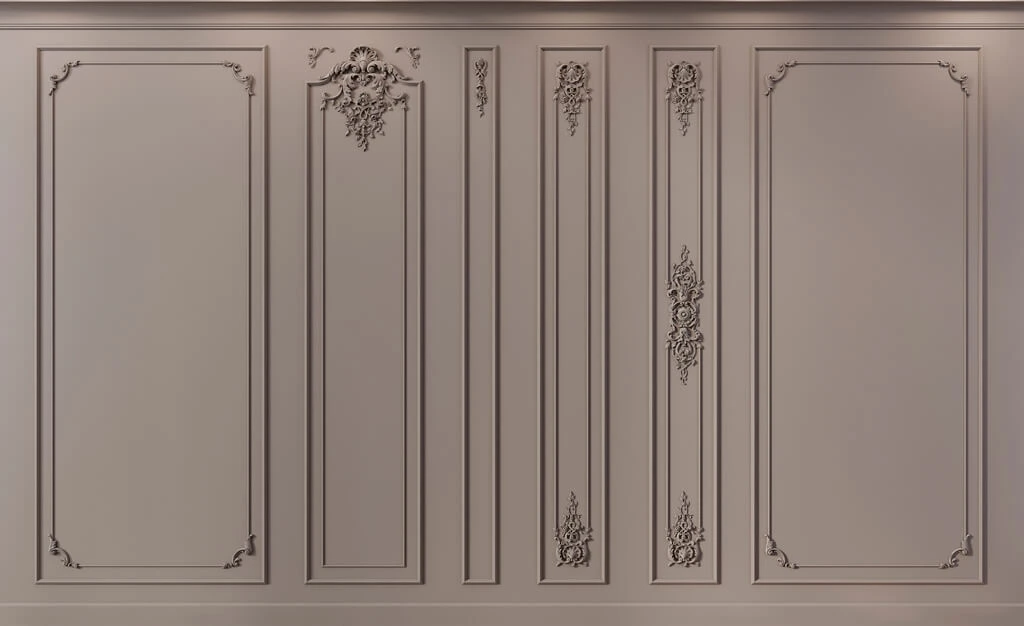
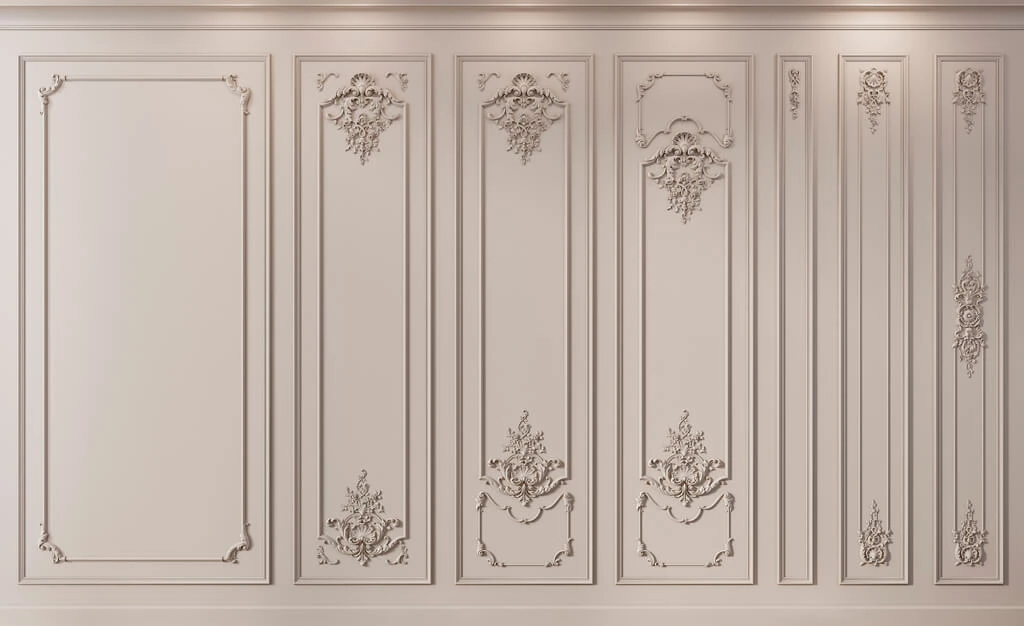
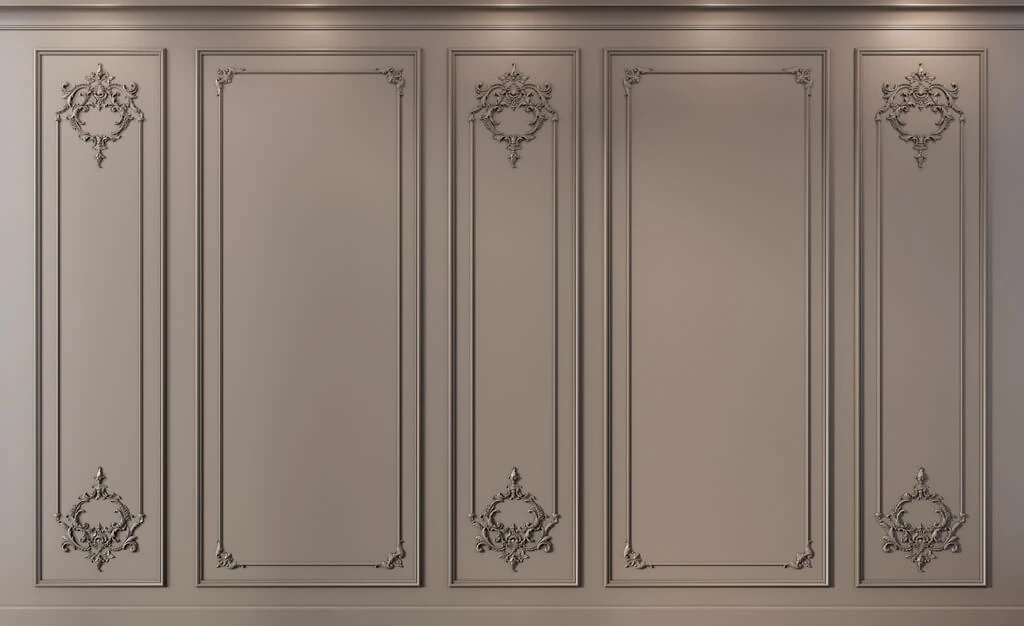
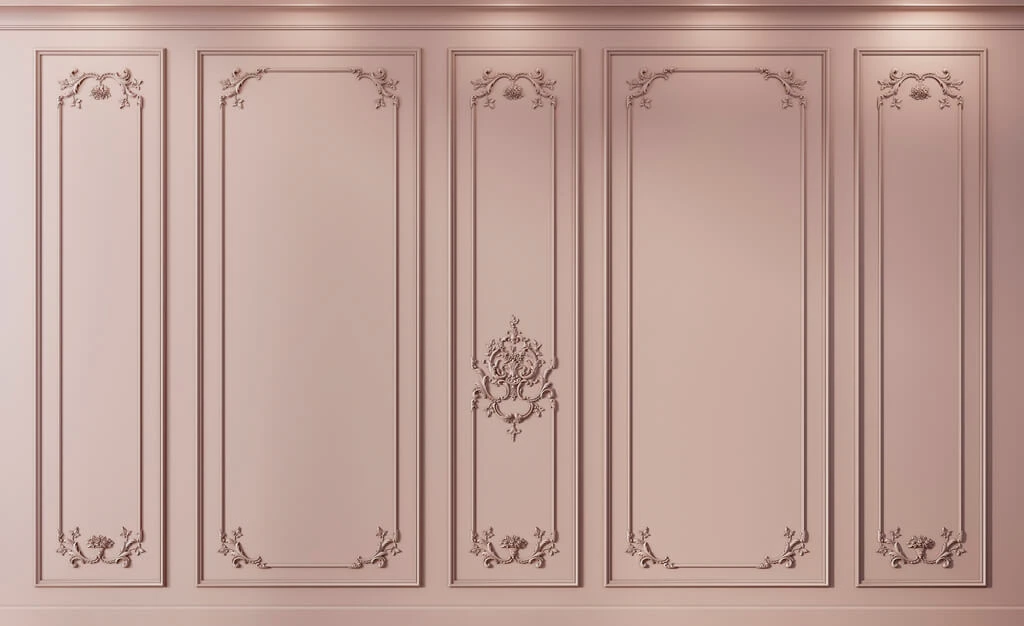
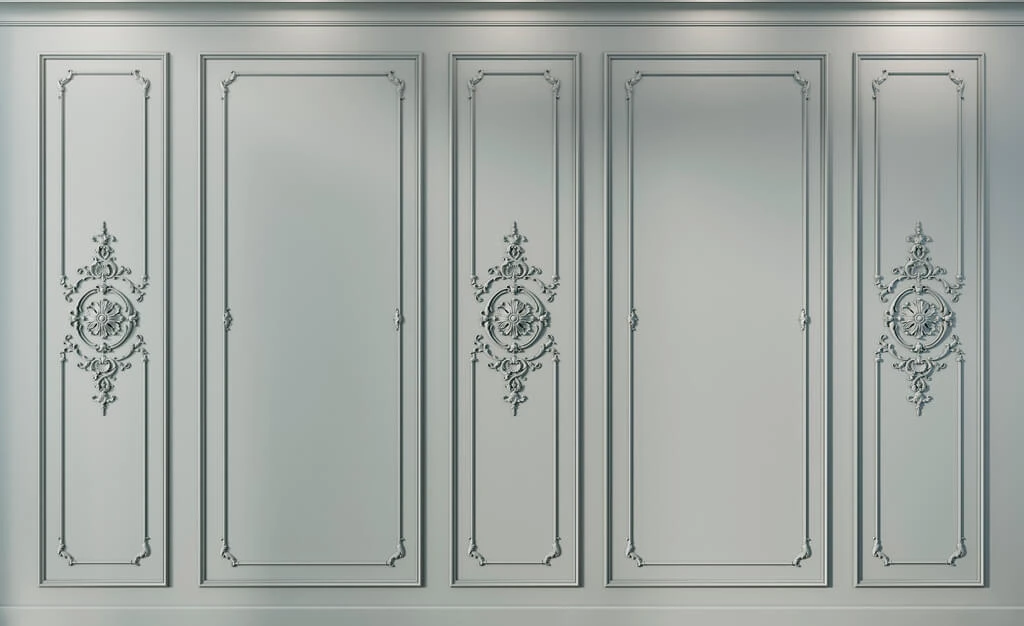
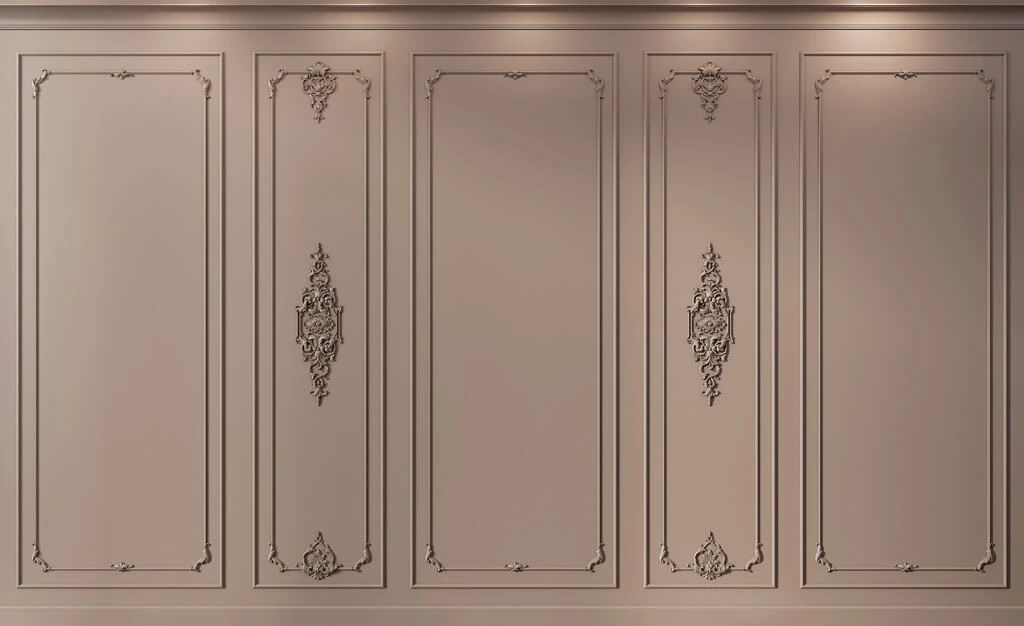
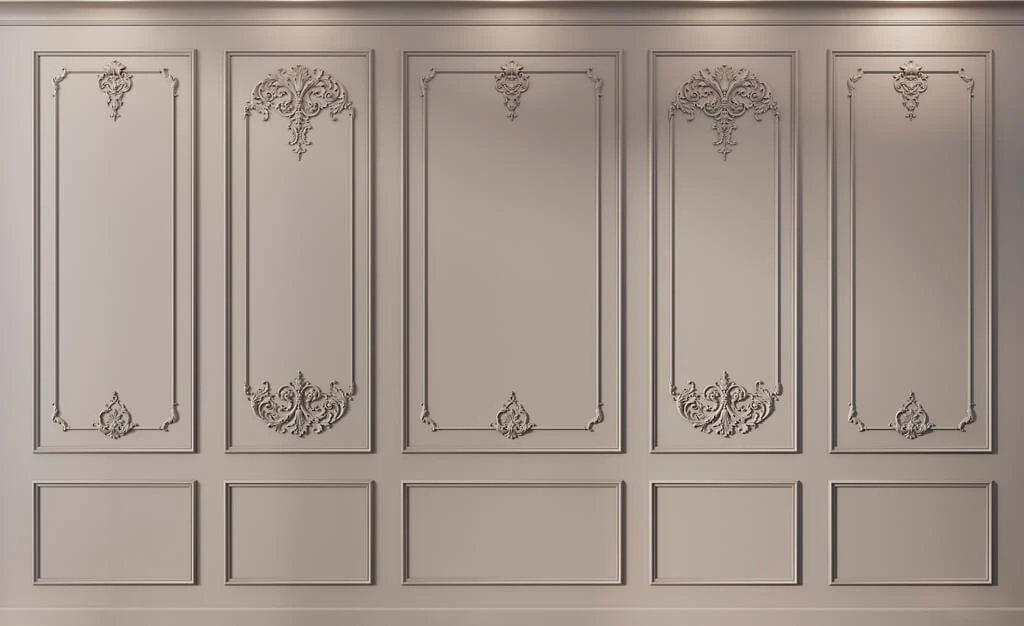
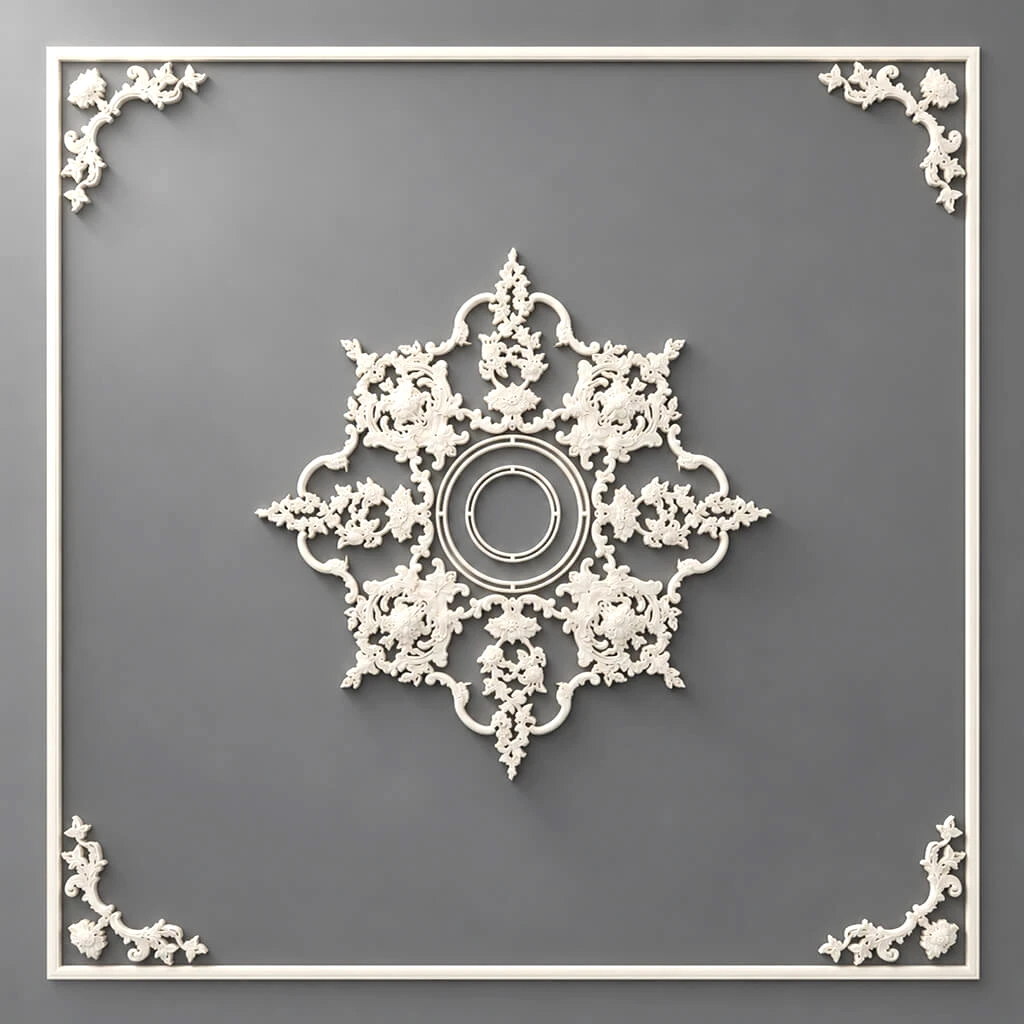
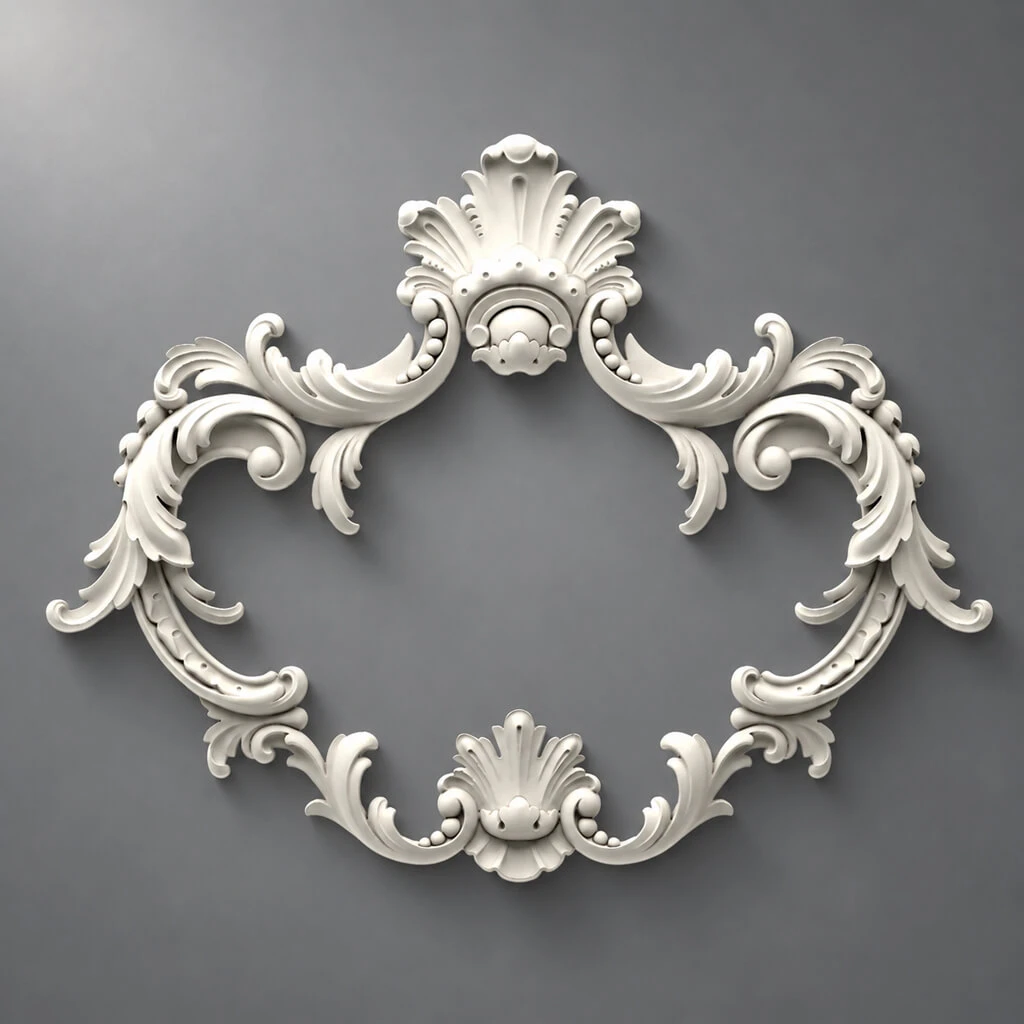
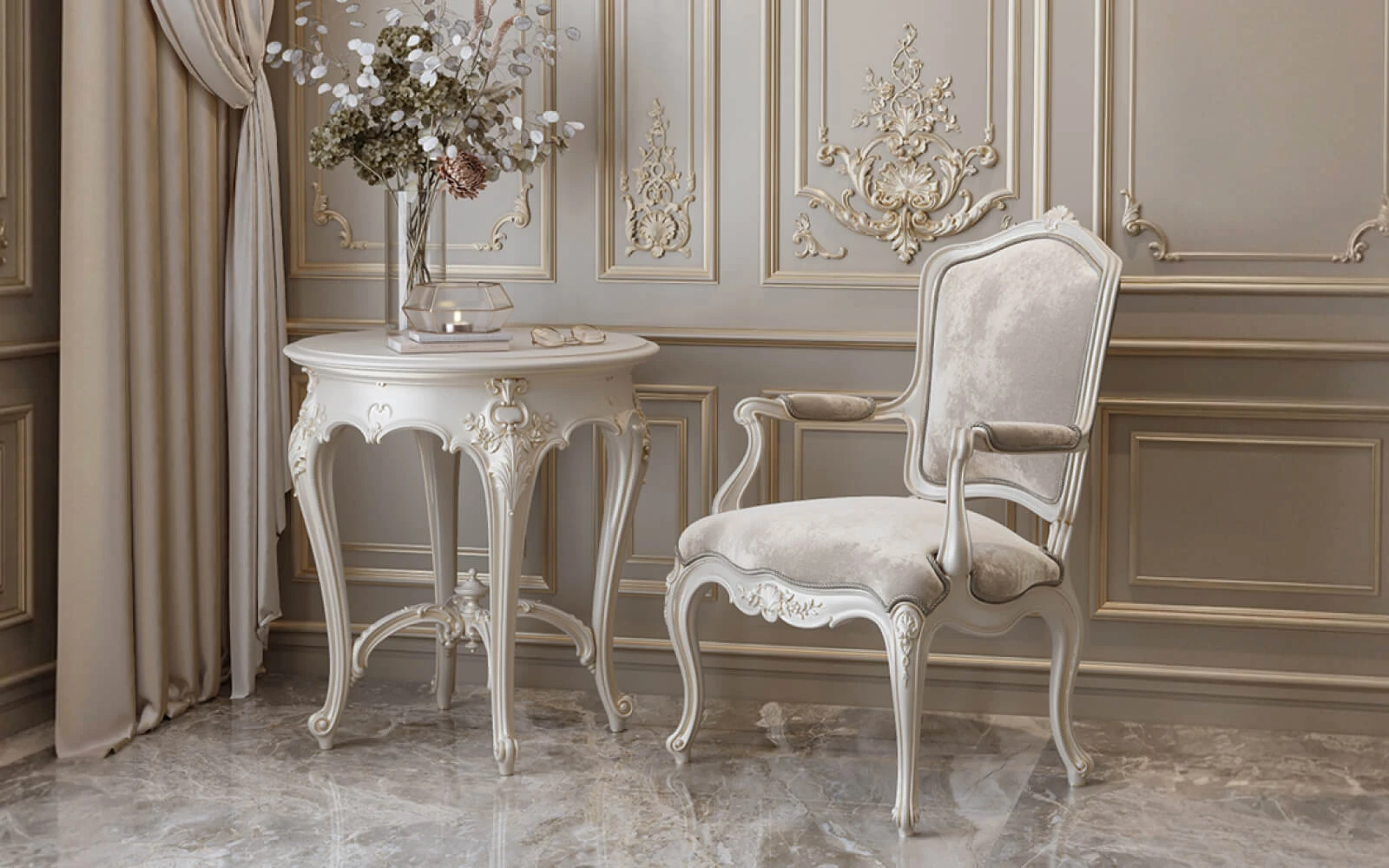
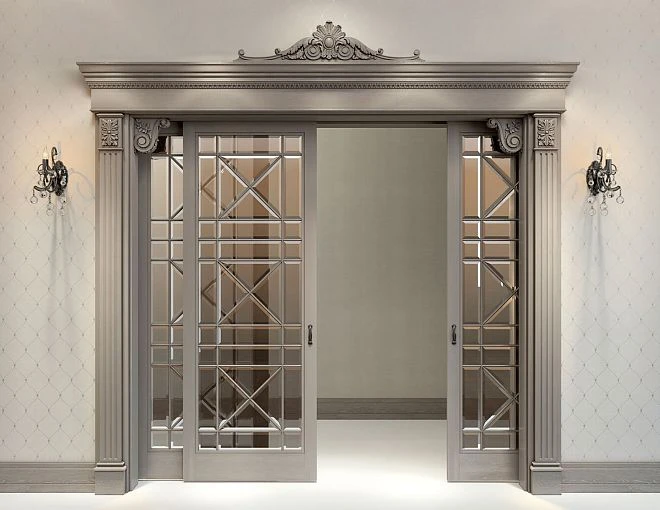
In classical furniture decorative elements for furniture — is not just 'beauty'. It is the language of style. An applied rosette in the center of the facade indicates belonging to the classical or Baroque direction. A corner overlay on the cabinet cornice creates an architectural finish. A carved frieze along the top edge gives the feeling of 'furniture with history'.
Types of decorative elements
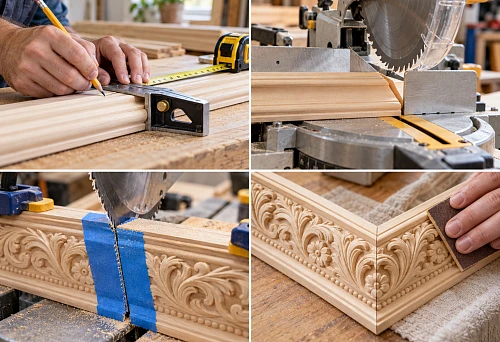
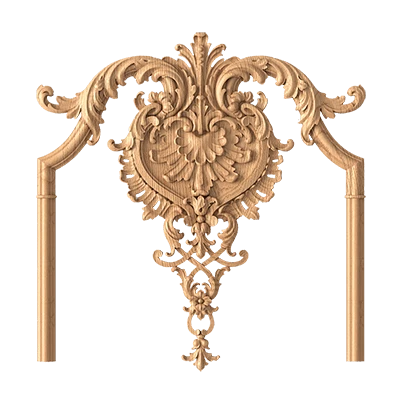
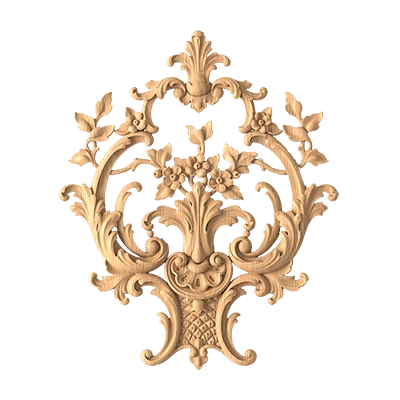
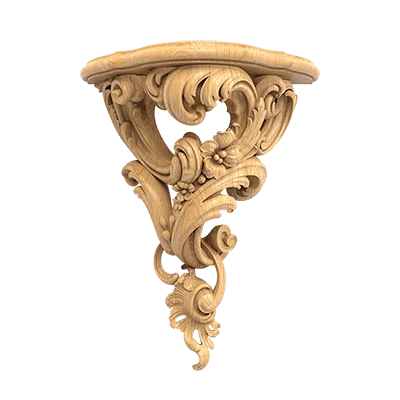
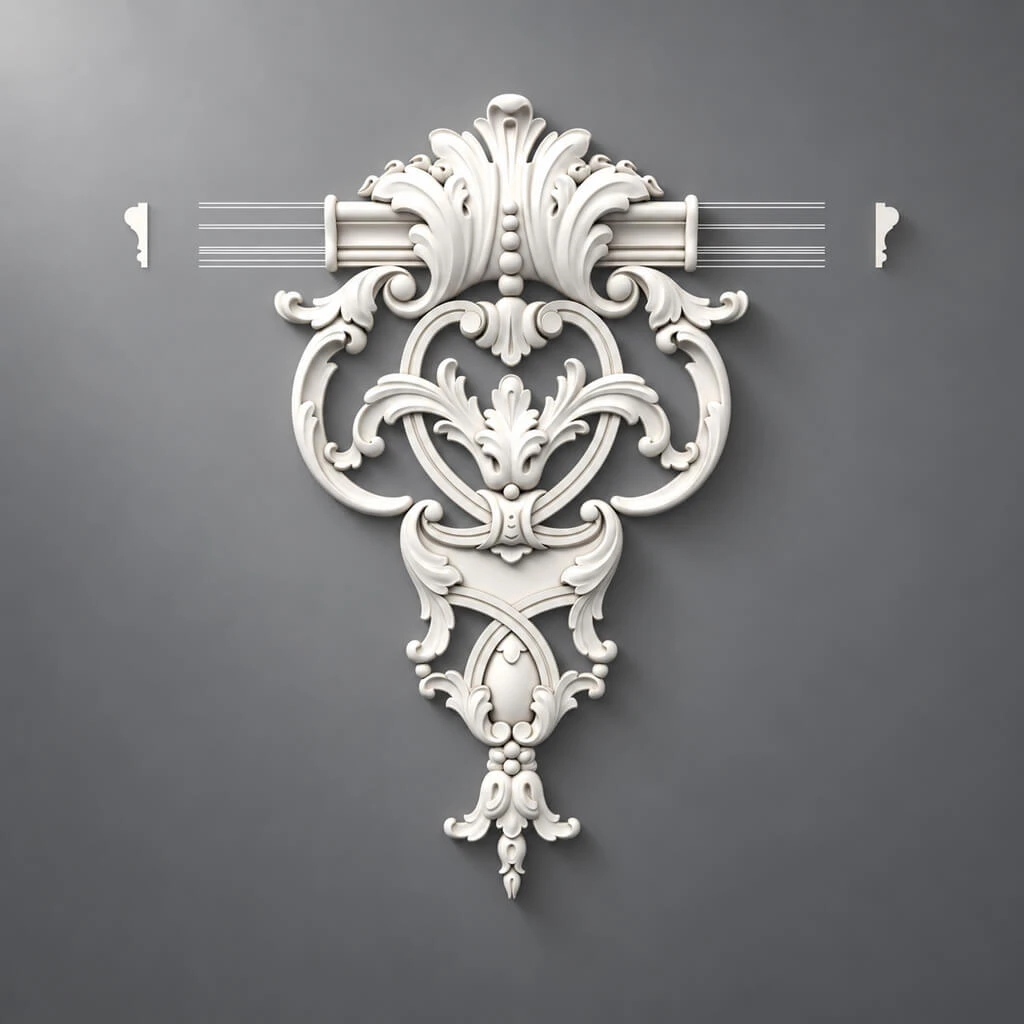
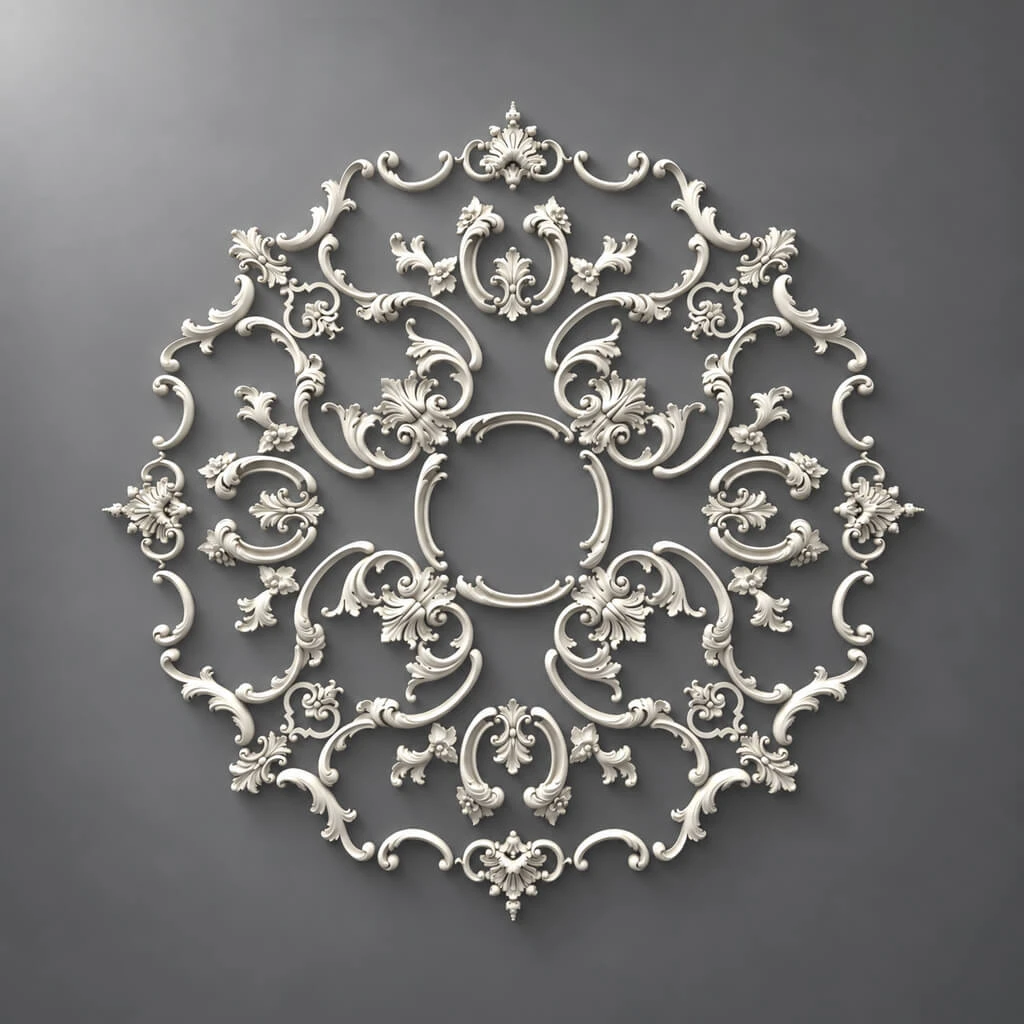
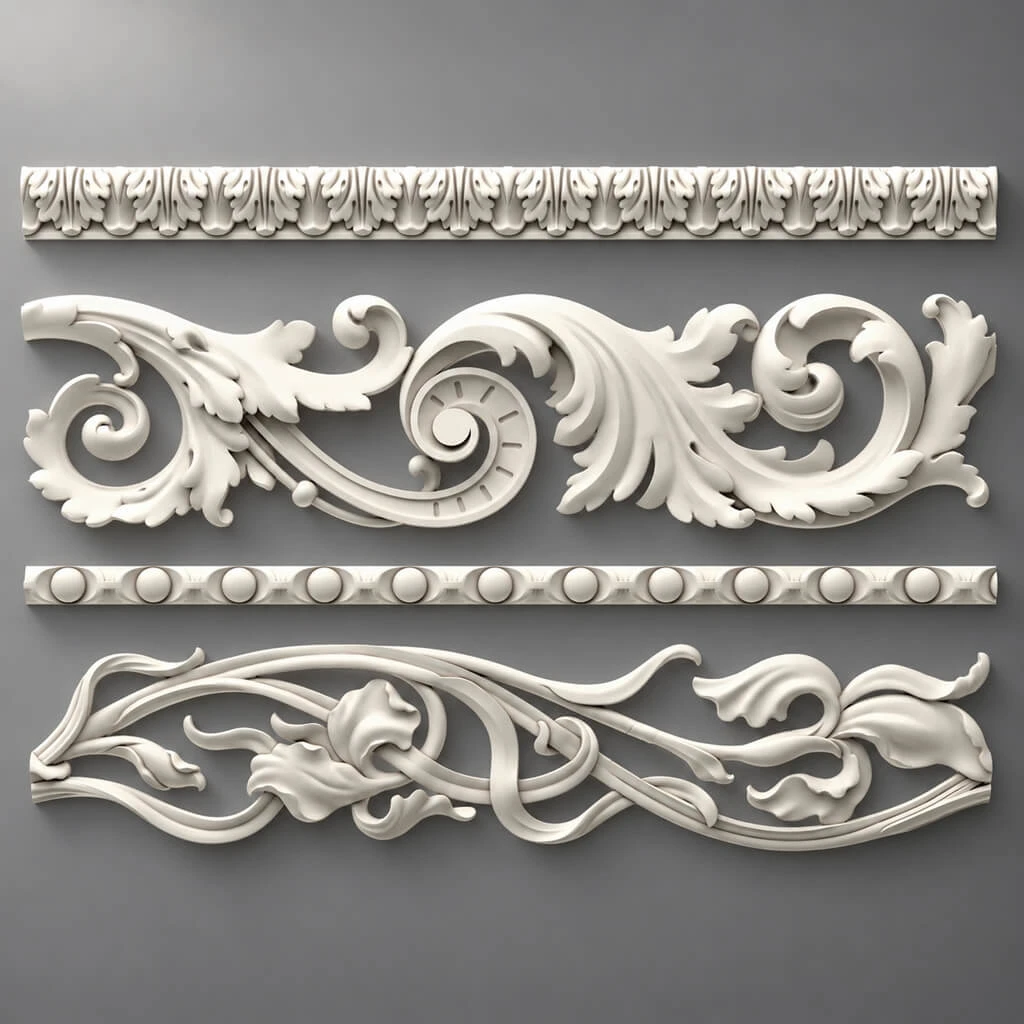
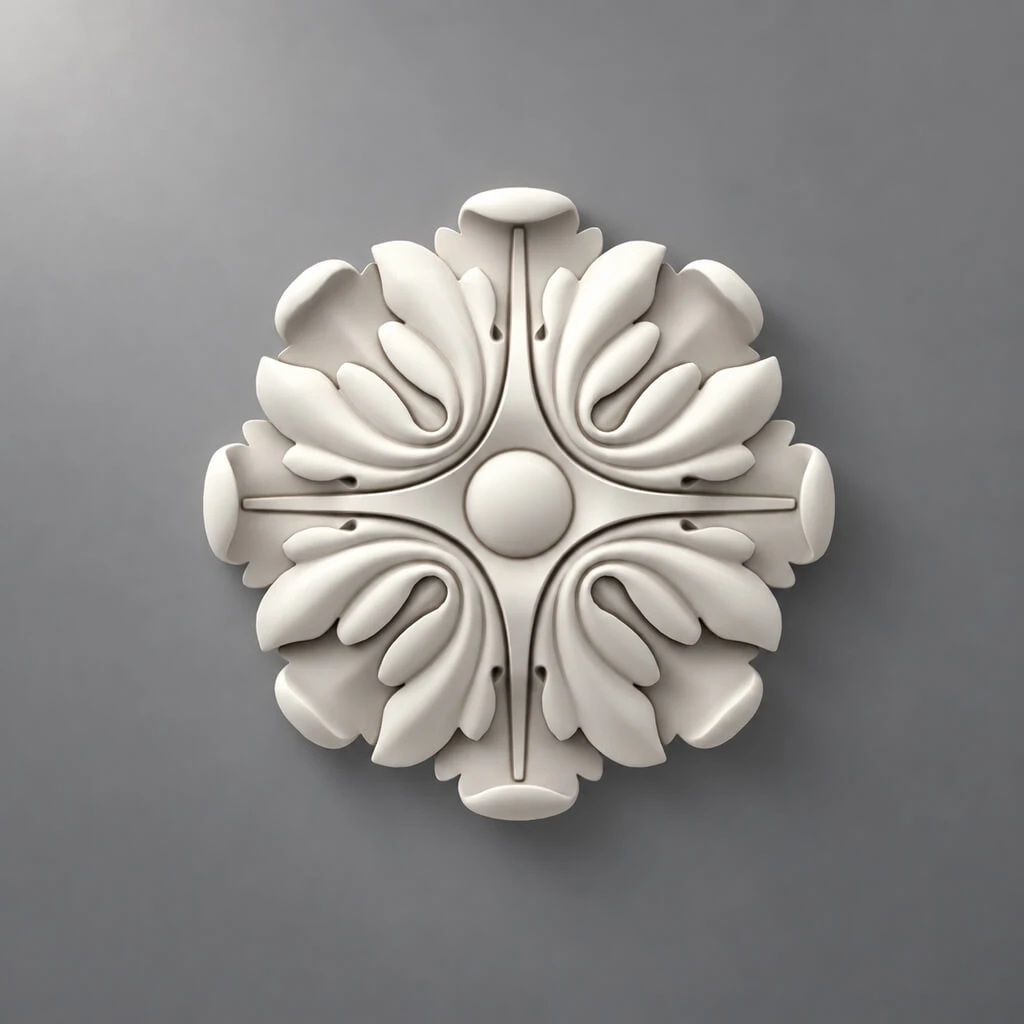
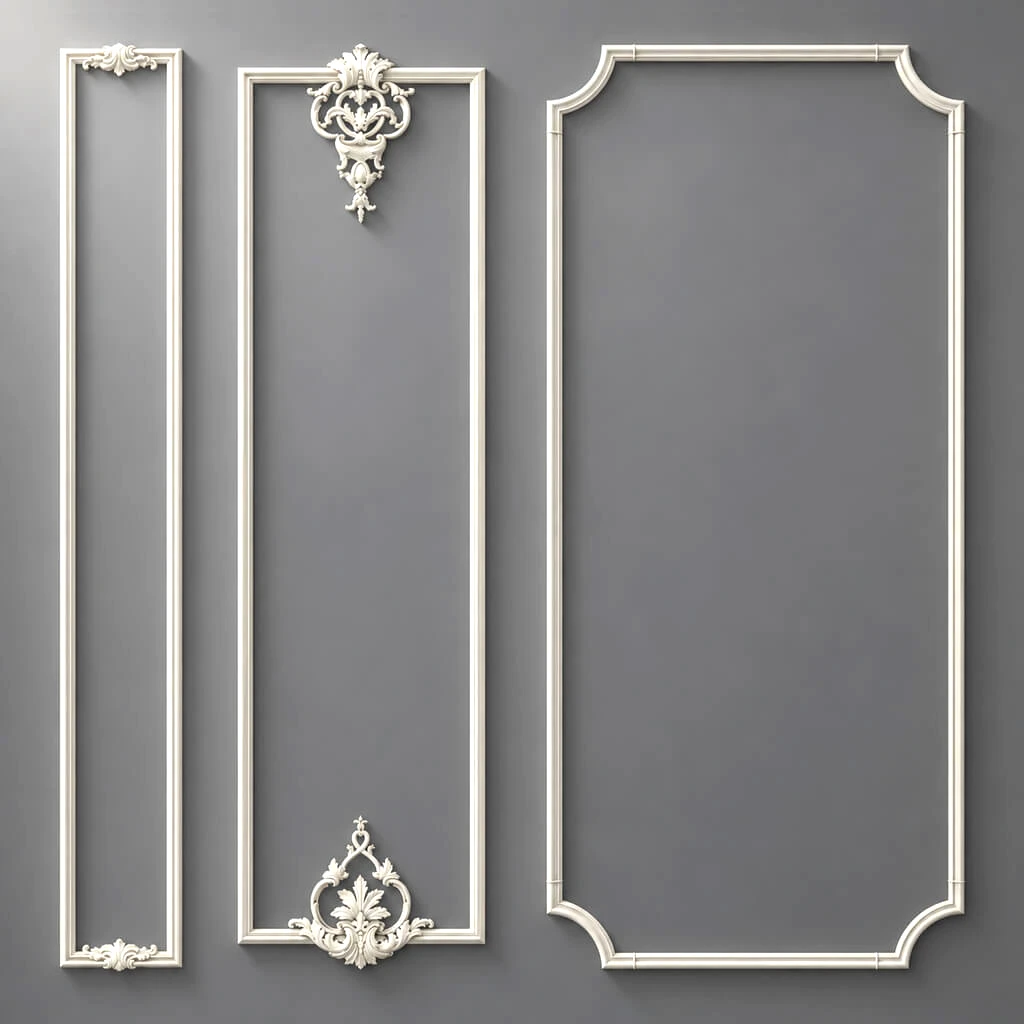
Applied rosettes and cartouches. Central decorative elements — on facades, on cornices, on side panels. Milled or cast from solid wood. Glued or attached with hidden fasteners.
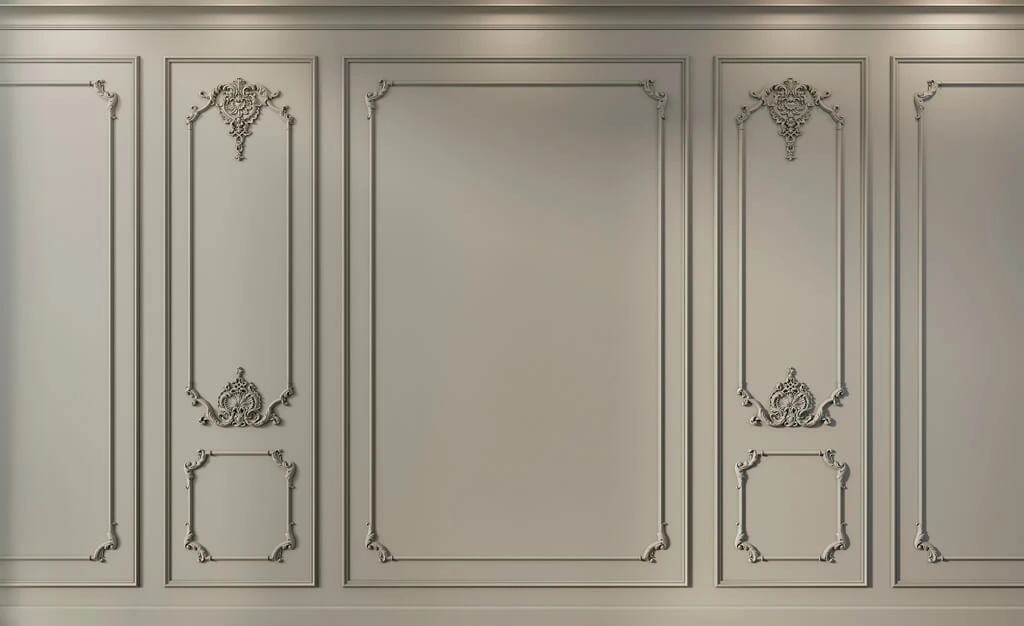
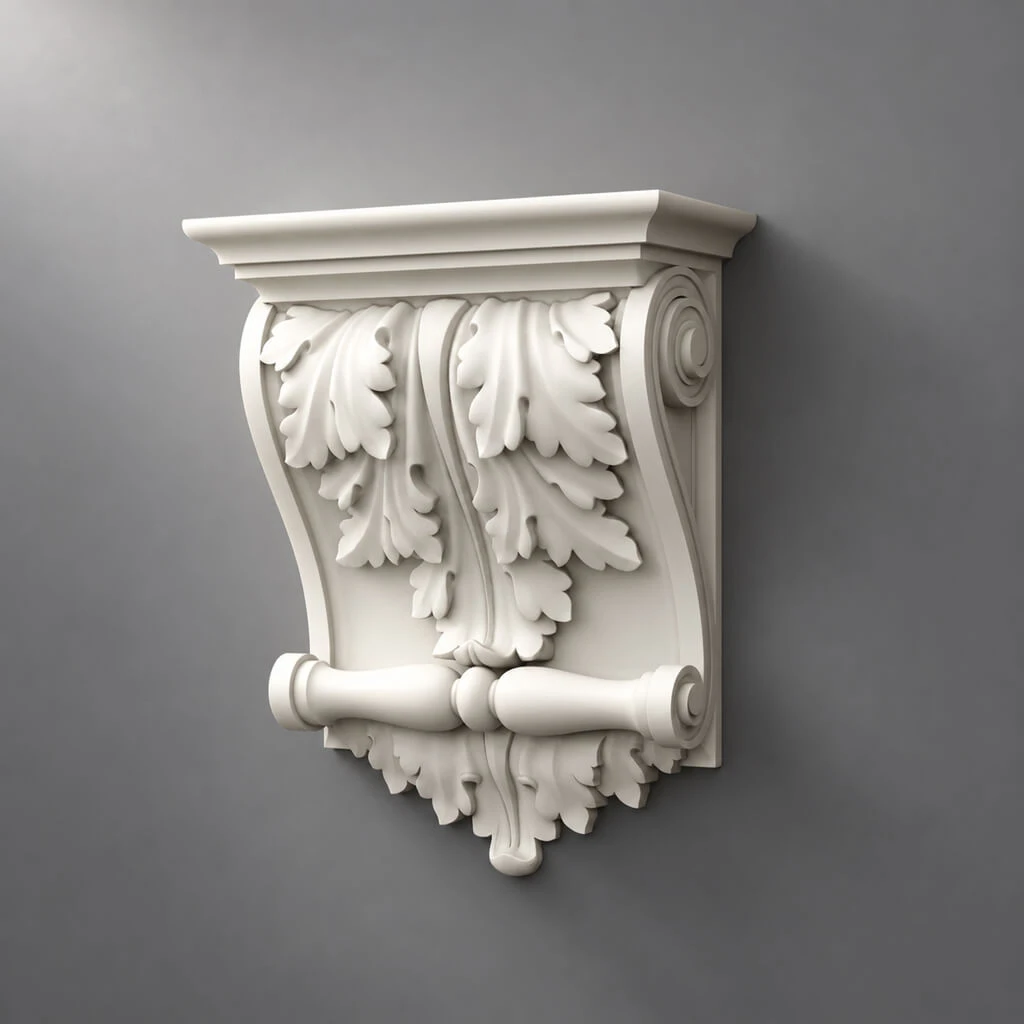
Corner overlays. Decorative elements on the corners and cornices of cabinets — complete vertical and horizontal lines. Especially important on large bookcase cabinets and display cabinets.
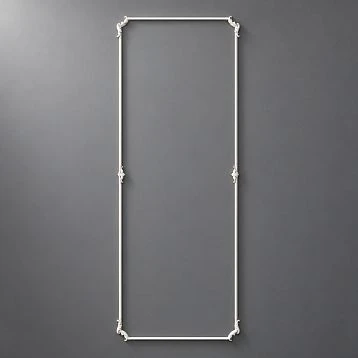
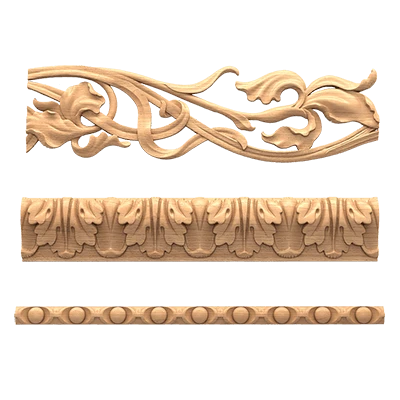
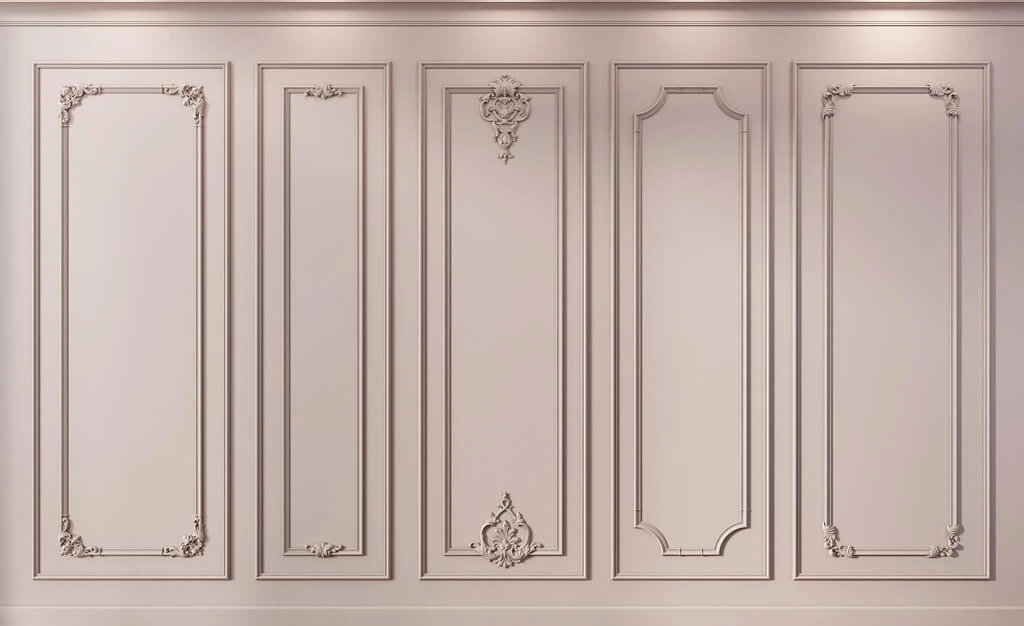
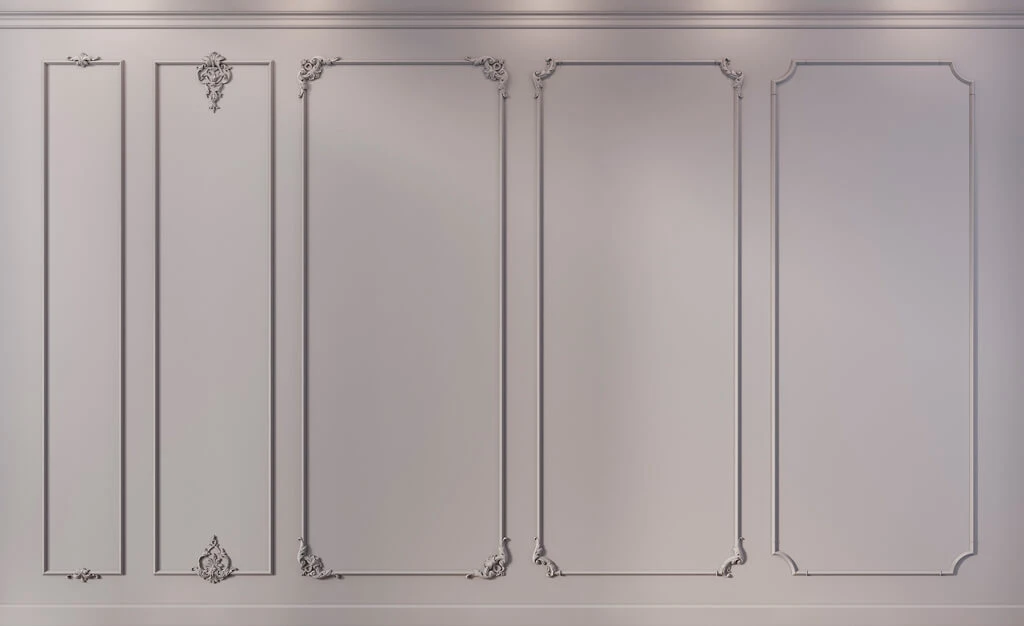
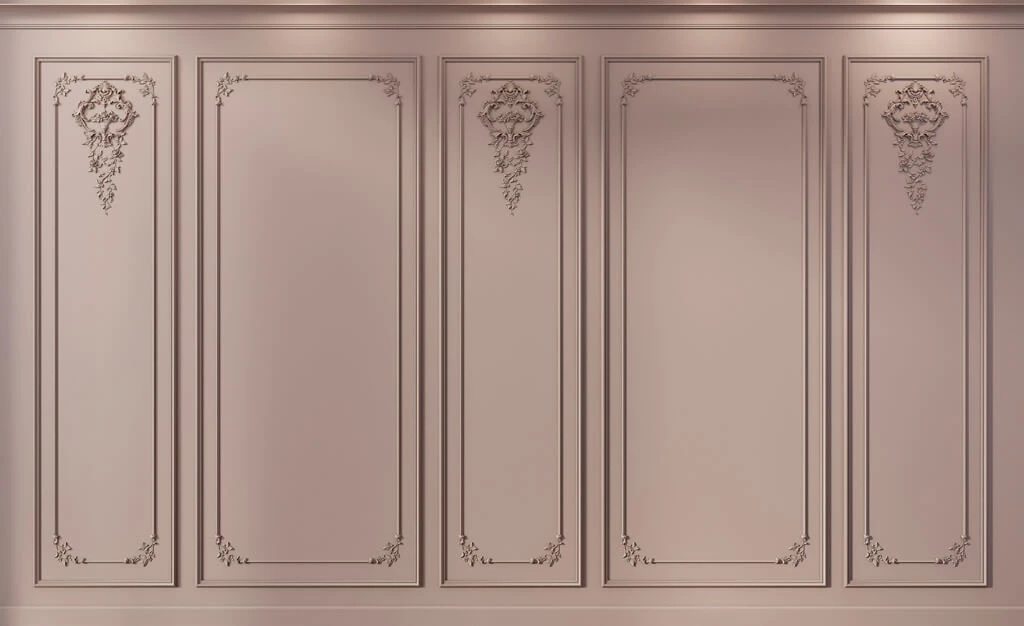
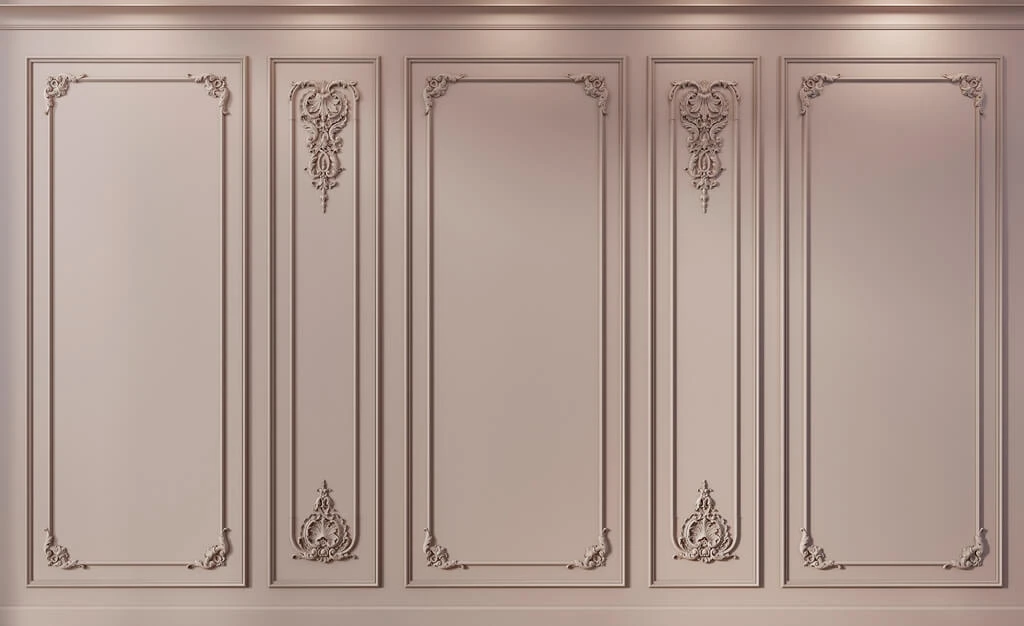
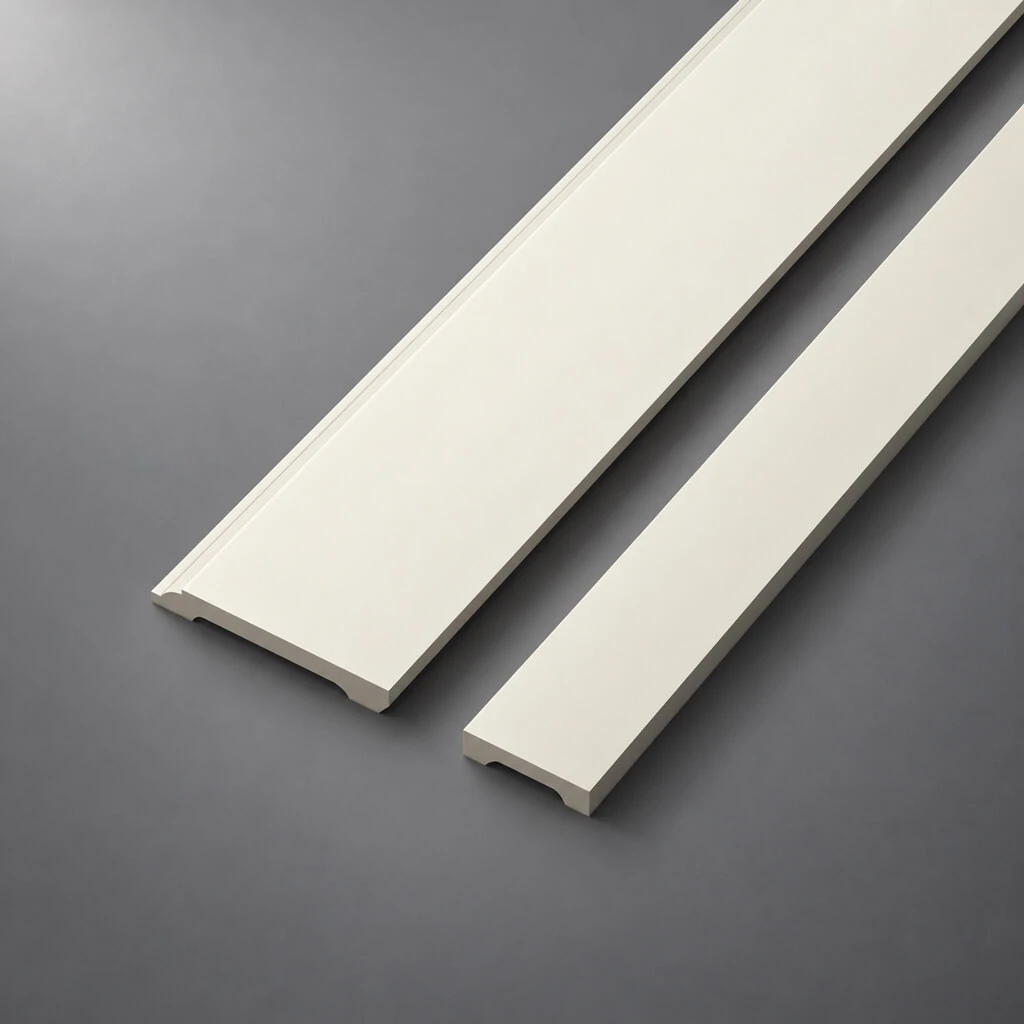
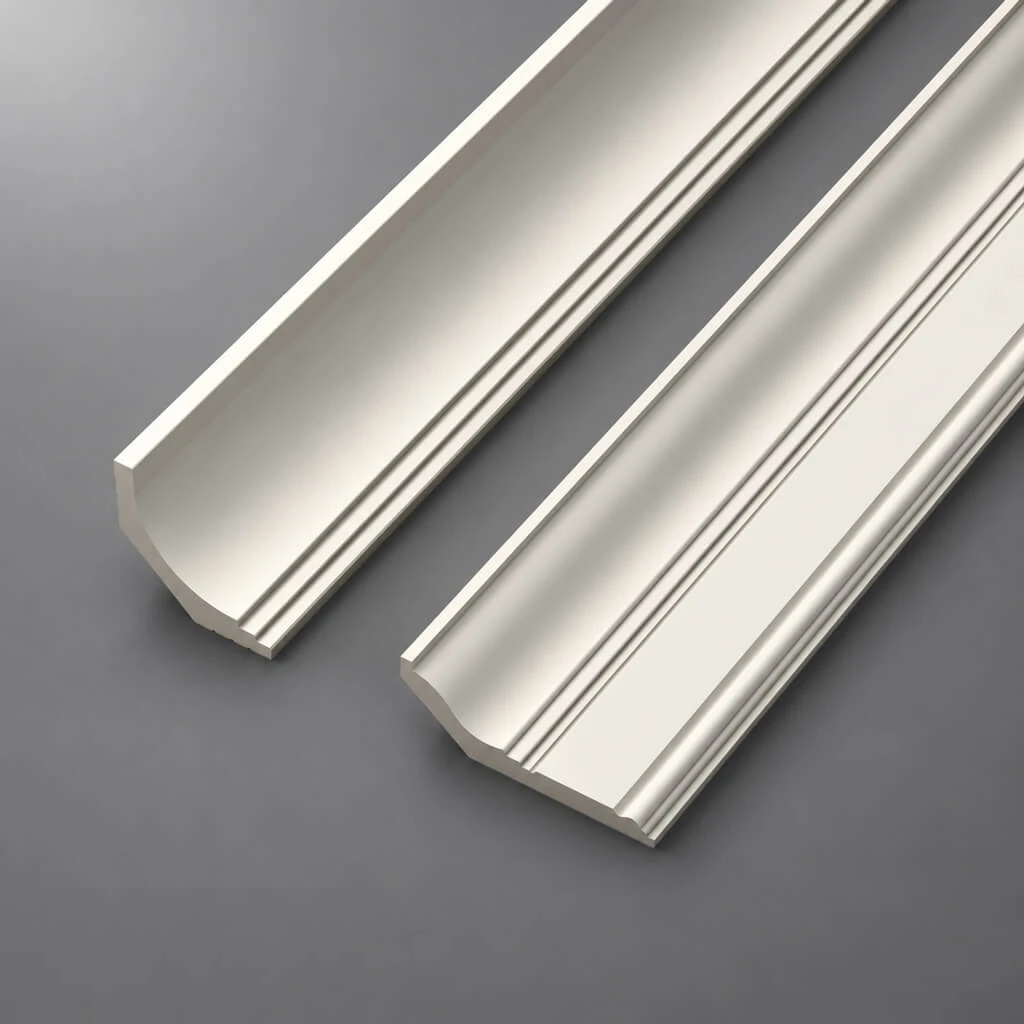
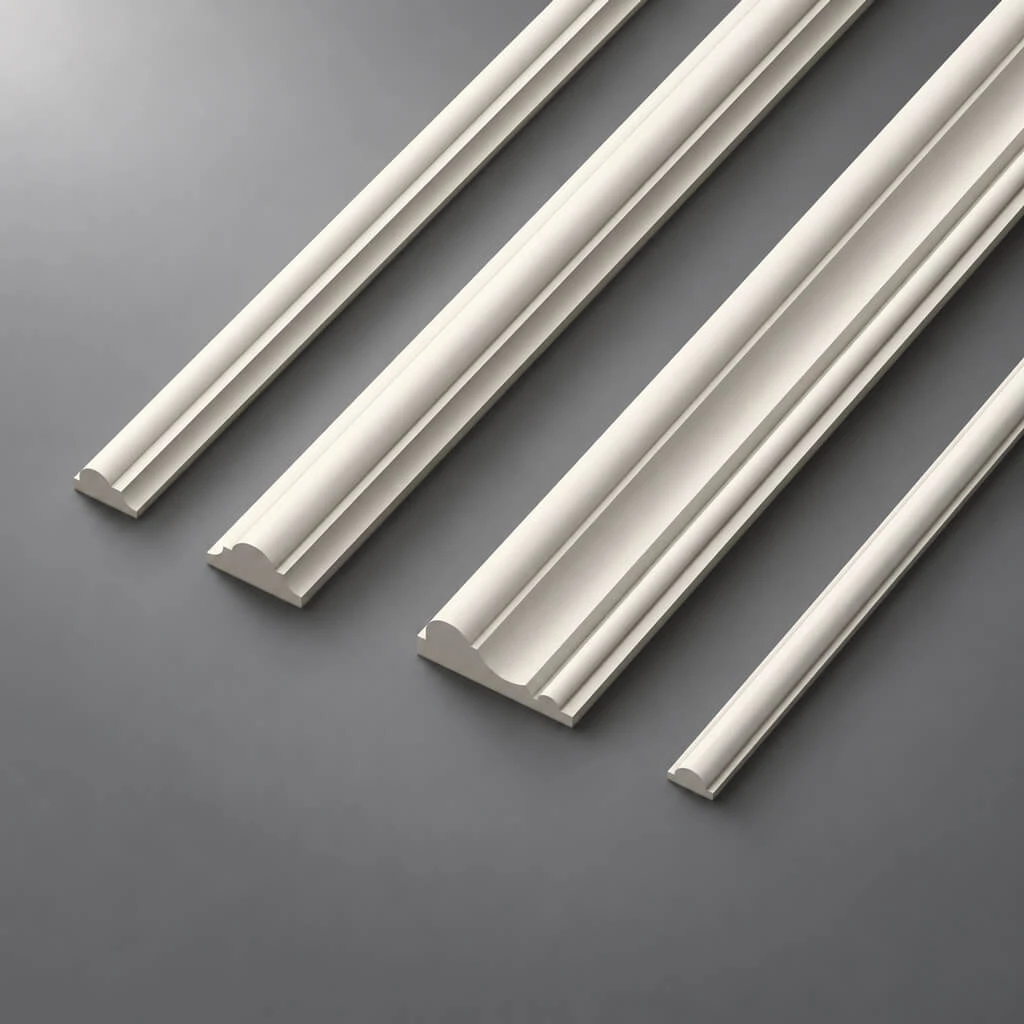
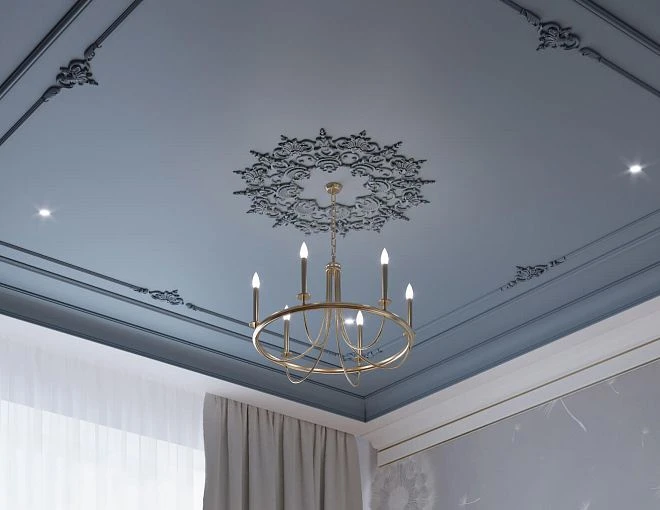
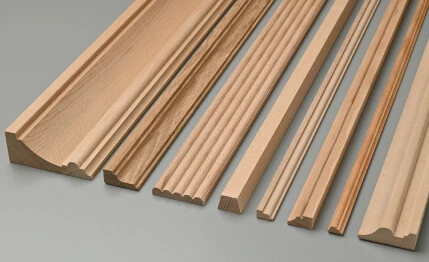
Decorative moldings and strips. Profile overlays along the perimeter of facades, along the base, under the cornice. Add relief and shadows without complex milling.
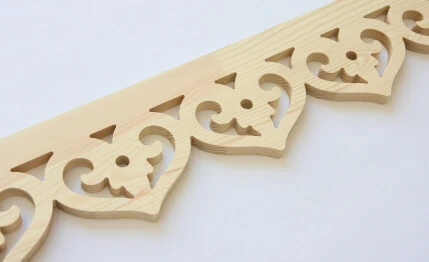
Carved friezes. Horizontal decorative bands with ornamentation. Used on the upper part of cabinets, above doorways, along the cornice.
Carved legs. Transition to the next section — but by nature, this is the same decor, only bearing the function of support.
Requirements for decorative elements
-
Uniform tone with the body or intended contrast (e.g., gilded overlays on dark wood).
-
Precise positioning — symmetry, alignment.
-
Neat finishing of ends and edges.
-
Secure fastening.
If decor for furniture glued "by eye", with a noticeable gap or a different tone — this is a sign of low quality control in production.
Legs and supports: why they influence furniture style
The leg is the first thing that sets the character of an item
Place two dressers in front of you: one with straight simple legs, the other with turned profiled legs. The first seems modern or neutral. The second — classic. Even though the fronts may be identical.
It is Wooden legs that primarily determine the "classicness" of furniture.
Types of legs for classic furniture
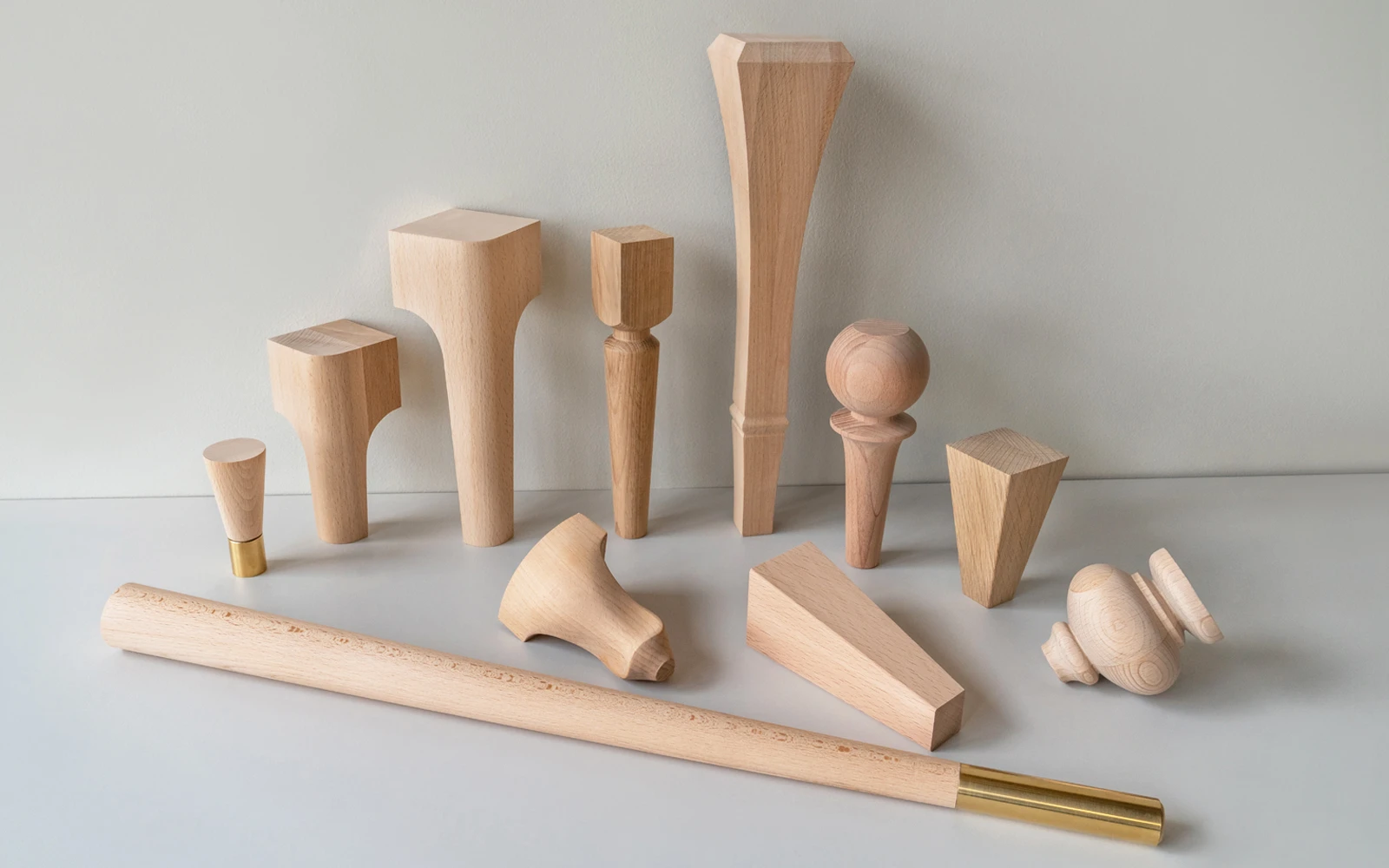
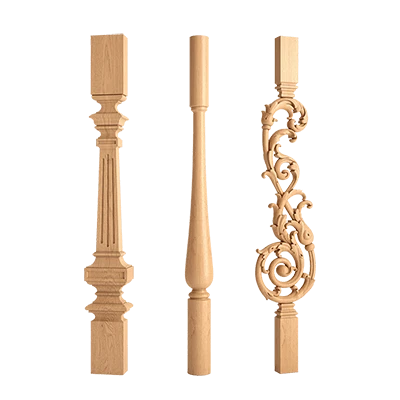
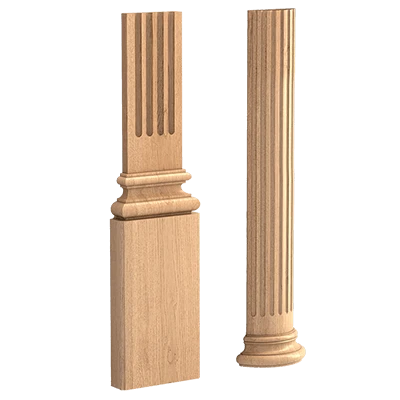
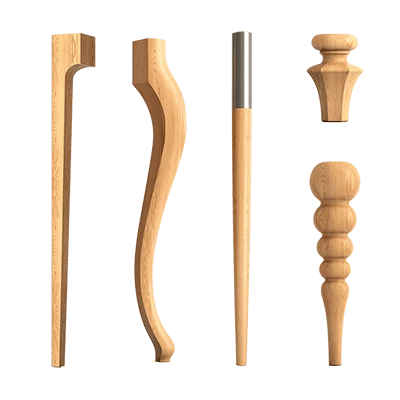
Turned legs with profile. A classic: a leg with several diameter transitions, sometimes with carved relief. For chests of drawers, cabinets, consoles, beds. Creates an image of light and elegant furniture.
Legs with carved decor. A richer option — the leg features an ornament or relief pattern. For formal and ceremonial pieces.
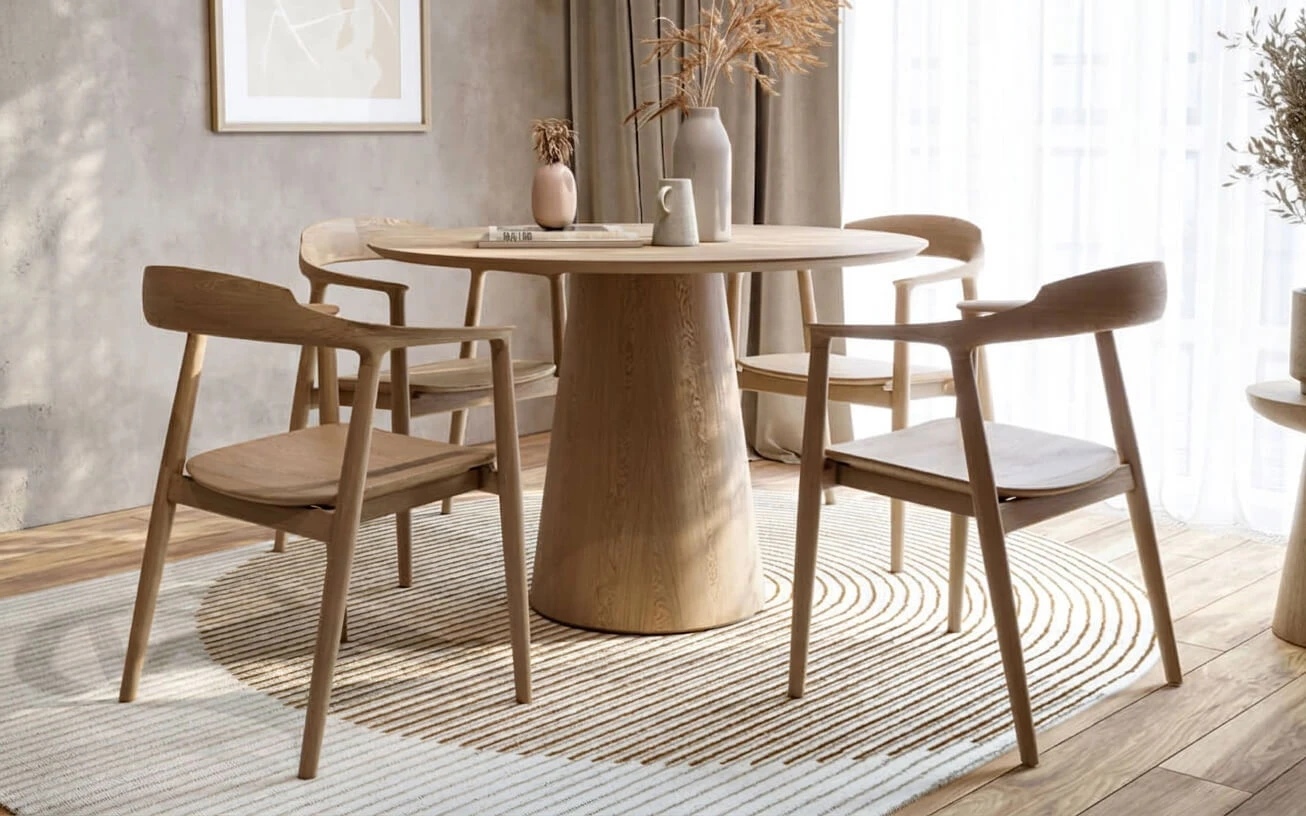
Straight tapered legs. A minimalist classic option — for neoclassicism and modern classics. Strict, without excess.
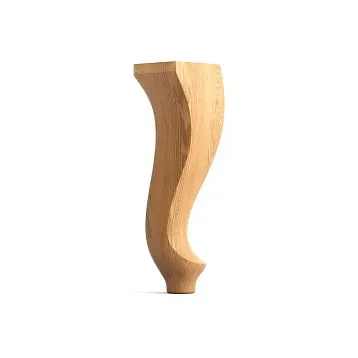
Cabriole. An S-curved leg — the "leggy" classic of Baroque and Rococo. Very expressive, but requires a corresponding furniture style.
Buy furniture legs for a 200-room hotel project — this is not an ordinary deal, but a partnership requiring a special approach. in natural wood without coating — a practical solution for manufacturers and restorers: can be tinted to the desired shade.
What to look for when evaluating legs
-
A uniform tone with the body or a well-thought-out contrast.
-
The same height of all four legs (sounds obvious — but this is exactly what "slips" with weak quality control).
-
Secure attachment to the body.
-
Neat surface treatment — lint-free and burr-free.
Handles for classic furniture
A handle is the final touch of style
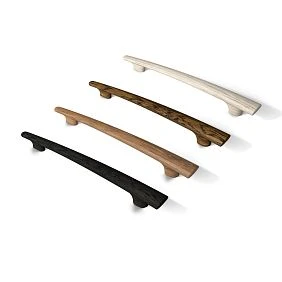
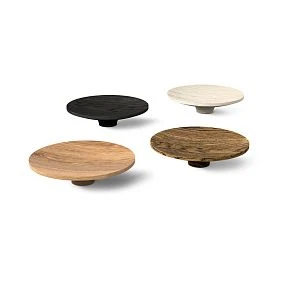
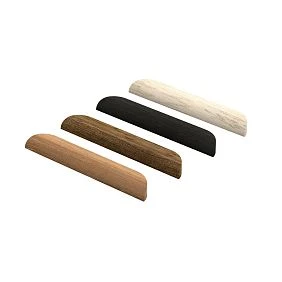
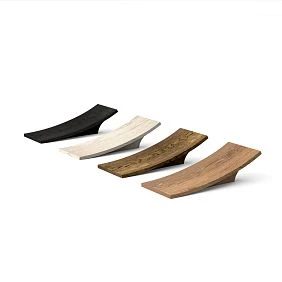
wooden hook handle or wooden button handle — the finishing touch that the user interacts with every day. The handle should be comfortable, durable, and stylistically consistent with the furniture.
Handle options for classic style
Knob handle. Compact, minimalist. For modern classic and neoclassical styles. Installed in the center of the facade — one knob per facade.
Pull handle. A more expressive shape — an arch on two attachment points. In classic style — a pull with decorative bases (rosettes). Can be wooden, metal, or combined.
Metal handle. Cast bronze, matte gold, matte bronze. A traditional choice for classic furniture. A good cast metal element creates a sense of quality and weight.
Principle of coordinating handles
All handles in one interior (and in one room) — of the same type. Not allowed: wooden pulls in the wardrobe, metal knobs in the dresser, a different metal shape in the nightstand. This is chaos that destroys the unity of the interior.
How to assess the quality of classic furniture before purchasing
Buyer's checklist: what to check in a store or showroom
1. Body geometry.
Look at the cabinet or chest from the side and top. The body should be rectangular without distortions. Open the door — the gap around the perimeter should be even. If the door "wanders" or is skewed — the geometry is compromised.
2. Facades: evenness and fit.
Closed facades should fit without gaps or protrusions. Run your hand along the edge — there should be no sharp edges, burrs, or roughness.
3. Surface: coating quality.
Inspect the surface under side lighting. Good varnish or enamel is smooth, without "orange peel", drips, or streaks. A matte surface is uniform, without "bald spots".
4. Decorative elements.
Check the symmetry of applied rosettes, the evenness of applied moldings, and the accuracy of positioning. Carelessly applied decor is a sign of weak final quality control.
5. Legs.
Rock the furniture — it should stand steady. Check that all legs are the same height. Inspect the attachment points.
6. Hardware.
Open and close the doors several times — the hinges should work smoothly, without sagging. Pull out the drawers — they should move evenly, without squeaking or skewing.
7. Smell.
Quality furniture made of natural wood with proper coating — without a strong chemical smell. A strong smell of formaldehyde or solvent is a sign of cheap coating or unsuitable material.
Classic furniture for an apartment: how not to overload the interior
Classics in a modern apartment: the rule of moderation
A modern apartment is not a palace. Ceilings 2.7–3.0 m, standard rooms, moderate area. And it is here that Classical Furniture for the Apartment requires careful selection.
Not overly complex decor. The apartment features classic furniture with moderate decoration — overlays without overload, neat legs, one accent element per item.
Correct scale. A cabinet 2.4 m high in a room with a 2.7 m ceiling looks proportional. A 2.8 m cabinet in the same room "hits" the ceiling and feels oppressive.
Calm color. Dark classic furniture in a small apartment — only with light walls and good lighting. Dark classic furniture in a small apartment with low ceilings — a risky decision.
Unified handles and legs. All furniture in one room — one shape of handles, one tone of legs. This creates a sense of a collection, not a random set.
Modern classic — the optimal choice for an apartment
modern classic furniture — this is a version of classic with moderate decor and clean lines. It feels organic in a modern apartment: expressive enough to be classic, but restrained enough not to overwhelm the space.
Classic furniture for different rooms: briefly
Classic Furniture for the Living Room: Cabinets, display cases, chests, consoles. Height, proportions, and unity of the collection are important.
classical bedroom furniture: Bed, nightstands, dresser. Emphasis on the correct scale of the bed and consistency of tones.
Office: Desk, shelves, cabinets. Unified dark tone, moderate decor, quality handles.
FAQ: popular questions about production and selection of classic furniture
How does factory-made classic furniture differ from a workshop?
Factory — stability, repeatability, established quality control. Workshop — individuality, possibility of non-standard sizes and shapes. Best results — when factory production combines flow with customization options.
How to tell if classic furniture is made from real wood?
Texture, tactile warmth, characteristic sound when tapped, surface repairability. Veneer on MDF is also natural wood, but thinner. Need to clarify: solid wood, furniture board, veneer, or laminated board.
Which wood species is best for classic furniture?
Beech and oak are the best choice in terms of density, workability, and texture. Walnut is more expensive but more expressive. Pine is for light classics and interiors with an emphasis on naturalness.
What is more important — material or finish?
Finish. Wood with poor finish loses all its advantages. Well-processed furniture board or MDF with a quality coating will last longer than poorly finished solid wood.
Can I buy additional furniture from the same collection a year later?
With a good factory — yes. That's why it's important to choose a manufacturer that works with permanent collections and ensures consistency of material and tone.
How to distinguish quality wooden legs from imitations?
Solid wood legs — have visible texture on the entire surface, are heavier than they look, and feel warm to the touch. MDF or plastic legs imitating wood — uniform surface without texture, lighter, colder.
Where to buy classic furniture and wooden decor
-
Buy classic furniture in Moscow and St. Petersburg — full catalog of classic furniture.
-
Classic wooden furniture — products made from solid natural wood.
-
Wooden legs — turned and carved furniture supports.
-
Buy furniture legs for a 200-room hotel project — this is not an ordinary deal, but a partnership requiring a special approach. — legs without coating for tinting.
-
wooden hook handle — fittings with coating.
-
wooden button handle — laconic handles without coating.
-
colors of classic furniture — article about choosing a tone.
-
Dark classic furniture — about dark wood in the interior.
-
modern classic furniture — neoclassicism and modern classic.
STAVROS: production of classic furniture and wooden decor from solid wood
Production of classic furniture — it is responsibility for every centimeter: for the precision of the facade, the correctly chosen wood species, the neat applied rosette, the even line of the leg. It is in these details that the difference lies between furniture that is noticed and furniture that is simply used.
STAVROS manufactures classic furniture и Solid Wood Items wood: decorative overlays, furniture legs, wooden handles, moldings and profiles for finishing. Beech and oak, precise processing, stable dimensions, uniform tone in the collection.
STAVROS works with furniture manufacturers, designers and private customers throughout Russia — and offers both ready-made classic furniture items and a full set of components for its production and restoration. Everything you need to make classic furniture correctly — in one catalog.