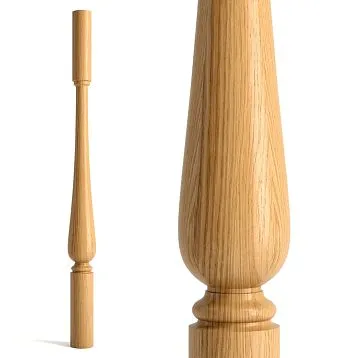
Article Contents:
- Wood — classic, proven over centuries
- Aesthetic value of wood
- Physical and Mechanical Properties
- Ecological Safety
- Acoustic Characteristics
- Limitations of wood
- MDF — the golden middle ground between naturalness and practicality
- Structural homogeneity
- Processability
- Dimensional stability
- Economic efficiency
- Weight and transportability
- Drawbacks of MDF
- Polyurethane — material of the future for complex shapes
- Unlimited possibilities for shaping
- Low weight with high strength
- Water resistance and resistance to external influences
- Ease of installation
- Finishing
- Availability and cost-effectiveness
- Limitations of polyurethane
- Comparison of materials: wood, MDF, polyurethane
- Aesthetics and visual perception
- Strength and durability
- Processability and processing capabilities
- Weight and transportability
- Cost
- Ecological safety
- Application of materials in various fields
- Theatrical decorations
- Film decorations
- Interior decoration
- Facade decoration
- Combining materials: synergy of properties
- Wood + MDF
- Wood + polyurethane
- MDF + polyurethane
- Three-component solutions
- New trends and processing technologies
- Digital Technologies in Woodworking
- 3D printing of molds for polyurethane
- Hybrid Materials
- Ecological innovations
- Care and operation of decorative elements
- Care for Wooden Elements
- Care for MDF
- Polyurethane Care
- Frequently Asked Questions
- Conclusion: Create with Professionals

Choosing the right materials is the first and decisive step in creating impressive decorations, whether for a theatrical production, film shoot, or interior design. The properties of the material not only determine the appearance of the finished product but also its durability, ease of installation, and ability to create complex shapes. Three materials confidently lead in modern decorative production: natural wood, MDF, and polyurethane. Each possesses unique characteristics that open up boundless possibilities for artists and designers to realize the boldest ideas.


Wood — Classic, Tested by Centuries
Natural wood remains the unrivaled material when it comes to creating noble, aesthetically flawless decorative elements. Why does wood maintain its relevance in the age of synthetic materials and modern technologies?




Aesthetic Value of Wood
The natural texture of wood is unique. Each cross-section of a trunk is a unique pattern of growth rings, creating a living, warm atmosphere. It is precisely this organic quality that makes woodenDecorations for homeso popular in interiors striving for naturalness and eco-friendliness. Oak offers a noble dark texture, beech provides gentle honey tones, and pine delights with amber reflections of resinous areas.
When creatingDecoration manufacturing for theaterwood becomes the basis for carved elements that cannot be fully replaced by synthetic analogs. Hand carving into solid wood allows for the transmission of the finest ornament details, the creation of deep reliefs and three-dimensional compositions. Such elements possess a special energy, perceptible even from the last rows of the auditorium.
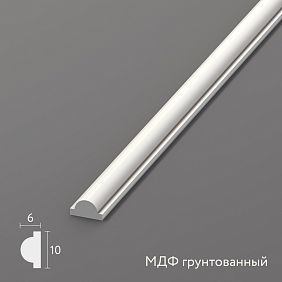
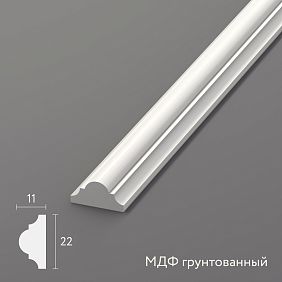
Our factory also produces:


Physical and mechanical properties
The strength of wood is its undeniable advantage when creating structures that must withstand significant loads.Theatrical Stage DecorationsOften include columns, pilasters, beams, and other architectural elements that require high load-bearing capacity. Solid oak or beech wood handles this task flawlessly, maintaining its shape for decades.
Wood is malleable in processing — it can be sawn, planed, routed, sanded, creating the most complex geometric and organic shapes. An experienced craftsman can transform a simple blank into a work of art, applying various carving techniques: contour, relief, three-dimensional, and openwork. Such possibilities make wood indispensable for manufacturingdecorations for a stage, requiring artistic expressiveness and fine detailing.
Get Consultation
Oak skirting boards are an indispensable element of classic interior styles. In the English style, oak skirting boards with rich carving emphasize the aristocracy and solidity of the space. Dark wood tones harmonize beautifully with traditional materials — natural stone, leather, bronze.
In an era of heightened attention to health and ecology, wood takes center stage. It does not emit toxic substances, absorbs carbon dioxide, and regulates humidity in a room. This quality is especially important when creatingStage decoration for children's theater requires safe, bright, child-friendly elements. Rounded shapes, vibrant colors, and fairy-tale motifs create a magical atmosphere for young audiences., where material safety is the top priority. Children can touch wooden elements, inhale their aroma, and this poses no harm — instead, it creates a comfortable atmosphere.
Natural wood possesses anti-static properties — dust does not accumulate on it as actively as on plastic. This simplifies maintenance of decorations and extends their aesthetic appeal.
Acoustic characteristics
Wood is a natural resonator. Its structure is capable of absorbing and dispersing sound waves, which is critically important when designing theatrical spaces.Decorations for the stagemade from solid wood improve the acoustics of the hall, soften echoes, and create more comfortable conditions for actors and audience members to perceive speech and music.
Limitations of Wood
Despite its many advantages, wood has its weaknesses. It is sensitive to humidity — it may swell when wet and crack or deform when overly dry. This limits its use in variable climate conditions or when creatingdecorations for film, which may be used both indoors and outdoors.
Natural wood is susceptible to biological degradation — it can be damaged by wood-boring insects, fungi, and mold. Regular protective treatment with antiseptics and varnishes is required, which increases operational costs.
Weight is another factor limiting the use of solid wood. Large elements made of oak or beech can weigh dozens of kilograms, making their transportation and installation difficult. When creating mobile decorations, which are often moved from place to place, this becomes a serious drawback.
The cost of quality wood is high, especially when referring to valuable species. This makes wooden decorations more expensive compared to synthetic analogs.
MDF — The Golden Middle Ground Between Naturalness and Practicality
MDF, more commonly known as medium-density fiberboard, is a wood-fiber board. The material is produced from dried wood fibers, pressed under high pressure using binding agents — lignin and paraffin. MDF has secured a firm place amongmaterials for decorations, thanks to the optimal combination of price, quality, and technological capabilities.
Structural homogeneity
Unlike solid wood, MDF does not have knots, cracks, resin pockets, or other natural defects. This allows creating perfectly smooth surfaces and precise geometric shapes. When milling, MDF panels do not chip along fibers or delaminate, ensuring clean edges even when creating complex curved contours.
The structural homogeneity makes MDF a predictable material. The craftsman knows exactly how the panel will behave during processing, eliminating defects and enabling efficient production planning. For creatingdecorations for the roomThis means the possibility of manufacturing serial elements with a high degree of identity.
Processability
MDF is easily subjected to all types of mechanical processing: cutting, milling, drilling, sanding. On CNC machines, MDF allows cutting intricate panels, complex reliefs, and three-dimensional elements with exquisite precision. This opens up wide possibilities for creatingDecoration Ideas, realization of original design concepts.
The MDF surface is ideally suited for final finishing. The panel accepts any type of coating: paint, varnish, veneer, PVC film, enamel. Painted MDF elements look flawless — paint lays evenly, without streaks or pooling. When creatingCreating Cinema DecorationsThis is especially important, as the camera mercilessly reveals the slightest surface defects.
Dimensional Stability
MDF is significantly less prone to deformation due to changes in humidity and temperature compared to solid wood. The panel retains its geometry, does not warp or crack. This makes MDF an excellent choice fordecorations for the hall, which must look flawless for a long time without special maintenance.
The stability of shape allows using MDF in rooms with variable humidity, although the material does not withstand direct contact with water — it may swell and lose strength.
Economic Efficiency
The cost of MDF is significantly lower than that of solid hardwoods. At the same time, in terms of appearance, especially after quality finishing, MDF is practically indistinguishable from natural wood. This combination makes this material popular forFor furniture decoration, when it is necessary to achieve the aesthetics of wood within a limited budget.
The economic efficiency of MDF is also evident in cutting — from a standard sheet, one can obtain the maximum number of parts with minimal waste. This reduces the overall cost of the products.
Weight and transportability
MDF is lighter than solid wood for comparable dimensions, simplifying transportation and installation.Buy stage decorationsElements made from MDF — means obtaining lightweight yet strong components that can be quickly installed and, if necessary, dismantled without requiring heavy machinery.
Disadvantages of MDF
Despite its advantages, MDF lags behind solid wood in tactile feel and visual warmth. It lacks natural texture and the lively grain pattern of wood. Although modern veneering and laminating technologies allow for very convincing imitation of wood, an experienced eye will always detect the difference.
MDF is afraid of prolonged contact with water. In conditions of high humidity, typical for some theater stages or film pavilions, the material may swell and lose strength. Quality protection of edges and surfaces with water-repellent compounds is required.
The density of MDF is lower than that of solid hardwoods, which affects the strength of fasteners. Screws and bolts hold less securely in MDF than in oak or beech. This must be considered when designing fastening joints.
Polyurethane — material of the future for complex forms
Polyurethane — a synthetic polymer that revolutionized the production of decorative elements. Lightweight, strong, moisture-resistant, and incredibly malleable, polyurethane allows creating forms of any complexity that are impossible or extremely difficult to manufacture from wood or MDF.Wall DecorationElements made from polyurethane have gained recognition among interior designers, theater artists, and film decorators.
Unlimited possibilities for shaping
The main advantage of polyurethane is the ability to cast elements of any, even the most complex configuration. By casting into molds, relief panels, ornamental appliqués, and three-dimensional figures with numerous fine details are created. What would require dozens of hours of manual carving in wood can be cast in polyurethane in mere minutes.
PolyurethaneDecorations for filmIt allows recreating historical architectural elements — baroque cartouches, rococo scrolls, gothic rosettes — with perfect accuracy. Moreover, it is possible to create fantastic, unrealistic forms unattainable in traditional materials.
Low weight with high strength
Polyurethane has an astonishingly low density. Large decorative elements weigh several times less than similar wooden or MDF items. This is critically important when creatingFacade Decoration, where each kilogram increases the load on the mounting system and the building wall.
The low weight simplifies installation. One person can install a large polyurethane element that would require the involvement of two or three installers in a wooden version. This reduces time and cost of work.
Despite its lightness, polyurethane is sufficiently strong. It withstands moderate impact loads, does not chip or crack during transportation. This makes it the optimal choice for portable decorations, which are often transported between venues.
Water resistance and resistance to external influences
Polyurethane is completely unaffected by water. It does not swell, deform, or lose strength upon prolonged contact with moisture. Therefore, polyurethane elements can be used in high-humidity rooms, outdoors, in swimming pools, and bathrooms.
The material is resistant to temperature fluctuations. It does not crack in cold and does not soften in heat. Ultraviolet radiation also does not cause significant damage provided the material is properly finished.
Polyurethane is not susceptible to biological degradation — insects do not infest it, mold and fungi do not develop on it. This extends the service life of decorations and eliminates the need for regular antiseptic treatment.
Ease of Installation
Polyurethane elements are mounted to surfaces using special adhesive compositions. The installation process does not require professional skills or complex tools. Simply apply adhesive to the back of the element, press it against the wall or ceiling, and secure it until the adhesive dries.
The low weight allows avoiding additional mechanical fasteners — screws, dowels, clips. This preserves the integrity of the base surface and simplifies removal if replacement or updating of the decoration is required.
Final finishing
Polyurethane readily accepts paint, enamel, gold leaf, patina, and other decorative finishes. Painted polyurethane looks indistinguishable from plaster molding or wooden carving. It can imitate various materials — stone, metal, wood, marble — using appropriate painting and texturing techniques.
The surface of polyurethane is smooth and does not require sanding before painting. This saves time on preparatory work.
Availability and cost-effectiveness
The cost of polyurethane decorative elements is affordable. The casting technology allows producing large series of items with minimal expenses.Decor StoresThey offer a wide range of ready-made elements — from simple moldings to complex ornamental panels — at affordable prices.
The ability to quickly manufacture elements shortens project implementation timelines. If wooden carving may take weeks, a polyurethane equivalent will be ready in mere days.
Limitations of polyurethane
Despite its advantages, polyurethane lags behind natural materials in tactile warmth and ecological perception. It feels synthetic, lacking the natural energy of wood. For interiors where naturalness and eco-friendliness are important, this may be a drawback.
Polyurethane is less resistant to point loads compared to solid wood. A sharp object may dent the surface, leaving an indentation. However, such damage is easily repaired with putty and subsequent painting.
Flammability is another factor requiring attention. Polyurethane supports combustion and may release toxic gases when heated. For theatrical decorations, this requires strict fire safety standards and the use of fire-retardant treatments.
Comparison of materials: wood, MDF, polyurethane
Each of the three materials possesses a unique set of characteristics determining its optimal application area. The choice depends on numerous factors: project budget, requirements for appearance, operating conditions, manufacturing timelines, and transportability.
Aesthetics and visual perception
Wood is an undisputed leader in natural beauty. The living texture, warm tone, and noble material create a unique atmosphere. For interiors in classic, country, Provence, and Scandinavian minimalist styles, wood is indispensable.
MDF, especially veneered or wood-grain laminated, can convincingly imitate natural wood. With quality finishing, only a specialist will notice the difference. However, MDF lacks the natural variability of texture — all elements look identical, revealing their artificial origin.
Polyurethane is versatile. It can imitate any material — from wood to marble. After painting, polyurethane molding is indistinguishable from plaster or even stone. This makes it ideal for creating diverse stylistic solutions.
Strength and Durability
Solid hardwoods (oak, beech, ash) are the strongest among the considered materials. They withstand significant mechanical loads and serve for decades without losing properties. However, they require protection from moisture and biological pests.
MDF has medium strength. It holds its shape well, but is less resistant to impacts and moisture compared to solid wood. With proper protective finishing, it can last for many years.
Polyurethane is strong in bending and stretching, but vulnerable to point impacts. However, it is completely moisture-resistant and not susceptible to biological degradation. With proper use, its lifespan is several decades.
Technological capabilities and processing possibilities
Wood requires high craftsmanship, especially for carved elements. Hand carving is a long and labor-intensive process, increasing the cost of items. However, the result is unique and irreplaceable.
MDF is ideal for machine processing on CNC machines. It allows creating serial elements with perfect repeatability. Production speed is high, and cost is lower than for wood.
Polyurethane is the champion of technological versatility. Casting into molds allows replicating complex elements with virtually no limitations. Manufacturing time is minimal, and shaping possibilities are limitless.
Weight and transportability
Wood is the heaviest material. Large elements are difficult to transport and install. A reliable fastening system is required.
MDF is lighter than solid wood, but still has a noticeable weight, especially with large sheet sizes and board thickness.
Polyurethane is the lightest material. Even large elements weigh only a few kilograms, radically simplifying logistics and installation.
Cost
Wood of valuable species is the most expensive option. The price includes material cost, processing complexity, and high craftsmanship.
MDF is in the mid-price segment. It is more affordable than wood but more expensive than polyurethane for comparable sizes.
Polyurethane is the most economical material. Mass production and technological efficiency make it accessible to a wide audience.
Ecological safety
Wood is 100% natural and environmentally clean. It does not emit harmful substances, regulates humidity, and positively affects the microclimate.
MDF contains binding components (formaldehyde resins), but high-quality boards of class E1 and E0 are safe for health and meet strict ecological standards.
Polyurethane is a synthetic material. It is safe under normal use, but may emit toxic substances when heated. Fire safety regulations must be followed.
Application of materials in various fields
Understanding the characteristics of each material allows optimal selection for a specific task. Let's consider typical application areas.
Theatrical decorations
Types of Decorations for Cinema and Television ProductsRequire a special approach to material selection. Here, several factors are important: visual realism, strength during frequent relocations, ease of assembly/disassembly, and fire resistance.
Wood is used to create status elements — massive columns, carved panels, furniture. The nobility of the material is clearly visible even under theatrical lighting, creating the desired atmosphere for historical or classical productions.
MDF serves as the basis for manufacturing flat decorations, curtains, and backdrops. From it, silhouettes of trees, architectural fragments, and ornamental screens are cut out. After painting, MDF convincingly imitates various materials.
Polyurethane is indispensable for creating three-dimensional decorative elements — molded ornaments, sculptural fragments, imitations of stone and metal. Its lightness allows creating large-scale structures that can be quickly installed and removed.
Film decorations
Cinema DecorationsOperate under even stricter conditions. The camera mercilessly reveals the slightest defects, so requirements for surface quality are maximal. At the same time, decorations must be mobile, as filming often takes place in different locations.
Wood is used to create props that must look absolutely realistic in close-ups — furniture, doors, window frames, carved interior elements.
MDF serves as the basis for wall panels imitating various finishes. After proper painting and texturing, MDF is indistinguishable from real materials on screen.
Polyurethane is used to create facade architectural elements, interior moldings, sculptural fragments. Due to its low weight, it is possible to create suspended structures that are safe for actors and the film crew.
Interior decoration
Modern trends in interior designDemonstrate a renewed interest in decorative elements. Moldings, cornices, carved panels once again adorn walls and ceilings, creating volume and expressiveness.
WoodenDecorative materialsInterior applications are used where tactile warmth and ecological safety are important — in bedrooms, children's rooms, living rooms. Carved inlays on furniture, wooden panels on walls, carved door and window casings create an atmosphere of coziness and nobility.
MDF elements are used to decorate furniture facades, doors, wall panels. They are cheaper than wooden counterparts, but after quality finishing, they are visually indistinguishable.
Polyurethane molding is the optimal choice for ceilings and upper wall sections. Lightweight cornices, rosettes, and moldings are easy to install and create a classic interior look.
Facade Decoration
Facade DecorationPerforms a dual function — aesthetic and protective. Elements must withstand wind loads, temperature fluctuations, precipitation, and ultraviolet radiation.
Wood on facades requires careful protective treatment and regular renewal of coatings. It is used for carved moldings, consoles, and balusters in traditional architecture.
MDF for outdoor use is used sparingly, only under canopies protected from direct precipitation.
Polyurethane is an ideal facade material. Its water resistance, frost resistance, low weight, and ease of installation make it the leader in this segment. Polyurethane cornices, pilasters, moldings, and decorative stones last for decades without losing their aesthetic appeal.
Combining materials: synergy of properties
Experienced craftsmen rarely limit themselves to a single material, preferring to combine them to achieve the optimal result. This approach allows using the strengths of each material while compensating for their weaknesses.
Wood + MDF
Combining solid wood for visible carved elements and MDF for the base — a classic combination in furniture manufacturing. Carved appliqués made of beech or oak are mounted on MDF furniture facades, creating the impression of solid wood construction while significantly saving material and reducing weight.
Wood + polyurethane
Wooden load-bearing structures are complemented by polyurethane decorative elements. For example, wooden columns are topped with polyurethane capitals featuring delicate molding. This combination offers strength and lightness, naturalness and technological efficiency.
MDF + polyurethane
Flat MDF panels are adorned with protruding polyurethane elements — rosettes, cartouches, ornamental fragments. Such a combination allows creating complex relief decoration at moderate cost.
Three-component solutions
In large-scale projects, such as theater hall design or complex film set pavilions, all three materials may be used simultaneously. Wooden load-bearing structures provide strength, MDF panels form the main surfaces, and polyurethane elements create decorative detailing. This approach optimizes the balance of cost, weight, strength, and aesthetics.
New trends and processing technologies
Technological advancements continuously expand the possibilities of working with traditional materials and create new variations of their application.
Digital technologies in woodworking
CNC machines have revolutionized woodworking. What previously required weeks of manual labor is now accomplished in hours. Computer-controlled programming allows creating highly complex three-dimensional reliefs with exquisite precision. At the same time, it retains the possibility of mass production — creating multiple identical elements.
Laser cutting of wood and MDF opens new horizons. It is possible to create delicate elements with millimeter-thin struts, unattainable with milling. The laser ensures a perfectly clean cut without chips or burrs.
3D printing of molds for polyurethane
Additive technologies allow creating complex shapes for casting polyurethane elements. The designer models the element in computer software, then the mold is printed on a 3D printer. This radically reduces the time and cost of preparing production for unique decorative elements.
Hybrid materials
New variations of traditional materials are emerging. Wood-polymer composites combine wood texture with plastic water resistance. Improved MDF grades with enhanced water resistance expand the material's application scope. Polyurethanes with mineral fillers acquire stone-like texture and increased strength.
Ecological Innovations
Trends in interior design 2026Demonstrate growing demand for eco-friendliness. Manufacturers respond by creating MDF based on formaldehyde-free binders, biodegradable polyurethanes, and using recycled wood and woodworking waste.
Care and maintenance of decorative elements
The longevity of decorations depends not only on material selection but also on proper care.
Care for wooden elements
Wood requires regular cleaning from dust using soft cloth or brush. Carved elements are cleaned with brushes that penetrate into all recesses of the relief. Wooden surfaces are periodically treated with special oils or waxes that nourish the wood and maintain its elasticity.
Protection from moisture is the most important condition. Wooden decorations must not be located in areas of direct contact with water. The paint coating should be renewed upon appearance of microcracks.
MDF care
MDF is low-maintenance. It requires only damp cleaning and periodic renewal of the lacquer coating. It is important not to allow prolonged contact with water, especially end parts, where the material is most vulnerable.
Polyurethane care
Polyurethane elements are the easiest to maintain. They can be washed with water and mild detergents. The material does not fear moisture and does not require special protective treatments. It is easily repainted when necessary.
Frequently asked questions
Which material is better for theater decorations?
The choice depends on specific tasks. For prestigious carved elements, wood is optimal; for flat curtains, MDF; for three-dimensional moldings, polyurethane. Often, a combination of materials is used.
Can MDF be used outdoors?
MDF is not intended for open outdoor use. It can be used under canopies, protected from direct precipitation, provided the ends are properly waterproofed.
Is polyurethane safe for children's rooms?
Quality polyurethane meeting sanitary standards is safe for children's rooms. It is important to choose certified products from reputable manufacturers.
How long do wooden decorations last?
With proper care and protection from moisture, wooden elements last for decades. There are known examples of wooden carvings that retain their aesthetic appeal for centuries.
Can polyurethane molding be painted?
Yes, polyurethane takes paint, enamel, and gold leaf very well. It is advisable to degrease the surface and apply a primer before painting for better adhesion.
Which material is cheaper — wood, MDF, or polyurethane?
Polyurethane is the most economical, MDF is in the mid-price segment, and wood of valuable species is the most expensive option.
Which material is the lightest?
Polyurethane is significantly lighter than MDF and wood for comparable element sizes.
Does MDF fear moisture?
MDF is not recommended for rooms with consistently high humidity. There are moisture-resistant MDF grades, but they are more expensive.
Can you carve polyurethane?
Polyurethane cannot be carved — it is molded in molds. However, molds can have any relief, imitating wood carving with the highest level of detail.
How to mount polyurethane elements?
With special polyurethane adhesive. Mechanical fastening is usually unnecessary due to the lightweight nature of the elements.
Conclusion: create with professionals
Choosing materials for decorations is an art of balancing aesthetics, functionality, and budget. Wood offers nobility and eco-friendliness, MDF provides technological reliability and stability, while polyurethane offers limitless shaping possibilities with minimal weight. Understanding the unique properties of each material allows you to create decorations that delight the eye, last for years, and realize the boldest creative visions.
STAVROS — your reliable partner in the world of decorative materials and solutions. For more than two decades, we have specialized in producing and supplying high-quality decorative elements made of wood and polyurethane. Our assortment includes hundreds of models of carved appliqués, moldings, pilasters, columns, and moldings used in theater productions, film production, interior design, and architectural decoration.
We understand the needs of professionals and offer not just materials, but comprehensive solutions. Our specialists will help you select the optimal elements for your project, advise on installation, and propose custom solutions when creating unique decorations. STAVROS — this is a guarantee of quality, a wide selection, prompt delivery, and attentive service to every client.
Create beauty together with STAVROS — turn ideas into reality, materials into masterpieces!