Article Contents:
- Rubio Monocoat: what it is and why it ended up in the STAVROS catalog
- Why treat wood after purchase at all
- Which STAVROS products should be treated with oil first
- Wooden furniture handles
- Molding products: moldings, cornices, baseboards
- Wooden frame
- Decorative overlays and carved decor
- Plates and home items
- Slatted panels
- Mirror frames
- Oil or varnish: when Rubio Monocoat wins and when it loses
- When oil wins unequivocally
- When varnish or other coating may be more appropriate
- Product preparation: what to do before applying oil
- Sanding
- Compatibility test
- Temperature and humidity
- How to apply Rubio Monocoat to different products: step by step
- Wooden Handles
- Wooden tableware: plates, trays
- Trim and moldings
- Carved decor and overlays
- Slatted panels
- Mirror frames and decorative shelves
- 9 mistakes when working with Rubio Monocoat — and how to avoid them
- Rubio Monocoat for oak and beech: how the wood reacts
- Oak
- Oak
- What to buy with Rubio Monocoat oil: the logic of one order
- Pure — why colorless oil for most tasks
- Buy Rubio Monocoat at STAVROS: price and availability
- About the Company STAVROS
- Frequently Asked Questions
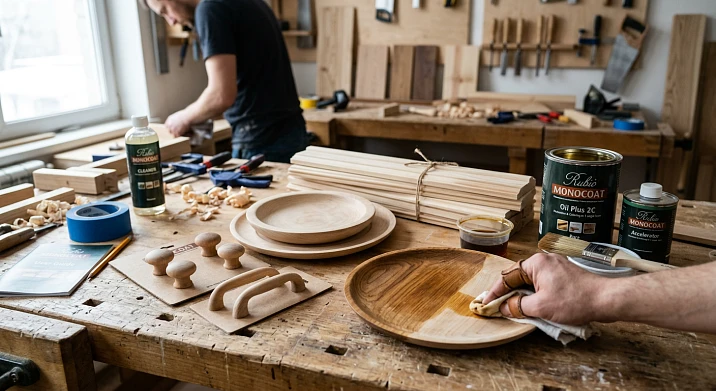
You made the right choice. A wooden handle, a baguette with fine carving, oak moldings, a painted plate made of solid beech — all these are living products with character, smell, tactility, and their own story. But they also share one common vulnerability: without a final protective finish, wood ages not as it should. It gets dirty, darkens unevenly, absorbs moisture and fats, and loses its original freshness sooner than you get to enjoy it.
It is at this moment — after purchase, before installation or use — that you need to make one simple decision: what to protect with. If you are looking for where buy wood oil for solid wood products — the answer is in this article. And the answer is specific: Rubio Monocoat Oil Plus 2C. Not because it says so in an advertisement, but because this oil actually works with wood the way a good finishing material should — deeply, honestly, without excess.
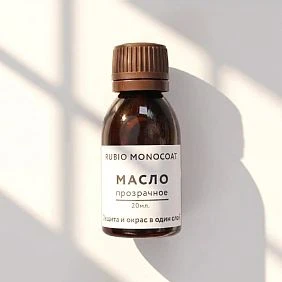
Rubio Monocoat: what it is and why it ended up in the STAVROS catalog
Not every brand deserves a place in the catalog of a manufacturer with a reputation. Over twenty years, STAVROS has participated in the reconstruction of historic interiors, worked with solid oak and beech in projects of national importance. There was no room for experiments with unknown coatings. And when STAVROS installation and finishing materials Rubio Monocoat oil appeared in the assortment — it was a conscious choice, not a marketing experiment.
Rubio Monocoat Oil Plus 2C is a Belgian two-component oil for the final treatment and protection of natural wood. It works differently than traditional oils or varnishes: the active component forms a chemical bond with the wood fibers at the molecular level — it does not create a film on the surface, but becomes part of the wood itself. This is a fundamental difference from any varnish.
What does this mean in practice?
-
The texture remains alive. Wood under Rubio Monocoat looks like wood — with pores, fibers, tactile softness. No 'plastic'.
-
One layer is the final protection. The "mono coat" (one layer) formula is not marketing. The oil truly provides full protection with a single application when using the correct technique.
-
Repairability. If after a few years a handle or plate loses its freshness, the surface can be restored locally without completely removing the coating.
-
Safety. The oil formula is certified for contact with food products, which is especially important for wooden plates, trays, and serving items.
Buy Rubio Monocoat at STAVROS it is available in the Oil Plus 2C version, Component A, Pure — this is a colorless version that preserves the natural color of the wood without tinting. It is universal for most solid wood products: oak, beech, ash, walnut, pine.




Why treat wood after purchase at all
The question seems simple, but it is asked much more often than one might assume. Especially when the product already looks beautiful "as is" — for example, a wooden handle made of light beech with a clean surface or oak molding with a pronounced texture. Why apply anything?
The answer becomes clear after a few months of use without coating. Wood is a living material. It breathes, reacts to humidity and temperature, and absorbs what it comes into contact with. In the kitchen, this includes fats, steam, and water. In the living room — dust and humidity fluctuations. On handles — fingerprints, natural skin oils, and cleaning agents. All of this gradually changes the surface without protection: dark spots, streaks, and areas of uneven darkening appear.
Buy Rubio Monocoat oil and apply it immediately after purchasing the product means doing one simple thing: preserving the original appearance of the wood and significantly slowing its degradation. The oil does not stop time, but it manages it.
This is especially relevant for products that STAVROS sells without coating or for final finishing. handles without coating — this is not an "unfinished product." It is a conscious choice: the manufacturer offers bare wood, and the buyer decides what the finish will be. Natural oil, tinting, colored oil — there are many options. But the basic recommendation is one: do not leave solid wood unprotected.
Our factory also produces:
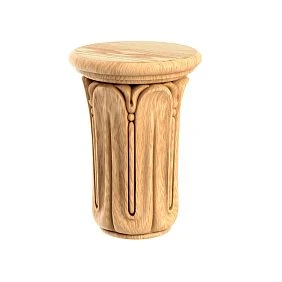
Which STAVROS products should be treated with oil first
Let's go through specific product groups — not abstractly, but with an understanding of why oil treatment is especially important for them.
Get Consultation
Wooden furniture handles
wooden furniture handles — these are products with the highest frequency of tactile contact. They are touched by hands dozens of times a day. The palm carries moisture, oils, microscopic particles of dirt. Without protection, the wood in the grip area darkens within a few weeks.
Oil for wooden handles solves this problem elegantly: it penetrates the surface layer of the wood, making it resistant to dirt and moisture, but does not create a glossy "sticky" film. The handle remains pleasant to the touch — exactly as a natural wooden handle should be.
Special attention — to the ends and attachment areas. At these points, the wood is most vulnerable: the end always absorbs moisture faster than the side surface. This is where the oil needs to be applied most thoroughly.
Linear products: moldings, cornices, baseboards
Wood and MDF linear products STAVROS — these are moldings, cornices, baseboards, architraves. Long linear elements with a profiled cross-section. They are mounted on walls, near the ceiling, along the floor — and after installation, treating them properly is much more difficult.
The conclusion is obvious: oil for linear products is applied before installation. That is when — when the product lies horizontally, all edges are accessible, you can go over each profile evenly. Rubio Monocoat Oil Plus 2C is perfect for this: one coat, thin application along the grain, complete surface protection before installation.
Oak and beech — the main species in STAVROS millwork — absorb oil perfectly. After treatment, the texture becomes more pronounced, deep, and noble. A baseboard or cornice made of oak with Rubio Monocoat Pure is a completely different visual story compared to an untreated surface.
Wooden molding
STAVROS wooden baguette They are used as framing for mirrors, paintings, panels, and also as a decorative interior element. The baguette profile is a relief with edges, protrusions, and recesses. That is why the oil application technique is especially important here: it is crucial not to overdo it, not to fill the recesses, and not to leave drips on protruding areas.
For a wooden baguette, it is recommended to apply oil with a soft brush with fine bristles or a cotton cloth, strictly along the grain, with a minimal amount of the compound. Excess is removed immediately — do not wait.
Decorative overlays and carved decor
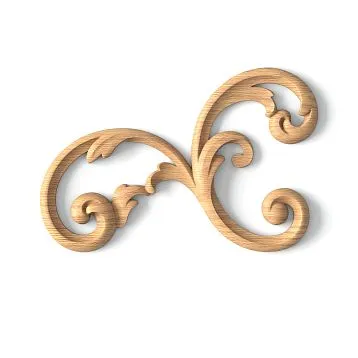
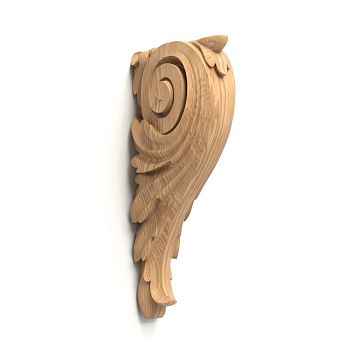
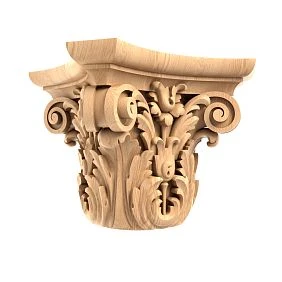
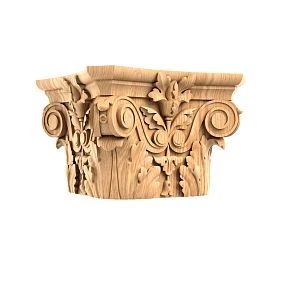
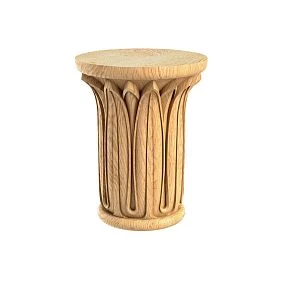
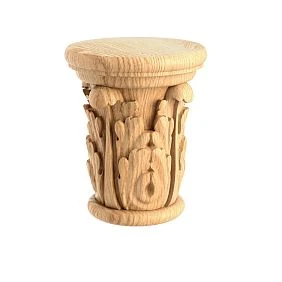
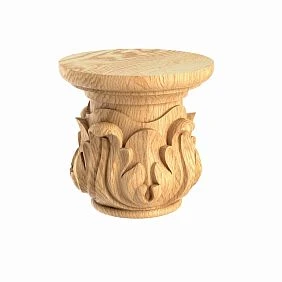
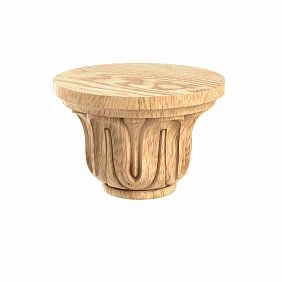
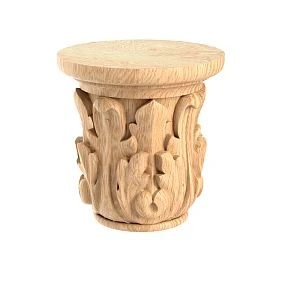
Carving is the quintessence of complexity when applying any coating. STAVROS wooden decorative overlays и Carved Decor These are products with thin lines, deep reliefs, undercuts, and protruding details. If applied carelessly, oil can accumulate in the recesses and cause stains or uneven gloss.
The rule is one: minimum compound, maximum attention. It is better to apply oil to carved decor with a thin brush, carefully working through each element of the relief, and immediately remove excess from the recesses. The result is an even coating that emphasizes the relief rather than hiding it.
Plates and household items
Solid wood tableware is a special case. The oil for a wooden plate must be safe for food contact. Rubio Monocoat Oil Plus 2C Pure has the relevant certifications. This is important: with tableware, the issue is not only aesthetics but also safety.
After applying the oil and complete drying, the wooden plate becomes resistant to moisture, fats, and food residues. It is easier to wash and does not absorb odors as intensely. The texture of beech or oak acquires that same living warmth for which wooden tableware is valued.
Rack panels
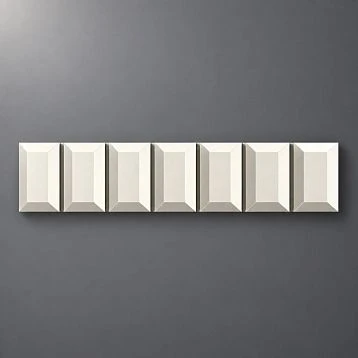
STAVROS slatted panels These are accent elements of walls and ceilings that are treated before installation. An important requirement: all slats must be treated identically, with the same amount of compound, so that after installation the panel looks like a single sheet without tonal variation.
Rubio Monocoat Pure achieves exactly this: the composition applies evenly, without color differences between individual slats.
Frames for mirrors
STAVROS mirror frames — three-dimensional products with corners, relief, and joints. A mirror in a solid wood frame without coating quickly loses its appearance in a bathroom or room with variable humidity. Oil for wooden frames here is not a decorative choice, but a functional necessity.
Oil or varnish: when Rubio Monocoat wins and when it falls short
This question is inevitable, and it's better to answer it honestly, without advertising euphemisms. If you want to delve deeper into the topic, check out the article "Stain or Oil" on the STAVROS website — it covers the fundamental differences between coating types. And here — a comparison specifically from a practical standpoint.
When oil wins unequivocally
Living texture. Varnish creates a film. Even matte varnish is a transparent shell that isolates the surface. The eye perceives this: wood starts to look like a photograph of wood, rather than wood itself. Oil for wood without a film is a completely different visual and tactile experience. The surface remains open, alive, warm.
Carved decor and profiled products. Varnish on carving or complex profiles always carries the risk of composition pooling in recesses, drips, and uneven gloss. Oil applies thinly and does not create such problems.
Repairability. A varnish coating, when damaged, requires complete removal and reapplication. An oil coating is restored locally: just sand the damaged area and reapply oil only to it.
Food contact safety. Varnish for dishes is a separate story with limited options. Rubio Monocoat Pure is certified for food contact. This makes it an undisputed choice for wooden plates, trays, and cutting boards.
Speed and ease of application. One coat — done. Varnish requires multiple coats with intermediate sanding.
When varnish or another coating might be more appropriate
Honesty requires admitting: there are cases where oil is not the best choice.
If a colored enamel is needed — oil won't help. It works with texture, not color.
If you need to completely hide the wood grain — oil is transparent and only emphasizes the texture. For this task, enamel is needed.
If the product will be used in conditions of extreme humidity (e.g., fully submerged in water) — oil will not provide sufficient protection. A special coating for exterior use is needed here.
If the buyer expects a glossy shine — Rubio Monocoat Pure gives a matte-satin finish, not gloss. If a mirror-like shine is desired — a different choice is needed.
More details about How to coat wooden products in different situations — in the profile article STAVROS.
Product preparation: what needs to be done before applying oil
Oil is not putty. It won't hide defects, mask scratches, or level the surface. On the contrary: good oil reveals everything on the surface — both good and bad. Therefore, preparation is critically important.
Sanding
STAVROS products typically undergo machine sanding at the factory. But if you purchase handles or decor without coating and notice minor tool marks, fuzz, or unevenness — sand them manually with P180–P240 grit along the grain. Never across the grain: this will leave marks that the oil will make even more noticeable.
After sanding, the surface must be dust-free. Dust is the main enemy of even application. Use a slightly damp lint-free cloth or compressed air.
Compatibility test
Before applying to the main surface — especially on carved decor or complex items — test the oil on an inconspicuous area. Oak and beech react differently: oak may darken slightly, beech may take on a warmer tone. This is normal, but it's better to see it on the end grain than on the face.
Temperature and humidity
Oil is applied at room temperature — in the range of 15–25 °C. In cold conditions, the oil becomes thicker and absorbs less well. On damp wood, it does not polymerize properly. If the item has just been delivered from the cold — let it warm up.
How to apply Rubio Monocoat to different items: step by step
The application technique depends on the type of item. There is no universal method that works equally well on a handle, plate, and carved decor. Let's break it down by category.
Wooden handles
-
Make sure the handle is clean and dry.
-
Take a cotton cloth or lint-free fabric.
-
Apply a small amount of oil — just a few drops on the cloth — and spread it in a thin layer over the entire surface of the handle. Work on the ends: they absorb more, so they need a bit more compound.
-
Leave for 3–5 minutes — the oil will start to absorb.
-
Thoroughly wipe off the excess with a clean dry cloth. This is critical: if you leave excess oil, the surface will become sticky.
-
Let it dry for 24 hours at room temperature.
After drying, the handle can be mounted. If you want a richer surface, apply a second thin layer after 24 hours using the same method.
Wooden utensils: plates, trays
The principle is the same, but pay special attention to the working surface. It is the one that contacts food and experiences the most mechanical stress.
-
Sanding to P240, dust removal.
-
Oil is applied in a thin layer over the entire surface — both front and back, and the edge. The plate must be fully treated, otherwise moisture will enter through untreated areas.
-
Excess is removed after 3–5 minutes.
-
Drying for 24–48 hours before use.
Important: until completely dry, wooden utensils should not be washed or come into contact with food.
Millwork and moldings
Long elements are conveniently processed on a flat horizontal surface — before installation. Work along the grain with long, even strokes. Watch the edges of the profile: oil can accumulate there and cause drips.
If the profile is complex (with recesses, edges, protrusions) — use a brush with soft bristles for the recesses, and a cloth for the protruding surfaces.
Carved decor and overlays
The most demanding type of product. A brush with fine bristles, minimal compound, slow work. Apply to a small area — immediately check the recesses. If oil has accumulated in them, remove it with the tip of a dry brush or a toothpick wrapped in cloth.
Rushing when working with STAVROS carved decor is the main cause of mistakes. It's better to spend an hour on careful application than to remove stains later.
Rack panels
All slats are processed simultaneously, from one batch of compound, with the same tool. This is the only way to ensure an even result. Apply a thin layer along the length of the slat, without stopping.
After application, lay the slats horizontally to dry — do not stack them, otherwise they will stick together.
Mirror frames and decorative shelves
Mirror Frames и Carved shelves — products with relief, corners, joints. Pay special attention to internal corners: oil accumulates there most often. Work with a brush in the corners, immediately remove excess.
9 mistakes when working with Rubio Monocoat — and how to avoid them
Mistakes when applying oil happen even to those who work with wood professionally. Let's list the most common ones — so you can avoid them.
Mistake 1: applying too much oil. 'More is better' doesn't work here. Excess oil doesn't absorb, stays on the surface, polymerizes into a sticky film. The surface becomes tacky, attracts dust, looks messy. Always start with a minimal amount.
Mistake 2: not removing excess. Applying oil is half the job. Removing the residue is the other half. 3–5 minutes after application, wipe off the residue dry and thoroughly. Skip this step — get a sticky surface.
Mistake 3: working with a dusty or dirty product. The oil will 'seal' dust and contaminants under the surface. Dust the product immediately before application.
Mistake 4: applying to wet wood. Moisture blocks oil absorption. Freshly cut or wet wood must dry completely. This may take several days.
Mistake 5: not testing the shade. Oak, beech, pine, walnut — each wood species reacts to oil differently. A test on a hidden area takes 30 minutes but can save a ruined product.
Mistake 6: flooding the carving. When working with carved wood decor, apply oil sparingly. The recesses of the carving should not be flooded with the compound.
Mistake 7: mixing Rubio Monocoat with other coatings. If the product was previously coated with varnish, wax, or another oil — Rubio Monocoat cannot be applied over it. The old coating must be completely removed.
Mistake 8: expecting an enamel effect from oil. Oil is transparent or nearly transparent. It highlights the texture but does not color. If you need a white, gray, or colored surface — oil is not for this task.
Mistake 9: treating the product after installation. Installed trim, handles inserted into drawers, nailed baguettes — all of this is difficult to treat evenly. Always apply oil before installation.
Rubio Monocoat for oak and beech: how the wood reacts
STAVROS works primarily with two wood species: oak and beech. Both accept Rubio Monocoat well, but behave differently.
Oak
Oak is a dense, large-pored species with pronounced texture and strong annual ring pattern. After applying Pure oil, the texture becomes even more pronounced: the pores darken slightly more than the background, the pattern comes to the forefront. Oak under Rubio Monocoat looks noble and expensive — exactly as it should look Solid wood furniture.
Important point: oak contains tannins — natural tanning substances. When in contact with metal (e.g., iron tools), they cause dark spots. Use only stainless steel tools and cloths without metal elements.
Beech
Beech is a more uniform species with fine pores and a neutral light brown tone. Under Pure oil, beech acquires a slight warmth while remaining light. The texture appears softer than oak — without sharp contrast, but with a lively surface expression.
Oil is especially important for beech products: beech is less resistant to moisture than oak, and without protection it reacts more quickly to humidity changes.
What to buy together with Rubio Monocoat oil: the logic of a single order
Buying oil separately from the products means an additional order, additional waiting, additional hassle. STAVROS has made it convenient: in one catalog — both solid wood products and materials for their finishing. You can place one order and get everything you need at once.
The logic looks like this:
You bought wooden handles → add Rubio Monocoat Pure oil + decorative caps for fastening screws
You bought linear molding or moldings → add oil before installation + mounting adhesive from the same materials category
You bought carved overlays or decor → add oil + mounting adhesive
You bought wooden plates or trays → add oil certified for food contact
You bought slatted panels → add oil and treat the slats before installation
All of this — in one section materials for installation and finishing и STAVROS furniture fittings. One order, one delivery, one logic.
Pure — why colorless oil for most tasks
The Rubio Monocoat line includes colored versions that tint wood during application. This is a professional tool: it allows achieving a specific shade without stain. But for most STAVROS customers — those who want to protect a wooden handle, molding, or plate — what is needed is not tinting, but preserving the natural color.
Rubio Monocoat Oil Plus 2C, Component A, Pure — this is the colorless version. After application, the wood remains itself: oak remains oak, beech remains beech. No tinting, no deviations from the natural color. Only protection and a slightly deeper, richer expression of the grain.
That is why Pure is the right start. If later you want tinting — that is a separate story requiring a separate selection.
Buy Rubio Monocoat at STAVROS: price and availability
Buy Rubio Monocoat oil is available in the STAVROS online catalog. Delivery — throughout Russia. Minimum order — from one unit. This means: even if you need one small package for treating a couple of handles or a plate — you can add it to your main order without extra conditions.
The cost of the oil per product is minimal. A bottle of Rubio Monocoat Oil Plus 2C covers a significant area: enough for treating several dozen handles or meters of molding. This is not a one-time consumable — it is a supply that will last a long time.
About the company STAVROS
STAVROS is a Russian manufacturer of solid wood products and furniture hardware with a history that began in 2002 in St. Petersburg. The founders — Andrey Ragozin and Evgeny Tsapko — started as artists creating carved wooden products, and within a year they were working on the reconstruction of the Konstantinovsky Palace in Strelna. Since then, the company's portfolio has included interiors of the Hermitage, the Alexander Palace, and the Trinity-Izmailovsky Cathedral.
Today, STAVROS is a production facility in St. Petersburg, showrooms in Moscow and St. Petersburg, and a wide catalog: wooden handles, moldings, carved decor, slat panels, frames, overlays, tableware, shelves, installation and finishing materials. Each product is made from solid wood, with quality control at every stage.
Maslo Rubio Monocoat Oil Plus 2C appeared in the STAVROS catalog for a reason: it is the only oil that the company recommends for the final protection of its wooden products. This recommendation is based on practice, not marketing.
Frequently asked questions
Can I buy Rubio Monocoat from STAVROS with Contact us to confirm shipping to your destination.?
Yes. Rubio Monocoat Oil Plus 2C, Component A, Pure is available for order in the STAVROS online catalog with Contact us to confirm shipping to your destination. It can be added to an order of main wooden products.
Which wood species is Rubio Monocoat Pure suitable for?
For all hardwood species: oak, beech, ash, walnut, cherry, maple, and others. Softwoods also accept the oil but require more thorough removal of excess due to high resin content.
How long does Rubio Monocoat take to dry?
At room temperature and normal humidity, the surface hardens within 24 hours. Full polymerization takes 5–7 days. During this time, the product can be used carefully, but it is advisable to avoid intense loads in the first 24 hours.
Why did the wood become sticky after applying the oil?
The reason is almost always the same: too much compound has been applied, and the excess was not removed in time. The solution is to wipe the surface with a dry cloth, and if the oil has already started to polymerize, lightly sand it and reapply a thin layer.
Can I use oil for wooden utensils if there are children in the house?
Yes. Rubio Monocoat Pure is certified for food contact. After complete drying (24–48 hours), the utensils are safe to use.
Do I need to reapply the oil over time?
Yes, with intensive use — about once a year for handles and utensils, once every few years for decorative elements. Restoration is local: sanding the damaged area and applying a new layer.
Can I apply Rubio Monocoat to a product that has already been coated with varnish?
No. Rubio Monocoat penetrates the wood, while the varnish film blocks this process. You must first completely remove the old coating.
Is the oil suitable for products that will be placed outdoors?
Rubio Monocoat Oil Plus 2C is intended for interior products. For outdoor use, there are separate formulas from this brand with increased weather resistance.
Is it better to apply the oil before or after installation?
Always before installation. This is the only way to evenly treat all edges, ends, and hard-to-reach areas. After installation, part of the surface inevitably remains inaccessible.
What to buy from STAVROS in one order with the oil?
Wooden handles, moldings, trims, baguettes, carved overlays, slatted panels, frames, shelves, plates — everything made from solid wood that needs a final protective finish. Rubio Monocoat Pure oil logically adds to the cart with any of these items.