Article Contents:
- Why stucco decor is suitable for showrooms and boutiques
- What tasks does wall decor solve in a showroom
- Makes the interior more premium
- Creates a photogenic backdrop for products
- Highlights the mirror and fitting area
- Supports the brand style
- Helps design the logo and checkout area
- Zones the retail space
- Where to use stucco decor in a boutique
- Wall with mirror
- Fitting room area
- Wall with logo
- Photo zone
- Wall with display or clothing racks
- Checkout area
- What to choose: moldings, overlays, or a ready-made set
- Moldings for frames and zoning
- Decorative overlays for accents
- Decor for moldings: corner elements
- Ready-made sets
- How to choose a style for a showroom
- Neoclassicism
- Neoclassical Light
- Art Deco
- Jatoba
- Versailles Light
- How not to overload a retail interior
- Don't make every wall an accent wall
- Do not place active ornamentation near a large quantity of merchandise
- Do not overcrowd the fitting room
- Do not conflict with the logo and brand colors
- Do not forget about mirrors, lighting, rails, and aisles
- Do not mix incompatible styles
- How to combine moldings with mirrors, lighting, and merchandise
- Moldings and mirror
- Moldings and clothing rails
- Moldings and lighting
- Moldings and logo
- Moldings and display windows
- Practical table: style and format for each showroom zone
- What to buy for decorating a showroom or boutique
- Frequently asked questions
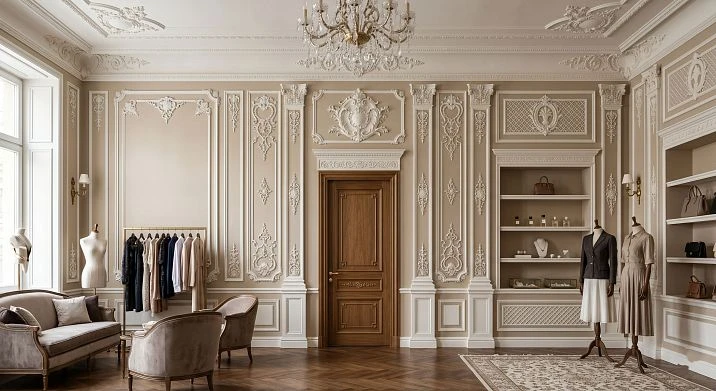
There are spaces that sell even before the seller utters a word. A showroom where walls speak of the brand's quality, where every mirror is framed so that the client wants to linger, where a photo zone creates a queue of people wanting to take pictures — this is not a coincidence. It is the result of conscious work with decor. And architectural wall relief is one of the most powerful tools in this work.
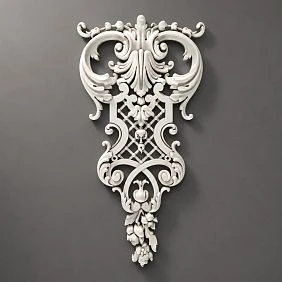
Stucco decor for a showroommade of polyurethane is what makes a retail interior memorable. Moldings, frames, decorative overlays, and ready-made kits turn ordinary walls into an architectural backdrop that works for the brand: highlights the product, accentuates mirrors, creates the right atmosphere for photos, and forms a feeling of a premium space. Moreover, without major renovations, without plaster, and without months-long installation timelines.
Why stucco decor is suitable for showrooms and boutiques
A retail interior is a special environment. Here, every square meter must sell. Empty walls do not sell — they create a feeling of incompleteness, temporariness, cheapness. Overly decorated walls interfere with the product — overload the eye and create visual noise. The task of decor in a showroom is to find that very point of balance where the space reads as expensive and well-thought-out, but at the same time remains a backdrop for the main thing: products, looks, collections.
polyurethanewall decor for a boutiquesolves this problem organically. It adds architectural depth to the walls — relief, shadows, lines — without occupying visual space with active color or pattern. Moldings in the tone of the wall create a structure that you notice intuitively but do not focus on specifically. This is exactly the backdrop against which a dress looks more expensive, furniture looks larger, and a mirror looks bigger.
Another practical advantage: polyurethane can be painted in any color, including the brand's corporate shades. This means thatwall decor for a clothing storeit can be part of the brand identity — not just "beautiful walls", but a visual extension of the identity. Moldings in the brand's powder pink or deep anthracite color are not a fantasy, but a feasible task.




What tasks does wall decor solve in a showroom
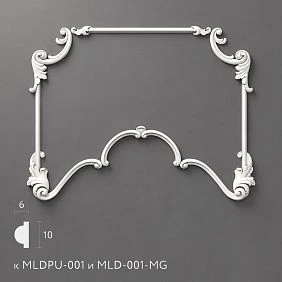
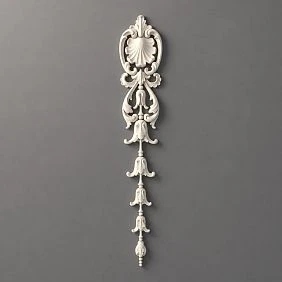
Our factory also produces:
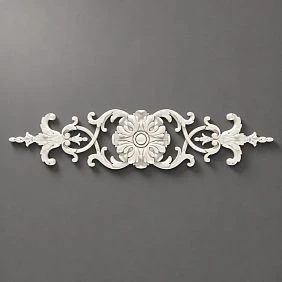
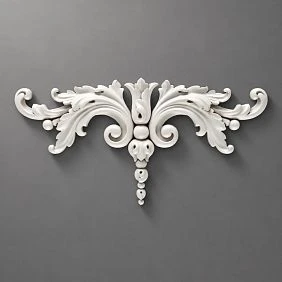

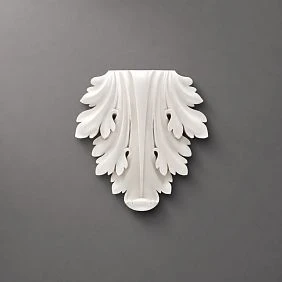
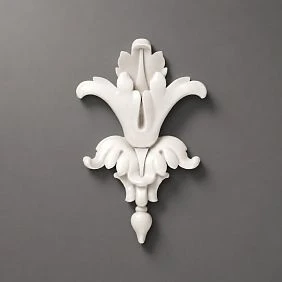
Makes the interior more premium
This is perhaps the most obvious and at the same time the most underestimated effect. A wall with moldings is perceived by the brain as "finished", architecturally complete. A bare wall is like a draft. A textured one is like the final version. This works even on a subconscious level: a client in a space with decorated walls automatically assigns a higher price range to the brand.
For a clothing showroom,a wedding salonor an accessories store, this directly affects the average check. When the space is perceived as premium, the decision to purchase is made easier, doubts about the price are fewer, and the feeling "it's worth buying here" arises naturally.
Get Consultation
Creates a photogenic background for the product
A modern boutique exists in two dimensions simultaneously: physical and digital. The client photographs not only themselves — they photograph the space, details, atmosphere. These photos go to social media, stories, reviews. A wall with molding decor is a ready-made content background that works around the clock without additional marketing investments.
stucco decor for a home photo zone— a topic with its own specifics, but the principles of arranging decor for photos are fully applicable in commercial spaces: symmetry, rhythm, correct scale of overlays, and a well-thought-out background.
Highlights the mirror and fitting area
A mirror in a boutique is the culmination of a visit. It is here that the client makes the final purchase decision. And it is here that a textured wall withmoldings around the mirrormakes the fitting an event: the client sees themselves in the mirror, framed like a painting in a gallery. This creates an emotion that is hard to describe in words but easy to feel — a sense of elegance, solemnity, 'I look good.'
Supports the brand style
The interior is the material embodiment of the brand. Every decor element conveys the company's values: minimalism or luxury, modernity or classic, playfulness or strictness.Buy moldings for a boutiquemeans choosing a profile and style that matches the brand's character. A thin geometric profile in the color of the wall is one story. A classic frame with corner ornaments is quite another.
Helps design the logo and checkout area
A wall with a logo is the "face" of a showroom. It is what journalists, bloggers, and clients photograph. The decorative system around the logo should highlight it, not overload it. The rule is simple: the logo is the main character, the moldings are the frame.Decorative overlays for the showroomin this area, they are used as symmetrical accents on the sides or above the logo, creating solemnity without clutter.
Zones the retail space
A large showroom without clear zoning is a labyrinth. The client gets lost, doesn't understand where to go, what to look at, or where the fitting room is. Moldings solve the zoning problem visually, without physical partitions: a horizontal belt at a height of 110–120 cm divides zones; vertical frames highlight individual "niches" with merchandise; a change in decor (or its absence) marks the transition from the retail area to the checkout or fitting room.
Where to use stucco decor in a boutique
Wall with mirror
This is an absolute priority for any clothing boutique, bridal salon, or accessories store. A mirror on a bare wall is functional but lacks character. A mirror in adecorative frame made of moldingsis already a statement about the brand's style.
How does this work in practice? A mirror measuring 80×180 cm on a wall 280 cm high. Around it is a frame made of molding 35–45 mm wide with a 15–25 cm gap from the edge of the mirror. On the sides of the frame are narrow vertical moldings reaching the floor and ceiling, creating a "column" structure. At the top is a small overlay in the center. Everything is the same color as the wall — matte cream, warm white, soft sage.
Result: the mirror transforms into an architectural object.wall decor with a polyurethane mirror— a topic with a detailed breakdown of layout and formats.
For multiple mirrors on one wall, a mirror gallery works: identical frames with identical spacing, at the same height. This creates a rhythm that reads as a 'collection,' not a chaotic arrangement.
Fitting room area
The fitting room is an intimate space. Here, the client is one-on-one with the mirror and the garment. The decor should create a feeling of coziness and elegance, but not be overwhelming. The optimal solution: one frame of moldings around the mirror's perimeter, vertical moldings on the side walls from floor to ceiling in the wall's tone.
For a fitting room with dark or saturated walls (boutiques with a 'nightclub' or 'art deco' concept) — contrasting moldings in metallic or warm gold. This creates a sense of elegance and a 'special place.'Stucco wall decor with backlighting— about how the relief of the moldings interacts with light and creates an additional visual effect.
An important point: in the fitting room, there should be no active ornament or large-format overlays — they will distract from the main focus. Here, moldings work as a quiet frame, not as decoration.
Wall with logo
Decor of the wall with the showroom logo— a zone with special logic. The logo should be readable at first glance, not "get lost" in the ornament, and not compete with decorative elements.
Three working scenarios. First: the logo is placed on a clean field inside a wide frame of moldings — "mounted" in an architectural niche. Second: symmetrical vertical moldings on the sides of the logo without a frame at the top and bottom — a graphic, modern presentation. Third: the logo on a neutral panel, flanked by decorative columns of moldings, creating a portal effect.
In all three cases, the main rule is a quiet zone around the logo: at least 30–50 cm from the nearest decorative line. This is the "air" that gives the logo readability.
Photo zone
For a showroom, a photo zone is not an option but a necessity. A client who takes a beautiful photo against your walls and publishes it is a free ambassador. And the wall should "ask" to be photographed.
Buy a ready-made decor kit for the showroom— the fastest way to a finished photo zone. The kit includes elements coordinated in style and proportions: frames, overlays, corner decors. The result is a full-fledged decorative wall in just a few hours of installation.
For the photo zone, more saturated decor is acceptable than for the other walls of the showroom: larger overlays, more detailed frames, possibly a mirror or sconce as part of the composition. But the background should remain neutral in color — so that the client and their clothing remain the main heroes of the frame.
Ready-made molded decor kits— with an analysis of formats and principles of composition for different tasks.
Wall with a display case or clothing rails
Here the principle is directly opposite to the photo zone: the decor should step into the background. The clothing rail is the main element. The wall is the background. Moldings on this wall are used either very delicately (a thin horizontal belt, moldings in the color of the wall), or as an architectural framing of the display case itself — creating a "niche" inside which the product looks like in a gallery.
A common mistake: active ornament or large overlays next to clothing rails. This creates competition between decor and merchandise — and there are no winners in this competition. Either the decor distracts from the clothing, or the clothing makes the decor invisible. In both cases — a loss.
Correct:symmetrical wall decoras an architectural frame for the window, without overload inside.
Checkout area
The wall behind the checkout is the second most important element after the wall with the logo. This is where the customer stands the longest before making a purchase. The decor of the checkout area should create a feeling of completeness and reliability: "I bought correctly, in the right place."
For the checkout area, the following work well: symmetrical frames on both sides of the checkout terminal, a decorative overlay in the center above the terminal, vertical moldings from floor to ceiling. Everything in a single color. The color of the checkout area wall can match the overall tone of the space or be slightly darker — this creates a feeling of "route completion."
What to choose: moldings, overlays, or a ready-made set
Moldings for frames and zoning
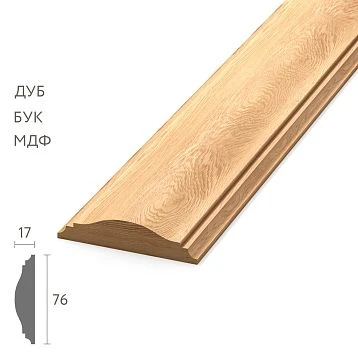
Moldings for the showroom— a basic element that covers most retail interior tasks. They are sold by linear meter, cut to any size, and mounted on a prepared surface. For replicated zones (multiple mirrors, a row of fitting rooms, a long wall with rails) — the optimal format.
Profile selection:
| Zone | Profile width | Recommendation |
|---|---|---|
| Fitting room | 20–30 mm | Delicate, matching the wall |
| Medium-sized mirror | 30–40 mm | Moderate contrast |
| Photo zone | 35–50 mm | Contrast possible |
| Logo / checkout area | 35–50 mm | Matching the wall or contrast |
| Showcase / rails | 25–35 mm | Strictly matching the wall |
| Lobby / entrance area | 40–60 mm | More expressive |
Decorative overlays for accents
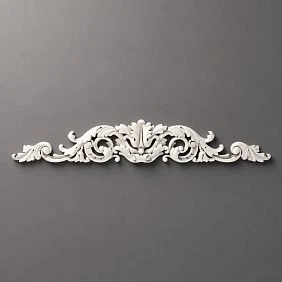
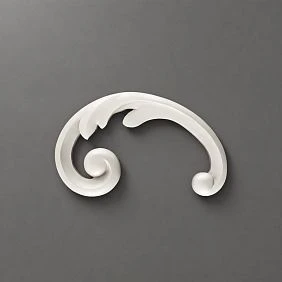
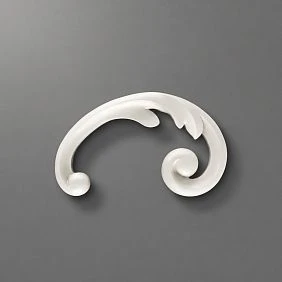
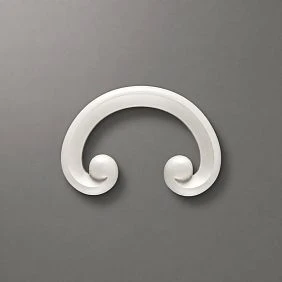
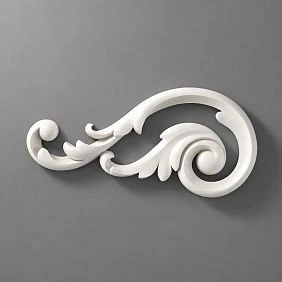
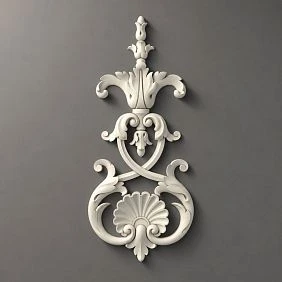
Decorative overlays for the showroom— spot elements for key zones: photo zones, logo walls, checkout walls, accent point above the mirror. In retail interiors, they are used sparingly — 2–4 elements per entire space, no more. Too many overlays create visual noise, which works against sales.
Buy decorative overlays for a boutique— in the STAVROS catalog, sizes from 8 to 50+ cm are available, allowing you to choose the scale for a specific task.
Decor for moldings: corner elements
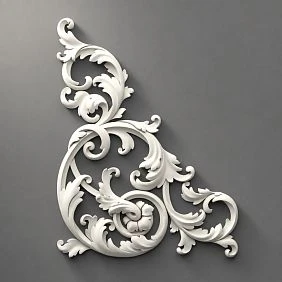
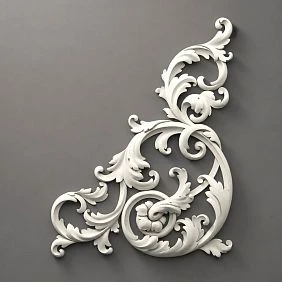
Decor for moldings in a showroom— corner inserts and decorative connections are used to improve the quality of frame systems. A professionally executed frame corner with a decorative insert looks incomparably better than a corner with a straight cut. For premium boutiques and showrooms where the client examines details, this is an argument.
Corner elements for frames in a boutique— are selected in the style of the main profile. For classic — with an ornamental motif; for light neoclassical — with smooth or slightly decorated inserts; for art deco — geometric.
Ready-made kits
Ready-made decor set for a showroom— the optimal choice for a photo zone, accent wall of the entrance area, or logo wall. The set eliminates the issue of proportions: all elements are already coordinated with each other, the installer only needs to mark and secure them.
For replicated zones (several identical mirrors, a row of fitting rooms) — molding by linear meter. For unique accent walls — kits. This is a clear division by function and budget.
How to choose a style for a showroom
Neoclassicism
Showroom with moldings in neoclassical style— this is a statement of reliability, quality, and tradition. White moldings on pastel walls, symmetrical frames, ornamental overlays — all of this creates an atmosphere associated with a "real" store, not a pop-up space.
Neoclassicism works well for boutiques with expensive items: wedding salons, jewelry stores, designer clothing, luxury interior items. In such a space, the client feels: "You can spend serious money here and not regret it."molded decor for commercial interiors— with general principles for choosing decor for retail spaces.
Neoclassicism Light
Light neoclassicism in a showroom— for modern boutiques and showrooms that want architectural depth without the heaviness of classicism. Thin profiles, delicate frames, no ornamental overload. This works for mid-to-high-end clothing stores, interior studios, small concept shops.
The key advantage of this style in a retail space: it "doesn't interfere." The product remains the main focus, and the walls create an appropriate background — present but not distracting.
Art Deco
An art deco boutique is character. Rigid verticals, geometric frames, dark walls, gold or bronze accents.Art Deco showroom with moldings — this is a space with personality that is memorable and creates the effect of "I want to come back here."
Art Deco is suitable for fashion showrooms with a concept, for stores with a dark color scheme (anthracite, deep blue, emerald), for photo zones where expressiveness and contrast are needed. Moldings in such an interior can be in the color of the wall or with a thin metallic accent — both options work.Stucco wall decor in Art Deco style — detailed material on the topic.
Japandi
Japandi style showroom with wall decor — for furniture showrooms, interior design salons, natural cosmetics stores, yoga studios, and wellness spaces. A calm palette, thin vertical moldings in the color of the wall, no ornamentation. The atmosphere is contemplative, "homey," and eco-friendly.
For a furniture showroom or interior design salon Japandi is a particularly organic choice: such decor itself is an example of the style that sells. The client sees the moldings on the walls and thinks: "This is exactly how I want to decorate my apartment."
Versailles Light
Classic boutique decorin the "Versailles Light" style — for elegant, celebratory spaces: wedding salons, jewelry boutiques, stores with evening collections. A richer relief, expressive ornamental overlays, classic profiles — all of this creates an atmosphere of grandeur.
This style is not for everyone, but for its audience it works flawlessly: a bride trying on a dress in a space with "Versailles Light" moldings perceives it as a "ceremonial place for an important event." This is exactly the feeling that needs to be sold.
How not to overload a retail interior
Don't make every wall an accent wall
In a showroom, one or two accent walls — a photo zone and a logo area. The rest are a neutral or delicately decorated background. If all four walls are saturated with decor, the product gets lost. The guest looks at the walls, not at the items — this is a loss of conversion.
Don't place an active ornament next to a large amount of merchandise
Next to racks with densely hanging clothes or a display case filled with accessories — only neutral decor. A horizontal belt or thin verticals in the color of the wall. Nothing that will "compete" with the colors and shapes of the merchandise.stucco decor behind furniture— about the principles of decor working as a background for objects.
Don't overload the fitting room
The fitting room is an intimate space with a mirror and good lighting. The decor here should add coziness, but not create visual noise. One frame around the mirror, vertical moldings on the side walls — maximum. No large overlays, no ornaments.
Do not conflict with the logo and brand colors
If a brand has an active brand color (bright red, rich blue, green), moldings should either be in that color or completely neutral. Mixing active decor and an active brand color guarantees visual chaos.
stucco decor in the color of the wall or contrasting — practical material on the principles of choosing a color scheme.
Don't forget about mirrors, lighting, rails, and walkways
The decorative system must account for the entire space layout: where rails are placed, where mirrors are located, where walkways are, and where the checkout terminal is. Moldings should not "bump into" a rail or be "cut off" by a mirror. All of this is planned at the design stage — before installation. How to correctly calculate and plan decor — in the articlehow to calculate moldings and stucco decor for a wall.
Do not mix incompatible styles
Neoclassicism in the fitting room and art deco on the wall with the logo are two different brands in one room. The style should be consistent throughout the space; only a change in intensity is acceptable — more detailed decor in accent zones and more subtle decor in work areas.Stucco decor for a beauty salon — a related topic with similar principles of stylistic consistency.
How to combine moldings with mirrors, lighting, and merchandise
Moldings and Mirror
A mirror works best as the center of a symmetrical system. The molding frame around the mirror should be proportionate: a frame that is too thin gets lost, while one that is too wide dominates the mirror itself. The optimal ratio is a frame molding width of 1/12 to 1/15 of the mirror's width. For a mirror 90 cm wide, the profile should be 30–40 mm.wall decor with a polyurethane mirror — with practical layout schemes.
The distance from the edge of the mirror to the molding frame should be 10–20 cm. Less than that makes the frame seem "glued" to the mirror. More than that causes the connection between the mirror and the frame to be lost.
Moldings and rails with clothing
Moldings on the wall behind the rails work as a neutral architectural background. They should match the wall tone — no contrast, no ornament. Their task is to add "quality" to the wall without distracting from the clothing.
If the rail is wall-mounted (attached directly to the wall), the moldings are placed above the rail — creating a kind of "upper zone" of the wall that remains decorated even when the rail is moved.
Moldings and lighting
The relief of moldings is best revealed with directed side lighting. Track lights, offset from the wall by 40–60 cm and directed along the wall, create shadows in the molding profile, visually "deepening" the relief.Stucco wall decor with backlighting — details on how light and relief work together.
In the fitting room, soft diffused light without harsh shadows is a must: the mirror needs even, flattering illumination. Decorative sconces within the frame system are beautiful, but they should not be the main light source.
Moldings and logo
Main rule: the logo is not "inside" the decor, but "above" it. Even if the logo is placed inside a frame of moldings, it should be the main element — in size, in weight, in where the eye goes in the first second.decorative panel made of stucco decor — about the layout of decorative systems with a central accent.
Moldings and display windows
A display window is a sales tool. The decor around the window should create a "stage" for it: a frame of moldings like a portal arch, inside which is the product. This works for both built-in and freestanding windows: moldings on the wall behind the window create the necessary architectural context.vertical wall decor — about the principles of creating vertical rhythmic systems applicable to window walls.
Practical table: style and format for each showroom zone
| Zone | Task | Elements | Style |
|---|---|---|---|
| Mirror / fitting room | Highlight, create coziness | Frame of moldings | Neoclassic Light, Versailles Light |
| Logo / checkout wall | Focus, status | Frame + center overlays | Neoclassic, Neoclassic Light |
| Photo zone | Photogenicity, content | Ready-made set | Neoclassic, Art Deco, Versailles Light |
| Wall with rails | Neutral background | Thin moldings in matching color | Any — in wall color |
| Showcase wall | "Stage" for the product | Portal system | Neoclassic, Japandi |
| Entrance area | First impression | Moldings + overlays | Neoclassic, Art Deco |
| Furniture showroom | Style sample | Vertical moldings | Japandi, Neoclassic Light |
| Wedding salon | Solemnity, elegance | Frames + ornament | Versailles Light, Neoclassic |
What to buy for decorating a showroom or boutique
Complete list of elements for decorating a retail space:
-
Buy stucco decor for a showroom — wall decor for painting, collections for different styles and zones.
-
Buy moldings for a boutique — profile moldings for frames, mirrors, fitting rooms, rails.
-
Buy decorative overlays for a boutique — point accents for photo zone, checkout wall, logo.
-
Decor for moldings in a showroom — corner inserts and connecting elements for premium frame systems.
-
Ready-made decor set for a showroom — for photo zone, entrance area, accent wall.
-
The STAVROS collection«Neoclassic»— for premium boutiques, wedding salons, jewelry stores.
-
The STAVROS collection"Neoclassic Light"— for small showrooms, concept stores, interior studios.
-
The STAVROS collection"Japandi"— for furniture showrooms, interior salons, minimalist retail spaces.
-
The STAVROS collection"Versailles Light"— for ceremonial areas, wedding salons, classic boutiques.
-
Full catalogpolyurethane products— for systematic selection of all decor elements.
-
Installation technologies:installing polyurethane moldingandinstallation of polyurethane molding.
Also see:stucco decor for restaurant and cafe, stucco decor for hotel and inn— related topics from the commercial cluster.
Frequently Asked Questions
Which moldings to choose for a showroom?
For fitting rooms and mirrors — profile 25–40 mm, matching the wall or with a subtle contrast. For a photo zone — 35–50 mm, possibly with a pronounced contrast. For walls with rails — 20–30 mm strictly matching the tone.Moldings for the showroom — full selection of profiles in the STAVROS catalog.
Is polyurethane decor suitable for a clothing store?
Absolutely suitable. Polyurethane is not afraid of temperature changes (from open doors in winter), can be painted in any color, including brand shades, is easy to clean, and does not deform under mechanical contact. For commercial spaces with a constant flow of people — it is the optimal material.
What is better for a boutique: moldings or a ready-made set?
For replicated areas (multiple mirrors, a row of fitting rooms) — linear moldings: cheaper, reproducible. For unique accent walls (photo zone, logo, entrance area) — a ready-made set: faster, proportionally coordinated.Ready-made molding frames for the wall — with an analysis of selection principles.
How to design a wall with a mirror in a showroom?
A frame of moldings with a 15–20 cm offset from the edge of the mirror; symmetrical vertical moldings on the sides to the floor and ceiling; possibly a small overlay at the top center. All in one color.wall decor with a polyurethane mirror— in detail with examples.
How to create a photo zone in a boutique?
A ready-made set for an accent wall is the fastest way. Add good lighting (soft, diffused, without shadows), a neutral background color, and one anchor element (mirror, sconce, or panel).stucco decor for a home photo zone— the principles are fully applicable to commercial spaces.
Can moldings be painted in a brand color?
Yes. Polyurethane moldings can be painted with any acrylic or alkyd paint. A brand RAL color, a color from the Farrow & Ball or Benjamin Moore catalog — everything is achievable. Moldings are supplied white or ready for painting, which gives complete freedom in color solutions.stucco decor in the color of the wall or contrasting— about color scenarios.
Which style to choose for an interior showroom?
Japandi or Neoclassical Light — depending on the concept. If the showroom sells furniture in natural materials and Scandinavian/Japanese aesthetics — Japandi: thin vertical moldings, neutral palette, no ornamentation. If the showroom positions itself as a "classic interior" — Neoclassical Light with delicate frames.Showroom in Japandi style wall decor — STAVROS collection.
What to buy for wall decor in a store?
Moldings of the desired profile for painting, corner elements for frames, if necessary — decorative overlays for accent zones, baseboards and cornices in a unified style. How to calculate the quantity — in the articlehow to calculate moldings and stucco decor for a wall. How to combine all elements in a system —how to combine stucco decor with baseboards and cornices.