










































































Article Contents:
- What is fireplace stucco molding and why it's a separate topic
- Where stucco molding is used in the fireplace area
- Decorative fireplace
- Faux fireplace
- Electric fireplace
- Fireplace portal without open flame
- Wall above the fireplace
- Side areas of the portal
- Which STAVROS elements are suitable for decorating a fireplace area
- PU overlays for fireplace decor
- Moldings for a fireplace portal
- Cornices for the upper part of the portal
- Ceiling rosettes in the fireplace area
- Wall decor in the fireplace area
- Carved decor and brackets
- Collections for the fireplace area
- Fireplace stucco decoration schemes
- Simple molding frame around the portal
- Central decor above the fireplace
- Classic portal with side accents
- Faux fireplace as an accent zone
- Accent wall with fireplace
- How to choose stucco for a fireplace: algorithm
- What not to use and what you need to know
- How to calculate elements for a fireplace portal
- Stucco for fireplace in different interior styles
- Classic and Baroque interior
- Neoclassicism
- Neoclassicism
- Russian style and folk theme
- Modern classics and contemporary
- Mistakes when choosing stucco for a fireplace
- Where to buy stucco for a fireplace STAVROS
- FAQ: answers to popular questions about stucco for a fireplace
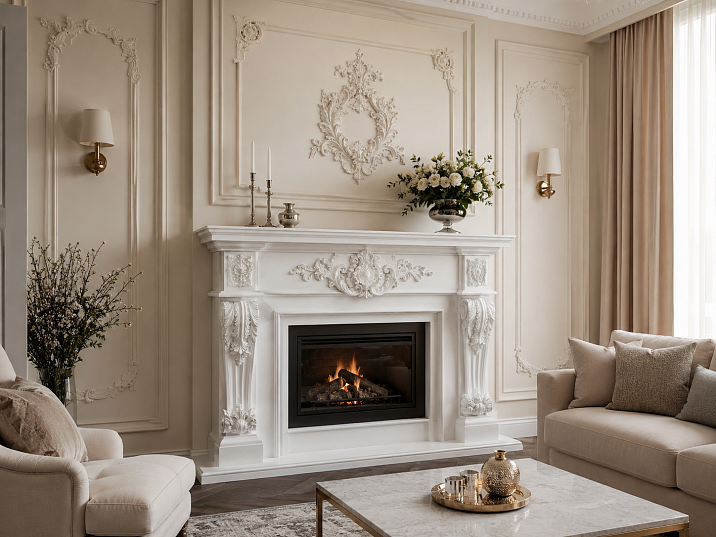
A fireplace is not just a source of heat. It is a focal point in the room. A place around which the entire interior is built: armchairs are arranged, mirrors are hung, lighting is chosen. And that is precisely why the fireplace area requires a decorative statement — not checkered wallpaper or plain plaster, but real architectural design. Stucco for a fireplace is the language through which the fireplace area begins to speak in full voice.
We are not talking about magical heat-resistant stucco that can be placed directly into the firebox. We are talking about something else — the decorative design of the portal, false fireplace, electric fireplace, the wall above the fireplace, and side areas. It is here that decorative stucco for a fireplace made of polyurethane works without restrictions: moldings, overlays, rosettes, cornices, brackets — all of this is installed outside the heating zone and creates the very image for which a fireplace is essentially placed in the living room.
If you are looking for where to buy stucco for a fireplace, the STAVROS catalog has everything for this. First, let's understand the details: what to choose, where to place it, how to calculate and not make a mistake.



What is stucco for a fireplace and why is it a separate topic
The query "stucco for fireplace" is one of the most specific in the topic of decor. The person entering it is not just interested in stucco as such. They have a fireplace area — real or planned — and they want to know what and how to decorate it.
Decorative stucco for a fireplace includes everything that shapes the architectural image of the fireplace portal and the surrounding space: moldings that form a frame around the opening, overlays on pilasters and side panels, a cornice element on top, a rosette or central overlay on the wall above the firebox, brackets on the sides. All of this together is stucco in the context of the fireplace area.
An important point that must be understood from the very beginning: polyurethane moldings it is used only outside the direct heating zone. A decorative fireplace, faux fireplace, electric fireplace, portal without an open flame, wall above the fireplace niche — these are all permissible application zones. For areas that come into contact with high temperatures or open flames, specialized solutions with confirmed characteristics are needed. Honesty in this matter is more important than beautiful promises.
At STAVROS, the approach is exactly this: decorative elements are for decorative zones. And for the fireplace area, where the portal, wall, and surroundings do not heat up, the choice of decor is vast.
The semantic chain here works very precisely: stucco → stucco for fireplace → decorative stucco for fireplace → stucco for fireplace portal → stucco for faux fireplace → overlays, moldings, cornices, brackets → STAVROS catalog.




Where stucco is used in the fireplace area
The fireplace area is not just what burns. It is an architectural ensemble in which decor occupies a larger area than the fire itself. Let's break down the specific application zones.
Our factory also produces:
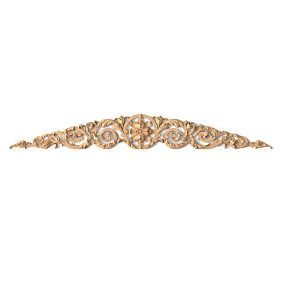
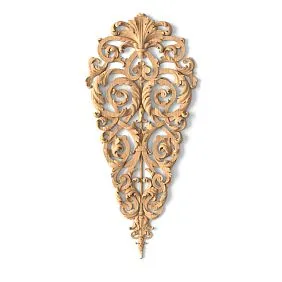
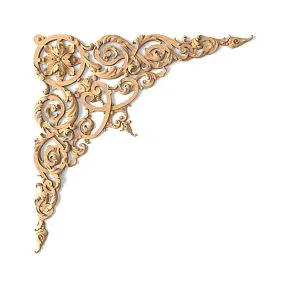
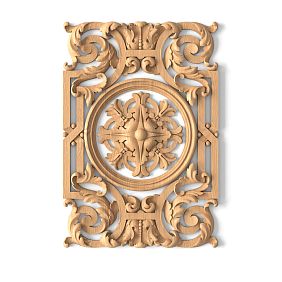


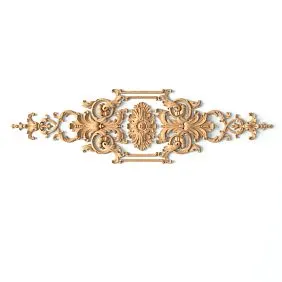
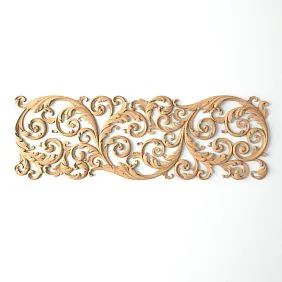
Decorative fireplace
A decorative fireplace without a burning function is the most free zone for applying stucco decor. There is no heating or open flame here. Polyurethane moldings, overlays, cornices, and rosettes are installed without any restrictions — on walls, on portal posts, on the top shelf.
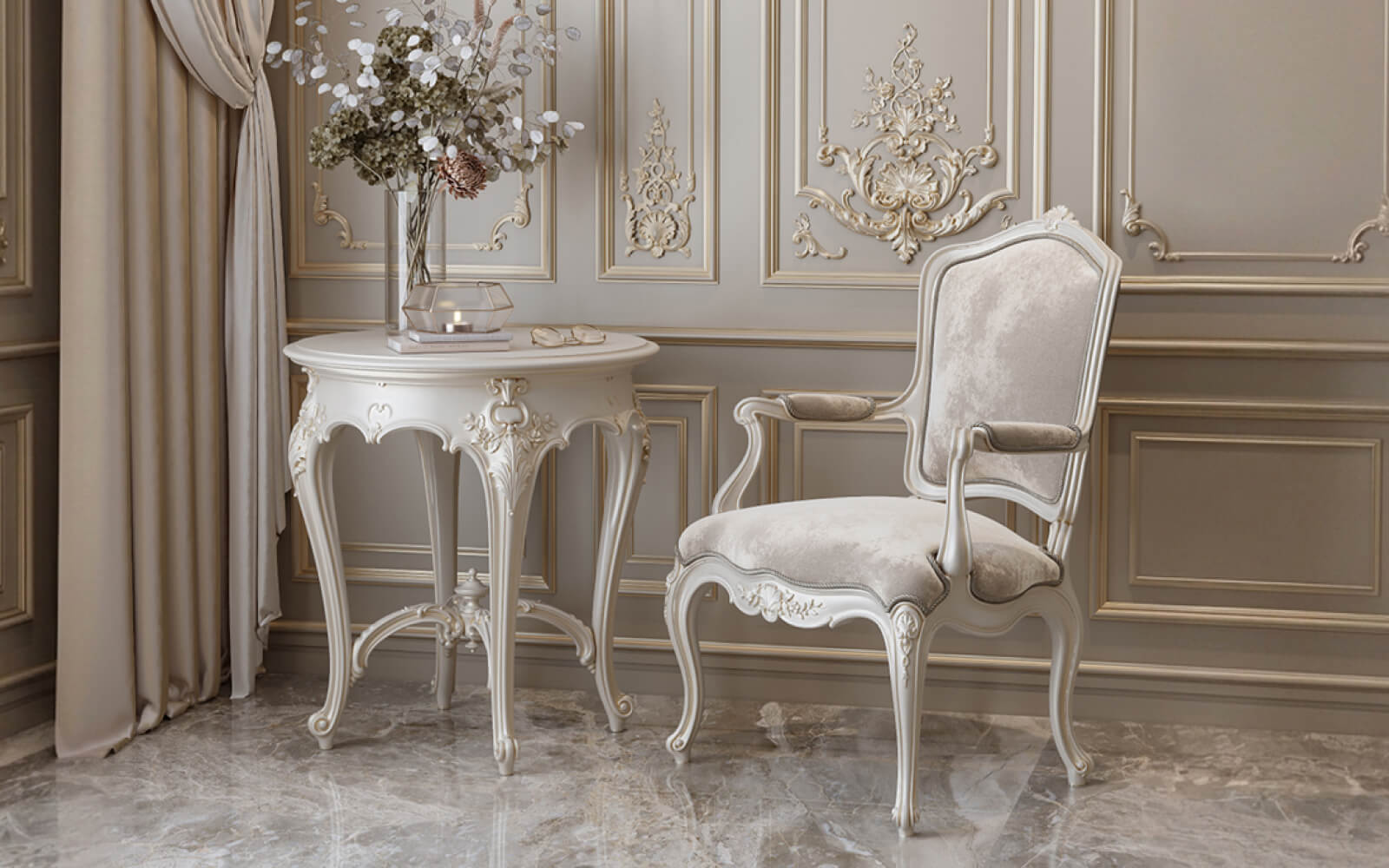
Decorative stucco for such a fireplace can be as rich as possible: a wide molding with a developed relief, a lush overlay in the center, a pair of brackets on the sides, a rosette on the wall above the fireplace. This is a formal interior in its classical sense.
Get Consultation
False fireplace
Stucco for a false fireplace is a separate and very popular scenario. A false fireplace is a structure that imitates a real portal: with a niche, decorative columns, a shelf on top, sometimes with imitation fire (LED candles, mirror inserts). There is no heat generation at all.
Decorating a false fireplace with stucco is literally assembling a portal from decorative elements: moldings along the contour of the niche, pilasters on the sides from molding profiles, overlays on the planes of the columns, a cornice profile on top. Polyurethane moldings, cornices, and baseboards — this is a basic set for such a structure.
Do you want a result that is indistinguishable from a real fireplace portal in a historic mansion? A false fireplace with STAVROS polyurethane stucco is real. Provided a competent decoration scheme and high-quality painting, the finished product looks like a monolithic classical structure.
Electric fireplace
An electric fireplace heats the air, but not the walls around it to critical temperatures. Decorative elements are mounted on the wall around the electric fireplace body at a safe distance — outside the hot air discharge zone (usually the upper grille or front panel). On the side walls, on surfaces above and to the sides of the body — stucco decor for the fireplace is installed without problems.
When choosing decor for an electric fireplace, you need to consider one rule: check the location of the ventilation openings and do not block them with decorative elements. Everything else is your design freedom.
Fireplace portal without open flame
Fireplace portals without an open flame are architectural structures that frame a niche in the wall. They can be used to place decorative objects, candles, mirrors, and floral arrangements. The stucco molding for the fireplace portal here works in full: molding frames, overlays on the posts, a cornice shelf, and decor above the niche.
Wall above the fireplace
The wall above the fireplace is perhaps the most expressive area for stucco decor. It is where the gaze of everyone entering the room is directed. A rosette, a central overlay, a decorative frame made of moldings, a horizontal relief band — all of this works on the wall above the fireplace as the central point of the composition.
Polyurethane wall decor — a profile section for this area. There is no thermal load here, and the decor can be chosen freely — by size, relief, and style.
Side zones of the portal
On the sides of the fireplace portal are walls and pilasters that form the framing. Decor on the sides of the fireplace creates a sense of monumentality: brackets, decorative columns made of molding profiles, overlays on the planes. For these zones Carved brackets и PU overlays — key tools.
Which STAVROS elements are suitable for designing the fireplace area
Here — only real catalog sections with an explanation of why each one is needed specifically for the fireplace.
PU overlays for fireplace decor
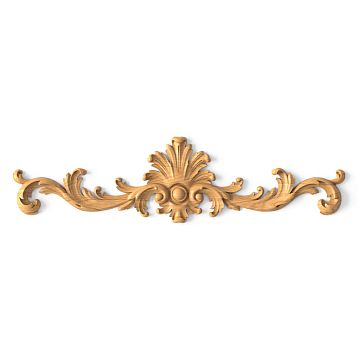
PU overlays — piece decorative elements with relief. For the fireplace area, they are used in several positions: a central accent on the portal posts, a decorative element above the niche, a medallion or cartouche on the wall above the fireplace. The overlay creates a point accent — and it is from such points that the image of a classic fireplace portal is formed.
Polyurethane overlays for painting are an excellent choice for those planning a unified color scheme for the fireplace area. Everything is painted in one tone — the wall, molding, overlay — and the space acquires monolithicity.
Moldings for the fireplace portal
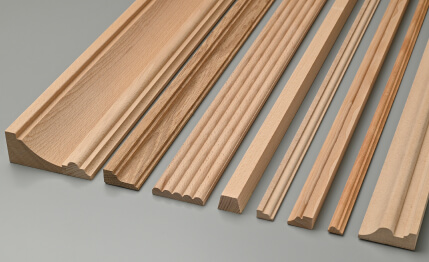
Polyurethane moldings, cornices, and baseboards — this is a basic linear profile for creating the frame contour of the portal. The moldings run along the contour of the niche, forming the framing. The profile width is 30–80 mm depending on the scale of the portal and the interior style.
Moldings around the fireplace can be combined: a narrow inner profile + a wide outer profile = a two-level framing that adds depth and architectural complexity. For neoclassicism, this is one of the key techniques.
Cornices for the upper part of the portal
Polyurethane Crown Molding — the upper horizontal element that crowns the portal. In a classic fireplace portal, this is a shelf-cornice: a horizontal plane with a protruding profile below. It is on this that clocks, vases, candles, and mirrors are placed.
The cornice profile is selected with an overhang of 80–150 mm depending on the desired shelf depth. For neoclassicism — a restrained profile with a chamfer. For classic — a developed one with breaks and relief. Both options are presented in the cornice catalog.
Ceiling rosettes in the fireplace area
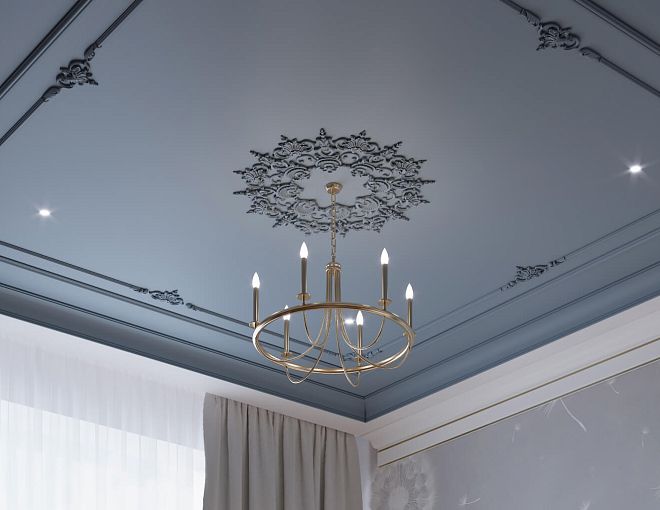
Polyurethane ceiling rosettes are used in the fireplace area unconventionally: not only on the ceiling, but also as a decorative accent on the wall above the fireplace. A large rosette with a diameter of 40–60 cm, placed in the center of the wall above the portal, creates the feeling of a medallion — a classic architectural element found in historical interiors.
If a mirror or painting is planned above the fireplace, the socket is mounted as a frame or corner accent, not in the center. If the wall above the fireplace remains bare, the socket becomes its main decorative element.
Wall decor in the fireplace area
Polyurethane wall decor is a broad category for decorating the side and front surfaces around the fireplace. Frame panels, decorative horizontal bands, vertical accents — all of this forms the architectural environment around the fireplace portal.
The "accent wall with fireplace" scheme is especially effective: the entire surface behind the fireplace is decorated with molding frames and decorative elements, creating a unified architectural canvas. In this case, the fireplace becomes not a separate item in the interior, but part of the wall — an integrated architectural object.
Carved decor and brackets
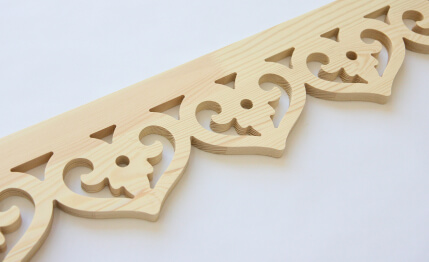
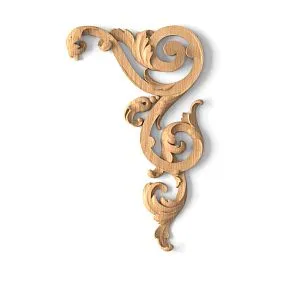
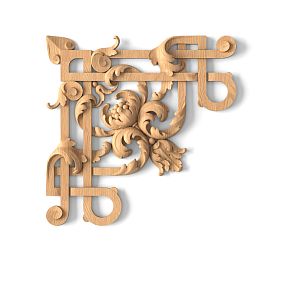
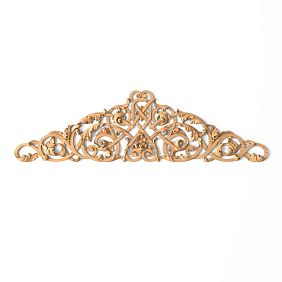
Carved Decor for those who want wooden elements with true depth of relief. In the fireplace area outside the heating zone, this is completely acceptable. Carved details on the side posts of the portal, a wooden central medallion on the wall above the fireplace — this is a level that polyurethane cannot always fully replicate.
Carved brackets a functional and decorative element at the same time. In the fireplace portal, they are placed on the sides and visually "support" the horizontal cornice shelf. The bracket adds structural logic and classical architectural feel — the impression that the shelf is not just glued on, but actually rests on supports.
Collections for the fireplace area
To create a stylistically unified portal, it is convenient to use STAVROS collections. Versailles Collection for lush classical design with rich ornamentation. Collection of neoclassicism — for a strict monumental portal with clean lines and restrained decor. Classic Collection — a universal solution for most classic interiors.
The collection approach is convenient specifically for the fireplace area: all elements — moldings, overlays, cornices, brackets — are from one style system, with a unified ornament rhythm and coordinated proportions.
Fireplace stucco decoration schemes
Five working schemes — from minimalist to grand. Each one has been tested on real projects.
Simple frame of moldings around the portal
The most restrained and yet very effective scheme. A single molding profile runs along the contour of the fireplace niche: two vertical segments on the sides and one horizontal at the top. Corner joints — either a 45° cut or decorative corner blocks.
For neoclassicism and modern classic — an ideal scheme. Profile width 40–60 mm, moderate relief, color — white or matching the wall. Restrained, architectural, impeccable.
Moldings for the fireplace portal in different profiles and sizes — in the corresponding section of the catalog.
Central decor above the fireplace
This scheme emphasizes the wall above the fireplace, rather than the niche outline itself. A molding frame on the wall (a vertical rectangle occupying the space from the top plane of the portal to the ceiling or to the middle of the wall) + a central overlay or rosette inside the frame.
Option A: frame + rosette in the center — for minimalist classic. Option B: frame + central medallion overlay — for neoclassical with moderate decor. Option C: frame + ornamental cartouche overlay — for full classic.
PU overlays и Wall Decor — key sections for this scheme.
Classic portal with side accents
A full scheme of a fireplace portal made of decorative elements. Niche outline — molding frame. Side pillars — vertical strips of molding with overlays. Above the niche — a horizontal cornice element with a projection (shelf). Side supports of the shelf — brackets. Wall above the fireplace — a frame with a central accent.
This is a formal scheme for a living room, study, hall, dining room. The result is an independent architectural object that reads as a real fireplace portal in a historic mansion.
Use: Moldings + PU overlays + Crown Molding + Carved brackets.
False fireplace as an accent zone
Decorating a false fireplace with stucco is a project where decorative elements take on 100% of the image. A false fireplace is a structure made of drywall or MDF with a niche that plays on the portal shape. Stucco turns this structure from a "craft" into an architectural element.
Scheme for a false fireplace: moldings along the niche outline + overlays on side pillars + cornice profile on top + wall decor above the structure. Everything is painted in a single color — white or colored.
Polyurethane stucco for a false fireplace is the optimal choice: lightweight, adheres well to drywall and MDF, and does not weigh down the structure. After painting, a false fireplace with polyurethane stucco is indistinguishable from a real portal.
Accent wall with a fireplace
The most large-scale scheme is not a portal, but an entire wall. The fireplace niche or electric fireplace is built into a wall that is fully decorated: molding frames across the entire surface, a cornice along the upper perimeter, overlays within the frames, possibly pilasters. The fireplace is the central element, integrated into the overall decorative system.
For such a scheme Polyurethane wall decor — the main section. Plus Moldings for the frame pattern and Crown Molding for the top line.
How to choose stucco for a fireplace: algorithm
A step-by-step plan that works regardless of style and scale.
Step 1. Determine the type of fireplace
Decorative, faux fireplace, electric fireplace or portal without fire — this is fundamentally important for choosing the material and installation zones. No heat — no restrictions on the type of decor.
Step 2. Check if there is a heating zone
If there is an active heat source (firebox, electric fireplace heating unit) near your fireplace, the decor is installed at a safe distance from it. Check with the electric fireplace manufacturer for the minimum distance from the housing to finishing materials.
Step 3. Choose a style
Classic (17th–19th centuries) — rich ornamentation, lavish overlays, developed cornice profiles. Neoclassicism — clear lines, moderate relief, strict symmetry. Empire style — monumentality, military and antique motifs, wide horizontals. Art Deco — geometry, clear contours, minimal ornamentation. Modern classic — laconic moldings, one or two accent elements.
For classic and Empire style, check out the Empire collection и Versailles collection. For modern classic — the Classic collection.
Step 4. Determine the set of elements
Minimum set for a portal: moldings (niche contour) + cornice or horizontal shelf (top). Standard: moldings + overlays + cornice. Full classic: moldings + overlays + cornice + brackets + wall decor above the fireplace.
Step 5. Calculate the proportions
The width of the fireplace niche, the height from the floor to the top edge, and the width of the wall with the fireplace are the initial data for calculating the width of profiles and the dimensions of overlays. The molding should be no more than 15–20% of the niche width on each side. The overlay on the pilaster should be no more than 30–40% of the pilaster height.
Step 6. Choose the central accent
What will be above the fireplace — a rosette, an overlay, a frame with a mirror, a medallion? This is the most important visual element of the entire fireplace area. It should be slightly larger than seems necessary — small decor gets lost on the wall above the fireplace.
Step 7. Connect the fireplace with the interior
The moldings on the fireplace wall should be of the same profile (or a related style) as the moldings on other walls of the room. The cornice of the fireplace portal should follow the same logic as the ceiling cornice. This is the rule of architectural cohesion: all elements must belong to the same "language."
Step 8. Go to the catalog
polyurethane products from STAVROS — start with the general section, then move on to moldings, overlays, cornices, rosettes, and wall decor. All sizes and prices are in the product cards.
What not to use and what you need to know
This section is about safety and honesty. It is no less important than all the beauty of the classic portal.
Polyurethane elements are not intended for direct heating zones. If you have an active fireplace with an open firebox, polyurethane decor cannot be placed in close proximity to fire and hot surfaces. This is physics, not marketing.
Do not promise heat resistance. No element from the STAVROS catalog is advertised as heat-resistant for contact with open flames. If the product card does not have a special note, the item is for decorative areas away from heat.
Do not overload a small fireplace with large decor. An electric fireplace 600 mm wide with molding framing covering an entire 3 × 3 m wall is a disproportion that everyone feels but cannot always explain. Decor must be proportional to the object.
Do not mix styles. Baroque brackets with an Art Deco molding are not eclecticism, it is a mistake. Use elements from the same collection or from the same stylistic direction.
Do not place decor in the ventilation zones of an electric fireplace. The top grille and side ventilation openings must remain clear. Covering them with molding or trim will disrupt the device's operation.
Do not buy a single element without a plan. A lone molding on the wall next to a fireplace is not decor. Decor is a system. Plan the full set of elements before proceeding to order.
How to calculate elements for a fireplace portal
Quick navigation table:
| Task | What to use | Where to go |
|---|---|---|
| Portal outline | Moldings | Moldings made of polyurethane |
| Top accent (overlays, rosettes) | PU overlays, rosettes | PU overlays |
| Wall decor above the fireplace | Decor for Walls | Wall Decor |
| Portal cornice shelf | Polyurethane cornices | Crown Molding |
| Cornice shelf support | Carved brackets | Brackets |
| General selection of stucco for the fireplace | Polyurethane products | Polyurethane Items |
Practical calculations:
Molding for the niche contour with a width of 700 mm and a height of 800 mm: two vertical pieces of 800 mm each and one horizontal piece of 700 mm (+ corner blocks or trimming) will be required. Total — about 2.3 linear meters of profile + 10–15% spare.
Cornice (shelf) above a niche 900 mm wide (niche + 100 mm offsets on each side): 900 mm + 10% reserve = 1 linear meter. Cornice projection — 80–120 mm for realistic shelf depth.
Overlays on side posts: post width 150 mm × height 800 mm → overlay 60–100 mm wide and 200–300 mm high. Two identical elements for symmetry.
Brackets: height at least 150–200 mm, mounted in the corner between the cornice shelf and the side post.
Stucco molding for a fireplace in different interior styles
Interior style determines not only what to choose, but also how to arrange it. Let's consider the key options.
Classic and Baroque interior
For classic style — maximum decorative program. Moldings with rich relief, central overlay with ornament (acanthus, garland, mascaron), developed cornice profile, brackets with leaves or scrolls, frame with rosette on the wall above the fireplace.
Versailles Collection — this is exactly what is needed for a classic and Baroque fireplace. Stylistic unity of all elements is guaranteed.
Neoclassicism
Neoclassicism is the rigor of classical form without its Baroque opulence. Moldings with a clear profile, but without deep ornament. Overlays — moderate, with geometric or laconic floral motifs. Cornice — with a chamfer and simple break. Brackets — with a clear geometric silhouette.
Color scheme for neoclassicism: white decor + colored wall (gray-blue, light green, powder).
Empire
Collection of neoclassicism — monumentality, horizontals, military themes in ornament. An Empire-style fireplace is a triumphal portal: a wide cornice, powerful pilasters on the sides, austere laconic decor. No lightness — only architectural weight.
Height is especially important for Empire style: the higher the portal, the better. For rooms with ceilings lower than 3 m, Empire style does not work to its full potential — proportions become compressed.
Russian style and folk theme
Carved decor with plant motifs characteristic of Russian wood carving. A fireplace portal in Russian style features wooden overlays with winding stems, flowers, and leaves. Carved Decor STAVROS provides elements with corresponding ornaments.
Modern Classic and Contemporary
One molding contour, one accent above the fireplace, strict symmetry. No brackets, no lush overlays. Molding 30–40 mm wide with a smooth profile, one laconic rosette or horizontal overlay above the niche. Everything in white — or in the wall color. This is calm, confident, and flawless.
Mistakes when choosing stucco for a fireplace
Eight mistakes — and all real.
Decor without considering heating. Polyurethane elements placed in close proximity to hot surfaces — this is a risk. Check the heating zone of your fireplace and install decor outside of it.
Too close to the heat source. An electric fireplace with a ventilation grille on top emits hot air. Molding directly above the grille is a poor solution. Maintain the minimum distance specified by the manufacturer.
One element without a scheme. Molding on three sides of a niche without a cornice and without decor above the fireplace is an unfinished phrase. Decor works as a system.
Overload of a small fireplace area. An electric fireplace 600 × 400 mm with three levels of moldings, brackets, and lush overlays will look like a dressed-up figurine — funny, not majestic. Proportions are paramount.
Disconnection of the fireplace from the rest of the room's decor. If the moldings on the room walls are in one style, and on the fireplace portal in another, the unity of the interior is destroyed. The fireplace decor should be a continuation of the room's decor.
Mixing styles. Baroque overlay + Art Deco-style molding + Empire bracket — this is not richness, it's chaos. One style — one portal.
Ceiling height not considered. For a 2.7 m ceiling — moderate portal height and restrained decor above it. For a 3.5 m ceiling — the portal can be monumental, with a high decorative field above the fireplace.
Symmetry not accounted for. A bracket on the left and its absence on the right, one overlay on one pillar and a bare other — this creates a feeling of incompleteness. Symmetry in the fireplace portal is mandatory.
Where to buy STAVROS fireplace molding
The STAVROS catalog contains everything needed for designing a fireplace area. There are no fictional "ready-made stucco portal" products here — but there are all the elements from which such a portal is assembled.
Navigation for decor selection:
-
Polyurethane Items — starting section for general selection
-
PU overlays for the fireplace area — accent elements for the portal and wall
-
Moldings for the fireplace portal — niche contour and frame decor
-
Polyurethane Crown Molding — top shelf and portal cornice crown
-
ceiling rosettes — accent on the wall above the fireplace
-
Wall Decor — frame panels and accent elements around the fireplace
-
Carved Decor — wooden elements for wooden areas
-
Carved brackets — supports for the portal cornice shelf
-
Versailles Collection — for Baroque and classical portals
-
Collection of neoclassicism — for monumental classical design
-
Classic Collection — universal classic solution
FAQ: answers to popular questions about fireplace stucco molding
Can polyurethane stucco molding be used for a fireplace?
Yes — for a decorative fireplace, faux fireplace, electric fireplace, and areas outside the heating zone. Polyurethane elements are not intended for placement near open flames or hot surfaces. The decorative fireplace area, the wall above the fireplace, and the side surfaces of the portal are all acceptable installation zones.
What do I need to buy to design a fireplace portal?
Basic set: moldings (niche contour), cornice (top shelf), overlays (accents on the posts and above the niche). Full classic set: moldings + overlays + cornice + brackets + wall decor above the fireplace.
Why are polyurethane elements better than plaster ones for a fireplace area?
Polyurethane is lighter, resistant to humidity, cuts and glues well, and does not require complex installation. For a decorative fireplace and faux fireplace, it is a practical choice. Plaster stucco molding is heavier, requires special installation, and is more sensitive to impacts. STAVROS specializes specifically in polyurethane and wooden decor.
How to calculate the required amount of molding for a portal?
Perimeter of the fireplace niche + 15% allowance for cutting and joints. For a niche 700 × 800 mm (width + two sides + top): (700 + 800 × 2) mm = 2300 mm ≈ 2.3 linear meters + 15% = about 2.7 linear meters.
Which collection should I choose for a fireplace portal?
For Baroque and Classic — Versailles Collection. For Empire — Collection of neoclassicism. For modern classic — Classic Collection.
Can I make a fake fireplace myself?
Yes. A structure made of plasterboard or MDF + moldings along the niche contour + overlays + cornice + painting. Installation of polyurethane elements does not require special tools — acrylic glue and precise marking. Instructions for installing polyurethane stucco are in the materials on the STAVROS website.
Are brackets needed for a fireplace portal?
Brackets are not mandatory, but they add structural logic and classical architecturality. If the cornice shelf is wide (overhang of 100 mm or more) — brackets visually 'justify' its weight. If the shelf is narrow — you can do without them.