


























Article Contents:
- Where to buy wall moldings in St. Petersburg: what is important to understand before purchase
- For apartments in new buildings
- For homes with high ceilings
- For classic interiors
- For Modern Interiors
- For walls under painting
- For decorating panels and frames
- What are wall moldings and why people buy them
- Which wall moldings are better to buy: wood or polyurethane
- Wooden Wall Molding
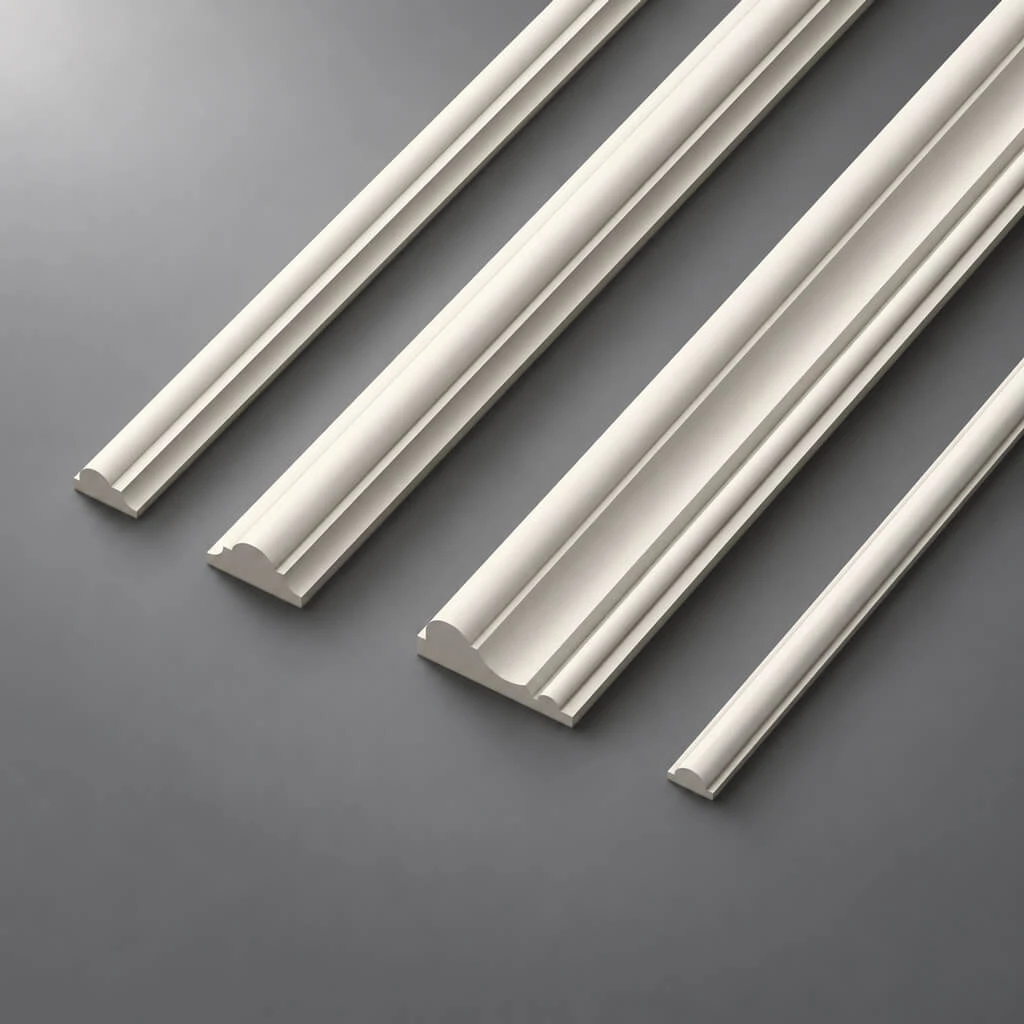
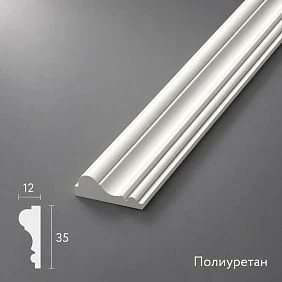
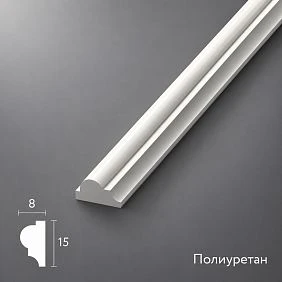
- Polyurethane wall moldings
- When to choose wood and when polyurethane
- Which moldings to buy for different rooms
- Wall moldings for living room
- Wall moldings for the bedroom
- Wall moldings for the hallway
- Moldings for the corridor
- Moldings for study
- Moldings for accent walls
- Moldings for TV zones
- How to choose moldings by interior style
- Classic
- Neoclassicism
- Modern classicism
- Minimalism with accent decor
- Light interior
- Dark interior
- Interior for painting
- How to choose the size, profile, and proportions of molding
- Ceiling height principle
- Narrow molding: delicate pattern
- Medium molding: working range
- Wide molding: for large walls
- Smooth profile for modern interior
- Relief profile for classic style
- How to calculate frame proportions
- What to combine wall moldings with: architectural system
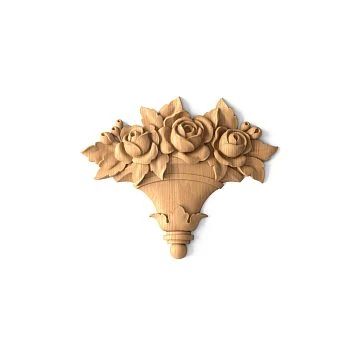
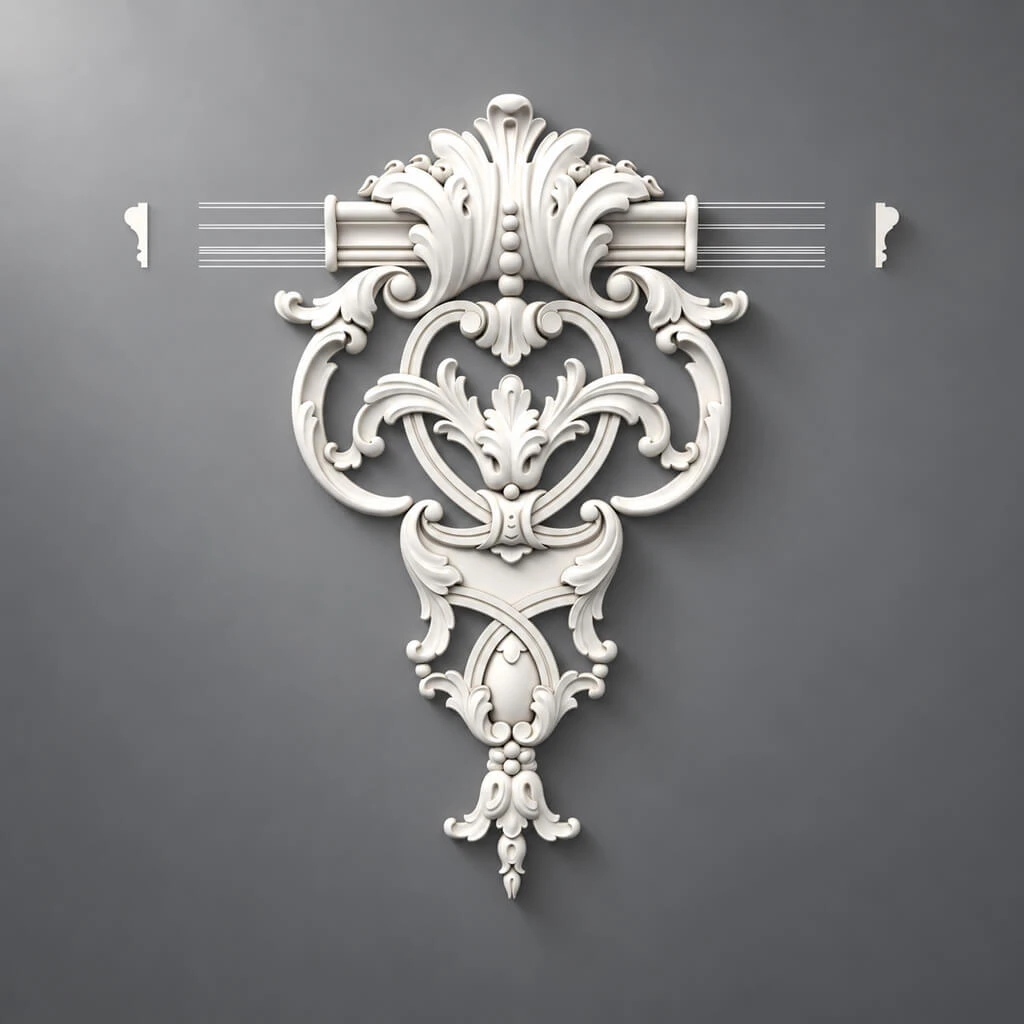
- With decor for moldings
- With molding
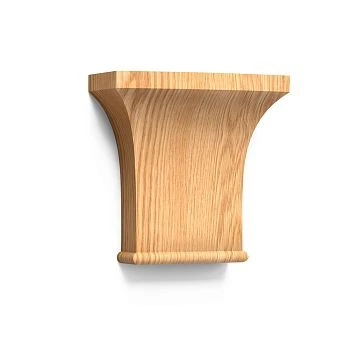
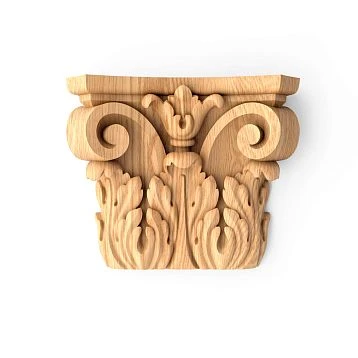
- With pilasters and capitals
- With slatted panels
- With classic furniture
- Moldings and slatted panels: ready-made wall solution
- When it's better to decorate a wall with moldings only
- When it's better to use moldings plus slatted panels
- How to create a TV zone
- How to create an entryway
- How not to overload the interior
- What to look for before buying moldings in St. Petersburg
- Material: know exactly what you're getting
- Dimensions: measure before purchase
- Paintability
- Compatibility with wall decor
- Availability of ready-made decorative elements
- Delivery in St. Petersburg
- Why it's convenient to buy wall moldings at STAVROS
- Frequently asked questions about buying wall moldings in St. Petersburg
- Where to Buy Wall Mouldings in St. Petersburg?
- Which moldings are best to choose for an apartment?
- What is better for walls: wood or polyurethane?
- Can you paint moldings?
- Which moldings are suitable for a classic interior?
- How to combine moldings and slatted panels?
- Which moldings to choose for a living room or bedroom?
- How much do wall moldings cost in St. Petersburg?
- Are special tools needed for molding installation?
- Conclusion: buying wall moldings in St. Petersburg is an investment in interior design that pays off

This page is a practical commercial guide: what types of wall moldings exist, how wooden profiles differ from polyurethane ones, how to choose for a specific room and style, what to consider before purchasing, and where to buy wall moldings with delivery in St. Petersburg.
Go to the catalog now:
-
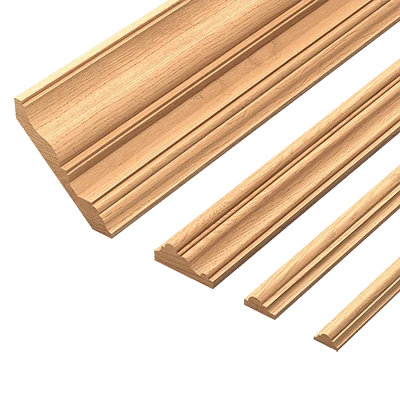
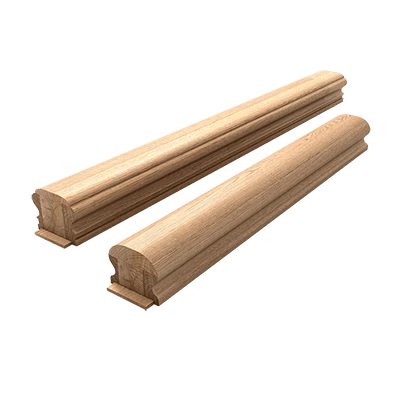
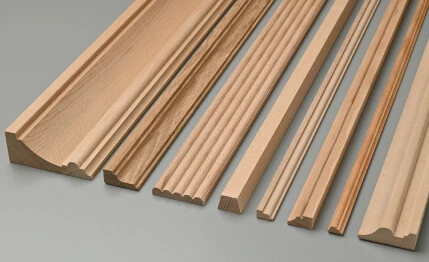
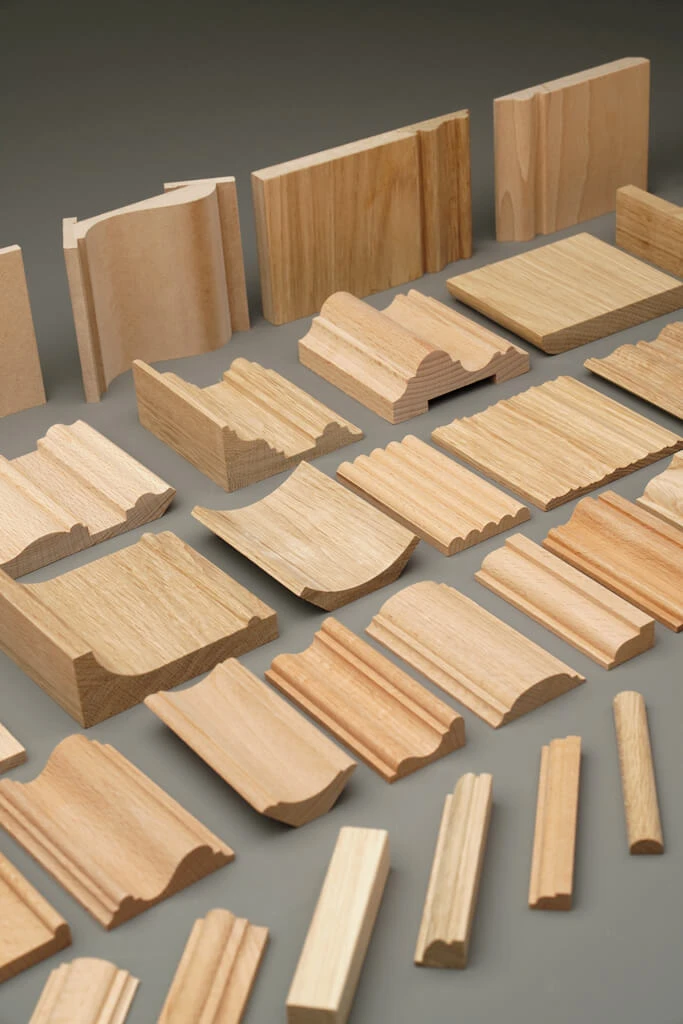
Wooden wall moldings— profiles made of solid oak, beech, ash
-
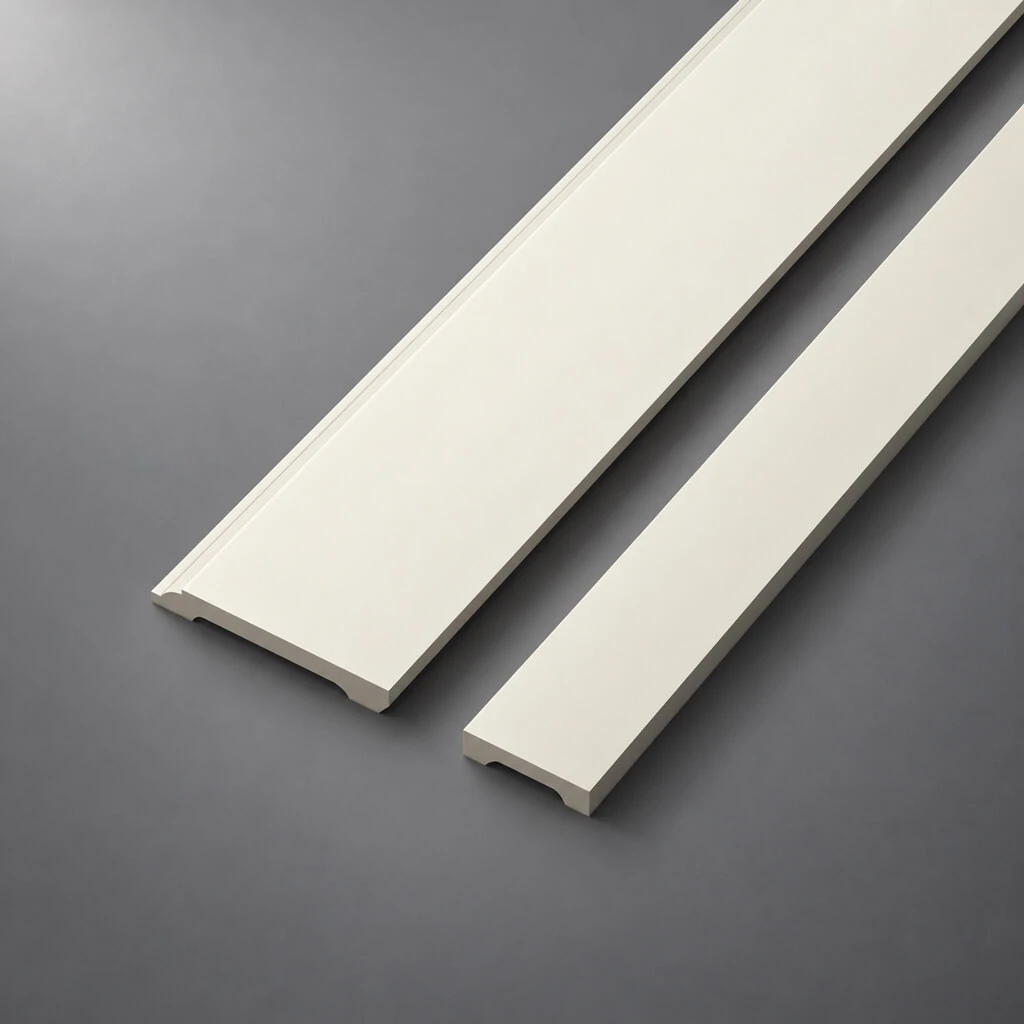
Moldings for walls— full catalog of moldings, cornices, and baseboards
-
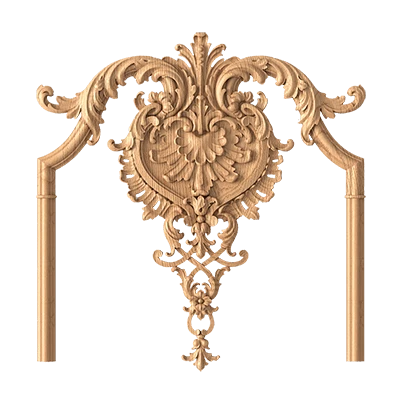
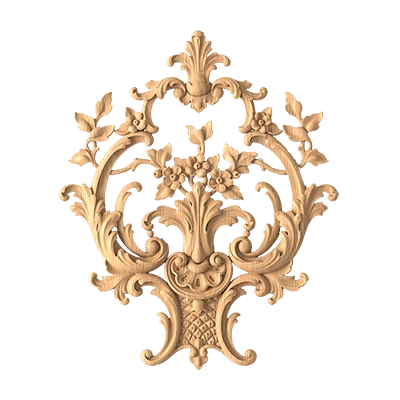
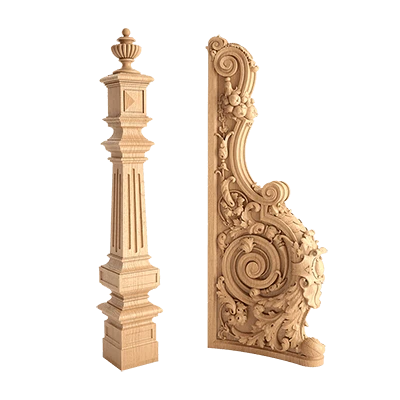
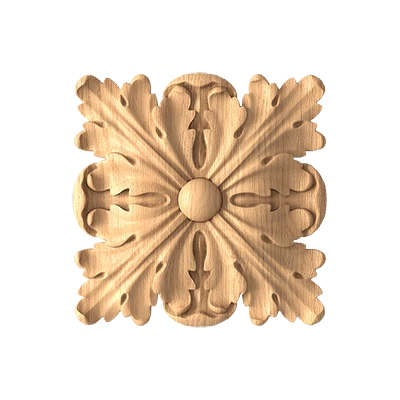
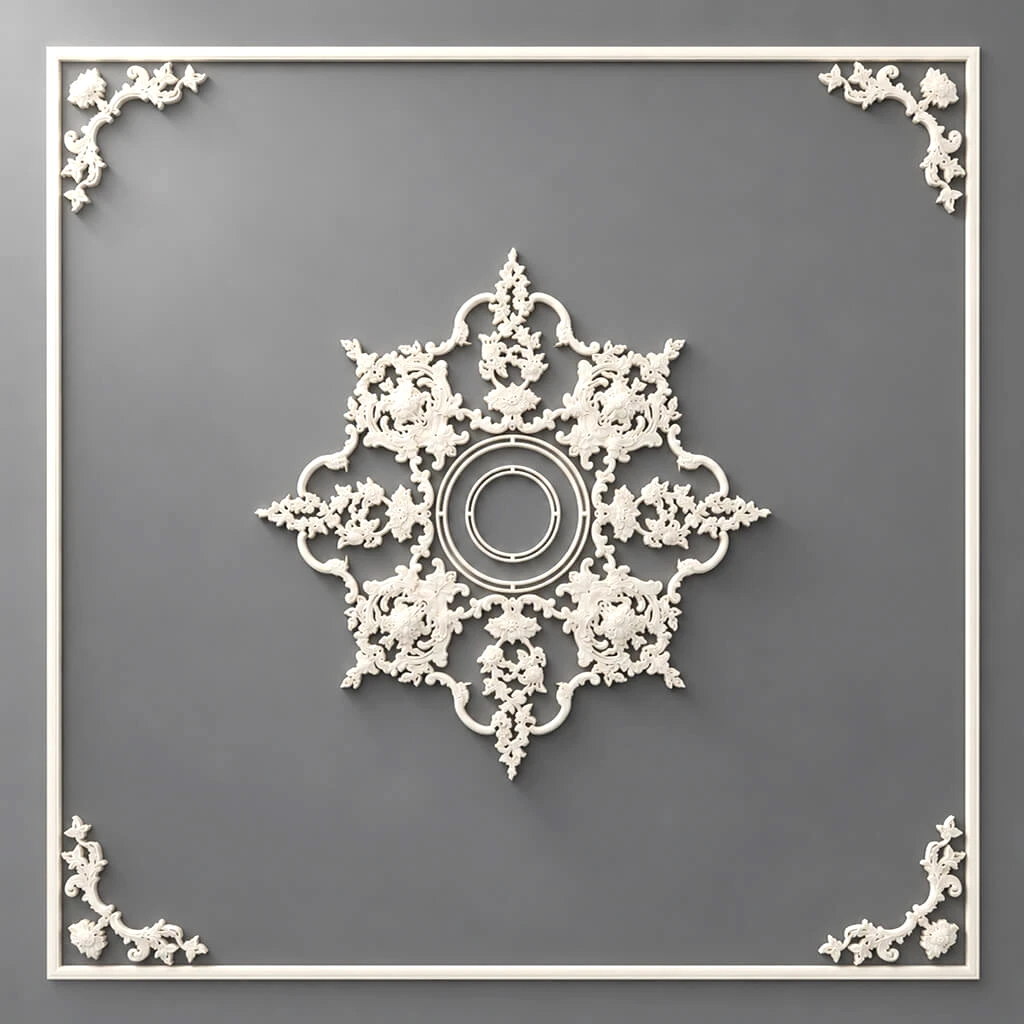
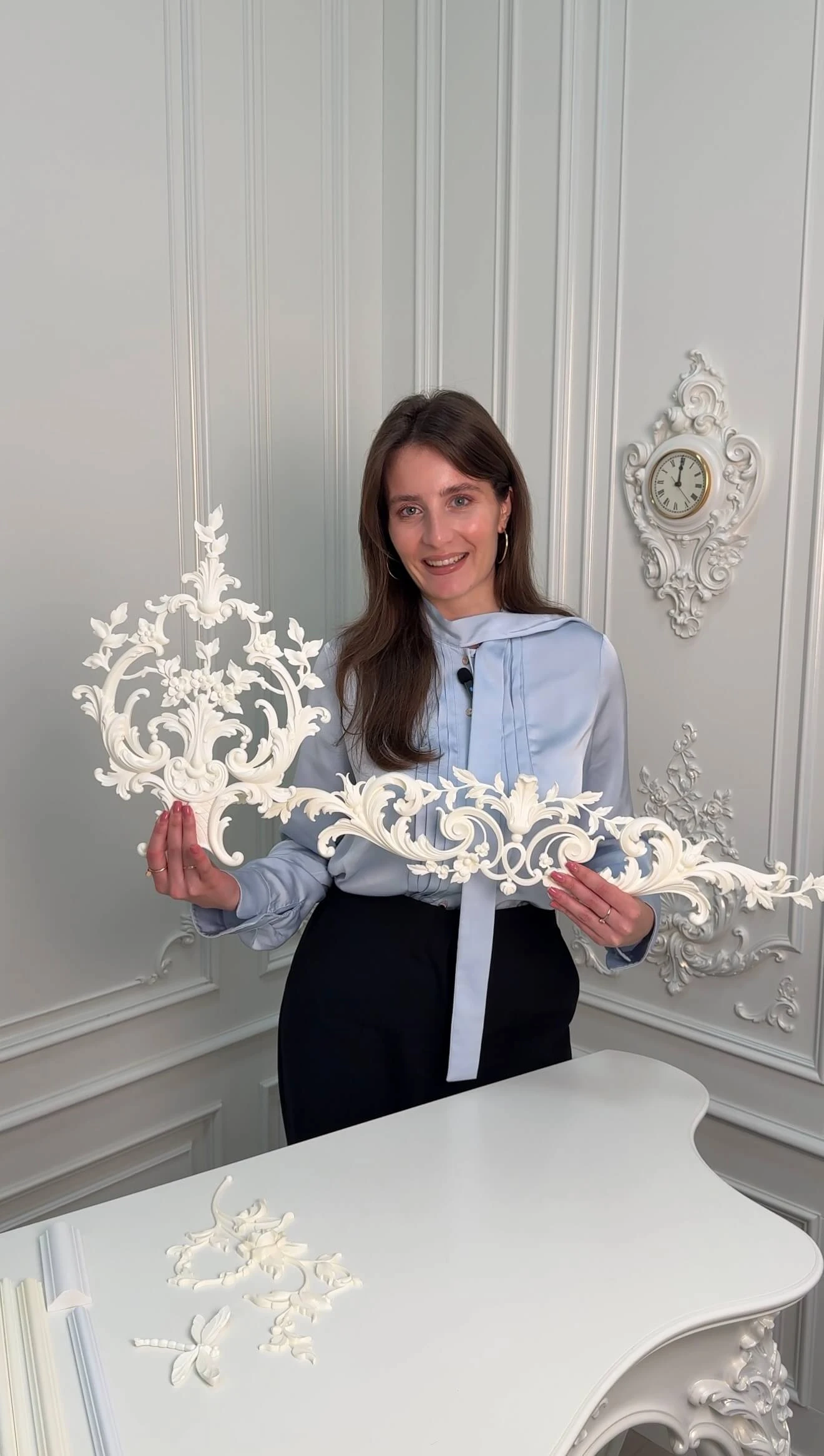
Decor for Molding— corner elements and connecting plates
-
Polyurethane moldings— decorative profiles for walls and ceilings
-
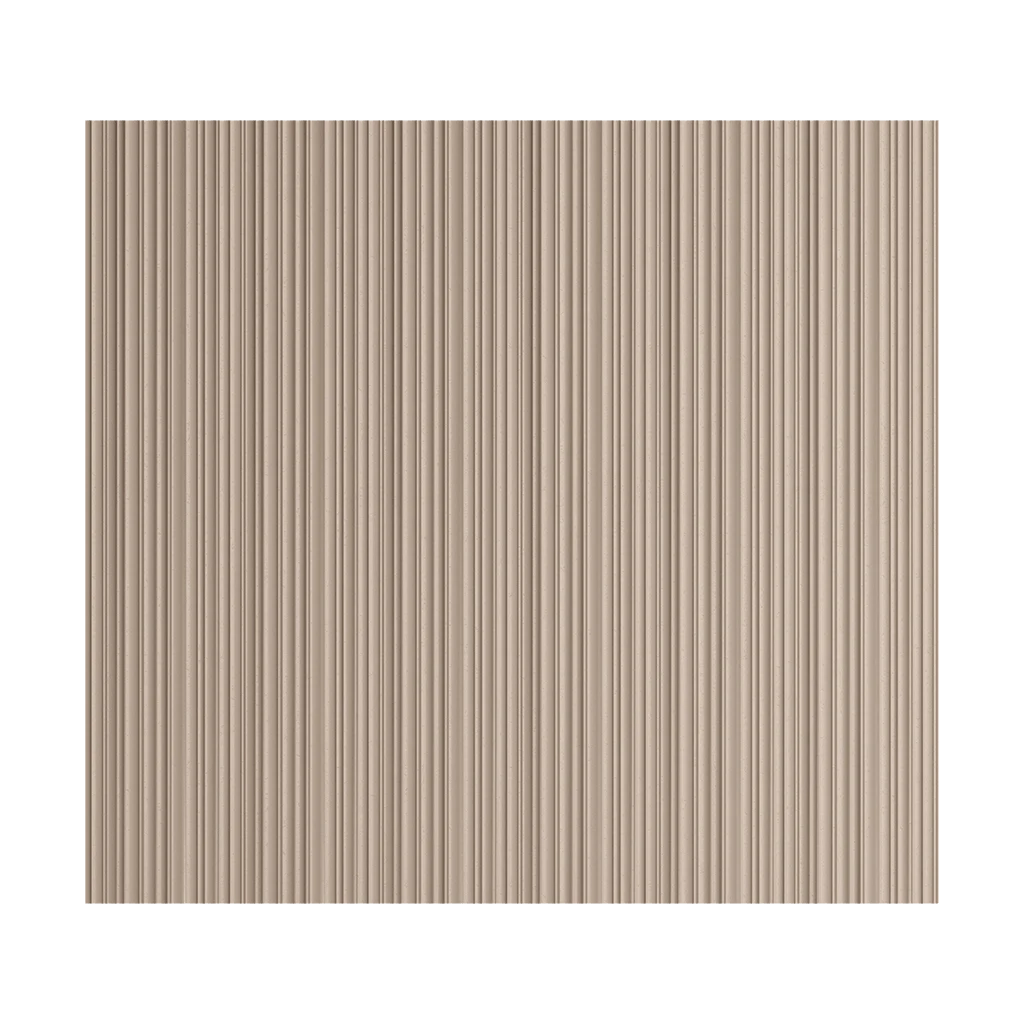
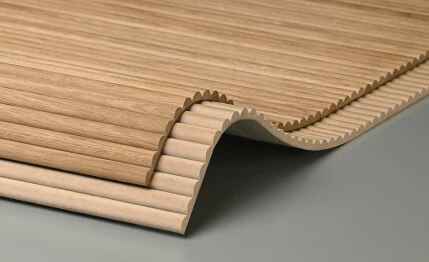
slatted panels for walls— to combine with moldings
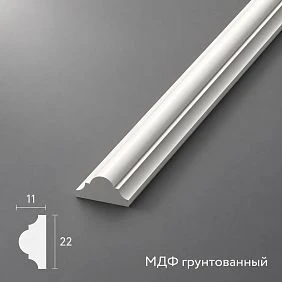
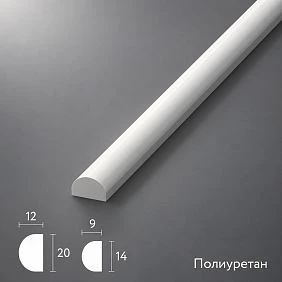
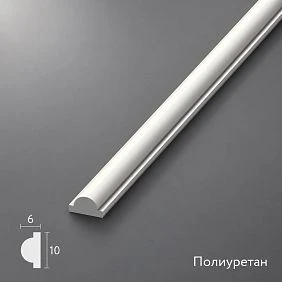
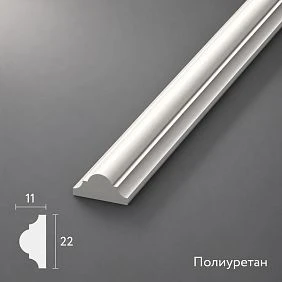
Where to buy wall moldings in St. Petersburg: what's important to understand before purchase
Before moving on to choosing a specific profile, let's understand the task. Wall moldings are purchased for different purposes — and it's precisely the purpose that determines the correct choice.

For an apartment in a new building
Standard ceilings 2.65–2.80 m, smooth walls for painting, modern or neoclassical style. Here, wooden moldings with a medium profile for painting are most often needed to create framed panels on accent walls. Profiles 25–45 mm wide are the working range for such apartments.
Our factory also produces:


For a house with high ceilings
Country house, ceilings from 3 m, classic or modern classic. Here, wider profiles are already appropriate — 50–70 mm, possibly in combination withwith polyurethane moldingson the ceiling andpilastersin the piers.
Get Consultation
For a classic interior
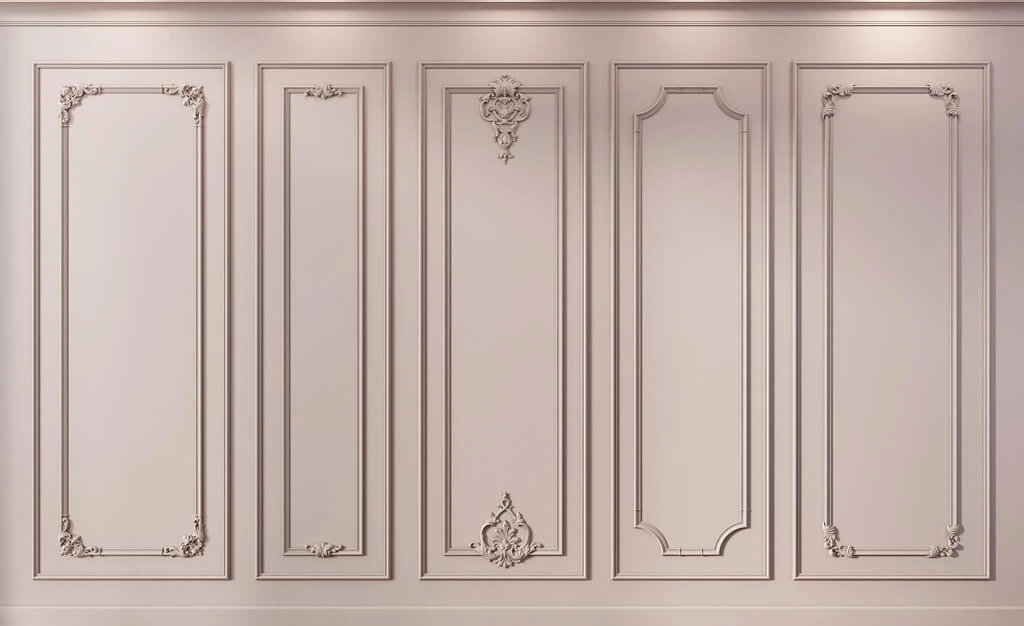
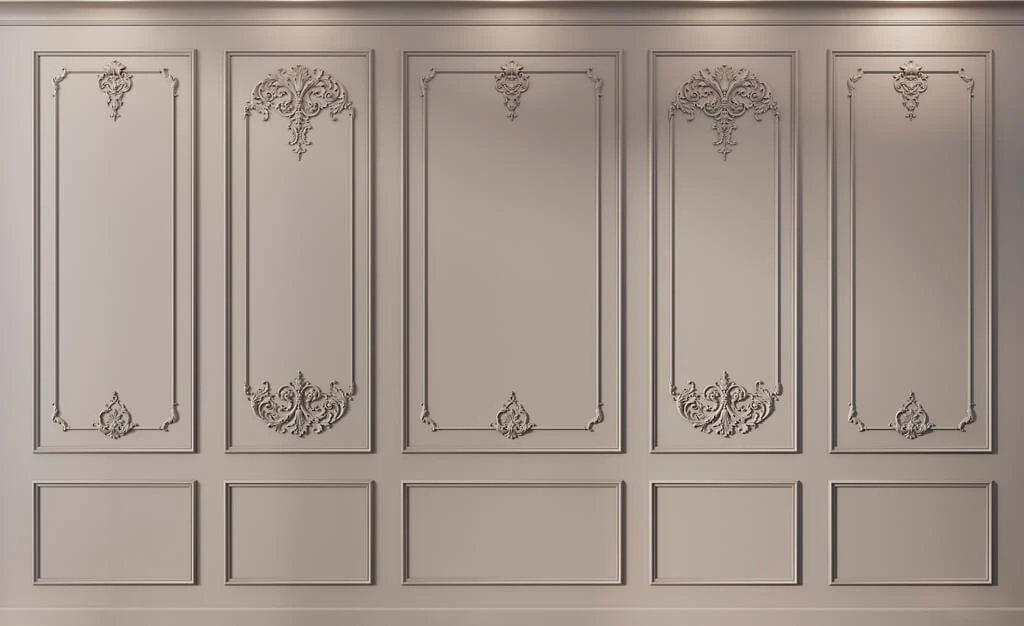
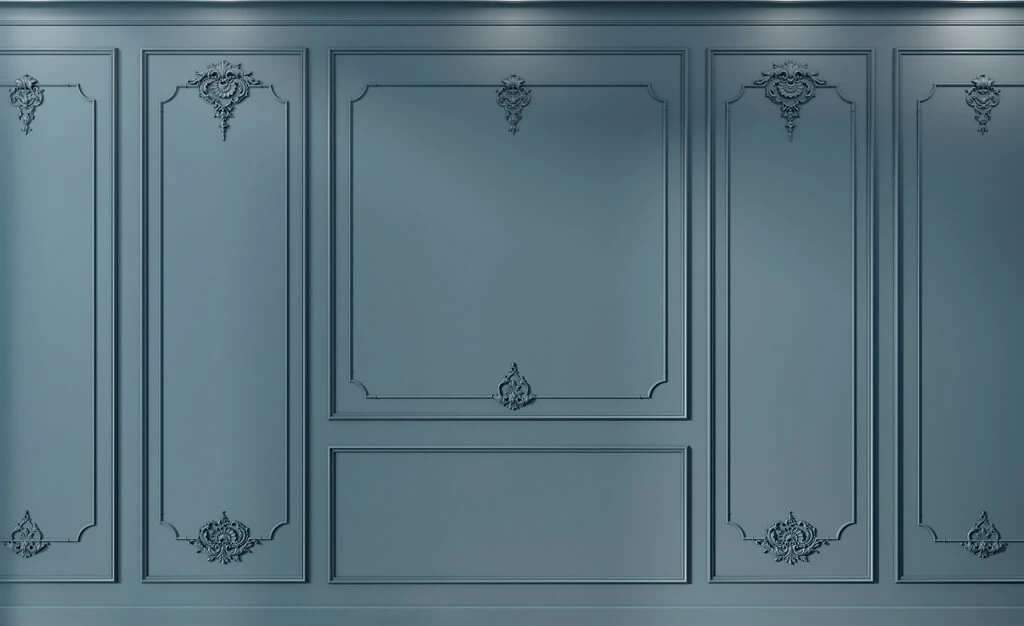
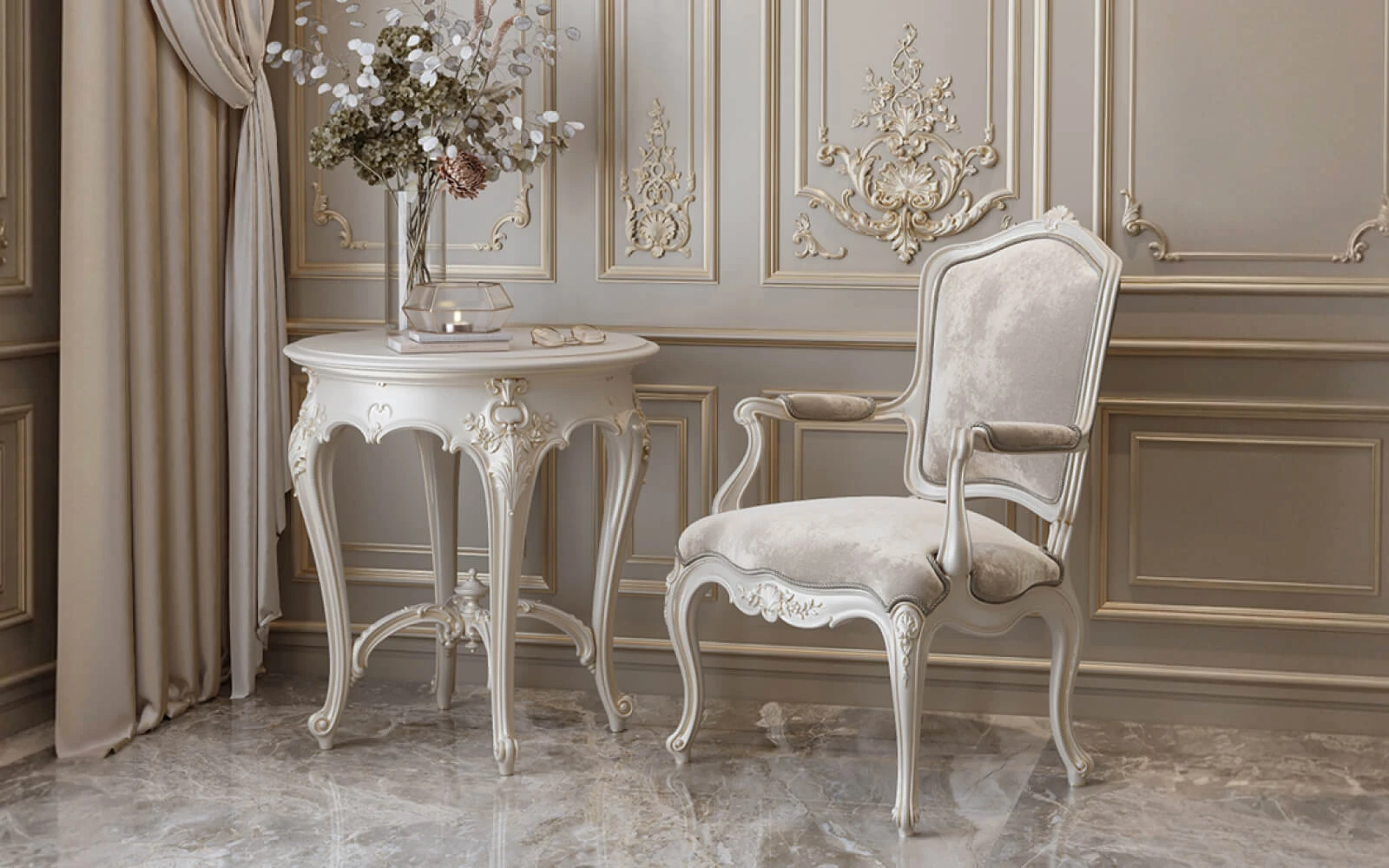
Relief profiles with pronounced cross-section, full-height wall panel frames, solid wood moldings or polyurethane ornamented decor. All this creates an architectural image in the spirit of St. Petersburg classicism.
For a modern interior
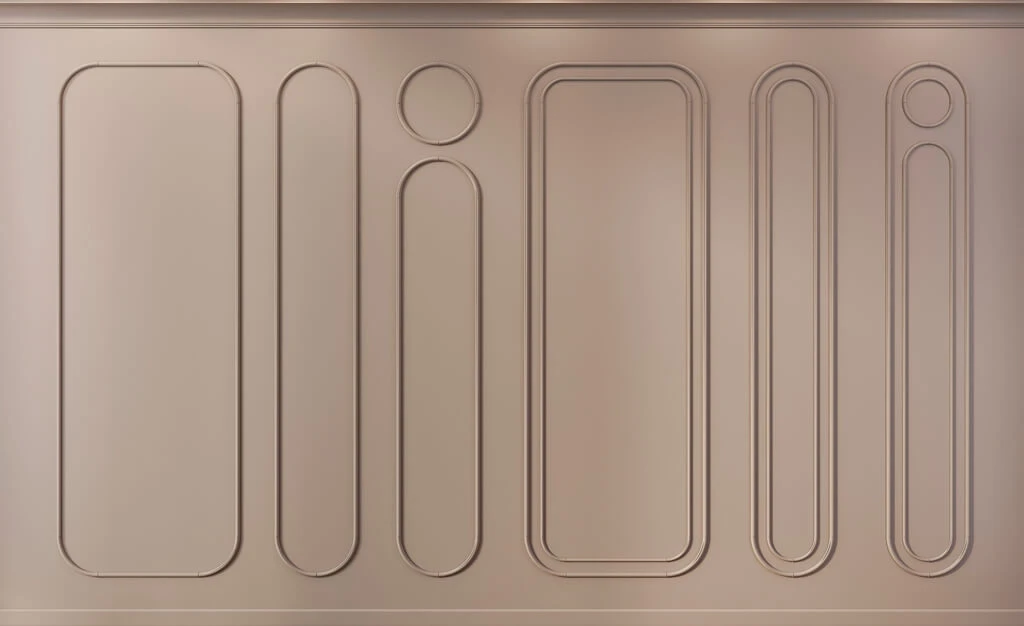
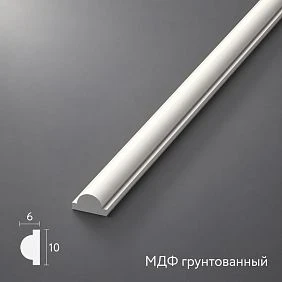
Concise straight or minimally relief profiles for painting to match the wall color. MDF for enamel or wood molding for matte varnish. The goal is to create architectural rhythm without decorative overload.
For walls to be painted
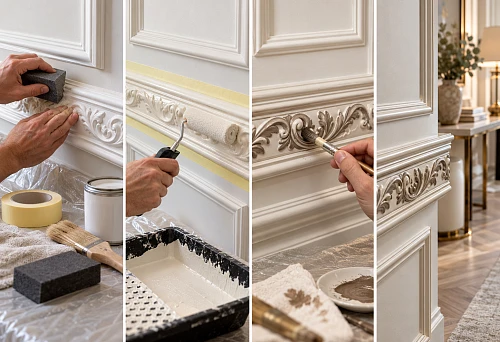
The molding is installed before painting, then the joints are puttied, sanded, and painted the same color as the wall. The result is an 'invisible' relief — volume without color contrast. One of the strongest contemporary techniques.
For decorating panels and frames
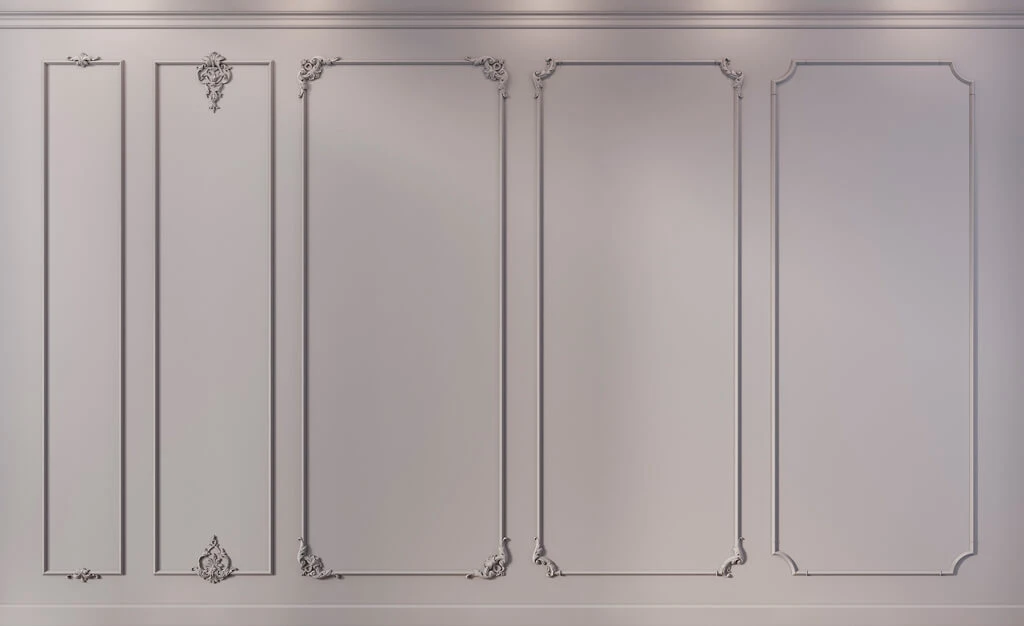
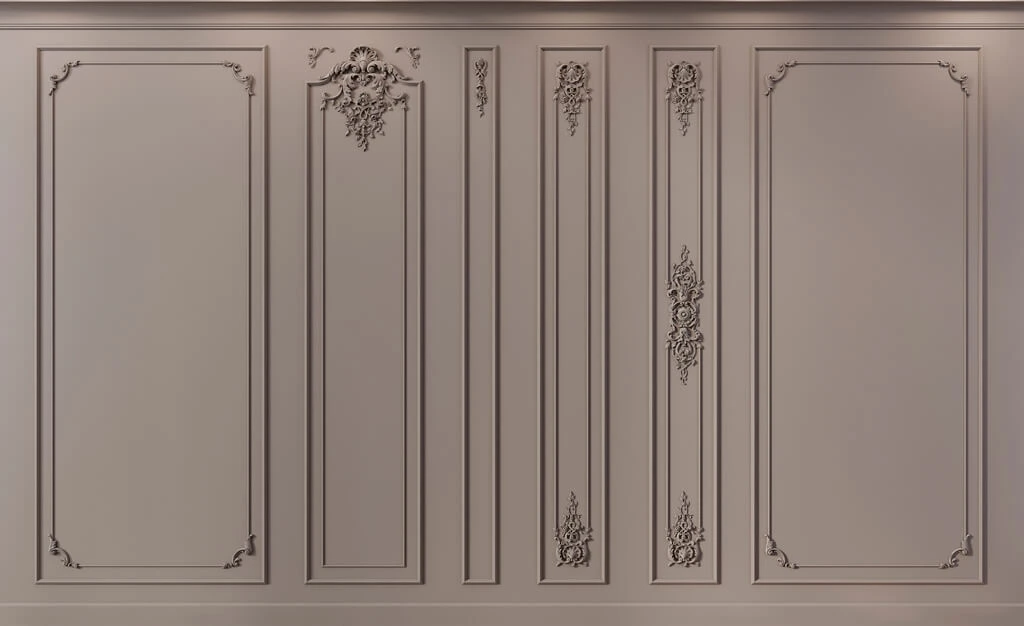
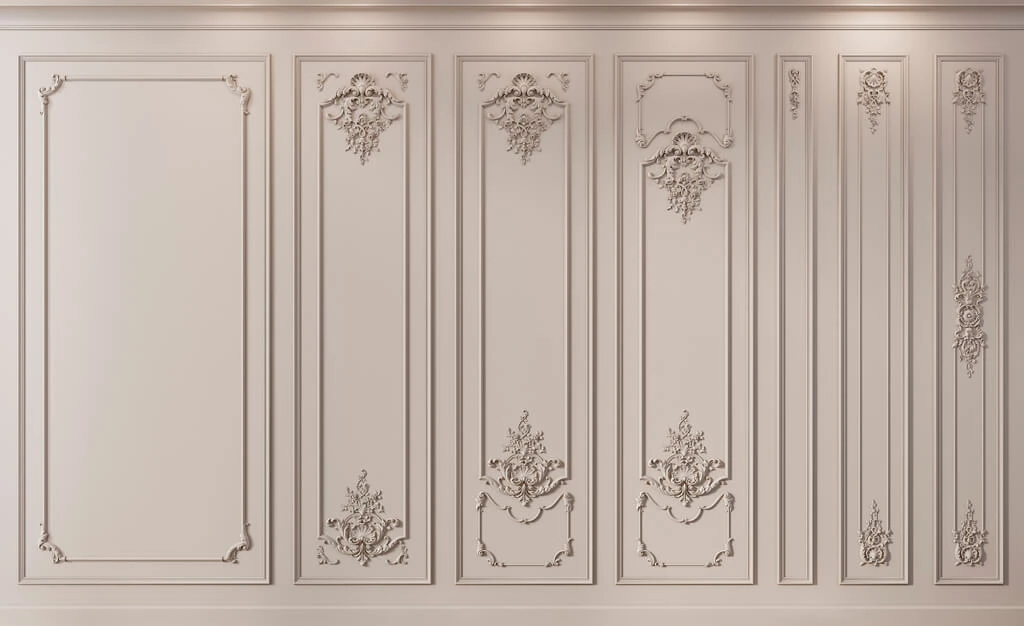
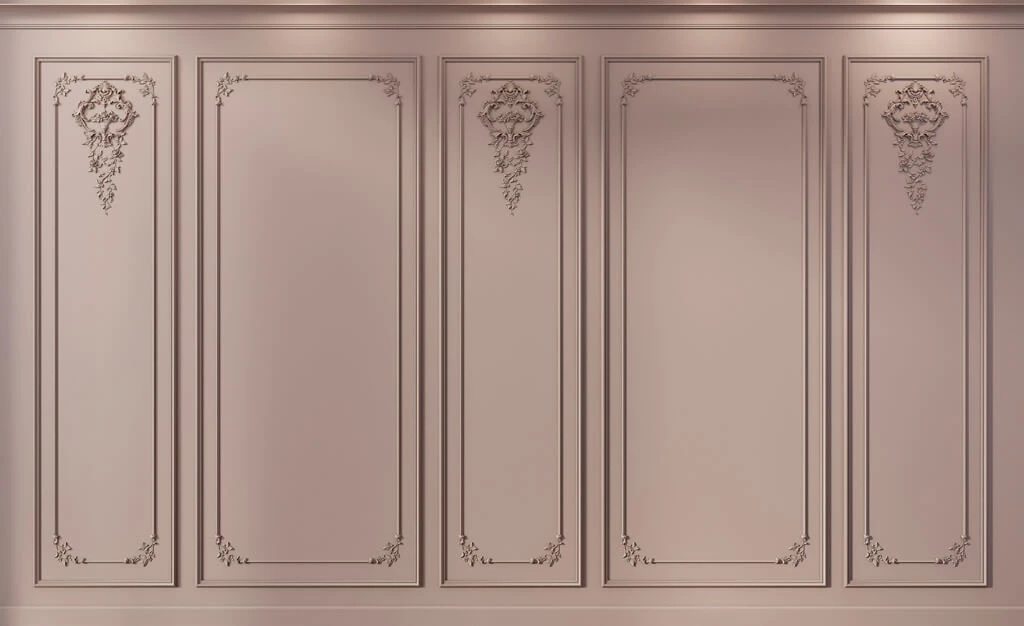
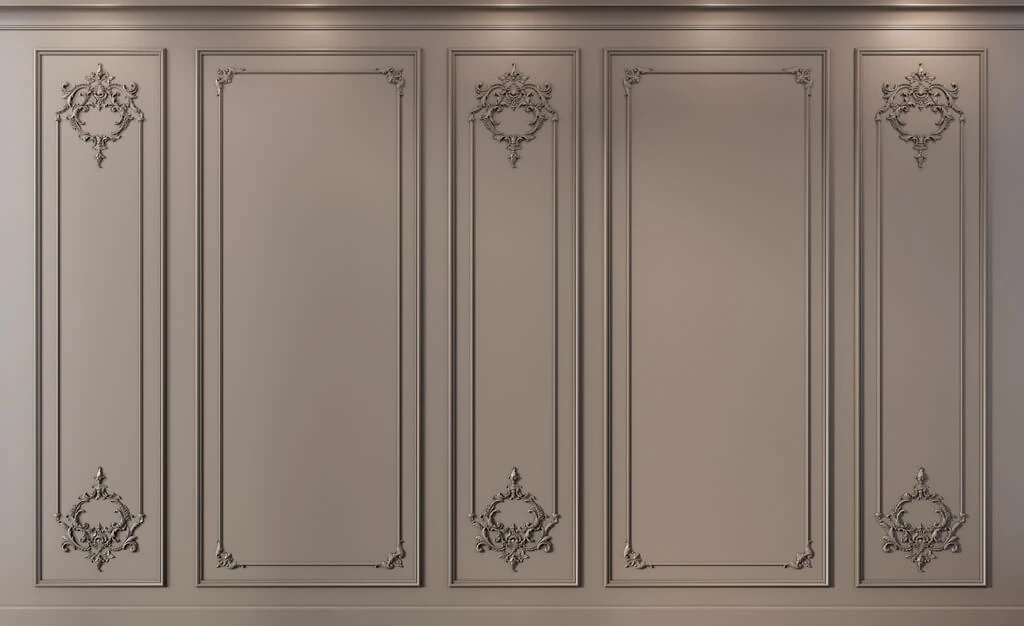
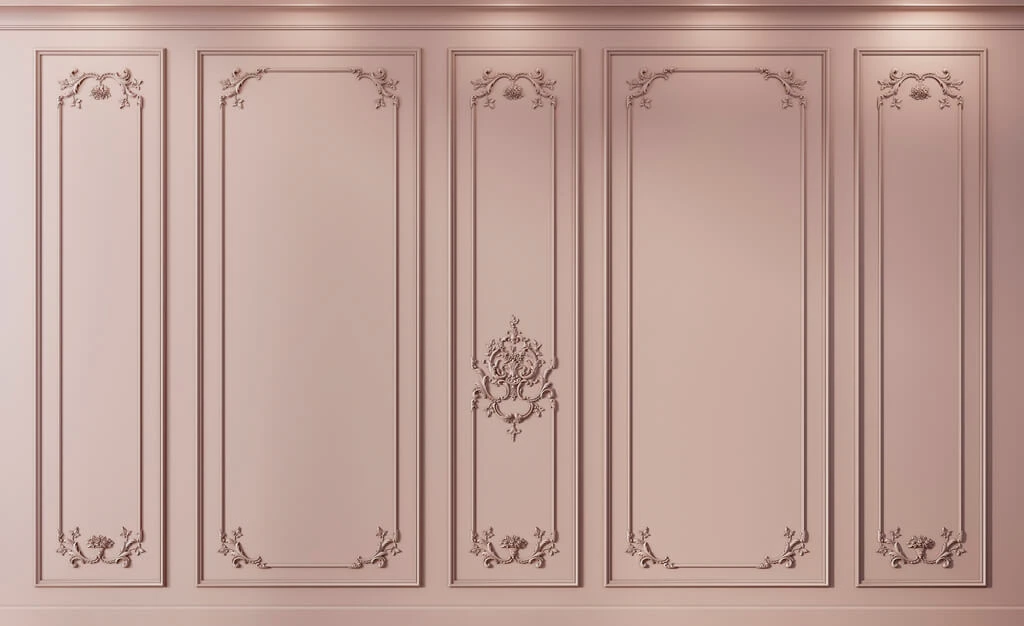
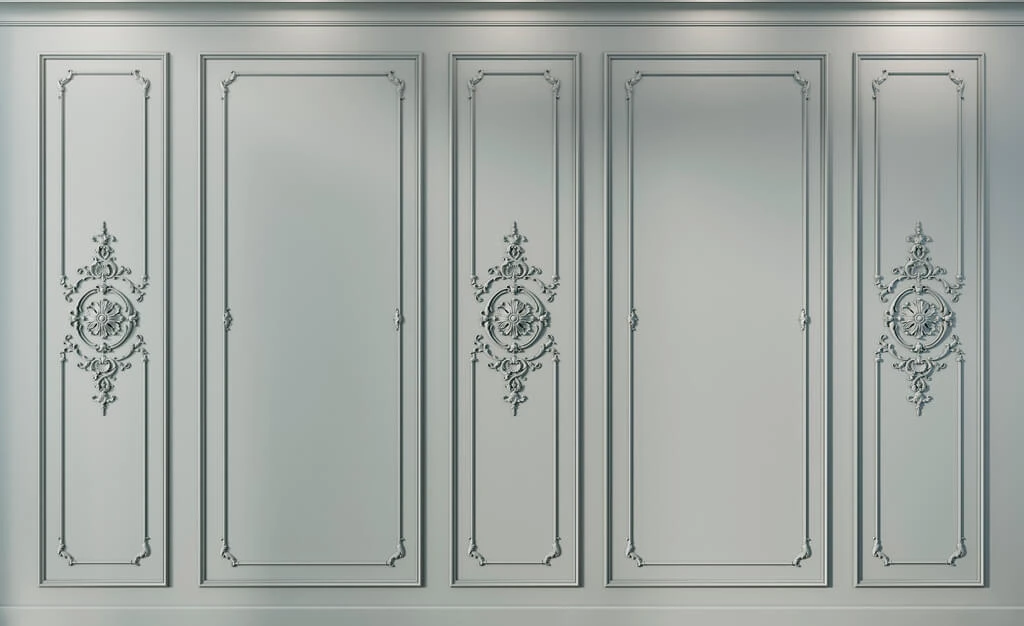
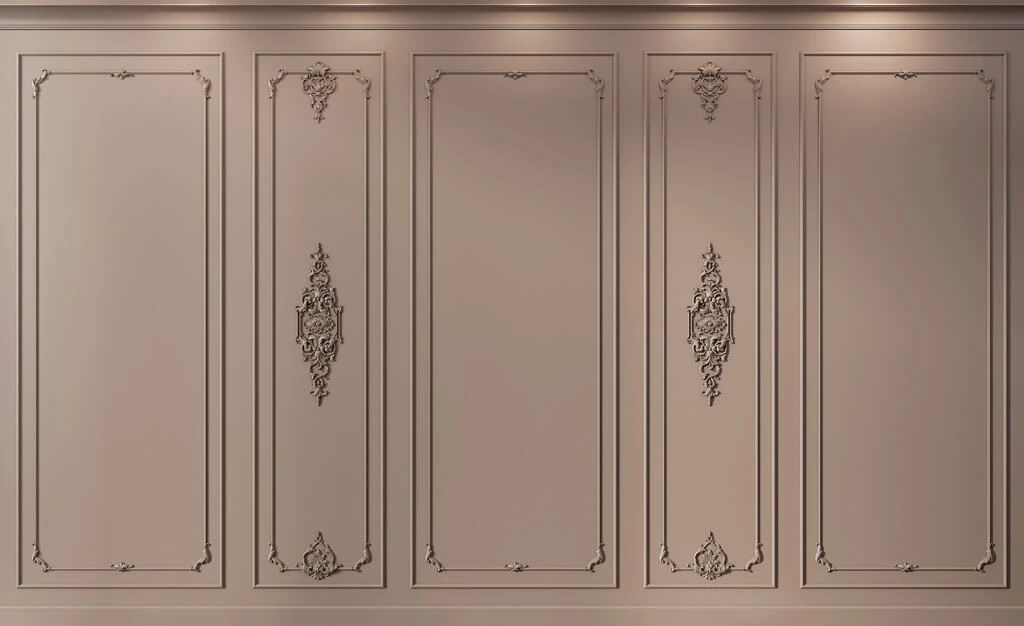
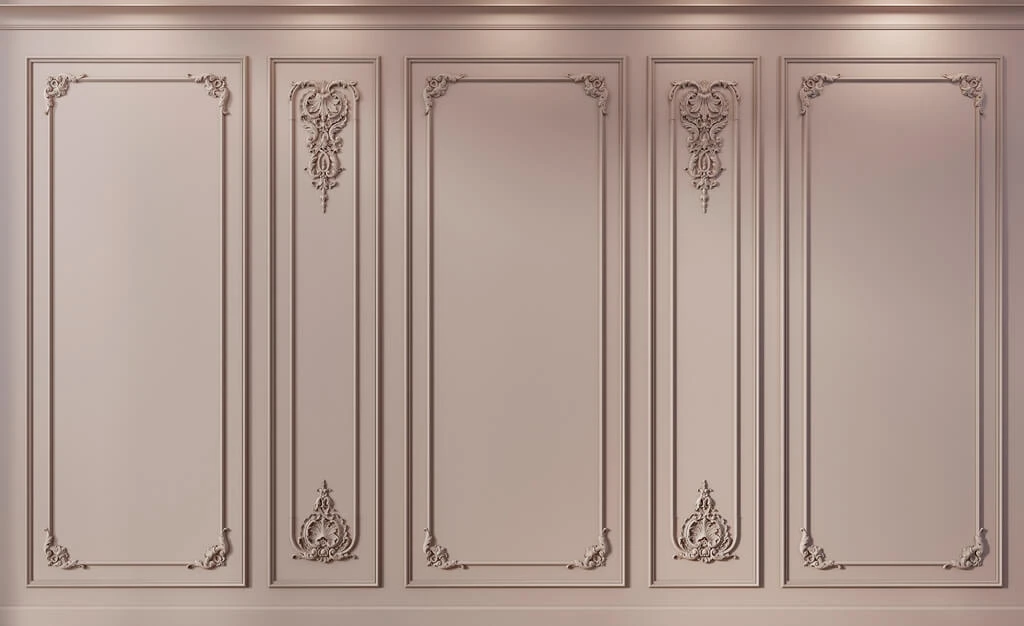
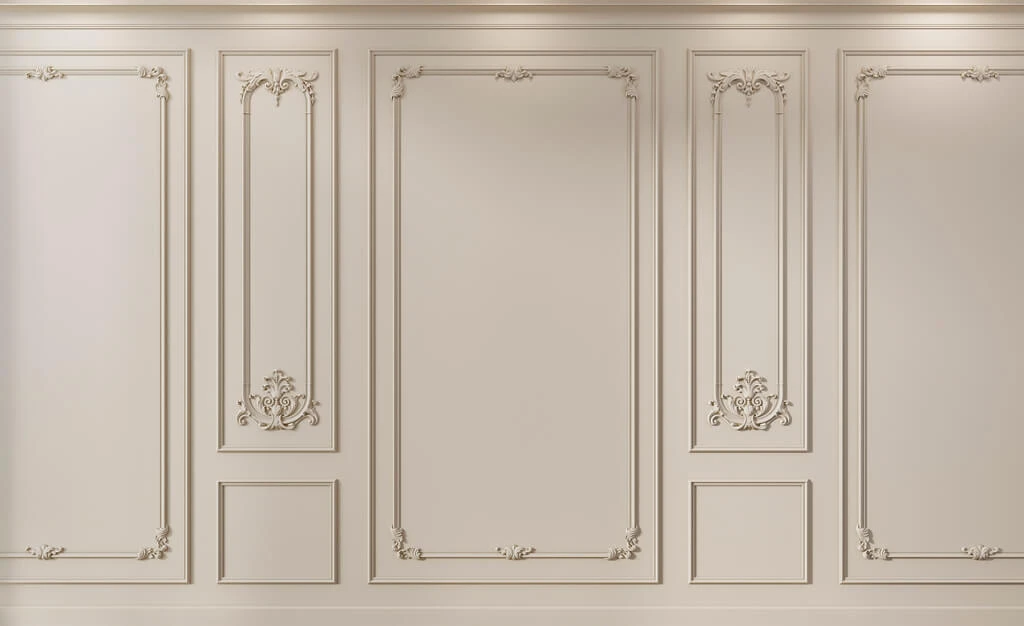
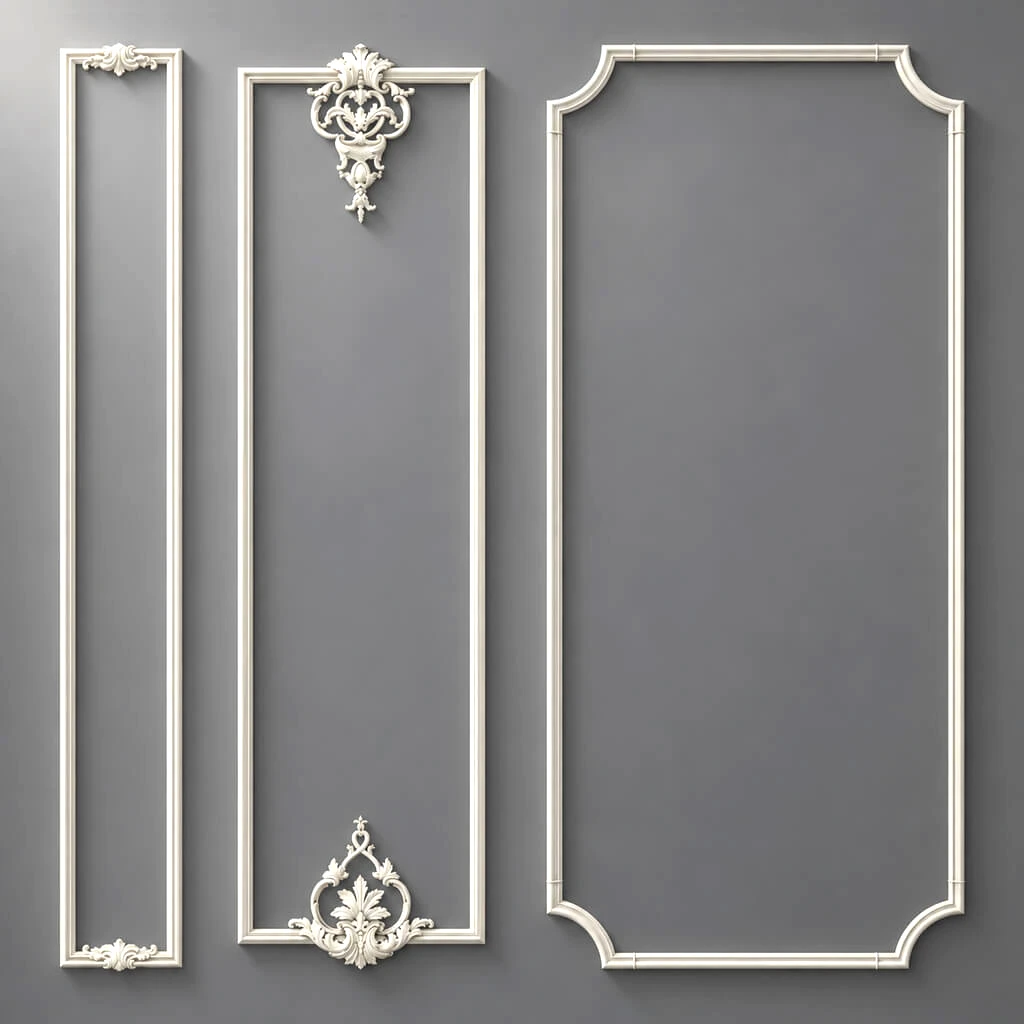
Moldings are assembled on the wall into rectangular or square frames. The goal is to create a structured wall with architectural character. This requires precise dimensions, symmetry, and correct Decor for Molding at corner points.
What are wall moldings and why buy them
Molding is a profiled strip with a specific cross-section that is mounted on a vertical wall surface. It sounds technical, but the essence is simple: it's a tool that transforms an empty plane into an architecturally meaningful surface.
Why does this work? Because the human eye responds not to color, but to structure. A smooth, monochromatic wall provides zero information for vision. A wall with molding trim provides rhythm, hierarchy, depth. This is precisely why spaces with decorative wall moldings are perceived as more expensive, richer, and more 'put-together' than identical apartments without decor.
Wall moldings are purchased to:
-
create an accent wall in the living room or bedroom;
-
create framed panels on the wall in a classic or neoclassical style;
-
zone a wall with a horizontal strip into lower and upper parts;
-
frame a doorway, giving it a finished look;
-
unite different areas of the apartment into a single stylistic solution;
-
decorate a TV area, hallway, or study without expensive plasterwork.
Buying decorative wall moldings means adding what is commonly called 'finishing architecture' to the interior. It's cheaper than plaster molding, faster than shaped panels, and more durable than printed wallpaper.
Which wall moldings are better to buy: wood or polyurethane
The main question when buying is the material. And there is no universal answer: both materials are good, but for different tasks.
Wooden wall moldings
Buy wooden wall moldings— means choosing a natural material with a living texture, tactile warmth, and that very 'expensive' look that no artificial analogue reproduces.
Wooden molding on the wall:
-
creates a sense of naturalness and quality even with minimalistic application;
-
accepts any coating — varnish, wax, enamel, tinting, stain;
-
pairs well with wooden floors, doors, solid wood furniture, and veneer;
-
mechanically stable — solid oak or ash wood profile does not deform under normal use;
-
lasts as long as the apartment itself — with proper care.
Woodenwooden moldingfor walls — the choice of those who value natural materials and want the decor to be part of a living, breathing interior. Especially suitable for classical, Scandinavian, neoclassical, and 'warm' modern spaces.
Important nuance: wooden molding is sensitive to sharp humidity fluctuations. In normal living conditions, this is not a problem, but for kitchens with aggressive steam or bathrooms, consider an alternative.
Polyurethane wall moldings
Polyurethane wall moldings are worth buying when you need rich decorative relief, easy installation, moisture resistance, and the ability to get a complex ornamental profile at a reasonable price.
Polyurethane:
-
lightweight — large-section profiles weigh significantly less than wooden counterparts;
-
stable — does not react to temperature and humidity fluctuations;
-
easy to paint — the surface is uniform, without pores, paint applies evenly;
-
allows creating complex relief profiles that would be significantly more expensive in wood;
-
suitable for ceilings, in high-humidity areas, in classic interiors with rich decor.
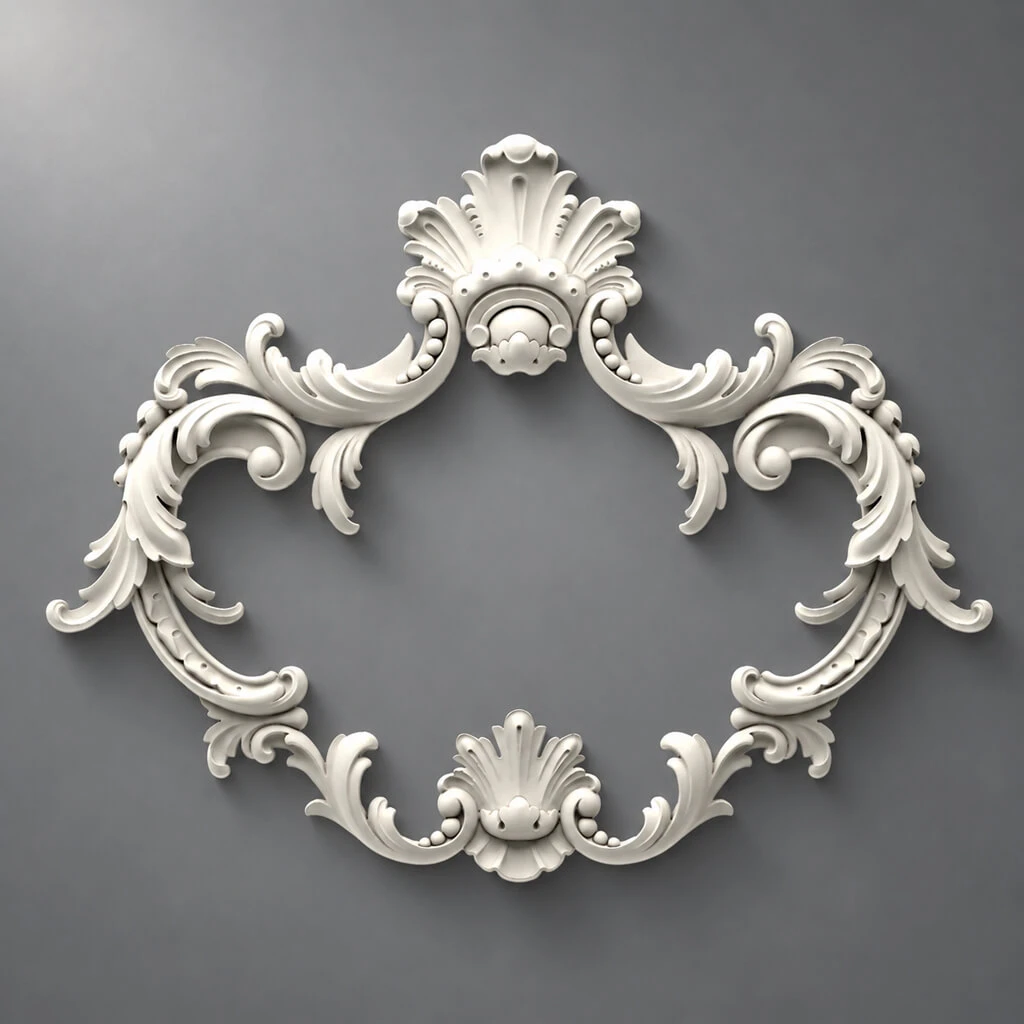
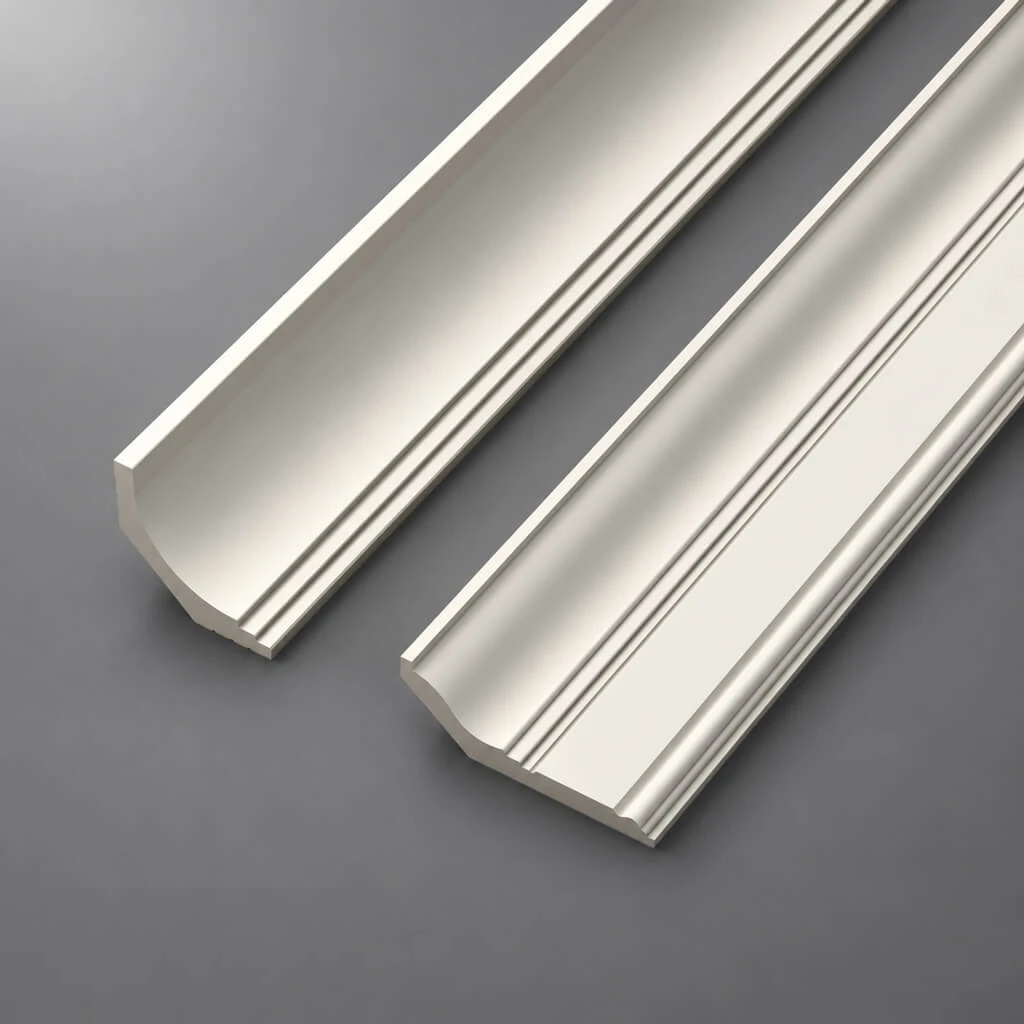
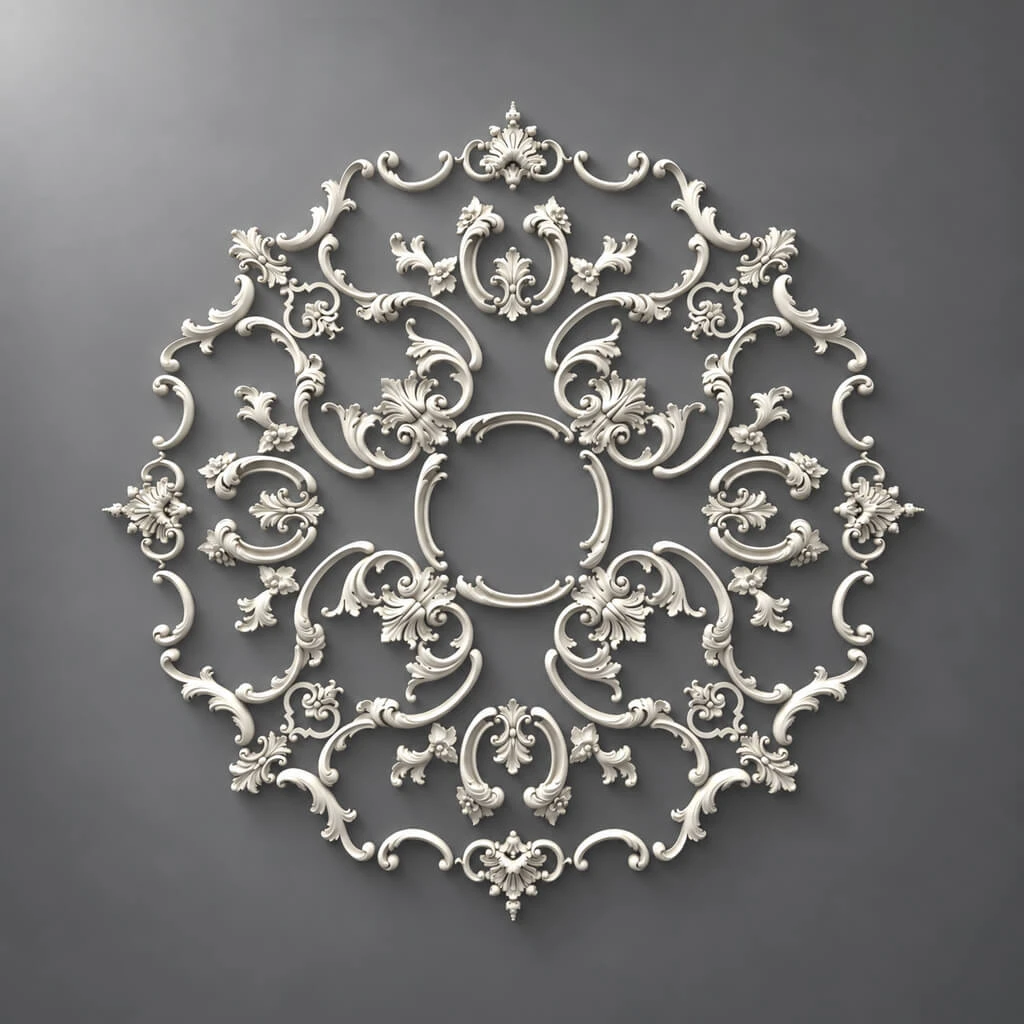
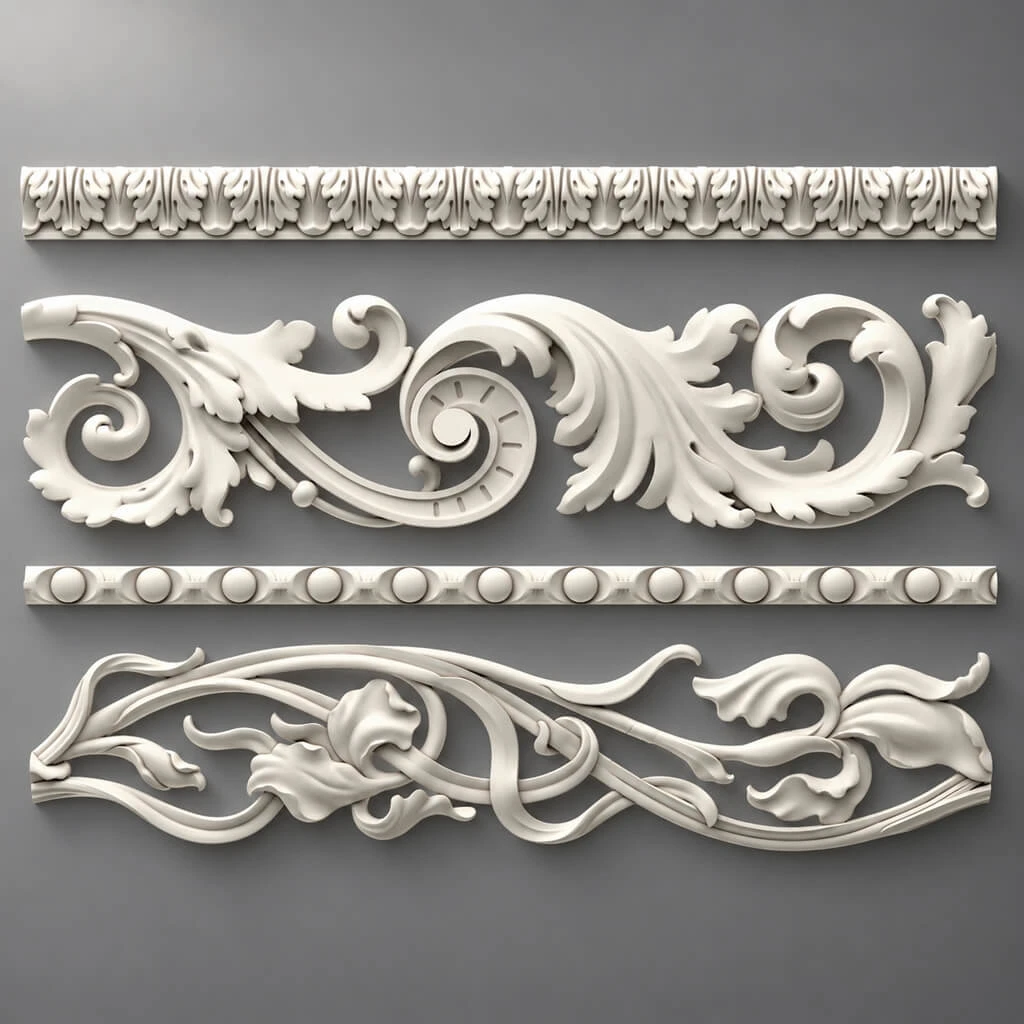
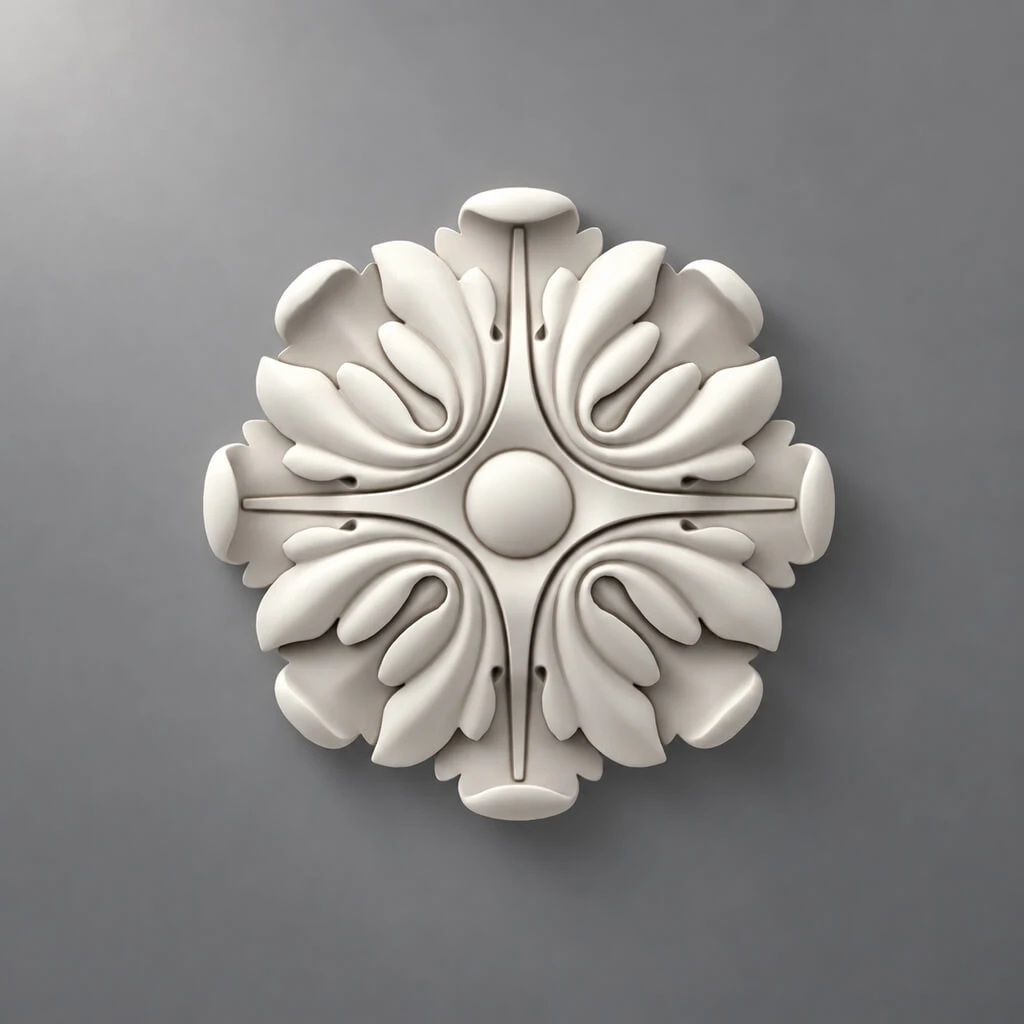
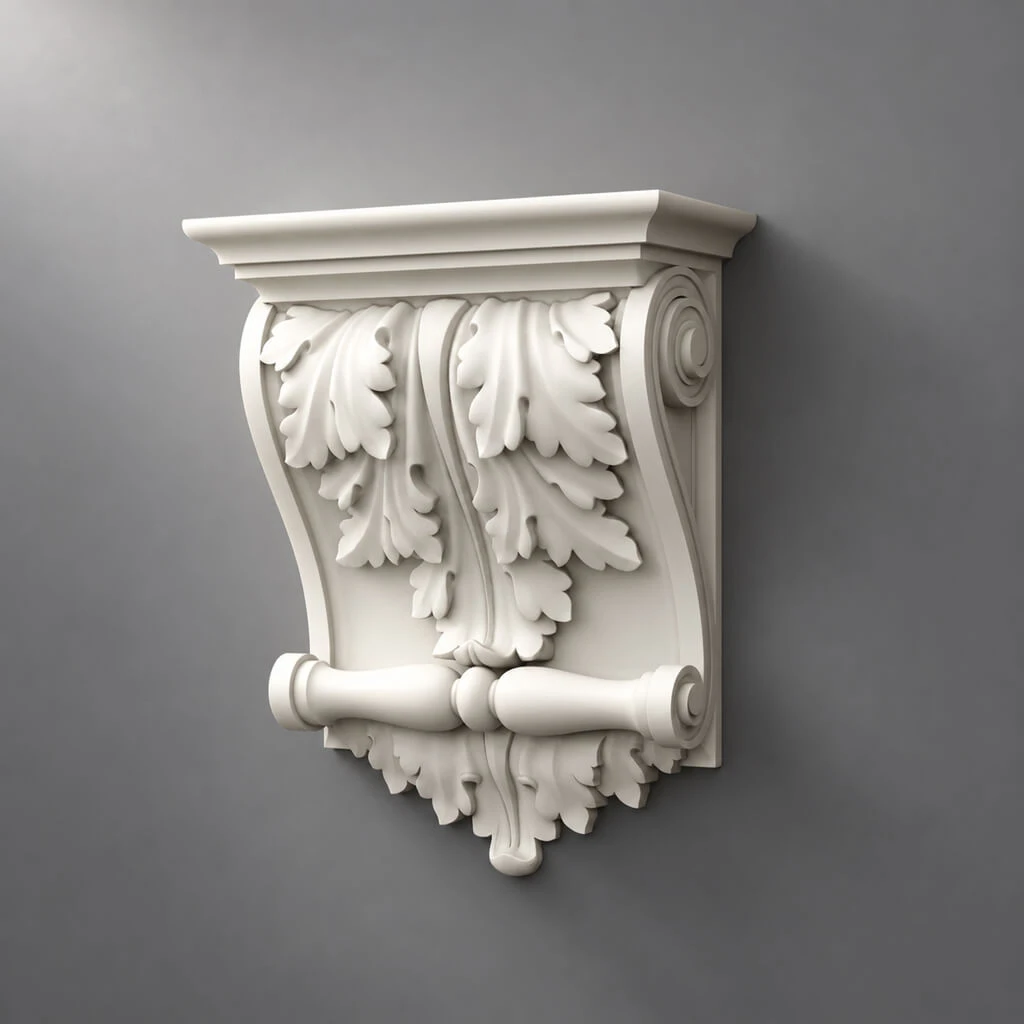
Polyurethane moldings— these are decorative moldings, cornices, rosettes, corner elements with ornamental relief. Combined with wooden profiles on walls, polyurethane decor on the ceiling creates a full-fledged classic system without a colossal budget.
Read more about choosing decorative molding in the article wall molding in interior.
When to choose wood, when to choose polyurethane
| Task | Wood | Polyurethane |
|---|---|---|
| Natural texture and warmth | Yes | No |
| Complex ornamental relief | Expensive | Affordable |
| Ceiling cornice with ornament | Heavy | Convenient |
| High humidity areas | Limited | Yes |
| For painting in a single color with the wall | Good | Excellent |
| Combination with wooden floors and doors | Excellent | Worse |
| Classic interior with molding | Good | Ideally |
| Modern minimalism | Ideally | Good |
Which moldings to buy for different rooms
The room shapes the requirements for the molding. The same profile in the living room and hallway will work completely differently — precisely because the spaces differ in scale, lighting, and function.
Wall moldings for the living room
The living room is a formal space. Here, moldings should be legible from a distance, creating an architectural image, not just 'outlining' decor. For living rooms in standard St. Petersburg apartments (15–25 sq. m), the working profile range is 35–65 mm. Frame panels on an accent wall, molding around the TV area, and a horizontal strip at mid-wall level are the three most compelling scenarios.
For a living room in a classic style — solid wood profiles orRelief Decorationwith relief. For a modern living room — straight profiles for painting.
Wall moldings for the bedroom
The bedroom is an intimate space. Moldings here should not be overwhelming: narrow and medium profiles (20–40 mm) create a delicate rhythm. An accent wall behind the bed with a frame insert is one of the most convincing decorative solutions in a bedroom. Molding painted the same color as the wall works as an 'invisible' architectural accent.
Wall moldings for the hallway
The hallway forms the first impression. A horizontal molding at a height of 90–110 cm divides the wall into a lower functional zone and an upper light zone. Vertical inserts add rhythm to the narrow space. The combination works especially well:slatted panels for wallsin the lower zone + a dividing molding at the transition + neutral painting above.
Moldings for the corridor
A long corridor is a challenging task. Moldings solve it through horizontal rhythm: a strip of profile along the long wall visually expands the space. Vertical inserts with equal spacing create a colonnade rhythm. For corridors, choose narrow profiles (15–30 mm) — they do not weigh down the narrow space.
Moldings for the study
The study is a status zone. Solid wood moldings on the lower third of the walls create a paneling effect characteristic of traditional-style studies.pilasters and columnsin the corners,Capitalsat the top point — for an interior in the spirit of St. Petersburg classicism.
Moldings for an accent wall
One accent wall is a powerful move. Large framed molding panels with contrasting infill are placed on it, and decorative elements are added in the corners of the frames.decorative elements— corner overlays and connectors — bring the accent to perfection.
Moldings for the TV zone
A TV in the 'void' of a wall is an unfinished solution. A molding frame around the TV zone creates a border. A more powerful option: slats occupy the lower 2/3 of the wall, molding marks the upper boundary of the slatted section, and the TV is in the center of the frame. Beautiful, modern, technological. Read about combining moldings and slatted panels in the living room in the articleSlatted panels in interior design.
How to choose moldings according to interior style
Style is not just aesthetics. It is a system of rules, and molding must fit into this system. To violate it is to create a visual conflict that is intuitively read as 'something is wrong.'
Classic
A classic interior requires relief profiles with traditional sections — ogee, fillet, ovolo, half-round. Framed panels on the walls run full height or are divided into lower and upper fields. The decor is dense, symmetrical, hierarchical.Polyurethane moldingson the ceiling completes the system.Classic Furniturein such a space is a logical continuation of the theme.
Neoclassicism
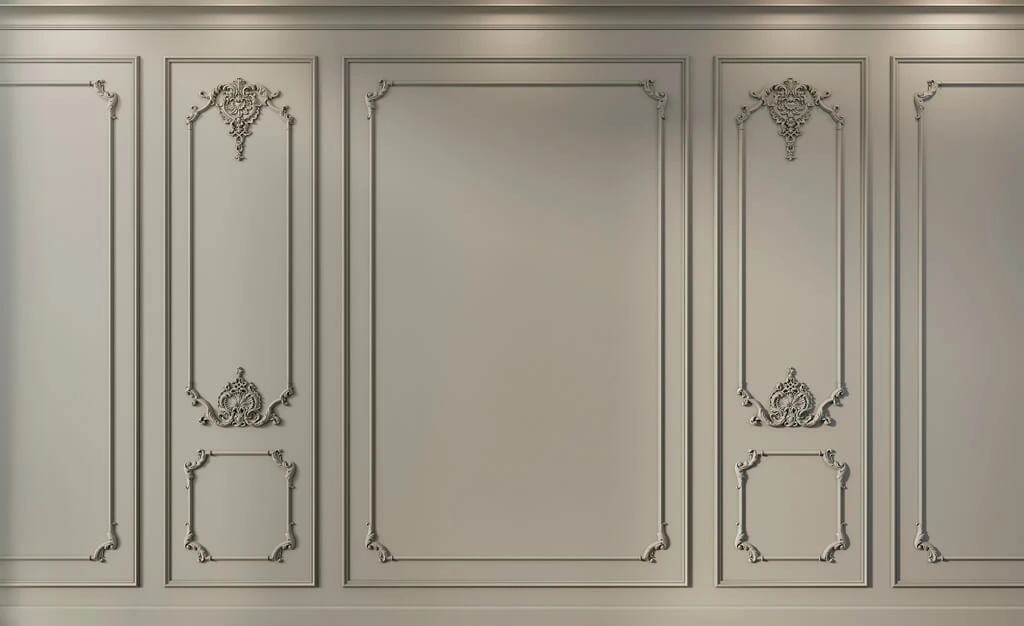
Neoclassicism takes classical forms but simplifies and lightens them. Moldings here are restrained, without overloaded relief. Frames are large, few in number, symmetrical. Colors are white, light gray, natural wood in light tones. Neoclassicism is currently the most in-demand style in St. Petersburg apartments: it combines classical architectural elements and modern taste.
Modern classic
This is a freer interpretation: classical archetypes are applied selectively. Moldings are straight or with minimal bevel, on one accent wall.Decor for Molding— laconic corner inserts without ornament. Color is neutral or matching the wall.
Minimalism with accent decor
Minimalism is not a rejection of decor, but its precision. One molding on one wall is stronger than five moldings on four walls. A narrow straight profile matching the surface color creates an architectural shadow with side lighting. No ornament, no relief—only pure geometry.
Light interior
In a light interior, white wall moldings work on the principle of monochrome relief: the profile is slightly darker than the wall due to shadow but does not contrast in color. The result is volume without 'decorative noise.' For this, the molding must be perfectly smooth for painting.Solid Wood Itemswith a primed surface is exactly what's needed.
Dark interior
In a dark interior, contrast is a conscious choice. Light or metallic molding on a dark wall creates an expressive architectural accent. A golden or copper-toned profile on an anthracite wall is one of the most convincing solutions in Art Deco style or modern office interiors.
Interior for painting
Wall moldings for painting are installed before the final coat of paint. After installation, all joints are filled and sanded, then the surface is painted in a uniform tone. The boundary between the wall and the profile disappears—only the architectural relief remains. For this task, wooden profiles from fine-grained species orPolyurethane Itemswith a smooth factory surface.
How to choose the size, profile, and proportions of molding
Molding size is not a matter of taste. It's the mathematics of space. An incorrect profile size either gets lost on the wall or overloads it. The correct one works imperceptibly, creating the desired effect effortlessly.
Ceiling height principle
Room height is the main parameter for selecting profile width:
-
ceilings up to 2.65 m — profiles 15–35 mm;
-
ceilings 2.65–2.9 m — profiles 25–50 mm;
-
ceilings 2.9–3.3 m — profiles 40–65 mm;
-
ceilings from 3.3 m — profiles from 60 mm and above.
This is an approximate guideline, not a strict rule. But it provides the correct starting point.
Narrow molding: delicate pattern
Profiles 10–30 mm wide are for small rooms, modern interiors, monochrome accents. They define a frame without filling it with decor. In a minimalist interior, narrow molding is a pure architectural gesture.
Medium molding: working range
30–60 mm is the most in-demand range. Suitable for most living spaces in St. Petersburg. Legible from a distance, creates confident relief, works in both classical and modern contexts depending on the profile shape.
Wide molding: for large walls
60 mm and above — for high-ceilinged rooms, formal spaces, rich classical decor. In a small apartment, a wide profile creates pressure; in a spacious house with high ceilings — a sense of completeness.
Smooth profile for modern interior
A straight profile without relief or with a minimal bevel — ideal for modern spaces. It creates a geometric line on the wall, works with any finish, and is free from stylistic limitations. For MDF for painting — the best choice.
Relief profile for classic style
Cyma reversa, fillet, ogee, half-round, quarter-round — profiles with traditional classical forms. Create a rich play of light and shadow on the wall, 'know how' to work with shadow. For classic, neoclassical, art deco. Require an appropriate stylistic context.
How to calculate frame proportions
When creating a framed composition on a wall:
-
offset from the wall edge to the outer edge of the frame: 8–15% of the wall width;
-
distance between frames: at least one molding width;
-
frame height: proportional to the wall format, typically 3:4 or 1:1 (square);
-
odd number of frames on a wide wall (3, 5) — or even with a clear center (2, 4).
What to combine wall moldings with: architectural system
Buying wall moldings and installing them in isolation means getting half the effect. Moldings as part of a system is a completely different story.
With molding decor
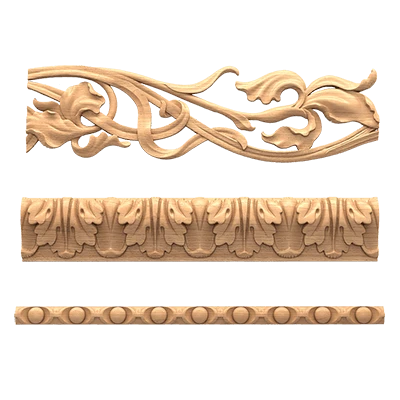
Corner overlays and connecting inserts made of decoration for moldingssolve the corner problem and give the framed composition completeness. Ready-made corner elements are installed at the intersection points of vertical and horizontal profiles — without complex 45° cutting. Result: a perfect corner without gaps or putty.
With plasterwork
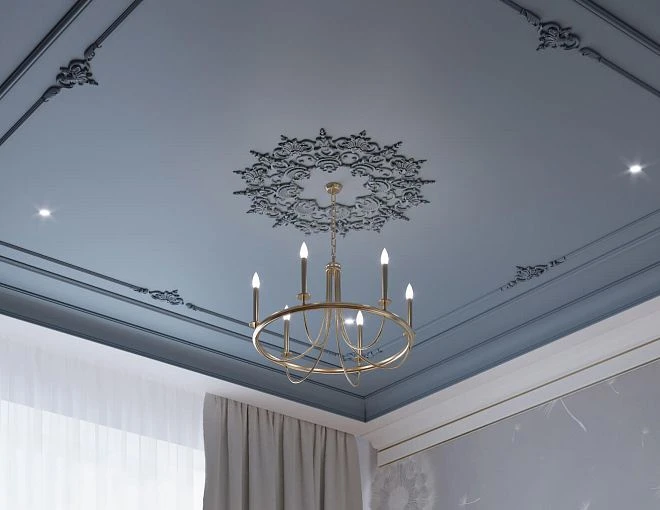
Polyurethane moldingsOn the ceiling + wooden moldings on the walls — a classic combination that creates a sense of architectural decor without major construction. Ceiling cornices, rosettes, corner ornaments — all of these work in tandem with wall molding layouts, creating a unified space.
Buy wall molding and combine it with wall moldings — suitable for both classical and neoclassical spaces.Relief DecorationPolyurethane — the answer for those who want a rich architectural look without the mass of plaster molding.
With pilasters and capitals
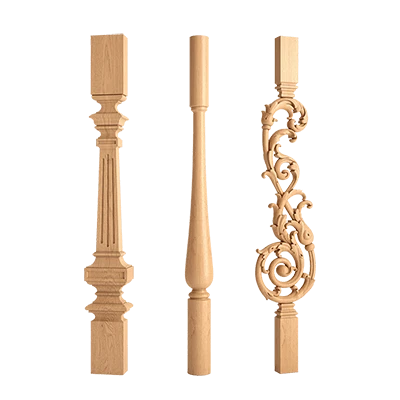
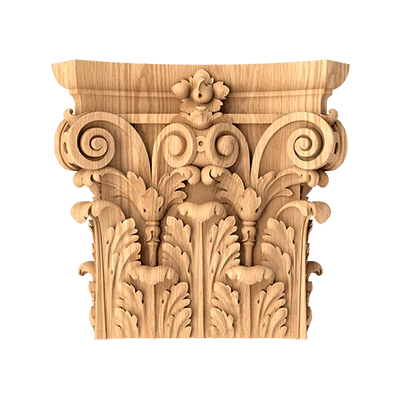
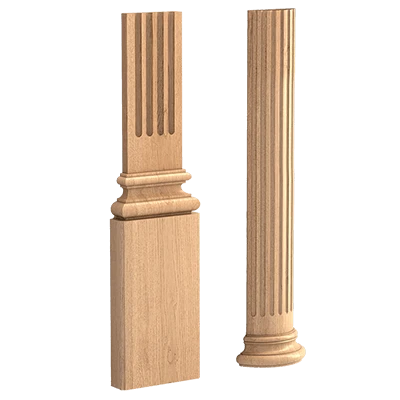
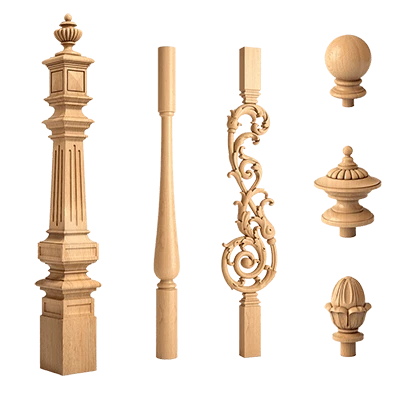
pilasters and columnsIn the spaces between windows or doors create a vertical accent.CapitalsComplete the pilaster at the top point. Molding layout between pilasters — a horizontal link. Together they create a complete classical wall system, organic for St. Petersburg spaces with high ceilings.
With slatted panels
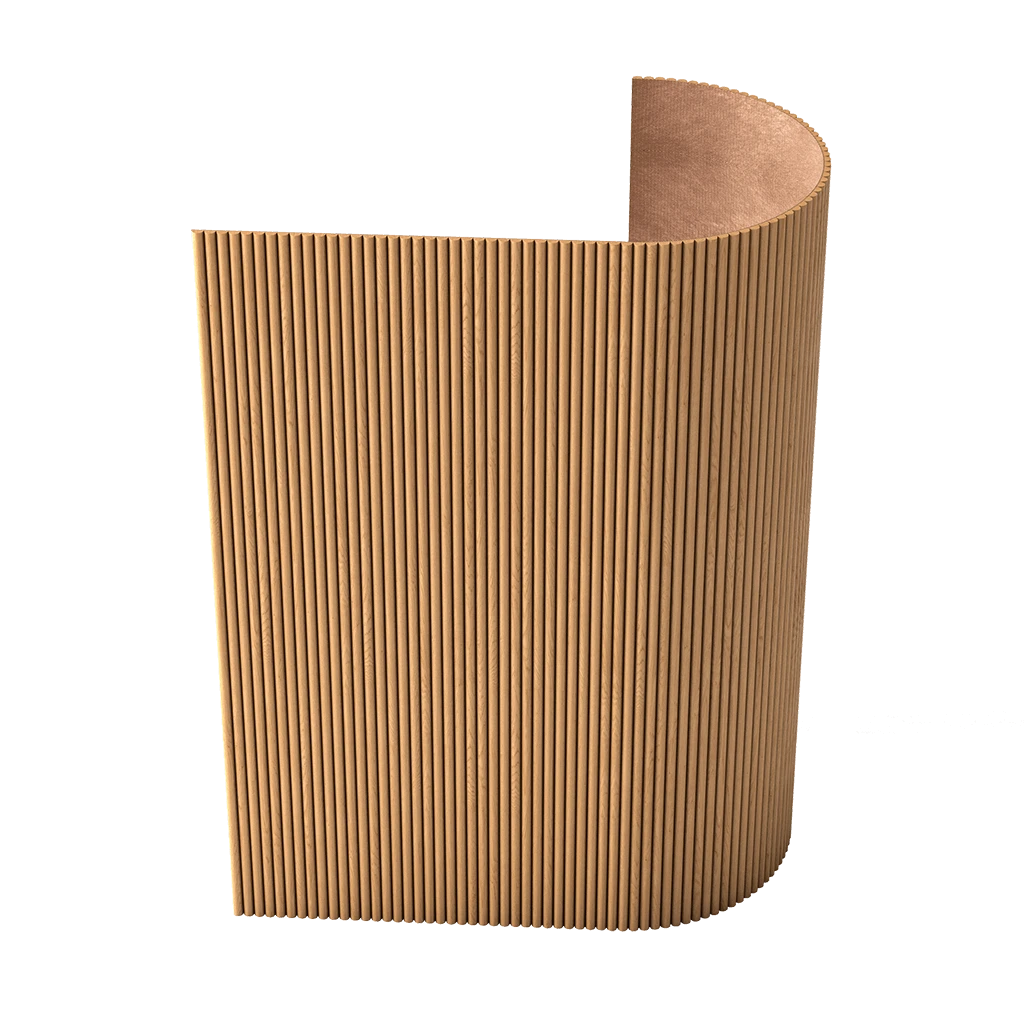
Moldings andslatted panels for walls— a tandem gaining popularity in modern St. Petersburg interiors. The slat creates vertical texture, the molding — a horizontal border and frame. The combination works especially powerfully in the hallway and TV area. More details — in the articleSlatted panels in interior design.
With classic furniture
Classic Furnitureand moldings on the walls — a dialogue of decor. Frame panels on the walls echo the frame fronts of cabinets; wooden molding on the wall supports wooden furniture; stucco decor on the ceiling ties everything into a single image.
Moldings and slat panels: a ready-made solution for walls
This is one of the hottest requests: how to combine moldings and slats. The answer depends on the task.
When a wall is best decorated with moldings only
Only moldings — the right choice for:
-
classical and neoclassical interiors, where textured slats would be excessive;
-
small rooms, where slats would additionally 'eat up' depth;
-
spaces with a lot of details — moldings, cornices, door decor.
When it's better to use moldings plus batten panels
The combination works where a multi-level wall is needed: molding sets the horizontal rhythm and defines the zone, slats provide vertical texture within that zone. A depth effect unattainable with a single element.
How to make a TV zone
The optimal scenario for a TV zone in the living room:Rafter panelscover the lower 2/3 of the wall, molding horizontally limits the top edge of the slatted section. Above the molding — a painted surface. The TV is in the center of the slatted field. Beautiful, thoughtful, modern.
How to design an entryway
In the entryway: the lower zone is slats (practical, protects from damage). Molding at a height of 100–120 cm marks the transition to the upper painted zone. Vertical molding inserts above the line add rhythm. Result: an entryway with architectural character.
How to avoid overloading the interior
The main rule: one accent wall — one decorative technique. Slats plus molding — on the accent wall. The other three walls are neutral. Molding is on the ceiling, not on the same walls where there are already slats and moldings.Polyurethane ItemsMolding on the ceiling and wood on the walls are different levels of decor that do not compete.
What to consider before buying moldings in St. Petersburg
A practical checklist before ordering.
Material: know exactly what you're getting
Solid wood, MDF, polyurethane — three different materials with different properties. Don't confuse veneered MDF with solid wood: the difference will become obvious when painted. Request an exact material description when ordering.
Dimensions: measure before buying
Write down the perimeter of each wall where you'll install moldings. Calculate the linear meters needed with a 10–15% margin for cutting. For frame compositions — add calculation based on the inner perimeter of each frame.
Ability to paint
Specify: is the profile supplied pre-painted, ready for painting, or with a clear varnish? If you plan to paint it the same color as the wall—you need a smooth, primed surface without visible wood texture.
Compatibility with wall decor
Check if the tone and character of the molding's finish match the baseboards, door trims, and other profiles in the room. A unified system is not about one manufacturer, but one stylistic logic.
Availability of ready-made decorative elements
Specify if the supplier's range includesDecor for Molding—corner and connecting elements. They are needed for clean joints at corner points of frames.
Delivery in St. Petersburg
Long-length profiles require special packaging and careful transportation. Specify: is delivery to the address possible, how are the profiles packaged, is it possible to reorder the same item if needed.
Why it's convenient to buy wall moldings at STAVROS
Choosing a store or manufacturer when buying moldings is not just a matter of price, but also confidence in the result.
AT STAVROS:
-
Wide selectionof wooden moldingsfrom the array — oak, beech, ash, linden, various sections and widths;
-
full catalog of wall moldingsincluding cornices and baseboards for a unified system;
-
Decor for Molding— corner elements and decorative overlays;
-
Polyurethane moldingsandRelief Decorationfor classic interiors;
-
slatted panels for walls— for combined wall solutions;
-
pilasters and columns, Capitals— for full classic wall systems;
-
Solid Wood Items— the entire catalog of wooden interior decor.
You can assemble not just a single molding, but a full-fledged architectural composition for the wall: profiles, corner elements, slatted panels, ceiling stucco, pilasters in the wall openings. Everything — from one supplier, in one stylistic language.
Frequently Asked Questions About Buying Wall Mouldings in St. Petersburg
Where to buy wall moldings in St. Petersburg?
In the STAVROS catalog:Buy Wall Moldingmade of solid wood and wooden profiles with delivery in St. Petersburg. Full selection of sizes, wood species, and cross-sections.
Which mouldings are best to choose for an apartment?
Depends on the style and room. For a modern apartment — straight profiles for painting, 25–45 mm wide. For a classic one — relief wooden profiles made of solid wood or polyurethane with ornament. For neoclassical — a restrained profile of medium width under matte enamel.
What is better for walls: wood or polyurethane?
Wood — for natural texture, warmth of material, and combination with wooden interior elements. Polyurethane — for complex relief, easy installation, and moisture resistance. For most St. Petersburg apartments, wooden moulding on walls and polyurethane cornice on the ceiling are better.
Can mouldings be painted?
Yes. Wooden mouldings — for any coating: varnish, enamel, tinting, wax, stain. Polyurethane — for painting with enamel. To paint a wooden profile in a single color with the wall — preliminary priming and sanding.
Which mouldings are suitable for a classic interior?
Relief profiles with traditional cross-sectional shapes — ogee, cyma, half-round. Wooden made of solid wood or polyurethane with ornamental relief. In combination withwith polyurethane moldingson the ceiling and pilasters in the wall spaces.
How to combine moldings and slatted panels?
Slats — in the lower or middle zone of the wall, molding — a horizontal border and frame around the slatted section. Especially effective in the TV area and hallway. Important: one style, one material, or a coordinated color scheme.
Which moldings to choose for the living room or bedroom?
For the living room — medium and wide profiles (35–65 mm), frame panels, or a horizontal dividing strip. For the bedroom — narrow and medium (20–40 mm), accent behind the bed, matching the wall color. In both cases — wooden or paintable depending on the style.
How much do wall moldings cost in St. Petersburg?
Price depends on material, width, and profile complexity. Narrow wooden profiles — from several hundred rubles per linear meter. Wide solid wood profiles with relief sections — from a thousand and above. Current prices — in the catalogwall moldings.
Are special tools needed for molding installation?
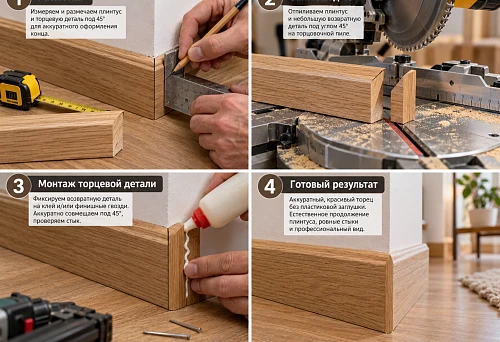
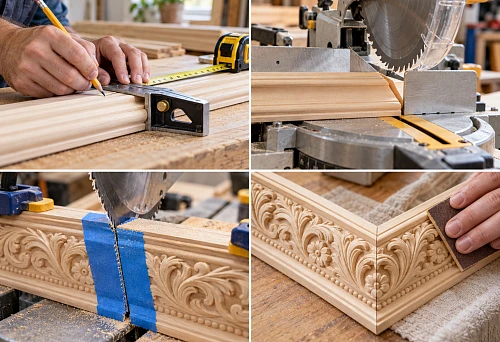
For installing wooden moldings you need: a miter box or miter saw (for cutting at 45°), liquid nails or finishing nails, putty for sealing joints. Or - ready-made cornerdecorative elementswhich eliminate the need for precise angle cutting.
Conclusion: buying wall moldings in St. Petersburg is an investment in interior design that pays off
Wall moldings are one of the most cost-effective finishing tools. A relatively small budget yields walls with architectural character and an interior that feels more expensive and professional. That's why decorative wall moldings in St. Petersburg continue to gain popularity: in new buildings and historic properties, in classic living rooms and modern minimalist studios.
The key is to choose consciously: to match the style, the scale of the space, and the material of other interior elements. Then molding stops being 'just decor' and becomes part of the architectural history of your space.
STAVROS is a manufacturer and supplier of wooden interior decor in St. Petersburg. Full range of wall moldings: solid wood profiles, polyurethane stucco decor, decor for moldings, slatted panels, pilasters, capitals. Project selection, consultation on sizes and materials, delivery in St. Petersburg.
Go to the catalog:
-
Buy Wall Molding— moldings, cornices, and baseboards made of solid wood
-
Wooden moldings — full catalog
-
Decor for Molding— corner elements and overlays
-
Polyurethane moldings— for ceilings and walls
-
Rafter panels— buy slatted panels for walls
-
Solid Wood Items— full catalog of wooden decor
STAVROS — wall moldings in St. Petersburg: selection, quality, delivery.