










































Article Contents:
- When you need to buy wooden chair legs
- The old support broke
- The chair started wobbling
- Need to change the seat height
- The chair is being restored
- The upholstery is being changed
- The chair is being assembled in a custom project
- The chair provides dynamic load
- Completeness is more important than randomly replacing one support
- The legs must match the chair frame
- Low legs for a massive upholstered chair
- Medium height for classic chairs
- Higher legs for a lightweight chair
- What happens if you install legs that are too high
- Why it's important to consider seat thickness and upholstery height
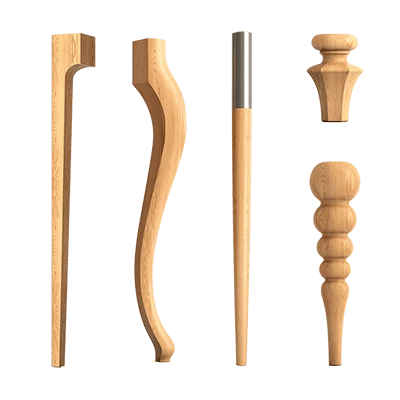
- Turned legs for an upholstered chair
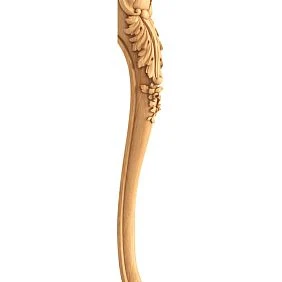
- Carved legs for a chair
- Smooth legs for a modern chair
- Beech for painting and enamel
- Oak for expressive texture
- Why solid wood is better than random plastic and metal for a classic chair
- Chair legs and sofa legs
- Legs for armchair and legs for cabinet
- Legs for armchair and furniture frame
- Legs for armchair and legs for chair
- Need to replace the legs on an old soft armchair
- The armchair is being reupholstered with new fabric
- Need to raise the armchair higher
- Need to match the armchair with the sofa and coffee table
- The armchair is being made for a study
- Old mounting hardware doesn't always fit new legs
- The tilt angle cannot be ignored
- Glides and floor protection
- Buying legs "by eye"
- Choosing supports that are too high
- Not considering the tilt angle
- Mixing different profiles
- Buying 2 legs instead of a set of 4
- Not checking the attachment
- Choosing color without considering the upholstery
- Putting too thin legs on a heavy chair
- Where to buy wooden chair legs?
- How many legs are needed for a chair?
- Which legs are best for an upholstered chair?
- Can old legs be replaced with new ones?
- What to choose: carved or smooth legs?
- Can wooden legs be painted?
- How to choose the height of chair legs?
- Why does the chair wobble after replacing the legs?
- Can I buy only two legs for the chair?
- How to choose legs to match the upholstery color?
- What is better for a chair: beech or oak?
- What to buy together with chair legs?
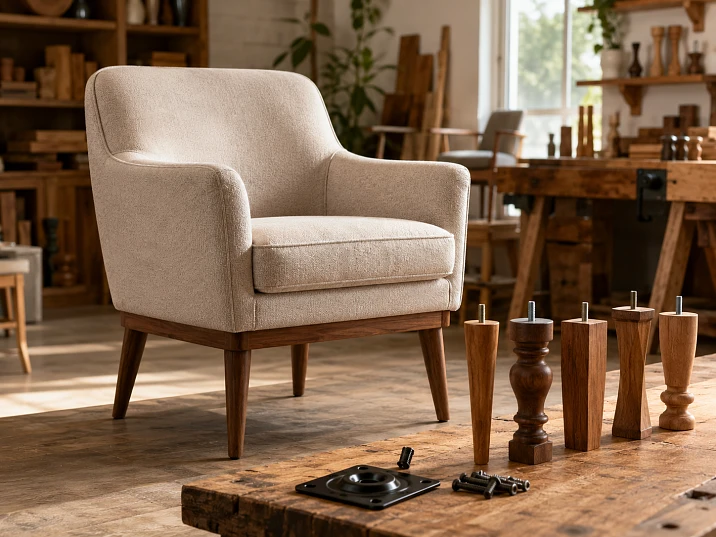
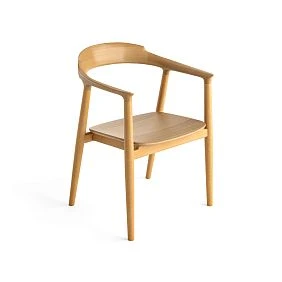
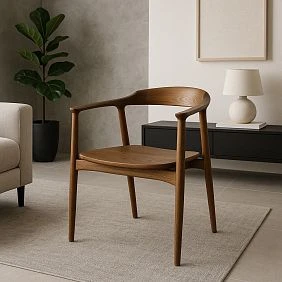
Buying wooden legs for a chair is usually not about a single beautiful detail, but about a clear furniture task: replace broken supports, eliminate wobbling, refurbish an old upholstered chair, change the seat height, or assemble a custom model for a specific upholstery. The chair experiences dynamic load every day: a person sits down, stands up, shifts weight, leans back, and sometimes moves the furniture across the floor. Therefore, chair legs cannot be chosen just by photo or based on the principle 'any furniture supports will do'.
A chair has its own logic. Unlike a cabinet or a decorative console, a chair must be comfortable to sit in, stable in motion, and visually connected to the upholstered part. Legs that are too high will make the seating feel unusual. Too low will weigh down the silhouette. Too thin may get lost under a massive chair. Too ornate may clash with modern upholstery. Therefore, the right choice starts with three questions: what should the seat height be, what is the style of the chair, and how will the support be attached to the frame.
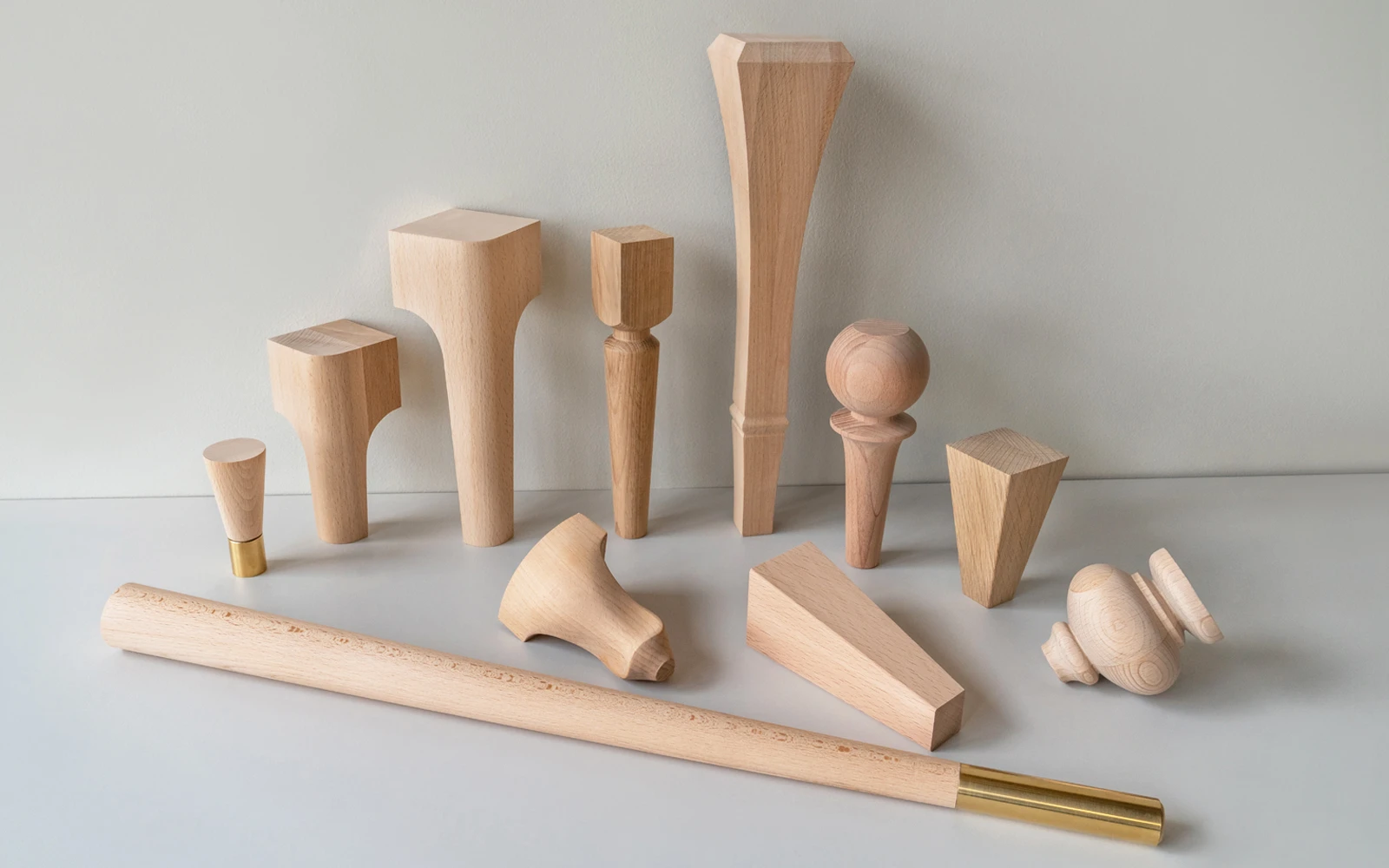
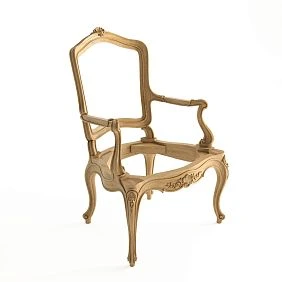
You can view on STAVROS wooden chair legs STAVROS in a separate selection by application 'Chair'. If you need to compare not only chair options but also adjacent supports for other furniture items, you can open the section wooden furniture legsFor projects intended for painting and self-finishing, it's useful to look separately. unpainted wooden legs.
Let's break down when new chair legs are really needed, why a set of 4 supports is most often purchased, how to choose the height, shape, material, attachment, and style to match the upholstery, what mistakes lead to wobbliness, and what to check before ordering from STAVROS.

When you need to buy wooden chair legs
New chair legs are purchased in two main cases: when the old supports can no longer handle their task or when the chair changes its appearance. Sometimes these reasons coincide. For example, the owner changes the upholstery, updates the chair after room renovation, and simultaneously realizes that the old legs are loose, darkened, don't match the color, or make the furniture too low.
A chair is an item that is on display. In the living room, it can be next to a sofa, coffee table, ottoman, wooden floor, baseboard, or frame furniture. In the study, it's next to a desk, bookcase, and wooden panels. In the bedroom, it's next to the bed, nightstand, and dressing table. Therefore, the legs here work not only as a support but also as part of the silhouette.
The old support broke
The most obvious scenario is mechanical breakage. The leg has cracked, become loose, started to spin, lost its fit, or can no longer hold the load. In this case, you cannot simply replace one support with a random similar part. If you put one new leg next to three old ones, the chair may end up with different heights at the corners, a different seating angle, and instability.
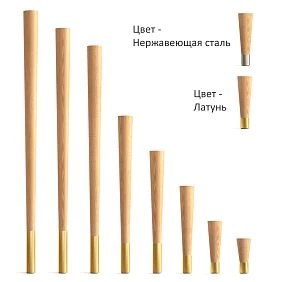
Most often, it's safer to choose a set of 4 identical supports. This way, the chair gets the same height, the same shape, and a uniform appearance. Before purchasing, you need to check the old attachment, the condition of the frame, the mounting points, and understand whether the previous installation scheme can be used or if base preparation is required.
Our factory also produces:
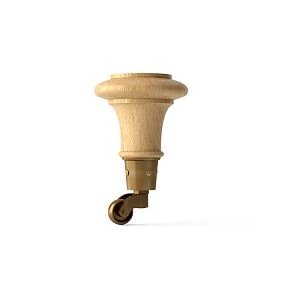
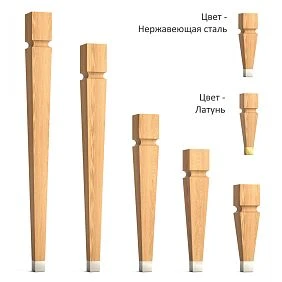
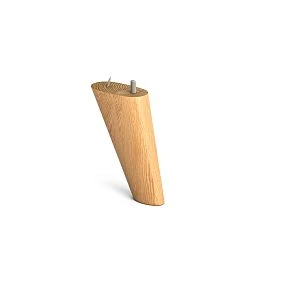
The chair has become wobbly
Wobbliness doesn't always mean the leg is broken. Sometimes the problem is in the attachment, old holes, a weakened frame, different support heights, or an uneven floor. But if the old legs are worn out, installed crookedly, or no longer hold their fit, replacing the set can restore the chair's stability.
It is important not to treat wobbliness only with external selection. New supports must match in height, attachment, and contact area with the frame. If the chair base is damaged, first fix the seating areas, and only then install new wooden legs.
Get Consultation
The seating height needs to be changed
The height of the legs affects how a person sits down and gets up from the chair. A low soft chair can be cozy but inconvenient for people who have difficulty standing up. A chair that is too high may lose its feeling of softness and start to look like a high stool. Therefore, buying new legs is sometimes needed not because of a breakage, but because of the seating.
Before ordering, you need to consider not only the leg height. The final seating height is determined by the height of the supports, seat thickness, padding softness, upholstery height, and frame construction. If the chair already exists, you can measure the current seating height and understand whether to keep it, raise it, or lower it slightly.
The chair is being restored
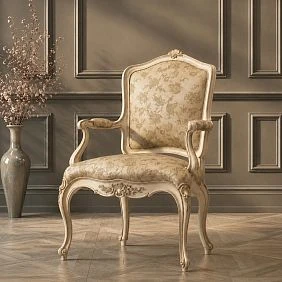
When restoring an old chair, legs are often changed along with upholstery, padding, decorative elements, and wood finish. Here, not only strength but also style is important. New supports should maintain the character of the chair: classic, neoclassical, Provence, Art Deco, cabinet, or modern.
If the chair has a historical silhouette, you should not put random modern legs on it just because they match in height. The shape of the support should be close to the overall plasticity of the furniture. For such a selection, it is convenient to start with the category wooden chair legs STAVROS and compare options by shape, height, and future finish.
The upholstery is being changed
New upholstery changes the chair more than it seems. Dark fabric makes the furniture visually denser. Light fabric makes it lighter. Velvet adds depth. Hemp and linen make the look calmer. Leather requires a more confident support. If you leave the old legs after reupholstering, they may not fit the new style.
For example, a chair with new light upholstery may look better on calm wooden legs with enamel or soft tinting. A chair in dark leather may require more expressive supports made of wood with a noticeable texture, if such a finish is available for the selected model. The specific material and finish should be checked in the product card.
The chair is assembled in a custom project
In a custom project, the legs are chosen in advance, not at the end. The height, proportions, side view, and character of the entire furniture depend on them. The upholstered part can be calm, while the legs can be decorative. Or vice versa: the upholstery is active, and the supports are restrained. It is important to decide which part of the chair will be the main accent.
If the workshop assembles the chair from scratch, you need to agree in advance on the seat height, installation angle, fastening, number of supports, and load. For such tasks, it is useful to look not only at the chair selection but also at the general section Solid wood products STAVROS, to connect the legs with other wooden elements of the project.
Why chair legs cannot be chosen like regular furniture legs
Different pieces of furniture have different loads. A leg for a cabinet mainly holds a static body. A leg for a dresser works with the weight of items and drawers. A leg for a chair takes a live load: a person sits down, changes position, leans on the armrests, sometimes leans back. Therefore, the support must be suitable not only in design but also in construction.
The buyer often sees a beautiful wooden leg and thinks: "If it's a furniture leg, then it will also work for a chair." But a chair requires checking the height, stability, fastening, number of supports, and compatibility with the frame. This is especially important for upholstered furniture, where the wooden support is partially hidden by the fabric but is fully responsible for the seating and stability.
| Parameter | What is important for a chair | What to check before ordering |
|---|---|---|
| Purpose | The support must be suitable specifically for a chair, not just for any furniture. | Use in product card or chair selection. |
| Quantity | Usually a set of 4 identical legs is needed. | Availability of 4 identical items of the same height. |
| Height | Affects seating, silhouette, and ease of standing up. | Leg height including seat thickness and cushioning. |
| Mounting | Must match the chair frame and seating area. | Attachment method, frame condition, need for hardware. |
| Material | Solid wood pairs well with upholstered furniture and classic interiors. | Wood species, finish, and compatibility with upholstery in the product card. |
| Style | Leg shape should support the chair silhouette. | Upholstery, armrests, backrest height, and adjacent furniture. |
The chair provides dynamic load.
When a person sits in a chair, the load is not distributed perfectly evenly. Initially, weight may be concentrated on the front edge. Then the person leans back. Afterwards, they shift weight to one armrest, stand up, move the chair, and sometimes turn it around. This is a common household situation, but it is important for the legs.
Therefore, the supports must not only be beautiful but also strong enough for such work. You need to be especially careful when choosing very thin legs for a massive upholstered chair. They may look elegant in photos, but visually and structurally they might not match the heavy body.
Completeness is more important than randomly replacing one support.
If one leg breaks, there is a temptation to replace only that one. But the chair is almost always perceived as a single piece of furniture. One new leg may differ in height, shade, angle, shape, and fit. Even a small difference creates an imbalance.
Therefore, when updating a chair, a set of 4 supports is more often considered. This is not just about aesthetics. Four identical legs help maintain stability, even seating, and a neat silhouette.
The legs must match the chair's frame.
The chair has an internal frame. The supports are attached to it. If the leg does not match the mounting point, does not fit the fastening, or requires different hardware, the installation may be weak. This is especially noticeable on old furniture where the mounting points are already worn.
Before purchasing, you need to turn the chair over, look at the old fastening, measure the installation point, and assess the condition of the wood or other base. If in doubt, it is better to discuss installation with a craftsman before ordering the legs.
How to choose the height of chair legs
Leg height is one of the key parameters. It affects seating posture, appearance, ease of cleaning, sense of lightness, and stability. Legs can make a chair visually squat, classic, light, or almost stool-like in seating. A mistake in height will be noticeable immediately after installation.
The main formula is simple: leg height plus frame and seat height gives the final seating height. But in an upholstered chair, there is a nuance: the filling compresses under a person's weight. Therefore, a chair that looks tall without load may become lower when seated. This must be considered if old legs are being replaced with new ones.
Low legs for a massive upholstered chair
Low legs suit chairs with a voluminous soft part, deep seating, wide armrests, and a heavy silhouette. They do not conflict with the soft body and help maintain a cozy, squat appearance. Such a chair looks good in a living room, library, relaxation area, bedroom, or study.
But low legs are not always convenient. If the chair is too low, it is harder for a person to stand up. It is more difficult to clean underneath. The silhouette may become heavy, especially if the upholstery is dark. Therefore, low height should be chosen deliberately, not just because the old legs were short.
Medium height for classic chairs
Medium legs are the most versatile option for a classic upholstered chair. They lift the body, show the wooden support, but do not make the seating too high. This option is suitable for chairs with standard seat depth, moderate softness, and a classic or neoclassical shape.
If the chair is placed next to a sofa, it is important to compare the seating height. The chair should not be noticeably higher or lower than the adjacent upholstered furniture if they form a group. A slight difference is acceptable, but a strong contrast looks accidental.
Higher legs for a light chair
Higher legs may suit a lightweight chair with a wooden frame, a chair with thin armrests, or a model for a study, bedroom, or living room in a modern style. They make the silhouette airier and help visually separate the soft part from the floor.
But a high support requires stability. If the chair is massive, deep, or prone to leaning back, legs that are too high can disrupt the proportions. Before purchasing, you need to evaluate not only the height but also the width of the support, the shape of the leg, and the method of attachment.
What happens if you install legs that are too high
Legs that are too high change the character of the chair. It can become uncomfortable, especially if the seat is already thick. The legs of the seated person may dangle unnaturally, or conversely, the seating position may become too upright. Visually, the chair may lose its softness and start to look like a tall object on thin supports.
This is especially risky for restoration. An old chair often has a designed silhouette. If you raise the body significantly, the historical form will be disrupted. Therefore, before replacement, it is better to measure the old legs and decide whether to repeat the height or change it carefully.
Why it is important to consider seat thickness and upholstery height
A thick soft cushion and high upholstery add height to the chair. If you pair them with high legs, the final seating height may be excessive. If the seat is thin and hard, low legs can make the chair too low.
This is especially important when reupholstering a chair: new upholstery and new padding can change the seating height. Therefore, it is better to select the legs after understanding the new thickness of the soft part, or at least together with the craftsman performing the restoration.
How to choose the style of legs for the chair and interior
The shape of the legs should support the chair, not conflict with it. Upholstered furniture already has strong visual elements: fabric, color, texture, armrests, back height, seat depth. The legs can be neutral or decorative, but they must work with the overall look.
If the chair is classic, a too simple modern base may look out of place. If the chair is modern and minimalist, a carved leg can overload the silhouette. If the upholstery is bright, it's better not to add too active decoration below. If the upholstery is calm, the legs can become an expressive wooden accent.
| Chair style | Which legs to choose | What to Check |
|---|---|---|
| Classic | Turned or carved wooden legs. | Combination with armrests, backrest, and neighboring furniture. |
| Neoclassical | Smooth legs with a light profile. | So that the base is not too carved and heavy. |
| Provence | Soft shapes, light coloring, calm finish. | Match with fabric, wood color, and overall room mood. |
| Art Deco | Geometric wooden supports. | Clarity of lines and connection with other furniture in the room. |
| Modern interior | Simple conical, cylindrical, or restrained shapes. | So the legs don't clash with the minimalist upholstery. |
| Restoration of an old armchair | A shape close to the historical or original one. | The height, attachment, proportions, and character of the old furniture. |
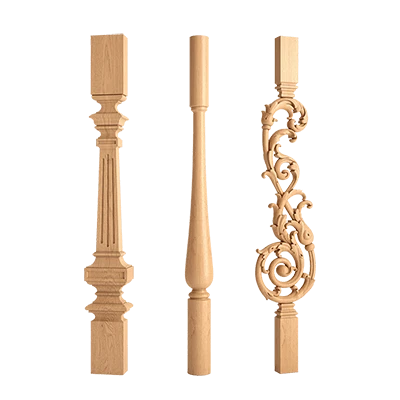
Turned legs for an upholstered armchair
Turned legs suit armchairs with a classic or soft traditional silhouette well. They provide a wooden form but don't always look overly decorative. This option is appropriate when you need to maintain a calm furniture line and not make the legs the main focal point.
The turned form works especially well alongside rounded armrests, a soft backrest, fabric without an active pattern, and interiors where wood is already present in tables, cabinets, baseboards, or doors.
Carved legs for an armchair
Carved legs are chosen for chairs that should look expressive. This is a classic interior, study, living room with decorative furniture, a chair for a formal area, a restaurant or hotel project. A carved support helps enhance the character of the chair but requires moderation.
If the upholstery is already active, with a pattern, velvet, contrasting texture, or bright color, a carved leg can overload the furniture. In such a case, it is better to choose a calmer shape. If the upholstery is plain, carved legs can become a beautiful wooden accent.
Smooth legs for a modern chair
A modern chair often requires a clean form. Smooth wooden legs do not conflict with the minimalist body but still provide the warmth of solid wood. They are well-suited for light living rooms, Scandinavian interiors, neoclassicism without excessive carving, a bedroom, or a study with simple furniture.
A smooth shape does not mean boring. Proportions, height, angle, thickness, and finish are important. If the leg is chosen to scale, it makes the chair neat and composed without unnecessary decoration.
Material: beech or oak
In wooden legs, the material affects the appearance, finish, and feel of the furniture. In the SEO scheme for this topic, beech and oak are highlighted as important selection scenarios. But for a specific model, you should always check the product card: not every leg may be available in all wood types, finishes, or preparation options.
The general principle is this: beech is often considered a practical option for painting, enamel, and calm finishes. Oak is valued for its expressive texture and prestigious look in natural or tinted finishes. But the final decision depends on the chair, upholstery, neighboring furniture, and what result is needed: a calm color or noticeable wood texture.
Beech for painting and enamel
If the chair is being reupholstered and the legs need to be painted to match the upholstery, facades, or other furniture, beech is often seen as a rational choice. It helps achieve a neat finished surface, especially if the project involves enamel, light painting, or a calm color.
For a chair with fabric in light, pastel, or complex interior shades, this can be convenient: the legs do not conflict with the upholstery but support it. Before ordering, you need to check whether the selected legs are available in the suitable material and whether they are ready for the required finish.
Oak for expressive texture
Oak is chosen when the wooden support needs to be noticeable. Its texture works well next to a wooden floor, an oak table, a cabinet, wall panels, doors, or other wooden furniture. For a classic armchair, oak legs can add a sense of solidity.
If the armchair is in a study, living room, or library where wood plays an important role, oak can look natural. But for light modern armchairs or light upholstery, an active texture is not always needed. Therefore, the material should be chosen not separately, but together with the overall palette of the room.
Why solid wood is better than random plastic and metal for a classic armchair
A classic armchair with wooden legs looks more cohesive than an armchair on random plastic or metal supports. Solid wood supports furniture tradition, complements upholstery, carved details, baseboards, tables, and case furniture. It is not perceived as a temporary technical replacement.
Metal can be appropriate in a modern interior, but in classic settings it often looks colder. Plastic can solve a simple budget task, but rarely supports restoration, an author's project, or an armchair with expressive upholstery. Therefore, for an armchair that should look like a full-fledged interior item, wooden supports made of solid wood are usually perceived as more convincing.
What to check before buying a set of legs
Before ordering, you need to check not only the appearance of the legs. It is better to go through a short practical list: height, shape, attachment, quantity, material, finish, compatibility with the frame and upholstery. This approach saves time and helps avoid buying beautiful but unsuitable supports.
| What to Check | Why this is needed | What mistake can happen |
|---|---|---|
| The height of the legs | To maintain a comfortable seat position. | The chair becomes too high or too low. |
| The diameter or width of the base | So that the support looks proportionate and is stable. | Thin legs are placed on a heavy chair. |
| Mounting method | So that the leg aligns with the frame and the seat. | The leg is beautiful, but it cannot be installed properly. |
| Quantity | For a standard chair, a set of 4 supports is usually needed. | They buy 2 legs and cannot assemble the set. |
| The load and massiveness of the chair | So that the supports match the soft body. | Light supports are placed on a heavy chair. |
| Compatibility with upholstery | So that the wood, shape, and color do not clash with the fabric. | New legs look out of place after reupholstery. |
| Finishing | So that the legs can be painted, stained, or left as desired. | They buy the wrong option for the future finish. |
What to buy together with wooden legs for a chair
Legs are rarely purchased completely separately from other solutions. If a chair is being restored, materials for fastening, glides, frame elements, wooden parts for adjacent furniture, or a set of supports for a sofa, ottoman, or coffee table may be needed. But this article focuses on the chair: first, we select a set of 4 supports, then we think about accompanying details.
For the first selection, it is better to open wooden chair legs STAVROSIf you need to compare different heights and shapes more broadly, the section is suitable. wooden furniture legsFor projects intended for painting, you should look at unpainted wooden legs.
| What to add to the purchase | Why this is needed | When it is especially important |
|---|---|---|
| wooden chair legs STAVROS | Select supports specifically for the "Armchair" application. | Replacing old legs, restoration, new upholstery, custom project. |
| wooden furniture legs | Compare adjacent shapes, heights, and support options. | When you need to select legs for an armchair, sofa, ottoman, or table group in the same style. |
| unpainted wooden legs | Select supports for painting, enamel, or custom finish. | Reupholstering an armchair, selecting for new fabric, restoration. |
| legs for sofa and armchair | Compare the armchair scenario with upholstered furniture in general. | When the chair is selected as a pair to a sofa or soft seating group. |
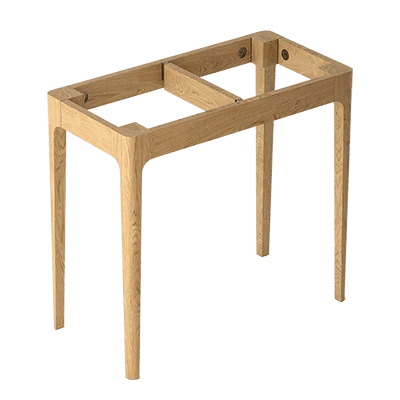
| STAVROS furniture frames | Consider a wooden base for custom furniture next to the chair. | Workshop projects, ottomans, small seats, furniture groups. |
| Solid wood products STAVROS | Connect the legs with other wooden interior elements. | When the chair should match furniture, decor, and wood finishes. |
How not to confuse chair legs with similar products
The furniture legs catalog has many similar supports, but their application may differ. A chair cannot be automatically equated to a sofa, cabinet, table, or ottoman. Yes, all these items stand on legs, but the load, height, attachment, and visual role are different.
Legs for a chair and legs for a sofa
A sofa is wider and heavier, often has more support points, sometimes central supporting elements. A chair is more compact, but the load is more concentrated: a person sits in one zone and actively shifts weight. Therefore, the chair topic requires separate selection, even if there is a general article nearby about legs for sofa and armchair.
For a chair, it is most often important to select 4 identical supports, maintain the seating position, and not disrupt the balance of the soft body. For a sofa, the calculation may be different: length, additional support points, total weight, and load distribution.
Legs for a chair and legs for a cabinet
A cabinet stands statically. It does not bear a person's weight and does not experience movements like a chair does. A leg that looks good under a cabinet may be too thin, low, or decorative for a soft chair.
If a buyer wants to use a furniture leg they like for a chair, they need to check the application, load, attachment, and scale. Beauty of form here does not replace compatibility.
Legs for a chair and furniture frame
Legs are separate supports. A frame is a more integral structure. For a chair, a set of legs is more often purchased, but in custom projects, a more complex wooden base may be needed, especially if it's not about a ready-made soft chair but a new piece of furniture.
For such tasks, you can look STAVROS furniture frames, but they should not be confused with a simple replacement of legs on a ready-made chair. If the task is to replace old supports, start with a chair leg selection.
Legs for a chair and legs for a stool
A stool and a chair differ in softness, weight, seating, and usage. A stool is usually lighter and harder. A chair is deeper, softer, wider, and often has armrests. Therefore, supports for a stool are not always suitable for a chair.
If the chair is soft and massive, too light stool legs may look weak. If the chair is compact and almost stool-like in construction, the choice may be closer to light supports. But this needs to be assessed based on the specific frame.
Practical selection for different situations
Need to replace the legs on an old upholstered chair
First, remove or measure the old legs. It's important to understand the height, shape, attachment, and condition of the mounting area. If the old supports were comfortable in height, it's better to choose a new pair close to that size. If the chair was too low or wobbly, you can slightly change the parameters, but don't do it blindly.
For replacement, it's better to look wooden chair legs STAVROS and immediately check the possibility of buying 4 identical supports.
The chair is being reupholstered with new fabric
When reupholstering, the legs should be chosen based on the future look, not the old upholstery. If the new fabric is light, the legs can be painted or finished more subtly. If the fabric is dark and dense, wooden supports can be more expressive. If the fabric has a pattern, the shape of the legs should be more restrained.
For such projects, unpainted wooden legsare convenient because they give more freedom when choosing the finish. But the exact options for material and preparation should be checked in the card of the selected model.
Need to raise the chair higher
If the chair is too low, new legs can help change the seating position. But the increase in height should be moderate. The chair should not lose stability and become uncomfortable. It's especially important to consider the softness of the seat: if it sinks a lot, the height without load and the height when seated will differ.
Before buying, it's better to simulate the new height: place temporary blocks or measure the expected difference. This makes it easier to understand if the seating will be comfortable.
You need to connect the armchair with the sofa and coffee table
In the living room, an armchair rarely stands alone. It is part of the soft seating group: sofa, armchair, table, ottoman, pouf, baseboard, floor, wooden elements. If the armchair has new legs, they should match the adjacent furniture.
Here it's useful to look not only at the armchair filter but also at the general section wooden furniture legs. If the soft seating group includes a sofa, you can additionally compare the material in the article about legs for sofa and armchair, but the final choice for this article remains specifically for the armchair.
The armchair is made for the study
A study armchair often requires a more strict and substantial look. Wooden supports that match the desk, bookcase, panels, door, or floor work well here. It's important not to make the armchair visually too light if the interior is built around massive wooden furniture.
For the study, you should carefully look at the material and finish. If there is oak furniture nearby, an active leg texture can support the interior. If the furniture is painted, it's better to choose an option for painting or enamel, if available in the product card.
Installation and mounting: what's important to understand before ordering
Mounting is one of the most common sources of errors. The buyer chooses legs by appearance, receives the order, turns the chair over, and realizes the seat type is different. To prevent this, the mounting must be checked before purchase.
Old mounting does not always fit new legs
The old chair might have had a different type of support, different thread, different holes, different mounting platform. If the new legs differ, mounting hardware or frame preparation may be needed. Sometimes the old holes are already worn out, and attaching a new leg in the same spot is not possible without reinforcement.
Before ordering, photograph the bottom of the chair, measure the old supports and mounting points. If a craftsman is repairing the chair, it is better to coordinate the chosen model with them in advance.
The tilt angle cannot be ignored
Some chairs have legs not strictly vertical, but at a slight angle. This affects stability and appearance. If straight supports are placed where the design required a tilt, the chair may look strange or become less stable.
The angle is especially important for front and back legs. In some models, front supports may be more decorative, while back ones are simpler or tilted differently. When replacing, it is better to evaluate the set as a whole.
Glides and floor protection
A wooden leg contacts the floor. If the room has parquet, laminate, tile, or another covering, the bottom part of the support needs to be considered. Glides help reduce the risk of scratches and make contact with the floor neater. The specific option is chosen based on the leg and covering.
Don't think about floor protection after installation. It's better to immediately understand where the chair will be placed and whether it will be moved often. This is especially relevant in the living room and study.
Mistakes when buying chair legs
Buying legs "by eye"
In a photo, a leg may look suitable, but the actual chair has its own dimensions, weight, height, shape, and upholstery. Without measurements, it's easy to make a mistake. Before buying, you need to know the height of the old legs, the desired seating position, the attachment point, and the chair's style.
Choosing supports that are too high
High legs make the chair visually lighter, but can ruin the seating position. If the seat is already thick, too high a support will raise the chair above a comfortable level. You need to be especially careful when changing the height during restoration of old chairs.
Not considering the tilt angle
If the old legs were at an angle, new straight supports can change stability and silhouette. The angle should be checked before ordering, especially if the chair has a characteristic classic or retro shape.
Mixing different profiles
Sometimes a buyer tries to replace only the two front legs, leaving the back ones old. This can only work in rare cases when the design is intended that way and the height matches. In most household replacements, it's better to choose a complete set of 4 supports.
Buying 2 legs instead of a set of 4
A standard chair usually requires 4 legs. If you order only two, you may not get a stable and visually complete result. Before purchasing, you need to accurately calculate the quantity and ensure that the required items are available in the same finish.
Do not check the mounting
Mounting should not be left until the last moment. A leg may match the style but not fit the frame. If unsure, it is better to clarify the installation method and compatibility with a STAVROS manager or craftsman in advance.
Choosing a color without considering the upholstery
Legs and upholstery work together. Warm wood may not match cold gray fabric. Very dark legs can weigh down a light chair. Light supports may get lost next to rich fabric. The finish should be chosen within the overall palette of the room.
Putting too thin legs on a heavy chair
A thin support can be beautiful, but if the chair is massive, it looks weak. Even if installation is structurally possible, the chair will visually appear unstable. The heavier the upholstered body, the more carefully you need to consider the thickness, shape, and base of the leg.
Who wooden chair legs are suitable for
Wooden legs are suitable for those who want to update a chair not temporarily, but thoughtfully: preserve a comfortable seat, improve the appearance, connect the furniture with the interior, and get a natural material instead of random plastic or metal supports. This is a good choice for restoration, reupholstery, replacing old legs, and custom furniture projects.
Such supports are especially appropriate for classic chairs, neoclassicism, Provence, studies, living rooms, bedrooms, restaurants, salons, hotels, and interiors where wood is already present in furniture or finishes. They help connect the upholstered part with the wooden elements of the room.
Wooden legs may not be the best option if the chair needs to have a hidden technical support, a modern metal frame, casters, or an adjustable system. In such cases, you need to look for a different type of hardware. But if the task is to buy wooden legs for a chair, choose a set of 4 supports and preserve the furniture character, the separate selection by application "Chair" on STAVROS is better than a random search through general fasteners.
How to buy wooden legs for a chair on STAVROS
It's better to start the purchase with the chair selection: wooden chair legs STAVROS. This way it's easier not to stray into legs for sofas, tables, cabinets, or other furniture items. Next, you need to compare the height, shape, material, finish, and attachment of the selected models.
If the chair is being restored or reupholstered, it's useful to look at unpainted wooden legs. They are convenient for projects where the supports need to be finished to match new fabric, wooden floor, adjacent furniture, or a custom palette. If you need to compare more options, open wooden furniture legs.
Before ordering, check how many supports are needed, whether there are 4 identical items, whether the height is suitable, whether the attachment method matches the chair frame, whether the desired finish can be applied, and whether the shape will conflict with the upholstery. If the chair is old, heavy, non-standard, or has a damaged frame, it's better to discuss installation with a craftsman in advance or clarify the parameters with a STAVROS manager.
FAQ
Where to buy wooden legs for a chair?
Wooden legs for a chair can be viewed in the separate STAVROS selection by application "Chair". It's more convenient to choose supports specifically for a chair there, rather than among all furniture legs in general.
How many legs are needed for a chair?
A standard chair usually needs a set of 4 identical legs. For a non-standard frame or custom project, the quantity must be calculated based on the design.
Which legs are best for an upholstered chair?
For an upholstered chair, durable solid wood supports that match the height, attachment, and scale of the body are suitable. For a heavy chair, you should not choose too thin legs.
Can old legs be replaced with new ones?
Yes, if the new legs match in height, attachment, and load capacity. Before replacement, check the old mounting points and the condition of the chair frame.
What to choose: carved or smooth legs?
Carved legs are suitable for classic styles, restoration, and expressive chairs. Smooth legs work better in modern interiors, neoclassicism, and projects with calm upholstery.
Can wooden legs be painted?
Yes, if the chosen model is suitable for painting or comes without a finish. Exact preparation and finishing options should be checked in the product card.
How to choose the height of chair legs?
You need to consider the height of the old legs, the thickness of the seat, the softness of the padding, and the desired seating position. The support height is not chosen separately from the chair.
Why does the chair wobble after replacing the legs?
The reason could be different leg heights, weak fastening, a damaged frame, incorrect installation angle, or an uneven floor. You need to check the entire fastening assembly, not just the legs.
Can I buy only two legs for a chair?
Sometimes this is possible if the chair design has different front and rear supports. But more often for a regular chair, it's better to buy 4 identical legs to maintain stability and a uniform look.
How to choose legs to match the upholstery color?
First, decide whether the legs will be contrasting or match the interior. For light upholstery, a calm finish is often chosen; for dark upholstery, more expressive wood. It's best to look at samples and consider the neighboring furniture.
What is better for a chair: beech or oak?
Beech is often considered for painting and enamel, oak for expressive texture and tinting. But the availability of the material depends on the specific model, so it needs to be checked in the product card.
What to buy together with legs for a chair?
You need to think in advance about the fastening, floor protectors, finishing, and during restoration — compatibility with new upholstery and frame. If the chair is part of a furniture set, it's worth comparing the legs with adjacent pieces.
Bottom line: the chair requires not random legs, but a well-thought-out set of 4 supports
Wooden legs for a chair are chosen differently than regular furniture supports. The chair bears dynamic load, is linked to seat height, depends on the frame condition, and greatly changes appearance after leg replacement. Therefore, height, shape, material, finish, fastening, and completeness are important.
For an old chair, a set of 4 identical supports is most often needed. For a reupholstered chair — legs that will support the new upholstery. For a classic interior — turned or carved shapes. For a modern one — more subdued and minimalist. For projects to be painted, it's worth looking at unfinished options and checking the material in the product card in advance.
You can choose on STAVROS wooden chair legs STAVROS, compare wooden furniture legs, choose unpainted wooden legs for finishing, and for a broader project to look at Solid wood products STAVROS. This route helps you buy wooden legs for a chair consciously: not based on a random photo, but according to actual seat height, upholstery, fastening, and interior style.