















































Article Contents:
- Complete guide: dimensions, frame, filling, upholstery, mechanisms and furniture legs
- What you will learn from the guide
- Contents
- How to check comfort before assembly
- Minimum Tool Set
- Materials for a reliable frame
- Parts map
- Joints
- Step 1. Prepare the drawing
- Step 2. Perform cutting and dry assembly
- Step 3. Glue and tighten the main frame
- Step 4. Install the seat base
- Step 5. Assemble the backrest and armrests
- Step 6. Install the legs and reinforcements
- Step 7. Test the frame
- How to choose pallets
- Assembly
- What to check in the corner section
- Cushion shape
- Base for the soft layer
- Cutting and fabric direction
- Attaching fabric to the frame
- How to calculate the leg height
- How many legs are required
- How to attach legs
- Example of calculating the width of a straight sofa
- Assembly without a drawing
- Crossbars that are too sparse
- Attaching legs to plywood
- Buying foam rubber only by thickness
- Upholstery before testing
- What type of wood is best for making a sofa frame?
- Can a sofa be made only from plywood?
- What plywood is needed for the seat?
- What foam rubber should I choose for the seat?
- Are springs necessary?
- How to make a sofa squeak-free?
- How many legs are needed for a sofa?
- Can I install high legs?
- How to make removable covers?
- Is a pallet sofa suitable for an apartment?
- Can I make a sofa for a balcony?
- Which sofa is easiest for a beginner to make?
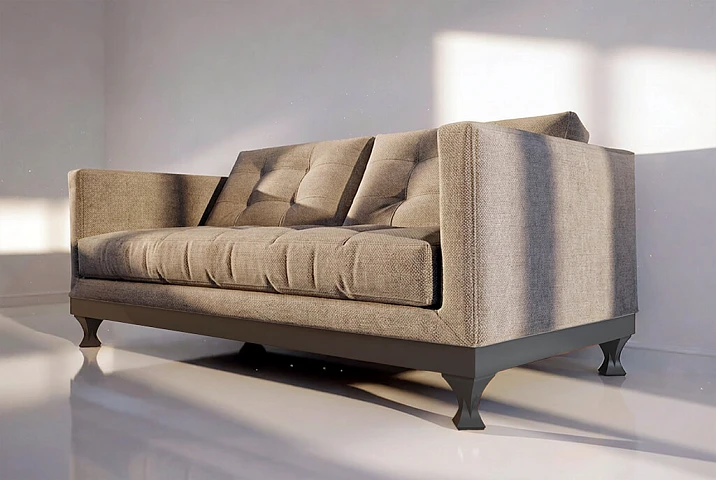
Complete guide: dimensions, frame, filling, upholstery, mechanisms, and furniture legs
How to make a sofa with your own hands: a short answer
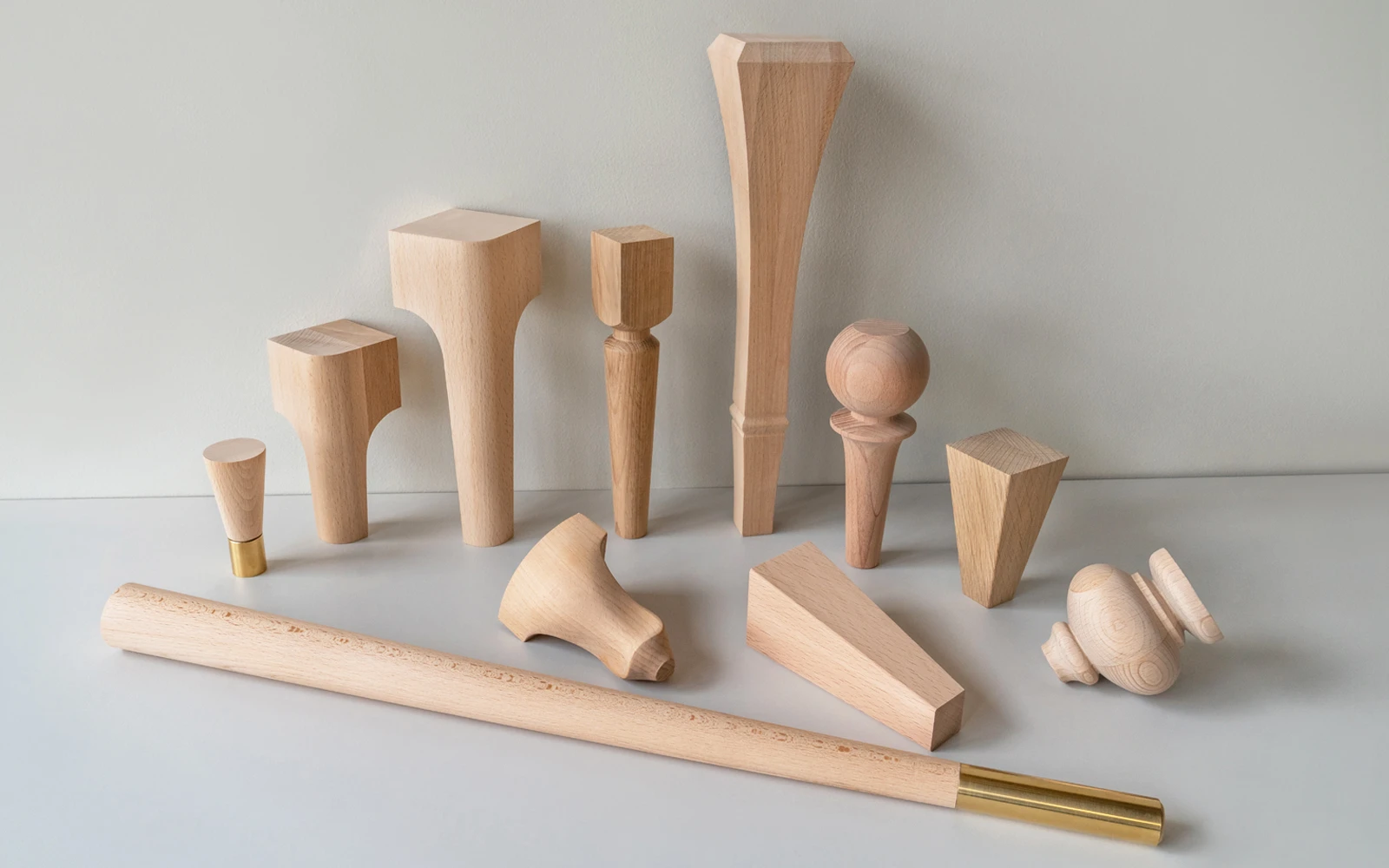
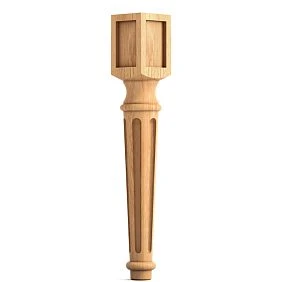
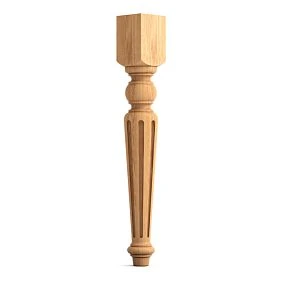
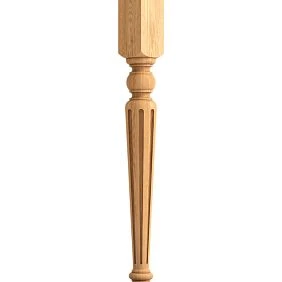
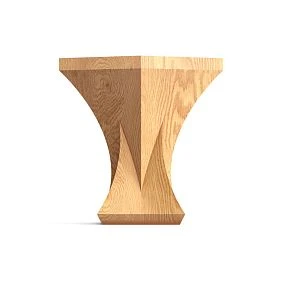
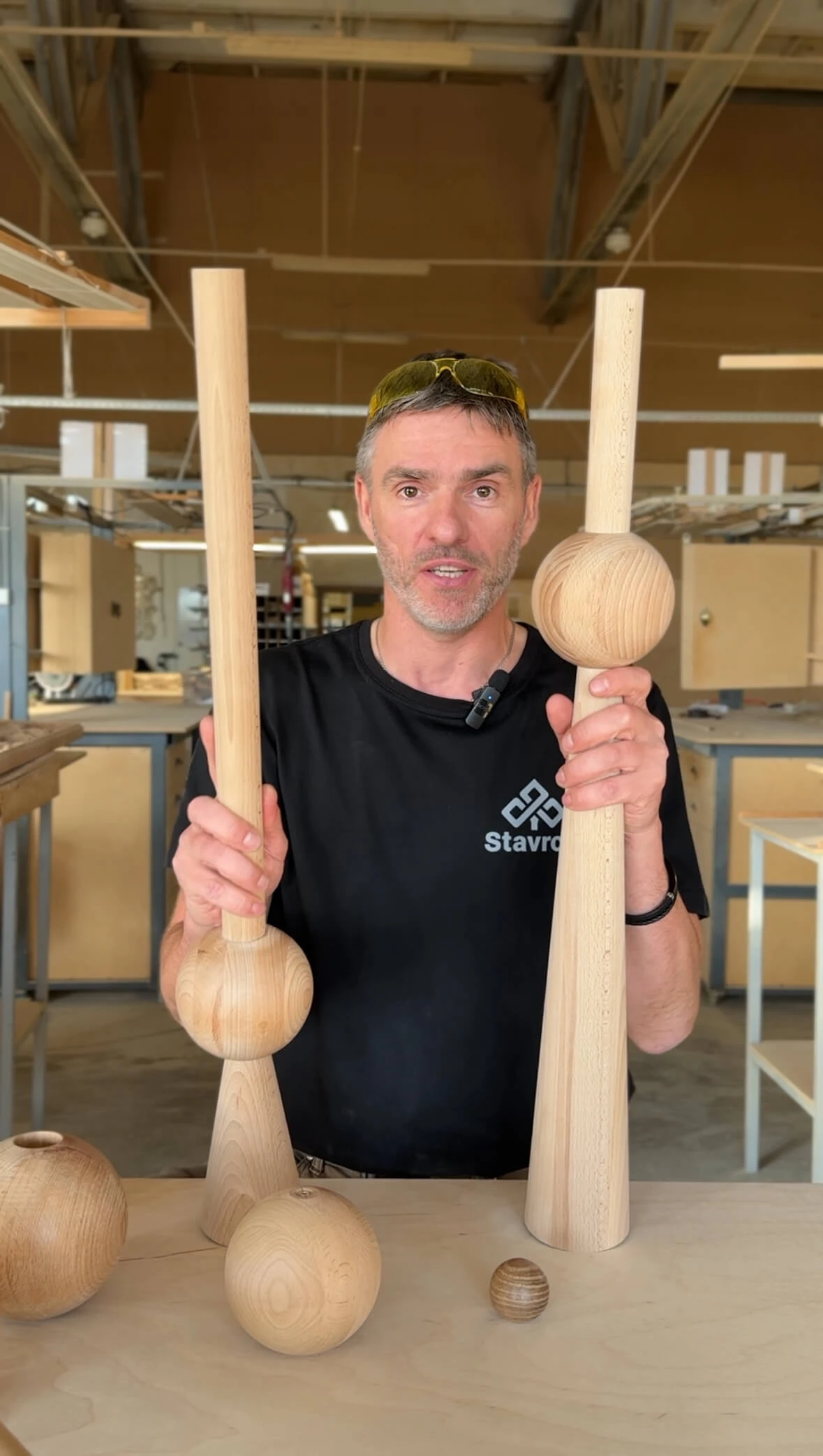
To make a sofa with your own hands, first determine the dimensions and seat height, then design the load-bearing frame, choose the seat base, filling, upholstery, and supports. The most understandable option for a first project is a stationary straight sofa made of dry timber and plywood with separate removable cushions. Ready-made STAVROS furniture frames help reduce the amount of carpentry work, and properly selected Wooden legs for sofas complete the structure and set a comfortable seat height.
|
Main safety rule A sofa is heavily loaded furniture. Before upholstery, the frame must be tested: check diagonals, absence of wobbling, sagging, and creaking, gradually apply the calculated load with a margin. For folding mechanisms, children's furniture, and large spans, it is better to use ready-made fittings and involve a furniture maker or designer. |
What you will learn from the guide
The guide covers the entire process: choosing the type of sofa, checking the fit, preparing a parts map, assembling the load-bearing frame, installing legs, selecting foam rubber and upholstery, working with pallets, designing a corner section and a sofa bed. Separate sections are dedicated to material calculation, strength testing, typical mistakes, and final quality control.
Our factory also produces:

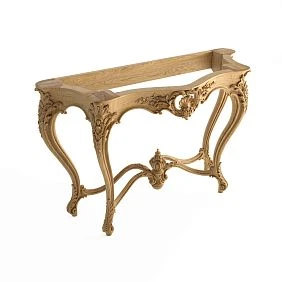
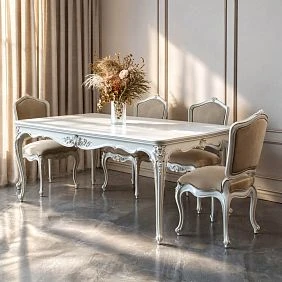
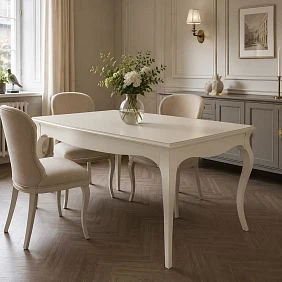
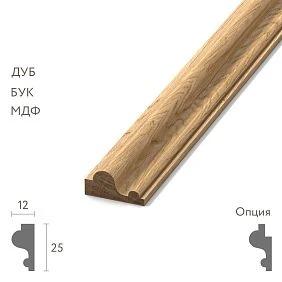
Contents
· 1. Choosing the type of sofa
· 2. Measurements and ergonomics
· 3. Tools and materials
· 4. Frame design
· 5. Straight wooden sofa: step-by-step assembly
· 6. Pallet sofa
· 7. Corner sofa
· 8. Sofa with storage box and sofa bed
· 9. Repurposing an old bed
· 10. Filling and cushions
· 11. Upholstery
· 12. Selection and installation of furniture legs
· 13. Calculation of materials and budget
· 14. Quality control and errors
· 15. FAQ
1. First, determine the sofa's purpose
Before cutting the wood, answer four questions: where will the sofa be placed, how many people will use it, is sleeping and storage needed, should the sofa be disassembled for transport. These answers determine almost everything: width, depth, type of base, number of supports, backrest design, and the need for a mechanism.
For a living room, a straight or corner model with deep seating is usually chosen. For a kitchen, compactness, firm seating, and washable upholstery are more important. On a balcony, the dimensions of the passage, material resistance to temperature changes, and the ability to bring in finished sections are critical. For a guest room, a sofa bed is needed, but it is better to build it around a serial mechanism rather than inventing the transformation yourself.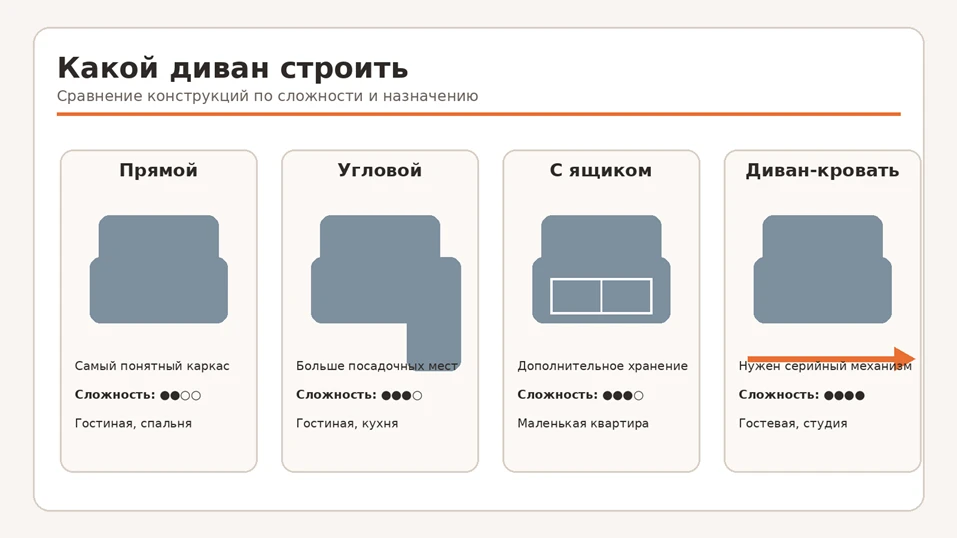
Figure 1. Main types of sofas and relative complexity of DIY manufacturing
|
Type |
Advantages |
Complexity |
When to choose |
|
Direct stationary |
Simple frame, easy to upholster, convenient to calculate |
Low |
First project, living room, bedroom |
|
Corner sectional |
Many seating places, effectively uses the corner |
Medium |
Spacious living room, kitchen-dining room |
|
With drawer |
Storage of linen and seasonal items |
Medium |
Small apartment, balcony |
|
Sofa bed |
Full additional sleeping place |
High |
Studio, guest room, one-room apartment |
|
From pallets |
Quick and inexpensive experiment |
Low/medium |
Terrace, workshop, youth interior |
2. Measurements and ergonomics: from room to seating
Start not with the desired sofa width, but with the room plan. Measure the wall, doorways, elevator, stairs, corridor turns, baseboard height, location of outlets and radiators. Mark door opening zones and walkways. A sofa that is assembled as a whole must physically fit to the installation site; large models are safer to design as sectional.
Seating guidelines are not a rigid standard but help start the design. The finished seat height is usually in the range of 420–480 mm, useful depth about 500–600 mm, total depth 750–950 mm, and backrest height from the floor about 750–950 mm. Final values depend on user height, cushion thickness, and backrest angle.
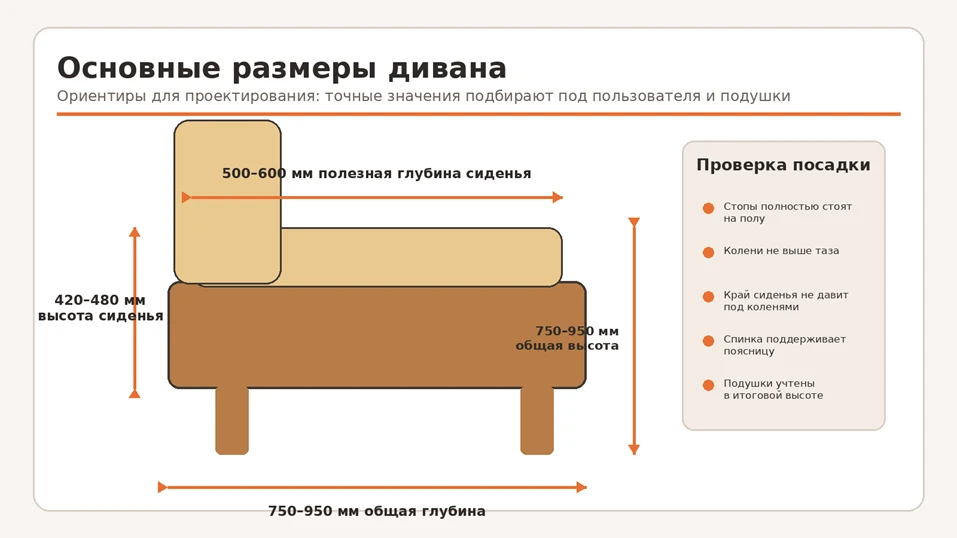
Figure 2. Basic sofa dimensions; values must be adjusted based on actual cushions and user height
Get Consultation
How to check comfort before assembly
Make a mock-up seat from a chair, boxes, and stacked blankets. Adjust the intended height and depth, sit for at least 10–15 minutes. Feet should rest firmly on the floor, the seat edge should not press under the knees, and the backrest should not cause slouching or sliding forward.
|
Practical tip First choose or make the cushions, then finalize the frame and leg height. A thick soft cushion compresses noticeably under a person, so the "geometric" height without testing is often misleading. |
3. Tools and materials
Minimum set of tools
· tape measure, square, long ruler or straightedge, pencil, and painter's tape;
· laser or bubble level;
· miter saw, circular saw, or handsaw with a guide;
· screwdriver, wood drill bits, countersink, and a set of bits;
· clamps of various sizes;
· grinding machine and abrasives of several grits;
· upholstery stapler;
· foam cutter or electric knife;
· protective equipment: goggles, earplugs, respirator and gloves.
Materials for a reliable frame
For the load-bearing frame, use dry planed timber, quality plywood, glued board and furniture blanks. For a compact stationary sofa, bars with a cross-section of about 40 × 60 or 50 × 50 mm can serve as a starting point, but the final cross-section depends on the span length, number of crossbars and expected load. Long side rails are reinforced with a central tie and additional supports.
Plywood for the loaded base is often chosen with a thickness of 18–21 mm or replaced with a system of slats or elastic straps. Thin wood-particle board should not hold furniture legs and power connections without embedded elements. All materials must be dry, free of mold, deep cracks, delamination and traces of insects.
|
Material |
Where to use |
What to pay attention to |
|
Dry timber |
Frame, side rails, crossbars, embedded parts |
Straightness, absence of large knots in joints |
|
Birch or coniferous plywood |
Base, side panels, gussets |
Thickness, layer quality, no delamination |
|
Slats |
Elastic seat or sleeping surface base |
Spacing, fasteners, load compliance |
|
Furniture straps |
Soft springy seating |
Proper tension and fastening |
|
PU foam |
Seat, backrest, armrests |
Density, stiffness, manufacturer's passport |
|
Sintepon/hollofiber |
Comfort and protective layer |
Uniformity, compatibility with upholstery |
|
Upholstery fabric |
Finish surface |
Wear resistance, cleaning, pile direction |
4. How to design a frame that won't wobble
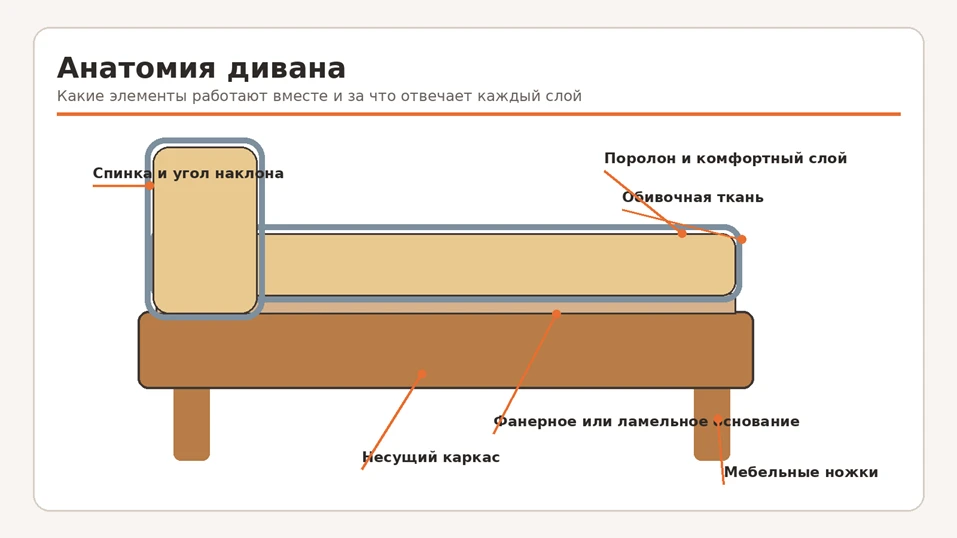
The sofa frame works as a spatial frame. It must resist vertical load, lateral rocking, and repeated dynamic impacts when sitting. Therefore, it is not enough to connect four boards with metal corners. Longitudinal side rails, crossbars, diagonal or sheet ties, rigid backrest joints, and supports under long spans are needed.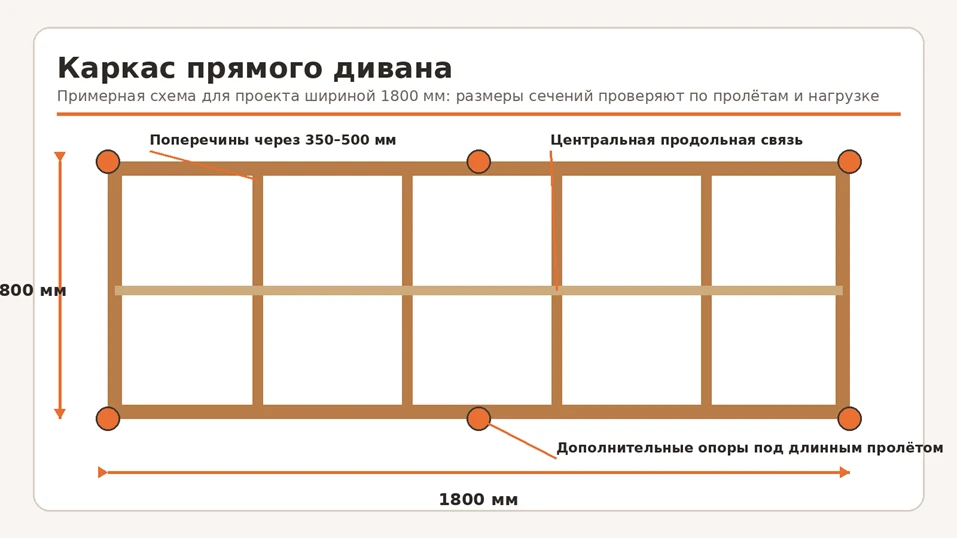
Figure 3. Example of a straight sofa load-bearing frame layout
Parts Map
Before cutting, create a parts table: name, quantity, length, width, thickness, material, and joint type. Mark each workpiece immediately after cutting. An error of a few millimeters on one crossbar can misalign the entire frame's diagonals and complicate the installation of plywood, legs, and upholstery.
Joints
For a stationary frame, a combination of wood glue and mechanical fasteners is effective. A screw holds parts together while drying and secures the joint, while glue distributes force across the area. Pre-drill and countersink near the end before screwing. Demountable sections are connected with bolts, furniture ties, or specialized hardware.

Figure 4. Joint options and their purpose
|
Don't rely only on corner brackets A metal corner bracket is useful as reinforcement, but a thin bracket with short screws does not turn a weak frame into a strong one. The main load should be transferred through the timber, plywood gussets, ties, and properly assembled joints. |
5. Straight wooden sofa: step-by-step instructions
Step 1. Prepare the drawing
Draw a top view, front view, and side view. Indicate the overall width, depth, seat height, cushion thickness, position of legs, crossbars, and backrest. For a sofa about 1800 mm wide, it is useful to provide a central longitudinal tie and additional supports, especially if the seat is made of plywood rather than slats.
Step 2. Perform cutting and dry assembly
First, assemble the frame without glue. Check the length of opposite sides and both diagonals: for a rectangular shape, they should match. Install temporary spacers or clamps, ensure the frame does not wobble on a flat surface.
Step 3. Glue and tighten the main frame
Disassemble the tested joint, apply glue, reassemble it, and tighten the fasteners. Remove excess glue before it dries. After fixing each crossbar, recheck the diagonals, because clamps and screws can slightly shift the structure.
Step 4. Install the seat base
The plywood base rests on the perimeter and crossbars. Between large solid sheets and soft elements, it is advisable to provide ventilation: holes, gaps, or a slatted system. If elastic webbing is used, tension it evenly and secure it according to the manufacturer's pattern.
Step 5. Assemble the backrest and armrests
The backrest experiences a noticeable moment when a person leans on it, so its posts are connected to the load-bearing frame, not just to the decorative side panel. The tilt angle is checked with a mockup. A too vertical backrest is tiring, a too reclined one increases the overall depth of the sofa and causes cushions to slide.
Step 6. Install legs and reinforcements
Supports are attached only to structural elements: a beam, a rail, or a separate mounting plate. For a long sofa, four legs are usually insufficient; central supports reduce deflection. All legs must touch the same plane, otherwise the sofa will wobble and loosen the fasteners.
Step 7. Test the frame
Gradually load the seat in the center, along the edges, and near the armrests before adding foam and fabric. Sit down several times, rock back and forth, and lean against the backrest. Note any creaking spots, check the tightness, and inspect for cracks and deformations. Only proceed to the soft layers after a successful test.
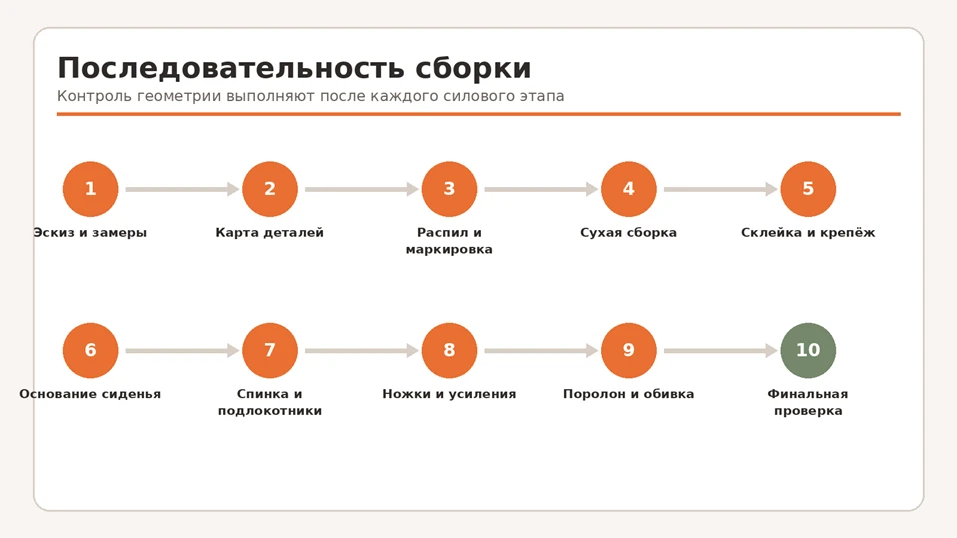
Figure 5. Correct sequence for making a sofa
6. How to make a sofa from pallets
A pallet sofa is suitable for a workshop, terrace, temporary interior, or first project. However, a pallet is shipping packaging, not a finished furniture part. You cannot simply bring it into a room and cover it with a cushion. First, you need to assess the origin, condition, markings, and safety of the wood.

Figure 6. Preparing pallets before turning them into furniture
How to choose pallets
· Only take dry, clean pallets without odor, oil stains, mold, or traces of chemicals;
· Prefer heat-treated pallets marked HT; pallets of questionable origin are best not used in a living room;
· Check all boards and blocks, replace any split elements;
· Remove or countersink protruding nails;
· Fully sand surfaces and round off edges.
Assembly
For the base, two layers of pallets are usually used, connected with bolts or long screws through sturdy areas. The back is attached to the base with braces or separate posts. Simply screwing one pallet vertically to another without reinforcement creates a weak lever joint.
Cushions must be secured against shifting: with Velcro, non-slip underlay, ties, or retaining strips. For outdoor use, choose quick-drying fillers and removable covers, and protect the structure from precipitation.
7. Corner sofa with your own hands
The most convenient way to build a corner sofa is to make two separate sections: a straight section and an ottoman, or two equal parts. Each section has its own rigid frame and supports, and they are connected on site with furniture catches, bolts, or sectional ties.
Do not create one huge non-separable L-shaped frame: it is difficult to carry out of the workshop, through the door, and to level. A sectional design simplifies transportation, repair, reupholstery, and rearrangement.
What to check in the corner section
· Same height of both parts considering legs and cushions;
· Alignment of the front seat line;
· no gap between sections;
· support under the inner corner;
· access to fasteners after installation;
· direction of drawer opening, if provided.
|
Design tip Make the base structure identical, but use different removable cushions. Then the corner can be moved from right to left without completely reworking the frame. |
8. Sofa with storage drawer
The drawer is convenient in a stationary model, but affects the entire structure. The front rail must maintain rigidity, the lid must open safely, and the hinges and lifting mechanism must support the weight of the seat. Do not leave a heavy lid without a latch: it may slam shut.
The drawer bottom should not rest on the floor. It is attached to the frame, leaving a gap for cleaning and ventilation. For storing textiles, provide holes or technological gaps. Sand internal surfaces as thoroughly as external ones to avoid damaging items.
9. How to make a sofa bed
A folding sofa is more complex than a stationary one: the mechanism must move repeatedly without skewing, not pinch the fabric, lock in the folded position, and provide a flat sleeping surface. Therefore, a reasonable strategy is to choose a ready-made mechanism, obtain its installation diagram, and design the wooden frame around the specified mounting points.
Before purchasing a mechanism, clarify its width, depth when unfolded, weight, permissible mattress thickness, minimum clearances, installation height, and requirements for side panels. Do not transfer holes "by eye": even slight asymmetry causes jamming and accelerated wear.
|
When you should not make the mechanism yourself If the sofa will be used for daily sleeping, there are children in the house, or the structure must be folded by one person, use a serial mechanism and professional installation. Homemade hinges without calculation may fold unexpectedly or pinch fingers. |
10. Sofa from an old bed
An old wooden bed can be turned into a sofa if its frame is sturdy and suitable in depth. The headboard is used as a backrest, part of the side as an armrest, and the base is kept for a mattress or cushions. For daytime seating, a too-deep sleeping area is compensated with large back cushions.
Before conversion, disassemble the structure, check for cracks and loose joints, remove old varnish from damaged areas, and retighten the frame. Do not attach new legs to an old thin side panel without reinforcement. If the bed is designed for a central beam, keep it and add middle supports.
11. Filling: how to make the seat comfortable
Comfort is determined not by the thickness of the foam itself, but by the combination of base, density, firmness, and multiple layers. For the seat, an elastic material is needed that does not compress after several months of use. For the backrest, a softer PPU is acceptable. Exact grades and permissible loads are checked against the supplier's data sheet.
In typical practice, the main layer of the seat is often chosen with a density of approximately 30–40 kg/m³, and the backrest around 22–30 kg/m³. These numbers do not guarantee quality: two materials of the same density can differ in firmness, elasticity, and durability. Before ordering, it is better to obtain samples and test them under load.
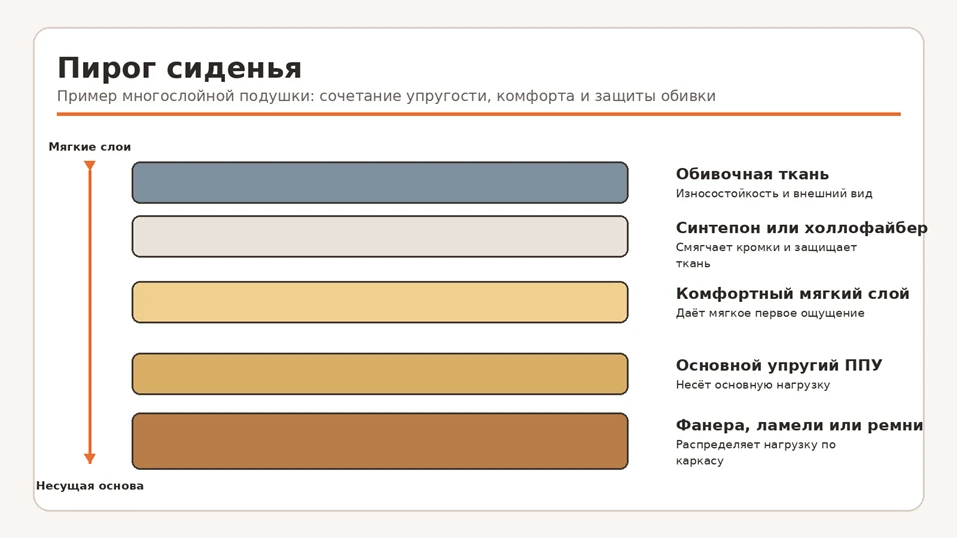
Figure 7. Example of a multi-layer seat construction
Cushion shape
Removable cushions are easier to sew, clean, and replace. A non-removable seat looks more cohesive but requires precise upholstery of the entire frame. To prevent edges from looking square and rubbing the fabric, foam is wrapped in synthetic padding or other soft cloth, and sharp corners of the base are rounded.
Base for the soft layer
Solid plywood provides a firmer seating. Slats and elastic straps make the seat springy. A spring block increases complexity and requires proper isolation from the frame and foam. For a first project, it is more reasonable to use plywood with ventilation holes or a ready-made slat system.
12. How to choose upholstery fabric
For a sofa, you need furniture fabric specifically. Regular curtain or clothing fabric can quickly stretch and wear out. When choosing, consider abrasion resistance, colorfastness, pilling, cleaning method, presence of pile, pattern, and how the material behaves on corners.
|
Material |
Pros |
Limitations |
Where it is suitable |
|
Homespun fabric |
Expressive texture, affordability |
Loops can catch claws |
Living room without pets |
|
Velvet |
Softness, rich color |
Lint marks visible, needs regular cleaning |
Bedroom, living room |
|
Chenille |
Tactility, density |
Does not like rough wet cleaning |
Home sofa |
|
Microfiber |
Practical, easy to clean |
Appearance depends on quality |
Family with children |
|
Faux leather |
Easy to wipe |
May crack and be uncomfortable in hot weather |
Kitchen, home office |
|
Natural leather |
Durability and status |
High price, special care |
Premium interior |
Fabric cut and direction
All parts are laid out considering the direction of the pile and pattern. On large pillows, the pattern must match, and paired parts should look mirrored or identical. Seam allowances and tension are determined by the cover design. Before final cutting, a test cover is made from inexpensive fabric.
Attaching fabric to the frame
The fabric is stretched evenly from the center to the corners, alternating opposite sides. Too loose tension creates wrinkles, too tight distorts the pattern and may pull out staples. Corners are formed symmetrically, and staples are covered with technical fabric or decorative trim.
13. Furniture legs: height, quantity, and attachment
Legs affect not only the appearance. They determine the seat height, distribute the load, and create a gap for cleaning. Low supports make the sofa more massive, high ones visually lighter and allow a robot vacuum to pass under the furniture. However, increasing the height increases the bending moment at the attachment point, so the joint needs reinforcement.
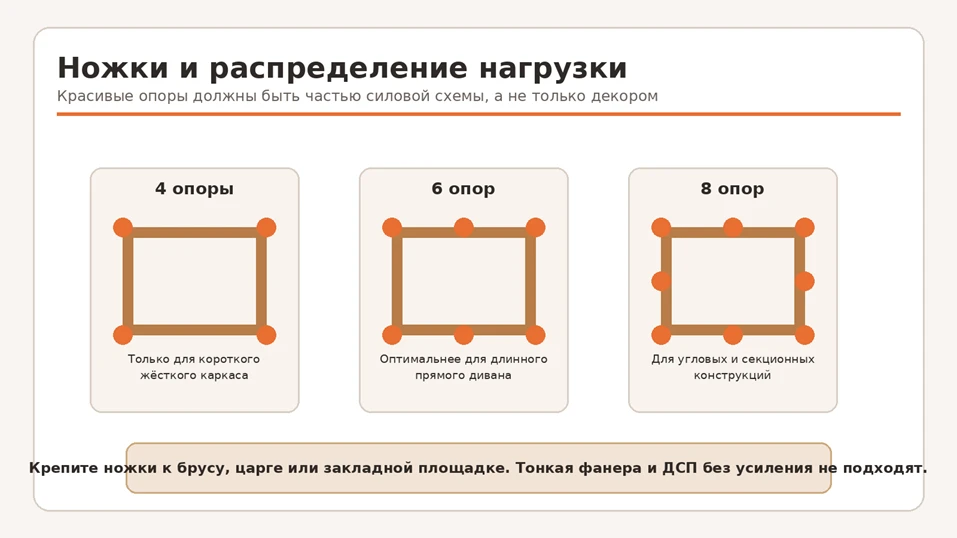
Figure 8. Layout diagrams of supports under the frame
How to calculate the height of legs
Subtract the thickness of the cushion in its working, slightly compressed state and the height of the frame from the desired finished seat height. For example, if a seat height of 450 mm is needed, the cushion under load is about 120 mm, and the frame with base is 220 mm, the approximate leg height will be 110 mm. Before purchasing supports, check the calculation on a mock-up.
How many legs are required
A short rigid sofa can rest on four legs, but with a width of about 1600–1800 mm or more, middle supports or a solid base are usually needed. Corner models receive supports under each section and in the inner corner area. The distance between supports determines the deflection of the side rails and base.
How to attach legs
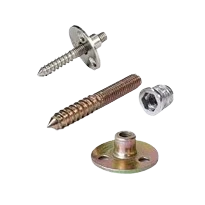
A reliable joint includes a mounting block or platform, threaded insert, mounting plate, or bolted connection. Screws should not go only into a thin sheet. Before drilling, check that the fasteners do not intersect with frame screws and do not protrude inside the drawer.
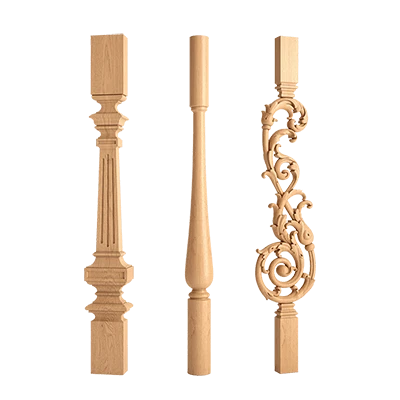
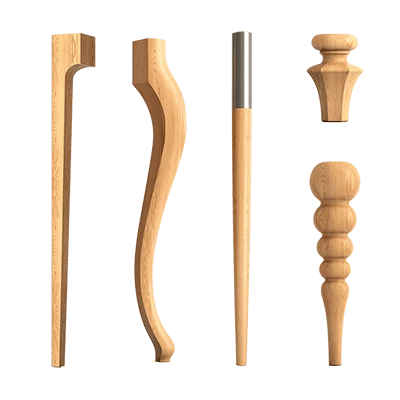
Select shape, height, and style in the section "Furniture legs for sofa" STAVROS. Before ordering, match the diameter of the mounting plate, thread type, and permissible installation scheme with your frame.
14. Finishing of wooden parts
Visible elements are sanded sequentially, without skipping coarse grits. After the first moistening, the wood grain rises; the surface is lightly sanded again. Then oil, varnish, paint, or stain is applied, compatible with each other and intended for furniture.
All test coatings are done on a scrap of the same wood. Stain looks different on pine, beech, and oak, and end grains absorb the compound more than the face. Hidden lower surfaces are also protected: uneven coating can contribute to different moisture exchange and warping.
15. Material Calculation
An accurate calculation is performed using the parts map, but a preliminary budget can be estimated based on the area and length of the elements. A reserve is added to the base quantity for cutting errors, wood defects, fabric pattern matching, and possible repairs.
|
Material |
How to Calculate |
Recommended Reserve |
|
Lumber and Battens |
Sum of lengths of all parts according to the cutting map |
10–15% |
|
Fiberboard |
Area of parts considering the sheet cutting map |
10% |
|
Foam Rubber |
Area of each layer × number of pillows |
5–10% |
|
Sintepon |
Area of parts with turning allowance |
10–15% |
|
Upholstery fabric |
Layout with pile direction and repeat |
15–25% |
|
Fasteners |
By number of nodes plus reserve |
10–20% |
Example of calculating the width of a straight sofa
For three seats, you can start with a useful width of 1650–1800 mm. If the armrests are 100 mm each, the total width will be 1850–2000 mm. With removable cushions, the width is divided into two or three identical sections with small technological gaps. Dimensions are adjusted to the available width of fabric and foam to reduce waste.
|
Savings without loss of quality Reduce your budget through simple shape, removable cushions, and self-finishing, not through raw wood, weak fasteners, thin base, and cheap foam. It is the hidden materials that determine the lifespan of the sofa. |
16. Quality control before upholstery
· measure the diagonals and make sure the frame is not skewed;
· place the sofa on a level floor and check that all supports touch;
· inspect each joint for cracks and protruding fasteners;
· test the backrest with load at different points;
· load the center of the seat and the edges;
· eliminate squeaks before installing soft layers;
· round off edges that come into contact with fabric;
· vacuum the frame and remove chips;
· photograph hidden utilities and fasteners for future repairs.
17. Common mistakes

Figure 9. Mistakes that shorten the lifespan of a DIY sofa
Assembly without a drawing
When dimensions are determined during the work process, crossbars interfere with the legs, the mechanism doesn't fit, and the cushions turn out non-standard. Even a simple sketch with three views and a parts map prevents most rework.
Too few crossbars
A long span sags even if the beam seems massive. Reduce the span with crossbars and a central tie, not just by increasing the number of screws.
Attaching legs to plywood
If the load is transferred to thin sheathing, the fasteners gradually loosen the hole. An embedded part connected to the main frame is needed.
Buying foam rubber only by thickness
Thick soft material can quickly sag. Compare density, firmness, and purpose, make a multi-layer cushion, and test samples.
Upholstery before testing
After fabric, access to connections is closed. All testing, leg adjustment, and squeak elimination are done in advance.
18. Who is suitable for DIY sofa making
The project is suitable for someone who can measure accurately, work safely with a saw and drill, is willing to assemble components dry several times, and does not try to finish everything in one day. Stationary sofas of simple shape, benches, ottomans, and sectional models with removable cushions are particularly successful.
It is better to order a ready-made frame or consult a furniture maker if you need a daily sofa bed, a complex spring system, a high backrest on thin legs, children's transformable furniture, a large cantilever structure, or an exact load guarantee. A compromise path is to buy a ready-made structural base and independently perform the filling, covers, and decorative finishing.
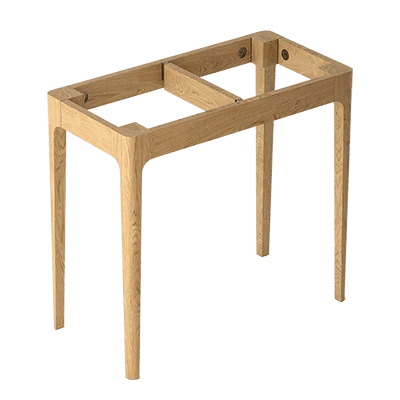
Ready-made solutions can be viewed in the category "Furniture Frames" STAVROS. This approach reduces the risk of errors in the structural part and leaves freedom to choose fabric, foam, and appearance.
19. Frequently Asked Questions
What wood is best for making a sofa frame?
Dry construction lumber without major defects and high-quality plywood are suitable for the frame. Pine is affordable and easy to work with, beech and birch are stronger but heavier and more expensive. More important than the species are moisture content, part sorting, and the correct frame design.
Can a sofa be made only from plywood?
It is possible to design a box or ribbed frame from thick plywood, but the joints and grain directions must be thought out. For a first project, it is easier to combine timber and plywood.
What plywood is needed for the seat?
For a loaded base, 18–21 mm plywood is often used, supported along the perimeter and on crossbars. The thickness depends on the span and support scheme; a large sheet without intermediate supports may sag.
What foam rubber should I choose for the seat?
Look for furniture polyurethane foam with a certificate, suitable in density and stiffness. For the seat, a denser and more elastic material is usually used than for the backrest, often combining several layers.
Are springs needed?
No. A comfortable sofa can be made on plywood, slats, or elastic straps with properly selected polyurethane foam. Springs provide a different seating feel but complicate the structure.
How to make a sofa squeak-free?
Use dry wood, tight joints, glue in non-detachable nodes, proper washers and bushings in bolted connections. Eliminate wood-on-wood and metal-on-metal friction before upholstery.
How many legs are needed for a sofa?
The number depends on the width, frame stiffness, and crossbar placement. For a long model, middle supports are usually added. Corner sections are supported separately.
Can I install high legs?
Yes, if you reinforce the attachment points and check stability. The higher the support, the greater the load on the joint during lateral rocking.
How to make removable covers?
Cushions are designed separately, zippers and seam allowances are added, and a test cover is sewn first. The fabric is decatized or treated according to the manufacturer's recommendations, if permissible.
Is a pallet sofa suitable for an apartment?
Only if the origin of the pallets is known, the wood is clean, dry, and safely treated. For a living room, it is often more practical to assemble a new frame from furniture materials.
Can I make a sofa for a balcony?
Yes, but you need to measure the passageways, plan for sectional assembly, and select materials suitable for the actual microclimate. On an unheated balcony, regular furniture fabric and polyurethane foam may become damp.
Which sofa is easiest for a beginner to make?
A straight stationary model without a mechanism, with a rigid frame, four to six legs, and separate cushions. This design is accessible for inspection and subsequent repair.
Conclusion
A quality DIY sofa starts not with fabric and decorative legs, but with a precise project. Comfortable dimensions are checked with a mockup, the frame is calculated based on spans and load, supports are tied to structural elements, and soft layers are selected as a system. Only after testing the frame do they move on to foam and upholstery.
For a first project, it's better to choose a simple straight sofa or ottoman with removable cushions. A corner model is assembled from separate sections, and a sofa bed is built around a ready-made mechanism. Pallets are used only after strict inspection and treatment.
STAVROS offers furniture frames и wooden legs for sofas, which help create a reliable base and match the furniture's appearance with the interior. Before ordering, prepare overall dimensions, the finished seat height, a layout of support locations, and photos of the room.