


























Article Contents:
- What the buyer is looking for when entering "buy figured wooden casing"
- What is a figured wooden casing and what problem does it solve
- Main characteristics of figured wooden casing
- Figured, flat or carved: how the options differ
- How to choose a figured wooden casing for a door opening
- How to calculate a set of casings for one door
- How the width of the casing affects the appearance of the door opening
- Oak, beech or pine: which material to choose
- How to match a profile to a door, baseboard, and extension
- Door casing or window casing: how not to confuse the intent
- How to choose for different buyer scenarios
- For a new interior door
- For replacing old casings
- For classic interiors
- For neoclassical style
- For Modern Interiors
- For commercial premises
- Need to close the joint after door installation
- Need to decorate a door in the hallway
- Need to choose a casing for a high baseboard
- The door needs to be prepared for painting
- The natural wood texture needs to be preserved
- Need to buy architraves for several doors
- Where to buy a shaped wooden architrave for a door?
- How is a shaped architrave different from a carved one?
- How to choose the width of an architrave for a door?
- How many casings are needed for one door?
- When is an extension needed?
- Can a window casing be used on a door?
- Which material is better: oak, beech, or pine?
- Can a shaped wooden casing be painted?
- How to choose a casing to match the baseboard?
- What to buy together with a shaped casing?
- Will a shaped casing suit a modern apartment?
- Why you shouldn't buy a casing based only on price?
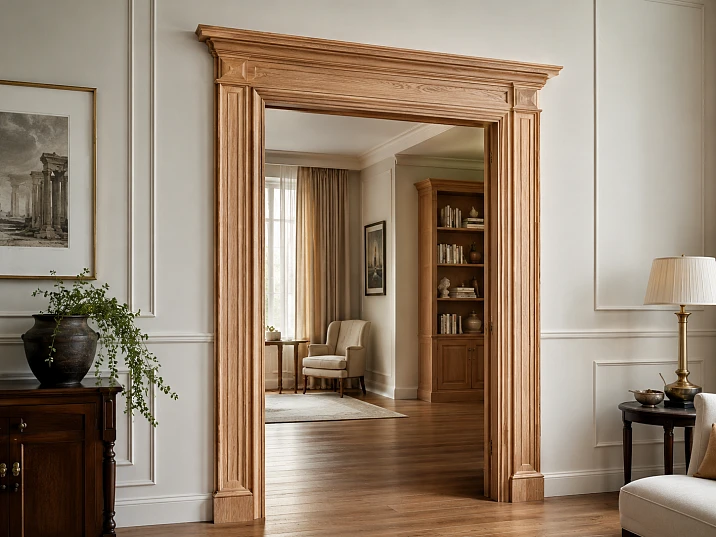
Buying a shaped wooden casing is worth it not only for the beautiful door design. Such a detail covers the joint between the frame, extension, and wall, gives the opening a finished look, and helps connect the door with the baseboard, moldings, and the overall room style. If you choose a casing randomly — only based on a photo or the first suitable width — even an expensive door may look incomplete: the profile won't match the rest of the trim, the width will be too narrow, and the set for both sides of the opening will be calculated incorrectly.
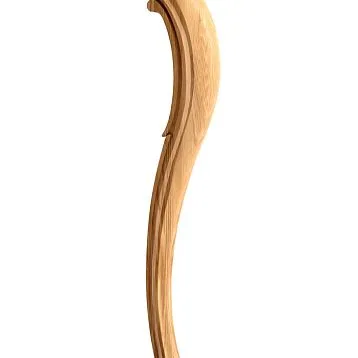
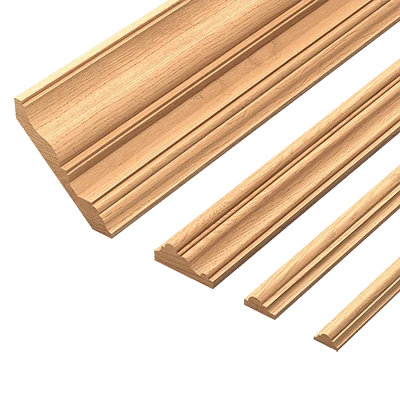
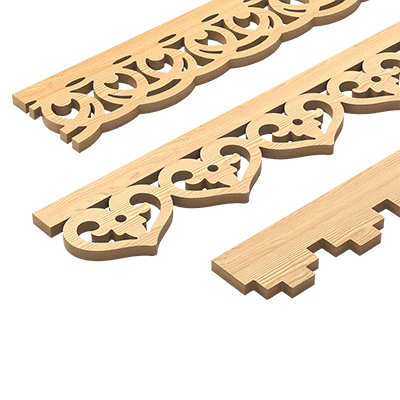
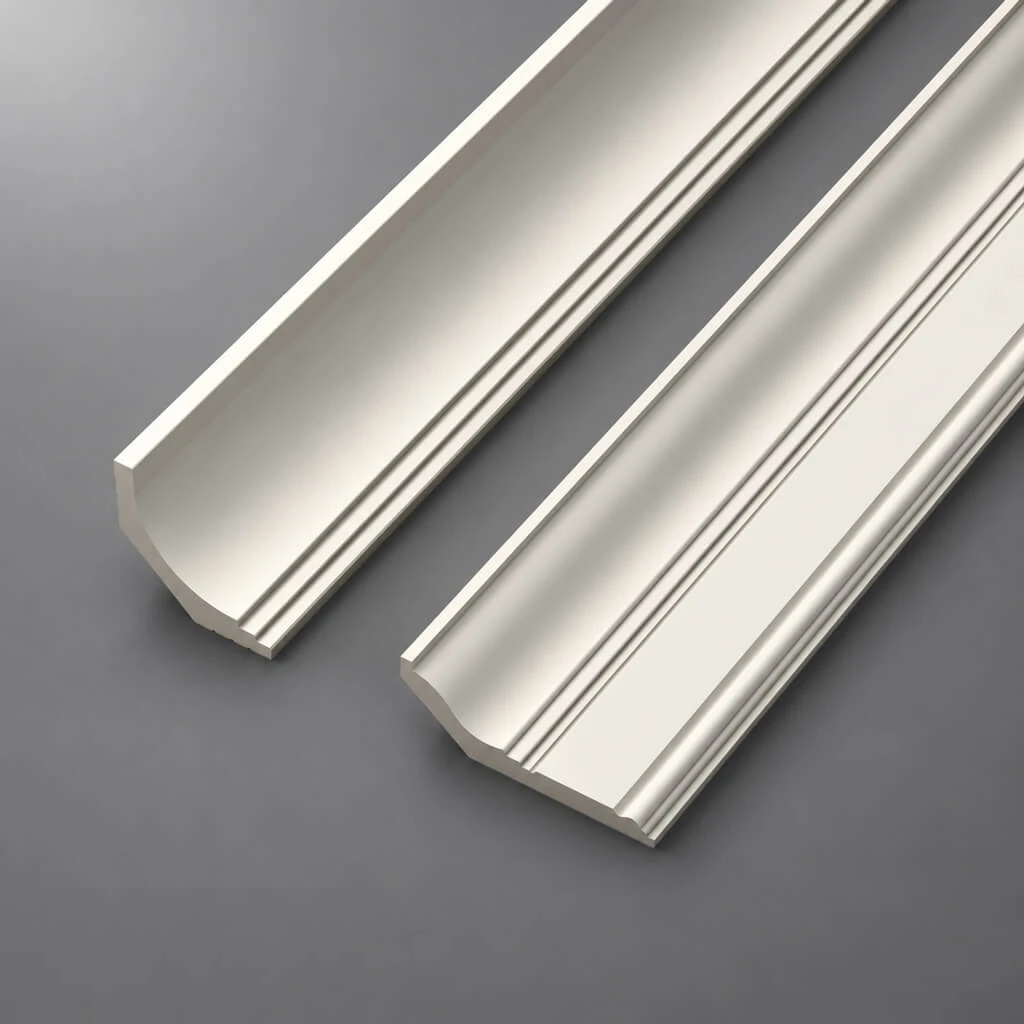
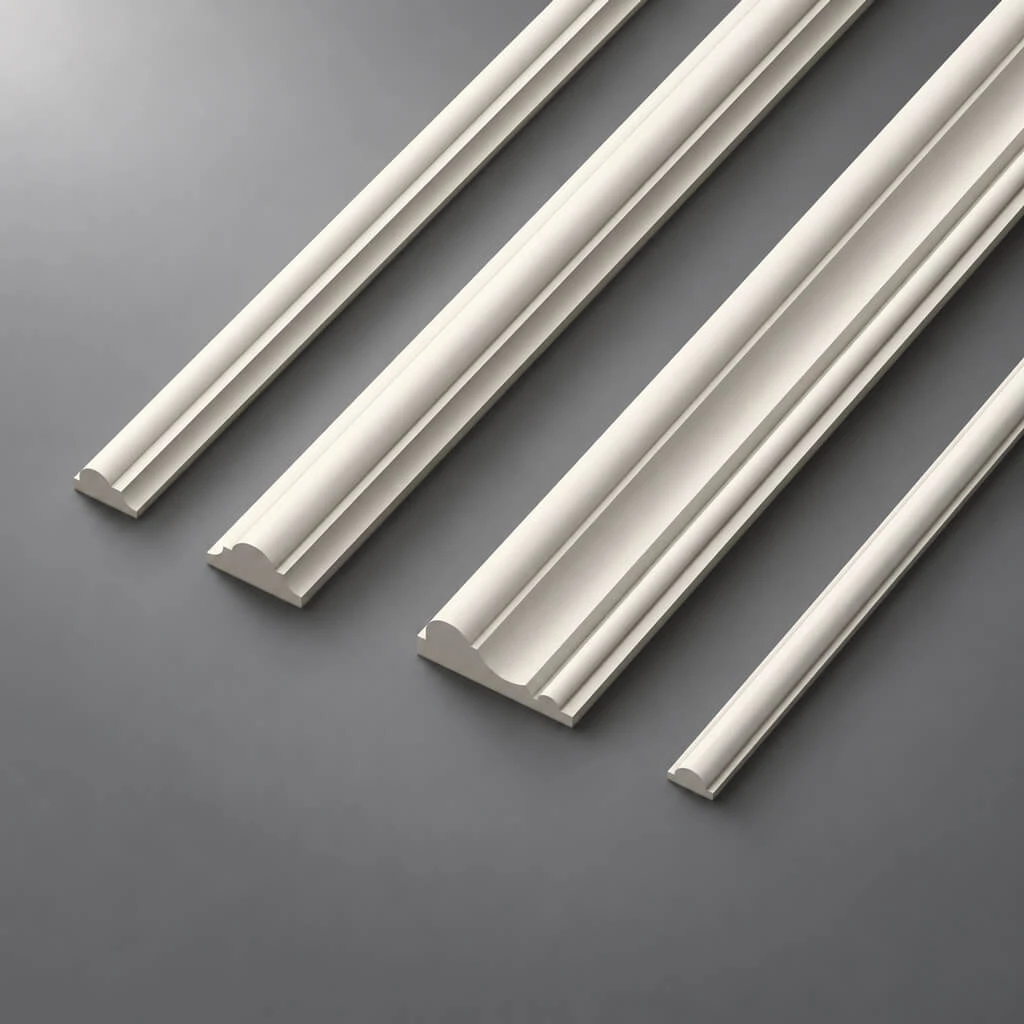
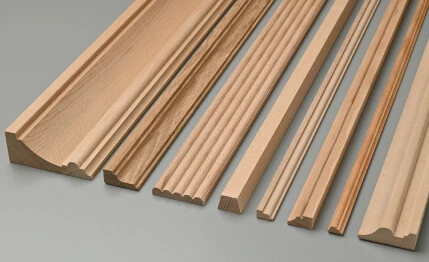
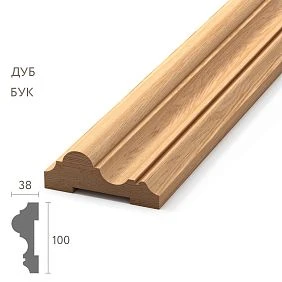
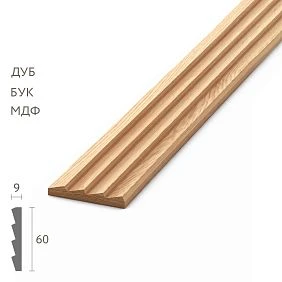
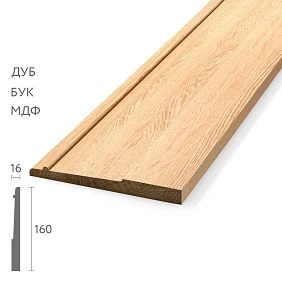
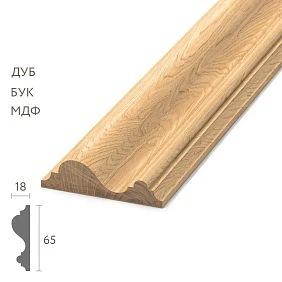
A shaped architrave differs from a regular flat strip in that it functions as a full decorative profile. It doesn't just cover the installation gap, but adds relief, depth, and an architectural line around the door. That's why buyers are looking not for an abstract wooden architrave, but for a specific solution: profiled, shaped, door, solid wood, for painting, for varnishing, for a classic or neoclassical interior.
On the STAVROS website, you can select STAVROS wooden architraves for door and window openings, and also match them with skirting boards, moldings, extensions, and other wooden trim. The main goal of this article is to help you understand which shaped wooden architrave is needed specifically for a door opening: by profile, width, material, set, and combination with the rest of the finish.
What a buyer is looking for when they type "buy shaped wooden architrave"
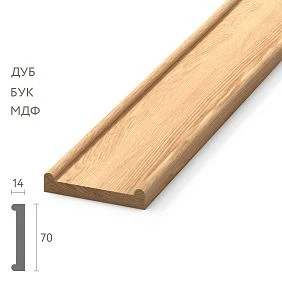
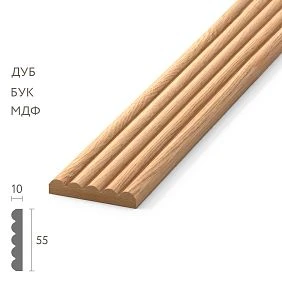
The query "buy shaped wooden architrave" usually appears not at the first stage of renovation. The person already understands that the door opening cannot be left open: you need to close the joint, frame the transition from the door to the wall, select strips for one or two sides, and not make a mistake with the visual proportion. Unlike a simple query "buy wooden architrave", here the shaped profile is important — that is, a relief form that is noticeable in the interior.
A shaped wooden architrave is chosen when a regular smooth strip seems too simple. For example, the door has panels, chamfers, a classic pattern, a high extension, or an expressive frame. In this case, a flat architrave may look alien: it will cover the seam but won't support the style. A shaped profile solves this problem differently: it creates a smooth transition from the door leaf to the wall, adds volume, and makes the opening look like a well-thought-out part of the interior, not a technical node after door installation.
It's important for the buyer not just to find a beautiful detail. They need to understand if it fits the specific door, wall thickness, skirting board, opening height, and future finish. The same architrave may look appropriate in a spacious living room but too heavy in a narrow hallway. A wide profile can emphasize a high opening, while on a low door it can visually "eat up" part of the wall. Therefore, before buying, it's worth considering the architrave as part of a set, not as a separate strip.
The commercial sense of the choice is also obvious. When a buyer wants to buy a shaped wooden architrave, they are most often looking for a ready-made solution that can be selected by material, profile, and purpose. At STAVROS, it's better to look not at one item, but at the entire related set: architrave, extension, skirting board, molding, adjacent trim. This approach reduces the risk that after purchase it turns out: the strip is beautiful, but doesn't match the door in scale or doesn't pair well with the skirting board in profile.
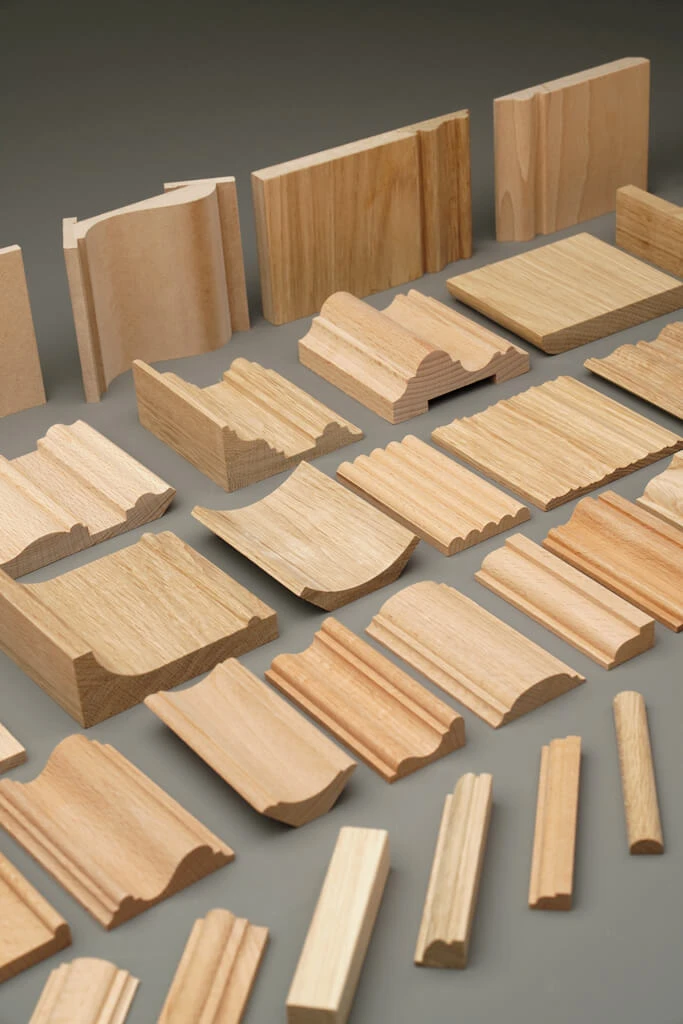
What is a shaped wooden architrave and what problem does it solve
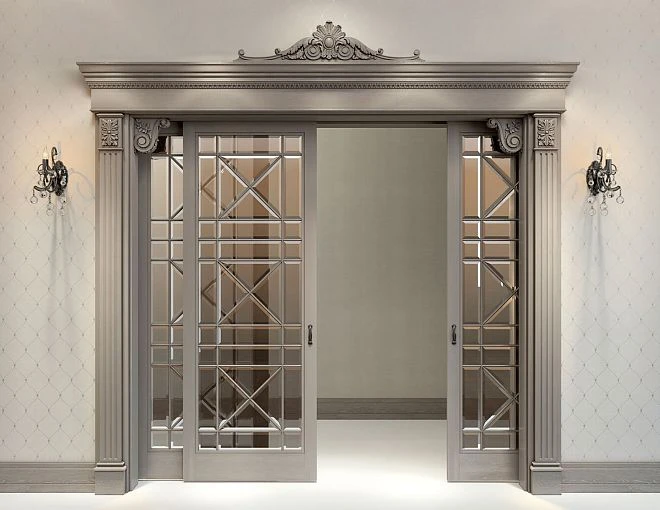
A shaped wooden architrave is a profiled wooden strip installed around the perimeter of a door opening. Its main function is to close the joint between the wall and the door frame or extension. But in the interior, such a detail does more: it forms a frame around the door, sets the proportion of the opening, supports the room's style, and helps unify the door with other finishing elements.
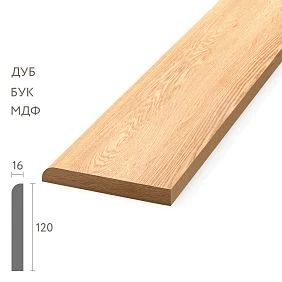
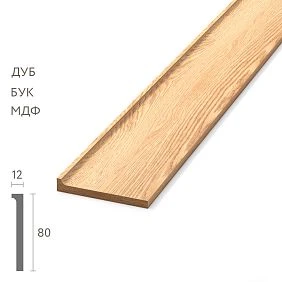
A flat trim works almost invisibly. It is needed where the interior is built on minimalism, straight lines, and the absence of decorative relief. A shaped architrave is chosen differently. Its profile is visible, it participates in the perception of the door and can support a classic, neoclassical, historical, soft modern, or decorative interior. If the room has a wooden baseboard, moldings, cornices, panels, or furniture with profiled facades, a shaped architrave helps maintain the composition.
The main advantage of wood in such a detail is the living material and the possibility of finishing. A wooden profile can be matched to the door leaf, enamel, varnish, stain, or another finishing option if it is confirmed in the product card. The exact material and finish options need to be checked before ordering, but the logic of selection remains the same: wood looks good in interiors where texture, depth, naturalness, and neat edge processing are important.
A shaped architrave is especially useful in doorways where there is an extension. If the wall is wider than the frame, one frame is not enough: an extension is needed to cover the wall thickness, and then the architrave closes the edge and completes the assembly. Therefore, before ordering, it is worth figuring out in advance which extension to buy for the doorif the wall is wider than the frame. The architrave and extension must work together: one covers the slope plane, the other forms a decorative frame.
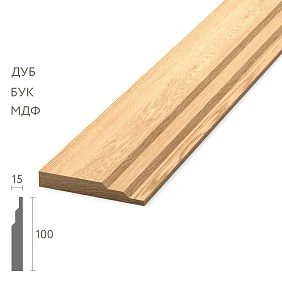
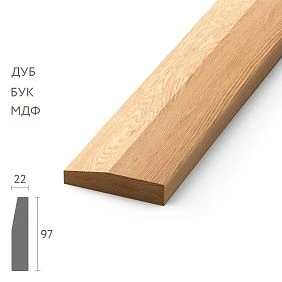
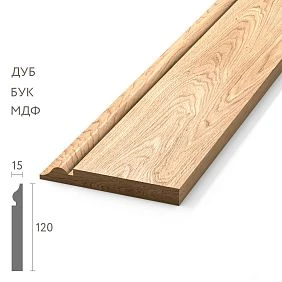
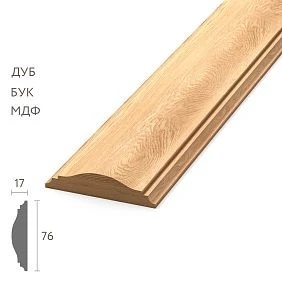
Our factory also produces:
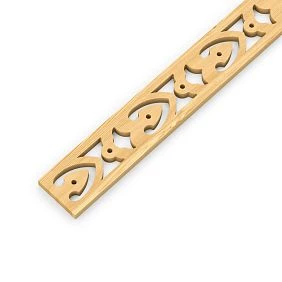
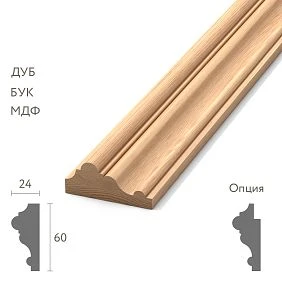
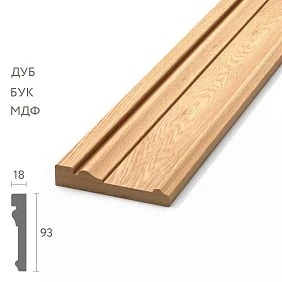
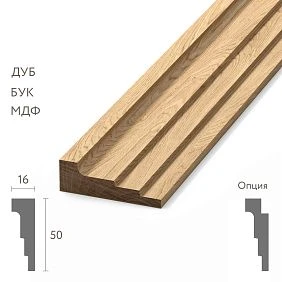
Main characteristics of a shaped wooden architrave
Before buying a shaped wooden architrave for a doorway, it is useful to break down the selection by parameters. Some data depends on the specific product card: dimensions, exact profile, available material, finish, availability and ordering conditions need to be checked on the STAVROS website. But there are basic characteristics that are always important to evaluate.
| Parameter | What it means for the buyer | What to check before ordering |
|---|---|---|
| Product type | Wooden architrave for doorway design | Whether the selected profile is suitable specifically for a door, and not just for a window |
| Shape | Shaped profile with decorative relief | Does the relief conflict with the door, extension, and baseboard |
| Purpose | Closing the joint and decorative frame of the opening | Is a set needed for one side or both sides of the door |
| Material | Wood: selection may include oak, beech, pine if available in the product group | Actual material of the specific item in the product card |
| Width | Affects the scale of the door opening | Will the casing be too narrow or too massive |
| Thickness and profile | Determine the depth of the relief and the connection with adjacent parts | Compatibility with box, extension, wall and baseboard |
| Finishing | Can be selected for painting, varnish, stain or other finishing treatment | Exact finishing options are specified in the product card |
| Completeness | Trims are counted by the number of sides and openings | You need to calculate vertical and top elements in advance |
| Combination | The trim should match the baseboard, moldings and extensions | It's better to view related categories of linear elements together |
| URL for selection | Category of wooden architraves | STAVROS wooden architraves |
This table shows the main thing: a good choice starts not with the question 'which architrave is more beautiful', but with the question 'which architrave will correctly cover my doorway and not disrupt the room's style'. A beautiful profile may not be suitable if it is too wide for a narrow corridor, too embossed for a simple door, or does not match the character of the baseboard. Therefore, before buying, it is better to compare not only photos, but also the purpose, dimensions, material, and adjacent elements.
Get Consultation
Shaped, flat, or carved: how the options differ
Buyers often confuse several concepts: shaped architrave, carved architrave, flat architrave, wide architrave, window architrave, door architrave. For SEO these are different queries, and for renovation they are different solutions. A mistake in the name can lead to a mistake in the purchase: a person looks for a part for a doorway but starts looking at house carving or window elements.
| Casing Type | When it fits | What it brings to the interior | Risk of error |
|---|---|---|---|
| Flat wooden architrave | Modern interior, straight doors, minimalism | Covers the joint without a decorative accent | May look too simple next to a classic door |
| Shaped wooden architrave | Classic, neoclassic, profiled doors, expressive baseboard | Adds relief, depth, and a finished frame | Need to match width and profile with the baseboard |
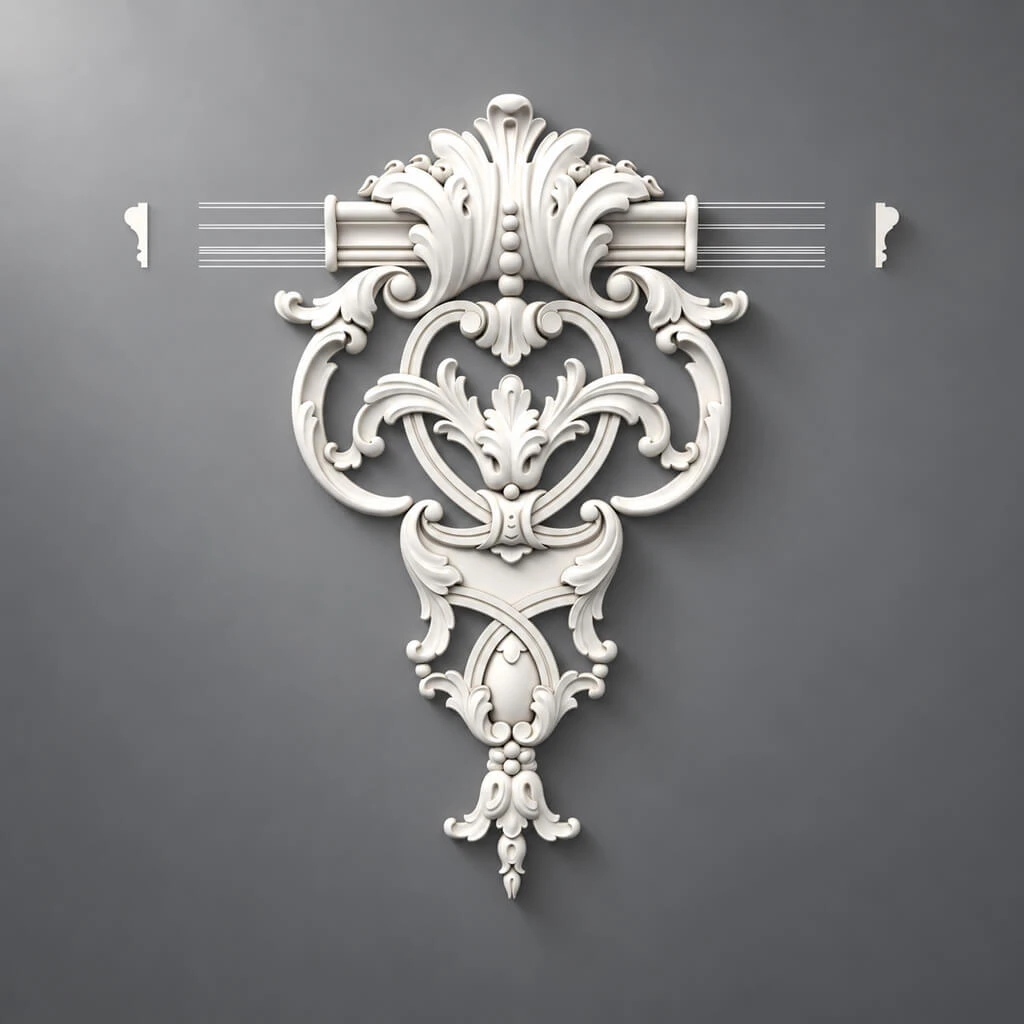
| Carved wooden architrave | Accent solutions, decorative doors, historical style | Provides a bright ornament and strong decorative effect | Can overwhelm a standard interior doorway |
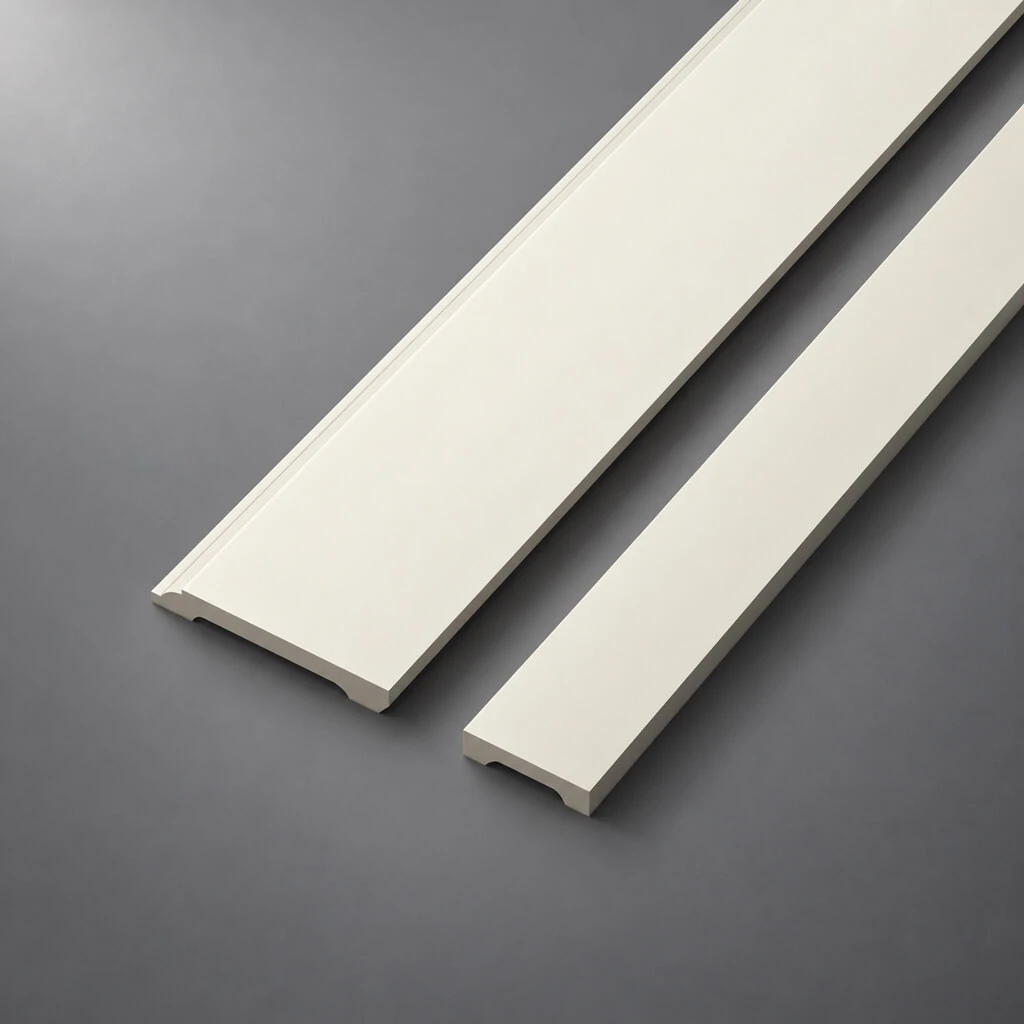
| Wide architrave | Tall doors, spacious rooms, large trim | Enlarges the doorway and makes it more architectural | On a low door, it may look heavy |
| Narrow casing | Small rooms, restrained doors, simple trim | Neatly covers the joint without a strong accent | May get lost next to a massive baseboard |
A shaped wooden casing sits between a simple flat option and expressive carving. It is more noticeable than a smooth strip, but usually calmer than ornamental decor. This is especially convenient for doorways: the door gets a beautiful frame, but does not become the main decorative object of the room if such a task is not needed.
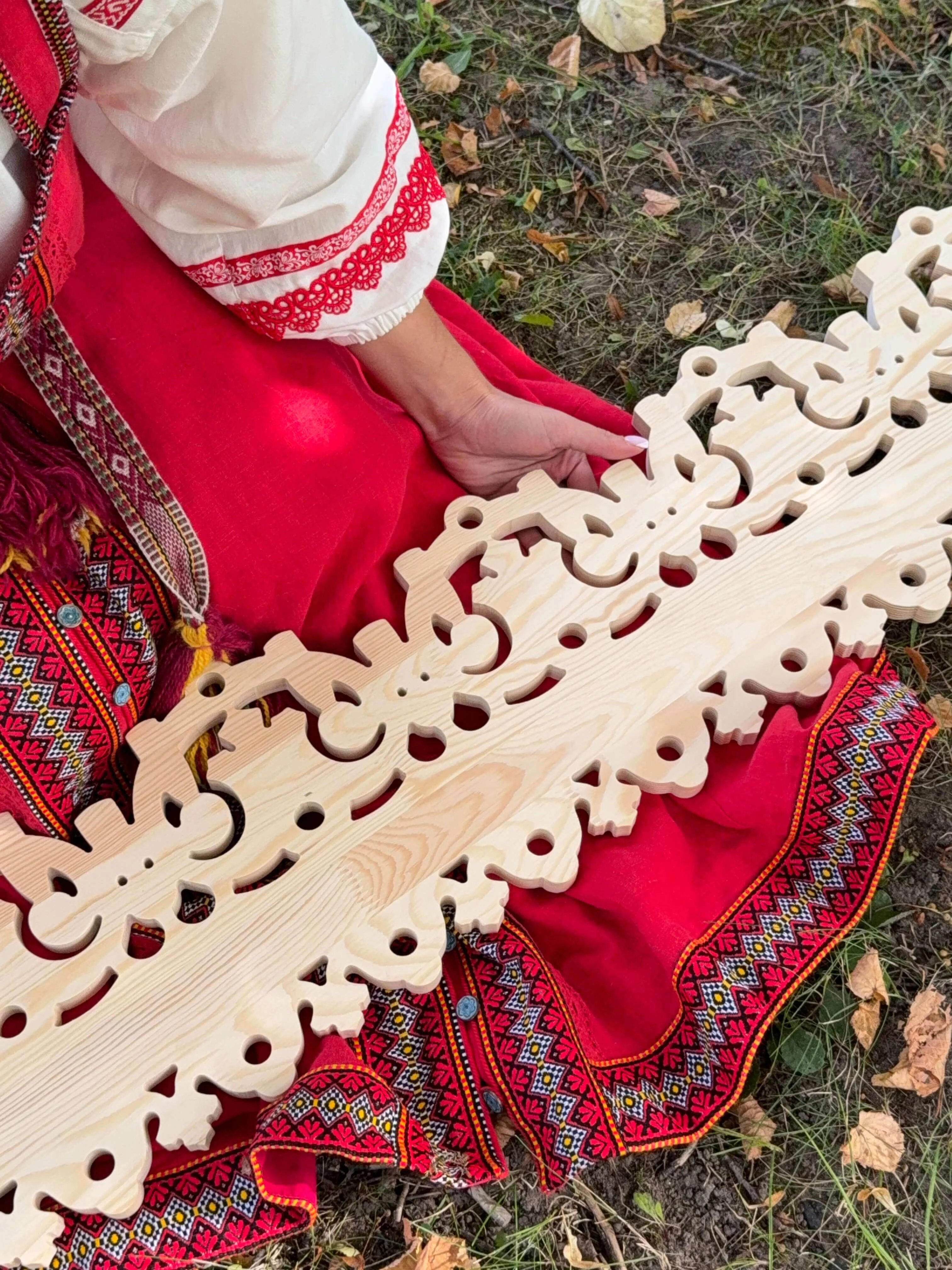
It is better to use the carved cluster as a comparison. If you need exactly an ornament, a complex pattern, a facade character, or house carving, you should look at carved casings and house carving. But if the task is to buy a wooden door casing with a shaped profile for an interior opening, it is better to stay in the logic of millwork: profile, width, material, extension, baseboard, set.
How to choose a shaped wooden casing for a doorway
The choice begins with measurement. You need to understand the height and width of the opening, the number of sides, the wall thickness, the presence of an extension, and how the door looks in the room. You can buy a wooden door casing only after it is clear how many planks are needed and which profile will not conflict with the rest of the trim.
First, evaluate the door itself. If the leaf is smooth, without panels or relief, an overly ornate casing may look separate from the door. In this case, it is better to choose a restrained profile: it will add volume but not create the feeling of a random decorative frame. If the door is classic, with panels, chamfers, or expressive lines, an ornate casing helps support its character and make the opening cohesive.
Then look at the baseboard. This is an important point that is often forgotten. The casing almost always meets the baseboard at the bottom of the wall. If the baseboard is high, relief, and noticeable, a too narrow casing may look weak. If the baseboard is simple and low, a massive ornate frame around the door may draw too much attention. Therefore moldings, cornices, baseboards, and casings it is better to consider together: this makes it easier to assemble the trim in a single scale.
The third step is the extension. If the wall is wider than the door frame, the opening cannot be closed with just the casing. An extension is needed to finish the slope. The casing will then complete the edge of the extension and cover the joint with the wall. If you buy an ornate casing without considering the extension, you may encounter an unpleasant situation: the planks are there, the profile is beautiful, but the assembly is not neat. Therefore, before ordering, you should determine the wall thickness and understand whether an extension is needed.
The fourth step is the material. Oak, beech, and pine are perceived differently in the interior. Oak is chosen where expressive texture and a sense of solidity are important. Beech is good for calm trim and an even visual character. Pine can be used in wooden trim, but the quality of processing and finish must be treated carefully. The exact material of a specific casing should be checked in the product card.
The fifth step is the finish. If painting is planned, it is important to see how suitable the profile is for enamel or other finishing treatment. If you want to preserve the wood texture, you need to evaluate the wood species and its combination with the door, floor, and furniture. A casing for painting and a casing for transparent finish are chosen according to different logic: in the first case, the purity of form and surface preparation are important; in the second, the wood grain and color compatibility.
How to calculate a set of casings for one door
One of the most common mistakes is when a buyer chooses a beautiful profile but does not calculate the set. A door casing is not bought as one universal part, but as a set of elements for a specific opening. If the door is trimmed on only one side, one calculation is needed. If on both sides, the number of planks increases.
| What to count | How to count | What to check |
|---|---|---|
| Vertical architraves | Usually two planks per one side of the opening | Opening height and trimming allowance |
| Upper casing | One plank per one side | Opening width and corner joining method |
| Two sides of the door | Set is multiplied by two sides | Is the same profile needed on both sides |
| Extension | Needed for a wide wall | Wall thickness and frame width |
| Baseboard | Joins with the casing at the bottom | Height, profile, and style of the baseboard |
| Cutting corners | A 45° joint is often used, but it depends on the profile | Whether the selected profile is suitable for a neat joint |
| Finishing | Needed before or after installation according to the chosen technology | Material, finish, compatibility with the door |
If you need to buy a wooden door casing for one interior door, first determine whether the trim will be on one side or both. In a typical living room, both sides are usually trimmed because the door is visible from two rooms: for example, from the hallway and the bedroom. But there are situations where one side is blocked by furniture, a utility area, or has a different finish. In that case, the set is calculated separately.
It is important not to forget about the top element. Sometimes a buyer only thinks about two vertical planks because they are visually more noticeable. But without the top casing, the opening will not look complete. The top plank connects the verticals, covers the joint above the frame, and forms a frame. If the profile is shaped, the top element is especially important: the relief should continue around the perimeter, otherwise the door looks cut off.
If the opening is wide or non-standard, it is better to calculate with a margin and check the length of the specific item. Do not rely only on the approximate door size. In old houses, walls may have deviations, slopes may have different thicknesses, and the frame may have slight shifts. Before ordering, you need to check the actual dimensions and clarify how the selected profile will be cut and joined.
How the width of the trim affects the appearance of the doorway
The width of the trim is not just a technical dimension. It changes the perception of the entire door. A narrow trim makes the opening lighter and calmer, while a wide one makes it more noticeable and architectural. A shaped profile enhances this effect: the more active the relief and the greater the width, the more the trim participates in the interior.
For a small room, a restrained width is often chosen. In a narrow hallway, a too wide shaped trim can look heavy: it will visually reduce the free space, compete with the baseboard, and create a feeling of an overloaded wall. But a too narrow option is also risky: if the door is tall or the baseboard is massive, a thin frame will get lost and won't complete the composition.
For a spacious living room, hall, or study, you can look at more expressive profiles. There, a shaped wooden trim helps emphasize the height of the door, make the opening part of the architecture, and connect it with large baseboards, wall moldings, or wooden panels. In this scenario, the trim becomes not just a cover for the joint, but a decorative line that holds the scale of the room.
There is another practical point: the width must cover the installation gap and the edge of the finish. If the trim is beautiful but too narrow for a specific assembly, it may not fully cover an unevenness or joint. Therefore, before purchasing, you need to look not only at the appearance of the profile but also at the real task: what exactly needs to be covered, what is the width of the extension, how the wall is finished, and whether there are any deviations in the plane.
Oak, beech, or pine: which material to choose
A wooden trim is chosen not only by shape. The material affects the appearance, feeling of density, finishing method, and compatibility with the door. Different wood species may be available in the product group, but the actual material of a specific item should be checked in the product card before ordering.
| Material | When to choose | What it gives the buyer | What to Check |
|---|---|---|---|
| Oak | For expressive finishing, classic style, study, living room, premium interior | Beautiful texture, feeling of solidity, strong natural character | Compatibility with the door, floor, and final finish |
| Beech | For painting, enamel, a calm profile, neat interior finishing | Smoother visual perception, convenience for restrained solutions | Precise finishing option and surface preparation |
| Spruce | For wooden interiors, some decorative and more rational solutions | Warm character of wood, ability to fit into natural finishing | Quality of processing, finish, and compliance with the task |
| MDF | Can be considered in enamel finishing, but should not replace the wooden focus of this article | Even geometry in some scenarios | Whether the material suits the specific opening and style |
An oak figured architrave looks good where wood should be noticeable. If the door, floor, or furniture also have expressive texture, oak helps create a cohesive look. But oak requires careful selection: if there are too many different wood shades nearby, the interior can become motley. Before ordering, it is worth evaluating not only the architrave but also all visible wooden elements of the room.
Beech is often chosen for neat finishing under paint or for a calmer result. It does not show texture as sharply, so it is well suited when the shape of the profile is important, not the active wood grain. If the door is planned for enamel, the casing should also support this logic: a clean line, an even profile, and no accidental visual noise.
Pine can be appropriate in wooden houses, country interiors, and calm natural finishes, but for a doorway it is important not to mix scenarios. If the task is an interior door in an apartment, you need to check whether the pine casing looks too simple next to the door and baseboard. If the task is closer to house carving, exterior finishing, or a facade character, that is a different intent, and it is better not to mix it with a shaped door casing.
How to choose a profile for the door, baseboard, and extension
The shaped profile should support the door, not argue with it. If the door leaf has straight, strict lines, a casing with a soft, moderate relief will look more natural than a too complex shape. If the door is classic, with panels and expressive frames, you can choose a profile with a more noticeable transition: it will continue the door's relief and make the opening cohesive.
The logic is similar with the baseboard. The casing and baseboard meet at the bottom of the wall, so their mismatch is immediately visible. A high baseboard next to a thin casing creates an imbalance: the bottom line of the wall looks powerful, while the door frame looks weak. A low, simple baseboard next to a wide, shaped casing gives the opposite error: the door becomes too heavy for the rest of the trim. Therefore, when choosing, it is better to open not only the casing category but also the adjacent section where moldings, cornices, baseboards, and casings.
The extension affects the depth of the opening. If the extension is wide, the casing should finish it neatly, without the feeling of a thin, random strip on a massive slope. If the extension is painted in the door color, the casing can be selected in the same finish to create a solid portal. If the extension contrasts with the wall, the casing becomes the border between the trim and the wall plane. In both cases, the profile and width are important.
There is another detail: corners. A shaped profile requires careful joining. The more complex the relief, the more attention must be paid to the miter cut and the connection of the top strip with the vertical ones. An incorrectly joined shaped casing reveals an error faster than a flat one: the relief is interrupted, the line breaks, and the corner looks rough. Therefore, before purchasing, you need to understand in advance how the profile will be installed and who will perform the cutting.
Door casing or window casing: how not to confuse the intent
In the assortment of wooden moldings, there may be casings for different tasks. It is important for the buyer not to confuse the door scenario with the window, facade, or house carving one. The queries are similar: "buy wooden window casing", "buy casings for a wooden house", "buy wooden door casing", "buy wooden casing for doors". But different tasks lie behind them.
A door casing works indoors around an interior or entrance opening. It should match the door, extension, baseboard, wall, and furniture. It is evaluated by width, profile, material, finish, and set for one or two sides. This scenario is important when the buyer wants to buy a shaped wooden casing for a doorway.
A window casing can have a different proportion and a different purpose. Interior window elements work alongside the windowsill, slopes, and frame. Exterior casings are already connected to the facade, weather conditions, house carving, and the architecture of the house. If you use a window or facade element on a door without checking the dimensions and profile, the result may be too decorative, too wide, or stylistically alien.
House carving is a separate topic. It is often associated with wooden houses, facades, exterior decoration, and ornament. This is not the same as a shaped door casing for an interior opening. If you specifically want a carved accent, you can look carved casings and house carving, but for door trim inside a room, it is better to keep the focus on the profile, width, and compatibility with the trim.
How to choose for different customer scenarios
For a new interior door
If the door is just being installed, it is better to calculate the entire assembly right away: frame, extension, casing, baseboard, wall finish. In this case, it is easier to avoid inconsistency. The casing can be selected to match the door style even before final installation, and the extension can be coordinated in width and finish. This approach is especially convenient if several doors are being replaced in an apartment at once: you can maintain one profile throughout all rooms.
For replacing old casings
If the door remains the same, and only the casings are being replaced, the task is more difficult. You need to consider old marks on the wall, the width of the previous trim, the condition of the slope, and compatibility with the frame. The new shaped casing must cover the technical areas and not expose old defects. If the previous casing was wide, a narrower model may leave visible marks. If the old one was flat, a shaped profile can noticeably change the character of the door.
For a classic interior
A classic interior loves relief but does not tolerate randomness. A shaped wooden casing works especially well here if its profile is connected to the door panels, baseboard, moldings, or furniture. It is important not to overload the opening: if the room already has a lot of carving, complex cornices, and large furniture, the casing should support the style, not add another conflicting accent.
For neoclassical style
Neoclassical style often requires a cleaner profile. Here, a shaped architrave can be expressive, but without excessive carving. It should create a neat frame, support the door height, and match painted walls, moldings, and a high baseboard. In such a scenario, proportions are especially important: too narrow an architrave will look poor, too busy will disrupt the restraint.
For modern interior
In a modern interior, a shaped architrave is also possible, but it needs to be chosen more carefully. If the furniture, walls, and doors are minimalist, the profile should be soft and calm. It's better to avoid heavy ornamentation. The main task is to add depth and finish the opening, not to make the door a historical decorative object.
For commercial space
In a salon, showroom, office, restaurant, or hotel, door openings contribute to the impression. A shaped architrave helps make the interior look more expensive and neat, especially if a visitor sees several doors in one area. In a commercial space, it's important to maintain repeatability: the same profile on several openings creates order, while random different architraves make the space look sloppy.
What to buy together with a shaped wooden architrave
A shaped architrave is rarely bought in complete isolation. It is more often associated with extensions, baseboards, moldings, adjacent trim, and sometimes carved decor. If these elements are gathered in advance, the interior looks more cohesive, and the buyer does not face the problem of "the architrave is already bought, but finding a matching baseboard is difficult."
Before purchasing, it's worth looking not only at the main section where STAVROS wooden architraves, but also at the general section moldings, cornices, baseboards, and casingsThis helps to match adjacent elements by material, scale, and style.
If the wall is wider than the frame, sort it out in advance, which extension to buy for the doorThe extension and casing should look like a single unit. If the extension is chosen randomly, even a beautiful shaped casing won't save the opening: the trim will look like it's assembled from different parts.
| What to add to the purchase | Why this is needed | Which scenario it suits | What to pay attention to | Link |
|---|---|---|---|---|
| Extension | Covers the wall thickness if the frame is narrower than the opening | Interior doors in walls of different thicknesses | Wall width, color, material, joint with casing | which extension to buy for the door |
| Baseboard | Connects the doorway to the bottom line of the wall | Hallway, living room, bedroom, study | Height, profile, material, joint with casing | moldings, cornices, baseboards, and casings |
| Moldings | Help support the relief of the casing on the walls | Classic, neoclassic, decorative panels | Profile scale and line repeatability | moldings, cornices, baseboards, and casings |
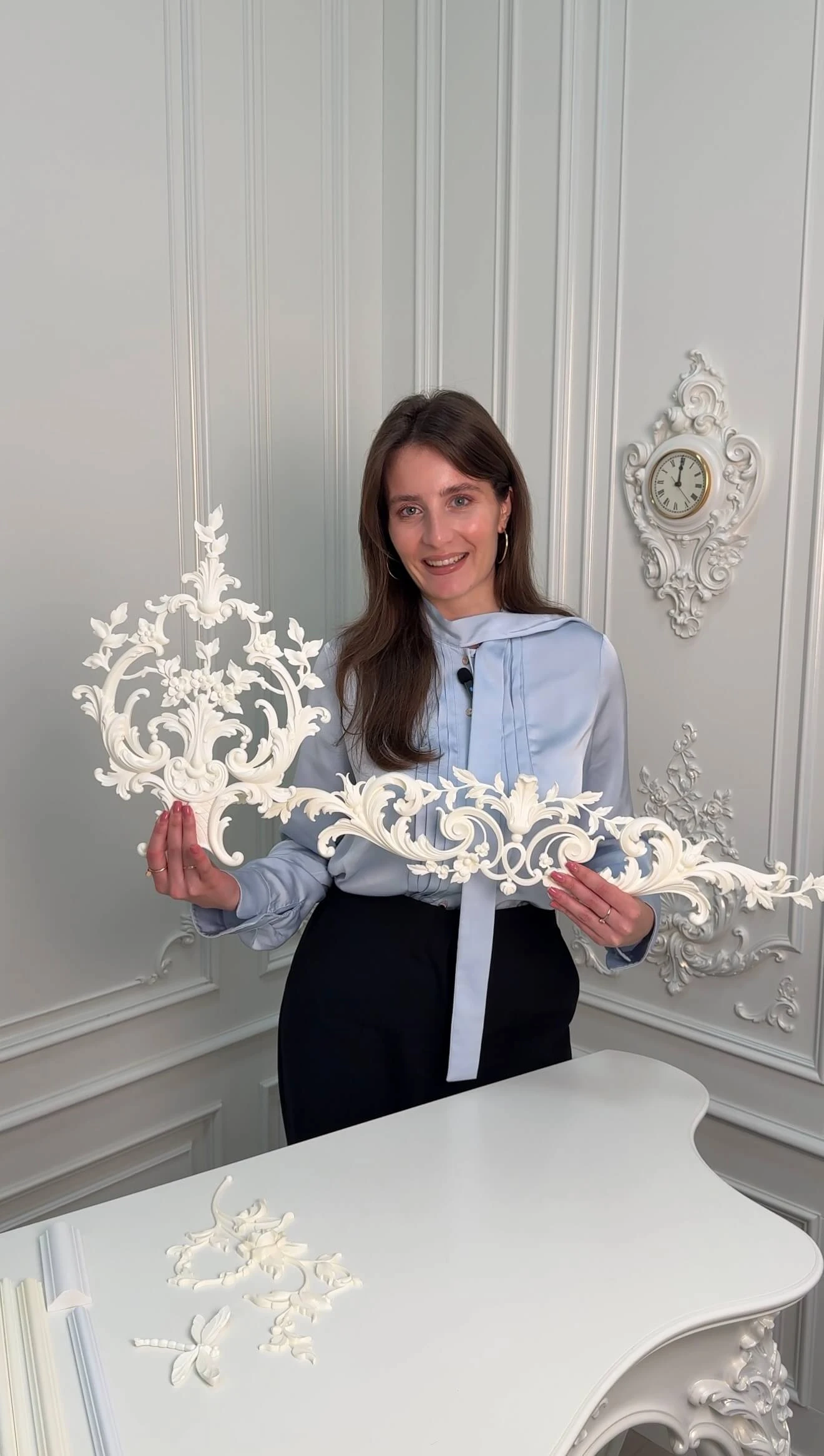
| Carved decoration | Needed if the door should be an accent | Historical, decorative, facade or house scenario | Do not mix with regular door profile unnecessarily | Carved architraves and house carving |
| Related articles on selection | Help understand width, price and types | Buyer chooses for the first time | Compare door, window and general scenario | Buy wooden platbands: types, sizes and selection |
This block is not meant to buy more parts unnecessarily. It helps assemble the opening correctly. Sometimes a casing and an extension are enough. Sometimes you need to pick a baseboard right away. In a classic interior, a molding may also be needed so that the door frame does not look like the only relief element on an empty wall.
Practical selection for specific situations
Need to close the joint after door installation
Here, the width and the ability of the trim to cover the edge of the finish are important. If the joint is wide, a too narrow strip may not solve the problem. If the wall is uneven, the profile fit and joint quality must be considered. In such a situation, a shaped trim should be not only beautiful but also functional enough: to close the installation area and provide a neat outer edge.
Need to design a door in the hallway
A hallway often sees several doors at once, so trims work as a repeating element. If each door has a different profile, the space will become visually noisy. It is better to choose one shaped wooden trim and use it systematically. It is also important to assess the width of the passage: too massive profiles can weigh down a narrow hallway.
Need to select a trim for a high baseboard
A high baseboard requires support. The trim should be expressive enough not to lose out to the bottom line of the wall. But this does not mean you need to choose the widest option. You need to find a balance: the profile should meet the baseboard confidently, without the feeling that one detail is accidentally larger than the other.
Need to design a door for painting
If the trim will be painted, the cleanliness of the profile comes to the forefront. The wood texture may disappear under the enamel, but the shape will be clearly visible due to light and shadow. In this case, it is especially important to check the material, surface preparation, and compatibility with the chosen finish. It is better to verify the relevant parameters in the product card or with a STAVROS manager.
Need to preserve the natural wood texture
If the buyer wants to see wood, the material becomes key. Oak, beech, and pine give different visual results. The trim must match the door, floor, furniture, and other wooden details. The mistake here is to combine several species and shades in one room without any connection between them. Even high-quality elements can look random if the wood is not coordinated.
Need to buy trims for several doors
For multiple openings, calculation is especially important. You need to count the number of vertical and top strips, determine if the same profiles will be used in all rooms, check if finishing is needed on both sides of each door. It's better to make a list of openings, sizes, and sides in advance than to buy additional elements later and risk differences in batch, material, or finish shade.
Mistakes when buying a shaped wooden trim
The first mistake is choosing only by photo. In the image, the profile may look neat, but in a real interior, the width, relief depth, and door scale matter. Before buying, you need to imagine the trim next to the door, baseboard, and wall, not separately on the screen.
The second mistake is not considering the extension. If the wall is wider than the frame, the opening won't come together neatly without an extension. The trim does not replace the extension: it covers the edge and forms a frame, but does not finish the entire depth of the slope. So first you need to understand the opening's structure, then choose the decorative profile.
The third mistake is buying a window trim for a door. Similar names do not mean the same purpose. Window, facade, and door elements can differ in proportion and style. If the task is to buy a wooden door trim, it's better not to stray into the window or house cluster without a clear reason.
The fourth mistake is not counting the set. The buyer may order fewer strips than needed: forget the top element, the second side of the door, or extra for cutting. As a result, installation stops, and the finished opening remains incomplete. Before ordering, you need to count each door separately.
The fifth mistake is mixing different profiles. Sometimes one door is finished with one trim, another with a similar but not identical one. In a separate photo, the difference may seem small, but in a hallway or foyer, it's noticeable. If the doors are in the same area, it's better to stick to a single profile.
The sixth mistake is not coordinating the trim with the baseboard. The bottom joint is always visible. If the baseboard and trim do not match in scale, the interior loses neatness. So before buying, it's worth looking at the combination, not just the individual detail.
The seventh mistake is choosing too active a relief for a simple door. A shaped trim should enhance the opening, not look like foreign decor. If the door is minimalist, it's better to choose a calm profile. If the door is classic, a more expressive shape can be considered.
The eighth mistake is not checking the material and finish. Wood varies, and the finish changes the perception of the profile. Before ordering, you need to clarify the current options in the product card. You cannot assume that any wooden trim will automatically suit any door.
The ninth mistake is not considering installation. A complex shaped profile requires careful cutting and joining. If installation is done by an inexperienced person, it's worth discussing corner cuts, connection to the baseboard, and finishing order in advance.
The tenth mistake is replacing professional millwork with a random piece. A regular wooden plank can close a gap, but it won't provide the same result in terms of profile, scale, and integration with the rest of the trim. If the interior requires a finished look, it's better to choose a ready-made profile from the appropriate category.
Who a shaped wooden trim is suitable for, and who should choose a different option
A shaped wooden trim is suitable for those who want to make the door opening more noticeable than with a simple flat plank. It's a good solution for classic, neoclassical styles, a study, living room, hall, bedroom with wooden furniture, or an interior with moldings or high baseboards. It helps make the door part of the overall design, rather than a separate technical element.
Such a trim is especially useful if the room already has relief details: paneled doors, wooden baseboards, wall moldings, decorative panels, or furniture with profiled fronts. In this case, the shaped profile supports the existing logic and helps assemble the interior into a unified system.
A shaped trim is also suitable for those finishing multiple doors in one area. A repeating profile creates order. A hallway with identical trims looks calmer and more expensive than a space where each door is assembled from random parts.
But there are cases when it's better to choose a different option. If the interior is ultra-minimalist, doors are hidden, or walls should remain completely clean, a shaped profile may be unnecessary. If the room is very small and the door is low, a too-wide relief trim can overwhelm the opening. If exterior finishing of a wooden house is needed, it's better to look at separate solutions for house carving, rather than transferring an interior door scenario to the facade.
How to buy a shaped wooden casing on STAVROS
It's better to start your purchase with a category, rather than a single random card. Open the section STAVROS wooden architraves and compare options by profile, material, and purpose. Then check whether the selected trim fits the door opening, how many planks are needed, and whether both sides of the door need to be finished.
If you are still choosing between several types, it's useful to first study the material Buy wooden platbands: types, sizes and selection. It helps to understand the differences between types of trims, sizes, and application tasks. If the issue comes down to cost, selection, and pricing factors, you can additionally open the article buy wooden casing price.
For door openings, it's worth separately looking at the material about wooden trims for door openings. This will help avoid mixing the door scenario with window and facade ones. After that, it's easier to return to the catalog and choose a shaped profile consciously.
Before ordering, check four things: opening dimensions, number of sides, material, and finish. If the opening is non-standard, the wall is wider than the frame, or the trim must match an already installed baseboard, it's better to check compatibility with a STAVROS manager in advance. This approach saves time and reduces the risk of additional purchases, rework, and visual inconsistency.
FAQ: questions about shaped wooden trims
Where to buy a shaped wooden trim for a door?
A shaped wooden architrave for a doorway can be selected in the section STAVROS wooden architraves. Before ordering, you need to check the profile, material, dimensions, and the number of planks for one or two sides of the door.
How is a shaped architrave different from a carved one?
A shaped architrave has a decorative profile but not necessarily a complex ornament. A carved architrave is usually more prominent and may relate to house carving or expressive decor. If you need a calm door profile, it's better to choose a shaped architrave. If you need ornamental decor, you can look at carved casings and house carving.
How to choose the width of an architrave for a door?
The width is chosen based on the size of the opening, door height, baseboard width, and the task of covering the joint. A narrow architrave is suitable for small rooms and calm finishes. A wider profile is appropriate for tall doors and spacious rooms. The main thing is not to choose the width based only on photos.
How many architraves are needed for one door?
For one side of the door, two vertical planks and one top plank are usually counted. If the door is finished on both sides, the set is doubled. You also need to account for a margin for trimming and the method of joining corners.
When is an extension needed?
An extension is needed if the wall is wider than the door frame. It covers the depth of the slope, and the architrave finishes the edge of the opening. If you don't account for the extension, the architrave may not solve the finishing task. This issue is covered in detail in the material which extension to buy for the door.
Can a window casing be used on a door?
Sometimes a similar profile might work, but it's not recommended to do so automatically. Window and door casings differ in purpose, proportion, and surroundings. For a door, it's better to choose a profile designed for a door opening that matches the frame, extension, and baseboard.
Which material is better: oak, beech, or pine?
Oak is chosen for its expressive natural texture and solid interior. Beech is often suitable for calm finishes and painting. Pine can be appropriate in wooden and more budget-friendly scenarios. The actual material of a specific casing should be checked in the product card.
Can a shaped wooden casing be painted?
The possibility of painting depends on the material, surface preparation, and the specific product card. If the casing is chosen for enamel or another finish, it's better to check suitable options with a STAVROS manager before ordering.
How to match a casing to a baseboard?
Compare the height, width, and profile character. A tall baseboard requires a more substantial casing, while a simple low baseboard pairs better with a modest frame. For a cohesive finish, it's convenient to look moldings, cornices, baseboards, and casings together.
What to buy together with a shaped casing?
Most often, along with the architrave, they look at the extension, skirting board, and adjacent linear molding. If the interior is classic or neoclassical, moldings may be needed. The main thing is not to mix elements randomly, but to select them by material, scale, and profile.
Will a shaped architrave suit a modern apartment?
Yes, if you choose a calm profile and do not overload the opening. In a modern interior, a shaped architrave should work subtly: cover the joint, add depth, and support the finish, but not become too decorative.
Why shouldn't you buy an architrave based only on price?
Price is important, but it doesn't show whether the profile will suit the door, whether it will cover the joint, whether it will match the skirting board, and whether it will be appropriate in material. If you need to understand the selection factors and cost, you can study the material. buy wooden casing price.
Result: how to go from idea to correct purchase
A shaped wooden architrave is not a small finishing strip that can be chosen randomly. It covers the technical joint, forms the door frame, connects the opening with the skirting board, and helps the interior look complete. A good choice starts with understanding the task: is it a door or window opening, is one side or two needed, is there an extension, what profile will support the door, what width will not disrupt the proportion.
If you want to buy a shaped wooden architrave for a door opening, first determine the dimensions, assess the style of the door and skirting board, then open the section STAVROS wooden architraves and compare suitable options. For a complex opening, non-standard wall, or matching to an existing finish, it is better to clarify the parameters with a STAVROS manager in advance. This way, the architrave will not be a random purchase, but part of a neat set that truly completes the door opening.