



























Article Contents:
- Not all furniture needs to be entirely made of solid wood
- Where solid wood is especially justified
- Visible furniture legs
- Wooden Handles
- Moldings and profiles
- Turned parts
- Carved decoration
- Parts for oil, lacquer, or tinting
- Natural wood should be visible
- The handle should blend with the facade
- Oak
- Oak
- It makes sense to do it yourself if:
- A ready-made element is more sensible if:
- Mistake 1. Considering solid wood mandatory for all furniture
- Mistake 2. Comparing only the price of wood and a finished part
- Mistake 3. Making a complex shape from scratch just because “it’s more correct”
- Mistake 4. Buying a finished part based only on a photo
- Mistake 5. Accidentally mixing oak and beech under a clear finish
- Mistake 6. Not taking the degree of readiness into account
- Mistake 7. Ordering the entire series without a sample
- Which furniture elements are best made from solid wood?
- Where is solid wood especially justified in a furniture project?
- Which wooden elements are more cost-effective to buy ready-made?
- What's better to make from solid wood — the legs or the entire carcass?
- Which solid wood parts are suitable for enamel?
- When is it better to use oak?
- When is it better to use beech?
- What's more cost-effective — milling the decor yourself or buying it ready-made?
- How do I add a solid wood element from the array to the specification?
- Where can I buy ready-made solid wood elements for furniture?
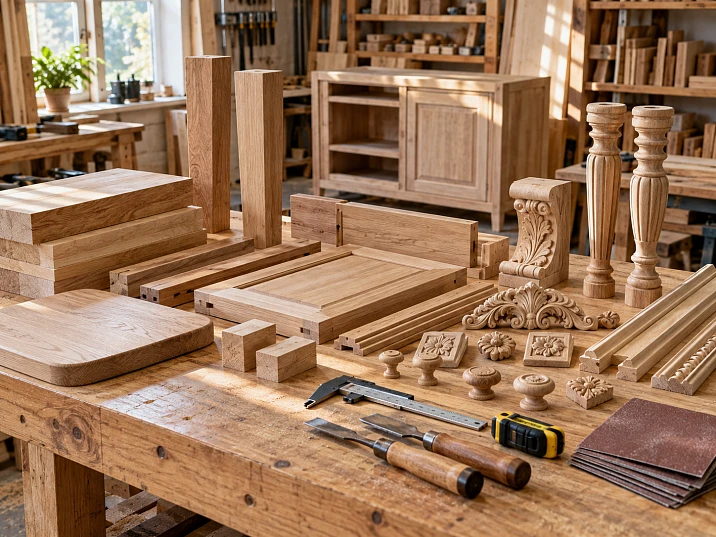
Page description: Which solid wood elements to use in furniture making: legs, handles, moldings, frames, and carved decor. Where oak or beech is needed, what to make yourself, and which ready-made parts to buy from STAVROS.
Furniture does not get better just because it contains as much solid wood as possible. A large cabinet side panel, a small furniture handle, and a carved overlay solve completely different tasks. One part needs a large flat surface. Another needs a comfortable grip. A third needs a complex shape that is hard to reproduce accurately multiple times.
So the right question is not: "Where can solid wood be used?"
It is far more useful to ask: where does solid wood genuinely benefit the project, and where does it only complicate production and increase cost?
For an exposed leg, a wooden handle, a molding, a turned part, or carved decor, natural wood often works as both the material and the appearance at once. For a large internal panel of the carcass, that logic is no longer mandatory.
Immediately after choosing the material, a second question arises: make the part yourself or buy a ready-made shape. And here, too, there is no single answer. A workshop can make a simple square-section leg itself. A complex turned support or an openwork carved overlay is sometimes more sensible to buy ready-made and keep only finishing and installation for yourself.
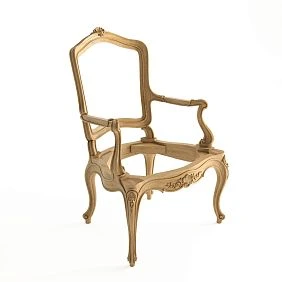
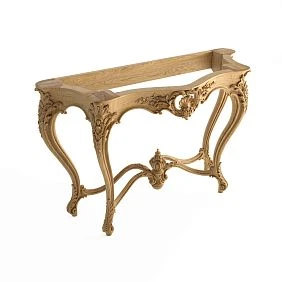
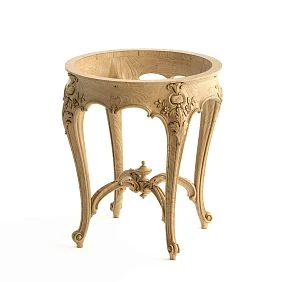
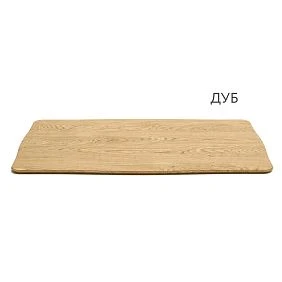
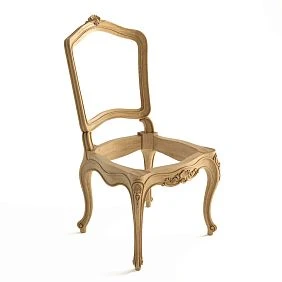
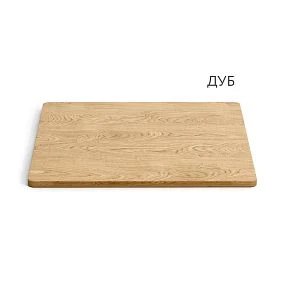
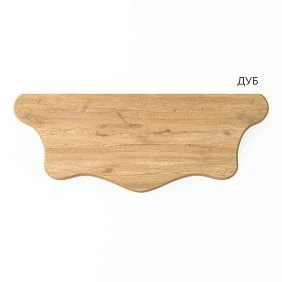
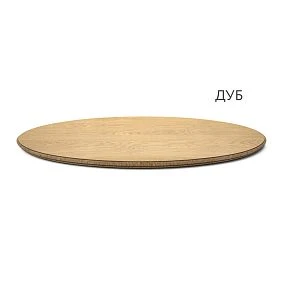
Not all furniture has to be entirely made of solid wood
A single piece of furniture can combine different materials just fine:
- sheet body parts;
- solid wood elements;
- metal fasteners;
- ready-made wooden handles;
- wooden legs;
- Moldings;
- carved decor.
This does not make the furniture worse. It means that each material is used where it solves its own task.
A large flat side panel and a small carved part require different approaches.
For the side panel, stable dimensions, a smooth surface, ease of assembly, and predictable finishing are important.
For the carved overlay, shape, relief depth, processing quality, repeatability, and the appearance of the wood are important.
Comparing them by material price alone makes no sense.
Where solid wood is especially justified
There are details where natural wood offers a clear advantage.
Our factory also produces:
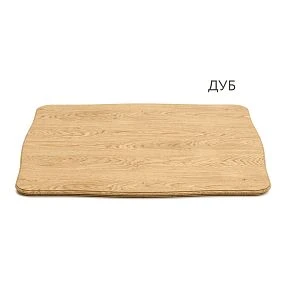
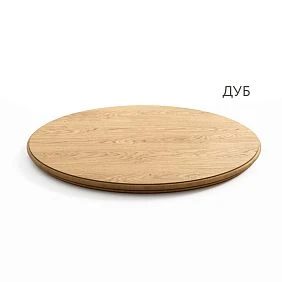
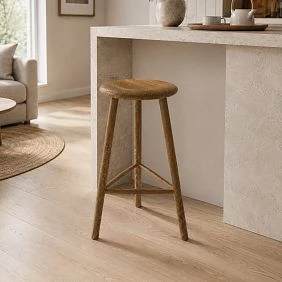
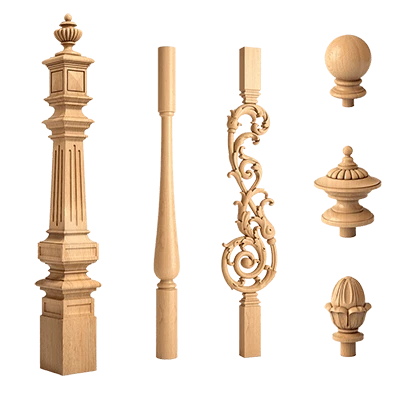
Visible furniture legs
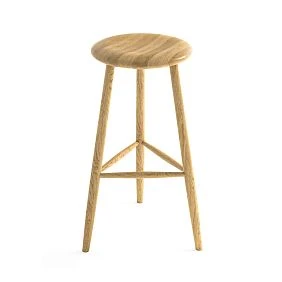
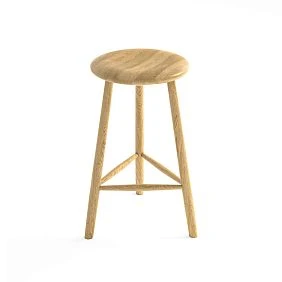
A leg doesn't just support the furniture. It sets the height, proportions, and often remains fully visible.
Get Consultation
Wooden handles
A handle is constantly in contact with the hand and is at the same time part of the front.
Moldings and profiles
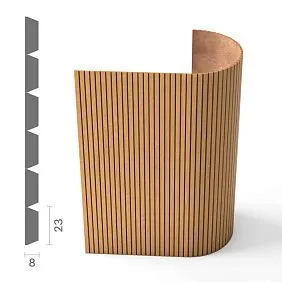
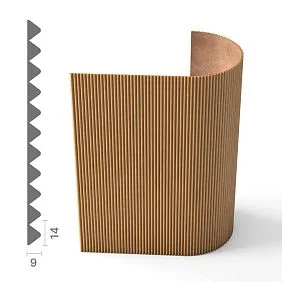
What matters here is a precise cross-section, a clean surface, and the ability to leave the natural texture exposed.
Turned parts
A three-dimensional shape showcases the material well, especially under a clear finish.
Carved decor
On a relief surface, wood grain is harder to read than on a flat plane: you can see ridges, hollows, and areas where the fibers run in different directions.
Parts for oil, lacquer, or tinting
If the texture is to remain part of the design, the wood species becomes especially important.
But even in these cases, solid wood should not be chosen automatically. First, look at the shape, finish, batch size, and manufacturing method.
The carcass and the decorative element are different material tasks
Let's imagine a cabinet.
The side panel is a large rectangular plane.
The carved overlay on the front is a small part with a complex relief.
The side panel may contain many times more material, but the cost of making the overlay is often determined not by the volume of wood, but by the number of operations.
You need to form the pattern, carve it, work the small transitions, sand the relief, and repeat the same shape on the second or fourth part.
Therefore, a small wooden overlay can be technologically more complex than a large cabinet panel.
This is exactly where ready-made solid wood elements are especially interesting for a workshop.
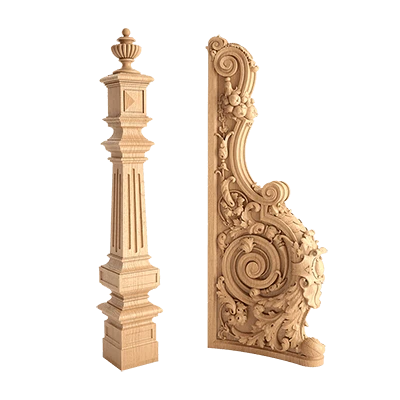
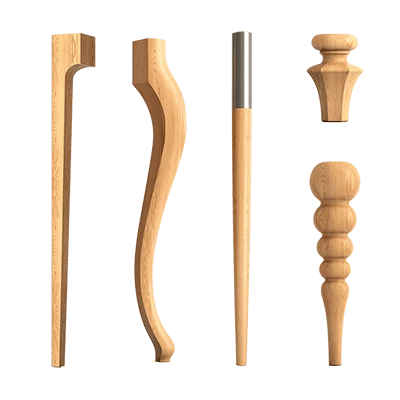
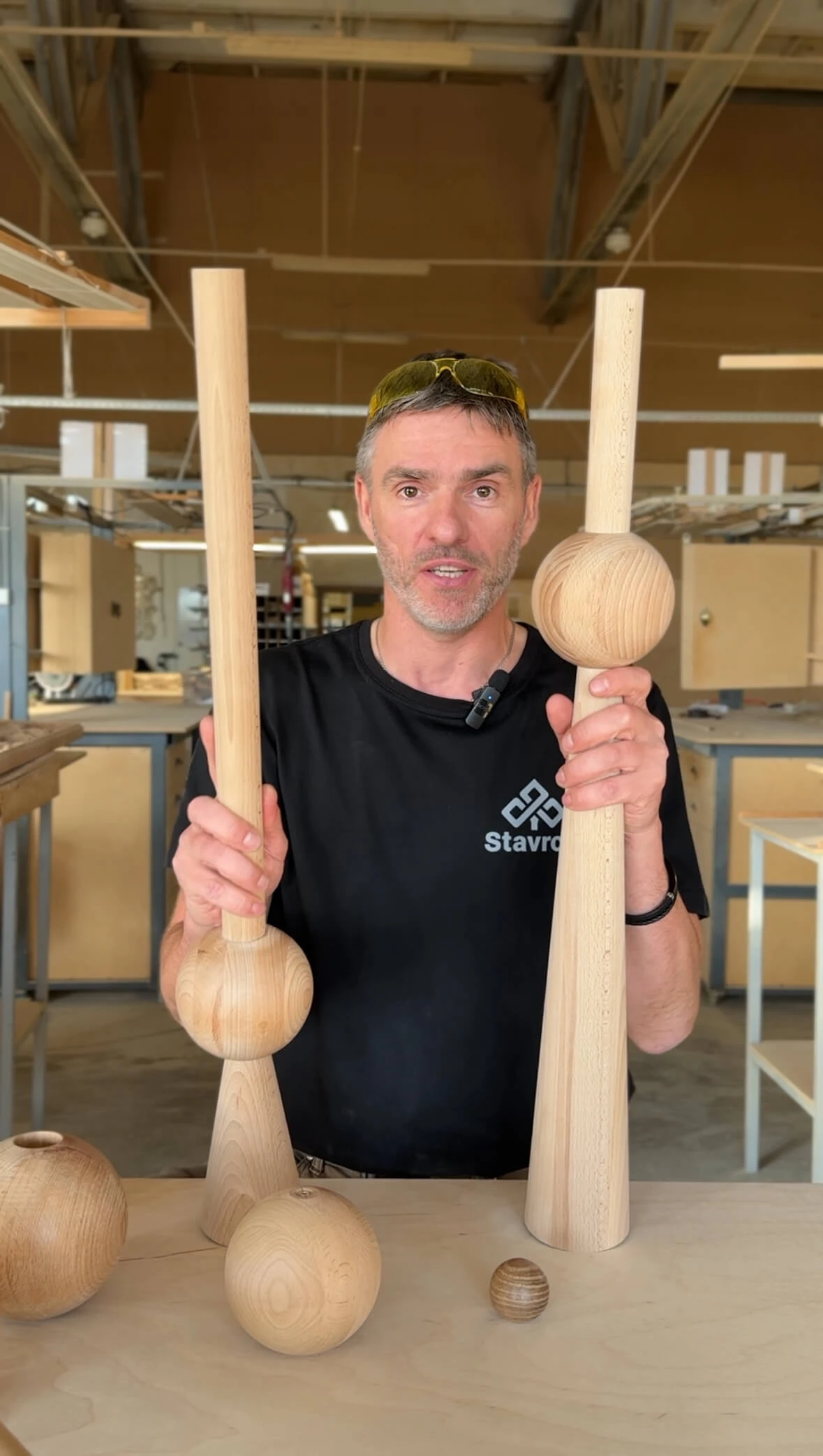
A furniture leg — a typical solid wood element
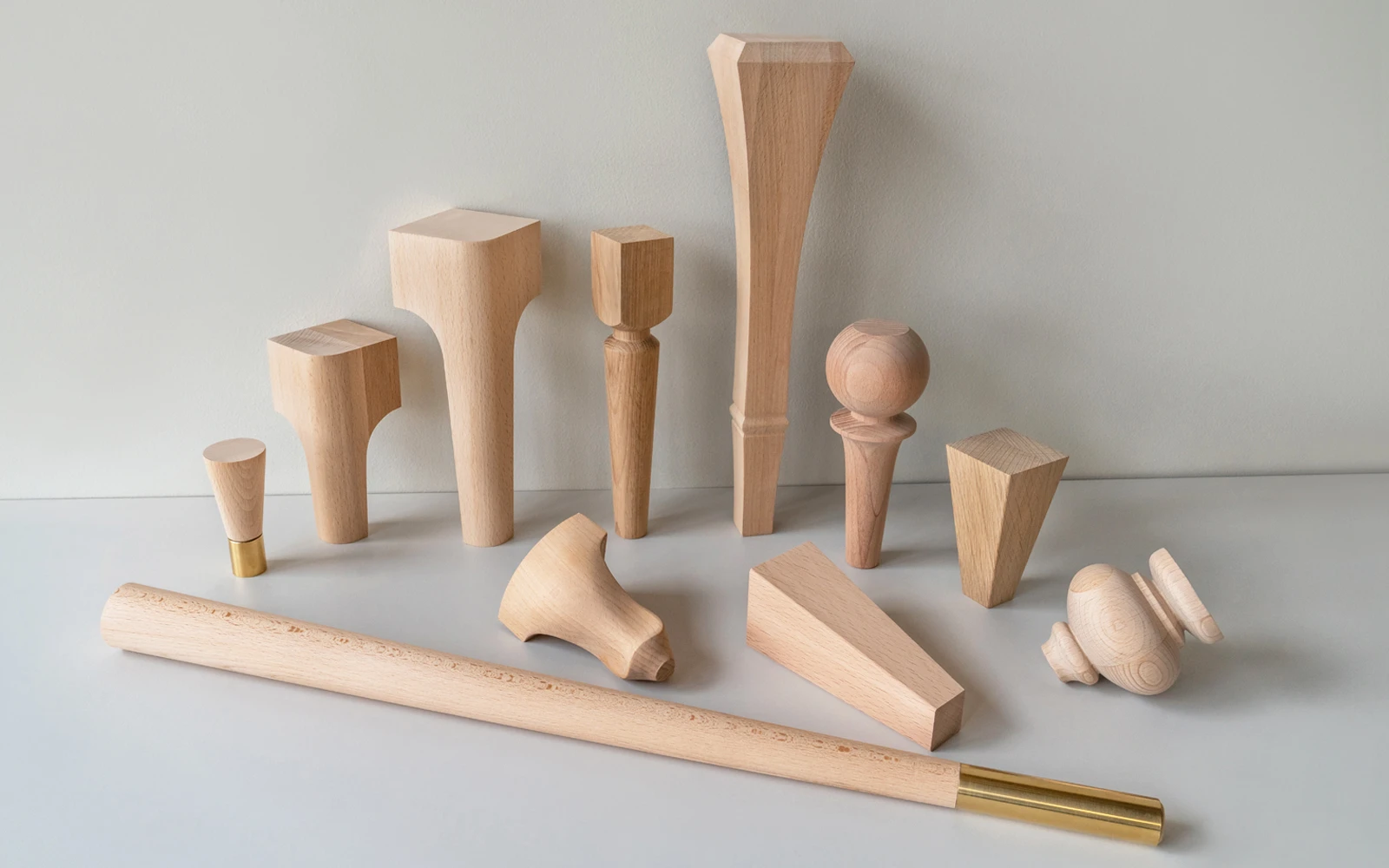
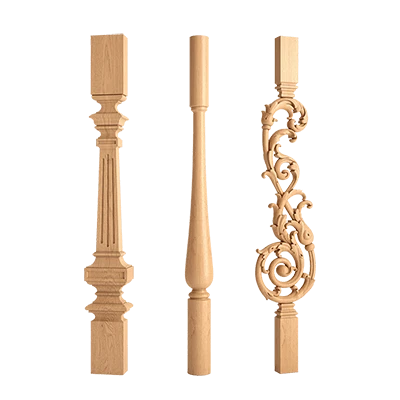
Wooden furniture legs — is one of the most straightforward examples of using solid wood.
A leg simultaneously:
- bears the load;
- determines the height of the furniture;
- creates clearance from the floor;
- affects the overall silhouette;
- participates in the finish.
If the support remains natural, the wood becomes part of the appearance.
If the leg is painted together with the body, the shape becomes the main feature.
For a simple straight leg, the workshop can quite easily make a set on its own.
But if four identical turned or carved supports are needed, you should count not the price of the timber, but the entire process.
When it is wiser to buy a wooden leg ready-made
A ready-made support is especially interesting if you need:
- a complex turned shape;
- a carved profile;
- an identical set of four or more parts;
- a small batch;
- high repeatability.
The workshop saves not so much wood as operations.
There is no need to separately build a profile, set up processing, make test parts, repeat a complex shape several times, and spend hours sanding the relief.
If the required leg is already in the catalog and fits by size, making the same geometry yourself should have a clear reason.
For example, a non-standard size is needed, or your own original design.
Unpainted leg: ready-made shape and your own finish
Section unpainted furniture legs clearly shows the intermediate option.
The craftsman does not make a complex shape from scratch.
But he also does not get the final color.
He decides for himself whether to paint the leg with enamel, coat it with oil, tint it, lacquer it, or patinate it.
For custom furniture, this is convenient.
For example, the body and legs should be the same shade. A finished unpainted support can be included in the overall finishing system.
The result is a reasonable compromise: the complex geometry is already done, while the appearance remains under the workshop's control.
A wooden handle — a small detail with a big role
Wooden furniture handles in size significantly smaller than the legs or frame.
But on the front, they are right before your eyes.
Besides appearance, the handle must be comfortable. It is constantly grabbed by hand, pulled, pressed, and cleaned.
Therefore, the material and surface quality here are felt literally by touch.
Evaluating a handle as a small “leftover piece of wood” is wrong. It has its own geometry, mounting, and role in the front composition.
A solid wood handle or a handle matching the front color
There are two clear scenarios.
Natural wood should be visible
For example, a painted front pairs with an oak countertop. An oak handle finished with oil can tie these materials together.
The handle should blend with the front
For example, all the furniture is painted white, grey, or dark blue.
Then a beech handle can be included in the same enamel system.
In the first case, solid wood works through its texture.
In the second, through its shape.
That is why the question of oak or beech cannot be decided separately from the future finish.
Proun HL-053-1: a ready-made small solid wood element
Furniture handle Proun HL-053-1 measures 28 × 28 × 29 mm and is available in beech and oak.
The handle already has a finished shape.
The craftsman does not shape the profile, adjust the size, or replicate several identical parts.
What remains is to decide:
- which wood species is needed;
- what the color will be;
- where to place the handle;
- how many pieces to order.
This is a good example of a finished solid wood element, where you are buying not just a small piece of wood, but an already formed furniture component.
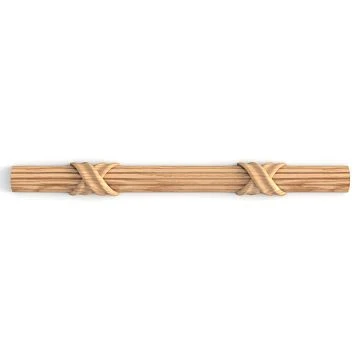
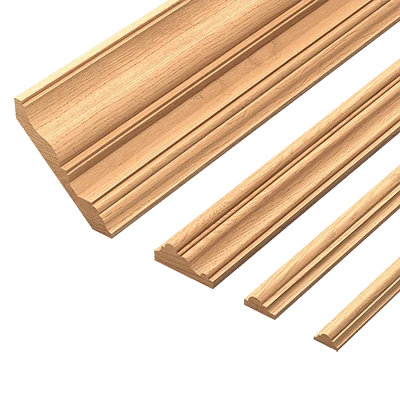
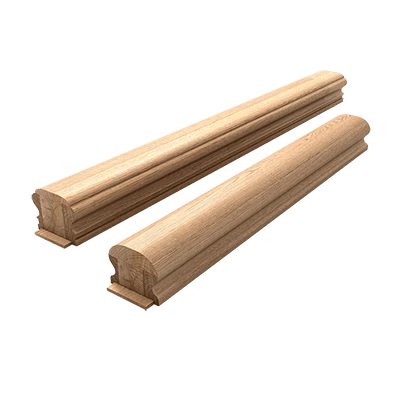
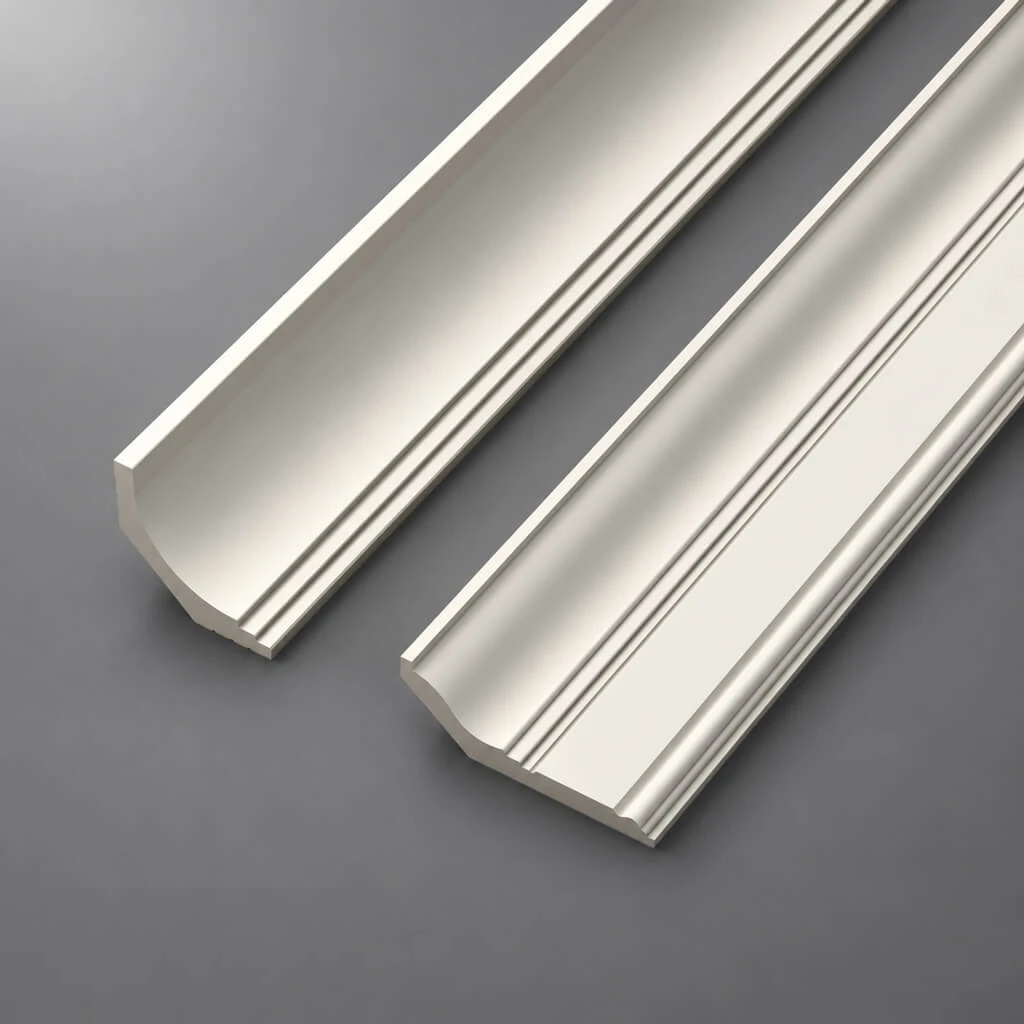
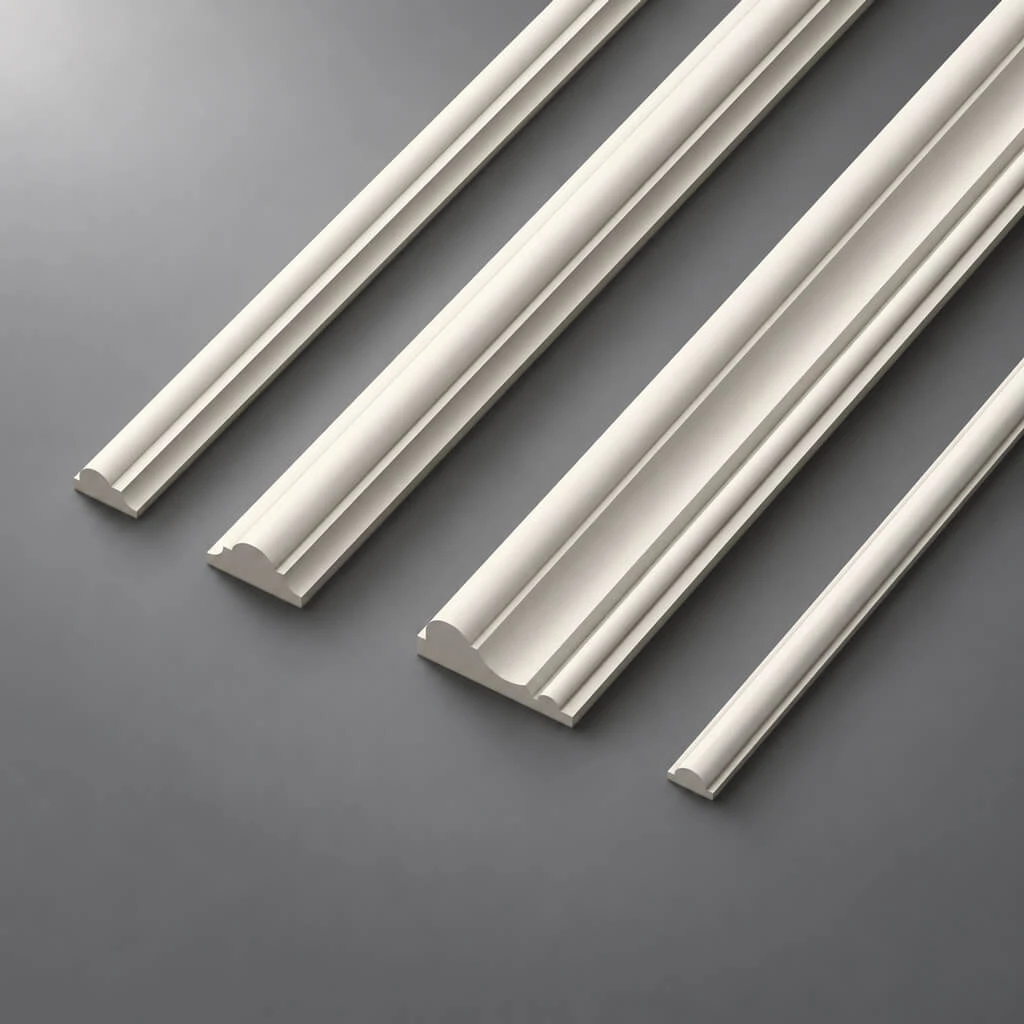
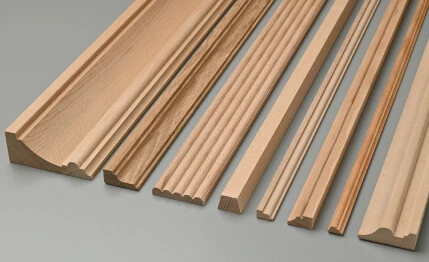
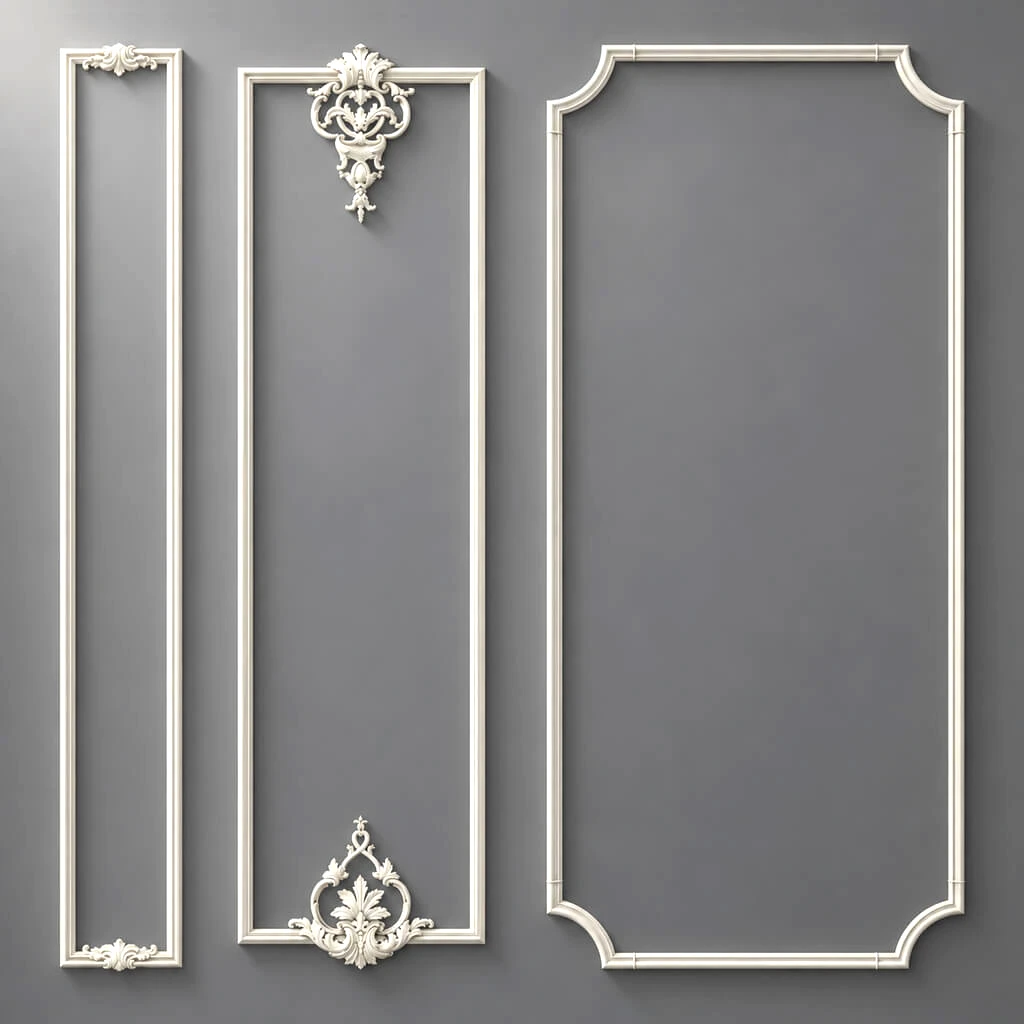
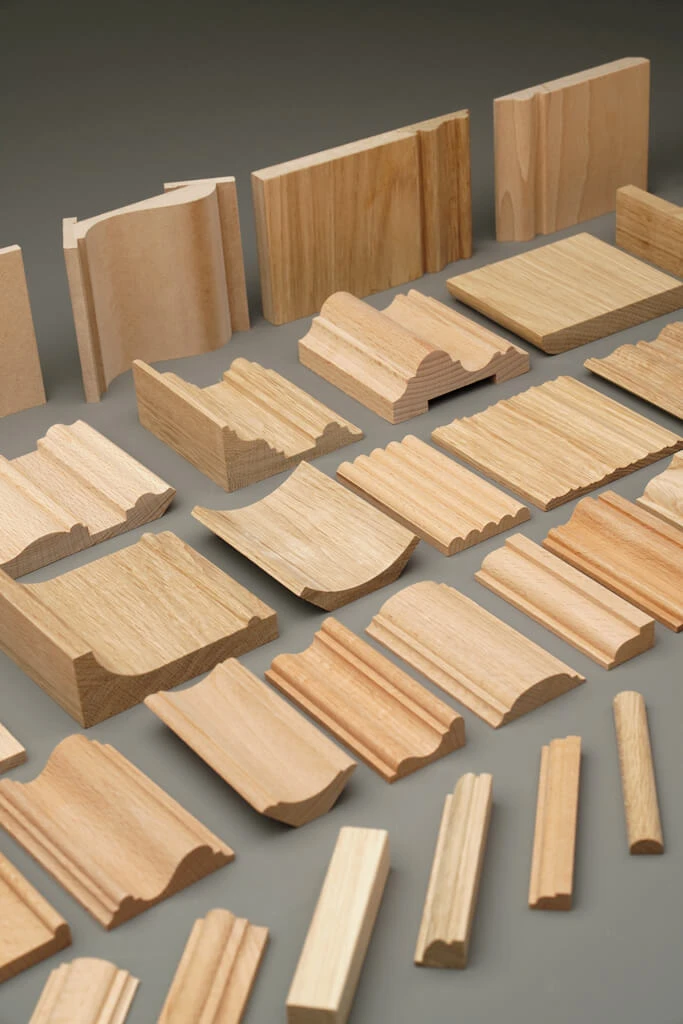
Wooden molding: why buy a ready-made profile
Moulding seems like a simple long strip.
But if it has a complex profile, the workshop first needs to create that profile.
For a single plank, this may not be difficult.
For dozens of identical metres, consistency of the cross-section already matters.
Ready-made Wooden trim allows the workshop to leave other operations to others: cutting, trimming, joining, painting and installation.
And the profile itself is already repeated along the entire length.
MLD-002: solid wood arrives already as a finished profile
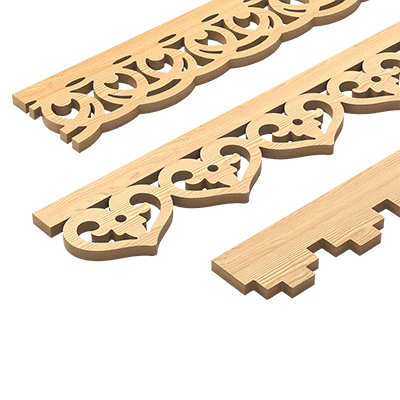
Molding MLD-002 has a cross-section of 22 × 11 mm.
For solid wood, options in beech and oak are available in lengths of 1000 and 2400 mm. The range also includes an MDF version 2600 mm long.
This example clearly shows that a solid wood element does not necessarily look like a board or beam.
A craftsman can buy an already finished cross-section and use it on a furniture facade, in a frame construction, for a decorative panel or as part of a more complex wooden composition.
That is, the material has already passed an important part of the production journey.
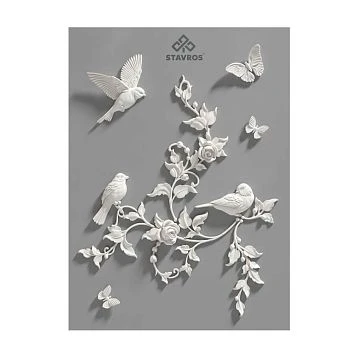
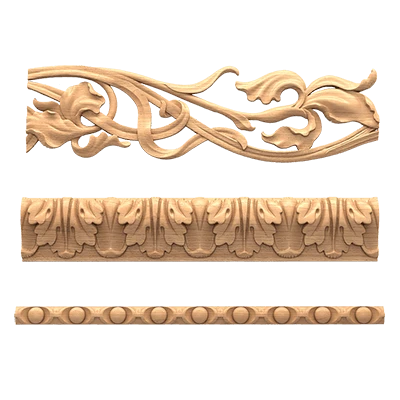
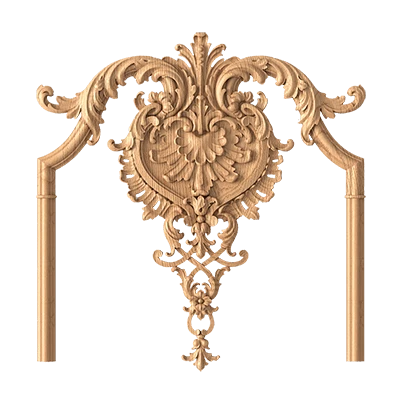
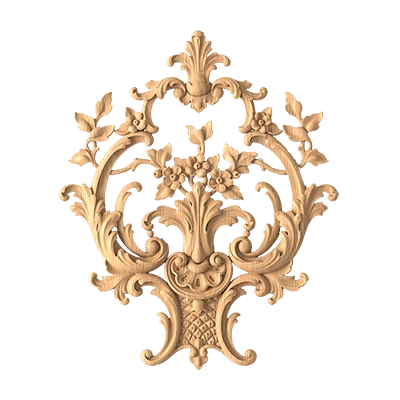
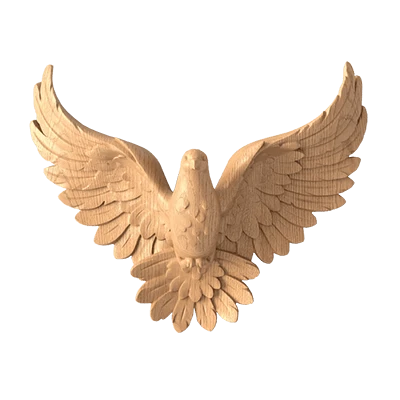
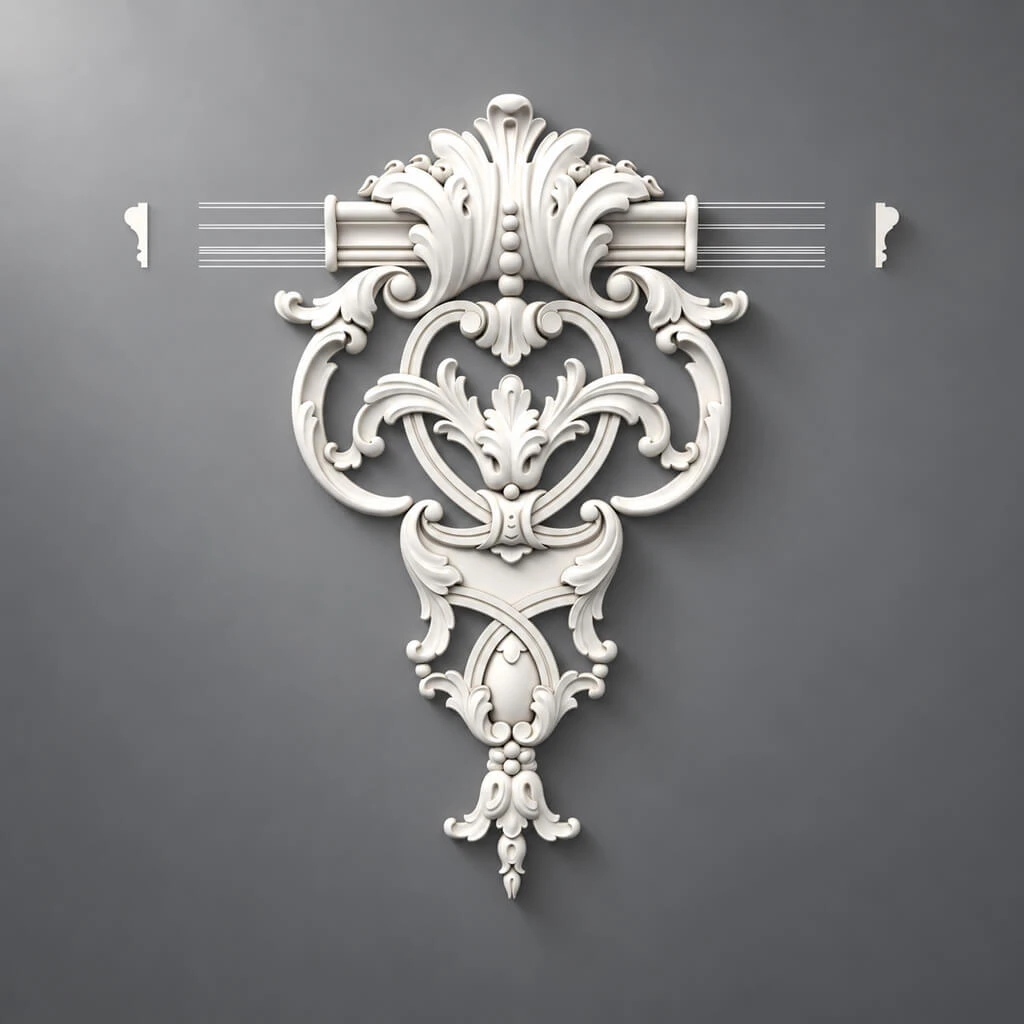
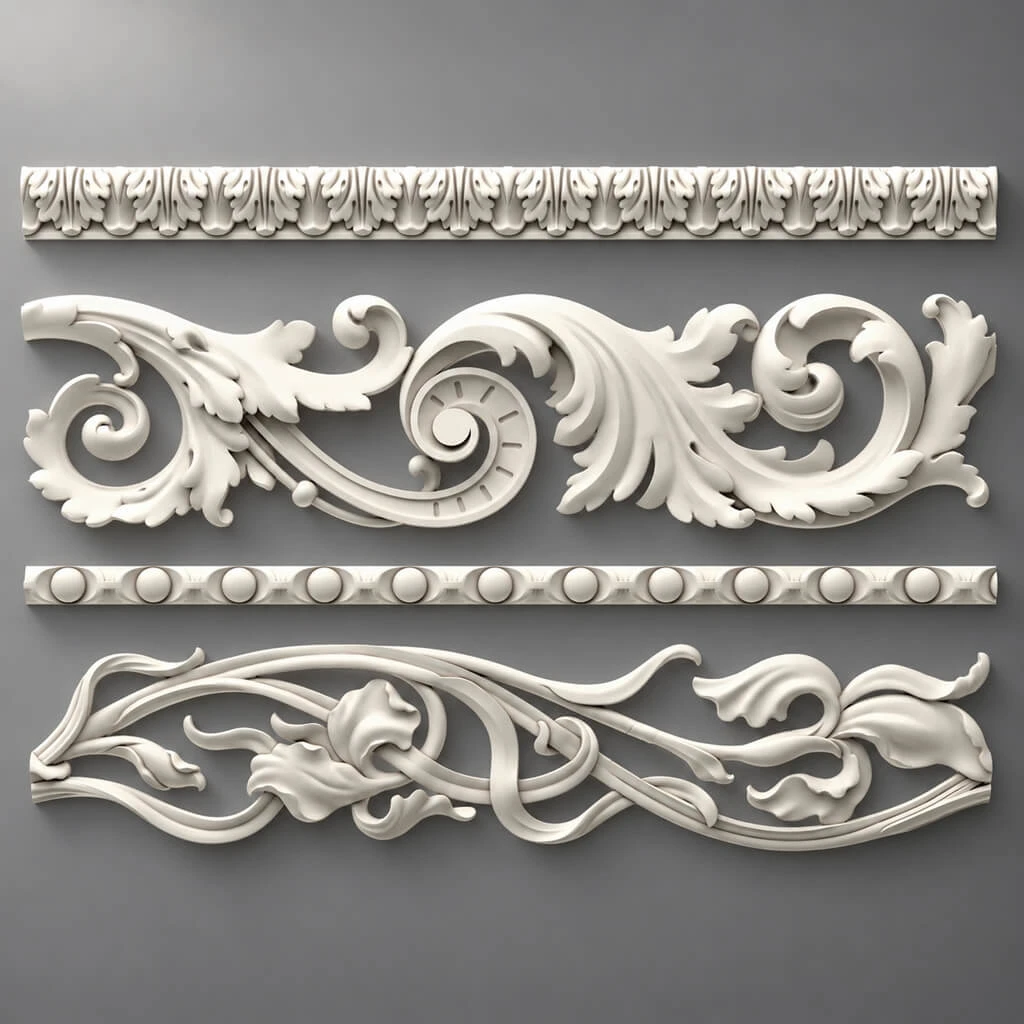
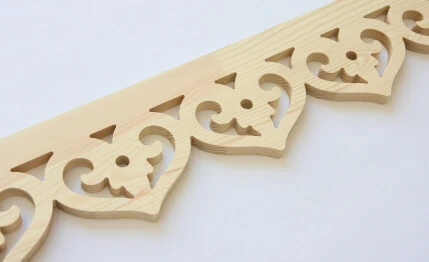
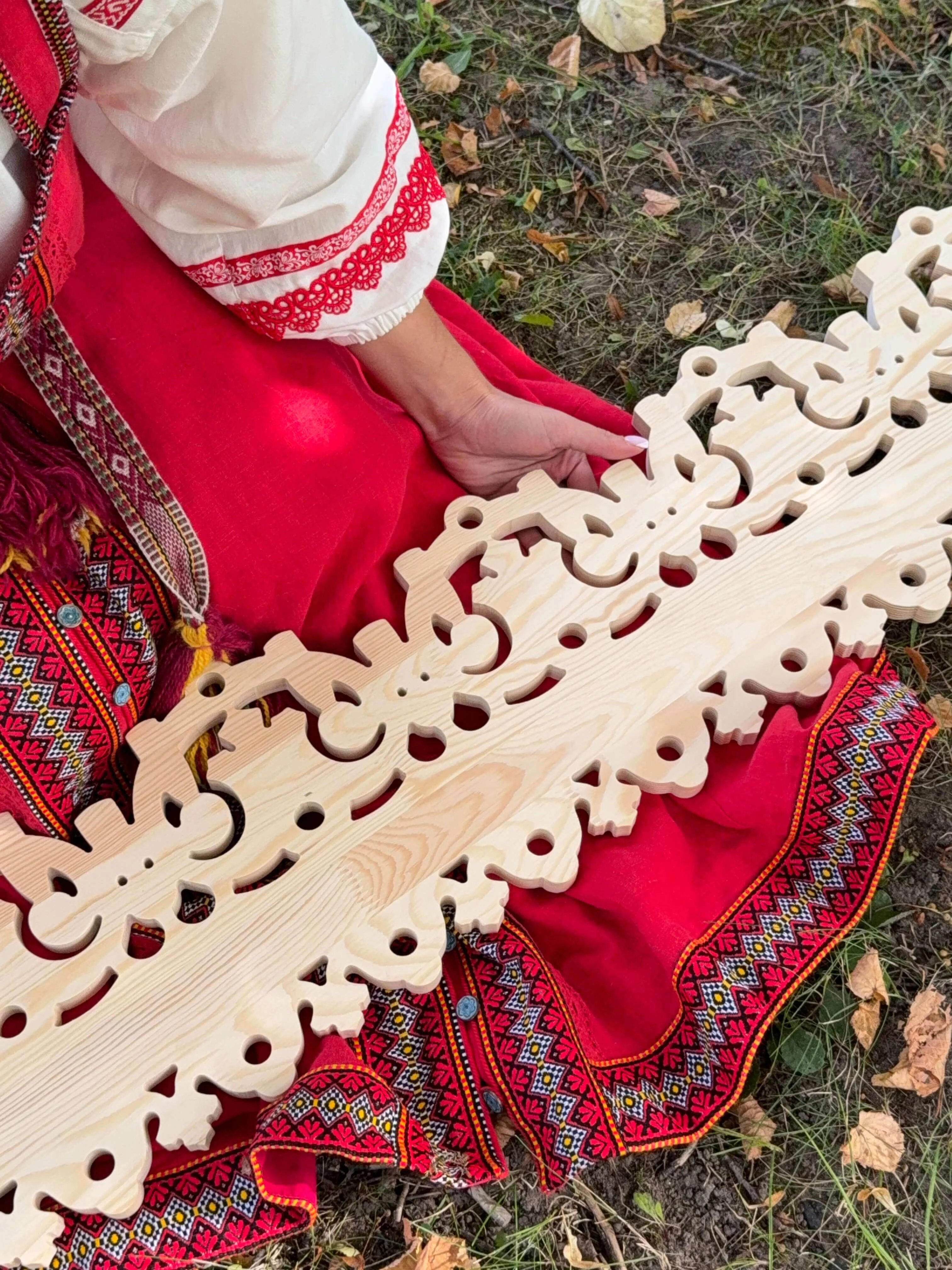
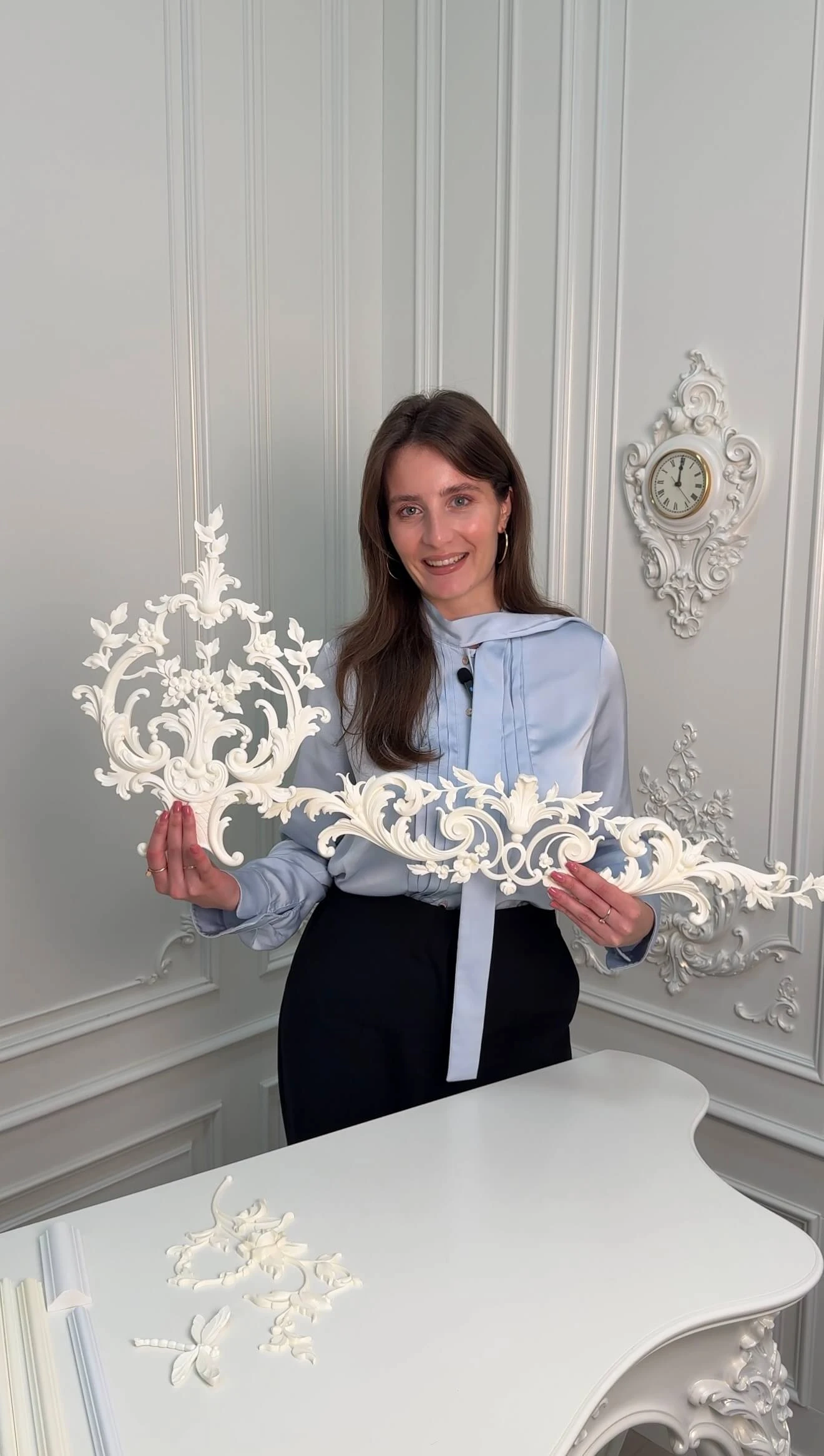
Carved overlays are one of the most obvious candidates for purchasing ready-made
carved appliqués they show the difference between the cost of wood and the cost of shaping especially well.
The main difficulty here is not the amount of material.
It lies in the pattern, the depth of the carving, the fine transitions, the repeatability, and the sanding.
If you need two or four complex overlays for a single cabinet, setting up a separate carving production may be unreasonable.
If, however, a workshop constantly produces the same model in large series, in-house processing may already make sense.
N-502: ready-made complex geometry made of solid wood
Wooden Decor N-502 measures 35 × 300 × 9 mm and is offered in beech or oak.
This is a narrow, elongated carved piece.
If you were to make a similar shape from scratch, you would have to separately handle the design, fine transitions, openwork sections, edge finishing, and sanding.
When you buy a ready-made N-502, all of this is already done.
The craftsman only checks the size, design, wood species, finish, and installation location.
For a small batch, this is often much more rational.
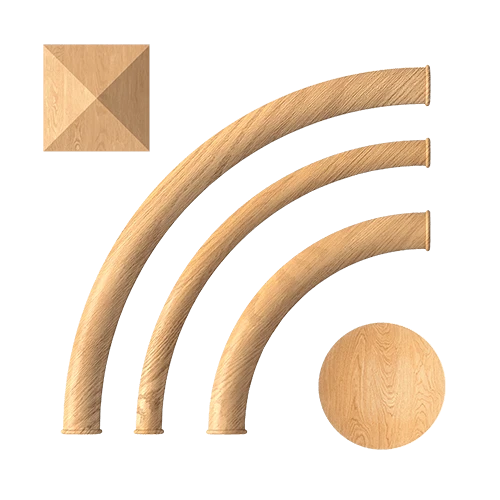
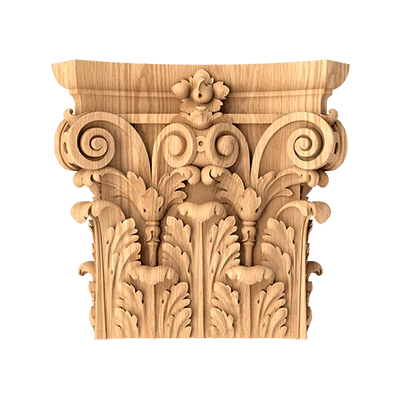
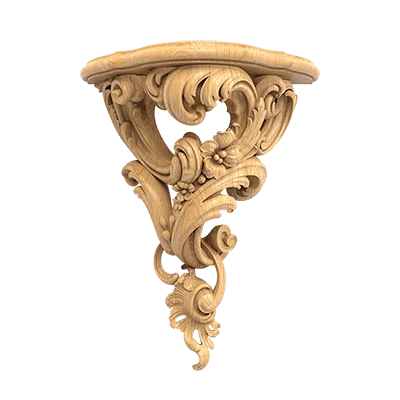
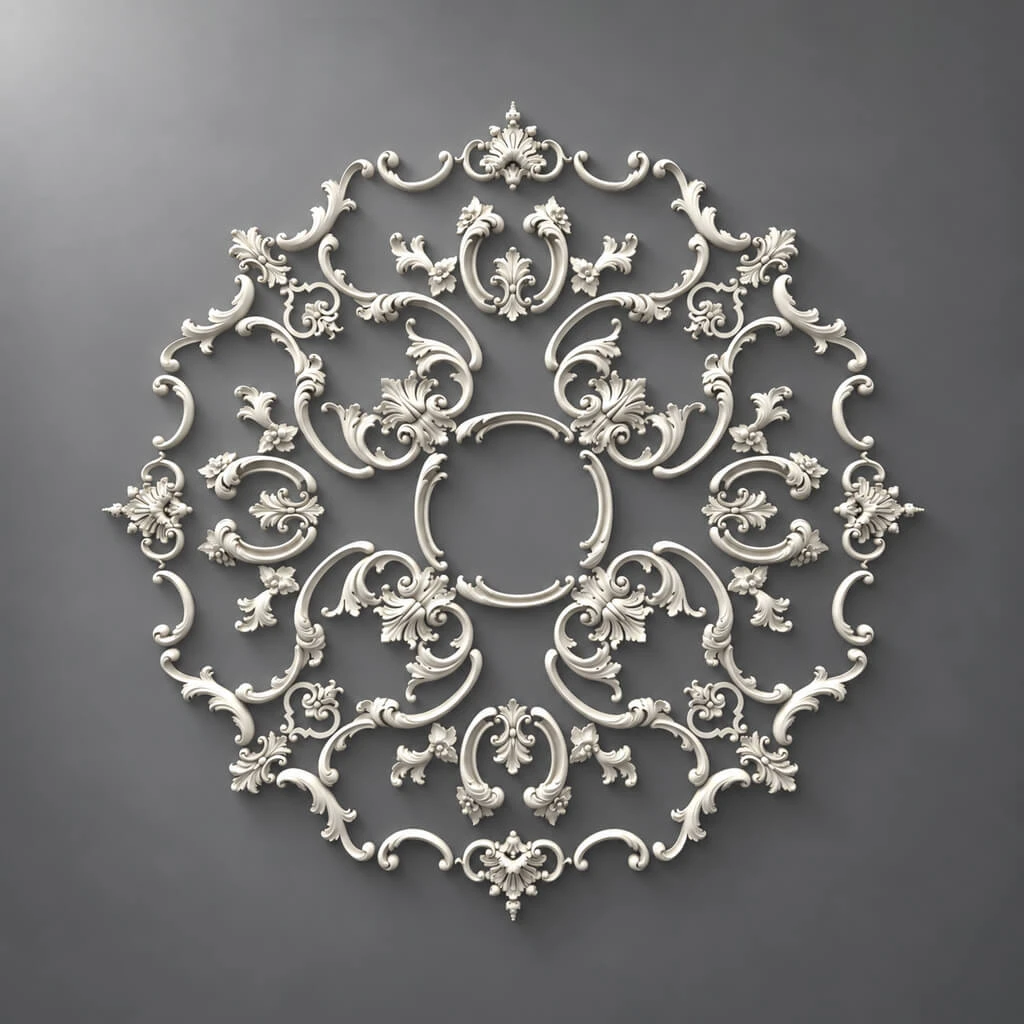
Decorative wooden elements — not just carved overlays
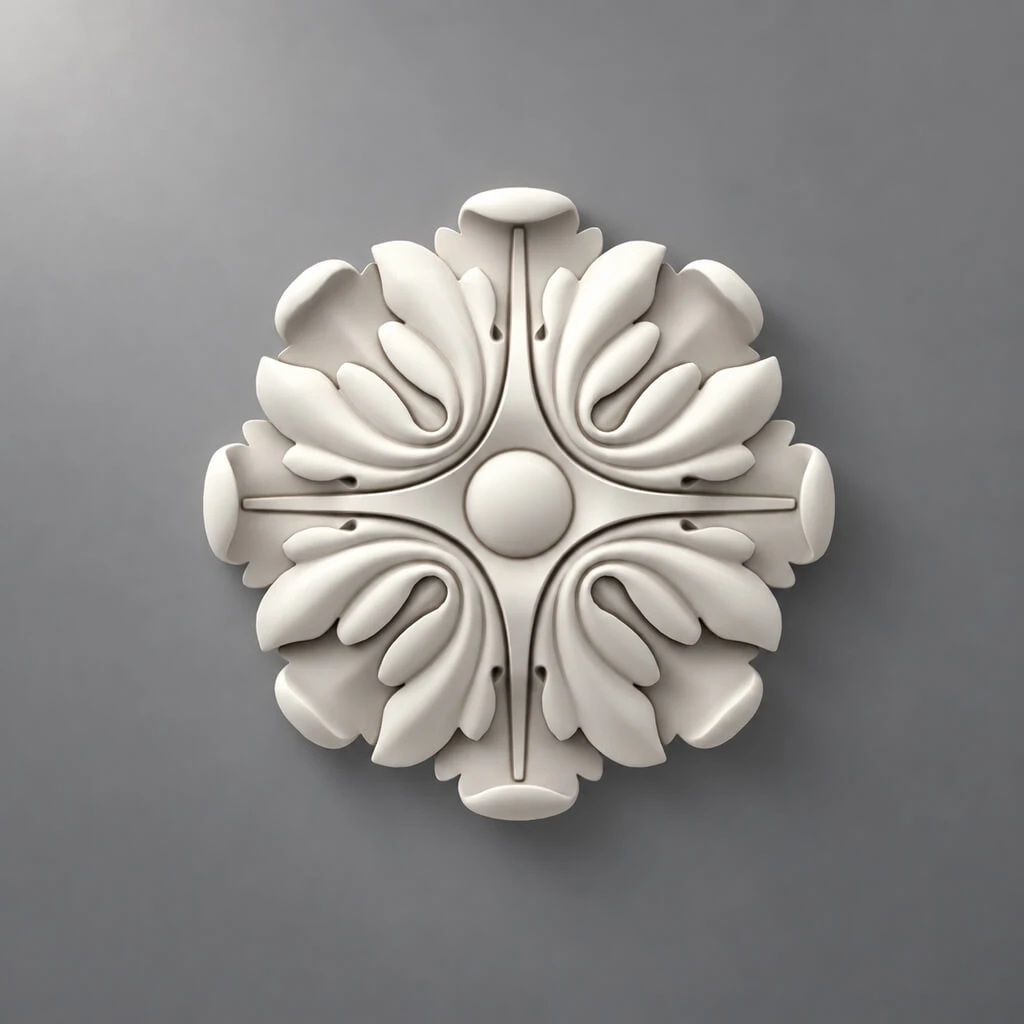
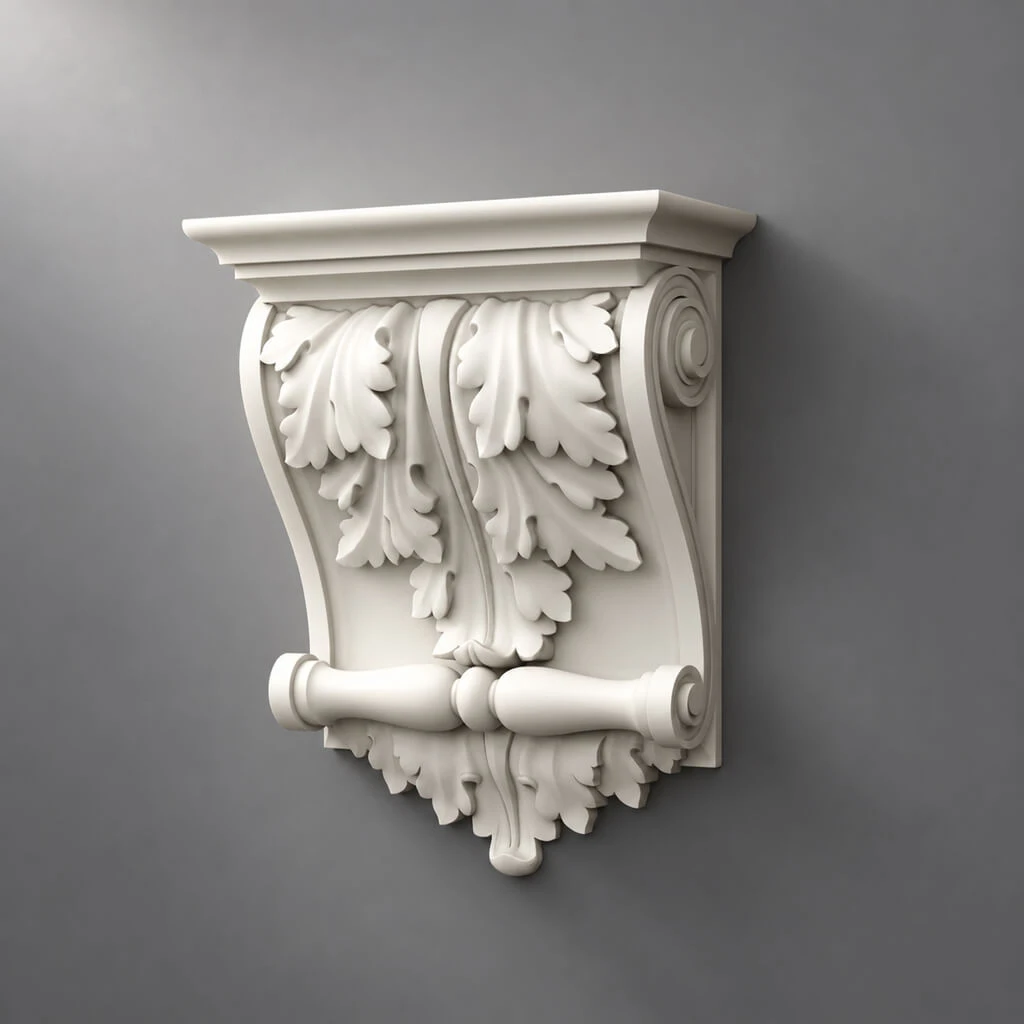
In the section wooden decorative elements there are not only overlays.
A furniture project may use:
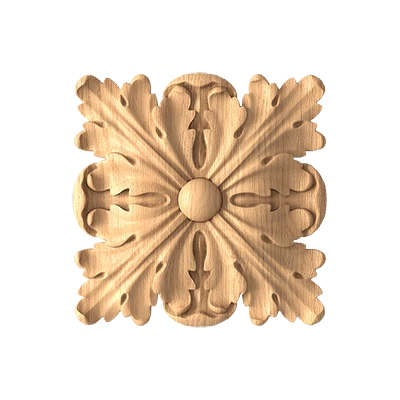
- Outlets;
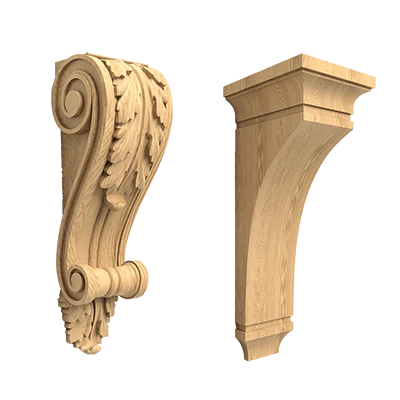
- Brackets;
- corner elements;
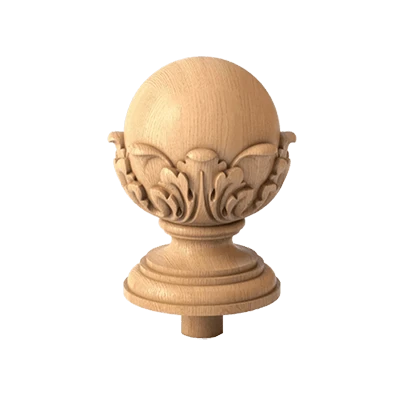
- tips;
- parts for moldings.
Such components help complete the center of a composition, the corner of a frame, the edge of a profile, or a decorative knot.
For a workshop, the idea is the same: instead of making every small complex shape, you can take a ready-made wooden element and build it into your own furniture.
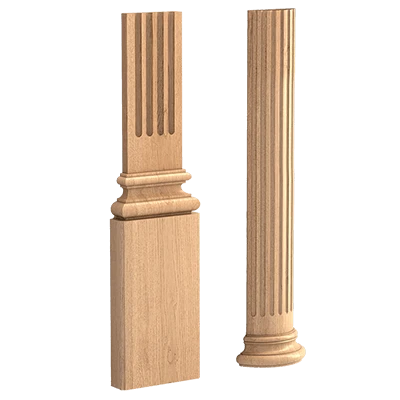
Wooden construction kit: solid wood as a system of ready-made modules
Section wooden construction set offers a different approach.
The craftsman does not buy a finished furniture leg as a whole.
He receives already formed wooden elements and assembles his own composition from them.
This is especially convenient for a small workshop.
There is no need to buy raw timber, turn every part yourself, and replicate complex shapes.
At the same time, you can change the combination of elements, control the overall height, choose the finish, and create your own pattern.
KON-010: ready-made elements instead of making the entire leg from scratch
Furniture leg set KON-010 has an overall size of 730 × 120 × 34 mm and is available in beech and oak.
The kit is supplied disassembled and consists of a wooden axle and shaped elements for assembling one decorative leg.
This is a good example of a modular approach.
The craftsman controls the project, the position of the leg, assembly and finishing, but does not produce every complex wooden element from scratch.
This way you can get your own composition without separate turning production of all parts.
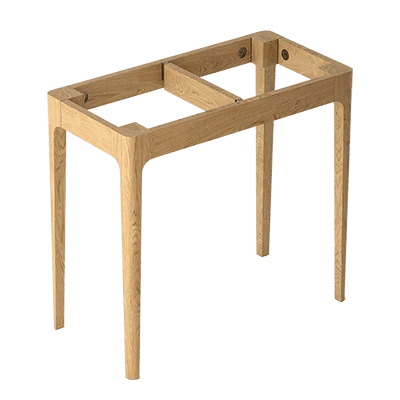
Frames and bases — the next level of readiness
Furniture Frames and Pedestals are even further along in degree of readiness.
Here you are no longer buying a single part or a set of shapes.
A larger assembly unit is being purchased.
Conventionally, several levels can be imagined:
raw material → simple blank → formed component → set of parts → finished frame.
Different workshops benefit from different levels.
If you have a full equipment fleet, you can start from raw materials.
If you need to quickly assemble a single table or console, a ready-made frame may be more sensible.
Where solid wood should not be used just for the sake of the word "solid"
There is a dangerous extreme: believing that if furniture is more expensive and higher quality, then absolutely every part must be made of solid wood.
This is not the case.
There is no point in automatically replacing every large surface, any internal invisible part, and any cabinet panel with solid wood.
The material must solve the task.
If solid wood complicates the construction, increases the cost, and does not give the project a visible or functional advantage, its use should at least be questioned.
This is especially important in mixed projects, where part of the furniture is painted, part remains natural, and the carcass and decorative elements work differently.
Solid wood under enamel and solid wood under a clear finish are different tasks
With opaque paint, the natural texture almost disappears.
Form, surface quality, evenness, and preparation for primer and enamel come to the fore.
With a transparent finish, other requirements are added:
- wood grain;
- grain direction;
- matching of shades;
- wood species;
- appearance of the end sections.
Therefore, the same solid wood element under white enamel and under transparent oil represents two different design scenarios.
Oak or beech
For this article, a short rule is sufficient.
Beech
It is often convenient to consider it for opaque painting, when the natural wood pattern should not be the main focus.
Oak
It is often more interesting under oil, transparent lacquer, or tinting, when the texture should remain visible.
But this is not a strict prohibition.
And oak can be painted.
And beech can be left natural.
The final decision is made not by the name of the species, but by the specific part and finish.
Making a solid wood element yourself or buying it ready-made
There is a simple way to make a decision.
It makes sense to do it yourself if:
- the shape is simple;
- the equipment is already set up;
- a non-standard size is needed;
- the series is large;
- the material is already in production;
- there is no ready-made equivalent.
A ready-made element makes more sense if:
- the profile is complex;
- the batch is small;
- high repeatability is required;
- turned or carved processing takes up expensive working time;
- a suitable element is already available;
- in-house manufacturing does not add new value to the product.
This is not a rule that "buying is always better."
This is a normal production choice.
The price of wood is not the cost of the finished element
Let's imagine two figures.
The first is the price of the wooden blank.
The second is the price of the finished carved part.
They cannot be compared directly.
For making it yourself, you need to calculate:
material + waste + preparation + machine time + manual work + tooling + sanding + possible defects + finishing.
For a finished component:
price of the part + delivery + own finishing + installation.
Sometimes the first sum will be lower.
Sometimes the second.
Batch size shifts the balance especially strongly.
Four complex parts and four hundred identical parts require different economics.
Example: four legs for one dresser
You need four shaped legs.
If you make them yourself, you will have to prepare four blanks, set up the processing, repeat the shape, check for uniformity, sand, and prepare for finishing.
If you buy them ready-made, you need to choose a model, check the size, get four identical parts, apply the finish, and install them.
If the workshop makes such legs all the time, making them yourself can be the norm.
If this is the only such project in a year, a ready-made leg is often more sensible.
Example: a decorative frame made of molding
You need to decorate the fronts of four doors.
You can make the profile yourself from a rectangular strip.
This will require setting up processing and running the linear material through several times.
Another way is to take MLD-002 with a ready-made cross-section of 22 × 11 mm and focus only on cutting, angles, finishing, and installation.
If the profile suits you in shape, the second way eliminates an extra operation.
Example: one carved overlay on the facade
Two identical openwork elements are needed.
Carving it yourself may take more time to prepare than the entire rest of the facade.
The ready-made N-502 already has dimensions of 35 × 300 × 9 mm and is available in oak and beech.
In this case, the craftsman can focus on the facade composition and finishing instead of making the ornament itself.
How to record solid wood elements in the specification
Entry:
wooden decor — 2 pcs.
too vague.
Better:
N-502, oak, 35 × 300 × 9 mm, 2 pcs., for clear tinting
For a leg:
furniture leg, project item code, beech, height 180 mm, 4 pcs., for enamel
For molding:
MLD-002, oak, 22 × 11 × 2400 mm, quantity according to cutting plan
This way, another craftsman immediately understands exactly what needs to be ordered.
One sample before the series
If an element is new to the project, it is not always necessary to buy the entire volume at once.
One physical part allows you to check:
- the actual size;
- surface quality;
- texture;
- color after coating;
- scale relative to the furniture;
- mounting method;
- combination with adjacent elements.
This is especially useful for transparent finishes and small furniture series.
One mistake on a sample costs far less than a mistake on twenty identical parts.
Common Mistakes
Mistake 1. Treating solid wood as mandatory for all furniture
This makes the project more expensive and complex without clear benefit.
Mistake 2. Comparing only the price of wood and a finished part
All production time disappears from the calculation.
Mistake 3. Making a complex shape from scratch just because "that's the right way"
If a ready-made component fits perfectly, reproducing it yourself may offer the project no advantage at all.
Mistake 4. Buying a ready-made part based only on a photo
You need to look at the actual dimensions.
Mistake 5. Accidentally mixing oak and beech under a clear finish
The difference becomes noticeable after oil or lacquer.
Mistake 6. Not taking the level of readiness into account
A raw blank, a formed component, and a finished frame require completely different amounts of work.
Mistake 7. Ordering the entire series without a sample
If the color or geometry is not right, the mistake is repeated across the entire batch.
Where to buy solid wood elements for furniture making
Main section — Solid Wood Items.
From here it is more convenient to go by a specific task.
Furniture legs — ready-made supports.
Wooden handles — face elements for fronts and drawers.
moldings and trim — ready-made linear profiles.
decorative elements — sockets, corner elements, brackets and other small parts.
wooden construction set — assembled modules and kits.
furniture frames — a higher level of readiness.
carved appliqués — complex overlay decor.
It's better to search not for “elements in general,” but for a specific function: leg, handle, profile, overlay or frame.
Short selection table
| Detail | When a solid piece is especially justified | Make it yourself or buy it |
|---|---|---|
| Leg | visible, sets the shape and height | a simple one can be made, a complex one should be compared with a ready-made one |
| Handle | grip and natural surface matter | a ready-made component is usually convenient |
| Molding | a precise repeatable profile is needed | a ready-made section reduces processing |
| Carved overlay | relief and texture matter | for a small batch, a ready-made one is often more convenient |
| Frame or base | a large wooden joint is needed | depends on the equipment and the project |
| Large cabinet surface | solid wood is not required in itself | the material is chosen based on the construction |
| Invisible internal part | natural texture does not affect the appearance | solid wood is needed only for a structural reason |
The bottom line
Solid wood is especially valuable where a person sees the wood, touches it, or perceives a complex shape.
These are legs, handles, profiles, carved decor, turned elements, and decorative frames.
But even for these parts, you don't always need to start with a block.
Sometimes it's wiser to buy a ready-made shape and keep the design, finishing, assembly, and installation for yourself.
For a large simple surface, the logic is the opposite: solid wood shouldn't be used just because the word "solid wood" sounds more expensive.
The best furniture project isn't the one with the most natural wood.
The best one is where each part is made from the material and with the degree of readiness that truly suits its function.
Frequently Asked Questions
Which furniture elements are best made from solid wood?
Most often, solid wood is well suited for visible legs, handles, moldings, carved decor, turned parts, and other elements where shape and natural wood matter.
Where is solid wood especially justified in a furniture project?
Where the surface remains exposed, the part is used by hand or has a complex three-dimensional shape.
Which wooden elements are more cost-effective to buy ready-made?
With a small batch, it is especially interesting to compare ready-made turned legs, carved overlays, complex moldings, handles, and modular elements.
What is better to make from solid wood — the legs or the entire carcass?
These are different tasks. A leg often justifies solid wood well due to its shape and load. For the entire carcass, solid wood is not mandatory just because of the premium segment.
Which solid wood parts are suitable for enamel?
Legs, handles, moldings, carved elements, and other wooden parts can be painted with enamel if the surface is prepared for the chosen finishing system.
When is it better to use oak?
When you want to preserve a noticeable natural texture under oil, clear lacquer, or tinting.
When is it better to use beech?
Often — for parts intended for solid painting, when the wood grain is not the main design element.
Which is more cost-effective — milling the decor yourself or buying it ready-made?
You need to account for the entire process: material, setup, machine time, sanding, and possible defects. For a small batch, a ready-made complex element is often more time-efficient.
How do you add a solid wood element to a specification?
Specify the product code, material, size, quantity, and future finish. For linear products, add the length and quantity according to the cutting plan.
Where to buy ready-made solid wood elements for furniture?
The STAVROS catalog has separate sections for furniture legs, wooden handles, moldings, decorative elements, kits, frames, and carved overlays.