Article Contents:
- What is a wooden baguette and why it is important in design
- When to buy a wooden baguette
- For pictures
- For mirrors
- For interior frames and decorative panels
- For custom painting
- Profile and Width
- Smooth or carved baguette
- Unpainted baguette for finishing
- Baguette by the meter and in linear meters
- Oak
- Oak
- For painting
- For tinting or varnish
- If you are framing a painting at home
- If you are working with a mirror
- If you are a designer or craftsman
- If you are designing a commercial space
- If you need to buy a baguette for painting
- Size
- Material
- Installation location
- Purpose
- Living Room
- Bedroom
- Entry Hall
- Office
- Children's room
- Commercial interior
- Baguette and architrave
- Bagette and molding
- Bagette and decorative overlay
- Need to frame a painting in a classic interior
- Need to make a frame for a mirror in the hallway
- Need to frame a decorative panel
- Need to buy bagette for a workshop
- Need to choose bagette to match furniture
- Need to make a custom interior object
- How to Calculate Quantity
- What to consider when mitering
- Preparation for finishing
- Care of wooden baguette
- Choosing Only by Photo
- Do not consider the purpose
- Confuse baguette with other moldings
- Ignore the material
- Do not count the reserve
- Do not check the finish in advance
- Buy one piece without a set
- Do not consider the room style
- Expect a finished frame instead of a profile
- Do not ask for clarification on a complex project
- Where to buy wooden baguette?
- Which wooden baguette to choose for a painting?
- What does it mean to buy wooden baguette by the meter?
- When is an unpainted wooden baguette needed?
- How does a wooden baguette differ from molding?
- Can a wooden baguette be used for a mirror?
- How to determine what width of baguette is needed?
- Which is better to choose: beech or oak?
- Can a wooden baguette be painted?
- What to buy together with a wooden baguette?
- Why can't you choose a baguette just by photo?
- Is wooden baguette suitable for modern interiors?
- Can a baguette be used for a decorative panel on the wall?
- What to check before ordering a wooden baguette?
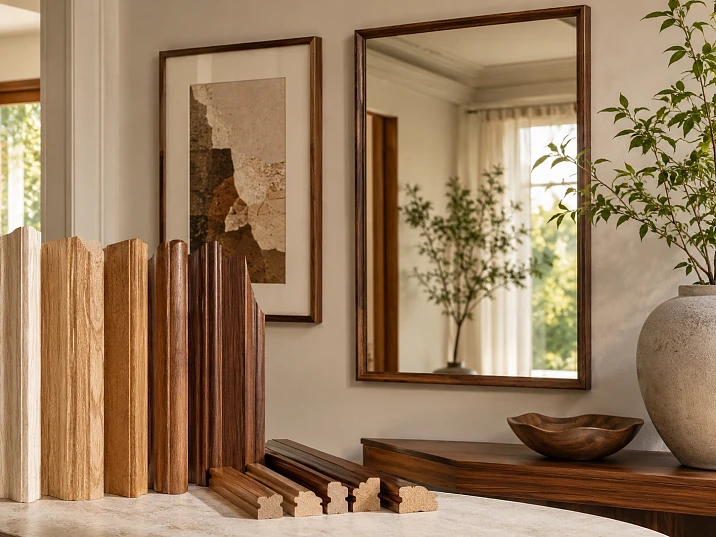
It is worth buying a wooden baguette not only when you need to frame a painting. Such a profile has long gone beyond the framing workshop: it is used for mirrors, decorative panels, interior frames, furniture inserts, wall compositions, and neat finishing of complex trim solutions. Externally, it may be just a linear wooden detail, but it is often what gives the product a finished look, emphasizes the style, and helps assemble the design without random mismatches.
A baguette has an important feature: it works on the border between a functional frame and a decorative element. For a painting, it holds and emphasizes the image. For a mirror, it forms an expressive frame. For a panel, it helps highlight a fragment of a wall, facade, or interior insert. For an individual project, it provides a ready-made base that can be adjusted to size, painted, tinted, or varnished.
Buyers often start with a simple question: where to buy a wooden baguette so that it looks not like a random slat, but like a full-fledged profile for framing? The answer depends on the task. For a painting, the fit and proportion of the frame are important. For a mirror, the width, relief, and stability of the visual image are important. For interior decor, compatibility with other wooden details is important. Therefore, before ordering, it is better to look not only at the photo but also at the material, profile, dimensions, future finish, and how the baguette will combine with neighboring elements.
In the STAVROS catalog you can Buy wooden picture frame molding for framing paintings, mirrors, and interior solutions. And this article will help you understand which profile to choose when you need a wooden baguette by the meter, how an unpainted baguette is convenient for individual finishing, and how not to confuse a baguette with a platband, molding, or a regular decorative strip.
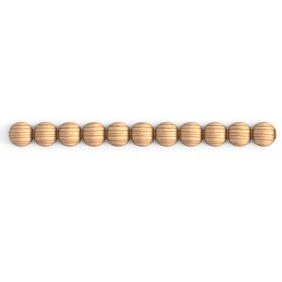
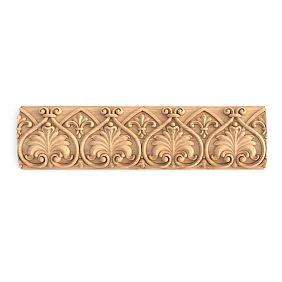
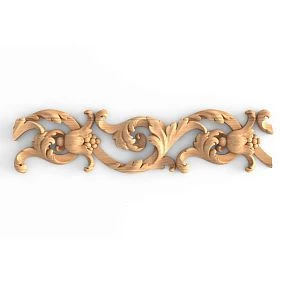
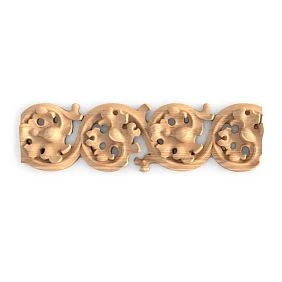
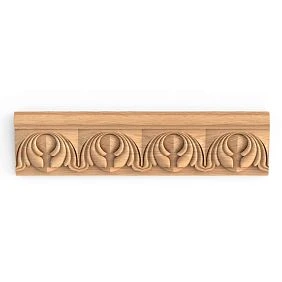
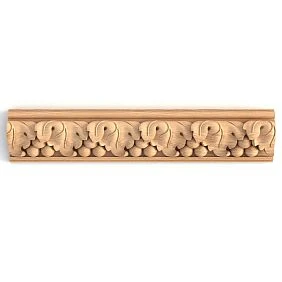
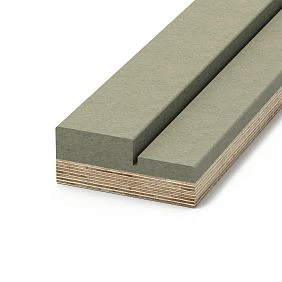
What is a wooden baguette and why is it important in design
A wooden baguette is a profile made of wood used to create frames, trims, decorative contours, and interior compositions. Its main task is not just to cover the edge, but to design the transition between the central object and the surrounding space. For a painting, such an object becomes the image; for a mirror, the reflective surface; for a decorative panel, an insert, a section of wall, or a furniture facade.
A good baguette works in several directions at once. It sets the scale, because a thin frame and a wide relief profile are perceived completely differently. It supports the style: a smooth profile is better suited for calm modern interiors, while a carved or expressive wooden baguette is appropriate where classic, historical stylization, a study atmosphere, an interior with massive furniture, or decorative trim is needed. It helps connect different elements together: a painting, a mirror, wooden overlays, platbands, panels, and moldings.
Buying a baguette randomly is dangerous. In a photo, the profile may seem neat, but in a real project, it may turn out to be too narrow, too flat, too decorative, or, conversely, not expressive enough. This is especially noticeable on mirrors and large panels: if the frame does not match the scale of the object, the design looks weak. If the profile is too heavy for a small painting, it starts to argue with the image. If the baguette does not combine well with the furniture finish, the entire composition seems assembled from different parts.
That is why it is better to choose a wooden baguette for paintings, mirrors, and interiors not as a separate slat, but as part of a future set. You need to understand in advance where it will be placed, what field it should frame, what the final coating will be, whether painting, tinting, or varnish will be needed, and what neighboring elements can support its shape. If wooden panels, carved rosettes, decorative overlays, or moldings are planned nearby, the baguette should work with them in the same visual language.




When should you buy a wooden baguette
A wooden baguette is needed when a regular edge is not enough. The bare edge of a painting, mirror, or panel rarely looks finished. Even if the surface itself is beautiful, it needs a contour: it separates the object from the wall, creates a border, protects perception from visual noise, and helps the eye focus on the main thing.
Our factory also produces:
For paintings
For paintings, the baguette serves not only a decorative role. It helps present the image correctly. Small graphics, canvas paintings, decorative panels, family photos, or reproductions require framing in different ways. In one case, a calm thin profile that does not compete with the image is needed. In another, a more noticeable wooden profile that enhances the classic character of the work.
When a buyer is looking for where to buy a wooden baguette for paintings, it is important not to limit themselves to the word "beautiful." They need to evaluate the profile width, depth of fit, future finish, wall color, and overall room style. Light graphics in a thin baguette look lighter. A large painting in a spacious living room may require a wider frame. A classic work often benefits from a relief profile, while a modern one benefits from a minimalist one.
For such tasks, you can look wooden picture molding and check the profile parameters in the product card in advance. If the frame will be made to exact size, it is especially important to consider not only the external width but also the fit, assembly method, and future finish.
Get Consultation
For mirrors
A mirror without a frame can look strict, but it is not always appropriate. In a hallway, bedroom, bathroom area, dressing room, living room, or commercial interior, a frame often turns the mirror into a full-fledged decorative item. A wooden baguette helps make the mirror part of the furniture, wall finish, or overall interior composition.
For mirrors, a more noticeable profile is often chosen than for small paintings. The reason is simple: a mirror usually works as a large plane. If the frame is too thin, it can get lost. If the profile is too heavy, the mirror will start to look bulky. Special care must be taken with tall full-length mirrors and large wall mirrors above a chest of drawers, console, or fireplace.
Wood is convenient because it can be integrated into different styles. For painting — to match furniture, walls, or doors. For tinting — if you want to emphasize the texture. For varnish — if the natural character of the material is important. But specific material and finish options should always be checked in the product card or clarified with a STAVROS manager.
For interior frames and decorative panels
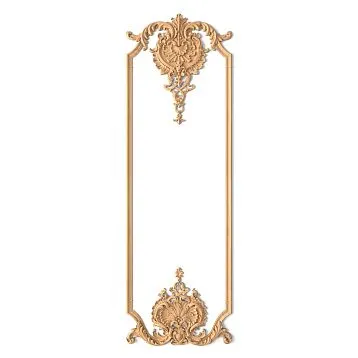
A baguette can be used not only around a painting or mirror. It works well in decorative wall solutions: around panels, inserts, textile fragments, wooden elements, niches, and accent zones. In this scenario, the baguette turns into a frame profile that assembles the plane and makes it more expressive.
For example, in a living room, you can frame a decorative panel behind the sofa. In a study, highlight a wall section with a wooden insert. In a bedroom, create a calm frame composition behind the headboard. In a commercial space, design a waiting area, reception desk, salon wall, or decorative fragment in a showroom.
For such projects, it is often convenient to use wooden baguette molding, because it can be selected according to length, cutting, and the specific geometry of the future design. Here it is especially important to calculate the quantity in advance, understand the joint scheme, and choose a profile not only by pattern but also by scale.
For individual painting
Unpainted wooden baguette is needed when the ready color does not fit or the finish must match furniture, doors, wall panels, frames, baseboards, or other wooden elements. This option is convenient for designers, craftsmen, framing workshops, and private buyers who want not a random shade but an exact match for the project.
If the task sounds like "buy unpainted wooden baguette by the meter," it means the buyer needs a profile that can be prepared for their own final finish. This could be painting to match the wall color, tinting to match furniture, varnishing, or other decorative treatment. The exact finish options depend on the specific product, so before ordering, you need to carefully look at the product card and, if necessary, clarify details with the manager.
Main characteristics of wooden baguette
Wooden baguette has several parameters that influence the choice more than it seems at first glance. These are profile, width, relief, material, possibility of final finish, purpose, and purchase format. If you do not check these things in advance, you can buy a beautiful profile that does not fit a specific painting, mirror, or interior task.
| Parameter | What it means for the buyer | What to check before ordering |
|---|---|---|
| Product type | Wooden baguette, baguette profile, frame molding | Is the profile suitable for frame design |
| Purpose | Paintings, mirrors, interior panels, decorative frames | Does the purpose match your task |
| Purchase format | The baguette can be selected as a profile for further cutting and assembly | The current sales format is specified in the product card |
| Material | The selection scheme considers beech and oak | Available wood species and options should be checked in the card |
| Finishing | Purchase for further painting, tinting, or varnishing is possible if specified in the card | Exact finishing options depend on the product |
| Profile | Smooth, embossed, calmer or more expressive | Compare the profile with the size of the painting, mirror or panel |
| Width | Affects the visual weight of the frame | Check that the profile is not too narrow or heavy |
| Installation | Important for paintings, mirrors and inserts | Check the depth and method of further assembly |
| Compatibility | Can be combined with rosettes, overlays, architraves and other wooden decor | Select elements in the same style, scale and material |
| Installation and assembly | Depends on the project, base and method of frame manufacturing | Before work, clarify the method of fastening and finishing |
| Category URL | STAVROS Wooden Baguette Catalog | View current cards and parameters in the section |
This table does not replace the product card. It helps to understand what questions need to be asked before purchasing. For one project, the material will be key, for another — the profile width, for a third — the possibility of painting, for a fourth — compatibility with decorative elements.
The customer often sees a baguette as a "frame strip," but professional selection starts earlier: with understanding the task. If you need to frame graphics, the profile should not steal attention. If you need a baguette for a large mirror, a thin frame may look accidental. If you are framing an interior panel, it is important that the profile does not clash with the rest of the wooden decor. Therefore, before buying a wooden baguette by the meter, it is worth at least roughly drawing a diagram of the future design and understanding where the joints, corners, and transitions will be.
How to Choose a Wooden Baguette Based on the Task
The main question is not which baguette is more beautiful. The main question is which profile will solve your task without unnecessary compromises. The same wooden baguette can look great on a mirror but turn out too heavy for a small painting. Or vice versa: a thin, calm profile will be good for graphics but will get lost around a large decorative panel.
Profile and width
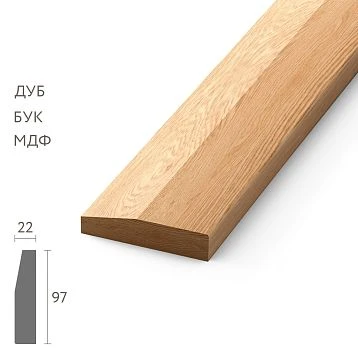
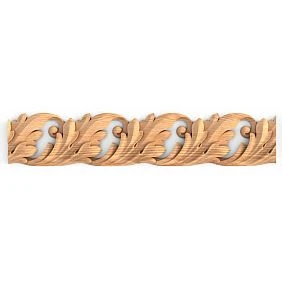
The profile is the shape of the baguette in cross-section and on the front surface. It can be flatter, convex, stepped, embossed, with a soft transition, or with a pronounced decorative line. It is the profile that determines how the frame will catch the light, what shadow it will cast on the wall, and how noticeable it will become in the interior.
Width affects visual weight. A narrow baguette is suitable for small works, calm interiors, and situations where the frame should not dominate. A medium profile is more versatile: it holds its shape well around a painting, mirror, or panel but does not overload the object. A wide baguette is needed where the frame becomes an independent part of the composition: a large mirror, a classic interior, a decorative panel, framing above a fireplace, an accent wall.
An error occurs when the width is chosen only based on a photo. On the product card, the profile may look large, but in a real interior, it may appear too thin. Or vice versa: on the screen, the baguette seems neat, but on a small piece of work, it starts to look massive. Before ordering, it is useful to compare the profile width with the size of the object. The larger the mirror or panel, the more right the baguette has to be noticeable. The smaller the painting, the more carefully you need to handle a heavy relief.
Smooth or carved baguette
A smooth wooden baguette is chosen when a clean line, calm framing, and neat finish without a strong decorative accent are needed. It suits modern interiors, laconic paintings, graphics, photographs, mirrors in a minimalist bedroom or hallway well.
A relief and carved profile is needed for a different task. It adds depth, shadow, classic character, and a sense of handcrafted decorative work. Such a baguette is appropriate next to massive furniture, classic facades, wooden cornices, decorative rosettes, panels, and interiors where there are already expressive details.
Here it is important not to overdo it. If the room has a lot of carved decor, the baguette should support it, not compete. If the interior is calm, an overly active profile may look alien. To avoid inconsistency, it is better to select the baguette together with neighboring elements. For example, if the project has carved wooden rosettes for accents or Decorative wooden inlays, the frame profile should match them in mood, scale, and future finish.
Unpainted baguette for final finish
An unpainted baguette is good because it does not force you to adapt to a ready-made shade. It can be included in a project where the color must match doors, furniture, wall panels, baseboards, architraves, or other wooden elements. This is especially important for designer interiors, where even a slight difference in shades can spoil the feeling of integrity.
For painting, a baguette is chosen when a uniform color solution is needed. For example, a white frame on a light wall, a deep dark profile in a study, a colored accent in a children's room, or tone-on-tone with furniture in a bedroom. For tinting, a baguette is chosen when you want to preserve the character of the wood and emphasize the texture. For varnish, when a natural surface and protection of the final layer are important.
At the same time, you cannot assume in advance that any profile is suitable for any treatment. The exact options for material, preparation, and finishing must be checked in the product card. If the product is selected for a responsible project, it is better to check with a STAVROS manager which option is suitable for the chosen finishing method.
Molding by the meter and in linear meters
Wooden molding by the meter is convenient when a frame, panel, or decorative contour needs to be assembled to a custom size. The buyer receives a profile, which is then cut to the required length, joined at the corners, and finished for the project. This format is especially useful for frame workshops, furniture manufacturers, designers, and craftsmen who work not with a ready-made standard product, but with a specific size.
If you need to buy wooden molding by the meter, calculate not only the perimeter in advance. You need to account for corners, cutting allowance, possible adjustments, defects during miter cutting, pattern complexity, and joining method. The more active the profile, the more carefully you need to work with corners: the pattern and relief must align neatly, otherwise the frame will lose its expensive look.
For a painting, the calculation is usually based on the size of the canvas or image. For a mirror, it is based on the size of the mirror sheet and its seating. For a panel, it is based on the external geometry of the decorative field. In each case, it is useful to make a diagram and only then proceed to the order.
Material and finishing: beech, oak, painting, tinting, varnish
Wooden molding is valued for its natural material, living texture, and the possibility of finishing. Unlike plastic profiles, wood feels warmer, deeper, and more natural. It works better alongside solid wood furniture, wooden doors, panels, carved elements, and classic finishes. But the material must be chosen consciously: different species and finishing methods yield different results.
Beech
Beech is often chosen for neat interior details where density, evenness, and the ability to look good after processing are important. It can be convenient for painting and tinting if the specific profile and preparation allow it. Visually, beech is perceived as calmer than pronounced species with active texture, so it is well suited for projects where form is more important than a strong wood grain.
For molding, this is useful: the profile must hold the line, look neat in the frame, and not distract from the painting or mirror if that is the task. But before ordering, you need to check which materials are available for the selected profile in the current product card. You cannot choose only based on a general idea of the species: a specific model may have its own parameters.
Oak
Oak is chosen when a more expressive, solid, and textured character is needed. It is well perceived in classic interiors, studies, living rooms, expensive mirror frames, decorative panels, and projects where a wooden detail should look substantial. Oak molding can support wooden furniture, massive doors, panels, and other millwork.
But oak is not always necessary. For small graphics, a light modern interior, or a frame for dense painting, you can consider a calmer solution if it is available in the chosen category. Oak reveals itself where its texture and density truly work for the image, rather than being hidden without purpose.
For painting
A frame for painting is chosen when color is more important than the natural look of the wood. This is a convenient path for projects where the frame must match the wall, furniture, doors, or interior panel. For example, a white frame can support a light classic bedroom, graphite for an office or hallway, and colored for a children's room or creative area.
The main mistake is buying a profile for painting without checking the surface, material, and preparation recommendations. Any finish depends on the quality of the base preparation, primer, chosen paint, and working conditions. Therefore, before ordering, it is worth clarifying whether the specific frame is suitable for your finishing method.
For tinting or varnish
Tinting and varnish are needed when you want to preserve the feel of wood. Tinting changes the shade but leaves the texture noticeable. Varnish helps highlight the surface and protect it, if such a finishing option is provided by the project. For mirrors, classic frames, offices, living rooms, and furniture compositions, this often looks more expressive than dense painting.
When choosing for varnish or tinting, it is important to understand in advance what the frame will be adjacent to. If there is oak furniture, wooden doors, or panels nearby, the shades should be coordinated. Even a beautiful profile can look random if its color is not connected to the other wooden elements. Therefore, before ordering, it is useful to compare samples, photos, product cards, and, if necessary, seek advice.
Comparison of options: which frame to choose
| Buyer's task | Which frame to look at | Why this works | What to Check |
|---|---|---|---|
| Frame a small painting | Narrow or medium profile | Does not overload the image | Width, fit, future finish |
| Frame a large painting | Medium or more expressive profile | Holds scale and does not get lost on the wall | Ratio of artwork size to frame |
| Make a frame for a mirror | More scale-stable profile | The mirror becomes an interior object | Mirror size, depth of fit, assembly method |
| Frame the decorative panel | Bagette molding | Helps assemble the contour along the desired geometry | Length, corners, allowance for miter cuts |
| Get the exact color | Unpainted profile for finishing | Can be painted or tinted to match the project | Whether the material suits the selected finish |
| Support a classic interior | Relief or carved profile | Adds shadow, depth, and decorative quality | Does the pattern conflict with other elements |
| Create a calm, modern design | Smooth profile | Provides a clean line without unnecessary decoration | Is the outline expressive enough |
| Work with custom size | Wooden baguette by the meter | Convenient for cutting and assembling for the project | Perimeter, allowance, joint layout |
This table shows the main principle: the baguette is chosen not separately from the object, but together with it. The painting, mirror, panel, wall, furniture, and finish form one system. If the profile is too weak in this system, the design will be incomplete. If it is too active, it will start to draw attention away.
A good choice lies between decorativeness and appropriateness. The frame should be noticeable exactly as much as the project requires. For one room, a thin wooden line is enough. For another, a powerful profile is needed, which will become a full-fledged frame and support the entire interior.
Selection for different customer scenarios
If you are framing a painting at home
For home framing of a painting, the main thing is not to rush with width and color. The buyer often chooses a frame based on the principle of "I like the profile," but the painting lives not in a catalog, but on a specific wall. You need to consider the size of the image, the color scheme, the style of the room, and the distance from which the work will be viewed.
For a small painting in the bedroom, a calmer profile is suitable. For the living room, where the work hangs above the sofa or chest of drawers, you can choose a more noticeable frame. For a classic interior, relief is appropriate, but it should not compete with the image. If the frame is to be painted, it is worth looking at unfinished wooden frames and planning the finish in advance.
If you are working with a mirror
With a mirror, the frame behaves differently. Here, the frame often becomes the main decorative element because the mirror itself has no pattern, unlike a painting. The profile creates character: strict, classic, soft, massive, light, decorative.
For the hallway, the frame must withstand daily perception and match the doors, console, bench, or wardrobe. For the bedroom, it should work more softly and not overload the area. For the living room, it can be more expressive, especially if the mirror hangs above the fireplace, chest of drawers, or decorative panel. In a commercial interior, the frame helps make the mirror part of the branded design.
If you are a designer or craftsman
For a designer, a wooden frame is a tool for assembling a composition. With it, you can frame not only a finished painting but also an author's panel, mirror, furniture insert, decorative wall, reception area, display case, or interior object. Here, repeatability, material, finishing options, and compatibility with other elements are important.
If the project includes different wooden details, it is convenient to look not at one profile, but at the entire group Solid wood productsThis helps you understand in advance which adjacent elements can be used nearby: moldings, baguettes, trims, and other finishing details. This approach reduces the risk that the frame will live separately while the rest of the interior lives separately.
If you are designing a commercial space
In a cafe, restaurant, salon, showroom, hotel, or office, the baguette should be not only beautiful but also clear in scale. In commercial interiors, details are often viewed from different distances: up close, at the entrance, from the waiting area, from the aisle. Therefore, a profile that is too thin can get lost, while one that is too decorative can quickly become tiring.
For a commercial space, it is useful to determine the role of the baguette in advance. Should it be a neutral frame? An accent? Part of the brand identity? A support for wooden furniture? A framing for mirrors? A design for decorative panels? The more precise the task, the easier it is to choose the profile and calculate the footage.
If you need to buy a baguette for painting
A task for painting requires discipline. You need to understand in advance what color the wall, furniture, or adjacent decor will be, what finish is needed—matte, semi-matte, denser, or with texture preservation. The baguette itself must be suitable for the chosen treatment, and the exact parameters should be checked before ordering.
An unpainted baguette is especially convenient when the interior has several details that must match in color: a mirror frame, a decorative panel, overlays, trims, furniture elements. In this case, the profile becomes part of the overall set, rather than a separate purchase.
Selection by size, material, installation location, and purpose
Size
The size of the baguette is related not only to the length but also to the profile width, depth, relief, and fit. For frame design, this is critical. If the profile is chosen without considering the object, the error will appear immediately after assembly: the painting may get lost in a heavy frame, the mirror may look too simple, the panel may seem unfinished.
Before ordering, you need to know the external size of the object and the desired frame width. For a painting, consider the image itself, the mat (if any), and the overall wall area. For a mirror, consider the size of the sheet, the installation location, and adjacent objects. For a panel, consider the geometry of the decorative field. If you buy wooden baguette by the meter, add a margin for cutting and fitting to the clean perimeter.
Material
The material affects weight, processing, appearance, and perceived quality. Wood is perceived differently than plastic or a random blank. It has texture, density, the possibility of finishing, and a more natural combination with furniture and interior details.
If the project already has wooden elements, it is better to choose a baguette considering their character. A more expressive profile is appropriate next to massive furniture and classic finishes. In a calm modern room, a clean line works better. If painting is planned, the material must match the chosen finishing method.
Installation location
In the living room, the baguette is often visible from afar, so its scale should be confident. In the bedroom, it can be softer and calmer. In the hallway, the profile should match the doors, trims, mirror, and furniture. In the study, a more substantial wooden character can be allowed. In a commercial interior, it is important that the profile maintains the overall style and does not look like a random frame.
The installation location also affects practical issues: how the frame will be attached, how often it will be touched, whether there is furniture nearby, how light falls, and whether joints will be visible. A relief profile casts a beautiful shadow but requires careful joining. A smooth one is easier to perceive but may be too calm for a large composition.
Purpose
The purpose determines everything. For paintings, the presentation of the image is important. For mirrors, the stability of the frame and its connection to the interior. For decorative panels, precise geometry and a neat outline. For furniture inserts, compatibility with facades and overlays. For a painting project, the material and surface preparation.
Therefore, the question 'which wooden baguette to buy' cannot be solved in isolation from the task. First, you need to understand what exactly you are framing, then choose the scale, then the material and finish, and only after that proceed to the product card and order.
Application of wooden baguette in the interior
Living room
In the living room, the baguette is most often used for paintings, mirrors, panels, and decorative zones. Here it works for impression. The frame around a painting above the sofa should be visible but not compete with the furniture. A mirror above a chest of drawers or fireplace area can have a more expressive profile. A decorative panel on the wall needs a contour that separates it from the general plane.
If the living room is decorated in a classic style, the baguette can be combined with carved decor, rosettes, overlays, and moldings. If the interior is modern, it is better to choose a calmer profile and focus on proportion, color, and quality finish.
Bedroom
In the bedroom, the baguette should work more softly. Mirrors, small paintings, decorative panels at the headboard, and calm wall compositions are more often used here. A too heavy profile can overload the space, especially if the room is small. But a neat wooden baguette for painting or tinting helps connect the frame with furniture, textiles, and the wall.
For the bedroom, the principle 'no more than necessary' works well. If the painting is intimate, the profile can be thinner. If the mirror is large, the frame should be noticeable enough not to seem random. If the area at the headboard is being decorated, the baguette contour helps to assemble the composition and make the wall complete.
Hallway
In the hallway, wooden baguette is especially often used for mirrors. This is the first space a person sees upon entering, so the frame sets the mood. It should match the doors, furniture, wall panels, architraves, and lighting.
If there are wooden doors nearby, it is worth paying attention to the connection between the baguette and the framing of the openings. In such projects, you can additionally look at wooden architraves for openings, so that the interior does not fall apart into separate elements. The baguette and architrave are not the same thing, but they can support each other in terms of material, color, and style.
Cabinet
In the study, wooden baguette reveals itself especially well. Paintings, graphics, maps, diplomas, mirrors, panels — all of this requires calm, confident framing. Here, deeper shades, tinting, varnish, expressive wood texture, and a profile that looks substantial are appropriate.
A study interior does not like randomness. If the frame is too simple, it can cheapen the impression. If too decorative, it can distract attention. A good wooden baguette helps maintain balance: add status, but not turn the wall into an overloaded composition.
Children's room
In the children's room, baguette is used more cautiously. Here, color, safety of perception, lightness, and age appropriateness are important. For children's drawings, posters, photographs, and small panels, calm profiles for painting are better suited. They can be matched to the color of the walls or furniture without creating a heavy decorative look.
If the room changes as the child grows, an unpainted profile is convenient because it can be finished to match the new interior. But any parameters, including material, treatment, and mounting method, need to be thought out in advance considering the specific project.
Commercial interior
In salons, hotels, restaurants, showrooms, and offices, baguette helps make the design more cohesive. It can frame mirrors, decorative panels, branded images, wall compositions, waiting areas, or display cases. In such spaces, it is important not just to choose a beautiful profile, but to ensure repeatability and a unified style.
If you need several identical frames, it's better to calculate the footage in advance, check the availability of the required profile, and clarify the parameters. For a commercial project, errors are especially noticeable: different shades, mismatched joints, random profiles, and weak scaling spoil the impression more than in a private interior.
What to buy together with a wooden baguette
Wooden baguette rarely exists on its own. In a real project, other elements appear alongside it: moldings, rosettes, overlays, architraves, panels, furniture parts. If you select them in advance, the design looks cohesive. If you buy them separately and at different times, the risk of mismatch in style, material, scale, and finish increases.
For framing pictures and mirrors, the baguette itself remains the basis. If the task is broader — a decorative panel, interior composition, wall zone, or furniture project — other wooden elements can be added to it. For example, carved wooden rosettes for accents help highlight corners, the center of the composition, or decorative nodes. Decorative wooden inlays can support the carved character of the frame on furniture, facades, or wall inserts.
If not only frames but also doorways are being designed in the room, it is useful to look in advance at wooden architraves for openings. They do not replace the baguette, but help tie frames, doors, and wooden trim into a single interior language. And if the project is large, it is worth studying more broadly Solid wood productsto select adjacent elements without random scatter.
| What to add to the purchase | Why this is needed | Which scenario it suits | What to pay attention to |
|---|---|---|---|
| wooden baguette molding | Assemble a frame or decorative contour to the required size | Paintings, mirrors, panels | Footage, profile, allowance for cutting |
| carved wooden rosettes for accents | Add decorative points and support the classic style | Panels, furniture compositions, interior frames | Pattern scale, material, finish |
| Decorative wooden inlays | Connect the frame to furniture or facade | Chests of drawers, cabinets, panels, decorative zones | Size, relief, compatibility with baguette |
| wooden architraves for openings | Support the design of doors and openings | Hallway, living room, study | Do not confuse the purpose of the trim and the baguette |
| Solid wood products | Select adjacent wooden elements | Comprehensive interior project | Check materials, dimensions, and finish |
This selection is especially important for designer interiors. When baguettes, architraves, overlays, and rosettes are chosen separately and without a common logic, the interior quickly turns into a collection of beautiful but mismatched details. If you assemble a set in advance, even a simple frame around a mirror begins to look like part of a well-thought-out finish.
How not to confuse a wooden baguette with similar products
Baguette and architrave
An architrave covers and frames a door or window opening. Its task is to frame the opening, cover the installation joint, and connect the door or window to the wall
Baguette and molding
Molding is more often used as linear decor on walls, ceilings, furniture facades, or interior surfaces. Baguette is closer to frame design: paintings, mirrors, panel inserts, decorative outlines. Sometimes these tasks overlap, but the profile should be selected based on the specific application.
If you need to make a decorative layout on the wall, molding may be suitable. If you need to frame a painting or mirror, it is better to look at baguette. If the task is complex — for example, a wall panel with a frame contour — the choice depends on the profile, fit, and desired result.
Baguette and decorative overlay
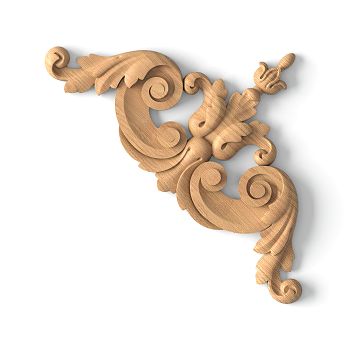
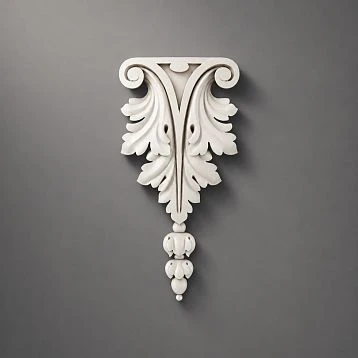
A decorative overlay is a separate ornamental element. It can adorn a facade, furniture, panel, corners, or the central part of a composition. A baguette is a linear profile that builds a contour. The overlay adds an accent, the baguette assembles the frame.
In beautiful projects, they can work together. For example, a baguette forms a frame around a decorative panel, while overlays support the pattern on the facade or in corners. But replacing one with the other is not advisable: these details have different roles.
Practical selection for specific situations
Need to frame a painting in a classic interior
Start with the size of the artwork and the wall. If the painting is small, do not choose a profile that is too heavy. If the artwork is large and hangs in a spacious living room, a thin baguette may look weak. For a classic interior, you can consider a more expressive wooden profile, but its relief should match the furniture, lighting, doors, and other decor.
Before ordering, check the fit, width, material, and future finish. If the frame color should match the furniture, it is better to look at an unpainted option for tinting or varnishing, if provided in the product card.
Need to make a frame for a mirror in the hallway
Here, scale and practicality are important. A mirror in the hallway is usually visible immediately upon entry, so a weak frame makes the space feel incomplete. If there are doors, a console, a wardrobe, or a bench nearby, the baguette should support their style.
Do not confuse a baguette with a casing. A casing is needed for an opening, while a baguette is for a frame. But in one project, they can be combined. If the hallway is being fully decorated, it is worth checking the baguette, door trims, and furniture finish in advance.
Need to frame a decorative panel
For a panel, geometry is important. First, determine the size of the field, then calculate the perimeter, then add allowance for cutting and fitting. Choose a profile that will be noticeable enough on the wall but will not turn the panel into a heavy frame if the interior does not require it.
If the panel has sockets, overlays, or other decorative elements, the molding should match them. It's better to select all details in advance than to try to combine different patterns and scales later.
You need to buy molding for the workshop
For a framing workshop, repeatability, profile quality, and ease of further cutting and finishing are important. Clients come with different tasks: paintings, mirrors, photographs, graphics, panels. Therefore, it's useful to have several types of profiles: calm, more expressive, for painting, for tinting.
If the workshop works with custom orders, the meter-by-meter format is especially convenient. But it's important to clarify the current product parameters, material, and order conditions in the product card in advance.
You need to choose molding to match the furniture
If the frame will be next to a dresser, cabinet, console, or wooden panel, it cannot be chosen separately. The color, profile, and relief should support the furniture. Sometimes it's better to choose a calm molding and add decorativeness through overlays. Sometimes, on the contrary, the frame becomes the main element, and the furniture remains the background.
If the project uses Decorative wooden inlays, compare their pattern with the molding profile. They don't have to be identical, but they should sound consistent.
You need to make a custom interior object
Design projects often require not a ready-made standard solution, but a set of elements. The molding can become a frame for a mirror, a panel contour, part of a furniture insert, or a decorative transition. In this case, it's better to look at it as an element of a system.
First, the idea is determined, then the dimensions, then the profile, material, finish, and adjacent elements. If you start by buying a beautiful part without a project, you may find that it does not fit in scale or does not match the other parts.
Preparation, calculation, finishing and care
How to calculate the quantity
For a rectangular frame, the basic calculation is based on the perimeter: two widths plus two heights. But buying strictly by the net size is risky. You need a margin for corner cutting, adjustment, possible errors, and pattern features. The more complex the profile, the more important the margin.
For a decorative panel, the calculation depends on the scheme. If there is an outer frame and internal divisions, each line must be calculated separately. If the baguette is used around several panels, it is worth making a layout in advance. This helps to avoid a situation where there is not enough material for one section, and the next batch differs in shade or parameters.
What to consider when cutting
A baguette frame requires neat corners. On a simple smooth profile, the joint is less noticeable, but it still must be precise. On a relief profile, an error is more visible: the pattern, shadow, and line may not match. Therefore, it is better to plan the cutting work in advance, especially when it comes to a mirror, a large painting, or a panel in a prominent place.
If the buyer has no experience, it is reasonable to contact a craftsman or a framing workshop. The profile itself can be selected and ordered in advance, and the assembly entrusted to a specialist. This is especially important for expensive interior objects.
Preparation for finishing
Before painting, tinting, or varnishing, the surface must be prepared. The specific actions depend on the material, the condition of the profile, and the chosen finish. Do not apply the final coating without testing: wood may react differently to compounds, and a relief profile requires careful treatment in the recesses.
If you need an exact color, it's better to test on a small area or a separate fragment. This will help understand how the material absorbs paint, stain, or varnish. This is especially important when the baguette must match furniture or other wooden decor.
Caring for a wooden baguette
Care depends on the finish coating. Painted, tinted, and varnished baguettes require different handling. In any case, it's better not to clean a wooden frame with aggressive agents or expose it to excessive moisture. For regular care, a dry or slightly damp soft cloth is often sufficient, if the coating allows it.
A relief profile collects more dust in the recesses than a smooth one. This is not a drawback, but a feature of the shape. If the baguette is used in a commercial interior or in a high-traffic area, it's better to consider ease of maintenance in advance when choosing the profile.
Mistakes when buying a wooden baguette
Choosing only by photo
A photo helps to understand the overall look, but does not show the real scale. The profile may appear larger or smaller than it will be in the project. Before ordering, you need to look at the dimensions in the product card and compare them with the painting, mirror, or panel.
Not considering the purpose
A baguette for a painting, a mirror in the hallway, and a decorative panel on the wall require different solutions. If you choose the same profile for all tasks, the result may be random. The purpose should always come first.
Confusing baguette with other moldings
Trim, baseboard, molding, overlay, and baguette can be wooden and decorative, but they are different products. A mistake leads to problems with fit, appearance, and installation. Before purchasing, you need to make sure that you have chosen a frame profile.
Ignoring the material
Wood is important not only as a word in the description. Different materials look, are processed, and combine with the interior differently. If you need a baguette for painting, preparation is important. If for varnish, the texture matters. If there is oak furniture nearby, you need to think about coordinating shades.
Don't count the reserve
Buying strictly by perimeter is almost always risky. Cutting, corners, fitting, and possible errors require a reserve. This is especially important when buying baguette by the meter and working with a relief profile.
Don't check the finish in advance
If the baguette is bought unpainted, it doesn't mean the final finish will automatically be successful. You need to understand in advance what it will be coated with, who will do the work, and what result is needed. For responsible projects, it's better to clarify the compatibility of the material and finish before ordering.
Buying one detail without a set
Sometimes the baguette itself is beautiful, but next to other elements it looks foreign. This often happens when the frame is bought separately from overlays, rosettes, architraves, or wooden panels. If the interior is assembled as a system, it's better to choose adjacent elements together.
Not considering the room style
A relief baguette in a minimalist room can look heavy. A too simple profile in a classic study can get lost. Style shouldn't dictate everything, but it sets the boundaries of choice.
Expecting a ready-made frame instead of a profile
A baguette profile is the foundation for further work. If a customer needs a fully finished frame, the product format, configuration, and services must be clarified in advance. Do not assume that the profile automatically includes assembly, fasteners, glass, mirror, or final finishing unless specified in the product card.
Do not seek clarification for complex projects
If it involves an expensive mirror, a large panel, a commercial interior, or precise furniture-grade finishing, it is better to clarify the parameters with a STAVROS manager. This helps avoid errors before payment and installation, not after.
Who should choose a wooden baguette and who should opt for another solution
A wooden baguette is suitable for framing workshops that work with paintings, mirrors, graphics, and custom frames. It is convenient for designers because it allows building interior compositions and selecting a profile for a specific project. It is useful for furniture manufacturers and craftsmen when they need to frame inserts, panels, or decorative elements. It is suitable for private customers who want not just a random frame, but a wooden profile for a clear task.
A wooden baguette is especially worth considering for those who value final finishing. An unpainted profile can be integrated into the interior through painting, tinting, or varnishing, if the specific product allows it. This is convenient when the frame must match furniture, doors, panels, or other wooden details.
This option is not suitable for those looking for a plastic baguette, a ready-made electrical box, a technical cable channel, or a universal strip for any task. A wooden baguette requires careful selection: you need to check the profile, size, material, purpose, and method of further work. If the customer is not ready to review the parameters and wants to grab the first available piece, there is a risk of making a mistake.
Also, a wooden baguette may be unnecessary where the interior requires a completely inconspicuous design. Sometimes it is better to choose a thin minimal profile or a completely different mounting method. An honest choice always starts with the task, not with the desire to use a beautiful detail at any cost.
Where to buy wooden baguette
When the question arises of where to buy a wooden baguette, the most important thing is to look not only at the availability of the profile but also at the clarity of the product information. The customer needs real product cards, parameters, material, the ability to compare options, and select adjacent elements. This is especially important if the baguette is purchased for a painting, mirror, or interior project, where an error will become noticeable after assembly.
In STAVROS, you can go to the catalog and Buy wooden picture frame molding for a specific task. Before ordering, open the product card, check the profile, material, current parameters, finishing options, and purchase format. If you need a wooden baguette by the meter, it's important to calculate the quantity in advance and account for a reserve. If you need a profile for a painting or mirror, check the fit and future assembly method.
If the project is broader than one frame, don't limit yourself to one item. Look at neighboring categories already related to interior finishing: solid wood products, architraves, rosettes, overlays. This approach helps to assemble the decoration as a whole, without random scatter in style and scale.
How to buy on STAVROS and what to check before ordering
It's better to start the purchase with the task. Not with color, not with a beautiful relief, but with the answer to the question: what exactly needs to be framed? A painting, mirror, panel, furniture insert, decorative wall area, or commercial interior require different approaches.
After that, open the wooden baguette section and select several suitable profiles. At this stage, it's important to compare width, relief, material, and intended finish. If you need to buy a wooden baguette for a painting, check how well the profile matches the image size. If you need to buy a wooden baguette by the meter for a panel, calculate the perimeter and reserve. If you need an unpainted option, clarify whether the selected product is suitable for future treatment.
Before placing your order, check:
- profile purpose;
- current dimensions in the product card;
- the material;
- possibility of final finishing;
- purchase format;
- quantity and reserve;
- compatibility with other elements;
- assembly and installation requirements;
- need for consultation.
If the product is being selected for existing furniture, a complex frame, or an interior composition, it is better to ask a STAVROS manager in advance. This is especially useful when matching material, color, scale, or style with other wooden elements.
FAQ
Where to buy wooden baguette?
Wooden baguette can be selected in the STAVROS catalog. For purchase, check the wooden baguette section, verify the profile, material, dimensions, and current parameters in the product card. If the project is complex, it is better to clarify details with the manager in advance.
Which wooden baguette to choose for a painting?
For a painting, the image size, style of work, profile width, depth of fit, and future finish are important. Small graphics usually suit a calm profile, while large classical works require a more expressive frame. The main thing is that the baguette supports the painting, not competes with it.
What does it mean to buy wooden baguette by the meter?
This means purchasing baguette profile in linear meters for further cutting, mitering, assembly, and finishing to a specific size. This format is convenient for frames, mirrors, panels, and custom interior projects.
When is unpainted wooden baguette needed?
Unpainted baguette is needed when the frame or decorative contour needs to be painted, tinted, or varnished to match a specific interior. This is convenient for designer projects, custom furniture, mirrors, panels, and cases where the ready color does not fit.
How is wooden baguette different from molding?
Baguette is more often used for framing paintings, mirrors, and decorative panels. Molding is more often used as linear decor on walls, facades, or other surfaces. Sometimes the tasks are similar, but the purpose and fit should be checked before purchase.
Can a wooden baguette be used for a mirror?
Yes, wooden baguettes are often used to make frames for mirrors. It is important to choose a profile of suitable width, consider the size of the mirror panel, the depth of fit, and the assembly method. For a large mirror, a more substantial profile is usually needed.
How do I know what width of baguette is needed?
Focus on the size of the object and the installation location. The larger the painting, mirror, or panel, the more noticeable the profile can be. For small works, a too-wide baguette often looks heavy. For large mirrors and panels, a too-thin profile can get lost.
What is better to choose: beech or oak?
The choice depends on the task and the available options of the specific product. Beech may be suitable for calmer profiles and finishes, while oak is for expressive interior solutions where texture and a solid character of wood are important. The actual material should be checked in the product card.
Can a wooden baguette be painted?
If a specific baguette is suitable for a final finish, it can be used for painting. But before ordering, you need to clarify the material, surface preparation, and processing recommendations. For an accurate result, it is better to do a coating test.
What to buy together with a wooden baguette?
Depending on the project, along with the baguette, you can look at wooden rosettes, decorative overlays, architraves, and other solid wood products. This helps to assemble the interior in one style and avoid accidental mismatches in material and scale.
Why can't you choose a baguette just by photo?
The photo does not show the actual scale and fit. The profile may look neat on screen but turn out too wide or too narrow for a specific painting, mirror, or panel. Before purchasing, you need to check the dimensions and purpose in the product card.
Is a wooden baguette suitable for a modern interior?
Yes, if you choose a calm profile, suitable width, and correct finish. For a modern interior, a smooth or restrained baguette for painting, tinting, or varnish often works better. An overly active relief should be used with caution.
Can a baguette be used for a decorative wall panel?
Yes, a baguette is suitable for framing decorative panels. It helps define the border, assemble the composition, and make the panel complete. Before ordering, you need to calculate the footage, think through the joints, and select a profile that matches the wall scale.
What to check before ordering a wooden baguette?
Check the purpose, profile, width, material, purchase format, finishing options, quantity, allowance for cutting, and compatibility with other elements. If the baguette is needed for a complex project, it is better to clarify the parameters with a STAVROS manager in advance.
Result: how to choose a wooden baguette without an accidental purchase
A wooden baguette is not just a profile for a frame. It helps frame a painting, make a mirror a full-fledged interior item, assemble a decorative panel, support furniture, and connect different wooden elements into a single composition. But a good result only appears when the baguette is chosen for the task: by size, profile, material, finish, and installation location.
If you need a frame for a painting, start with the image size and style of the work. If you are framing a mirror, think about the scale and connection with furniture. If you are planning a decorative panel, calculate the footage and joints in advance. If you need a profile for custom finishing, check the possibility of painting, tinting, or varnishing in the product card.
At STAVROS, you should look not only at the baguette itself but also at adjacent wooden elements that can support the project: moldings, rosettes, overlays, architraves, solid wood products. This approach helps move from an idea to a well-thought-out purchase, rather than assembling an interior from random details. Before ordering, open the product card, check the parameters, and if necessary, clarify details with a STAVROS manager — this way, the wooden baguette will become not just a beautiful strip but a precise part of your design.