



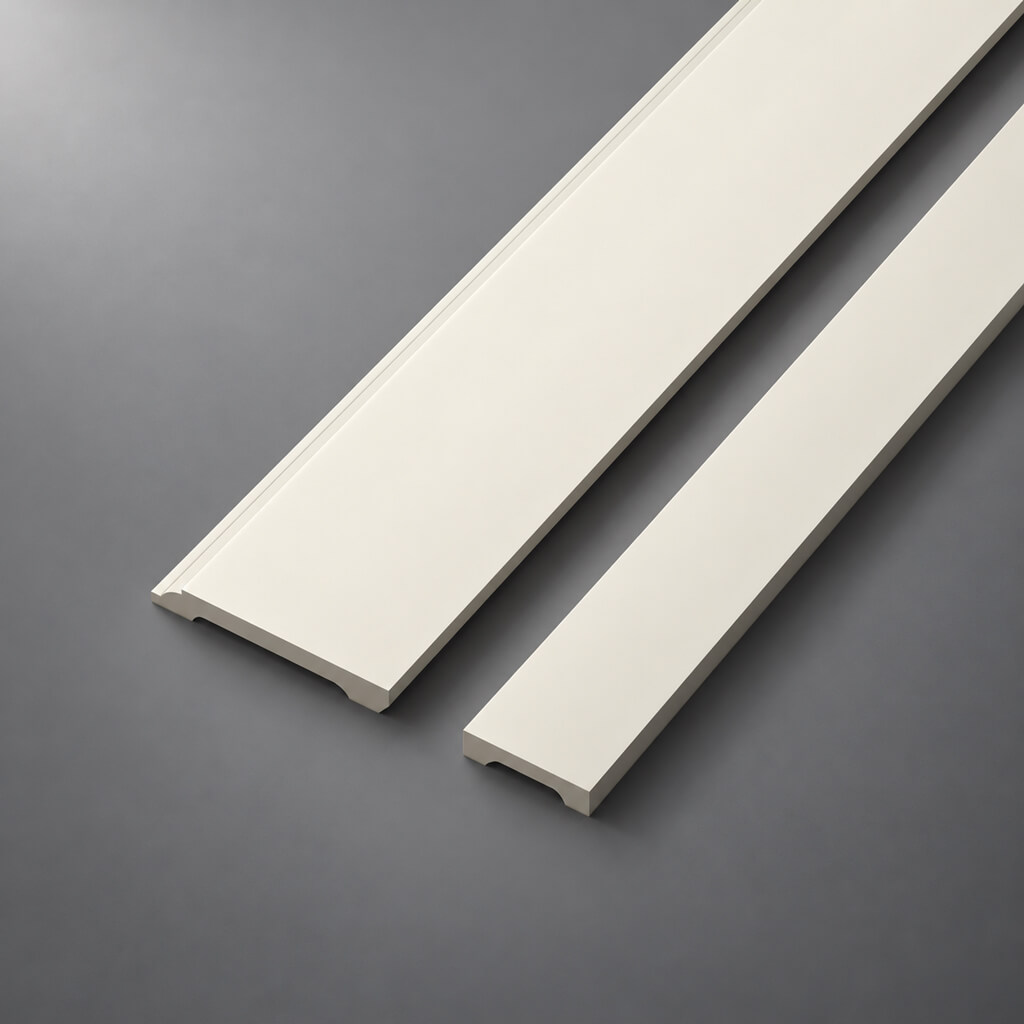
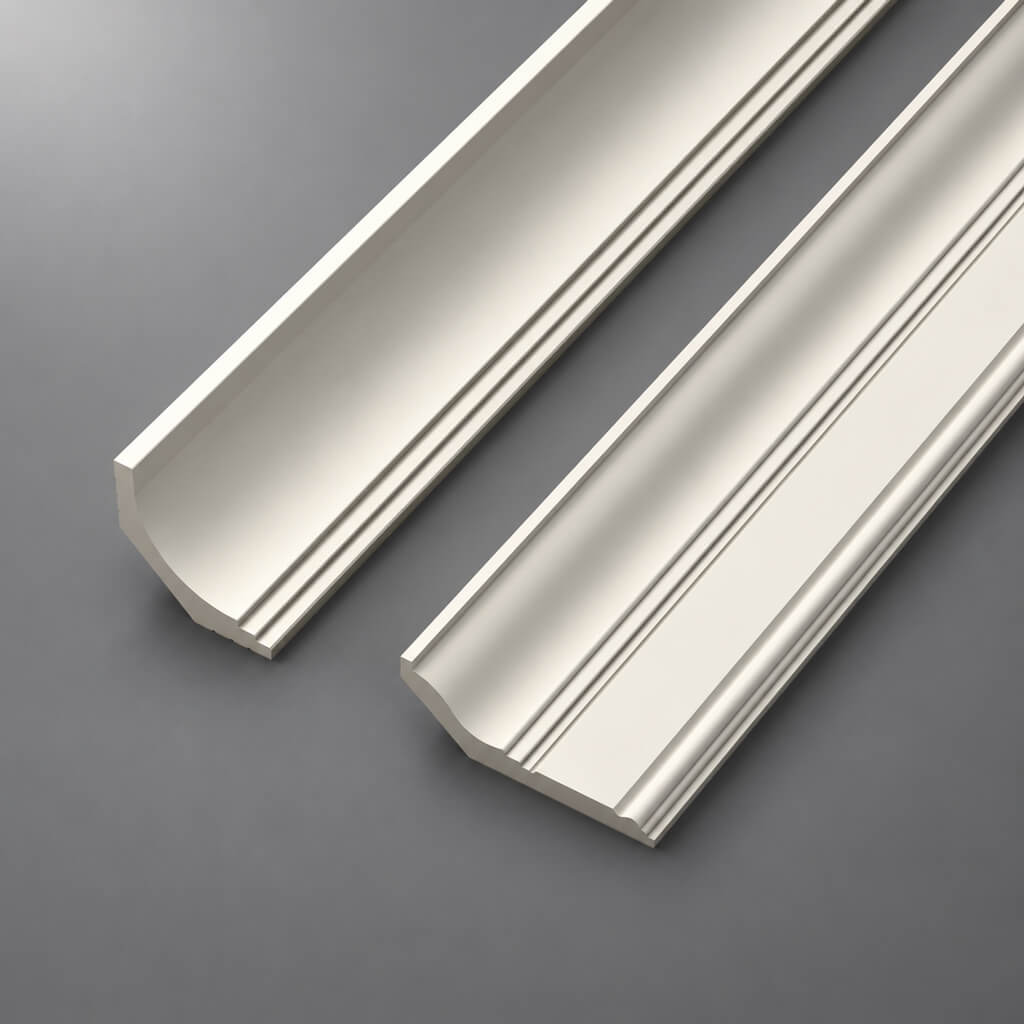
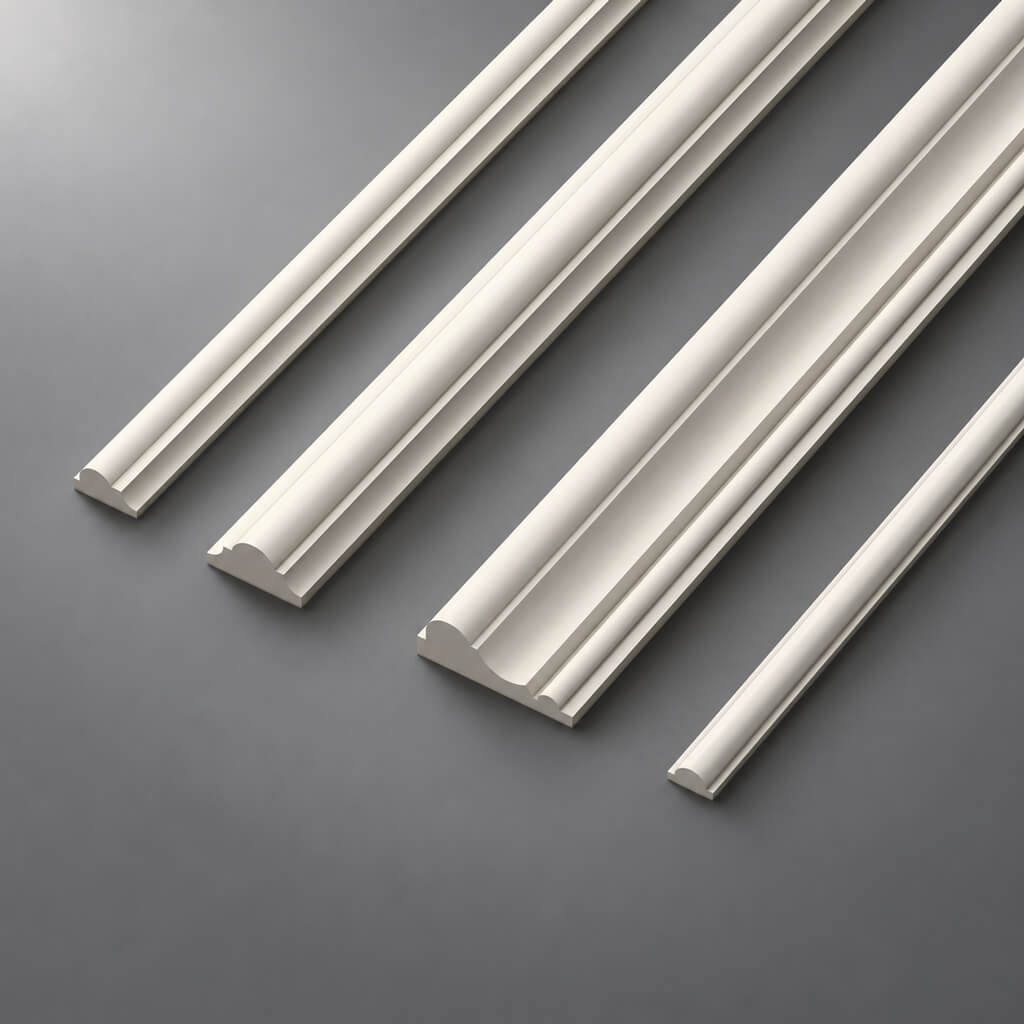
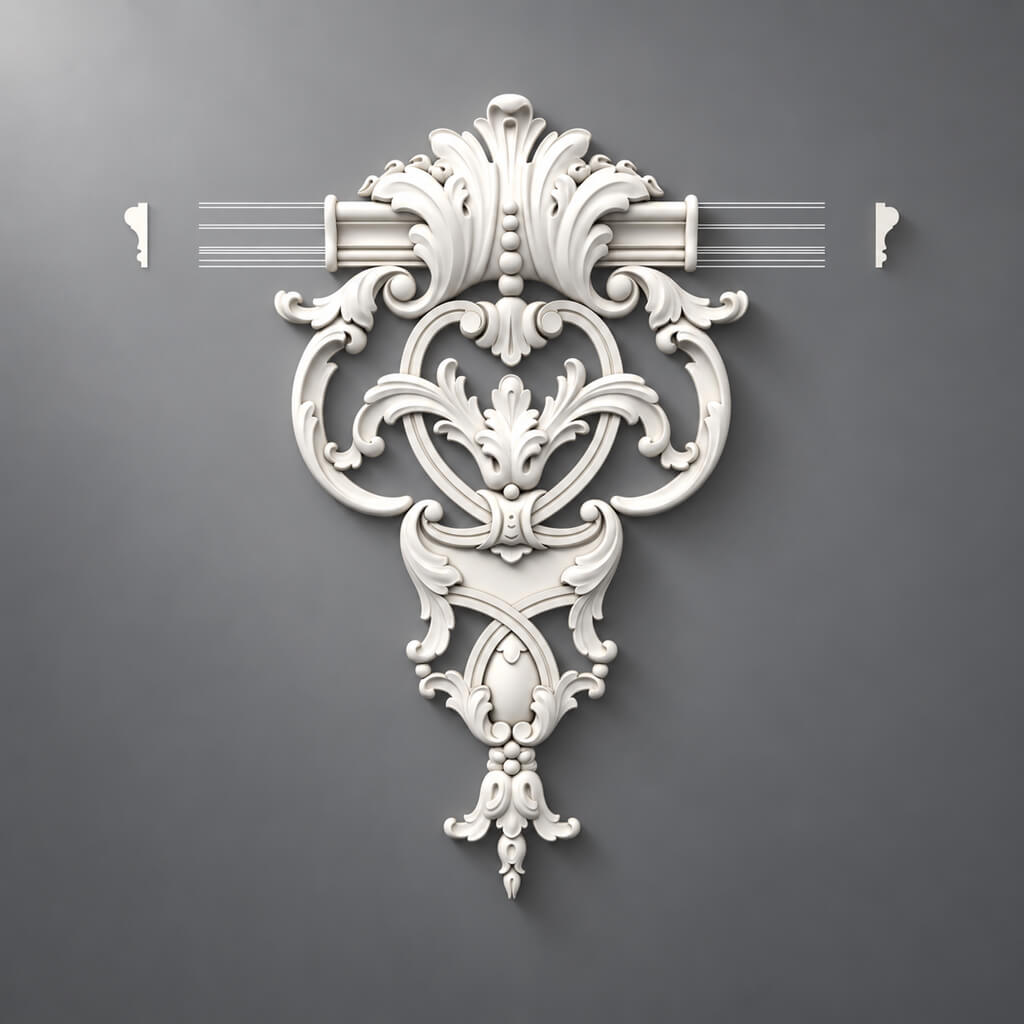

























Article Contents:
- What is a wooden pilaster and why is it needed
- What elements make up a classic vertical composition
- Which products to look for at STAVROS
- How is a pilaster different from a column and a semi-column
- How to design a portal with pilasters
- What to buy for a classic opening
- How to choose a capital for a pilaster
- How to assemble a composition of pilaster, base, and capital
- How to decorate a furniture facade in classic style
- How to design a fireplace portal with wooden decor
- Pilasters in wall composition
- Pilasters in portals for cabinets, libraries, and display cases
- Material, finishing, and preparation for ordering
- What to buy together with wooden pilasters
- How not to confuse pilasters, capitals, bases, rosettes, and overlays
- Pilaster and capital
- Pilaster and base
- Pilaster and column
- Connecting rosette and regular rosette
- Carved overlay and pilaster
- Need to design a fireplace portal
- Need to design a classic doorway
- Need to decorate a cabinet facade
- Need to assemble a library portal
- Need to decorate a living room wall
- Need to make furniture in a classic style
- Choosing only by photo
- Buying a pilaster without a base and capital
- Capital does not match in width
- Mixing different styles
- Overloading a small facade
- Lack of a general scheme
- Expectation that decor will fix a poor foundation
- What is the difference between a pilaster and a column?
- What to buy for a classic opening?
- How to choose a capital for a pilaster?
- Is a base needed for a pilaster?
- Can pilasters be used on furniture facades?
- How to design a portal with pilasters?
- How to decorate a fireplace portal?
- Can pilasters and carved overlays be combined?
- What is a connecting rosette?
- How to avoid mistakes with pilaster size?
- Are pilasters suitable for modern interiors?
- Do I need to buy pilasters as a set?
- Can a pilaster be used without a capital?
- Where to buy wooden pilasters?
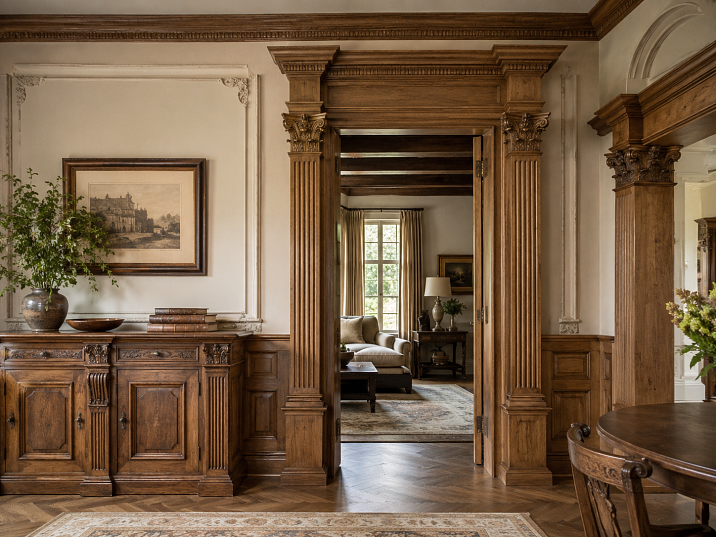
Wooden pilasters should be purchased when you need to design not just the edge of an opening or a separate furniture facade, but a full-fledged vertical classical composition. The pilaster sets the height, the base provides support from below, the capital completes the top, and the connecting rosette or carved overlays help tie the details together. Such a set works differently than a regular casing, molding, or decorative overlay: it creates an architectural structure that makes a portal, cabinet, fireplace area, library, or classical opening visually cohesive.
A pilaster should not appear in an interior by chance. If you place a single carved vertical detail without a base, capital, and adjacent decor, it may look like a separate strip on the wall or furniture. When a buyer immediately thinks in terms of a set—pilaster, base, capital, connecting rosette, carved overlays—the composition begins to work as a well-thought-out classical system. It defines boundaries, emphasizes height, frames the side parts of a portal, and helps connect a doorway, furniture facade, or wall panel with the rest of the interior.
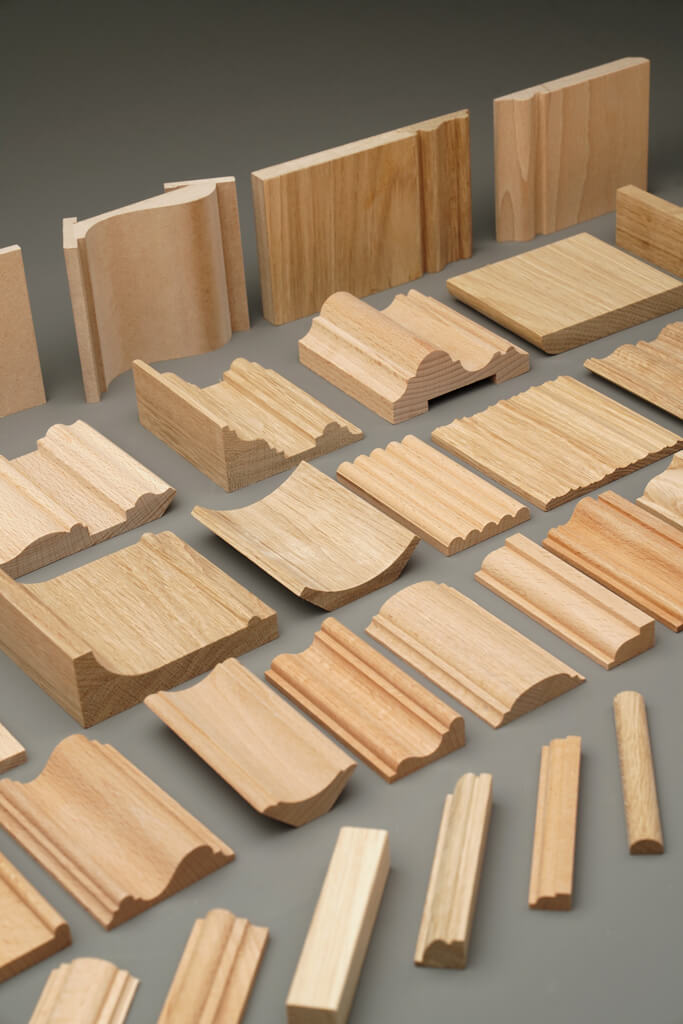
In the STAVROS catalog you can Buy wooden pilasters and select accompanying elements: bases for pilasters, columns, half-columns, connecting rosettes, and capitals. A separate section of capitals helps complete the top of the pilaster, while rosettes and carved overlays allow you to assemble not just a vertical line but a finished portal or facade composition. Below is a detailed commercial guide for the buyer: what to choose, how not to confuse a pilaster with a column, which elements to buy together, and how to avoid mistakes in scale, style, and purpose.


What is a wooden pilaster and why is it needed
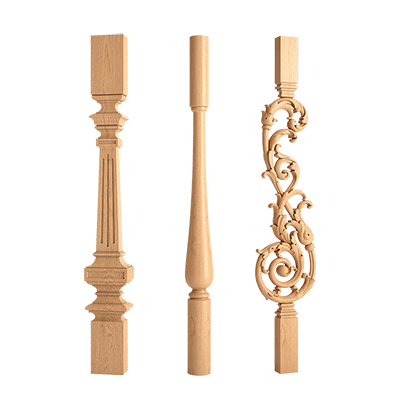
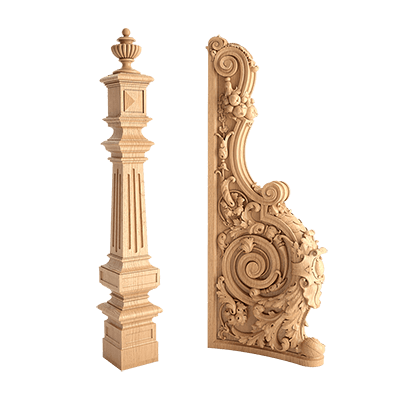
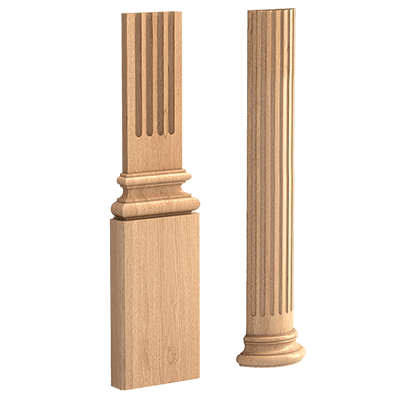
A pilaster is a flat vertical architectural element that resembles a column but does not stand alone in space. It adjoins a surface: a wall, furniture facade, portal, doorway, fireplace area, library, cabinet, or decorative panel. In a classical composition, a pilaster typically has a lower support—a base, a middle vertical part, and an upper finish—a capital.
The main task of a pilaster is not just to decorate a surface but to bring order to it. An ordinary smooth wall may look empty. A large cabinet without vertical division may appear heavy. A fireplace portal without side supports may seem unfinished. Pilasters help solve these problems: they highlight edges, create an axis, support symmetry, and make the composition resemble an architectural element rather than a random set of decor.
In furniture, pilasters are often used on the sides of a facade, between sections, in portals, sideboards, display cabinets, libraries, kitchen modules, cabinets, and decorative wall blocks. On a wall, they help frame a niche, classical panel, fireplace area, TV portal, doorway, or transition between rooms. In interiors with high ceilings, pilasters emphasize the vertical. In rooms of standard height, they help make the composition more slender but require careful scaling.
It is important for the buyer to understand: a pilaster rarely works alone. Its strength is revealed in a set. The base provides lower stability, the capital completes the top, the connecting rosette covers a joint or emphasizes a transition, and carved overlays add central relief where a single vertical line is insufficient. Therefore, the topic "buy wooden pilasters and capitals" is not about purchasing a single detail but about selecting a classical combination.
What elements make up a classical vertical composition
A classical composition is built on a clear logic: bottom, vertical, top, connecting details, and decorative accents. If one of these elements is missing, the portal or facade may look unfinished. For example, a pilaster without a base appears "floating." A pilaster without a capital breaks off at the top. A capital without a matching pilaster looks out of place. A rosette without the line it completes turns into a random point.
| Element | Role in composition | Where it is used | What to check before purchasing |
|---|---|---|---|
| Pilaster | Vertical axis, side border, architectural division | Portals, furniture fronts, wall panels, openings | Height, width, thickness, style, installation location |
| Base for pilaster | Lower support and visual start of the vertical | Bottom of portal, cabinets, wall compositions | Compatibility with pilaster, size and fit |
| Capital | Upper finish of pilaster or column element | Top of portal, furniture vertical, decorative post | Shape, width, style, matching the pilaster |
| Connecting rosette | Node, decorative point, line bundle | Between elements, on facades, within frames, portals | Size, shape, purpose, connection point |
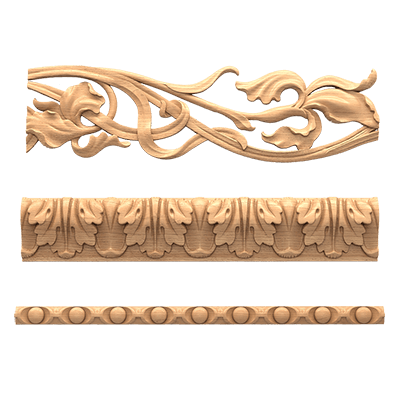
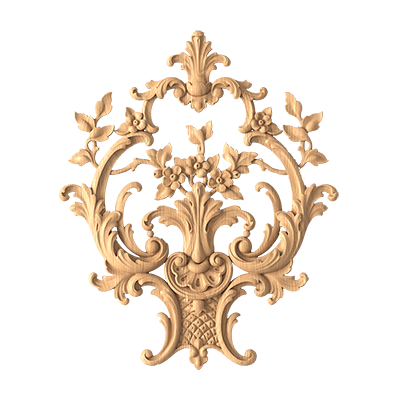
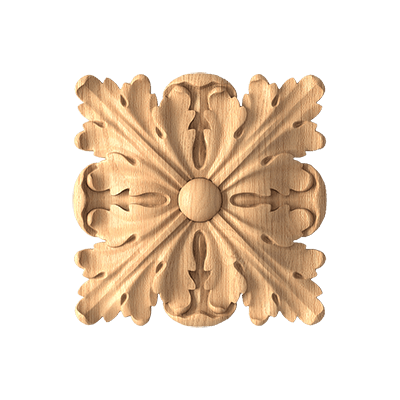
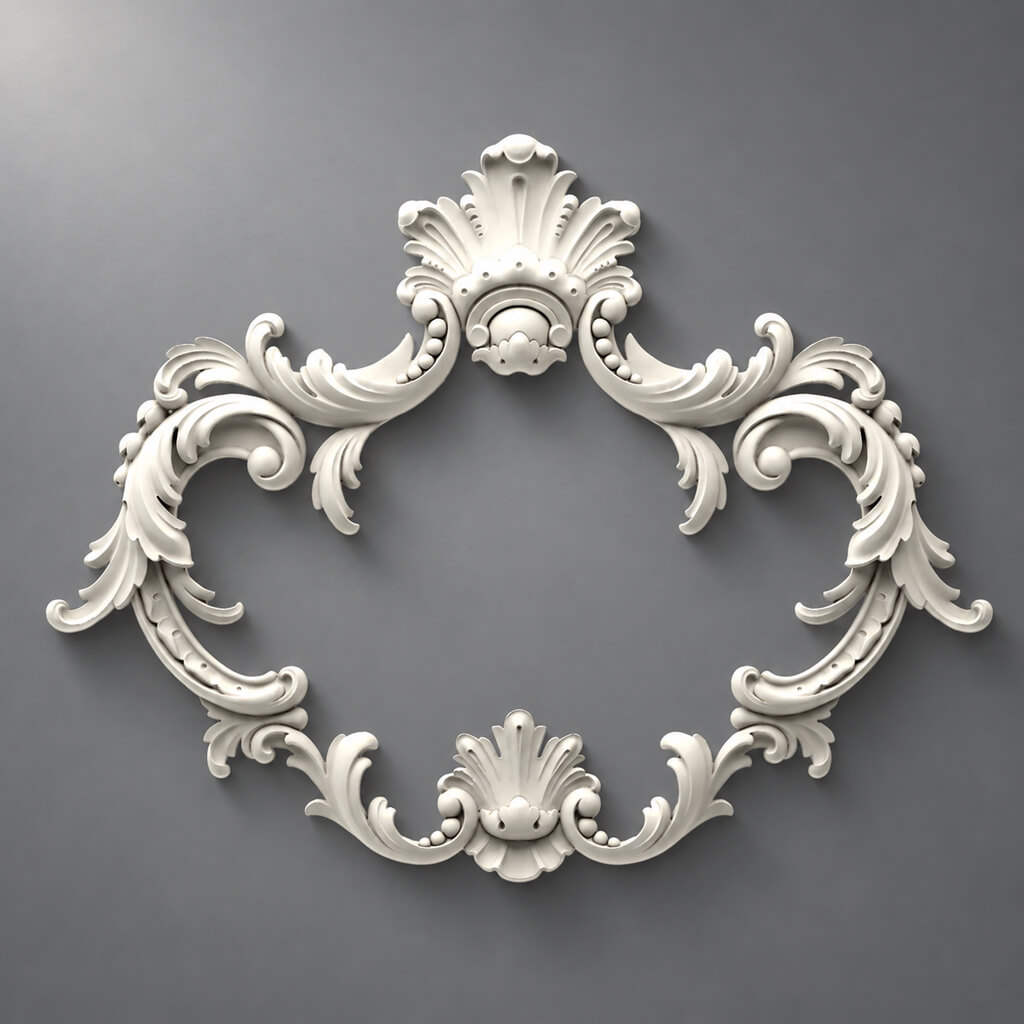
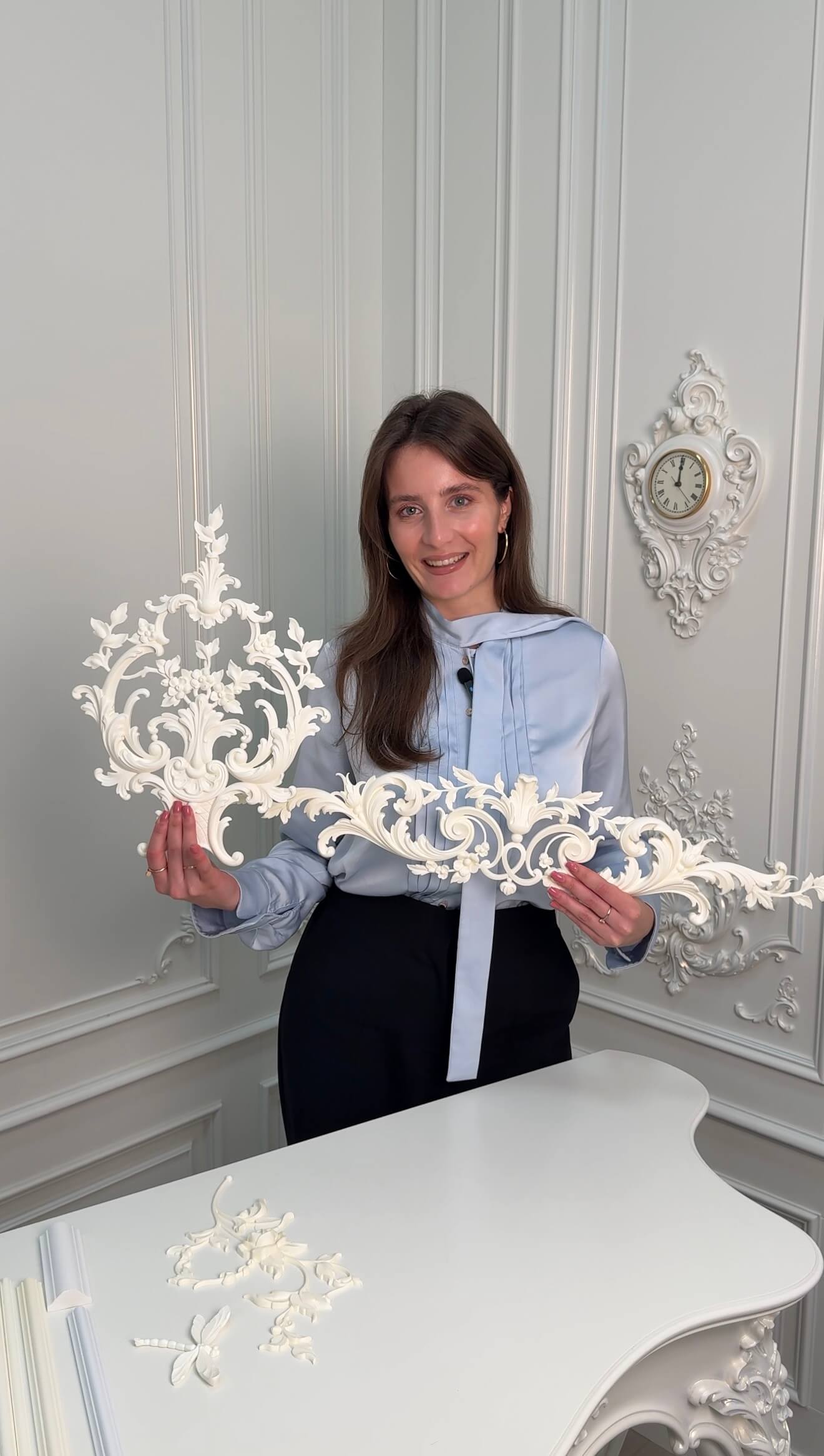
| Carved overlay | Larger decorative fragment | Facade center, portal, door, wall composition | Scale, ornament, combination with pilasters |
In this set, each element is responsible for its part. The pilaster provides verticality, the base makes the bottom stable, the capital completes the top, the rosette helps connect details, and the overlay adds expressive relief. If a buyer wants to design a portal, furniture facade, or classic opening, it is better to look at the entire scheme at once, rather than selecting details one by one from a beautiful photo.
Our factory also produces:


Which products to look at in STAVROS
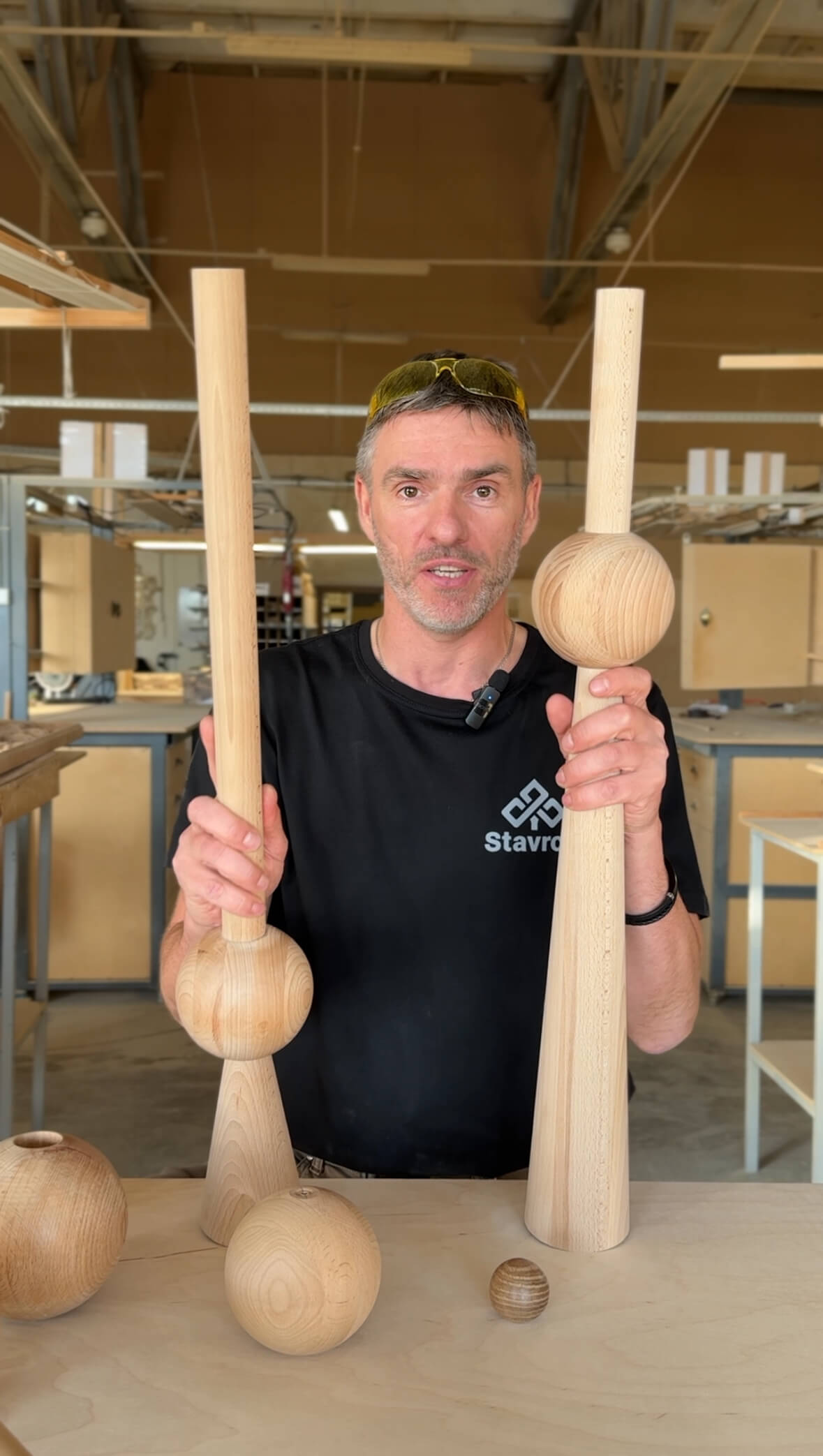
In the pilasters and columns section of STAVROS, bases for pilasters, columns, pilasters, half-columns, and connecting rosettes are presented. This is important: the buyer can assemble a composition from related elements rather than searching for each detail elsewhere. In the capitals section, individual wooden capitals of the KL series are presented, which help complete the upper part of a pilaster or column element.
| Product group | What can be selected | What task is it suitable for | Commercial transition |
|---|---|---|---|
| Pilasters and columns | Pilasters, bases, columns, half-columns, connecting rosettes | Vertical compositions, portals, furniture facades, classic openings | Buy wooden pilasters |
| Capitals | Capitals of the KL series, carved and geometric options | Top finishing of a pilaster, column, portal, or furniture post | select capitals for pilasters |
| Bases | Bottom elements for pilasters | Bottom of portal, cabinet, facade, wall vertical | buy base for pilaster |
| Connecting rosettes | Decorative dots and nodes | Intersections, frames, furniture facades, portals | buy connecting rosettes |
| Carved overlays | Central and additional decorative elements | Portals, furniture facades, doors, wall compositions | select carved decor for a portal |
This selection helps avoid mixing different tasks. If you need a vertical architectural element, the starting point is a pilaster. If you need to finish the top, a capital. If you need a lower support, a base. If you need to cover a joint or add a decorative dot, a rosette. If you need to emphasize the center of a portal or furniture facade, a carved overlay.
Get Consultation
How a pilaster differs from a column and a semi-column
Customers often use the words "pilaster", "column", and "half-column" as synonyms, but in product selection these are different elements. Confusion leads to mistakes: a customer wants to decorate a flat facade but looks at a voluminous column; wants to create a portal but chooses an element without a suitable base; looks for a vertical overlay for furniture but gets a part that is too massive.
A pilaster is flat or relatively flat in perception. It works on a surface. It is convenient to use on furniture facades, cabinets, walls, portals, openings. It does not require free access around it because it does not stand alone. This makes it practical for furniture and interiors where you need to add a classic vertical without a voluminous column.
A column is perceived as more voluminous. It can be round, carved, twisted, decorative, or structurally decorative. A column has a stronger impact on space, so it is chosen where a more grand, large, and architectural effect is needed. For a regular furniture facade, a column may be excessive.
A half-column is between them. It is more voluminous than a pilaster but is not a fully freestanding column. It is used where the expressiveness of a column is needed, but the part must adjoin a wall or furniture.
| Element | What's the difference | When to choose |
|---|---|---|
| Pilaster | Flat vertical detail on the surface | Furniture, portals, wall panels, classical openings |
| Column | A more voluminous vertical element | Ceremonial compositions, large portals, interiors with strong architecture |
| Half-column | Intermediate option between a pilaster and a column | Niches, portals, wall blocks where volume is needed without a full column |
| Base | The lower part of a vertical | When a pilaster or column should have a finished bottom |
| Capital | Top finish | When the vertical should look finished from the top |
If the task is to design a furniture facade or a classic opening, it is usually more convenient to start with pilasters. If it is about a fireplace portal, library, large niche, or wall with a high ceiling, more expressive column elements can be considered. But in any case, you need to check the dimensions and purpose of the specific product.
How to design a portal with pilasters
A portal is a composition around an opening, fireplace, niche, TV area, cabinet, or decorative wall. It has side parts, a top lintel, a central field, a bottom, and a finish. Pilasters in the portal act as side verticals. They make the portal not just a frame, but an architectural object.
To design a portal with pilasters, first you need to define its boundaries. Where does the bottom start? Where will the top be? What is the width of the central part? Will the pilasters stand on the sides or inside the frame? Are bases needed at the bottom? What capitals will complete the top? Will there be a central overlay, rosette, or other decor between the pilasters?
A common mistake is to buy two beautiful pilasters and immediately place them on the sides. Without a base and capital, they may look like vertical strips. Without a top connection, the portal may fall apart. Without central or connecting decor, emptiness appears between the elements. Therefore, the correct path is: first the overall scheme, then pilasters, then bases and capitals, after that rosettes and overlays.
For a fireplace portal, pilasters are especially important. They set the side supports and help make the fireplace area expressive. But the size must be chosen carefully. A small fireplace with huge pilasters will look heavy. A large portal with too thin pilasters will lose architectural strength. Before ordering, you should measure the height, width, and depth of the portal and assess how the elements will look next to the shelf, wall, and furniture.
What to buy for a classic opening
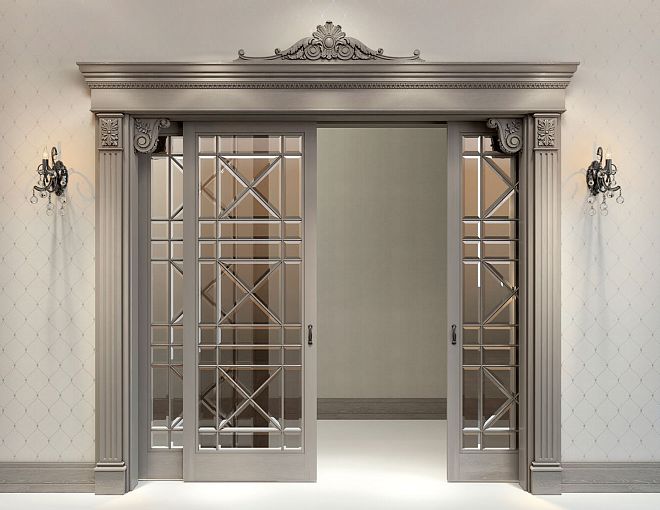
A classic opening differs from a regular doorway in that it doesn't just cover the edge of the wall. It frames the transition between rooms and becomes part of the interior. Such an opening may use architraves, pilasters, bases, capitals, rosettes, overlays, and top decorative elements. In this scheme, the pilaster is responsible for the vertical architecture.
If the opening is tall and wide, pilasters on the sides can make it more solemn. If the opening is of standard height, it is better to choose calmer elements so as not to overload the wall. If there are already carved architraves nearby, the pilasters should not conflict with them but continue their style.
For a classic opening, a set is usually needed. First, a vertical element is chosen: a pilaster or a half-column. Then a base is selected so the bottom doesn't look cut off. After that, a capital is chosen to complete the top. If the opening is designed as a portal, connecting rosettes and overlays for the central area or corners may be needed.
This approach is especially useful in living rooms, studies, dining rooms, halls, and areas with high ceilings. Pilasters are also possible in corridors and small rooms, but there you need to be more careful with depth and width. The smaller the space, the more important the scale becomes.
How to choose a capital for a pilaster
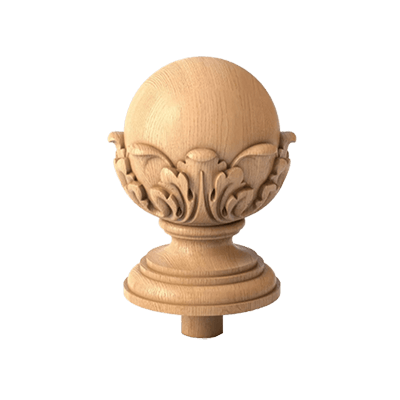
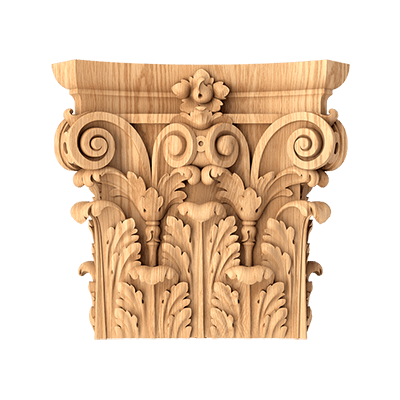
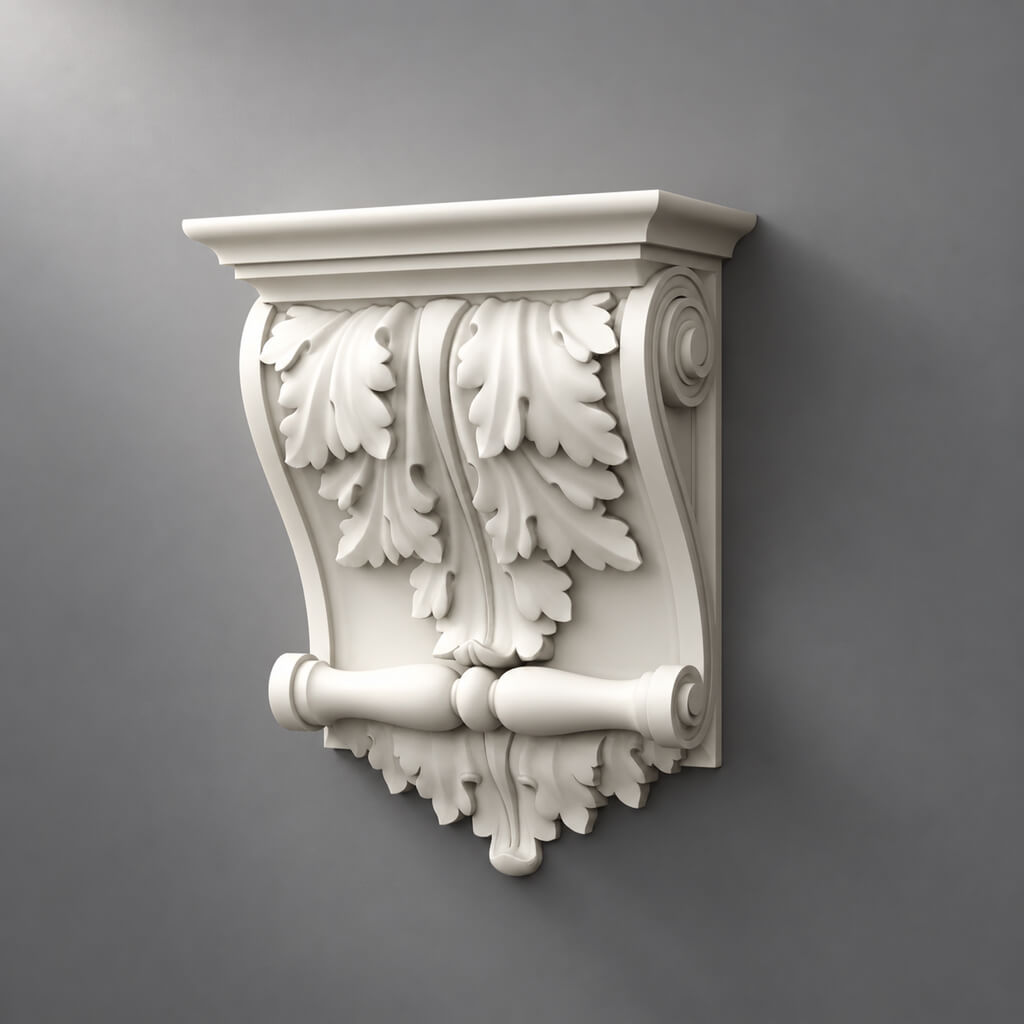
A capital is the top finishing of a pilaster or column element. It completes the vertical line and adds stylistic character. Without a capital, a pilaster can look unfinished, especially in a classical composition. But a capital should be chosen not only for its beauty, but for compatibility.
In the STAVROS capitals section, there are KL-series products, and filters allow selection by shape, collection, product type, and A/B/C dimensions. This is important: the capital must match the pilaster in width, depth, scale, ornament, and style. A large capital on a thin pilaster looks heavy. A too-small capital on a massive pilaster gets lost.
A carved capital is well-suited for classical, Empire, Russian, Gothic, and decorative interiors where the top part should be expressive. A geometric capital is calmer and works better in modern classics, strict portals, and restrained furniture facades. Shape also matters: square, round, rectangular, and semi-circular capitals behave differently in a composition.
When you need select capitals for pilastersFirst, you should choose the pilaster itself and understand its dimensions. Then compare the capital's width, depth, shape, and style. If the project includes bases, rosettes, and overlays, the capital should also match them. Don't choose the most decorative top just because it looks beautiful on its own: in a portal, everything is evaluated together.
How to assemble a composition from a pilaster, base, and capital
A composition of a pilaster, base, and capital is built vertically. The base at the bottom, the pilaster in the center, the capital at the top. This order seems simple, but it is where mistakes often occur. The base can be too large, the capital too narrow, the pilaster too short, and the entire vertical line may not fit the height of the portal or facade.
First, determine the height of the entire composition. For example, if decorating a furniture facade, you need to know the height of the cabinet or section. If decorating a fireplace portal, the height from the floor to the shelf or top lintel. If it is a wall panel, the height from the baseboard to the cornice, molding, or other finish. After that, the height is divided between the base, pilaster, and capital.
The base should not be too low, otherwise the vertical line will lose support. But a too-high base can 'eat up' the useful height of the pilaster. The capital should finish the top, not turn into an independent massive block. The pilaster should remain the main vertical element, otherwise the composition will be broken into unrelated parts.
In classics, it's important that the top and bottom communicate with each other. If the base is simple and the capital is very complex, the composition can become unbalanced. If the base and capital are too active and the pilaster is calm, the vertical will appear overloaded at the extreme points. A good connection looks as if the elements were originally designed together.
What to decorate a furniture facade in classic style with
A furniture facade in a classic style requires not only carving but also structure. You can place a beautiful overlay in the center of the door, but if the cabinet is large, one overlay may not be enough. Pilasters help to frame the side parts, divide the facade into sections, emphasize the vertical, and make the furniture resemble an architectural object.
On cabinets, pilasters are often used along the edges or between doors. On sideboards, on the sides of the upper and lower parts. On kitchen facades, in decorative columns and portal sections. In libraries, between shelf sections. In chests of drawers and nightstands, pilasters are used more cautiously because the furniture is lower and may not support too large a vertical.
If the facade is wide, pilasters help break it into clear parts. If the facade is tall, they emphasize the height. If the furniture looks too flat, pilasters add relief. But it is important not to forget the accompanying elements: the base sets the lower part, the capital completes the top, and a carved overlay can decorate the central area.
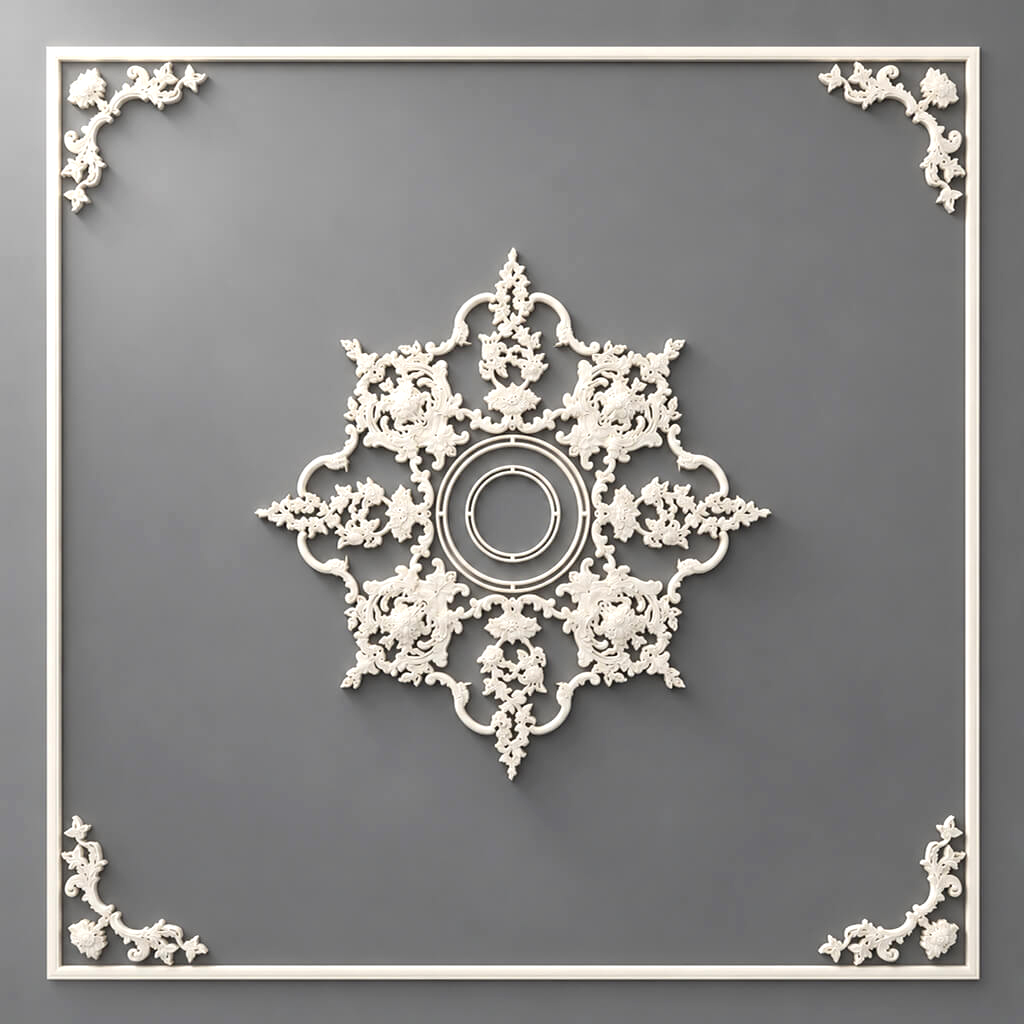
For a classic facade, you can select carved decor for a portal and use overlays together with pilasters. For example, pilasters stand on the sides, and the central overlay decorates the facade between them. Connecting rosettes can cover joints or maintain rhythm. This approach makes furniture look more cohesive than randomly buying a single decorative piece.
How to design a fireplace portal with wooden decor
A fireplace portal is one of the most natural scenarios for pilasters and capitals. It requires side supports, a top finish, a central zone, and decorative logic. Pilasters on the sides help create a sense of architectural framing, bases provide stability at the bottom, capitals complete the verticals, and overlays and rosettes add relief.
Even if the fireplace is decorative, the portal should still look convincing. If the side elements are too thin, it appears weak. If too massive, they overwhelm the firebox or decorative center. If capitals are chosen without considering the width of the pilaster, the top of the portal becomes random. If there is no base, the pilaster looks as if it starts from thin air.
For the fireplace area, it is especially important to consider the scale of the room. In a small living room, it is better to choose restrained pilasters and calm capitals. In a large hall or formal room, more expressive decor can be used. If there is furniture with carved facades nearby, the portal should support its style, not conflict with it.
Wooden decor for the fireplace portal should be chosen before the final finishing. This way, you can coordinate the color, texture, relief, size, and adjacent elements in advance. If the portal is to be painted, all wooden elements are best considered as a single set.
Pilasters in wall composition
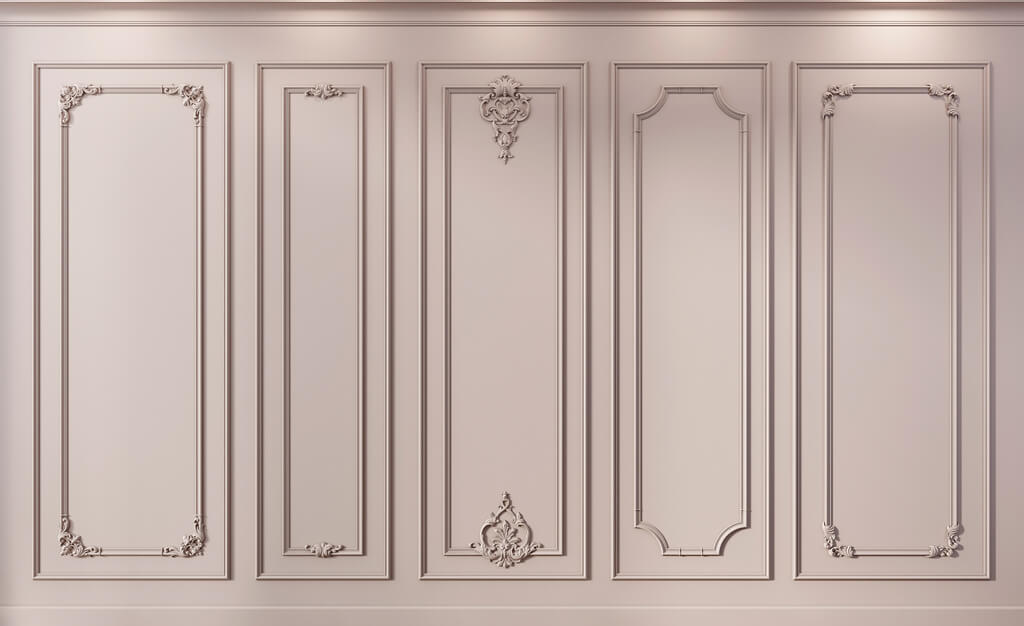
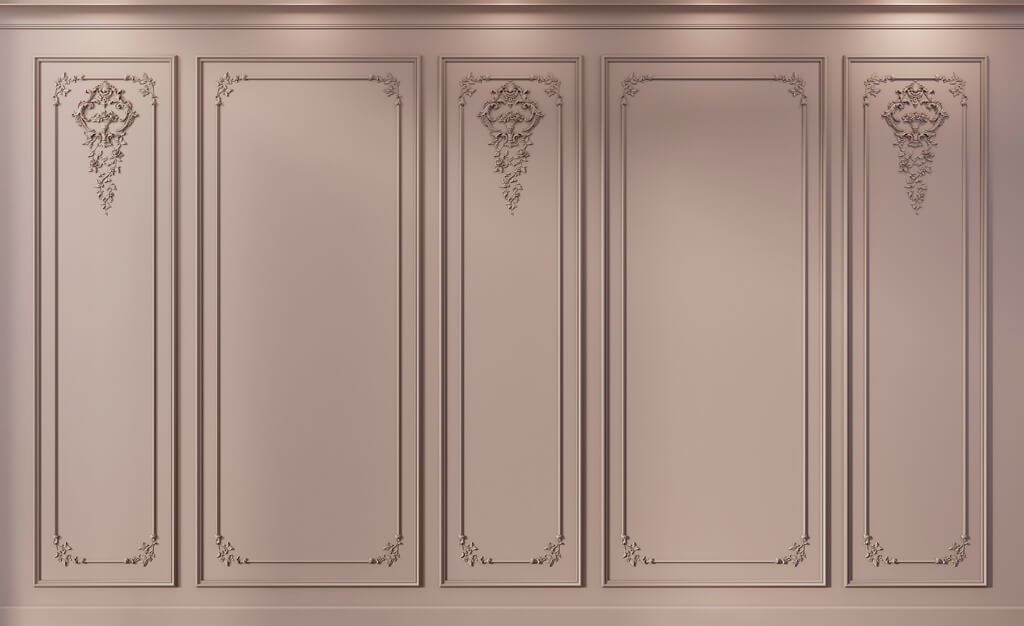
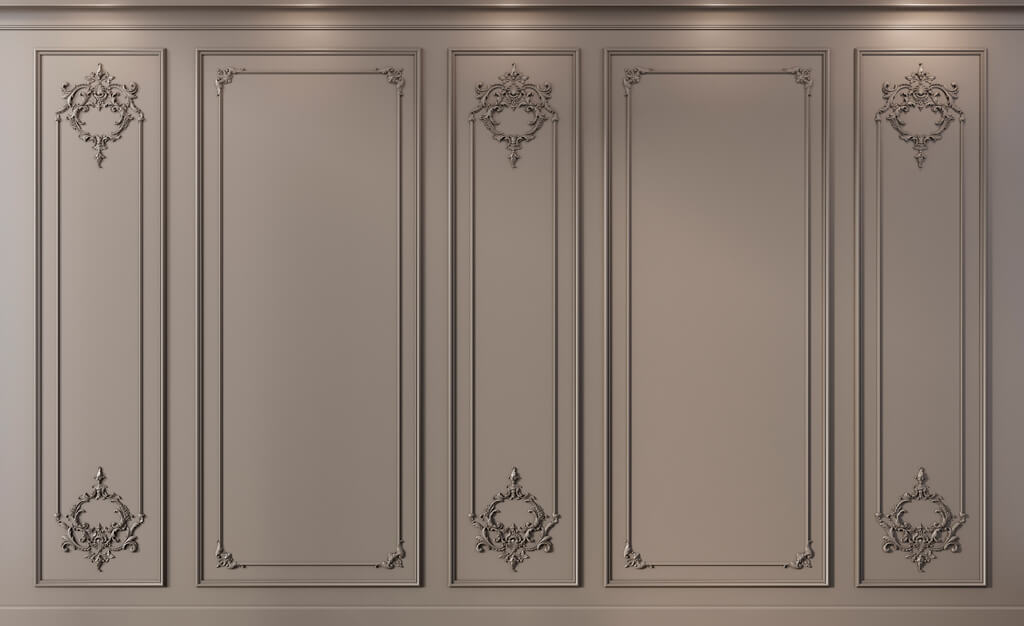
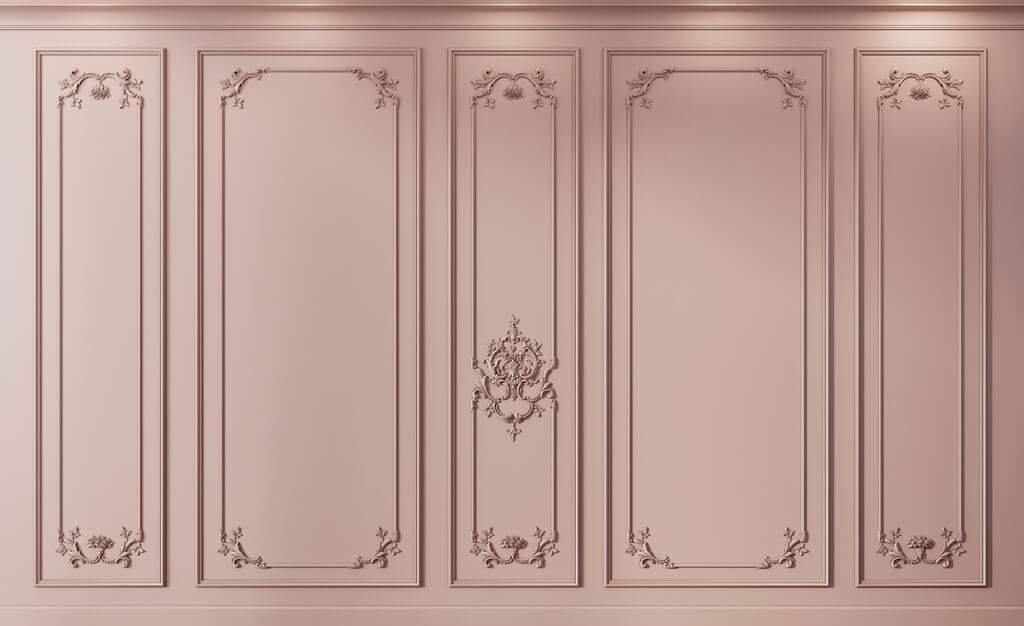
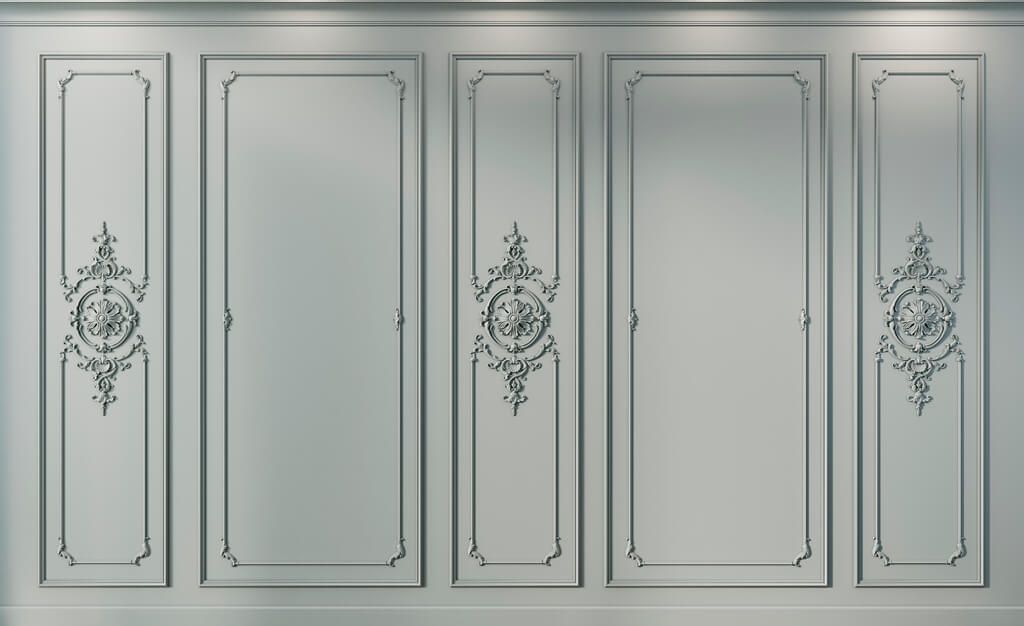
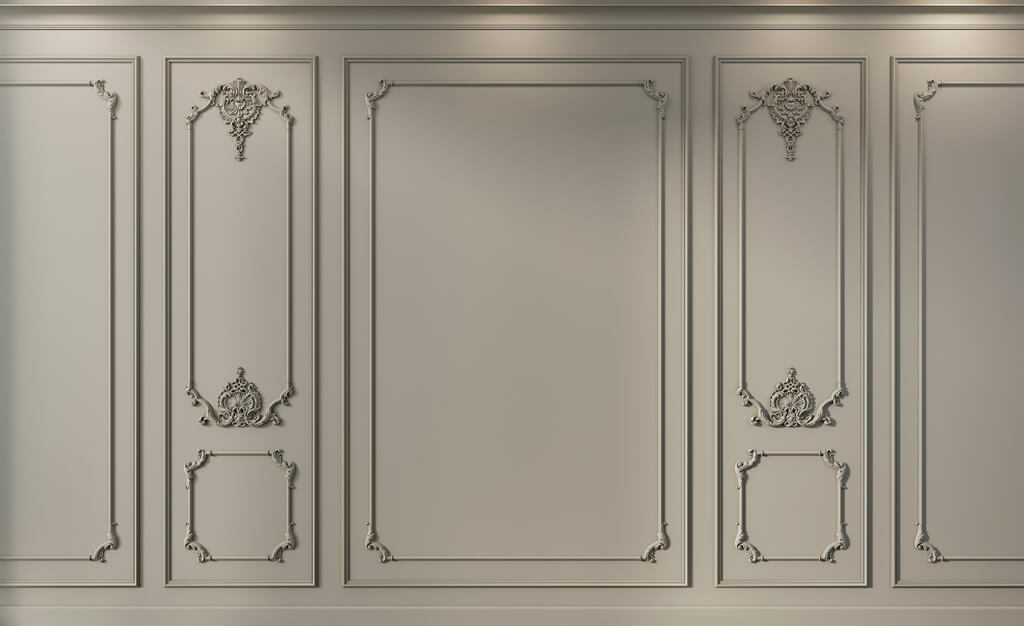
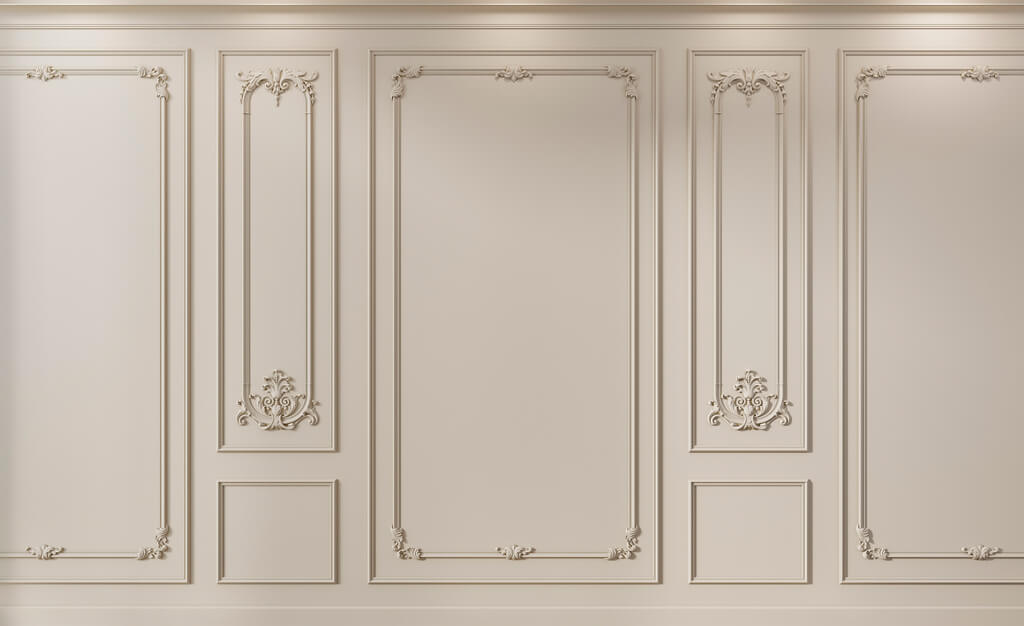
A wall composition with pilasters helps turn an ordinary wall into an architectural backdrop. This could be the area behind a sofa, a TV wall, a niche, a study library, a dining room, a hall, a hotel interior, a salon, or a showroom. Pilasters set the verticals, and between them you can place frames, rosettes, overlays, panels, or furniture elements.
A pilaster on the wall should have a clear role. It can frame a niche, divide the wall into sections, highlight the central field, or support a portal. If placed without connection to the rest of the wall, it will look out of place. Therefore, first create a scheme: where the central axis is, where the side verticals are, where the top and bottom boundaries are, and what decor is needed inside.
In wall compositions, connecting rosettes are especially useful. They can cover line intersections, maintain rhythm, or become small accents between pilasters. If needed buy connecting rosettesIt is better to select them after choosing the pilasters and capitals to avoid mistakes with scale.
Pilasters in portals for cabinets, libraries, and display cases
In furniture, pilasters help make the facade not flat but architectural. A cabinet with pilasters looks not like a set of doors but like a built-in composition. A library gains a rhythm of sections. A display case becomes more classic. A sideboard looks more cohesive if the side verticals are supported by bases and capitals.
For cabinets, it is important to consider repetition. If pilasters are only placed on the outer sides, the furniture looks calmer. If they divide each section, the facade becomes richer but may become overloaded. For a library, verticals are often appropriate between shelf sections. For a kitchen portal, pilasters can highlight the central block, the hood area, or a decorative niche.
You should not choose pilasters for furniture only by height. You need to consider depth, width, carving style, color of the future finish, adjacent handles, cornices, bases, and overlays. If the pilaster protrudes too much, it may interfere with doors or visually weigh down the facade. If it is too flat, the portal effect will be weak.
Material, finish, and preparation for ordering
Since we are talking about wooden carved decor, it is important for the buyer to understand in advance how the elements will be finished. Wood can be included in the interior as a natural material, matched to tinting, varnish, enamel, or another finish. But specific materials, available finish options, and parameters should be checked in the product cards.
If the pilaster, base, capital, rosette, and overlay will be painted in one color, it is better to select them before starting the finish. Then you can assemble the set, try it on site, check the scale, adjust the placement, and only then proceed to the finish. If the elements are purchased for already finished furniture, you need to pay special attention to the color, texture, and depth of the relief.
A carved detail may look different after painting than before. Deep relief will retain shadows, fine ornament will become softer. A geometric detail will look stricter, a carved one more expressive. If the interior is calm, you should not take too active a carved set. If the project is formal, too simple elements may not provide the desired architecture.
Before ordering, it is important to check dimensions A, B, and C, the product's purpose, type of item, shape, collection, execution type, and availability. For a non-standard composition, it is better to clarify compatibility with a STAVROS manager, especially if parts are selected for a portal, furniture facade, or wall panel with several levels of decor.
What to buy together with wooden pilasters
A pilaster almost always brings along accompanying elements. This is normal: it rarely looks complete on its own. For the lower part, a base is needed; for the upper part, a capital; for nodes, rosettes; for central zones, overlays. A comprehensive approach helps avoid the main mistake: when all details are good, but together they do not come together.
| What to buy | Why it's needed | Which scenario it suits | Commercial transition |
|---|---|---|---|
| Wooden pilasters | Vertical design of portal, furniture, or opening | Classic portal, furniture facade, wall composition | Buy wooden pilasters |
| Base for pilaster | Lower support and completion of the vertical from below | Portal, cabinet, fireplace, wall panel | buy base for pilaster |
| Capitals | Upper completion of the pilaster | Openings, portals, furniture verticals | select capitals for pilasters |
| Connecting rosettes | Nodes, intersections, decorative points | Complex frames, facades, wall schemes | buy connecting rosettes |
| Carved overlays | Central and additional relief | Fireplace portal, furniture facade, classic opening | select carved decor for a portal |
If the project is small, you don't always need the full set. For a furniture insert, two pilasters and a pair of capitals may suffice. For a fireplace portal, a base, pilaster, capital, and central decor are more often needed. For a wall composition, rosettes and overlays may be required. The main thing is to buy not "everything beautiful," but everything necessary.
How not to confuse pilasters, capitals, bases, rosettes, and overlays
Pilaster and capital
A pilaster is a vertical part. A capital is the top finish. A capital does not replace a pilaster, and a pilaster without a capital in a classical composition may look cut off. If vertical architecture is needed, first choose the pilaster, then the top.
Pilaster and base
The base is at the bottom. It creates a sense of support. Without a base, a pilaster may look unstable, especially if installed in a portal or on furniture facades. But the base itself does not form the vertical: it works together with the pilaster.
Pilaster and column
A column is more voluminous and has a stronger impact on the space. A pilaster is calmer and better suited for flat surfaces. For furniture and openings, a pilaster is often more convenient. For grand halls and large portals, you can consider columns or half-columns.
Connecting rosette and regular rosette
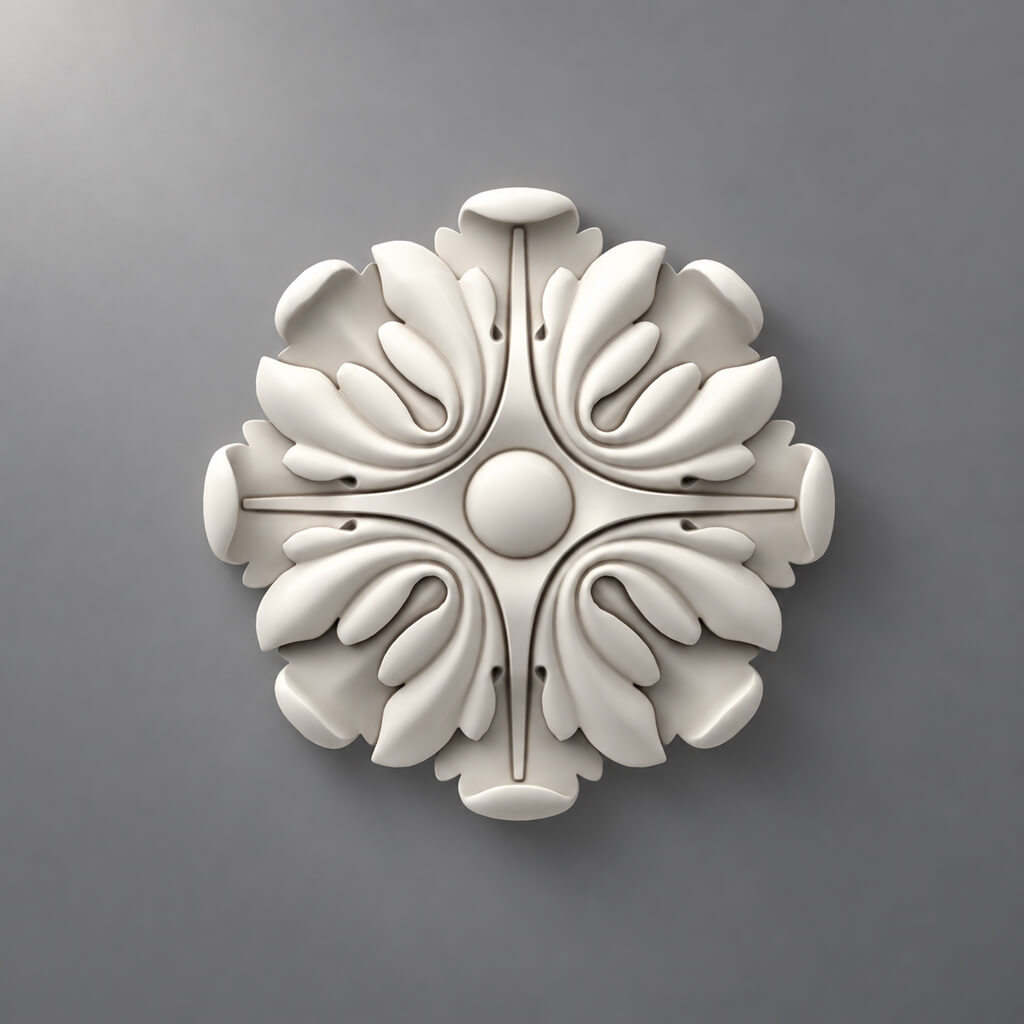
A connecting rosette is needed for nodes and connections. It helps cover the intersection point, support the rhythm, or connect decorative lines. A regular rosette often works as an independent medallion. When choosing, you need to look at the type of product and its role in the composition.
Carved overlay and pilaster
An overlay decorates the plane, while a pilaster sets the vertical structure. If you need to design the center of the facade, choose an overlay. If you need to create side verticals, choose a pilaster. In a portal, they often work together.
Practical selection for different situations
You need to design a fireplace portal
Select side pilasters, then choose bases and capitals. After that, decide if a central carved element above the firebox or on the upper part of the portal is needed. If the portal is wide, connecting rosettes may be required. Do not start with an overlay: first architecture, then decor.
You need to design a classic door opening
First, assess the width and height of the opening. If the opening is tall, more expressive pilasters can be used. If it is standard, it is better to choose a restrained set. The base and capital should match the scale of the opening, and rosettes should only support the composition, not overload it.
You need to decorate the cabinet facade
Pilasters can be placed at the edges or between sections. For a large cabinet, they help break up the facade and make it lighter. For a small cabinet, large pilasters may be unnecessary. First, measure the facade, then select the verticals, after that look at overlays and rosettes.
You need to assemble a portal for a library
In a library, pilasters help divide shelf sections. Capitals complete the top, bases connect the bottom to the plinth. If there is a central section, you can add a carved overlay or connecting rosette. It is important that the decor does not interfere with shelves and doors.
You need to decorate a wall in the living room
Determine the central field of the wall. Pilasters can stand on the sides, and between them — a frame, mirror, TV area, decorative panel, or fireplace. Sockets and overlays are selected after the verticals. Do not place pilasters without top and bottom logic.
Need to make furniture in a classic style
Don't limit yourself to just one carved overlay. For classic style, proportions are important: verticals, bottom, top, center. Pilasters and capitals help create an architectural foundation, while overlays and rosettes add details. This gives a more convincing result than random decor on the facade.
Mistakes when choosing wooden pilasters and capitals
Choosing only by photo
In a photo, a pilaster may appear smaller or larger than in reality. Before ordering, you need to check dimensions A, B, and C, and then match them to the height of the portal, facade, or wall. A scale error is immediately noticeable.
Buying a pilaster without a base and capital
Sometimes this is acceptable if the project is minimalist. But in a classic composition, a pilaster without a base and capital often looks unfinished. It's better to decide in advance whether a full set is needed.
Capital does not fit in width
A beautiful capital may turn out to be too wide or too narrow. It must match the pilaster. If the top noticeably stands out, the entire vertical looks wrong.
Mixing different styles
A Gothic capital, a modern pilaster, a classical overlay, and a random rosette may each be beautiful individually, but together they clash. It is better to choose one stylistic line and stick to it.
Overloading a small facade
On a small facade, pilasters, bases, capitals, rosettes, and overlays can create a too heavy look. For small furniture, it is better to use fewer details and a calmer relief.
Lack of an overall scheme
Buying decor without a scheme is risky. You need to understand in advance where the bottom is, where the top is, where the center is, where the side verticals are, and which elements connect. Otherwise, the details may be beautiful but random.
Expecting decor to fix a poor base
Pilasters and capitals will not fix a crooked portal, damaged facade, or unprepared wall. The base must be level, sturdy, and ready for installation.
Who wooden pilasters and capitals are suitable for
Wooden pilasters and capitals are suitable for those designing a classic portal, fireplace area, furniture facade, library, cabinet, opening, wall panel, or interior niche. They are especially useful when you need to create a vertical structure rather than just add a small decorative element.
They are suitable for carpentry workshops, furniture makers, interior designers, homeowners, and those assembling a project for wood, painting, or classic finishes. If furniture or a portal should look like an architectural composition, pilasters and capitals help create the necessary order.
Such decor may be unnecessary for very minimalist interiors, where any carved vertical will conflict with the overall simplicity. It is not suitable for those looking only for a trim to cover a joint or a regular overlay for a facade. It also does not replace structural building elements if the task is related not to decor but to load-bearing architecture.
How to buy pilasters and capitals on STAVROS
Start with the section where you can Buy wooden pilasters. First, choose a task: portal, furniture facade, fireplace, wall composition, opening, or library. Then select the appropriate type of product: pilaster, base, half-column, column, or connecting rosette.
After that, proceed to capitals and select capitals for pilasters by shape, collection, product type, and size. Compare A, B, and C with the chosen pilaster. If a lower part is needed, immediately buy a base for the pilaster, so the vertical element does not look unfinished.
If the composition requires nodes, transitions, or decorative points, you can buy connecting rosettesIf the portal or facade requires a larger relief, it is worth select carved decor for a portal. Before ordering, it is better to prepare the surface dimensions, layout diagram, desired finish, and a list of all kit elements.
FAQ
What is the difference between a pilaster and a column?
A pilaster adjoins the surface and functions as a flat vertical element. A column is more voluminous and is perceived as an independent or stronger architectural detail. For furniture, portals, and wall panels, a pilaster is often more convenient.
What to buy for a classic opening?
Usually, they look at pilasters, bases, capitals, connecting rosettes, and additional carved overlays. First, determine the verticals, then the lower and upper finishes, then the decorative nodes.
How to choose a capital for a pilaster?
First, choose the pilaster and check its dimensions. Then select the capital by width, depth, shape, style, and collection. The capital should complete the vertical, not compete with it.
Is a base needed for a pilaster?
For a classic composition, a base is often needed. It creates the lower support and makes the vertical complete. Without a base, the pilaster may look cut off or randomly installed.
Can pilasters be used on furniture facades?
Yes, pilasters are often used on cabinets, sideboards, libraries, kitchen portals, and display cases. They help divide the facade into sections and add classic architecture.
How to design a portal with pilasters?
First, determine the width and height of the portal, then choose two side pilasters. After that, select bases and capitals, and the central part can be complemented with carved overlays or connecting rosettes.
What to decorate a fireplace portal with?
For a fireplace portal, pilasters on the sides, bases at the bottom, capitals at the top, as well as carved overlays and rosettes for central or connecting areas work well. The main thing is not to overload the scale.
Can pilasters and carved overlays be combined?
Yes. Pilasters set the vertical line, while overlays decorate the central parts of the portal, facade, or wall. They complement each other if they match in style and scale.
What is a connecting rosette?
A connecting rosette is a decorative element for nodes, intersections, and linking lines. It is used where you need to cover a connection point or add a neat center to the composition.
How to avoid mistakes with the size of a pilaster?
Measure the height and width of the surface, determine the place for the base and capital, then compare sizes A, B, and C in the product card. The pilaster should fit the scale of the portal or facade.
Are pilasters suitable for a modern interior?
Yes, if you choose more restrained geometric or understated forms. For a minimalist interior, it's better to avoid overly elaborate carvings and large capitals.
Do I need to buy pilasters as a set?
For a classic portal or facade, a set approach is better. Pilasters, bases, capitals, rosettes, and overlays are easier to coordinate in advance than to buy random elements after installation.
Can a pilaster be used without a capital?
It is possible if the design is intended to be very restrained. But in a classical composition, the top finish is usually needed. The capital completes the vertical line and supports the style.
Where to buy wooden pilasters?
Wooden pilasters can be selected in the STAVROS catalog. The section offers pilasters, bases, columns, half-columns, and connecting rosettes, while capitals are selected in a separate section.
Conclusion: pilasters and capitals should be chosen as an architectural set
Wooden pilasters and capitals help to design a portal, furniture facade, fireplace area, classic opening or wall composition not as a separate decoration, but as a full-fledged vertical system. The pilaster sets the height, the base holds the bottom, the capital completes the top, the connecting rosette links the nodes, and the carved overlay adds relief where the center needs to be emphasized.
A good result depends not on the amount of decor, but on the correct role of each detail. For a portal, the side verticals are important. For a furniture facade, scale and repetition matter. For a wall, the overall scheme is key. For a fireplace, the ratio of side parts, top, and central field is crucial. If everything is bought separately without a plan, even beautiful elements can look random.
STAVROS allows you to select elements in one logic: pilasters, bases, capitals, connecting rosettes, and overlays. Start with the section where you can Buy wooden pilasters, then select capitals, bases, and additional decor for a specific portal, furniture facade, or classic opening.