


























Article Contents:
- What is a mirror frame and why is it a separate product
- Frame shape: how mirror geometry works for the interior
- Round wooden mirror frame
- Oval wooden mirror frame
- Rectangular wooden mirror frame
- Vertical frame: floor and full-length mirror
- Polygonal shape: decorative geometry
- Carved mirror frame: when relief is the language of the interior
- How a carved frame differs from a smooth one
- Relief depth: how not to overload the wall
- Collections: classic, art deco, modern, contemporary
- How to combine a carved frame with furniture and finishes
- Solid wood or MDF: an honest material choice
- Frame for a mirror made of solid wood
- Frame for a mirror made of MDF
- Wooden frame for a mirror in the hallway: first impression of the home
- Which shape suits the hallway
- Height of mirror hanging in the hallway
- Matching the frame with the hallway interior
- Mirror frame in the bedroom: from boudoir to minimalism
- Mirror above the headboard
- Mirror on the opposite wall
- Floor mirror in the bedroom
- Mirror frame in the bathroom: nuances of a wet room
- Why wood in the bathroom is not taboo
- What matters when choosing a frame for the bathroom
- Mirror frame for the sauna
- Size and proportions: how to calculate the ideal framing
- Frame width
- Frame weight and mounting
- Wall scale
- Wooden mirror frame finish: five surface languages
- Clear varnish or oil
- Toning
- White or Colored Enamel
- Patina
- Gilding and Silvering
- Where and how the mirror frame is used in an interior project
- Above a console or table
- In a symmetrical arrangement
- In a furniture wall panel
- In a gallery arrangement
- Mistakes when choosing a wooden mirror frame
- Where to buy a wooden mirror frame STAVROS
- Frequently asked questions about wooden mirror frames
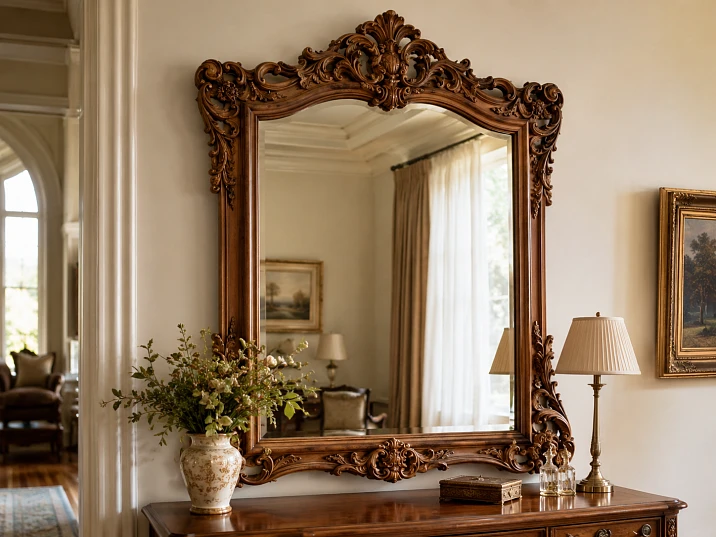
A mirror without a frame is just a reflective surface. A mirror in a wooden frame is a statement. It speaks of taste, of the home's style, of how much the owner understands the difference between "hanging a mirror" and "creating an interior accent."
The frame makes the mirror an object. It gives it scale, character, and a place in the interior. A wide carved frame in a classic interior is an architectural element of the wall, no less. A thin smooth frame in a Scandinavian home is deliberate restraint that works no less than rich relief. In both cases, the frame is not an accessory, but a solution.
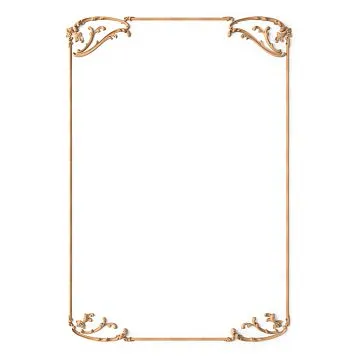
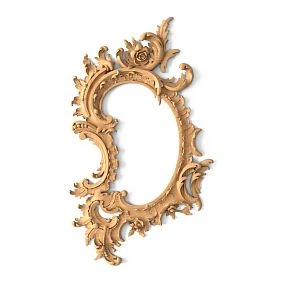
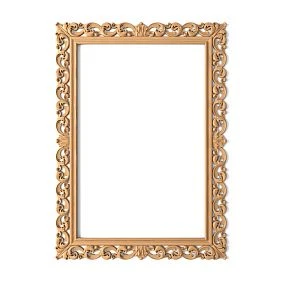
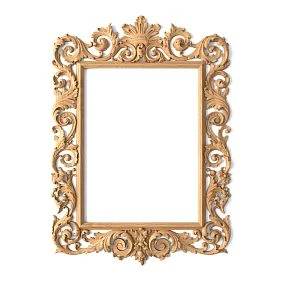
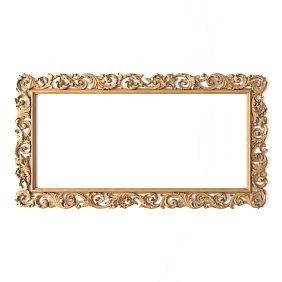
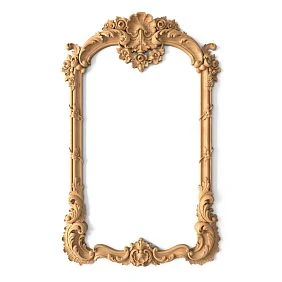
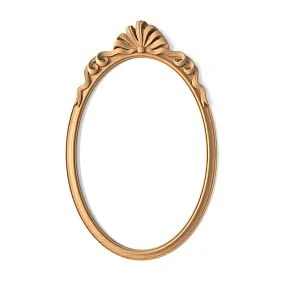
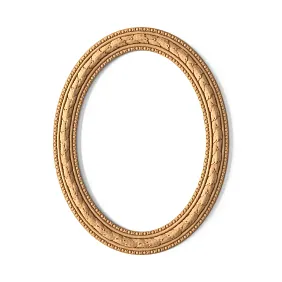
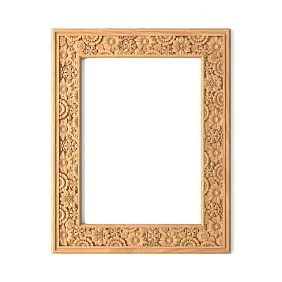
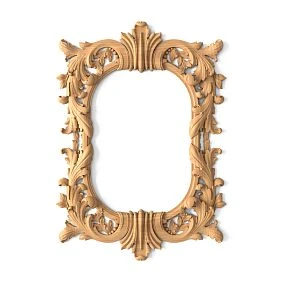
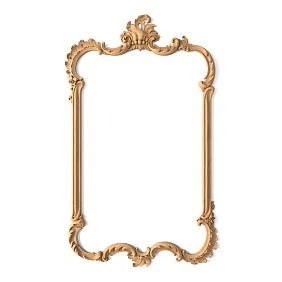
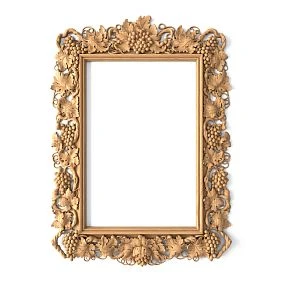
A wooden mirror frame today is a commercial and project product with specific parameters: shape, material, size, collection, finish. At STAVROS, a separate section is dedicated to this — STAVROS wooden mirror frames with collections art deco, classic, modern, contemporary, with shapes round, oval, rectangular, vertical, and polygon, with materials from solid wood and MDF.
This article provides a systematic breakdown: how to choose a wooden mirror frame, which shape suits an entryway, bedroom, living room, and bathroom, how a carved frame differs from a smooth one, when solid wood is needed and when MDF, and how not to make a mistake with the size.
What is a mirror frame and why it is a separate product
Three fundamentally different items are often confused: a mirror frame, a wooden baguette, and decorative elements. These are not the same thing — and it is important to understand the difference from the start.
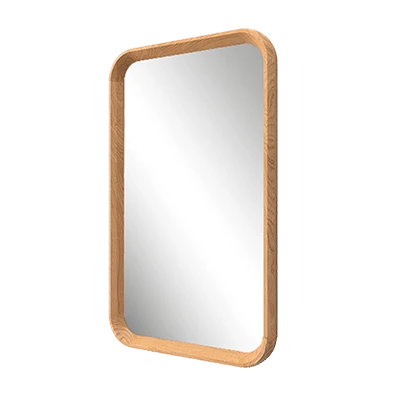
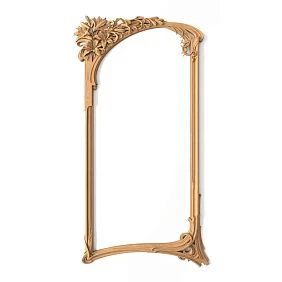
A mirror frame is a finished framing. A ready-made product or a project product made for a specific mirror size. It has a specific shape (round, oval, rectangular), profile width, relief, finish. You buy the frame — and insert the mirror, or order a frame for a ready-made mirror.
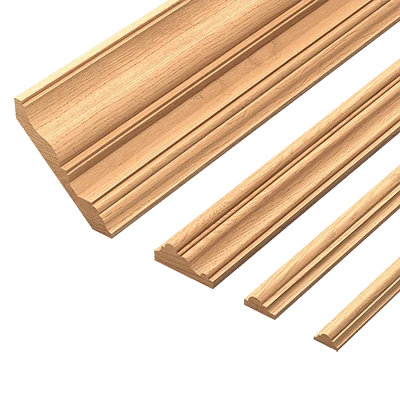
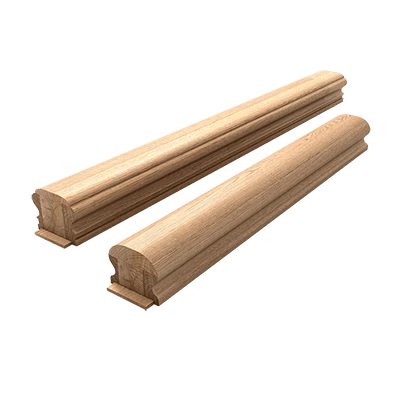
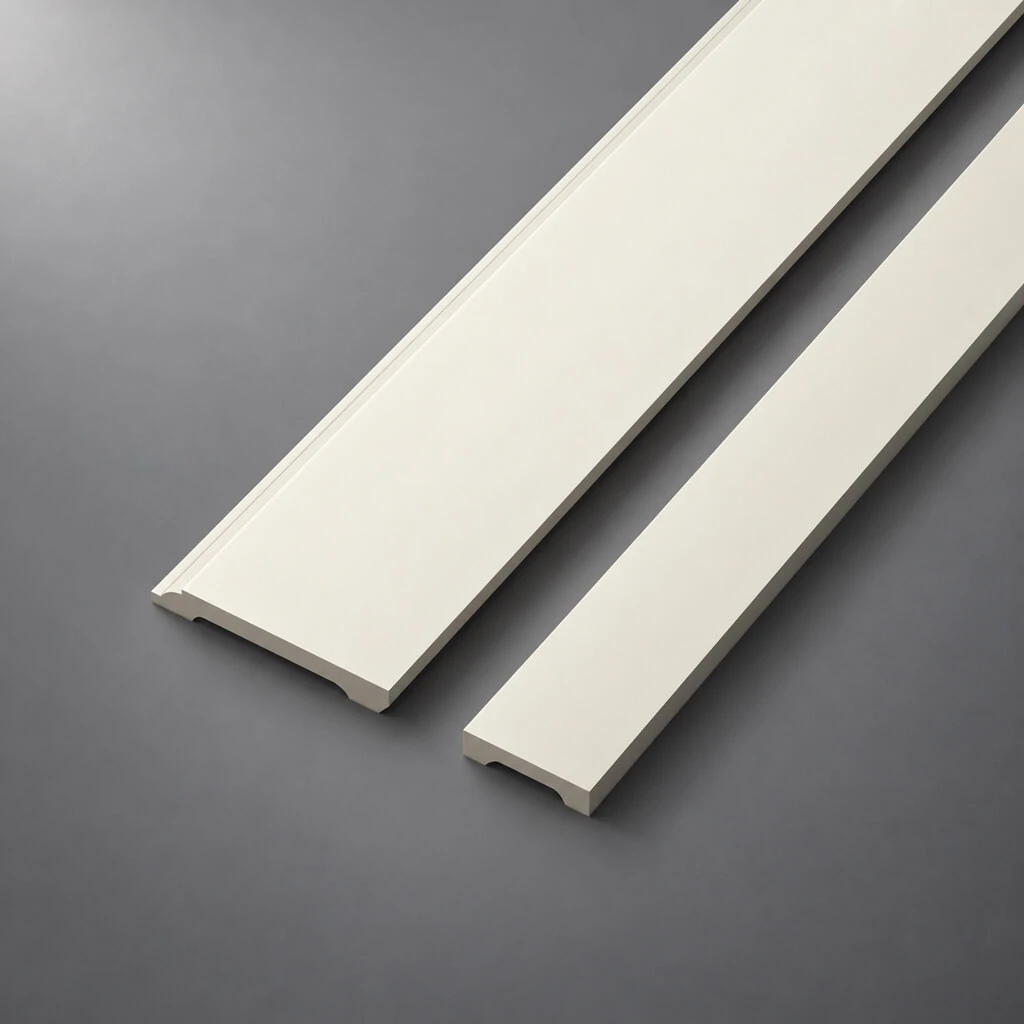
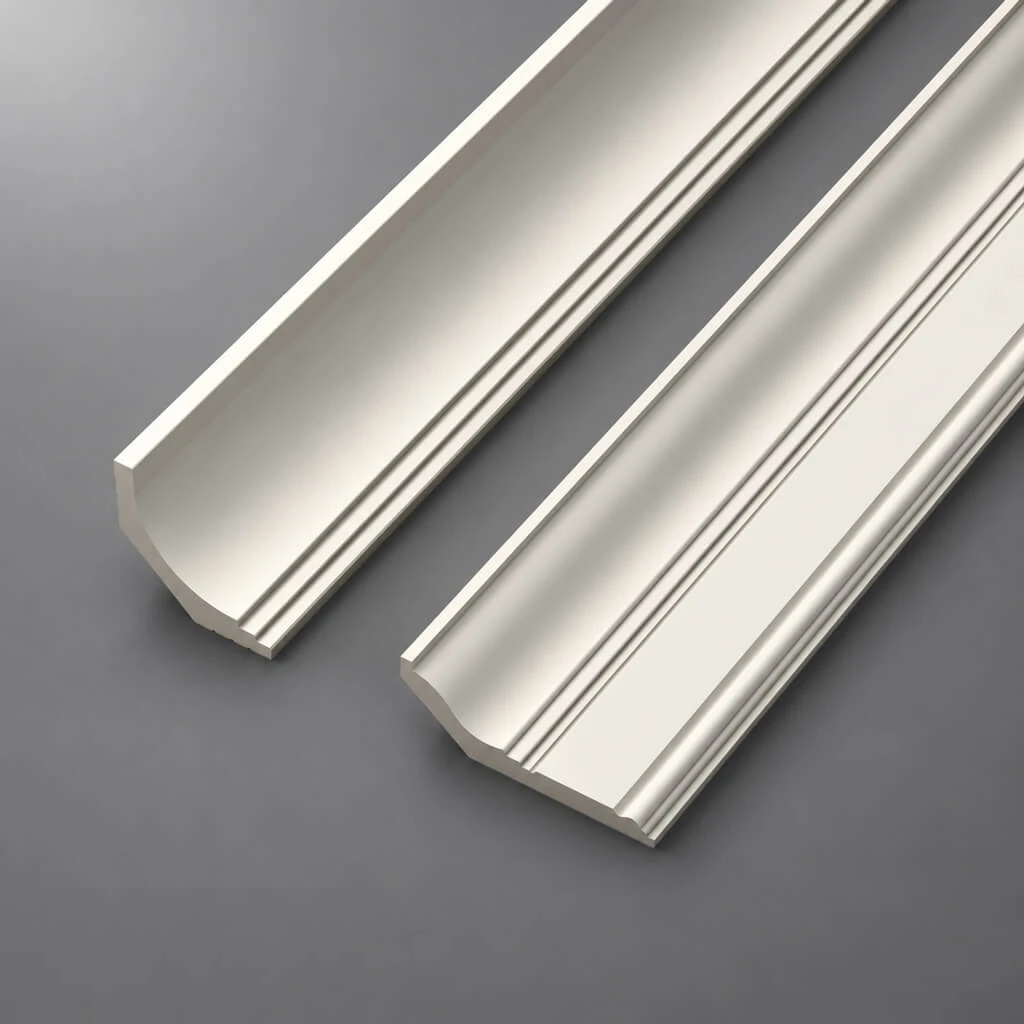
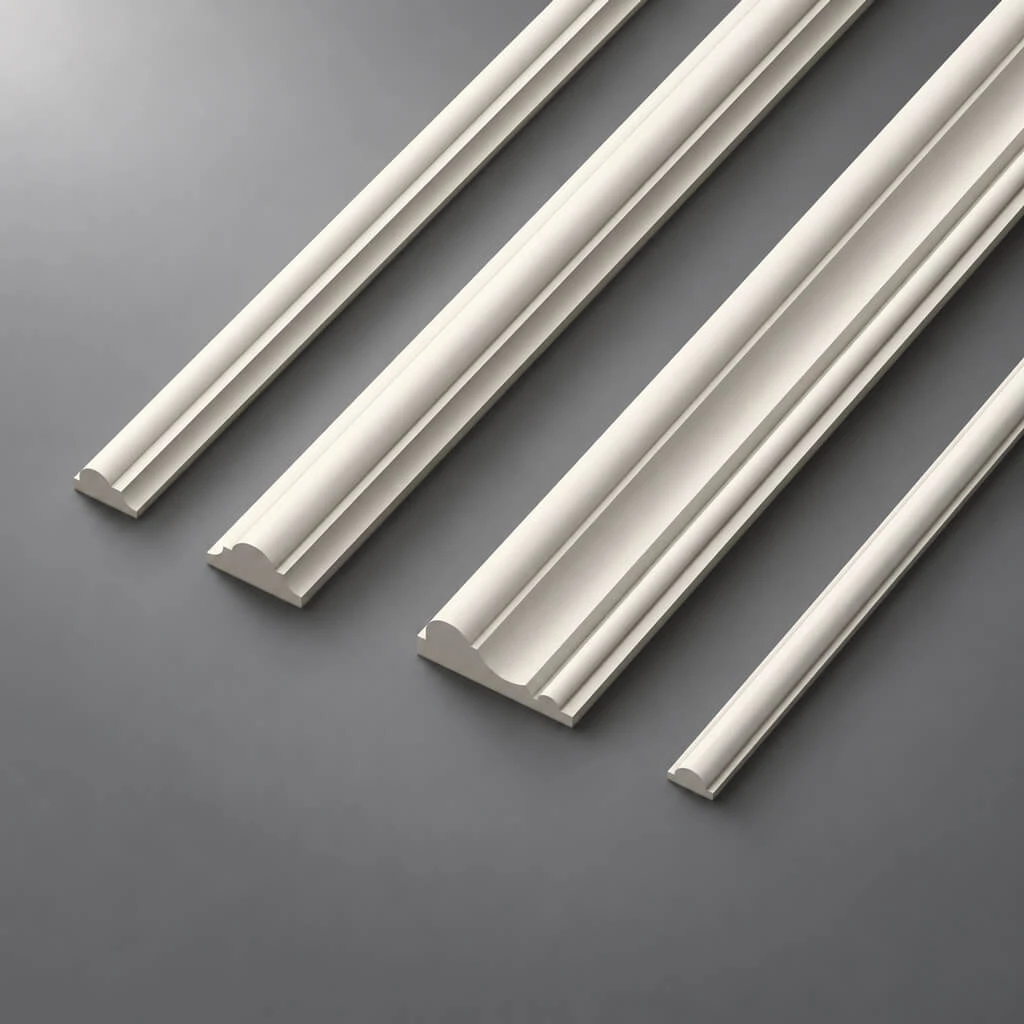
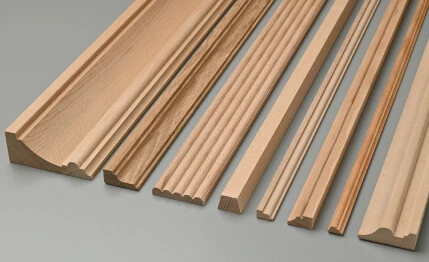
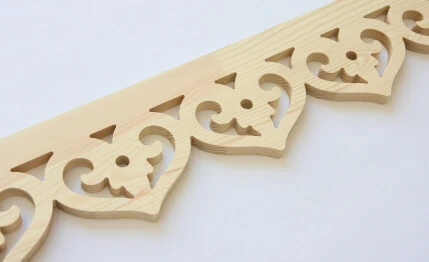
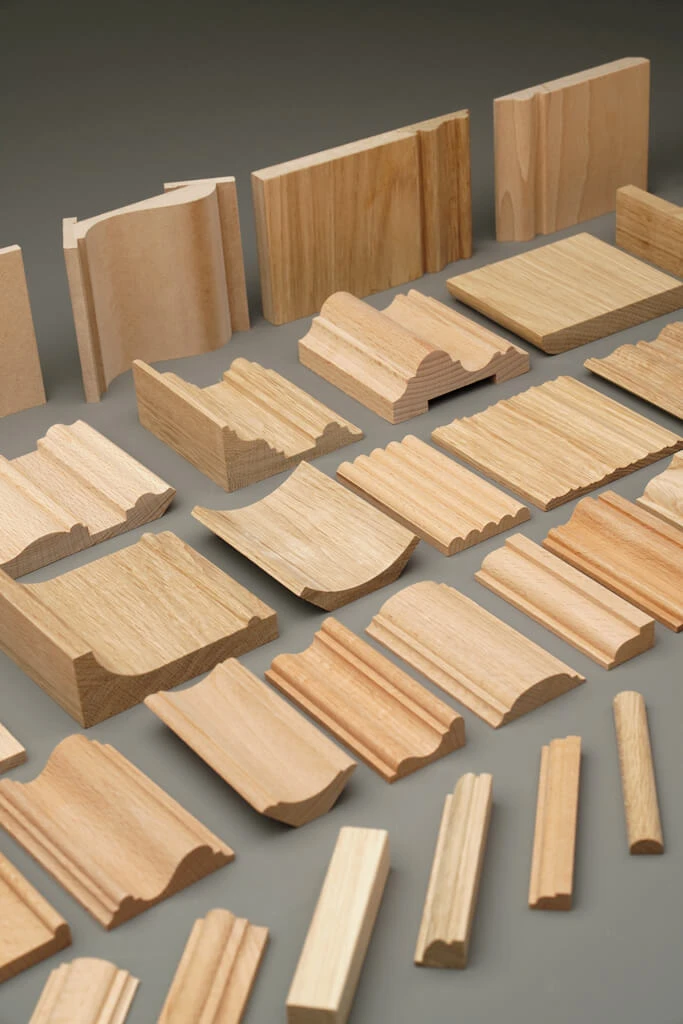
Wooden baguette is a profile sold by the meter. It is a material for making frames: you cut it at an angle, join it, and get a framing of the desired size. This requires tools, skill, and time. STAVROS wooden baguette — a separate product, a separate scenario.
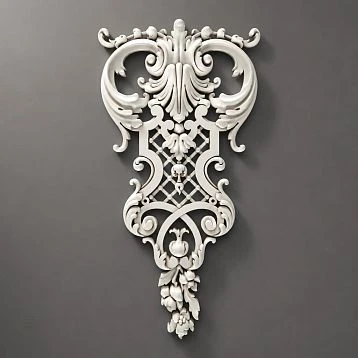
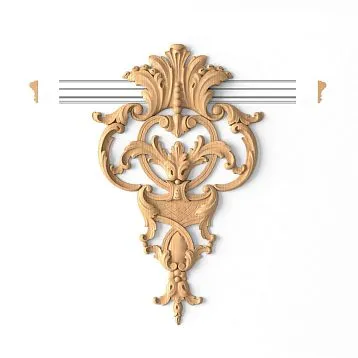
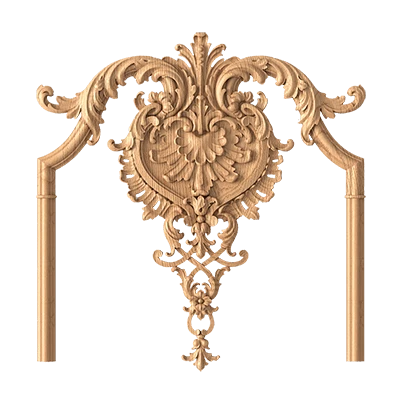
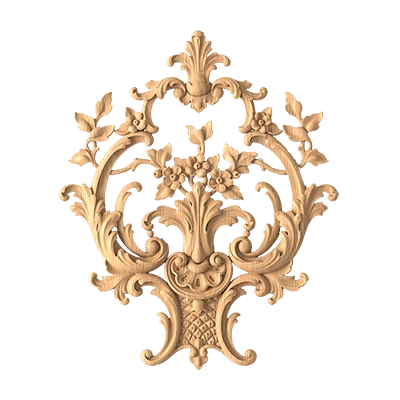
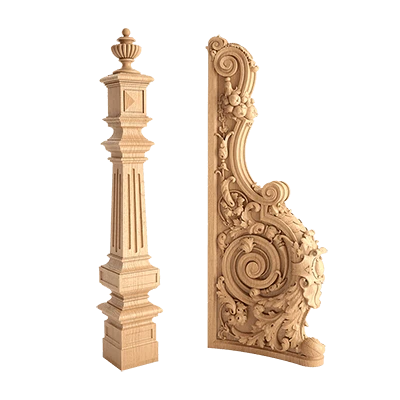
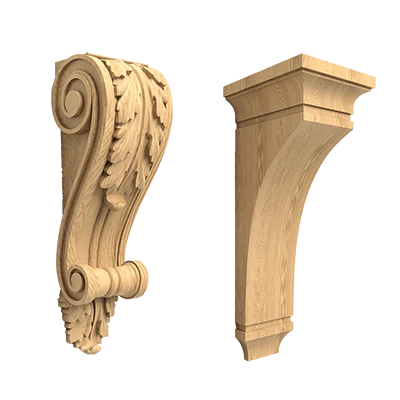
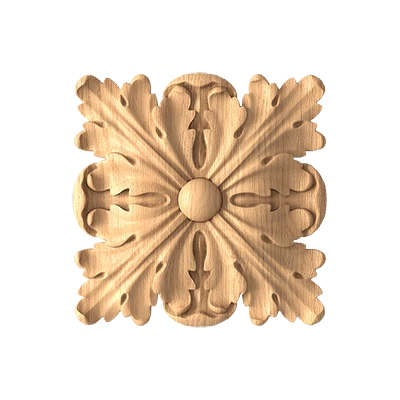
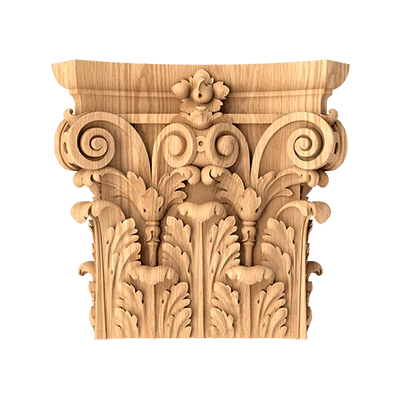
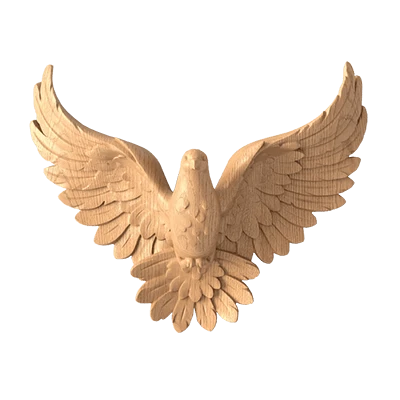
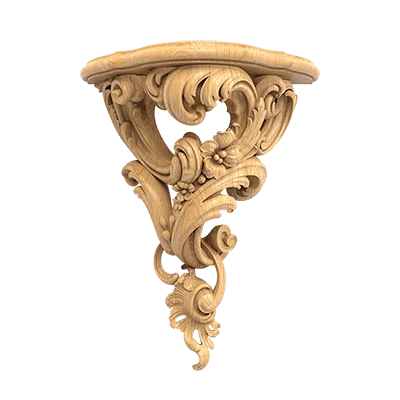
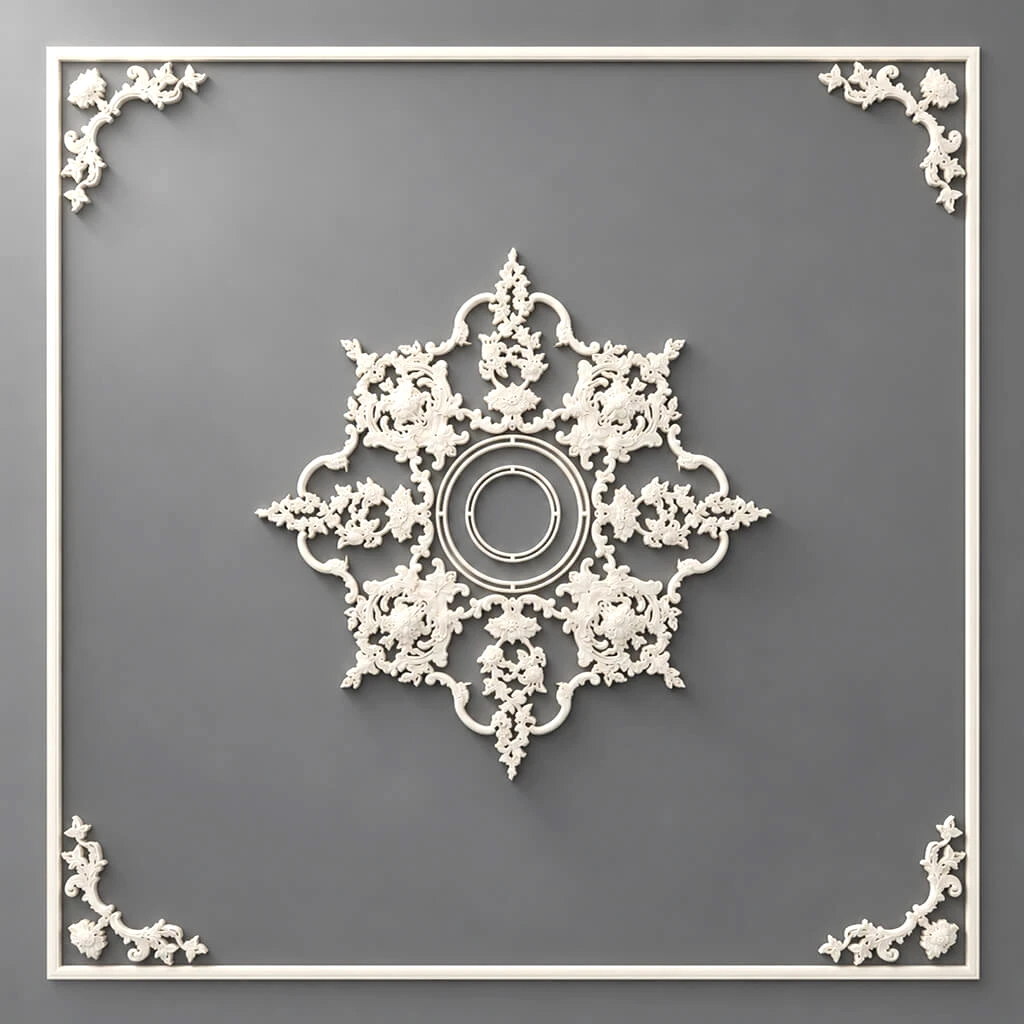
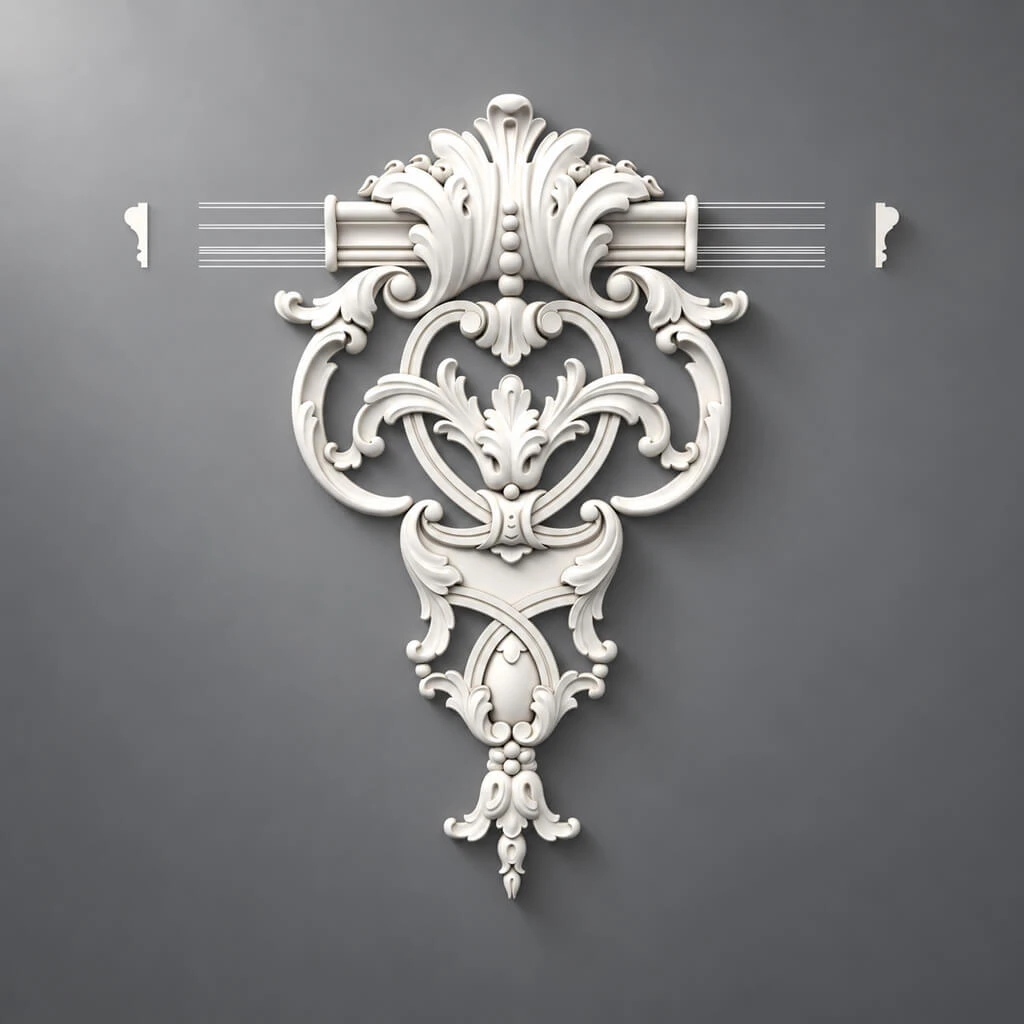
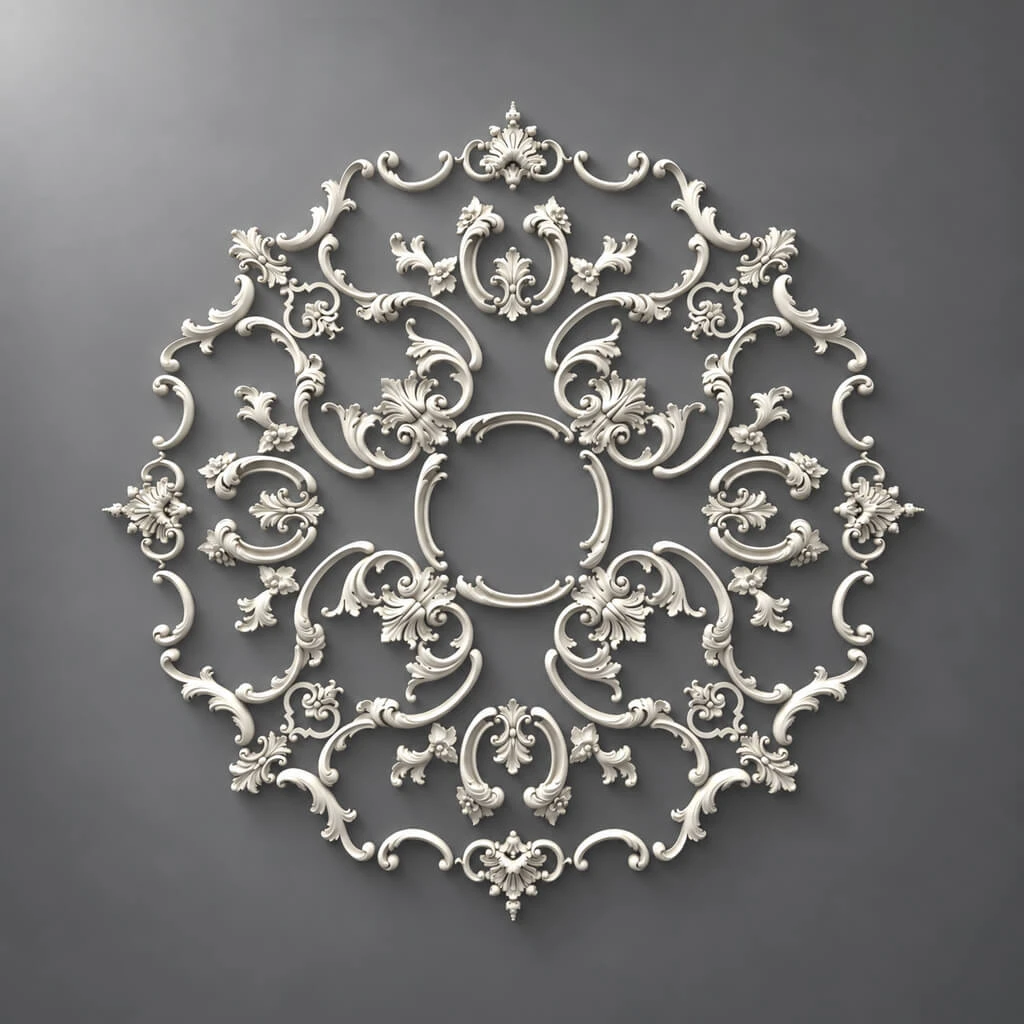
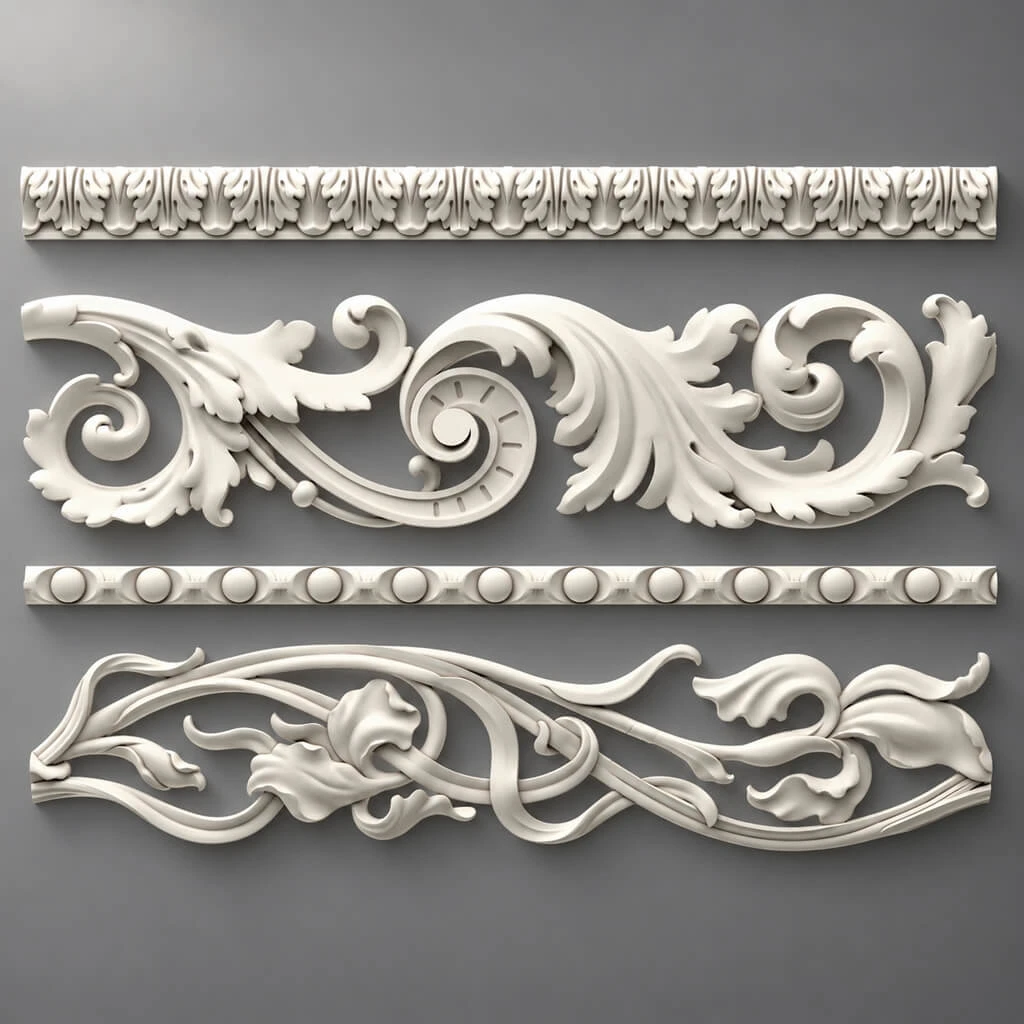
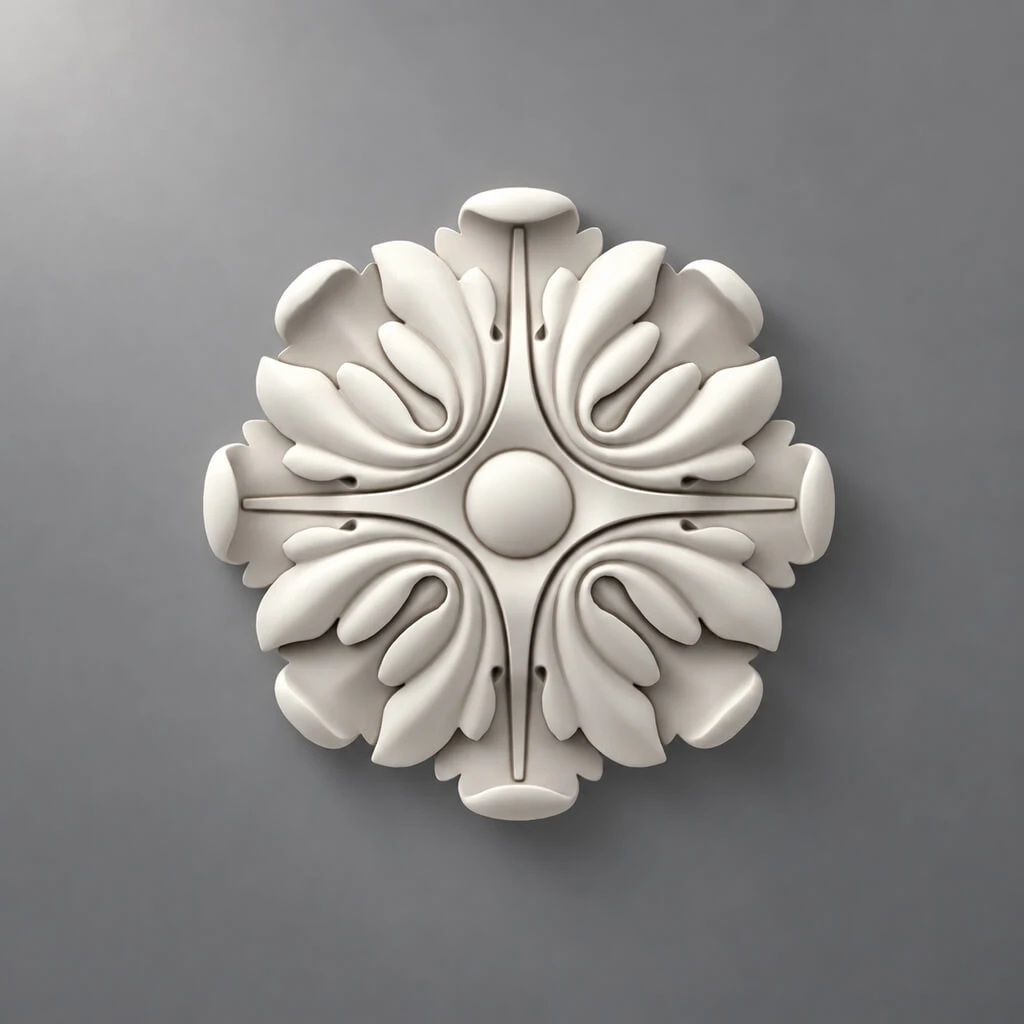
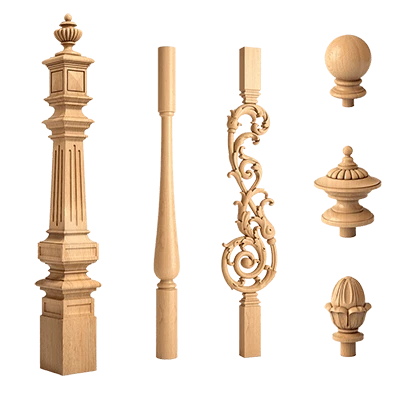
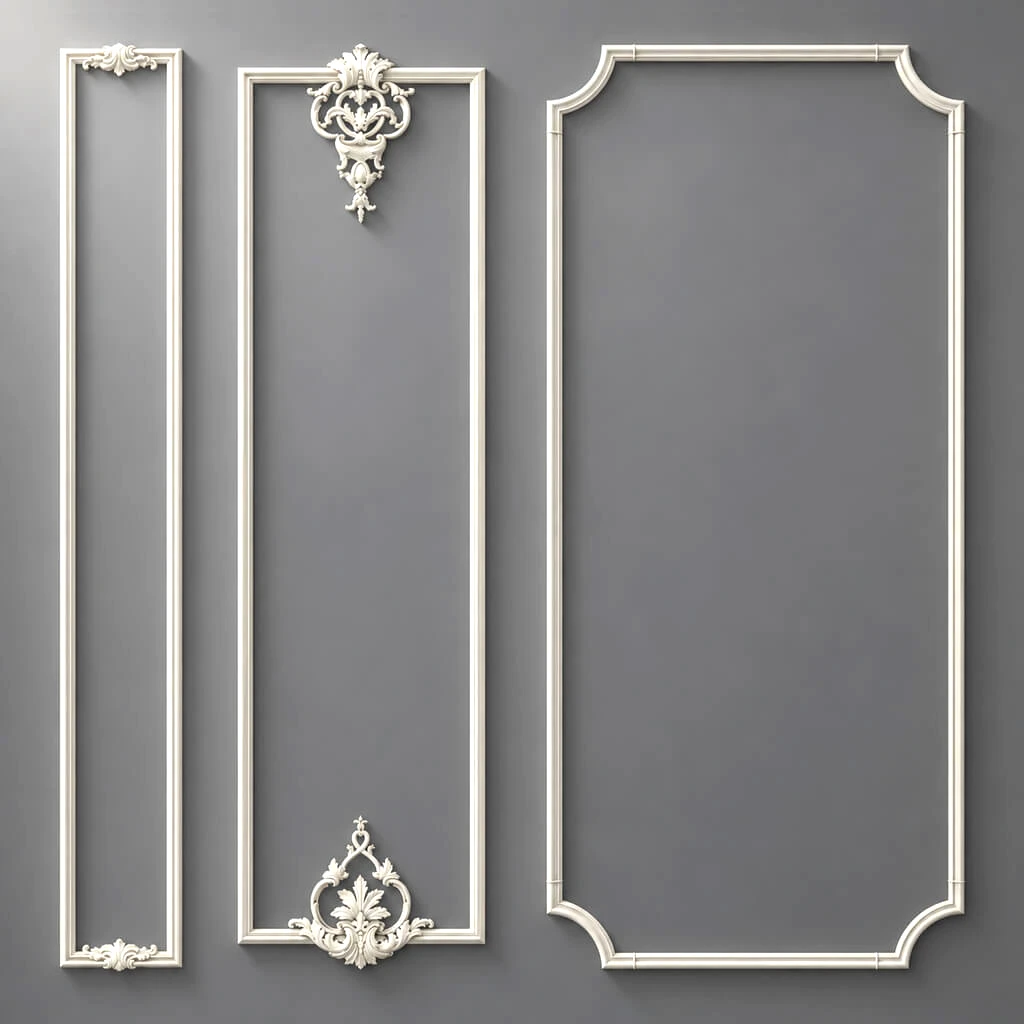
Decorative elements are applied carved decor: rosettes, medallions, cartouches, floral ornaments. They complement the frame, enhance its visual image, but are not a frame themselves. decorative wooden elements STAVROS — this is an additional tool for those who want to make the frame even richer.
The STAVROS mirror frame is neither one nor the other. It is a finished product with specific models: RM-026, RM-028, RM-033, RM-043, RM-044, RM-052, and other catalog items where everything is already thought out — profile, shape, material, and possible finishing options.

Frame shape: how mirror geometry works in the interior
Shape is the first and most obvious choice. But this is where the mistake most often occurs: the shape is chosen 'by taste,' without thinking about the function of the wall, the scale of the space, and the character of the interior.
Our factory also produces:
Round wooden mirror frame
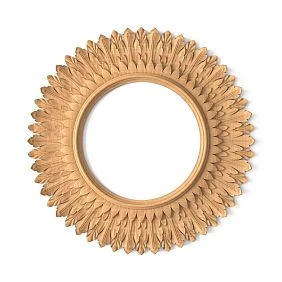
A circle is the lightest and most dynamic shape. A mirror in a round wooden frame visually 'floats' on the wall — it does not press down, does not occupy space, but accentuates. The round shape is universal for hallways and bathrooms: both spaces typically have limited wall area, and a circle works here more delicately than a rectangle.
A few nuances:
-
The diameter of the round frame is selected considering the wall width — from 1/3 to 1/2 of the wall width
-
A wide carved frame for a round mirror creates a "medallion" effect — a powerful accent
-
Several round mirrors in identical frames, arranged rhythmically along the wall — a high-end design technique
-
For small hallways with dark walls, a round mirror in a light or gilded frame "opens up" the space.
Buying a round wooden frame for a mirror at STAVROS means choosing a shape that works in almost any context: from classic to modern interior.
Get Consultation
Oval wooden frame for a mirror
The oval is the most 'classic' shape of all. It was used in Baroque, Empire, and Biedermeier interiors. It is softer than a rectangle and 'stricter' than a circle. A vertical oval visually elongates the wall — a good solution for low rooms.
An oval wooden frame for a mirror is an organic choice for:
-
Classic-style bedrooms
-
Boudoirs or ladies' studies
-
Hallways in homes with stucco, moldings, and classic doors
-
Living room with symmetrical hanging above the console
A wide carved frame for an oval mirror is a serious decorative element. A narrow one is a delicate accent.
Rectangular wooden mirror frame
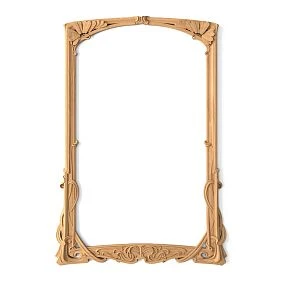
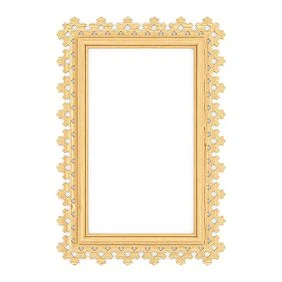
A rectangle is the most functional shape. It fits into any interior, works organically above a console, in a niche, or on a wall with symmetrical hanging.
An important parameter of a rectangular frame is the aspect ratio. A mirror with a 3:4 ratio is a balanced neutral format. A vertical rectangle of 1:2 is an elegant column, works well in tall rooms. A horizontal one is above a low console table.
Vertical frame: floor and full-length mirror
A vertical frame is a full-length or knee-length mirror. A separate format with a special logic: such a mirror stands on the floor or is mounted almost the entire height of the wall.
A frame for a floor mirror must:
-
Be wide enough to 'hold' the large format
-
Have a lower profile that does not interfere when trying on
-
Be durable: the floor mirror receives random impacts at the bottom
For the dressing room, hallway, bedroom — a vertical solid wood frame with neutral tinting or enamel finish.
Polygonal shape: decorative geometry
Octagon, hexagon, custom polygon — a shape for those who build space like a designer. Such a mirror doesn't just hang; it participates in the geometric composition of the wall.
A polygonal frame works well in Art Deco interiors, eclectic styles, and modern classics with geometric parquet or tile patterns.
| Shape | Interior style | Best room |
|---|---|---|
| Round | Any | Hallway, bathroom, living room |
| Oval | Classic, baroque, empire | Bedroom, study, hallway |
| Rectangular | Any | Everywhere |
| Vertical | Any | Hallway, dressing room, bedroom |
| Polygonal | Art Deco, Eclecticism, Art Nouveau | Living room, study |
| Wide carved | Baroque, Classicism, Art Deco | Living room, hallway |
Carved Mirror Frame: When Relief Speaks the Language of Interior
Carving on a wooden mirror frame is not a decoration "just in case." It is a deliberate choice of a specific architectural language. And this language must be learned to read.
How a Carved Frame Differs from a Smooth One
A smooth frame is a contour. It marks the boundary of the mirror, gives it shape and weight, but does not claim independent attention. The gaze glides to the mirror.
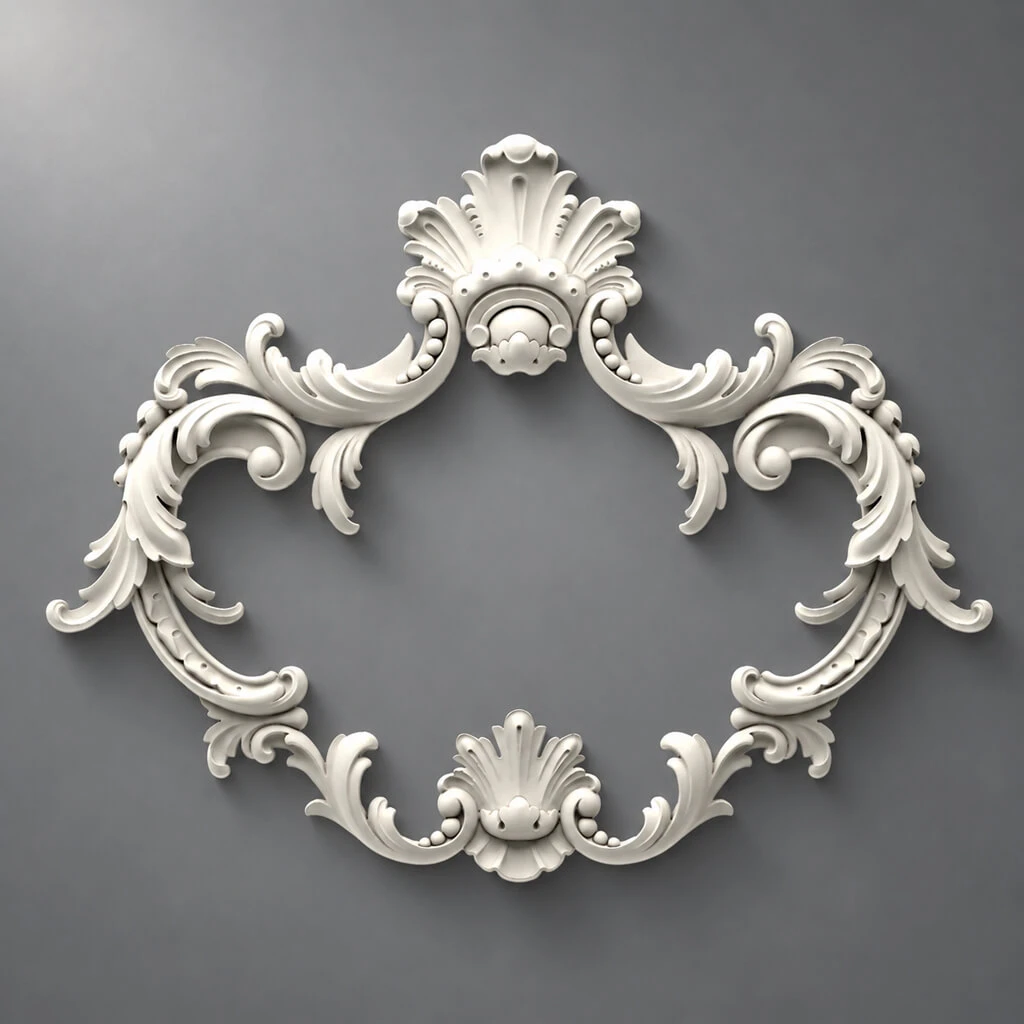
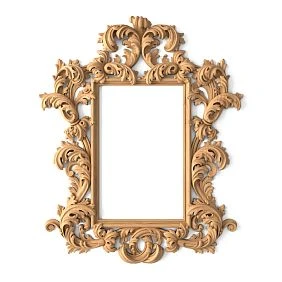
A carved wooden mirror frame is an independent object. Relief ornament, acanthus leaves, garlands, cartouches, geometric meanders — each element demands attention. A mirror in such a frame becomes a 'painting' on the wall.
Relief Depth: How Not to Overload the Wall
The deeper the relief, the heavier the frame visually. For small walls and compact rooms — light bas-relief, no more than 8–12 mm deep. For high formal halls and spacious living rooms — deep high relief, 15–20 mm or more.
A small mirror in a wide, deeply carved frame is overload. A large mirror in a thin frame with fine relief is a "loss" of the frame. Balance: the width of the frame and the depth of the relief should correspond to the size of the mirror glass.
Collections: classic, art deco, modern, contemporary
In the STAVROS catalog, mirror frames are grouped by collections. This is not a marketing convention — each collection has a specific visual language.
Classic: symmetrical floral ornament, acanthus leaves, cartouches, medallions. For classic and neoclassical interiors. Pairs well with solid wood moldings, cornices, and baseboards in a unified style.
Art Deco: geometric patterns, stepped forms, lines, and diamonds. For bold solutions in the spirit of the 1920s–1930s. Laconic yet luxurious. An Art Deco frame works equally well in classic and contemporary interiors.
Modern: smooth organic lines, asymmetrical ornament, elongated floral motifs. For interiors with "fluid" geometry and natural forms. The style is complex — requires coordination with the entire space.
Contemporary: minimal or neutral relief, clean profile, strict proportions. For modern classic and neoclassical without excessive decor.
How to combine a carved frame with furniture and finishes
A carved mirror frame is not a separate object. It is part of the room's visual system. Coordination principles:
-
The relief of the frame should "echo" the relief of furniture facades
-
The frame ornament and the molding ornament are from the same "vocabulary"
-
The frame color should be in harmony with doors, furniture, or flooring
-
The frame for the mirror above the console should have a unified finish with the console
STAVROS carved decor provides a wide arsenal of additional elements for coordination: applied ornaments, rosettes, medallions, which can be used for decorative framing of the wall around the mirror.
Solid wood or MDF: an honest choice of material
In the STAVROS catalog, mirror frames are presented in two materials: solid wood and MDF. These are fundamentally different solutions for different scenarios.
Solid Wood Mirror Frame
Oak: dense, hard, with expressive texture. Under clear varnish or tinting, a natural pattern that makes the frame alive. An oak frame is for a stately classic interior, for a mirror above an oak parquet floor, for a living room with oak furniture.
Beech: slightly softer than oak, but with a fine, even texture. Beech perfectly accepts tinting: any shade from light oak to dark walnut lays evenly. Carving on beech turns out neat and clear.
A massive wooden mirror frame weighs significantly more than an MDF counterpart. This is important for mounting: the wall must provide a reliable attachment point, especially for a large frame.
MDF mirror frame
MDF is a board material with uniform density. It has no wood texture but accepts any coating: white enamel, colored paint, patina imitation, gilding.
When MDF is the right choice:
-
Frame for white or colored enamel
-
Frame for gold or silver with patina effect
-
Modern interior where wood texture is not needed
-
Bathroom with high humidity — MDF with waterproof coating behaves more stably than solid wood
MDF frame is lighter than a solid wood one, which simplifies mounting and installation.
| Material | Finish | Best scenario |
|---|---|---|
| Oak solid wood | Varnish, tinting, oil | Classic, neoclassical, study |
| Beech solid wood | Tinting, enamel, varnish | Furniture project, hallway |
| MDF | Enamel, gilding, patina | Provence, white interior, bathroom |
Wooden mirror frame in the hallway: first impression of the home
The hallway is the boundary between the outside world and the home. The first glance upon entering. The last upon leaving. A mirror in the hallway works differently than in the bedroom or living room: here it is used functionally several times a day, so the shape, hanging height, and frame proportions have direct practical significance.
Which shape is suitable for the hallway
Round frame: ideal for small hallways. Visually light, does not 'eat up' the wall. Diameter 60–80 cm is standard for a medium-sized hallway. A round mirror in a wide carved oak frame is a powerful decorative accent above a cabinet or console.
Vertical rectangular frame: for hallways with sufficient ceiling height and wall width. A full-length mirror in a wooden frame is a hallway classic. Functionally maximal: you can assess the entire outfit ensemble at once.
Oval frame: for hallways in classic homes. A vertical oval above a console table is a canonical technique of classic interior design that never ages.
Mirror hanging height in the hallway
Standard: the center of the mirror should be at a height of 155–165 cm from the floor. This is the average eye level for an adult.
When placing a mirror above a console or cabinet, the distance between the top edge of the furniture and the bottom edge of the frame is 10–15 cm. Not less: visually 'separates' the mirror from the furniture, making it an independent object.
Coordinating the frame with the hallway interior
A hallway is a space with many different materials in a small area: flooring, walls, doors, coat rack, cabinet, lighting. The mirror frame should become the backbone of this composition.
For coordination:
-
Frame color — matching or contrasting with the doors (both strategies work with a conscious approach)
-
Frame profile — echoes the profile of door trims
-
Finish — coordinated with the finish of the cabinet or console table
-
Decorative relief of the frame — synchronized with wooden decorative elements In the hallway
Mirror frame in the bedroom: from boudoir to minimalism
The bedroom is a personal space. Here, the mirror exists in a different rhythm: it is not for a quick glance when leaving, but for a thoughtful morning routine, for creating a mood, for visually expanding the space.
Mirror above the headboard
A controversial technique — many avoid it for aesthetic or psychological reasons. But when the frame is large and ornate, the mirror above the bed turns into a "painting" that is perceived as a decorative element rather than a utilitarian object.
For this scenario — a wide horizontal frame with a rich relief. Size: width approximately equal to the width of the headboard.
Mirror on the opposite wall
A classic technique for visually doubling the space. A mirror opposite the window reflects light, making the room brighter. A large rectangular or oval wooden frame on the wall opposite the window is both an architectural accent and a source of "virtual" space.
Floor mirror in the bedroom
A vertical frame the height of a person — for the fitting area in the bedroom or dressing room. A massive frame with a figured profile creates a "boudoir" effect. A thin frame matching the wall color — Scandinavian minimalism.
Mirror frame in the bathroom: nuances of a wet room
The bathroom is a special scenario. A wooden frame is possible here, but requires a special approach.
Why a wooden frame in the bathroom is not taboo
A properly protected wooden frame for a mirror in the bathroom will last a long time. The key word is 'properly protected'. Solid wood without coating in the bathroom will deform and darken. Solid wood with high-quality moisture-resistant finish works stably.
What is important when choosing a frame for the bathroom
Material: MDF with a water-resistant coating is more predictable in conditions of constant humidity. Solid wood — provided several layers of polyurethane or yacht varnish.
Shape: round or rectangular is standard. Too complex carved relief in the bathroom creates areas where moisture gets in and condensation accumulates. For the bathroom — medium-depth relief or a smooth frame.
Coating: enamel or polyurethane varnish with a high degree of protection. For the bathroom — only closed pores: oil without a final varnish layer will not protect wood from moisture.
Ventilation: the frame should not be flush against the tile. A gap of 2–3 mm ensures air circulation and prevents the back side of the frame from getting wet.
Mirror frame for the sauna
For a sauna — only specially treated solid wood: the steam room creates extreme conditions. Recommended wood species for sauna interiors are alder, linden, cedar. Oak behaves worse in the steam room due to the high content of tannins, which can be released when heated.
Size and proportions: how to calculate the perfect framing
Frame size is not just "big or small." It's precise spatial mathematics.
Width of the frame field
Frame border is the distance from the edge of the mirror to the outer edge of the frame. It's the visual "boundary" that defines the frame's weight.
| Mirror diameter/side | Recommended frame margin |
|---|---|
| up to 40 cm | 40–60 mm |
| 40–70 cm | 60–90 mm |
| 70–100 cm | 90–120 mm |
| 100–150 cm | 100–150 mm |
| Over 150 cm | 120–200 mm |
A wide frame on a small mirror is overwhelming. A thin frame on a large mirror loses significance.
Frame weight and mounting
A large carved solid wood frame can weigh 8–15 kg together with the mirror glass. For secure mounting:
-
Use wall anchors into a load-bearing wall or into wooden frame elements
-
At least two fixing points
-
For heavy frames — a horizontal rail or special hanging hinges with load margin
Wall scale
The mirror should occupy no more than 2/3 of the width of the wall section it hangs on. Less — significance is lost. More — the wall only works for the mirror, air disappears.
For non-standard niches and piers — solutions for STAVROS consoles and frames provides the design logic for placement.
Wooden mirror frame finishing: five surface languages
Finish is the final touch that determines in which interior the frame resonates.
Clear varnish or oil
Preserves the natural wood texture. For solid oak under varnish — amber hue, deep grain. For oil — a matte surface with tactile warmth.
Application: classic interior, study, hunting or library style, country house with wooden floors.
Toning
Changes color while preserving texture. Range — from light ash to dark espresso. For a hallway with dark parquet — a frame in the same tone. For a light bedroom — a contrasting dark frame.
Important: the frame tint must be coordinated with the furniture tint. Different batches of the same color produce different shades.
White or colored enamel
Classic of Provence and neoclassicism. White frame for a mirror — a neutral, universal solution. Pastel — cream, blue, gray — for delicate interiors.
Enamel hides the wood texture and emphasizes the shape and relief of the profile. For a carved frame under enamel, clarity of relief is important: thin details are lost under paint.
Patina
Effect of an "aged" object. Patina — applying a contrasting pigment into the recesses of the relief, followed by lightening the convex parts. Result: the feel of a genuine antique item.
Patina is organic for classic, baroque, Italian Renaissance, and the "antique wooden mirror frame" style.
Gilding and silvering
Gold leaf or bronze powder — for formal frames in baroque, empire, Louis XVI styles. A gilded mirror frame is a piece of furniture art, not just a frame.
Gilding can be leaf (gold leaf) or imitation (powder). Leaf is more expensive but creates a lively, slightly uneven surface with a noble shimmer.
Where and how a mirror frame is used in an interior design project
A wooden mirror frame is not a separate purchase. It is an element of a system.
Above the console or table
A mirror in a frame above the console is a classic technique for halls and entryways. The height of the frame is proportional to the height of the console: for a console 80 cm high, the frame on the wall should be 50–60 cm higher.
For console projects — STAVROS furniture solutions и STAVROS consoles and frames.
In a symmetrical arrangement
Two identical mirrors in identical frames on either side of a fireplace or central point of a wall — architectural symmetry. Requires precise marking and absolutely identical frames.
In a furniture wall panel
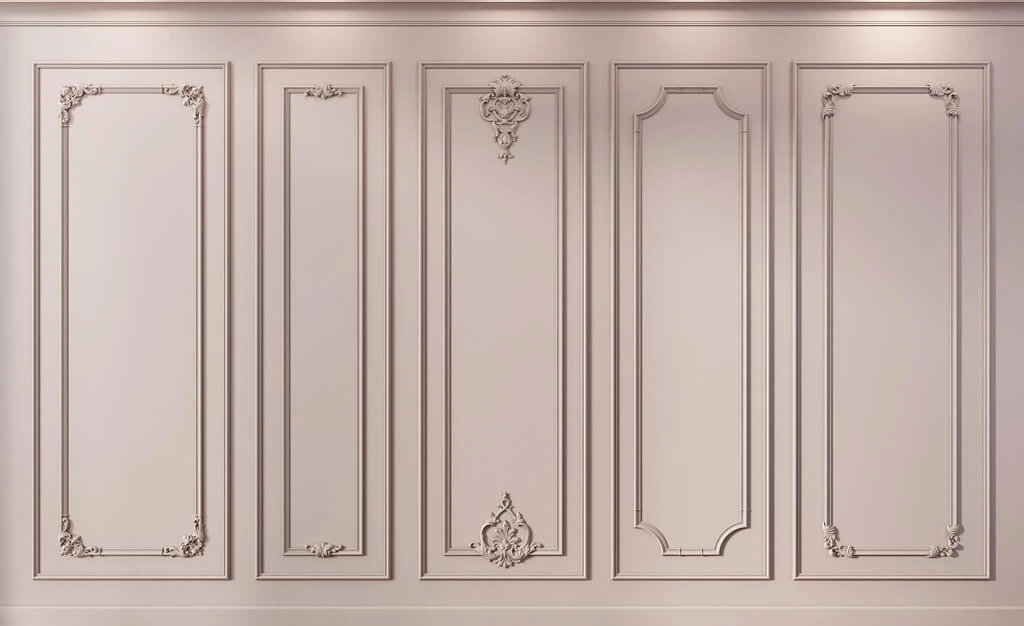
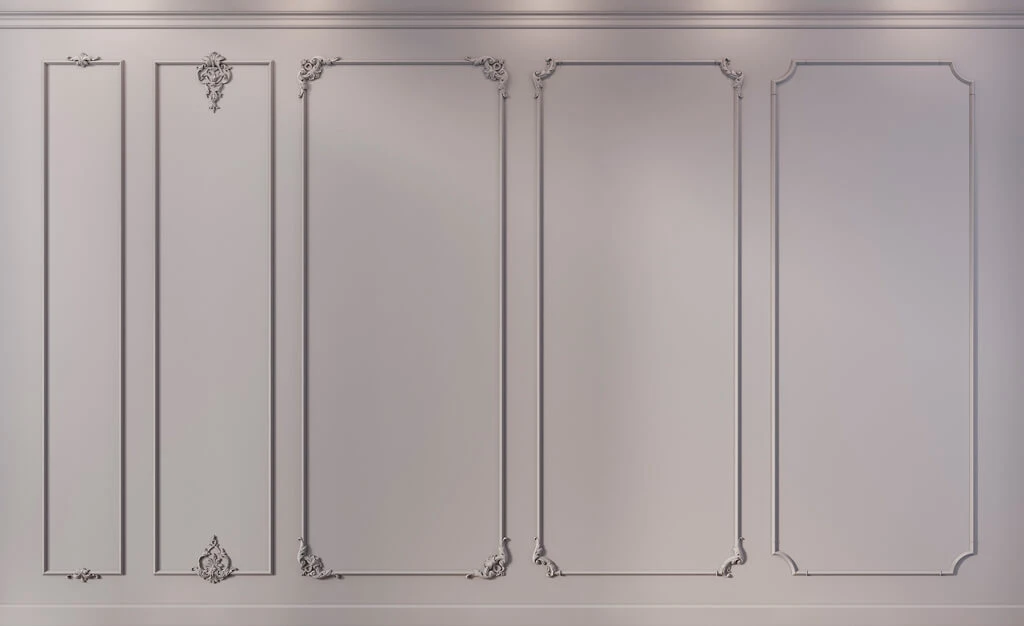
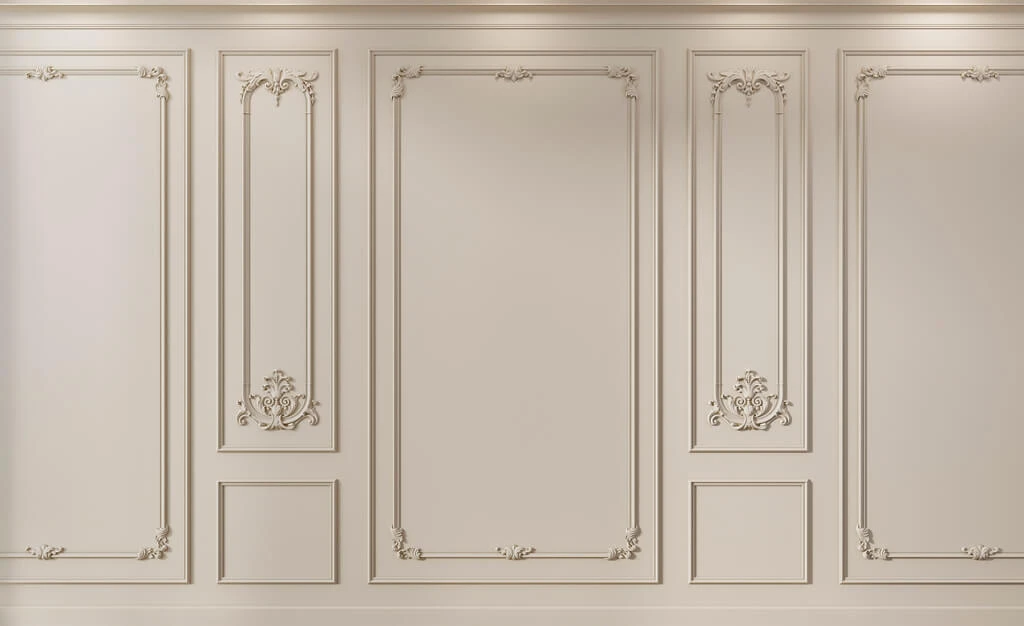
A mirror in a frame built into a wooden wall panel or between moldings — a technique of palace interiors. Here, the frame is part of a more complex architectural composition. For this scenario, a frame that is coordinated with the profiles is needed. solid wood moldings.
In a gallery arrangement
Several mirrors in different frames, united by a single style (collection) or material — a gallery wall. A trend that has been in design for over a decade. For unity, all frames from one STAVROS collection.
Mistakes when choosing a wooden frame for a mirror
Let's look at typical mistakes — so you don't make them.
1. Confusing a frame with a baguette. Bought a linear profile and couldn't assemble the frame without tools. Different products for different tasks.
2. Choosing a shape "to taste" without thinking about the wall. A round mirror in a narrow hallway by the door — it will get in the way. A vertical rectangle in a low room — will worsen proportions.
3. Not calculating the weight. A large carved solid wood frame with a mirror — 10–15 kg. Mounting on a butterfly anchor in drywall — destruction.
4. Taking a wide, deeply carved frame for a small wall. Overload: the wall "works" only for the frame, no breathing room.
5. Not coordinating the finish with the interior. Dark tinting in a white Provencal interior — not contrast, but a mistake.
6. Using solid wood without coating in the bathroom. Deformation and darkening — a guaranteed result.
7. Hanging the mirror too high. The center of the mirror above 170 cm from the floor is inconvenient in practice.
8. Mixing collection styles. A Baroque-style frame with high-tech furniture — not eclecticism, but inconsistency.
9. Ignoring wooden decorative elements for enhancement. Properly selected decor around the frame creates a complete interior composition.
10. Do not lead the user to a specific product section. Frame selection involves specific catalog items: RM-026, RM-028, RM-033, RM-043, RM-044, RM-052.
Where to buy a wooden frame for STAVROS mirror
To select and order:
-
STAVROS wooden mirror frames — main section, collections, shapes, materials
-
STAVROS wooden baguette — if a project framing is needed
-
wooden decorative elements — for additional carved decor
-
STAVROS carved decor — for coordination with the interior
-
Solid wood moldings, cornices, and baseboards — for stylistic connection
-
Solutions for consoles and frames — design solutions
-
furniture solutions — interior scenarios
-
Solid Wood Items — full catalog
Frequently asked questions about wooden mirror frames
How is a wooden mirror frame different from a wooden baguette?
A frame is a finished or custom-made border of a specific shape and size. A baguette is a profile sold by length, from which a frame is assembled independently. Different products for different tasks.
Which is better: a solid wood frame or MDF?
It depends on the finish and scenario. Solid wood is for natural texture under varnish or tinting. MDF is for enamel, white or colored coating, for a bathroom with high humidity.
Which frame shape is best for a hallway?
Round or vertical rectangular are the most versatile. Round is for compact hallways. Vertical is for a full-length mirror in a spacious foyer.
Can a wooden frame be used in a bathroom?
Yes, with proper finishing. MDF with a waterproof coating or solid wood with several layers of polyurethane varnish. Ventilation and a gap from the tile are important.
How to choose the width of the frame border?
Guideline: for mirrors up to 70 cm — field 60–90 mm. For mirrors 70–100 cm — 90–120 mm. For large mirrors from 100 cm — 120–200 mm.
How to attach a heavy frame with a mirror?
At least two attachment points into a load-bearing wall. For frames weighing more than 8–10 kg — dowels with a rated load or a horizontal hanging rail.
Are there frames for mirrors in STAVROS?
Yes. In the section STAVROS wooden mirror frames — models RM-026, RM-028, RM-033, RM-043, RM-044, RM-052 and other items with filters by material, shape, and collection.
Can I order a frame for a non-standard mirror size?
This issue is resolved at the stage of project discussion with STAVROS. For non-standard sizes, both the ready-made range of frames and project selection using wooden molding.