Article Contents:
- Wooden frame versus plastic and metal: what is the fundamental difference
- What is a baguette and how is it different from a frame
- How to choose the size of a picture frame
- Internal and external size: what is the difference
- Baguette width: how to choose correctly
- Mat: do you need to consider it
- Profiles and shapes of wooden baguettes: what to choose
- Flat profile
- Classic stepped profile
- Grooved profile (fluted)
- Carved profile with ornament
- Wide decorative frame
- Which picture frame suits different interior styles
- Classic Interior
- Neoclassical interior
- Baroque and lush classic
- Art Deco
- Scandinavian and modern interior
- Interior with wooden furniture
- Russian style and wooden interior
- Wooden baguette: wood species and their properties
- Spruce
- Linden
- Oak
- Oak
- MDF
- Frame for a picture, mirror, icon, and TV zone: what's the difference
- Picture frame
- Mirror frame
- Icon frame
- Decorative frame for TV area
- How to combine a frame with interior decor: practical pairings
- Frame and baseboards
- Frame and doors
- Frame and furniture decor
- Frame and wall color
- Common mistakes when choosing a frame for a painting
- Frame too thin for a large canvas
- Frame too heavy for a light image
- Frame ornament competes with painting ornament
- Inconsistency with interior wood
- Choosing plastic in a pretentious interior
- Mismatch of seating depth
- Poorly thought-out mounting system
- How to choose color and finish for a wooden frame
- Natural oil or wax
- Varnish without hiding power
- Toning
- Painting (opaque)
- Patina and aging
- Gilding and silvering
- Custom picture frame: when it's needed
- How to properly hang a picture in a wooden frame
- FAQ: answers to popular questions about choosing a picture frame
- How to choose a wooden picture frame?
- Which is better — a wooden frame or a plastic one?
- What profile width is needed for a large picture?
- Can a mirror frame be used as a picture frame?
- Where to buy a wooden picture frame?
- Which frame is suitable for an icon?
- What is a mat and is it necessary?
- About the Company STAVROS

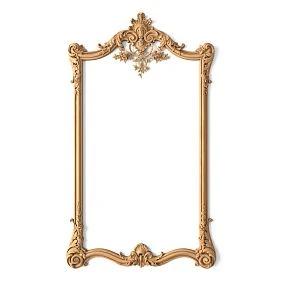
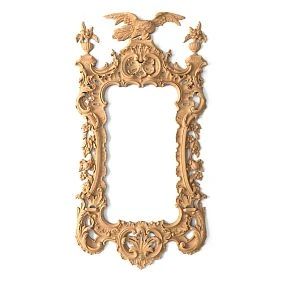
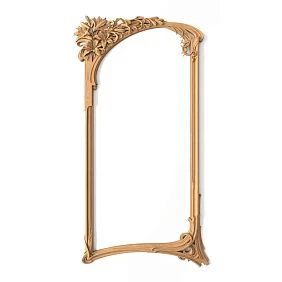
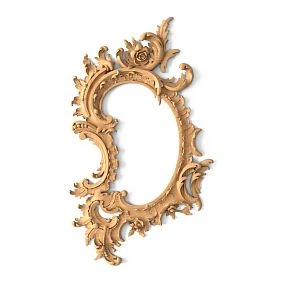
A frame is not just a border. It is the boundary between the world of the painting and the world of the room. It sets the scale, defines the mood, connects the artwork with the furniture, the wall color, and the overall rhythm of the interior. The right frame Wooden picture frame makes an image meaningful. The wrong one devalues even a good piece of work.
This article is about how to choose a frame consciously. About sizes and proportions. About profiles, moldings, ornaments, and styles. About how a frame relates to the interior — with furniture, baseboards, doors, and the overall decorative program of the space. And, of course, about where to buy a wooden picture frame that will last for decades.
Wooden frame versus plastic and metal: what is the fundamental difference
Before discussing the choice, let's answer a question that often arises for those just starting to explore the topic: why wood at all? After all, plastic frames are cheaper, produced in a huge variety, and sometimes look indistinguishable from wood — at least from a distance.
The difference lies in the physics of the material and how it is perceived.
Natural wood has a texture that cannot be fully replicated in polymer. Beneath a layer of patina, varnish, or wax, the wood structure shows through — and it is this that creates the warm, lively character that makes a wooden frame part of the interior, not just a functional accessory.
A solid wood frame for a painting is a geometrically stable product with a dense structure. It does not deform with temperature changes, does not crack from dry air when properly treated, and does not lose its shape after two years of intensive use. Plastic behaves differently: it expands and contracts, yellows or becomes cloudy over time, and no finish layer can hide its "fake" origin in a quality interior setting.
Another argument is consistency. A wooden frame naturally complements wooden furniture, wooden doors, wooden skirting boards and moldings. In an interior where wood is a leitmotif, a wooden frame continues the theme. Plastic in such a context will always feel alien.
Finally, painting and tinting. A wooden frame can be repainted, retinted, aged, patinated, waxed, or varnished — to suit any interior context. Plastic does not offer such freedom.
What is a baguette and how is it different from a frame
The words "frame" and "baguette" are often used as synonyms, but this is not entirely accurate. Let's break down the difference.
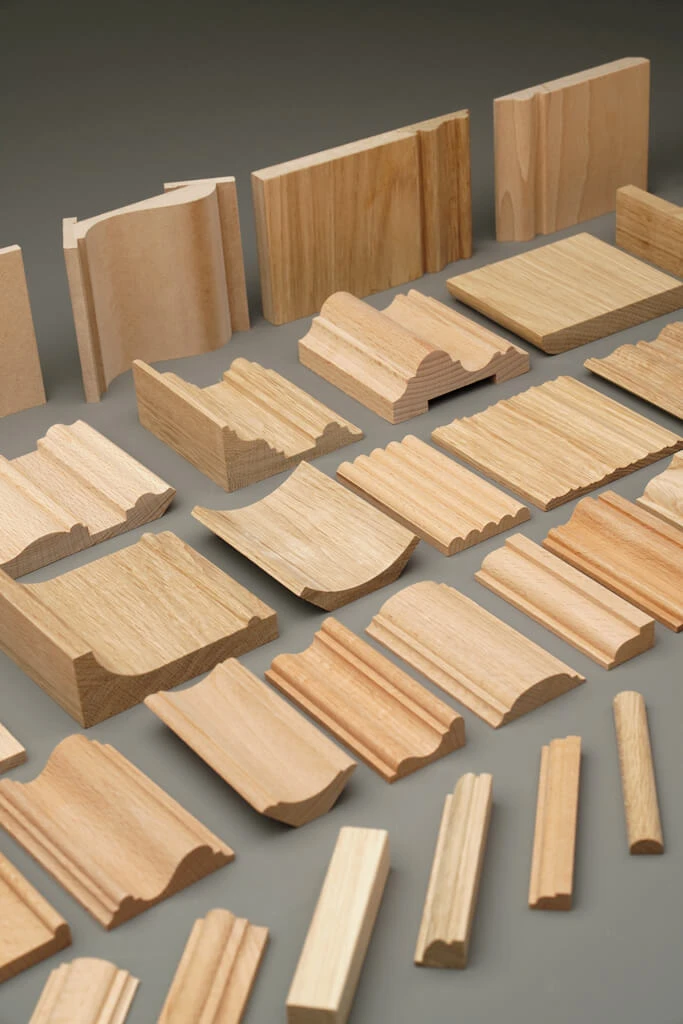
A baguette is a profiled molding (a strip with a specific cross-section) from which a frame is made. The baguette is the raw material, a linear product. Four pieces of baguette, cut at 45°, are assembled into a frame of the required size.
A frame is a finished product. Four connected pieces of baguette forming a rectangle with specific outer and inner dimensions.
When people say "buy a wooden frame for a painting," they mean a finished product. When they say "buy a wooden baguette for a painting," they may mean either the frame itself or the profile for self-assembly.
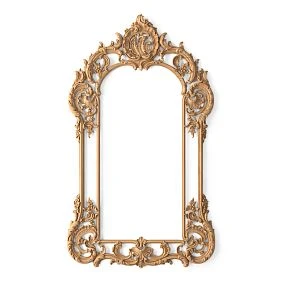
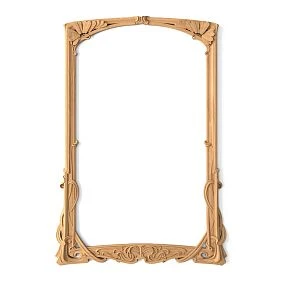
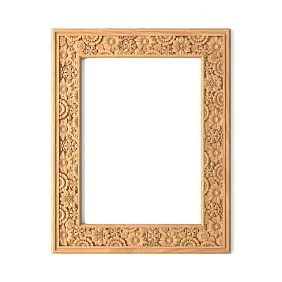
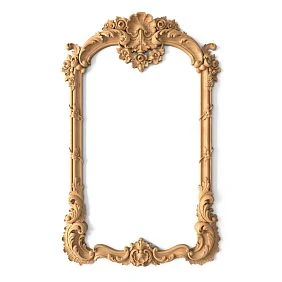
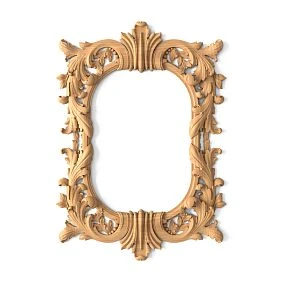
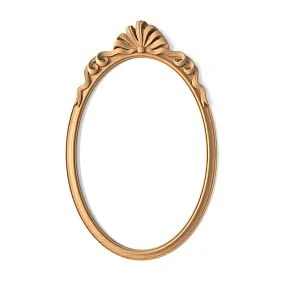
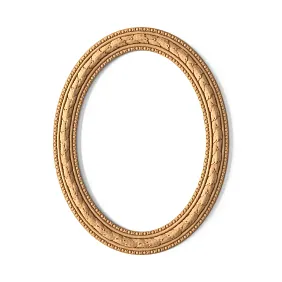
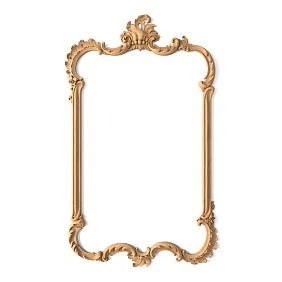
In the wooden products are available both ready-made frames for paintings and mirrors, as well as Wooden Picture Frame for professional assembly.
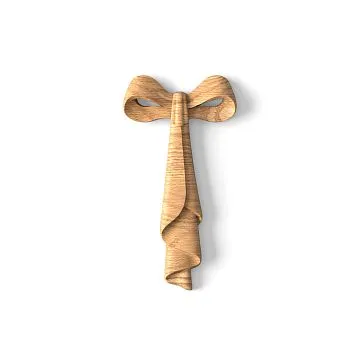
Our factory also produces:
How to choose the frame size for a painting
Size is the first and most obvious parameter. But there are nuances here that are often overlooked.
Get Consultation
Internal and external size: what's the difference
The frame has two key sizes:
-
Internal size (opening) is the size of the frame opening into which the painting or mirror is inserted. The size of the artwork must match this.
-
External size is the size of the entire frame including the profile width. This size determines how much space the frame will take up on the wall.
When choosing a frame, always focus on the internal size. If the artwork measures 40 × 60 cm, the internal opening of the frame should be 40 × 60 cm (or with a minimal overlap of 3–5 mm on each side to secure the canvas).
How to choose the right baguette width
Profile (baguette) width is the distance from the edge of the opening to the outer edge of the frame. It visually 'weighs' the frame.
Mismatch of profile width to the size of the painting is one of the most common mistakes:
| Picture size | Recommended profile width |
|---|---|
| Up to 30 × 40 cm (small) | 20–40 mm |
| 40 × 60 — 60 × 80 cm | 40–70 mm |
| 80 × 100 — 100 × 150 cm | 60–100 mm |
| Over 100 × 150 cm | 80–150 mm and more |
A narrow frame on a large painting gets lost — the canvas 'falls out' of the space. A wide frame on a small painting overwhelms the image, emphasizing the frame rather than the content.
There is another approach — intentional contrast: a very wide frame on a small image, like in museum hanging, gives the work monumentality. But this is a deliberate artistic technique, not a mistake.
Mat: should it be considered
A mat is an intermediate layer between the image and the frame, usually made of cardboard or paper. It adds air around the image, visually increasing its significance.
If the artwork will be framed with a mat, consider it when calculating the frame size: frame size = artwork size + mat width on each side.
Standard mat width is 50–80 mm. For small works — 30–50 mm. For large ones — up to 100 mm.
Wooden baguette profiles and shapes: what to choose
Profile is the cross-section of the baguette, defining its shape in transverse section. It is the profile that determines the character of the frame: strict or lush, classic or modern, flat or embossed.
Flat profile
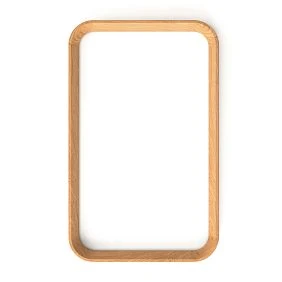
Flat baguette — minimalism in its pure form. Rectangular cross-section without curves or relief. Works well in Scandinavian, minimalist, and modern interiors. It emphasizes the image without distracting from it. In natural wood, a flat profile is especially good: the wood structure is visible, and 45° cuts clearly reveal the grain pattern.
For paintings with rich, complex imagery, a flat frame is often the best choice: it does not compete with the artwork.
Classic stepped profile
The stepped profile — with a slight height difference from the outer edge to the inner — creates a sense of depth and monumentality. This is the most common type of frame in interiors from classic to neoclassical.
The inner edge of such a profile descends toward the painting — creating an effect of the canvas 'sinking' into the frame. Visually, the image gains depth and weight.
Profile with a groove (fluting)
Horizontal grooves along the profile width are a delicate decorative technique that adds texture without unnecessary complexity. It works well in neoclassical interiors and interiors with wooden panels, classic furniture and moldings.
Carved profile with ornament
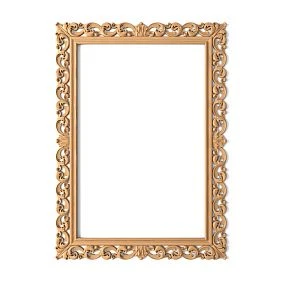
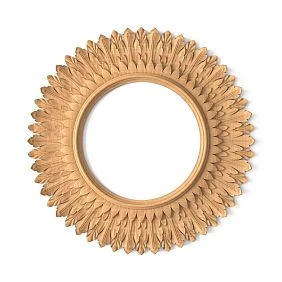
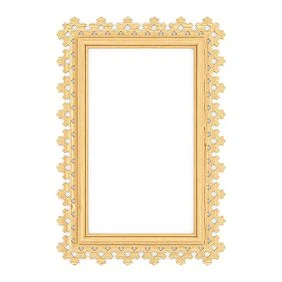
Carved picture frame — this is no longer just a frame, but an element of interior decor. The ornament along the profile width—floral, geometric, classic meander, or acanthus leaf—turns the frame into an independent decorative object.
Carved frames are appropriate in classic, baroque, and palace interiors. They require a suitable context: rich fabrics, wooden panels, heavy drapes, furniture with carved decor.
Wide decorative frame
Wide wooden frames—from 100 mm in profile width and wider—are a special category. They create a monumental effect even for small images. These are frames for formal interiors, for large paintings on the central wall, for mirrors above fireplaces or in hallways.
A wide wooden frame in a classic interior is one of the most convincing decorative statements. It says: this space is thoughtfully designed and expensive.
Which picture frame suits different interior styles
This is a central question when choosing. The frame should not just be "liked" — it must work in the specific space.
Classic interior
Classic style requires frames with a pronounced profile, relief, and preferably patina or gilding. Ornamentation — floral or geometric. Color — warm gold, dark walnut, mahogany, ivory.
In a Classic Interior Wooden Frames for Artworks should echo the wooden doors, furniture, and baseboards. Unity of wood tones is the key to a sense of wholeness.
One important mistake in a classic interior is a frame that is too thin. It gets lost against rich surfaces. The profile width for a classic painting in a classic interior is at least 60 mm, and for large canvases — from 100 mm.
Neoclassical interior
Neoclassicism is a more restrained version of classicism. Here, frames with a moderate profile are appropriate: without excessive ornamentation, but with a clear relief. Color — neutral: white, gray, warm cream, matte black.
A wooden frame in a neoclassical interior is a balance between expressiveness and restraint. It should be noticeable but not dominate.
Baroque and lush classicism
A Baroque interior requires frames equal to it in richness. Carved ornamentation, gilding or silvering, a complex profile with several levels of relief — this is the language of Baroque in framing paintings.
Carved wooden decoration — acanthus leaves, cartouches, scrolls, crinoline borders — traditional motifs for frames in Baroque and lush classic style.
Art Deco
The Art Deco style requires strict geometry, contrasting surfaces, and metallic accents. Frames with geometric patterns are suitable for paintings in this style: zigzags, stepped transitions, parallel lines.
Color — matte black, dark wenge, silver. Texture — uniform, without obvious wood grain.
Scandinavian and modern interior
A modern interior is about expressiveness through restraint. A flat or thin profile, natural wood color without tinting or white color, minimal ornament.
For the Scandinavian style, frames made of light woods are especially good: ash, beech, birch. They provide a soft, neutral texture that supports the painting without drawing attention to itself.
Interior with wooden furniture
When wooden furniture is present in the interior — cabinets, tables, consoles, chairs with wooden details — the frame for the painting must take this wooden context into account. It doesn't have to match in species or tone, but it must not conflict.
Rule: dark wood in furniture — dark or neutral frame. Light wood — light frame or a frame with moderate contrast. A very light frame in an interior with dark walnut or cherry creates dissonance — unless it's a deliberate artistic technique.
Classic Furniture with carved details — an excellent reason to use a frame with a similar pattern: such a connection creates a sense of a unified design concept.
Russian style and wooden interior
In interiors with a pronounced wooden character — log walls, wooden ceilings, textured solid wood floors — the frame should be lively and warm. Natural oil, wax, or varnish without opacity — a finish that allows the wood texture to "breathe" and be visible.
Solid Wood Items with the natural structure of the wood preserved as much as possible — the best choice for such an interior.
Wooden baguette: types of wood and their properties
The frame material is not just an aesthetic consideration. Different types of wood have different properties: hardness, color, fiber structure, and reaction to processing.
Spruce
The most affordable type of wood for frames. Easy to work with, takes paint and tinting well. The natural texture of pine is expressive, with noticeable annual rings and resin streaks (if not removed). Suitable for country interiors, folk style, and simple modern solutions.
The downside of pine is its softness: it scratches easily. For frames that require a thin profile with sharp edges, pine is not the best choice — the edges may dent.
Linden
A classic material for carved frames. Linden is soft, uniform, and cuts well — which is why carved ornaments on frames were historically made from linden. It has a light cream-white tone and takes tinting in any color well.
Oak
Oak is a wood for frames that need to withstand: hard, massive, with a pronounced relief pattern. An oak frame is a serious statement. The color ranges from light beige to rich walnut when tinted. Used in interiors with wood paneling, in hunting studies, and in libraries.
Beech
Beech is dense, with a fine, uniform texture. It is easy to work with and takes tinting in almost any color. Beech is used for frames with sharp, crisp profile edges — it holds its shape. Beech frames in their natural color give a soft, warm tone without emphasizing the texture.
MDF
MDF is not solid wood, but it deserves a separate mention. An MDF frame is a uniform material with no visible texture, ideal for painting. The geometry of an MDF frame is absolutely stable. For frames to be painted white, cream, gray, or black, MDF is often preferable to solid wood — there is no risk of the texture showing through a thin layer of paint.
The catalog includes both Solid wood framesas well as others Wooden items — with different material and finish options.
Frame for painting, mirror, icon, and TV zone: what's the difference
The same profile can serve as a frame for completely different objects — and this is important to understand when choosing. The differences concern not only aesthetics but also structural features.
Frame for painting
A frame for a canvas (oil on canvas) must have sufficient seating depth — the space from the inner edge of the frame to the back plane — so that the canvas on the stretcher fits inside. Standard depth is 10–20 mm. For thick stretchers — up to 30 mm.
The mounting system is also important: a back panel or rabbet to hold the canvas. In some designs, the canvas is secured with wedges or metal clips.
Frame for mirror
Buy frames for mirrors — is a popular query, and it often overlaps with the query for picture frames. The key difference: a mirror is heavier than most paintings, so a mirror frame must have a more robust joint construction and a more reliable wall mounting system.
Additionally, the mirror is attached to the frame differently than a painting: it is inserted into a rabbet (a groove along the inner perimeter of the frame) and secured with wedges or mounting adhesive. For large mirrors, additional fastening through special metal holders is recommended.
Frame for an icon
A frame for an icon is a special aesthetic. Historically, icon frames (oklads and rizas) had a rich, ornate form with patterns, often with gilding or silvering. A modern wooden frame for an icon should support this tradition: a profile with relief, a warm tone, possibly carved ornamentation with religious or floral motifs.
For icons, the inner size of the mat or insert sheet is important: traditional (icon-case) formats may differ from standard European painting formats.
Decorative frame for a TV zone
A technological technique of modern interior design is to frame a TV with a decorative frame. When turned off, the TV turns into a "painting," and the frame makes it a decorative element rather than a technical dominant of the room.
For a TV frame, precision of size (the frame is selected for a specific TV model considering gaps), lightweight construction, and a mounting system that allows removing the frame when necessary are important.
How to combine a frame with interior decor: practical pairings
A frame does not exist in space alone. It is always in context: nearby are the wall, furniture, lamp, moldings, baseboards. How to build connections between them?
Frame and baseboards
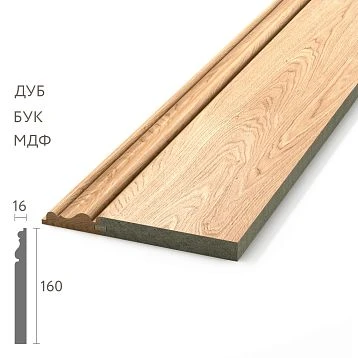
Wooden Skirting Boards — one of the first “interlocutors” of the frame in the interior. If the baseboard is pronounced, classic, with a profile — the frame should support this level of detail. A flat baseboard in a modern interior signals that the frame can also be simple.
Matching the wood species or color of the baseboard with the frame is not mandatory, but highly desirable in a classic interior. In modern interiors, frames are often made contrasting relative to baseboards.
Frame and doors
Wooden doors with a pronounced profile (panels, moldings, architraves) create a decorative “vocabulary” of the space. A picture frame that repeats or supports this profile makes the interior cohesive and logical.
This does not mean the frame must be identical to the doors. But the scale of the profile, type of ornament, and color should read in the same register.
Frame and furniture decor
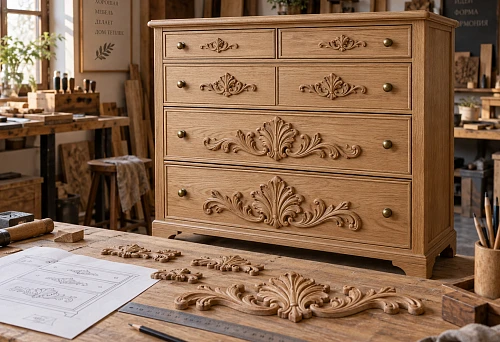
Decorative wooden inlays on furniture — carved details, applied rosettes, furniture decor with ornament — create the “pattern” of the interior. A frame that echoes this ornament makes the space cohesive.
Example: a chest of drawers with carved handles and applied rosettes in the Louis XVI style — and a picture frame with a similar floral ornament. The connection can be subtle — not a literal repetition, but belonging to the same ornamental language.
Frame and wall color
This is already a coloristic question. Several working principles:
-
Contrast: a dark frame on a light wall — a classic gallery hanging technique.
-
Harmony: a frame matching the wall tone — a "museum" technique where the focus is on the painting, and the frame "blends" into the background.
-
Accent: a bright or unexpected frame as an independent decorative element.
White walls — a neutral context for any frame. Walls with saturated color (dark green, terracotta, graphite) — require a frame that either contrasts or harmonizes. A conflict between the frame color and the wall — when they "argue" without creating contrast or harmony — is the worst option.
Common mistakes when choosing a frame for a painting
Each of these mistakes is made regularly — and each is easy to avoid.
Frame too thin for a large canvas
A narrow profile (20–30 mm) on a canvas 80 × 100 cm gets lost. The painting looks "bare," unprotected, as if randomly inserted into a wire. The minimum for this size is a 60–70 mm profile.
Frame too heavy for a light image
Watercolor, pencil drawing, pastel — light techniques that cannot withstand a heavy carved gilded frame. The frame overwhelms the image. For light works — a thin or medium profile, neutral color.
The frame's ornament competes with the painting's ornament
If the painting itself is rich in details (a landscape with small elements, a portrait with a developed background), a complex carved frame ornament creates visual noise. For detailed works — a calmer frame with moderate relief.
Inconsistency with the interior wood
A frame made of light birch in an interior with dark walnut is a conflict without intention. Unless it is a deliberate artistic technique, the frame should be consistent with the wood tone of the space.
Choosing plastic in a pretentious interior
A plastic frame, no matter how well made, in a classic, neoclassical, or richly decorated interior will always look like a compromise. Wood or high-quality MDF with finishing is the only correct choice.
Mismatch of seating depth
A canvas on a thick stretcher does not fit into the small rabbet of the frame and is attached protruding several centimeters. It looks careless and technically unreliable. Always clarify the seating depth when ordering.
Poorly thought-out mounting system
A heavy frame hung on a single nail will eventually fall. For frames weighing over 3 kg — two attachment points, for heavy mirror frames — special brackets or multiple points with wall anchors.
How to choose the color and finish of a wooden frame
Frame finishing is not the final stage, but an important part of the selection. It determines how the frame will relate to the interior and the painting itself.
Natural oil or wax
Preserves the texture and color of the wood. The best choice for Scandinavian, modern, and natural styles. A frame with an oil finish looks lively, warm, and natural.
Clear varnish
Transparent varnish protects the surface while keeping the texture visible. Glossy varnish enhances color saturation; matte varnish creates a calm, noble surface.
Toning
Toning changes the color of the wood without hiding the texture. Light walnut, dark walnut, mahogany, ebony — all these shades are achieved through toning. In the catalog of solid wood frames products with different toning options are presented.
Painting (opaque)
Enamel or acrylic paint completely hides the wood texture. Used to create frames for painted interiors: white, cream, gray, black, colored. This is where MDF often outperforms solid wood — it provides a perfectly smooth surface for painting.
Patina and aging
Patination — imitation of aging by applying dark wax or paint to carved recesses and chamfers. Gives the frame an antique look. Suitable for classic, baroque, and eclectic interiors.
Gilding and silvering
Gold or silver leaf applied to the profile or individual parts of the frame — a traditional technique for formal paintings. A modern alternative is gold or silver "metallic" paint. For classic interiors, icons, mirrors above fireplaces.
Custom picture frame: when it's needed
Standard sizes — 30 × 40, 40 × 50, 50 × 70, 60 × 80, 70 × 100 — cover most needs. But life also presents non-standard ones:
-
Non-standard canvas format (square, elongated horizontal or vertical)
-
Very large canvas (150 × 200 and larger)
-
Old painting with non-standard dimensions requiring an exact frame
-
Mirror with a non-standard shape (oval, arch, figured contour)
-
Frame for TV area for a specific TV model
In these cases, a custom picture frame is the only correct solution. The manufacturer makes the frame exactly to the specified internal size and selected profile.
How to properly hang a picture in a wooden frame
The mounting method depends on the weight of the frame and the wall material.
Up to 2 kg — one nail or one dowel with screw. For plasterboard walls — a special dowel for drywall.
2–5 kg — two mounting points with dowels, horizontally leveled. Steel cable or cord from corner to corner of the frame — even load distribution.
Over 5 kg (heavy mirrors, large paintings in wide frames) — special mounting systems: French cleats (railings), mounting brackets with hooks. For brick and concrete walls — anchor dowels.
FAQ: answers to popular questions about choosing a picture frame
How to choose a wooden picture frame?
Based on four main parameters: canvas size (determines the internal frame size), interior style (determines the profile type and ornament), furniture and wood color in the space (determines the frame tone), image character (light or heavy — requires different profile).
What is better — a wooden frame or a plastic one?
For any interior above the basic level — wood or MDF with high-quality finishing. A wooden frame looks better, coordinates with furniture, and lasts longer. Plastic is only appropriate in utilitarian contexts — office display, storage of works.
What profile width is needed for a large painting?
For canvases from 80 × 100 cm — minimum 60 mm, optimally 80–120 mm. For monumental works from 150 × 200 cm — from 100 to 150 mm. A too narrow frame on a large canvas looks unfinished.
Can a mirror frame be used as a picture frame?
In some cases, yes, if the seating depth (rabbet) is sufficient for the thickness of the stretcher, and the fastening system allows securing the canvas. When ordering, clarify the rabbet depth and fastening method.
Where to buy a wooden picture frame?
In the frame for paintings and mirrors Ready-made wooden frames of various sizes, profiles, and finishes are available. There are also filters by product type, shape, and collections. For non-standard sizes, custom orders are possible.
Which frame is suitable for an icon?
For an icon, choose a frame with a relief profile, warm wood tone, and, if desired, carved ornamentation. The size is selected precisely according to the icon's format — taking into account possible oklad or mat.
What is a mat and is it necessary?
A mat is a decorative layer between the image and the frame. It adds breathing space around the image, making it visually more significant. It is especially recommended for graphics, watercolors, and photographs. For oil on canvas, it is optional.
About the company STAVROS
The frame is the final touch that determines the fate of a painting in an interior. Chosen wisely, it makes the work a timeless part of the space. Chosen randomly, it becomes a source of chronic irritation.
STAVROS manufactures wooden frames for paintings and mirrors in our own production. Finished products are made from solid wood and MDF, with various profiles, sizes, and finishes. The catalog features Solid wood frames, as well as a wide range of complementary solutions: Wooden Picture Frame, Decorative Inserts и Carved Decor for creating a cohesive decorative program for the interior.
All products are made from stable, well-processed material — with precise geometry, neat joints, and readiness for any final finish.
Start your selection with the catalog STAVROS frames — and find a frame that will make your painting a permanent part of the interior.