































































Article Contents:
- Product base: which STAVROS elements belong to wooden furniture fittings
- Product group characteristics table
- Why furniture workshops in Samara need wooden fittings specifically
- Which STAVROS elements to choose for a furniture project
- Wooden furniture handles
- Furniture legs and supports
- Carved appliqués and decorative elements
- Fittings with and without coating
- What is included in STAVROS wooden furniture fittings?
- Where to buy furniture fittings in Samara if you need wooden handles and decor, not hinges and guides
- Can wooden handles be used in the kitchen?
- What is better for a workshop: fittings with or without coating?
- How to choose furniture legs for a chest of drawers or a cabinet?
- Can wooden handles, legs, and carved decor be combined in one product?
- Is carved decor suitable for modern facades?
- Do I need to order fittings with a reserve?
- How to know if a handle will suit the facade?
- Can wooden fittings be ordered for furniture restoration?
- What mistakes are most often made when choosing wooden fittings?
- Is it worth making a separate emphasis on the addresses of Samara stores?
Wooden furniture fittings for Samara workshops are needed not just when you need to solve a technical task of "installing a handle" or "raising the body on legs." They are chosen when furniture should look finished, original, warm in material, and consistent in style. For a custom kitchen, a restored chest of drawers, a cabinet with solid wood facades, a neoclassical nightstand, or a bench with carved supports, a regular metal part is often not enough. You need fittings that become part of the furniture's image.
In Samara, there are carpentry workshops, furniture manufacturers, restorers, interior designers, and private craftsmen who need not just to find a "furniture fittings Samara store," but to select wooden handles, legs, supports, and carved decor for a specific project. Here, size, shape, grip, material, finish, style, load, attachment method, and compatibility with the body are important. A mistake in one detail can ruin the entire facade: the handle may be too rough, the leg too low, the support visually weak, and the carved overlay foreign in ornament.
STAVROS offers wooden fittings and decorative elements for cases when furniture should look not mass-produced, but assembled and expressive. In the catalog, you can select wooden furniture handles, Furniture Legs and Supports, Carved furniture decor и Decorative wooden inlays for kitchens, cabinets, chests of drawers, bedside tables, facades, cornices, plinths, and custom pieces.
This article is not about addresses of local hardware stores or about hinges, guides, gas lifts, or small fasteners. It is about a different intent: how a workshop in Samara can choose and order wooden furniture fittings from STAVROS so that they work in a real product, withstand visual load, match the style, and help sell furniture at a higher price due to material, shape, and detailing.



Product base: which STAVROS elements are considered wooden furniture fittings
For a furniture workshop, fittings are not only what opens a door or holds a shelf. In custom furniture, fittings shape the character of the product. A handle shows the style of the facade. A leg sets the body's stance and visual lightness. A support affects stability and proportion. Carved decor turns a simple facade into a furniture element with architectural logic.
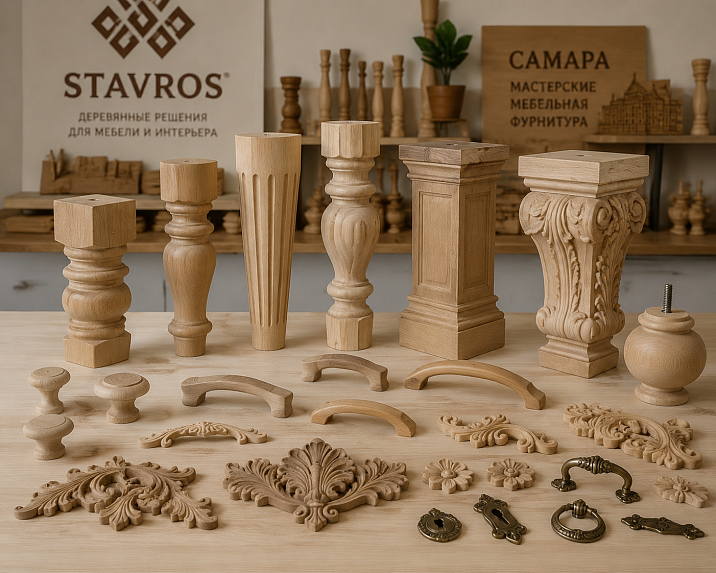
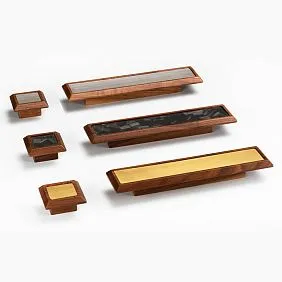
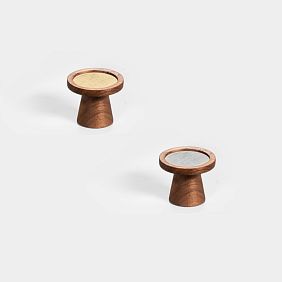
In STAVROS, the product base for this topic includes four directions. The first is wooden furniture handles. They are used on kitchen facades, cabinets, chests of drawers, bedside tables, drawers, sideboards, wardrobes, wall units, and individual custom pieces. The catalog includes handles of various types: surface-mounted, inset, knob handles, pull handles, profile handles, shell handles, and other options. For a workshop, this is convenient: you can choose a handle not only by appearance but also by grip principle.
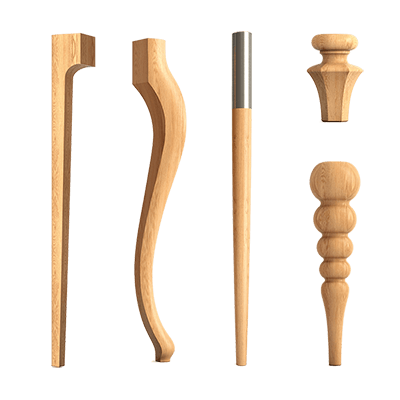
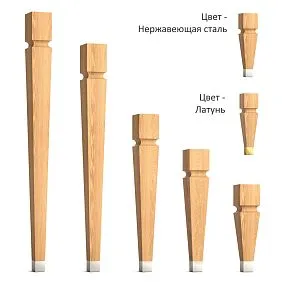
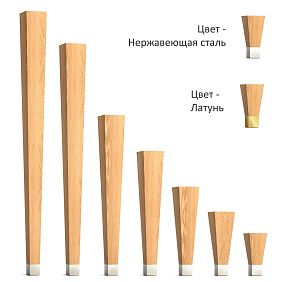
The second direction is furniture legs and supports. This is the basis for chests of drawers, bedside tables, benches, chairs, beds, tables, cabinets, and custom case furniture. A leg should not be random: it works with the product's height, load, facade style, plinth, floor, and overall silhouette. In the STAVROS catalog, there is a separate section furniture legs and supports, as well as subsections with and without coating.
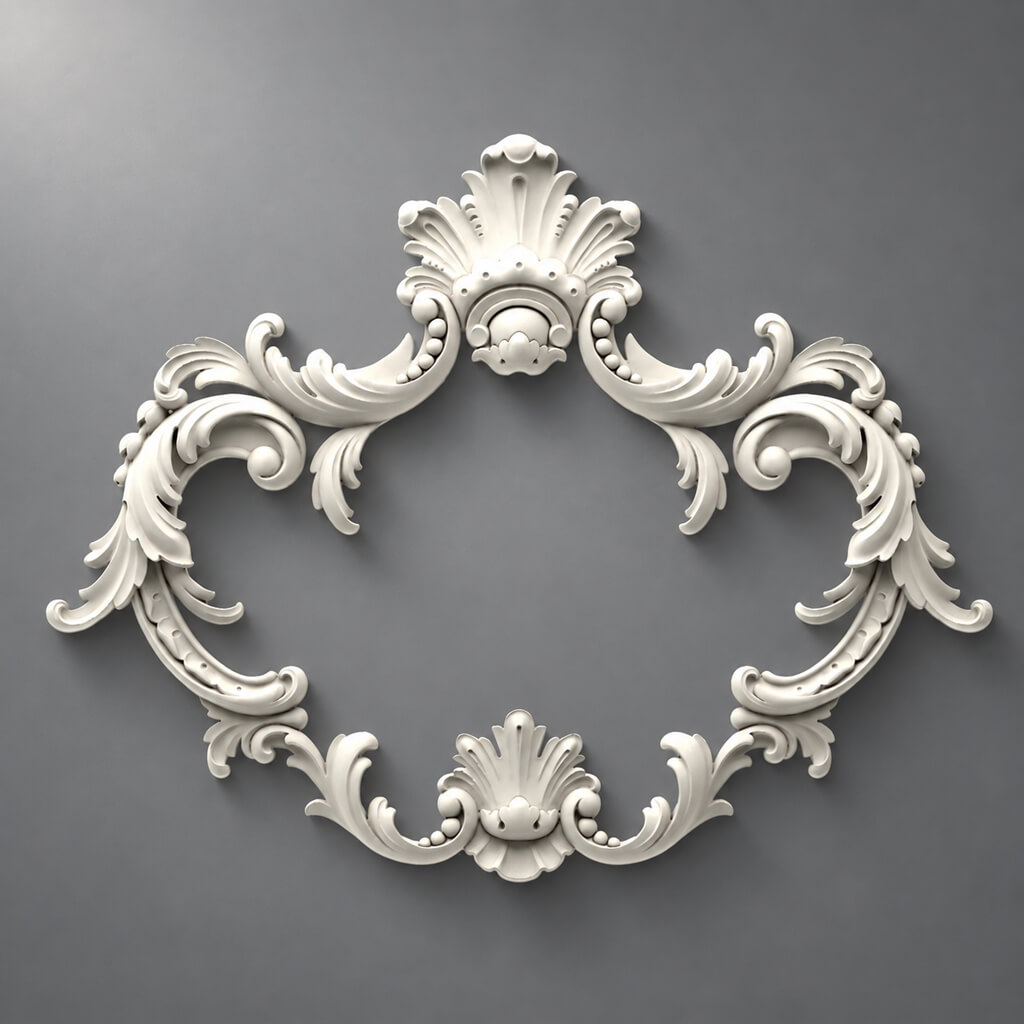
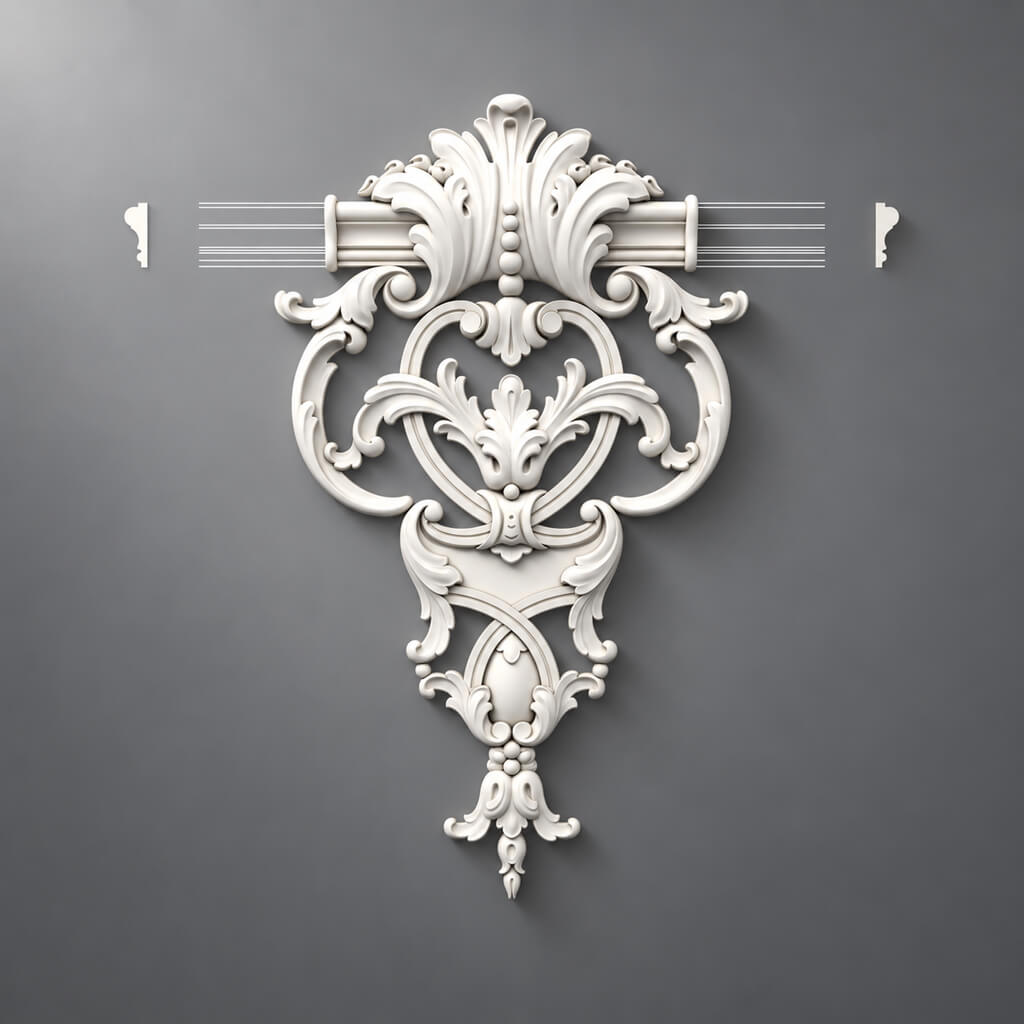
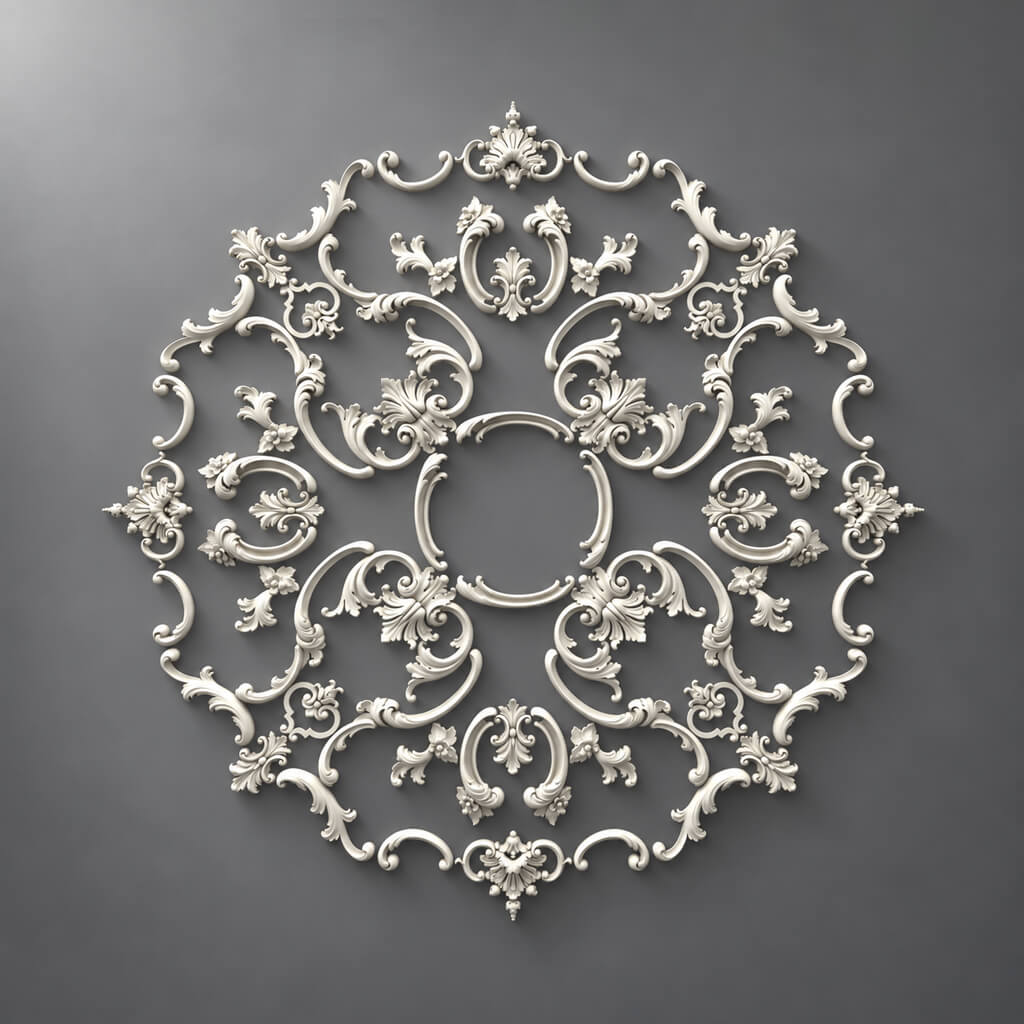
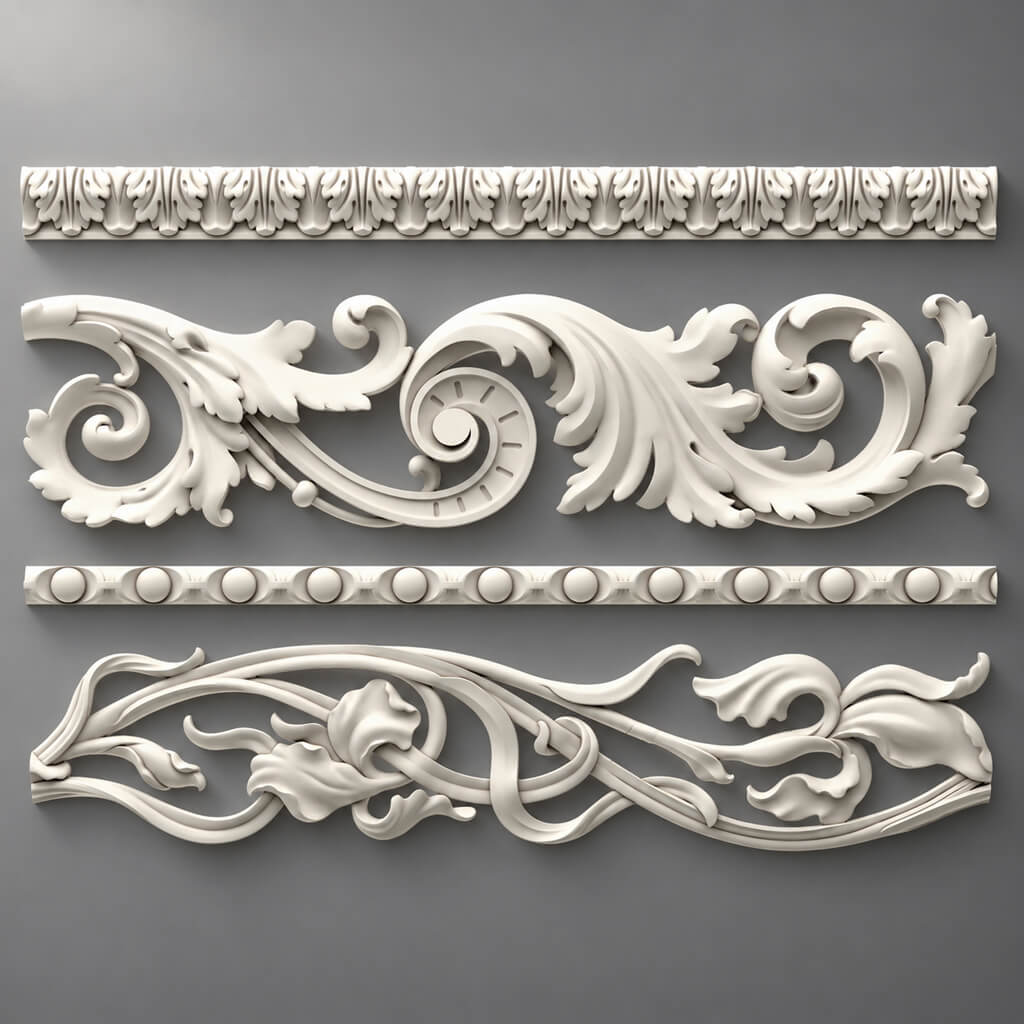
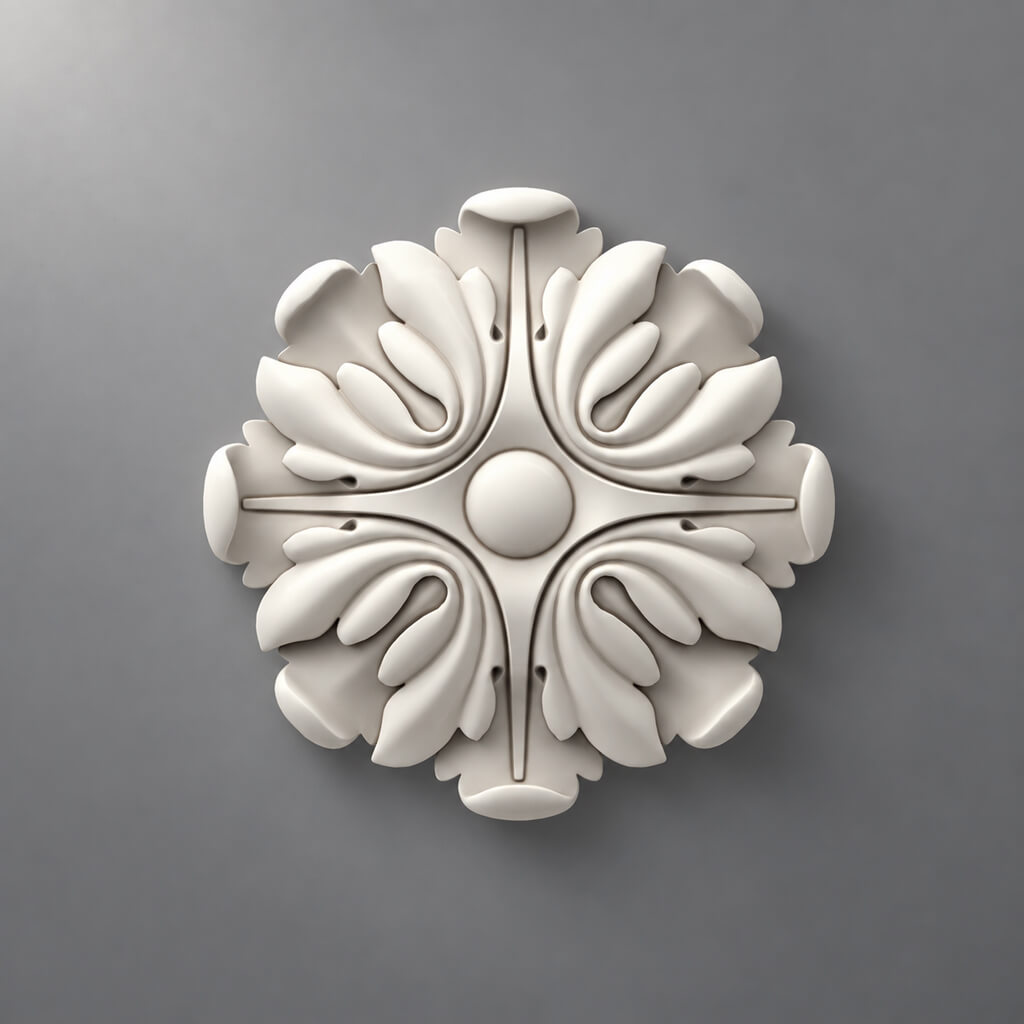
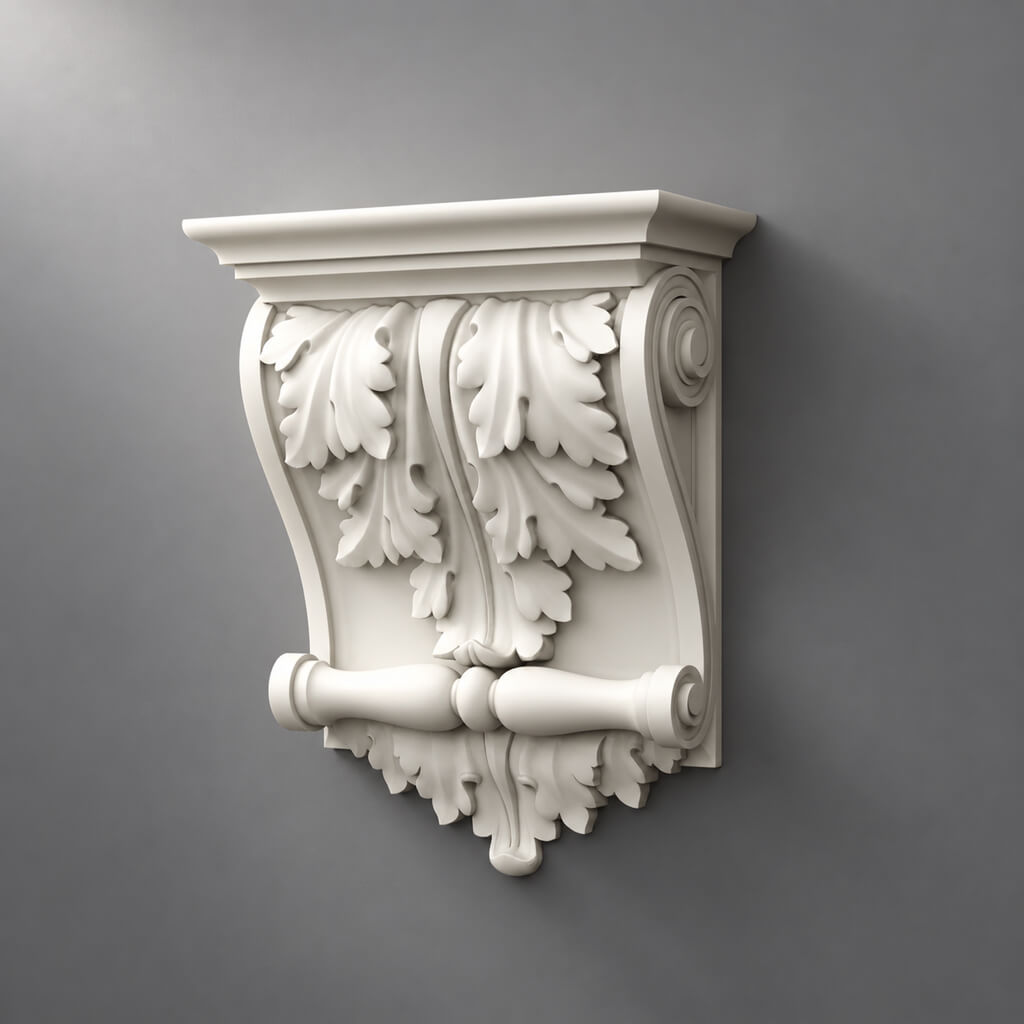
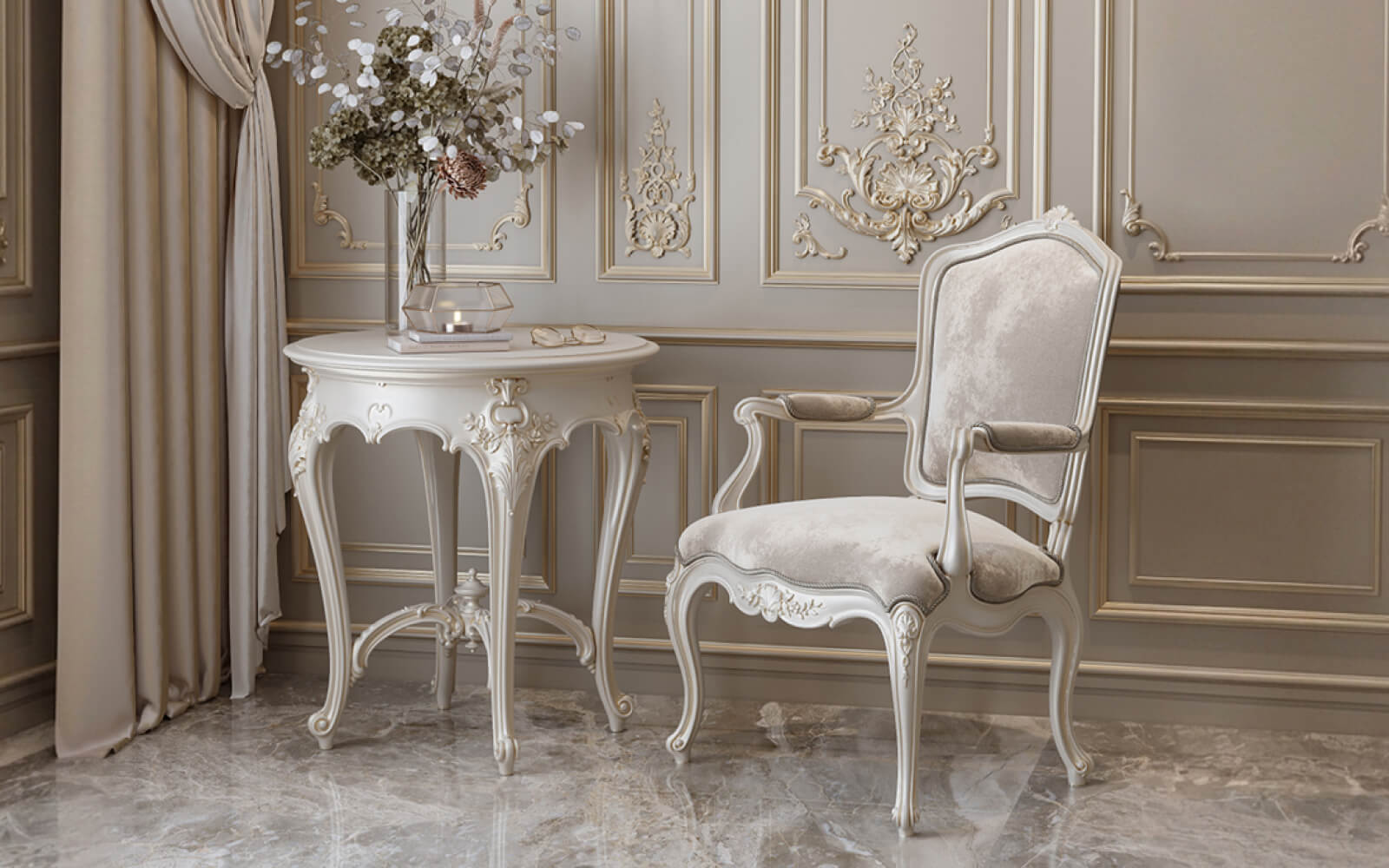
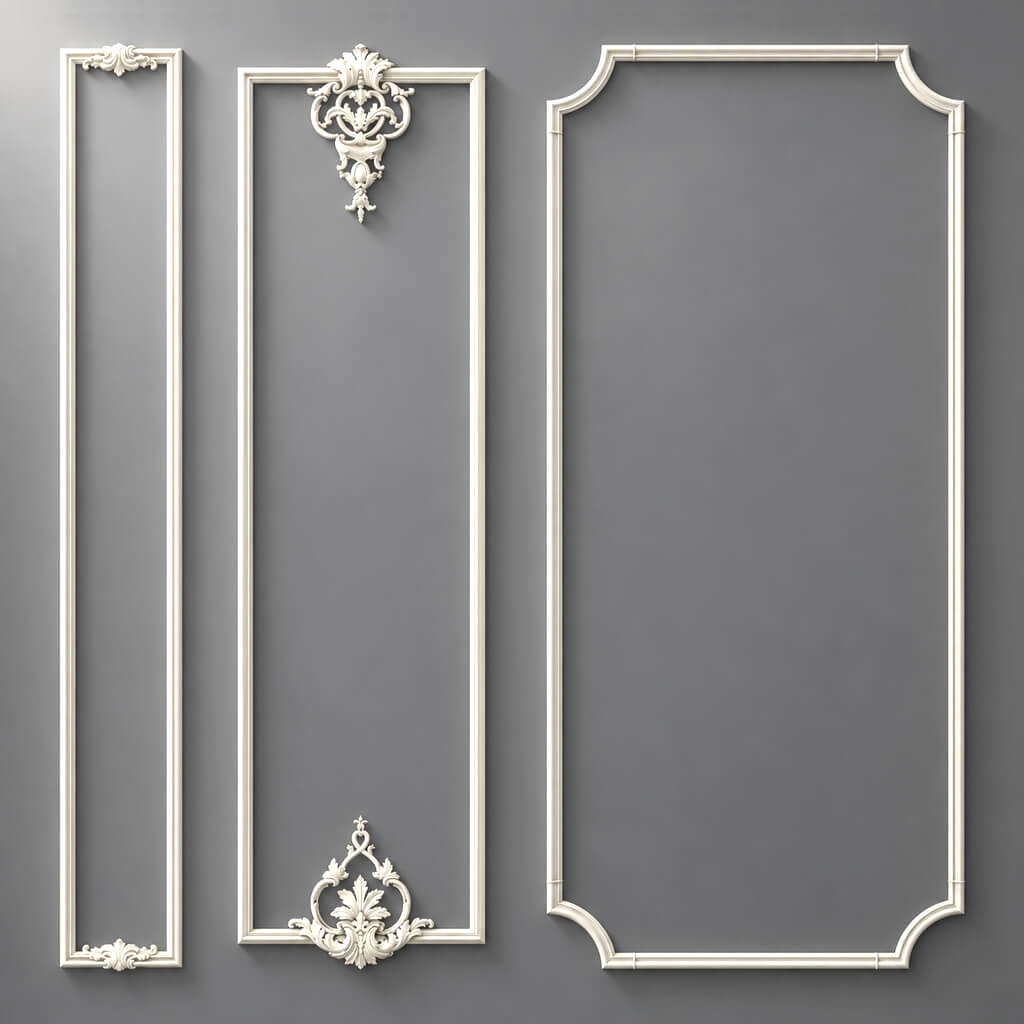
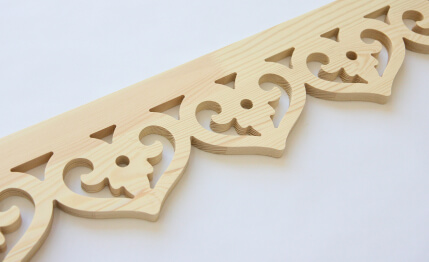
The third direction is carved decor. For furniture makers, this is a particularly important group: overlays, decorative elements, rosettes, brackets, capitals, baguettes, elements for moldings, pilasters, and other details help assemble facades, side panels, cornices, portals, plinths, and decorative panels. Carved decor is especially in demand in classic, neoclassical, Russian style, Provence, country, Empire, Art Nouveau, and custom projects with a historical character.
The fourth direction is finishing options: products with and without coating. For a workshop, this is not a trifle, but a production solution. Ready-made finishing saves time when you need to quickly complete an order. Unpainted fittings provide freedom: they can be stained, painted, varnished, patinated, tinted to match the facade, selected according to the client's sample, or matched to existing furniture.




Product group characteristics table
| STAVROS group | Product type | Size | Material | Finishes and surface condition | Purpose | Selection features | Order Conditions |
|---|---|---|---|---|---|---|---|
| Wooden furniture handles | Surface-mounted, mortise, knobs, brackets, profiles, shells, and other types | Depends on the model; dimensions A, B, C are specified in the product card | Wood; beech and oak are used for a number of handles | Present Handles with Finish и handles without coating | Kitchens, cabinets, chests of drawers, bedside tables, drawers, wardrobes | Grip, length, thickness, height, facade type, furniture style are important | Check current availability, fasteners, delivery time and configuration in the product card or with a STAVROS manager |
| Furniture legs and supports | Legs, supports, base elements | Depends on the model; check dimensions and load capacity in the product card | Natural wood / wooden products according to specific model cards | Present Legs with Finish и Unpainted Legs | Chests of drawers, bedside tables, tables, benches, armchairs, beds, cabinets | Height, shape, cross-section, load, fastening, body proportion are important | Before ordering, check availability, mounting unit, permissible load and coating |
| Carved decoration | Overlays, sockets, brackets, capitals, baguettes, pilasters and other elements | Depends on the product; width, height and thickness are specified in the cards | Wood / material of the specific card | Suitable for further finishing, if provided by the card | Facades, side panels, cornices, bases, portals, furniture panels | The style of the ornament, scale, symmetry, and installation location are important | Check the size, material, availability and preparation for finishing before ordering |
| Decorative overlays | Overlays, decor sets, mascaron | Dimensions depend on the model; there are filters by width, height, thickness | Wooden carved decor according to the cards | The finishing option depends on the specific product | Decoration of facades, doors, side panels, furniture frames | Shape, pattern, collection, thickness, and fit on the facade are important | Before purchasing, check the dimensions and compatibility with the facade |
| Hardware for workshops | Set of handles, legs, supports, and decorative elements | Calculated according to the project | By selected product groups | With or without coating | Custom furniture, restoration, serial assembly, interior projects | It is important to assemble an order of a single style and pre-allocate a reserve | For delivery to Samara, please clarify the timeline and configuration when placing the order |
The table is not for decoration, but for procurement. The workshop must see: there is no universal 'one size' for fittings. The handle is chosen based on the facade and grip, the leg — based on the body and load, the carved overlay — based on scale and style, the coating — based on the production scenario. The more accurately this logic is established before the order, the fewer reworks during assembly.
Our factory also produces:




Why furniture workshops in Samara specifically need wooden fittings
The query 'furniture fittings Samara' often leads to stores of technical fittings: hinges, guides, ties, gas lifts, edging, fasteners, profiles. All of this is necessary for production, but does not always solve the task of the furniture's external appearance. For a kitchen, wardrobe, chest of drawers, or cabinet, the buyer primarily sees the facade, handle, body proportion, legs, decorative elements, and finish. It is these details that create the sense of the product's level.
Wooden furniture fittings differ from mass-produced metal and plastic ones in that they do not look separate from the furniture. If the facade is made of solid wood, veneer, MDF under enamel, or in a classic finish, a wooden handle can become a natural extension of the surface. It does not conflict with the facade, does not turn the furniture into an ordinary serial item, but supports the feeling of handcraft and custom order.
For a workshop in Samara, this is commercially important. The client comes not just for a wardrobe or cabinet. They want an item that fits into the interior, differs from typical store products, and justifies the cost of custom manufacturing. Wooden handles, legs, supports, and carved decor give the workshop additional arguments: you can show options, offer a matching finish, assemble a facade in a unified style, and make the furniture more expressive without fully complicating the structure.
Wooden fittings are especially strong in restoration. When an old chest of drawers, sideboard, cabinet, or wardrobe is brought back to life, a modern metal handle can look rough. A wooden part is easier to finish; it can be tinted, patinated, painted, aged, and matched to existing material. As a result, the renewed furniture does not look 'repaired' but appears newly assembled.
There is also a tactile factor. A handle is a part that a person touches every day. They do not touch the leg with their hands, but see it in the lower line of the body. Carved decor does not open a drawer, but sets the character of the facade. Wooden furniture fittings work on the level of sight and touch simultaneously. For the workshop, this means that the right detail increases the perceived value of the entire product.
Get Consultation
Which STAVROS elements to choose for a furniture project
Wooden furniture handles
Handles are the most visible part of face fittings. In a kitchen, they are repeated dozens of times; on a wardrobe, they create a vertical or horizontal rhythm; on a chest of drawers, they become the main accent of the drawers. Therefore, the selection of handles cannot be left to the last moment. If a workshop first makes the fronts and then urgently looks for any suitable handle, you often have to compromise: the wrong size, the wrong grip, the wrong color, the wrong style.
At STAVROS you can select wooden furniture handles for different types of furniture. For the kitchen, ease of grip and coating resistance to daily contact are important. For a wardrobe, length and visual verticality are important. For a chest of drawers, the proportion relative to the drawer width is important. For a bedside table, neatness and scale are important: a small door cannot tolerate an overly massive handle.
Handles can be with or without coating. A ready-made coating is convenient when you need to quickly complete an order and get a predictable result. An unpainted option is convenient for workshops that do their own finishing: they paint fronts, select stain, work with varnish, patina, oil, or enamel. This option is especially important for restoration and custom orders.
When choosing a handle, you need to check not only the appearance. Length, thickness, height, mounting distance, installation type, grip shape, possibility of vertical or horizontal placement, and compatibility with the front thickness are important. If the exact fasteners, center distance, or configuration are not specified in the product card, these parameters should be clarified with the STAVROS manager before purchasing a batch.
Legs and supports for furniture
Furniture legs and supports solve several tasks at once. They raise the body to the required height, help balance the proportion, create lightness, protect the lower part of the furniture from visual heaviness, and set the style. The same chest of drawers on a low plinth, on turned legs, and on strict modern supports will be perceived as three different products.
For workshops in Samara, the selection of legs according to the type of furniture is especially important. A chest of drawers requires stability and the correct height. A bedside table requires proportion relative to the front and floor. A bench requires strength and coordination with the soft part. A table requires understanding of load and construction. A bed requires not only appearance but also support reliability. A wardrobe on legs requires caution: you need to consider height, center of gravity, wall attachment, and operating features.
In the section Furniture Legs and Supports you can search for products by purpose and shape. It is worth considering separately Legs with Finish, if a ready-made external finish is needed, and Unpainted Legsif the workshop plans its own painting or tinting.
The main principle: the leg should not be a decoration in itself, but part of the structure. Before ordering, you need to understand the weight of the furniture, the expected load, the number of supports, the method of attachment, the contact area with the floor, the height of the body, and the visual style. You cannot choose a leg based only on a photo. A beautiful shape does not replace calculation and compatibility checks.
Carved inlays and decorative elements
Carved decor is a tool for workshops that make furniture with character. An overlay on the facade, a carved element on the cornice, a decorative detail on the base, a central ornament on the door, a corner element on the frame — all of this changes the perception of the furniture. A simple facade becomes more complex, and the product gains a connection to a specific style.
You can look in STAVROS Carved furniture decor and a separate section wooden decorative overlays. For workshops, this is especially useful when making classic kitchens, cabinets with paneled facades, neoclassical dressers, sideboards, vanity cabinets, libraries, portals, wine cabinets, and furniture for historical interiors.
When choosing carved decor, it is important not to overload the product. One strong overlay in the right place can look more expensive than many small details without a system. The decor should follow the facade: consider the width of the frame, the height of the door, symmetry, the placement of handles, the cornice, the base, and the panel pattern. If the overlay is too large, the facade will become heavy. If too small, the decor will get lost.
Carved decor also needs to be coordinated with the finish. On enamel, the ornament looks graphic and calm. Under stain, it shows the wood grain more strongly. With patina, it can gain depth but requires care. For the workshop, it is important to understand in advance whether the decor will be painted together with the facade or highlighted in a separate tone.
Fittings with and without coating
The difference between fittings with and without coating is not just a matter of color. It is a matter of the production route. If the workshop makes furniture quickly, with a clear palette and without complex hand finishing, a ready-made coating saves time. If the project is custom, restoration, or tied to a client's sample, uncoated fittings provide more freedom.
Handles with Finish convenient for cases when you need to finish the facade without additional operations. The coating helps achieve a finished look and reduces the risk of errors during self-painting. But a ready-made solution is not always suitable: if the facade is painted in a complex shade, the handle may require individual tinting.
handles without coating are chosen when the workshop wants to control the color and texture itself. This is important for custom kitchens, where handles must match the facade or, conversely, provide a delicate contrast. The same principle applies to legs: an unpainted leg allows you to match the color of the body, floor, countertop, or decorative elements.
For serial assembly, it is more convenient to standardize a few finishes. For custom projects, it is better to leave room for individual processing. A mistake is to buy a ready-made finish and then try to redo it to a different color. If the final look has not yet been approved, it is better to first clarify which surface option is more rational to take for the project.
How to choose wooden handles for a kitchen, wardrobe, chest of drawers, and cabinet
The handle should match the facade not only in style but also in hand movement. The kitchen has a high frequency of use: doors and drawers are opened every day, often with wet or occupied hands. Here, a comfortable grip, reliable fastening, coating durability, and the absence of sharp, uncomfortable edges are important. For the kitchen, the most decorative handle is not always the best. Often, a calm shape that does not tire and is easy to clean works better.
For a wardrobe, the handle often works as a vertical accent. Tall facades require thoughtful length and placement. A handle that is too short on a large facade looks accidental. One that is too large can disrupt the proportion and draw attention away. If the wardrobe is built-in, the handles should match not only the facades but also the doors, baseboards, wall panels, floor, and adjacent furniture.
A chest of drawers is a special case. It has several drawers, so the handles repeat horizontally. Here, it is important not only to choose a beautiful model but also to maintain the rhythm. The handles should be identically positioned, correspond to the width of the drawer, and not conflict with the legs. If the chest of drawers is classic, more expressive shapes can be used. If it is modern, it is better to look at laconic handles, profiles, or neat knobs.
For a cabinet, scale is important. A small bedside or living room cabinet cannot support a handle that is too heavy. However, one well-chosen wooden handle can make a simple cabinet look custom. This is especially noticeable when the handle is linked to the legs or decorative overlay in material and finish.
It is useful for the workshop to keep in mind a simple selection order: first the facade, then the usage scenario, then the grip shape, after that the size, material, coating, and fastening. Not the other way around. If you start with a handle you like, you might end up with a beautiful detail that is uncomfortable on the specific furniture.
How to choose wooden legs and supports for furniture
Wooden furniture legs are selected based on three main parameters: construction, proportion, and style. Construction ensures stability and ease of installation. Proportion determines how the furniture fits into the interior. Style creates a visual connection with facades, handles, decor, and the room.
For a chest of drawers, legs often define the entire silhouette. Low supports make the furniture visually calm and stable. High legs add lightness, allow the floor to be seen under the body, and help the furniture look less massive. But the higher the leg, the more attention must be paid to stability, fastening, and load. Especially if the chest is wide, tall, or used in a family with children.
For a cabinet, legs can be almost invisible or, conversely, decorative. In a bedside area, an overly active leg may clash with the bed. In a living room, a cabinet on beautiful wooden supports can become a standalone piece. For a bathroom or wet areas, special attention must be paid to the coating and operating conditions, as wood requires protection.
For a table, bench, or chair, load is more important than decorativeness. The leg must match the purpose of the piece. If the furniture will be actively used, you cannot choose a support based solely on shape. You need to clarify the permissible load, fastening method, number of support points, and compatibility with the structure. If the necessary data is not in the description, the question must be asked before ordering.
For a wardrobe, legs are used cautiously. A small cabinet or sideboard on supports can look expressive, but a tall wardrobe requires stability and sometimes additional fixation. The workshop must consider not only beauty but also safety. Especially if the furniture will be placed in a living space, children's room, hallway, or commercial space.
Carved decor as part of furniture hardware, not a separate decoration
Carved decor is often perceived as an "add-on": to make a facade more beautiful, fill an empty space, or add classicism. But for a professional workshop, this is too superficial an approach. Decor should work as part of the furniture's architecture. It has an axis, scale, center, repetition, symmetry, and a connection with the handle, leg, cornice, and base.
For example, a kitchen facade with a panel can be supplemented with an overlay, but it must account for the panel height and handle placement. If the overlay is too close to the handle, they start to clash. If it goes too high or low, the facade loses balance. On a wide facade, a decorative element may require paired placement. On a narrow one, it is better to use a single vertical detail or forgo decor.
A chest of drawers with a carved overlay on the central drawer can look convincing if the other elements are calmer. But if every drawer is decorated with equally active decor, the piece may become heavy. In classicism, it is not the amount of carving that matters, but its subordination to the composition. Good carved decor does not shout but gathers the facade.
For restoration, overlays are especially useful. They help restore the lost character of furniture, hide traces of alterations, restore symmetry, and refresh the facade without completely replacing the structure. But here you need to be careful with style: an Empire ornament does not always suit Provence, a Gothic form does not suit light neoclassicism, and a Russian style does not suit a modern kitchen. In the decorative overlays section, you can navigate by collections, shapes, and types of ornament.
Materials and coatings: how to avoid mistakes with wood, enamel, varnish, and patina
Wooden fittings are valuable because they can be matched with furniture finishes. But this same feature requires care. Wood reacts to color, light, species, processing method, top coating, and adjacent materials. Beech and oak can absorb stain, oil, varnish, and enamel differently. Even the same shade looks different on different species.
For modern kitchens, laconic wooden handles under enamel or transparent coating are often chosen. If the facades are matte, a handle with excessive gloss may look out of place. If the facades have a pronounced wood texture, the handle should either support it or honestly contrast. The most dangerous zone is "almost matched." An almost identical wood shade next to the facade often looks like a mistake.
For classic chests of drawers, sideboards, and cabinets, the depth of the finish is important. Stain can emphasize the texture, varnish can protect the surface, and patina can highlight the relief. But patina requires moderation. If applied too heavily, the furniture becomes theatrical. If too lightly, the effect is lost. For a workshop, it is important to first approve a sample and then launch the entire batch of handles, legs, or overlays.
For serial furniture, it is more rational to use repeatable finishes. For custom furniture, make fittings for the project. If a client brings a facade sample, it is better not to promise a perfect match from a photo. The color needs to be seen in person, under the lighting where the furniture will be placed. In Samara, as in any city, an interior can receive different light: southern windows, northern rooms, warm lamps, cool fixtures. All of this affects the shade of the wood and coating.
How to assemble an order for a furniture workshop in Samara
The order of purchasing fittings should be as precise as the order of furniture manufacturing. First, the workshop determines the product: kitchen, wardrobe, chest of drawers, cabinet, bench, table, portal, or restoration object. Then it breaks it down into zones: facades, drawers, doors, bottom line, cornice, side panels, decorative fields, base. After that, it becomes clear which elements are needed: handles, legs, supports, overlays, carved decor, possibly finishing materials.
Next, you need to calculate the quantity. Handles are counted by facades and drawers, but with a reserve for replacement or possible defects during installation. Legs are counted by the structure, not just by corners: sometimes a central support or reinforcement is required. Carved decor is counted by symmetry: if an overlay is used in pairs, you need to immediately plan for a full set. A mistake is to order exactly "by pieces" without a reserve, and then look for the same part to complete the project.
After quantity comes checking dimensions. For handles, length, thickness, height, mounting distance, and grip comfort are important. For legs — height, cross-section, mounting method, permissible load, support area. For overlays — width, height, thickness, fit on the facade, relief, junction point with the frame or molding. All exact parameters need to be checked in product cards.
Then the finish is selected. If the workshop paints the furniture itself, it is logical to consider unpainted handles and legs. If assembly needs to be sped up, you can look at products with a coating. For carved decor, it is important to understand whether it will be painted together with the facade or stand out separately. Before ordering to Samara, it is worth checking current availability, delivery time, shipping, packaging, and receipt conditions.
Practical example: custom kitchen
Imagine a workshop that makes a kitchen in Samara. The facades are calm neoclassical, without overloaded carvings, but with an expressive furniture line. The client wants not ordinary metal handles, but a warmer detail. In such a situation, wooden handles can be the right solution if their shape does not conflict with the facade.
For lower drawers, you can choose more convenient pull handles or profiles, because they are used often. For upper facades, lighter handles or push-to-open mechanisms, if the design allows. If the kitchen is painted with enamel, the workshop can consider handles without coating and paint them to match the facades. If contrast is needed, you can choose a ready-made coating or a separate tint.
Legs are not always used in kitchens: more often the bottom line is closed with a plinth. But for a sideboard, island, open cabinet, decorative module, or separate wardrobe, wooden supports can be appropriate. They help separate the item from a standard kitchen and make it look like furniture, not a set of boxes.
Carved decor in the kitchen should be used sparingly. For example, an overlay on the central module, a decorative element on the hood portal, a carved fragment on the sideboard, or decoration of the island side. If you add decor to every facade, the kitchen will become heavy. If you place one detail in the right place, it will create a prestigious accent.
Practical example: chest of drawers restoration
When restoring a chest of drawers, a workshop often faces a problem: the body can be restored, the facades can be put in order, but the old hardware is lost or looks alien. A metal handle from the nearest store solves the function but can ruin the character of the piece. Wooden handles and carved overlays allow restoring integrity.
First, you need to understand the style of the chest of drawers. If it is calm classic, the handles should be expressive but not too modern. If the furniture is closer to Provence or country, you can work with a soft shape and coloring. If the piece is strict, it is better to choose a laconic wooden handle and focus on the finish.
Legs are no less important during restoration. An old chest of drawers could have lost height due to damaged supports or a modified plinth. New wooden legs help restore the correct stance. But they need to be selected according to the mass of the body. Too thin legs will make a heavy chest of drawers visually unstable. Too massive ones will weigh it down.
A carved overlay can cover damage, restore symmetry, or add a central accent. But the decor should look like a natural part of the furniture. If it looks like a glued-on decoration, the restoration loses credibility. Therefore, before ordering, you need to attach dimensions to the facade, check the thickness, evaluate the relief, and plan the finish in advance.
Practical example: bedside table or chest of drawers for the bedroom
In the bedroom, hardware is perceived more closely than in walk-through spaces. A person sees the bedside table in the morning and evening, opens drawers, places a book, glasses, phone next to it. Therefore, the handle should be pleasant and comfortable. A wooden handle here often looks softer than a metal one, especially if the interior is built on textiles, warm shades, wood, and calm light.
For a bedside table, it is better to avoid excessively large handles. A small facade requires a neat detail. If the table has legs, the handle and supports should work together. For example, a minimalist handle plus simple legs create a modern, calm look. A carved handle, shaped supports, and an overlay can create a classic character, but only if the table itself supports such a style.
For a chest of drawers in the bedroom, you can repeat handles across the drawers. Rhythm is important here. If there are many drawers, an overly active handle will repeat and become tiring. It is better to choose a shape that remains comfortable but does not overload the facade. Carved decor can be added to the center of the top drawer, on the sides, or the base, if it matches the style.
The bedroom does not tolerate random contrasts. If handles, legs, and decor are chosen separately, they need to be unified by the finish. This could be the same enamel, similar stain, clear varnish, or patina. Ideally, the hardware should not look like it was bought later: it should seem like part of the original design.
What to pair with STAVROS wooden hardware
Wooden handles pair well with facades made of solid wood, veneer, MDF under enamel, framed facades, panels, and smooth doors in a modern style. They are especially appropriate where you need to soften the furniture and move away from a cold metallic impression. In the kitchen, handles can be linked to the countertop, open shelves, dining set, or wooden decor. In a wardrobe, with doors, baseboard, floor, or wall panels.
Legs and supports should be combined with the bottom line of the furniture. If the body is strict, the leg can be minimalist. If the facade is decorative, the support can complement its shape. But not everything needs to be carved. Sometimes a contrast works more beautifully: a calm facade, an expressive leg, and a neat handle. Or vice versa: a decorative facade, a simple support, and a restrained handle.
Carved decor should be linked to moldings, cornices, panels, frames, and the facade composition. If the furniture already has frame elements, the overlays should consider their geometry. If the facade is smooth, the decor can become a central accent, but you need to decide in advance why it appears there. Decor without a reason looks random.
For a comprehensive order, the workshop can assemble a set: wooden handles, legs, decorative overlays, and finishing materials. In this case, the furniture becomes cohesive. When all details are chosen from the same logic, even a simple body starts to look like a custom-made piece, not a set of standard parts.
Mistakes when choosing furniture hardware
The first mistake is choosing hardware after the furniture is made. It's better to think about handles, legs, and decor during the drawing stage. Then you can plan the dimensions of the facades, attachment points, symmetry, support height, and decorative fields. If you leave hardware "for later," you often have to adjust a beautiful piece to an already inconvenient structure.
The second mistake is focusing only on style while forgetting about function. A handle may be beautiful but uncomfortable for a heavy drawer. A leg may be expressive but unsuitable for the load. A trim may be striking but too thick for the facade. The workshop should check not only the appearance but also the working parameters.
The third mistake is mixing incompatible styles. A kitchen in light neoclassicism, handles in rough country, legs in Empire style, and trims with Gothic ornamentation rarely come together as cohesive furniture. Styles can be mixed, but consciously. Furniture should have a leading line: modern, classic, Russian, Provence, Art Deco, minimalism, or another.
The fourth mistake is not considering the finish. An unpainted part requires time and skill. A finished part requires precise alignment with the project. If the workshop is not ready to paint, sand, varnish, or patina, it's not worth taking hardware without a finish just because it offers freedom. Freedom without process turns into delay.
The fifth mistake is not planning for extras. During installation, a handle may get damaged, the batch shade may be important, or the project may require an additional part. It's better to order a small surplus in advance, especially for a series kitchen, a large cabinet, or a complex set of decorative elements.
The sixth mistake is not checking the handle's grip. In a picture, a handle may look neat, but a person needs to grasp it. For a kitchen, dresser, or cabinet, this is critical. If the handle is too small, too flat, too deep, or uncomfortable for a specific facade, the buyer will remember the mistake every day.
The seventh mistake is choosing legs without calculating the furniture's height. Sometimes a workshop installs beautiful supports, and the finished cabinet becomes too tall, the dresser disproportionate, the bench uncomfortable. The leg height affects the entire ergonomics of the piece.
The eighth mistake is overloading furniture with carved decor. A wooden trim should enhance the facade, not cover it completely. In expensive furniture, moderation is important. One correctly chosen detail is better than five random decorations.
Who is STAVROS wooden hardware suitable for
STAVROS wooden furniture hardware is suitable for carpentry and furniture workshops in Samara that make kitchens, cabinets, dressers, nightstands, benches, tables, sideboards, wardrobes, and custom interior items. It works especially well where the client wants not standard furniture but an individual piece with material, texture, and thoughtful finishing.
It is suitable for restorers. Handles, legs, and wooden overlays help update old furniture without a harsh stylistic break. They can be matched to the existing body, painted, tinted, patinated, and combined with previous elements. For chests of drawers, sideboards, cabinets, and nightstands, this is often more important than simply finding a similar metal handle.
It is suitable for interior designers who complete projects in Samara and look for expressive details for furniture. A designer can connect handles with facades, legs with the body silhouette, carved decor with moldings and wall elements. Such work with details makes the project deeper.
It is suitable for private craftsmen and small productions who want to elevate the level of the product. Even if the body is simple, properly chosen handles, supports, and decorative overlays can make the furniture more convincing. The buyer sees not the internal fasteners, but the facade, proportion, hardware, and finish.
It's better for someone to choose a different option
Wooden hardware is not always needed. If furniture is made in a maximally technical style where hidden profiles, aluminum, glass, plastic, or fully integrated opening systems are important, wooden handles may be unnecessary. In such projects, it is better to use profile solutions or hidden mechanisms.
If the furniture is intended for very harsh use, wet areas, or places where the hardware will constantly receive impacts, you need to be especially careful in choosing the material and coating. Wood can last a long time but requires proper protection and care. If the operating conditions are not suitable, it is better to discuss this before ordering.
If the workshop is not ready to handle finishing, you should not automatically choose unpainted parts. They require time, space, materials, skill, and result control. In this case, it is more rational to look at products with a coating or agree on the finishing process in advance.
If the project is ultra-modern and built on the complete absence of visible hardware, handles can disrupt the idea. But even in such an interior, wooden supports or decorative elements are sometimes appropriate — it all depends on the task. The main thing is not to install a detail just because it is beautiful in itself.
Where to buy wooden furniture hardware for workshops in Samara
If a workshop is looking for where to buy furniture hardware in Samara specifically for custom furniture, restoration, or custom production, it makes sense to look not only at local addresses but at a catalog with the necessary product groups. In STAVROS you can select wooden furniture handles, Furniture Legs and Supports, Carved furniture decor и Decorative wooden inlays for a specific project.
To start, select a product group. If the task is kitchen, cabinet, or dresser fronts, begin with handles. If you need to change the furniture's fit, look at legs and supports. If you need to decorate a front, cornice, plinth, or side panel, go to carved decor and overlays. If the furniture needs to be painted in an individual color, separately compare options with and without coating.
Before ordering, check dimensions, material, coating, availability, configuration, fasteners, delivery conditions, and lead times. Do not assume parameters not listed in the product card. If load capacity, installation method, exact shade, compatibility with the front, or batch delivery are important, it is better to ask these questions to a STAVROS manager before placing the order.
For a workshop, it is advantageous to assemble an order as a set. Handles, legs, supports, and decor selected in the same style are easier to coordinate with each other. This reduces the risk that a kitchen, dresser, or cabinet will look like it is assembled from disparate parts. The set approach is especially important for custom projects where the client evaluates not only the function but also the overall level of execution.
FAQ
What is included in STAVROS wooden furniture fittings?
This topic includes wooden furniture handles, legs, supports, decorative elements, carved overlays, and parts for decorating fronts, cornices, plinths, side panels, and other furniture parts. The exact parameters of each product should be viewed in the product card.
Where to buy furniture fittings in Samara if you need not hinges and slides, but wooden handles and decor?
For such a task, it is worth looking at the STAVROS catalog: handles, legs, supports, and carved decor can be selected online and an order placed with delivery details to Samara. Before purchasing, check availability, lead times, dimensions, and coating.
Can wooden handles be used in the kitchen?
Yes, wooden handles can be used on kitchen fronts if they are suitable in terms of grip, size, coating, and operating conditions. For the kitchen, ease of daily use and surface protection from moisture, dirt, and frequent contact are especially important.
What is better for a workshop: fittings with or without coating?
Coated fittings are convenient when you need to speed up assembly and achieve a finished look. Uncoated fittings are better suited for custom painting, staining, varnishing, patination, and matching the color to a specific facade.
How to choose furniture legs for a chest of drawers or a cabinet?
Consider the height, shape, cross-section, attachment method, expected load, cabinet style, and furniture proportion. For a heavy chest of drawers, you cannot choose legs based only on appearance: you need to account for stability and construction.
Is it possible to combine wooden handles, legs, and carved decor in one product?
Yes, this is a good scenario for classic, neoclassical, country, Provence, Russian, and custom furniture. But all elements must be coordinated in style, scale, and finish. Otherwise, the product will look overloaded.
Is carved decor suitable for modern facades?
It is suitable if used sparingly and with the right shape choice. In modern interiors, laconic overlays, calm geometry, and subtle finishes are more common. Too active an ornament may conflict with a minimalist facade.
Is it necessary to order fittings with a reserve?
For a workshop, this is reasonable, especially for large kitchens, serial facades, restoration, or complex decorative compositions. A reserve helps avoid situations where one handle, leg, or overlay is missing during installation.
How to know if a handle will suit the facade?
Check the facade size, thickness, opening type, grip comfort, mounting center distance, furniture style, and finish color. For a kitchen and chest of drawers, it's better to evaluate the handle not only visually but also in terms of daily use.
Can I order wooden fittings for furniture restoration?
Yes, wooden handles, legs, and carved overlays are suitable for restoration tasks. They can be selected to match the style of the old piece and finished to match the existing furniture. It's important to check the dimensions and compatibility with the body in advance.
What mistakes are most often made when choosing wooden fittings?
Most often, fittings are chosen too late, handle grip is not checked, load on legs is not considered, incompatible styles are mixed, coating is forgotten, and a reserve is not planned. These mistakes lead to rework and visual compromises.
Is there any point in making a separate emphasis on store addresses in Samara?
For this article, the main point is not addresses, but product selection. It's more important for a workshop to understand which wooden handles, legs, supports, and decorative elements are suitable for specific furniture than to simply find a list of stores.
Conclusion
Wooden furniture fittings for workshops in Samara are not a minor detail, but a tool that helps create furniture with character. The handle sets the first tactile impression. The leg changes the seating and silhouette of the body. The support is responsible for stability and proportion. Carved decor adds depth, style, and connection to interior architecture to the facade.
For a kitchen, wardrobe, chest of drawers, cabinet, sideboard, bench, or restoration project, it's important to choose fittings not based on a random photo, but based on the task: where it will be placed, how often it will be used, what load it will bear, what facade it will combine with, and what finish it will receive. Then wooden handles, legs, supports, and overlays work not separately, but together with the furniture.
STAVROS helps workshops, designers, and private customers assemble such fittings in a single logic: from handles and legs to carved decor and decorative overlays. If you check the dimensions, material, coating, availability, configuration, and order terms in advance, furniture fittings will become not a compromise at the final stage, but a strong part of the project.