


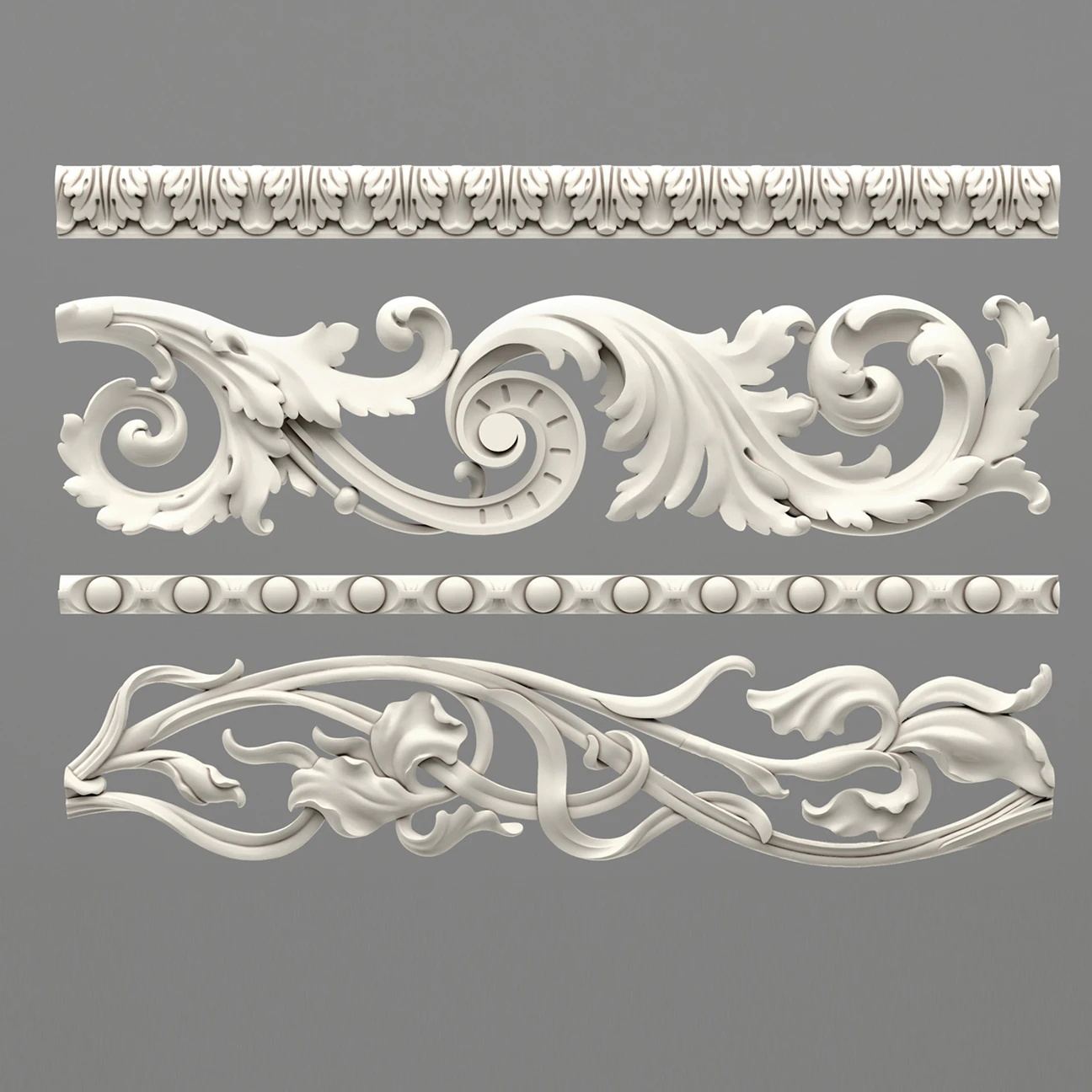
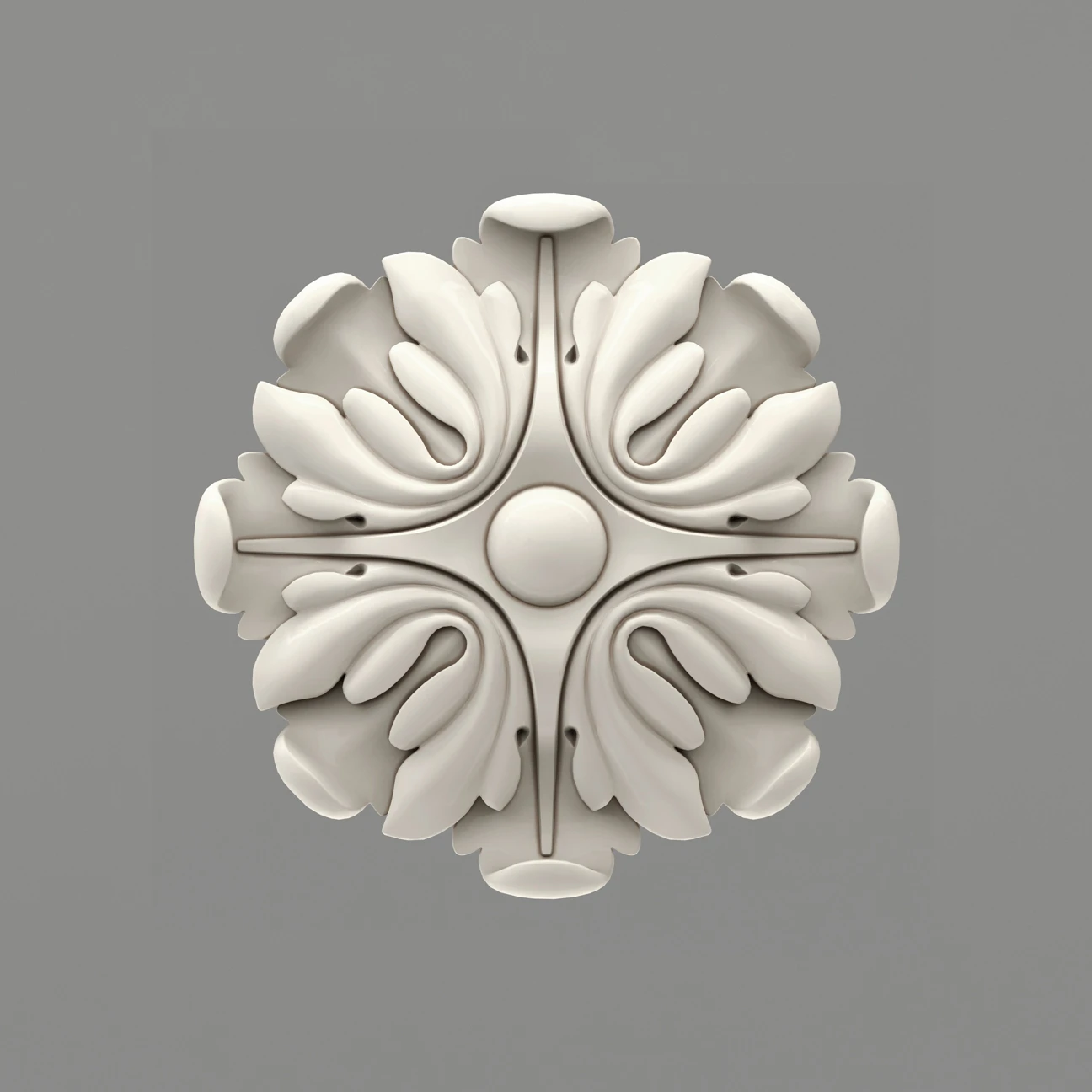
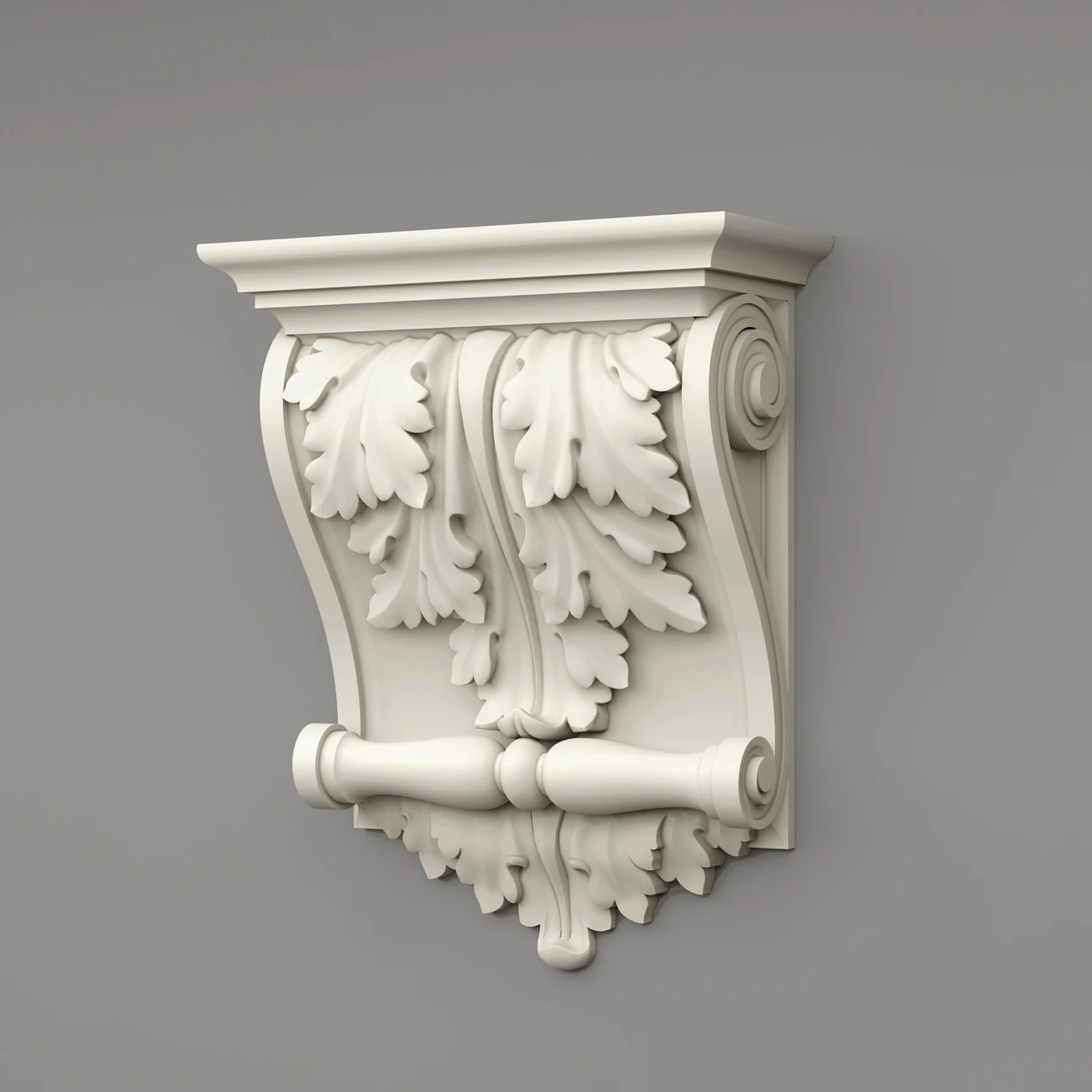
























Polyurethane Onlays & Appliques

 5-10 days
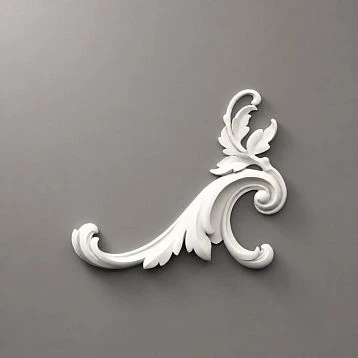
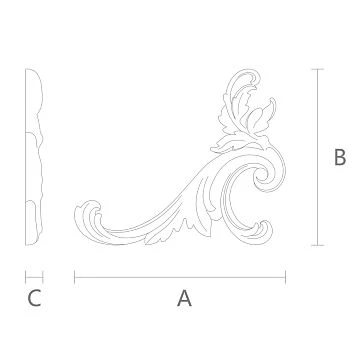
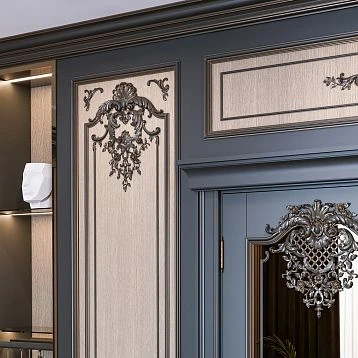
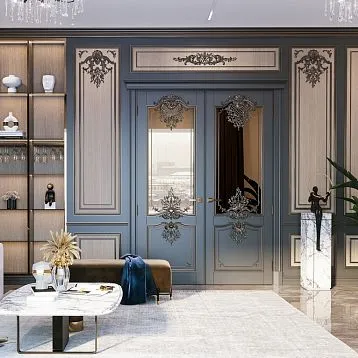
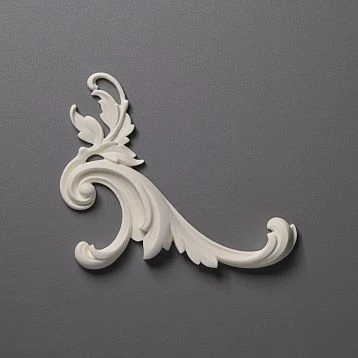
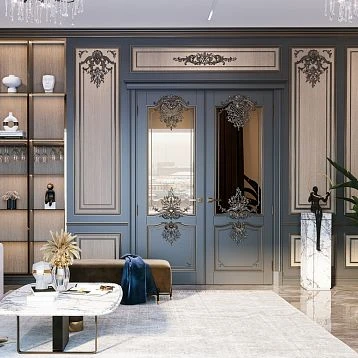
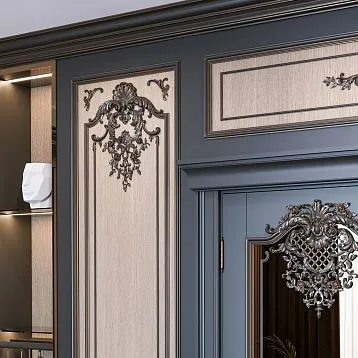
Relief Decor NPU.VRS-002-4R
6.35 $
 5-10 days
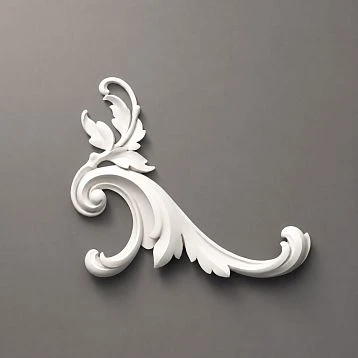
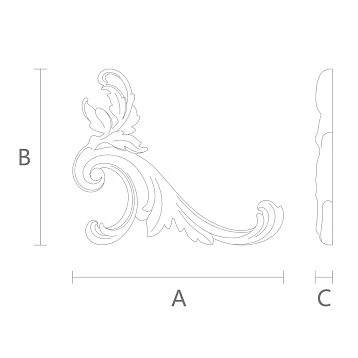
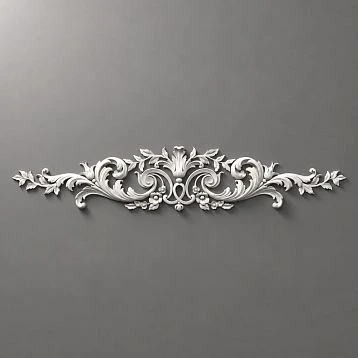
Relief Decoration NPU.VRS-002-4L
6.35 $
 5-10 days
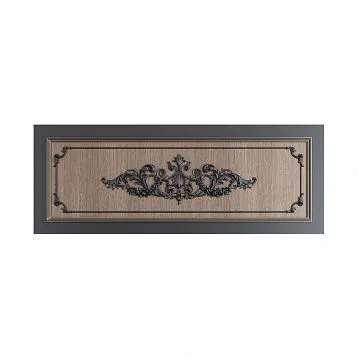
NPU.VRS-013 Molded Decoration
113.67 $
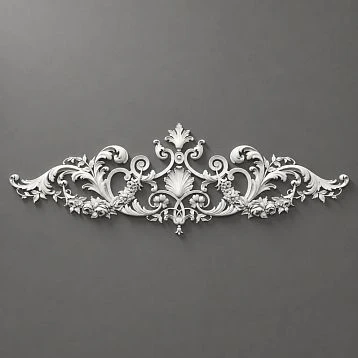
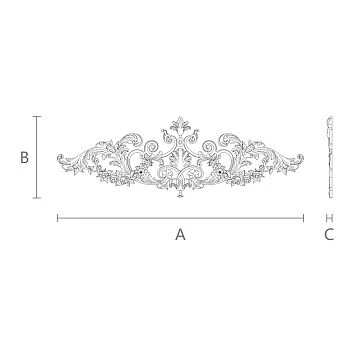
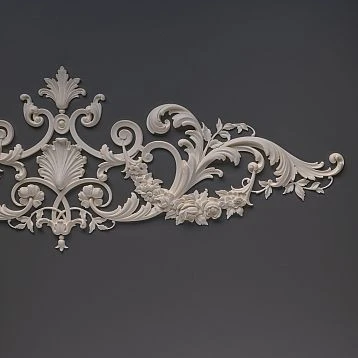
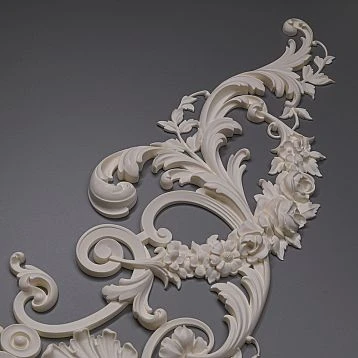
 5-10 days
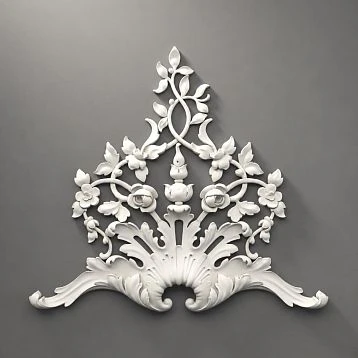
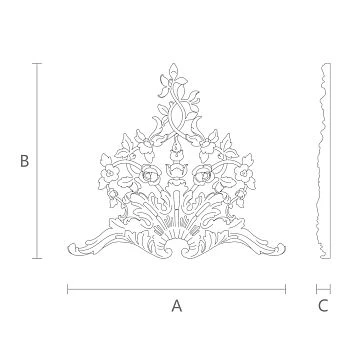
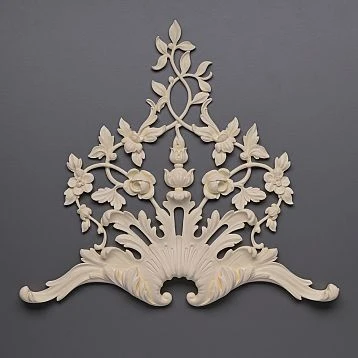
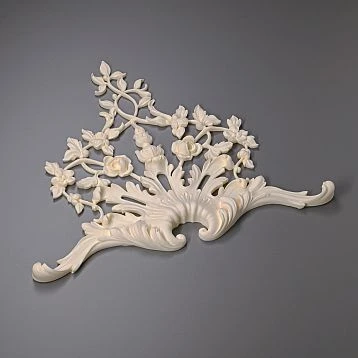
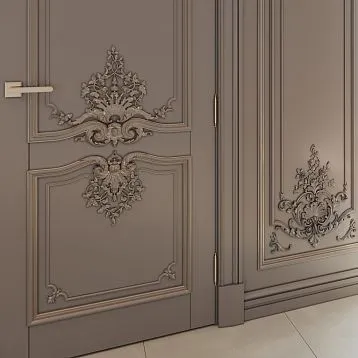
Relief Decoration NPU.VRS-006
351.21 $
 5-10 days
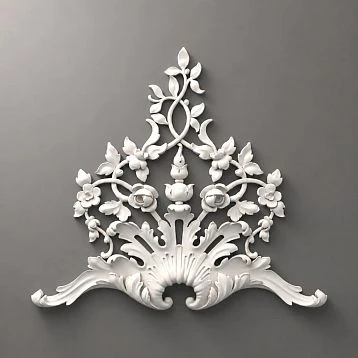
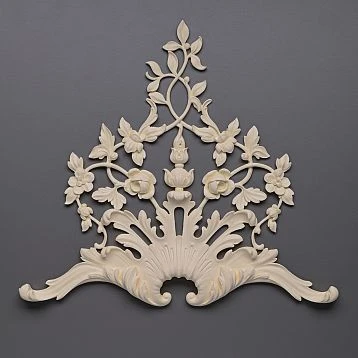
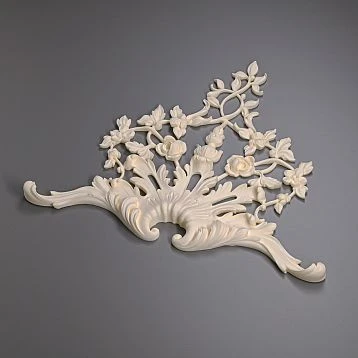
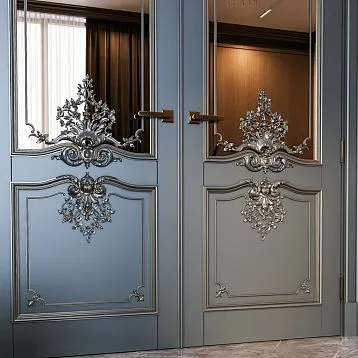
NPU.VRS-014L Molded Decoration
81.57 $
 5-10 days
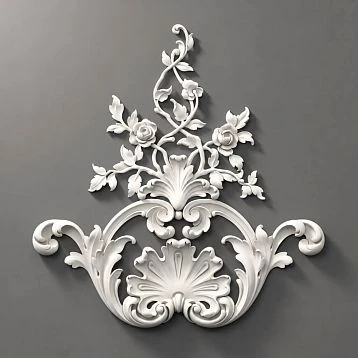
Relief Decoration NPU.VRS-014R
81.57 $
 5-10 days
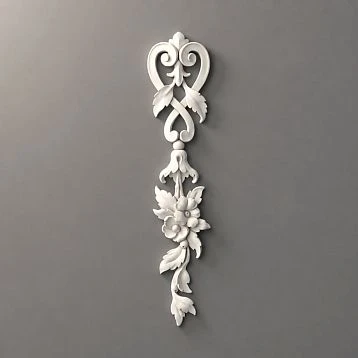
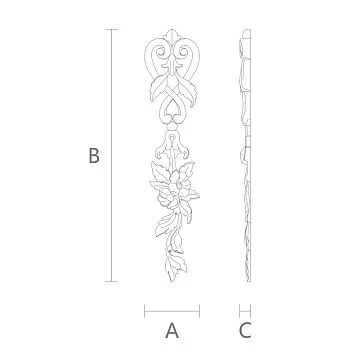
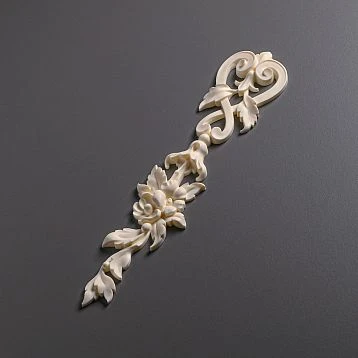
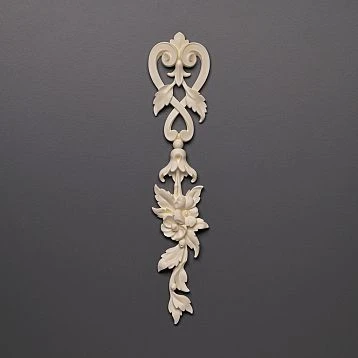
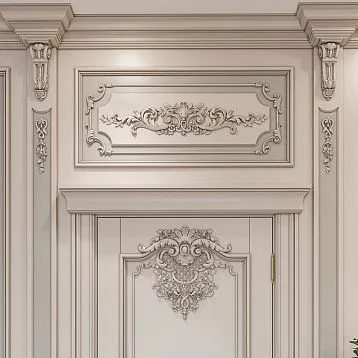
Molded decor NPU.VRS-002
100.26 $
 5-10 days
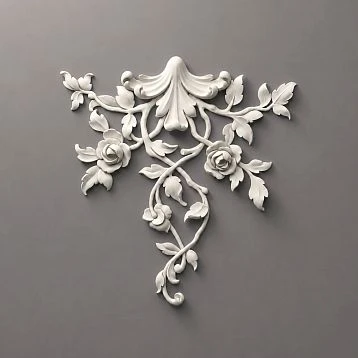
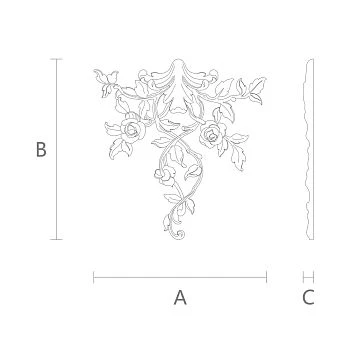
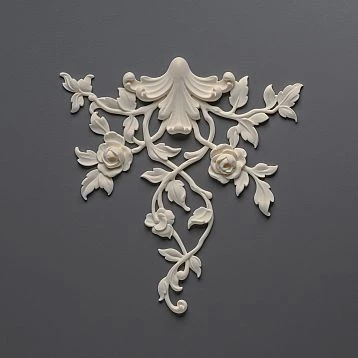
Relief Decoration NPU.VRS-012
14.25 $
 5-10 days
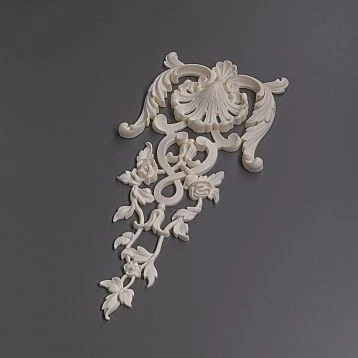
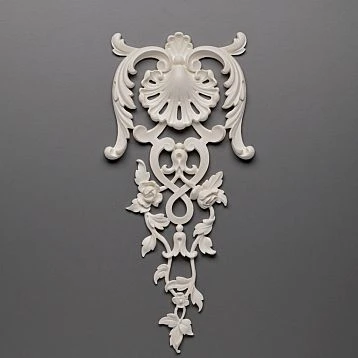
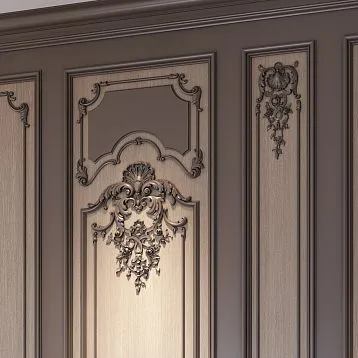
Relief decoration NPU.VRS-002-3
30.78 $
 5-10 days
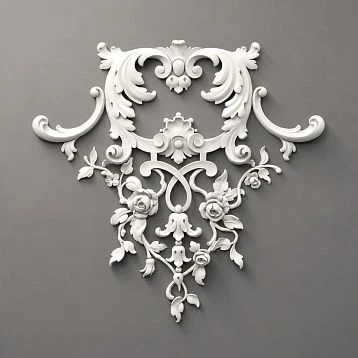
NPU.VRS-005 Molded Decoration
48.63 $
 5-10 days
NPU.VRS-001 Molded Decoration
99.30 $
 5-10 days
Relief Decoration NPU.VRS-004
70.79 $
 5-10 days
Molded decor NPU.VRS-003.1
92.83 $
 5-10 days
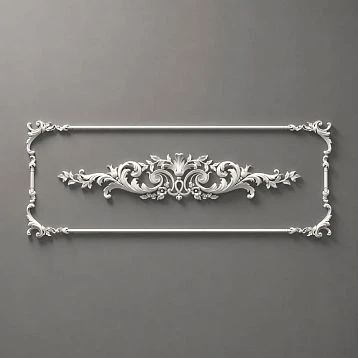
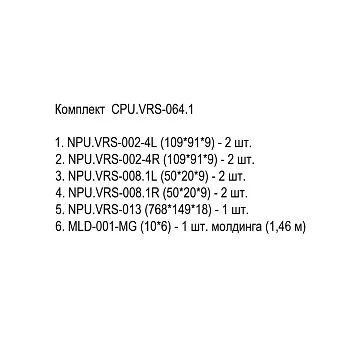
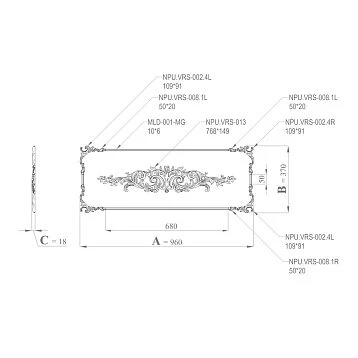
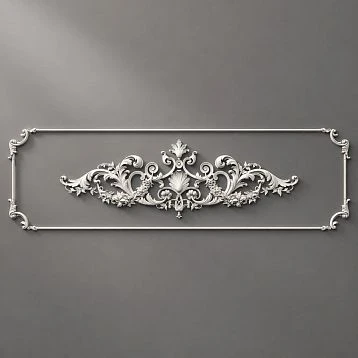
Molded decor CPU.VRS-064.1
169.25 $
 5-10 days
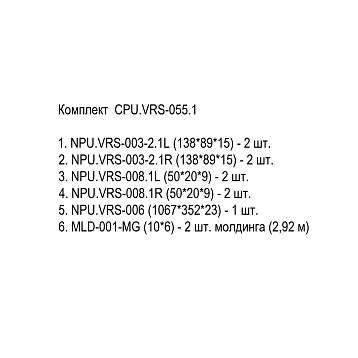
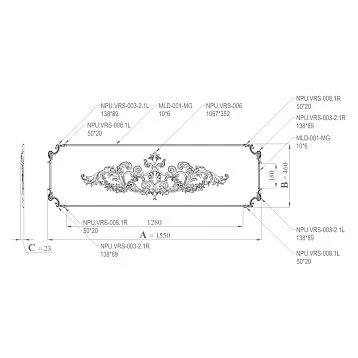
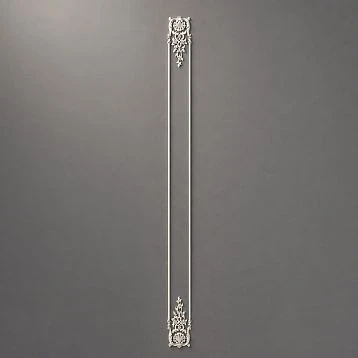
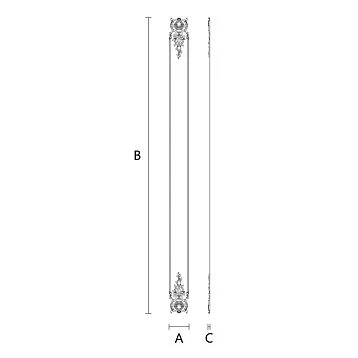
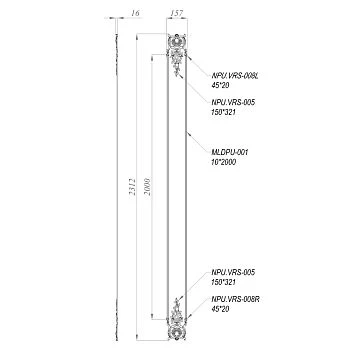
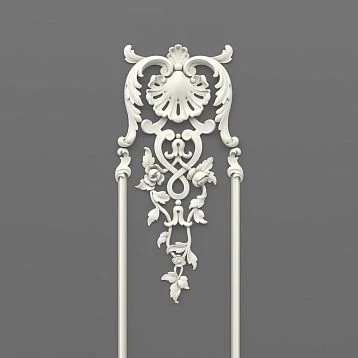
Molded decor CPU.VRS-055.1
455.18 $
 5-10 days
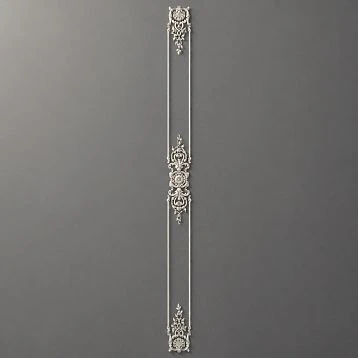
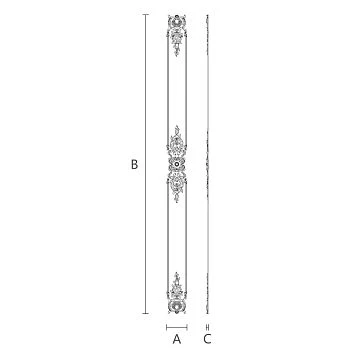
Relief Decoration CPU.VRS-057
152.36 $
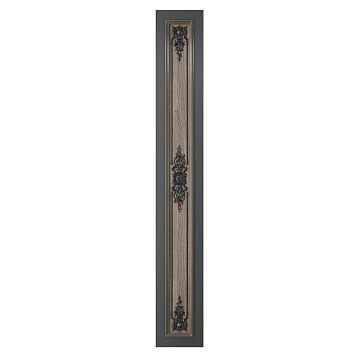
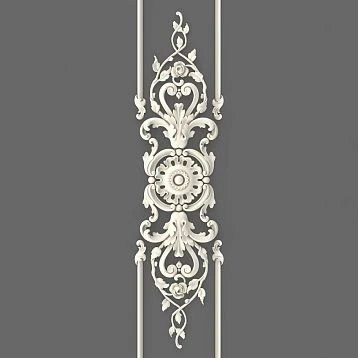 5-10 days
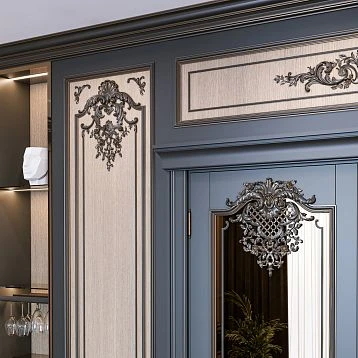
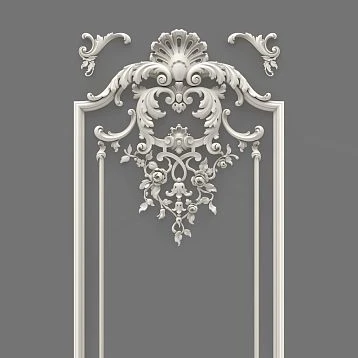
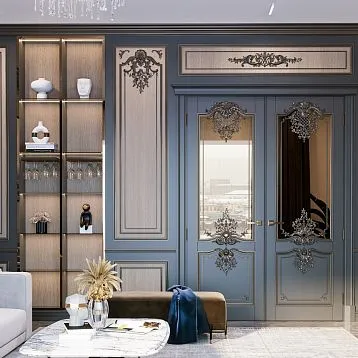
Relief Decoration CPU.VRS-058
246.16 $
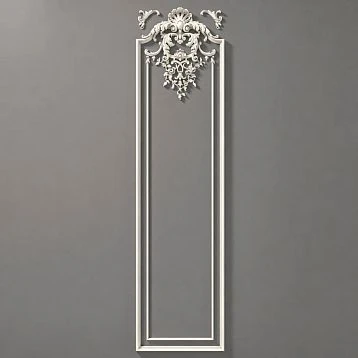
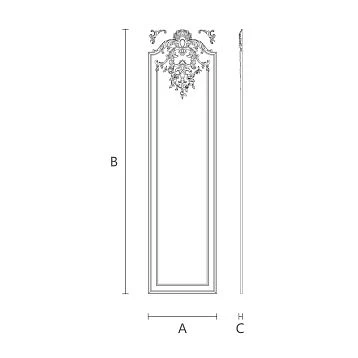
 5-10 days
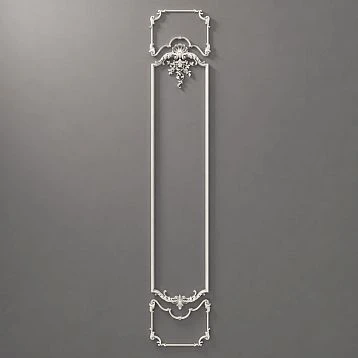
CPU.VRS-060 Molded Decoration
417.09 $
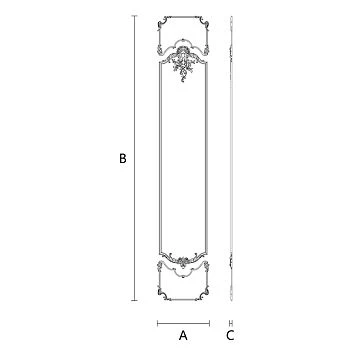
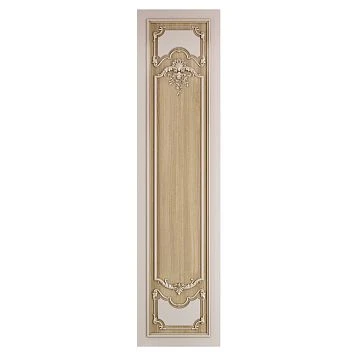
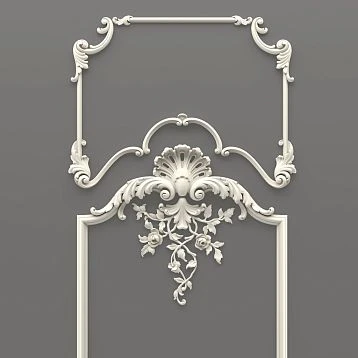
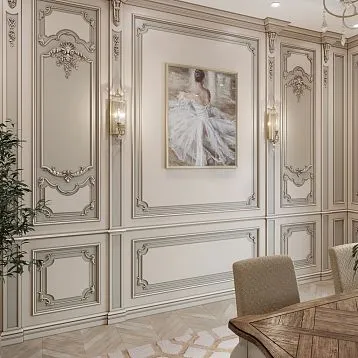 5-10 days
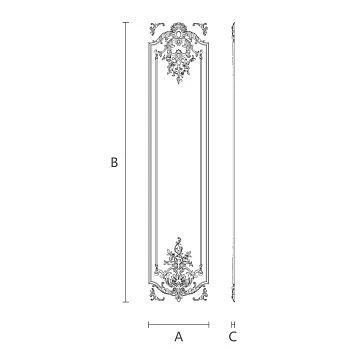
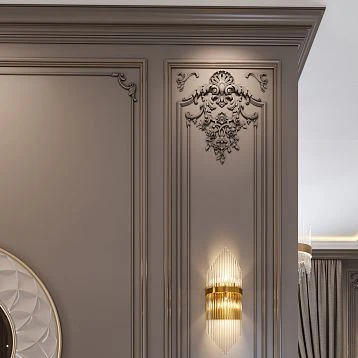
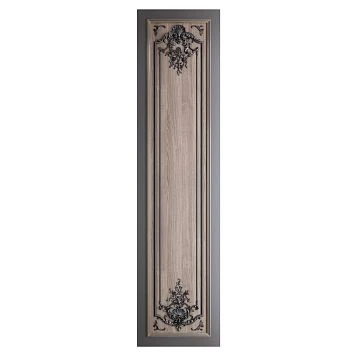
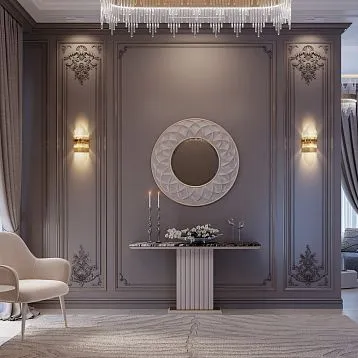
CPU.VRS-061 Molded Decoration
440.56 $

 5-10 days
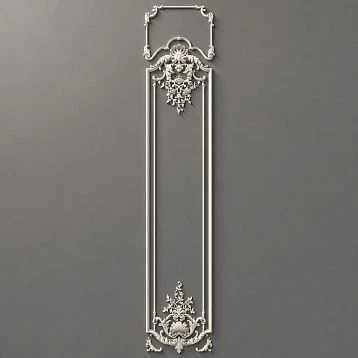
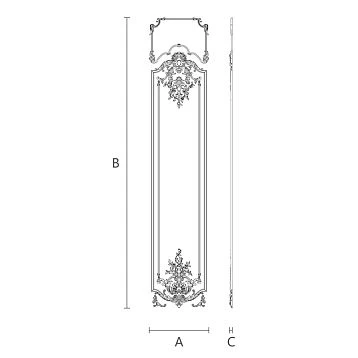
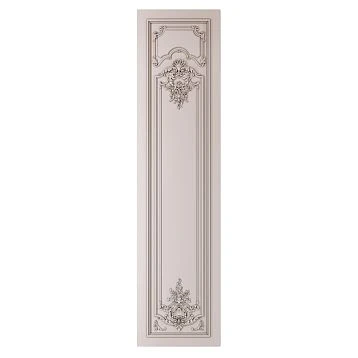
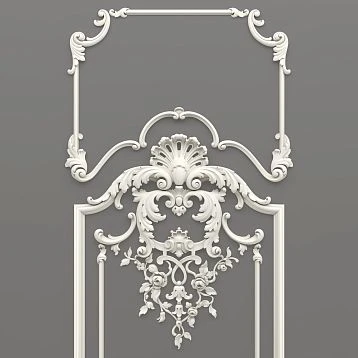
CPU.VRS-059 Molded Decoration
553.04 $
 5-10 days
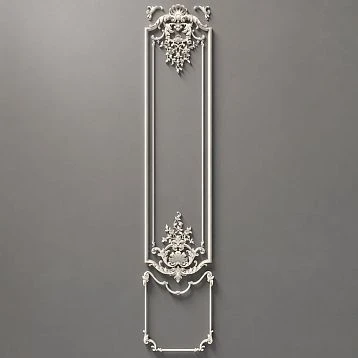
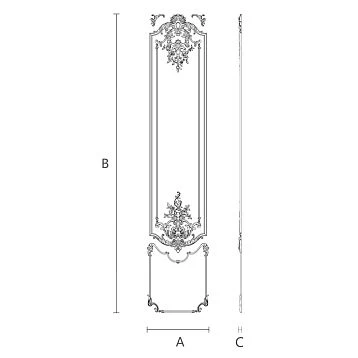
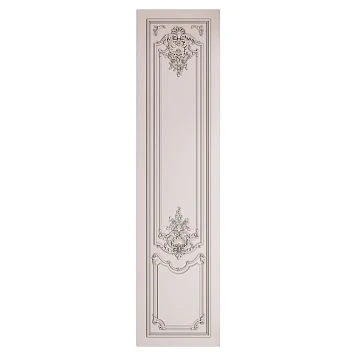
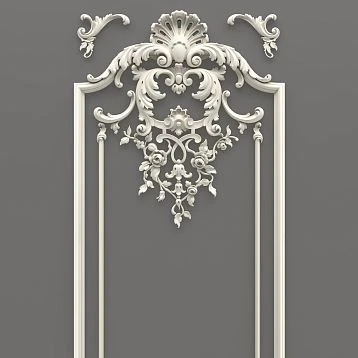
CPU.VRS-056 Molded Decoration
600.71 $
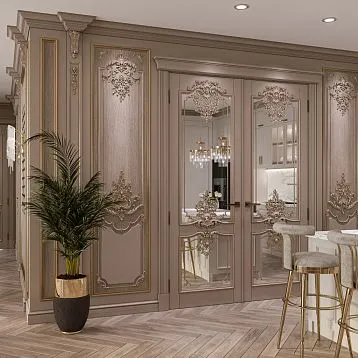 5-10 days
NPU-237 Molded Decoration
616.77 $
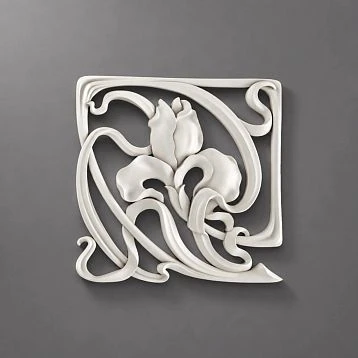
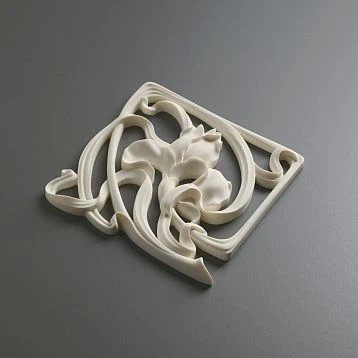
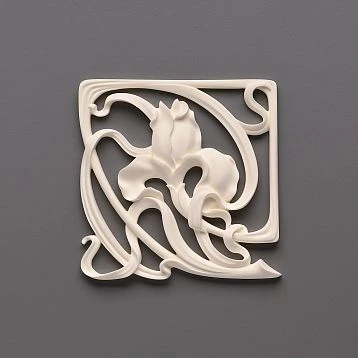
 5-10 days
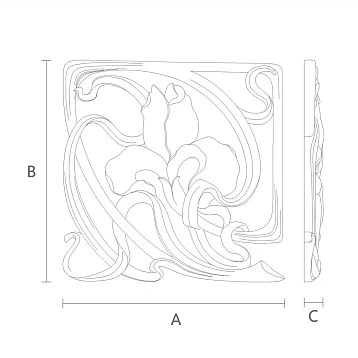
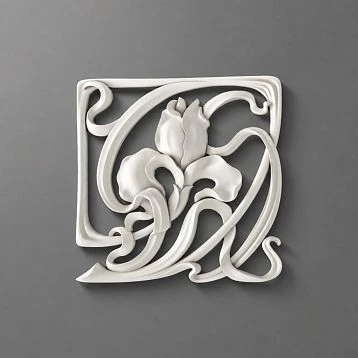
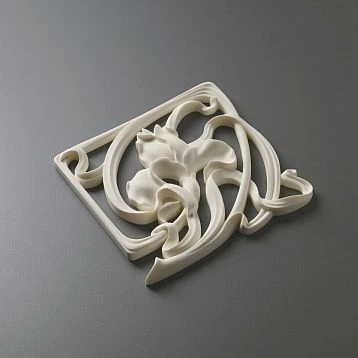
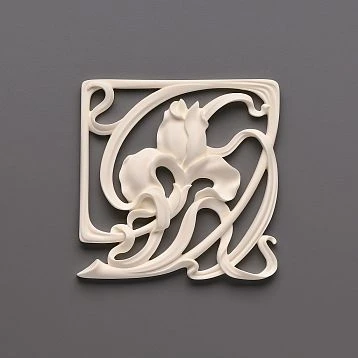
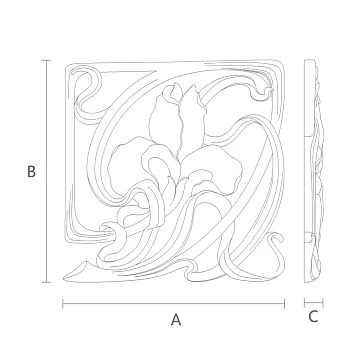
Relief Decoration NPU-273L
from 21.44 $
 5-10 days
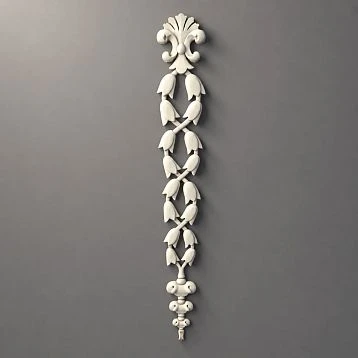
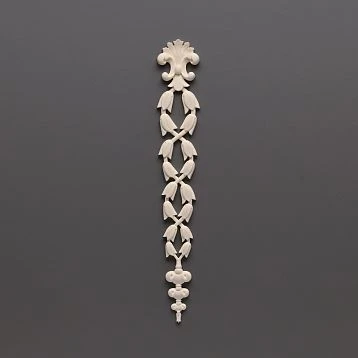
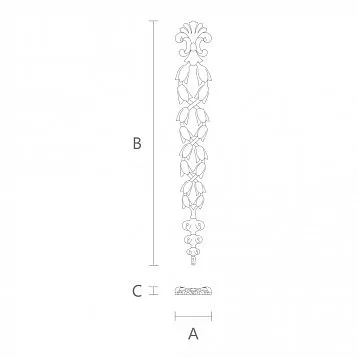
Carved decoration NPU-273R
from 21.44 $

 5-10 days
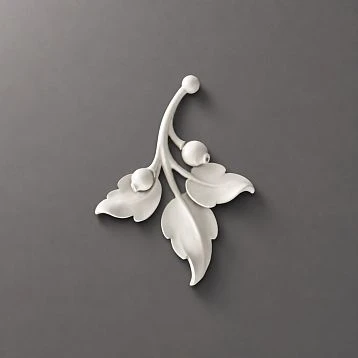
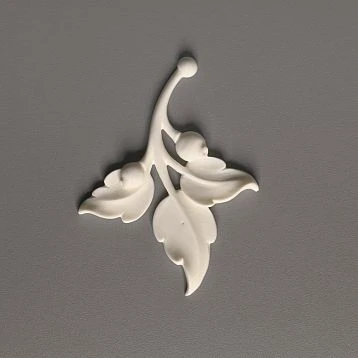
NPU-116 Molded Decoration
from 7.79 $
 5-10 days
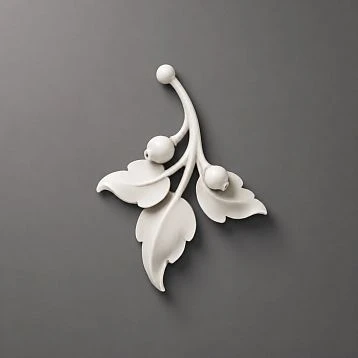
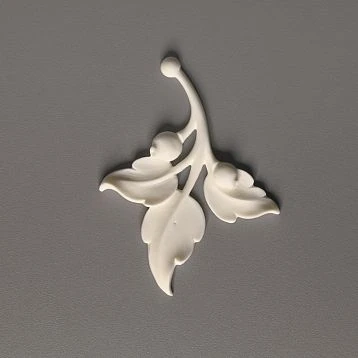
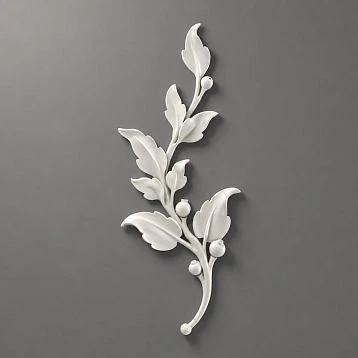
Relief Decoration NPU-470R
7.07 $
 5-10 days
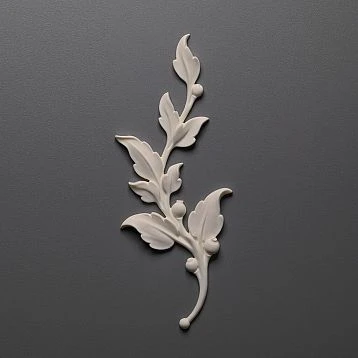
Relief Decoration NPU-470L
7.07 $
 5-10 days
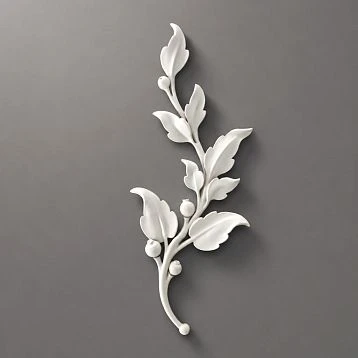
NPU-472R Molded Decoration
11.74 $
 5-10 days
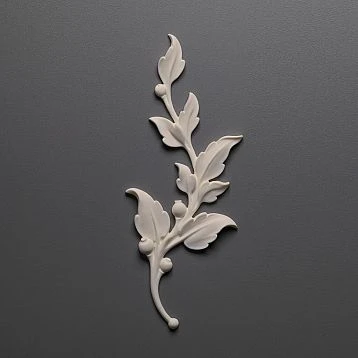
Relief decoration NPU-472L
11.74 $
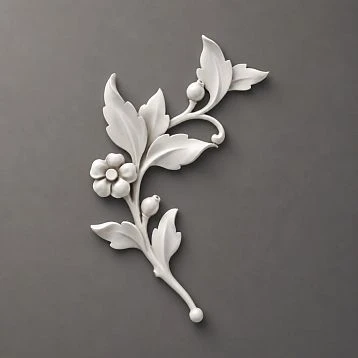
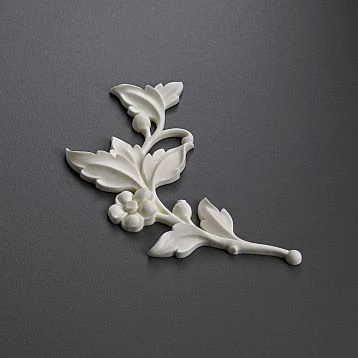
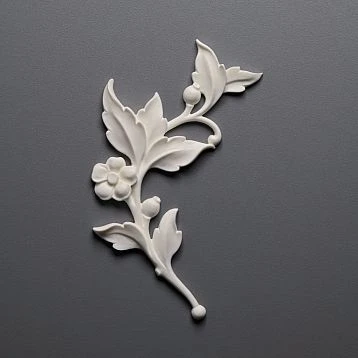
 5-10 days
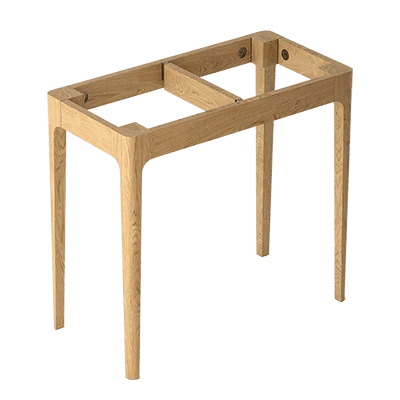
Table legs 70 cm high: style, stability, and functionality
11.74 $
Polyurethane Onlays for Furniture, Cabinets and Walls
A floral ornament at the center of a cabinet door, a pair of scrolls above a mirror, a slender accent on a wall panel: the right detail gives a familiar surface a different character. STAVROS polyurethane onlays and appliques add raised ornament to furniture and interiors, with designs ranging from compact accents to substantial decorative compositions.
Explore urethane onlays with floral motifs, acanthus leaves, flowing scrollwork, shells and symmetrical patterns. Choose a centerpiece that establishes the character of a furniture front, or build a more elaborate arrangement from coordinated elements. Width, height, thickness and the direction of the ornament all influence how a piece will look once installed.
This category brings together individual decorative onlays, paired designs, corner elements and larger compositions. Check each product's material and dimensions as you compare: some compositions combine polyurethane decoration with primed MDF. The individual product specification identifies what you are ordering.
For a room with several decorative features, browse the wider collection of polyurethane moldings and decorative accents. It gives you a way to consider the furniture, wall treatment and ceiling details together before choosing the finishing touches.
Choose the Shape Around the Space You Have
Begin with the surface that will receive the ornament. Its clear width, height and surrounding borders provide a useful starting point. A narrow furniture upright, a broad drawer front and a large wall panel call for different proportions, even when all three belong to the same interior.
Look at the outline of the onlay as well as the detail inside it. A compact central motif concentrates attention. An open scroll allows more of the background to remain visible. A long vertical design draws the eye upward. These differences often matter more than the amount of ornament in the piece.
Center Onlays and Symmetrical Ornaments
A central onlay creates a clear focal point on a cabinet door, decorative panel or furniture apron. Symmetrical patterns are particularly useful where the surrounding construction already has a strong centerline. Position the ornament in relation to that line, then consider its relationship to the frame, hardware and adjacent panels.
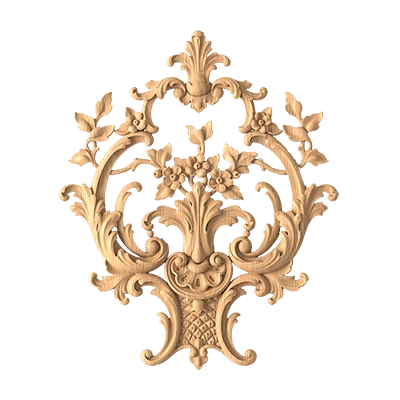
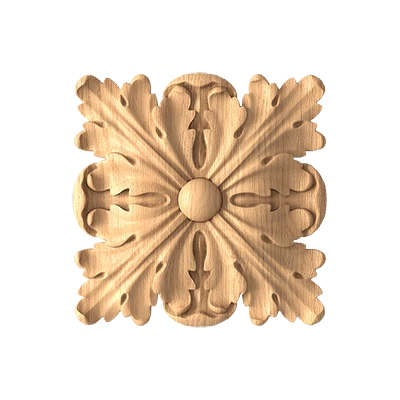
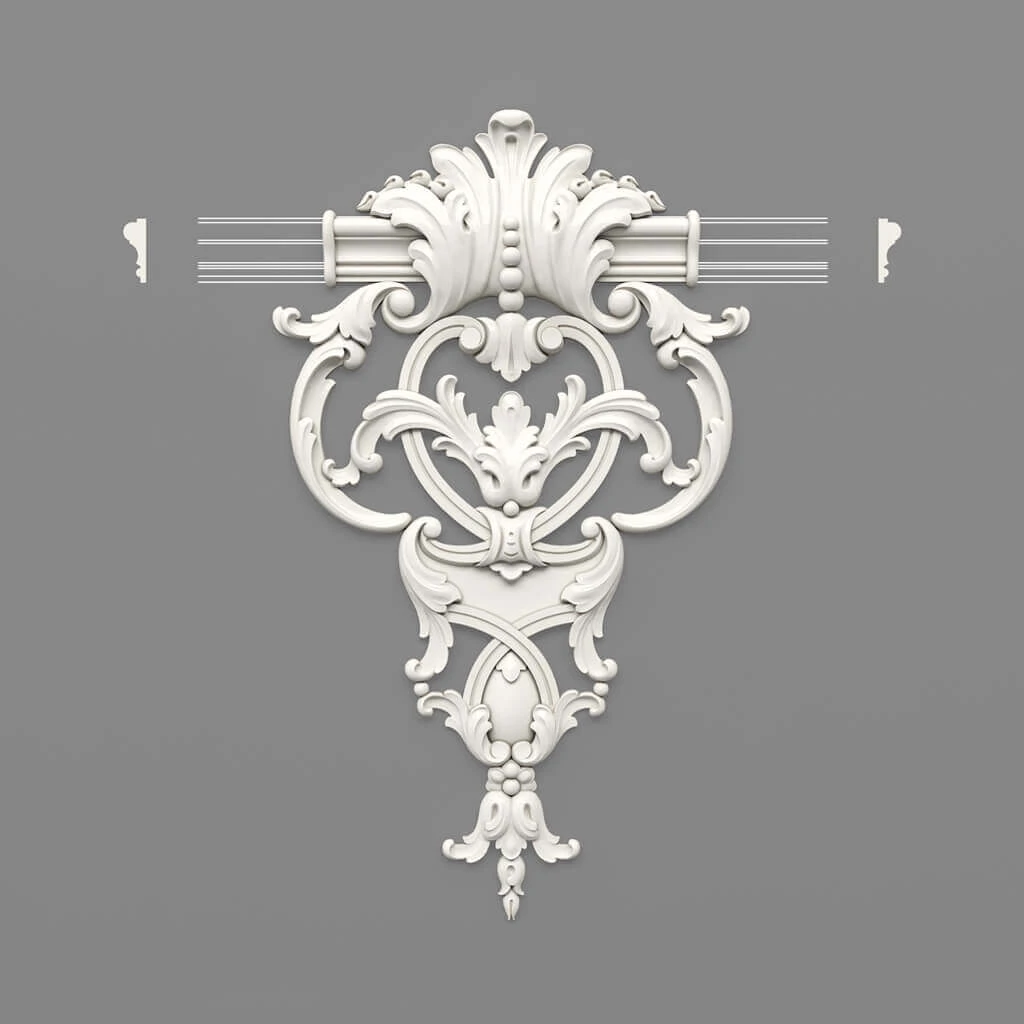
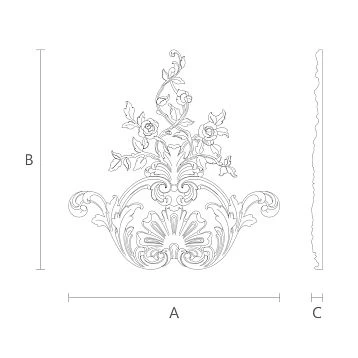
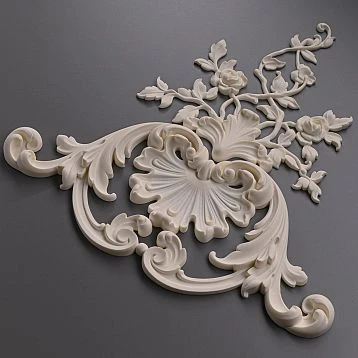
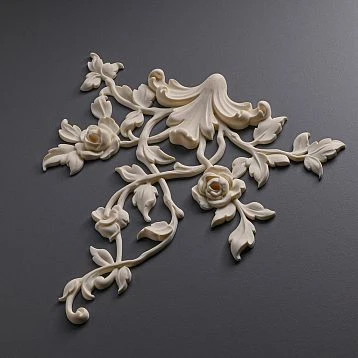
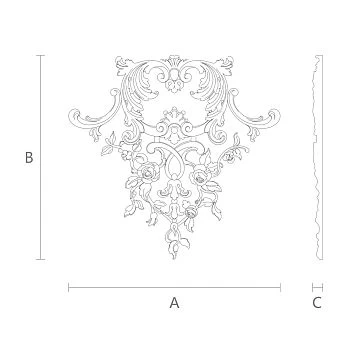
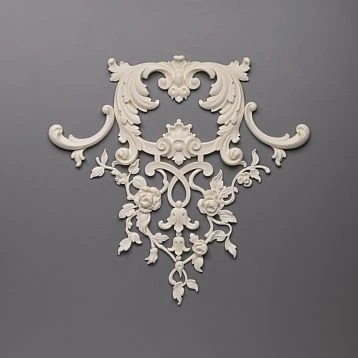
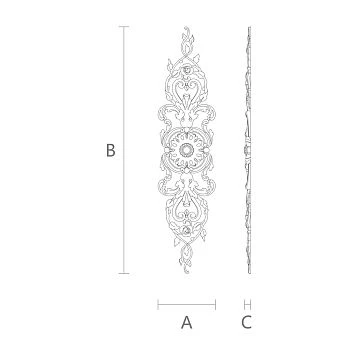
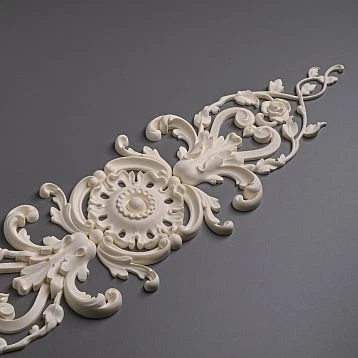
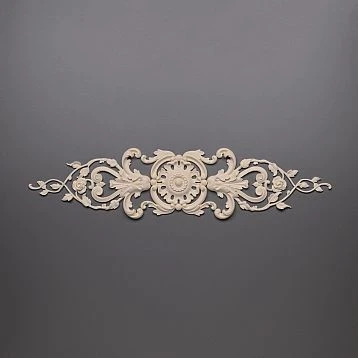
The NPU.VRS-001 floral polyurethane onlay offers a substantial ornamental accent, with a listed size of 13.98 × 13.46 × 0.67 inches. Its broad floral composition needs enough clear background to show the outer leaves and curved edges. On a small surface, a more compact design may give a better balance.
Vertical Onlays for Narrow Surfaces
Vertical ornaments suit tall panels, furniture uprights and the spaces beside a larger centerpiece. Their proportions can introduce rhythm across a run of cabinetry without filling every door with a large motif.
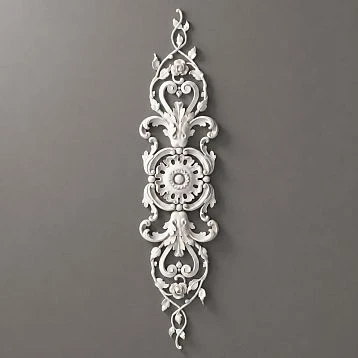
Consider the NPU-501 vertical polyurethane onlay, listed at 2.28 × 11.81 × 0.43 inches. Its narrow format makes it useful when comparing options for an elongated decorative field. Allow room above and below the design so its silhouette remains distinct from the surrounding trim.
Left and Right Onlays
Paired ornaments can frame a central panel or carry a motif across two adjacent surfaces. The direction of the scroll is part of the design: one version can turn inward toward the center while its counterpart balances the other side.
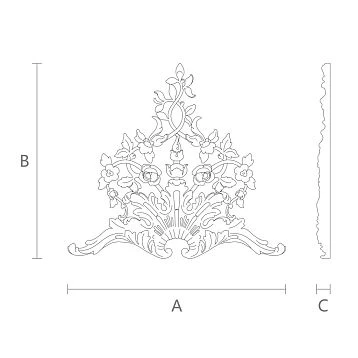
The NPU.VRS-014 family includes a left-hand decorative onlay and a right-hand decorative onlay. Both are listed at 13.19 × 11.81 × 0.83 inches. Specify the required version and quantity for each position. A drawing marked with the product codes makes the intended arrangement much easier to communicate.
Corner Elements and Scroll Accents
Corner decoration gives a framed composition a more developed outline. It can soften a rectangular border, introduce acanthus foliage or continue a scrolling pattern into the surrounding space. The shape of the corner and the profile of the adjoining molding should be considered together.
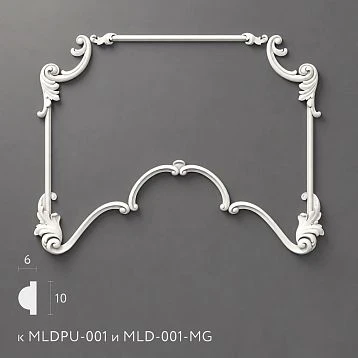
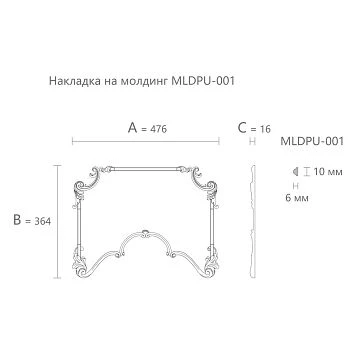
The MLDPU-3U-1 decorative corner element measures 12.99 × 12.99 × 0.79 inches. When planning it into a frame, compare the junctions and dimensions with the adjoining pieces. A visual resemblance between two ornaments does not establish that their profiles meet correctly.
Floral Motifs, Scrollwork and Ornate Onlays
The motif helps determine the mood of the finished piece. Floral designs introduce a recognizable botanical subject, while scroll onlays emphasize curves and movement. Acanthus foliage can connect an ornament with other classical details already present in the room. Start with one of these ideas and let it guide the supporting pieces.
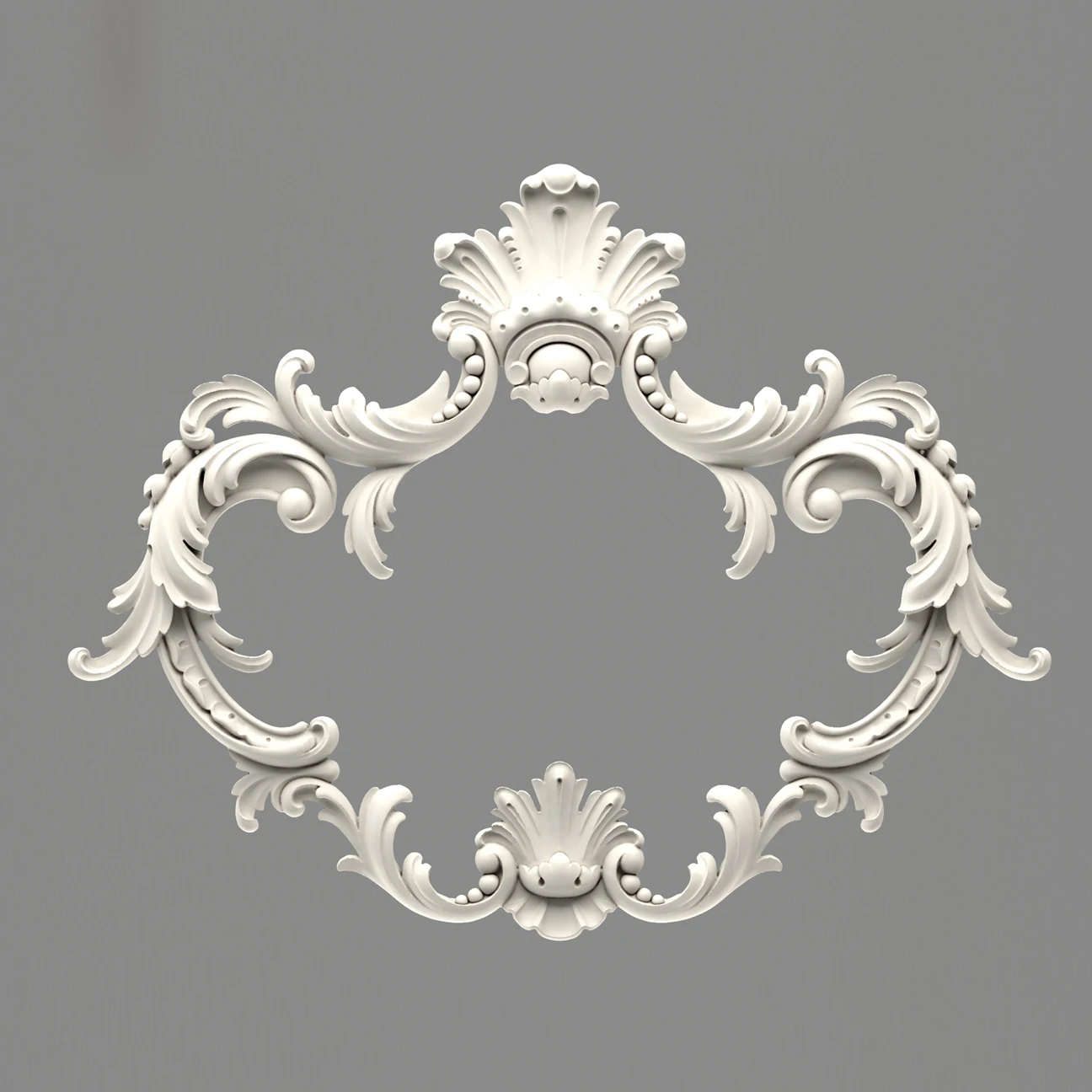
Polyurethane appliques with open scrollwork leave patches of the background visible between the curves. This can help a broad ornament retain a relatively light visual presence. A denser floral design creates a more concentrated focal point, especially when its relief is emphasized by a contrasting finish.
Ornate onlays need room for their edges and internal details to be read. On a compact cabinet, a single developed motif may provide all the decoration the front needs. Across a larger wall composition, the same design can be supported by smaller accents with related curves. Avoid selecting every piece at the same visual intensity: decide which ornament leads the composition and let the others support it.
When choosing between two patterns, compare their outlines at the same scale. This makes the differences in density, symmetry and direction easier to judge than separate product photographs.
Furniture Onlays and Appliques
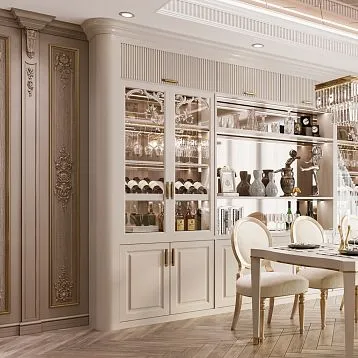
Furniture onlays and appliques give cabinetmakers, designers and furniture refinishers a practical way to introduce ornament into a project. A selected motif can become the defining feature of a chest, console, headboard or painted cabinet. Repeating a smaller detail can connect several pieces while allowing each one to retain its own proportions.
On a dresser, consider the drawer arrangement before choosing the decoration. One wide onlay may suit a fixed apron, while separate accents may work better across individual drawer fronts. Each ornament should sit entirely on its intended surface, leaving moving joints and hardware clear. Open the drawers fully during the layout stage to check the actual clearances.
For a console or sideboard, the top, legs and lower edge already create a visual structure. An onlay placed within that structure should have a defined role. It might emphasize the center, extend a curve from the apron or repeat a leaf motif used elsewhere. Several unrelated patterns can make a small furniture front difficult to read.
Painted furniture offers considerable freedom in how the relief is presented. An ornament finished in the same color as the surrounding surface reads through light and shadow. A contrasting color or a selective decorative finish makes the applied detail more prominent. Decide which effect you want while choosing the pattern, because deeply modeled foliage and fine shallow detail respond differently to emphasis.
When comparing onlays for furniture, view the whole piece from its usual distance. A photograph taken close to the ornament can make it appear more dominant than it will be in the room. A paper outline at the listed size gives a useful early indication of scale.
Onlays for Cabinets and Built-In Storage
Decorative onlays for cabinets work best when the door construction is part of the design decision. Measure the usable field inside the rails and stiles, or the clear area on a flat door. Then locate the knob or pull, the hinge side and the gaps between adjacent fronts.
A central ornament can suit a broad cabinet panel. Taller doors may benefit from a vertical design, while paired scrolls can establish balance across a double-door arrangement. Keep the motifs aligned with the individual doors so each front operates independently. If the design spans several doors visually, record its position on every front before installation.
For built-in storage, consistency comes from the layout as much as the ornament. Repeating the same distance from a door edge helps a row of accents feel deliberate. Where cabinet widths change, check whether the same piece still has enough background around it. A narrower module may need a smaller related ornament or a simpler treatment.
Projection deserves particular attention in tight spaces. Compare the listed thickness with handles, adjacent doors, walls and nearby furniture. This is especially useful on corner cabinets, narrow passageways and doors that open beside another fitted element.
For kitchen or bathroom cabinetry, confirm the suitability of the complete assembly for the intended location. The onlay, cabinet substrate, adhesive and finish all contribute to the result. A polyurethane ornament does not change the moisture resistance of an MDF door or make an existing cabinet finish suitable for a different environment.
Decorative Onlays for Walls, Doors and Mirror Surrounds
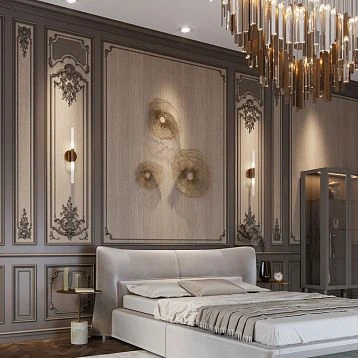
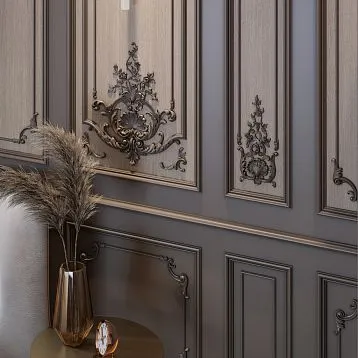
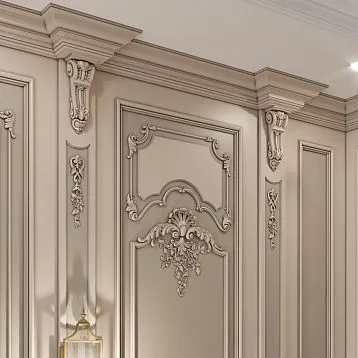
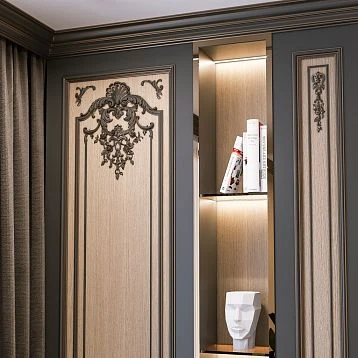
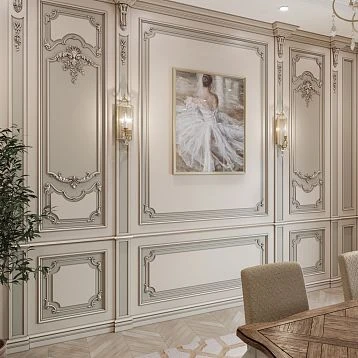
On a wall, an onlay can introduce a focal point within a larger arrangement of panel frames. Start by locating the panel in relation to the furniture and the room's main sightlines. The ornament should feel centered within the space people actually see, taking account of doorways, artwork and furnishings.
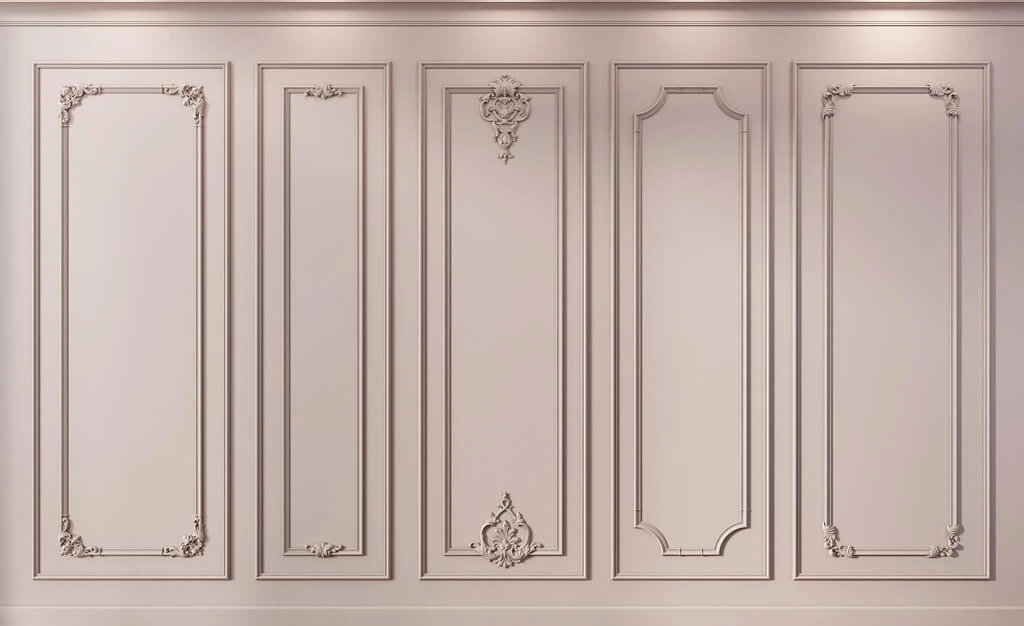
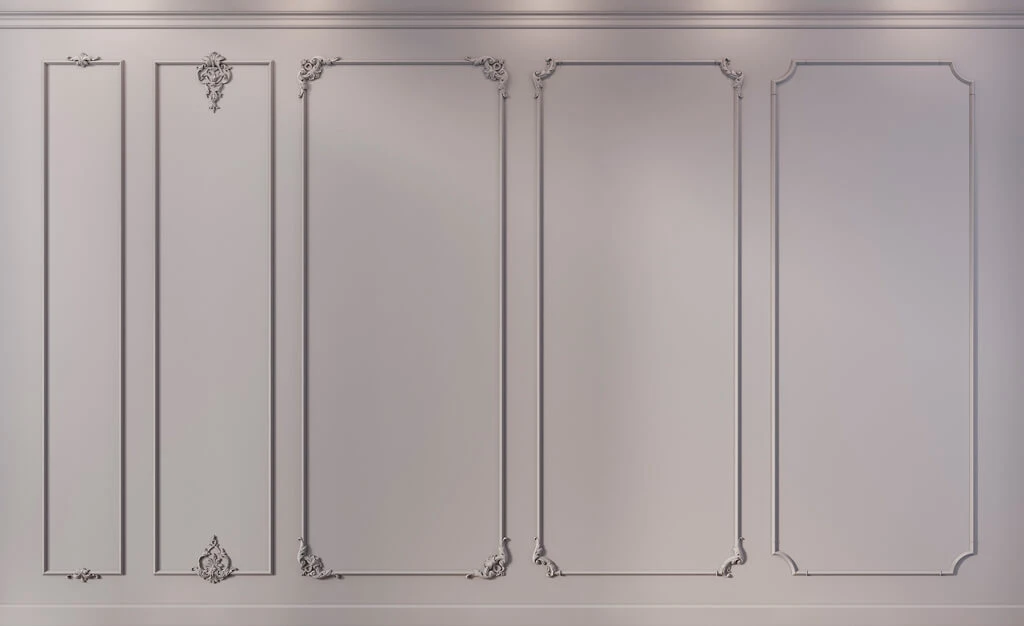
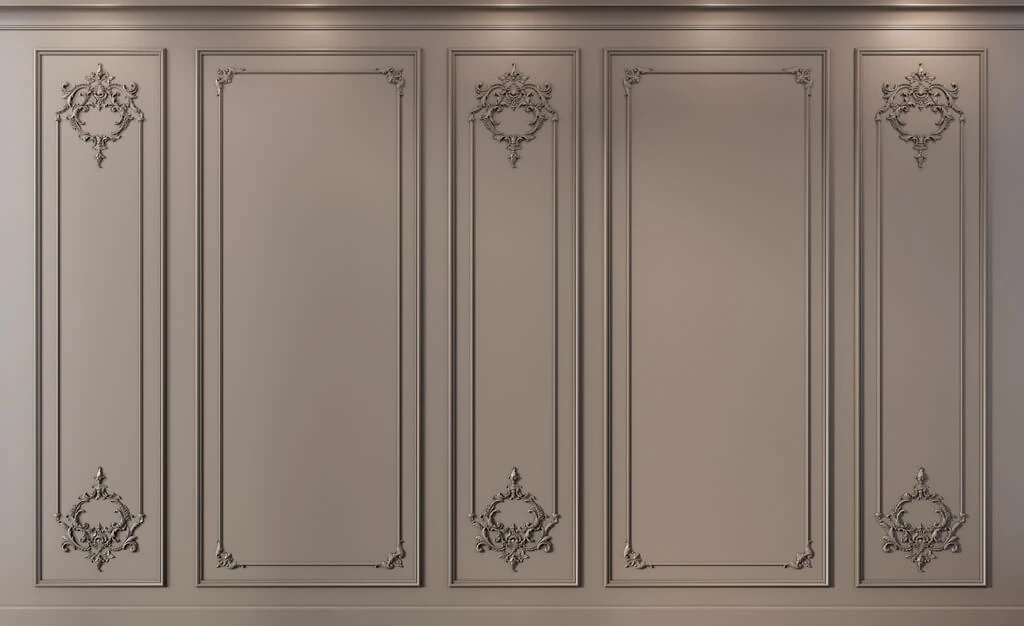
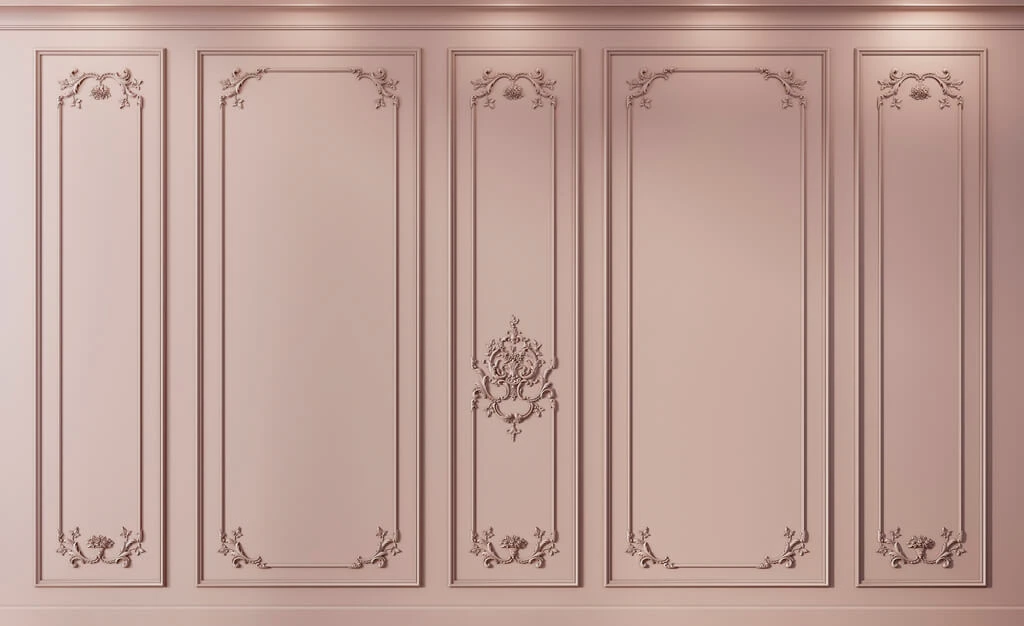
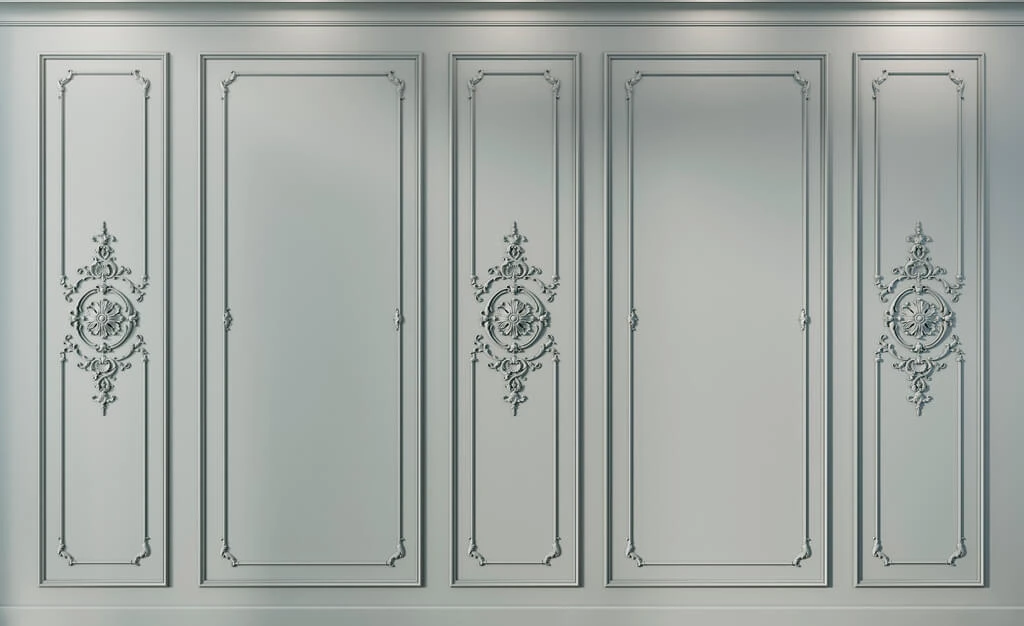
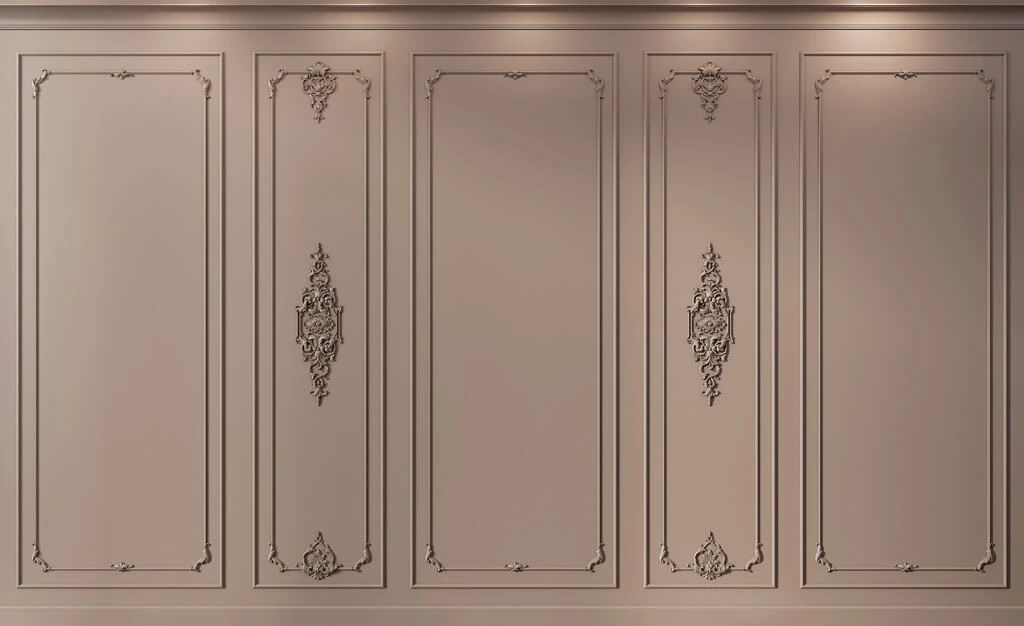
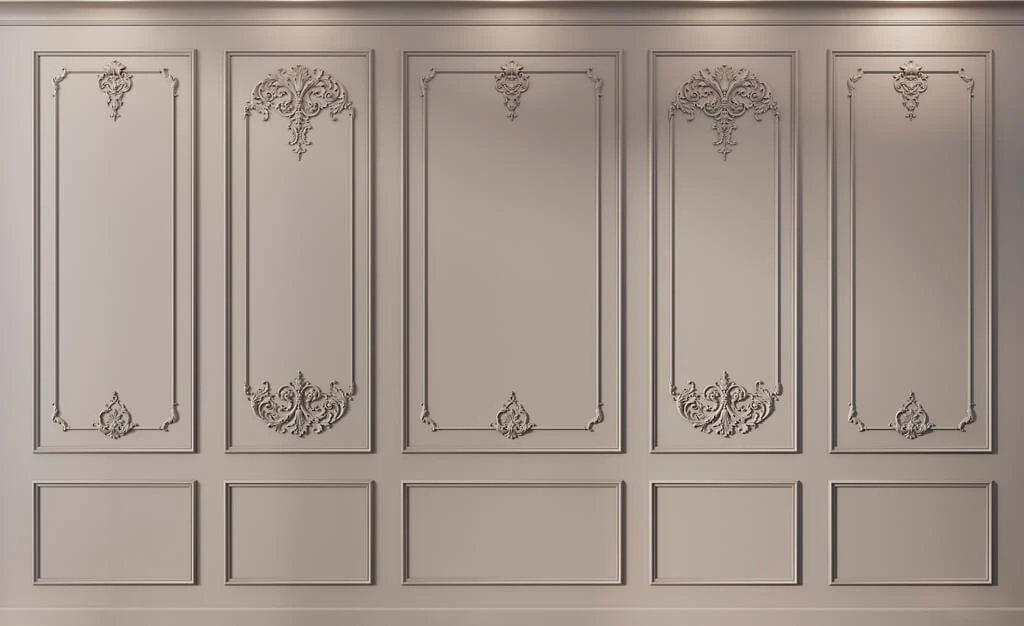
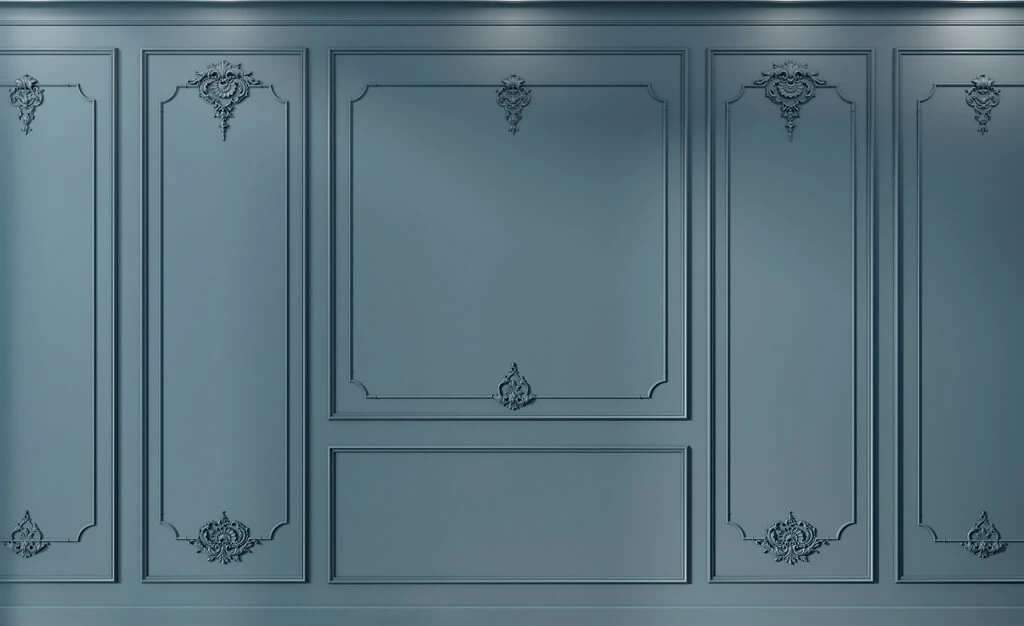
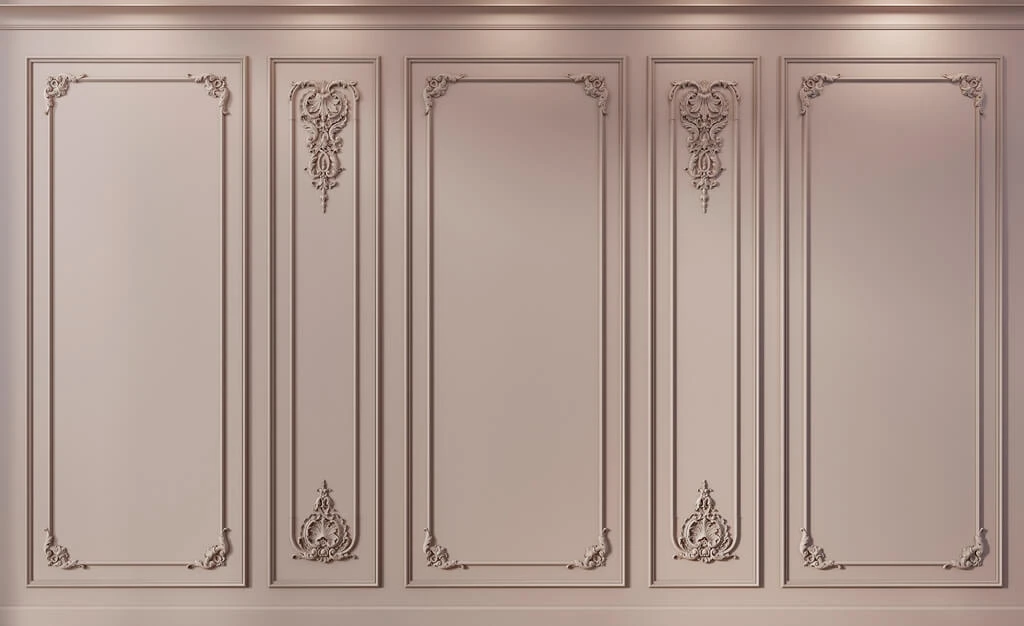
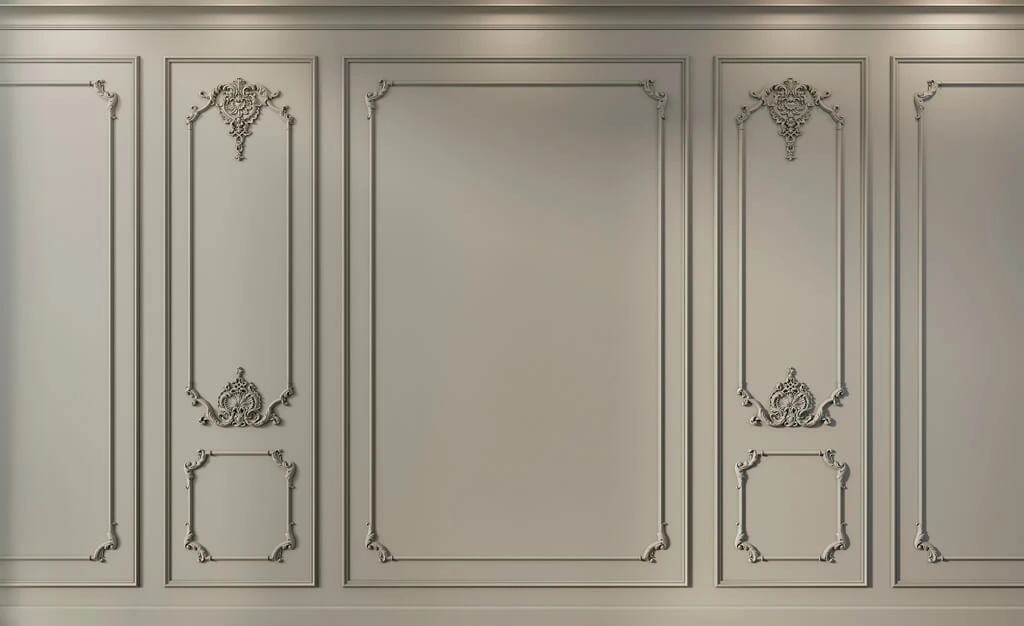
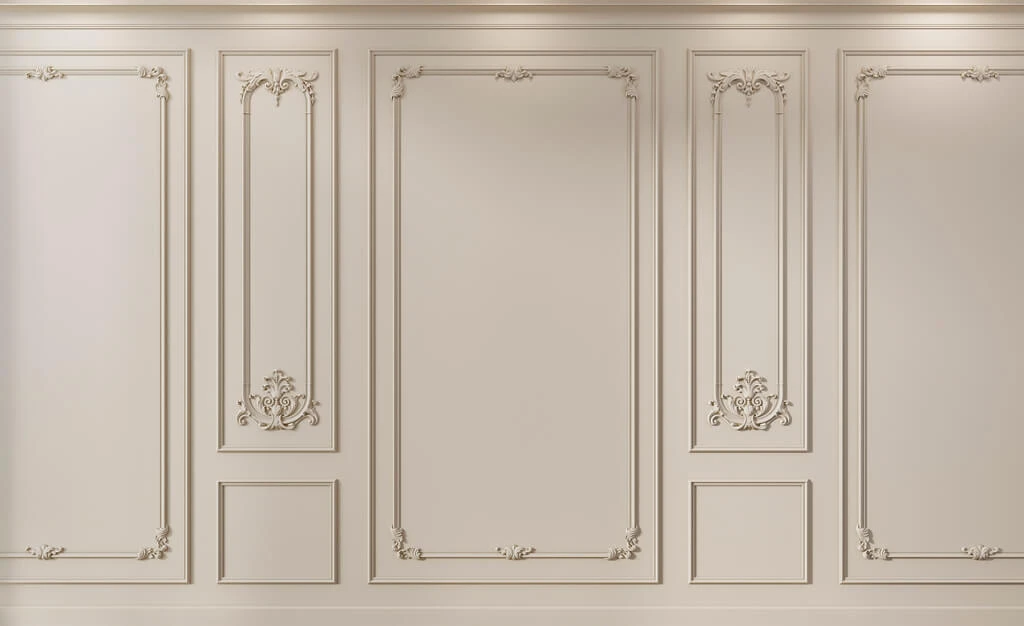
For a design that begins with a complete framed layout, explore wall molding kits and decorative wall compositions. They provide a different starting point from selecting individual onlays. Compare the overall composition, its components and its material specification before deciding which approach suits the project.
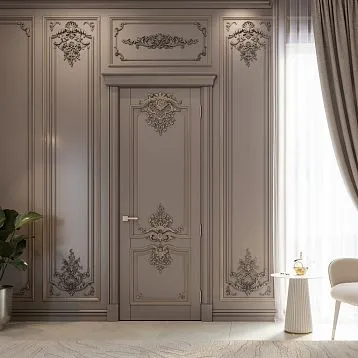
Door decoration benefits from the same attention to proportion. Keep the applied ornament within an appropriate panel or decorative field, and account for the door swing and surrounding casing. The surface must provide a suitable area for attachment; a strongly curved, textured or uneven background needs closer consideration before a design is selected.
Around a mirror, an onlay can accent the crest, corners or a broad section of the surrounding frame. Measure the frame itself rather than the glass opening. Position the decoration on a suitable supporting surface and consider its weight, projection and attachment as part of the complete mirror assembly.
A restrained arrangement can be especially effective where the room already contains patterned textiles, framed art or decorative lighting. Leave sufficient plain surface for the outline of the onlay to remain visible. That surrounding space lets the ornament contribute detail without making every part of the composition equally prominent.
Compare Dimensions and Materials Before Ordering
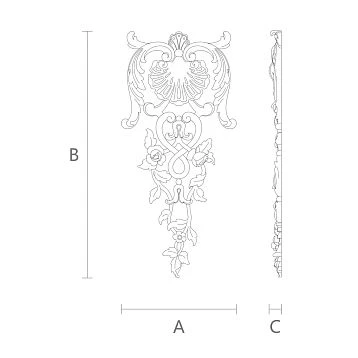
Product photographs help you judge the character of an ornament. The dimensions determine whether it will work on the intended surface. Read the listed width, height and thickness together, and compare them with the product drawing where available. A large design shown alone can be difficult to distinguish from a smaller one in a catalog thumbnail.
These examples illustrate several different formats within the category:
| STAVROS model | Listed size, inches (W × H × T) | Listed material | Format to consider |
|---|---|---|---|
| NPU.VRS-001 | 13.98 × 13.46 × 0.67 | Polyurethane | Broad floral centerpiece |
| NPU-501 | 2.28 × 11.81 × 0.43 | Polyurethane | Slender vertical ornament |
| NPU.VRS-014L / NPU.VRS-014R | 13.19 × 11.81 × 0.83 each | Polyurethane | Left and right ornamental elements |
| MLDPU-3U-1 | 12.99 × 12.99 × 0.79 | Polyurethane | Decorative corner element |
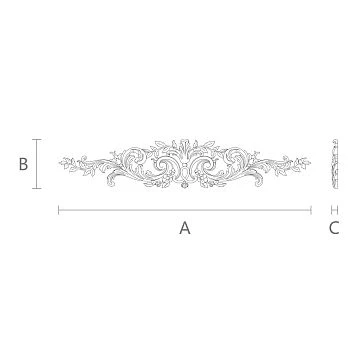
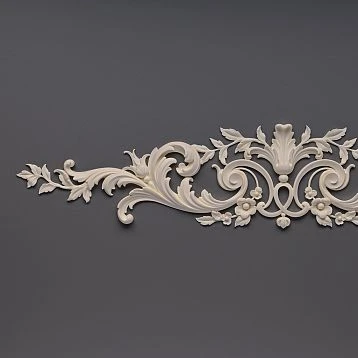
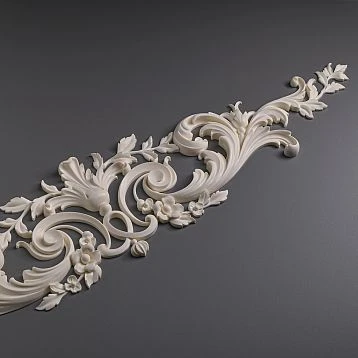
| CPU.VRS-064.1 | 37.8 × 14.57 × 0.71 | Polyurethane / Primed MDF | Framed horizontal decorative composition |
The CPU.VRS-064.1 decorative composition is an example of why material specifications matter. Its product page lists polyurethane and primed MDF. Treat it as the specified composition when planning its finish, support and installation conditions, rather than assuming that every part is solid polyurethane.
Use the complete outside dimensions to check the required space. For an open pattern, the gaps between the leaves or scrolls belong to the visual design; they do not reduce its overall width. Thickness also affects the shadow the ornament casts and the clearance it needs beside other elements.
For final positioning, confirm the selected size option and use the manufacturer's dimensions or drawing. The website can display measurements in inches or millimeters. Keep the units consistent throughout the order and installation plan, particularly when different trades are working from the same drawing.
Build a Consistent Decorative Composition
Onlays and appliques often work alongside straight profiles. A frame establishes the boundary, while the ornament adds emphasis within it. Choose the profile and onlay together so their thickness, detail and proportions support the same design.
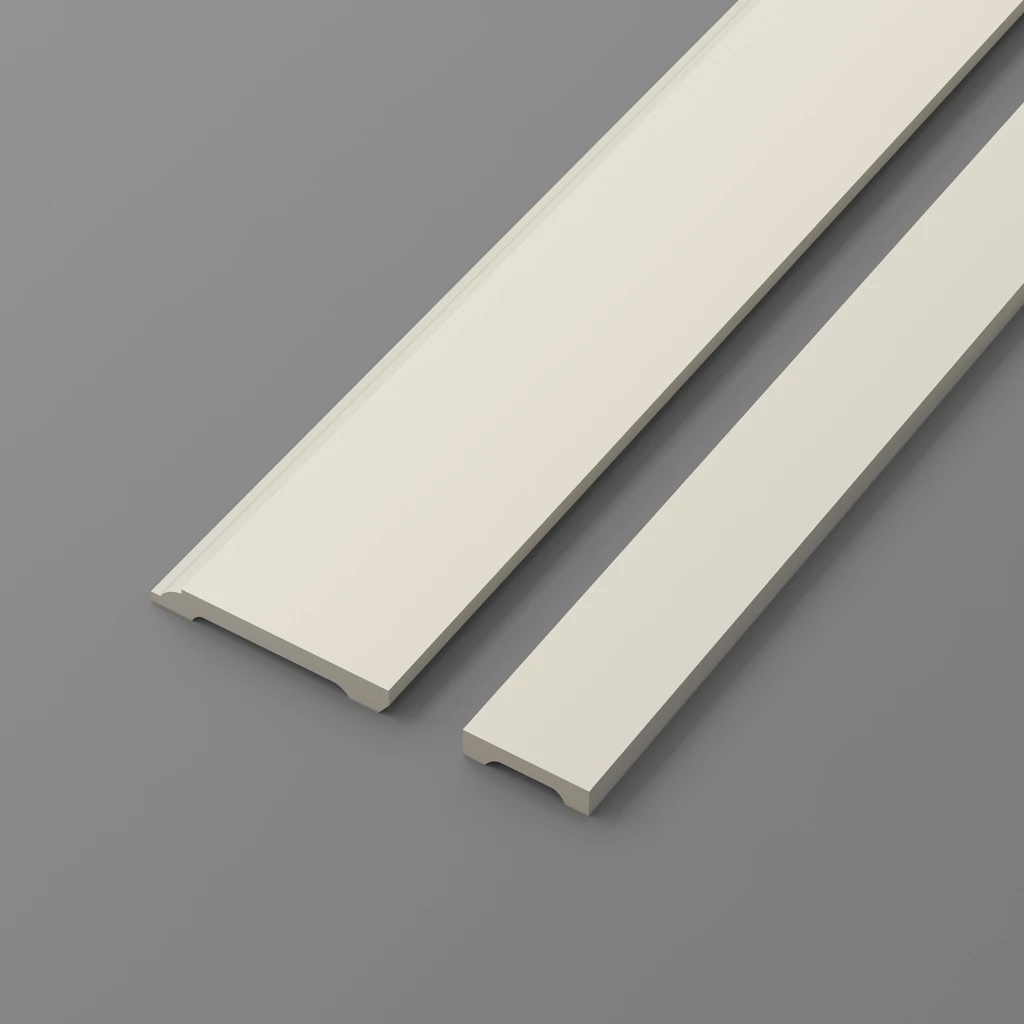
Use polyurethane moldings to explore the straight profiles available for framing. The decorative molding elements section offers additional accents to consider when developing a composition. Check the actual junction between adjacent pieces whenever a pattern is intended to continue from one element into another.
An elaborate center onlay can sit comfortably inside a relatively simple border. Conversely, a richly ornamented frame may need only a small central accent. Comparing both elements at the intended scale helps you decide where the strongest detail should be.
Elsewhere in the room, crown molding defines the upper edge, while baseboards establish the lower boundary. Their scale influences how substantial a wall or furniture ornament feels. A coordinated interior does not require identical patterns everywhere; related proportions and a considered finish can provide continuity.
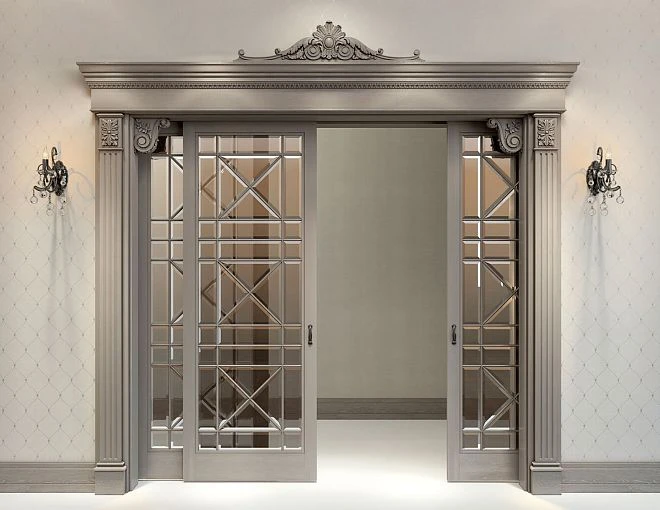
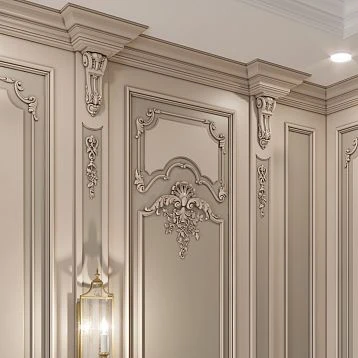
For openings and framed details, review the decorative trim. Where a project calls for a more architectural treatment, decorative brackets and capitals can introduce a different form of ornament. Select each component for its stated purpose, and plan structural support separately from applied decoration.
Carry the Motif into the Ceiling Design
The relationship between wall and ceiling decoration is most convincing when the room has a clear focal point. A central light fitting, a principal wall panel or a substantial piece of furniture can establish that focus. Supporting ornaments can then repeat selected curves or botanical details at an appropriate scale.
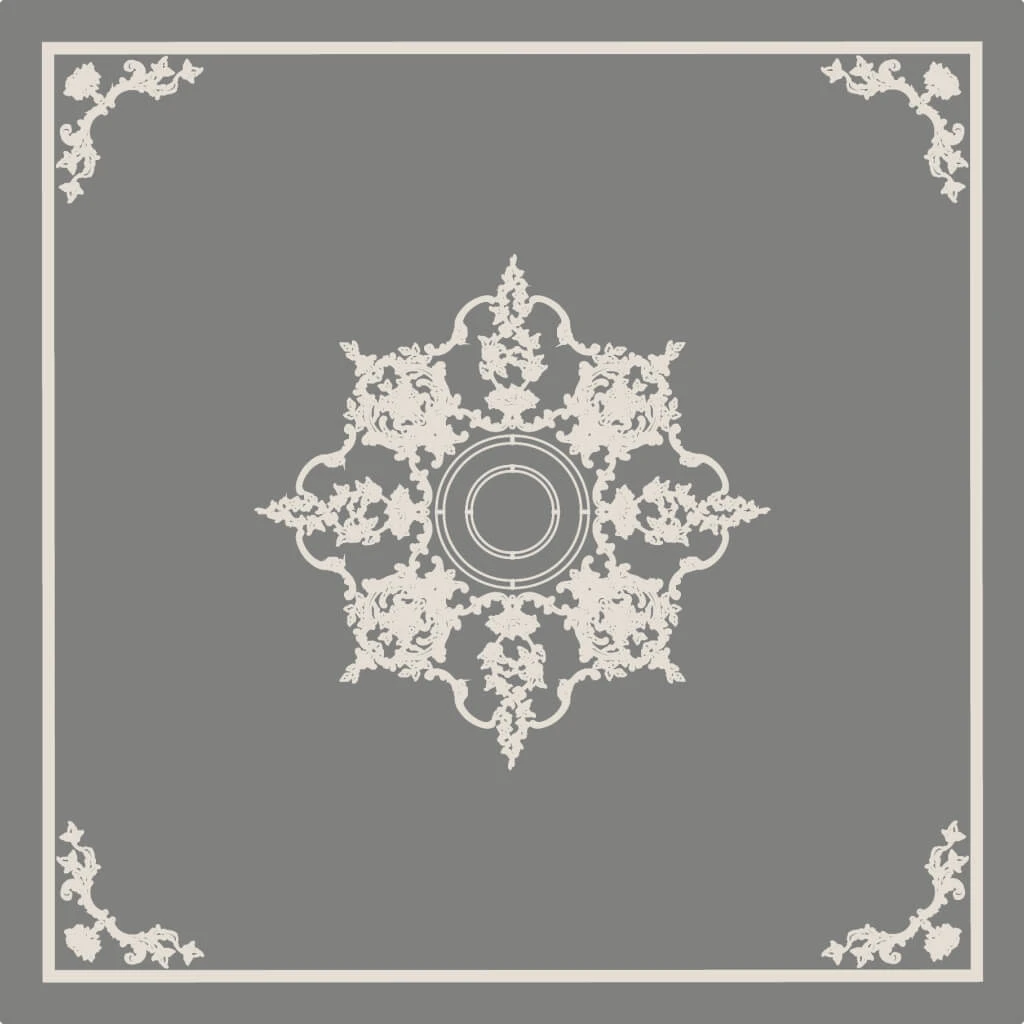
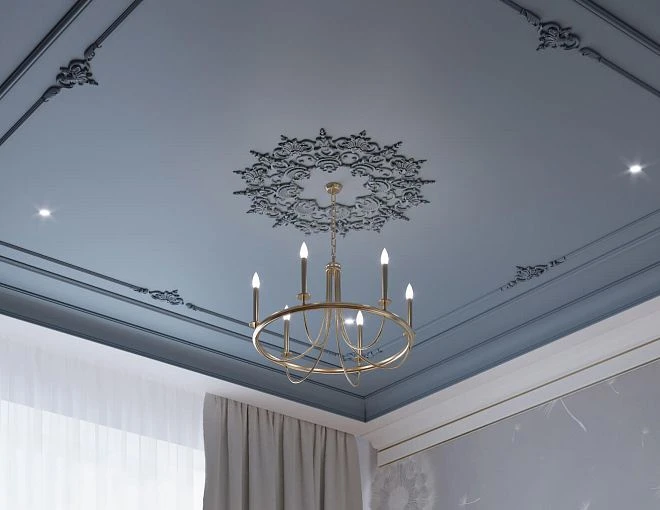
For a larger overhead arrangement, compare the ceiling decor kits. Around a light fitting, explore ceiling medallions and check the opening, dimensions and installation requirements of the selected model. Smaller decorative rosettes offer another shape to consider within a coordinated scheme.
The useful connection may be as simple as a repeated leaf form or a similar level of relief. You can keep the ceiling comparatively quiet when furniture carries the most elaborate decoration. In a formal room, a more developed ceiling composition may justify stronger ornament on the walls. Plan these relationships before ordering individual pieces.
Choose a Finish That Shows the Detail
The finish affects how an onlay is perceived as much as its pattern. A shared color can connect applied decoration with the underlying furniture or wall panel. Contrast brings the silhouette forward. A selective accent on raised details can reveal the structure of the ornament, provided the treatment is suited to the design.
Before choosing paint or a decorative coating, check the supplied surface condition of the particular product. Confirm the appropriate preparation, primer and finish with the product guidance and coating manufacturer. Different materials within a composition may require different preparation, even when they will ultimately receive the same color.
Test the proposed finish on a sample or a small suitable area before applying it across a project. Look at the result under the lighting the room will use. Side lighting emphasizes relief and small shadows; more diffuse light gives the same pattern a quieter appearance.
Apply the chosen finish without obscuring fine grooves, leaf edges or recessed details. Allow the specified drying and curing time between stages. For a larger specification, the decor samples and catalogs section can help you explore the available reference materials before finalizing the selection.
Plan the Attachment and Final Position
The mounting surface needs to be sound, clean and suitable for the selected attachment method. Existing paint, veneer or a decorative coating becomes part of that attachment: an ornament fixed to an unstable finish will depend on that finish remaining bonded to the surface beneath it.
Follow the installation requirements for the chosen product and select an adhesive compatible with both materials. Where additional fixings or support are required, plan their position before finishing. Large compositions and overhead installations need an approach appropriate to their size, weight, substrate and location.
Set out the arrangement before permanent attachment. Mark the centerline, check the distance from surrounding borders and confirm the direction of left and right elements. For repeated ornaments, use a consistent measuring reference so a small positioning difference does not accumulate across several panels.
Keep the product identification with the layout drawing until the installation is complete. Similar-looking pieces can differ in size or direction. A final comparison of codes, dimensions and quantities is easier while everything is still accessible.
Order Polyurethane Onlays from STAVROS
Start with the design that suits your surface, then compare the available dimensions and material specification. For a single furniture piece, select the principal ornament first and check its relationship to the hardware and surrounding construction. For a complete interior, establish the framing and main focal points before adding supporting accents.
When preparing an order for polyurethane onlays, record the product code, size option, quantity and intended position. List left and right versions separately. For decorative sets or compositions, confirm the included components so the order reflects the actual layout you plan to install.
Use the current product listing for pricing and availability, and confirm delivery arrangements for the project destination before placing the order. If you are comparing several designs, keep their dimensions alongside the room or furniture drawing rather than relying on photographs alone.
Browse STAVROS onlays and appliques to find the floral centerpiece, vertical ornament, scroll or corner detail that gives your project its particular character. With the proportions, finish and surrounding elements considered together, a selected piece of decoration becomes an intentional part of the whole design.
Order a call
Do you have questions? Fill out the form and send it.
Your request has been sent!
Our manager will contact you within 5 minutes