

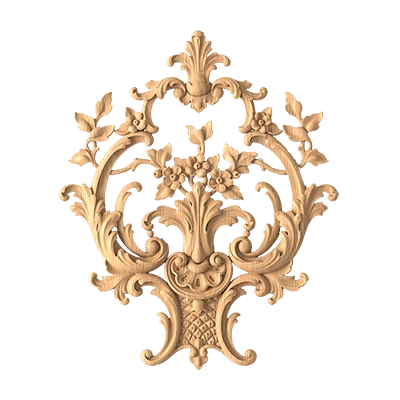
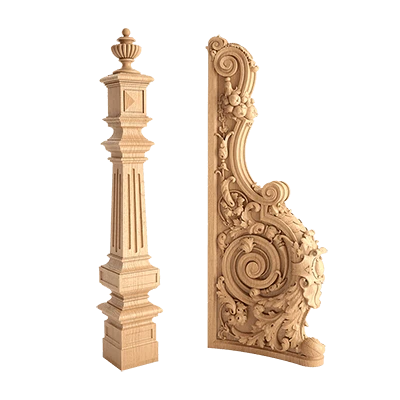
























Set Composition


Description
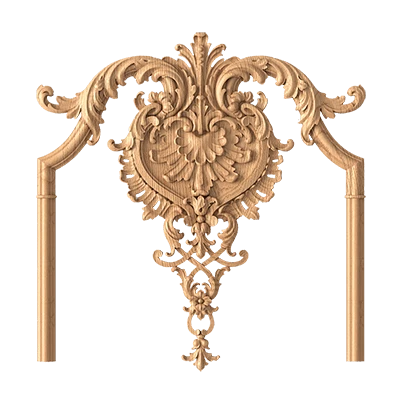
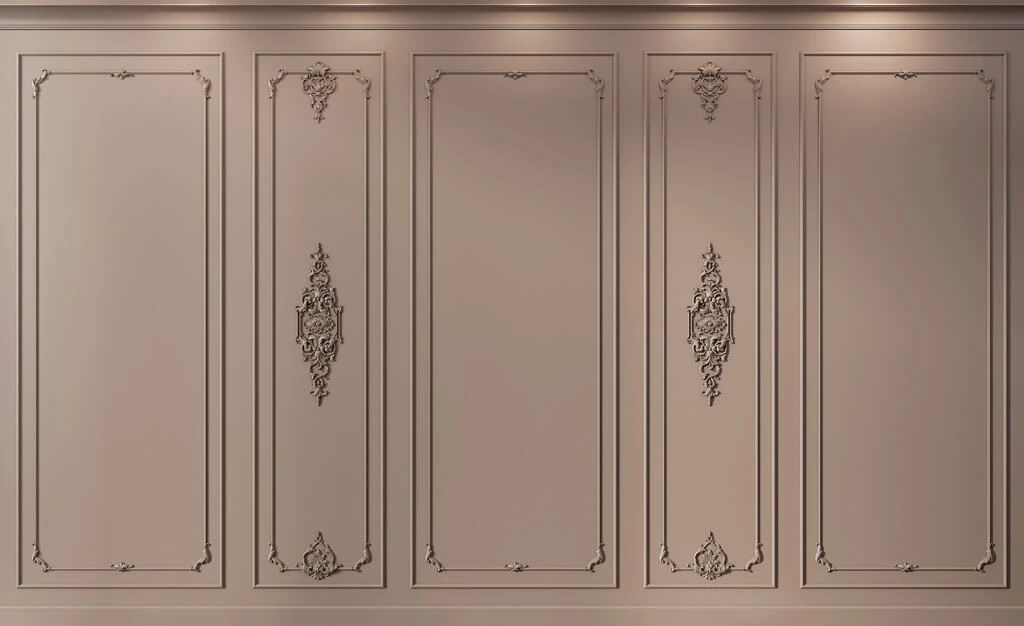
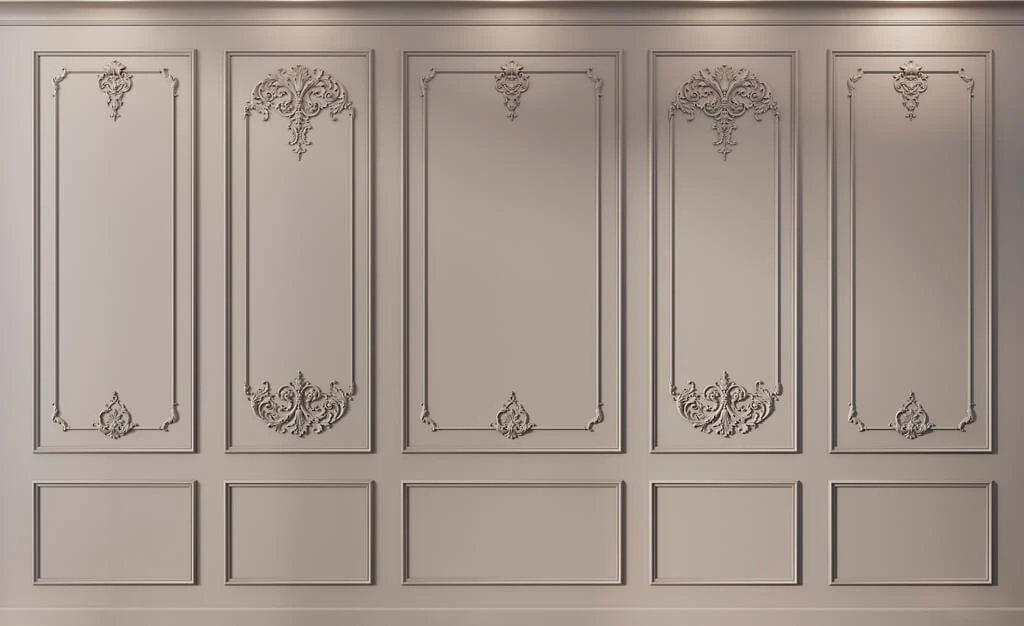
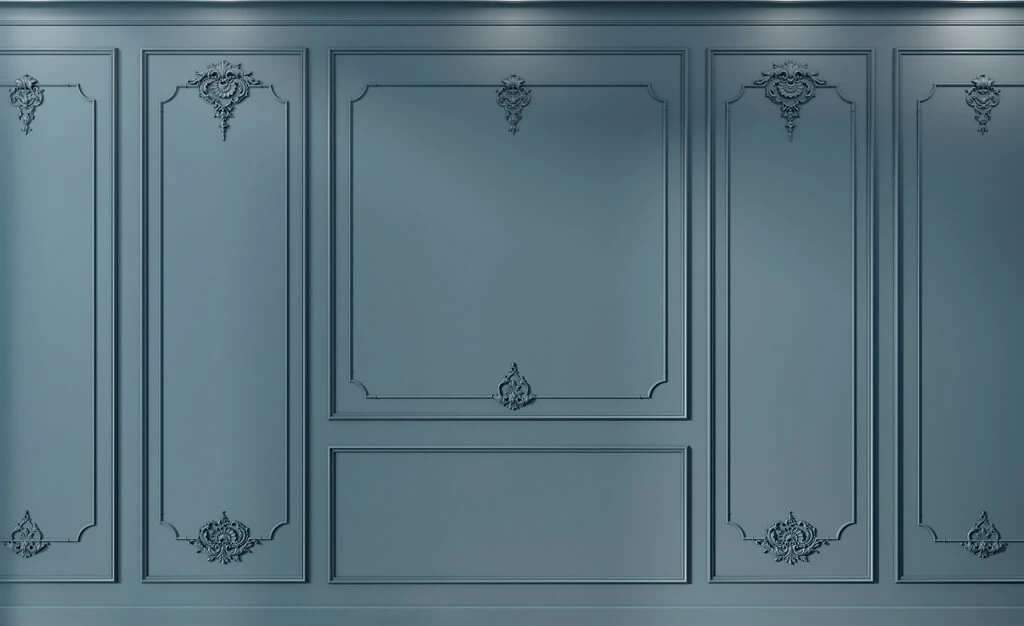
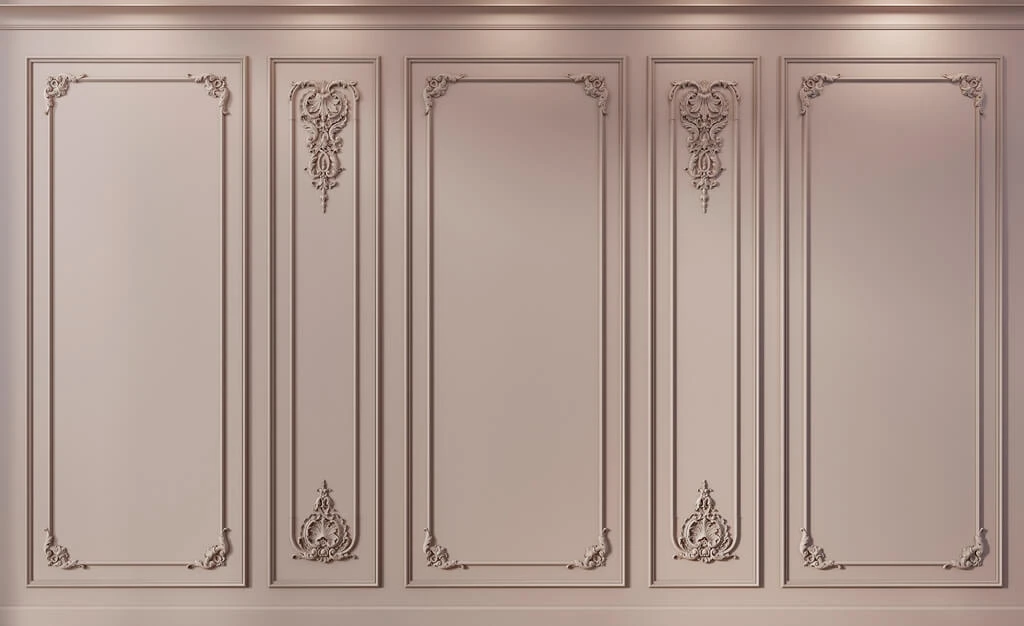
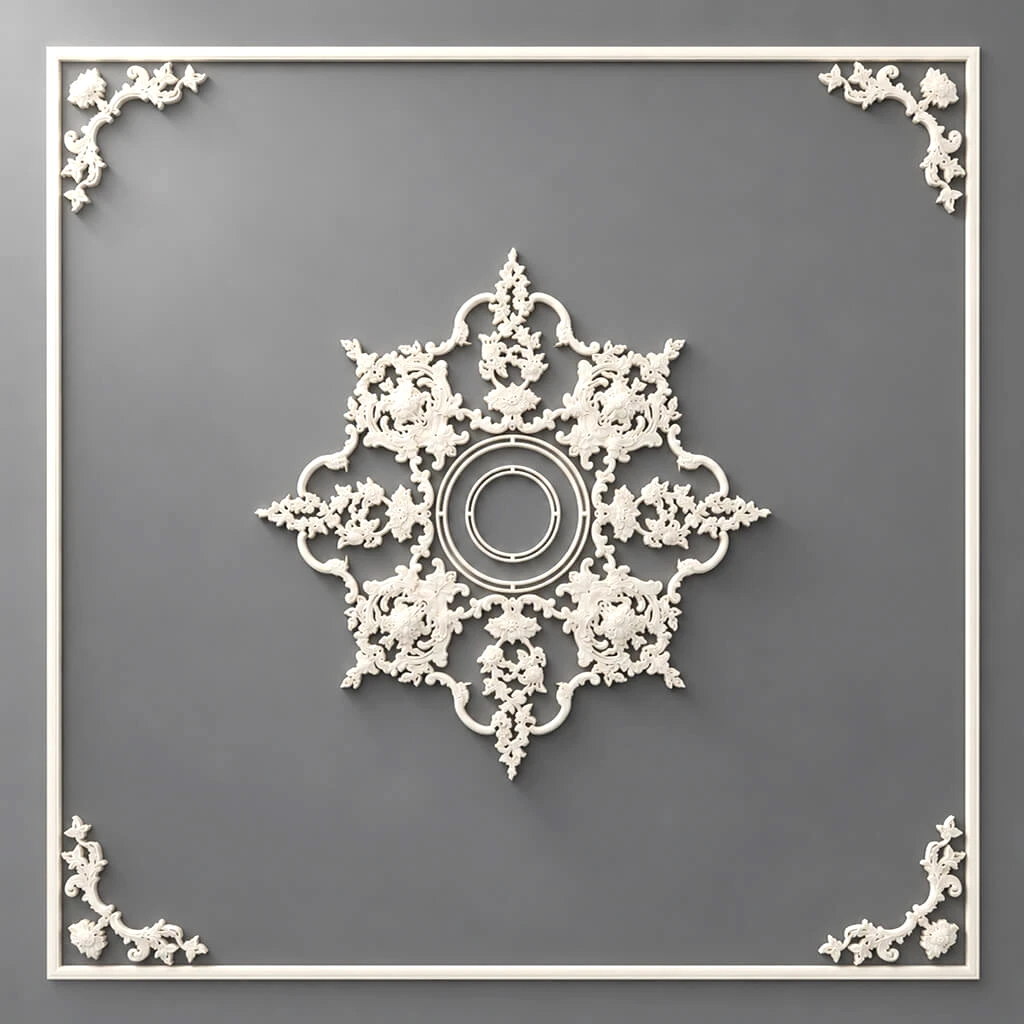
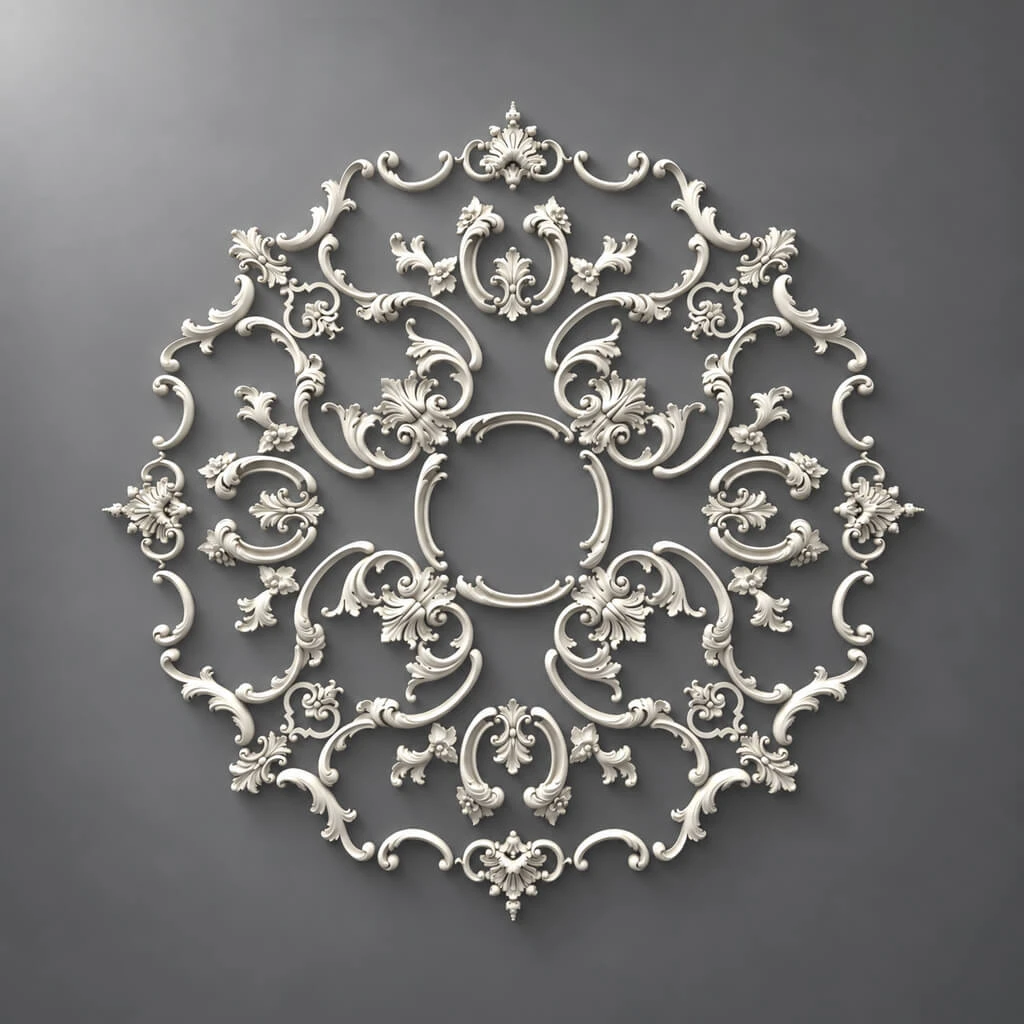
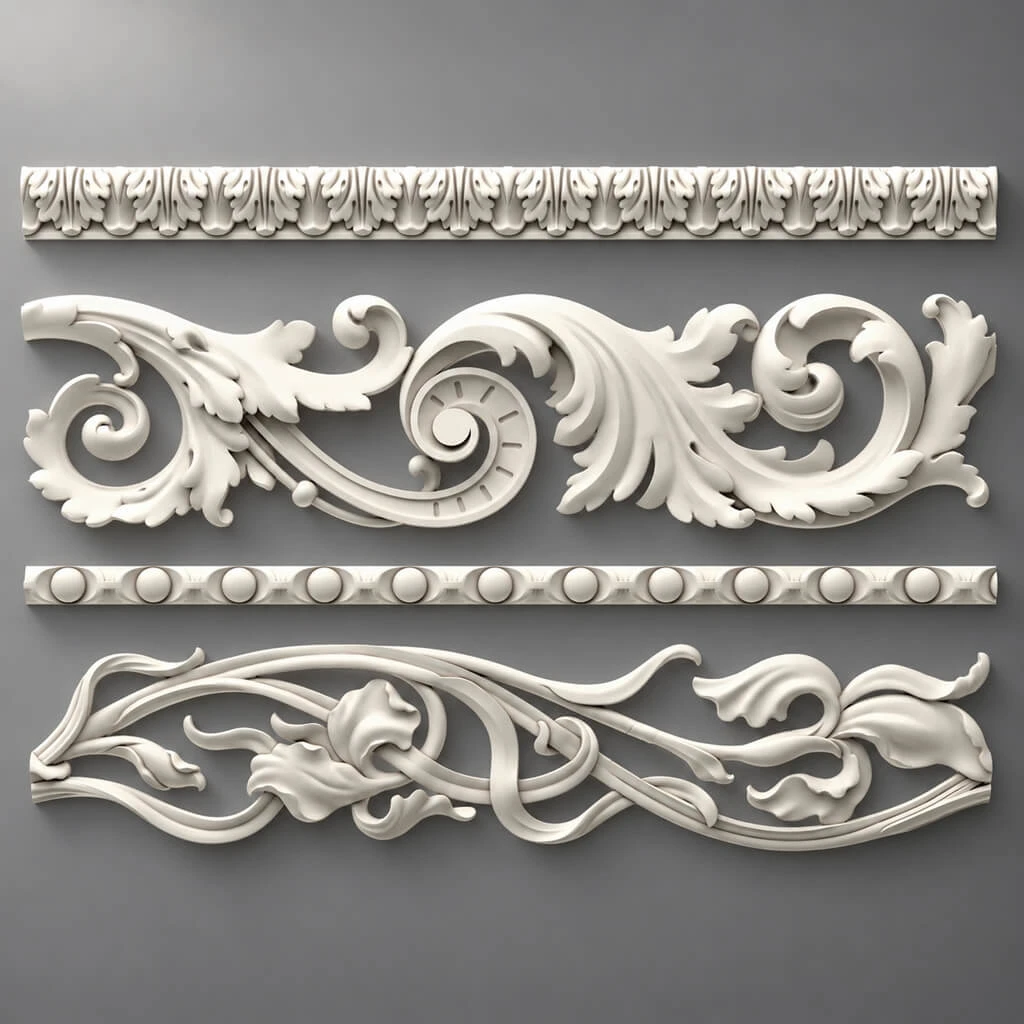
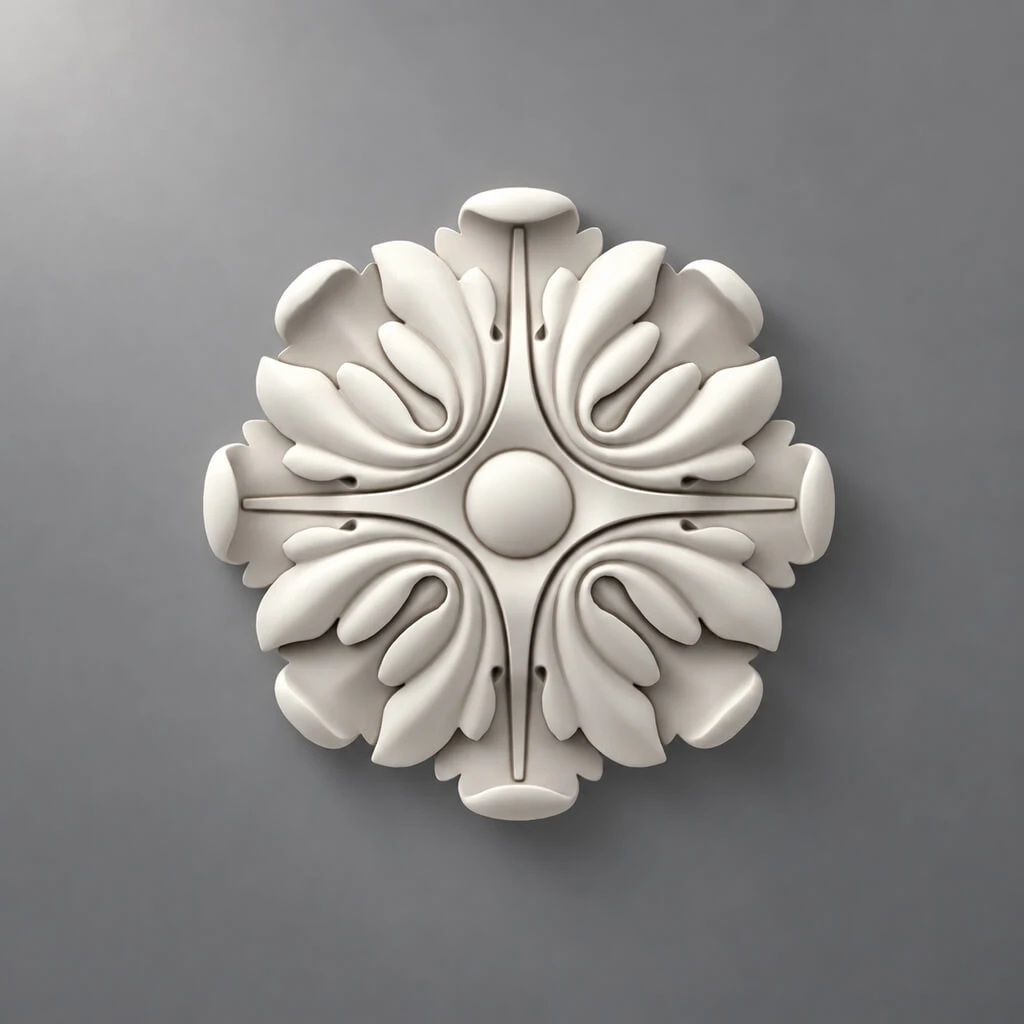
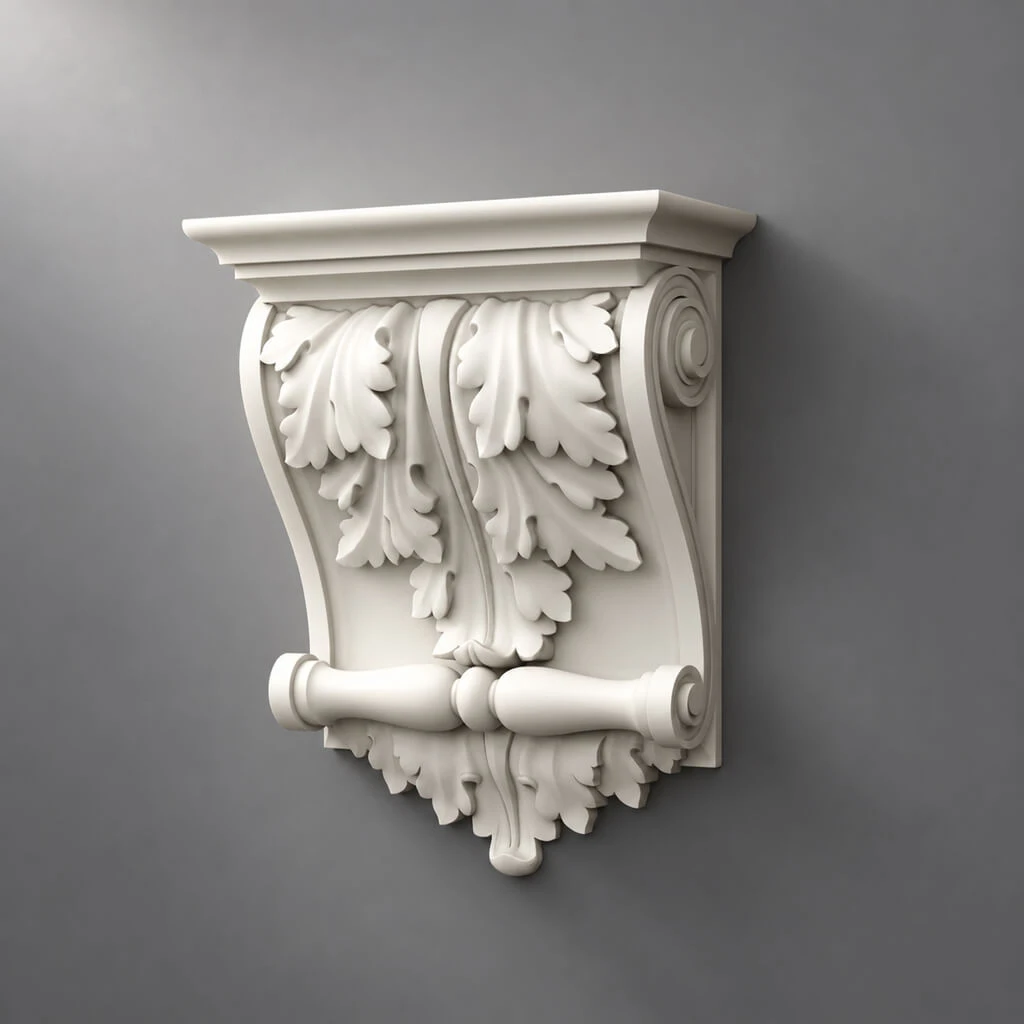
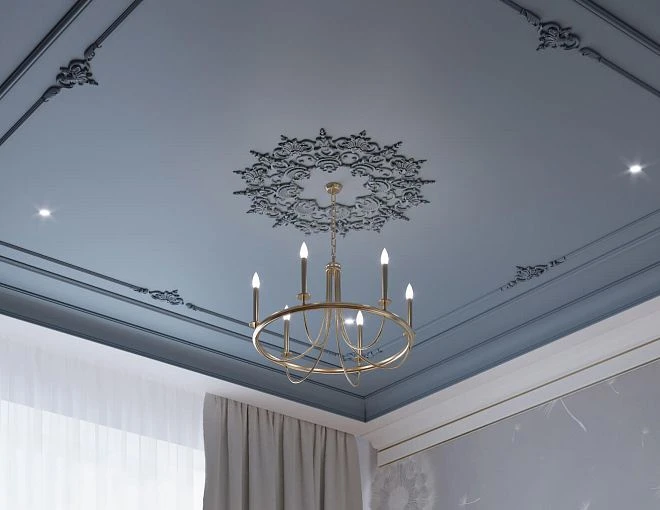
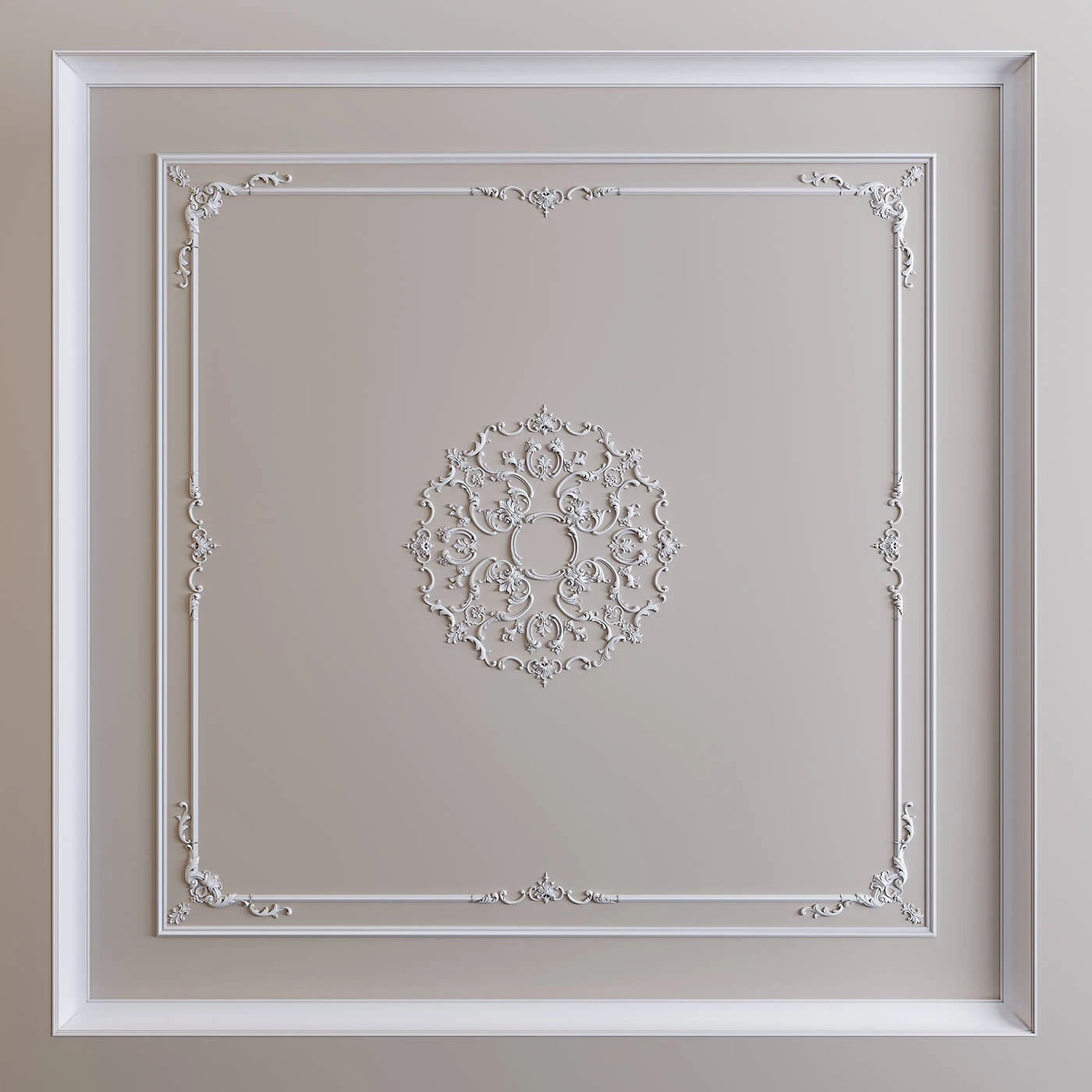
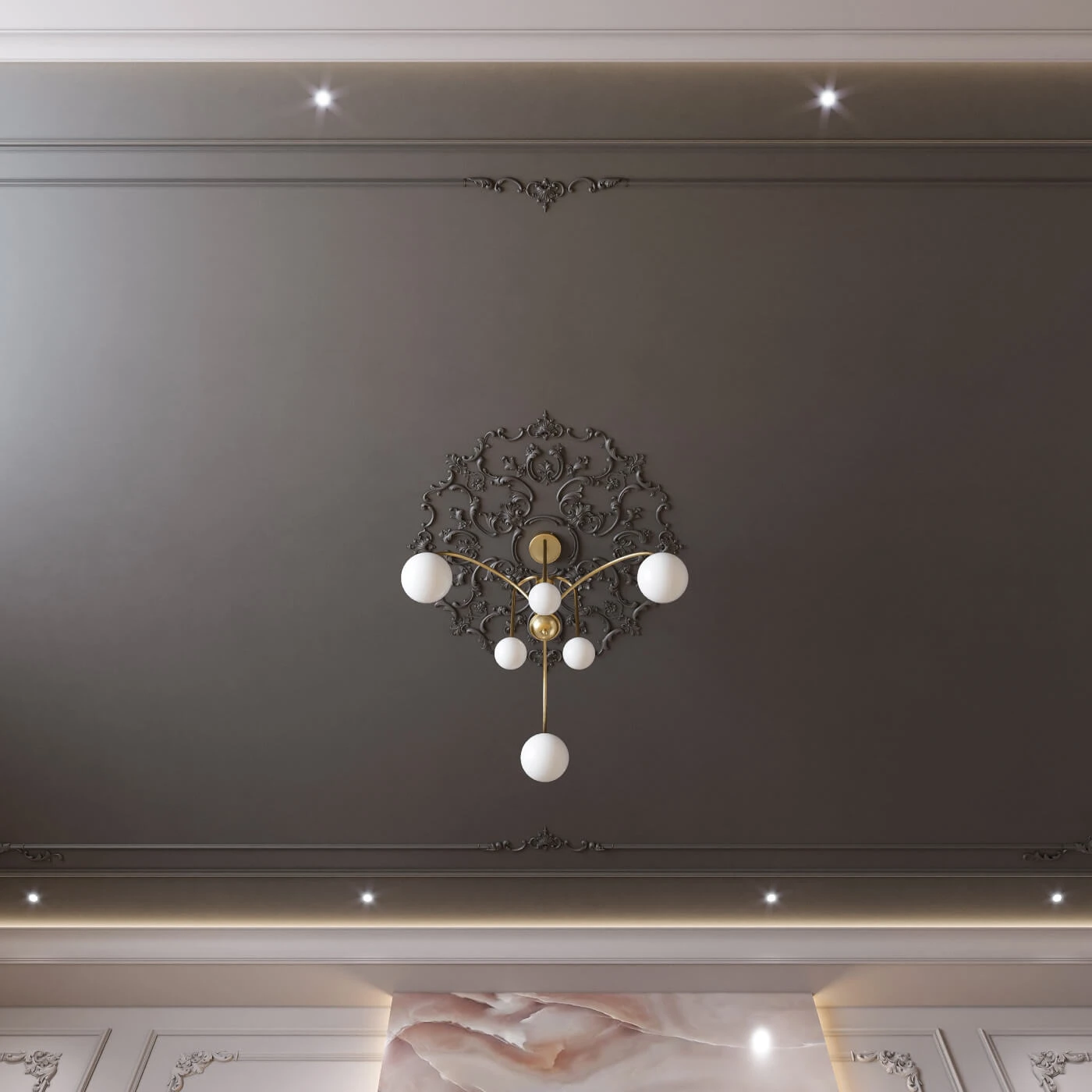
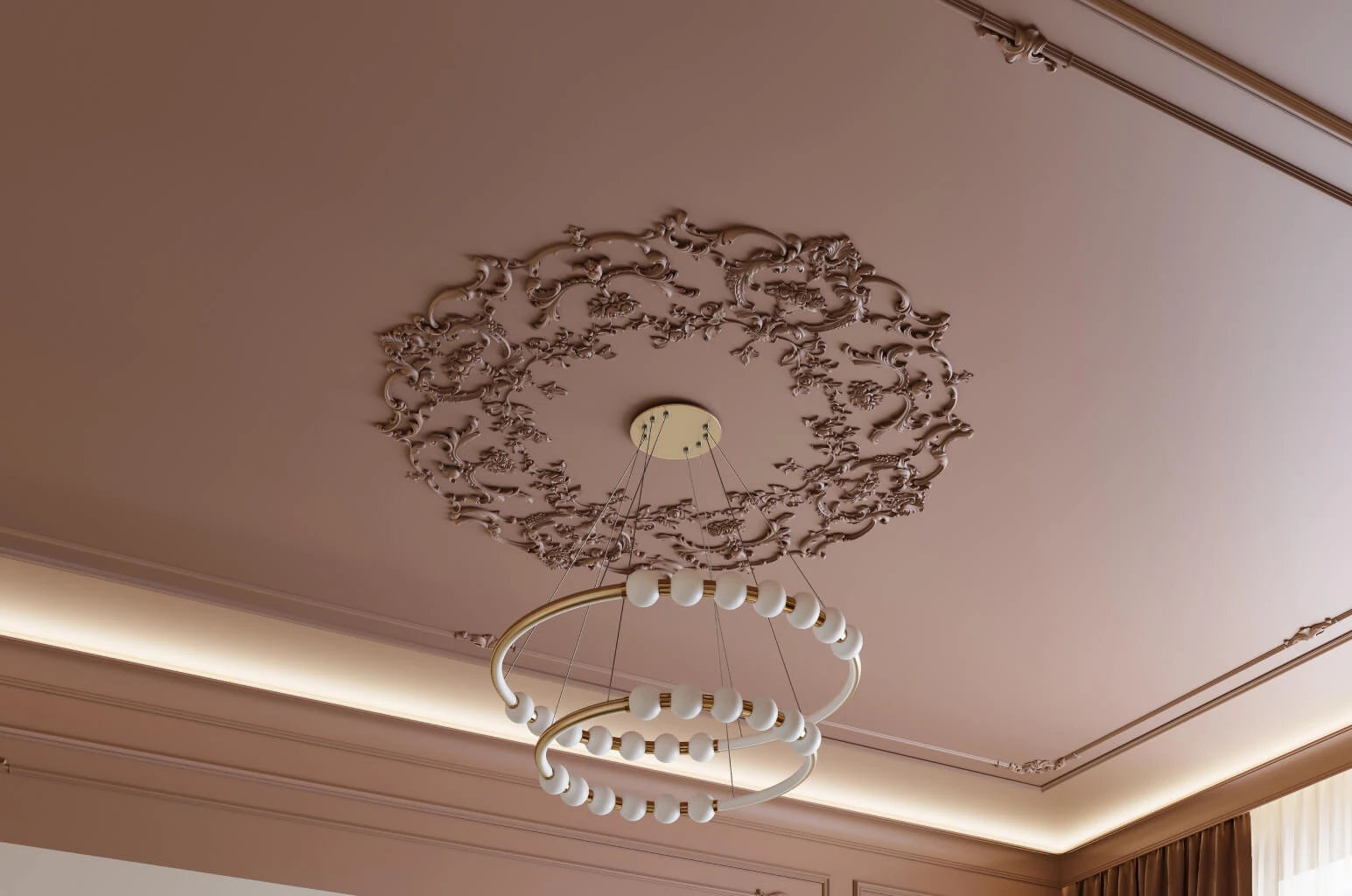
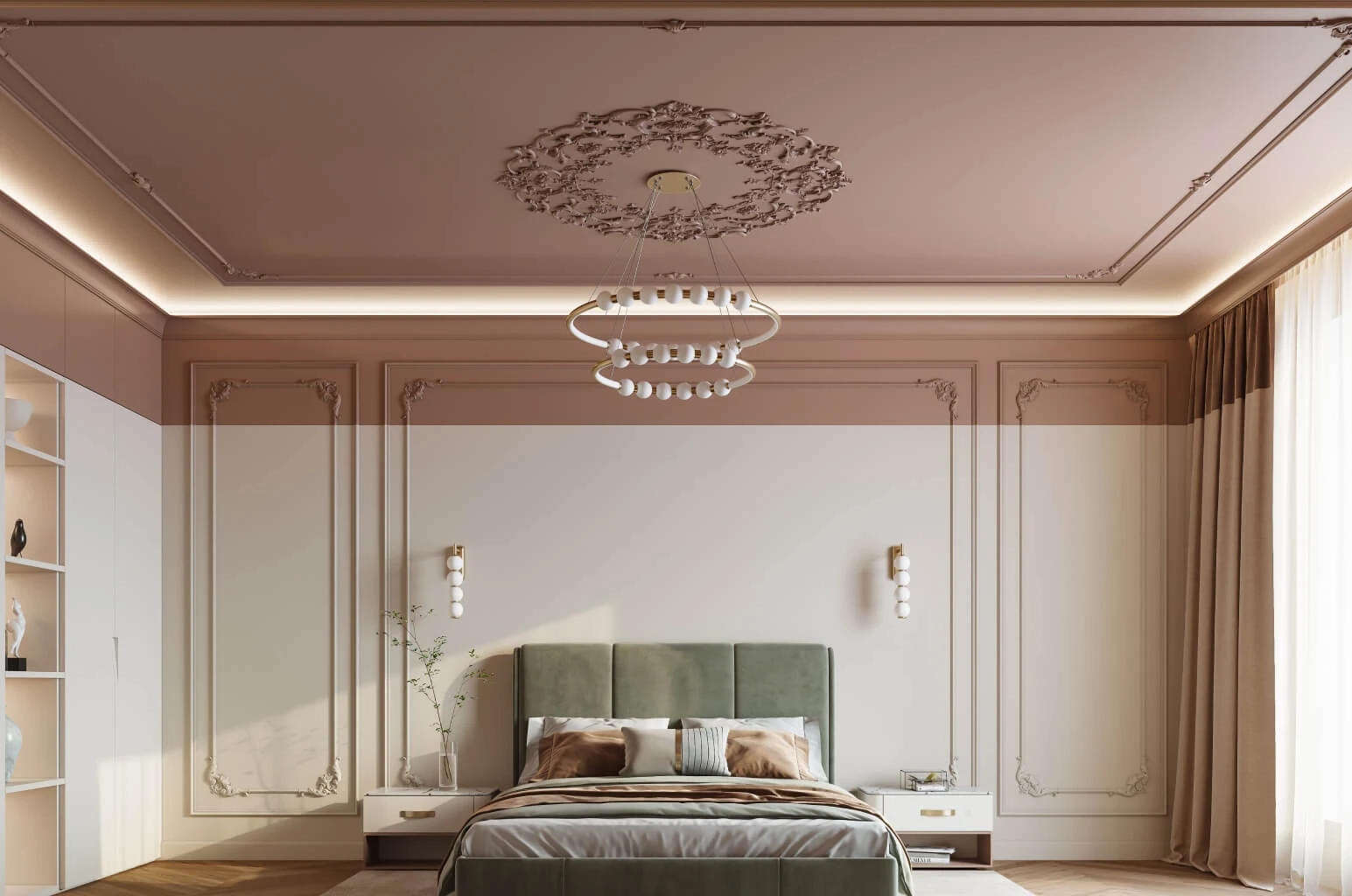
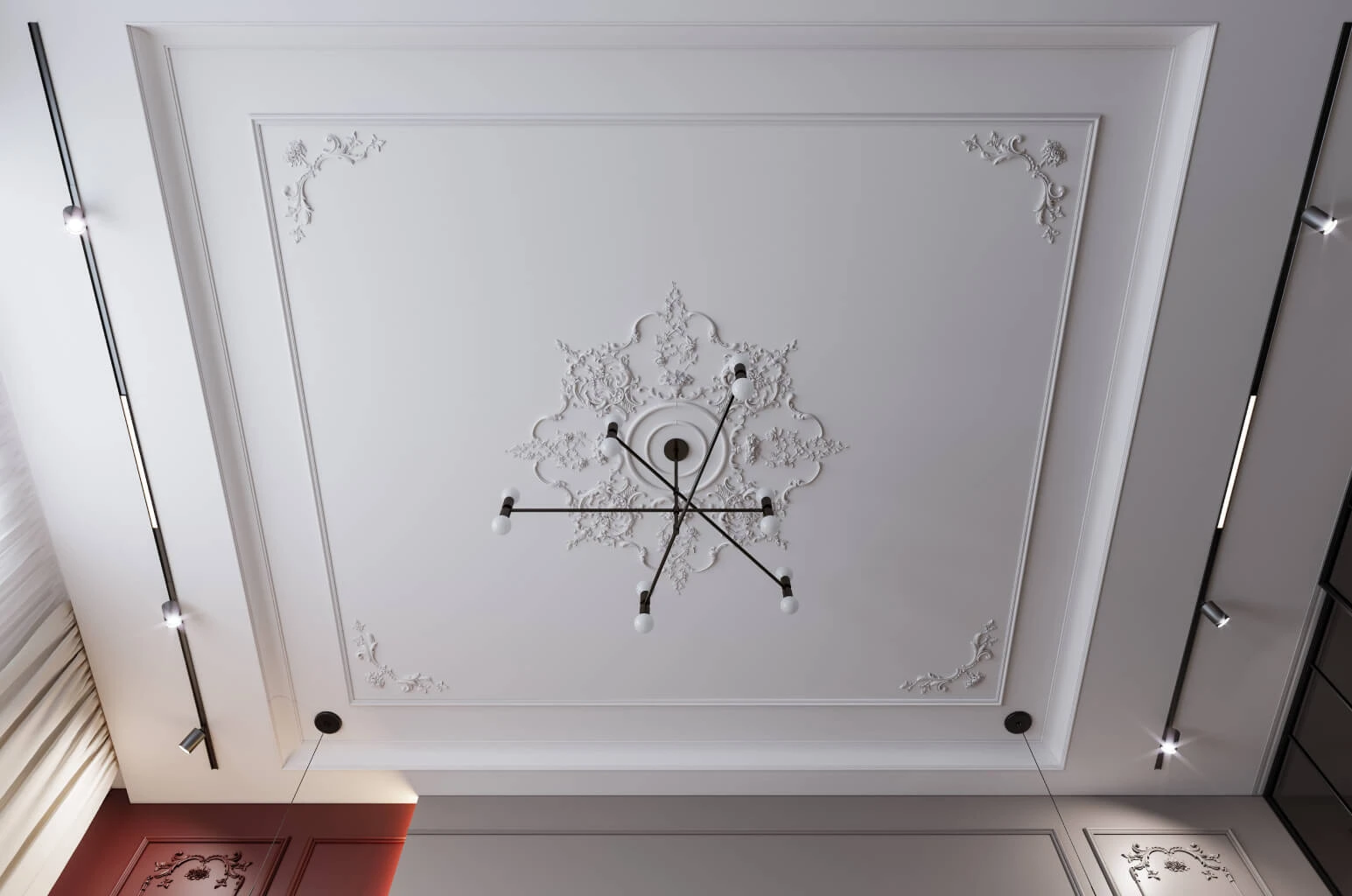
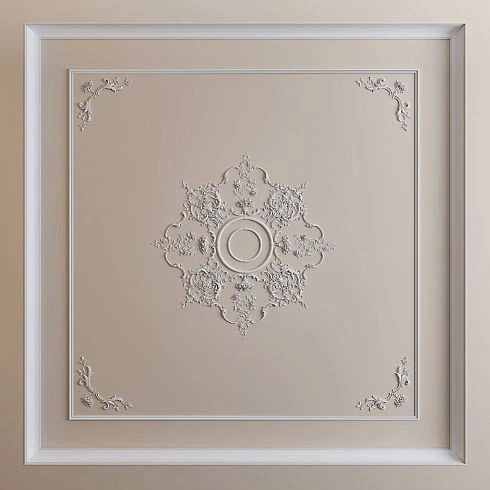
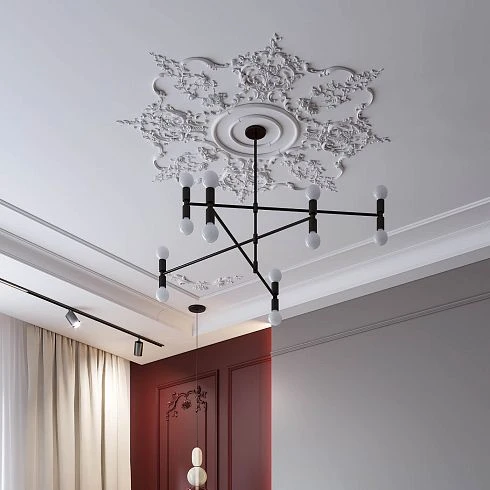
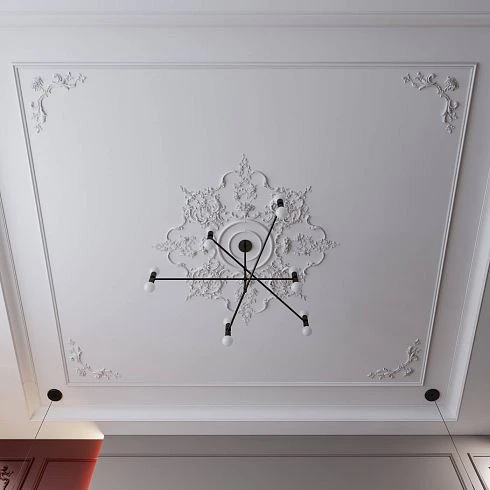
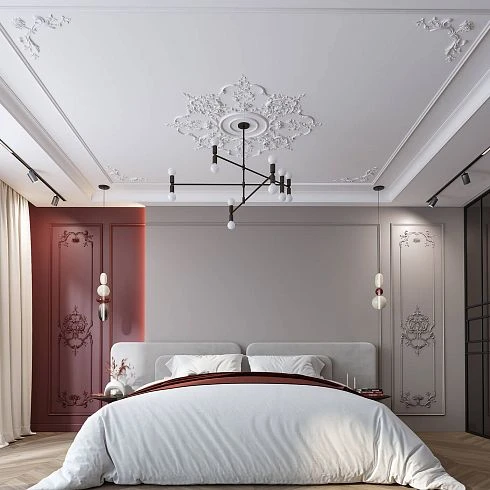
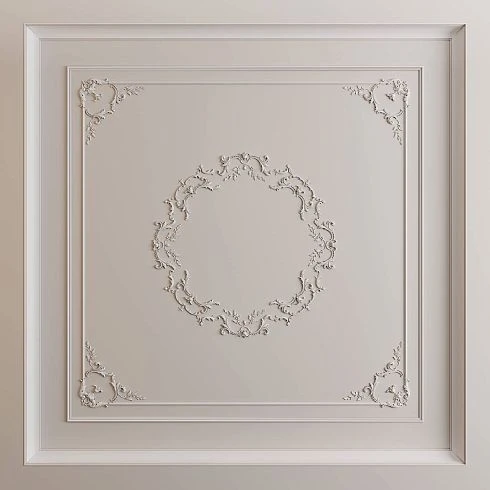
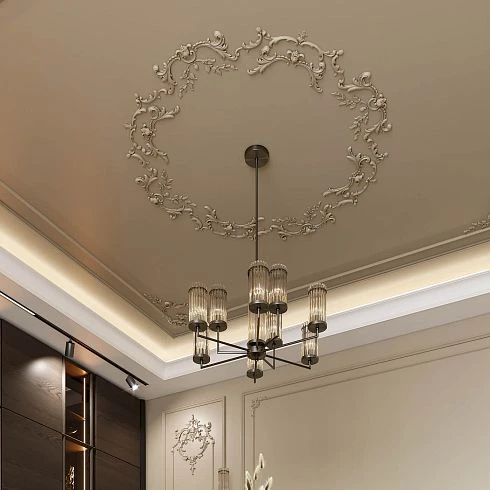
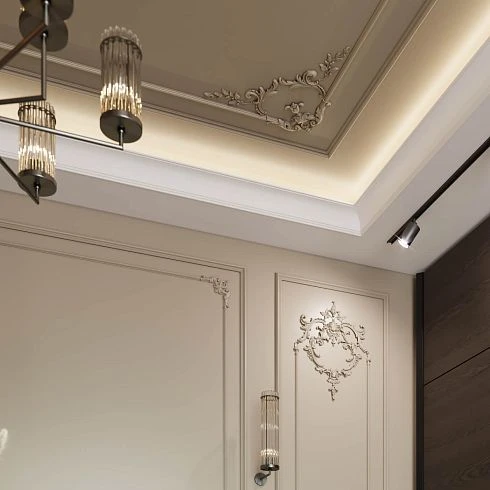
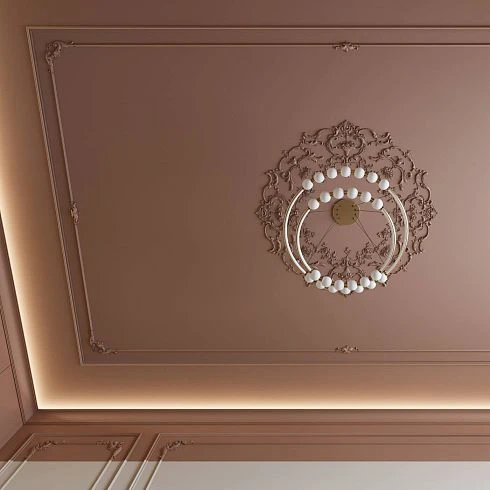
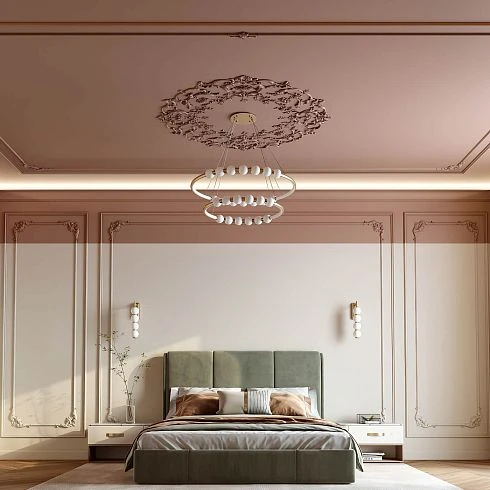
A developed frame structure and rich ornament turn the ceiling into an independent architectural accent. The cornice and moldings form several expressive contours, paired stucco elements bring the corners and sides together into a symmetrical pattern, and the central decor completes the composition and links it to the overall geometry of the ceiling.
A ready-made set of stucco decor for the ceiling already brings the main elements together into a coordinated system. It can be used in its entirety or taken as a basis, varying the richness of the design and selecting individual details for your own ceiling composition.
Have questions?

Ekaterina Y.
October 5, 2026
An excellent team! A huge selection of products! I recommend that craftsmen, designers, decorators, and home stagers take a tour of the production facility to immerse themselves and be inspired.
Alexander U.
October 2, 2026
I have been working with Stavros since 2024, and the quality of the products is top-notch. Customers are happy!!!
Elena G.
September 29, 2026
Daria is a very competent specialist; she provided consultation and helped us select items. They were sent promptly.
Polyurethane stucco decor
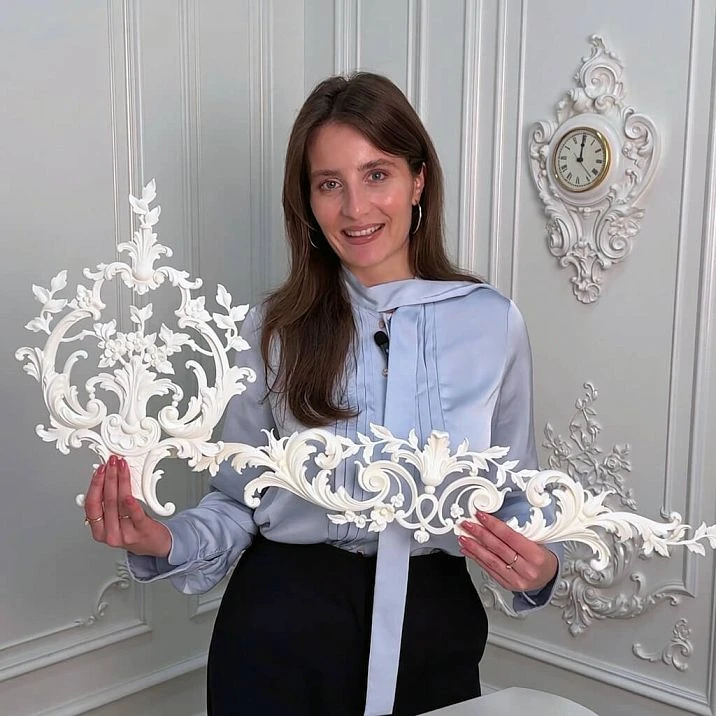
We have been on the market for over 20 years and are ready to offer you the best combination of aesthetics, quality, and practicality. Our polyurethane is not just a material, but a reliable foundation for flawless details, resistance to moisture and cracks, as well as convenient and quick installation. The company's success began in 2002, when two artists – Andrey Ragozin and Evgeny Tsapko – created a small creative workshop for making carved wooden products. The work of the craftsmen was quickly noticed, and within a year they were invited to participate in the reconstruction of the Konstantinovsky Palace in Strelna.
Every product in our range is the result of years of experience, thoughtful technology, and attention to detail. We constantly update our collections, follow and shape trends in interior design ourselves. From elegant neoclassicism to bold Art Deco, you will find the perfect accent for the interior of your dreams.
Choose durable polyurethane decor STAVROS — beauty proven by time and real projects, not just words.
STAVROS Guarantees
Quality of products without complaints
We save your time, peace of mind, and budget
Large warehouse program
We solve your tasks with maximum speed
Adherence to production deadlines
Streamlined process reduces all risks
Delivery from 1 piece throughout Russia
Quality service regardless of order volume
Your positive business reputation
Reliable partner — the foundation of your business
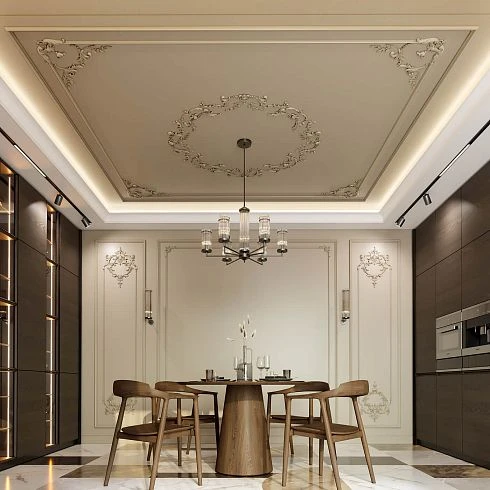
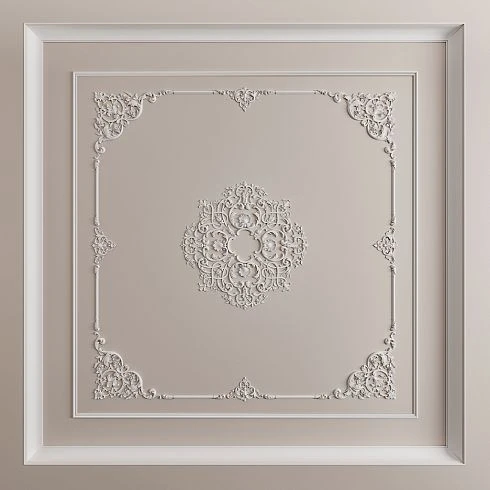
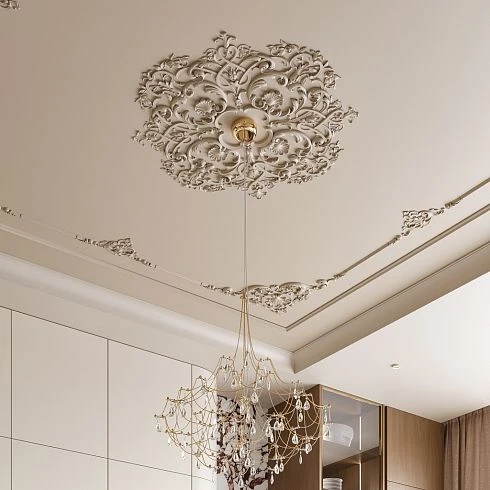
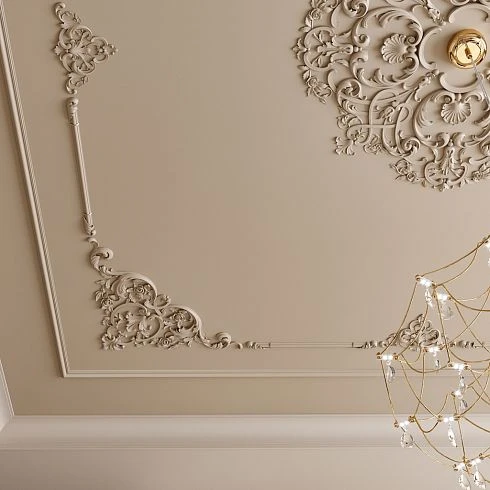
More ceiling decor products
Frequently asked questions
Our showrooms are located in Saint Petersburg and Moscow. Production is located in Saint Petersburg.
Moscow contacts: https://www.stavros.ru/contacts_all/?tab=msk
Contacts of Saint Petersburg: https://www.stavros.ru/contacts_all/?tab=spb
- Send request by email [email protected]
- Write to us at Telegram
- Write to us at WhatsApp
- Order by phone +7 (800) 555-46-75
- Visit our showroom in Saint Petersburg and Moscow
Yes, we ship orders throughout Russia and to CIS countries.
We cooperate with transportation companies such as СДЭК and DPD.
You can also arrange pickup of your order through any convenient transportation company for you.
Delivery cost depends on the size, weight of the item, and delivery address.
When placing an order, the delivery cost is calculated automatically and displayed as a separate line on our website.
Prices and availability of items on the website are always current. Data is updated daily.
Note: items in stock are stored on the warehouse in unpolished form and shipped within 3 working days.
If the item is not in stock, average production time: 5–10 working days.
This is the quality of polishing of the items.
Standard — machine polishing, at a more attractive price.
Prestige — detailed hand polishing, items do not require further work.
More details: https://www.stavros.ru/information/kachestvo/
This is the type of veneer of the items.
Under enamel: produced by gluing wooden laminates without color and texture matching. Contrast tonal and textural differences are noticeable. This blank should be chosen if the item is intended for opaque coating.
Under tinting: produced by gluing wooden laminates with color and texture matching. Tonal and textural differences may occur. This blank should be chosen if the item is intended for semi-transparent finish.
More details: https://www.stavros.ru/information/kachestvo/
Beech — dense, non-porous wood, most often used for items covered with enamel.
Oak — dense, porous wood with clearly visible natural grain. Due to its strength and decorative properties, it is often used in items with semi-transparent coating, highlighting the wood pattern.
Custom-made, if non-standard items are required, we can produce products from other types of wood, including blanks provided by the customer, manufactured according to our technical specifications.
All our furniture legs can withstand a vertical load of at least 100 kg.
Average production time for custom-made items: 5–10 working days.
Most items are stored on the warehouse in unpolished form. We need time to polish and pack orders.
Yes, we manufacture non-standard items according to individual projects, but we only accept orders with a minimum quantity.
We can manufacture items of the desired size, but we only work with bulk orders. For details, please consult the sales department manager.
Yes, some of our products can be used outdoors. For example, polyurethane items, as well as carved door casings made of pine.
Other items are produced to order using PUR glue, if minimum quantity is available. No warranty is provided for such products, as outdoor conditions are considered aggressive.
Yes, we paint items when ordering products for a total amount of 150,000 rubles or more.
- Dust removal. After sanding, the surface must be dusted.
- Priming. Apply primer in an even layer.
- Matting. After the primer has fully dried, the surface should be matted (lightly sanded for better adhesion).
- Finish coating. Apply finish coating: lacquer or enamel, in 2 layers, with interlayer drying.
More details: https://www.stavros.ru/information/sovety/
Apply adhesive to the decor. Place it on the surface and press briefly. Then, lift the decor from the surface and leave it open for 3–5 minutes. Press the decor firmly onto the surface and hold for 5–10 seconds.
More details: https://www.stavros.ru/information/sovety/
Ideally, you should prepare a design project before placing an order.
You can do this yourself by downloading drawings of our products from our website, or you can order a project from us.
If the number of decorative elements and fittings is small, our company's manager can assist you with selection.
Unfortunately, this service is not provided.
The packaging method depends on the type of items, but in each case, we ensure sufficient protection for safe transportation.
We most often use corrugated cardboard and stretch film. Fragile items are additionally secured on a rigid base to prevent damage during transport.
We ship all items starting from 1 piece.
Room measurements and item installation can be performed by our partners — carpentry companies represented in most regions of Russia.
Often searched in category Molded decor
4212
4202
3612
2861
347
244
CPU-P4 Molding Decor Set: Multi-level classic ceiling system made of polyurethane and polystyrene HIWOOD
Imagine an architect who works not with walls and floors, but exclusively with the ceiling. Their tool is not brick and concrete, but ornament, relief, symmetry, light. Their canvas is a 3200 × 3200 mm square overhead. Their task is to transform a technically neutral plane into an independent architectural statement.
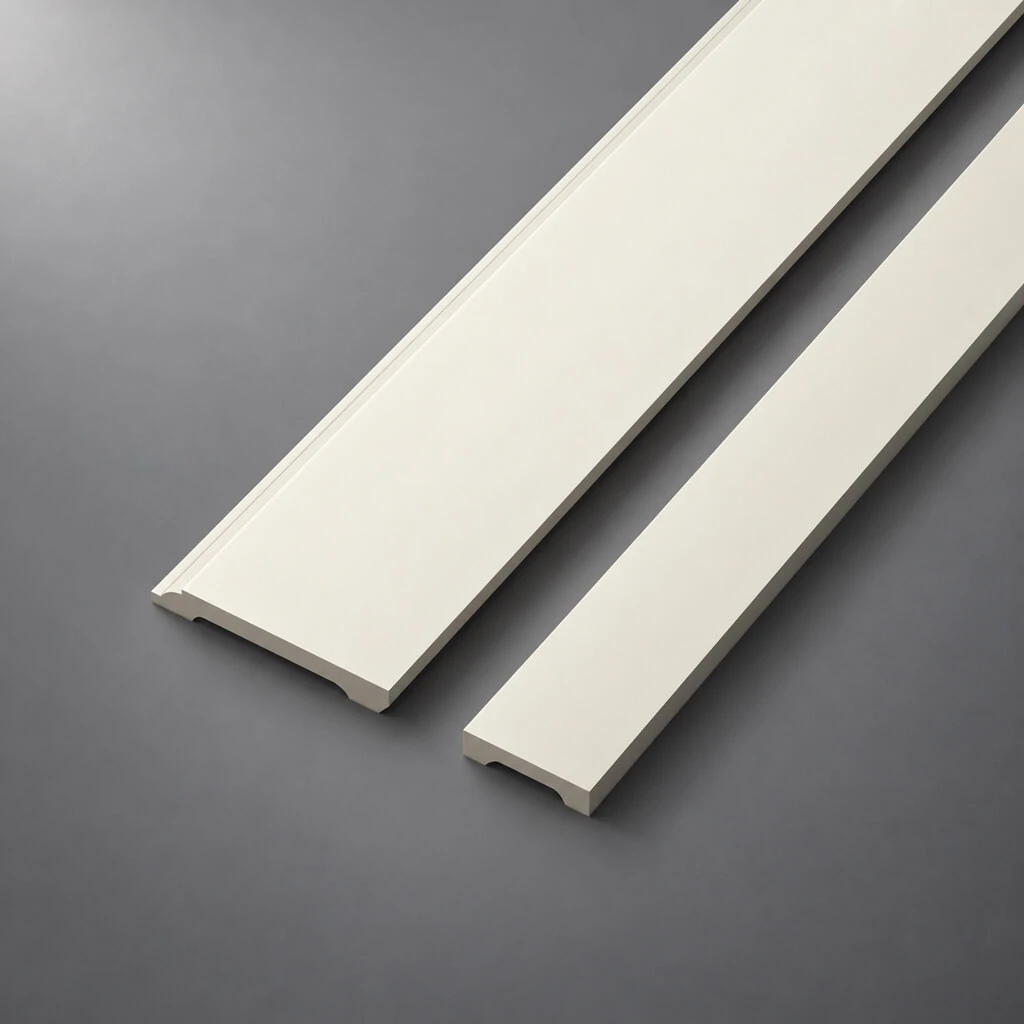
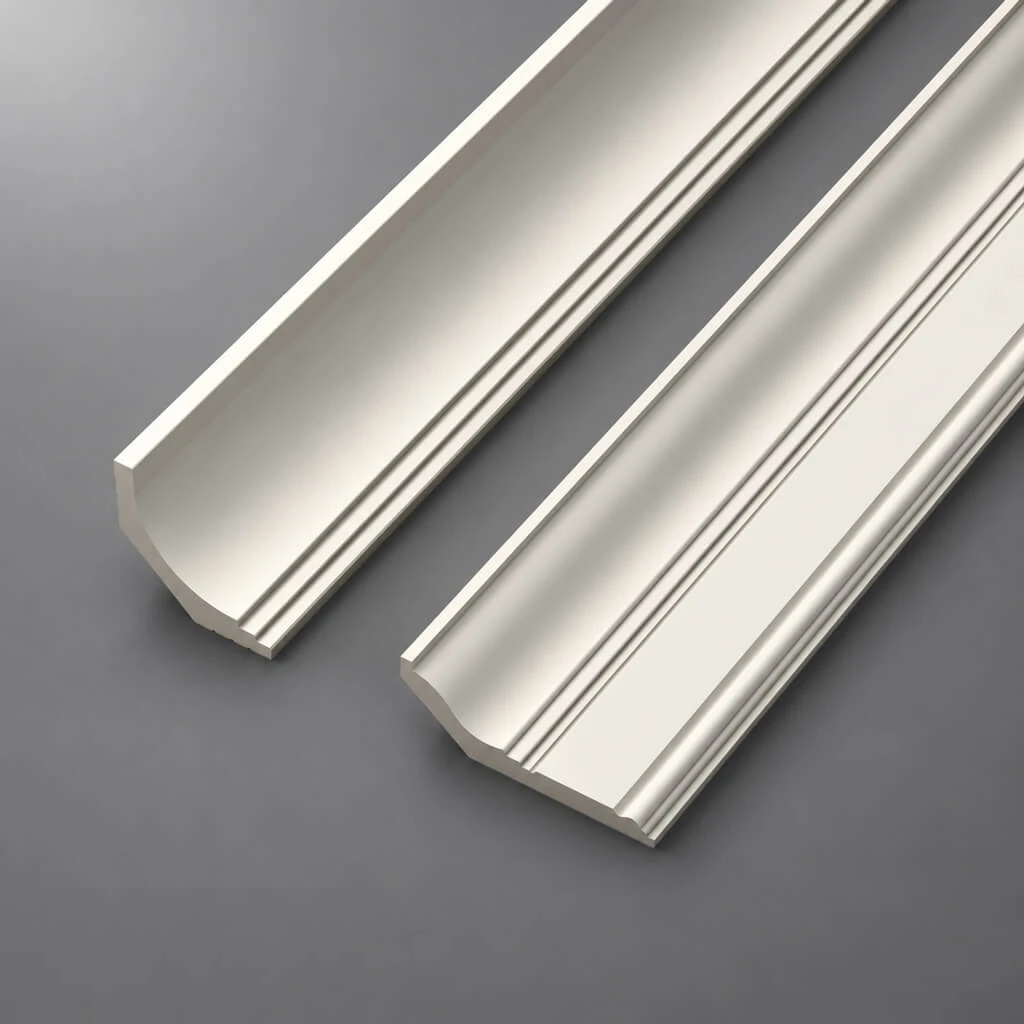
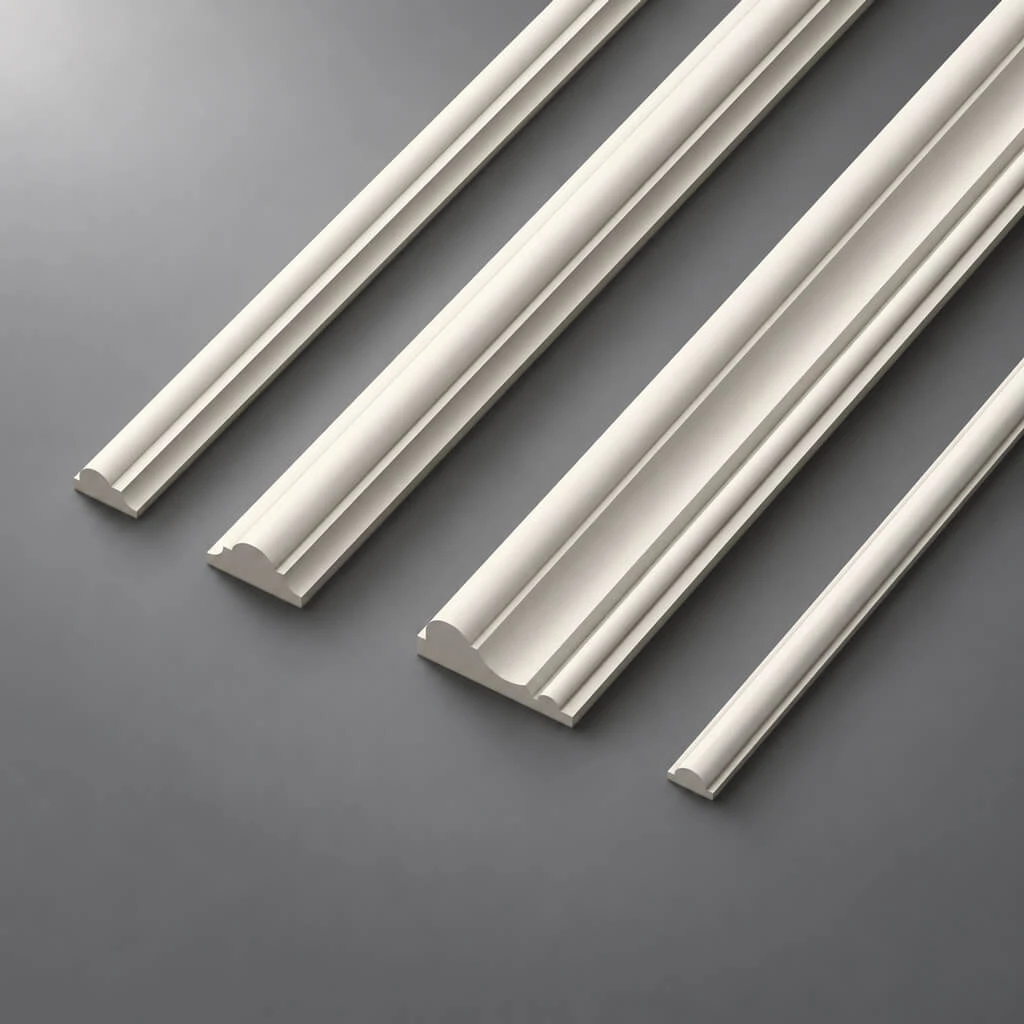
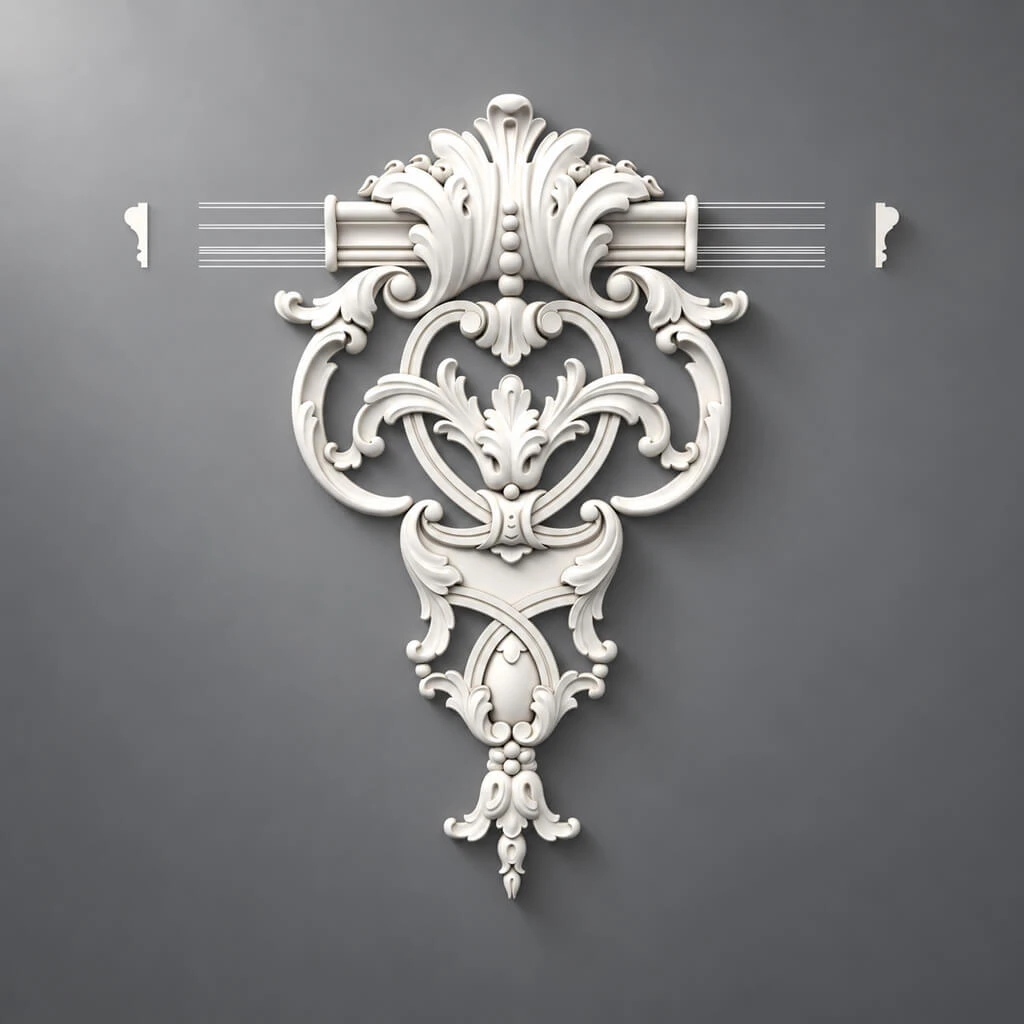
This is precisely the statement made by the CPU-P4 molding decor set. It is a ready-made ceiling system from the 'Classic' collection of the STAVROS catalog — 21 types of products assembled into a single multi-level decorative structure. The A130V1 cornice forms a powerful outer perimeter. The LD32 and MLD-002-MG moldings build stepped inner contours. Paired polyurethane overlays NPU-430L/R, NPU-431L/R, NPU-424L/R, NPU-425L/R create a symmetrical corner system across four levels. Ornamental inserts NPU-244, NPU-245, NPU-301, NPU-190, NPU-288L/R, NPU-432R and corner molding NPU-436.1L/R enrich the field. The central MLDPU-2U-1.1 (210 × 210 mm) concludes the entire system as an architectural finale.
Compareceiling decor setsCPU-P1–CPU-P6 in terms of composition and style — in the corresponding section of the STAVROS catalog. CPU-P4 differs from previous sets in the series by having the maximum number of levels of ornamental hierarchy and the presence of unique corner pairs NPU-430 and NPU-424.
CPU-P4 Molding Decor Set: The Meaning of a Ready-Made Ceiling System
Let me ask a provocative question: what distinguishes an interior costing one and a half million from one costing five million? Not the materials. Not the furniture. Often — precisely the details. How the corner of a cornice is rounded. Whether there is an ornamental center above the chandelier — or if the chandelier just 'hangs' from a bare ceiling. Whether there is a system on the ceiling — or a random set of details.
Classical ceiling decorin the format of a ready-made set — is precisely about system. CPU-P4 does not assume the buyer must be an architect to understand which cornice suits which overlays. The manufacturer has already solved this task. The scale ratio, stylistic unity of ornaments, correct balance between perimeter and center, mirror symmetry of corner pairs — all this is built into the composition in advance.
CPU-P4 is one of the most elaborate sets in the line. 21 types of products. Four levels of corner accents. Three horizontally elongated pairs along the sides of the frame. Special corner molding elements NPU-436.1L/R — a pair present specifically in CPU-P4, adding an additional ornamental level to the corner nodes. This is a set for those who want not just a frame on the ceiling — but a full-fledged architectural scene.
For Which Spaces is CPU-P4 Created
Ceiling decor CPU-P4 — a solution for spaces that carry maximum representational load. Let's examine each scenario in detail.
Living room: the architectural scene of the main room
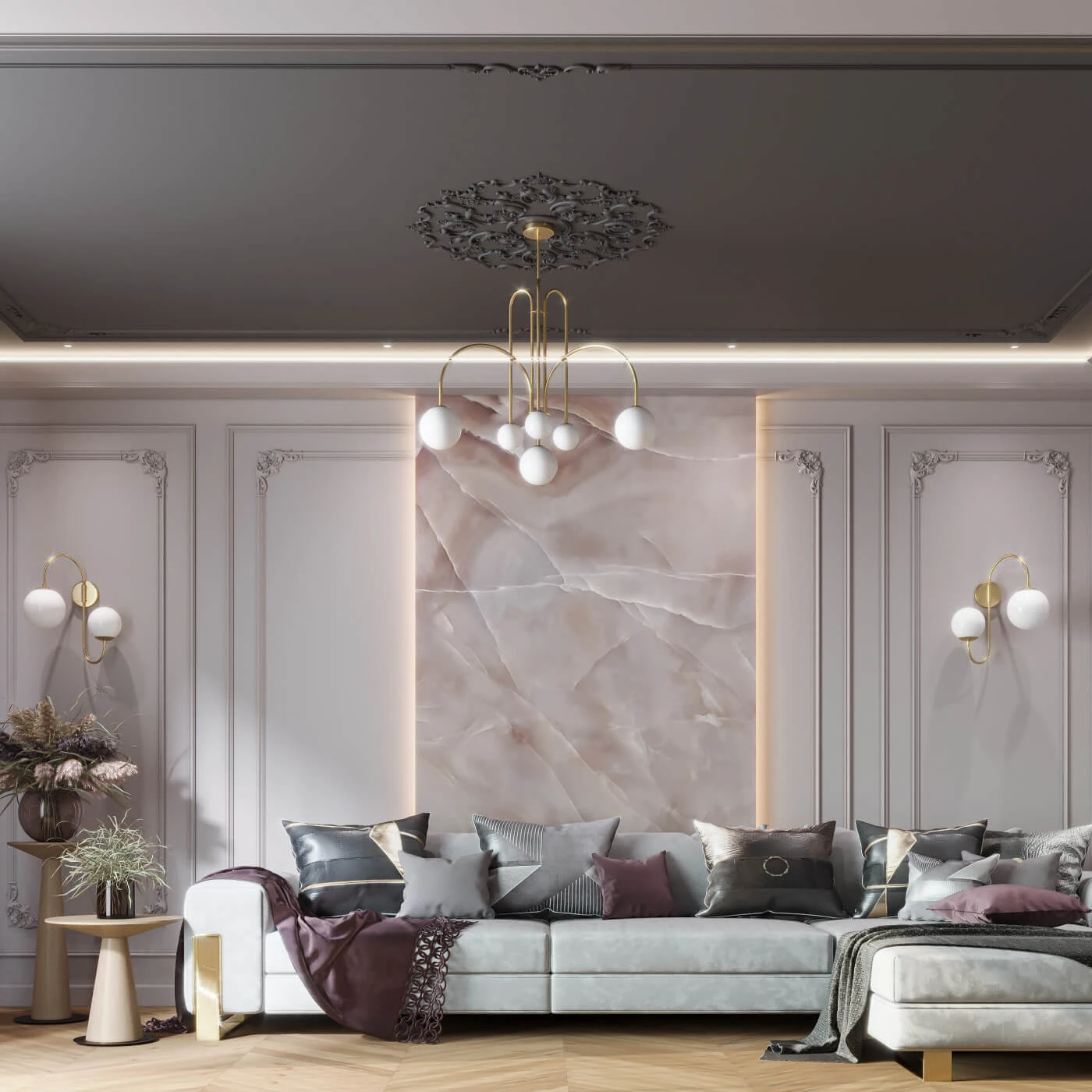
A set of stucco decor for the living room — this is the scenario where CPU-P4 reveals its full potential. A living room with an area of 28–45 m² and ceilings from 2.8 m is the ideal environment for this set. The 3200 × 3200 mm zone covers the central area of the room, leaving sufficient perimeter clearance to the walls.
What happens after installation? The gaze of a person entering the living room automatically rises upward. Not because the ceiling is 'oppressive' — but because there is something to look at on it. The large corner dominants NPU-430L/R (225 × 64 mm) create expressive horizontal accents in the four corners. NPU-431L/R (138 × 48 mm) adds a second corner level — detailed, jewel-like. NPU-424L/R and NPU-425L/R form the third and fourth levels. The corner nodes of CPU-P4 are multi-tiered ornamental structures, each of which is an independent decorative group.
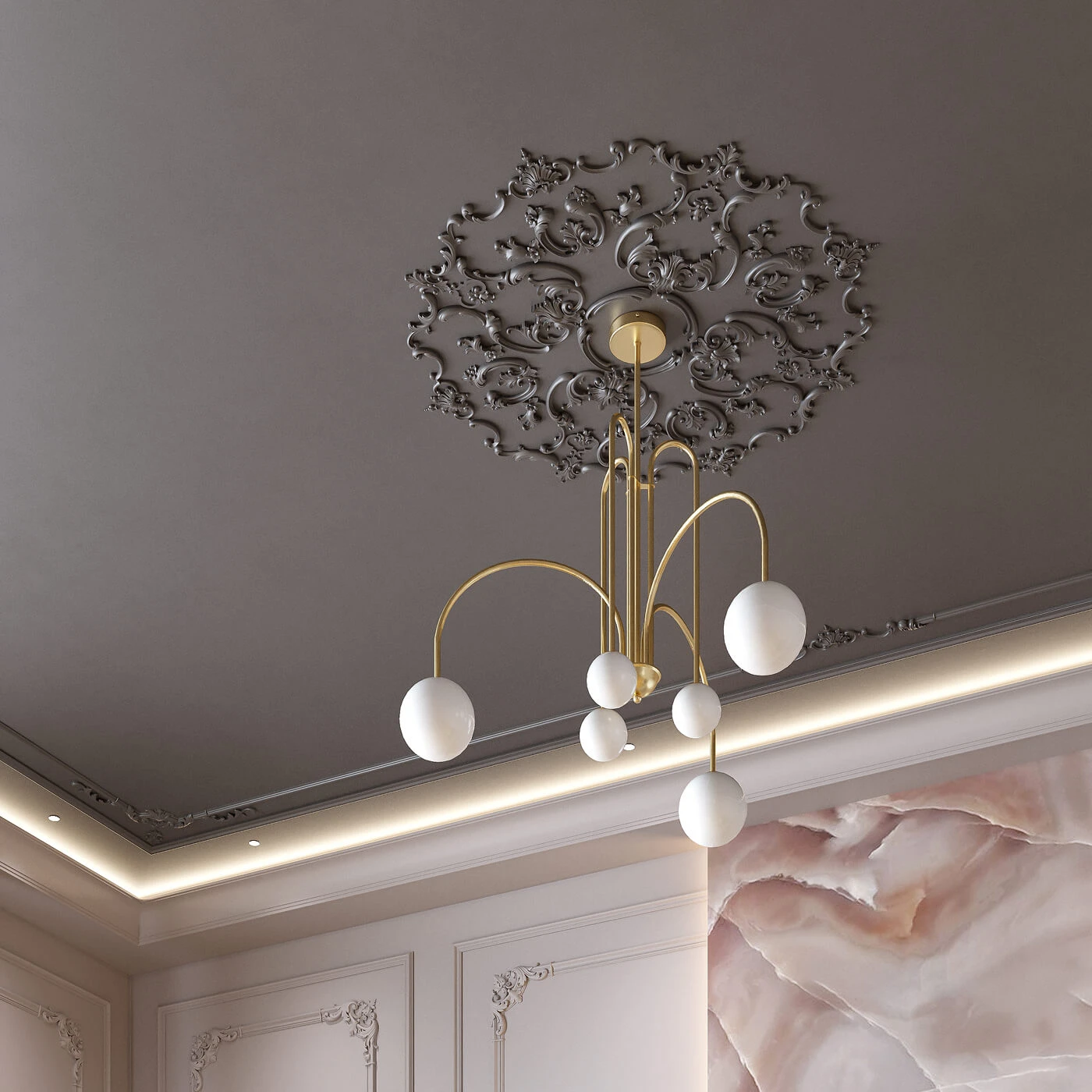
The central MLDPU-2U-1.1 above the chandelier completes the system. The sofa group under such a ceiling turns into a 'room within a room' — an architecturally designed zone with its own upper framing.
Bedroom: an intimate classic ceiling
A set of ceiling decor for the bedroom in the CPU-P4 version is a non-obvious but very strong move. Most people make the bedroom minimalist: clean lines, neutral colors, no decor. And yet, it is precisely the bedroom ceiling — the surface you look at the longest.
CPU-P4 works differently in the bedroom than in the living room. If in the living room the ceiling system 'broadcasts' publicly, then in the bedroom it creates an intimate architectural space — a dome over the sleeping area. Ornamental overlays NPU-245 (160 × 127 mm) on the sides of the frame give the field richness without aggression. NPU-244 (130 × 100 mm) — a more compact accent, working in tandem with NPU-245 for rhythmic alternation of scales. NPU-190 (50 × 82 mm) — delicate intermediate inserts, barely noticeable from a distance, but creating a sense of meticulous detailing when viewed up close.
For the bedroom, the scenario of contour lighting behind the A130V1 cornice is especially relevant: soft evening light from behind the cornice, the central chandelier dimmed — and the ceiling above the bed becomes a quiet, glowing space with ornamental shadows.
Hall and ceremonial area: decor on the scale of an event
For formal halls, lobbies, and representative spaces with high ceilings, the CPU-P4 is a perfect match in terms of ornamental richness. The four levels of corner accents in the frame corners visually 'hold' the space, which otherwise risks looking empty and undecorated.
With a ceiling height from 3.2 m, the A130V1 cornice (100 × 83 mm) is perceived as proportionate—the profile doesn't get lost in the volume, as a 40–50 mm cornice would. The NPU-430L/R corner overlays with a width of 225 mm create a sufficiently large accent, readable from a distance of 5–8 meters. In a formal hall, the CPU-P4 speaks to the status of the space without any additional decorative signals.
If the hall is designed for two lighting circuits (central chandelier + perimeter lighting), the CPU-P4 works in both modes: daytime—architectural, representative; evening—theatrical, with ornamental shadows in the perimeter light.
Apartment: a solution for the main room
Ceiling decorationFor an apartment, the CPU-P4 format is an investment in the main room. It makes no sense to install this kit in all rooms: the CPU-P4 is for one, the most significant zone. The other spaces in the apartment can be decorated more concisely—with a cornice around the perimeter, a ceiling rosette in the center, and single overlays.
For an apartment of 70–100 m², it is logical to install the CPU-P4 in the living room or combined kitchen-living room. For a larger apartment or a house with representative areas—in several rooms, but with different kits from the CPU series, so that each space has its own decorative character.
Private house: several zones with a unified style
In private houses, the CPU-P4 is often chosen for the formal living room or dining room—those rooms where guests are received and where the formal life of the house takes place. Other rooms—library, study, bedrooms—can be decorated with other kits from the series. The CPU-P1–CPU-P6 lineup is broad enough to select a kit suitable in scale and richness for each space in the house.
Interior with a central chandelier: the focal point of the system
A central chandelier without a ceiling frame is like a painting without a frame. It can be as beautiful as you like, but architecturally unprotected: it hangs in space, unsupported from above. The CPU-P4 creates an architectural context for the chandelier: the central element MLDPU-2U-1.1 (210 × 210 mm) is a frame for the mounting point. The corner accents form 'force lines' converging toward the center. The molding contours create a hierarchy of tiers.
Under such a system, even a simple classic chandelier acquires monumentality. And an expensive crystal or bronze one becomes part of a completely different architectural conversation.
For additional detailing of the center —Ceiling rosettes for chandeliersfrom the STAVROS catalog section. The rosette under the chandelier, framed by MLDPU-2U-1.1, creates a final concentric accent in the center of the system.
Full composition of CPU-P4: each element and its role
CPU-P4 includes 21 types of products. Below is a detailed description of each group with an indication of its architectural function in the system.
Group 1. Perimeter trim: cornice and moldings
Cornice A130V1— 100 × 83 × 2000 mm, HIWOOD polystyrene. The main perimeter element of the entire system. HIWOOD high-density polystyrene (680 kg/m³) is essentially an engineered material, not a lightweight ceiling skirting. Wall thickness, structural density, perfect profile geometry — A130V1 maintains a straight line along the perimeter without sagging or deformation. The 100 × 83 mm size creates a powerful, architecturally significant perimeter — visible and legible from any point in the room. The rear edge of the cornice forms a groove for LED strip for contour lighting.
Full rangeceiling cornicesHIWOOD, including profiles of different sections for all types of interiors — in the catalog section.
LD32 molding— 32 × 15 × 2000 mm, HIWOOD polystyrene. The first inner contour — an elegant thin line, duplicating the perimeter of the cornice with an inward offset. Width 32 mm with a height of 15 mm — a delicate profile that adds a second contour level without visual overload. In the CPU-P4 system, the LD32 molding creates a transition between the powerful outer cornice and the thinner inner MDF molding.
MDF primed molding MLD-002-MG— 22 × 11 × 2600 mm. The final inner contour is geometrically pure, with perfectly straight lines. Primed Prestige MDF provides an ideal surface for painting: enamel, varnish, or water-based paint applies without graininess. The molding forms the final frame within which the ornamental system unfolds.
Complete section ceiling moldings— in the STAVROS catalog.
Group 2. Corner pairs: four levels of symmetry
CPU-P4 stands out in the series with four independent levels of corner accents. Each level is a separate pair with left and right versions.
NPU-430L / NPU-430R— 225 × 64 × 14 mm. The largest horizontally elongated pair in the CPU-P4 set. A width of 225 mm with a height of 64 mm creates a horizontally oriented ornamental accent that runs along the sides of the frame and establishes a pronounced horizontal rhythm. The 14 mm relief provides volumetric shadowing. NPU-430L/R is one of the most characteristic elements of CPU-P4, visually distinguishing this set from CPU-P3.
NPU-431L / NPU-431R— 138 × 48 × 11 mm. The second corner pair. More compact in width (138 mm), with a lower relief — a detailing level that adds jewel-like precision to the corner assembly. Combined with NPU-430, it creates a two-level corner accent: a large horizontal element + a detailing overlay on top.
NPU-424L / NPU-424R— 128 × 53 × 15 mm. The third corner pair with a pronounced 15 mm relief. Despite its compact size, the 15 mm relief on a 128 mm width creates a significant three-dimensional accent. NPU-424L/R is a pair unique to CPU-P4 in the series: its presence makes the corner assemblies of this set the most complex in terms of multi-layering.
NPU-425L / NPU-425R— 90 × 53 × 12 mm. The fourth corner pair — the most compact in the system. Functions as the final 'punctuation mark' in the corner assembly: completes the sequence NPU-430 → NPU-431 → NPU-424 → NPU-425 with a delicate finishing accent.
Result of the corner assemblies: CPU-P4 is the only set in the series with four-level corner accents. When looking at a frame corner, a complex ornamental group of four layered elements is visible, creating a sense of sculptural molding in each of the four corners.
Group 3. Corner Molding NPU-436: Exclusive CPU-P4
NPU-436.1L / NPU-436.1R— 85 × 34 × 16 mm. Corner molding for the MLDPU-002 kit is a specific element installed in the corner areas of the molding system. The 16 mm relief is the highest among the compact elements in the composition. NPU-436.1 adds a decorative accent to the corner transitions of the moldings, turning a geometrically simple molding corner into an ornamentally rich point.
This is precisely the level of detail that distinguishes a professionally assembled classic ceiling system from an amateurishly compiled set. When looking at a molding corner in systems without NPU-436 — it's just a 45° joint. With NPU-436 — it's an ornamental corner insert.
Complete section decoration for moldingsand corner molding elements are available in the STAVROS catalog.
Group 4. Ornamental Field Inserts
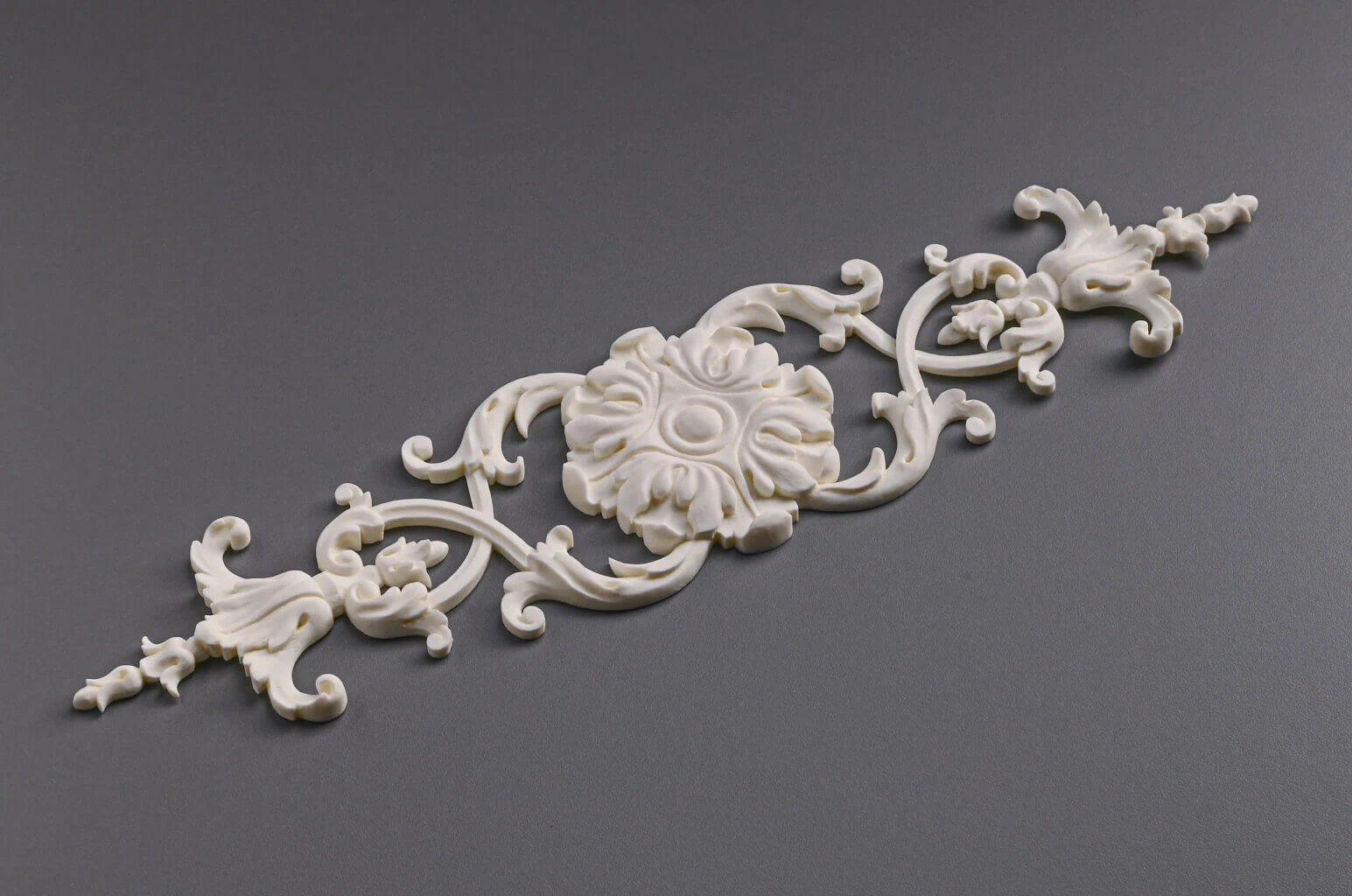
NPU-244— 130 × 100 × 13 mm. A large ornamental overlay with a symmetrical pattern. Functions as an 'anchor' accent in the field between corner nodes and the center. The size of 130 × 100 mm is significant enough for NPU-244 to be perceived from a distance of 4–5 meters as an independent decorative object.
NPU-245— 160 × 127 × 14 mm. The largest of the ornamental field inserts — 160 × 127 mm, 14 mm relief. NPU-245 is a powerful accent with a pronounced classical ornament, filling the central positions along the sides of the frame. In scale and relief, this element is proportionate to the corner dominants NPU-430, creating a balanced rhythm between the corners and the midpoints of the sides.
NPU-301— 69 × 81 × 8 mm. A sub-square proportion overlay with a small 8 mm relief. Functions as a transitional accent between large ornamental inserts. The vertical orientation (81 mm > 69 mm) creates a slight rhythmic contrast with the predominantly horizontally oriented corner elements.
NPU-190— 50 × 82 × 8 mm. A vertically elongated compact overlay — an element for final field saturation. From a distance of 3–4 meters, NPU-190 is practically indistinguishable as an independent object but creates a cumulative sense of ornamentally filled space.
NPU-288L / NPU-288R— 83 × 44 × 9 mm. Another mirrored pair in the composition — compact, with moderate relief. The presence of the NPU-288 pair in CPU-P4 creates an additional horizontal rhythm in the field between large ornamental inserts.
NPU-432R— 132 × 36 × 11 mm. A horizontally elongated element with a pronounced 11 mm relief. The presence of a single right position (without a paired left one) indicates the asymmetric nature of this element — it is used in a specific position in the overall CPU-P4 layout.
Group 5. Central accent: MLDPU-2U-1.1
MLDPU-2U-1.1— 210 × 210 × 18 mm. Central corner molding — the most voluminous element of the system: 18 mm relief with a size of 210 × 210 mm. This element is the architectural finale of the entire CPU-P4 ceiling system — the point where all force lines and ornamental axes converge. A central luminaire is mounted under MLDPU-2U-1.1: the chandelier receives an architectural frame, transforming from a technical object into a decorative point of the system.
Summary table of CPU-P4 composition:
| Element | Size (mm) | Architectural role |
|---|---|---|
| Cornice A130V1 | 100×83×2000 | External perimeter, lighting |
| Molding LD32 | 32×15×2000 | First internal contour |
| Molding MLD-002-MG | 22×11×2600 | Second inner contour |
| NPU-430L/R | 225×64×14 | Corner accent level I |
| NPU-431L/R | 138×48×11 | Corner accent level II |
| NPU-424L/R | 128×53×15 | Corner accent level III |
| NPU-425L/R | 90×53×12 | Corner accent level IV |
| NPU-436.1L/R | 85×34×16 | Corner accent of molding transitions |
| NPU-245 | 160×127×14 | Main ornamental field inserts |
| NPU-244 | 130×100×13 | Additional ornamental accents |
| NPU-301 | 69×81×8 | Transitional field inserts |
| NPU-190 | 50×82×8 | Field saturation elements |
| NPU-288L/R | 83×44×9 | Rhythmic paired accents |
| NPU-432R | 132×36×11 | Horizontal accent |
| MLDPU-2U-1.1 | 210×210×18 | Central final accent |
CPU-P4 materials: polyurethane and HIWOOD polystyrene
CPU-P4 is the first kit in the series where it is important to distinguish between two materials: polyurethane and HIWOOD polystyrene. Understanding the difference means correctly understanding why each material is used exactly where it is used.
Polyurethane: the material of ornament
All decorative overlays of CPU-P4 — from NPU-430 to MLDPU-2U-1.1 — are made of cast two-component polyurethane. This choice is determined by the technical requirements for ornamental elements:
Molding precision. Polyurethane is cast into precise molds, reproducing the finest details of the relief. Classical ornament with scrolls, leaf motifs, and geometric interweavings requires this precision: a relief of 14–18 mm with ornament detailing is only possible through casting. Manual plaster molding cannot provide such accuracy in paired mirror elements.
Elasticity. The slight flexibility of polyurethane allows it to compensate for uneven ceiling surfaces without cracking. Large overlays NPU-430 (225 mm) and NPU-245 (160 mm), when mounted with adhesive, slightly 'conform' to the surface shape — and adhere without gaps.
Lightness. Large CPU-P4 overlays weigh grams — installation without anchors, only with mounting adhesive. NPU-245 (160 × 127 mm) with a 14 mm relief weighs about 80–100 g — press, hold for 30 seconds, done.
White primed surface. All polyurethane elements are ready for painting without additional priming. Water-based paint applies evenly, without spotting.
HIWOOD Polystyrene: a material of precise geometry
Cornice A130V1 and molding LD32 are made of dense extruded HIWOOD polystyrene (density 680 kg/m³). Why are the moldings made of polystyrene, not polyurethane?
The answer lies in geometric requirements. The cornice must maintain a perfect straight line on lengths of 2000 mm and more. The molding must not sag over a perimeter of 12–14 linear meters. HIWOOD polystyrene is denser and stiffer than most polyurethane molding profiles — it does not bend under its own weight and maintains geometry over large spans.
The moisture resistance of HIWOOD polystyrene is 100%, as confirmed by the manufacturer. For kitchen areas, bathrooms, and rooms with unstable humidity, this is a fundamental parameter. The full rangeof ceiling cornicesof HIWOOD polystyrene is in the catalog section.
Four levels of corner accents: why it's important
This aspect of CPU-P4 deserves a separate discussion, because it is precisely this that makes this kit unique in the series.
In classical architecture, ceiling ornamentation is built on the principle of accent hierarchy. The corner is the most active point of the frame system. It is in the corners that horizontal and vertical force lines converge; it is the corners that create the feeling of 'strength' or 'weakness' of the entire ceiling system. A weak corner accent — and the system seems unfinished, framey, boring. A strong corner accent — and the frame turns into an architectural event.
CPU-P4 addresses the corner to the maximum — four independent levels. Let's break down how they work together:
-
NPU-430L/R (225 mm) — a wide horizontal ornamental element installed parallel to the frame side. This is the 'base' of the corner group — a large, legible accent visible from any distance.
-
NPU-431L/R (138 mm) — a smaller element mounted on top of or next to NPU-430. Adds detail and creates a sense of 'layering' in the corner node.
-
NPU-424L/R (128 mm, relief 15 mm) — the element with the highest relief among medium-sized corner pairs. Creates a three-dimensional 'protrusion' in the corner group.
-
NPU-425L/R (90 mm) — a final compact accent that completes the corner group.
Visual result: when looking at each of the four corners of the CPU-P4 frame, a complex ornamental group is visible, reminiscent of a corner cartouche of a Baroque ceiling plafond. This is the visual language of high classicism, accessible not only to palace restorers but to any STAVROS customer with a ready-made kit.
Advantages of the ready-made ceiling kit CPU-P4
Why is CPU-P4 as a ready-made kit the best choice compared to self-assembly from 21 separate catalog items? Let's examine the arguments specifically.
Designed scale ratio
The most complex part of designing a ceiling system is selecting the scales of elements in correct proportions. NPU-430 (225 mm) is proportionate to the A130V1 cornice (100 mm): both elements are large, both carry the visual weight of the perimeter. NPU-244 (130 mm) is proportionate to the distance between corner groups: it doesn't get lost in the field space, nor does it compete with the corner dominants. The center MLDPU-2U-1.1 (210 mm) is proportional to the perimeter: large enough to be the final accent, but not so large as to 'overwhelm' the corner groups.
Achieving this balance through self-assembly without experience in designing ceiling systems is practically impossible.
Unified ornamental style
All decorative elements of CPU-P4 are from the STAVROS 'Classic' collection. NPU-430, NPU-431, NPU-424, NPU-245, NPU-244 — all belong to the same ornamental language with classic scrolls, acanthus motifs, and geometric purity of contour. Mixing them with elements from another collection creates a stylistic contradiction that is immediately 'readable,' even if the customer cannot precisely identify it.
Symmetrical pairing
Each mirrored pair in the CPU-P4 set — NPU-430L/R, NPU-431L/R, NPU-424L/R, NPU-425L/R, NPU-288L/R, NPU-436.1L/R — is cast from identical molds. The casting precision of polyurethane ensures that the left element mirrors the right with an accuracy of tenths of a millimeter. In hand sculpting, such precision would be the highest class of craftsmanship. In CPU-P4, it is the standard.
Saves time for the designer and the client
One CPU-P4 item in the estimate — versus a table of 21 lines with separate items, quantities, and names. For a professional designer, the difference in labor costs is obvious. For a private client managing the project themselves — it's even more obvious.
How to use CPU-P4 in a project: from idea to installation
Step 1: Zone definition
A zone of 3200 × 3200 mm is standard for the CPU series. For a room width of 4.5 m or more, the CPU-P4 zone will fit with a comfortable margin from the walls. For a room width of 3.8–4.0 m, the A130V1 cornice (100 mm) can be placed flush against the walls but will leave a minimal gap: this is acceptable but requires checking proportions against actual dimensions.
For rooms where a 3200 × 3200 mm zone occupies the entire ceiling with minimal margins, it is recommended to compare with other kits in the series — perhaps CPU-P3 or CPU-P2 will be more accurate in scale.
Step 2: Marking with a laser level
Laser cross level is an essential tool. Find the center of the area, establish the X and Y axes, mark the cornice contours, LD32, MLD-002-MG. Check the symmetry of the four corner groups: the distance from the corner of the molding frame to the first overlay element NPU-430 must be the same in all four corners.
Checking the layout before installation is a critical stage. Asymmetry discovered after applying adhesive and installing the first elements can only be corrected by complete disassembly.
Step 3: Installation of trim
Cornice A130V1 — cut at 45° with a miter saw, install using mounting acrylic adhesive (compatible with polystyrene, free of organic solvents). Press and secure with painter's tape until the adhesive sets. After the first corner sets — check straightness with a laser level.
Molding LD32 — parallel to the cornice, with an inward offset. Molding MLD-002-MG — as the third line, using MS-polymer adhesive.
Step 4: Installation of corner groups
Sequence for each corner assembly:
-
NPU-430L (or R) — base horizontal element
-
NPU-431L (R) — second level
-
NPU-424L (R) — third level
-
NPU-425L (R) — finishing
Each subsequent element is installed after the adhesive of the previous one has set. The corner group is assembled sequentially, from bottom to top, layer by layer.
Step 5: Corner molding elements NPU-436.1
NPU-436.1L and NPU-436.1R are mounted in the corner positions of the molding system — where MLD-002-MG moldings join at a 45° angle. These elements conceal the corner joint of the moldings and turn it into a decorative accent.
Step 6: Ornamental field inserts
On the sides of the frame, in positions between the corner groups — NPU-245, NPU-244, NPU-301, NPU-190, NPU-288L/R, NPU-432R. Installation order: first large (NPU-245), then medium (NPU-244, NPU-301), then small (NPU-190, NPU-288, NPU-432R).
Step 7: Central element
MLDPU-2U-1.1 — last. By this point, the cable for the chandelier should be routed from the center. The central element is mounted with acrylic adhesive, with light pressure. After the adhesive sets — final symmetry check from the center to the corner groups along both axes.
Step 8: Finishing and painting
Joints of all elements — acrylic finishing putty, sanding P240. The entire system — in a single ceiling color. For accent decoration — cornices and overlays in a color different from the ceiling (gold, ochre, ivory, aged white).
What to pair with CPU-P4: STAVROS decorative system
CPU-P4 is a ceiling-level solution. But a classic interior is not limited to the ceiling.
Decorative ceiling rosettes— for the chandelier mounting point under MLDPU-2U-1.1. A rosette with a diameter of 200–250 mm creates an additional concentric accent in the center of the system. Full rangeof ceiling chandelier rosettes— in the catalog section.
decorative ceiling cornicesaround the entire perimeter of the room — to extend the ceiling theme beyond the CPU-P4 zone. Choosing a perimeter cornice is lighter than the A130V1 series CPU.
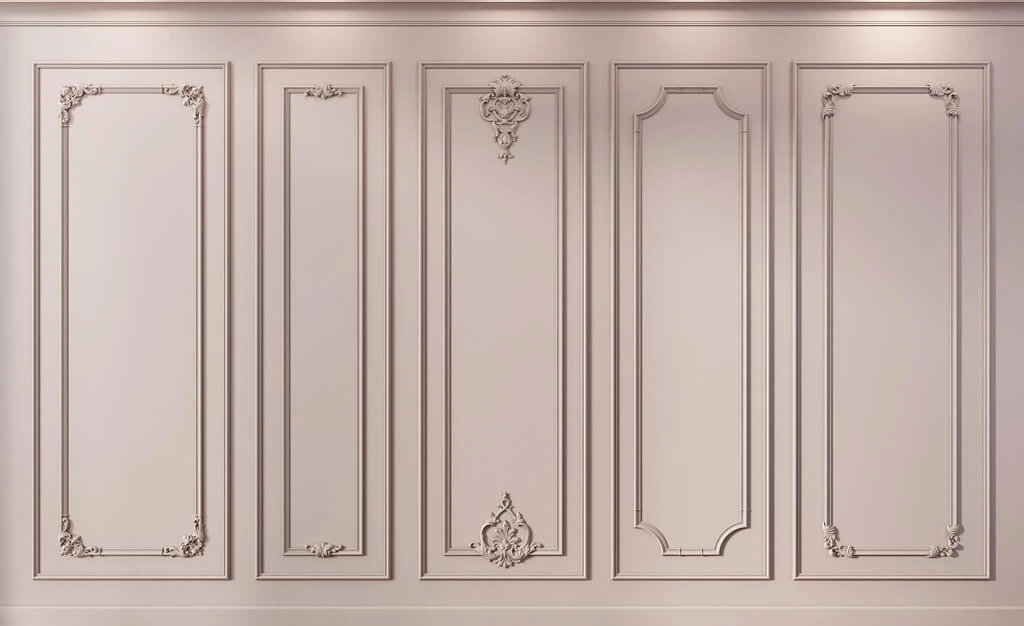
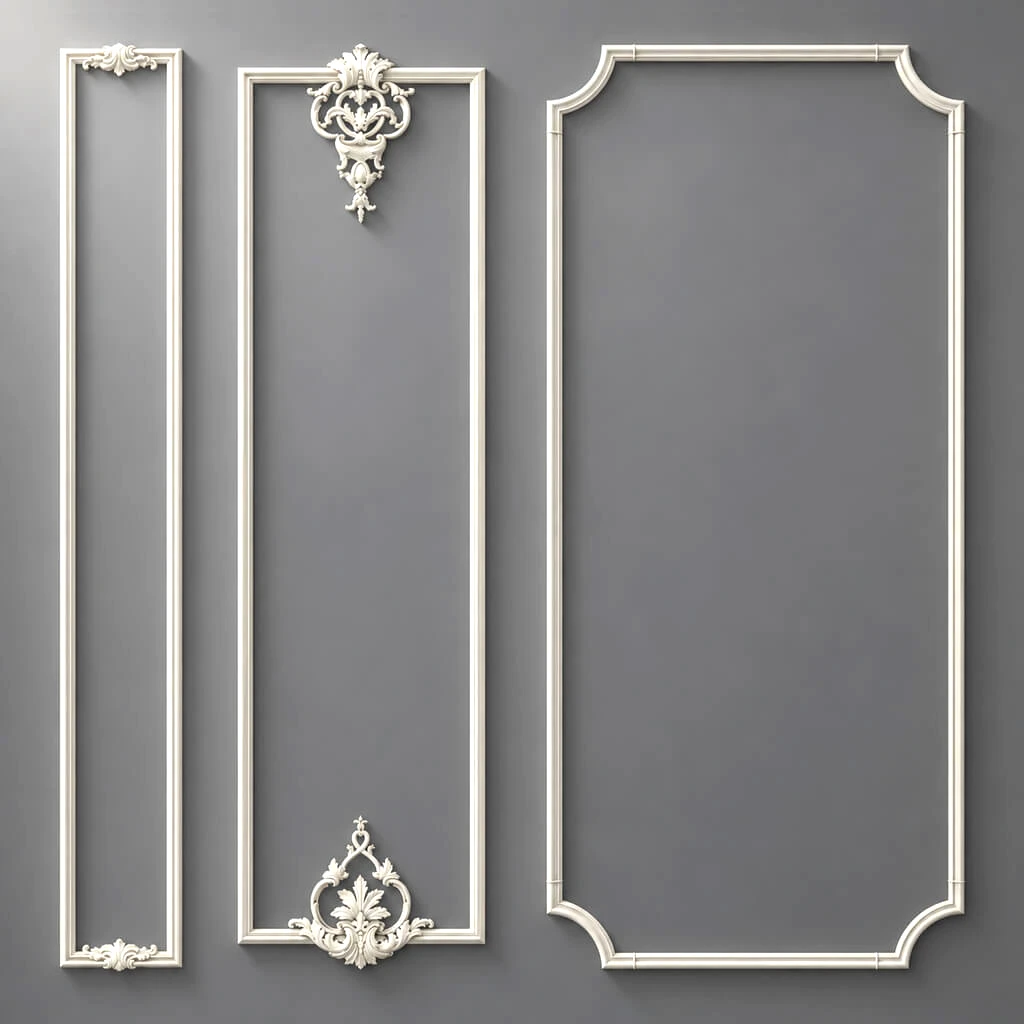
decorative moldingsfor wall frame panels — a vertical extension of the CPU-P4 decorative theme. Molding frames on the walls of the living room, bedroom, or hall, executed in the same style, create a cohesive classic interior 'from ceiling to baseboard'.
Elements for moldings— corner and intermediate decorative overlays for wall moldings. Combined with CPU-P4 and wall molding frames, they create a unified decorative system across two planes.
Polyurethane moldingsfor walls, doors, window trims — extending the decorative language of CPU-P4 to the entire interior space.
Frequently Asked Questions about CPU-P4
How does CPU-P4 differ from CPU-P3?
CPU-P4 includes 21 product types compared to 16 in CPU-P3. Key differences: four levels of corner accents (versus three in P3), corner molding NPU-436.1L/R for molding transitions, and a different set of ornamental field inserts. CPU-P4 is richer in detail level and ornamental complexity. You can compare both sets in the section.ceiling decoration.
Is CPU-P4 suitable for ceilings with a height of 2.7 m?
Yes. The coverage area of 3200 × 3200 mm refers to horizontal dimensions and is not related to the room's height. With a ceiling height of 2.7 m, the A130V1 cornice (83 mm in profile height) is perceived as normal—not too large. For heights of 2.5 m and below, it is recommended to consider lighter cornices from the section.
Can CPU-P4 be painted a color other than white?
Yes. All system elements are primed or ready for painting. Options: monochrome painting to match the ceiling color (creates relief without contrast), a two-tone solution (overlays in one color, ceiling in another), or metal imitation (patination or paint with metallic pigment). Acrylic and water-based paints provide good adhesion without additional priming.
What distance should be between the CPU-P4 cornice and the wall?
The recommended offset is at least 200 mm. With an offset of 100–150 mm, the space between the cornice and the wall appears cramped. The optimal range is 200–350 mm. If the physical dimensions of the room do not allow maintaining this offset, consider a smaller format from the lineup.
How long does it take to install CPU-P4?
Experienced two-person crew — 1.5–2 working days. DIY installation without experience — 2–3 days with breaks for adhesive curing. The main time factors are layout (cannot be rushed) and sequential installation of corner groups (each element waits for the previous one to cure).
Do large overlays need additional anchoring?
NPU-430 (225 mm) weighing about 120–150 g — installation with adhesive only is sufficient. Anchor fastening would be required for weights from 500 g, which polyurethane overlays of this size do not reach. High-quality acrylic-based mounting adhesive holds a load of 30–50 kg/m² with proper adhesion.
Can CPU-P4 be ordered with factory painting?
Check current options when placing an order with STAVROS managers. Standard delivery is white primed. Custom painting — by separate agreement.
Where can I see CPU-P4 in person?
At STAVROS showrooms in St. Petersburg and Moscow. Samples of decorative elements from the CPU series kits are displayed there — you can personally assess the relief, size, and surface quality. Showroom addresses and hours are on the STAVROS website.
Your request has been sent!
Our manager will contact you within 5 minutes