








































































Article Contents:
- Why a showroom needs a stand with wooden trim samples
- What is the SV-006 exhibition stand
- Who needs a stand with trim samples
- For dealers and partners of STAVROS
- For interior designers
- For architectural firms
- For carpentry workshops
- For door and furniture showrooms
- For sales offices of country houses
- Moldings
- Baseboards
- Cornices
- Baseboards
- Wooden frame
- Samples of slat panels and finishes
- Place the stand in the first consultation area
- Separate samples by purpose
- Make clear labels
- Show ready-made combinations
- Link the stand to the catalog
- Need to design the selection area in the design studio
- Need to show the linear molding in the door showroom
- Need to sell the configuration of a country house
- Need to prepare negotiations with the architect
- Need to show the client the difference between profiles
- Samples are lying in a box
- No grouping by purpose
- No labels
- No connection to the catalog
- No ready combinations
- The stand is far from the negotiation area
- Samples are not updated
- What to buy for displaying wooden moldings in a showroom
- Why is a stand better than a catalog
- Who is the exhibition stand SV-006 suitable for
- Can the stand be used for working with a designer
- What to show on the stand first
- Is this article for a private client or for a business?
- How does a stand help sell moldings?
- Where is the best place to place a stand in a showroom?
- Do I need to label the samples?
- Can I show ready-made combinations on the stand?
- What to do after a client has chosen a profile on the stand?
- How is a sample stand different from a sample box?
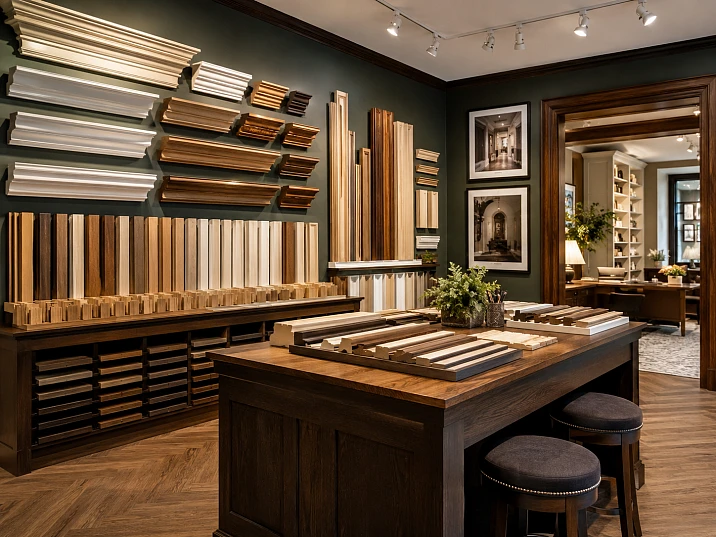
A display stand for samples is needed where a photo, catalog, or verbal description of a profile is not enough for the client. Wooden moldings are chosen by sight and touch: it is important to see the actual size, shape, depth, texture, thickness, quality of finishing, and how one profile differs from another. On a screen, a molding, baseboard, cornice, casing, or baguette may seem similar, but in person, the difference becomes clear in a few seconds.
For a showroom, design studio, architectural firm, door salon, sales office, or carpentry workshop, a sample stand works as a consultation tool. It helps not just to show the product, but to guide the client through the selection process: compare profiles, explain the purpose, choose a set, show combinations, and move faster from doubts to a decision. Therefore, it is worth buying a sample stand not as a decorative office accessory, but as a working element of sales and project configuration.
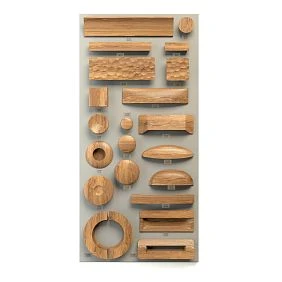
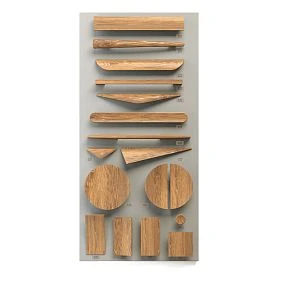
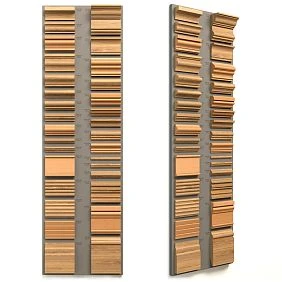
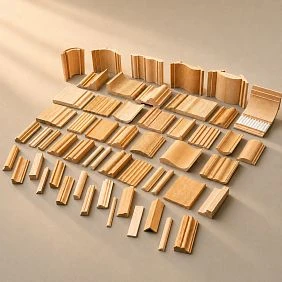
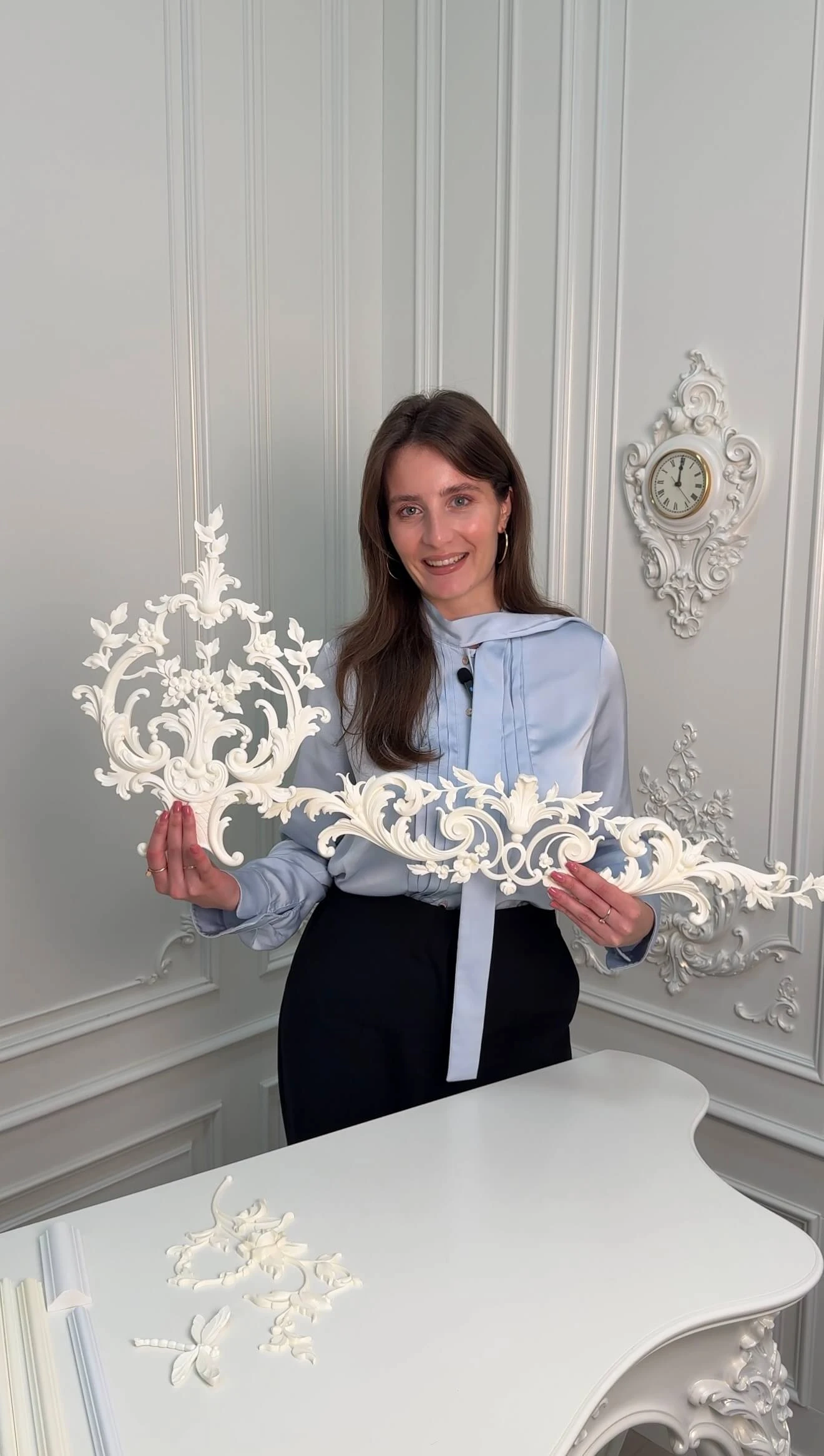
You can see it in STAVROS STAVROS product samples and a separate exhibition stand SV-006, designed for displaying wooden moldings, baseboards, cornices, and architraves in showrooms, design studios, and architectural firms. Such a stand helps turn scattered samples into a clear selection zone, where a designer, architect, or client sees not an abstract article number, but a real profile in scale.
This article helps to understand why a showroom needs a stand with wooden trim samples, who benefits from it most, which profiles should be shown first, how to design the display area, what mistakes hinder sales, and how to link the stand with the STAVROS catalog, so that consultation is not a conversation "from pictures," but a confident selection of materials for the project.

Why a showroom needs a stand with wooden trim samples
Wooden trim is difficult to choose based on photos alone. A buyer may see a beautiful product card but not understand how tall a baseboard will look on the wall, how deep a molding will cast a shadow, how noticeable a cornice will be under the ceiling, what width of architrave is needed for an opening, or whether a baguette is suitable for a mirror or panel. Even an experienced designer sometimes makes a decision faster when they can hold the profile, apply it to materials, and compare it with neighboring options.
The stand solves this problem. It translates the selection from an abstract description into a live contact with the material. The client sees the shape, depth, surface, and proportions. The designer can show why one profile is better for a classic interior, another for calm neoclassicism, and a third for a modern project. It is easier for a manager to explain the difference between a molding, baseboard, cornice, architrave, and baguette not in words, but through real samples.
The stand is especially important where the decision is made by more than one person. In a private project, the client, designer, finisher, and furniture maker are involved. In a commercial one, the architect, manager, owner, contractor, and procurement team participate. If everyone only looks at photos, approval drags on. If the showroom has a clear area with samples, the discussion becomes substantive: the profile can be shown, compared, photographed, applied to the material palette, and included in the specification.
Exhibition stands for samples are also useful because wooden trim is often bought as a set. A client rarely chooses just one molding. They need to connect the baseboard, architrave, cornice, baguette, wall frame, door area, and furniture elements. The stand helps to see the system, not individual strips.
| What the client checks | How the stand helps | Why this is important for sales |
|---|---|---|
| Profile size | Shows actual height, width, and visual scale. | The client has fewer doubts about whether the profile fits the room, opening, or panel. |
| Depth and relief | Allows you to see the shadow, protrusion, and shape of the profile in real life. | Easier to explain the difference between subtle and expressive decor. |
| Material and finish | Gives the opportunity to feel the wooden surface with your hands. | The client better understands what they are paying for and how the profile differs from a random analogue. |
| Combinations | Helps to show a baseboard, molding, casing, cornice, and baguette nearby. | The sale turns into a kit selection, not a single part. |
| Application scenario | Allows you to separate samples by task: walls, floor, ceiling, openings, frames. | The buyer quickly understands which profile is needed for their project. |

What is the display stand SV-006
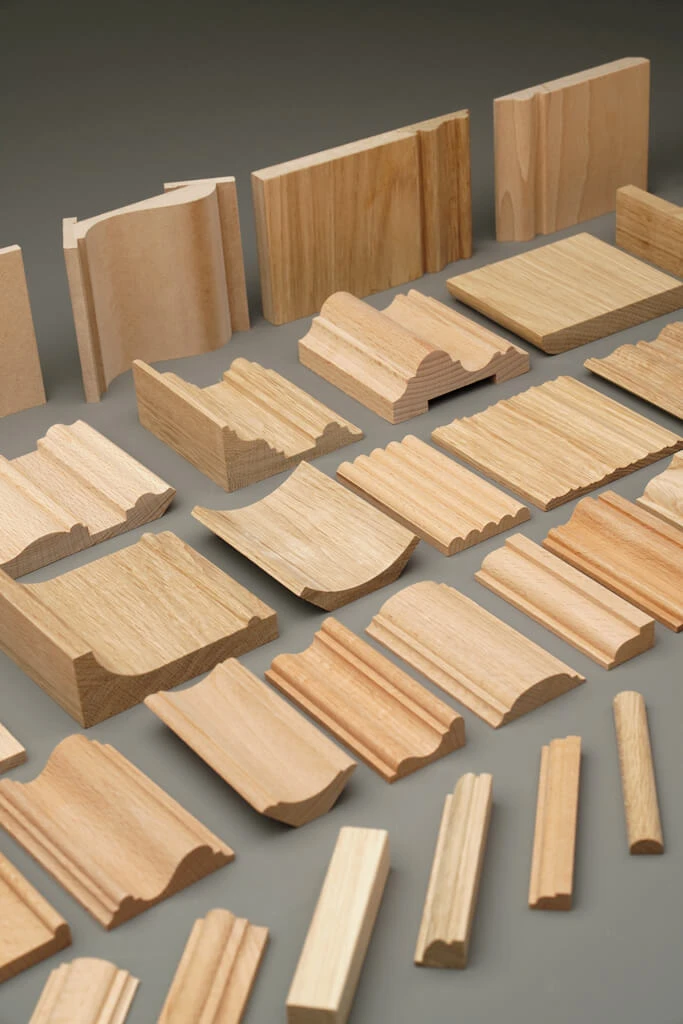
A display stand for samples is not just a storage place for pieces of trim. Its task is to show the profile so that it works for consultation. When samples lie in a box, the client sees a set of individual parts. When they are placed on a stand, order appears: groups, purpose, comparison, selection logic, and a clear path from interest to order.
exhibition stand SV-006 It is specifically related to the display of wooden moldings, baseboards, cornices, and casings. This is important: it is not about a random showcase for any building materials, but about a stand for trim products that need to be shown in real scale and by application groups.
This format is especially useful for B2B sales. A dealer needs to show the assortment quickly and clearly. A designer needs to prove to the client why this particular profile was chosen. An architect needs to compare trim for different project zones. A carpentry workshop needs to show the client options before manufacturing furniture or a portal. A sales office needs to explain how standard finishing differs from a well-thought-out set of wooden profiles.
| Parameter | What is important to know | How to use in the showroom |
|---|---|---|
| Product type | Display stand for samples. | Use as a demonstration work area, not as a sample storage. |
| Model | SV-006. | Show wooden moldings in the consultation area. |
| What it demonstrates | Moldings, baseboards, cornices, and architraves. | Separate samples by purpose and show complete combinations. |
| Where it is appropriate | Showrooms, design studios, architectural firms, sales offices. | Place next to the negotiation area and catalog for quick selection. |
| Where to look | exhibition stand SV-006 | Check the current information in the product card before ordering. |
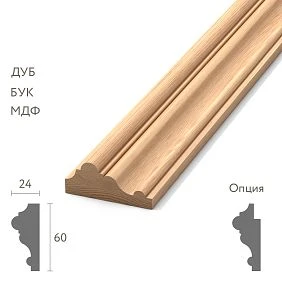
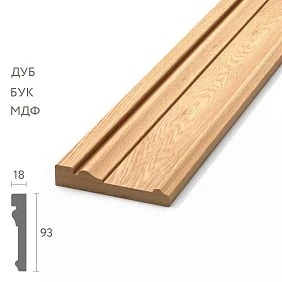
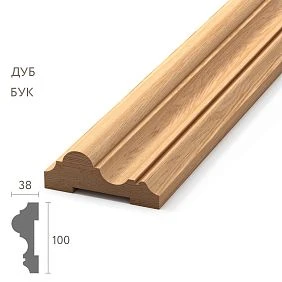
Our factory also produces:
Who needs a stand with molding samples
Buying a sample stand is worth it for those who regularly show wooden profiles to clients and don't want to explain the choice only from a catalog every time. This is not a mass household item for a one-time purchase. Its main value is revealed where there are consultations, projects, configuration, repeat sales, and work with several categories of moldings.
Get Consultation
For STAVROS dealers and partners
It is important for a dealer to quickly show the assortment and convert interest into an order. If samples are stored separately, the consultation falls apart: the manager searches for the right profile, the client loses attention, and comparison becomes inconvenient. The stand helps keep key samples in sight and present them as a system.
The dealer can start the conversation with a general section STAVROS product samples, then show the stand, and after selecting profiles, move to the section wooden moldings STAVROS. This way, the consultation looks not like a website search, but like a professional selection.
For interior designers
A designer needs a quick visual argument. The client may not understand how one molding differs from another, why it's better to take a higher baseboard, why a cornice of a certain profile is needed, or why the trim should match the door and wall frames. A sample on the stand solves this faster than a long explanation.
When a designer shows a profile in person, the client sees the scale and texture. Approvals become calmer: fewer words, more tangibility. This is especially important for classical and neoclassical projects, where wooden moldings shape the room's architecture.
For architectural firms
For an architectural firm, a stand helps work not with a single product, but with a finishing system. One project may include baseboards, cornices, moldings, architraves, baguettes, portals, wall panels, and furniture zones. If samples are collected on a stand, the architect can more quickly show the connection between elements and explain how they will work in the interior.
For a firm, grouping by purpose is especially important. Moldings — for wall frames and panels. Baseboards — for the bottom line. Cornices — for the wall-ceiling joint. Architraves — for openings. Baguettes — for frames, mirrors, and decorative contours. This structure helps avoid confusing the client and turning the meeting into a review of dozens of similar details.
For joinery workshops
A joinery workshop often makes furniture, portals, panels, stairs, or custom interior elements. The client needs to see in advance which profiles can be used and how they will look next to a facade, door, wall, or mirror. A stand helps the workshop sell not only the work but also ready-made decorative finishing options.
The craftsman can show samples on the stand, then explain which profile suits furniture, which suits a door opening, and which suits a wall. This reduces approval time and lowers the risk of errors after production.
For door and furniture showrooms
For a door showroom, it is useful to show architraves, baseboards, and moldings next to door panels. The client often sees the door as a separate item, but in the interior, the door lives together with the opening, floor, wall, and moldings. A stand helps show that the architrave and baseboard should be chosen together, not at the last moment.
For a furniture showroom, a stand helps offer wooden moldings as an addition to case furniture, wall panels, libraries, studies, display cases, or classical compositions. The buyer sees that furniture can be connected to the interior through profiles and frames.
Country house sales offices
In a country house, millwork plays a big role. There are often staircases, halls, doors, wooden floors, high ceilings, studies, living rooms, portals, and decorative areas. A sales office can use a stand to show the buyer finishing options not through renderings, but through real wooden profiles.
This is especially important for turnkey house packages. It's easier for a client to choose a finishing package when they see not just a picture, but the material itself. The stand turns the discussion of finishes into a clear choice: which baseboard, which casing, which cornice, which molding, which picture frame.
What to show on the stand
The stand should not show everything at once, but rather the groups that are most often involved in choosing wooden millwork. If samples are placed without structure, it will be difficult for the client to navigate. It's better to build the demonstration by scenarios: walls, floor, ceiling, openings, frames, decorative contours, and complete combinations.
Moldings
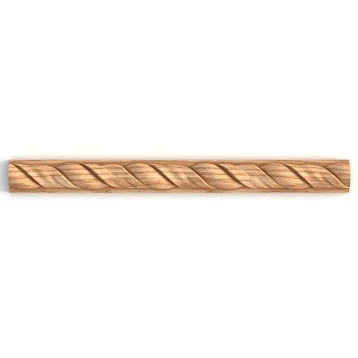
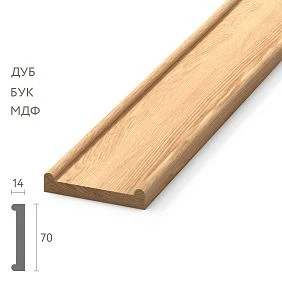
Wooden moldings are needed for wall compositions, panels, frames, portals, and decorative lines. On the stand, they should be shown so that the client sees not only the shape of the profile but also its depth. Molding often seems like a simple strip until it is applied to the wall and the shadow is seen.
For a designer, molding on the stand is a quick way to explain a wall frame. For the client, it's an opportunity to understand whether the profile will be too thin, too active, or appropriate in scale. If several options are shown side by side, the client sees the difference faster and hesitates less.
Baseboards
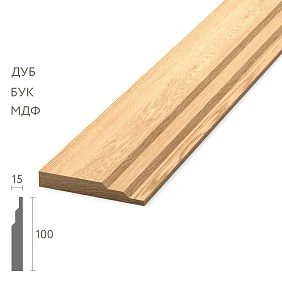
Wooden Skirting Boards should definitely be shown on the stand. A baseboard seems like a simple detail, but it greatly affects the perception of a room. A low profile looks calmer, a high one more architectural, a relief one more decorative, a strict one more modern.
On the stand, baseboards need to be shown by height and character. The client should see how the impression of the wall changes with different profiles. This is especially important for apartments, houses, and commercial interiors, where the baseboard runs along a large perimeter and a scale error will be noticeable in every room.
Crown Mouldings
Wooden cornices are responsible for the top line of the room and the junction of the wall with the ceiling. In a photo, a cornice may seem small, but in a real room, it greatly affects the height and architecture. On the stand, the client sees the profile closer to its actual scale and understands how expressive it is.
For a showroom, it is useful to display cornices next to moldings and baseboards. This way, you can explain how the upper and lower lines of a room are connected. This is especially important for classic interiors, where the cornice should not exist separately from the rest of the trim.
Architraves
Wooden casings are needed for door and window openings. On a stand, they help show the width, profile, relief, and connection with the baseboard. A client often chooses a door but forgets that the opening will look complete only with a properly selected architrave.
It is especially useful to display the architrave next to the baseboard. If the architrave profile is too weak compared to the baseboard, the opening looks poorer. If it is too massive, it can overwhelm the door. The stand helps to see this before ordering.
Wooden baguette
Wooden Picture Frame is needed for mirrors, frames, panels, and decorative contours. In a showroom, it is useful not only as a separate group but also as a way to show the client how a wooden profile can work in furniture and interiors.
Picture frame molding helps expand sales: a client came for a baseboard but sees that in the same project, they can design a mirror, panel, niche, decorative insert, or furniture facade. For a designer, this is a convenient bundling tool: one material, several application areas.
Samples of slatted panels and finishes
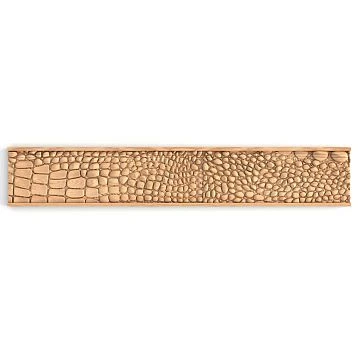
If the showroom works not only with trim but also with decorative surfaces, it is useful to display samples of slatted panels and finishes next to the stand. They help the client understand the texture, color, depth of relief, and scale. At the same time, it is important not to mix everything into one zone: it is better to group trim separately, and panels and finishes nearby, as a complement.
This approach helps sell not just one profile but a room system. The client sees how a baseboard, molding, architrave, cornice, picture frame molding, and panel can work together.
How the stand helps sell
The stand works not because it is beautiful in itself. It helps solve specific client problems. The buyer doubts the size — the stand shows the scale. Doesn't trust the photo — sees the profile in person. Doesn't understand the difference between options — compares them side by side. Takes a long time to coordinate with the designer — gets a tangible argument. Is afraid of making a mistake — sees the set.
| Client's problem | How the stand helps | What the showroom gets |
|---|---|---|
| Doesn't understand the profile size | Sees the real scale and compares options side by side. | Fewer disputes about height, width, and visual weight. |
| Hesitates between profiles | Can compare moldings, baseboards, cornices, or trim immediately. | The consultation becomes shorter and more precise. |
| Doesn't trust the photo | Touches the material with hands and sees the quality of processing. | It's easier to explain the value of wooden moldings. |
| Doesn't understand what to buy together | Sees combinations: baseboard, casing, molding, cornice, baguette. | Upselling of sets appears, rather than single profiles. |
| Takes a long time to approve the project | Receives a clear visual argument for the designer and client. | Decision is made faster, fewer returns to the same issue. |
Therefore, it is useful to buy sample stands not only for presenting the assortment. They help build the sales process. The manager does not try to persuade the client with words, but shows real profiles, asks the right questions, and leads to the selection of a set.
How to design a stand in the showroom
A good stand should be placed not where there is free space, but where the consultation takes place. If the client looks at samples only after negotiations or accidentally notices them against the wall, the stand is not working at full capacity. It should be part of the sales script: meeting, project question, sample display, comparison, transition to catalog, category selection.
Place the stand in the first consultation area
The first minutes of the meeting are important. The client is not yet ready to study dozens of articles, but already wants to understand what is being offered. If the stand is located near the negotiation table, the manager can immediately show the difference between profiles and explain why wooden moldings should be chosen in person.
It is especially convenient when the stand is visible from the waiting area. Even before the conversation, the client understands that they will be shown real materials, not just a catalog. This increases trust in the consultation.
Divide samples by purpose
Grouping only by articles is convenient for the warehouse, but not always clear to the client. In the showroom, it is better to divide samples by tasks: wall moldings, floor baseboards, ceiling cornices, door trims, baguettes for frames and mirrors. This way, the buyer quickly understands which group relates to their project.
If the client came for a baseboard, they don't need to immediately understand all profiles. But nearby, you can show a trim and molding to explain a complete solution. Grouping by purpose makes this upselling natural.
Make clear labels
The label should answer not only the question "which article" but also the question "what is this for." For a private client, the words "molding," "cornice," "trim" are not always obvious. Labels help connect the sample with its application: for a wall frame, for the wall-ceiling joint, for a door opening, for the lower line of the wall, for a mirror frame.
If there are QR codes or links to product cards next to the samples, it is easier for the manager to guide the client toward ordering. But even without this, the stand should be readable: group name, purpose, visual logic.
Show ready-made combinations
It's easier for a client to buy a set when they see how the elements work together. For example: baseboard + casing for a door area; molding + cornice for wall and ceiling; baguette + rosette for a decorative panel; casing + baseboard + molding for a classic interior.
Ready-made combinations don't necessarily have to be assembled as a full interior fragment. Sometimes it's enough to group samples nearby and explain why they suit each other in scale and character.
Link the stand to the catalog
The stand shows the material, but the order is still placed through specific products and categories. Therefore, there should be a catalog, tablet, cards, or a clear path to sections nearby. After the demonstration, you can proceed to STAVROS wooden moldings and check current parameters, options, and ordering conditions.
Thus, the stand becomes not just a separate beautiful display, but the start of a commercial route: sample seen, profile selected, category opened, product verified, order prepared.
What to buy together with the stand
One stand doesn't solve the problem if there's nothing to show on it or the samples are chosen randomly. For a full demonstration area, you need to plan in advance which groups of moldings will be presented, how they are connected, and which products the manager should show first.
| What to add to the stand | Why this is needed | For which scenario |
|---|---|---|
| STAVROS product samples | Assemble a demo database for consultations. | Showroom, design studio, sales office, dealer point. |
| exhibition stand SV-006 | Display molding samples in an organized and visual manner. | Demonstration of moldings, baseboards, cornices, and casings. |
| wooden moldings STAVROS | Move from samples to selecting the main assortment. | After consultation and profile approval. |
| Wooden moldings | Show profiles for wall frames, panels, and portals. | Design studios, classical and neoclassical projects. |
| Wooden Skirting Boards | Help the client choose the height and profile of the lower wall line. | Apartments, houses, offices, finishing materials showrooms. |
| Wooden cornices | Show the design of the wall and ceiling joint. | Classic interiors, country houses, studies, halls. |
| Wooden casings | Connect door and window openings with baseboards and wall decor. | Door showrooms, house fittings, interior projects. |
| Wooden Picture Frame | Show solutions for frames, mirrors, panels, and decorative contours. | Design projects, furniture showrooms, interior zones. |
How not to confuse a stand with similar solutions
A sample stand is sometimes mistaken for a regular display, storage rack, or advertising structure. This is a mistake. In a showroom, the stand should be a working selection tool. It doesn't just hold samples, but helps the client compare profiles, understand the purpose, and move toward a purchase.
| Similar solution | How it differs from a stand | When it doesn't fit |
|---|---|---|
| Sample box | Samples are available, but the client doesn't see the system and comparison. | For a showroom where quick presentation is important. |
| Catalog with photos | Shows the form, but doesn't provide real scale and tactile contact. | When the client is undecided between similar profiles. |
| Standard display case | Can display the product nicely, but is not always convenient for comparing profiles. | If samples need to be actively handled, shown, and compared. |
| Warehouse rack | Stores materials, but does not function as a presentation area. | For the negotiation and designer work area. |
| One large sample | Shows one option but doesn't help compare the assortment. | If the client is choosing between several groups of moldings. |
Why samples are important for custom and designer projects
In a custom project, the designer doesn't just select a product. They assemble a composition: walls, openings, furniture, ceiling, frames, baseboards, cornices, baguettes, decorative profiles. One wrong profile can disrupt the scale of the entire room. On a display stand, it's easier to show how wooden moldings work as a system.
For example, a client wants a classic living room. From a photo, they don't understand why a taller baseboard is needed, why the casing should be wider, why it's better to choose a molding with a certain depth, and a cornice that is more understated. On the stand, the designer shows the actual profiles side by side, and the conversation immediately becomes clearer.
In a commercial project, the stand helps even more. A restaurant, hotel, showroom, office, or sales office requires approval from multiple stakeholders. If everyone sees the samples, there is less risk that after installation someone will say, 'We thought the profile would be different.' A real sample reduces uncertainty.
Therefore, an exhibition stand for a design studio is not only a showcase but also a way to speed up project communication. It helps the designer speak with the client concretely, the manager sell the package, and the client understand what they are paying for.
Practical selection for different situations
Need to set up a selection area in the design studio
In a design studio, it's best to place the stand next to materials: samples of wood, paint, fabric, flooring, doors, and facades. This way, the molding can be immediately compared with the project's palette. The designer shows not just a profile, but its place in the future interior.
For such an area, it's important not to overload the stand. Fewer samples, but clearer grouping is better. Moldings separately, baseboards separately, cornices separately, architraves separately. Nearby — a catalog and a path to product pages.
Need to show molding in a door showroom
In a door showroom, the main combination is the door, architrave, baseboard, and sometimes molding. The client may choose a door leaf but not understand that the opening should match the bottom line of the wall. The stand helps show how Wooden casings they work together with wooden skirting boards.
If the showroom sells doors for private homes, such a demonstration is especially useful. The buyer sees not a separate door, but a complete door zone.
Need to sell the package for a country house
For a house, a large volume of molding is important. Baseboards go along rooms, architraves along doors and windows, cornices along ceilings, moldings along wall zones, baguettes along mirrors and panels. The stand helps explain that it's better to choose all this together.
A sales office can use the stand as part of a finishing package. The client chooses not "some baseboard," but a set of wooden profiles for the house. This increases the value of the offer and helps avoid inconsistency between rooms.
Need to prepare negotiations with an architect
Proportions and system are important for an architect. At a meeting, it's better to show not individual samples, but groups by task. For example: bottom line — baseboards, top line — cornices, walls — moldings, openings — architraves, frames — baguettes. This way the architect quickly understands which profiles can be included in the project.
If a firm works with multiple projects, a stand helps standardize consultations. The team gets a unified demonstration base.
You need to show the client the difference between profiles
The difference between two similar moldings or baseboards is hard to explain in words. "This one is slightly deeper," "this one is calmer," "this one is taller" — such phrases don't always work. On the stand, the client sees the difference themselves.
This is especially useful when you need to choose between stylistically similar profiles. Side-by-side comparison reduces the risk of wrong choice and speeds up approval.
Mistakes in designing the sample area
Samples are stored in a box
A box with samples may be convenient for storage, but it works poorly in sales. The client sees not a system, but a set of fragments. The manager has to search for the right profile, explain its purpose, and hold several pieces in their hands. A stand solves this problem: samples are in plain sight and are immediately perceived as a range.
No grouping by purpose
If moldings, baseboards, cornices, and architraves are mixed, it's hard for the client to understand what belongs where. They might compare a wall profile with a ceiling profile and draw wrong conclusions. Grouping by purpose helps conduct the consultation calmly and logically.
No labels
Without labels, the stand is only understandable to the manager. The client looks at the samples but doesn't know where the molding, cornice, casing, or baseboard is. Labels make the stand an independent tool: a person can navigate even before the consultation begins.
No connection to the catalog
The stand shows a sample, but purchasing requires navigating to the product. If there is no catalog, QR code, cards, or a clear route to the website nearby, the consultation breaks off. After selecting a profile, the manager should quickly open the desired category or card, check the parameters, and proceed to the order.
No ready-made combinations
If only individual samples are shown, the client may buy one profile and forget about the set. Ready-made combinations help to see the system: baseboard + casing, molding + cornice, baguette + panel. This increases the value of the consultation and helps sell more related products.
The stand is far from the negotiation area
If the manager needs to lead the client across the entire hall to show samples, the stand is used less often. The best place is near the consultation table, material selection area, or the entrance to the demonstration part of the showroom.
Samples are not updated
The stand should match the current assortment and sales goals. If it has old, unpopular, or random profiles, it does not help the consultation. It is necessary to periodically check which samples are actually shown to clients and which groups should be added.
Who is the exhibition stand for
The exhibition stand is suitable for showrooms, dealers, designers, architectural bureaus, carpentry workshops, door and furniture salons, interior furnishing studios, sales offices for country houses, and companies that work with wooden moldings not occasionally but regularly.
It is especially useful where the client needs to see the difference between profiles. If the sale is based only on photos, the consultation often drags on. If there is a stand, the choice becomes faster: the client sees the material, the designer shows combinations, the manager leads to the category and order.
The stand may be unnecessary if the company hardly works with moldings, does not receive clients in the office, sells only online without a showroom, or does not handle project furnishing. But for a B2B point where consultations and live material display are important, the stand becomes a working tool, not just room decoration.
How to buy a stand and samples at STAVROS
You should start the purchase with the showroom's task. If you need to organize a demonstration of wooden moldings, first look at STAVROS product samples and the card exhibition stand SV-006. Then determine which groups of moldings need to be shown first: moldings, baseboards, cornices, architraves, baguettes.
After choosing the stand, you should think about the filling. For wall compositions, you need Wooden moldings. For the bottom line of the wall — Wooden Skirting BoardsFor the ceiling area — Wooden cornicesFor openings — Wooden casingsFor frames, mirrors, and panels — Wooden Picture Frame.
Before ordering, check the current parameters in product cards: purpose, configuration, availability, features of the stand and samples. If the stand is needed for a specific showroom, design studio, or dealer area, it's better to plan in advance where it will be placed, which sample groups should be visible, and how the manager will transition from the stand to the catalog and order.
FAQ
What to buy for displaying wooden moldings in a showroom?
For display, consider an exhibition stand for samples, product samples, moldings, baseboards, cornices, architraves, wooden baguettes, and other profiles that are most often shown to clients during consultations.
Why is a stand better than a catalog?
A catalog shows photos and descriptions, while a stand provides real scale, relief, thickness, texture, and processing quality. The client can compare profiles side by side and make a decision faster.
Who is the exhibition stand SV-006 suitable for?
The stand is suitable for showrooms, design studios, architectural firms, dealers, carpentry workshops, and sales offices where wooden moldings need to be shown to clients in person.
Can the stand be used for working with a designer?
Yes. It is easier for a designer to coordinate a profile with a client when the sample can be shown in person, compared with other profiles, and linked to project materials.
What should be shown on the stand first?
It is better to start with the most understandable groups: baseboards, moldings, cornices, architraves, and baguettes. They are easier to connect with the client's real tasks: floor, walls, ceiling, openings, and frames.
Is this article for a private client or for business?
The main focus is on the business scenario: showrooms, dealers, designers, architects, craftsmen, and project outfitting. The stand is also understandable for a private client as a demonstration area, but the buyer is more often a professional point of sale.
How does the stand help sell millwork?
It reduces the client's doubts. The buyer sees the real profile, compares options, understands the scale, and more easily agrees to a set: baseboard, molding, cornice, architrave, or baguette.
Where is the best place to put the stand in a showroom?
It is better to place the stand near the consultation area, meeting table, or material display. If the stand is far away, managers use it less often, and the client may not see the samples in time.
Do I need to sign the samples?
Yes. Signatures help the client understand where the molding, baseboard, cornice, casing, and baguette are. A good signature should show not only the name but also the purpose of the profile.
Can I show ready-made combinations on the stand?
Yes, this is one of the best ways to work. Show the baseboard and casing, molding and cornice, baguette and panel next to each other. The client understands faster how to assemble a set for the project.
What to do after the client has chosen a profile on the stand?
After selection, you need to go to the corresponding category or product card, check the current parameters, material, dimensions, purpose, and prepare the order.
How does a sample stand differ from a sample box?
A box stores samples but does not show the system. A stand makes samples visible, groups them by purpose, and helps compare profiles during a consultation.
Result: the stand turns trim samples into a sales tool
An exhibition stand for wooden trim samples helps a showroom, designer, dealer, or architectural bureau sell not through pictures but through real material. The client sees the profile scale, depth, texture, finish, and differences between options. This speeds up the consultation, reduces doubts, and helps assemble a set of baseboards, moldings, cornices, casings, and baguettes.
The stand is especially useful in B2B sales, where it is important to showcase the range quickly and professionally. It helps to arrange a selection area, link samples with the catalog, show ready-made combinations, and turn individual profiles into a clear system of wooden decor.
You can view on STAVROS STAVROS product samples, choose exhibition stand SV-006, complement the demonstration area through wooden moldings STAVROS, show clients Wooden moldings, Wooden Skirting Boards, Wooden cornices, Wooden casings и Wooden Picture Frame. This route helps to design the showroom as a working selection area, where the designer and client reach a clear decision faster.