












































































Article Contents:
- Why white slatted wall panels and ceiling molding go well together
- What is a white slatted wall panel and what are its features
- White color as an architectural tool
- Slatted texture and visual rhythm
- Why white slatted panels make a space feel lighter
- Where it's appropriate to use white slatted panels
- What ceiling molding brings to a modern interior
- Why the ceiling shouldn't be left visually empty
- How molding shapes the completeness of an interior
- What tasks does ceiling molding solve
- Why ceiling molding is appropriate not only in classic styles
- How a white slatted wall panel changes the perception of space
- Visually elongates walls
- Adds volume without overloading
- Works with light and shadows
- Helps zone the interior
- Makes a white interior more lively
- Which ceiling molding pairs best with white slatted panels
- Ceiling Cornices
- Ceiling Moldings
- Ceiling Rosettes
- Concise molding for a modern interior
- More expressive molding for neoclassicism
- Stylistic solutions: where this combination looks especially strong
- Modern classicism
- Neoclassicism
- Minimalism with decorative accents
- Light Scandinavian interior
- Art Deco in a soft interpretation
- How to combine slatted panels and molding without visual overload
- Balance between wall verticals and ceiling lines
- How not to overdo relief
- When a concise ceiling is needed
- When can you enhance decorativeness
- Why white color helps unite different textures
- White slatted wall panel and ceiling molding in different rooms
- Living Room
- Bedroom
- Entry Hall
- Office
- Dining Room
- Commercial spaces
- Interior design ideas: how to use both solutions together
- Accent slatted wall and perimeter ceiling cornice
- White slats behind TV zone and ceiling molding in living room
- Panels at bed headboard and soft ceiling decor
- Slatted wall in hallway and minimalist ceiling molding
- Composition with moldings, slats and central chandelier
- How to choose white slatted panels for walls
- By slat width
- By relief depth
- By Finish Type
- By interior style
- By installation location
- By combination with ceiling decor
- How to choose ceiling molding for an interior with slat panels
- By ceiling height
- By room scale
- By wall decorativeness level
- By color and texture
- By combination with lighting
- By overall stylistic scenario
- Materials and practicality: what's important to know before buying
- White wall panels: what to look for
- Polyurethane molding: benefits for ceilings
- Caring for white surfaces
- Wear resistance, installation and durability
- Common mistakes when combining white slatted panels and ceiling molding
- Both walls and ceiling are too busy simultaneously
- Incorrect scale of molding
- Random selection of textures
- Violation of room proportions
- Excessive number of decorative elements
- Inconsistency with lighting and furniture
- Is this solution suitable for a modern interior?
- Frequently Asked Questions
- Can white slatted panels and ceiling molding be combined in a small room?
- Does molding go well with modern white wall panels?
- What ceiling decor to choose for a slatted wall?
- Should molding be painted the same white color as slatted panels?
- Where is it better to place emphasis: on the wall or on the ceiling?
- Are white slatted panels and molding suitable for a bedroom?
- Will the interior look overloaded?
- Conclusion


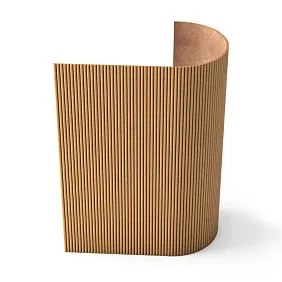
Why white slatted wall panels and ceiling molding go well together
There are solutions that work individually. And there are combinations that work as a system—when two elements enhance each other so much that the result surpasses the sum of its parts. A white slatted wall panel and ceiling molding are precisely such a case.
White slatted panels on the wall create a vertical rhythm: clear parallel lines running from floor to ceiling, a subtle play of shadow between the slats, a sense of structure without heaviness. This is a modern architectural detail that works across a wide stylistic range—from minimalism to neoclassicism. Ceiling molding is responsible for the upper contour of the space: the cornice forms a frame, moldings structure the plane, the rosette anchors the center. Together, they create an interior where walls and ceiling are in architectural dialogue—and it is precisely this dialogue that transforms a room from merely a good renovation into a thoughtfully designed space.
Why does this combination work so organically? The color white. It reconciles any textures, removes the visual conflict between the slatted texture of the wall and the relief surface of the ceiling decor. The space remains light, bright, unified—despite containing several architectural layers at once.




What is a white slatted wall panel and what are its features
Our factory also produces:
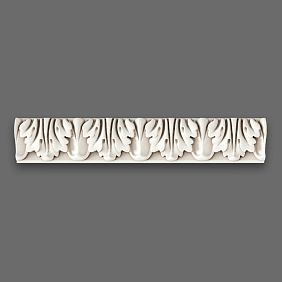


White as an architectural tool
White is not the absence of color. In interior design, white is an active tool that reflects light, expands space, and creates a neutral backdrop for any accents. A white slatted wall panel works exactly like that: it does not overwhelm or dominate, yet it structures the wall, fills it with rhythm, and makes it architecturally interesting.
In a white interior, white panels create distinction not through color, but through texture and shadow. That is why they look so good in light spaces—Scandinavian, neoclassical, contemporary: they don't get lost against the walls but enrich them.
Get Consultation
Slatted texture and visual rhythm
A slat is a repetition. One slat means nothing. A system of slats creates a rhythm—uniform, calming, architecturally expressive. This rhythm makes the wall come alive: light falls on the slats at different angles, creating a soft play of shadow in the gaps. In the morning—one pattern. In the evening, under artificial lighting—another.
The vertical rhythm of white slatted panels is an architectural vertical that visually stretches the room upward. Not a decorative trick, but a real optical effect that works especially noticeably in apartments with standard ceiling heights of 2.5–2.7 m.
Why white slatted panels make a space feel lighter
White slats don't create mass. They create structure—visible but not heavy. The gaps between the slats 'breathe,' the wall surface doesn't look monolithic and solid. It's precisely this feeling of lightness and airiness that makes themRafter panelsone of the most popular solutions for residential interiors.
Compared to finishes like stone, brick, or dark-toned wood, white slatted panels are perceived as maximally delicate. They add an architectural layer without weighing down the space.
Where is it appropriate to use white slatted panels
White slatted wall panels are used practically everywhere:
-
Living room — accent wall behind the sofa, TV area, decorative partition
-
Bedroom — wall behind the bed headboard as the main decorative accent
-
Hallway — the first area a guest sees; white slats create a light, welcoming entrance
-
Study — zoning panel, background for shelving
-
Dining room — the background of the dining area, creating intimacy
-
Commercial spaces — receptions, waiting rooms, meeting rooms
It is versatility that makes the white slatted wall panel one of the most sought-after solutions in modern decor.
What ceiling molding brings to a modern interior
Why the ceiling cannot be left visually empty
The fifth wall — that is what architects call the ceiling. And it is the one most often ignored during finishing. A flat white ceiling without a single decorative element is an architectural vacuum. It is neutral, and this neutrality works against the space: the room lacks an upper architectural frame and feels incomplete.
This becomes especially critical precisely when the walls receive expressive finishing. White slatted panels on the wall create a structured, rhythmic, architecturally rich surface. Against this background, an empty ceiling looks not minimalist, but simply unfinished. Ceiling molding is the upper plane's answer to the question posed by the walls.
How molding shapes the completeness of an interior
A cornice around the perimeter creates a frame. Molding frames structure the plane. A rosette for the chandelier anchors the center. Three elements — and the ceiling ceases to be just a ceiling. It becomes part of the architectural system that holds the space together.
It is this feeling — 'the space is assembled, complete, thought through' — that createsCeiling moldingNot through luxury and opulence, but through the precision of the architectural gesture.
What problems does ceiling molding solve?
-
Covers the technically unsightly joint between the wall and ceiling — a cornice
-
Frames the chandelier area, creating a decorative 'setting' for the light fixture — the rosette
-
Structures the ceiling plane, giving it geometry and depth — moldings
-
Creates a visual connection between the walls and ceiling through a common decorative language
-
Increases the perceived value of the interior — a room with a cornice and rosette is perceived as more expensive
Why is ceiling molding appropriate not only in classic styles?
A persistent stereotype: molding is about palace halls, Baroque cornices with grapevines and gilding. The reality is different. ModernPolyurethane ceiling decorationmolding is produced in a huge range of forms — from rich floral ornamentation to completely smooth profiles without a single decorative motif. A thin smooth cornice, a laconic rosette with a geometric pattern, rectilinear molding frames — all of this is molding, and all of it fits organically into modern, neoclassical, Scandinavian, and even minimalist interiors.
How a white slatted wall panel changes the perception of space
Visually elongates walls
Vertical slat lines create a stable optical effect: the eye follows them upward, and the room's height is perceived as greater. For apartments with 2.5 m ceilings, this is not just a design technique—it's a tangible difference in comfort. White slatted panels covering the full height of the wall literally 'raise' the ceiling—not physically, but visually convincingly.
Adds volume without overload
A smooth painted wall is a flat plane. A slatted panel is texture, layers, depth. Yet—without heaviness. The white color provides lightness, the slats give volume. It is precisely this balance—volume without overload—that makes slatted panels such a versatile solution.
Works with light and shadows
Each slat casts a shadow into the gap. Under different lighting—daylight, side, directional—the pattern of shadows changes. The wall becomes a living, dynamic surface that looks different throughout the day. This is something impossible to achieve with a painted wall or plain wallpaper.
Helps zone the interior
A slatted wall is an excellent zoning tool without physical partitions. In an open floor plan, a slatted panel behind the dining area visually separates it from the kitchen. A panel behind the sofa marks the relaxation zone in the living room. At the same time, the space remains open: light and air freely pass through the panel.
Makes a white interior more lively
One of the challenges of a monochrome white interior is that it risks looking cold and sterile. White slatted panels elegantly solve this problem: the texture of the slats creates warmth and visual interest without introducing a new color. White remains white, but the space 'comes to life'.
What type of ceiling molding best complements white slatted panels?
This is a key design question: if the walls have an expressive slatted texture, how do you choose ceiling molding to avoid competition between textures? The answer depends on the style and the desired level of ornamentation.
Ceiling Cornices
A cornice is an essential element when there are slatted panels on the walls. It is precisely what creates the transition between the vertical rhythm of the slats and the horizontal plane of the ceiling. Without a cornice, this transition looks technically unfinished: the slats simply meet the ceiling without an architectural solution.
For an interior with white slatted panels, cornices with moderate relief work best—a profile silhouette without active floral ornamentation. Width: 5–10 cm depending on ceiling height.Decorative polyurethane cornicesare mounted on the wall along the junction line with the ceiling and cover the technical gap.
Ceiling moldings
Molding frames on the ceiling plane complement slatted walls well precisely because they introduce horizontal geometry. A slatted wall is vertical. Ceiling moldings are horizontal. Two perpendicular rhythms balance each other and create a balanced architectural system.
For modern and neoclassical interiors with slatted walls, choose thin moldings with a smooth or minimally relief profile. Width: 2–5 cm. Frames are simple rectangular, without complex corner decorations.
Ceiling Rosettes
A ceiling medallion for a chandelier is a delicate but important element. In an interior with slatted walls, it should be proportionate: not too large, not overloaded with ornament. A medallion with a geometric or radial pattern echoes the vertical rhythm of the slats—this is a visual rhyme that makes the interior internally cohesive.
Rosette diameter — 30–50 cm for a standard room. For larger spaces, up to 60–70 cm is possible. Ornament — matching the overall style.
Laconic molding for a contemporary interior
If slatted panels are chosen in a contemporary style — smooth, without beveling, with minimal relief — then ceiling molding should correspond: a thin smooth cornice, a laconic rosette. No floral ornament. Clean profiles, geometry, white color — and the entire system works as a unified whole.
More expressive molding for neoclassicism
If the interior is designed in a neoclassical key — furniture with elegant forms, fabrics with texture, white slatted panels with beveling and neat relief — ceiling molding can be richer. Moderate cornice ornament, molding frames, rosette with floral motifs. This is permissible and organic: the style allows for greater decorative saturation.
Stylistic solutions: where this combination looks especially strong
Modern classic
It is here that the combination of white slatted panels and ceiling molding unfolds to its full potential. Modern classicism is built on the purity of white, the laconicism of forms, and the architectural expressiveness of details. White slats give structure to the walls. Ceiling cornice, molding frames, and rosette create completeness from above. Furniture with classical proportions, a chandelier with crystal — all of this together reads as a conscious, professional choice.
Neoclassicism
One of the most organic styles for this combination. Slatted panels on the walls create a contemporary architectural rhythm that does not contradict the classical language of molding. Moderate cornice ornament, rosette with an elegant pattern, thin molding frames — a neoclassical ceiling in dialogue with a contemporary slatted wall. This is precisely that 'modern classicism without a museum spirit' that most people are looking for.
Minimalism with decorative accents
Minimalist interiors often suffer from excessive neutrality: when everything is stripped away, the space risks becoming boring. White slatted panels are one way to add interest without introducing new colors and forms. A thin smooth cornice on the ceiling is another. Together they create 'minimalism with architectural content': the space is expressive but not overloaded.
Bright Scandinavian interior
Scandinavian style lives in white, wood, and purity of form. White wooden slatted panels are an absolutely organic choice here: they align with the material philosophy of the style. A thin, smooth ceiling cornice and a small, concise rosette add architectural completeness without disrupting the characteristic Scandinavian lightness.
Art Deco in a soft interpretation
Art Deco loves verticals and geometry. White slatted panels with a clear vertical rhythm are exactly what's needed. Ceiling molding in Art Deco: a geometric rosette with a radial pattern, a cornice with a stepped profile, molding frames with right angles. The entire interior is built around geometry and rhythm—and these two elements precisely ensure this principle.
How to combine slatted panels and molding without visual overload
This is the most delicate question. Two decorative elements—the slatted wall and the ceiling molding—each carry their own visual activity. How to avoid overload?
Balance between the verticals of the wall and the lines of the ceiling
The rule is simple: if the walls are active (slats, relief, texture), the ceiling should be restrained. And vice versa—if the ceiling is rich with molding, the walls can be calmer. In our case, white slatted panels provide moderate, yet still noticeable wall activity. This means the ceiling molding should be elegant, not monumental: a thin cornice, a neat rosette, and if necessary—narrow moldings.
How not to overdo it with relief
One principle: do not duplicate relief on different surfaces simultaneously. The slatted wall already provides relief. The ceiling molding should provide a different type of relief—horizontal, soft, contour-based, not vertical and repetitive. This creates counterpoint, not chaos.
When a laconic ceiling is needed
If slatted panels cover several walls or occupy a large area — the ceiling should be calm. A cornice and a small rosette. No molding frames. This allows the walls to 'speak,' and the ceiling merely completes the space.
When decorative elements can be enhanced
If slatted panels are only on one accent wall, and the other walls are clean and smooth — the ceiling can be allowed more. Molding frames, a rosette, an ornamental cornice — the ceiling takes on the role of a second architectural accent and balances the slatted wall.
Why white color helps unite different textures
Different textures in one color is one of the main rules of monochrome interiors. White slats, white cornice, white moldings, a white rosette on a white ceiling — this is not monotony. It is unity with a richness of textures. The difference between surfaces is perceived through light, shadow, relief — not through color. This is precisely why white is the ideal binder for this system.
White slatted wall panel and ceiling molding in different rooms
Living Room
The main room — and the main platform for the full application of both solutions. An accent white slatted wall behind the sofa forms the backdrop for the relaxation area. A cornice along the perimeter of the ceiling completes the space from above. A rosette for the central chandelier creates an architectural accent in the center. Optionally — molding frames on the ceiling above the relaxation or dining area.
The result — a living room with two levels of architectural decor: wall (slats) and ceiling (molding). The space is perceived as thoughtful, expensive in feel, and stylistically cohesive.
Bedroom
In the bedroom, the main wall accent is the wall behind the bed headboard. White slatted panels here create a 'frame' for the relaxation area, a visual backdrop that simultaneously structures and calms. Ceiling molding in the bedroom is delicate: a thin cornice without large ornamentation, a small rosette for a chandelier or sconce. This creates a cozy, finished upper contour without heaviness.
Entryway
A limited hallway space is an ideal environment for targeted application of both solutions. White slatted panels on one wall make a small hallway feel light and structured. A thin cornice around the perimeter finishes it from above. A light ceiling medallion for the chandelier adds an architectural accent. Three elements—and the apartment entrance transforms into a deliberate architectural space.
Office
A strict, restrained solution. White slatted panels behind the desk or along bookshelves—structure and rhythm. A cornice around the perimeter, a smooth ceiling medallion—completeness from above. No floral decor. Only architectural logic. This is a space that speaks of professionalism and culture.
Dining Room
A slatted panel behind the dining area, a molding frame on the ceiling above the table, and a ceiling medallion for the chandelier—this is a complete architectural system for the dining space. The wall forms the background, the ceiling highlights the zone. The dining area gains both intimacy and representativeness simultaneously.
Commercial spaces
Reception, lobby, meeting room, restaurant—anywhere it's important to create a sense of quality and thoughtfulness. White slatted panels on the walls provide modernity and lightness. Ceiling molding—authority and completeness. Together they create an environment that works for brand perception.
Interior design ideas: how to use both solutions together
Accent slatted wall and perimeter ceiling cornice
Minimal system. One slatted wall—the focal point of the space. A cornice around the perimeter of the ceiling—an architectural frame from above. Everything else is clean and neutral. This is 'less is more' in its purest form.
White slats behind the TV zone and ceiling molding in the living room
The TV wall is one of the most 'loaded' zones in the living room: screen, media equipment, possibly shelves. White slatted panels behind this zone create a clean architectural background that doesn't compete with the technology but frames it. The ceiling system—cornice, molding frames, medallion—works independently of the TV zone and structures the entire ceiling as a whole.
Panels at the head of the bed and soft ceiling decor
Slatted panel behind the bed + small ceiling rosette above the bed chandelier + cornice around the perimeter. A delicate system that makes the bedroom architecturally complete without excessive decorativeness.
Slatted wall in the hallway and concise ceiling molding
White slats on one wall of the hallway — rhythm and lightness upon entry. Thin cornice around the perimeter — a frame for the space from above. Small rosette for the chandelier — an accent. Three minimal elements that together create a clear architectural statement.
Composition with moldings, slats, and a central chandelier
Molding frame on the ceiling above the relaxation area + rosette in the center of the frame + chandelier + white slatted panels on the surrounding walls — this is a full-fledged interior composition. The chandelier becomes the 'climax' of the system, the frame — its 'setting', the slats — the 'background'. Everything is connected, everything is appropriate.
How to choose white slatted panels for walls
By slat width
Narrow slats (1.5–3 cm) — delicate, refined pattern. Medium slats (3–5 cm) — expressive, well-readable rhythm. Wide slats (6–10 cm) — accent, creating a more monumental effect.
For small rooms, narrow or medium slats are preferable. For large spaces — medium and wide, providing proportionate scale of decor.
By relief depth
Flat slats — a simple, modern look. Beveled slats — a more 'architectural' silhouette, the shadow from the bevel enhances the pattern. Slats with a rounded profile — a softer, cozier look.
For a modern interior — flat or beveled. For neoclassicism — with a neat profile.
By type of coating
White wooden slat panels made of solid wood with varnish or enamel coating — high quality, natural texture, pleasant-to-touch surface.solid wood slat panelsprovide exactly what distinguishes real wood from any substitutes: a living surface, a unique grain pattern.
By interior style
-
Modern / minimalism — flat slats with thin gaps
-
Neoclassicism — slats with a bevel or profile, uniform spacing
-
Scandinavian — slats made of light wood with a matte white coating
-
Art Deco — slats with a geometric profile, regular large spacing
By installation location
Living room and bedroom — any white slatted panel. Hallway — moisture-resistant coating is preferable. Kitchen — for use only in non-wet areas. Commercial spaces — coating with high wear resistance.
In combination with ceiling decor
Narrow delicate slats — a thin, concise cornice, a small rosette. Wide slats — the cornice can be taken slightly larger, the rosette — proportionate to the scale of the walls. Principle: the scale of the wall and ceiling decor should be coordinated.
How to choose ceiling molding for an interior with slatted panels
Based on ceiling height
Standard 2.5–2.7 m: cornice 5–8 cm, rosette up to 40 cm, moldings 2–4 cm. Ceilings from 2.8 m: cornice 7–12 cm, rosette 40–55 cm. With a ceiling from 3 m — complete freedom in scale.
According to the scale of the room
Small room: thin cornice, small rosette, without molding frames or one thin frame. Medium room: medium-width cornice, rosette 40–50 cm, if desired — frames. Large room: complete system without restrictions.
According to the level of wall decorativeness
If slatted panels are on one wall: the ceiling can be given a little more decor. If slatted panels are on several walls: we restrain the ceiling, cornice and rosette are sufficient.
By color and texture
White stucco on a white ceiling is a classic that always works. Stucco matching the wall color is decor that reads only through relief and shadows, creating a monochromatic architectural effect. Contrasting stucco is a bold decision requiring confidence.
In combination with lighting
With spot lighting directed at the ceiling, the relief of the stucco becomes more expressive—shadows enhance the ornament. A rosette under directed light looks sculptural. Hidden lighting in a cornice niche (LED strip) creates an additional lighting scenario, especially effective on white surfaces.
By overall stylistic scenario
Define one stylistic direction for the entire space and follow it in choosing both slats and stucco. Slat panels in a modern spirit + laconic stucco = modern interior. Slat panels with a profile + ornamental stucco = neoclassicism. Mixing incompatible styles breaks the system.
Materials and practicality: what's important to know before buying
White wall panels: what to look for
When choosing white slatted wall panels, the following are important:
-
Material: solid wood — best quality and texture, MDF — cheaper, PVC — for wet rooms
-
Coating: varnish, enamel, melamine — resistance to mechanical damage
-
Geometry accuracy: all slats are the same width, spacing is uniform
-
Mounting system: clips, tongue-and-groove connection, or direct adhesive mounting
Polyurethane molding: advantages for ceilings
Polyurethane molding is the optimal choice for ceilings in most practical situations:
-
Light weight (10–15 times lighter than plaster) — does not load the structure, easy to install
-
Moisture resistance — suitable for kitchens and bathrooms
-
Clear relief — precise repeatability of the pattern in each element
-
Installation with acrylic adhesive — DIY, without special tools
-
Painting with any water-based paint
PreciselyPolyurethane Itemsare today the standard for decorating ceilings in residential and commercial interiors.
Care for white surfaces
White slats: soft cloth, neutral cleaning agent. Avoid abrasives. Wipe painted surfaces without intense pressure.
White molding: soft brush or vacuum with a delicate attachment. For stains — damp cloth. Textured surfaces collect less dust than smooth ones — dust does not 'stick' to the texture.
Durability, installation, and longevity
Solid wood slat panels with high-quality coating — service life of decades. Polyurethane molding with proper installation — equally durable. Both materials do not require replacement if the finish is maintained. If desired — simply repainted in a new color.
Common mistakes when combining white slat panels and molding on the ceiling
Making both walls and ceiling too active simultaneously
Wide, large slats on all walls plus rich ornamental molding on the ceiling — this is visual overload. Two active elements compete for attention and cancel each other out. Rule: if walls are rich — ceiling is restrained. If ceiling is rich — walls are calm.
Incorrect scale of molding
Heavy Baroque cornice in a space with delicate, thin slats — stylistic dissonance. The scale and style of the molding should correspond to the scale and style of the slat panels.
Random selection of textures
Dark wood slatted panels plus white molding without a single stylistic concept—this is not eclecticism, it's chaos. All elements should belong to one stylistic direction or intentionally create a deliberate contrast.
Violation of room proportions
Tall, wide slats in a small room with low ceilings plus a wide ornamental cornice—and the room 'shrinks.' The scale of decor is always selected to match the specific dimensions of the space.
Excessive number of decorative elements
Slatted panels on all walls + molding frames on the ceiling + cornice + rosette + decorative inserts + pilasters—this is too much for an ordinary living room. Precision of choice is more important than quantity.
Lack of coordination with lighting and furniture
White slats and white molding under poor lighting simply blend into a single spot—and all the architectural work is lost. Lighting should be designed in such a way as to emphasize the relief of the slats and molding: spotlights, directional lighting, contour lighting of the cornice.
Is such a solution suitable for a modern interior?
Definitely—yes. Moreover: it is precisely in a modern interior that this combination works especially elegantly. Modernity does not mean the absence of architectural decor. It means its conciseness, precision, and deliberateness.
A thin white cornice on the ceiling and white slatted panels on one wall—this is not 'classical,' not 'baroque,' not 'palatial luxury.' This is a modern architectural detail that speaks to the culture of space. This is exactly how these solutions are used in the most relevant interior projects.
For those creating a modern interior with a claim to quality and durability, this combination is one of the most professional and visually powerful choices.
Frequently asked questions
Can white slatted panels and ceiling molding be combined in a small room?
Yes. The key is proper scale. Narrow slats, a thin cornice, a small rosette. Fewer elements in a small room—greater effect. One slatted wall and a cornice around the perimeter are enough.
Does molding suit modern white wall panels?
Yes, if you choose laconic elements with minimal ornamentation. A thin smooth cornice and a geometric rosette—this is not 'classical molding,' but modern architectural decor. They are organic alongside any white wall panels.
What ceiling decor to choose for a slatted wall?
Focus on the width of the slats and the interior style. Thin slats—thin cornice and a small rosette. Wide slats—the cornice can be wider. In a modern interior—smooth profiles. In neoclassical—moderate ornamentation.
Should molding be painted the same white color as the slatted panels?
In most cases—yes. A unified white creates an architectural system where all elements work as a whole. Different shades of white (warm and cool) can create unwanted contrast—it's better to keep them in the same color temperature.
Where is it better to place the accent: on the wall or on the ceiling?
Depends on the space. If the room is small, one accent is better than two. If the space allows, both elements can be accent pieces, but of different decorative levels (one active, the other restrained).
Are white slatted panels and molding suitable for a bedroom?
Yes, and it's one of the most successful applications of both solutions. In a bedroom, a slatted panel behind the bedhead creates a delicate, calming background—the vertical rhythm of the white slats works as an architectural 'frame' for the sleeping area. A thin cornice around the perimeter and a small rosette complete the space from above. Nothing extra, no heaviness—just architectural logic and a sense of completeness.
Will the interior look overloaded?
It won't—if three conditions are met: a unified white color on all decorative surfaces, proportionality of elements (the scale of the slats corresponds to the scale of the molding), and moderation in quantity (one accent slatted wall, not all four; a cornice and rosette—not a monumental system with coffers and pilasters). White reconciles textures, proportions maintain balance, and moderation eliminates visual noise.
Conclusion
A white slatted wall panel and ceiling molding are not two random solutions assembled in one room. They are two levels of architectural decor that, when properly selected and skillfully combined, create an interior with genuine spatial depth.
White slatted panels on the wall provide verticality, rhythm, and structure.solid wood slat panels—it's a living material with a natural wood texture that is both visually light and tactilely rich. Ceiling molding—cornice, moldings, rosette—completes the space from above, creates its upper architectural contour, and elevates the interior from the category of 'good finishing' to 'thoughtful space.'
Together, they work through white as a unifying constant: different textures, different surfaces, different reliefs—but a single color makes them part of one system. That's why this combination always looks expensive, cohesive, and professional—regardless of the style in which the interior is designed.
Full rangeof slatted panelsandDecorative polyurethane moldings—cornices, moldings, rosettes, and decorative elements—are presented in the STAVROS company catalog.
STAVROS is architectural decor for those who create spaces with intention. Slatted panels made from solid wood with impeccable white coating and polyurethane molding with precise relief—all produced and delivered with European quality standards. Every STAVROS element is designed to work not on its own, but as part of a system—exactly how a true architectural solution should function.


