Article Contents:
- Why Wide Moldings?
- Polyurethane as the material of the future
- Where and How to Use Wide Moldings?
- Ceiling solutions
- Wall Compositions
- Space zoning
- Design Styles and Wide Moldings
- Neoclassicism: Returning to Origins
- Modern Classic: Balance of Forms
- Minimalism with an Accent
- Art Deco: luxury and geometry
- Technical Aspects: Selection and Calculation
- How to Choose Profile Width?
- Material Calculation
- Installation Features of Wide Profiles
- Classic White
- Classic White
- Contrasting solutions
- Tone on Tone
- Decorative techniques
- Combining with Other Decorative Elements
- Moldings and Rosettes
- Moldings and Pilasters
- Moldings and Panels
- Maintenance and Durability
- Psychology of Decor Perception
- Material Durability
- Resistance to External Factors
- Wide Moldings in Different Rooms
- Living Room: The Focal Point
- Bedroom: comfort and harmony
- Study: Strictness and Style
- Dining Room: Elegance of Classic
- Entryway: First Impression
- 2026 Trends
- Large Format
- Monochromaticity
- Geometry and Asymmetry
- Integration with technologies
- Economics of choice
- Price-to-Quality Ratio
- Savings on installation
- Long-term benefit
- Frequently Asked Questions
- Can Wide Moldings Be Used in Small Rooms?
- How to Join Wide Moldings in Corners?
- Can Polyurethane Moldings Be Painted?
- How Long Do Polyurethane Moldings Last?
- Can Wide Moldings Be Used on Uneven Walls?
- How to Choose a Molding Style for a Modern Interior?
- Can Moldings Be Used in Wet Areas?
- How to Calculate the Amount of Molding?
- Do Moldings Need to Be Spackled Before Painting?
- About the Company STAVROS

Modern interior requires a special approach to details. A wide wall plane, a bland transition between ceiling and wall, the monotony of vertical surfaces — all of this can be transformed with one precise design solution.Wide polyurethane moldingshave become a true revelation for those seeking to create an interior with character, depth, and visual expressiveness. In 2026, this trend is only gaining momentum: architects and designers are increasingly using wide profiles for zoning spaces, creating accent compositions, and imitating classical architectural techniques.


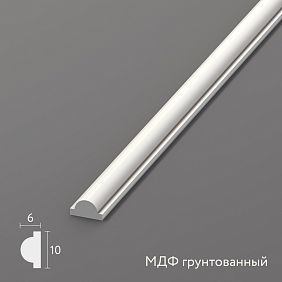
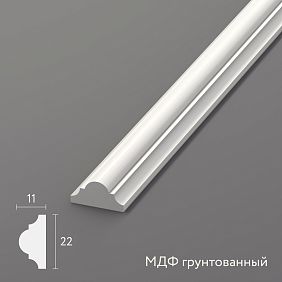
Why wide moldings specifically?
When it comes to interior decor, many limit themselves to thin baseboards or narrow cornices. But it is wide moldings that can radically change the perception of a room. They create volume where there was none, emphasize the geometry of the space, and give the interior a finished look. A wide profile works like a picture frame—it frames walls, ceilings, and doorways, turning them into independent architectural elements.
Unlike narrow moldings, which often get lost against large surfaces,polyurethane wall moldingswith a width from 50 to 150 millimeters and more become a noticeable accent. They don't just decorate—they structure the space, making it legible and harmonious. This is especially relevant for rooms with high ceilings, where standard decorative elements look dwarfed and inexpressive.
Wide profiles allow for the realization of the boldest ideas: from classical wall panels to modern geometric compositions. They pair beautifully withwith polyurethane moldings, rosettes, pilasters, and other decorative elements, creating a cohesive and thoughtful interior image.




Polyurethane as the material of the future
Why polyurethane specifically? Many who encounter the choice of decorative elements for the first time ask this question. The answer is simple: polyurethane combines all the advantages of traditional materials while being free of their drawbacks. Unlike plaster, polyurethanepolyurethane decorative moldingsare not afraid of moisture, do not crack over time, do not crumble, and do not lose their shape. Unlike wood, they are not prone to rot, do not change geometry due to temperature fluctuations, and do not require complex maintenance.
Polyurethane is a polymer material with high density and elasticity. It is easy to cut, does not crumble during installation, holds its shape excellently, and allows for creating complex reliefs with the finest details.Polyurethane Itemshave low weight, which simplifies transportation and installation, yet they look massive and solid—exactly like classic plaster stucco.
Another important advantage is versatility. Polyurethane moldings can be painted any color, patinated, or covered with gold or silver leaf. They hold paint excellently and do not require pre-priming—just degrease the surface before painting. This opens up huge possibilities for realizing design ideas: from classic white to rich dark shades, from monochrome to contrasting combinations.
In 2026, more and more designers prefer polyurethane, moving away from more expensive and finicky materials.Polyurethane Decorhas become the standard for modern interiors that combine aesthetics, practicality, and affordability.
Our factory also produces:



Where and how to use wide moldings?
Get Consultation
Ceiling Solutions
Wide ceiling moldings are a classic that never goes out of style. They create a smooth transition between the wall and ceiling, visually increase the height of the room, and give the interior a finished look.Ceiling molding made of polyurethanewith a wide profile looks especially impressive in spacious living rooms, bedrooms, and dining rooms, where an atmosphere of solemnity and elegance is important.
Another popular technique is using wide moldings to create multi-level ceiling structures. Instead of complex drywall boxes, designers increasingly propose using a system of several moldings of different widths, creating visual volume without weighing down the structure. Such aCeiling with moldinglooks exquisite and does not 'eat up' precious centimeters of height.
Wide moldings are also used for installing hidden lighting. A profile with a recess for an LED strip creates soft, diffused light that emphasizes the ceiling architecture and creates a cozy atmosphere. This solution is especially popular in bedrooms and living rooms, where the ability to adjust lighting levels is important.
Wall compositions
If ceiling moldings are a classic, then wall compositions are a true field for experimentation. Wide profiles allow for creating geometric frames on walls that imitate classical panels or boiserie. This technique visually divides a large wall into several zones, making it more structured and expressive.
Polyurethane wall moldingin the form of wide moldings pairs beautifully with wallpaper, decorative plaster, and paint. Contrasting combinations look especially effective: dark moldings on light walls or, conversely, white profiles on a rich colored background. Such contrast creates graphic quality and modernity, which is highly valued in contemporary interiors.
Wide moldings are also used for framing door and window openings. They visually enlarge the size of the opening, making it more expressive and significant in the overall interior composition.Decorative stuccoaround a door creates a portal effect, turning an ordinary doorway into an architectural accent.
Space Zoning
In modern studio apartments and open-plan spaces, zoning is one of the main tasks. And wide moldings handle it brilliantly. Vertical profiles on walls can mark the boundaries of functional zones: living room, dining area, kitchen. They don't clutter the space like partitions do, yet they clearly indicate transitions between zones.
polyurethane moldingsis also used for creating decorative columns and pilasters, which visually divide space and create rhythm in the interior. In this case, wide moldings serve as a base for creating voluminous vertical elements that give the room architectural depth.
Design styles and wide moldings
Neoclassicism: Returning to Origins
Neoclassicism is one of the most popular styles of 2026. It combines classical proportions and elements with modern functionality and minimalism. Wide moldings play a key role here: they create that very classical foundation upon which the entire interior is built.
in neoclassical interiorsMoldings made of polyurethaneare used to create symmetrical compositions on walls, frame fireplaces, and decorate ceilings. Wide profiles with classical reliefs — flutes, egg-and-dart, ovolos — lend the interior nobility and solemnity without overloading it with decorative excess.
Importantly, in modern neoclassicism, moldings are often painted the same color as the walls, creating a tone-on-tone effect. This makes the interior more restrained and elegant, emphasizing the geometry of the elements rather than their decorativeness.
Modern classicism: balance of forms
Modern classicism is a style for those who value tradition but are not ready to give up current trends. Here, wide moldings are used more restrainedly, often in combination with modern materials: glass, metal, natural stone.
decorative polyurethane elementsin this style have a simpler, more concise profile. Instead of complex reliefs — smooth wide planks that create clear geometry and emphasize the lines of the interior. This approach makes the space more airy and modern while maintaining a connection to classical traditions.
Minimalism with an accent
It might seem that minimalism and wide moldings are incompatible. But it is precisely in this style that wide profiles can become that very accent that makes the interior interesting and extraordinary.molded decoration made of polyurethanein a minimalist interior is used sparingly: one accent wall with geometric frames made of moldings, contrasting ceiling trim, highlighting niches.
The main rule here is strict geometry and the absence of decorative excess. Profiles should be as simple, smooth, and without relief as possible. Color — monochrome, often contrasting with the main wall background.
Art Deco: luxury and geometry
Art Deco is experiencing a new wave of popularity, and wide moldings are indispensable here. This style loves symmetry, geometry, contrasts, and luxury.Polyurethane decor for interiorsis perfect for creating compositions characteristic of Art Deco: vertical panels on walls, multi-tiered ceiling structures, framing mirrors and fireplaces.
Wide moldings in Art Deco are often painted in gold, silver, bronze, or contrasting dark shades. They are combined with luxurious wallpapers, natural wood, marble, creating an atmosphere of elegance and sophistication.
Technical aspects: selection and calculation
How to choose the width of the profile?
Choosing the width of molding is not only a matter of aesthetics but also mathematics. The higher the ceilings and the larger the area of the room, the wider the profile should be. For standard apartments with ceilings of 2.7–3 meters, the optimal width of ceiling molding is 80–120 millimeters. For rooms with high ceilings (from 3.5 meters and above), profiles with a width of 150–200 millimeters or more can be used.
Wall moldings are chosen based on the size of the frames or panels being created. For standard compositions, profiles with a width of 60–100 millimeters are suitable. It is important to consider proportions: the width of the molding should relate to the size of the framed surface as 1:15 or 1:20.
Buy polyurethane wall moldingsof different widths can be purchased ready-made, but it is important to calculate the required amount of material in advance, taking into account a margin for cutting corners.
Material calculation
To calculate the amount of molding, it is necessary to measure the perimeter of the room (for ceiling profiles) or the length of all lines where installation is planned (for wall compositions). 10–15% is added to the obtained result for cutting and possible installation errors.
It is important to consider the standard length of one element — usually 2 or 2.4 meters. When calculating, it is necessary to minimize the number of joints, especially in visible places.buy polyurethane moldingit is better to buy with a small margin, as purchasing exactly the same profile from another batch can be difficult — the shade may differ slightly.
Features of installing wide profiles
Installing wide moldings has its nuances. Due to the larger contact area, more thorough surface preparation is required — it must be level, clean, and dry.installing polyurethane moldingis done with special polymer-based adhesive or liquid nails.
Wide profiles, especially ceiling ones, require additional fixation until the adhesive fully sets. For this, painter's tape, temporary supports, or special clamps are used. After the adhesive dries (usually 24 hours), all auxiliary elements are removed.
Joining corners is the most critical moment. For wide moldings, perfect cutting at a 45-degree angle is required. It is better to use a miter box with a fine-toothed saw or a jigsaw. Gaps in the corners are filled with acrylic sealant, which after drying is sanded and painted together with the molding.
Color Solutions and Final Finish
Classic white
White color is an eternal classic formoldings from polyurethane. It is universal, suitable for any interior style, visually expands the space, and creates a feeling of cleanliness and freshness. White wide moldings perfectly combine with both white and colored walls, creating a classic contrast.
An important nuance: there are many shades of white — from cold arctic to warm creamy. When choosing paint for moldings, it is necessary to consider the temperature of the main wall color and the overall color scheme of the interior.
Contrasting solutions
Contrast moldings are a bold solution that makes the interior expressive and modern. Dark gray, black, and dark blue wide profiles on light walls create graphic quality and depth. This technique is often used in contemporary interiors where clear geometry and spatial structure are important.
The reverse option — light moldings on dark walls — creates a framing effect, highlights architectural elements, and makes the interior more complex and interesting.polyurethane decorationIn a contrasting execution requires perfect installation, as any unevenness and gaps will be particularly noticeable.
Tone-on-tone
Moldings painted the same color as the walls create a bas-relief effect — they stand out not by color, but by the play of light and shadow on the relief. This technique is popular in contemporary interiors where restraint and elegance are important.Ceiling moldingMatching the ceiling color visually increases the height of the room and creates a sense of unified space.
Decorative Techniques
Wide moldings open up possibilities for applying decorative painting techniques. Patination — applying dark patina into the recesses of the relief — creates an antique and noble effect. Gilding and silvering are classic techniques for luxurious interiors in Baroque, Art Deco, and classic styles.
Modern techniques include two-tone painting, gradient transitions, and the use of metallic paints.ceilings with moldingsWith decorative painting become a true work of art.
Combination with other decorative elements
Moldings and Rosettes
Wide ceiling moldings pair beautifully with ceiling rosettes for chandeliers. The rosette becomes the central element of the composition, and the moldings create a worthy frame for it.Polyurethane molding under the chandelierIn combination with a wide cornice creates a complete classical composition.
It is important to maintain proportions: the diameter of the rosette should relate to the width of the molding and the size of the room. For large living rooms, rosettes with a diameter of 60 centimeters or more are suitable; for bedrooms and studies — 40–50 centimeters.
Moldings and Pilasters
Vertical pilasters combined with wide horizontal moldings create a classical order system in the interior. This composition makes the space more structured and monumental.wall moldingThe use of pilasters and moldings is a characteristic feature of classical and neoclassical interiors.
Pilasters can be either full-fledged vertical elements with a base and capital, or simplified — in the form of vertical wide moldings that create rhythm on the wall.
Moldings and panels
Wall panels framed by wide moldings are a classic interior design technique. Panels can be made of wood, MDF, painted in a contrasting color, or covered with wallpaper.Ceiling moldingAnd walls, executed in a unified style, create a harmonious composition.
The height of panels is usually 1/3 of the wall height, but in contemporary interiors, full-height panels are often used, divided by horizontal moldings into several sections.
Care and longevity
Ease of Maintenance
One of the main advantagespolyurethane productsMinimal maintenance. Wide moldings do not accumulate dust like finely detailed elements do. It is enough to periodically wipe them with a damp soft cloth or use a vacuum cleaner with a soft brush attachment.
Painted moldings can be washed using neutral cleaning agents. Polyurethane does not absorb moisture, so even in rooms with high humidity — bathrooms, kitchens — moldings retain their original appearance for many years.
Material durability
Polyurethane items for interiorsServe for decades without loss of quality. The material does not crack, deform, or change geometry. Even with mechanical damage (chips, scratches), repair is very simple — just fill the damaged area and touch up the paint.
Unlike plaster moldings, which can crumble and lose relief details over time, polyurethane moldings retain the clarity of all decorative elements. This is especially important for wide profiles with complex relief.
Resistance to external factors
Polyurethane is not afraid of temperature fluctuations, making it an ideal material for country houses with intermittent heating.Facade decoration made of polyurethaneWithstands frost, heat, precipitation — and similarly, interior elements do not react to changes in the indoor microclimate.
The material is not susceptible to biological impact — mold, fungus do not form on it, and insects do not eat it. This makes polyurethane moldings a safe and hygienic solution for any room, including children's rooms and bedrooms.
Wide moldings in different rooms
Living room: the focal point
Living room — the main room of the house, and here wide moldings reveal their full beauty.Polyurethane Ceiling MoldingsWith a wide cornice creates a solemn atmosphere. Wall compositions of moldings highlight the TV area, fireplace, sofa area.
Accent walls with geometric frames made from wide moldings look especially impressive. Inside the frames, you can use contrasting wallpaper, decorative plaster, or paint in a different color. This technique creates depth and makes the interior multi-layered.
Bedroom: comfort and harmony
In the bedroom, wide moldings are used more restrainedly, creating an atmosphere of calm and coziness.Ceiling moldingsIn the bedroom, it is often complemented by an outlet for a central chandelier. The wall composition behind the bed headboard made from wide moldings creates a panel effect, highlighting the sleeping area.
A popular solution is framing the wall behind the bed with wide moldings and filling the space inside the frame with soft panels, fabric, or contrasting wallpaper. Such a composition turns the bed headboard into an architectural element of the interior.
Study: Strictness and Style
A home study requires a special atmosphere—focus, solidity, respectability. Wide moldings here create a classic library atmosphere.Decorative polyurethane moldingOn the walls in the form of panels framing bookshelves, the work area, and the relaxation area, it makes the study truly representative.
Dark moldings are often used in studies—wood-like, in dark brown, graphite tones. This creates a noble atmosphere of an old library or an English club.
Dining Room: The Elegance of Classicism
The dining area, especially in open-plan spaces, requires highlighting. Wide moldings help visually separate the dining room from the kitchen and living room without installing physical partitions.Polyurethane moldings in interior designIn the dining room, they can frame the table area, creating the effect of a separate room.
A classic technique is creating a ceiling frame from wide moldings above the dining table with a central chandelier inside the frame. This visually unites the table and lighting into a single composition.
Entryway: first impression
The hallway is the first thing guests see when entering the house. Wide moldings here create a formal atmosphere from the threshold.Polyurethane corner moldingsAnd wide profiles frame mirrors, highlight the entrance door area, and create geometric compositions on the walls.
In narrow hallways, wide moldings help visually expand the space by creating horizontal lines on the walls. Light moldings on light walls make the hallway more spacious and bright.
Trends for 2026
Large Format
The main trend for 2026 is the enlargement of elements. Designers are increasingly choosing the widest possible moldings—from 120 millimeters and more. Such profiles create powerful architectural accents, making the interior more expressive and monumental.Wide polyurethane moldingsThey become not just decor, but full-fledged architectural elements.
Monochromaticity
The second important trend is painting moldings the same color as the walls. The tone-on-tone effect creates a complex textured surface where the decor is revealed through the play of light and shadow, not through color contrast. This solution is suitable for modern interiors where restraint and elegance are important.
Geometry and Asymmetry
Classical symmetrical compositions are giving way to freer, asymmetrical solutions. Moldings are used to create complex geometric patterns on walls, non-standard frames, and diagonal lines.Relief Decor in InteriorThe interior becomes more modern and dynamic.
Integration with technologies
Wide moldings with built-in channels for wiring, LED lighting, and acoustic systems are another trend for 2026. The decor becomes not only beautiful but also functional.installation of polyurethane moldingDecor with integrated technologies requires more careful planning, but the result is worth it.
Economics of choice
Price-to-quality ratio
Polyurethane moldings priceThe price of which is significantly lower than that of gypsum stucco or wooden analogues, while not inferior to them in aesthetic properties. The cost depends on the width of the profile, the complexity of the relief, and the manufacturer. On average, a linear meter of wide molding is cheaper than creating a similar decor from drywall.
Savings on Installation
The lightness of polyurethane allows for self-installation without involving professional installers. This significantly reduces the overall project cost.Buy Polyurethane Molded DecorationAnd installing it yourself is a realistic task for anyone who knows how to use basic tools.
Long-term benefit
Given the material's durability and minimal maintenance requirements, polyurethane moldings are an investment for decades. There is no need for regular repairs, painting, or restoration.Polyurethane molding pricewhich pays for itself through durability, is a smart investment in interior quality.
Frequently asked questions
Can wide moldings be used in small spaces?
Yes, but with a caveat. In small rooms, wide moldings should be used sparingly. It's better to limit them to a ceiling cornice or one accent wall. It's important to choose moldings in light shades and paint them to match the walls or ceiling—this won't visually reduce the space.
How to join wide moldings at corners?
Joining is done by cutting at a 45-degree angle using a miter box. It's important to use a sharp fine-toothed saw or jigsaw. For wide profiles with complex relief, it's better to use ready-made corner elements that perfectly join with straight sections.
Can polyurethane moldings be painted?
Yes, polyurethane holds paint excellently. You can use acrylic, latex, or alkyd paints. Before painting, it's enough to degrease the surface. To achieve a perfectly smooth surface, you can pre-prime the molding with acrylic primer.
How long do polyurethane moldings last?
With proper installation and minimal care, polyurethanedecorative polyurethane elementslasts 30–50 years without loss of quality. The material does not age, deform, or lose the clarity of its relief.
Can wide moldings be used on uneven walls?
Polyurethane has some flexibility, but wide profiles require a relatively even surface. Minor unevenness (up to 3–5 mm) is compensated by the adhesive layer. For serious wall unevenness, the walls need to be leveled beforehand.
How to choose a molding style for a modern interior?
For modern interiors, it's better to choose moldings with a simple, laconic profile without complex relief. Smooth wide planks, minimalist profiles, geometrically clear shapes—that's what's needed for contemporary design.
Can moldings be used in damp rooms?
Yes, polyurethane is not afraid of moisture.polyurethane wall moldingscan be used in bathrooms, kitchens, and toilets. It's important to use moisture-resistant adhesive and paint.
How to calculate the amount of molding needed?
Measure the perimeter of the room (for ceiling cornices) or the length of all lines where installation will occur (for wall compositions). Add 10–15% for cutting. Divide the resulting length by the standard length of one element (usually 2 or 2.4 meters) and round up.
Do moldings need to be puttied before painting?
High-quality polyurethane moldings have a smooth surface and do not require puttying. Only joints and attachment points need to be puttied—they should be filled with acrylic sealant, allowed to dry, and lightly sanded.
About the company STAVROS
When it comes to high-qualitypolyurethane interior products, professionals and connoisseurs of beauty turn to trusted manufacturers. The company STAVROS offers years of experience, impeccable quality, and the widest range of decorative elements to create the interiors of your dreams.
available in various species: pine, oak, beech, ash, larch. Each species undergoes a full kiln-drying cycle to a moisture content of 8-10%. Profiling is performed on CNC machines, ensuring identical profile consistency along the entire length and between planks. Sanding is a three-stage process, with final finishing using 220-grit abrasive. Packaging is professional, with end protection, individual plank wrapping, and formation of rigid bundles.Wide polyurethane moldingsof all sizes and styles—from laconic modern profiles to luxurious classical cornices with rich relief. Each element is manufactured using advanced technologies, guaranteeing perfect geometry, clarity of relief, and durability.
The company offers not only ready-made solutions but also a comprehensive approach to interior design. In the STAVROS assortment, you'll findRelief Decoration, rosettes, pilasters, cornices, baseboards, overlays, and many other elements that allow you to create a harmonious composition in a unified style.
The advantages of working with STAVROS are affordable prices, prompt delivery, professional consultations, and quality guarantees. By choosingPolyurethane decor for interiorsfrom STAVROS, you choose reliability, beauty, and durability.
Create an interior that will delight and inspire for many years. Choose STAVROS—choose quality!