Article Contents:
- What are slatted panels and why they are chosen for interiors
- Which slatted panels can you buy at STAVROS
- Quick table for the slatted panel group
- Comparison of MDF, solid wood, and flexible panels
- For walls
- For furniture
- For interior finishing
- Need to design a TV area
- Need to make the bedroom warmer and deeper
- Need to design an entryway
- Need to update furniture
- Need to design a commercial interior
- Need to create a curved surface
- Table: what to buy together
- Situation 1. Need to cover an empty wall without overloading
- Situation 2. Need to design furniture facade
- Situation 3. Need to create a decorative niche
- Situation 4. Need to design a radius corner
- Situation 5. Need to assemble a commercial area
- Situation 6. Need to choose a panel for an existing interior
- Buying only based on photos
- Cannot measure the area accurately
- Not accounting for the material
- Choosing too active a relief
- Forgetting about the edges
- Using a regular panel on a radius
- Not connecting the panel with the furniture
- Not checking the product card before ordering
- Where to buy MDF slatted panels?
- Which slatted panels to choose for walls?
- How do MDF slatted panels differ from wooden ones?
- Can slatted panels be used for furniture?
- Are slatted panels suitable for curved surfaces?
- What is better for a TV area — MDF or solid wood?
- Do I need to buy a sample before ordering?
- How to calculate the number of slatted panels?
- Can slatted panels be installed in the hallway?
- What to buy together with slatted panels?
- How to avoid mistakes when choosing material?
- Can slat panels be used in commercial interiors?
- What to check in the product card before purchasing?
- Why is a ready-made slat panel better than random individual slats?
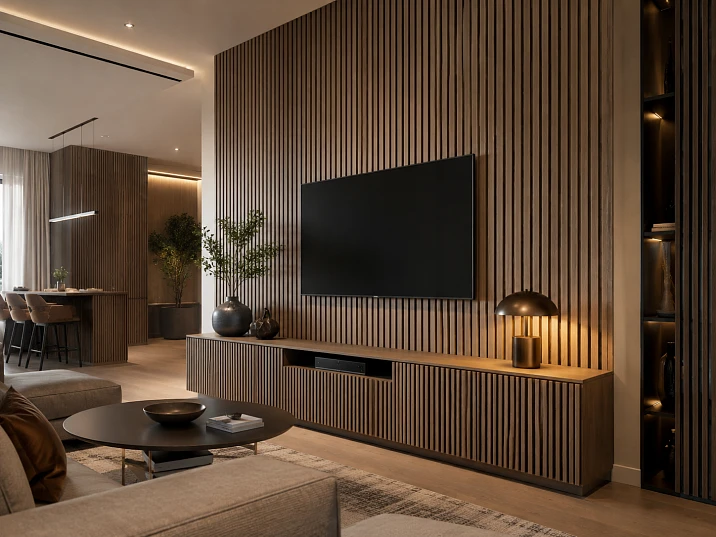
It is worth buying MDF slat panels not based on a "pretty picture", but after a clear choice: where they will be installed, what material is needed, what format suits the wall or furniture, how the finish will look, and what else is needed for a neat result. In an interior, a slat panel quickly changes the perception of space: it stretches the wall vertically, makes the TV area look cohesive, helps to design a niche, covers a boring facade plane, or adds relief where a regular painted surface looks too empty.
A buyer usually starts with a simple question: which slat panels to choose and where to buy slat panels so they don't look like random construction slats. In practice, it's important not only to buy the material but also to select it for the task. For a wall, one set of parameters is needed, for a furniture facade — another, for a curved surface — a third. If the panel is purchased for renovation, the area, installation, future painting, and joining with adjacent materials are important. If for furniture — the scale of the slat, thickness, flexibility, combination with facades and other wooden elements.
In the STAVROS catalog, you can view and buy MDF slatted panels, as well as select options from solid wood, PAN/OPAN panels, samples, and solutions for various interior tasks. This approach is convenient because the buyer chooses not an abstract "slat", but a ready-made decorative element with a clear purpose: for walls, furniture, TV areas, niches, partitions, curved sections, and interior finishing.
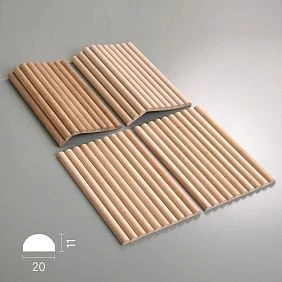
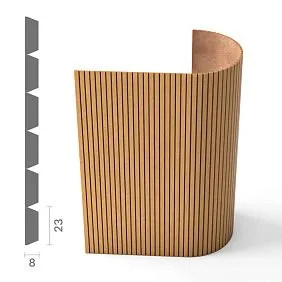
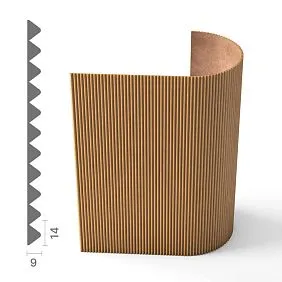
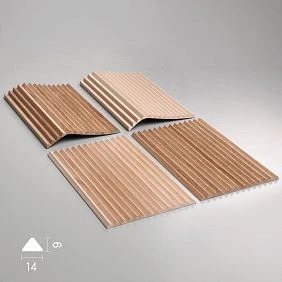
What are slat panels and why are they chosen for interiors
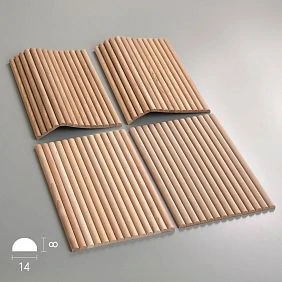
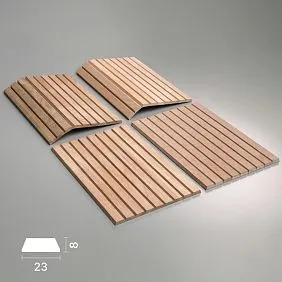
Slat panels are decorative elements with a pronounced linear relief. They work not like ordinary flat finishes, but as a surface with rhythm: light falls on the slats, shadows appear, the wall ceases to be empty, and furniture gets a more expensive and thoughtful look. Unlike randomly assembled individual slats, a ready-made panel helps to quickly achieve neat geometry and avoid turning the finishing into a long manual adjustment.
In residential interiors, slat panels are most often used on walls. They highlight the TV area, the headboard of the bed, a section in the hallway, a wall next to a mirror, a niche, a study wall, or a decorative part of the living room. In commercial spaces, panels help to design a reception desk, a wall in a salon, a lounge area, a meeting room, a cafe, or a showroom. There, not only beauty is important, but also repeatability: if the object is large, random slats from different batches quickly show differences in texture, geometry, and perception.
A separate scenario is furniture. Slat panels can be used on facades, ends, decorative inserts, side panels, niches, and custom items. For example, a smooth cabinet becomes more expressive if part of the facade gets a vertical relief. A simple wall panel turns into the basis for a TV area. A curved corner does not have to be left empty; it can be finished with a flexible slatted surface if a suitable option is chosen.
The main reason for the popularity of such panels is the balance between decorativeness and practicality. The relief is noticeable but does not overload the interior. It pairs well with modern styles, minimalism, soft classic, Scandinavian projects, warm wooden interiors, and commercial spaces where an expressive but not flashy finish is needed.




What slat panels can be bought at STAVROS
At STAVROS, slat panels are presented as a group of interior products for walls, furniture, and decorative structures. Within this group, you can consider MDF, solid oak and beech, PAN/OPAN panels, flexible fabric-based panels, and samples for preliminary evaluation. This is important for the buyer: before ordering, you can compare the purpose, material, format, and specific product card, rather than guessing by the general name.
If you need a wall finish, it makes sense to start with the category slatted panels made of MDF and solid oak. There you can view available options, go to product cards, and check current parameters. For targeted selection, individual cards are useful: Slat panel PAN-001, Slatted panel PAN-003, Slat panel PAN-005 и slat panel PAN-007 for walls and TV areas. For more compact solutions, it is worth looking at compact slat panel OPAN-001.
Before a big purchase, it's useful to evaluate a sample. In the interior, the slatted surface changes with lighting: in the morning it may look softer, in the evening more contrasting, and next to warm lighting, deeper. Therefore, Slatted panel sample it helps to understand the scale of the slat, the relief, the tactility, and the future finish in advance.
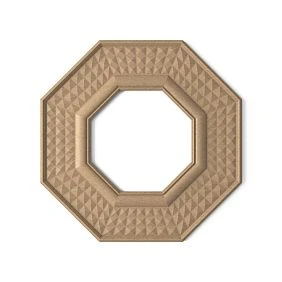
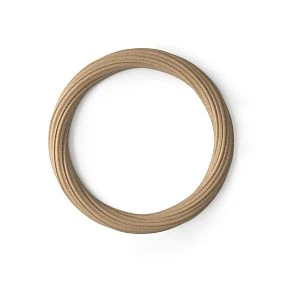
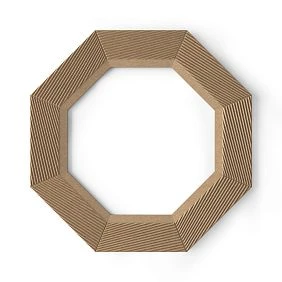
Our factory also produces:
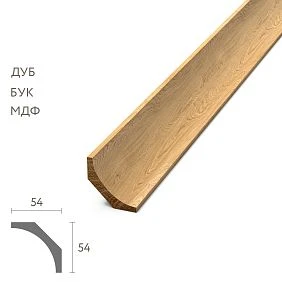
Quick table for the slat panel group
| Selection parameter | What matters to the buyer | How this helps when ordering |
|---|---|---|
| Product type | Slat panels for walls, furniture, decorative inserts, and interior structures | Helps avoid buying random slats and instead choose a ready-made format for the task |
| Material | MDF, solid oak, solid beech — the relevant option should be checked in the product card | The material affects the finish, appearance, price, and application scenario |
| Series and cards | PAN-001, PAN-003, PAN-005, PAN-007, OPAN-001 | You can compare specific models rather than choosing only by the general name |
| Purpose | Walls, TV areas, furniture, niches, decorative surfaces | The buyer immediately understands whether the panel fits their project |
| Curved sections | Flexible fabric-based panels are needed for curved surfaces | Allows finishing columns, arches, rounded corners, and furniture radii |
| Dimensions | Exact dimensions should be checked in the product card | An error in size affects joints, consumption, installation, and visual scale |
| Finishing | Current finishing options are specified in the product card or with a STAVROS manager. | Allows you to pre-match the panel with the wall color, furniture, and other decor. |
| Purchase | Category and product cards on the STAVROS website. | Convenient to move from an idea to a specific order. |
This table does not replace the product card. It helps quickly understand what questions need to be addressed before purchasing. Slat panels are chosen not only by appearance. You need to check the material, format, installation location, finishing method, area dimensions, and how the panel will combine with other interior details.
Get Consultation
MDF slat panels for walls: when this is the best choice.
The query 'buy MDF slat panels for walls' most often appears when a person already understands the task: they need to decorate a wall but don't want it to be flat. MDF is convenient for interior finishing, especially when you need even geometry, a clean surface for further finishing, and a visually calm relief. Such panels are often chosen for modern apartments, country houses, offices, salons, and commercial areas.
For a wall, MDF is good because it allows you to achieve a neat decorative effect without too active a natural texture. If the interior is based on painted surfaces, veneered furniture, soft shades, and clean lines, an MDF panel can be the right background: it adds relief but does not compete with the furniture. Therefore, it is worth buying MDF slat panels for walls for those who want to make an accent zone but not overload the room with complex decor.
In the living room, panels are often placed behind the TV. Such a surface solves several tasks at once: it gathers the TV area into a solid block, removes the feeling of an empty wall, helps hide visual chaos from equipment, and creates a background for a cabinet, shelves, or lighting. In the bedroom, slats work well behind the headboard. They elongate the wall, make the bed the visual center of the room, and add depth even with a calm color scheme.
In the hallway, slat finishing helps to design the area near a mirror, console, or bench. Here, not only the impression matters but also the scale. Too large a relief in a narrow corridor can feel oppressive, while too small a one will get lost next to doors and cabinets. Therefore, before purchasing, it is worth looking not only at the panel photo but also at the dimensions of the area, the distance to the viewer, the ceiling height, and the adjacent materials.
MDF or solid wood: what to choose for walls and furniture
Buyers often compare MDF and wood, although these materials solve slightly different tasks. MDF is chosen when a smooth surface, calm geometry, and ease of further finishing are needed. Solid oak or beech is interesting where natural texture, the feel of real wood, and a more expressive material are important. Both options can be appropriate, but the choice depends on the project.
If the interior is modern, minimalist, with painted walls, smooth facades, and calm furniture, MDF often looks natural. It does not draw attention to the wood species and allows working with color. If the interior is built on natural materials, warm wood, massive furniture, veneer, stone, or complex joinery, solid wood may look more convincing.
For furniture, the choice is also different. MDF is good for facades, decorative inserts, panels for painting, and projects where a clear shape needs to be maintained. Wood is chosen when the surface should be not just textured, but specifically wooden in character. In this case, the texture becomes part of the design, not just a background.
Comparison of MDF, solid wood, and flexible panels
| Option | When it fits | Strong point | What to check before ordering |
|---|---|---|---|
| MDF panels | Walls, TV zones, furniture inserts, paintable surfaces | Smooth geometry, calm appearance, convenience for interior solutions | Size, purpose, finishing method, compatibility with the base |
| Oak solid wood | Interiors with pronounced wood texture, premium furniture and wall solutions | Natural pattern, density of visual image, warm material | Wood species, dimensions, finish, combination with other wood |
| Beech solid wood | Wooden interior elements, furniture solutions, decorative surfaces | More restrained pattern compared to the pronounced texture of oak | Current parameters in the product card |
| Flexible panels on fabric base | Curved surfaces, columns, arches, rounded corners, curved facades | Ability to work with curved sections | Minimum radius, base, installation method, finish |
| Panel sample | When you need to evaluate the relief, scale, and material before a large order | Helps to see the product in real lighting | Match with future finishing and adjacent materials |
This comparison helps avoid one common mistake: a buyer sees a beautiful wall in a photo and looks for an "exact same panel" without considering the material and the task. But a panel for a flat wall, a cabinet facade, and a column should not be chosen the same way. First, the installation location is determined, then the material, then the format, and only after that — the color, finish, and quantity.
Price of slat panels: what determines the cost
The query "slat panels price" seems simple, but the price is not just based on area. The cost is influenced by material, profile, size, format, application complexity, finish, quantity, availability of a specific item, and project requirements. Therefore, before ordering, it is better not to compare panels only by the unit price. It is important to understand what exactly is included in the purchase and how well the chosen option fits the task.
MDF and solid wood can differ noticeably in price due to material and processing. A solid wood panel feels different, but the selection requirements are higher: you need to consider the species, texture, color, adjacent furniture, and future finishing. MDF is often chosen as a rational option for walls and furniture surfaces, especially when the main goal is a smooth relief and subsequent painting or a calm decorative finish.
Size also affects the final estimate. If the area is large, an error in quantity calculation leads to extra costs or a shortage of material on site. If the area is small, a panel that is too large may require cutting and complicate installation. Therefore, "slat panels for walls price" is best evaluated together with the area, joint placement, wall height, section width, and allowance for adjustment.
The cost is also influenced by the application scenario. Designing a flat wall is simpler than a curved facade or column. Curved surfaces require special solutions, and installation requires more careful calculation. If the panel is used in furniture, it is important to understand in advance how it will join with the facade, side panel, handles, edges, and other details.
How to choose the size, profile, and format of the panel
The size of the slatted panel affects not only installation but also the perception of the room. Narrow and frequent slats create a finer, more graphic relief. A larger relief looks more expressive but requires space. On a large wall, fine slats can get lost, while in a narrow hallway, an overly active profile can quickly become heavy.
Before purchasing, it's worth measuring not only the area but also the visible part of the wall. For example, a TV zone may occupy a section from floor to ceiling, but part of the surface will be covered by a cabinet, equipment, shelves, or decorative lighting. In a bedroom, part of the panel will be behind the headboard. In a hallway, there may be door trims, a mirror, hooks, a console, or a bench nearby. All these elements change how the relief will be perceived.
If the panel is needed for furniture, the scale relative to the facade is important. On a small cabinet, large slats can look rough. On a long console, on the other hand, too fine a relief can sometimes lose expressiveness. Therefore, it's better to look at PAN and OPAN cards not only separately but also through the task: wall, facade, niche, end, TV zone, curved section.
In the catalog, you can compare several solutions. For example, Slat panel PAN-001 can be considered as one option for the project, Slatted panel PAN-003 — as another, and Slat panel PAN-005 — as yet another format for comparison. If you need an expressive wall zone, it's worth looking separately at slat panel PAN-007 for walls and TV areas. For compact decorative tasks, it may be useful to consider compact slat panel OPAN-001.
Slatted panels for walls, furniture, and interior finishing: different tasks — different choices
The same product group can cover several tasks, but the panel should be chosen based on the place of application. A wall, a furniture facade, and a curved surface require different approaches. If this is not taken into account, the material may be good in itself but look different in the project than expected.
For walls
For walls, area, height, lighting, and adjacent materials are important. In the living room, slatted panels often serve as a backdrop for the TV, fireplace area, or decorative cabinet. In the bedroom, as an accent behind the bed. In the hallway, as a vertical element that visually unifies the entry area. For a wall, rhythm is especially important: it should be noticeable but not conflict with doors, baseboards, cornices, furniture, and lighting.
If a buyer is looking to "buy MDF wall slatted panels," they should first determine whether the panel will cover the entire wall or just a part. Full coverage from floor to ceiling looks cohesive but requires more precise calculations. A partial fragment is easier to integrate into the interior, but you need to consider the edges, the junction with the painted wall, and adjacent decor.
For furniture
In furniture, a slatted panel helps enliven the facade, end, niche, or decorative insert. It is especially useful when furniture looks too smooth and lacks texture. For example, the relief can be used on the cabinet facade, console side, decorative panel behind shelves, insert in a bar counter, or design of a furniture portal.
Here, it is important to consider not only aesthetics but also compatibility with the structure. The panel must fit in size, not interfere with opening facades, and match handles, ends, legs, and other finishes. If the furniture is already ready, you need to measure the area especially carefully. If the furniture is custom-designed, it is better to include the panel in the project in advance.
For interior finishing
The phrase "slatted panels for walls for interior finishing photo and price" often means that the buyer is still comparing ideas. They look at photos, try to understand the budget, and choose between painted walls, panels, wood, MDF, and other solutions. In such a situation, it is useful not to rush into ordering the entire batch but first determine the style, material, area, and sample.
For interior finishing, slatted panels are convenient because they can support several elements at once: furniture, wooden baseboards, decorative details, molding, doors, staircase elements, wall accents. If the interior is assembled not from random purchases but from interconnected details, the result looks calmer and more expensive.
Panels for curved surfaces: when a regular slat won't do
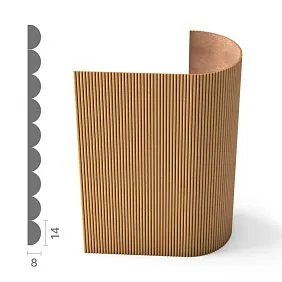
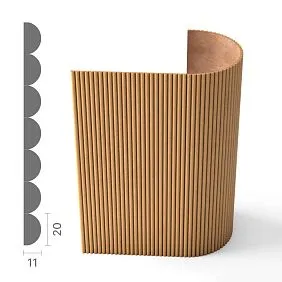
Curved surfaces require special attention. A column, arch, rounded corner, curved facade, or semicircular stand is not finished the same way as a flat wall. A regular rigid slat may not conform to the shape, cause creases, require complex adjustments, or look rough. For such tasks, flexible slatted panels on a fabric base are needed.
The flexible base helps work with curved areas. This is especially valuable in commercial interiors: reception desks, bar counters, island structures, columns, rounded zones in a salon or showroom. In a living space, such panels can be useful for arches, niches, decorative partitions, and radius furniture elements.
Before ordering a flexible option, you need to clarify the parameters in the product card or with a STAVROS manager. The radius, base, installation method, future finish, and application area are important. If the surface is complex, it is better to prepare the dimensions and photos of the object in advance. This will help to quickly understand whether the selected panel is suitable and what installation nuances need to be considered.
The mistake here is usually one: the buyer sees a slatted surface on a column and buys a regular panel for the wall. As a result, the material does not work on the radius or requires unnecessary manual modification. Therefore, for curved areas, you should immediately look for an option designed for such a task.
How to choose panels to match the interior style
Slatted panels are versatile, but not limitless in style. They can look modern, calm, graphic, warm, intimate, or prestigious — depending on the material, color, scale, and surrounding details. Therefore, the choice begins not with the question "which panel is beautiful," but with the question "what kind of interior are we assembling."
In a modern interior, clean lines, calm color, neat geometry, and a minimum of unnecessary details work well. Here, MDF panels are often a successful choice, especially if painting or restrained finishing is planned. They do not conflict with laconic furniture and help add depth without heavy decor.
In an interior with wood, texture is more important. If there is already solid wood, veneer, wooden facades, stairs, or decorative elements nearby, it is worth carefully comparing the panel material with the existing wood. Too different a texture can create a feeling of random selection. In such a project, it is useful to look not only at panels but also at neighboring categories: Solid wood products help to assemble the interior in a single material logic.
In soft classic, slatted panels are best used sparingly. They can become a background for a mirror, console, fireplace area, or furniture portal, but should not conflict with carved decor, cornices, and baguettes. If the interior suggests a more decorative presentation, you can consider nearby wooden decorative elements и Wooden baguette and moldings, so that the textured wall does not look separate from the rest of the finish.
Selection for different customer scenarios
Different buyers mean different tasks with the same phrase "buy MDF slatted panels." Someone needs to cover the wall behind the TV. Someone needs to design furniture facades. Someone is renovating an apartment, and someone is designing a salon or cafe. Below are practical scenarios that help to quickly understand the direction of choice.
Need to design the TV area
For the TV area, the width of the space, the height of the panel, and the adjacent furniture are important. The relief should not interfere with the screen, cause glare, or overload the wall. It's good when the panel forms a background rather than competing with the equipment. Here, you should look at models that are suitable for wall zones and check the dimensions in the product card. For this scenario, it makes sense to start with a category where you can buy MDF slatted panels and compare several product cards.
Need to make the bedroom warmer and deeper
In the bedroom, slatted panels are often placed behind the bed. They help highlight the headboard and add depth without complex decor. It's important not to choose a profile that is too active if the room is small. You also need to consider the height of the bed, nightstands, sconces, outlets, and switches. The panel should work with the furniture, not interfere with it.
Need to design the hallway
The hallway is usually already full of details: doors, mirror, wardrobe, hooks, shoe cabinet, lighting. The slatted panel here should be neat. It can highlight the area near the mirror or cover an empty wall, but its scale needs to be chosen especially carefully. For narrow spaces, avoid excessively heavy relief.
Need to update the furniture
If the furniture is good in shape but looks too simple, a slatted panel can serve as a decorative insert. It is used on facades, side panels, ends, niches, bar counters, and cabinets. Here, you need to check the thickness, format, mounting method, joint with the facade, and compatibility with hardware. If it's a furniture project, it's better to check the product card in advance and clarify the parameters.
Need to design a commercial interior
In commercial spaces, slatted panels help quickly create a recognizable area: reception desk, background for a logo, waiting wall, bar counter, showroom, beauty salon, meeting room. Here, repeatability, neat installation, and the ability to assemble a set for the required area are especially important. You shouldn't choose a material just from a photo: you need to consider foot traffic, lighting, distance to the panel, and adjacent surfaces.
Need to make a curved surface
For a column, arch, rounded corner, or curved facade, the usual approach doesn't work. Fabric-based flexible panels are needed here. Before purchasing, you need to check if the selected option is designed for a radius and clarify the parameters with a STAVROS manager.
How to calculate the quantity and prepare for purchase
The calculation starts with the dimensions of the area. You need to measure the width and height of the zone, understand whether the panel will go from floor to ceiling or only as a fragment, where the joints will be, and what elements will be nearby. If it's a wall, consider sockets, switches, lighting outputs, TV mount, baseboard, ceiling cornice, and furniture. If it's a facade, consider door opening, handles, ends, and gaps.
Don't just calculate the 'net area'. In real finishing, there is almost always trimming, joining, and allowance. If the panel goes on a wall with doors or niches, the consumption may differ from simply multiplying width by height. If the design consists of several sections, it's better to draw a diagram in advance. Even a simple hand-drawn diagram helps to see where the relief will start, where it will end, and how it will look next to furniture.
For large projects, it's useful to order a sample. On screen, a slatted surface may look different than in the room. Shadow, depth, scale, tactility, and color response to lighting are important. Therefore Slatted panel sample it helps to make a decision before purchasing the main batch.
If the project is complex, it's better not to limit yourself to one phrase 'need wall panels'. Prepare dimensions, a photo of the area, an example of the desired result, information about the wall or furniture material, planned finishing, and adjacent elements. This way, it's easier for the manager to suggest which cards to look at and which parameters to check.
What to buy together with slatted panels
A slatted panel rarely lives alone in an interior. It is surrounded by baseboards, baguettes, furniture parts, decorative elements, finishing strips, facades, niches, shelves, cabinets, and other products. If you buy only panels and select adjacent elements later, you can end up with a mismatch in material, scale, and style.
For an interior with wood trim, it's useful to look not only at panels but also at Solid wood productsThis helps to select adjacent details in a similar logic: wall relief, furniture elements, moldings, decorative inserts. If the wall should be expressive but not overloaded, you can use wooden decorative elements selectively: on furniture, a portal, a facade, or an interior feature.
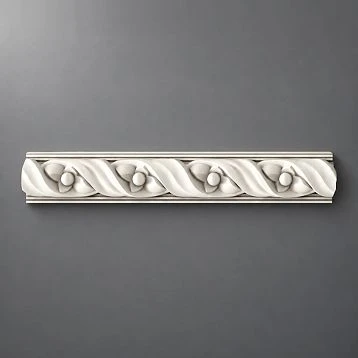
If the project requires neat finishing of edges, frames, transitions, and decorative lines, it's worth looking at Wooden baguette and moldingsSuch elements help to finish the joint, emphasize the panel border, or connect a slatted wall with other wooden details.
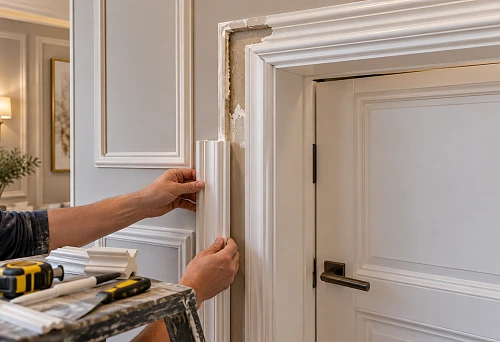
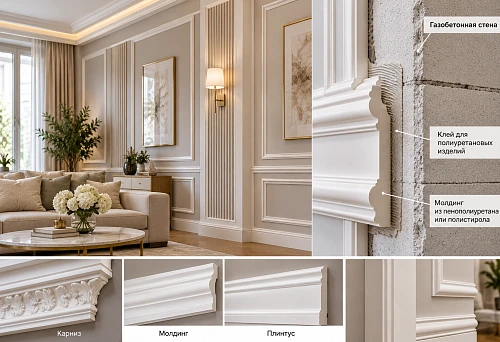
For installation and preparation, it's useful to study in advance tips for installing decorThis does not replace professional installation, but helps the buyer understand what questions to discuss with the craftsman: the base, joints, cutting, fastening, surface preparation, and compatibility with the finish.
Table: what to buy together
| What to add to the purchase | Why this is needed | Which scenario it suits | What to pay attention to |
|---|---|---|---|
| Solid wood products | To connect slatted panels with other wooden interior details | Living room, study, furniture projects, country house | Material, texture, scale of details |
| wooden decorative elements | To support the panel relief on furniture, portals, or facades | Classic and mixed interiors, custom furniture | Avoid overloading both the wall and furniture |
| Wooden baguette and moldings | To finish edges, transitions, frames, and joints | Panels on walls, niches, TV zones, furniture portals | Compatibility in width, profile, and material |
| Slatted panel sample | To evaluate the relief, material, and scale before the main order | Any project where the visual outcome matters | View the sample under the lighting where the panel will be installed |
| tips for installing decor | To understand the base preparation and questions for the master in advance | Repair, self-preparation, complex docking | Do not replace on-site specialist consultation |
This comprehensive approach is especially important for expensive interiors. A slatted wall can be beautiful on its own, but the result looks much more convincing when it is connected with furniture, moldings, decor, and finishes. Then the buyer gets not a separate fragment, but a complete interior solution.
How not to confuse slatted panels with similar products
Slatted panels can easily be confused with individual slats, paneling, other types of wall panels, decorative strips, or furniture overlays. Visually, all these solutions may seem similar, especially in photos. But they differ in use.
An individual slat is more of a blank. It needs to be selected by size, fastened with equal spacing, and geometry and joints need to be controlled. This option may suit a craftsman who does all the layout themselves. But for a buyer who needs a neat result without complex manual assembly, a finished panel is often more convenient.
Paneling gives a different aesthetic. It forms a continuous wooden cladding, not a modern relief with pronounced slats. If the task is to make a wall in the spirit of a country finish, paneling may be appropriate. If a TV area, furniture facade, or modern decorative surface is needed, a slatted panel looks more precise.
Ordinary wall panels without a slatted profile cover the surface but do not provide such a vertical rhythm. They can be smooth, textured, large-format, but their visual effect is different. A slatted panel is needed where the play of light and shadow is important.
Furniture overlays also do not replace slatted panels. Overlays work as a separate decorative element on a facade, corner, frame, or composition. A slatted panel covers an area and creates a repeating relief. Therefore, before purchasing, you need to honestly answer: is one decorative detail or a relief surface required.
Practical selection for specific situations
Situation 1. Need to cover an empty wall without overloading
It's better to look at calm formats and assess the scale of the relief in advance. If the wall is large, the panel can be installed as a fragment: behind the TV, sofa, console, or headboard. If covering the entire plane, it's important to plan lighting and adjacent materials. Before ordering, you need to measure the height, width, and decide where the panel edges will be.
Situation 2. Need to design furniture facades
Here, the total area is less important than precise fitting. The relief must fit into the facade, not interfere with opening, and not conflict with handles. If the facade is small, it's better not to choose a too large profile. If the furniture is long, the panel's rhythm can visually elongate it and make it lighter.
Situation 3. Need to create a decorative niche
In a niche, the panel works as a background. It can highlight shelves, lighting, a vase, sculpture, books, or TV equipment. A mistake is not accounting for side joints. In a niche, they are more visible than on an open wall. Therefore, it's worth considering trim or a neat edge finish in advance.
Situation 4. Need to design a radius corner
For a radius, you need to look for a flexible solution. A regular panel for a flat wall may not work. Before purchasing, you need to clarify the radius, base, mounting method, and finish. If the corner is in a walk-through area, it's also important to consider the coating's durability and edge neatness.
Situation 5. Need to set up a commercial area
In a salon, cafe, office, or showroom, the panel often works to create a first impression. Here, you need to consider the distance to the viewer. In a walk-through area, the relief is perceived up close, so joint quality and geometry are especially noticeable. In a waiting area, you can use a more expressive background if it doesn't interfere with navigation and lighting.
Situation 6. Need to select a panel for an already finished interior
If furniture, flooring, and doors are already installed, the panel must adapt to them. It is necessary to compare the color, texture, baseboard height, style of architraves, handles, lighting fixtures, and furniture. In this case, a sample is especially useful: it shows how the material looks next to the existing finish.
Installation, preparation, and care: what to consider before ordering
Installation of slatted panels depends on the base, area size, chosen material, and future finish. The buyer does not have to become a master themselves, but needs to understand the key issues that will affect the result.
The first issue is the base. The wall must be prepared for the chosen method of fastening. If the surface is uneven, the panel's relief may emphasize defects. On a flat wall, installation looks neater, joints are less noticeable, and vertical lines do not "dance." For furniture, the plane of the facade or the base to which the panel will be attached is important.
The second issue is joints. If there are several panels, you need to understand in advance where they will connect. It is better to position the joint so that it does not fall into the most noticeable spot unnecessarily. In a TV area, niche, or headboard, this is especially important because the eye constantly returns to the center of the composition.
The third issue is trimming. Trimming may be needed in height, width, around sockets, switches, corners, baseboards, and ceiling elements. If the project is complex, it is better to discuss it with a master in advance. Do not buy material without a reserve if the area requires precise fitting.
The fourth issue is finish. MDF, solid wood, and flexible panels may require different approaches. Current material and finish options should be checked in the product card or with a STAVROS manager. If painting is planned, it is important to understand in advance how the material will be prepared and who is responsible for the final coating.
The fifth issue is care. A textured surface collects light and shadow, but also requires careful cleaning. In residential spaces, gentle care considering the chosen finish is usually sufficient. In commercial spaces, it is worth considering traffic, touch, cleaning, and coating durability in advance.
Common mistakes when buying slatted panels
Buy only by photo
The photo shows the idea, but does not always convey the scale, depth of relief, material, and color. On one screen, the panel may appear soft, on another — contrasty. In a real room, everything changes with light. Therefore, for responsible projects, it is useful to look at a sample and check the product card.
Not measuring the area accurately
An error of a few centimeters can ruin the joint, edge, or symmetry. This is especially noticeable in the TV area, at the headboard, in a niche, and on furniture facades. Before ordering, you need to measure the width, height, location of sockets, switches, baseboards, and adjacent furniture.
Not considering the material
MDF, oak, beech, and a flexible panel on a fabric base solve different problems. You cannot choose a material just by the word 'slatted'. One option may be suitable for a wall to be painted, another for a natural wood surface, and a third for a column.
Choosing too active a relief
A large relief looks beautiful on a spacious wall, but can feel oppressive in a narrow hallway or small bedroom. A small relief, on the other hand, can get lost on a large area. The scale should be chosen for the room.
Forgetting about the edges
The panel does not end on its own. It has an edge, a joint with another wall, baseboard, ceiling, furniture, or niche. If the finish is not thought out, even a good panel can look unfinished. In such cases, moldings, careful trimming, or a pre-planned composition help.
Use a regular panel on a radius
Radius surfaces require a flexible solution. If you buy a rigid panel for a column or rounded facade, installation becomes more difficult, and the result may not meet expectations. For arches, columns, and curved areas, you should immediately look at flexible options.
Not connecting the panel with furniture
A slatted wall can look separate from the interior if it is not supported by furniture, color, moldings, or decorative details. It is better to think in advance about how the panel will combine with a cabinet, shelves, facades, doors, and wooden elements.
Not checking the product card before ordering
Even if you like the chosen model, before purchasing you need to verify the current dimensions, material, purpose, finish, and availability. The product card is the point where the final decision is made. The article helps you choose a direction, but the order is placed based on specific parameters.
Who slatted panels are suitable for, and who should choose a different option
Slatted panels are suitable for those who want to add relief to the interior but are not ready to overload it with complex decor. This is a good choice for walls, TV areas, headboards, hallways, furniture facades, niches, commercial spaces, and custom interior solutions. Panels work especially well where vertical geometry, neat shadow, and a feeling of thoughtful finishing are needed.
They will suit buyers who want to assemble an interior from connected details. For example, a slatted wall can be combined with wooden furniture, decorative elements, moldings, a cabinet, shelves, panels in a niche, or a facade. This approach helps to move away from a random set of materials.
Slatted panels may not be suitable if the interior is already overloaded with textures. If the room has a lot of active stone, bright wallpaper, complex furniture, carved decor, and contrasting colors, additional relief may be unnecessary. In such a situation, it is better to use panels sparingly or choose a calmer format.
It's also worth thinking twice if the wall is very uneven, the area is complex, and installation is planned without preparation. The panel emphasizes lines, so base errors will be noticeable. In such cases, the preparation issue is resolved first, and only then the material is chosen.
For curved surfaces, regular wall panels are not always suitable. If you need to design a column, arch, or rounded facade, it's better to look at flexible solutions and clarify parameters right away.
Where to buy slat panels and how to approach ordering at STAVROS
If you are deciding where to buy slat panels for walls, furniture, or interior finishing, it's more convenient to start not with a random individual card, but with a category. In the section buy MDF slatted panels you can compare options, go to specific models, view PAN/OPAN cards, and evaluate a sample.
Before ordering, it's worth following a simple route. First, determine the installation location: wall, facade, niche, TV area, curved surface. Then choose the material: MDF, solid wood, or flexible panel if the task involves bending. After that, check the dimensions, profile, finish, and quantity. If the project is complex, it's better to prepare the dimensions in advance and ask questions to the STAVROS manager.
Don't rush to buy a large batch if you're unsure about the scale of the relief. A sample helps you see the material in real light and understand if it suits the furniture, floor, doors, and walls. This is especially important for design projects where the panel should become part of the overall composition.
Shopping at STAVROS is convenient because you can connect slat panels with related products: solid wood items, decorative elements, moldings, and installation tips. This way, the buyer gets not a scattered finish, but a clear route: choose a panel, check the card, select accompanying elements, clarify parameters, and proceed to order.
FAQ: frequent questions about MDF slat panels
Where to buy MDF slat panels?
MDF slatted panels can be purchased in the STAVROS catalog in the section buy MDF slatted panels. Before ordering, it is worth comparing product cards, checking the material, dimensions, purpose, and current finishing options.
Which slatted panels to choose for walls?
For walls, panels designed for interior finishing and providing the desired scale of relief are suitable. In the TV area and bedroom, a more expressive option can be used; in a narrow hallway, it is better to be cautious with large profiles. Before purchasing, you need to measure the area and check the product card.
How do MDF slatted panels differ from wooden ones?
MDF is more often chosen for even geometry, a smooth surface, and projects requiring finishing. Wooden panels made of solid oak or beech are interesting where natural texture is important. The choice depends on the interior style, budget, finishing, and task.
Can slatted panels be used for furniture?
Yes, slatted panels can be used for furniture facades, decorative inserts, niches, ends, and custom items. It is important to check the thickness, size, fastening method, compatibility with hardware, and whether the relief will interfere with opening the facades.
Are slatted panels suitable for curved surfaces?
For curved surfaces, special flexible panels on a fabric base are needed. They are suitable for columns, arches, rounded corners, and curved furniture facades. Before ordering, you need to clarify the radius parameters and installation conditions.
What is better for a TV area — MDF or solid wood?
If you need a calm, modern surface, MDF is often chosen. If the interior is based on natural wood and you want to emphasize the texture, consider solid wood. In any case, you need to take into account the wall size, lighting, furniture, and distance to the viewer.
Do I need to buy a sample before ordering?
For responsible projects, a sample is very useful. It helps to evaluate the relief, material, scale, and behavior of the panel under real lighting. This is especially important if the panel must match existing furniture, flooring, doors, or other wooden finishes.
How to calculate the number of slatted panels?
First, measure the width and height of the area, then consider joints, trimming, sockets, switches, baseboards, furniture, and a reserve. For complex walls or furniture projects, it is better to prepare a diagram and clarify the calculation before ordering.
Can slatted panels be installed in the hallway?
Yes, but you need to carefully choose the scale. In a narrow hallway, too large a relief can look heavy. The panel works well next to a mirror, console, bench, or entry area if the edges and joints are planned in advance.
What to buy together with slatted panels?
Often, together with panels, they look at Solid wood products, wooden decorative elements и Wooden baguette and moldingsThese elements help connect the panel to furniture, walls, and the overall finish.
How to avoid mistakes when choosing a material?
You need to start from the task. For paintable or calm wall surfaces, MDF is often chosen. For a pronounced wood texture, solid wood. For radius, a flexible panel. Before ordering, you need to verify the material and purpose in the product card.
Can slatted panels be used in commercial interiors?
Yes, they are well suited for reception desks, showrooms, cafes, salons, meeting rooms, and waiting areas. In commercial spaces, accurate calculation, neat joints, durability of the finish, and straightforward installation are especially important.
What to check in the product card before purchasing?
Before ordering, you need to check the dimensions, material, purpose, available finish options, application features, and the relevance of the selected item. If the panel is being selected for a complex project, it is better to clarify compatibility with a STAVROS manager.
How is a ready-made slatted panel better than random individual slats?
A ready-made panel helps achieve a smooth relief, neat geometry, and a clear format faster. Individual slats require more manual adjustment, control of spacing, joints, and installation. For an interior result, a ready-made element is often more convenient and predictable.
Summary: how to choose slatted panels without a random purchase
MDF slat panels, wooden panels, and flexible solutions for curved surfaces help create an expressive interior without unnecessary complexity. They are suitable for walls, furniture, TV zones, niches, hallways, bedrooms, commercial spaces, and custom projects. The key is to choose not just by photo, but by purpose: where the panel will be placed, what material is needed, what scale of relief is suitable, how it will connect with furniture, and what is required for a neat finish.
Before ordering, it's worth opening the category buy MDF slatted panels, compare PAN/OPAN cards, check dimensions and material, order a sample if necessary, and plan accompanying elements. This approach helps transition from a beautiful idea to a precise purchase.
STAVROS allows you to choose slat panels as part of a well-thought-out interior: considering walls, furniture, decor, linear footage, material, and future finishing. Therefore, the best result is achieved not when the buyer picks the first slat they like, but when they understand the task in advance, verify the parameters, and assemble a solution for their interior.