












































































Article Contents:
- Technological Superiority of Polymer Solutions
- Chemical Structure and Physical Properties
- Modern Methods of Oak Wood Processing
- Architectural Applications and Design Possibilities
- Stylistic Directions and Form Adaptation
- Functional Solutions and Practical Challenges
- Operational Characteristics and Longevity
- Resistance to external influences
- Mechanical Properties and Impact Resistance
- Installation technology and professional secrets
- Preparation Work and Planning
- Adhesive compositions and mounting technology
- Jointing Elements and Final Finishing
- Psychology of color in interior decoration
- Polyurethane coating technologies
- Decorative Techniques and Artistic Processing
- Economic Aspects and Profitability
- Comparative Analysis of Material Costs
- Economic efficiency in the long term
- Ecological Aspects and Safety
- Material Composition and Ecological Safety
- Waste Management and Recycling
- Innovative Solutions and the Future of the Material
- Modern Developments in Polymer Composites
- Digital Technologies in Production and Design
- Regional application specifics
- Adaptation to Russian Climatic Conditions
- Compliance with Construction Norms and Standards
- Conclusion: Choice of Professionals and Connoisseurs of Quality
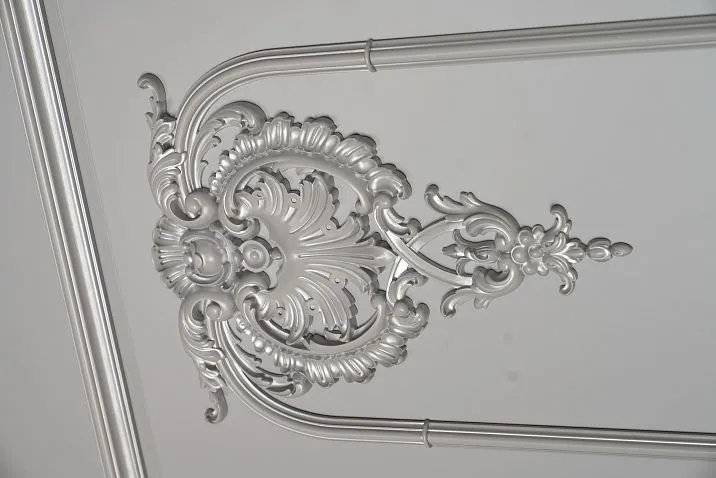
A true revolution in materials is taking place in modern interior design, where advanced technologies meet classic forms. Among all innovations, special attention is given to Moldings made of polyurethane – remarkable items that combine the beauty of traditional moldings with the practicality of modern polymers. This material opens up boundless opportunities for creative self-expression, allowing the creation of interiors of any complexity and stylistic direction.
What makes polyurethane profiles so attractive to modern designers? The answer lies in the unique combination of operational characteristics that cannot be found in other materials. Ease of installation, durability, moisture resistance, and exceptional form detail – just the beginning of a long list of advantages of this material.






Technological Superiority of Polymer Solutions
Our factory also produces:


Chemical Structure and Physical Properties
Polyurethane as a material for producing decorative elements is a high-tech polymer with a unique molecular structure. Its base consists of urethane groups, which provide the material with exceptional resistance to external influences and mechanical loads.
The density of modern polyurethane compositions reaches 0.6–0.8 g/cm³, which is significantly less than the density of traditional plaster or natural stone. At the same time, the strength characteristics remain at the highest level – the material withstands significant bending loads without cracking or deformation.
The coefficient of thermal expansion of polyurethane is minimal, which eliminates the formation of cracks and gaps at joints during seasonal temperature fluctuations. This dimensional stability is especially important in Russian climatic conditions, where the difference between summer and winter temperatures can be dozens of degrees.
Get Consultation
Production technologies and quality control
Modern Production of polyurethane moldings is based on the method of injection molding into precision molds. This process ensures perfect reproduction of complex ornaments and geometric shapes with accuracy down to tenths of a millimeter.
Each mold is manufactured using modern CAD technologies and high-precision milling equipment. The mold material – special silicone compositions – is resistant to repeated use and ensures a perfectly smooth surface of the finished products.
The quality control system includes checking each batch of products for compliance with technical requirements. Linear dimensions are measured, surface quality is checked, and adhesion of various types of coatings and adhesive compositions is tested.
Architectural Applications and Design Possibilities
Stylistic Directions and Form Adaptation
The versatility of polyurethane profiles allows their use in the most diverse stylistic concepts. Classic interiors regain new life through the precise reproduction of historical ornaments – from simple geometric forms of the Empire style to the most complex Baroque compositions.
Modern design directions also find in polyurethane moldings an ideal partner. Minimalist profiles with clear geometric lines perfectly complement high-tech interiors, while the concise forms of Scandinavian style gain additional expressiveness.
Eclectic interiors, combining elements of different eras and styles, require a special approach to selecting decorative elements. Polyurethane profiles allow creating smooth transitions between different stylistic zones, unifying space through a single compositional logic.
Functional solutions and practical tasks
In addition to decorative function, polyurethane moldings perform numerous practical tasks. They effectively mask technological joints between different finishing materials, creating a visually seamless surface even when using disparate coverings.
Hidden lighting systems have received a new impetus for development with the introduction of specially designed profiles for LED backlighting. Integrated LED strips in moldings create an effective contour lighting, visually increasing the height of the room and adding theatricality to the interior.
The acoustic properties of polyurethane allow using profile elements to improve sound insulation of rooms. Specially designed shapes are capable of dispersing sound waves, reducing reverberation levels and improving acoustic comfort.
Operational characteristics and durability
Resistance to external influences
Chemical inertness of polyurethane ensures exceptional resistance to various aggressive environments. Moldings made of polyurethane They do not react to contact with most household chemicals, which is especially important when used in kitchens, bathrooms, and other areas with higher hygiene requirements.
The moisture resistance of the material allows using decorative elements in rooms with high humidity without risk of deformation or damage. Unlike gypsum moldings, polyurethane products do not absorb moisture and do not create a favorable environment for mold and fungi growth.
The UV stability of modern polyurethane compositions eliminates discoloration and material degradation under sunlight exposure. This property is especially important for elements located near large windows or in rooms with intense natural lighting.
Mechanical properties and impact resistance
The elasticity of polyurethane ensures high impact resistance of decorative elements. Unlike fragile gypsum products, polyurethane profiles can withstand significant mechanical impacts without forming chips or cracks.
The fatigue resistance of the material guarantees retention of original properties even under repeated cyclic loads. This is especially important in buildings with high vibration or in areas with heavy foot traffic.
The temperature stability of polyurethane ensures preservation of the geometric parameters of products over a wide temperature range. The material does not become brittle at lower temperatures and does not soften upon heating within normal operating conditions.
Installation technology and professional secrets
Preparation and planning
Quality installation of polyurethane elements begins with careful planning and surface preparation. Marking must be done using high-precision measuring tools, as even minor deviations from horizontal or vertical alignment become noticeable over long spans.
The mounting surface must be perfectly flat, dry, and degreased. Any irregularities exceeding 2-3 mm must be removed by spackling or sanding. Dust and contaminants are removed with a damp cloth, followed by complete drying of the surface.
Material acclimatization before installation is an important step often neglected. Moldings made of polyurethane must be in the room for at least 24 hours before installation to equilibrate their temperature and humidity with ambient conditions.
Adhesive compositions and mounting technology
Selection of adhesive composition is critically important for the longevity of the entire structure. Modern polyurethane adhesives provide maximum adhesion to most construction materials while maintaining a certain degree of joint elasticity.
Adhesive should be applied in an even layer across the entire contact surface of the element. Using special adhesive guns ensures precise dosing and even distribution of the composition, preventing the formation of air bubbles.
The open time of the adhesive varies depending on the type of composition and climatic conditions. Premature installation may cause slippage, while excessive waiting may result in loss of adhesive properties.
Jointing elements and final finishing
Ideal jointing of polyurethane elements requires the use of special tools and professional skills. Corner joints are made using a saw with a fine-toothed disc, ensuring a clean cut without chips or scratches.
For internal corners, a 45-degree cut is made followed by fitting to the location. External corners are often finished with special corner elements, ensuring a more secure connection and better appearance.
Joints are sealed with special compounds matched to the color of the main material. Excess sealant is removed before full curing, and the surface is smoothed with a damp tool to achieve a perfectly smooth joint.
Color solutions and decorative finishing
Polyurethane coating technologies
Polyurethane has excellent adhesion to most paints and coatings, opening up endless possibilities for color decoration. Water-dispersible paints provide even coverage and quick drying while maintaining coating elasticity.
Acrylic enamels create a glossy surface with high resistance to abrasion and moisture. Such coatings are ideal for areas with high usage loads — kitchens, hallways, children's rooms.
Special metallic coatings allow imitation of various metals — from noble gold to modern chrome. Such Moldings made of polyurethane become a striking accent in interior design and require special lighting approaches to achieve maximum effect.
Decorative techniques and artistic finishing
Patina technique allows creating an effect of noble antiquity on the surface of polyurethane elements. Multi-layer application of paints of various shades with subsequent partial removal creates a complex play of color and light in the ornament's recesses.
Painting on polyurethane opens opportunities for creating unique original works. Special paints for polymer surfaces ensure the longevity of artistic coatings and color resistance to fading.
Texturing the surface in various ways allows imitating the texture of natural stone, wood, or fabric. Special rollers, brushes, and other tools create diverse textural effects, making polyurethane elements practically indistinguishable from natural materials.
Economic aspects and profitability
Cost Comparison of Materials
When comparing the cost of various materials for decorative finishing, it is important to consider not only initial purchase costs but also the total cost of ownership over the entire product lifecycle. Polyurethane elements, despite their higher price compared to polystyrene, demonstrate significantly better performance characteristics.
Gypsum molding, traditionally considered the standard of quality, significantly exceeds polyurethane in initial cost and labor for installation. However, polyurethane products do not fall short of gypsum in detail and surface quality, surpassing it in durability and practicality of use.
Natural wood undoubtedly possesses a special charm and prestige, but its use is limited by high cost, processing complexity, and requirements for operating conditions. Moldings made of polyurethane can successfully imitate wood texture at significantly lower costs.
Economic efficiency in the long term
Minimal maintenance costs make polyurethane decorative elements economically attractive in the long term. The absence of need for special care, resistance to damage, and the possibility of multiple repainting significantly reduce overall ownership costs.
The ease of installing polyurethane elements allows reducing labor costs for specialists. Unlike gypsum molding, which requires highly skilled craftsmen, polyurethane products can be installed by anyone with basic repair skills.
The possibility of dismantling and reusing elements during renovation or interior changes adds additional economic value. Carefully dismantled polyurethane profiles retain their performance characteristics and can be used in another project.
Ecological aspects and safety
Material composition and ecological safety
Modern polyurethane compositions are produced in strict compliance with ecological standards. The absence of heavy metals, formaldehyde, and other toxic substances makes the material absolutely safe for use in residential spaces.
The polyurethane polymerization process is complete, eliminating the release of monomers and other volatile compounds during use. The material has no odor and does not cause allergic reactions, even in people with heightened sensitivity.
The hygienic properties of polyurethane allow using products made from it in medical facilities, kindergartens, and other locations with high sanitary requirements. The surface easily cleans with standard cleaning agents without using aggressive chemicals.
Waste disposal and recycling
The development of polyurethane recycling technologies makes this material an increasingly environmentally responsible choice. Modern methods allow breaking down polyurethane into original components that can be used to produce new products.
Long service life of polyurethane of polyurethane moldings reduces the need for frequent replacement and, consequently, waste volume. This aligns with modern principles of sustainable development and responsible consumption.
The possibility of multiple use of elements in various projects also contributes to waste reduction and rational resource use. The modular system of polyurethane profiles allows creating various compositions from the same basic elements.
Innovative solutions and the future of the material
Modern developments in polymer compositions
Research in polymer materials continues without pause, constantly introducing new compositions with improved properties. Adding nanoparticles to the polyurethane matrix allows obtaining materials with unique properties — self-cleaning surfaces, antibacterial coatings, elements with variable color characteristics.
Biodegradable polyurethane compositions represent a promising direction for creating environmentally clean construction materials. Such materials retain all the positive properties of traditional polyurethane but can also decompose under natural conditions after their service life.
Compositions with shape memory open new possibilities for creating adaptive architectural elements capable of changing their configuration under external influences. Such materials are currently in laboratory research stages but already demonstrate impressive potential.
Digital technologies in production and design
The integration of additive technologies into the production of decorative elements opens up limitless possibilities for personalization and creation of unique forms. 3D printing with polyurethane allows manufacturing items of any complexity without the limitations inherent in traditional casting.
Digital modeling and virtual reality revolutionize the design process of interiors using of polyurethane moldingsClients can see the future interior in minute detail even before work begins, eliminating disappointments and allowing project optimization.
Artificial intelligence is applied to optimize polymer material compositions and predict their behavior under various operating conditions. This enables the creation of materials with predetermined properties for specific applications.
Regional application specifics
Adaptation to Russian climatic conditions
Russian climatic conditions impose special requirements on construction and finishing materials. Significant temperature fluctuations, high humidity during certain periods of the year, and prolonged frosts require materials to have high stability and reliability.
Polyurethane compositions used for producing decorative elements in Russia are specially adapted to local conditions. The addition of special modifiers ensures retention of elasticity at low temperatures and dimensional stability under significant humidity fluctuations.
Material testing in climatic chambers simulate extreme Russian climate conditions and allow predicting the behavior of products over many years of operation. This ensures consumers confidence in the longevity and reliability of their chosen solutions.
Compliance with construction norms and standards
The Russian regulatory framework for construction materials is continuously improving, approaching international standards for quality and safety. Polyurethane decorative elements fully comply with current SNiP and GOST standards, confirmed by appropriate quality certificates.
Fire safety of materials is one of the key aspects regulated by Russian legislation. Modern polyurethane compositions have a fire rating of G1 (slightly flammable), allowing their use in most types of buildings without restrictions.
Sanitary-epidemiological certificates confirm the safety of the material for human health and the environment. This is especially important when used in children's and medical facilities, where requirements for ecological safety are maximal.
Conclusion: choice of professionals and connoisseurs of quality
In the world of modern construction materials, polyurethane occupies a special place, representing an ideal combination of innovative technologies and time-tested aesthetic solutions. Moldings made of polyurethane have become an indispensable part of modern interior design, offering designers and architects an unprecedented level of flexibility and functionality.
Choosing polyurethane decorative elements is an investment in quality, durability, and beauty of the interior. This material allows to realize the most daring design ideas at reasonable costs and guaranteed results. The ease of installation makes polyurethane profiles accessible not only to professionals but also to enthusiasts who wish to transform their living space themselves.
Ecological safety and compliance with all modern quality standards make polyurethane a preferred material for creating healthy and comfortable living spaces. In an era of heightened attention to ecology and sustainable development, such characteristics have become not just an advantage, but a necessity.
The versatility of polyurethane elements allows creating interiors of any stylistic orientation — from classical palace interiors to ultra-modern high-tech spaces. Each will find in the rich assortment of polyurethane profiles elements that match their taste and needs.
STAVROS presents on the Russian market the best samples of polyurethane decorative elements, combining European quality with adaptation to Russian operating conditions. Years of experience, use of advanced production technologies, and strict quality control at all stages of the manufacturing process make STAVROS products a benchmark of reliability and beauty. Choosing STAVROS means choosing a partner who understands the importance of every detail in creating an ideal interior and is ready to offer solutions of the highest quality level.


