































Article Contents:
- What is an underframe and why the base material is so important
- What underframe materials are available at STAVROS
- Solid wood underframe: when wood wins
- Oak underframe
- Beech underframe
- When MDF Is Better Than Solid Wood
- When MDF is not the best choice
- When to choose oak
- When to choose beech
- When to choose MDF
- Modern kitchen
- Living-dining room
- Office or meeting room
- Enamel
- Toning
- Natural finish
- Need a table for a classic dining room
- Need a table for a modern kitchen
- Need a large family table
- Need a base for painting
- Need a table for a country house
- Choosing only by photo
- Do not consider the tabletop
- Buy solid wood for dense painting unnecessarily
- Choose MDF where natural texture is needed
- Do not check dimensions and stability
- Forgetting about finishing
- Which is better: solid wood underframe or MDF?
- Which wooden underframe should you choose?
- What is the difference between an oak underframe and a beech one?
- Which underframe should you choose for painting?
- When is it better to choose solid wood?
- When is it better to choose MDF?
- Can MDF be used in a classic interior?
- Is an oak underframe suitable for a modern kitchen?
- What should you check before buying an underframe?
- Can I buy a wooden underframe for enamel?
- How to combine an underframe with a tabletop?
- Where to buy an underframe made of solid oak, beech, or MDF?
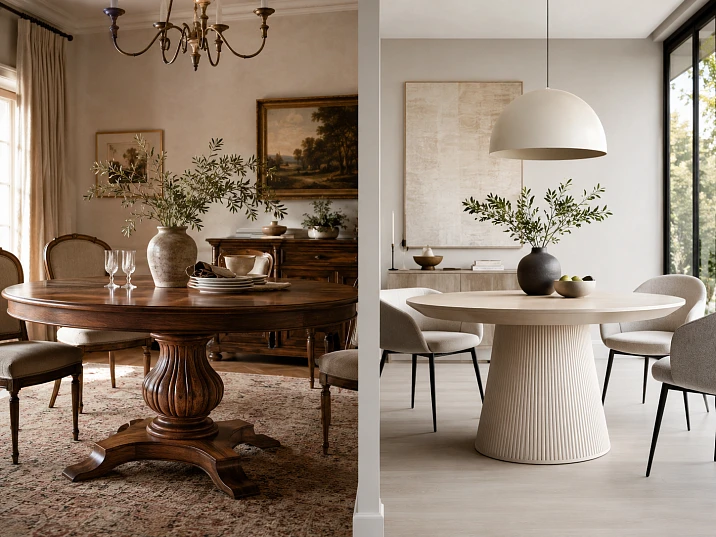
An underframe made of solid wood or MDF is chosen not only by price and appearance. The table base holds the tabletop, sets the furniture style, affects stability, the perceived level of the interior, and how harmoniously the table will look in the kitchen, dining room, living room, study, or commercial space. If you choose the material randomly, even a beautiful tabletop can look out of place: too heavy for a light base, too simple for a classic interior, or too decorative for a modern setting.
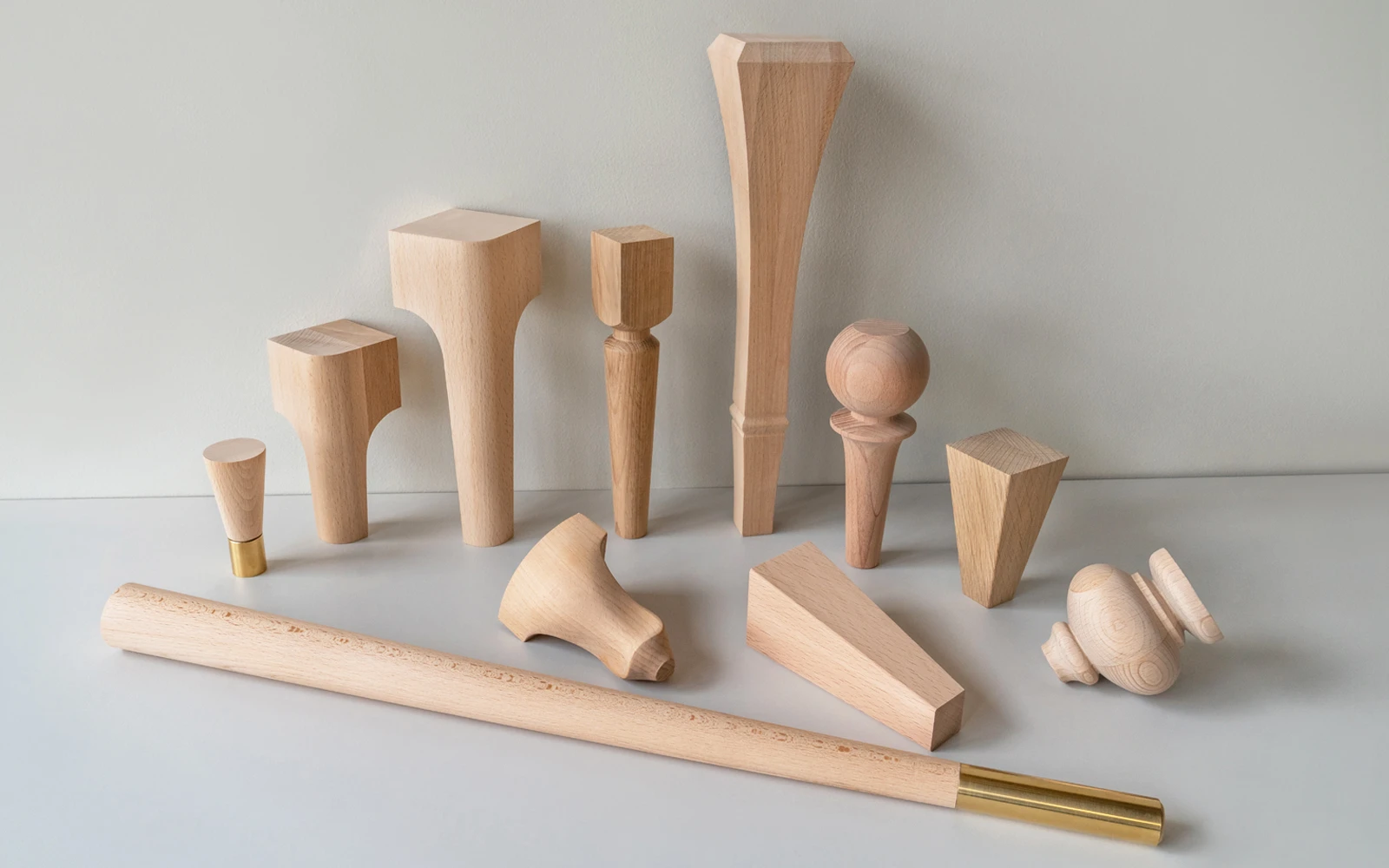
At STAVROS, the underframe section offers solutions made of solid oak, beech, and MDF. This gives the buyer a choice: take an underframe with expressive natural texture, choose a durable wooden base for a classic table, or select an option that is well-suited for painting, enamel, and a more subdued modern finish. Therefore, the main question is not simply 'which underframe to buy,' but more precisely: which material will suit your table, tabletop, room style, and future finish.
If you want to compare materials, shapes, and options for a specific project in advance, you can buy an underframe made of solid oak, beech, or MDF in the STAVROS section, and before ordering, check the parameters in the product card. This approach helps not to select the base 'by eye,' but to immediately evaluate the material, purpose, visual character, and compatibility with the tabletop.
Solid wood and MDF should not be contrasted as 'good' and 'bad' options. These are different materials for different tasks. Solid wood is chosen when naturalness, wood texture, a durable visual image, and a connection to a classic interior are important. MDF is convenient when you need a smooth painted surface, calm geometry, neat enamel, or a modern solution without an active wood grain pattern.
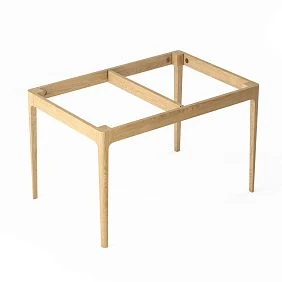
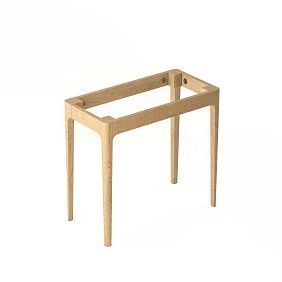
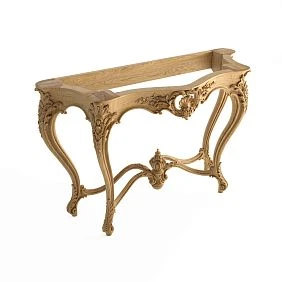
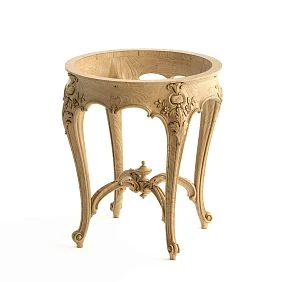

What is a table base and why the base material is so important
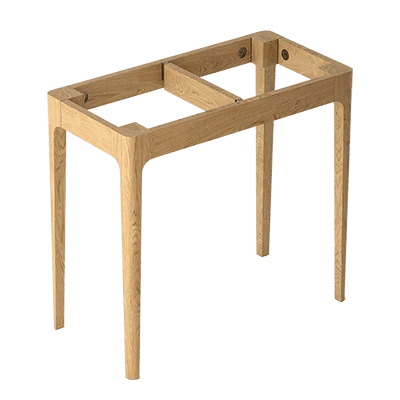
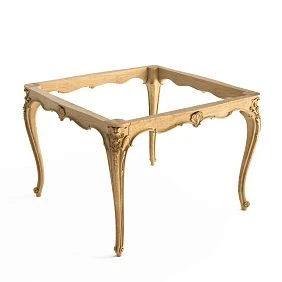
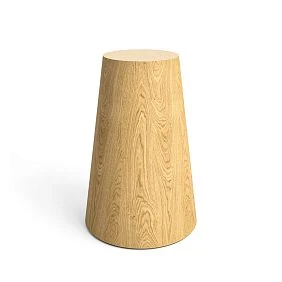
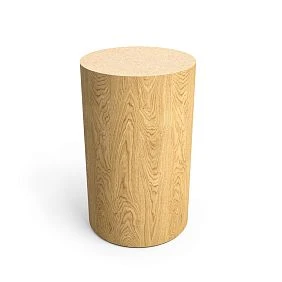
A table base is the structural foundation of a table. The tabletop is installed on it, and the entire piece of furniture gains height, stability, proportions, and character. A buyer often first chooses the tabletop: massive, wooden, round, rectangular, light, dark, enameled, or with a natural texture. But it is the table base that determines whether the table will look cohesive.
If the tabletop is massive and the base is too light, the table visually loses balance. If a classic tabletop sits on a too simple base, the furniture seems unfinished. If a modern interior is overloaded with a carved wooden base, the table may clash with the overall style. Therefore, the table base material should be chosen together with the room's style, the tabletop shape, and the future finish.
A wooden table base is often perceived as a warmer and more interior-oriented solution. It works well in living spaces where the table should not be a technical object but a part of the kitchen, dining room, living room, or study. MDF, in turn, helps achieve a smoother painted surface and is convenient where the main goal is precise color, smooth enamel, and a calm, modern look.

What table base materials are found in STAVROS
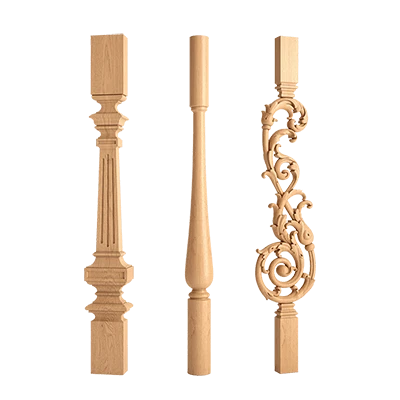
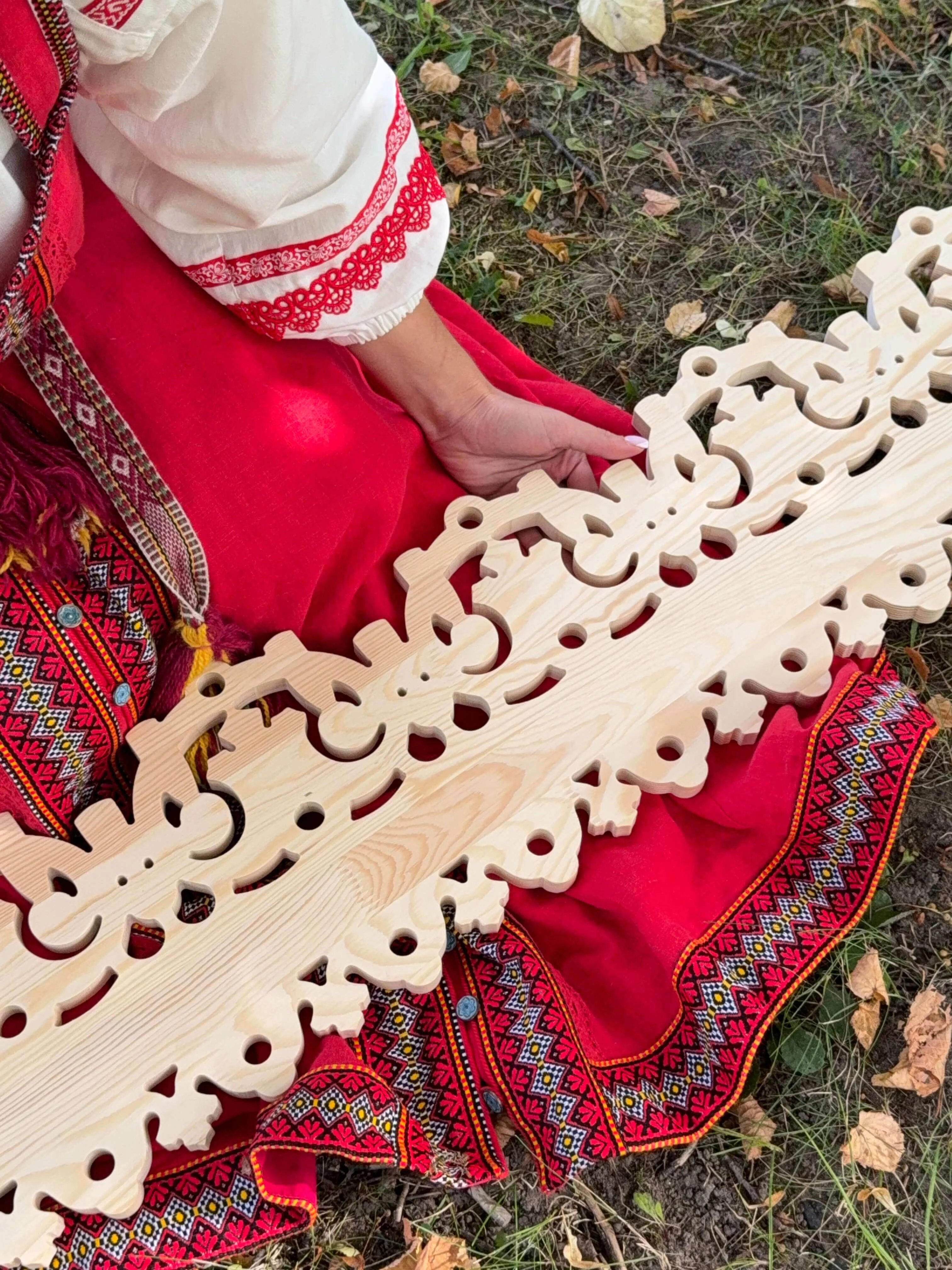
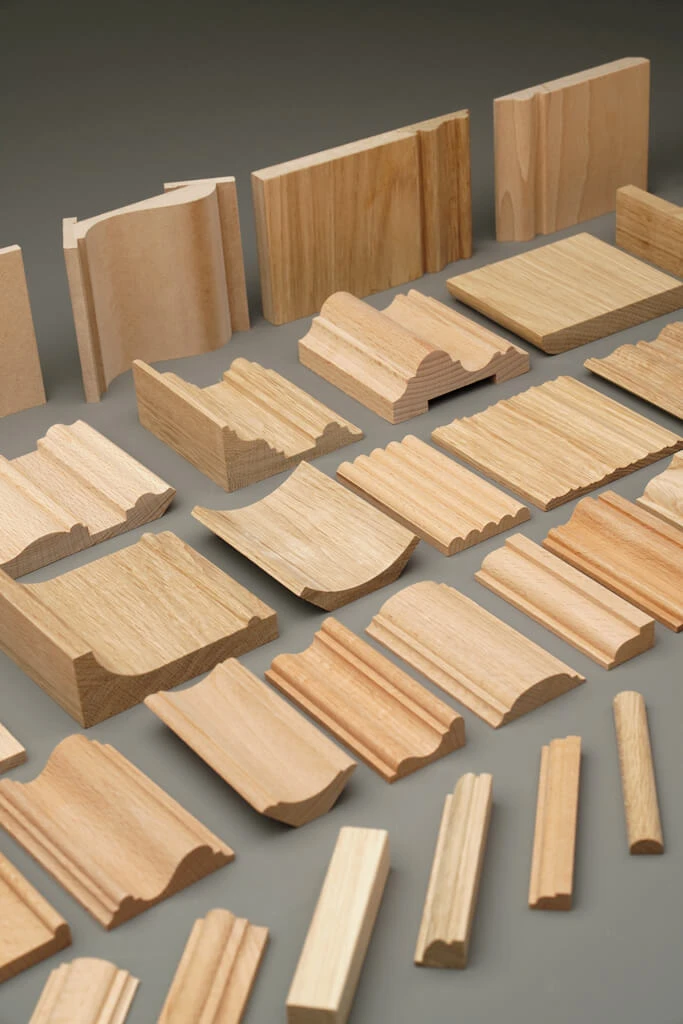
In the topic of STAVROS table bases, three materials are important: oak, beech, and MDF. Oak and beech are solid wood, but they are perceived visually and practically differently. MDF is a separate material, often chosen for painting and a smoother decorative finish.
| Material | How it is perceived | When to choose |
|---|---|---|
| Oak solid wood | Expressive, dense, prestigious wooden material with a noticeable natural texture. | For classic, neoclassical, country house, massive tabletop, and interiors with natural wood. |
| Beech solid wood | A more subdued material in terms of pattern, which looks good in painted and tinted solutions. | For under-table bases under enamel, tinting, neat classics, and modern wooden furniture. |
| MDF | A smooth, calm base for painting without an active wood grain pattern. | For enamel, modern interiors, precise color, and projects where wood texture should not be the main accent. |
This table helps quickly understand the selection logic. Oak — when you need to emphasize the wood. Beech — when you need a wooden base with a calmer character. MDF — when a smooth painted surface and clean geometry are more important. Before ordering, check the exact parameters of the specific under-table base in the product card.
Our factory also produces:


Solid wood under-table base: when wood wins
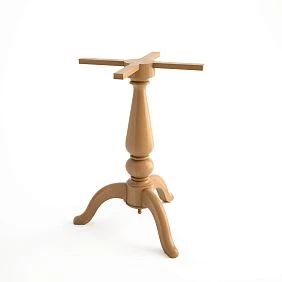
A solid wood under-table base is chosen where the base should be not just a technical support, but a full-fledged part of the furniture. Wood creates a feeling of solidity, especially if the table is in a dining room, living room, study, country house, or classic kitchen. Natural material pairs well with a wooden tabletop, furniture facades, panels, baseboards, doors, and other wooden decor.
Solid wood is especially appropriate when the table should look durable and expressive. If there is already wood in the interior, a solid wood under-table base helps not to break the composition. It does not look like a random support under the tabletop, but is perceived as part of a single piece of furniture.
Get Consultation
Oak under-table base
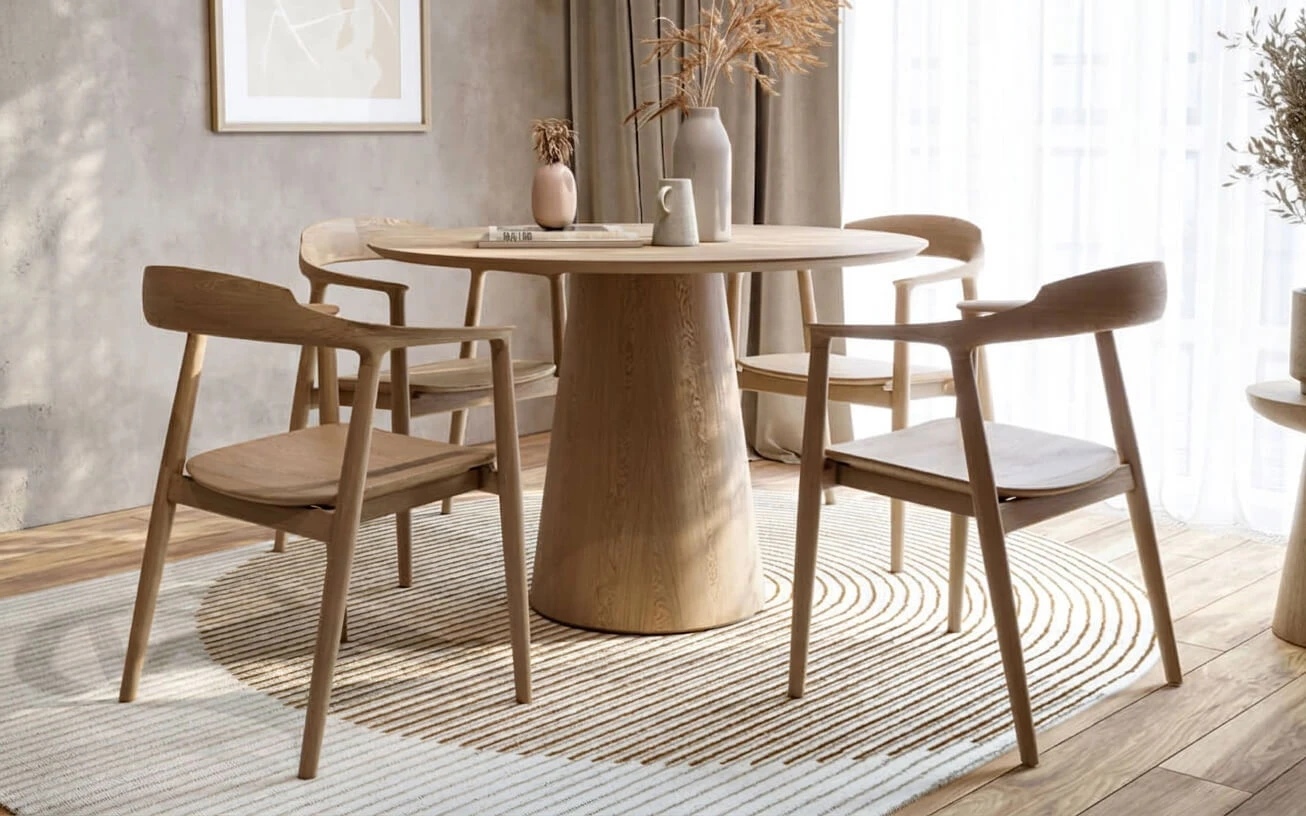
Oak is chosen for its expressive texture and feeling of density. It looks good in interiors where wood should be noticeable: a classic dining room, study, country house, living room with wooden panels, a large dining table with a massive tabletop. An oak under-table base does not have to be dark or visually heavy, but even in a calm finish it retains its natural character.
If the tabletop is also wooden and has an expressive pattern, an oak base can support this look. But it is important not to overload the furniture: an active tabletop and too rich an under-table base can conflict with each other. Therefore, it is better to select the color, finish, and degree of decorativeness together.
Beech underframe
Beech is perceived as calmer. It is often chosen when a wooden base is needed, but without too active a texture. This material is well suited for painted solutions, enamel, tinting, and neat modern classics. A beech underframe can look lighter, softer, and calmer than an oak one if the interior does not require a prominent wood grain.
For a kitchen, a light dining room, a neoclassical space, or an interior with painted furniture, beech can be a practical choice. It provides a wooden base but does not force the entire table to revolve around the texture.
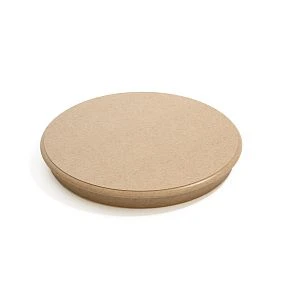
MDF underframe: when a smooth painted base is needed
MDF is chosen not because it "replaces wood in everything," but because it has a different purpose. It is convenient in projects where a smooth surface, enamel, precise color, and a calmer appearance are important. If the underframe needs to be painted white, milky, gray, graphite, black, or another project shade, MDF can be a good base for such a scenario.
In a modern interior, an active wood texture is not always needed. Sometimes the table should match kitchen fronts, walls, doors, panels, or furniture in a single color. Then an MDF underframe helps make the base clean and visually restrained. It does not distract attention from the table's shape and gives more freedom in color.
When MDF is better than solid wood
MDF is better suited when the buyer needs a painted base without a natural pattern. For example, a table in a modern kitchen, an underframe for enamel, a base for a furniture color, a restrained solution for an apartment, or a project where wood is not used in its natural form. In such cases, solid wood can be excessive because its texture will still be hidden under dense paint.
MDF is also convenient when visual smoothness is important. If the interior is built on smooth fronts, laconic walls, and calm geometry, the active texture of oak can seem superfluous. An MDF underframe looks more natural in such an environment.
When MDF is not the best choice
If the buyer wants to emphasize the naturalness of the wood, preserve the texture, make the table the centerpiece of the dining room, or support a massive wooden tabletop, MDF may be too subdued. In such cases, it is better to consider a base made of solid oak or beech.
Also, MDF should not be chosen solely to save money if the style requires a natural material. In a classic interior, especially next to wooden doors, carved elements, panels, and massive furniture, a solid wood base often looks more convincing.
Solid wood or MDF: a quick comparison before purchase
| Criterion | Solid oak or beech | MDF |
|---|---|---|
| Visual character | Natural, warm, more expressive. | Even, calm, well-suited for painting. |
| Best style | Classic, neoclassical, country house, interior with wood. | Modern interior, enamel, smooth facades, custom color. |
| Texture | Can be noticeable and decorative, especially with oak. | Has no active wood grain pattern. |
| Painting | Possible, but part of the array's meaning may be hidden under dense enamel. | A good option for smooth enamel and precise color. |
| Combination with tabletop | Looks good with a wooden and massive tabletop. | Works well with painted, minimalist, and modern tabletops. |
| When to choose | When you need to emphasize wood, status, and natural material. | When a clean painted base without extra texture is needed. |
The main conclusion is simple: solid wood is chosen for its natural character, MDF for smoothness and paintability. But the final decision depends not only on the material. You need to consider the shape of the underframe, tabletop size, room style, load, finished table height, and how the base will combine with other furniture.
How to choose an underframe for a classic interior
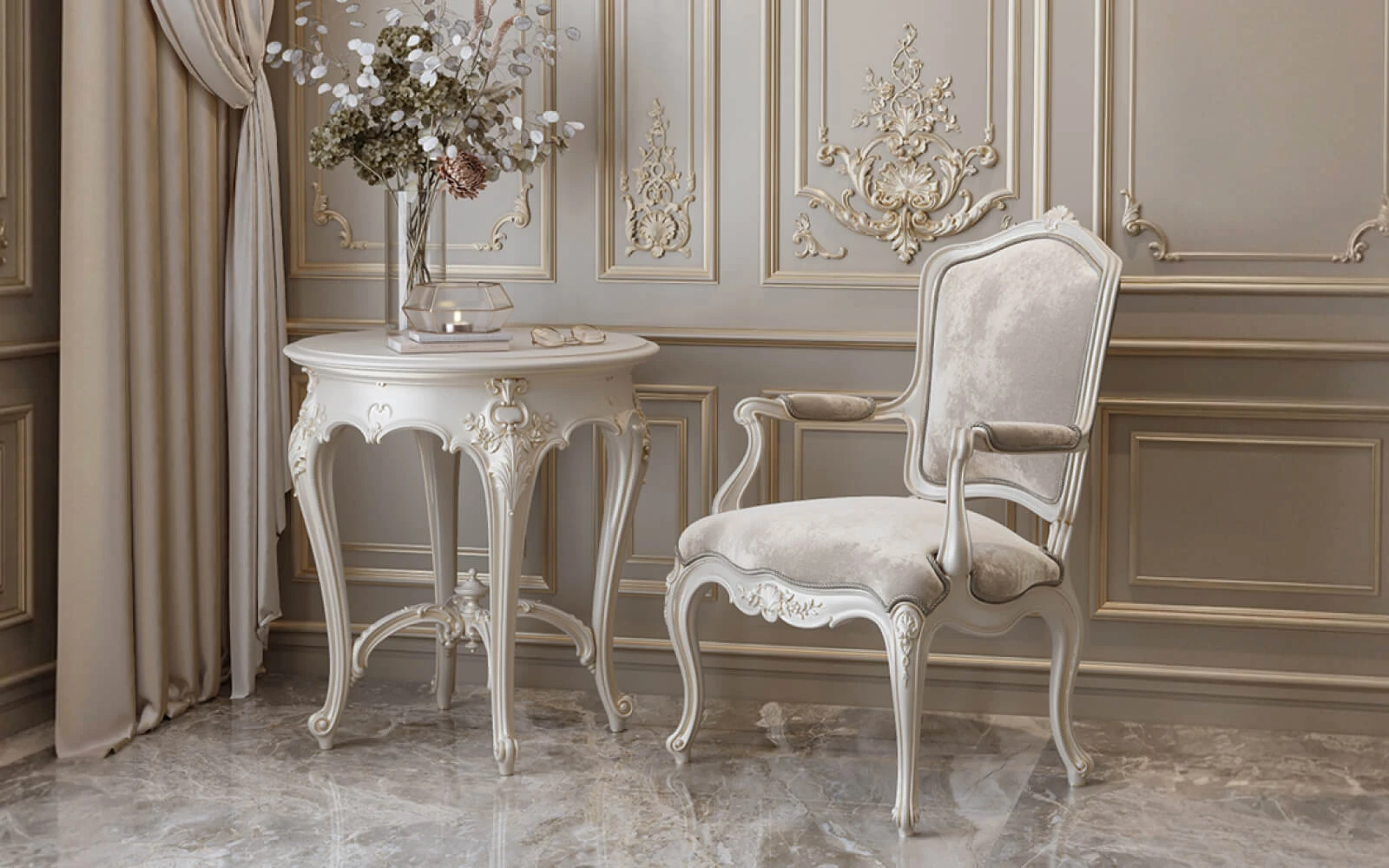
In a classic interior, the table base should not look like a random technical detail. The table often stands next to wooden doors, wall panels, carved decor, massive cabinets, a sideboard, a mirror, baseboards, and other furniture. Therefore, the base should support the overall language of the room.
A wooden table base here is usually perceived as natural. Oak emphasizes status and texture. Beech can be a calmer base for enamel or tinting. MDF is also possible if the classic interior is made with painted furniture, for example, in white, milky, gray, or other enamel color schemes.
When to choose oak
Oak is suitable if the table should be noticeable and substantial. This is a good choice for a large dining room, study, living room, country house, or classic kitchen with wooden furniture. If the interior has natural wood, an oak table base helps connect the table with surrounding elements.
When to choose beech
Beech should be considered when a wooden base is needed, but without too active a texture. It is well suited for softer classic, neoclassical, painted solutions, and projects where form is more important than the wood grain.
When to choose MDF
MDF is appropriate in a classic interior if all furniture is painted and the wood texture should not be visible. For example, a white kitchen with classic fronts, a light dining room, a neoclassical interior with enamel and smooth surfaces. In such a case, MDF helps maintain the color and not add extra pattern.
How to choose a table base for a modern interior
In a modern interior, the table base more often works with clean form, proportions, and calm color. Here, it is not always necessary to emphasize natural texture. Sometimes it is more important that the table does not overload the space, and combines with facades, walls, floor, and light.
MDF is often convenient in such projects: it can be perceived as a base for even painting and a laconic appearance. But solid wood can also be modern if the underframe shape is restrained and the finish does not conflict with the interior. It is worth buying a wooden underframe if there is already wood in the room or if you need to add warmth to an overly cold modern setting.
Modern kitchen
For a modern kitchen, the underframe is chosen to match the facades, countertop, and overall palette. If the furniture is smooth and painted, MDF can provide a more accurate color match. If the kitchen combines laconic facades and wooden elements, solid beech or oak will help add naturalness.
Living-dining room
In a living-dining room, the table is often visible from different zones. It should match not only the kitchen but also the upholstered furniture, lighting, cabinets, panels, and decor. If the interior is warm and natural, solid wood will be appropriate. If the space is minimalist, it is better to look towards a more restrained form and a painted base.
Office or Meeting Room
For an office and meeting room, a sense of stability and status is important. An oak underframe can support the business character of the space. MDF is suitable if the interior is built on clean lines, painted furniture, and a neutral palette. In both cases, you need to check not only the material but also the size of the base relative to the tabletop.
How to choose an underframe for painting
If the main question is which underframe to choose for painting, you first need to understand whether you want to preserve the wood character or completely hide it with enamel. If the texture should remain visible, it is better to consider solid wood and tinting. If a dense color without wood grain is needed, MDF may be a more logical solution.
Underframes for painting are often chosen for modern kitchens, light dining rooms, neoclassical interiors, commercial spaces, and furniture where the color must exactly match the facades or walls. In such cases, the underframe material becomes part of the color task.
Enamel
Enamel works well where a pure color is needed: white, milky, gray, graphite, black, or another project shade. MDF is often chosen precisely for this scenario. Beech can also be a good wooden base for painting if the wooden structure is important but without a pronounced grain.
Staining
Tinting is needed when you want to preserve the wood but change the shade. For oak, this is especially expressive: the texture remains part of the design. Beech gives a calmer grain. If tinting is needed, MDF no longer solves the same task because its purpose is not in natural texture.
Natural finish
If the table should look wooden, it's better not to hide the solid wood with dense enamel. In this case, a base made of solid oak or beech reveals itself better: the material works not only structurally but also visually. This is especially important for country houses, dining rooms, and classic interiors.
How to avoid mistakes with the table base material
A mistake in choosing the material often occurs because the buyer only looks at the picture. In the photo, the base may look beautiful, but after installation in a real interior, it becomes clear that the material clashes with the tabletop, the kitchen color, the floor texture, or the furniture style.
Before ordering, you need to ask a few questions. Will the base be painted? Should the wood texture be visible? What is the tabletop: wooden, painted, stone, veneered, light, dark, massive, or visually light? Are there other wooden elements in the room? Is a classic, neoclassical, modern style, or a calm universal option needed?
| Buyer's task | What to choose | Why |
|---|---|---|
| Need a table with a natural texture | Solid oak or beech | The material remains visible and supports the wooden tabletop. |
| Need a base for dense enamel | MDF or beech | The surface can be made calm and painted. |
| Table for a classic dining room | Oak solid wood | Oak adds solidity and pairs well with classic furniture. |
| Modern kitchen with smooth facades | MDF for painting | It doesn't add extra texture and helps match the color. |
| Need a universal wooden underframe | Beech | A calmer pattern suits various finishing options. |
What to buy with a table base
The underframe is rarely chosen separately from the entire table. To make the furniture look cohesive, you need to plan the tabletop, fastening, finish, and neighboring interior elements in advance. This is especially important if the table is made for a specific project: kitchen, dining room, living room, office, or commercial space.
If a solid wood underframe is chosen, you need to consider whether the tabletop will also be wooden, whether the texture will match in tone, and how actively the wood will participate in the interior. If MDF is chosen, the issue of painting, color, enamel, and connection with facades is decided in advance. In both cases, it's worth opening the section and buy an underframe made of solid oak, beech, or MDF after understanding the complete table configuration.
| What to add to the purchase | Why this is needed | What to pay attention to |
|---|---|---|
| Tabletop | Assemble the finished table and check the proportions. | Material, weight, thickness, color and shape. |
| Finish | Match the underframe with the tabletop and interior. | Enamel, tinting, natural shade or custom color. |
| Fasteners and mounting solutions | Securely connect the tabletop to the base. | Compatibility with tabletop material and underframe design. |
| Chairs of suitable height | Check seating comfort at the finished table. | Table height, support placement and legroom. |
| Adjacent wooden elements | Create a cohesive interior without material mismatch. | Wood tone, texture, enamel color, room style. |
How to avoid confusing solid wood underframes with similar options
A buyer may search for a wooden underframe, wood underframe, solid wood underframe or underframe for painting and assume they are the same. In practice, there is a difference. Solid wood is natural wood. Oak and beech give different visual character. MDF is a separate material that works best in painted finishes.
You shouldn't choose a "wooden table base" just by its name. You need to look at the material in the product card. If you need oak, it's important to make sure that oak is selected. If you need beech, check this before ordering. If you need a smooth painted base, it might be better to look at MDF or a material suitable for enamel.
| What the buyer is looking for | What it can be confused with | How to check |
|---|---|---|
| Solid wood underframe | Any wooden or painted base. | Check the material: oak, beech, or another specified option. |
| Wooden table base | MDF for painting. | Look at the product card and the material of the item. |
| Table base for painting | Table base with exposed wood grain. | Determine if enamel or visible wood structure is needed. |
| Oak underframe | Beech underframe in a similar finish. | Check the wood species in the product card. |
| MDF for enamel | Solid wood that is planned to be fully painted. | Understand if natural texture is needed or just a solid color. |
Practical selection for different tasks
Need a table for a classic dining room
For a classic dining room, solid wood is often chosen. Oak is suitable if the table should look substantial and match expensive wooden furniture. Beech can be chosen if the interior is lighter, calmer, or the underframe is planned to be painted. MDF is possible if all furniture is enameled and natural texture is not needed.
Need a table for a modern kitchen
For a modern kitchen, the choice depends on the facades. If the kitchen is smooth and painted, MDF may look more logical. If the kitchen has wooden facades, slats, shelves, or a countertop with natural texture, a solid wood underframe will help connect the table with the rest of the furniture.
Need a large family table
For a large table, the material is important, but the construction is even more important. Solid wood supports a sense of reliability well, especially with a wooden tabletop. But before ordering, you need to check the dimensions, stability, height, fastening, and compatibility with the tabletop's weight.
Need a table base for painting
If the table base will be fully painted, MDF and beech are often practical options. Oak is better showcased where its texture remains visible. If the buyer plans to use a dense enamel anyway, it's worth considering whether to pay for an expressive texture that won't be visible later.
Need a table for a country house
In a country house, natural wood usually looks particularly appropriate. A table base made of solid oak or beech pairs well with wooden ceilings, floors, doors, kitchen, stone, and textiles. MDF is also possible if the house is furnished with light enamel furniture, but for a natural atmosphere, solid wood often looks more convincing.
Mistakes when choosing a table base made of solid wood or MDF
Choose only by photo
The photo shows the shape, but does not always convey the material. Visually, painted solid wood and MDF can be similar. Oak and beech with a tint can also be close in shade. Therefore, before ordering, you need to read the product card and check the material.
Not considering the tabletop
The table base does not live separately. It must match the tabletop in weight, color, texture, and style. A massive wooden tabletop on a too simple base can look heavy. A minimalist modern tabletop on an active carved base can look questionable.
Buying solid wood for dense painting without necessity
Solid wood is valued for its natural material and texture. If the underframe is completely covered with dense enamel, part of the visual meaning of the solid wood is lost. In this case, you can consider MDF or beech if they fit the specific shape and task.
Choosing MDF where natural texture is needed
MDF works well for painting but does not replace the natural pattern of oak or beech. If the interior is built around wood and the table should support this line, it is better to choose a solid wood underframe.
Not checking dimensions and stability
Material is important, but stability is more important. Even an oak underframe needs to be selected according to the tabletop size. If the base is too small or does not fit in height, the table will be uncomfortable.
Forgetting about finishing
The color of the underframe affects the entire table. If oak, beech, or MDF are painted in a shade that does not match the interior, the furniture will look out of place. It is better to plan the finishing before purchase, not after installation.
Who is a solid wood underframe suitable for, and who should choose MDF
A solid wood underframe is suitable for those who want to see natural material, love wood, and are assembling a table for a classic interior, country house, dining room, study, or living room. Solid wood looks good where the table should be noticeable, warm, and substantial.
Oak should be chosen if you need expressiveness, natural texture, and a sense of status. Beech is suitable for those who want a wooden base but with a calmer pattern and convenient for painting or tinting.
MDF is better to choose for those making a table for enamel, a modern interior, smooth facades, precise color, or a calm shape without active wood texture. This option is especially appropriate when the underframe should support the color scheme rather than stand out as a separate wooden accent.
If the buyer wants a ready-made table without thinking about material, size, finish, and compatibility, it is better to first determine the overall scenario. The underframe requires a conscious choice: material, tabletop, height, load, and style must work together.
How to buy an underframe at STAVROS
It is better to start the purchase by answering three questions: what the tabletop will be, what style the interior is decorated in, and whether visible wood texture is needed. If the tabletop is wooden and the interior is classic, you should consider solid oak or beech. If a project color, enamel, and modern look are needed, you can consider MDF.
In the STAVROS section you can buy an underframe made of solid oak, beech, or MDF, compare options and check the current parameters in the product card before ordering. Special attention should be paid to the material, dimensions, compatibility with the tabletop, future finish, and height of the finished table.
If the underframe is being selected for a complex project, a non-standard tabletop, a large table, or an interior with a precise color, it is better to clarify the details with a STAVROS manager in advance. This will help avoid mistakes with the material and choose a base that will work not only beautifully but also practically.
FAQ
What is better: an underframe made of solid wood or MDF?
Solid wood is better to choose if you need natural wood texture, a classic interior, a country house, or a table with an expressive wooden tabletop. MDF is better suited for even painting, enamel, and a modern interior.
Which wooden underframe should you choose?
If you need expressive texture and a prestigious appearance, you should consider oak. If you need a calmer wooden base for painting or tinting, beech will do.
What is the difference between an oak underframe and a beech one?
Oak is usually perceived as more expressive and textured. Beech is calmer in pattern and is often convenient for painted or softer interior solutions.
Which underframe should I choose for painting?
For dense enamel, MDF or beech is often chosen. If you need visible wood texture with tinting, it is better to look at solid oak or beech.
When is it better to choose solid wood?
Solid wood is better to choose for a classic interior, a wooden tabletop, a country house, a dining room, a study, and cases where the material should be a visible design element.
When is it better to choose MDF?
MDF is appropriate when you need a smooth painted surface, precise color, a modern interior, smooth enamel, and the absence of active wood texture.
Can MDF be used in a classic interior?
Yes, if the classic interior is made with painted furniture and enamel. If you need to emphasize natural wood, it's better to choose solid wood.
Is an oak underframe suitable for a modern kitchen?
It is suitable if the modern kitchen has wooden elements or needs to add warmth. If the interior is completely smooth and painted, MDF may look calmer.
What to check before buying a table base?
You need to check the material, dimensions, height, compatibility with the tabletop, future finish, interior style, and current parameters in the product card.
Can I buy a wooden underframe for enamel?
Yes, but you need to understand that dense enamel can hide the natural texture of the wood. If texture is not needed, you can consider MDF or beech for painting.
How to combine an underframe with a tabletop?
You need to consider the color, texture, weight, thickness, and style of the tabletop. A wooden tabletop pairs well with solid wood, while a painted or minimalist one pairs well with MDF or a calm wooden base.
Where to buy an underframe made of solid oak, beech, or MDF?
You can choose an underframe in the STAVROS section. Before ordering, it's worth comparing the material, shape, dimensions, and finish to ensure the base fits your table and interior.
Bottom line: the table base material should be chosen to match the table, not separately from it.
A solid wood table base and an MDF table base serve different purposes. Solid oak or beech is needed when natural wood, texture, a warm interior character, and a connection to classic furniture are important. MDF performs better where a smooth painted surface, enamel, modern geometry, and precise color matching are required.
You cannot choose the material separately from the tabletop and the room. You need to consider the interior style, the weight and shape of the tabletop, the future finish, the height of the finished table, the surrounding furniture, and whether the wood texture should be visible. Then the table base will not be a random support, but a full part of the table.
At STAVROS you can buy an underframe made of solid oak, beech, or MDF and choose a base for a classic or modern interior. Before ordering, it is enough to check the material, dimensions, and finish in the product card, and for a complex project, clarify compatibility with the selected tabletop with a STAVROS manager.