Article Contents:
- Philosophy of transformation: why decorate doors
- Materials for creativity: wood, polyurethane and their possibilities
- Wooden moldings: nobility and authenticity
- Polyurethane moldings: practicality and variety
- Combined Solutions: The Best of Both Worlds
- Stylistic solutions: From classic to modern
- Classical style: symmetry and strictness
- Baroque and Rococo: Luxury and Excess
- Neoclassicism: modern interpretation of traditions
- Modern and Art Deco: geometry and dynamics
- Contemporary minimalism: restrained elegance
- Composition and proportions: secrets of harmonious decor
- Golden ratio rule
- Symmetry and Asymmetry
- Proportions of moldings
- Distances and indents
- Assembly Technology: Step-by-Step Guide
- Stage one: planning and sketch
- Stage two: surface preparation
- Stage 3: Marking
- Stage four: trimming moldings
- Stage five: gluing elements
- Stage Six: Finishing
- Common Mistakes and How to Avoid Them
- First mistake: ignoring proportions
- Second mistake: overloading with decor
- Third mistake: style mismatch
- Fourth mistake: poorly fitted corners
- Fifth mistake: wrong glue
- Sixth mistake: rushing
- Ideas and inspiration: transformation examples
- Turning a smooth door into a paneled one
- Adding carved accents
- Creating a portal with architraves and cornices
- Geometric decor in contemporary style
- Care and operation: how to preserve beauty
- Regular Cleaning
- Protection against damage
- Periodic Coating Renewal
- Where to find quality materials: importance of choice
- Doorway decor: finishing touch
- Architraves: framing the portal
- Decorative elements above the door
- Color solutions
- Economic aspects: decor vs. replacement
- Cost of decorating
- Cost of door replacement
- Comparison and conclusions
- Questions and Answers: Everything You Need to Know
- Can any door be decorated with moldings?
- How long does door decor last?
- Can moldings be removed if you get tired of them?
- What style of moldings to choose for an eclectic interior?
- Is special equipment needed for installation?
- Can decor be used on doors in damp areas?
- How to coordinate door decor with wall decor?
- Is it possible to create an imitation of an expensive paneled door?
- How to choose the size of moldings?
- Is priming needed before gluing?
- Sources of inspiration: where to look for ideas
- Additional possibilities: from simple to complex
- Painting and patination
- Gilding and Silvering
- Combination with stained glass and glass
- Built-in lighting
- Professional help: when to turn to specialists
- STAVROS: a partner in creating unique interiors
- Conclusion: from simple to beautiful

You open the door to a room and see... an ordinary smooth panel without character, without history, without soul. A white or brown plane that serves its function but evokes no emotion. Yet the door is the first thing that catches the eye upon entering a space. It sets the tone, shapes expectations, creates a mood. And here a question arises: why not turn this functional necessity into a work of art?
Moldings for interior doors and decorative panels are not just decoration. They are a way to reinterpret space, add depth and expressiveness. They offer the possibility of creating a unique interior without major investments or dismantling existing structures. A simple door can become a designer portal that attracts attention and inspires admiration. And you don't need to be a professional decorator for this—it's enough to understand composition principles, know the materials, and follow the technology.


Philosophy of transformation: why decorate doors
In a modern interior, every detail matters. We carefully select furniture, choose textiles, plan lighting. But for some reason, doors often remain outside our attention. Meanwhile, they occupy a significant area of vertical surfaces and influence the perception of the entire room.
Decorative moldings for doors solve several tasks at once. First, they create a visual structure, breaking a large plane into organized zones. The eye enjoys gliding over the relief, pausing on frames, following lines. Second, moldings add depth and volume. Even the simplest profile creates a play of light and shadow, turning a flat surface into a sculptural form. Third, they allow the door to be coordinated with the overall stylistic theme of the interior—classical, neoclassical, modern, eclectic.
Decorative panels for interior doors open up even more possibilities. Carved overlays, three-dimensional ornaments, geometric compositions—all these are tools for creating a unique appearance. A panel can be an accent, the central element of a composition, or a delicate addition emphasizing the elegance of the structure. The choice depends on your aesthetic preferences and the overall concept of the space.
There is also a practical aspect. Old doors often have defects: paint chips, scratches, wear. Instead of replacing the entire panel, you can mask problem areas with decorative elements. This saves budget and time, and the result is no worse, and sometimes even better, than installing a new door. After all, you are creating not a mass-produced product, but an individual solution that reflects your personality and taste.




Materials for creativity: wood, polyurethane, and their possibilities
Choosing materials for door decoration is a balance between aesthetics, practicality, and budget. The two main options—wood and polyurethane—have their own characteristics, advantages, and applications.
Our factory also produces:


Wooden moldings: nobility and authenticity
Wood is a classic material that has been used in architectural decoration for centuries. Wooden moldings for interior doors possess a unique texture, warmth, and natural beauty. Each plank is unique: the grain pattern, shade, and structure all create a living, breathing surface.
The main wood species for molding production are oak, beech, ash, and pine. Oak is distinguished by its high density and strength, pronounced texture, and noble color. It is ideal for classic interiors where solidity and status are important. Beech is lighter, with a fine-grained structure, and is easy to work with and paint. Ash combines strength with elasticity and has a beautiful annual ring pattern. Pine is a budget option, lightweight and soft, suitable for country or Scandinavian-style interiors.
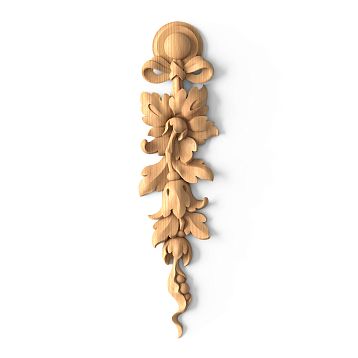
Wooden moldings can be smooth or carved. A smooth profile features strict lines, geometric clarity, and minimalist elegance. Carved moldings feature ornaments, scrolls, and floral motifs that turn a door into a work of art. Carving can be machine-made (milled) or handcrafted. Machine carving ensures precision and repeatability, while hand carving offers uniqueness and depth of detail.
The advantages of wooden moldings are obvious: eco-friendliness, durability, and the possibility of repair and restoration. Wood can be sanded, painted, varnished, or oiled. It does not emit harmful substances and creates a favorable microclimate in the room. There are also disadvantages: wood reacts to changes in humidity and temperature and can warp if stored or installed improperly. It requires a protective coating and periodic maintenance.
Get Consultation
Polyurethane moldings: practicality and variety
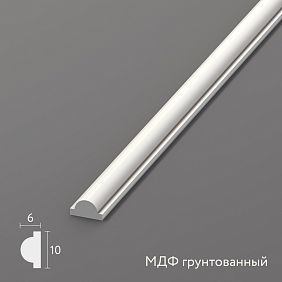
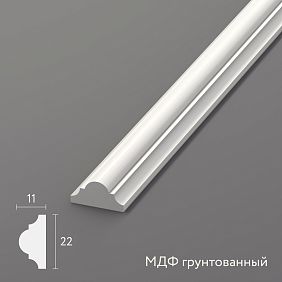
Polyurethane is a modern synthetic material that has gained popularity in decorative finishing due to its properties. Polyurethane moldings for interior doors are lightweight, durable, and resistant to moisture and temperature fluctuations. They do not warp, crack, or lose their shape for decades.
The main advantage of polyurethane is its ability to reproduce complex reliefs with high detail. Through casting, ornaments of any complexity can be created: from classic rosettes and acanthus leaves to modern geometric patterns. At the same time, the cost of polyurethane products is usually lower than that of carved wooden counterparts.
Polyurethane decorative door overlays require no special care. They can be washed, do not absorb odors, and do not attract dust. They are easily mounted on any surface—wood, MDF, metal—using adhesive. The weight of the elements is minimal, so there is no risk of peeling under their own weight.
Polyurethane moldings are produced in white, but they can be painted with acrylic or oil paints. This opens up endless possibilities for color solutions. You can create a monochrome composition, contrasting trim, or even imitate patina and gilding for a vintage effect.
Does polyurethane have disadvantages? The main one is the artificial origin of the material. For some, this matters, especially if eco-friendliness and authenticity are important. Polyurethane lacks the texture of natural wood, although modern technologies allow for fairly convincing imitation. Also, in case of mechanical damage, a polyurethane element is harder to restore than a wooden one.
Combined solutions: the best of both worlds
Why not combine the advantages of both materials? Wooden frames with polyurethane overlays, polyurethane moldings with wooden decorative panels—such combinations create interesting visual effects and allow for budget optimization. For example, the main structure can be made of polyurethane, while the central accents can be made of carved wood.
It is important to maintain proportions and stylistic unity. Wooden and polyurethane elements should match in profile, scale, and character of ornamentation. A properly selected combination looks harmonious and cohesive, creating the impression of a unified ensemble.
Stylistic Solutions: From Classic to Modern
Decorating doors with moldings and panels opens up opportunities to realize a wide variety of stylistic concepts. Let's consider the main directions and their features.
Classical style: symmetry and strictness
Classicism requires clarity of lines, symmetry of composition, and adherence to proportions. A typical solution is rectangular frames arranged symmetrically relative to the vertical axis of the door. The number of frames can vary: two (upper and lower), three (adding a middle one), four, or even six.
The classical style is characterized by moldings with a restrained profile: simple beads, flutes, and small grooves. Ornamentation, if present, is discreet and rhythmic. The color palette includes natural wood tones or painting in white, ivory, or noble gray.
Classical interior doors with decorative panels fit perfectly into living rooms, studies, and libraries. They create a sense of stability, order, and traditional comfort. This is the choice of people who value time-tested solutions and elegant restraint.
Baroque and Rococo: Luxury and Excess
If classicism is reason, then Baroque is emotion. Here, complex curvilinear forms, abundant decoration, and play of volumes are welcome. Carved moldings with floral motifs, acanthus leaves, scrolls, and rosettes turn a door into a theatrical set.
Baroque doors require scale. They are suitable for spacious rooms with high ceilings, where there is space to perceive the entire composition. In small rooms, such decoration may appear excessive and overwhelming.
Rococo is a lighter and more playful version of Baroque. Here, there is less monumentality and more elegance. Asymmetrical compositions, intertwining lines, and delicate ornaments all create a sense of airiness and coquetry. Colors are pastel, with gilding or silvering.
Neoclassicism: modern interpretation of traditions
Neoclassical style takes its foundation from classicism but interprets it with modern lightness. Moldings here are thinner, profiles simpler, and compositions more concise. This is not a copy of historical examples but a reinterpretation of them considering modern aesthetics.
Neoclassical doors look good in spacious urban apartments and country houses. They combine well with modern furniture, technological lighting, and contemporary finishing materials. At the same time, they retain a connection to tradition, creating a balance between innovation and continuity.
Modern and Art Deco: geometry and dynamism
Modern (also known as Art Nouveau) gravitates toward smooth, flowing lines, floral motifs, and asymmetry. Moldings for doors in the Modern style may have wavy profiles, stylized floral ornaments, and curved forms. This is a style of individuality and artistry.
Art Deco, on the contrary, is built on geometry: zigzags, trapezoids, stepped forms, and symmetrical compositions with clear contours. Here, contrasting color combinations, glossy surfaces, and metallic accents are welcome. Decorative panels on interior doors in the Art Deco style may feature graphic patterns reminiscent of the jazz and skyscraper era.
Contemporary minimalism: restrained elegance
Minimalism does not exclude the use of moldings but requires maximum conciseness. Thin planks create subtle frames that emphasize the geometry of the door without excessive decoration. Colors are neutral and monochromatic. Profiles are simple, often rectangular.
Minimalist moldings for interior doors work to create a clean, organized space. They do not attract attention on their own but form a structure that makes the interior cohesive and thoughtful. This is the choice of people who value functionality and visual tranquility.
Composition and proportions: secrets of harmonious decor
The beauty of a decorated door depends not only on the quality of the elements but also on their correct placement. The composition should be balanced, the proportions harmonious. How to achieve this?
The Golden Ratio Rule
The golden ratio is a mathematical proportion that the human eye perceives as the most harmonious. It is approximately 1:1.618. Applying this rule to door decoration, you can divide the height of the door leaf into parts in this proportion and place the main elements of the composition at key points.
For example, if the door height is 200 cm, the upper third (approximately 75 cm from the top) and the lower third (approximately 75 cm from the bottom) are zones where placing decorative panels or accents will be perceived as most harmonious. The middle part can remain more open or contain less pronounced elements.
Symmetry and asymmetry
A symmetrical composition creates a sense of stability and order. This is a classic approach where elements are placed mirror-symmetrically relative to the central axis. Two identical frames at the top and bottom, a central panel in the middle—such a scheme is clear and predictable.
An asymmetrical composition is a bolder solution. Here, elements can be of different sizes, placed asymmetrically, creating a dynamic pattern. Asymmetry requires a developed sense of balance: the lack of mirror symmetry should not lead to a feeling of chaos. One large panel can be balanced by several small ones; shifting an element to the right can be balanced by visual weight on the left.
Proportions of moldings
The width of the molding should correspond to the size of the door. Too thin strips on a massive door will get lost and fail to create the desired effect. Too wide moldings on a narrow door will look bulky and out of place.
A practical rule: the width of the molding should be approximately one twenty-fifth to one thirtieth of the door width. For a standard door 80 cm wide, the optimal molding width is 25-30 mm. For wider double doors, moldings 40-50 mm wide can be used.
The relief height (profile depth) is also important. A molding that is too flat will not create a play of light and shadow; one that is too convex may interfere with door opening or snag on clothing. The optimal depth is 5-15 mm, depending on the overall scale of the composition.
Distances and offsets
The distance from the edge of the door to the inner side of the frame (offset) affects the perception of the composition. Too small an offset creates a feeling of tightness; too large an offset creates a sense of sparseness and loss of connection with the edge of the leaf.
The classic offset is 10-15 cm from the edge of the door. This creates enough space for visual breathing while keeping the frame connected to the overall outline. The distance between adjacent frames (if there are several) should also be well-considered. Equal intervals create rhythm; unequal intervals create dynamism.
Assembly technology: step-by-step guide
Decorating a door with moldings and panels is a process that requires care and adherence to technology. Let's consider it step by step.
Stage one: planning and sketch
Before starting work, you need to create a plan. Measure the door: height, width, thickness. Draw a sketch of the future composition indicating the dimensions and placement of elements. This can be done on paper or in a graphic editor.
The sketch helps visualize the result, check proportions, and adjust the idea before installation begins. Show the sketch to your household, get feedback. Sometimes a fresh perspective notices what you missed.
Based on the sketch, compile a list of necessary materials: moldings (length and profile), decorative panels (size and quantity), glue, paint (if needed), tools. Calculate the quantity with a 10-15% surplus for trimming and possible errors.
Stage two: surface preparation
The door must be clean, dry, and smooth. Remove it from the hinges (if possible) and lay it horizontally on a work surface—this is more convenient. If removing the door is not possible, work in place, but note that a vertical surface requires stronger glue and temporary fixation of elements.
Clean the surface of dust, dirt, and grease. Use a soft cloth and a degreaser (alcohol, acetone). If there is old paint on the door with cracks or peeling, remove it with a scraper and sand the surface with medium-grit sandpaper (P120-P150).
If you plan to paint the door and moldings the same color, it's better to do so at this stage—paint the door before installing the elements. This way, you avoid the need to mask boundaries after gluing.
Third stage: marking
Using a tape measure, level, and pencil, transfer the sketch onto the door. Find the center of the door vertically and horizontally, draw axial lines. From the axes, mark distances to future elements according to the sketch.
Check symmetry: distances left and right from the vertical axis, top and bottom from the horizontal axis should be equal (if the composition is symmetrical). Use a level to ensure all horizontal lines are strictly horizontal, vertical lines strictly vertical. Even a slight tilt will be noticeable and spoil the impression.
Make the markings with a thin pencil or painter's tape. The lines should be visible but not conspicuous after installation. If using tape, it will also serve as a boundary during painting and protect the door surface from accidental glue spills.
Stage four: trimming moldings
Moldings for interior doors are usually sold by the linear meter. You need to cut them into pieces of the required length and trim the corners for joining into frames.
For straight joints (e.g., where vertical and horizontal strips meet at a 90-degree angle), a 45-degree cut is used. This ensures neat joining of profiles without visible ends. For trimming, use a miter box and a fine-toothed saw (for wood) or a miter saw (a more precise tool).
Measure the length of each side of the frame along the outer and inner contours. Cut the molding with a small allowance, then fit it precisely. It's better to cut little by little than to cut off too much at once and ruin the part.
Place all four sides of the frame on the door without glue, check if the corners meet. If there are gaps—carefully file them down. Perfect corner joining is a sign of craftsmanship. Gaps up to 0.5 mm are acceptable and can be filled with sealant; gaps larger than 0.5 mm are noticeable and spoil the impression.
Stage five: gluing elements
For gluing wooden moldings, use PVA wood glue or polyurethane glue. For polyurethane elements, use special polyurethane adhesive or liquid nails. Apply the glue in a thin, even layer to the back of the molding, stopping 2-3 mm from the edges (to prevent the glue from squeezing out when pressed).
Place the molding against the door according to the markings and press firmly. Maintain pressure for 30-60 seconds, then secure the element with painter's tape or clamps (if the door is removed and lying horizontally). The glue setting time depends on the type—read the manufacturer's instructions.
If you are using decorative panels on interior doors, the process is similar. Panels are usually smaller in area and lighter than moldings, so the glue holds them securely. The key is even glue distribution and firm pressure.
Immediately remove any excess glue that squeezes out along the edges with a damp cloth (for PVA) or a putty knife (for polyurethane glue). It will be more difficult to remove the glue after it dries.
Stage six: finishing
After the glue has completely dried (usually 24 hours), remove the securing tape. Inspect the joints. If there are small gaps, fill them with acrylic sealant matching the color of the door or moldings. Apply the sealant in a thin bead, smooth it with a wet finger or putty knife, and remove any excess.
If the moldings and door are unpainted, now is the time to paint them. Use high-quality paint—acrylic for interior work or oil-based for a more durable finish. Apply the paint in two or three thin coats with intermediate drying and light sanding with fine sandpaper (P220-P320). This provides a smooth, even finish without drips or runs.
For wooden elements, you can use a clear finish—varnish or oil. Varnish creates a protective film and highlights the wood grain. Oil penetrates the wood, preserving its natural appearance and tactile feel. The choice depends on aesthetic preferences and usage conditions.
After the final finish has completely dried, you can rehang the door on its hinges (if it was removed). Carefully adjust its position, check for smooth operation, and ensure there is no rubbing against the frame or floor.
Typical mistakes and how to avoid them
Even when following the correct technique, mistakes can occur that ruin the result. Let's look at the most common ones and how to prevent them.
Mistake one: ignoring proportions
Overly massive moldings on a narrow door or overly thin ones on a wide door look out of place. Check the proportions on a sketch, and if in doubt, make a full-size mockup from paper or cardboard. Place it against the door, step back, and evaluate visually.
Mistake two: overloading with decor
The desire to make a door as ornate as possible sometimes leads to excess. Too many frames, overly complex patterns, an overloaded composition—all this creates visual noise and tires the eye. Remember the principle: less is more. One or two accents work more effectively than ten small elements.
Mistake three: style mismatch
Baroque moldings in a minimalist interior or Art Deco geometric panels in a classic setting create dissonance. The door decor should harmonize with the overall style of the room. If in doubt, choose more neutral options—they are more versatile and safer.
Mistake four: poorly fitted corners
Gaps at the joints of moldings are noticeable and reveal unprofessional work. Use a miter box or miter saw for precise cutting. Take your time, check each joint before gluing. If you make a mistake—don't try to mask a large gap with sealant; it's better to redo the piece.
Mistake five: incorrect glue
Not all glues are equally good for different materials. PVA holds wood excellently but may not handle polyurethane well. Liquid nails are versatile, but some types take a long time to dry or have a strong odor. Read the manufacturer's instructions, choose glue recommended for the specific material.
Mistake six: rushing
Quality decorating takes time. Don't try to do everything in one day. Divide the process into stages: planning, preparation, installation, finishing. Take breaks between stages, allow glue and paint to dry completely. Rushing leads to mistakes that are difficult to fix later.
Ideas and inspiration: transformation examples
To better understand the possibilities of door decoration, let's look at a few specific examples.
Transforming a smooth door into a paneled door
You have a simple smooth door made of MDF or fiberboard. It's functional but boring. The goal is to create an imitation of a classic paneled door.
Solution: use rectangular frames made of medium-width moldings (30-40 mm). Create two frames: an upper one (occupying about one-third of the door height) and a lower one (occupying the remaining two-thirds). Inside the lower frame, you can add another, smaller one, creating a double-panel effect.
Color: paint the door and moldings the same color (white, beige, gray) for a monochrome solution. Or use contrast—a light door with dark moldings or vice versa.
Result: a simple door looks like an expensive paneled product. The cost of transformation is several times lower than buying a new door.
Adding carved accents
The door looks too austere, and you want to add elegance.
Solution: install a carved overlay in the center of each frame (if there are multiple) or in the center of the door (if there is only one frame). This could be a rosette, an ornamental medallion, a stylized flower, a geometric pattern — the choice depends on the interior style.
Material: for classic interiors, wooden carved overlays are suitable; for modern ones — polyurethane overlays with a laconic design.
Result: the door gains individuality and becomes the center of attention. Carved accents work like jewelry — small but expressive.
Creating a portal with architraves and cornices
Want not just to decorate the door, but to create a full-fledged architectural portal.
Solution: add decoration of the opening to the decoration of the door leaf itself. Install wide carved architraves around the perimeter of the door frame. Place a cornice or pediment above the door — a horizontal decorative element that creates a finishing touch to the composition. Pilasters — vertical elements imitating columns — can be added on the sides.
Materials: wooden architraves for classic interiors, polyurethane ones — for rooms with high humidity or modern styles.
Result: the doorway transforms into a ceremonial portal that sets the tone for the entire interior. This solution is suitable for spacious rooms where there is room to appreciate a large-scale composition.
Geometric decor in a modern style
The interior is designed in a modern aesthetic, and classical moldings would be inappropriate.
Solution: use thin moldings with a rectangular profile to create geometric compositions. These can be intersecting lines, asymmetrical shapes, modular grids. Color — contrasting to the main tone of the door (black on white, gold on gray).
Alternative: decorative panels with graphic patterns — chevron, honeycomb, abstract designs.
Result: the door becomes a modern art object, supporting the overall interior style without introducing historical references.
Care and maintenance: how to preserve beauty
A decorated door requires certain care to maintain an attractive appearance for many years.
Regular cleaning
Dust and dirt accumulate in the relief of moldings and panels. Regularly wipe the door with a soft dry or slightly damp cloth. For hard-to-reach areas, use a soft brush or a vacuum cleaner with a brush attachment.
Do not use aggressive cleaning agents, especially for wooden elements. They can damage the protective coating and change the color. For stubborn stains, use a mild soap solution diluted in water, then wipe with a clean damp cloth and dry thoroughly.
Protection against damage
Decorative elements protrude above the door surface and are therefore more vulnerable to mechanical damage. Be careful when moving furniture, avoid impacts with hard objects.
If an element is damaged, small chips and scratches can be restored. For wooden moldings, use furniture wax or a retoucher in a matching tone. For polyurethane ones — acrylic putty, sand after drying and touch up.
Periodic coating renewal
Over time, the protective coating (paint, varnish, oil) wears out. For wooden elements, it is recommended to renew the coating every 3-5 years. For painted doors — when wear or color changes appear.
Before applying a new coat, lightly sand the surface with fine sandpaper to improve adhesion. Clean off dust, apply a new coat of paint or varnish. This maintains both the aesthetic and protective properties of the coating.
Where to find quality materials: the importance of choice
The success of decoration largely depends on the quality of the materials used. Moldings and panels must have precise geometry, a smooth surface, and stable dimensions. Material defects cannot be compensated for by installation skill.
When choosing a supplier, pay attention to several factors. First — assortment. A wide selection of profiles, sizes, and styles allows you to find exactly what you need for your project. Second — manufacturing quality. Products should be perfectly sanded, without chips, cracks, or unevenness. Third — geometric stability. The molding should not be bent or twisted — this will create problems during installation.
Fourth factor — material. For wooden products, the type of wood, its moisture content, and the absence of knots and other defects are important. For polyurethane ones — material density, casting quality, and relief detailing. Fifth — consultation availability. Professional suppliers help with element selection, quantity calculation, and provide installation recommendations.
For those who value high quality and a wide selection,wooden moldings and architravesrepresent an excellent solution. Carved elements made from solid oak and beech, executed with jewelry precision, can transform any door.Polyurethane Itemsoffer an alternative for those seeking practicality and a variety of forms.
Doorway decor: the finishing touch
Decorating the door itself is only part of the transformation. To create a complete look, it is necessary to pay attention to the entire door opening.
Casing: framing the portal
Casing serves a dual function: it conceals the joint between the frame and the wall and acts as a decorative frame.Wooden casingsThey can be smooth or carved, narrow or wide, painted or with the natural texture of wood.
The choice of casing profile should harmonize with the door moldings. If the door uses moldings with a classic profile, the casing should also be classic. For modern doors, simple rectangular casings are suitable.
The width of the casing is usually greater than the width of the door molding—this creates a visual hierarchy and emphasizes the boundary of the opening. The standard width of casings is 60-100 mm, but wider options are also possible for grand portals.
Decorative elements above the door
Panel above the door—is a horizontal decorative element that crowns the composition. This can be a cornice, a pediment, a fronton, or simply a decorative overlay with an ornament.
A cornice creates a canopy over the door, adding volume and shadow. A pediment is a more complex element with consoles, brackets, and molded decor. A fronton is a triangular or arched completion, reminiscent of classical architecture.
Placing an element above the door visually increases the height of the opening, making it more imposing. This is especially relevant for rooms with low ceilings—a properly designed portal creates the illusion of greater height.
Color Solutions
The color of the door, moldings, and casing can be uniform or contrasting. A monochrome solution (everything in one color) creates integrity and elegance. A contrasting one (for example, a white door with dark moldings and casing) creates graphic quality and expressiveness.
A third option is using several tones of the same color. For example, a door in light gray, moldings in medium gray, and casing in dark gray. This creates tonal depth and an interesting play of shades.
Don't be afraid to experiment with color. Doors don't necessarily have to be white or brown. Deep blue, noble green, exquisite burgundy—bold color solutions make the interior memorable and individual.
Economic aspects: decor versus replacement
The budget issue often becomes decisive when choosing between decorating an existing door and buying a new one. Let's conduct a comparative analysis.
Cost of decorating
A set of moldings for decorating one door (creating two to three frames) will cost from 2000 to 8000 rubles, depending on the material, profile, and manufacturer. Wooden carved moldings are more expensive than smooth polyurethane ones, but the difference is not critical.
Decorative panels and overlays cost from 500 to 5000 rubles per piece, depending on size and complexity. For one door, 2-4 overlays are usually sufficient.
Glue, paint, tools (if they need to be purchased separately) will add another 1000-2000 rubles. In total, full decoration of one door will cost 5000-15000 rubles. If you do the work yourself, the costs are only for materials. If you hire a craftsman, add the cost of labor—usually it amounts to 50-100% of the material cost.
Cost of door replacement
A new interior door of average quality costs from 10000 to 30000 rubles. Expensive models with carvings and made of solid wood—from 40000 to 100000 rubles and above.
To the cost of the door, add installation (removal of the old one, installation of the new one, installation of hardware)—another 3000-8000 rubles. In total, replacing one door costs at least 15000-40000 rubles.
Comparison and conclusions
Decorating an existing door is 2-4 times cheaper than buying and installing a new one. At the same time, the result can be no less, and sometimes even more impressive, since you create an individual solution rather than installing a standard product.
Savings are especially noticeable if you need to update several doors in an apartment or house. Decorating five doors will cost 25000-75000 rubles, replacement—75000-200000 rubles.
Moreover, decorating does not require demolition and the associated hassles: dust, noise, the need to move furniture. The process is less invasive and more flexible—you can do one door, evaluate the result, then continue.
Questions and Answers: everything you need to know
Can any door be decorated with moldings?
Yes, practically any door is suitable for decorating. Smooth doors made of MDF, fiberboard, particleboard—are an ideal base. Doors with existing relief can also be decorated by adding new elements or emphasizing existing ones. Even metal doors can be decorated, although they will require special glue and surface preparation.
How long does the decor last on a door?
With proper installation and the use of high-quality adhesive, decorative elements can last for decades. The adhesive bond is as strong as mechanical fasteners, without damaging the door. Regular maintenance and a protective coating extend the service life.
Can moldings be removed if you get tired of them?
Yes, moldings can be removed, although it requires care. Gently pry the element with a putty knife or thin chisel, gradually separating it from the surface. Remove any adhesive residue with a putty knife and sanding. After that, the door can be repainted or decorated with other elements.
What style of moldings should I choose for an eclectic interior?
For eclectic interiors, neutral, understated moldings with a simple profile are suitable. They won't clash with different styles and will create structure without imposing a specific aesthetic. An alternative is to choose moldings that echo one of the dominant elements in the interior.
Is special equipment required for installation?
Basic tools: tape measure, level, pencil, miter box, handsaw (or miter saw), brushes for adhesive and paint. This is an accessible set that most DIYers have or can easily acquire. Specialized equipment is not required.
Can decor be used on doors in damp areas?
Yes, but with caveats. Polyurethane moldings and panels are not afraid of moisture, so they are suitable for bathrooms and kitchens. Wooden elements require a reliable protective coating (varnish, oil with wax) and good room ventilation. In conditions of constant high humidity, wood can warp, so polyurethane is preferable.
How to coordinate door decor with wall decor?
If the walls featureDecorative finishing— moldings, panels, trim — the door decor should echo them in style and scale. Identical profiles are not necessary, but they should be from the same stylistic group and comparable in width and relief.
Is it possible to create an imitation of an expensive paneled door?
Absolutely.Paneled doorsare traditionally expensive due to their complex construction. But by using moldings and the right composition, you can create a visual imitation on a simple smooth door. From a distance and even up close, only specialists will notice the difference.
How to choose the size of moldings?
Use the rule of proportions: the width of the molding is approximately 1/25 to 1/30 of the door's width. For a standard 80 cm door, that's 25-32 mm. If in doubt, take samples of different profiles, hold them against the door, step back 2-3 meters, and evaluate visually.
Is primer needed before gluing?
For wooden doors, primer is advisable—it improves adhesive adhesion and protects the wood. For MDF doors, painted or laminated, degreasing is sufficient. Read the adhesive manufacturer's recommendations—they usually specify surface preparation requirements.
Sources of inspiration: where to look for ideas
Before starting decoration, it's useful to gather visual references—examples of completed projects you like. Where to find them?
Interior magazines and websites publish photos of beautiful interiors, where you can often see interestingly designed doors. Pay attention to details: what moldings are used, how they are arranged, what the color scheme is.
Social media and visual content platforms (Pinterest, Instagram) are treasure troves of ideas. Searching with hashtags like #doordesign, #moldingdoor, #decorativedoor will yield thousands of examples. Save your favorite images to a separate folder, creating your own inspiration library.
Exhibitions and showrooms of door and decor manufacturers showcase finished solutions in real size. This is an opportunity to see materials in person, assess quality, touch, and feel the texture. Many companies offer consultations and help with selecting elements.
Historical interiors—estates, palaces, old houses—demonstrate classic door and portal decoration techniques. Visiting museums and historical buildings provides an understanding of traditions, composition principles, and the play of scale.
Finally, your own imagination is the best source of ideas. Combine what you've seen, adapt it to your conditions, don't be afraid to experiment. Your door is your creative project, and it should reflect your individuality.
Additional possibilities: from simple to complex
Painting and Patination
After installing moldings and panels, additional decoration possibilities open up. Painting in multiple colors, creating a patina effect, artificial aging—all are techniques that add depth and character.
Patination is applying a second color into the recesses of the relief, partially removing it from the raised parts. The result is an aged effect, as if the door has absorbed history for decades. Special patinating compounds or simply two shades of paint are used for this.
Gilding and silvering
To create a luxurious, palatial style, you can apply gilding or silvering to decorative elements. There are special paints with metallic pigment, imitation gold leaf (imitation gold leaf), wax pastes. Gold or silver accents on a dark background create a dramatic, solemn effect.
Combination with stained glass and glass
If the door has glass inserts or you plan to add them, decorative moldings can frame the glass, creating a finished composition. Stained glass combined with carved moldings is the pinnacle of decoration, suitable for formal interiors.
Built-in lighting
Modern technologies allow for integrating LED lighting into decorative elements. Thin LED strips placed behind moldings create a floating frame effect, emphasize relief, and add mystery. This is more complex to implement, but the result is impressive.
Professional help: when to turn to specialists
Decorating doors with moldings is a process that can be done independently with basic skills and tools. However, there are situations where professional help is justified.
If the project is complex — many elements, curved shapes, non-standard sizes — it's better to entrust the work to an experienced craftsman. They will precisely perform the cutting, ensure perfect joining, and correctly select the adhesive and installation technology.
If you don't have the time or desire to delve into the details — this is also a reason to turn to specialists. A professional decorator or carpenter will take on the entire process from planning to finishing, providing a ready result.
Finally, if you want to get a consultation but do the work yourself — many companies offer element selection and sketch development services. You receive a professional concept and a list of materials, and implement it with your own hands, saving on labor.
STAVROS: a partner in creating unique interiors
When it comes to high-quality decorative elements for transforming doors and interiors, the company STAVROS holds a special place in the market. For over two decades, STAVROS has specialized in the production and supply of decor made from solid wood and polyurethane, offering solutions for the most demanding customers.
Wide assortmentwooden moldings, cornices, and skirting boardsincludes hundreds of profiles and sizes. From simple smooth planks to exquisite carved products with hand-detailed work — everyone will find a solution for their project. The products are made from premium-grade oak and beech solid wood, undergo multi-stage processing and quality control.
Decorative Insertsfrom solid wood are presented in dozens of ornament options: from classic rosettes and acanthus leaves to geometric patterns and floral compositions. Each overlay is a miniature sculpture, executed with jewelry precision.
STAVROS polyurethane molding is distinguished by high material density, geometric precision, and relief detailing. Moldings, cornices, brackets, consoles — the full range of elements for creating classic and modern interiors.
The company offers not only products but also professional support. STAVROS specialists help with element selection, calculation of required quantities, and composition development. An individual approach to each project, a flexible discount system for large orders, delivery throughout Russia — all this makes cooperation with STAVROS comfortable and effective.
Choosing STAVROS decorative elements means investing in quality that will last for decades. This is not just decor, it's the foundation for creating interiors that evoke admiration and remain relevant regardless of changing trends.
Conclusion: from simple to beautiful
Transforming a simple door into a designer portal is not magic, but a very real process accessible to everyone. Moldings for interior doors and decorative panels open up limitless possibilities for creativity and self-expression. They allow you to create a unique interior without major investments, transform the space, and add character and elegance to it.
Success depends on three components: quality materials, thoughtful composition, and careful installation. Choose elements from reliable manufacturers, plan the composition considering proportions and style, follow the technology — and the result will exceed expectations.
Don't be afraid to experiment, seek your own solutions, combine different materials and styles. Your home is a reflection of your personality, and every detail, including doors, should tell your story. Let moldings and decorative panels become tools for creating a space where you truly feel at home.
Start with one door. Evaluate the result, enjoy the process, savor the transformation. Then continue, gradually turning the entire interior into a harmonious ensemble where every element is in its place and contributes to the overall beauty. Door decoration is a journey from simple to beautiful, and you've already taken the first step by reading this article.