












































































Article Contents:
- Standard sizes: versatility and choice
- Flexible elements: solutions for curves
- Radii: geometry of curved lines
- Painting: finish determines impression
- Ready solutions: systematic approach
- Kits: everything in one package
- Application of moldings: from simple to complex
- Company STAVROS: quality and choice
- Conclusion: systematic choice for a finished result

Moldings on walls transform flat painted surfaces into architectural composition. Without them, the wall remains merely a vertical plane dividing space. With moldings, it acquires structure, rhythm, proportions — becoming part of the architectural concept.Buy polyurethane wall moldingscan be purchased individually, but it is more sensible to choose ready solutions and kits, where all elements are selected by style, size, and proportions. Manufacturers develop molding systems where main profiles are supplemented with corner elements, central inserts, and joint details — everything for creating a finished composition.
A ready solution saves time on design, eliminates the need to match compatible profiles, and avoids errors in calculating quantities. A kit includes everything necessary to decorate a specific room — living room, bedroom, office — in a particular style. It is like a constructor, where all parts are thought out, and only assembly according to instructions remains. The result is predictable, professional, even if installation is being done for the first time.


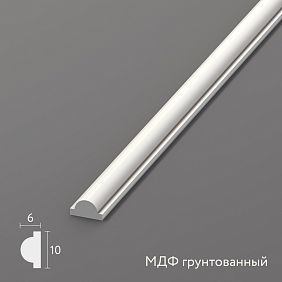
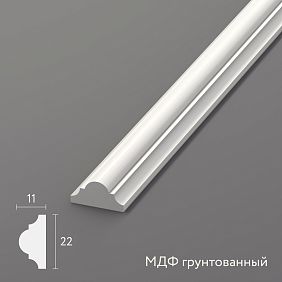
Standard sizes: versatility and choice
Standardization of molding sizes simplifies design, calculation, and installation. Manufacturers offer profile lines with fixed parameters — height, width, thickness, length. This is not a limitation of creativity, but a rational system where each size has its application, its place in the composition hierarchy. Knowing standard sizes, it is easy to select the appropriate profile for a specific task, calculate the quantity, and order without errors.
Molding height — the distance from the bottom edge to the top — varies from two to twenty centimeters. Narrow moldings two to four centimeters create thin lines, dividing walls into zones, framing panels, highlighting areas. They are delicate, do not dominate, work as graphic elements. Medium moldings five to ten centimeters — the basis of framed compositions, forming rectangles on walls. Wide moldings twelve to twenty centimeters are used for large frames — fireplaces, televisions, mirrors — creating expressive frames.
Profile thickness — the distance from the front surface to the wall — determines the protrusion, the depth of the shadow line. Thin profiles five to eight millimeters are almost flat, creating minimal relief, suitable for modern interiors. Medium profiles ten to fifteen millimeters create noticeable shadow, emphasizing relief. Thick profiles twenty to thirty millimeters create deep shadow, monumentality, characteristic of classical styles.
Element length is standardized — most often two meters, less often two and a half or three meters. Two-meter length is convenient for transportation, fits into a standard car, can be lifted in an elevator. For long straight sections, several elements must be joined, which creates additional operations during installation. Three-meter elements reduce the number of joints, but are more difficult to deliver and install, requiring assistance.
Projection width — horizontal protrusion from the wall — is usually small for wall moldings, three to five centimeters. This is sufficient to create a shadow line, but does not create excessive relief, which could be caught on. For special applications — framing niches, creating shelves — there are profiles with greater projection up to ten to fifteen centimeters.
Standard size combinations form lines. The manufacturer offers a series of moldings with a unified profile style but different heights — five, seven, ten, fifteen centimeters. This allows creating hierarchy — wide molding for main frames, narrow for internal divisions. All elements of the series match, creating a unified style.Moldings made of polyurethanestandard sizes form the basis of the assortment.




Flexible elements: solutions for curves
Most rooms have straight walls and straight angles. They are suitable for rigid moldings, which can be cut to the required angle and joined edge-to-edge. However, architecture is not limited to straight lines — bay windows, arched openings, round columns, wavy partitions require flexible elements capable of replicating curvature without breaking. Flexible moldings expand decorative possibilities, allowing decoration of the most complex forms.
Flexibility is achieved through a special polyurethane composition and reduced profile thickness. A standard rigid molding with a thickness of ten to fifteen millimeters breaks when bent. A flexible molding with a thickness of five to eight millimeters made of elastic polyurethane can be bent with a radius of thirty centimeters. This allows framing arches, bay windows, and creating curved compositions on walls.
Bend radius — the minimum curvature radius an element can replicate without damage — is a key parameter of flexible moldings. The manufacturer specifies it in the characteristics — for example, a bend radius of fifty centimeters. If the radius of the surface to be framed is larger than specified — the element is suitable. If smaller — a more flexible profile or special manufacturing is required.
Arched openings — classic application of flexible moldings. A semicircular arch two and a half meters high has a radius of about eighty centimeters — most flexible profiles easily replicate such curvature. A flexible molding is glued along the arch contour, creating a frame that highlights the opening. For pointed Gothic arches with smaller radii, especially flexible profiles are required.
Bay windows — protruding parts of a building with windows — have polygonal or curved shapes. A polygonal bay window with angles of one hundred twenty to one hundred fifty degrees can be framed with rigid moldings cut to obtuse angles. A curved bay window with smooth curves requires flexible elements. The molding replicates the wall's curve, creating a continuous line without joints at bends.
Round columns are decorated with flexible moldings wrapping the shaft at different heights. This creates horizontal rings dividing the column, adding decorative elements. The column radius is usually fifteen to thirty centimeters — requiring especially flexible profiles or special ring elements manufactured for a specific diameter.
Curved compositions on flat walls — waves, spirals, scrolls — are created using flexible moldings as an artistic accent. This is not a functional application, but purely decorative, creating uniqueness in the interior. The installation complexity is higher — you need to precisely mark the curve, carefully bend the element, and fix it before the glue sets. The result — an individual pattern, unattainable with straight lines.
Combining rigid and flexible elements in one composition expands possibilities. The main part of the framing — straight sections — are made of rigid moldings, while corners and curves are flexible. This optimizes the budget — flexible elements are more expensive than rigid ones, and using them everywhere is irrational. Apply them only where curvature is needed, and cover the rest with standard profiles — a reasonable approach.
Our factory also produces:



Radii: geometry of curved lines
Radius — the distance from the center of a circle to any point on its arc. For curved interior elements, the radius determines how sharp the bend is. A small radius — a sharp bend, a large radius — a gentle one. When working with flexible moldings, it is critical to know the radius of the surface to be framed and the radius of the flexible molding that can be purchased. Mismatch leads to element damage or inability to replicate the shape.
Measuring the radius of a curved surface can be done in several ways. If it is an arc of a circle — an arch, an oriel — you can measure the chord (straight distance between the ends of the arc) and the height of the segment (distance from the midpoint of the chord to the apex of the arc). Using these two parameters, the radius is calculated by the formula: radius equals the quotient of the sum of the square of the chord and four times the square of the height divided by eight times the height. Or, more simply, use an online arc radius calculator.
Template measurement method — applying flexible material to the surface. Take a strip of dense cardboard or thin plywood, apply it to the curve, replicate the shape, and fix it. Then remove the template, apply it to a sheet of paper, trace around it. On the paper, select a circle that matches the arc — using a compass or a set of round objects of different diameters. The radius of this circle is the desired radius of the surface.
Typical radii of architectural elements are standardized. Arched openings in residential buildings usually have a radius of fifty to one hundred centimeters. Oriel windows in multi-apartment buildings of standard series — radius one hundred to two hundred centimeters. Columns in interiors — radius fifteen to forty centimeters. Knowing typical values, you can preliminarily estimate which moldings will be needed before precise measurements.
It is advisable to have a radius allowance for flexible moldings. If the surface radius is eighty centimeters and the molding has a bending radius of seventy — it will fit, but it will work at the limit. It is better to choose a molding with a bending radius of fifty to sixty centimeters — there will be a margin, and the bend will proceed without stress. Too large a margin is unnecessary — an element capable of bending with a radius of thirty centimeters is excessive for a radius of two hundred; you can take a less flexible and cheaper one.
Radius elements — pre-formed curved fragments — are offered for standard radii. Manufacturers produce arcs with radii of fifty, seventy-five, one hundred, and one hundred fifty centimeters for typical arches and oriel windows. These are elements originally curved, requiring no bending on-site. Convenient when the radius is precisely known and matches a standard. More expensive than flexible straight profiles, but simpler to install — apply, glue, done.
Combining radii in complex compositions creates smooth transitions. A large radius connects to a small one through intermediate arcs. A straight line transitions into a curve through a segment with increasing radius. This requires geometric calculation, creating templates, and precise installation. The result — complex elegant forms characteristic of the modern style, where sharp angles are avoided in favor of smooth curves.
Get Consultation
Painting: finish determines the impression
Polyurethane moldings are supplied primed and ready for painting. The primer is white or light gray, creating a uniform base for any paint. Painting is not just applying color — it is creating a finish surface that will determine the appearance of the moldings for years. Paint quality is critical — poorly painted moldings with visible brush strokes, uneven tone, or gaps ruin the impression even from perfect installation.
Paint selection depends on usage conditions and desired effect. Water-dispersed acrylic paints are universal — they dry quickly, have no odor, are safe, and are suitable for residential spaces. Latex paints are more durable, easy to clean, and suitable for high-traffic areas. Oil-based paints create a durable coating but take longer to dry and have an odor; they are now used rarely.Wall moldingsIt is better to paint with acrylic paints.
Paint finish — matte, satin, semi-gloss, glossy — determines light reflection. A matte surface does not produce glare, hides minor irregularities, looks noble, and suits classic interiors. Satin — a light silk-like sheen, a compromise between matte and glossy, universally suitable. Semi-gloss and glossy create shine, highlight moldings, and require a flawless surface — any defect on a glossy finish is visible. For most applications, matte or satin finish is optimal.
Molding colors are traditionally white or matching wall tones. White moldings on white walls create a monochromatic surface, where relief is perceived through light and shadow. This is an elegant modern solution. White moldings on colored walls — a classic option, creating contrast and emphasizing frames. Moldings in wall colors — monochromatic, where moldings are almost invisible, working only through relief. Contrasting colors — dark moldings on light walls or vice versa — create graphic effect.
Painting technique affects the result. The first layer is applied with a brush, carefully working all profile recesses. The brush must be high-quality, with dense bristles, leaving no marks. The second layer is applied after the first has dried — four to six hours — with a roller or brush in the longitudinal direction. Two to three layers ensure even, dense coverage without revealing the primer.
Painting before or after installation — a debated question. Painting before installation is convenient — elements are painted on a workbench or on sawhorses, accessible from all sides, and quality is easily controlled. The downside — joints remain unpainted, requiring spackling and touch-up after installation. Painting after installation — the entire surface is painted uniformly, joints are not noticeable. The downside — it is harder to paint recesses, risk of damaging the wall. Compromise — base layers before installation, finish layer after.
Decorative techniques — patina, gilding, two-tone painting — add individuality. Patina — dark paint in recesses, creating an antique effect. Gilding — applying gold paint to raised parts, creating luxury. Two-tone painting — main field in one color, profile details in another, emphasizing relief. These techniques require skill, but the result is unique.decorative elementsThese techniques complement painted moldings.
Ready-made solutions: systematic approach
A ready-made solution is a set of moldings and accompanying elements for decorating a specific room in a particular style. The manufacturer has developed a composition, selected profiles, calculated quantities, and packaged them into one set. The buyer only needs to specify room dimensions, choose a style, and order. The set arrives with a placement diagram, installation instructions, and all necessary elements. This maximally simplifies the task, eliminating errors in selection.
A solution for a classic-style living room includes moldings to create framed compositions on walls. Typically, three large rectangular frames, one meter by one and a half meters, along the long wall, two along the short wall. Moldings eight to ten centimeters wide with a classic profile. Corner elements for neat joints. Central overlays for frame corners — decorative rosettes, adding elegance. Everything is calculated for a room four by six meters, ceiling height three meters. For other dimensions, quantities are adjusted accordingly.
A solution for a bedroom in neoclassicism is more restrained. Moldings five to seven centimeters wide create one or two large frames on the wall behind the bed. A simple profile without ornament. Minimal decorative elements — everything is restrained, promoting relaxation. The set is calculated for a wall three by two and a half meters, including straight molding sections, corners, glue, and instructions.
A solution for an office with a boudoir — a classic wall panel. The lower third of the wall is framed with moldings, and the interior is painted in another tone or covered with wallpaper. The upper two thirds are divided into frames. A horizontal molding at one meter to one and twenty centimeters height divides the wall. Vertical and horizontal moldings create frames above and below. The set includes moldings of two types — wide for horizontal division, medium for frames, all corner and joint elements.
A solution for a hallway with vertical accents. Narrow vertical moldings from floor to ceiling divide the wall into sections, visually raising the ceiling. Distance between verticals fifty to seventy centimeters, creating rhythm. Each section may have its own finish or be uniform. The set includes vertical moldings of the required length, elements for connecting with baseboards and cornices.
A solution for a child's room with play elements. Moldings create frames within which drawing boards, cork panels for notes, and shelves for toys are placed. Bright colors, safe profiles with rounded corners. The set is adapted for a child's space, functional, and stimulates creativity.
A universal solution for a standard apartment includes a minimal set of moldings for all rooms. Thin profiles five centimeters wide, suitable for any room. Quantity calculated for a three-room apartment — living room, two bedrooms, hallway. Neutral style, suitable for both classic and modern interiors. This is a basic level of decoration, improving a standard interior without significant investment.
Sets: everything in one package
A set is a complete collection of elements for implementing a specific project. Unlike a ready-made solution that offers a standard layout, a set is individually tailored to your project. You provide dimensions, choose a style, and the manufacturer supplies all necessary elements, packages, and ships them. This is a personalized solution that considers the room’s specifics but eliminates the need to purchase elements separately.
The set composition includes main elements — straight moldings of the required length and profile, calculated according to the scheme. Accessories — internal and external corner elements based on the number of corners in the room. Joint elements or overlays for places where straight sections meet. Central decorative overlays for key composition points. Consumables — adhesive in sufficient quantity for installing all elements, spackling for filling joints. Installation instructions with photos and diagrams.
The set calculation is performed based on the room’s plan. You provide wall dimensions, ceiling height, window and door placement. Indicate which walls will be decorated — all or selectively. Choose the molding profile from the catalog. The specialist calculates the required linear meters, number of corners, joints, and creates a specification. You approve, the set is assembled and shipped.
Set customization is possible. If a standard solution doesn’t suit — you need frames of different sizes, more vertical elements, additional decorative overlays — the set is adjusted. This is the flexibility of an individual order with the convenience of a ready-made solution. You receive exactly what you need for your project, without excess or missing items.
The set packaging is designed for protection during transport. All elements are labeled — each molding has a label indicating where it is installed according to the scheme. This simplifies installation — you don’t have to guess which element goes where, everything is marked. Fragile parts — corner elements, overlays — are packed with additional protection. Adhesive and spackling are in a separate box, instructions in an envelope.
The set cost is optimized. Buying a set is cheaper than purchasing the same elements individually. The manufacturer is interested in selling sets — this is a larger order volume, simpler logistics. Discounts may reach ten to fifteen percent of the elements’ total cost. Plus, savings on delivery — one set instead of several separate shipments.
Ready-made sets for standard rooms are available in stock. If your room has standard dimensions — 4x5, 3x4, 6x4 meters — you can choose a ready-made set that will be shipped on the day of ordering. Individual sets are assembled to order, with a set-up time of two to five days, followed by shipping. This is faster than custom manufacturing, but still considers the project’s individuality.
Molding applications: from simple to complex
Moldings on walls are used in many scenarios — from simple framing to complex multi-level compositions. Beginners can start with simple applications that provide significant effect with minimal installation complexity. Experienced craftsmen create complex systems that transform walls into architectural masterpieces. Understanding the range of applications helps choose the appropriate level of complexity.
Panel framing — the simplest application. The wall is divided horizontally at 1 meter to 20 meters height. The lower part is painted dark, the upper part light. The boundary is covered with a horizontal molding. This is a classic scheme protecting the lower wall from dirt and creating coziness. Installation is simple — a horizontal line at level, straight molding sections, corners. Result — wall transformation in a few hours.
Framing compositions — the next level. Rectangular frames made of moldings are created on the wall. Inside the frames — contrasting wallpaper, another color paint, textile. This creates structure, divides the plane, adds depth. Installation requires precise marking — frames must be strictly rectangular, 90-degree angles. Molding trimming at 45 degrees for mitered corners. Result — elegant composition, characteristic of classic interiors.
Vertical zoning — moldings run from floor to ceiling, dividing the wall into sections. This visually raises the ceiling, creates rhythm, allows using different finishes in different sections. Installation requires vertical accuracy, alignment with baseboard at the bottom and cornice at the top. Result — dynamic composition, suitable for narrow rooms.
Complex multi-level systems — frames within frames, combinations of horizontal and vertical moldings, diagonal elements, curved inserts. This is the highest level, requiring design, precise calculation, professional installation. Result — unique architectural composition, transforming the wall into a work of art.Moldings for wallsallow implementing any complexity.
Functional applications — moldings hide utilities, create channels for wires, frame niches and built-in cabinets, highlight functional zones. This is practical use where decorative and functional aspects combine. Installation considers technical requirements — access to utilities, ventilation gaps, mounting on different surface types.
Accent applications — one element drawing attention. Molding frames a mirror, picture, TV, transforming them from separate objects into integrated architectural parts. Or a single large frame is created on an accent wall, inside — patterned wallpaper, decorative plaster, fresco. This is minimalist application, where one element creates maximum effect.
Company STAVROS: quality and choice
STAVROS offers a wide rangeof polyurethane moldingsfor walls. The catalog includes dozens of profiles of different heights, styles, and complexity — from simple smooth to ornate classic. Standard sizes ensure universal application. Flexible elements for curved surfaces are available with specified radius of bend. All items are primed, ready for painting, and securely packaged.
Ready-made solutions for standard rooms are available in the projects section on the website. Living room, bedroom, office, hallway — each room has schemes in different styles. You can choose the suitable one, order a set, and receive everything needed for installation. Schemes include visualizations — how the result will look, helping to make a decision.
Individual sets are assembled for your project. Provide dimensions, choose profiles, STAVROS specialists will calculate quantities and complete the order. Consultations are free — by phone, email, or online chat. Assistance in choosing profiles, calculating quantities, planning composition. This support is available at all stages — from idea to implementation.
Product quality is controlled on the production line. Accuracy of dimensions, clarity of relief, absence of defects are checked before shipment. High-density polyurethane ensures strength, lightness, and durability. Items serve for decades without losing appearance, are resistant to moisture and temperature fluctuations. Quality guarantee — reputation built over 23 years of operation.
Large warehouse program means availability of popular items. Standard moldings are shipped on the day of order. Flexible elements and special profiles are manufactured to order as needed with known delivery times. Delivery across Russia via transport companies, realistic delivery times, packaging protects against damage. Delivery may be free for large orders.
Prices are transparent and competitive. Quality is higher than cheap analogs, price lower than premium brands. Optimal price-quality ratio for those who value reliability without paying extra for brand. Discounts for bulk orders, loyalty bonus system for regular customers. STAVROS — a partner interested in long-term relationships, not one-time sales.
Conclusion: systematic choice for a finished result
Buying wall moldings is not selecting individual elements, but creating a system where everything fits together and works as a whole. Ready-made solutions and sets simplify this task, offering proven compositions, precise calculations, full kit. Standard sizes ensure versatility, flexible elements solve curved surface challenges, proper painting creates the final impression.
Application complexity level is chosen based on skill — from simple panel framing to complex multi-level compositions. Beginners can access simple projects that provide significant effect. Experienced users — complex systems that transform interiors into masterpieces. STAVROS supports at all levels — consultations, ready-made solutions, quality materials, reliable delivery.
Invest in the system, not a random set of elements. Thoughtful molding composition transforms the interior, creates architectural completeness, makes the space cohesive. STAVROS’s 23 years of experience, thousands of completed projects, satisfied clients — guarantee your order will be executed with quality. Start with a ready-made solution or order an individual set — the path to a beautiful interior begins with choosing the right partner.


