




























































Article Contents:
- Bed as a furniture object: what is included in this concept
- Simple bed — function without character
- Classic bed — system of details
- Complete shopping list: what is needed for a classic bed
- Wooden elements for the bed
- Polyurethane elements for the wall and headboard
- Consumables
- Wooden legs: how to choose correctly
- Leg shape and bed style
- Leg height: calculated for mattress
- Leg load: wood species and diameter
- Leg attachment to frame: two options
- Headboard: decor as an architectural plane
- Wooden frame structure of the headboard
- Applied decor on the headboard plane
- Fabric upholstery as an alternative to wooden decor
- Polyurethane behind the headboard: creating an architectural backdrop
- Molding frame: a "portal" for the bed
- Vertical pulls: emphasizing height
- Horizontal belt at headboard level
- Keystones and corner overlays
- Frame panels across the entire wall
- Ready-made sets for style scenarios
- Simple bed with a classic upgrade
- Bed with a high upholstered headboard: soft classic
- Bed in dark classic: club style
- Bed in French classic style
- Custom bed: technical specifications for the furniture maker
- Mistakes when choosing decor for a classic bed
- Legs only from photos, without considering height
- Too thin supports under a massive bed
- Polyurethane in load-bearing areas
- Overloaded headboard
- Bed not connected to the wall
- Mixing Incompatible Styles
- How to update a simple bed without replacement: a step-by-step plan
- About the Company STAVROS
- FAQ: Answers to Popular Questions
- Which legs to choose for a classic-style bed?
- Can polyurethane molding be used on a bed headboard?
- What to buy for decorating a classic bed?
- How to make a simple bed look classic?
- Where to use polyurethane in the bedroom relative to the bed?
- How to correctly calculate the height of bed legs?
- Which finish to choose for wooden legs?
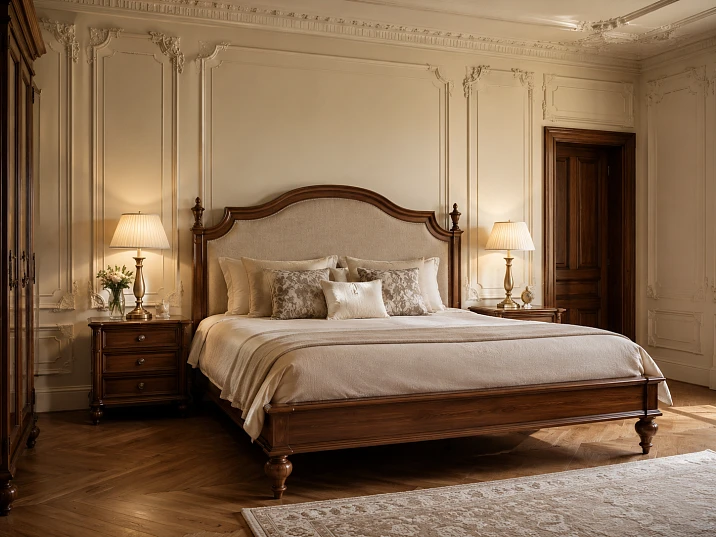
The bedroom is the only room where you start and end each day. And the bed in it is not just an item for sleeping. It is the architectural center of the space, the main furniture object around which everything else is built. That is why a classic bed requires special attention to details: Wooden legs set proportions and character, decor for furniture made of solid wood enriches the headboard and side details, and Moldings made of polyurethane on the wall behind the bed turn the entire bedside area into a complete decorative composition.
When a classic-style bed is assembled correctly — with worthy supports, furniture decor, and framing made of moldings from polyurethane — it ceases to be furniture and becomes a statement. A statement about taste, about how you understand comfort, and about what you want to see first when you open your eyes in the morning.
This article is about how to create exactly such a bed. Not just choosing legs or buying molding. But assembling a complete furniture object — with an understanding of every detail.
The bed as a furniture object: what is included in this concept
Before discussing the details, it's important to understand: what is the difference between a "bed" and a "classic-style bed" as a finished decorative object.
A simple bed — function without character
A simple bed is a base with legs and a headboard. It fulfills the task of sleeping and nothing more. The upholstery is neutral, the legs are made of metal or simple painted wood without profile, the headboard is soft or wooden, without applied decoration.
Our factory also produces:
Classic bed — a system of details
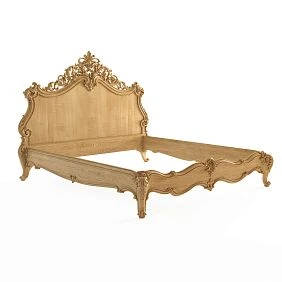
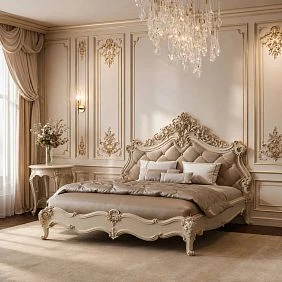
A classic bed is a furniture object with a well-thought-out architecture. It has:
-
Lower base — a plinth or frame with furniture legs, which set the height and character of the lower part
-
Side rails — horizontal side elements of the frame with profiled molding or applied decoration
-
Headboard — a vertical plane with decorative overlays, frame structure, carved elements
-
Wall behind the bed — a decorative area of molding frames and stucco decoration that integrates the bed into the interior system of the room
It is the work with all four levels simultaneously that creates what is commonly called a "classic bed in the interior."
Get Consultation
Complete shopping list: what you need for a classic bed
Gathering everything at once is a sign of an experienced buyer. Here is the complete set that covers both the bed and the wall behind it.
Wooden elements for the bed
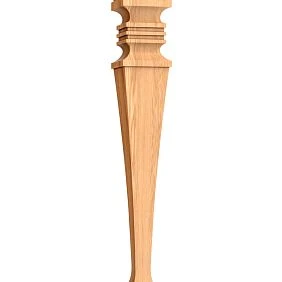
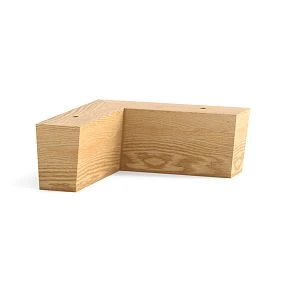
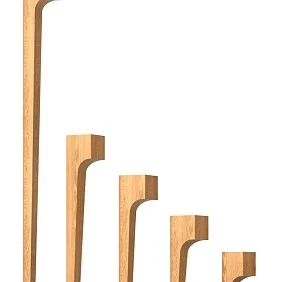
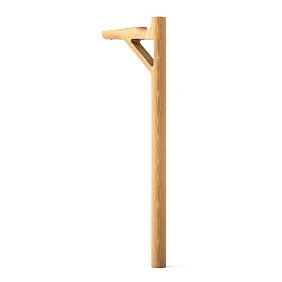
Furniture legs made of solid wood — the main load-bearing and decorative element of the bed. The leg bears the weight of the frame, mattress, and sleepers — and is visible every day. For a classic bed, choose turned legs with a conical or barrel-shaped silhouette, carved legs with vertical fluting, or legs with a square cross-section and beveled edges. The height of the leg determines the height of the sleeping area: with a mattress height of 25–30 cm, a leg of 80–120 mm gives a final bed height of 33–38 cm — a comfortable range for most people.
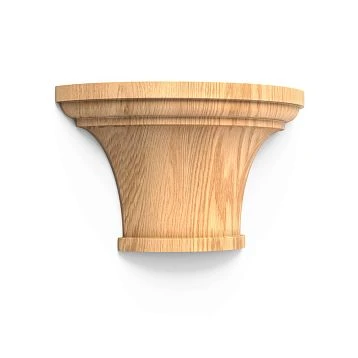
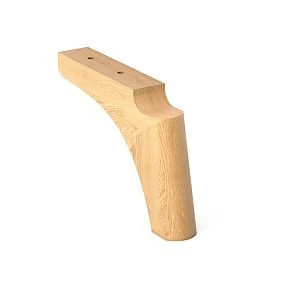
furniture legs — a term that covers a wider range of load-bearing support elements: base inserts, corner posts, decorative support blocks. In a classic bed of the lower price level — four legs at the corners. In a richer version — six supports (at the corners and in the center of the long sides) with decorative inserts between them.
Wooden decoration on the headboard — applied carved or milled solid wood elements: rosettes, relief strips, corner accent inserts. An applied rosette with a diameter of 80–100 mm in the center of the upper horizontal crossbar of the headboard is a detail that catches the eye when entering the bedroom.
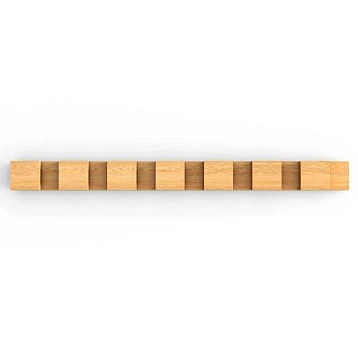
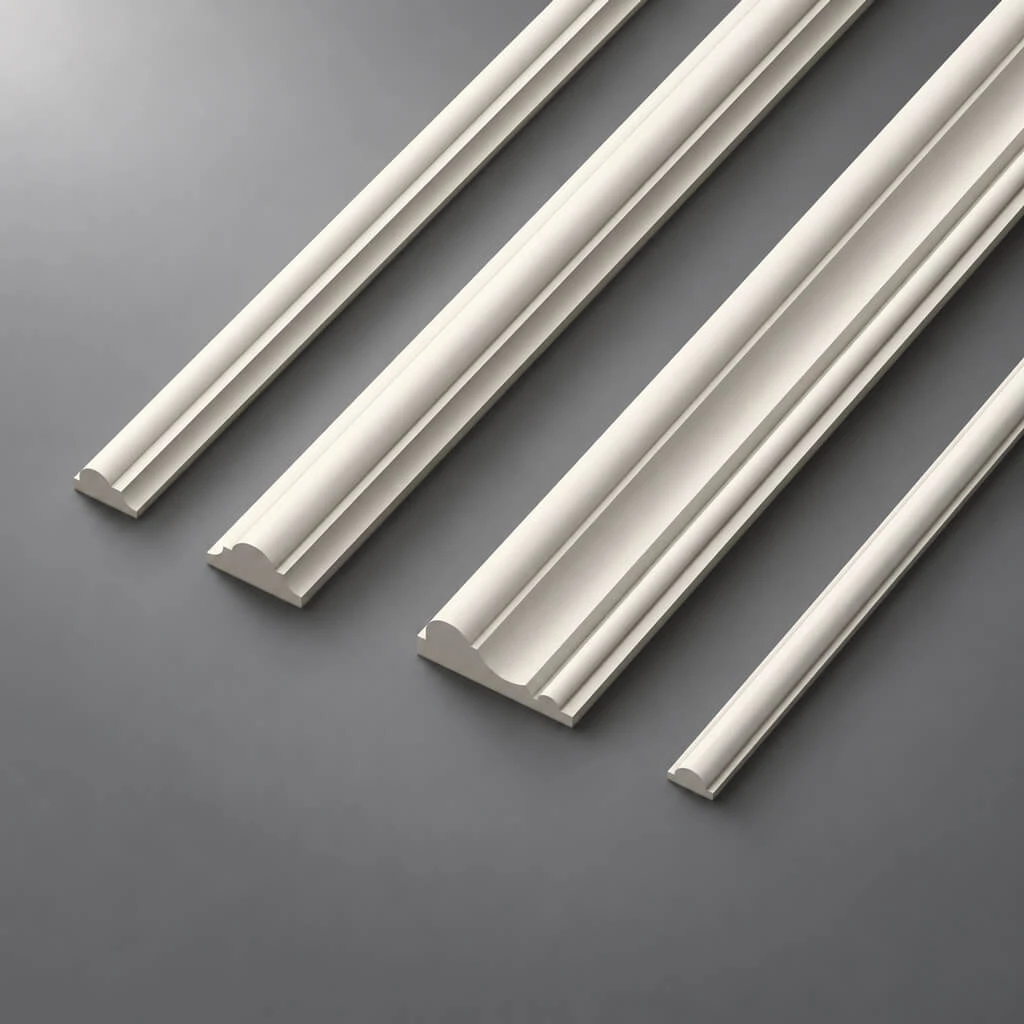
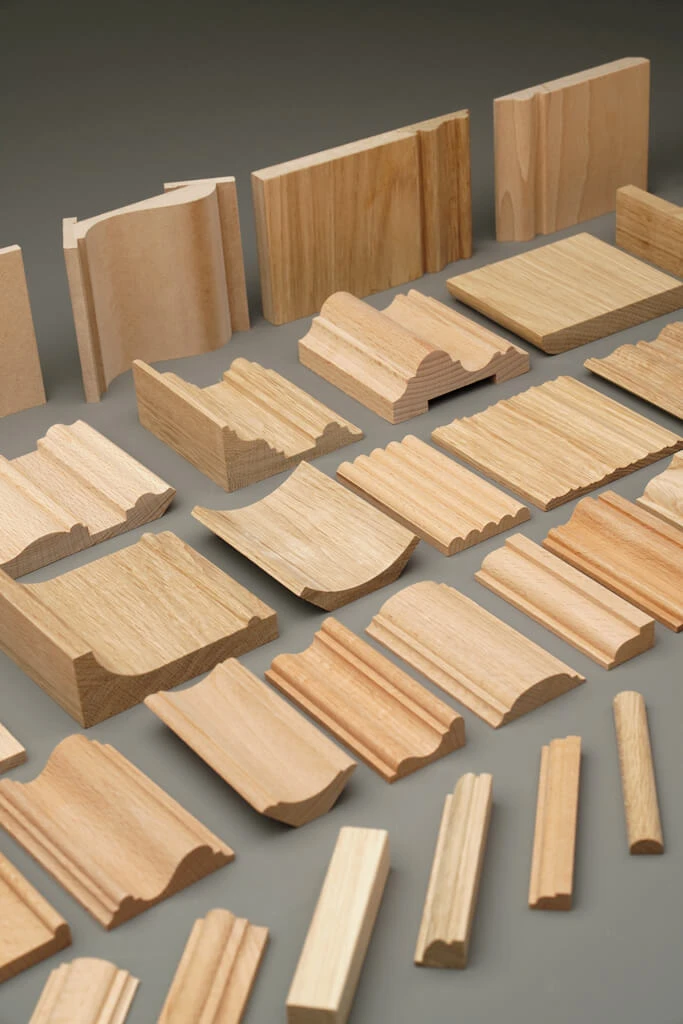
Pogonazh iz massiva — for profiled horizontal overlays on the side rails, for the frame structure of the headboard (horizontal and vertical strips creating a panel pattern), for the decorative trim of the lower frame. Molding with a classic profile (quarter round, fillet, ogee) made of beech or oak adds depth and relief to any wooden surface.
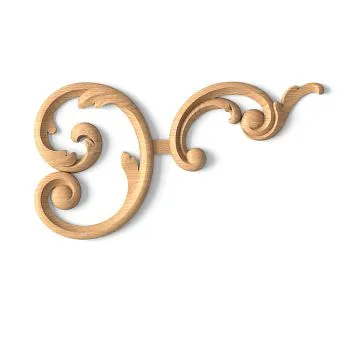
decorative elements for furniture — corner wooden overlays, ornamental horizontal inserts, vertical relief strips on the headboard surface. These are the elements that turn a smooth facade into a rich decorative surface.
Polyurethane elements for the wall and headboard
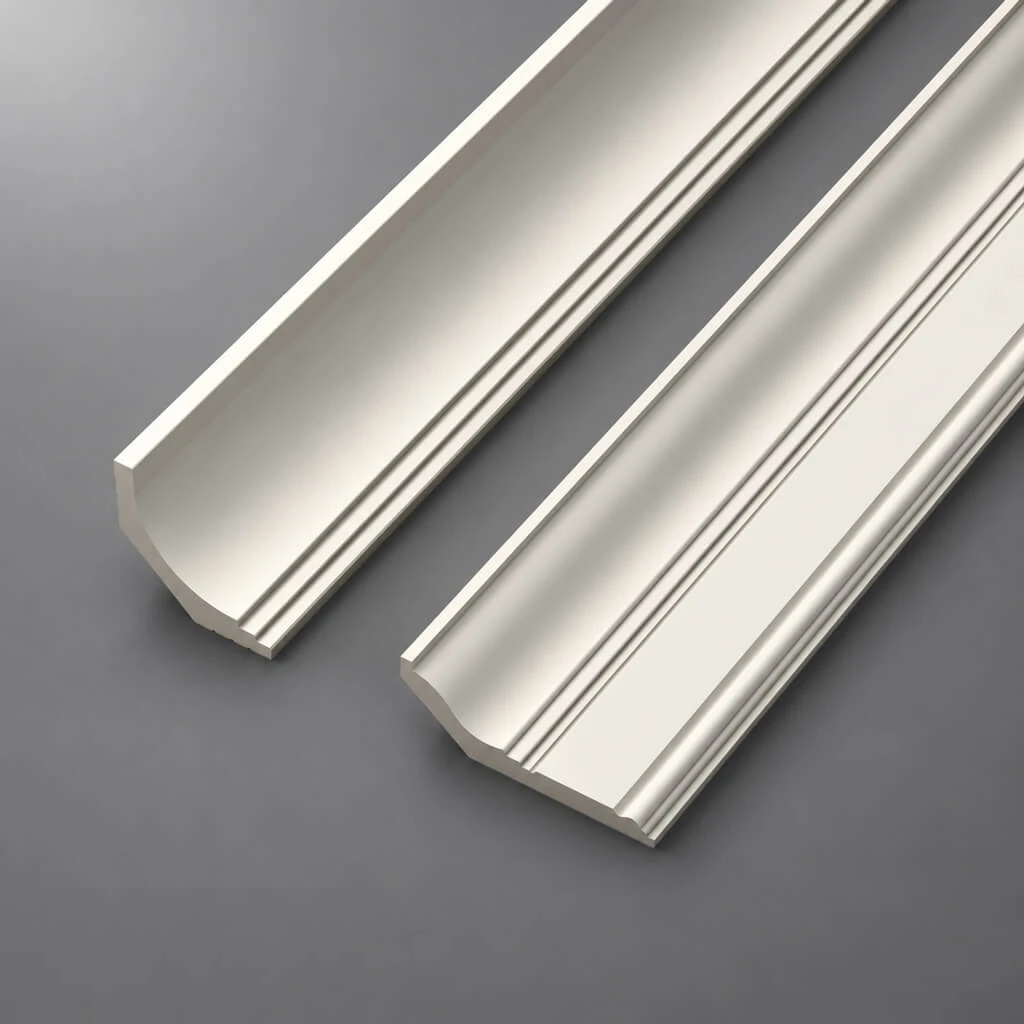
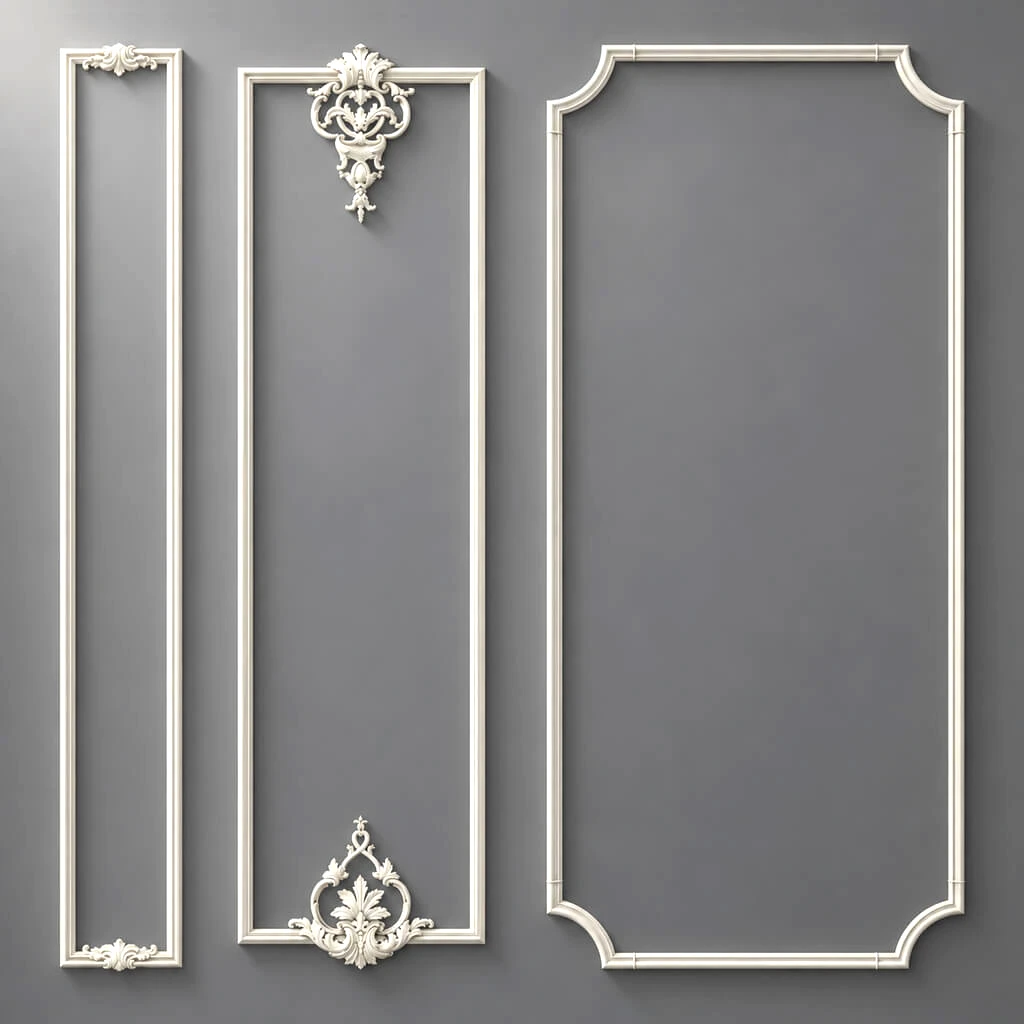
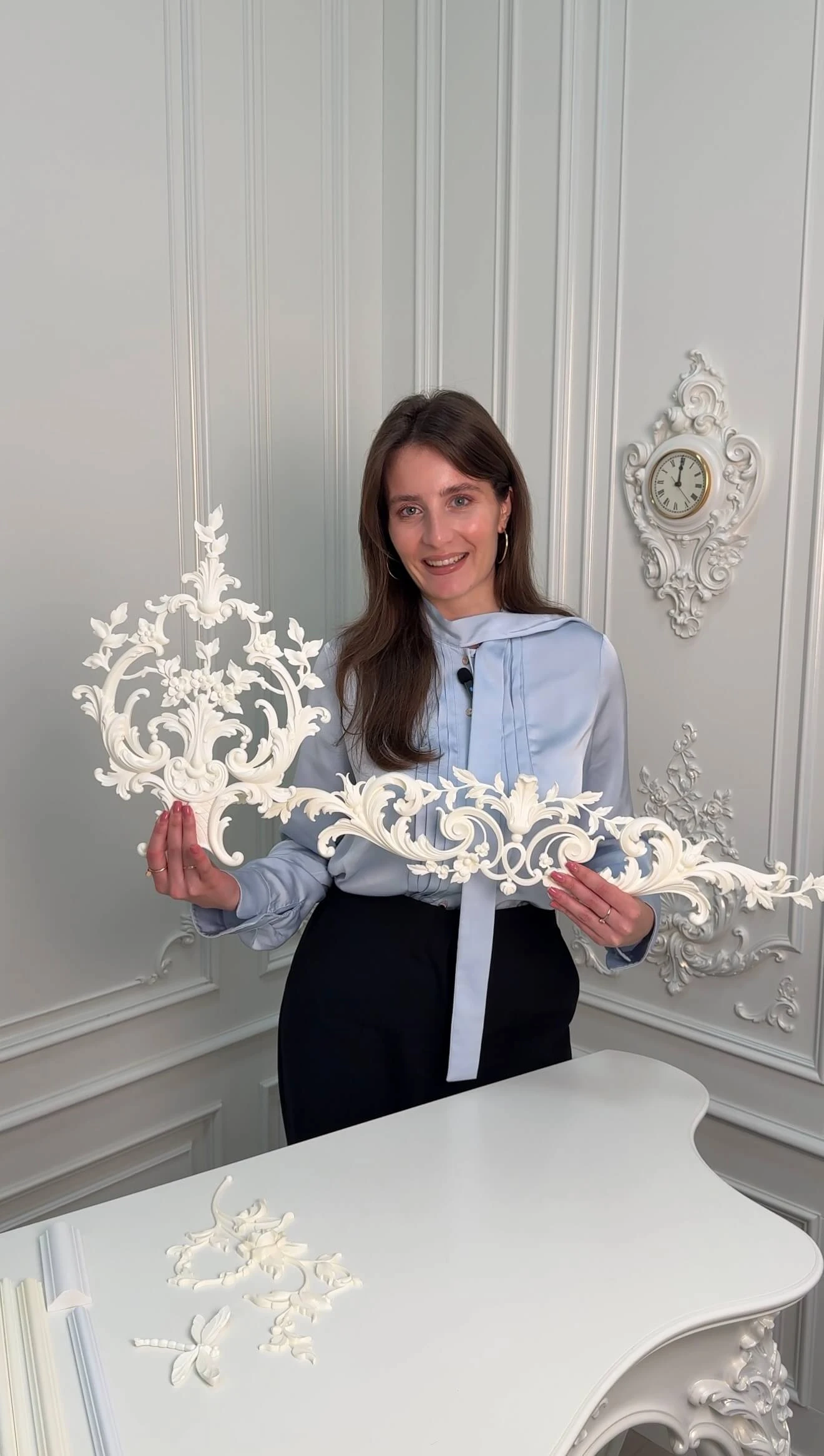
Moldings made of polyurethane — for a decorative frame on the wall behind the headboard, for horizontal rods above and below the bed area, for vertical framing lines on the sides of the bed. A molding 25–40 mm high creates a frame on the wall that visually "anchors" the bed in the wall plane — making it part of the architecture, not just furniture against the wall.
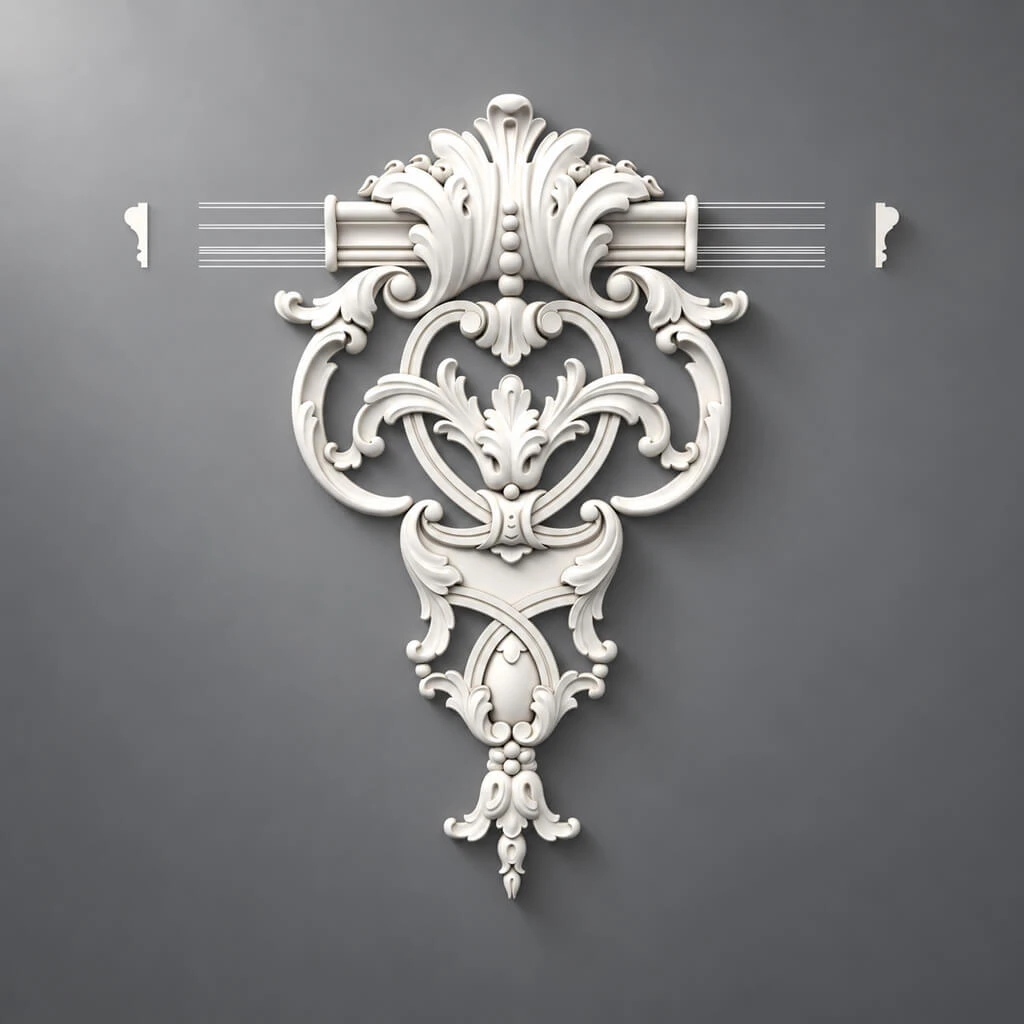
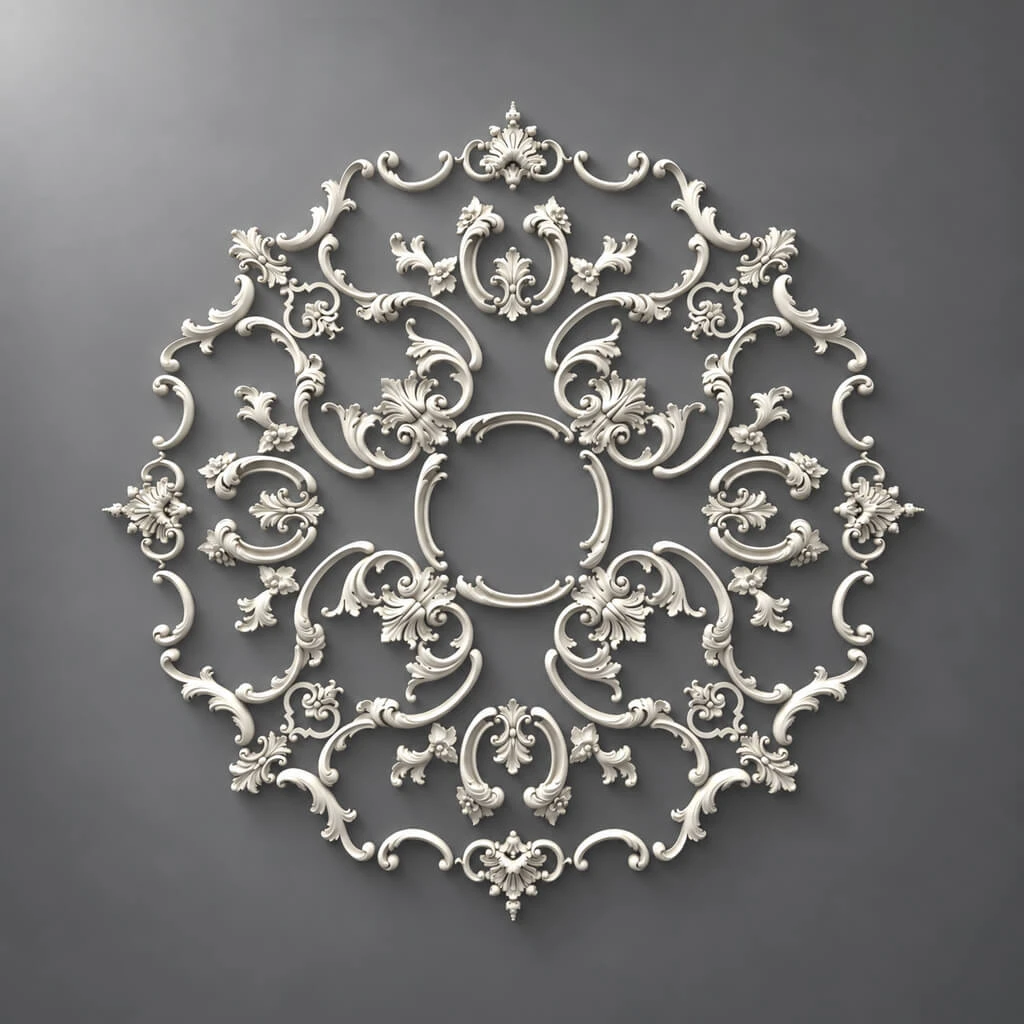
Polyurethane appliqués — corner and central decorative elements for the wall behind the headboard. Corner rosettes at the intersection points of molding rods, central overlays along the symmetry axis of the bed area.
Decor for Molding — keystones, cartouches, bracket overlays. A keystone above the center of the horizontal rod on the wall behind the headboard — a small detail with a big visual effect.
Polyurethane wall decor — if the wall behind the bed is part of an extended system of decorative wall panels, this type of element creates framed panels along the entire height of the wall. The bed then stands not "against the wall," but in a decorative architectural niche.
Consumables
Self-tapping screws and dowels for attaching legs to the bed frame. Screws with caps for visible connections. Polyurethane glue — selection and application are described in detail in the article what to glue polyurethane molding with. Acrylic sealant for joints between moldings and the wall. Acrylic primer. Finish enamel or oil and varnish for wooden elements. Reserve for all profiles and moldings — 10–15%.
Wooden legs: how to choose correctly
The leg is the first thing the eye notices when looking at the bed from below. And it is a detail that is often underestimated.
Leg shape and bed style
furniture legs made from solid wood are produced in several basic silhouettes, each of which carries a stylistic message.
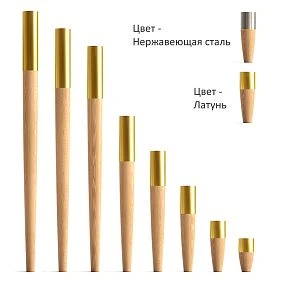
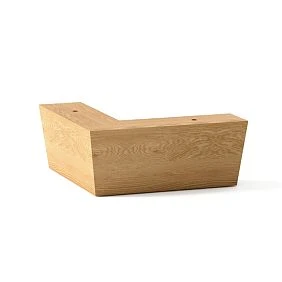
Turned conical leg (cross-section decreases from base upward or downward) — a universal classic silhouette. Suitable for neoclassicism, Provence, French classic. Height 80–150 mm, base diameter 40–60 mm.
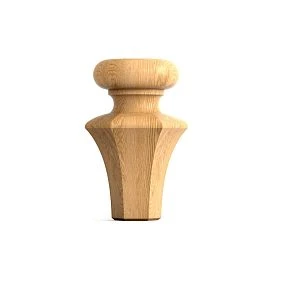
Turned leg with a grip ("melon") — widened middle part, narrowed at the support and at the attachment. A characteristic shape for Baroque and Renaissance furniture. Monumental, expressive, requires a corresponding headboard.
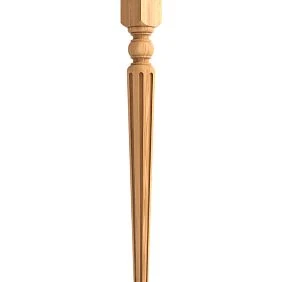
Leg with flutes — straight or slightly conical leg with vertical grooves along the entire height. Associated with Classicism and Empire style. Strict, aristocratic, ideal for dark oak.
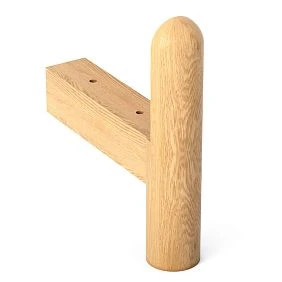
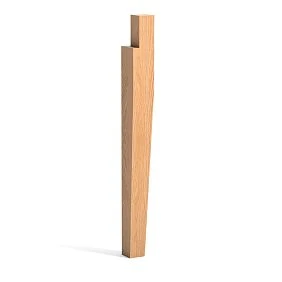
Square leg with beveled edges — a modern interpretation of the classic. Good in soft classic and Contemporary Classic — variants where the classic form is simplified to basic geometry.
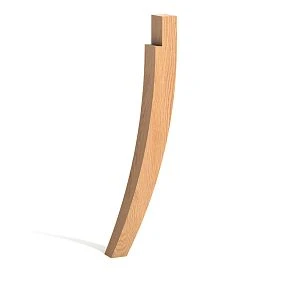
Cabriole leg — S-shaped silhouette with a knee at the top and a widening at the floor. Leg in the style of Louis XV. Maximally decorative, requires a soft bed with a curved headboard.
Leg height: calculation for mattress
The correct leg height is not an aesthetic but an ergonomic issue. The optimal height of the sleeping place from the floor is 50–55 cm (from the bottom to the top of the mattress). From these 50–55 cm, subtract: the thickness of the bed frame (80–120 mm) and the mattress height (200–300 mm for modern orthopedic models). The remainder is the required leg height.
Example: mattress 25 cm, frame 10 cm. Total already 35 cm. Required bed height 52 cm. So legs — 52 - 35 = 17 cm (170 mm). This is the standard height for furniture legs under the bed.
Load on the leg: wood species and diameter
The total weight of the mattress, base, and two sleeping adults is 250–300 kg. On four legs, that's 60–75 kg per leg. furniture legs Beech legs with a diameter of 50 mm or a square cross-section of 50×50 mm easily support this load. Thin decorative legs with a diameter of 25–30 mm under a massive bed risk deformation under constant load.
| Leg silhouette | Height (mm) | Species | Load | Style |
|---|---|---|---|---|
| Turned conical | 80–150 | Beech | up to 80 kg | Neoclassical, Provence |
| With grip | 100–180 | Oak | Up to 100 kg | Baroque, Renaissance |
| With fluting | 120–200 | Oak, ash | Up to 120 kg | Classicism, Empire |
| Square | 100–160 | Beech, oak | Up to 100 kg | Soft classic |
| Cabriole | 80–120 | Oak | up to 70 kg | Louis XV style |
Attaching legs to the frame: two options
The first is a bolted connection through a metal adapter plate screwed into the end of the leg. The plate with four holes is attached to the bed frame with self-tapping screws from below. This method allows the legs to be removed during transportation.
The second is a screw connection directly through the inner surface of the frame. Used for rigid stationary connections. Requires the correct screw length: at least 50–60 mm into the leg body.
Headboard: decor as an architectural plane
The bed headboard is a vertical plane located at eye level when entering the bedroom. It is the main visual accent of the entire room. And this is where the primary decorative work is concentrated.
Wooden frame structure of the headboard
The frame structure consists of horizontal and vertical slats made of solid wood trim, forming a geometric grid on the headboard plane. This grid makes the headboard visually rich: it breaks the large plane into smaller fields — "panels" — with a frame trim. Each panel is a separate field that can be filled with fabric, mirror, veneer, or left as a painted surface.
The profile of the frame structure slats is made of trim with a quarter-round, ogee, or stepped cross-section. The slat thickness is 10–15 mm, width is 20–40 mm. The richer the profile, the more textured the headboard surface.
Overlay decor on the headboard plane
decorative elements for furniture work on the headboard at several points:
Central accent — an overlay carved rosette or cartouche in the center of the upper horizontal crossbar. Size 80–120 mm. This is the focal point of the entire headboard.
Corner overlays — decorative wooden elements in the corners of the frame structure. They can be geometric (square inserts with profiled framing) or floral (leaf-shaped corner inserts).
Relief strip along the horizontal axis — an ornamental overlay running along the horizontal central crossbar of the headboard. Creates a decorative "belt," visually dividing the headboard into upper and lower parts.
Columns or pilasters — vertical decorative elements on the sides of the headboard. This is already serious decor — such an option is typical for beds in the high classic or Empire style.
Fabric upholstery as an alternative to wooden decor
Part of the headboard or the entire headboard can be upholstered in fabric, with wooden decor only in the frame binding and along the perimeter. In this case Wooden decoration and solid wood overlays act as a frame for the soft panel. This is a characteristic technique for French classic and soft classic: a soft field, a rigid wooden frame binding, a decorative overlay in the center.
Polyurethane behind the headboard: creating an architectural background
This is the part where most people stop halfway. The bed is placed. The headboard is decorated. But the wall behind it is empty. And all the work done doesn't read fully.
Molding frame: a "portal" for the bed
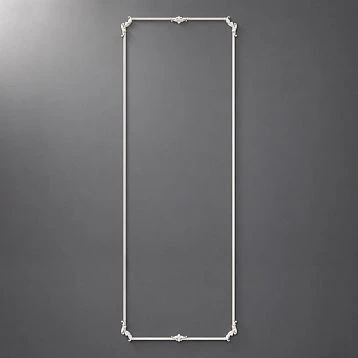
Molding frame made of of polyurethane moldings on the wall behind the headboard is a rectangular frame that encompasses the bed's width with an offset from its edges and extends 80–150 cm above the top edge of the headboard.
Optimal frame offsets from the bed:
-
On the sides — 60–120 mm beyond the bed's width
-
At the bottom (from the floor or baseboard) — the frame starts at the baseboard or at its height
-
At the top — ends at the height of the ceiling cornice or 30–40 cm below the ceiling
With these proportions, the frame encompasses both the bed and the space above the headboard — creating a "portal" in which the entire bedside area lives.
The technique of clean corner joints of a molding frame is described in detail in the article installing polyurethane molding.
Vertical pulls: emphasis on height
Two vertical molding strips rising from the frame to the ceiling cornice — along axes aligned with the edges of the frame or the sides of the bed — create a visual accent on the wall height. This is a technique characteristic of classicist interiors: vertical strips make the wall appear taller, the ceiling farther away, and the bedside area more monumental.
Horizontal band at the headboard level
A horizontal molding strip at the height of the top edge of the headboard — from wall to wall or within the molding frame — creates a horizontal accent that emphasizes the headboard line and visually "holds" the bed. This is especially important when the headboard itself is low: the horizontal molding strip on the wall at the same height extends its line in both directions, creating a sense of length and horizontal rhythm.
Keystones and corner overlays
Decor for Molding — a keystone in the center of the top horizontal strip of the frame. With a frame width of 160–180 cm (standard bed width of 160 cm plus margins), a keystone 60–80 mm high will be positioned exactly above the headboard — along the central axis of the bed. This is the ideal focal point of the entire wall area.
Polyurethane appliqués — corner rosettes at the four intersection points of the frame's molding strips. For a classic bed — rosettes with floral or geometric ornamentation matching the furniture style.
Frame panels across the entire wall
If the wall behind the bed is part of an extended decorative system, Polyurethane wall decor it creates frame panels across the full height and width of the wall. In this case, the bed sits in a "niche" of molding frames — a large central one with smaller ones on the sides — and the entire wall functions as a single architectural plane.
Ready-made sets by style scenarios
Simple bed with a classic upgrade
Situation: there is a modern bed with a rectangular headboard and simple legs. You want a classic character without completely replacing the furniture.
What we do:
-
Replace the legs with turned furniture legs made of beech, 120 mm high, with a tapered silhouette
-
Add overlay strips made of trim to the headboard surface — a frame structure
-
Central overlay rosette made of wooden decor
-
On the wall — a simple molding frame made of molding, profile height 30 mm
Finish: Uniform white enamel on the bed and moldings — maximum integration. Or the bed in the furniture color, moldings in the wall color.
Result: With a minimal budget, the bed gets a classic look, and the wall behind it gets an architectural frame.
Bed with a high soft headboard: soft classic
The soft headboard is upholstered in fabric. The goal is to create a classic decorative system around it without wooden decor on the headboard itself.
Wooden elements:
-
furniture legs — square legs 50×50 mm, 150 mm high, made of light beech
-
Pogonazh iz massiva — horizontal strapping of the lower frame around the perimeter
Polyurethane elements:
-
Molding frame on the wall, enclosing the high headboard — moldings 35–40 mm high
-
Horizontal molding above the headboard — accent on its top line
-
Corner caps — calm geometric pattern
-
Vertical moldings from the frame to the ceiling cornice
Finish: Moldings — matching the wall color. Wood — matching the headboard upholstery tone or the overall bedroom color scheme.
Bed in dark classic: club style
Dark oak. Oil. Strict legs with fluting. Monolithic decor without unnecessary details.
Wooden elements:
-
furniture legs of oak with fluting, height 160–180 mm, square section 60×60 mm
-
Pogonazh iz massiva — all horizontal frame profiles in dark oil
-
decorative elements for furniture — minimalist geometric overlay on the headboard without floral ornament
Polyurethane elements:
-
Horizontal molding line on the wall — one line at the height of the headboard's top edge, from wall to wall
-
Cornice molding under the ceiling above the bed area
-
No corner overlays, no keystones — strict and ascetic
Finish: All wood — dark oil (wenge or tobacco). Moldings — dark gray or anthracite enamel matching the wall color. Wall behind the bed — graphite or deep blue.
Bed in French classic style
Cabriole legs. Upholstered headboard with wooden frame trim. Two-level molding panels on the wall.
Wooden elements:
-
furniture legs Beech cabriole legs — height 100–120 mm, painted to match the bed frame color
-
Wooden frame trim of the headboard — Trim with a fillet profile, painted to match the frame tone
-
Applied rosette in the center of the headboard's top crossbar — with a floral motif
Polyurethane elements:
-
Two-level molding frame system on the wall — lower frame from baseboard to headboard height, upper frame from headboard to ceiling
-
Corner caps with ornament in each frame
-
keystones along the central axis above the bed
Finish: Everything — white or cream acrylic enamel. Single field with relief.
Custom bed: Technical specification for the furniture maker
If the bed is custom-made, this set is passed to the furniture maker as a technical specification for decoration:
-
Legs: Solid wood furniture legs selected from the catalog, height as calculated
-
Molding for frame trims: Pogonazh iz massiva — profile to be agreed upon
-
Overlay decor on the headboard: catalog furniture decor
-
Wall moldings: catalog of polyurethane moldings
-
Also see: Classic Furniture from the catalog — for style consistency check
Errors when choosing decor for a classic bed
Legs chosen only by photo, without considering height
A beautiful leg in the photo — and it turns out to be 60 mm high. The final bed height is 32 cm. This is the lower limit of comfort. Before ordering, always calculate: frame + mattress + leg = bed height from the floor. The desired range is 48–58 cm.
Too thin supports for a massive bed
A decorative leg with a diameter of 25 mm made of pine under a bed weighing 80–90 kg with two adults and a mattress — that's 250–270 kg of total load on four points. Each leg — 60–70 kg. A thin pine leg cannot withstand this. Minimum for loaded furniture supports — diameter 40 mm, wood type — beech or oak.
Polyurethane in load-bearing areas
polyurethane decor glued to the wall. It cannot replace a wooden bracket, wooden leg, or wooden overlay in a place where there is mechanical load. If a polyurethane overlay is glued to the end of the headboard where people regularly lean their backs — it will break off at the first strong push.
Overloaded headboard
A frame structure of molding + corner overlays + central rosette + ornamental belt + side pilasters — all simultaneously on one headboard. The eye has nowhere to rest. Rule: one main accent and two supporting ones. One accent — the central rosette. Supporting ones — the frame structure and corner inserts. No more needed.
A bed without connection to the wall
Even a perfectly decorated bed without molding framing on the wall looks like furniture against the wall. Add at least one molding strip of polyurethane moldings to the wall — horizontal, at the level of the top edge of the headboard. This is the minimum that radically changes perception.
Mixing incompatible styles
Baroque-style legs with perle profile and ornament — and minimalist molding frames with a straight rectangular cross-section. Or cabriole legs and strict German classicism on the wall. The bed decor must be stylistically unified: one style from legs to stucco. Check the catalog classic furniture for reference.
How to update a simple bed without replacement: a step-by-step plan
This is the question most often asked. The bed is bought. It is not bad — just neutral. How to turn it into a classic?
Step 1. Check if the legs can be replaced. Most modern beds have removable legs with a threaded connection. Buy Furniture legs made of solid wood with the same thread diameter (M8 or M10 — standard) and replace.
Step 2. Glue the frame strips from trim onto the headboard plane. Mark the geometry, cut the strips at a 45° angle at the intersection points, glue them with liquid nails, and secure with painter's tape until dry.
Step 3. Add the central decorative rosette from wooden decor — glue onto the vertical wooden surface.
Step 4. Prime and paint the updated headboard in the chosen color — acrylic enamel in two coats.
Step 5. Install the molding frame from molding on the wall behind the bed. Glue + sealant around the perimeter for joints.
Step 6. Paint the moldings to match the wall color or the bed color.
In five steps and on a modest budget, a neutral modern bed acquires the character of classic furniture.
About the company STAVROS
Behind every detail described in this article is a production with history. STAVROS is a St. Petersburg company founded in 2002. The first years of work — restoration and decorative projects in the Konstantinovsky Palace, the Hermitage, the Sheremetyev Mansion, the Alexander Palace, and the Trinity-Izmailovsky Cathedral. These are sites where the quality requirements for decor are incomparably higher than commercial standards.
Today STAVROS is a manufacturer of a full range of decorative elements for classic furniture and interiors. Wooden items: furniture legs and supports, solid wood moldings, decorative overlays, inlays, furniture handles — made of beech, oak, ash. Polyurethane items: moldings, cornices, baseboards, overlays, molding decor, wall decor — a complete assortment for classic stucco molding for painting. Own production with CNC milling. Showrooms in St. Petersburg and Moscow. Contact us to confirm shipping to your destination. All links in the article lead to real pages of the STAVROS catalog with current items.
FAQ: Answers to popular questions
Which legs to choose for a classic-style bed?
The choice is determined by three parameters: bed style (turned tapered legs for neoclassicism, fluted legs for classicism, cabriole legs for French classic), calculated height (frame + mattress + leg = 50–55 cm from the floor), and load characteristics (beech or oak, diameter from 40 mm). Full assortment in the catalog furniture legs.
Can polyurethane stucco molding be used on a bed headboard?
Yes, in a decorative area without load. Polyurethane appliqués they can be glued to the vertical plane of the headboard — they are lightweight and adhere well with the right glue. But in places of constant mechanical contact (ends, edges, support points) — only wood.
What to buy for decorating a classic bed?
Furniture legs made of solid wood, Pogonazh iz massiva for frame planks of the headboard, decor for furniture for overlay accents, Moldings made of polyurethane for the wall, applique и Decor for MoldingPlus glue, sealant, primer, enamel or oil.
How to make a simple bed look like a classic one?
Replace the legs with wooden ones of a classic silhouette, add frame planks from molding on the headboard, glue a central decorative rosette, install a molding frame on the wall. These four actions transform a neutral bed without replacing it.
Where to use polyurethane in the bedroom relative to the bed?
On the wall behind the headboard: molding frame, horizontal and vertical rods, corner overlays, keystones. Polyurethane moldings Works as a decorative wall shell around the bed. The bed is wood. The wall around it is polyurethane.
How to correctly calculate the height of bed legs?
Optimal bed height from the floor: 50–55 cm. Subtract the bed frame height (80–120 mm) and the mattress height (200–300 mm). The remainder is the required leg height. Example: frame 10 cm + mattress 25 cm = 35 cm. Required bed height 52 cm. Leg = 52 – 35 = 17 cm.
Which finish to choose for wooden legs?
For uniform coloring with the bed — acrylic enamel. For natural wood — oil or hard wax. For maximum protection against abrasion in the lower area — two-component polyurethane varnish. For dark classics — tinting oil in shades of wenge, walnut or tobacco.