












































































Article Contents:
- Philosophy of a comprehensive approach: system versus chaos
- Polyurethane moldings: lightness and variety of forms
- Wooden trim: warmth of natural material
- Material synergy: polyurethane and wood in one interior
- Moldings on walls: creating architectural panels
- Baseboards and cornices: framing space
- Wooden strips: modern trend in wall finishing
- Casing and trim: details that create unity
- Decorative beams: architectural expressiveness of the ceiling
- Moldings: classical luxury for modern interiors
- Staircase components: safety and aesthetics
- Wooden furniture hardware: details that matter
- System in action: creating a harmonious interior
- Practical tips on selection and use
- Investment in durability and beauty

Wall finishing is not a set of random elements purchased from different places and clumsily assembled. It is a thought-out system where every detail contributes to the overall result, where baseboards, cornices, moldings harmonize, creating an architectural symphony. Comprehensive wall finishing is the art of combining materials, forms, proportions into a unified whole, wheremoldings and baseboards in the same stylecreate harmony, not the chaos of disparate elements. When polyurethane moldings are complemented by wooden trim, when wall decor corresponds with ceiling decor, when every line is thought out and justified — then the interior achieves completeness, professionalism, depth that cannot be achieved with individual solutions.
Why is a comprehensive approach so important? Because an interior is visual unity. The human eye instantly detects inconsistencies: a baseboard of one style, a cornice of another; a molding of one thickness, a casing of a completely different kind. These dissonances destroy the impression, even if each element individually is of high quality and beautiful. Professional designers know:a complete finishing setfrom one collection, unified in one style, creates a result that is orders of magnitude more impressive than expensive, but scattered elements. Moreover, a comprehensive approach saves time, nerves, and money — there is no need to search for compatible elements, to adjust incompatible ones, to fix mistakes. Everything is thought out, everything matches, everything contributes to the common goal.


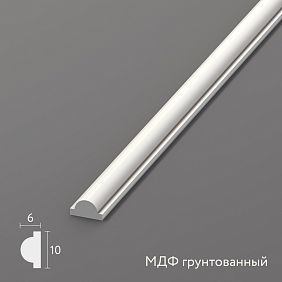
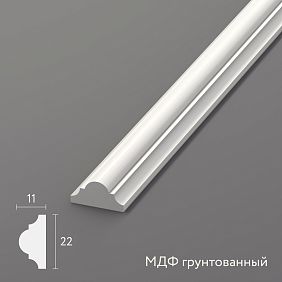
Philosophy of a comprehensive approach: system versus chaos
Imagine an orchestra where each musician plays their melody, not listening to their neighbors. A cacophony, not music. Now imagine the same orchestra under the direction of a conductor, where each instrument enters at the right time, where melodies intertwine into harmony. The difference is colossal. It is the same with interior finishing.
A comprehensive approach begins with understanding that all elements of architectural decor are interconnected. A baseboard is not just a strip between the wall and the floor. A cornice is not just a decorative molding on the ceiling. A molding is not a random strip on the wall. These are elements of a unified system that creates the architectural framework of the room, defines its style, proportions, character.
In a classical interior, this system is especially obvious. The cornice under the ceiling corresponds with the baseboard below — the same decorative elements, the same relief, the same proportions, only different scale. Moldings on the walls create panels, frames that divide the surface, add rhythm, structure. Door and window casings continue this theme, repeating decorative motifs. All elements sing in harmony.
In a modern minimalist interior, the system is no less important, just different. There is no ornate decoration, but there is clear geometry, proportions, lines. A minimalist baseboard of a certain height and profile. The same minimalist cornice. Moldings are minimal but precisely integrated into the overall concept. Casings without ornamentation, but perfectly matching the baseboards. This is a system based not on ornamentation, but on the purity of lines and proportions.
The most common mistake of amateurs is purchasing decorative elements separately, from different collections, sometimes even from different manufacturers. The result is predictable: the baseboard does not match the cornice, the molding does not fit the overall style, the casings look out of place. Even if each element individually is good, together they do not work. It is like trying to assemble a puzzle from pieces of different pictures — formally, everything fits by size, but no complete image is achieved.
Professional approach — selection ofWall and ceiling trim from one collection, where all elements are originally designed for compatibility. They match in style, proportions, decoration, sometimes even color and texture. This guarantees a harmonious result without tedious matching and compromises.Polyurethane moldings: lightness and variety of forms




Polyurethane revolutionized architectural decoration. What once required skilled sculptors, months of labor, and enormous costs is now accessible to everyone.
They democratized beauty, making classical and modern molding accessible to a broad range of people.Moldings made of polyurethaneThe main advantage of polyurethane is its weight — or rather, its lack thereof. A meter of molding 80-100 mm wide weighs only 300-500 grams. For comparison: a similar wooden molding weighs 2-3 kilograms, and gypsum is even heavier. This lightness is critical for installation, especially when creating large-scale compositions on walls and ceilings. No need for strong fasteners, screws, or nails. A quality adhesive is sufficient — and the molding securely adheres to any prepared surface.
The second important characteristic is ease of processing. Polyurethane moldings can be cut with a fine-toothed hacksaw or a construction knife. A miter saw ensures a perfectly clean cut at any angle. This is critical for joining elements, especially at corners. A clean 45-degree cut creates an invisible joint that, after painting, becomes a seamless line. Achieving such precision with wood or gypsum is significantly more difficult — the material chips and cracks, requiring professional tools and skills.
The third advantage is stability. Polyurethane does not fear moisture, does not dry out from heat, does not deform from temperature fluctuations. Once installed,
they remain in perfect condition for decades. Wood, however, reacts to climate — it swells from moisture, dries out from dryness, cracks, and deforms. Gypsum is fragile, crumbles, and absorbs moisture.polyurethane wall moldingsThe fourth advantage is variety of forms and sizes. Modern manufacturers offer hundreds of profile options: from simple smooth strips 20 mm wide to luxurious cornices with rich relief up to 300 mm high. Classic profiles with floral ornaments, egg-shaped elements, beads. Minimalist geometric profiles. Art Deco with characteristic stepped forms. Modern abstract profiles. Suitable for any style, any scale, any budget.
The fifth advantage is paintability. Polyurethane moldings are usually supplied in white, but easily painted with acrylic or water-based paints in any shade. You can create contrast with walls, or paint them to match, creating a monochromatic composition. You can even apply patina, gilding, or silvering — polyurethane accepts any decorative finish.
This is an investment that pays off through ease of installation, longevity, and aesthetic result. Quality polyurethane from reputable manufacturers lasts as long as wooden or gypsum decoration, but is significantly easier to work with and maintain.
Buy polyurethane wall moldingsWooden trim: warmth of natural material
Our factory also produces:



If polyurethane is practicality and versatility, then wood is soul, warmth, living texture.
It brings to the interior what no synthetic material can imitate — the presence of nature, tactile warmth, the nobility of natural material.Wooden wall decorWooden trim is a collective term for all linear wooden products: baseboards, cornices, moldings, casings, moldings, strips, beams. Each element performs its own function, but together they create a unified finishing system, where natural wood plays the main role.
Why is wood still relevant despite the emergence of numerous alternative materials? The first reason is visual and tactile uniqueness. Each piece of wood has its own grain pattern, texture, and color nuances. Even items made from the same species and batch differ from each other. This is a living material that carries the mark of nature. Touching wood is pleasant — it is warm, smooth, but not cold and lifeless like plastic.
The second reason is longevity. Quality
lasts for decades without losing its properties or appearance. Moreover, wood becomes even more beautiful with age — it develops a noble patina and richer color. This is a material that does not become outdated morally and does not degrade physically with proper care.wooden corniceorWooden baseboardThe third reason is eco-friendliness. Wood is a renewable resource, and its harvesting does not harm nature when managed properly. After the end of their service life, wooden items biodegrade and return to the natural cycle, unlike synthetic materials that remain on landfills for centuries. For people concerned about their carbon footprint and ecology, wood is the only correct choice.
The fourth reason is repairability. If a wooden element is damaged, it can be repaired: sand down scratches, fill chips, repaint or revarnish. Polyurethane, however, is usually only replaceable when damaged.
The fifth reason is prestige. Wood has always been and remains a symbol of quality, wealth, good taste.
Wooden cornices, wooden finishes indicate that the owner did not skimp on interior design, chose the best, invested in quality and longevity.Wooden skirting boards for floorsWood species for trim are selected based on purpose and budget. Pine — the most affordable, soft, easy to process, but less dense and durable. Oak — the standard of quality, hard, dense, noble color, practically eternal, but expensive. Ash — similar to oak in properties, but lighter and slightly cheaper. Beech — dense, pinkish hue, excellent for processing. Walnut — dark, noble, expensive. Lime — soft, light, ideal for carving.
wooden cornice for sale
buy wooden skirting boardorbuy wooden corniceSynergy of materials: polyurethane and wood in one interior
Get Consultation
Can polyurethane and wooden elements be combined in one room? Not only can they, but it is necessary. The right combination of these materials yields a result surpassing the use of each individually. Polyurethane provides complex architectural elements — moldings that create wall panels, ceiling cornices,
Wood adds warmth, tactile quality, accents — baseboards, casings,— everything must correspond to the chosen era.decorative appliqués.wooden planks on the walldecorative appliqués.
Classic combination scheme: polyurethane moldings on walls and ceilings create an architectural frame, wooden baseboards and casings add elegance and completion. Why exactly this? Moldings and cornices are usually long — they stretch in meters, forming complex compositions. Using wood here would be very expensive and technically difficult due to weight. Polyurethane solves the problem perfectly: lightweight, inexpensive, versatile.
Baseboards and casings have less square footage, but contact with them is closer — they are at eye and hand level. Here, wood is appropriate to add tactility and visual warmth. Widewooden baseboardmade of oak or ash creates a reliable, solid foundation for the composition. Wooden casings on doors and windows harmonize with the baseboard, creating unity.
The most important aspect of combining elements is stylistic unity. Polyurethane moldings and wooden elements must belong to the same style, have comparable profile complexity, similar proportions. It is not possible to combine an opulent baroque polyurethane cornice with a simple Scandinavian wooden baseboard — this is a stylistic dissonance. However, a classic polyurethane molding with an egg-shaped ornament works beautifully with a classic wooden baseboard featuring a similar relief.
Color harmony is also critical. Polyurethane elements are usually painted — either white or in the wall color. Wooden elements can be natural, tinted, or painted. First option: all elements in one color — monochromatic composition, where materials differ only in texture. Polyurethane moldings and wooden baseboards are painted white, but wood reveals itself through texture, noble matte finish, tactile warmth. Second option: contrast — polyurethane moldings are white, wooden elements are natural or tinted. This creates visual tension, highlighting each material.
Functional division also makes sense. Polyurethane where complex shapes, lightness, and moisture resistance are important — ceilings, walls, especially in bathrooms and kitchens. Wood where tactility, elegance, prestige are important — baseboards in living rooms, casings,decorative wooden elements.
Wall moldings: creating architectural panels
An empty painted or wallpapered wall often looks flat, dull, unfinished.Moldings for wallsSolve this problem by adding architectural depth, structure, visual interest. The wall stops being just a vertical surface — it becomes a composition where moldings create rhythm, frames, panels.
Classic approach — dividing the wall into rectangular panels. Moldings 50-80 mm wide create frames usually 80x100 or 100x120 cm. Inside each panel, the wall is painted in a color differing from the main one by 1-2 tones — lighter or darker. Or covered with delicate wallpaper contrasting with the rest of the wall. Moldings are usually painted white or in the baseboard color. This approach visually structures the wall, adds classic elegance, makes the room appear higher and more noble.
Modern variant — using moldings to create asymmetrical compositions. Not identical rectangles, but frames of different sizes, arranged not in a strict grid, but freely, creating dynamism. Or geometric compositions — diagonals, chevrons, honeycombs. Here, molding acts as a graphic element, creating modern, non-standard finishes.
Horizontal division of the wall — another popular approach. A molding or wooden trim at 90-100 cm height divides the wall into two zones. Lower zone — usually darker, may be clad with wooden panels or painted in a saturated color. Upper zone — lighter, more neutral. Such division visually expands the room, adds classic respectability, protects the lower part of the wall from damage.
Framing — using moldings to create frames around objects. A wall-mounted TV is framed by moldings, turning into a picture. A mirror receives an architectural frame from moldings, becoming part of the wall composition. Built-in cabinets are framed by moldings, integrating into the wall rather than protruding from it. This approach makes objects part of the architecture, not random elements.
Zoning — moldings as a zoning tool. In a studio, moldings can visually separate the living area from the dining area, without installing physical partitions. In a long corridor, moldings create rhythm, dividing space into sections, making it more interesting.
installing polyurethane moldingRequires care, but does not require professional skills. The wall must be flat, clean, primed. Moldings are glued with special mounting adhesive, joints are filled with caulk or spackled, then everything is painted. With careful work, the result is indistinguishable from professional.
Baseboards and cornices: the frame of space
If moldings on walls are the internal structure, then baseboards and cornices are the frame that defines the boundaries of space, creates transitions between surfaces, completes the composition. A room without baseboards and cornices looks unfinished, like a painting without a frame.
Baseboard performs several functions simultaneously. Technical — covers the compensatory gap between floor and wall, necessary for flooring. Decorative — creates a visual transition between vertical and horizontal surfaces, completes the lower part of the wall. Protective — protects the lower part of the wall from damage during cleaning, from furniture, from accidental impacts. Communication — cables, wires, pipes are often run behind the baseboard.
Baseboard height determines the character of the interior. Low baseboard 40-60 mm — for minimalist, modern interiors with low ceilings. Medium 70-100 mm — universal option, works in most interiors. High 120-200 mm — for classic interiors with high ceilings, where a wide baseboard looks proportionate. Very high 250-400 mm — for palace-style interiors, where the baseboard transitions into a panel covering the lower third of the wall.
Material of the baseboard affects overall perception.wooden skirting board purchase— choice for quality, long-lasting interiors where naturalness is valued.Wooden floor skirting boardsMade of oak or ash serve for decades, acquiring a noble patina with age. Polyurethane baseboard — practical alternative, cheaper, lighter, more moisture-resistant, but without the tactile warmth of wood.
Cornice — ceiling baseboard — performs similar functions above. Covers the junction between wall and ceiling, masks irregularities, creates a visual transition. Wide cornice visually lowers the ceiling, making the room cozier, but lower. Narrow or absent cornice makes the ceiling visually higher. Choice depends on original height and desired effect.
Cornice profile determines style. Simple triangular or semi-circular — for minimalism. With several shelves and protrusions — for neoclassicism. With rich relief, ornamentation, egg-shaped elements — for classicism. With geometric steps — for art deco.Ceiling cornice— not just a technical detail, but a significant interior element that sets the tone for the entire room.
Combining baseboard and cornice is critical for harmony. They must belong to the same style, have comparable profile complexity. Often used technique: cornice repeats the baseboard profile but in larger scale. Or both have the same decorative element — egg-shaped ornament, beads, grooves. This creates a visual frame for the room — identical or similar elements at the bottom and top, with wall space between.
Color of baseboards and cornices is also important. Classic solution — white, contrasting with walls, creating clear boundaries. Modern — in wall color, blending in, creating soft transitions. Contrasting — dark baseboards on light walls or vice versa, creating graphic effect. Natural-colored wooden baseboards — for interiors where material naturalness is valued.
Wooden planks: modern trend in wall finishing
If moldings and baseboards — classic, proven over centuries, thenWooden boards in interior— a modern trend gaining rapid popularity. Racks are narrow wooden strips mounted vertically or horizontally on a wall at a specific interval, creating a textured, relief surface.
Why have racks become so popular? The first reason is visual expressiveness. A rack wall creates a play of light and shadow, rhythm, and volume. It is not a flat surface, but a sculptural one that changes with different lighting. In the morning, when light glides along the wall, the racks cast long shadows, creating a dramatic effect. In the evening, under artificial lighting, the play of light and shadow is different, softer. It is a living surface that never looks the same.
The second reason is acoustics. A rack wall with an air gap behind the racks acts as a sound diffuser, dispersing sound waves and preventing echoes and reverberation. This is especially valuable in rooms with hard surfaces — tiles, concrete, glass — where sound reflects, creating discomfort. A rack wall makes the room’s acoustics more comfortable and softer.
The third reason is zoning. A rack partition is a way to divide space without installing a solid wall. Racks create a visual boundary but preserve the feeling of openness, allowing light to pass through and visibility. In a studio, a rack partition can separate a sleeping zone while maintaining airiness. In an office — to create privacy without fully isolating.
The fourth reason is concealing utilities. Behind a rack cladding, you can hide wiring, pipes, and wall irregularities. Racks are mounted on a frame with a gap from the wall, creating space for utilities. This is both functional and aesthetically pleasing.
The fifth reason — ecological and tactile qualities.Decorative wooden strip— a natural material that breathes, regulates humidity, and creates a healthy microclimate. Touching a wooden rack is pleasant — it is warm, smooth, and alive.
Rack systems come in various configurations. Vertical racks visually raise the ceiling, making the room appear taller. Horizontal racks expand the space, making it seem wider. Diagonal racks create dynamism and movement. Combined configurations — complex geometric patterns.
The interval between racks affects the visual effect. Frequent racks with small gaps create almost a solid surface with fine slits. Sparse racks with large gaps create a graphic, more airy effect. Standard options: 20 mm rack, 20 mm gap (1:1 ratio); 40 mm rack, 20 mm gap (2:1); 20 mm rack, 40 mm gap (1:2).
wooden planks on the wallRacks can be installed independently or purchased as ready-made modular systems. Ready-made systems include racks, fasteners, framing, and installation instructions. This simplifies installation, ensures even intervals, and guarantees a professional result.
Mullions and trim: details that create cohesion
The devil is in the details — this proverb applies fully to interior design. You can choose beautiful furniture and expensive finishes, but if small details are poorly executed — door trim, window mullions, material joints — the overall impression will be ruined. Conversely, attention to details creates a sense of professionalism, quality, and completeness.
Wooden molding— a narrow strip that covers joints between materials, creates decorative transitions, and frames surfaces. This can be a joint between two types of wallpaper, tile and paint, or wooden panels. A mullion transforms a technological seam into a decorative element.
Mullions are used in furniture — to frame panels in cabinet doors, to create decorative frames on facades. A narrow wooden mullion adds refinement, structure, and visual complexity to furniture. A simple smooth facade becomes panelled and more interesting.
— used in windows — to create a false frame, when modern single-pane glass is divided into small cells by surface-mounted mullions, imitating old windows. This is popular in country houses and interiors styled in Provence, country, or traditional styles.
Wooden moldingMullions come in various profiles — flat, semi-circular (stile), decorative. Width ranges from 10 to 40 mm. The choice depends on purpose and scale. For framing small elements — narrow mullions 10–15 mm. For creating visible decorative transitions — wider ones 25–40 mm.
Trim — framing for door and window openings — is critically important for appearance. A door without trim or with poor trim looks unfinished and cheap. Quality, properly selected trim integrates the door into the interior, making it part of the architecture.
Trim must match the style of the door and the overall interior style. A minimalist modern door requires a simple, flat, or slightly profiled trim 60–70 mm wide. A classic door with moldings requires a classic trim with relief, possibly widening toward the top, 80–100 mm or more wide.
Trim must coordinate with baseboards. Often, the rule is used: trim and baseboard from the same collection, similar or identical profile. This creates visual unity, linking vertical and horizontal elements of the room.
Wooden skirting board purchase— a choice for quality interiors. Wooden trim can be painted, stained, or varnished to match the door color or overall color scheme. It can be repaired if damaged. It will last as long as the door — decades.
Important point: all wooden elements — baseboards, trim, mullions — must be made of the same wood species and finish. You cannot use oak baseboards and pine trim, even if painted the same color. Differences in texture, density, and material behavior will still be visible. Systematic design requires unity not only in style and color, but also in material.
Decorative beams: architectural expressiveness of the ceiling
The ceiling — the most overlooked surface in interior design. It is usually simply painted white and forgotten. But in high-ceilinged rooms, country houses, and lofts, the ceiling occupies a significant portion of visible space and deserves attention.Wooden beam— a way to add architectural expressiveness, structure, and character to the ceiling.
Real load-bearing wooden beams — part of the building’s structure, visible elements of the floor. In old wooden houses or houses with wooden frames, beams are a natural part of the architecture. They should not be hidden but highlighted — cleaned, sanded, oiled or varnished, and made into a decorative focal point of the interior.
Decorative false beams — imitation of load-bearing beams, not performing a structural function, but creating a visual effect. These are hollow boxes made of wood or polyurethane, mounted to the ceiling, creating an illusion of massive beams. Such beams are significantly lighter than real ones, easier to install, and allow hiding wiring, pipes, and lights inside.
Why are decorative beams needed? The first reason — visual structure. Beams divide the ceiling into sections, creating rhythm and architectural complexity. A white ceiling with dark beams looks significantly more interesting than a plain white one.
The second reason — style. Beams create a specific mood: dark massive beams — the brutality of a loft or country house; light slender beams — Scandinavian lightness; aged beams — vintage charm of Provence or country style.
The third reason — visual correction of proportions. Beams along the long side of a room visually elongate it even more. Beams across — widen. A grid of beams — breaks a large ceiling into intimate sections. This is a tool for controlling spatial perception.
The fourth reason — functionality. Inside hollow decorative beams, wiring for built-in lights, speakers, and sensors is hidden. Lights and lighting are integrated into beams, creating complex lighting scenarios.
The size of beams depends on the scale of the room and the desired effect. In a standard apartment with a 2.7-meter ceiling, massive 20x20 cm beams will look out of place and oppressive. Thin beams of 10x10 or 15x10 cm are suitable. In a private house with 3.5-4 meter ceilings, substantial beams of 20x20, 25x20, even 30x25 cm are appropriate.
The placement of beams determines the visual effect. Parallel beams with equal spacing of 60-100 cm create a classic rhythm. Beams with different spacing provide a freer, asymmetrical composition. A grid of beams forms a complex structure resembling a coffered ceiling.
Beam color is a key choice. Contrasting dark beams on a light ceiling — the most popular option, creating a clear graphic structure. Light beams matching the ceiling tone — a more delicate effect, where beams are visible due to relief rather than contrast. Natural wood color — for interiors valuing the material’s naturalness.
Moldings: classic luxury for modern interiors
When people sayMoldingsMany envision baroque palaces with angels on the ceiling. But modern moldings encompass a much broader concept, including numerous styles from strict neoclassicism to minimalist geometric forms.
Polyurethane moldingshas made this decorative style accessible for ordinary apartments and houses. What once required the work of experienced plasterers-molders, weeks of labor, and huge sums, is now accomplished in one or two days by one or two installers at a modest budget.
Molding decor elements are diverse. Cornices — ceiling moldings, from simple to elaborately decorated. Moldings — wall strips for creating panels and frames. Rosettes — round or oval appliqués on the ceiling, usually where chandeliers are mounted. Brackets — decorative consoles imitating support for shelves or cornices. Pilasters — flat columns attached to walls. Capitals — tops of columns and pilasters. Corner elements — decorations for room corners.
You can buy ready-made stucco matching the Baroque style. Calculate the quantity: linear meters of cornices and moldings, number of rosettes, pilasters, consoles, corner elements. Add a ten to fifteen percent allowance for trimming.Available in ready collections, where all elements are stylistically coordinated. There are classic collections with rich decoration, neoclassical ones with moderate decoration, and modern ones with minimalist forms. It is important to choose all elements from one collection to guarantee compatibility.
Wall moldingTransforms a flat surface into an architectural piece. Moldings create panels — rectangular frames on walls, within which wallpaper, paint, decorative plastering is applied. This technique is classic but remains relevant — it adds structure, elegance, visual complexity.
molded decoration made of polyurethaneAllows creating complex compositions: fireplace surrounds, doorways, niches with decorative frames. Applied elements — rosettes, corner ornaments, central medallions — transform an ordinary wall into a gallery space.
Ceiling moldings— a classic way to decorate the fifth wall. A cornice around the perimeter creates a frame, separating the ceiling from the walls. A rosette in the center frames the chandelier, making its suspension more ceremonial. Cores — recesses in the ceiling, framed by moldings, creating a complex relief surface.
Important: moldings require appropriate room scale. In a small room with low ceilings, richly decorated moldings will look ridiculous, oppressive, overloaded. Here, minimalist moldings — a simple cornice, small moldings — are suitable. Luxurious moldings require high ceilings, spacious rooms, where they can unfold without overwhelming the space.
Buy moldingsInPolyurethane moldings online store— a convenient way. You can view photos, dimensions, select suitable elements, and order delivery. Many stores offer design projects, visualization, and consultations on selection and installation.
Staircase components: safety and aesthetics
A staircase is a complex structure where functionality and safety are critical, but aesthetics are equally important.components for wooden staircasesmust be not only strong and reliable, but also beautiful, matching the interior style.
Balusters for staircase— vertical balusters supporting handrails. They perform a critical safety function, but simultaneously are the main decorative element of the staircase. Balusters come in various forms: turned (circular in cross-section, with decorative shaping on a lathe), flat (rectangular in cross-section, with carving or milling), wrought (metal). The choice depends on the interior style and staircase.
Classic staircases require turned balusters with traditional patterns — expansions, contractions, grooves, spherical elements. Modern staircases suit flat, minimalist balusters or even solid glass or metal railings. Country style uses simple square balusters without decoration. Loft — metal balusters or a combination of metal and wood.
Buy wooden balusterscan be ready-made or custom-ordered based on an individual sketch. Ready-made balusters are cheaper, faster, and come in dozens of standard shapes. Custom balusters are more expensive but allow creating a unique staircase fully matching your vision.
Posts and balusters for wooden staircases must be made of the same wood species and finish. A post (newel) — a more substantial element, installed at the start and end of the staircase run, at turns. It bears greater load, so it is thicker — usually 80x80, 100x100, 120x120 mm versus 40x40, 50x50 mm for balusters. A post can be more elaborately decorated than balusters — with carved capitals, appliqués, more complex shapes.
Handrail — the top element of the railing, which you hold onto while ascending or descending. It should be comfortable to grip — usually oval or round, 50-65 mm in diameter, made of carefully sanded wood, without rough edges or irregularities. The handrail is the most contact element of the staircase; the quality of its finish is critical for comfort and safety.
Treads and risers — horizontal and vertical elements of steps. A tread — the surface you step on, must be strong, non-slip, wear-resistant. A riser — the vertical plank covering the space between steps, may be decorated — with milling, carving, appliqués.
Wooden furniture hardware: details that matter
Furniture is not only carcasses and facades, but also numerous small elements that determine functionality, comfort, appearance.Furniture legs— one of such important elements.
furniture legsServe both functional and aesthetic roles. Functionally, they lift furniture off the floor, providing air circulation for ventilation, cleaning, and protection from floor moisture. Aesthetically, they define the furniture’s style, adding lightness or solidity, visual elegance or monumentality.
Legs come in various forms. Straight conical legs — widening at the bottom or top — a classic option for many styles. Turned legs — crafted on a lathe, with relief, grooves, or flares — suitable for traditional and classic styles. Cabriole legs — curved, widening in the middle and tapering toward the floor — ideal for Rococo, Baroque, and classic styles. Straight square or rectangular legs — for minimalism, loft, and modern styles.
legs for a table to buyLegs can be ready-made or custom-ordered. Tables require sturdy legs that can bear significant weight — typically 60x60 mm for small tables up to 100x100 mm for large dining tables. The shape of the legs determines the table’s style: turned legs — classic tables, straight conical legs — Scandinavian or modern, curved cabriole legs — Baroque or Rococo.
Buy chair legs— a more delicate task. Chairs require elegance, lightness, but sufficient strength. Chair legs are usually thinner than table legs — 40x40 or 45x45 mm. They can be straight, slightly splayed downward for stability, turned with decorative details.
Furniture support— a broader concept including not only legs but also the base — frame structures on which the tabletop is mounted.Buy table base— a choice for those who want a unique table. Order a slab, marble, or glass tabletop separately, and purchase a base — you’ll get furniture that no one else has.
Furniture HandlesWooden handles add tactility and uniqueness. A wooden handle is pleasant to hold — warm, smooth, natural. Handle shapes vary — from simple cylindrical to intricate carved designs. You can choose handles to match the furniture style or make them a contrasting accent element.
System in action: creating a harmonious interior
Theory and examples inspire, but how to practically create a harmonious interior with comprehensive finishing? Here’s a step-by-step algorithm for those ready to act.
Step 1: Define the style. Before selecting specific elements, clearly understand the interior’s stylistic direction. Classic? Neoclassic? Minimalism? Loft? Scandinavian? Everything depends on this: profile complexity, element scale, materials, colors. You cannot start choosing moldings without defining the style — it leads to chaos.
Step 2: Choose a collection. After defining the style, look fora complete molding set— a collection where all elements are coordinated. Ideally, this should be one collection from one manufacturer, including cornices, moldings, skirting boards, rose petals, decorative elements. This guarantees stylistic unity, compatibility, and a professional result.
Step 3: Material combination. Decide which elements will be polyurethane and which will be wooden. Typical scheme: moldings on walls, cornices on ceilings, decorative elements — polyurethane. Skirting boards, door casings, possibly rails — wood. This is practical, economical, and aesthetically pleasing.
Step 4: Sizes and proportions. The scale of elements must match the room’s scale. High ceilings allow wide cornices 150–250 mm and tall skirting boards 100–150 mm. Standard 2.7-meter ceilings require more modest dimensions: cornice 80–120 mm, skirting board 70–90 mm. Violating proportions creates disharmony.
Step 5: Color scheme. Define the colors of all elements. Classic option: all architectural elements are white, contrasting with walls. Modern: in tone with walls. Contrasting: dark skirting boards and door casings against light walls. Wooden elements: natural color, staining, painting. The key — color scheme unity.
Step 6: Composition planning. If planning wall moldings, create a sketch: panel dimensions, placement, proportions. If decorative beams on the ceiling — determine their placement, spacing, size. If slatted cladding — calculate the number of slats, intervals. Planning saves material, time, and nerves.
Step 7: Order with allowance. Always order 10–15% more material than calculated. Allowance for trimming, installation errors, possible damage — all this requires extra material. Material shortage during installation is critical: buying an identical element later may be difficult or impossible if the batch is sold out.
Step 8: Professional installation or careful study. Installing molding does not require professional skills for simple elements, but demands care, precision, and patience. If unsure of your abilities — hire professionals. If you want to install yourself — carefully study instructions, watch tutorial videos, practice on scraps. Proper 45-degree angle trimming, precise element joints, even glue application — these skills come with experience but are accessible to anyone willing to invest time and attention. Quality tools — circular saw, miter box, level, glue gun — are essential for good results.
Step 9: Final finishing. After installing all elements, the final finishing stage begins. Joints between elements are filled with acrylic sealant, leveled, and sanded after drying. Polyurethane elements are primed and painted in the chosen color — usually two to three coats for even coverage. Wooden elements are sanded with fine-grit sandpaper, stained or tinted if needed, then coated with varnish or oil in multiple layers. Each layer must fully dry before applying the next. The quality of final finishing determines the final impression — sloppy painting or poorly sealed joints will ruin even the most expensive materials.
Step 10: Lighting integration. Architectural decor and lighting must work together. A cornice with backlighting creates a floating ceiling effect. Wall moldings are illuminated by directional spotlights, creating light and shadow play on relief. Wooden beams with built-in lights become functional lighting elements. Slatted walls with backlighting create a magical effect of glowing stripes. Plan lighting integration during the planning stage — running wiring after installing decor is significantly more difficult.
Practical tips for selection and use
ChoosingBuy decorative elementsWhen purchasing decorative elements, pay attention to manufacturing quality. Polyurethane elements must be dense, without pores or voids, with clear relief and smooth edges. Cheap polyurethane often has an uneven structure, large bubbles inside, unclear relief — such material adheres poorly, is hard to paint, and quickly yellows.
Wooden molding must be made of high-quality dry wood with moisture content no more than 10–12 percent. Wet wood will dry out after installation, crack, and warp. Check each board for large knots, cracks, blue stain, or insect damage. Geometry must be perfect — straight boards without bends, precise dimensions along the entire length.
Store materials properly before installation. Polyurethane should acclimate in the room where it will be installed, at least one day. Wooden molding — at least one week horizontally on supports, in a room with normal humidity and temperature. This prevents deformation after installation.
Care for installed decor is minimal but important. Polyurethane elements are wiped with a damp cloth to remove dust; if needed — with a mild soap solution. Wooden elements require more delicate care — dry or slightly damp soft cloth, without aggressive cleaning agents. Lacquered wood may require reapplication of finish every few years — light sanding and a new layer of lacquer will restore the original gloss.
Damage is repaired locally. If a polyurethane element cracks or chips — the damaged area can be cut out and replaced with a new piece, carefully spackled and repainted. With wood, it’s even simpler — scratches are sanded and relacquered, chips are filled with wood putty, and all areas are locally touched up.
Investment in durability and beauty
High-quality finishing materials are not an expense, but an investment.moldings and baseboards in the same styleThey last for decades, requiring no replacement, never going out of style, becoming part of the architecture of your home. This is added property value — apartments or houses with quality architectural finishing are significantly more valuable than those with simple finishing.
This is emotional value — every day you return to a space that pleases the eye, evokes pride, creates a sense of completion and quality. Beautiful finishing affects mood, self-perception, quality of life. This is not trivial, it is the foundation of daily comfort.
This is ecological responsibility, especially when choosing wooden elements. High-qualitywith a classic profile creates a sense of solidity, reliability.or cornice will last half a century, creating no waste, not polluting the air, biodegrading at the end of its service life. This is a choice for the planet, for a healthy home.
Start small if a large project seems daunting. Install high-qualityWooden skirting boardsinstead of cheap plastic — you will notice the difference immediately. Add a cornice to the ceiling — the room will gain a sense of completion. Create one molding panel on an accent wall — you will feel how your perception of space changes. Small steps lead to big results, and experience comes with practice.
Comprehensive finishing is a journey from idea to realization, from vision to tangible result. It is a creative process where you — the director — choose elements, compositions, colors, creating a space where you will live.Molding for walls and ceilingsare tools of your creativity, materials for creating a home that will reflect your taste, your values, your individuality. Invest in quality, plan systematically, implement consistently — and the result will exceed expectations.


