






































Article Contents:
- Buy a wooden picture frame
- Which wooden picture frame to buy: the logic of the right choice
- How a wooden frame differs from plastic and metal
- Types of wooden frames for pictures
- Solid wood frame
- Unpainted wooden frame
- Round wooden picture frame
- Molding frame for pictures
- How to choose the size of a picture frame
- How to choose a frame to match your interior style
- Wooden picture frame and its place in the interior: where to hang
- What affects the price of a wooden picture frame
- Mistakes when buying a wooden picture frame
- Gallery wall: wooden frames in an ensemble
- Wooden picture frame and care
- Where to buy a wooden picture frame
- FAQ: Answers to Popular Questions
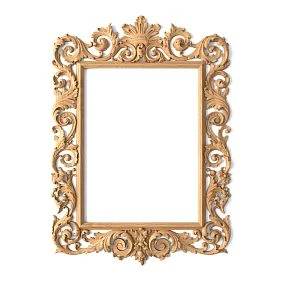
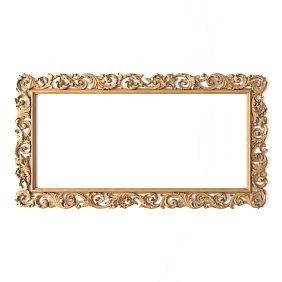
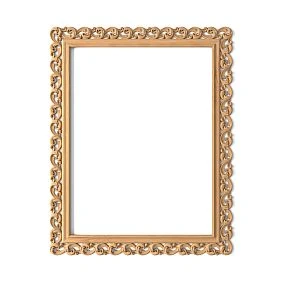
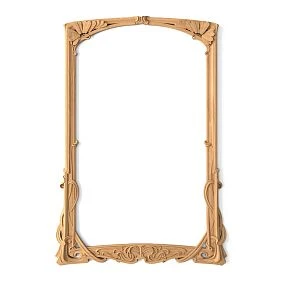
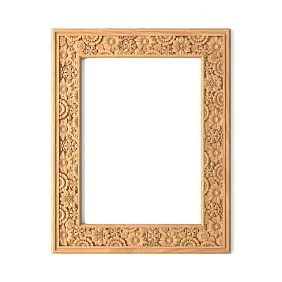
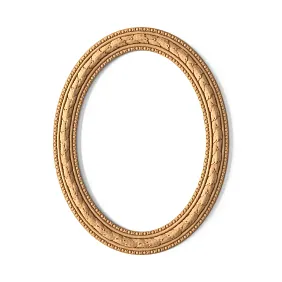
Buy a wooden picture frame
A painting without a frame is a draft. Even if the work is painted in oil on canvas, if years of labor and the artist's skill stand behind it, without a frame it is unfinished. A frame is not a border. It is the boundary between the work and the wall, between art and space, between the image and the viewer. The frame completes the statement.
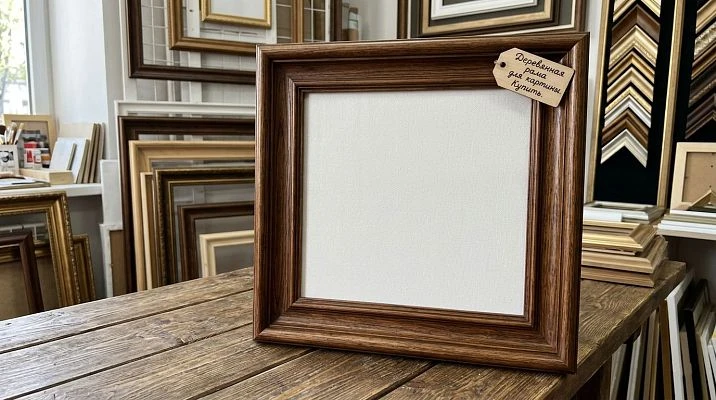
The wooden picture frame holds a special place in this system. Not plastic imitating wood. Not metal pretending to be elegant. It is solid wood — with a living texture, with an individual grain pattern, with a warmth that no synthetic material can replicate. To buy a wooden picture frame is a choice in favor of authenticity, and it never goes out of style.
Buying a wooden frame for a painting today is a task with far more nuances than it seems. What size? What profile? For painting or ready-made? Solid wood or molding? A narrow minimalist frame or a wide decorative profile? For classic or modern interior? This article is a complete answer to all these questions. Read, choose wisely.


Which wooden frame to buy for a painting: the logic of the right choice
Buying a wooden frame for a painting means going through several mandatory filters. This is not a case where you can choose 'what you like.' Here, every wrong step is immediately visible: wrong size — the frame doesn't fit the painting, wrong profile width — proportions are off, wrong style — the work 'doesn't sing.'
Let's start with the main thing.
The size of the painting — in millimeters. Not 'approximately 60 by 80,' but exactly: 600×800 mm. The inner groove of the frame is made to these exact numbers. A deviation of 2–3 mm is critical: the painting either won't fit in or will be loose. Measure the painting along both axes before ordering.
The thickness of the base. Canvas on a stretcher — 20–30 mm deep. Painting on cardboard — 3–5 mm. Photo on an aluminum plate — 3 mm. Each type has its own depth of fit. The frame must accommodate the base — otherwise, the painting protrudes beyond the frame, and the look is ruined.
Profile width. This is the most important parameter that directly affects proportion. A small watercolor 15×20 cm in a wide frame with an 8 cm profile looks 'swallowed.' A large canvas 100×120 cm in a thin frame looks unprotected. There is an approximate rule: profile width — 5–10% of the smaller side of the painting. For a 60 cm painting — a profile of 3–6 cm. This is a working guideline, not absolute.
The style of the work. Academic oil painting in a classic style requires a classic frame with a profile painted in gold or dark walnut. Abstract or avant-garde — a minimalist profile, possibly unpainted. A watercolor landscape in Provence style — a narrow frame of light beech with natural oil.
The style of the interior. The frame exists in the space of the room, not in a vacuum. A wooden frame in the tone of doors or furniture is a sign of a well-thought-out interior. A frame that doesn't echo any other element is a decorative accident.
Buying a wooden frame for a painting consciously means answering all these questions before opening the catalog.
Our factory also produces:

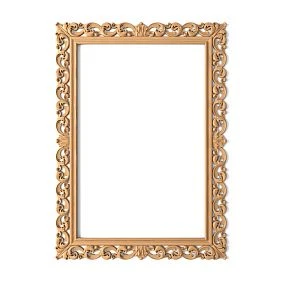
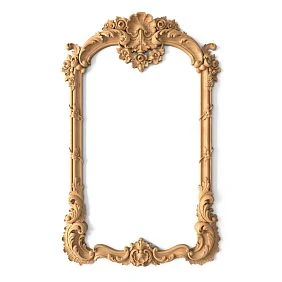
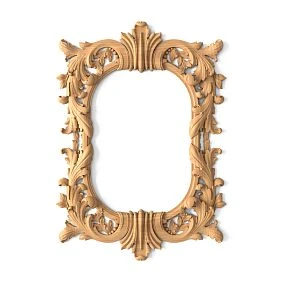
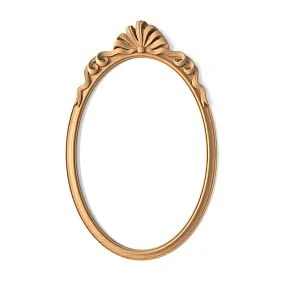

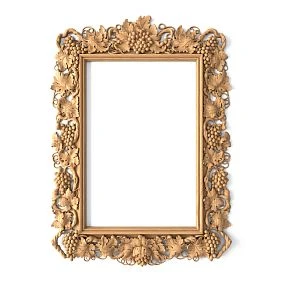
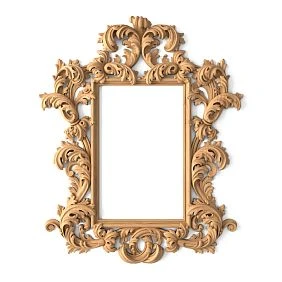
How a wooden frame differs from plastic and metal
This question is asked often — especially by those who see similar-looking frames made of different materials with very different prices. Let's break it down honestly.
Plastic. Plastic frames imitate wood or metal through a textured surface and paint. This only works up close. Up close, plastic is instantly recognizable: a uniform surface without living texture, different weight, different sound when tapped, a plastic "creak" when deformed. Plastic does not accept varnish, cannot be tinted, loses color over time, and becomes brittle in the cold.
Metal. Aluminum frames offer a modern aesthetic: thin profile, precise geometry, cold character. For certain types of contemporary art — photography, digital prints, posters in minimalist interiors — a metal frame is appropriate. But for canvas paintings, classical graphics, pastels, or watercolors, metal creates a distance between the work and the viewer. It is too cold for warm pieces.
Wood. Wooden picture frame has qualities that no other material can replicate. The living grain pattern, unique to each piece. The tactile warmth of the surface. The ability to accept any finish: clear oil, varnish, enamel, patina, gilding, walnut tint, antique stain. The capacity for restoration: a wooden frame can be repaired, a plastic one cannot.
Buying a wooden picture frame is a choice with longevity: the piece lives for decades, ages gracefully, and never loses its dignity. A plastic frame after five years looks like "a thing from 2015." A wooden frame after fifty years looks like a classic.
An additional argument: wooden frame it blends organically with wooden interior elements — furniture, doors, baseboards, carved decoration. This creates an internal architectural coherence of the space that cannot be achieved by mixing different materials.
Get Consultation
Types of wooden frames for paintings
Solid wood frame
wooden frame Solid wood is the pinnacle of the category. It is made from beech or oak blanks using milling and subsequent hand finishing. A solid wood frame for a painting is a product where the wood species is visible: the texture of oak with pronounced annual rings or uniform neutral beech with a fine pattern.
Why beech and oak? Not by tradition, but by practice. Beech is a dense, uniform wood without pronounced defects, excellent for milling. It gives a clean relief on profiles of any complexity. Oak is a durable wood with high density and natural stability. An oak frame does not deform under temperature and humidity fluctuations, which is critical for long-term storage of artworks.
A solid wood frame for a painting is supplied by STAVROS as a complete set: a frame with a mounting groove, screwed hanging loops, and a DWG file — an accurate template for cutting glass if needed. This is a professional approach that eliminates unnecessary rework.
A feature of solid wood frames: they are produced in several standard formats with the ability to scale to a non-standard painting size. This means that regardless of the size of your canvas — whether it's a small 15×20 cm study or a large 100×140 cm canvas — you can get a frame specifically for it.
Unpainted wooden frame
Buying an unpainted wooden frame for a painting is a choice for those who know what they want and can bring things to a specific result. An unpainted frame is a semi-finished product in the best sense: it gives complete freedom for final finishing.
Why do you need a frame without coating? Several scenarios.
Scenario one — tinting to a specific color. You have oak parquet in 'American walnut' color, doors in 'dark wenge' color, furniture in 'light walnut' tone. A frame from a ready-made catalog will not exactly match any of these shades. An unpainted frame allows you to manually select a stain and achieve an exact match.
Scenario two — custom finishing. Artists who frame their own works often create the frame as part of the piece: hand painting, craquelure, aged wood effect, monochrome enamel matching the canvas color. All of this is only possible on an unpainted base.
Scenario three — restoration. When replacing a frame on an old painting, the new frame must closely match the original finish. An unpainted solid wood allows reproducing the shade of the historical frame with a precision unattainable when choosing from ready-made colors.
Scenario four — painting to match the interior. Planning to repaint the walls? Already know the final color of the furniture? Take an unfinished frame and paint it exactly to match — or in a deliberately contrasting shade, chosen as an accent.
An important nuance: an unpainted wooden picture frame made of beech is practically an ideal base for any coating. Beech is uniform, without pronounced pores, and accepts stain without blotchiness. Oak has a more expressive texture, which when tinted gives an interesting "live" wood effect, but requires more careful application of the coating.
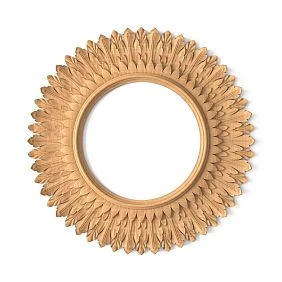
Round wooden picture frame
Buying a round wooden picture frame means choosing a format that was considered exotic just a few years ago, but today has become a full-fledged tool of modern interior design. A round frame works differently than a rectangular one.
A rectangular frame is a familiar "screen": it sets the field of view, directs the gaze along horizontals and verticals. A round frame is a "porthole": it creates the feeling that you are looking into another space, another world. That is why round frames work especially well with natural motifs, botanical illustrations, landscapes, and decorative panels.
You should buy a round wooden picture frame when:
-
A soft accent is needed on a wall dominated by rectilinear forms (shelves, pictures in rectangular frames, doors);
-
The painting or print has a circular composition or a central focus;
-
The interior requires geometric diversity — and the circle fits organically into the context.
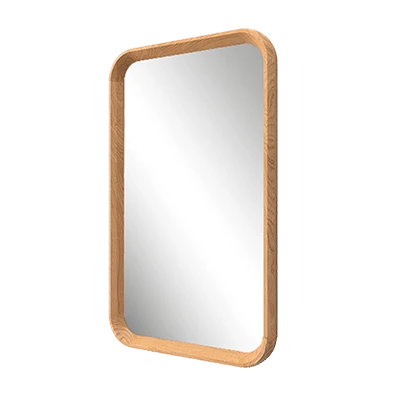
In the STAVROS catalog, round frames are available for both mirrors and paintings — with the option to choose the diameter. For paintings, the size of the round frame is determined by the diameter of the inner groove: it must exactly match the diameter of your canvas or base.
A wooden round frame for a painting made of beech with a natural oil finish is one of the most concise and elegant options for modern interiors. No style will reject such a solution: neither Scandinavian minimalism, nor modern classics, nor eco-interior.
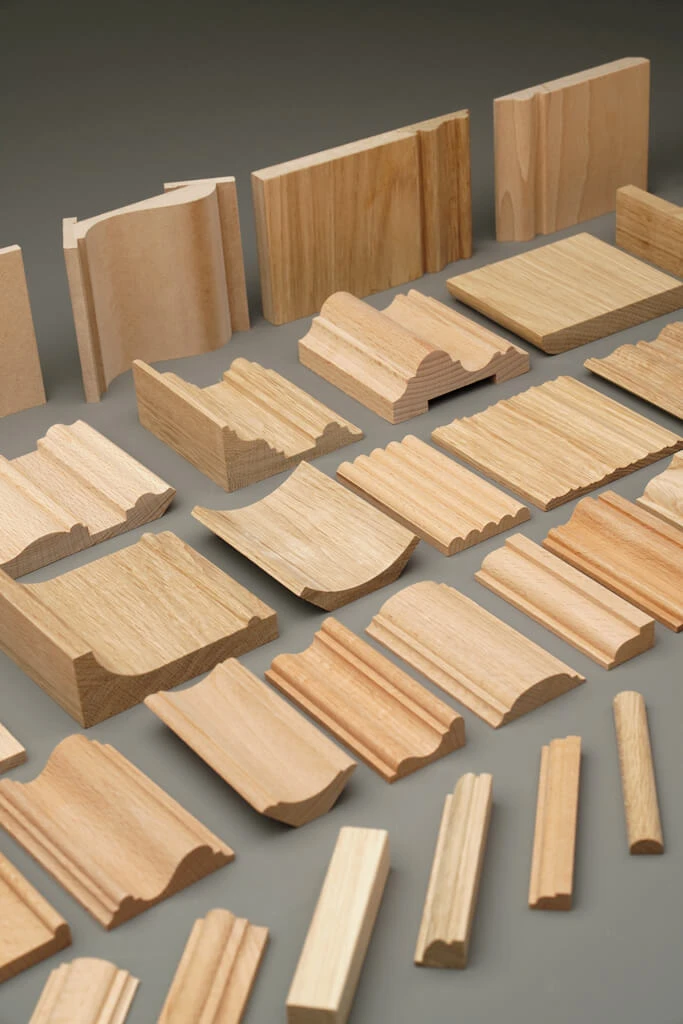
Picture frame made of molding
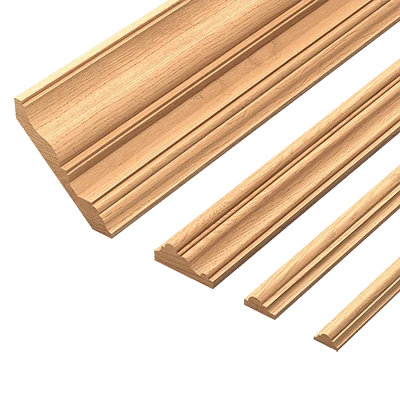
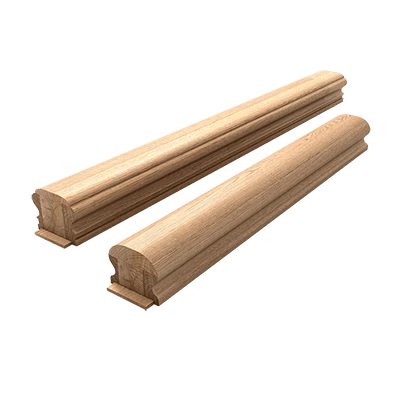
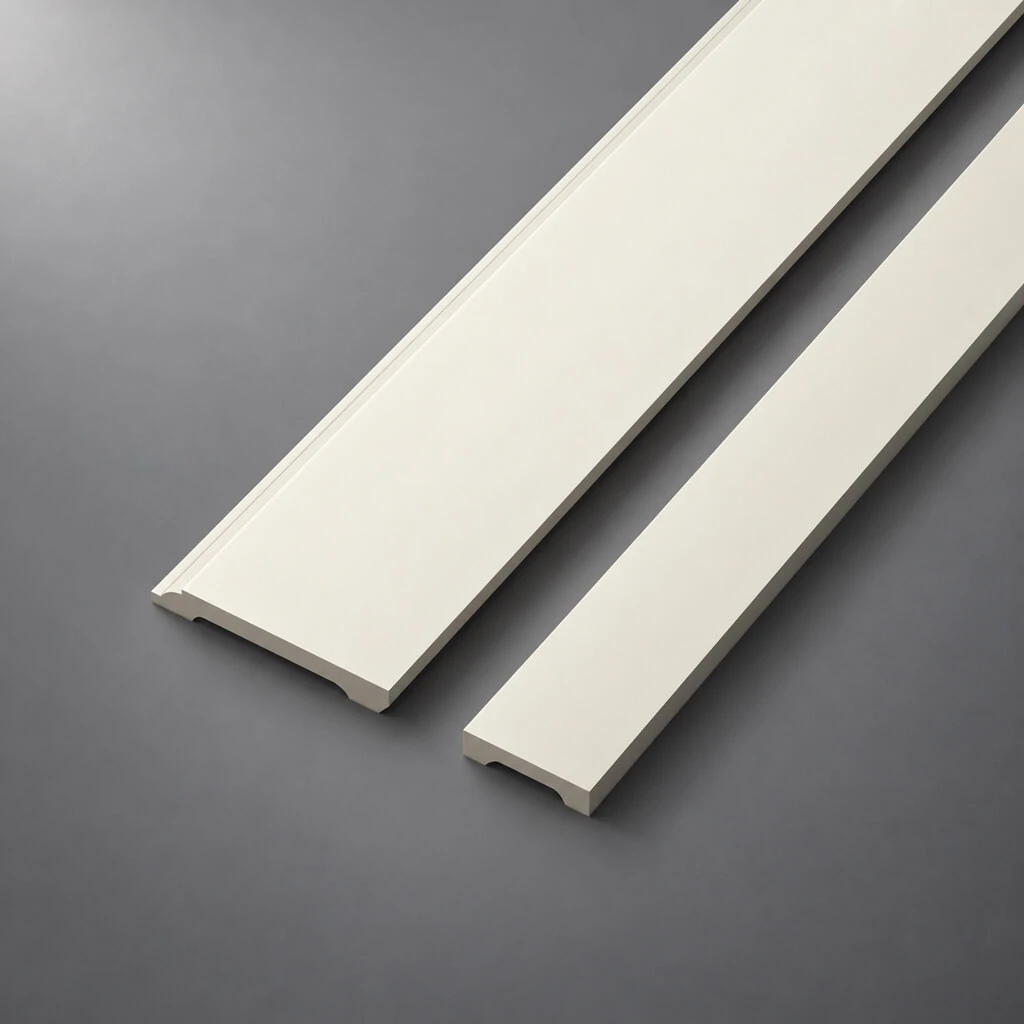
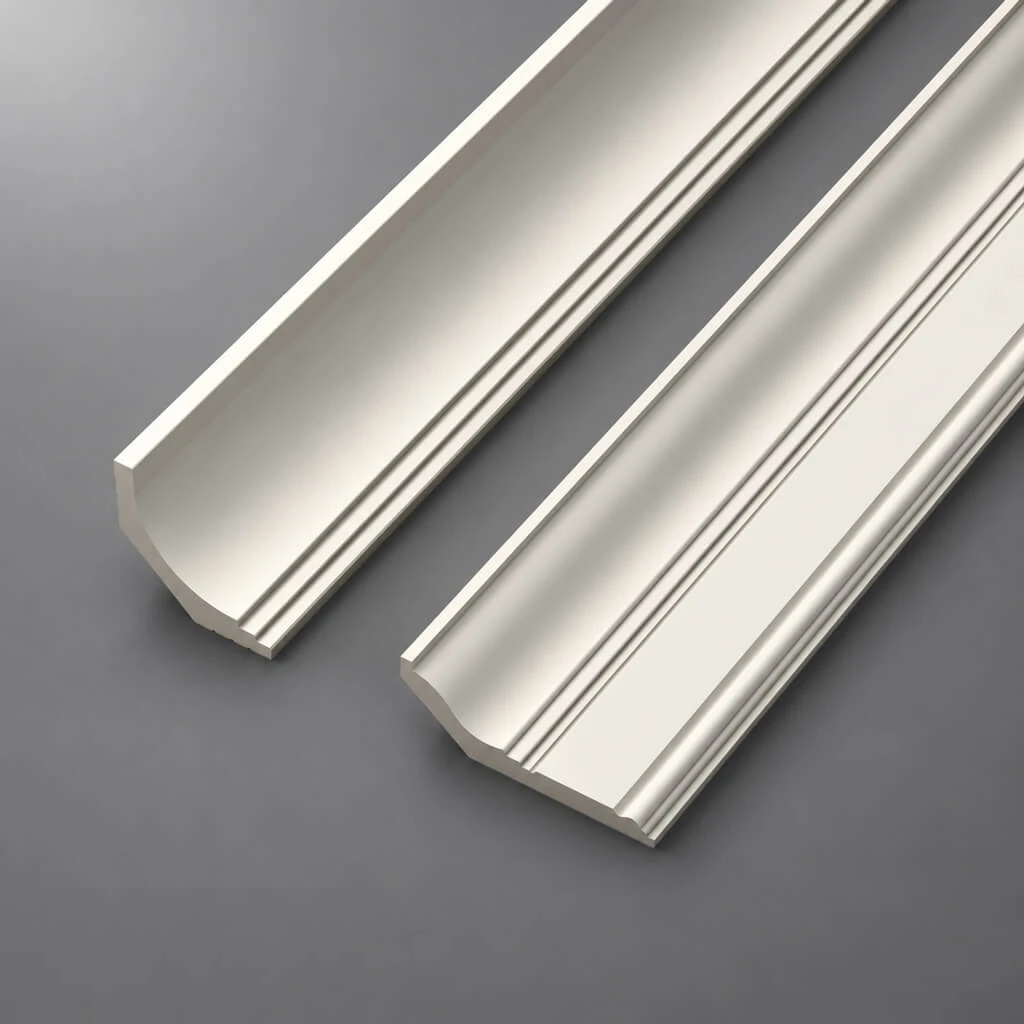
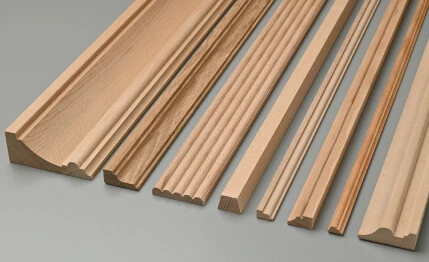
Molded picture frame is a frame made from profiled wooden molding by cutting at a 45° angle and corner assembly. This is the most "atelier-like" approach to framing paintings: this is exactly how professional framing workshops work.
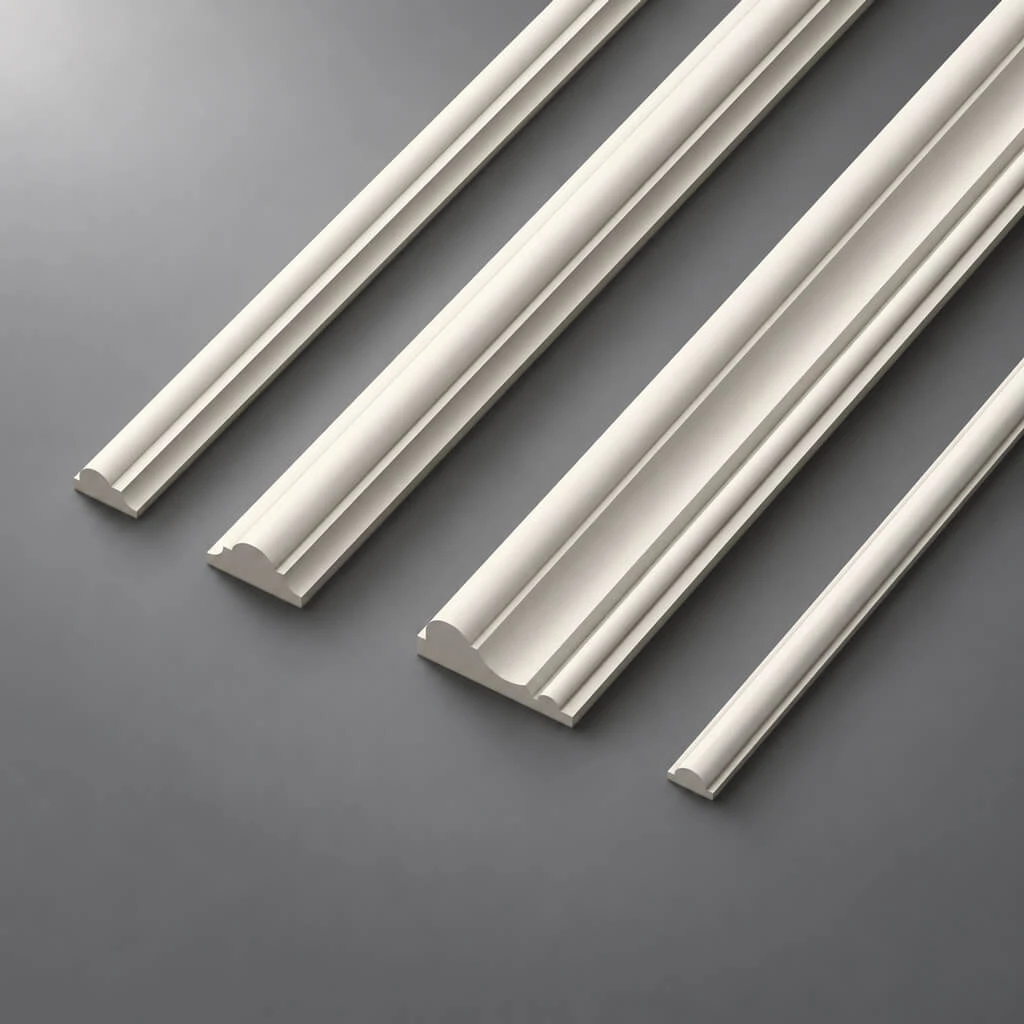
Buy wooden molding in the STAVROS catalog from 190 rubles per linear meter (profile K-034) — this is a minimalist rectangular profile for laconic interiors. The top level is profile K-104 from 5,260 rubles per meter — this is a complex carved molding with a deep ornament, resulting in a museum-class frame.
What does a molding give that a ready-made frame does not? First of all — absolute freedom of size. From molding, you can make a frame for any non-standard canvas: 73×91 cm, 55×67 cm, 40×120 cm — any format. No restrictions with standard sizes.
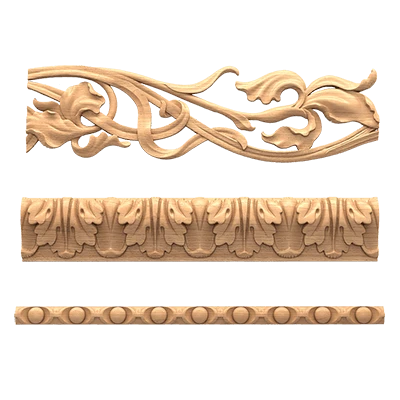
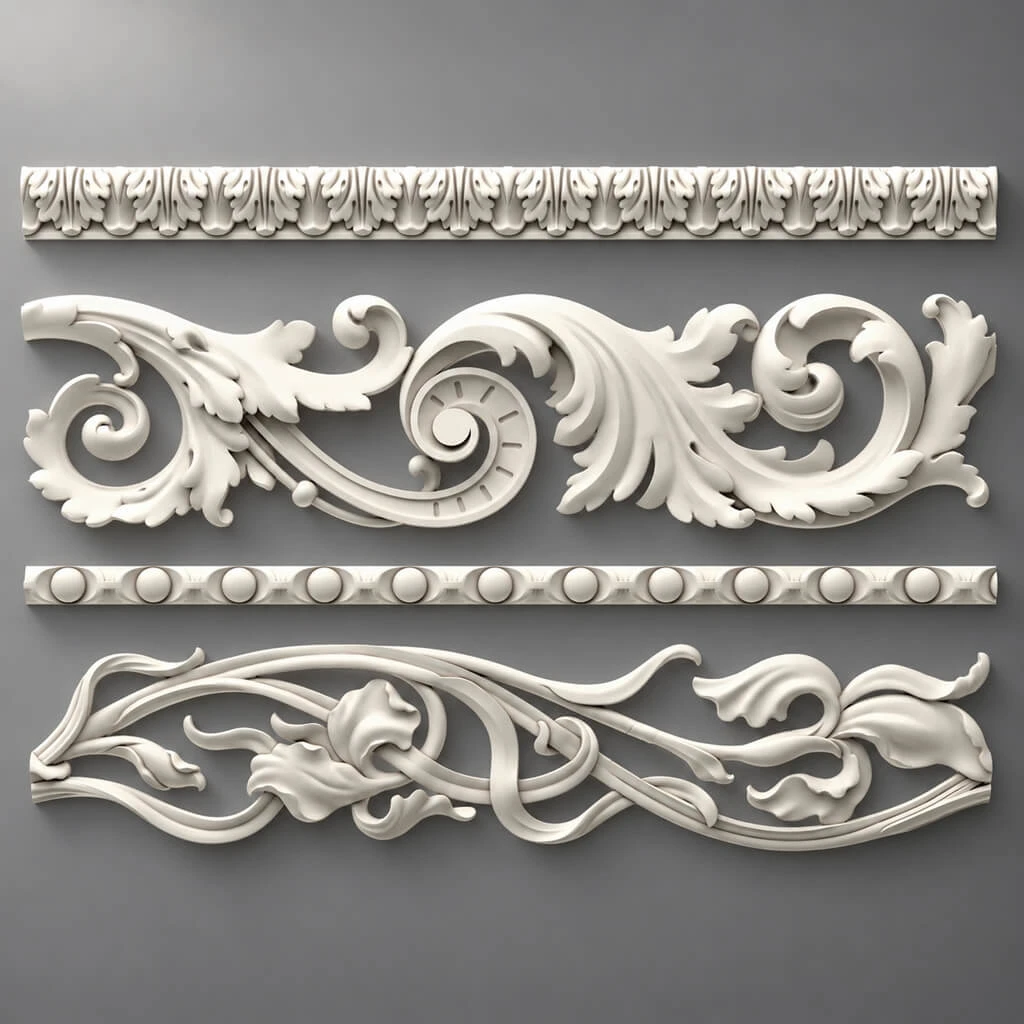
Wooden Picture Frame in the STAVROS catalog is presented in dozens of profiles: from simple geometric to complex ornamental with meander, pearls, wave, fillet, ogee. This allows you to choose a profile exactly matching the style of the work and interior.
For self-making a frame from molding, you need four pieces of cut profile with ends at 45°, glue, corner brackets, and a few hours of time. For those who do not have a tool for miter cutting, ordering ready-made cuts from a workshop or manufacturer is an option.
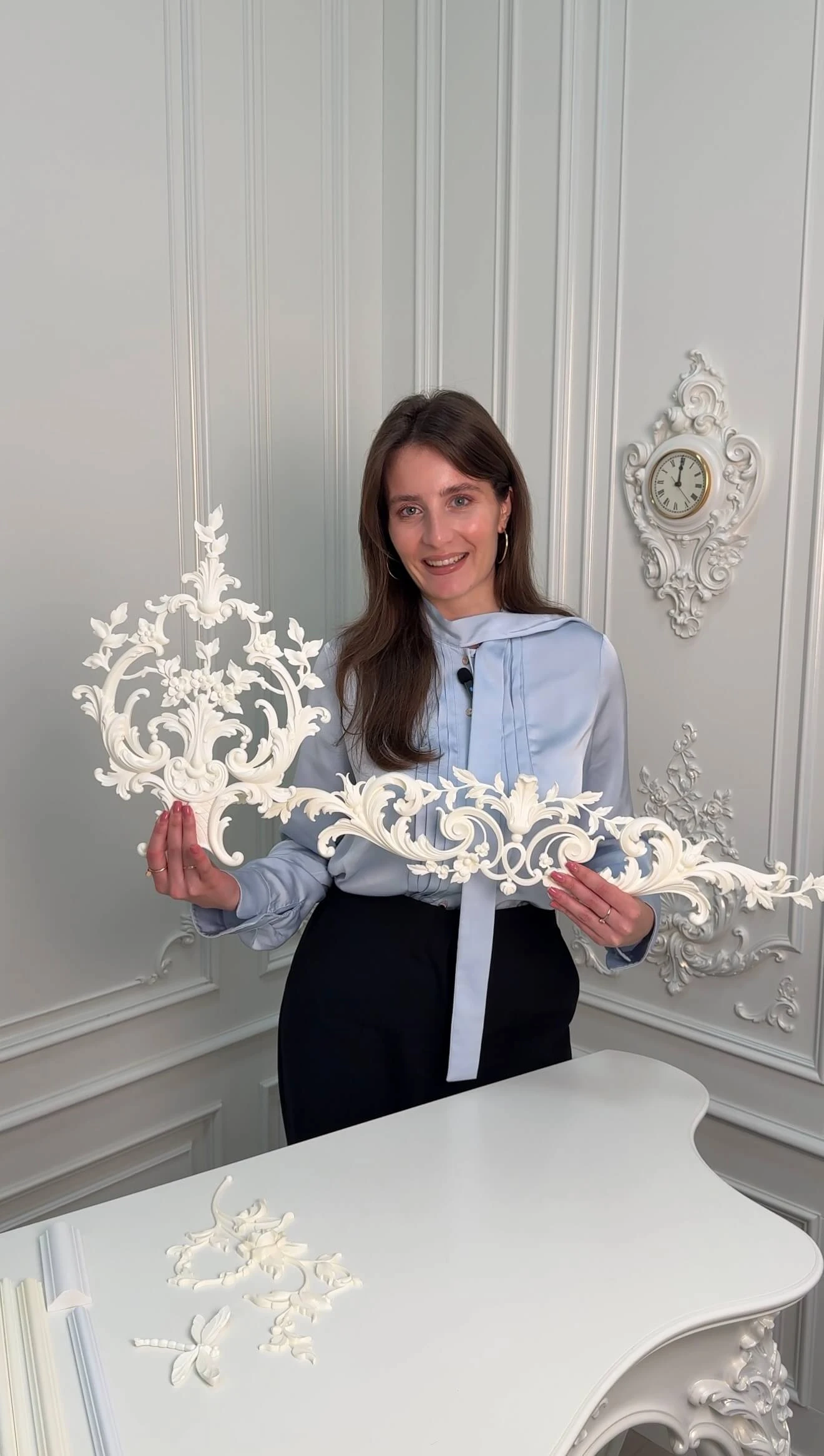
It is worth noting: Wooden molding used not only for paintings, but also for framing mirrors, photographs, panels, icons, and as a decorative element in interiors — for frame structures on walls (feature wall), cornice zones, and overlay decor. It is a universal material for interior designers.
How to choose the frame size for a painting
This is the most practical section of the article. There is no room for approximate formulations — only concrete steps.
Step one: measure the painting accurately. Width and height in mm. For a canvas painting — along the outer edge of the stretcher. For a painting on cardboard or paper — along the outer edge of the base. If a mat (decorative cardboard framing inside the frame) is planned — measure the painting, not the future opening.
Step two: decide on the mat. A mat is a cardboard insert inside the frame that creates 'air' between the painting and the frame. For graphics, watercolors, pastels, photographs, a mat is mandatory: it isolates the work on paper from the glass, prevents condensation, and provides visual distance. The width of the mat is standardly 5–8 cm around the perimeter. If a mat is needed, the frame size = painting size + 2 × mat width.
Step three: choose the profile width. The approximate proportion is 5–10% of the shorter side. For a 40×60 cm work — a profile of 2–4 cm. For an 80×100 cm work — a profile of 4–8 cm. This is not a strict rule, but a starting point. A wide profile gives a 'museum' weight, a narrow one gives graphic clarity.
Step four: check the depth of the fit. A canvas painting on a stretcher has a depth of 2–3 cm. The frame must have a rabbet of sufficient depth — at least 15–20 mm — so that the canvas fits without deformation. If the rabbet depth is less than the stretcher depth, the canvas will protrude beyond the plane of the frame.
Step five: determine the mounting method. A single painting — one pair of D-rings or a wire. A series of several works — you need to plan a uniform level of D-rings for an even row. For paintings weighing more than 5 kg — metal D-rings with a load capacity of at least 10 kg each.
Step six: decide on the glass. For oil paintings — glass is not needed: oil does not require protection, and glass only adds glare. For watercolors, pastels, graphics, photographs — glass or non-glare acrylic is mandatory. The DWG file that STAVROS provides with each frame gives an accurate template for cutting glass at a glass workshop.
How to choose a frame to match the interior style
A frame is not an isolated object. It is part of the interior ensemble, and its style must match the style of the space. An inconsistent frame ruins even the strongest painting.
| Interior style | Which frame fits |
|---|---|
| Classic | Wooden frame with expressive profile, in gold or dark walnut |
| Neoclassical | Calm wooden molding, light or natural shades, moderate relief |
| Baroque | Carved or decorative wide profile, gilding, deep relief |
| Modern interior | Laconic wooden frame without decoration, light beech, minimal profile |
| Country / Provence | Natural wood, patina, painted surface, soft shades |
| Scandinavian style | Light unpainted beech, very thin or moderate profile |
| Eco interior | Solid wood with oil finish, natural texture, no synthetic coating |
A few specific examples.
First example: a classic living room. Dark oak wooden doors, solid wood furniture, furniture decor dark baseboards. Above the sofa — a large 80×100 cm landscape painting. Suitable frame: wooden, 6–7 cm profile, matching the door tone, with moderate ornamentation in the classical tradition.
Second example: a Scandinavian-style bedroom. White walls, light beech furniture, linen textiles. Above the bed — a series of three 20×30 cm watercolors. Suitable frames: identical light beech wooden frames with natural oil finish, 1.5–2 cm profile, no decoration.
Third example: a Baroque-style study. Dark walls, Carved Decor ceiling elements, bookcases with ornate fronts. Above the fireplace — a 60×80 cm oil portrait. Suitable frame: wide 8–10 cm profile, gilding with dark patina in recesses, carved acanthus leaf ornament.
Matching the frame with the wooden elements of the interior is a key principle. If the interior uses mirror frame dark-toned oak, the picture frame should belong to the same tonal family. Unity of material and shade creates a sense of designed space — in the best sense of the word.
Wooden picture frame and its place in the interior: where to hang
This question is rarely addressed in articles about frames — and it's a shame. Because the placement is no less important than the choice of the frame itself.
Above the sofa. A classic and one of the most successful spots. The width of the painting or group of paintings should be 2/3 of the sofa's width. The bottom edge of the frame should be 15–25 cm above the sofa back. This creates a visual connection between the painting and the furniture.
Above a console or chest. The bottom edge of the painting is 15–20 cm above the console surface. The frame here should be coordinated with furniture decor the console or chest. Unity of wood species or finish creates a cohesive ensemble.
Above the fireplace. A monumental zone. Requires a large painting and a correspondingly expressive frame. Horizontal format, with the painting slightly narrower than the fireplace width — a classic proportion.
In a gallery wall. Several paintings of different sizes, united by a consistent frame style. Wooden frames in the same wood species, in different shades — or strictly one tone — create a strong gallery wall. Mixing frames from different materials (wood + metal + plastic) in a gallery wall only works with a very deliberate approach.
In the hallway. A long hallway wall is an ideal space for a series of several works in identical frames. The rhythm of repeating wooden frames creates movement and depth.
In the bathroom. Paintings in the bathroom are rare, but not a mistake. One condition: the frame must have a moisture-resistant coating, or use Wooden Picture Frame with several layers of varnish. Prints and photographs under glass are the most practical choice for a humid environment.
What affects the price of a wooden picture frame
The price range of wooden frames is wide: from affordable unfinished beech to monumental carved oak frames with gilding. Each price level is justified.
Wood species. Beech is cheaper than oak with comparable parameters — the difference is 20–40%. This does not mean beech is worse: for most tasks, beech is optimal.
Frame size. A frame perimeter of 60×80 cm is about 2.8 meters of profile. A frame perimeter of 100×120 cm is 4.4 meters. The difference is almost double — and this is directly reflected in the price for the same profile.
Profile width. A profile 80 mm wide requires a blank 80+ mm wide. This is significantly more material than for a 30 mm profile.
Profile complexity. Simple rectangular profile wooden molding K-034 — 190 rubles per meter. Complex carved profile K-104 — 5,260 rubles per meter. A 27-fold difference. Behind it — multi-stage milling, several tool changes, manual finishing.
Presence of carving. Carved ornament on the frame is milling along a three-dimensional contour with high precision. The more complex the pattern and the deeper the relief, the more machine time.
Coating. Frame without coating — base price. Frame with finish varnish, oil, stain, patina, gilding — more expensive by the cost of the finishing operation.
Custom size. Standard size from the catalog is scaled for the order. A completely non-standard format — more complex calculation and manufacturing.
Additional elements. Glass, mat, backing, special fasteners — each element adds to the cost.
| Factor | Impact on price |
|---|---|
| Beech vs oak | Oak +20–40% |
| Frame size | Proportional to perimeter |
| Profile Width | Proportional to material |
| Profile complexity | Up to +2700% (K-034 vs K-104) |
| Thread presence | +30–100% |
| Finish coating | +10–20% |
| Non-standard size | By calculation |
Mistakes when buying a wooden frame for a painting
Even experienced buyers make these mistakes. Knowing them in advance — you are insured.
They buy without the exact size of the painting. The most common mistake. "Approximately A3" is not a size. The seating groove of the frame is designed for specific millimeters. Measure your painting accurately before ordering.
They don't account for the thickness of the canvas. A painting on canvas with a deep stretcher (25–30 mm) requires a frame with a corresponding groove depth. If the groove is shallow, the canvas will press against it.
They choose a profile that is too narrow for a large work. A 15 mm strip frame on an 80×100 cm canvas looks like there is no frame. Proportion is key.
They don't coordinate the frame with the interior color. They buy what 'looks nice on its own' without considering the space where the painting will hang. The result is a frame that clashes with the color of the walls or furniture.
They don't consider the style of the painting. A Baroque frame around an abstract work—is that intentional irony or a random mistake? The former is a professional technique. The latter is something you don't want to explain to guests.
They don't check the depth of the fit. A painting on a thick stretcher in a frame with a shallow groove either won't fit in or will fit crookedly.
They buy without a time buffer. Frames made of solid wood with carving are made to order. This isn't a supermarket. Consider production time when planning an exhibition, gift, or renovation.
Gallery wall: wooden frames in an ensemble
A gallery wall is one of the most powerful tools in modern interior design. Several paintings united by a common language of frames turn a wall into a spatial work of art.
Wooden frames work particularly well in a gallery wall in several variations.
Option one: identical frames of different sizes. All frames from the same profile, in the same tone—but of different sizes. This creates rhythm while maintaining visual unity. For Scandinavian and modern interiors.
Option two: frames of the same tone, different profiles. One type of wood, one coating color — but different widths and profile characteristics. This is a more "lively" option that allows for dynamics. For interiors with multiple focal points.
Option three: frames with a single decorative note. All frames are united by one decorative motif — for example, a thin gold line along the inner edge of the profile. Sizes and shapes may vary.
For a gallery wall, the ability to order Wooden Picture Frame the required number of meters and cut frames to any needed size is especially valuable — this gives absolute freedom when forming a collection.
Wooden picture frame and care
A solid wood frame requires minimal care — but proper care. A few simple rules.
Wipe the frame with a dry soft cloth — without abrasives or solvents. For a frame with a lacquer coating — a slightly damp cloth. For a frame with an oil coating — only dry.
Do not hang paintings in places with constant humidity and temperature fluctuations: above a radiator, near an open window in the rain. Wood reacts to moisture — in extreme conditions without protective coating, the frame may slightly deform.
Restoration of a wooden frame in case of damage is possible: small scratches are painted over to match the tone, chips on the relief are filled with wood putty and touched up. This is one of the main arguments in favor of wood: it can be repaired. Plastic cannot.
Where to buy a wooden picture frame
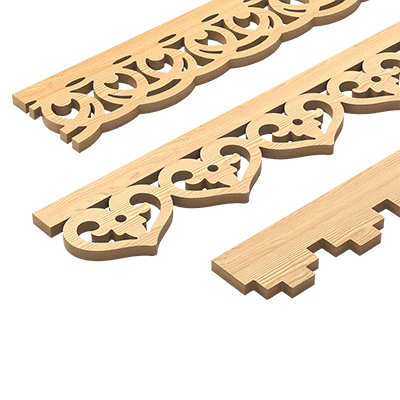
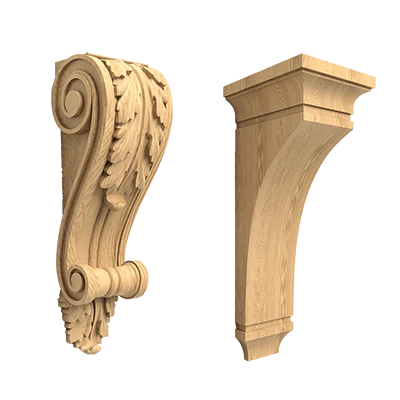
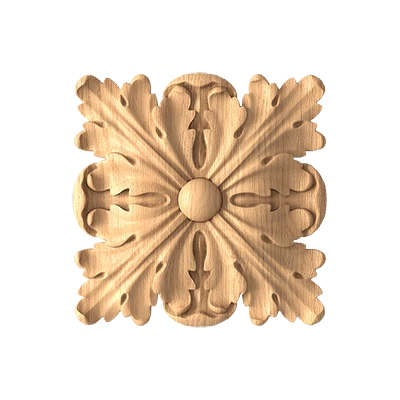
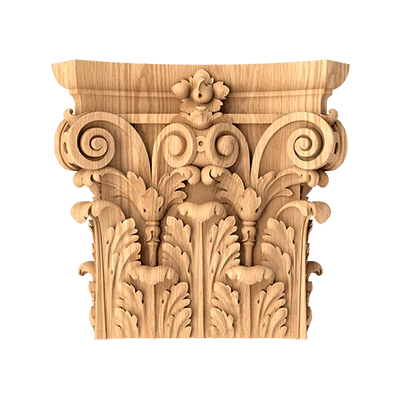
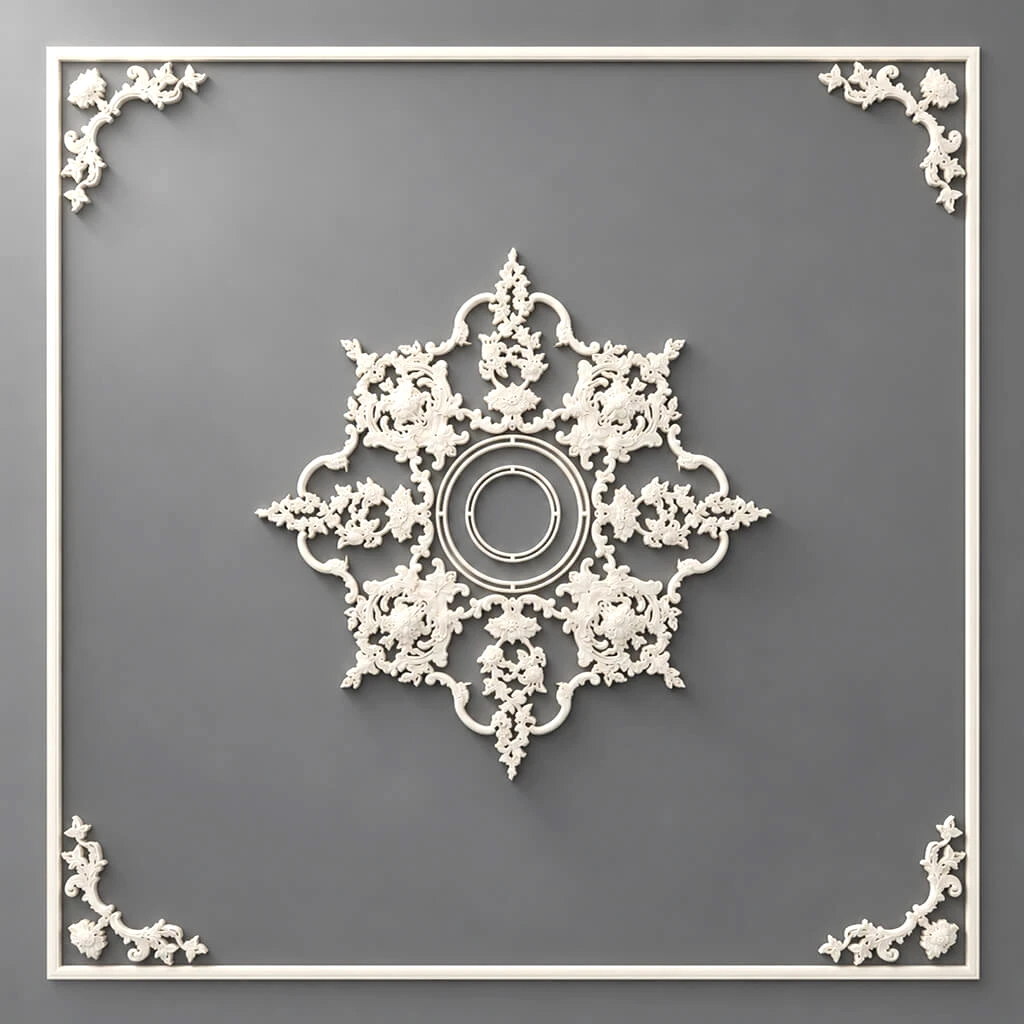
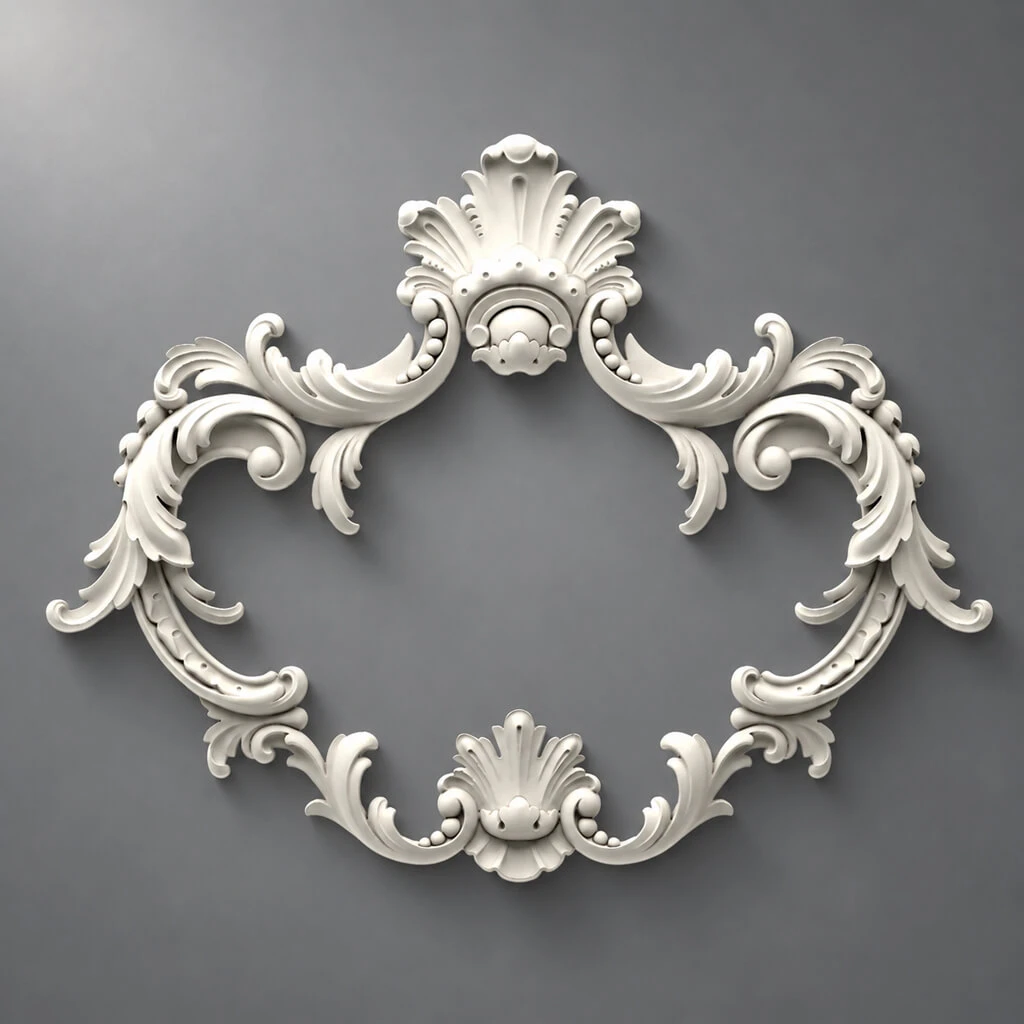
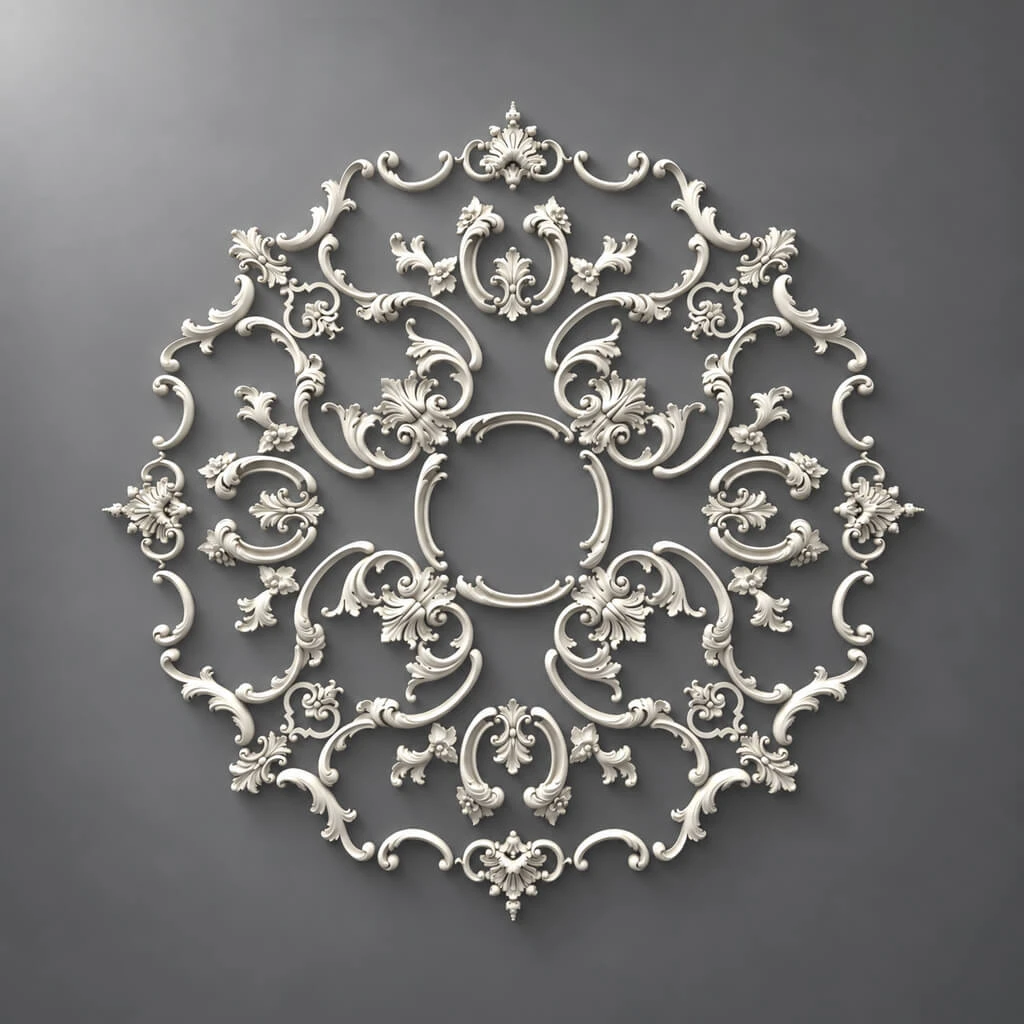
STAVROS is a Russian manufacturer of wooden frames for paintings and mirrors. The catalog includes frames made of solid beech and oak with professional fittings, Wooden Picture Frame from 190 to 5,260 rubles per linear meter for DIY frames of any format, as well as a wide range carved decor elements for decorating interiors where the painting is just one detail of a unified ensemble.
Each picture frame comes with a DWG file — an accurate template for cutting glass or mirror. Large-format frames are supplied in a disassembled form for safe transportation. Standard models can be scaled to non-standard sizes.
STAVROS works with orders from one piece, delivers throughout Russia and CIS countries. Showrooms are in Moscow and St. Petersburg, where you can evaluate the products in person, feel the texture and scale before ordering.
For a cohesive interior space, it's worth building a system right away: Wooden Frames for Artworks, Mirror Frames, Wooden Picture Frame, decor for furniture — from one manufacturer, from one wood species, in one stylistic logic. This is an interior that is not explained — it is felt immediately.
FAQ: Answers to popular questions
Which wooden picture frame to buy?
Buy a wooden frame for a painting — to fit the canvas size (exactly in mm), taking into account the thickness of the base, profile width, style of work, and interior. For classical works — a wooden frame with a profile and finish in gold or dark walnut. For modern ones — a laconic frame without decoration.
When is an unpainted wooden frame needed?
When precise tinting to a specific interior color, custom finish matching the painting's style, or the frame is used in a restoration project. Unpainted solid wood accepts any coating — stain, patina, enamel, oil, gilding.
What is better: a ready-made frame or a wooden molding?
A ready-made frame is convenient for standard formats. Wooden Picture Frame — better for non-standard sizes, for forming a series of frames for a gallery wall, for special profiles and styles.
What affects the price of a wooden frame for a painting?
Wood species, size, profile width, ornament complexity, presence of carving, finish, glass, mat, and custom size.
Can a wooden frame be used for a modern painting?
Yes. For a modern interior, choose a laconic profile without decoration made of light beech with a natural finish. A simple wooden frame does not 'compete' with the work — it frames it delicately.
How to choose frames for a series of paintings for a gallery wall?
A single profile or a single tone — with different frame sizes. Or a single decorative detail (line, finish). From wooden molding it's easy to cut frames of any required size in one profile — this is the ideal solution for a gallery wall.