












































































Article Contents:
- Anatomy of a Decorative Element: What Makes It Beautiful
- Material Base: What's Better?
- Molding: Lines That Transform Space
- Geometry of Power: Framed Compositions
- Horizontals: Division by Height
- Verticals: Rhythm and Direction
- Panels: Walls as Furniture
- Boiserie: French Perfection
- 3D Panels: Sculpture on Walls
- Lath Systems: Rhythm of Modernity
- Appliqués: Jewelry Accents
- Symmetrical Compositions: Order and Balance
- Asymmetry: Controlled Chaos
- Corner Elements: Completeness of Details
- Decorative Inserts: Accents in the Right Places
- Central Panels: Focal Point of Composition
- Inserts in Niches: Play of Depth
- Decor Above and Below Windowsills
- Stylistic Affiliation: How to Choose a Decor Style
- Classicism: Orders System
- Baroque and Rococo: Abundance of Forms
- Modernism: Fluid Lines of Nature
- Art Deco: Geometric Luxury
- Minimalism: Decoration Through Absence of Decoration
- Installation Technology: From Concept to Realization
- Base Preparation: Foundation of Beauty
- Adhesive Mounting: Chemistry and Physics
- Joinery: the art of invisible seams
- Painting: Final Touch
- Decor Functionality: Not Only Beauty
- Defect Concealment
- Surface protection
- Space zoning
- Acoustic Correction
- Mistakes and How to Avoid Them
- Scale Violation
- Stylistic Inconsistency
- Over-decorating
- Poor Installation
- Trends and Prospects
- Minimalization of Classic
- Large-Scale Design
- Technology integration
- Material Ecologicalness
- Frequently Asked Questions about Decorative Elements
- Can moldings be used in a small apartment?
- Which material is better — plaster, wood, or polyurethane?
- How much does decorative wall finishing with elements cost?
- Can Decoration Be Installed by Yourself?
- How does decor visually affect ceiling height?
- Should decor be painted or left white?
- What are the most critical mistakes when choosing decor?
- Do modern planks and classical moldings go together?
- How to care for decorative elements?
- Can decor be used in wet areas?
- Does decor increase apartment value when selling?
- Decor and Lighting: A Union Creating Magic
- Side Lighting: Sculptor of Shadows
- Hidden Lighting: Levitation and Depth
- Accent Lighting: Highlighting the Main Feature
- Decor in Commercial Spaces: Not Only for Home
- Restaurant Decor: Appetite Begins with the Eyes
- Hotel Luxury: Decor as a Status Indicator
- Office Decor: Seriousness with a Human Touch
- Restoration and Preservation: When Decor Is History
- Principles of Restoration
- Adaptation of Historical Decor
- Creating Your Own Decor: Author's Work
- Hand Carving: Traditional Craftsmanship
- Digital Production: Technologies Serving Individuality
- Conclusion: Decor as Philosophy of Space
- About the Company STAVROS

Walls remain silent until the details speak. A bare surface, even painted in a noble color, remains merely a backdrop — neutral, faceless, devoid of character. But add a molding, a decorative insert, or a mounted element — the space transforms. Rhythm emerges, volume is born, a story unfolds. It is precisely these decorative mounted elements that turn an ordinary apartment into a home with soul, a typical room into an authorial space.
This is not mere ornamentation. It is an architectural language spoken by great interiors. Palaces and estates, hotels and restaurants, museums and private residences — wherever there is a pursuit of beauty, you will find moldings, carved panels, elegant inserts. They establish hierarchy, highlight the important, conceal flaws, emphasize virtues. Decorative elements are the grammar of interior design, without which even the most expensive finishes remain a disjointed collection of materials.


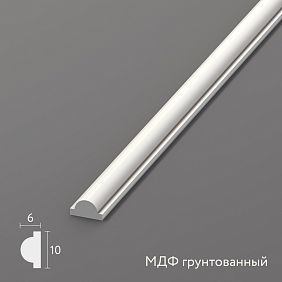
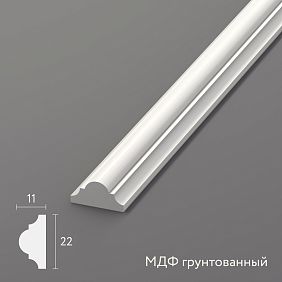
The anatomy of a decorative element: what constitutes beauty
Before diving into applications and styles, one must understand the structure. What is a decorative element from a construction standpoint? It is a mounted component, possessing a decorative front face and a mounting back. Between them lies a material that determines weight, strength, durability, and cost.
Sculptural decorationsThey can be flat or three-dimensional, smooth or relief, symmetrical or asymmetrical. They may imitate handcrafted sculptural work or demonstrate the geometric precision of machine production. But all of them are united by one thing — their ability to alter the perception of the plane upon which they are applied.




Material base: which is better?
Polyurethane has captured the decorative elements market due to its unique combination of characteristics. Light as plastic, strong as wood, detailed as plaster — it lacks the shortcomings of traditional materials.Sculptural wall decorationMade from quality polyurethane, it serves for decades, does not yellow, crack, or flake. It is mounted with adhesive, cut with a standard saw, and painted with any paint. It is the material of the 21st century for the aesthetics of the 18th century.
Wood remains the choice of perfectionists. Naturalness, tactility, the nobility of texture — arguments that overshadow practical considerations. Carved wooden inserts smell, breathe, age with dignity. They are heavier, more expensive, and more demanding of conditions. But when you touch wood of ancient origin, you understand — there are things that no polymer can replace.
Plaster — the classic of sculptural art. Fragile, heavy, capricious — and incredibly expressive. Plaster molding possesses a special plasticity of form, depth of shadows, authenticity of texture. It is chosen for restoring historical interiors, for creating exclusive projects where craftsmanship and uniqueness of each element matter.
MDF and composites offer a compromise between price and quality. They are stable, do not deform, maintain geometry. Ideal for paintable panels, strict geometric forms, minimalist solutions. They lack the detail of polyurethane and the nobility of wood, but in the right context, they work flawlessly.
Our factory also produces:


Moldings: lines that transform space
Molding is the most universal and yet underappreciated decorative element. A straight plank with a profiled cross-section appears simple, almost primitive. But in the hands of a skilled designer,Wall finishingit transforms into a virtuoso play of lines, creating volume where there was none.
Get Consultation
Geometry of power: framed compositions
The classic approach — dividing the wall into rectangles using moldings. This is not merely decoration, it is manipulation of scale. Tall narrow frames elongate the ceiling. Horizontal wide frames stabilize the space. Square frames create rhythm, break monotony.Internal wall finishingWith framed compositions using moldings, a room instantly becomes more expensive, stately, and thoughtfully designed.
The secret lies in proportions. The golden ratio applies here too — the ratio of molding width to frame size, the distance between frames, their number on the wall. Too small frames create fragmentation, chaos. Too large — emptiness, incompleteness. Finding ideal proportions is difficult, but when found — the effect is remarkable.
Within frames, one can play with color, texture, material. Contrasting paint highlights sections. Patterned wallpaper inside, smooth paint outside — a classic combination. Mirrors in molding frames expand space. Fabric creates softness. Options are infinite, but the foundation remains one — clear molding geometry, structuring chaos.
Horizontals: division by height
Historically, walls were divided into three parts: plinth, main field, frieze. This is not caprice, but logic of perception and protection. The lower part suffered mechanical damage — it was made strong, dark, with panels. The upper part was adorned with ornamentation, molding. The middle remained neutral.decorative wall finishingHorizontal division restores this classic logic.
Molding at chair-back height (about one meter from the floor) is not a random height. It is the boundary between contact zone and viewing zone. Below — practicality, above — aesthetics. Such division allows using different materials without visual conflict. Wooden panels below, paint above. Tiles in risky zones, wallpaper in safe zones.
The second horizontal molding can run under the ceiling, creating a frieze. This is the transition from wall verticality to ceiling horizontality. Without this transition, the junction appears abrupt and uncomfortable. Molding softens the transition, creates completion. In high rooms, the frieze may descend 40-50 cm from the ceiling, visually reducing excessive height.
Verticals: rhythm and direction
Vertical moldings — pilasters — imitate load-bearing structures. This is architectural play, creating an illusion of solidity.Internal decorative wall claddingWith vertical elements, it visually raises the ceiling, creates a sense of upward movement, adds grandeur.
Pilasters require scale. In a small room, they visually consume space. But in spacious living rooms, halls, dining rooms — they work brilliantly. Especially effective in symmetrical compositions: two pilasters on either side of a fireplace, four at room corners, a row along a long wall, creating the rhythm of a colonnade.
Detailing matters. Bases at the bottom, capitals at the top transform a simple molding into an architectural order. One can use ready-made elements, or combine — molding as the body of a pilaster, mounted elements as ornaments.Wall and ceiling decorative moldingIt can become a capital, and the baseboard — a base.
Panels: walls as furniture
Decorative panels — when a wall stops being just a barrier and becomes an interior element. Boiserie, wainscoting, dado — historical names for wall paneling systems that turned rooms into jewel boxes. Modern interpretations preserve the spirit, adapting the form.
Boiserie: French perfection
Boiserie is a system of wooden panels with framed structure and dados. The classic technology implies a massive frame with inserted panels that can 'breathe,' expanding and contracting due to humidity. Modern versions often mimic this structure using surface-mounted elements.Wall finishing photoBoiserie demonstrates the pinnacle of classic interior design.
Boiserie can cover a wall fully or partially — up to the middle, one-third. Often combined with moldings, carved appliqués, gilding. Color ranges from natural wood to white, gray, even black in modern interpretations. Rhythm is important: panels must be proportionate, arranged in a logical system.
Installing boiserie is a serious undertaking. Requires a flat wall or frame, precise fitting of elements, professional painting. But the result justifies the effort — the room acquires status, history, depth. It’s a finish that lasts decades, never outdated, because it appeals to timeless classicism.
3D Panels: sculpture on walls
Modern alternative to classic panels — volumetric 3D systems. Relief surfaces create play of light and shadow, transforming a flat wall into a dynamic sculpture.Wall cladding options3D panels include geometric patterns, organic forms, abstract compositions.
Materials vary: plaster for maximum relief depth, polyurethane for lightness, MDF for budget solutions, wood for premium segments. Each material gives its own texture, its own surface character. Plaster panels are cold and monumental. Wooden panels are warm and cozy. Polyurethane panels are versatile and practical.
Installing 3D panels requires attention to seams. The relief must match perfectly, otherwise the pattern is disrupted. Some systems have hidden connections, others require precise fitting and subsequent grouting of seams. Painting enhances the effect — matte finish emphasizes relief, glossy adds highlights, contrasting paint on protruding elements creates graphic impact.
Lath systems: rhythm of modernity
Plank wall claddingA trend originating from Scandinavian design and firmly established in modern interiors. Parallel planks, vertical or horizontal, create rhythmic texture, zone space, mask imperfections.
Planks can be solid or with gaps. Solid cladding creates a unified surface but loses lightness. Planks with gaps allow sight through, creating depth, but require careful treatment of the background — what is visible between planks must be neat. Often, behind planks, contrasting paint, lighting, even acoustic materials are placed.
The width of planks and the distance between them are critically important for perception. Wide planks with narrow gaps — solid, stable. Narrow planks with wide gaps — airy, modern. Equal plank width and gap — balance, harmony. Experimenting with proportions allows creating endless variations of one idea.
Surface-mounted elements: jewelry accents
If moldings and panels are the architecture of the wall, then surface-mounted elements are its jewelry. Cartouches, rosettes, festoons, brackets, consoles — small details that focus attention, create points of interest.Plaster ornament for walls and ceilingsSurface-mounted elements transform a neutral surface into a work of art.
Symmetrical compositions: order and balance
The classic approach to surface-mounted decor is based on symmetry. A central rosette on the ceiling, from which molding rays radiate. Paired brackets on either side of a mirror. Four corner elements framing a panel. Symmetry creates a sense of control, thoughtfulness, stability.
Wall Finishing ElementsIn symmetrical compositions, elements must be identical or mirror images. The slightest difference destroys the effect. Therefore, it is important to use elements from the same collection, from the same manufacturer, from the same batch — so that dimensions, relief, and color match absolutely.
Placement of symmetrical elements requires precise measurements. Laser level, tape measure, pencil — tools that turn a concept into reality. An error of several millimeters at eye level is noticeable, irritating, and destroys the entire composition. Professionals create templates, make markings, repeatedly check before final fixation.
Asymmetry: controlled chaos
Modern design allows asymmetry, but it must be deliberate, conceptual asymmetry. Not chaotic placement of elements, but a dynamic composition with internal logic. Surface-mounted elements of different sizes, creating visual movement. Spiral composition leading to the center or, conversely, dispersing.
Wall finishing and decorationAsymmetrical elements require artistic intuition. One must perceive balance of mass, color, texture. A large element on the left can be balanced by several small ones on the right. A dark accent at the top is compensated by a light one at the bottom. This is visual mathematics, where intuition plays no less a role than calculation.
Asymmetry works in eclectic, modern, avant-garde interiors. In strict classicism, it is inappropriate, breaking the canon. But in contemporary, loft, fusion styles — asymmetrical compositions of surface-mounted elements create freshness, individuality, artistic expression.
Corner elements: completion of details
Room corners are often overlooked, although it is precisely here that planes intersect, materials meet, and finishing problems arise. Corner decorative elements transform problematic zones into ornaments. Corner appliqués, consoles, transitions — they mask imperfect joints and simultaneously add volume.
In classic interiors, corners were often adorned with pilaster capitals, corner cartouches, festoons. This is not only decoration, but also logical completion of vertical elements. A pilaster cannot simply end abruptly at the ceiling — it needs a capital. A horizontal molding cannot sharply turn 90 degrees — it needs a corner transition element.
Decorative inserts: accents in the right places
Wall decorative inserts are local interventions that change the perception of a small area. You don't need to decorate the entire wall to create an effect. Simply placing an expressive element correctly will organize the space around it.
Central panels: the focal point of composition
A central wall panel works like a painting but does not require a frame or glass. It can be a carved wooden composition, a gypsum relief, or a composite panel with 3D relief.Decorative Wall Finishes PhotoCentral panels show how a single element can define the character of the entire room.
The size of the panel is critically important. Too small, it will disappear on a large wall. Too large, it will overwhelm the space. The rule of thirds applies here too — the panel should occupy approximately one-third of the wall height when placed at eye level. Or half when placed higher — above a fireplace, over a bed headboard, or above a chest of drawers.
Framing the panel enhances the effect. A molding frame creates a boundary and focuses attention. Contrasting background coloring makes the panel stand out from the overall plane. Lighting adds drama, especially for relief elements — side lighting creates shadows, revealing volume.
Inserts in niches: playing with depth
Nooks in walls — often a result of planning randomness, a place for a radiator, or simply a consequence of poor renovation. But with decorative inserts, a niche becomes a feature.Internal wooden wall finishesPanels set back into the niche create contrast with the main finish, highlighting the recess.
You can play with texture: a smooth main wall and a relief insert in the niche. Or vice versa — textured surface and a smooth mirrored panel in the recess. Color contrast works even better: neutral walls and a bright insert, or a dark base and a light niche illuminated from within.
Functionality is not excluded. A niche with a decorative insert can be a shelf, a display case, or a place for art objects. Lighting, mirrored bases, glass shelves transform the recess into a miniature scene where its own story unfolds.
Decor above doors and windows
Zones above doors and windows are often empty, though they are at eye level and require attention. Decorative inserts here serve a dual function: they decorate and logically complete the opening.Plaster wall finishingAs a cornice above doors — a classic architectural element that fits well even in modern interiors.
Above a window, a decorative insert can imitate a cornice, even without curtains. This creates a sense of completion and architectural refinement. Under the windowsill, you can place a frieze that continues the logic of horizontal divisions of the wall.
The size of the door-top decor is determined by the width of the opening. The element can be equal to the width of the door or extend beyond its limits by 10–20 cm on each side. It is important to maintain proportions with ceiling height — in a high room, door-top decor can be substantial, while in a low room it should be delicate.
Stylistic affiliation: how to choose the decor language
Decorative elements carry a stylistic code. A wrongly chosen molding can ruin the interior concept, even if everything else is perfect. You must understand the language of each style, its grammar, its vocabulary.
Classic: the order system
Classic styles — classicism, empire, neoclassicism — are based on the ancient order system. Each element has its place, proportions, and meaning.Wall cladding in an apartmentIn the classic style, understanding these rules is required.
Here, moldings are not just strips but architectural elements: cornices, architraves, friezes. Each has a characteristic profile. Applied elements use classical motifs: acanthus leaf, meander, Ionic, palmettes. Proportions have been refined over centuries — the ratio of base height, shaft, and capital of a column, the width of the entablature relative to room height.
Color in classicism is restrained. White, cream, light gray for moldings. Gold for accents, but sparingly, not vulgarly. Contrasting coloring is possible — dark moldings on a light wall or vice versa, but the contrast must be noble, not glaring.
Baroque and Rococo: abundance of forms
Baroque decoration is a celebration of excess. Applied elements cover the surface densely, interweave, creating complex compositions.Wall finishing in a houseIn the baroque style, the room becomes a jewel box where every centimeter is worked out.
Forms are curved: scrolls, volutes, cartouches with irregular edges. Symmetry is present but complicated, not obvious. Relief is deep, shadowed — baroque loves dramatic chiaroscuro. Gold is not just an accent but a full-fledged participant in the composition.
Rococo softens baroque power, adding playfulness. Asymmetric scrolls, botanical motifs, shells, garlands. Decorative elements are lighter, more elegant, less monumental. Colors are pastel: pink, blue, salad with gold. This is an intimate style of boudoirs and salons, not grand halls.
Modern: fluid lines of nature
Modern abandoned classical forms, but not ornamentation.Interior Wall Finishes PhotoIn the modern style, it shows plant motifs, curved lines, asymmetry inspired by nature.
Moldings in modern style are rarely straight—they curve, flow, imitating plant stems. Applied elements depict flowers, leaves, female faces with flowing hair. This is organic against the geometry of classicism. Relief can be very high, almost sculptural in roundness.
Modern materials are diverse. Wood, with its natural curves, is ideal for this style. But also plaster and polyurethane can reproduce fluid plasticity. Colors are natural: green, brown, ochre, terracotta. Gold is used, but not as actively as in classicism.
Art Deco: geometric luxury
Art Deco of the 1920s-30s created its own language of decoration—geometrized, luxurious, glamorous.wall finishing materialsIn the Art Deco style, it includes mirrors, chrome, black lacquer—and decorative elements of a special type.
Moldings are straight, but with a characteristic stepped profile. Applied elements are geometric: zigzags, fans, sun rays, stylized flowers with clear outlines. Symmetry is mandatory, but not classical—Art Deco creates its own axes and rhythms.
Colors are contrasting: black and gold, white and silver, deep burgundy and cream. Relief is low and graphic. Art Deco does not like the deep shadows of Baroque—here, clarity of lines and graphic expressiveness of form are important.
Minimalism: decoration through absence of decoration
Paradoxically, but in minimalism, decorative elements are also used. Just differently.Wooden wall claddingIn a minimalist interior—these are hidden panels, rails with perfect geometry, moldings that emphasize lines rather than decorate.
Molding profiles are maximally simple: rectangular cross-section, without scrolls or ornamentation. Applied elements are practically absent—if used, they are functional: handles, fasteners, technical elements that have become decoration. Relief is minimal or entirely absent.
Color is monochromatic. White on white—texture through form. Black on gray—contrast through tone, not ornament. Natural wood color without embellishments—beauty of material, not decoration. Minimalism proves: a decorative element can be anti-decorative in form, yet remain decorative in essence—it organizes space, and that’s enough.
Installation technology: from concept to realization
The beauty of a decorative element in the catalog is potential. Realized beauty on the wall depends on installation quality. A poorly adhered molding, a gap between panels, a misaligned applied element destroys the entire concept.
Base preparation: the foundation of beauty
An ideal wall is the dream of any decorative installer. Flat, primed, without dust or peeling. In reality, such walls are rare.Wall finishing in a private houseIt often begins with leveling, spackling, and multiple priming.
For moldings, flatness is critical. If the wall is wavy, the molding will either sit with gaps or deform when forced. Laser level and long straightedge will reveal problems. Local irregularities are spackled. Global ones require plaster or drywall.
For panel systems, requirements for the base are lower—the frame compensates for irregularities. But it must be flat itself. Wooden beams and metal profiles are set to level, forming a flat surface for panel mounting. This is additional work, but it guarantees the result.
Applied elements forgive minor irregularities—they are mounted point-by-point, contacting the wall with a small area. But if the wall relief exceeds the element’s thickness, problems are inevitable. Either the wall must be leveled, or underlays must be created for the element.
Adhesive mounting: chemistry and physics
Most decorative elements made of polyurethane and lightweight plaster are mounted with adhesive. This is fast, clean, and requires no drilling. But the adhesive must be correct.Buy decorative wall finishes—Half the job, the other half—installing it correctly.
Polyurethane requires acrylic or polyurethane-based adhesive. Silicone sealants are unsuitable—they do not provide sufficient adhesion. Adhesive is applied in a zigzag pattern to the back of the element, then the element is pressed against the wall. Setting time ranges from several minutes to half an hour, depending on the adhesive.
Heavy plaster elements require special plaster or cement adhesives. They provide strong adhesion but take a long time to dry. The element must be secured until fully dry—using supports or clamps. This complicates work, but guarantees that a heavy rose will not fall off after a year.
Wooden applied elements can be glued or mechanically fastened. Wood glue—woodworker’s PVA, polyurethane, epoxy. Mechanical fastening—finishing nails, screws that are countersunk and spackled. A combination of glue and fasteners provides maximum reliability.
Jointing: the art of invisible seams
Moldings are joined at corners and along length. The joint must be invisible—perfectly fitted ends, without gaps or steps.Internal decorative wall finishingPre-cut corner pieces simplify the task, but the required angle may not always be available in the collection.
Cutting at 45 degrees is the classic method for joining moldings at corners. You need a miter saw or a miter box. The key is angle accuracy. Even a degree of deviation will result in a visible gap. Professionals use laser miter saws, make test cuts, and check the joint before gluing.
End-to-end joining along the length requires a perfectly flat edge. The cut must be strictly perpendicular to the profile. After joining, the seam is spackled with a finishing compound, sanded, and becomes invisible after painting.
Panels join using a tongue-and-groove or butt joint system. Tongue-and-groove provides a tight, seamless connection. Butt joint requires perfectly geometric panels — even the slightest curvature will create a gap. Seams can be left visible as part of the design or concealed with decorative covers.
Painting: the final touch
White decorative elements rarely remain white. Painting integrates the decor into the overall color scheme, highlights relief, and hides minor installation flaws.DIY decorative wall finishingIncludes the painting stage as mandatory.
Before painting, elements are primed — this improves paint adhesion and equalizes absorption. Paint is applied with a brush in relief areas, with a roller on smooth surfaces, and with an air spray for large areas. Two to three coats provide even color and good coverage.
To highlight relief, use patina technique. Base color is light, patina is dark. Dark paint is applied, then partially wiped off from raised areas, leaving it in recesses. This emphasizes volume, creates an aged effect, and adds depth.
Gilding — the pinnacle of decoration. Electroplated gold, gold paint, or patina transform a simple element into a jewel. But moderation is key — full gilding is vulgar, while selective gilding is refined. Gold accents raised ornament parts, edges, and individual details, creating a play of highlights.
Decorative functionality: not only beauty
Decorative elements solve not only aesthetic problems. They are practical, functional, and address real spatial issues.
Defect Concealment
A crack in the corner, uneven wallpaper seam, or mark from removed wiring — problems any renovation faces. A molding applied over a defect turns a problem into a solution.Wall finishing photos in apartmentsOften demonstrates exactly such techniques.
A ceiling molding hides the curvature of the wall-ceiling junction. A horizontal molding masks the boundary between different materials. A surface-mounted outlet covers a hole from an old chandelier. This is not deception, but intelligent use of tools. Why plaster and level when you can elegantly conceal?
Surface protection
Walls suffer from contact with furniture, accidental impacts, and children’s play.Wall finishing samplesWith protective decor, they last longer. Panels at the lower part of the wall absorb impacts. Surface-mounted elements at corners prevent chipping.
This is critical in commercial spaces. Restaurants, hotels, offices — areas with high foot traffic. Decorative panels made of durable materials protect expensive finishes and are easily replaceable upon damage. This is long-term cost efficiency.
Space Zoning
Open-plan layouts require visual separation of functional zones without physical partitions. Decorative elements handle this task.Wall Finishing ElementsDifferent types of elements in different zones create boundaries while preserving openness.
A partial-height wainscoting separates the living room from the dining area. A molding frame around the kitchen zone defines its boundaries. Changing panel types — wooden in the bedroom zone, smooth in the workspace — creates zoning through color and texture.
Acoustic Correction
Relief panels and surface-mounted elements affect room acoustics. Smooth walls reflect sound, creating echoes and resonances. Decorative relief scatters sound waves and absorbs part of the energy.Decorative wall finishingImproves music sound quality and makes speech clearer.
Specialized acoustic panels with decorative relief combine beauty and function. They are installed in home theaters, music rooms, and conference halls. An ordinary person won’t notice the acoustic properties, but will feel — conversation is comfortable, and music is pleasant to listen to in this space.
Mistakes and how to avoid them
Theory is beautiful, practice is full of pitfalls. Even experienced designers make mistakes when working with decorative elements. Knowing typical problems helps avoid them.
Ignoring scale
The most common mistake — using decor of inappropriate size. Heavy moldings in a small room overwhelm and consume space. Thin, delicate elements in a large hall disappear and look pitiful.Decorative interior wall finishing priceOften determined by element size — the larger, the more expensive. But saving on size may result in losing the effect.
Rule: molding width should be proportional to ceiling height. For standard 2.7 meters — moldings 5–10 cm. For high ceilings 3.5–4 meters — 10–20 cm and more. Surface-mounted elements also scale: delicate in a small bedroom, expressive in a grand living room.
Stylistic inconsistency
Mixing decor from different styles without a concept creates chaos. Classical moldings and minimalist rails on the same wall conflict. Baroque scrolls and geometric art deco moldings do not match.Decorative wall panelingRequires a unified stylistic line.
Eclecticism is possible, but it is an art. One must understand why different elements are combined and what idea unites them. A random mix is an error. A thoughtfully combined arrangement is mastery. If unsure, it is better to stick to one style.
Excessive decoration
The desire to decorate every square centimeter leads to overloading. Walls entirely covered with moldings tire the eye. There is no escape from decoration, no pauses, no air.Decorative wall finishing with woodLooks good when there is a balance with neutral areas.
Rule: 60-70% of surface — calm, 30-40% — decorated. This creates rhythm, alternation of tension and relaxation. One accent wall with rich decoration, the rest — restrained. Or vice versa — all walls with delicate decoration, one — neutral.
Poor installation
Expensive decoration, poorly installed, loses all its value. Curved moldings, gaps at joints, glue marks, uneven painting — this kills the effect.Decorative wall finishing optionsMust be implemented professionally or with maximum care when doing it yourself.
Saving on installation is false economy. It is better to buy a simpler decoration and install it perfectly, rather than a luxurious one installed 'on the cheap'. The quality of execution is more important than the initial beauty of the element.
Trends and prospects
The world of decorative elements is evolving. What was relevant ten years ago now looks outdated. What is trendy today will become classic or disappear tomorrow. Understanding trends helps create current, modern interiors.
Minimalist Classicism
Modern trend — simplification of classical forms. Moldings retain proportions but lose ornamentation.Wall finishing with wood photoShows minimalist panels instead of carved boiserie. This is neoclassicism for the 21st century — respect for tradition without literal copying.
Molding profiles become simpler, but not primitive. This is a rejection of excess while preserving the essence. Applied elements lose fine detailing but retain the silhouette, recognizability of form. The result — classicism that does not look museum-like, that lives in a modern context.
Large-scale design
Small elements give way to large ones. Instead of many small moldings — a few large ones. Instead of scattered appliqués — one expressive one.Decorative wall and ceiling finishingTends toward enlargement, minimalism, strength of a single element.
This reflects the general design trend — less, but better. Quality is more important than quantity. One magnificent decorative element works stronger than a dozen mediocre ones. This requires courage — leaving a wall almost empty, trusting a single detail to play the role of the main character.
Integration of technologies
Decoration becomes smart.3D Wall FinishingIntegrates lighting, creating changeable lighting scenarios. Panels hide columns, creating invisible sound. Moldings become conduits for wiring, ventilation systems.
Technological sophistication does not contradict beauty — it enhances it. A molding lit from below creates a floating ceiling effect. A panel with built-in speakers plays music while remaining visually quiet. This is the future of decoration — functionality hidden behind aesthetics.
Material eco-friendliness
Conscious consumption influences the choice of decoration.Relief wall finishingMade from recycled materials, bio-polymers, FSC-certified wood — a trend that will only grow stronger.
Manufacturers respond to demand. Polyurethane from renewable raw materials. Composites from recycled plastic. Paints without volatile compounds. Sustainability no longer means giving up beauty — modern materials are both beautiful and responsible.
Frequently Asked Questions about Decorative Elements
Can moldings be used in a small apartment?
Yes, but correctly chosen. Thin, minimalist moldings visually organize space without consuming it. Avoid bulky, complex profiles — they are for large rooms. Framed compositions from thin moldings even visually expand a small room, creating structure.
Which material is better — gypsum, wood, or polyurethane?
It depends on the task. Gypsum — for exclusive projects, restoration, where authenticity matters. Wood — for premium interiors, where naturalness is valued. Polyurethane — a universal solution for most cases: lightweight, durable, affordable, practical. For humid areas — definitely polyurethane.
How much does decorative wall finishing with elements cost?
The range is huge. Simple polyurethane moldings — from several hundred rubles per meter. Premium carved wooden panels — tens of thousands per square meter. Installation adds 30-100% to material cost. Average budget for decorating a room with moldings — 30-80 thousand rubles including labor.
Can decor be installed by oneself?
Simple moldings and appliqués — yes, with the right tools and care. Complex multi-element compositions, boiserie, ceiling moldings are better left to professionals. A mounting error can ruin expensive material. If you decide to do it yourself — start with a simple section, get your hands used to it, then move on to more complex parts.
How does decoration affect the visual height of the ceiling?
Vertical elements raise, horizontal ones lower. A ceiling skirting painted in ceiling color raises it. The same skirting in wall color lowers it. A molding frieze placed 30-40 cm below the ceiling visually reduces height. Vertical pilasters add a sense of upward movement. Use these techniques to correct proportions.
Should decoration be painted or left white?
It depends on the concept. White decoration on a white wall creates texture through form — relief play against uniformity. Contrasting decoration highlights elements, making them graphic. In classic styles, decoration is often painted to match the wall — it integrates. In modern interiors, contrast is acceptable and effective.
What are the most critical mistakes when choosing decoration?
Incorrect scale — too large or too small for the room. Stylistic dissonance — decoration doesn't match the overall concept. Overload — excessive elements. Poor installation — even beautiful decoration looks bad if improperly mounted.
Can modern planks and classical moldings be combined?
They can be combined in an eclectic interior, but require skill. You need a unifying idea — color, scale, rhythm. Safer approach: classic style in one room, modern in another. Or classic on three walls, planks on the fourth as an accent. Direct mixing on one plane is risky — may look like a lack of concept. But if you find the balance, the result is impressive. For example, classical molding frames with plank fillings inside. Or a plank wall with classical moldings as accent points. The key — one style dominates, the other complements.
How to care for decorative elements?
Polyurethane and painted wood require only wiping with a damp cloth. Relief elements need periodic cleaning with a vacuum cleaner using a soft attachment — dust accumulates in recesses. Lacquered wood is sensitive to abrasives, use gentle cleaners. Unglazed plaster absorbs dirt — it’s better to prime and paint immediately after installation.
Can decoration be used in humid rooms?
Polyurethane — yes, without restrictions. It’s moisture-resistant, doesn’t deform or mildew. Wood — only with quality treatment and moisture-resistant species (teak, larch). Plaster — not recommended, even painted plaster reacts to humidity. MDF — only moisture-resistant, standard MDF swells.
Does decoration increase apartment value when selling?
Quality, appropriate decoration — yes. It creates an impression of a luxurious, thoughtfully designed interior. But excessive, outdated, or tasteless decoration may reduce appeal. Neutral classicism — a safe option. Too individualistic solutions may not appeal to buyers.
Decoration and lighting: a union that creates magic
Decorative elements reveal themselves fully only with proper lighting. Relief without shadows — wasted potential.Decorative Wall Finishing in a RoomRequires thoughtful lighting that reveals volume, depth, and details.
Side lighting: sculptor of shadows
When light falls at an angle to a relief surface, it creates a dramatic interplay of light and shadow. Protruding parts are illuminated, recesses remain in shadow, and the relief is read with maximum expressiveness. Wall-mounted sconces on either side of a decorative panel, a floor lamp directed at a molding composition — simple techniques with powerful effects.
The height of the light source determines the nature of shadows. A low source creates long shadows, elongating the relief vertically. A high source creates short shadows, emphasizing depth. Experiment with the position of a portable light, find the point where the decoration reveals itself best — fix the permanent source there.
Hidden backlighting: levitation and depth
LED strips hidden behind moldings create a floating effect, detaching from the surface.Decorative wall finishing for interiorsWith hidden backlighting, even classic forms gain a futuristic touch.
A ceiling skirting with backlighting creates a glowing contour under the ceiling — visually raising it and making the space feel airy. Backlighting under panels creates the impression that they don’t touch the floor. Backlighting inside niches with decorative inserts turns them into light boxes.
The choice of light temperature matters. Warm (2700–3000K) creates coziness, suits classic styles and wood. Cool (4000–5000K) feels modern, highlights the whiteness of plaster and polyurethane. RGB strips can be used to change backlight color according to mood — from festive gold to relaxing blue.
Accent lighting: highlighting the main focus
Not all decoration should be equally lit. Accent lighting is directed at key elements — central panel, especially beautiful appliqué, complex composition. Spotlights, track systems, directional fixtures allow precise highlighting of important elements, leaving the background in half-shadow.
This creates a hierarchy of attention. The eye first catches the lit element, then spreads to the rest. A museum technique that works in residential interiors too.3D wall finishWith accent backlighting, the room becomes a gallery.
Decor in commercial spaces: not only for home
Restaurants, hotels, boutiques, offices — everywhere where atmosphere matters, decorative elements help create mood and brand identity.
Restaurant decor: appetite begins with the eyes
A restaurant sells not only food, but also experience. Interior design is part of that experience.Polyurethane wall claddingUsed actively in restaurants — it is practical (easy to clean, does not absorb odors) and beautiful (imitates expensive stucco).
Classic restaurants use buazery, stucco, moldings to create an atmosphere of luxury and tradition. Modern ones — geometric panels, metallic inlays, minimalist rails. Ethnic — carved decor matching the cuisine: Indian carving, Japanese lattices, Moroccan ornaments.
Decor zones the space: the bar area gets one finish, the dining hall another, private booths a third. This creates variety within a single space, each zone with its own character.
Hotel luxury: decor as a status symbol
Hotels use decorative elements for positioning. A budget hotel may do without decor, a mid-range adds moldings in public areas, a premium hotel decorates every room.Decorative corridor wall finishingThe hotel’s decor — a calling card, creating the first impression.
Hotel corridors are often long and monotonous. Decorative elements — panels, molding frames, inlays — break monotony, create rhythm. Door numbering can be part of the decor — applied numbers integrated into the overall composition.
In rooms, decor creates a homely comfort or, conversely, emphasizes the uniqueness of the place. An alpine hotel uses wooden panels. A seaside hotel — light moldings painted white and blue. A city boutique hotel — modern geometric inlays.
Office decor: seriousness with a human face
Offices long avoided decor, considering it unprofessional. But psychology shows: environment affects productivity and mood.Wall cladding for paintingWith delicate moldings, an office becomes not a cold box, but a space where it’s pleasant to be.
Negotiation rooms receive more pronounced decor — creating solidity, respectability. Work zones — minimal, non-distracting. Rest areas — cozy, home-like. Reception — representative, signaling the company’s status.
Corporate colors can be integrated into decor. Moldings painted in brand colors, inlays with logos, panels whose color references brand identity. This is a subtle way to strengthen corporate culture through environment.
Restoration and preservation: when decor is history
In historic buildings, decorative elements are not just ornamentation, but part of cultural heritage. Restoration of stucco, reconstruction of lost moldings, recreation of panels — work requiring knowledge, skill, and respect for the past.
Principles of restoration
Restoration of decor follows strict rules. Maximum preservation of the original, even if damaged. Use of authentic materials and techniques. Reversibility of intervention — new elements must be distinguishable from old and removable without damaging the original.
— usually the answer is 'rosette' or 'cornice'. These elements have become so iconic that they have even entered word games.Part of the historic building’s decor may be lost. The restorer studies surviving fragments, archival photos, analogs from the same period. Then creates a copy of the lost part, using plaster as in the original, replicating 19th-century technology.
Sometimes the original is too damaged to preserve. Then a precise copy is created, and the original fragment is placed in a museum or storage. This is a balance between preservation and functionality — the building must live, not become an untouched museum.
Adapting historic decor
Modern use of historic buildings requires compromises. You cannot install modern utilities without compromising integrity. You cannot ensure comfort while leaving everything untouched. The task is to find a balance where modern amenities serve function without destroying the historic fabric.
Hidden systems behind historic panels. Ventilation integrated into moldings. Lighting concealed behind cornices. Historic decor becomes camouflage for modern technology, preserving authentic appearance while ensuring current functionality.
Creating custom decor: original work
Standard catalogs don’t always contain what’s needed. Sometimes a unique element, not available in mass production, is required. Then original decor is born — created specifically for a particular project.
Carving in wood or plaster creates decor that cannot be replicated. Every detail is unique, bearing the mark of the craftsman’s hand.
Each detail is unique, bearing the mark of the craftsman’s hand.Wall finishing with moldingshandcrafted — a sign of exclusivity, readiness to invest not only money but also time.
The process begins with a sketch. The designer draws, the sculptor molds a prototype in clay or creates a 3D model. After approval, work begins on the material. Wood carving takes weeks for a complex element. Molding in plaster is faster, but requires molding for mass production.
The cost of original decoration is high — not only the material, but also the master's working hours are paid. Yet the result is absolutely unique, irreplaceable, becomes the signature of the house, its distinctive feature.
Digital production: technologies at the service of individuality
CNC milling, 3D printing allow creating complex shapes inaccessible to manual work. A 3D model is loaded, the machine cuts or prints — precisely, quickly, with the possibility of mass production.Wall room finishingcan be fully personalized: ornament from family crest, pattern repeating the design of favorite fabric, silhouette with personal meaning.
The cost of digital production is significantly lower than manual. This is the democratization of exclusivity — the unique becomes accessible. The only limitation is the size of the machine's worktable and the designer's imagination.
The combination of technologies and manual work yields the best result. The basic shape is cut on a CNC machine, then the master manually refines — adds nuances, removes mechanical rigidity, infuses life. The result is decoration, precise as a machine and alive as handcrafted work.
Conclusion: decoration as the philosophy of space
We have moved from molding to wall panels, from polyurethane to carved wood, from classicism to futurism. What unites all this diversity? Understanding: space speaks to us through details. Bare walls remain silent. Decorated ones tell stories, create moods, influence self-perception.
Decorative elements for wall finishing — not luxury or excess. These are tools for creating an environment where you want to live, work, and create. Molding structures chaos, panels create coziness, appliqués add individuality. Without them, interiors are functional but impersonal. With them — they acquire character, soul, uniqueness.
Choosing decoration — is choosing the language in which your home will speak. The classical language of traditions and stability. The modern language of progress and minimalism. The eclectic language of creativity and boldness. There is no right or wrong language — only the one that resonates with you, reflects your essence, creates a space where you become yourself.
Technologies have simplified access to quality decoration. What once required wealth and an army of craftsmen is now accessible with a reasonable budget. Polyurethane reproduces plaster molding, digital technologies create complex shapes, modern adhesives allow self-installation. Democratization of beauty — perhaps the greatest achievement of modern design.
But technology does not replace taste. It doesn't matter what material you choose or how much you spend — the result is determined by understanding proportions, a sense of measure, respect for space. Better one perfectly chosen molding than a wall overloaded with random elements. Better a simple panel in the right place than complex molding conflicting with the style.
Work with professionals or learn yourself, but do not neglect decoration. These details — are not trifles. They create the difference between a room and a home, between function and beauty, between existence and life. Invest in details — they pay off for years of daily joy from a space that is not just convenient, but also beautiful.
About the company STAVROS
For two decades, the company STAVROS has created decorative elements that turn walls into works of art. We began when the market was just forming, when quality molding was a rarity, accessible only to a few. Today we are one of the leaders, whose products adorn thousands of interiors across Russia.
Our specialization — a full spectrum of decorative elements from natural wood and premium polyurethane. STAVROS offers moldings of all profiles and sizes, from delicate 2-centimeter to monumental 30-centimeter. Panel systems for bauhaus and modern solutions. Appliqués — from classic rosettes to avant-garde compositions. Recessed systems, which have become our hallmark in recent years.
Quality — not a word, but a measurable parameter. Each item undergoes multi-stage control. Geometry is checked by laser systems — deviation by fractions of a millimeter is unacceptable. Surface is inspected visually and tactilely — any defect, any irregularity is rejected. Packaging protects during transport — the element must arrive at the customer in perfect condition.
STAVROS works not only with ready collections. We create individual solutions for exclusive projects. Our woodcarvers realize the boldest sketches. Digital production allows creating unique shapes unattainable by traditional methods. From idea to realization — we accompany the project at every stage.
The STAVROS showroom in Moscow — is not a sample warehouse, but an inspiring space. Here you can see decorative elements in interior context, understand scale, assess how molding works on a wall, how a panel looks in a composition, how an appliqué appears up close. Our consultants — not salespeople, but experts who will help find a solution ideally suited to your project.
We understand: decorative elements are purchased for years. This is an investment in beauty that should delight for decades. Therefore STAVROS offers extended warranties, advises on installation and maintenance, remains in touch after the sale. Your satisfaction with the result — our reputation, which we have built over twenty years and do not intend to lose.
STAVROS's product range — over 5000 decorative elements. From budget solutions for standard apartments to premium items for residences. From classicism, proven over centuries, to modernity, defining tomorrow's trends. From universal white elements for painting to ready-made, finished, patinated masterpieces.
STAVROS's delivery geography — all of Russia. Offices in major cities, logistics delivering precisely on time, partner network providing local support. You can order online, get consultation by phone or video call, or visit the showroom in person. We are flexible in work formats, but unwavering in quality standards.
Decorative elements for wall finishing: moldings, panels, appliqués | Company STAVROS


