





































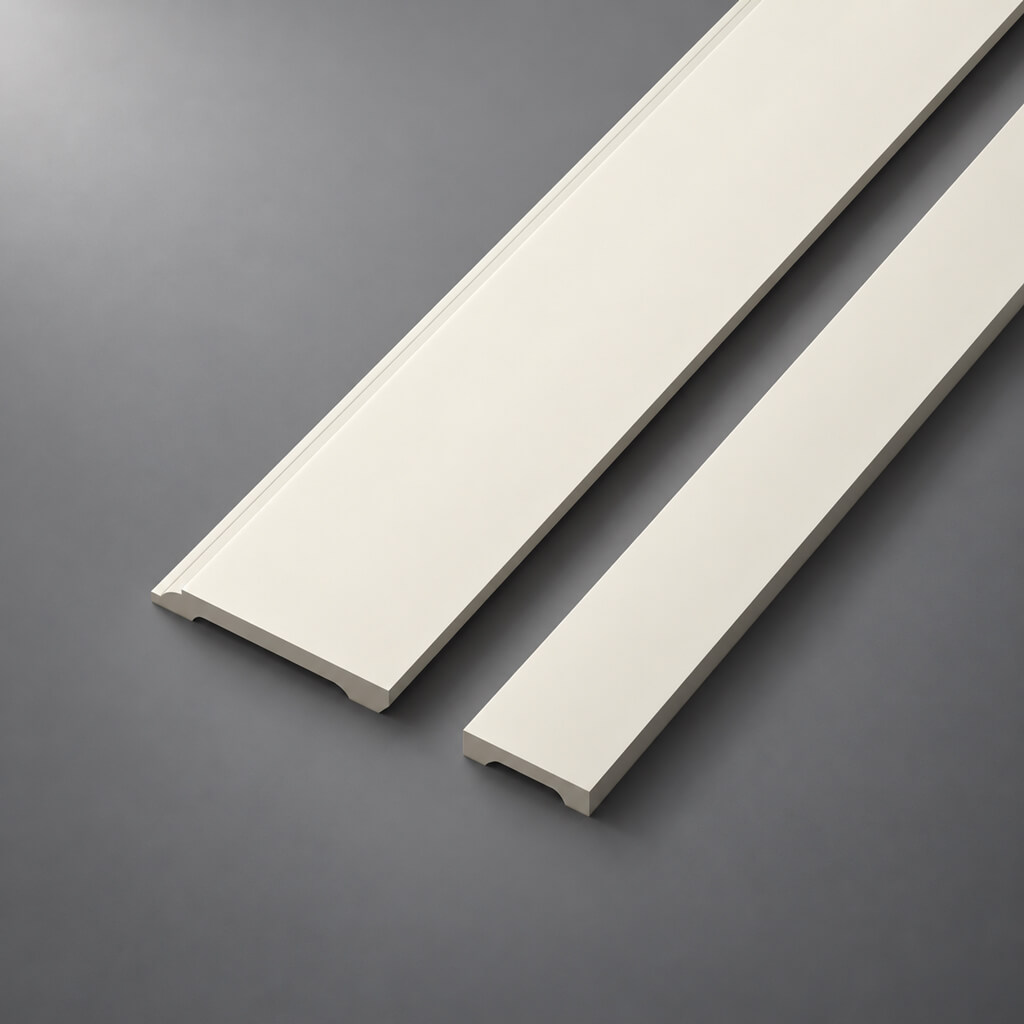
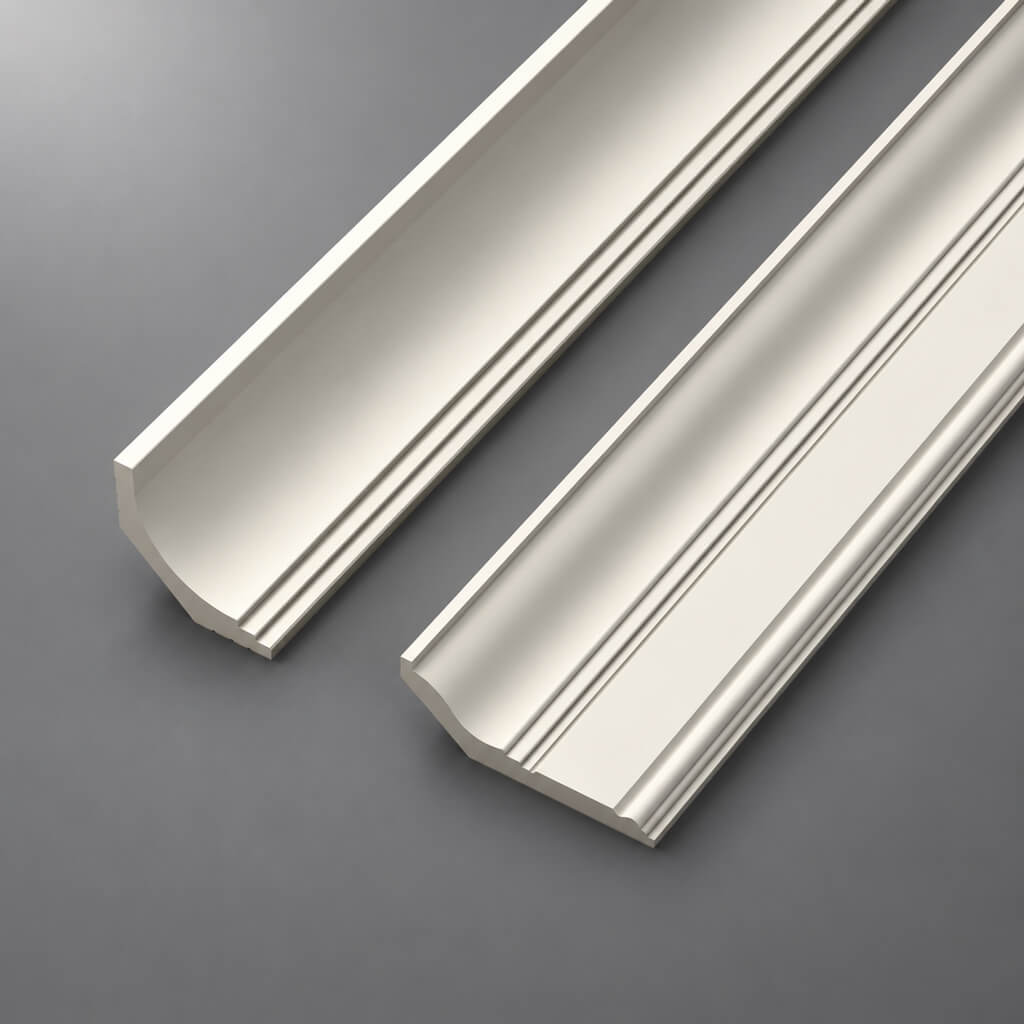
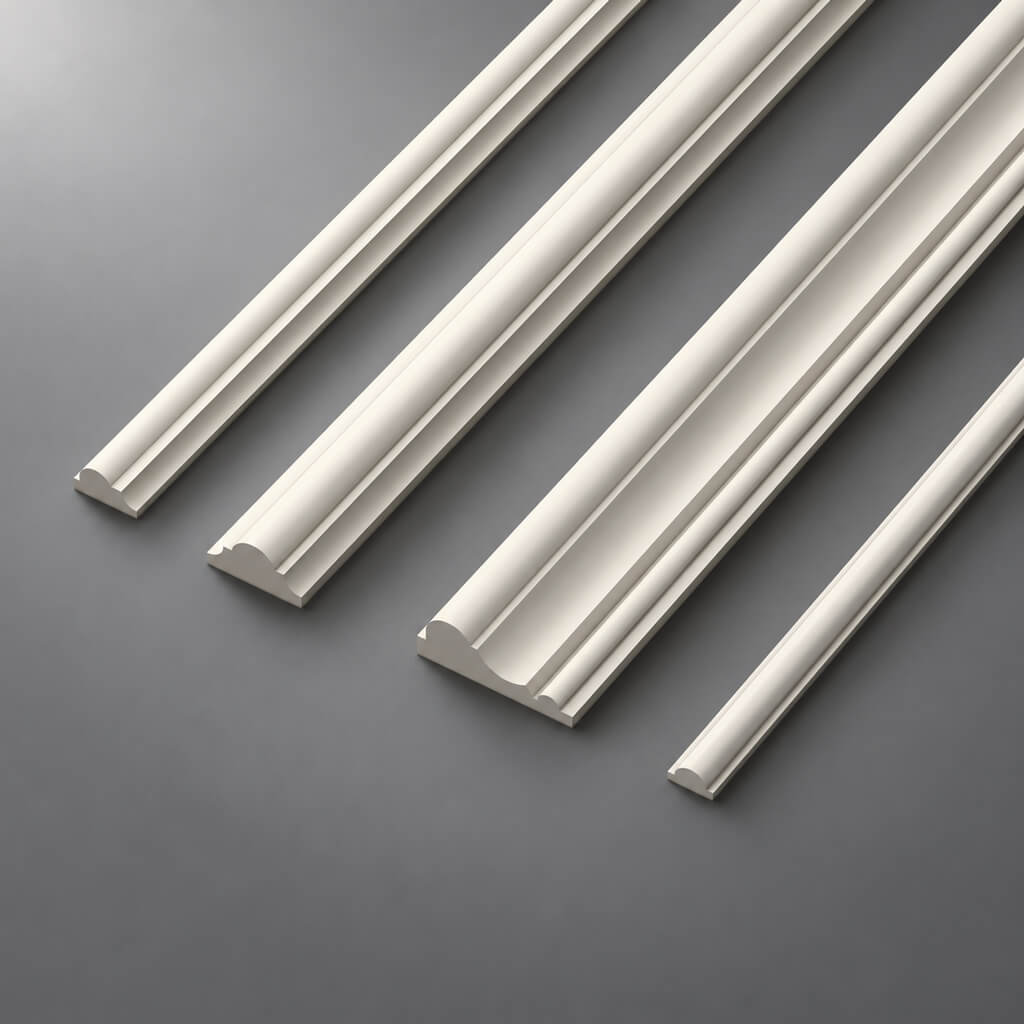

























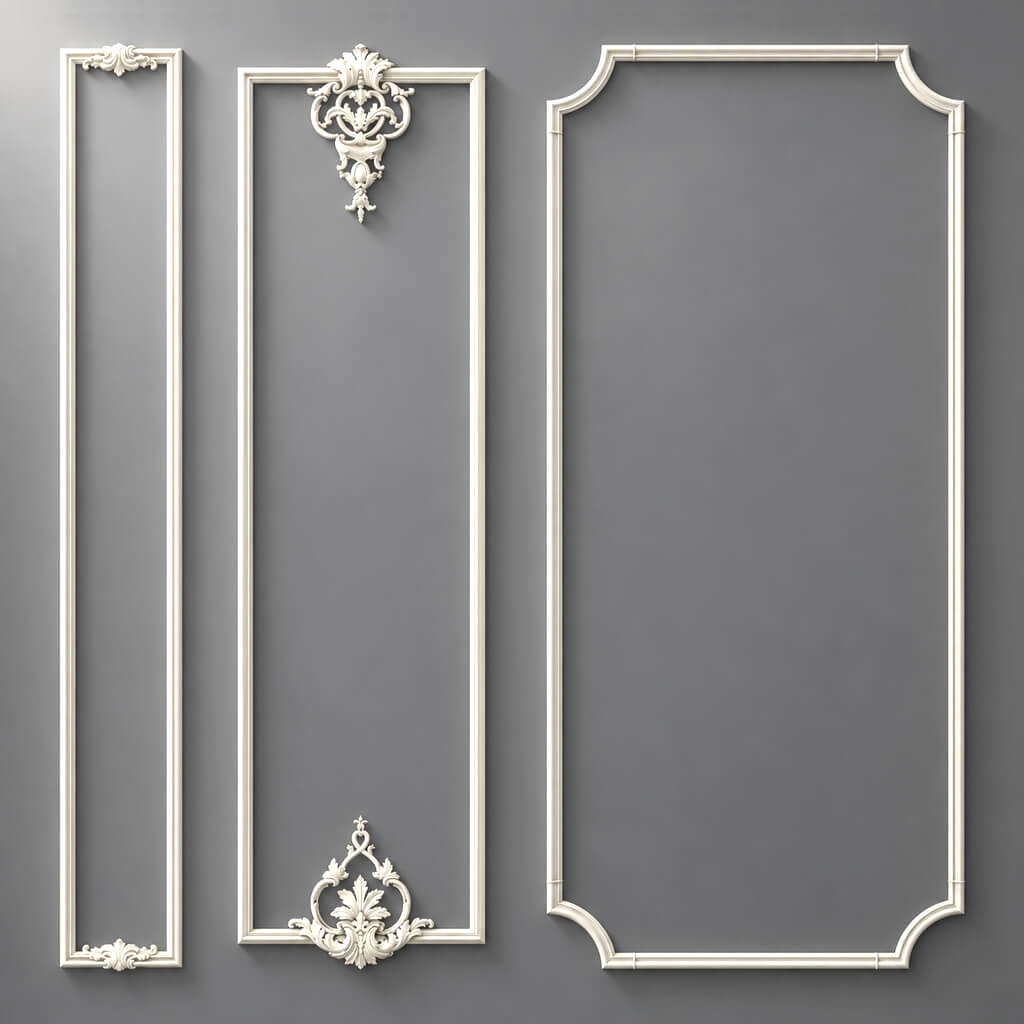
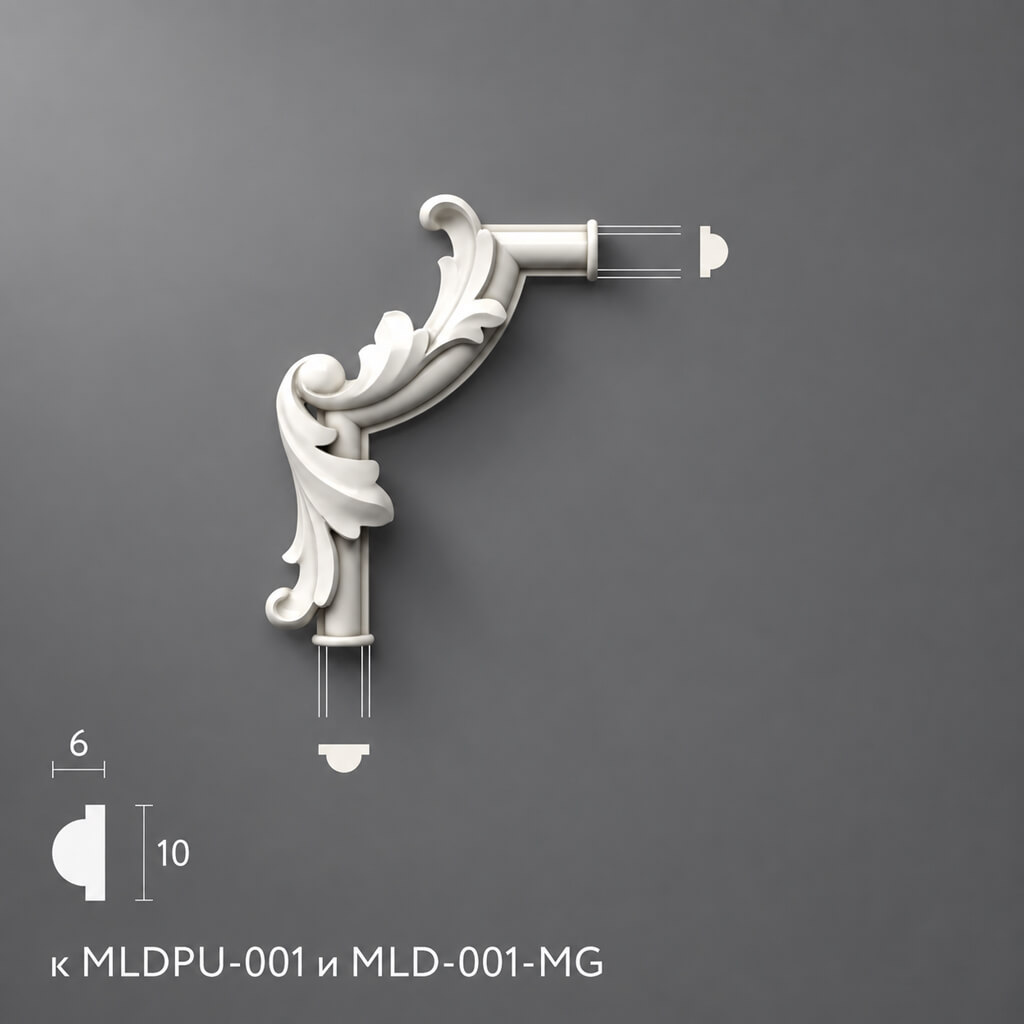

Dimensions and Options
Description
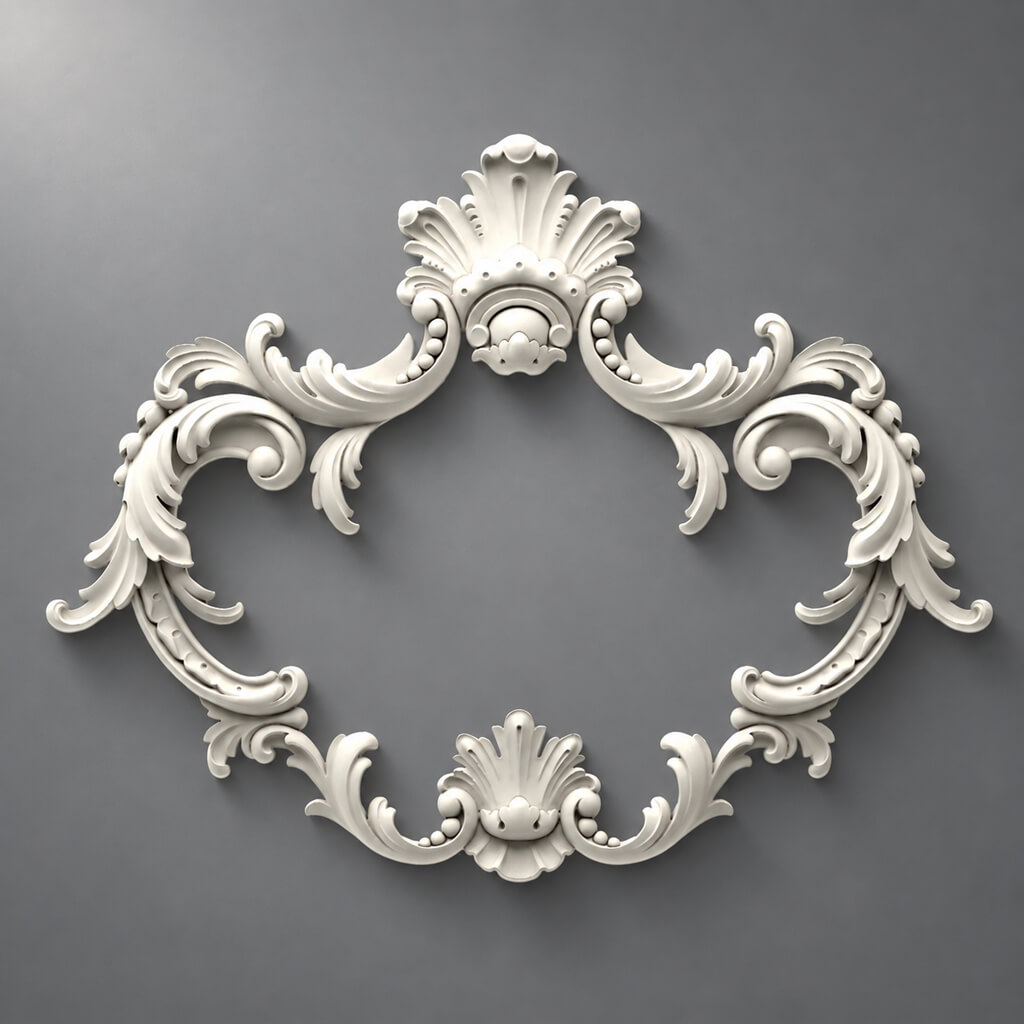
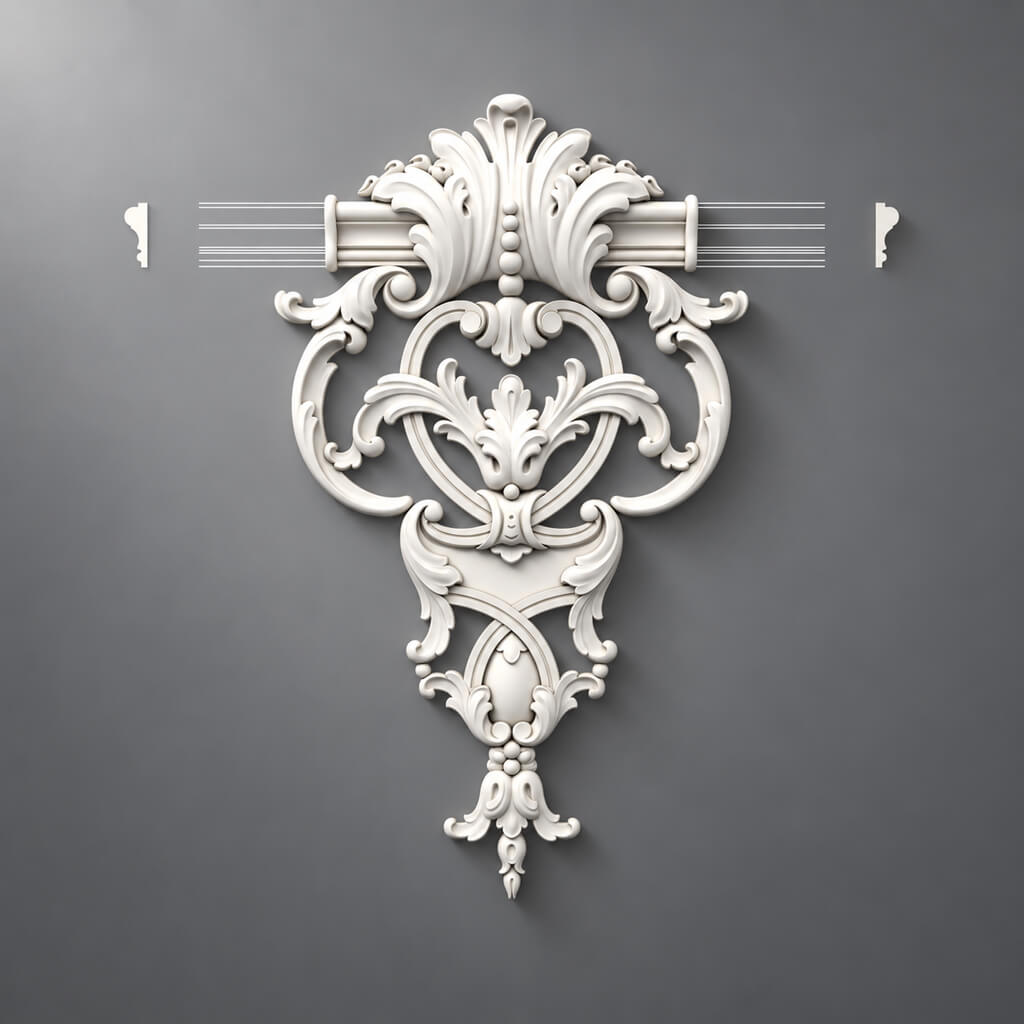
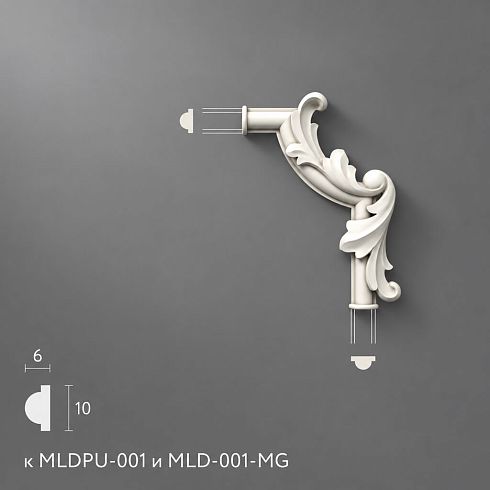
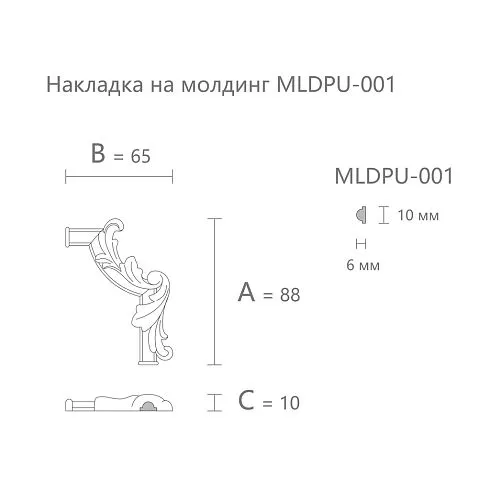
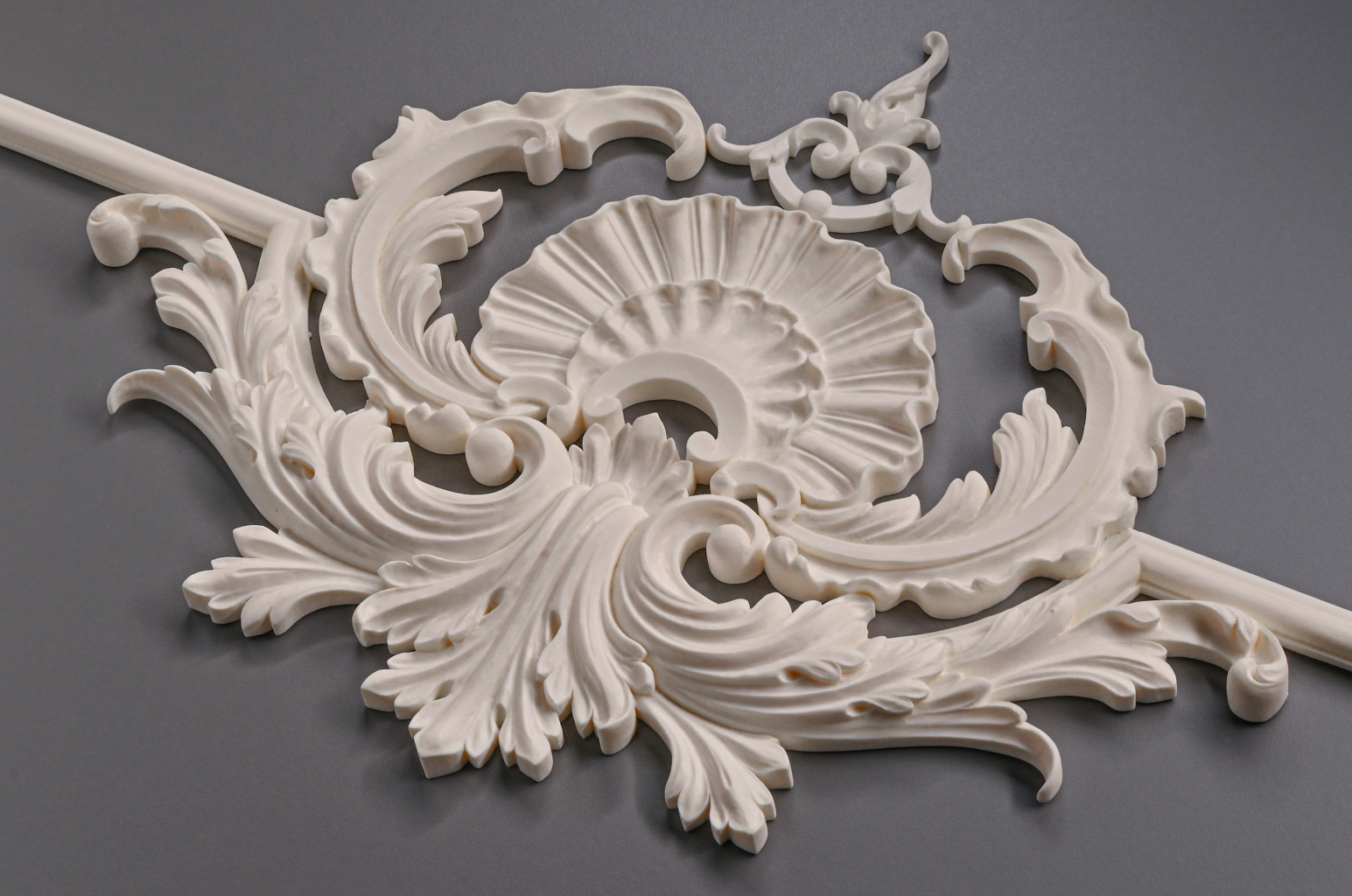
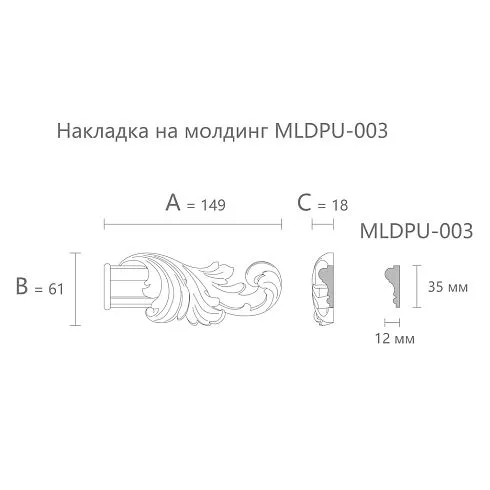
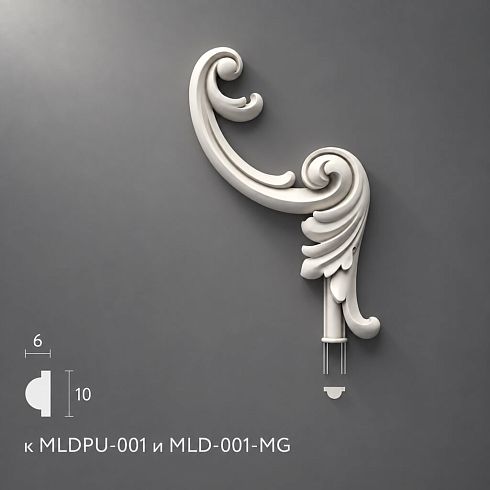
The left side overlay MLDPU-1U-2.1L, measuring 88 × 65 × 10 mm, is designed for the left side of a moulding composition. A directional botanical ornament with leaves and smooth scrolls decorates the side section of the frame and continues the decorative line. The element is compatible with mouldings MLDPU-001 and MLD-001-MG.
The overlay is used in wall frames and decorative panels, including together with the right version MLDPU-1U-2.1R. The paired arrangement makes it possible to create a symmetrical ornament on the sides of the composition.
Have questions?
Customers also buy







Ekaterina Y.
October 5, 2026
An excellent team! A huge selection of products! I recommend that craftsmen, designers, decorators, and home stagers take a tour of the production facility to immerse themselves and be inspired.
Alexander U.
October 2, 2026
I have been working with Stavros since 2024, and the quality of the products is top-notch. Customers are happy!!!
Elena G.
September 29, 2026
Daria is a very competent specialist; she provided consultation and helped us select items. They were sent promptly.
Polyurethane stucco decor
We have been on the market for over 20 years and are ready to offer you the best combination of aesthetics, quality, and practicality. Our polyurethane is not just a material, but a reliable foundation for flawless details, resistance to moisture and cracks, as well as convenient and quick installation. The company's success began in 2002, when two artists – Andrey Ragozin and Evgeny Tsapko – created a small creative workshop for making carved wooden products. The work of the craftsmen was quickly noticed, and within a year they were invited to participate in the reconstruction of the Konstantinovsky Palace in Strelna.
Every product in our range is the result of years of experience, thoughtful technology, and attention to detail. We constantly update our collections, follow and shape trends in interior design ourselves. From elegant neoclassicism to bold Art Deco, you will find the perfect accent for the interior of your dreams.
Choose durable polyurethane decor STAVROS — beauty proven by time and real projects, not just words.
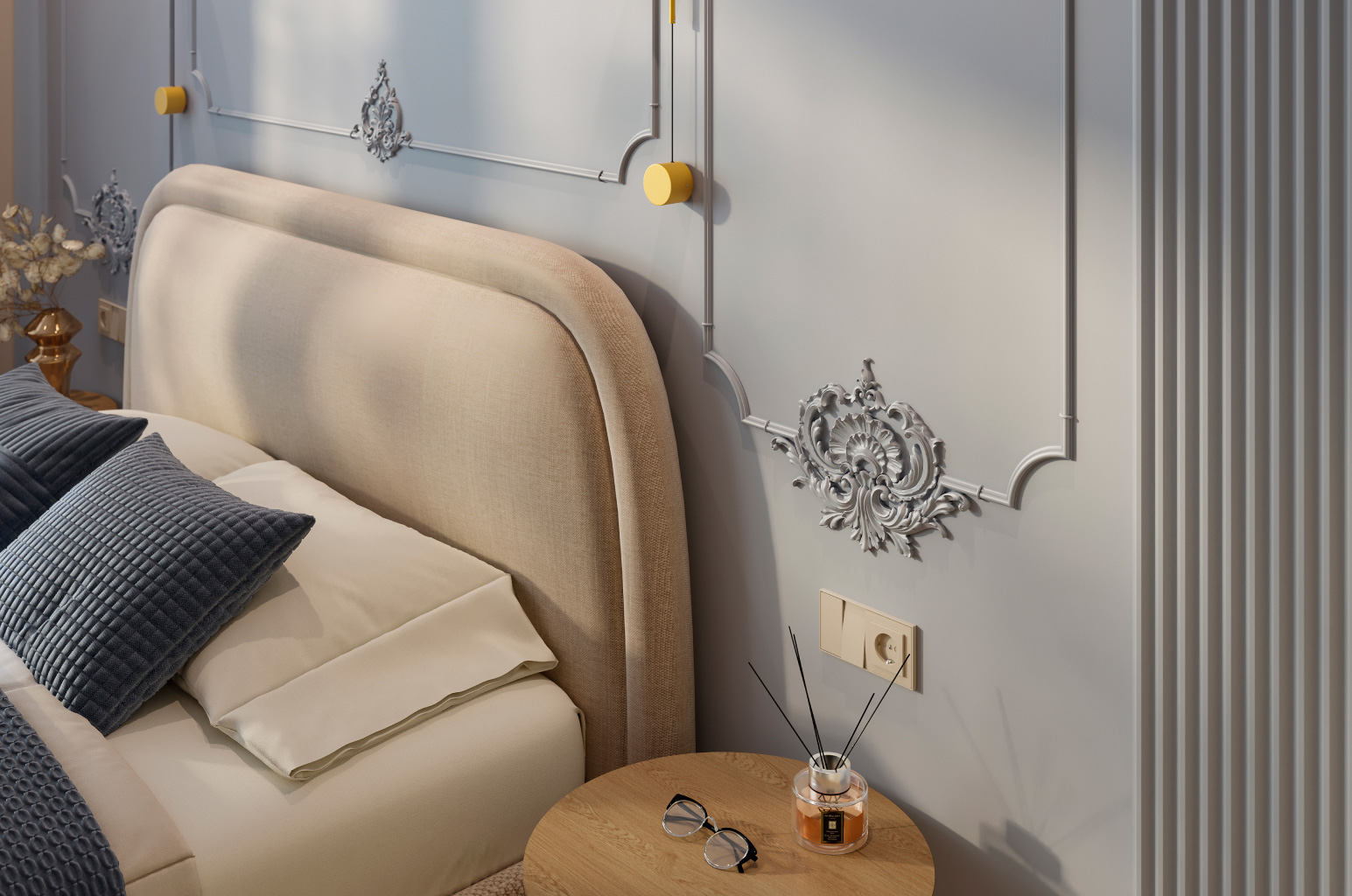
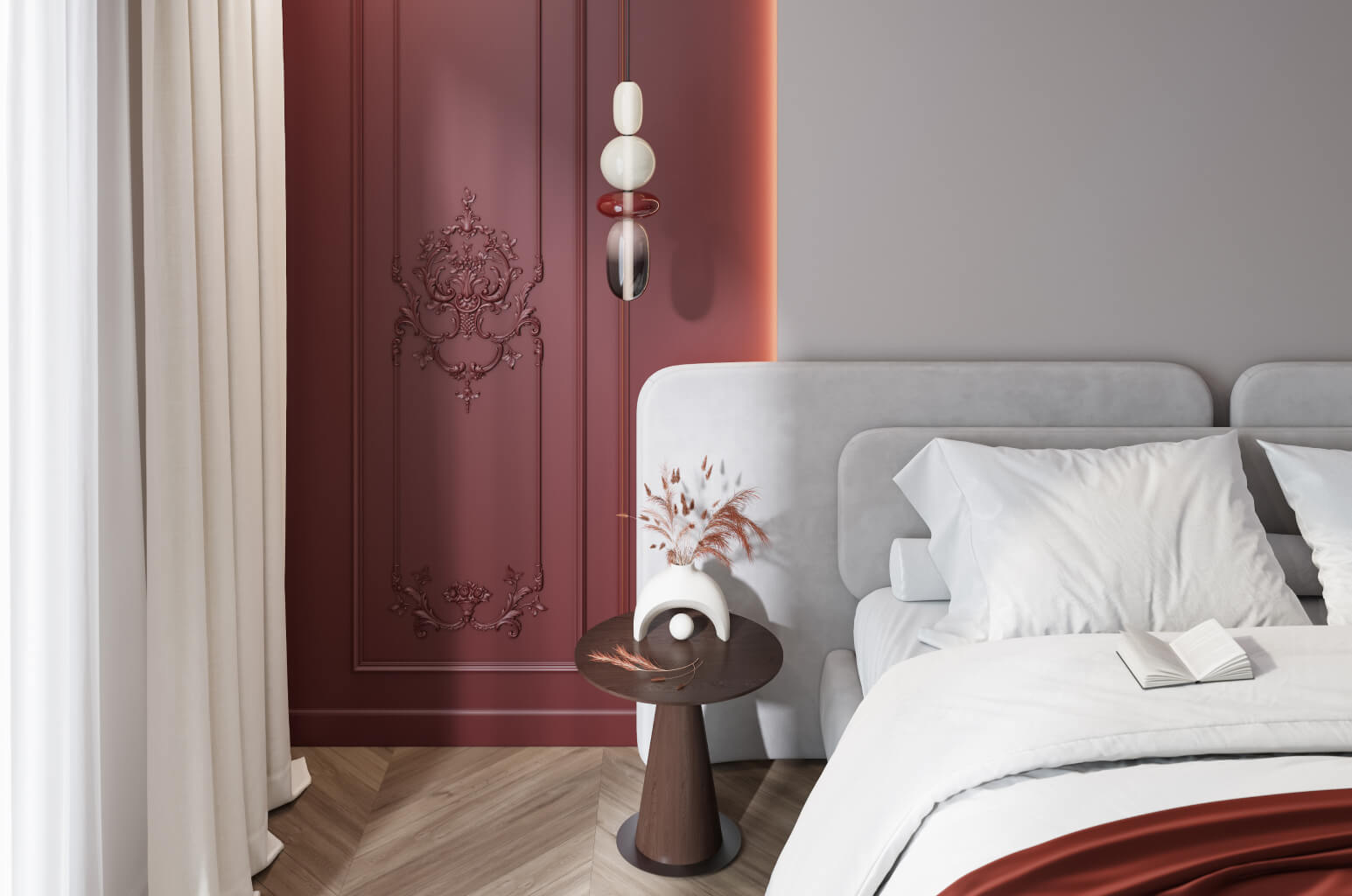
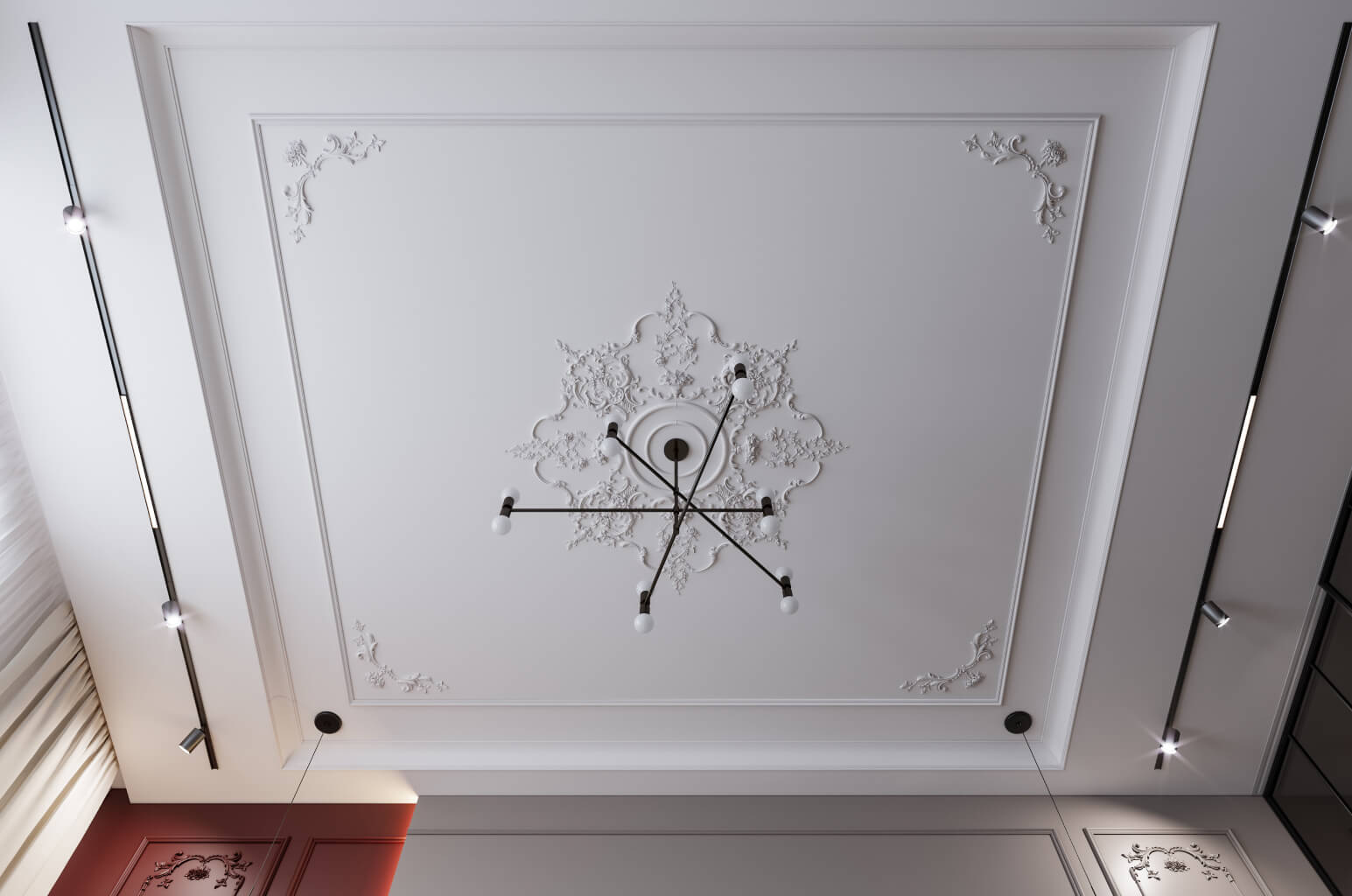
STAVROS Guarantees
Quality of products without complaints
We save your time, peace of mind, and budget
Large warehouse program
We solve your tasks with maximum speed
Adherence to production deadlines
Streamlined process reduces all risks
Delivery from 1 piece throughout Russia
Quality service regardless of order volume
Your positive business reputation
Reliable partner — the foundation of your business
More products in the molding decor category




Frequently asked questions
Our showrooms are located in Saint Petersburg and Moscow. Production is located in Saint Petersburg.
Moscow contacts: https://www.stavros.ru/contacts_all/?tab=msk
Contacts of Saint Petersburg: https://www.stavros.ru/contacts_all/?tab=spb
- Send request by email [email protected]
- Write to us at Telegram
- Write to us at WhatsApp
- Order by phone +7 (800) 555-46-75
- Visit our showroom in Saint Petersburg and Moscow
Yes, we ship orders throughout Russia and to CIS countries.
We cooperate with transportation companies such as СДЭК and DPD.
You can also arrange pickup of your order through any convenient transportation company for you.
Delivery cost depends on the size, weight of the item, and delivery address.
When placing an order, the delivery cost is calculated automatically and displayed as a separate line on our website.
Prices and availability of items on the website are always current. Data is updated daily.
Note: items in stock are stored on the warehouse in unpolished form and shipped within 3 working days.
If the item is not in stock, average production time: 5–10 working days.
This is the quality of polishing of the items.
Standard — machine polishing, at a more attractive price.
Prestige — detailed hand polishing, items do not require further work.
More details: https://www.stavros.ru/information/kachestvo/
This is the type of veneer of the items.
Under enamel: produced by gluing wooden laminates without color and texture matching. Contrast tonal and textural differences are noticeable. This blank should be chosen if the item is intended for opaque coating.
Under tinting: produced by gluing wooden laminates with color and texture matching. Tonal and textural differences may occur. This blank should be chosen if the item is intended for semi-transparent finish.
More details: https://www.stavros.ru/information/kachestvo/
Beech — dense, non-porous wood, most often used for items covered with enamel.
Oak — dense, porous wood with clearly visible natural grain. Due to its strength and decorative properties, it is often used in items with semi-transparent coating, highlighting the wood pattern.
Custom-made, if non-standard items are required, we can produce products from other types of wood, including blanks provided by the customer, manufactured according to our technical specifications.
All our furniture legs can withstand a vertical load of at least 100 kg.
Average production time for custom-made items: 5–10 working days.
Most items are stored on the warehouse in unpolished form. We need time to polish and pack orders.
Yes, we manufacture non-standard items according to individual projects, but we only accept orders with a minimum quantity.
We can manufacture items of the desired size, but we only work with bulk orders. For details, please consult the sales department manager.
Yes, some of our products can be used outdoors. For example, polyurethane items, as well as carved door casings made of pine.
Other items are produced to order using PUR glue, if minimum quantity is available. No warranty is provided for such products, as outdoor conditions are considered aggressive.
Yes, we paint items when ordering products for a total amount of 150,000 rubles or more.
- Dust removal. After sanding, the surface must be dusted.
- Priming. Apply primer in an even layer.
- Matting. After the primer has fully dried, the surface should be matted (lightly sanded for better adhesion).
- Finish coating. Apply finish coating: lacquer or enamel, in 2 layers, with interlayer drying.
More details: https://www.stavros.ru/information/sovety/
Apply adhesive to the decor. Place it on the surface and press briefly. Then, lift the decor from the surface and leave it open for 3–5 minutes. Press the decor firmly onto the surface and hold for 5–10 seconds.
More details: https://www.stavros.ru/information/sovety/
Ideally, you should prepare a design project before placing an order.
You can do this yourself by downloading drawings of our products from our website, or you can order a project from us.
If the number of decorative elements and fittings is small, our company's manager can assist you with selection.
Unfortunately, this service is not provided.
The packaging method depends on the type of items, but in each case, we ensure sufficient protection for safe transportation.
We most often use corrugated cardboard and stretch film. Fragile items are additionally secured on a rigid base to prevent damage during transport.
We ship all items starting from 1 piece.
Room measurements and item installation can be performed by our partners — carpentry companies represented in most regions of Russia.
Often searched in category Molded decor
4181
4152
3603
2844
347
244
Polyurethane molding MLDPU-1U-2.1L — left decorative overlay for molding 88 × 65 × 10 mm
Symmetry in interior design is not an abstract principle. It's specific decisions made at the right moment. When you assemble a molding composition on a wall, hang a mirror in a decorative frame, or design a facade with frame decor — it's at that moment it becomes clear: an oriented decorative element either exists or it doesn't. And if it doesn't — symmetry fails, and the ornamental concept falls apart.
MLDPU-1U-2.1L — polyurethane molding with dimensions 88 × 65 × 10 mm, left decorative element for molding series 001. The letter L in the article number stands for Left. The overlay is designed for installation on the left side of molding ornamental compositions and is fully compatible with moldingMLDPU-001and profile MLD-001-MG. Buyleft molding overlay MLDPU-1U-2.1L— means getting an exact part that fits into its place in the system and closes the left side of the ornamental node exactly as intended.
What is MLDPU-1U-2.1L
There's a difference between decor 'in general' and decor that has a precise place. Most decorative overlays are symmetrical: install in any position, and the ornament will work equally. But there exists a class of elements whose ornamental pattern has a pronounced direction. They're called oriented — left and right.
The MLDPU-1U-2.1L overlay is exactly such an element. The relief ornament on its front surface is oriented leftward: the pattern 'flows' from the right edge to the left. This means that on the left side of a symmetrical molding construction, it's installed exactly as intended: the ornament unfolds from the center of the composition outward, toward the left edge — in strict accordance with the classical principle of mirror branching of ornament from the central axis.
Left-side decor for molding is used in pair with the right element MLDPU-1U-2.1R. Together they form a mirror ornamental pair: two blocks identical in shape but mirror-oriented on either side of the construction's center. This is one of the basic schemes of classical ornamental decor — from Baroque ceiling rosettes to Neoclassical frieze belts.
Size 88 × 65 mm — a horizontally oriented rectangular format: width 88 mm, height 65 mm. Aspect ratio approximately 4:3 — a moderately wide block that reads as a horizontal accent in horizontal molding systems, and when rotated 90° — as a vertical element on frame posts and portals. Relief projection 10 mm — a delicate depth providing soft shadow under side lighting and textural variety of the surface without decorative overload.
Characteristics MLDPU-1U-2.1L
| Parameter | Value |
|---|---|
| Article number | MLDPU-1U-2.1L |
| Orientation | Left (L — Left) |
| Dimensions | 88 × 65 × 10 mm |
| Material | Two-component polyurethane |
| Surface | Primed, ready for painting |
| Product type | Decorative molding overlay |
| Compatibility | MLDPU-001, MLD-001-MG |
| Installation | Adhesive |
| Style | Classic, neoclassic |
| Finishing | For varnish or acrylic enamel, 2 coats |
Which moldings is the left element MLDPU-1U-2.1L suitable for
The question of compatibility when choosing decoration for molding is fundamental. The left overlay MLDPU-1U-2.1L is not a universal element 'for any moldings'. It is designed for a specific series — series 001 — and it is with these profiles that it guarantees precise ornamental and geometric matching.
Molding MLDPU-001 — the base profile of the system
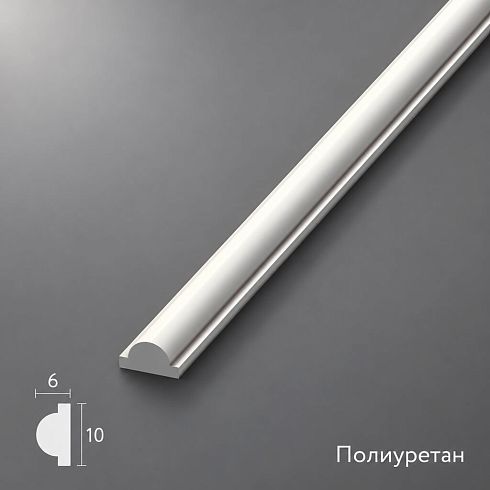
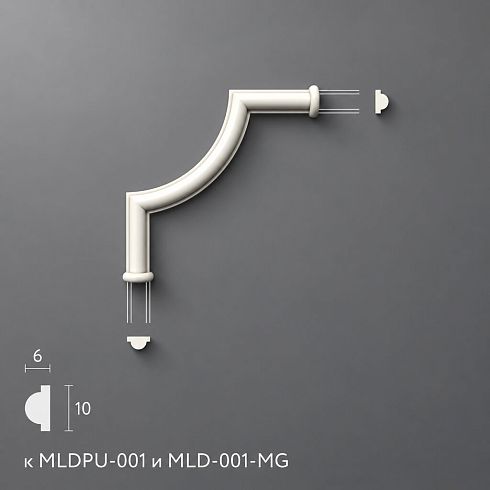
MLDPU-001— polyurethane molding of series 001 STAVROS. A profile with an ornamental pattern that forms straight sections of decorative frames, horizontal belts, vertical posts of portals and panel systems. The overlay MLDPU-1U-2.1L is designed for the width of this specific profile: at the point where the left overlay meets the molding, the ornamental patterns of both parts smoothly transition into each other without visible break, step, or mismatch.
This is a key property of any quality decoration for moldings: compatibility is not just 'fits the width', but ornamental joining, where the entire set of parts is perceived as a single continuous decorative program, not as a collection of separately glued elements.
MLD-001-MG — MDF molding
MLD-001-MG — a wood-MDF variant of the series 001 profile. It is used where a rigid MDF base is preferred on straight sections, or when cost savings are needed on long horizontal or vertical runs. The decorative overlay MLDPU-1U-2.1L is fully compatible with this profile: the geometry of the mounting perimeter and the ornamental joint are preserved.
Mixed system — MDF on straight sections and polyurethane in ornamental decorative details — is standard professional practice. Polyurethane where clarity of fine relief is needed; MDF where rigidity and straightness are important. This principle allows simultaneously controlling project cost and achieving high visual results.
Serial logic: why you cannot mix elements from different series
STAVROS molding decor catalogis built on a serial principle. Each molding series is its own system of decorative elements: corner blocks, left and right overlays, central accents. Series 001 is MLDPU-001 plus all elements with the index '1' in the article. Using overlays from series 002 with molding from series 001 will result in a width mismatch and a violation of the ornamental joint.
When selecting decor for a new project, always start by choosing the base molding—and only then select compatible decorative elements from the same series to go with it.
Left overlay for a molding composition: why orientation matters
This may seem like unnecessary complication—why bother knowing if it's a left or right element? Can't you just flip the overlay to the other side? No. You cannot. And here's why.
An ornamental pattern is not just a 'beautiful shape'
The relief decor on the surface of the overlay is an ornamental program with a specific directionality. Leaves, scrolls, rococo shells, cartouches, geometric ornaments—all these motifs have a side of 'growth': the direction in which they visually move. In the left version MLDPU-1U-2.1L, this growth goes to the left. Flipping the overlay 180° means getting a mirror image, but simultaneously—an 'inverted' ornament: leaves upside down, scrolls in the opposite direction. This is immediately visible, it looks wrong, and it cannot be hidden by final painting.
Mirror pair and symmetrical composition
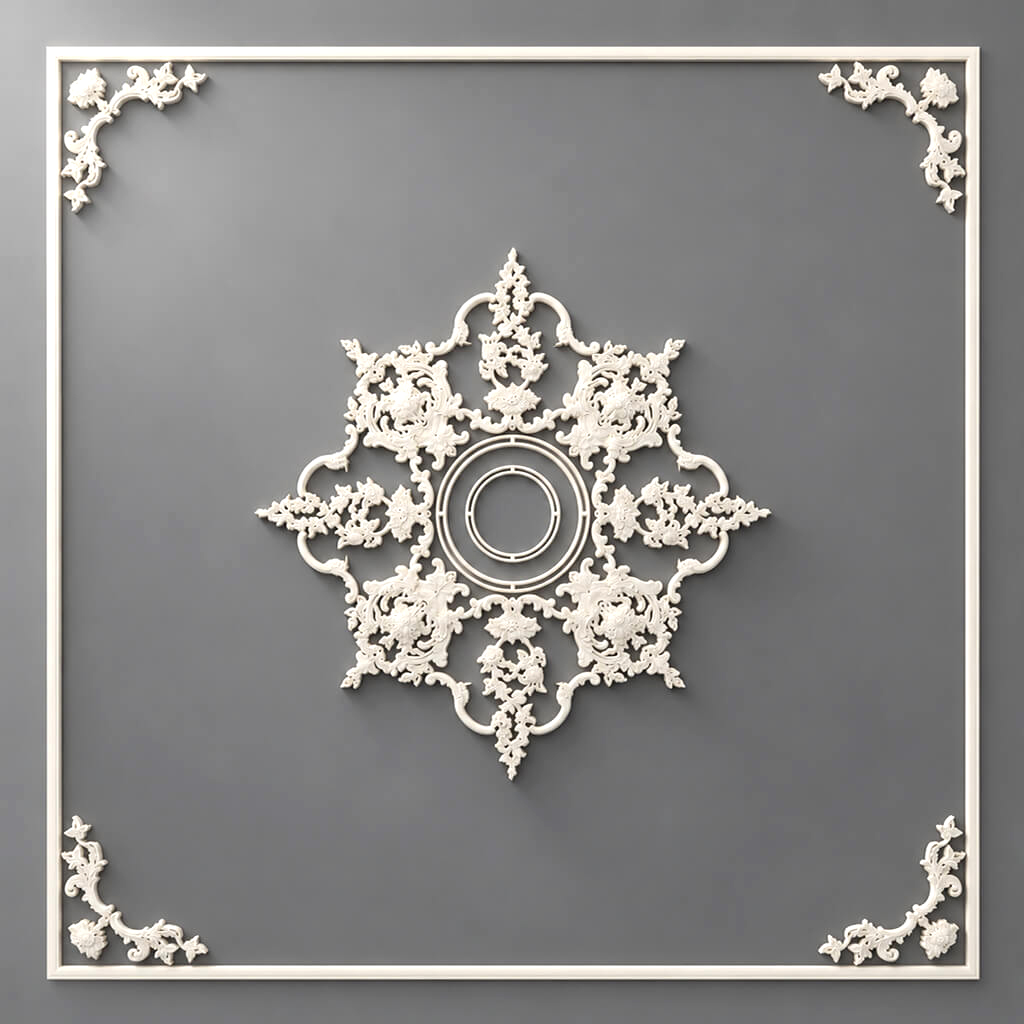
A truly symmetrical molding composition is built only when both elements of the pair are present: the left MLDPU-1U-2.1L and the right MLDPU-1U-2.1R. They mirror each other. Install them symmetrically on either side of the center of a horizontal belt or frame—and the ornament unfolds from the center to the edges, like wings. It is this principle that lay at the foundation of all classical ornamental architecture: a central element and two symmetrical 'wings' on the sides.
Directional ornamental accent without a pair
Left decorative element MLDPU-1U-2.1LIt can also be used in the singular — as an independent directional accent in an asymmetrical molding design. For example: a horizontal molding belt ends on the right with a decorative end element, and on the left — with the left-oriented overlay MLDPU-1U-2.1L, which ornamentally 'points' to the beginning of the belt. This is a deliberate design technique that works provided the overall logic of the system is well thought out.
Where is the decorative overlay MLDPU-1U-2.1L used
The scope of application of the left overlay covers all the same objects as any oriented decor for the 001 series molding. Let's examine the main scenarios — from walls to furniture.
Horizontal decorative belts and friezes
A horizontal molding belt is one of the most effective and technically accessible techniques of classical wall decoration. The MLDPU-001 molding runs along the wall as a continuous horizontal line; at key points — at the beginning and end of the belt, at transitions across corners, at decorative breaks — ornamental overlays are installed.
In such a system, the left overlay MLDPU-1U-2.1L occupies the left edge of the belt or the left ornamental point of a symmetrical fragment. The overlay's ornament, turned to the left, creates a sense of completion — an ornamental 'stop signal' at the left edge of the horizontal band. If there is a mirror right version on the other side, a complete symmetrical fragment with oriented side blocks is achieved.
In living rooms with high ceilings, such an ornamented belt at a level of 200–220 cm from the floor is a classic technique that divides the wall into two architecturally independent zones. The upper zone is the 'sky', the lower one is the 'architectural wall'. This division, with correctly selected decorative elements, looks like part of a historical mansion, not a modern turnkey apartment.
Decorative framing systems on walls
In rectangular wall frames made from MLDPU-001 molding, the left overlay MLDPU-1U-2.1L is installed in the center of the left vertical side of the frame — symmetrically to the right version in the center of the right side. Two oriented ornamental blocks on the lateral sides of the frame create a horizontal ornamental dynamic: the pattern 'diverges' from the center of the frame towards the edges — and the frame transforms from a simple rectangular profile into an ornamentally rich structure.
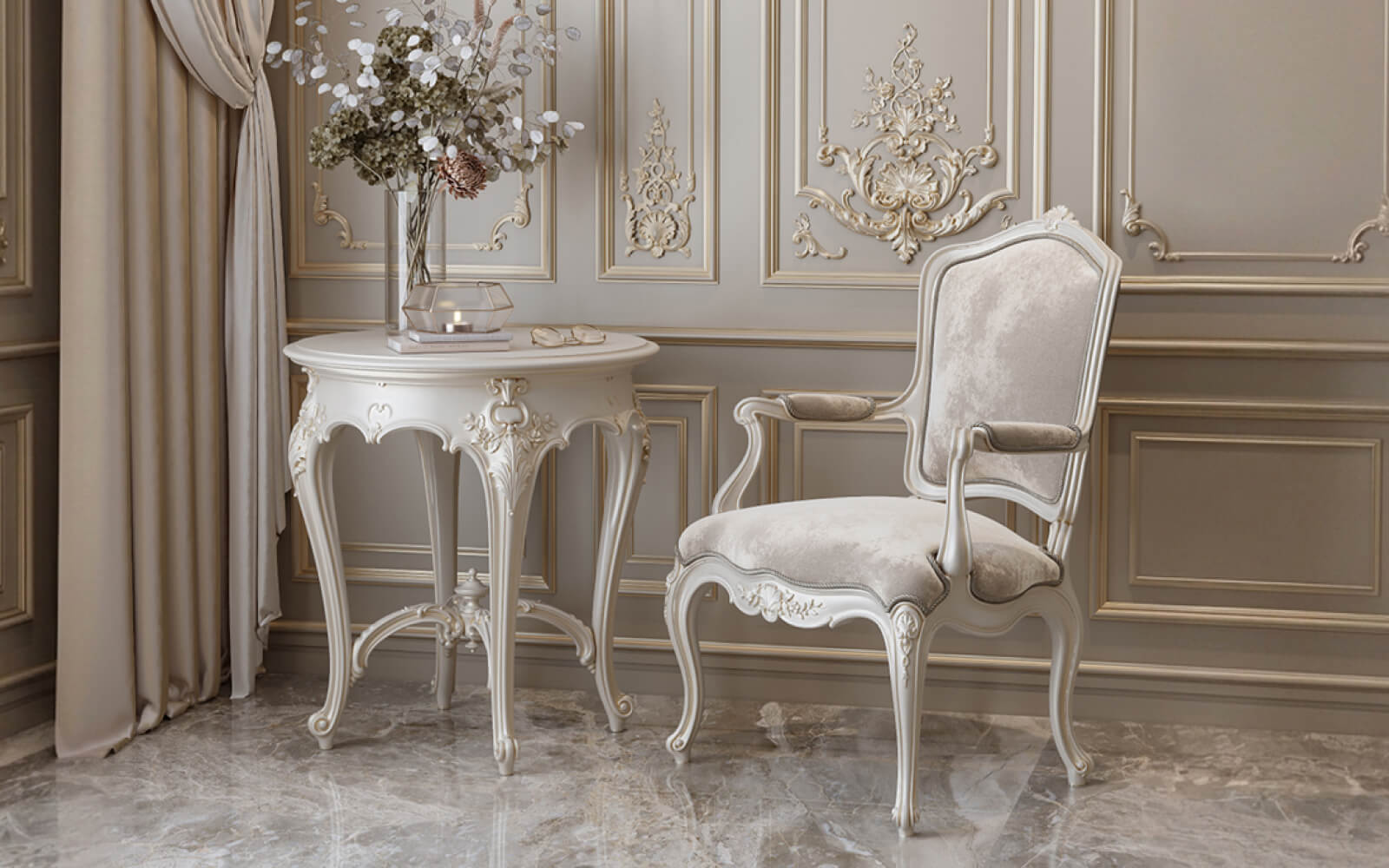
Such frames are used in living rooms, bedrooms, hallways, studies — anywhere a wall should be not just a background, but a design element. The full selection of decor for creating framing systems is in the section'Decor for moldings'STAVROS: corner elements, central overlays, left and right oriented blocks.
Panel decor for the lower part of walls (dado panelling)
In panel decor systems — when the lower third of a wall is decorated with a series of vertical rectangular cells —left-sided decor for moldingMLDPU-1U-2.1L is installed in the left part of each cell symmetrically to the right version. The result — each panel cell has its own ornamental pattern with oriented lateral accents. With serial installation along a wall, a rhythmic ornamental program is achieved — a measured alternation of panels, each identical in decorative content. This exact principle was used in the best European interiors of the 18th century: no cell stands out from the system, none is poorer than the others.
Decorative portals and molding frames
In U-shaped molding portals around doorways, niches, fireplace mantels, and mirrors, the left overlay MLDPU-1U-2.1L is installed on the left vertical post — at its lower point or at the level of the visual center of the post. The overlay's ornament, directed to the left, creates a sense of completion for the left post of the portal — an ornamental foundation on which the entire portal structure seems to 'rest'.
In portals with entablature and pilasters — STAVROS decorSeries 001Allows assembling a complete architectural system: molding-runner, corner blocks, central accents on the horizontal entablature, oriented overlays on vertical posts. This is a full-fledged ornamental wall program — compact, affordable, historically verified.
Door panels and architraves
On the door architraves from the 001 series molding, the left overlay MLDPU-1U-2.1L adorns the left post. Paired with the right version on the right post, the decorative elements unite the left and right parts of the architrave into an ornamentally symmetrical structure. On double doors: the left overlay on the left leaf, the right one on the right leaf. The result: two doors are perceived as a single decorative object, not as two separate leaves.
This technique is widely used in the restoration of old apartments, where it is necessary to update the appearance of doors without complete replacement: adhesive installation of overlays and moldings with final painting in one working day turns an old smooth door into a classic paneled one.
Furniture fronts and case furniture
Left-sided polyurethane overlayMLDPU-1U-2.1L on furniture fronts is used as a decorative accent on the left post of the front or in the left part of the frame layout. Paired with the right version on symmetrical fronts — a sliding wardrobe with two doors, a kitchen tall unit with two side columns — oriented overlays create mirror ornamental symmetry, which visually unites several sections into a single decorative system.
This technique is especially effective in kitchens with high tall units: two symmetrical tall units to the left and right of the cooking zone are decorated with mirror-oriented overlays — and the kitchen acquires an architectural completeness rarely achievable in serial kitchen projects. All necessary moldings and decorative elements for such projects are presented in theSTAVROS polyurethane products catalog.
Classical and neoclassical interiors: precise decor for a precise style
In classic design, scale consistency is crucial. The 88 × 65 mm decorative overlay is a medium-scale element: visible from 2–3 meters as an ornamental detail, and up close as fine relief work. This is the correct scale for medium-sized frames and molding bands—where a large block would be excessive, and a minimal insert would go unnoticed.
In neoclassicism, which values architectural logic and restrained ornamentation over historical accuracy, the left overlay MLDPU-1U-2.1L paired with its right version is exactly what’s needed: a clearly readable ornamental accent that enhances the classical character of the system without baroque overload. Detailed materials on wall design in the neoclassical style using molding systems are in the article."Neoclassical Wall Decor" STAVROS.
Advantages of the polyurethane molding MLDPU-1U-2.1L
The discussion of polyurethane’s advantages should be specific—not in the form of marketing claims, but through concrete technical consequences of material choice.
Relief precision—industrial press mold without compromises
Two-component polyurethane cures under pressure in rigid press molds. Each left overlay MLDPU-1U-2.1L is an exact copy of the master mold: the size 88 × 65 × 10 mm is maintained with a tolerance of tenths of a millimeter, and the ornamental pattern is reproduced with sharp edges and no surface porosity. For an oriented overlay, precision also means symmetry with its paired right version: both parts must perfectly match in size so the mirrored pair functions as a single ornamental block.
Gypsum on such products crumbles at the slightest mechanical impact. Polystyrene foam is soft and doesn’t hold sharp relief lines. Wood is a valuable material but doesn’t reproduce fine relief as accurately as pressure casting. Polyurethane is the optimal material precisely for ornamental overlays with fine relief patterns.
Negligible weight—adhesive instead of dowels
The 88 × 65 × 10 mm overlay made of two-component polyurethane weighs a few grams—lighter than most decorative pencils. The full mounting toolkit: a construction pencil, tape measure, level, and a tube of acrylic mounting adhesive. No drill, dowels, or metal fasteners. Apply adhesive, place, press—ready for curing. Detailed instructions for mounting polyurethane decorative elements are in the section."Tips" STAVROS.
Shape constancy—guarantee of symmetry in a pair
Polyurethane does not react to seasonal changes in temperature and humidity in living spaces. The MLDPU-1U-2.1L overlay installed today will have the same dimensions in one year and in ten years. This is crucial for oriented overlays in mirror pairs: if one element of the pair changes size, the symmetry will be broken, and it will be noticeable. Polyurethane is completely free of this risk.
Moisture resistance – bathrooms, kitchens, and swimming pools
The closed-cell structure of polyurethane eliminates water absorption.MLDPU-1U-2.1L moldingapplicable in bathrooms, kitchens, toilets, and rooms with swimming pools – without restrictions. Wooden decor in the same conditions inevitably swells, deforms, and peels; polyurethane maintains its shape and adhesion at any humidity.
Ready for painting – factory-primed
The overlay surface is primed at the factory. This means: no additional priming is required before the final painting. Acrylic matte or semi-matte enamel applies evenly from the first coat – without absorption, stains, or streaks. With monochrome painting 'wall + molding + overlays in a single color,' the entire ornamental system is perceived as a monolithic architectural surface with a soft relief pattern.
Durability without maintenance or replacement
Polyurethane does not rot, is resistant to mold, household chemicals, and moderate-intensity mechanical impacts. With proper installation and timely renewal of the paint coating, the MLDPU-1U-2.1L overlay will last the entire lifecycle of the interior without repair or replacement.
Dimensions 88 × 65 × 10 mm in molding system design
Specific numbers — specific solutions. The 88 × 65 mm overlay is not just 'small'; it's a rectangular block with defined proportions that behaves predictably in molding systems.
Horizontal section: wide or narrow block?
The 88 mm width is moderate — not large. In a 1200 mm wide horizontal molding belt, an 88 mm overlay occupies 7.3% of the length. This is an accent block that doesn't occupy space — an ornamental marker, not a dominant one. In a 600 mm horizontal belt, two symmetrical 88 mm blocks will occupy 29% of the total length — this is a more saturated ratio, characteristic of short ornamental fragments.
Height of 65 mm and molding proportions
The overlay height of 65 mm should be proportional to the height of the MLDPU-001 molding used. With correct calculation, the overlay height is 1.5–3 times greater than the height of the straight profile — this is the standard ratio where the decorative accent reads as significant but does not visually overwhelm the molding.
Projection of 10 mm and relief perception
A 10 mm relief is a delicate depth. Under direct lighting (lamp from above or front), the relief is almost imperceptible: the overlay reads as a textured detail, not protruding strongly from the plane. Under side lighting from end fixtures or natural light from a side window, the relief casts a thin shadow and becomes noticeable. It is this quality that makes polyurethane relief decor 'alive': it changes depending on lighting and viewing angle — like historical plaster decor in old interiors.
Calculation for typical molding constructions
Several practical calculations to understand how the 88 × 65 mm overlay fits into typical molding systems:
-
Horizontal belt, 800 mm: central accent (97 mm) + 150 mm of straight molding on each side + left overlay MLDPU-1U-2.1L (88 mm) on the left + straight molding (65 mm) + left corner block MLDPU-1U-1.1 (97 mm). Total = 97 + 150 + 88 + 65 + 97 = 497 mm on one side. Symmetrically on the right — another 303 mm. Check: 497 + 303 = 800 mm. Proportions are adjusted on-site.
-
Frame, 600 × 900 mm: one MLDPU-1U-1.1 corner block (97 × 97 mm) in each corner + one oriented overlay on each vertical side. Straight molding sections: horizontal — 600 − 97 − 97 = 406 mm each; vertical — (900 − 97 − 97) / 2 with a central overlay = 353 mm, divided by a 65 mm overlay into two 144 mm sections.
How to properly assemble a molding system with MLDPU-1U-2.1L
Full symmetrical horizontal strip
The most common scenario: a horizontal molding belt with a central accent and two symmetrical side overlays — left and right.
Layout from left to right:
-
Corner or end element on the left edge.
-
Straight molding MLDPU-001.
-
Left overlay MLDPU-1U-2.1L.
-
Straight molding.
-
Central element.
-
Straight molding.
-
Right overlayMLDPU-1U-2.1R.
-
Straight molding.
-
Corner or end element on the right edge.
Result: a symmetrical ornamental band with a central accent and two 'wings' of oriented decor. An exemplary classical scheme—and it has worked for millennia.
Frame wall panel with side ornamental accents
On the vertical sides of the frame from molding MLDPU-001:
-
Four corner blocksMLDPU-1U-1.1in the corners of the frame.
-
Left overlay MLDPU-1U-2.1L in the center of the left vertical side.
-
Right overlay in the center of the right vertical side.
-
Straight molding segments—all other sections.
Decorative portal above a door or niche
U-shaped structure made from molding MLDPU-001:
-
Corner blocks at the upper points of the portal.
-
Left overlay MLDPU-1U-2.1L in the middle of the left vertical post.
-
Right overlay in the middle of the right post.
-
Straight molding fills all sections.
Installation of the left decorative element MLDPU-1U-2.1L
Installing the MLDPU-1U-2.1L overlay is a technically simple task that can be done independently without a construction crew.
Marking and Positioning
Before applying adhesive — mark the exact position of the overlay on the surface. Draw two axial lines with a construction pencil: a vertical line (center of the overlay by width) and a horizontal line (center by height). When installing as a pair with the right version, check the symmetry: the distance from the center of the left overlay to the center axis of symmetry of the entire system must be identical to the distance from the center of the right overlay to the same axis. A discrepancy of even 5 mm will be noticeable when looking at the system as a whole.
The surface in the installation area: clean, dry, without a loose layer. For glossy finishes — sand with fine sandpaper (grit 220) to improve adhesive adhesion.
Adhesive and fixation
Apply mounting acrylic adhesive (liquid nails without aggressive solvents) to the back of the overlay. Press it against the surface briefly. Pull the overlay away from the surface for 3–5 minutes — to activate the contact layer of the adhesive. Press firmly and hold for 10–15 seconds. Secure with painter's tape for 12–24 hours.
Do not use adhesives containing acetone, xylene, or solvent — they are aggressive to polyurethane. Recommended adhesives and brands are in the section "Installation Tips" STAVROS.
Sealing and sanding
After the adhesive polymerizes, fill the perimeter of the overlay with white acrylic sealant. Remove excess with a wet finger. After drying (2–4 hours), sand the joint with 220-grit sandpaper — until a monolithic, uniform surface is achieved.
Painting
Two coats of water-based acrylic enamel with intercoat drying time. With monochrome painting (wall, molding, and overlays in one color), the left overlay blends into the overall surface — only the relief is visible under oblique lighting. When painted in an accent color — it becomes a noticeable, independent decorative block.
How to order MLDPU-1U-2.1L molding with delivery
Place an order for polyurethane molding MLDPU-1U-2.1L can be done on the STAVROS website. Current stock availability is displayed on the product page. Delivery across Russia via SDEK and DPD. Pickup — in Moscow and St. Petersburg. Made-to-order production — 3–7 business days if out of stock.
When ordering for a symmetrical molding system, purchase the left MLDPU-1U-2.1L and right MLDPU-1U-2.1Rin equal quantities. For one symmetrical horizontal strip or frame — 1 piece of each. For a series of frames — according to the number of frames per version plus a reserve of 1–2 pieces.
Compatible moldings, corner elements, and ready-made kits for wall panel decoration from the collection"Neoclassic Light"— in the full catalogSTAVROSon the website.
Frequently asked questions about MLDPU-1U-2.1L
Is this a left or right element?
Left. The letter L in the article number MLDPU-1U-2.1L stands for Left, left. The ornamental pattern is oriented to the left. The overlay is installed on the left side of the molding system.
Which molding does MLDPU-1U-2.1L fit?
For molding MLDPU-001and molding MLD-001-MG — compatible profiles of the 001 STAVROS series. Use with moldings of other series does not guarantee ornamental alignment.
Is it necessary to order the right element as a pair?
For symmetrical ornamental construction — yes. For directional asymmetrical use — no, one left overlay is sufficient.
What are the dimensions of the product?
88 × 65 × 10 mm. A horizontally oriented rectangular block with a relief projection of 10 mm.
Can the overlay be installed in a bathroom?
Yes. The two-component polyurethane is moisture-resistant and does not deform under high humidity. The MLDPU-1U-2.1L overlay is suitable for any interior spaces.
How to paint polyurethane molding?
With acrylic enamel or water-based varnish. Apply two coats with intercoat drying. The surface is factory-primed; additional primer is not required.
What does MLDPU-1U-2.1L pair with in a molding system?
With molding MLDPU-001 or MLD-001-MG, corner blocksMLDPU-1U-1.1, right overlay MLDPU-1U-2.1R, and central ornamental elements of the 001 series. Full assortment — in the section'Decor for moldings' STAVROS.
Can the overlay be used on a furniture facade?
Yes. Adhesive mounting on any flat surface: MDF, plywood, wood. Pre-sand the mounting area with 220-grit sandpaper.
How to buy with delivery to regions of Russia?
Place an order on the websiteSTAVROSDelivery via SDEK and DPD across Russia. Pickup — Moscow and St. Petersburg.
Your request has been sent!
Our manager will contact you within 5 minutes