

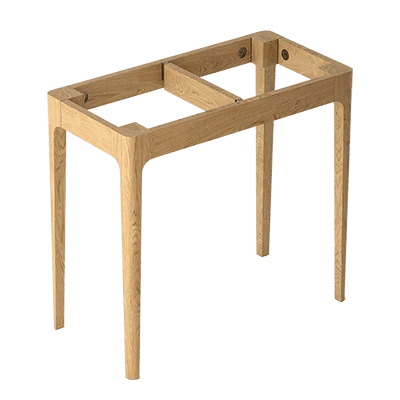
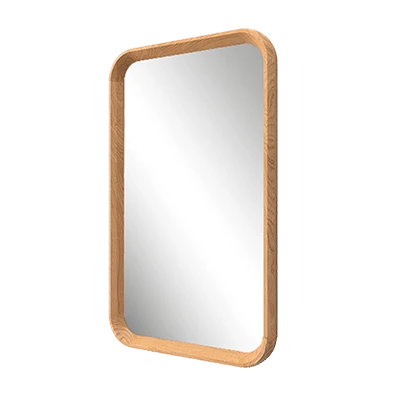
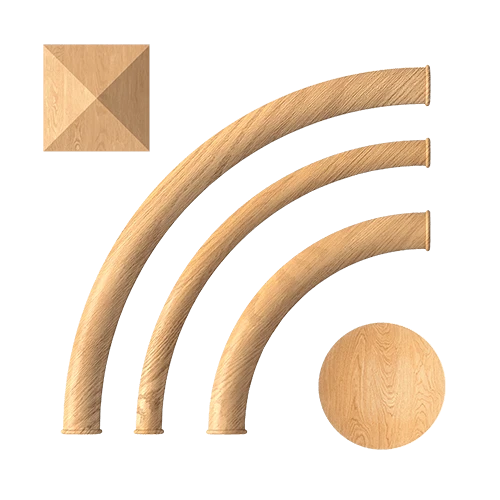
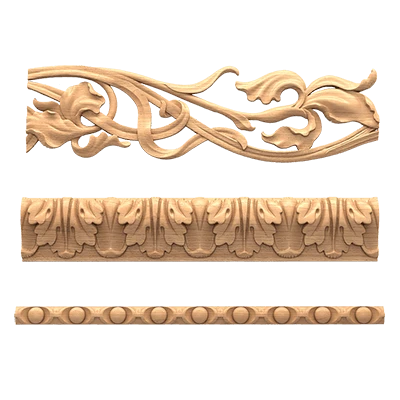
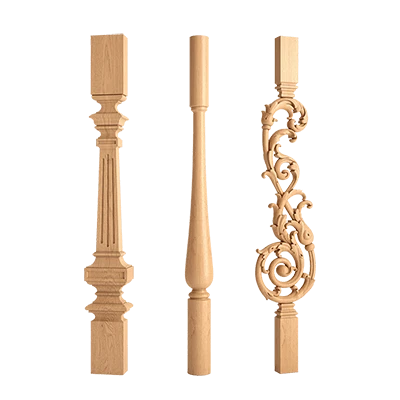
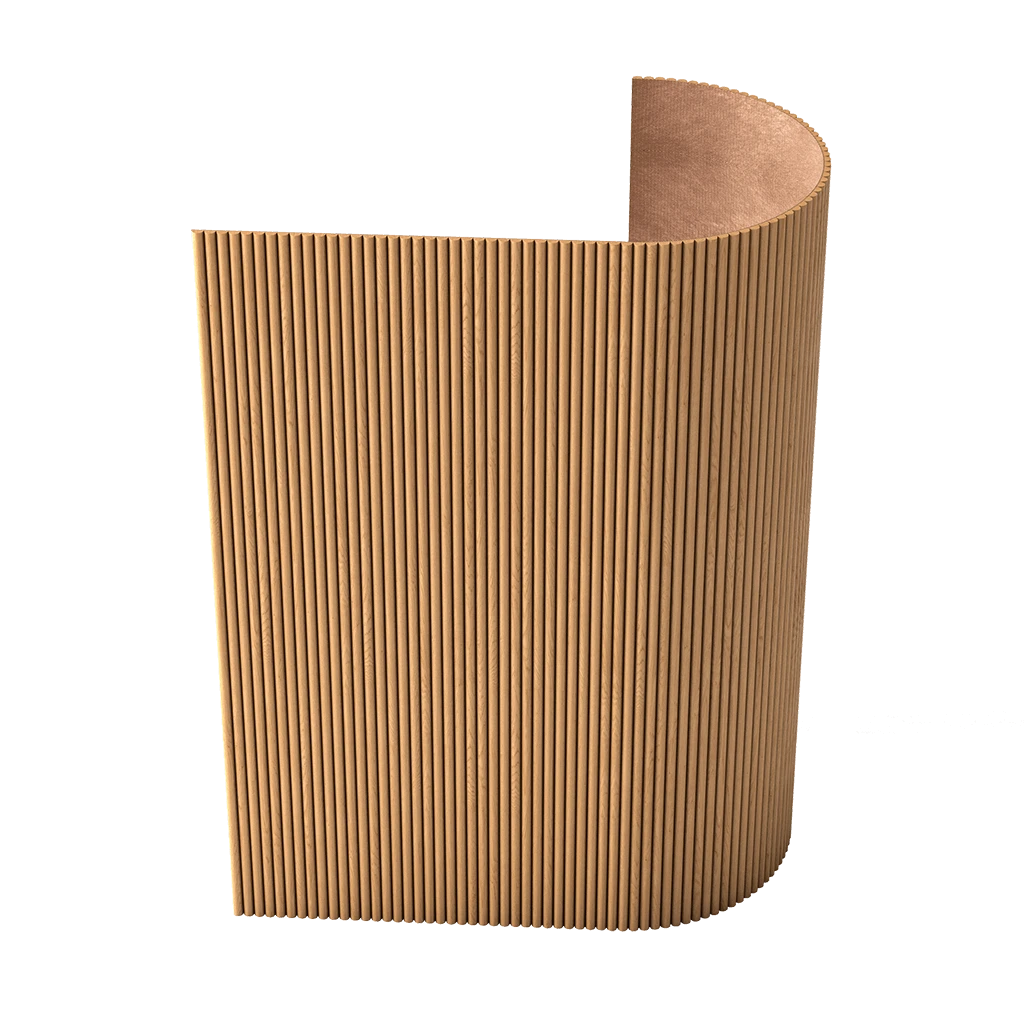
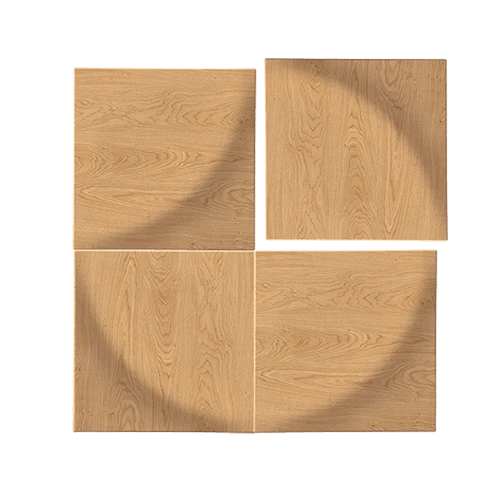
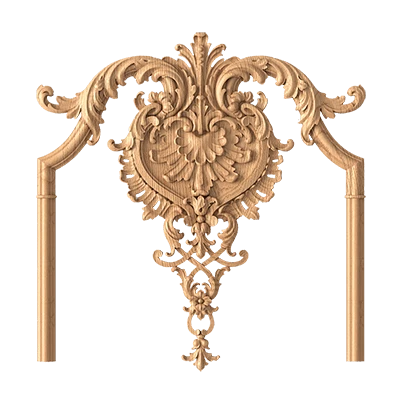
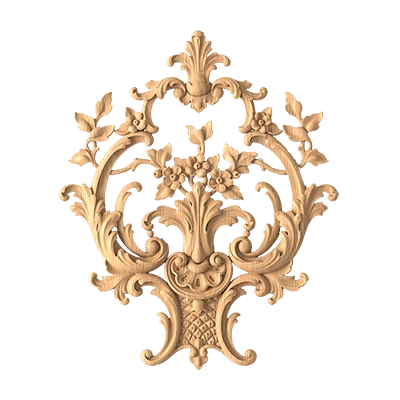
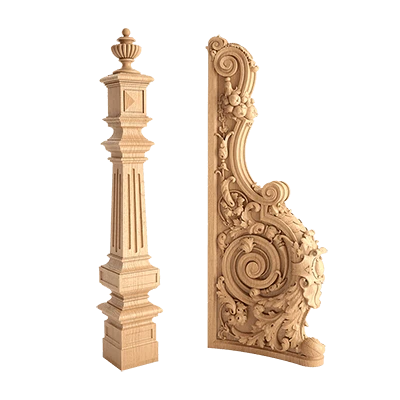
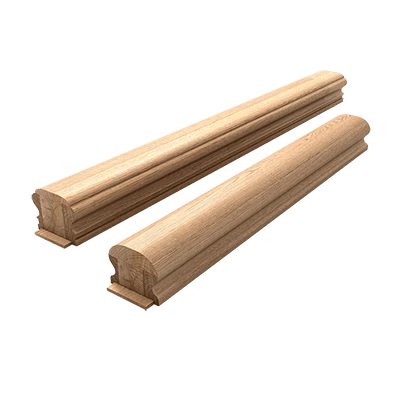
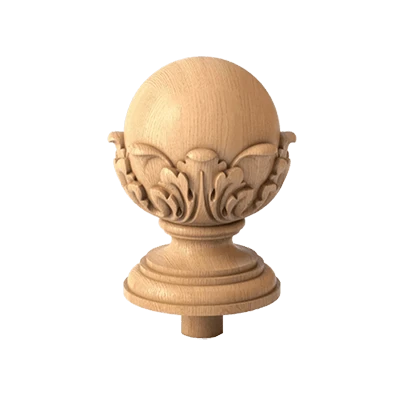
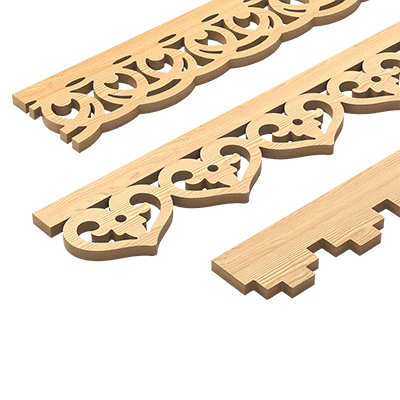
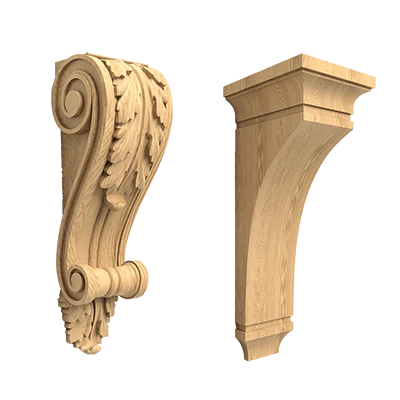
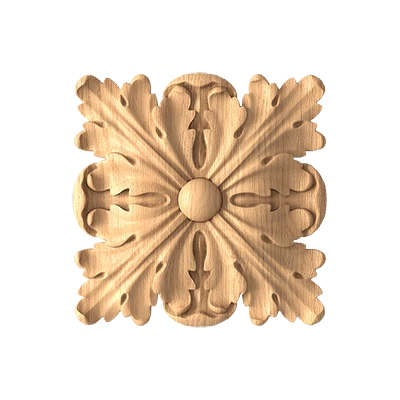
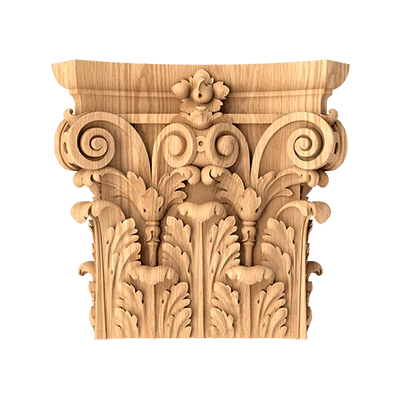
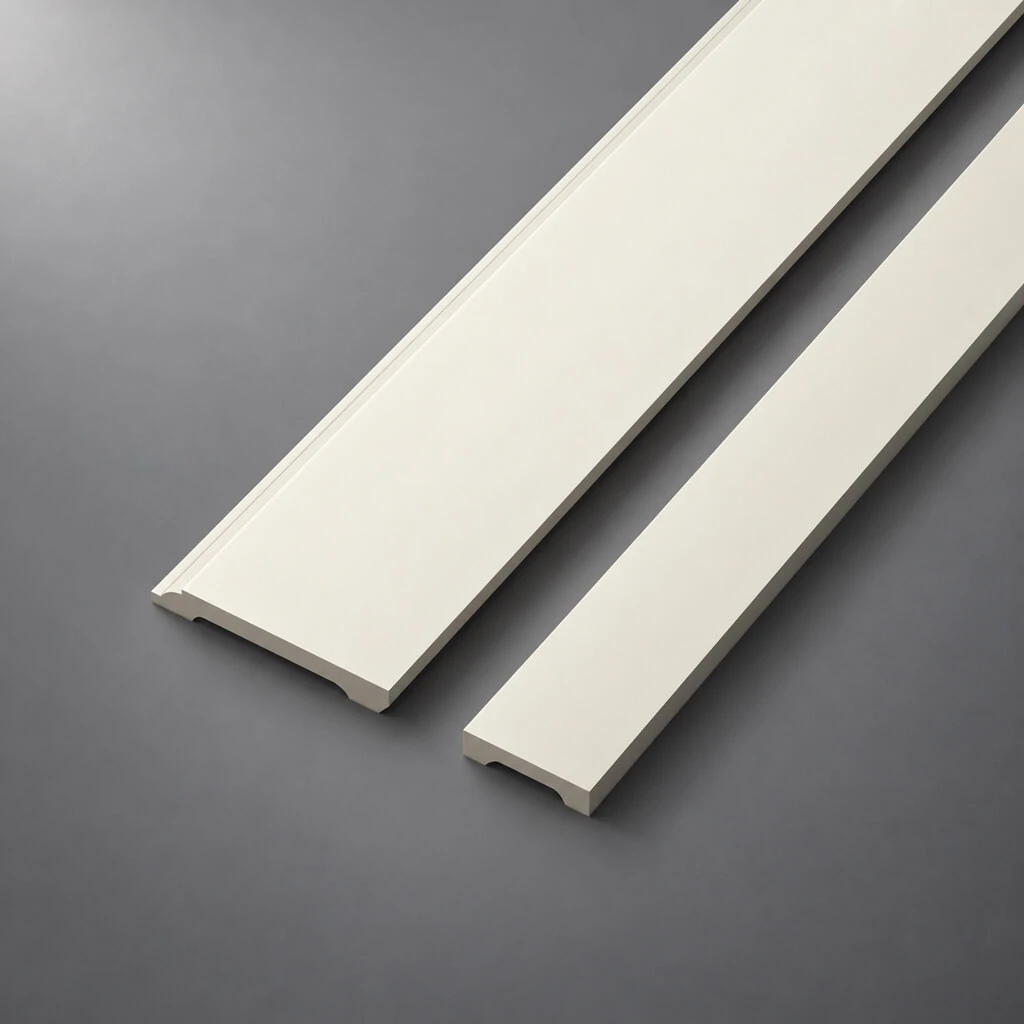
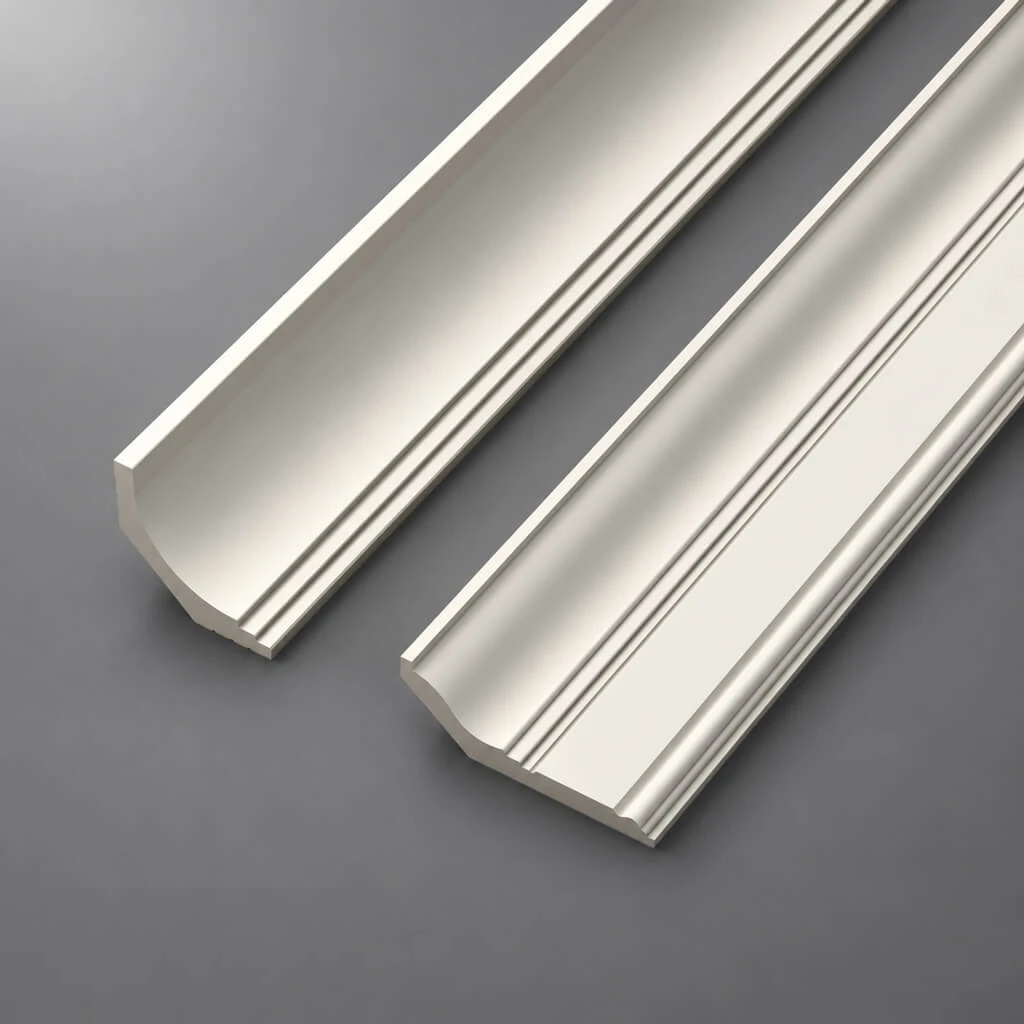
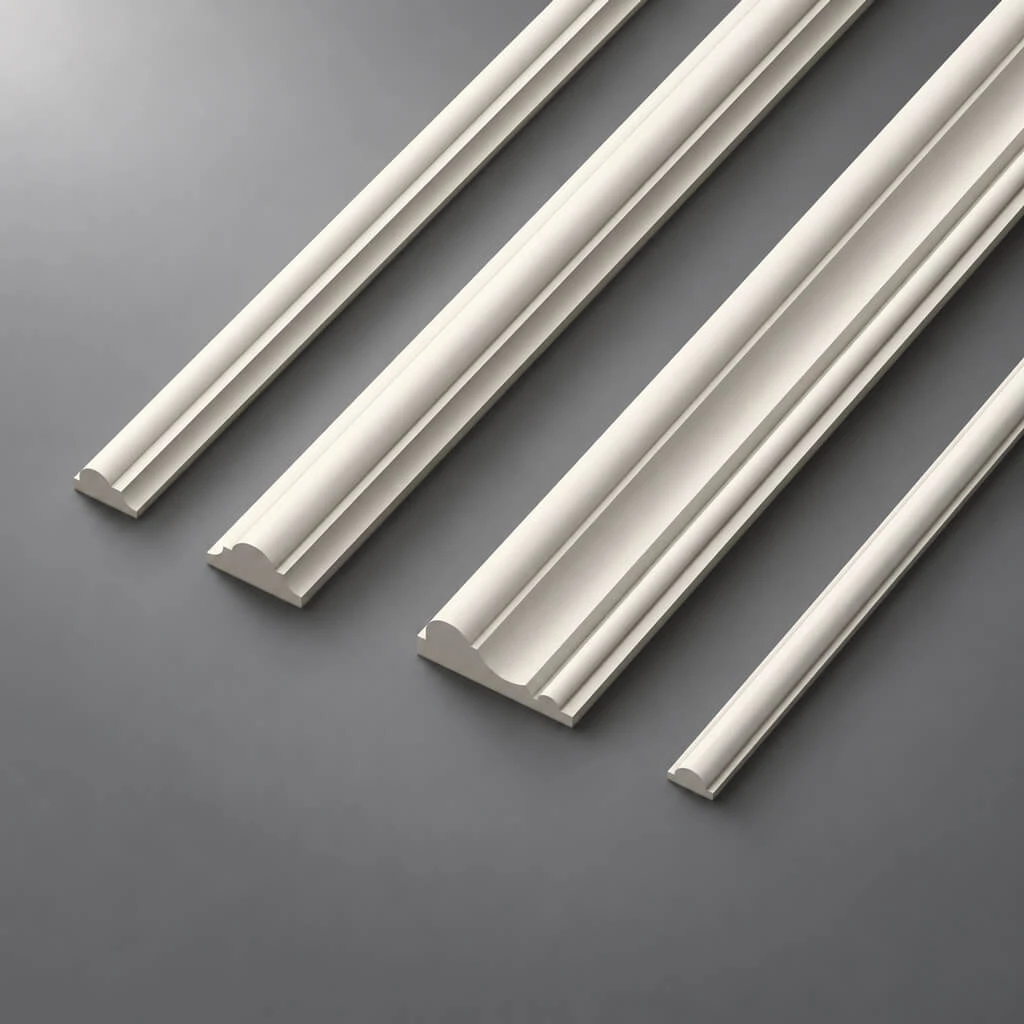
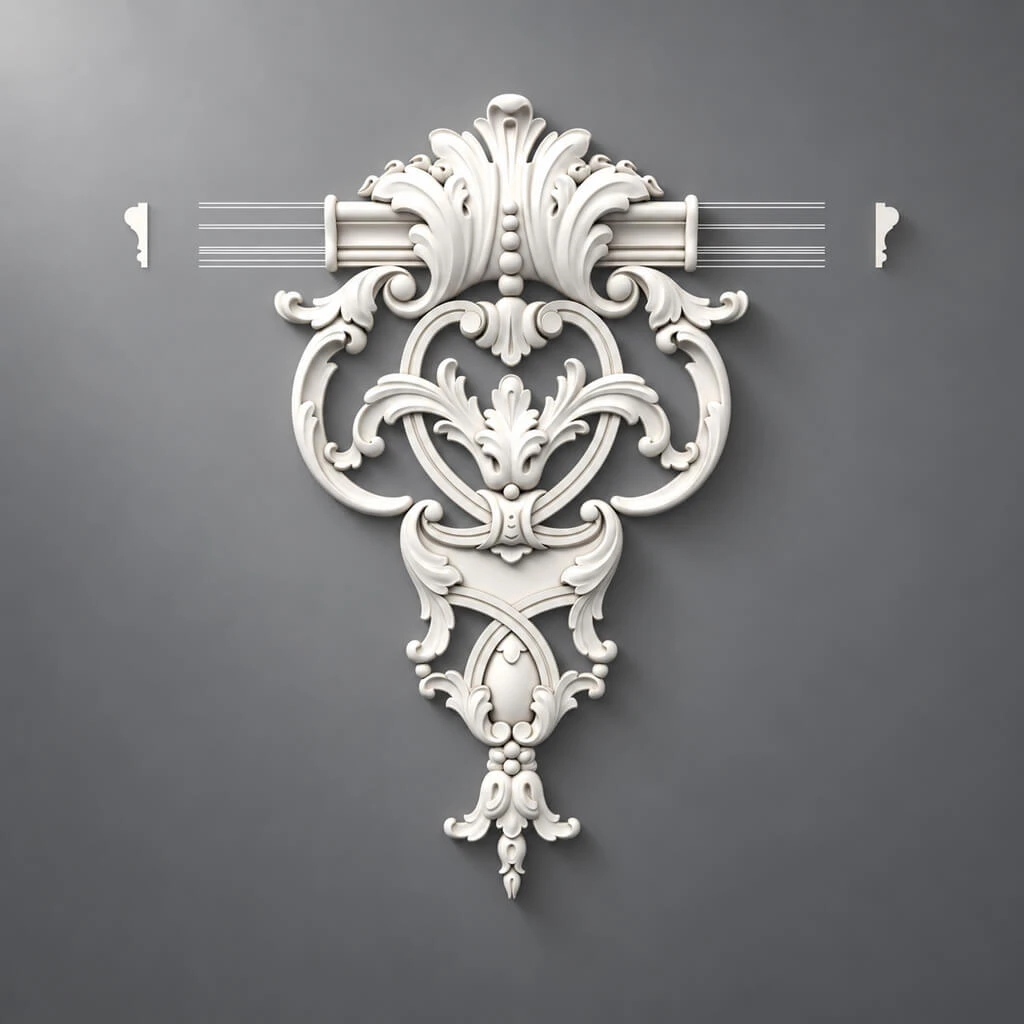
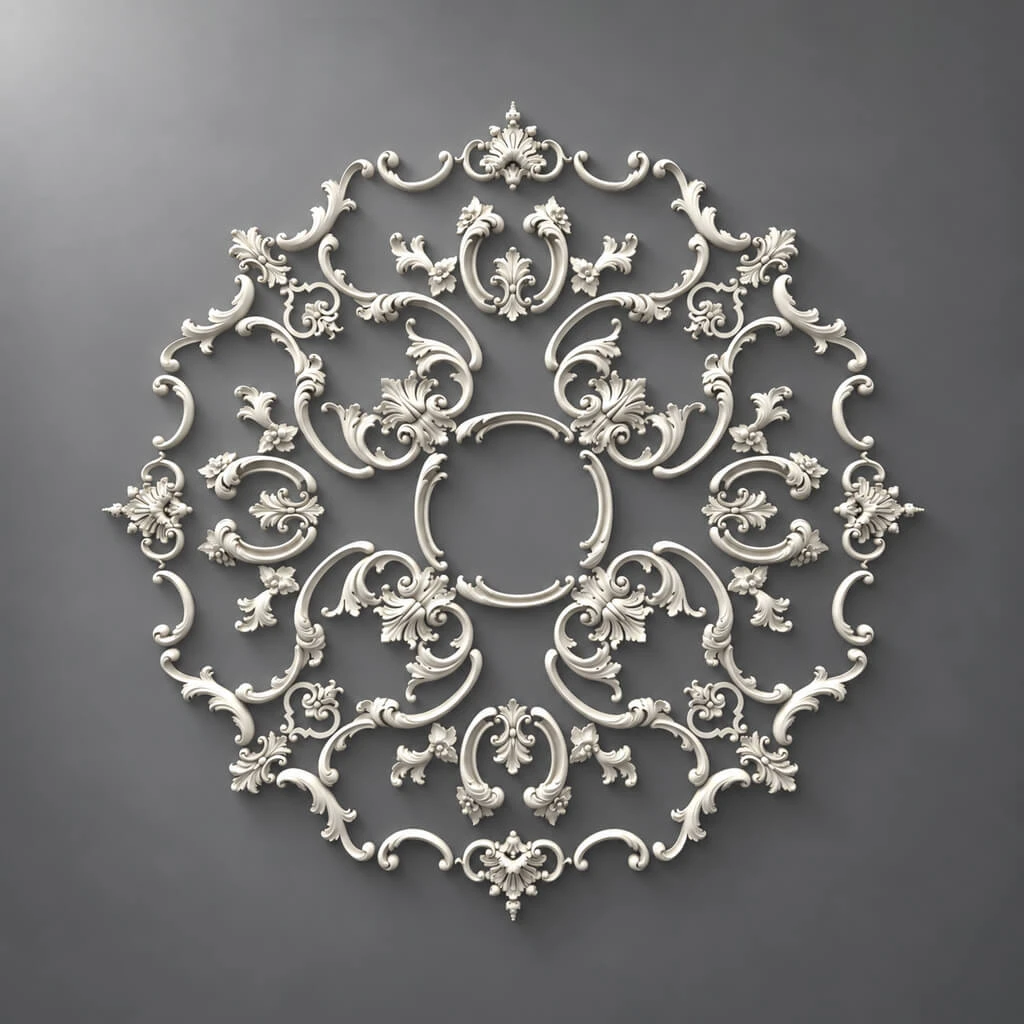
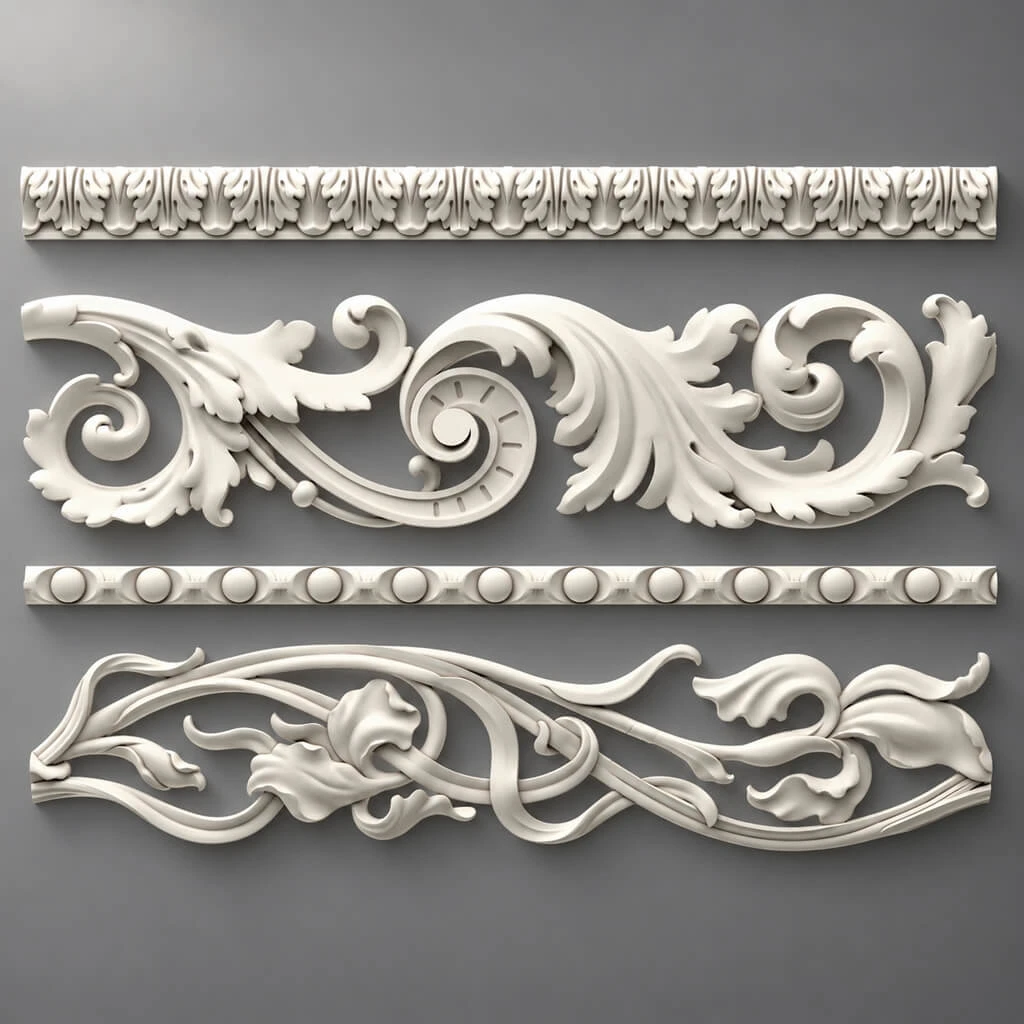
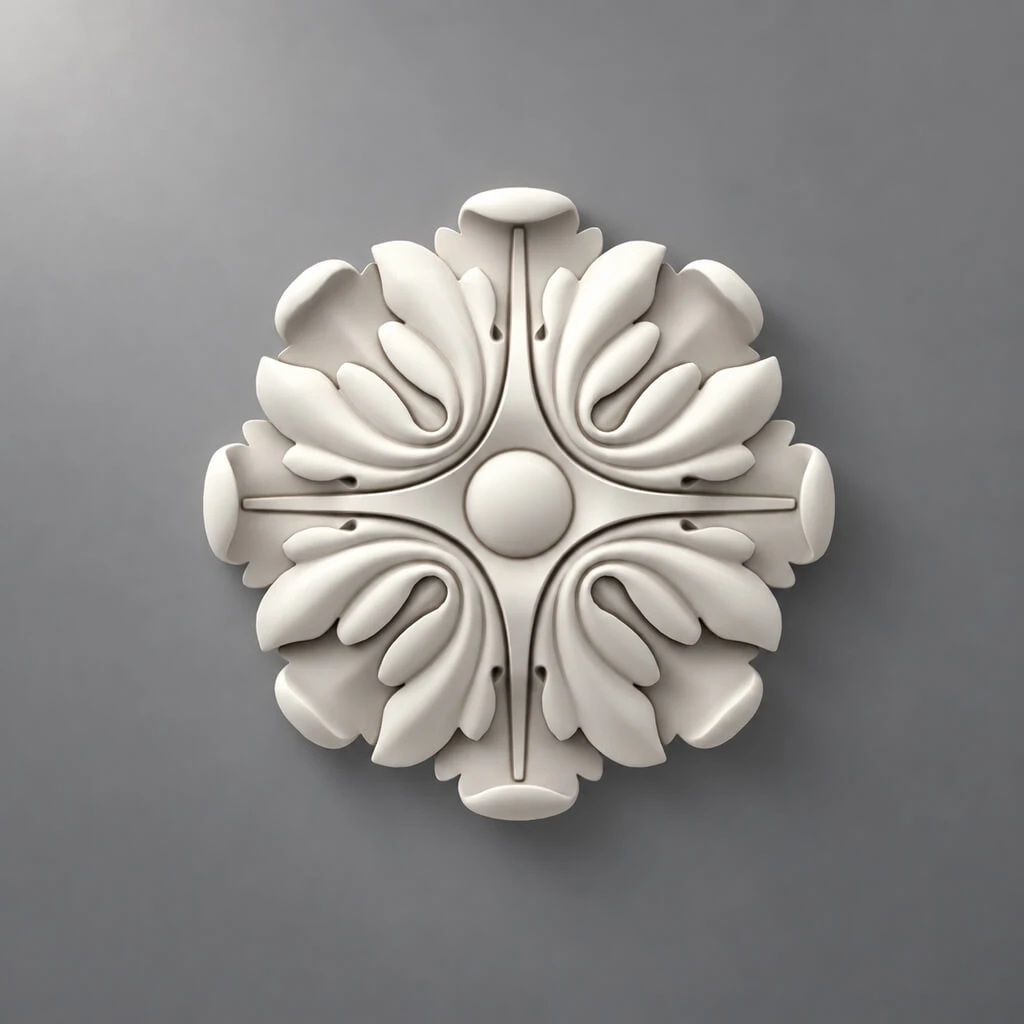
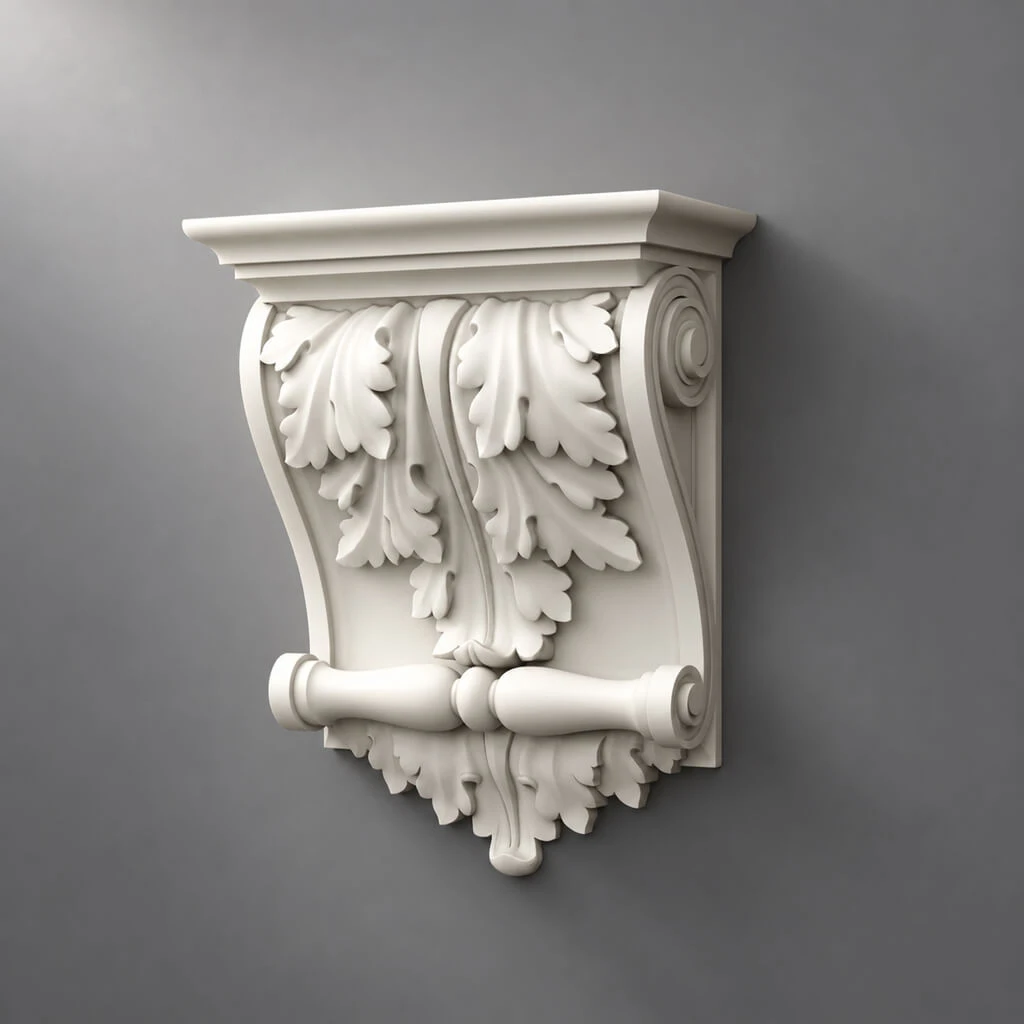














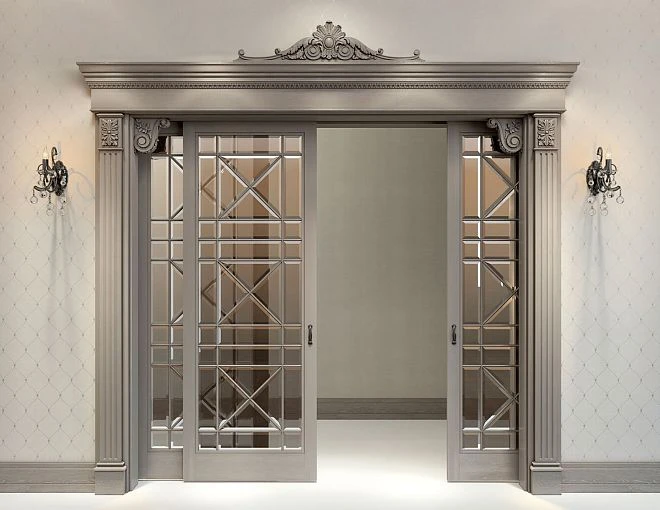










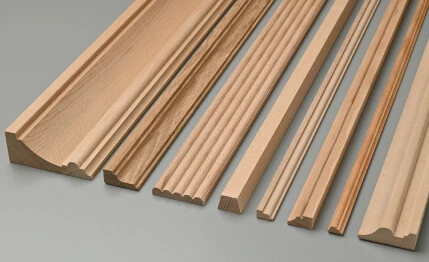
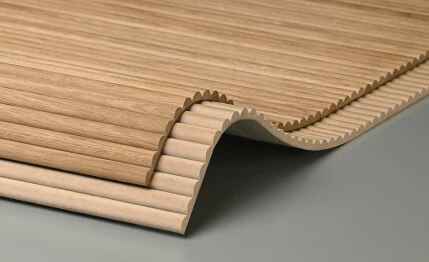
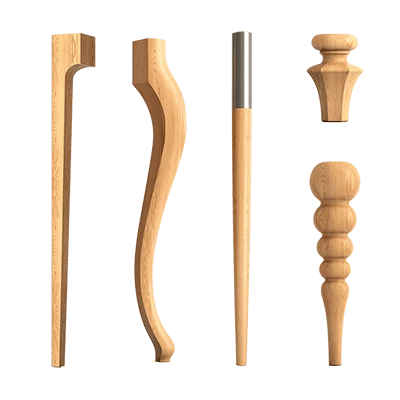
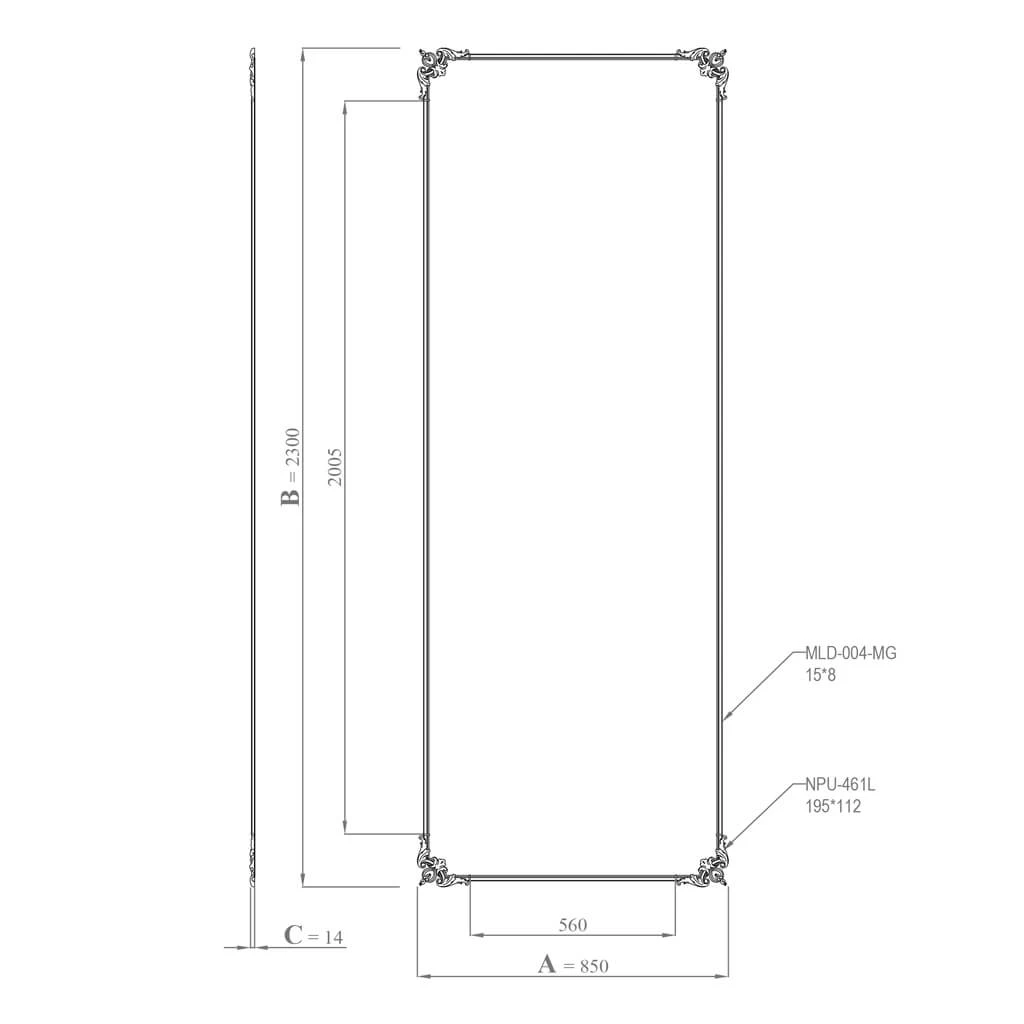

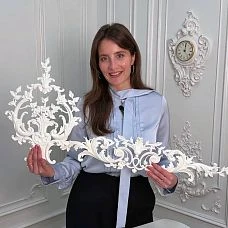
Set Composition


Description
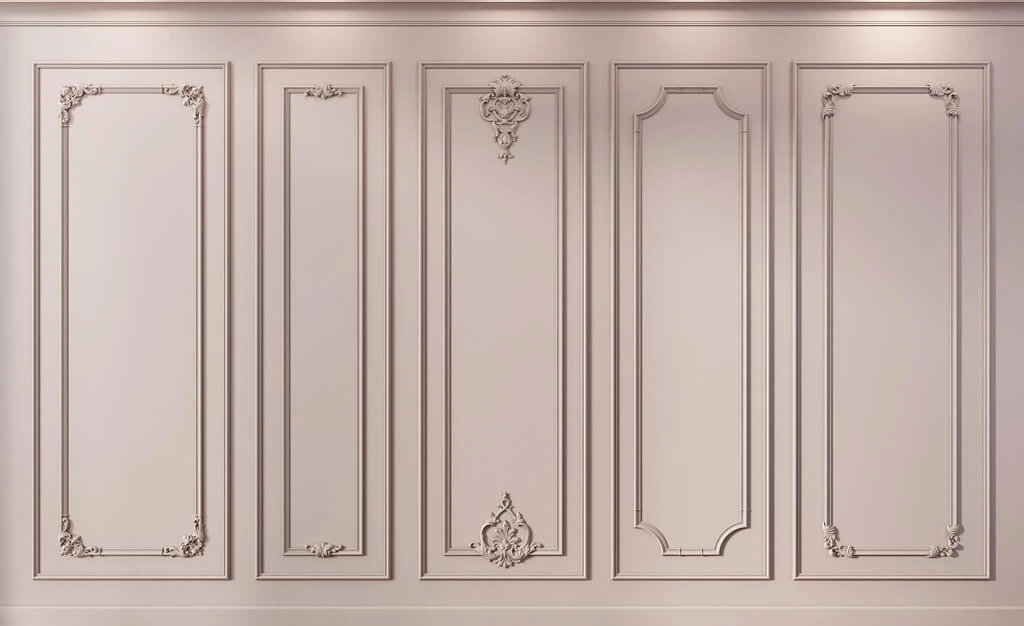
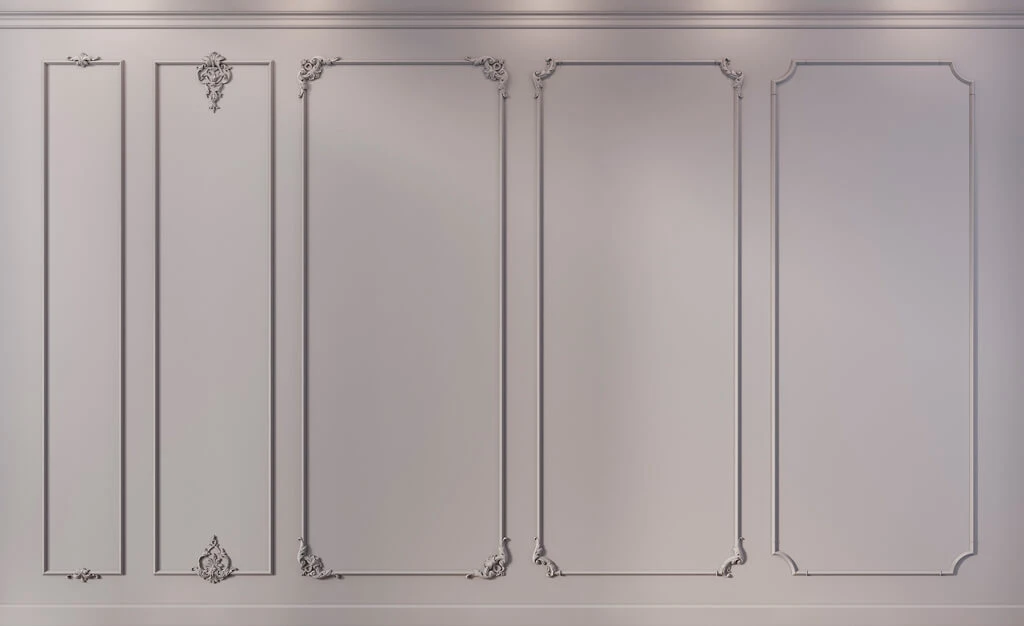
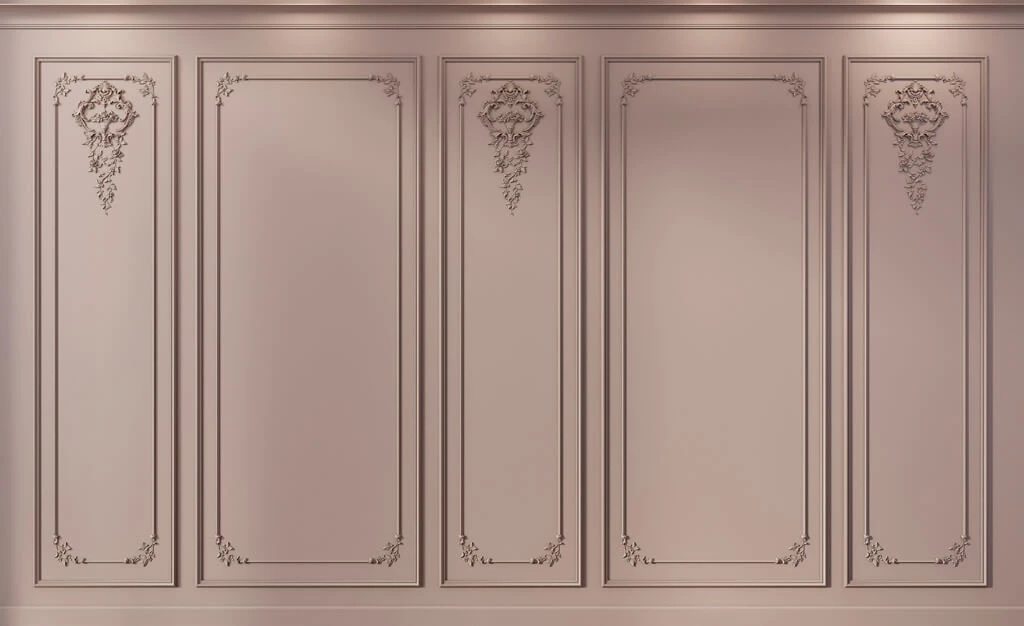
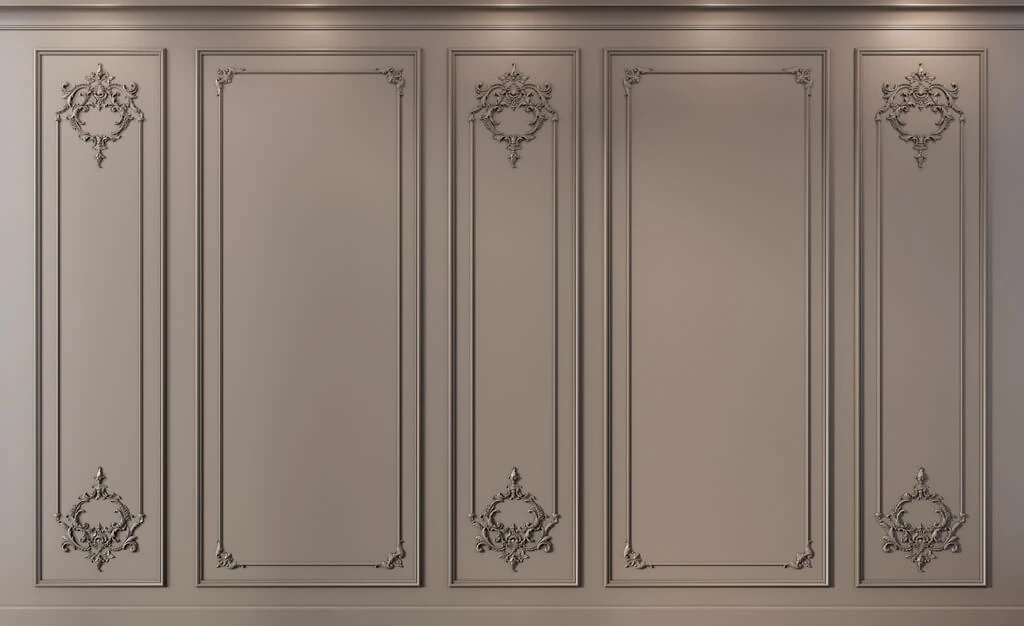
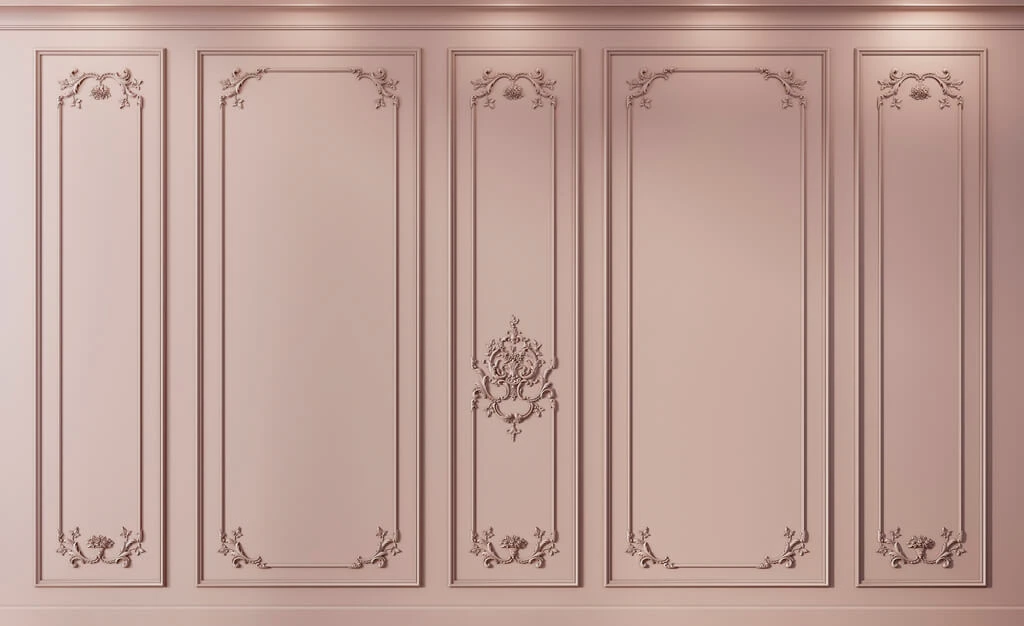
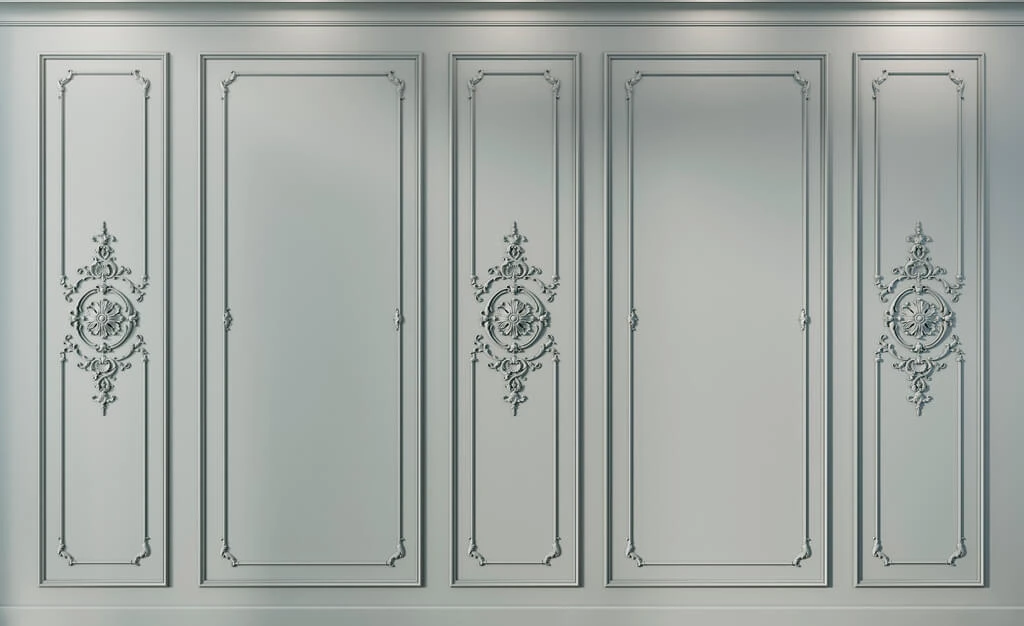
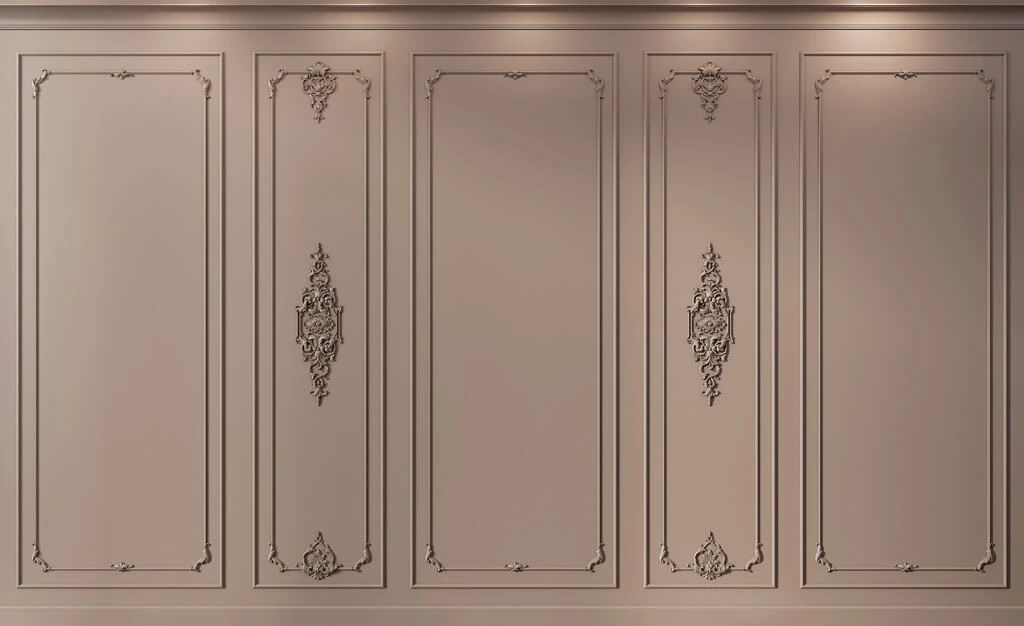
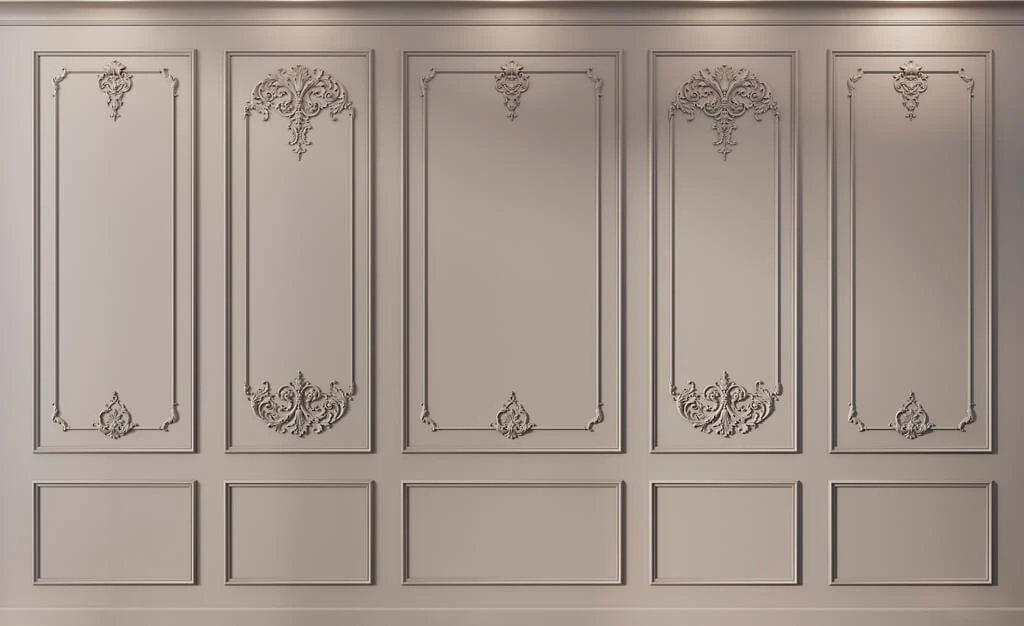
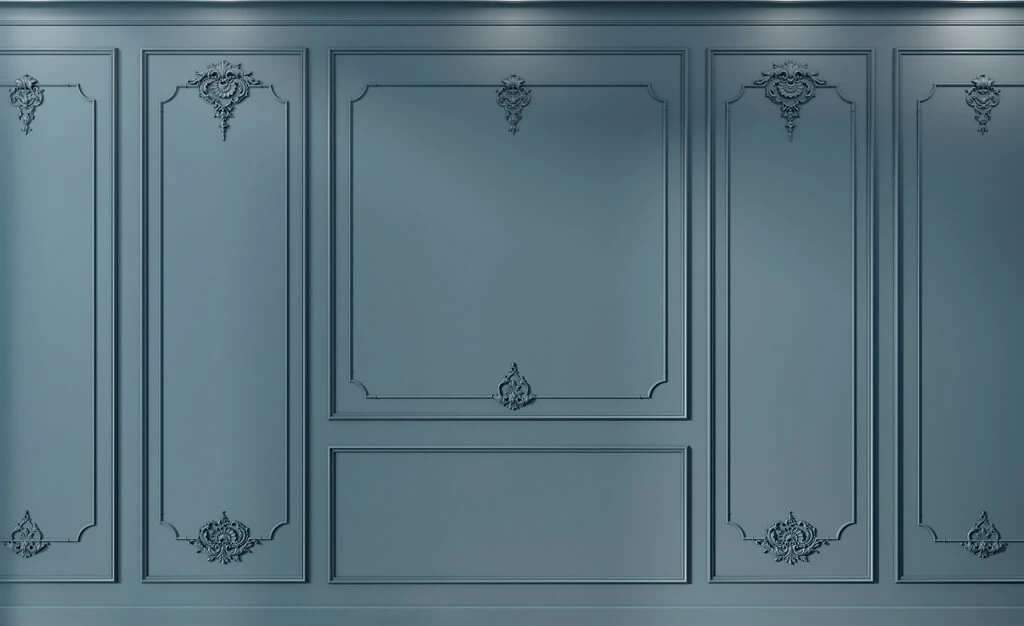
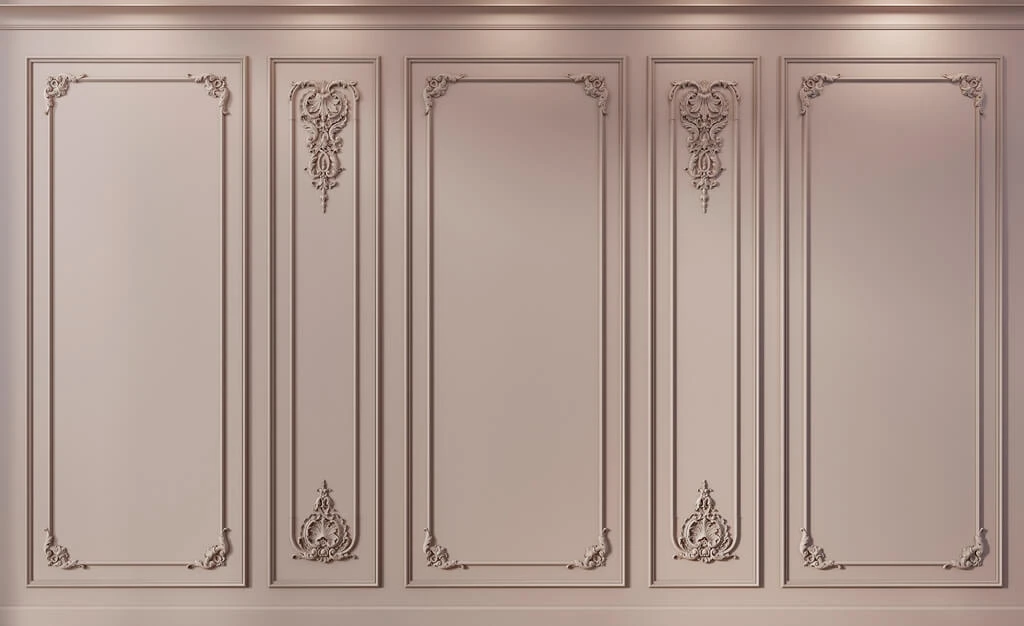
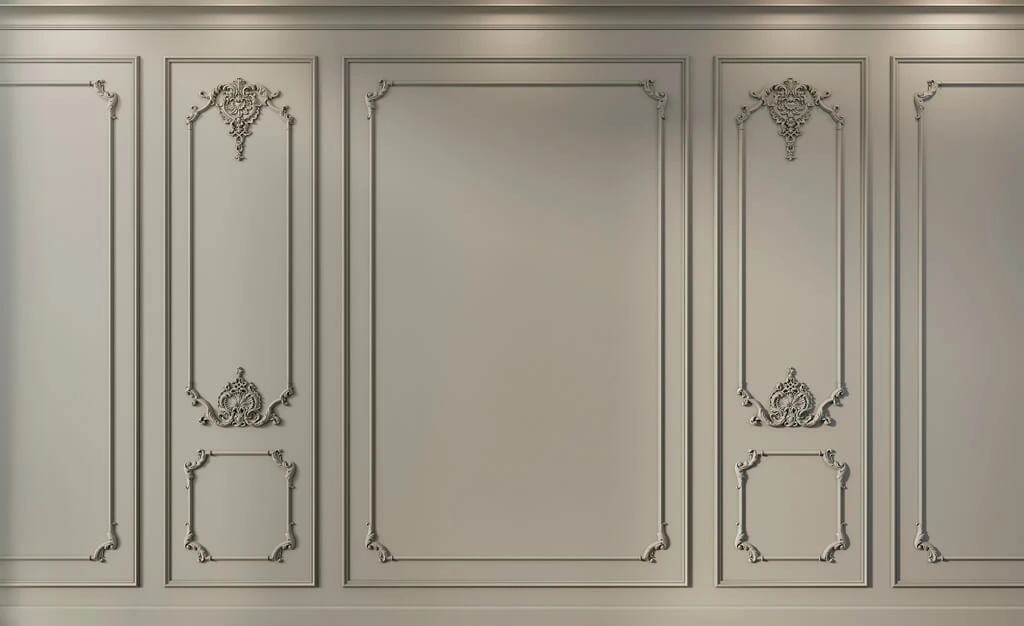
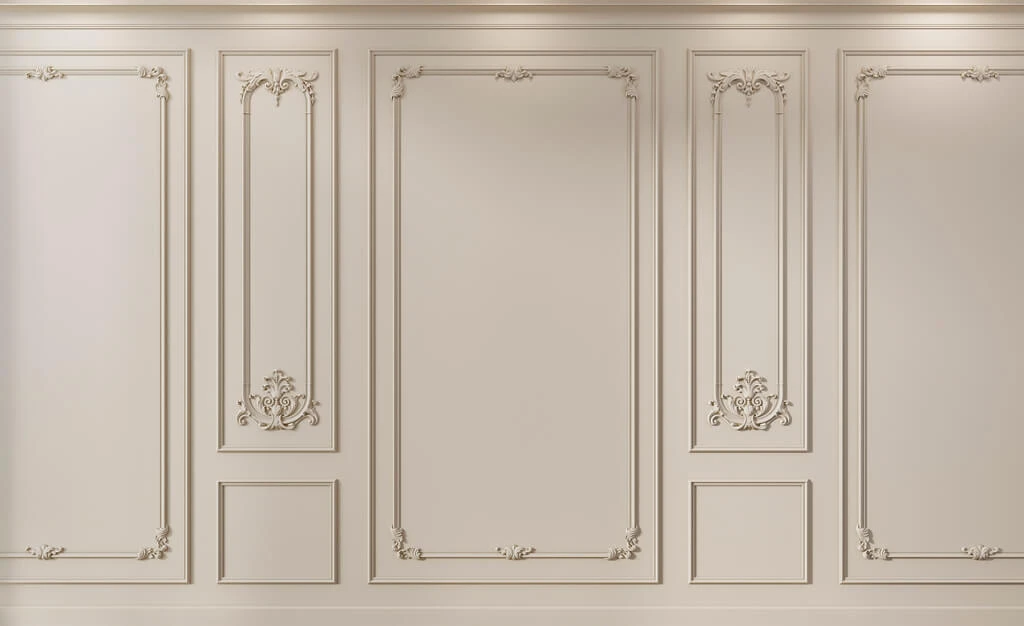
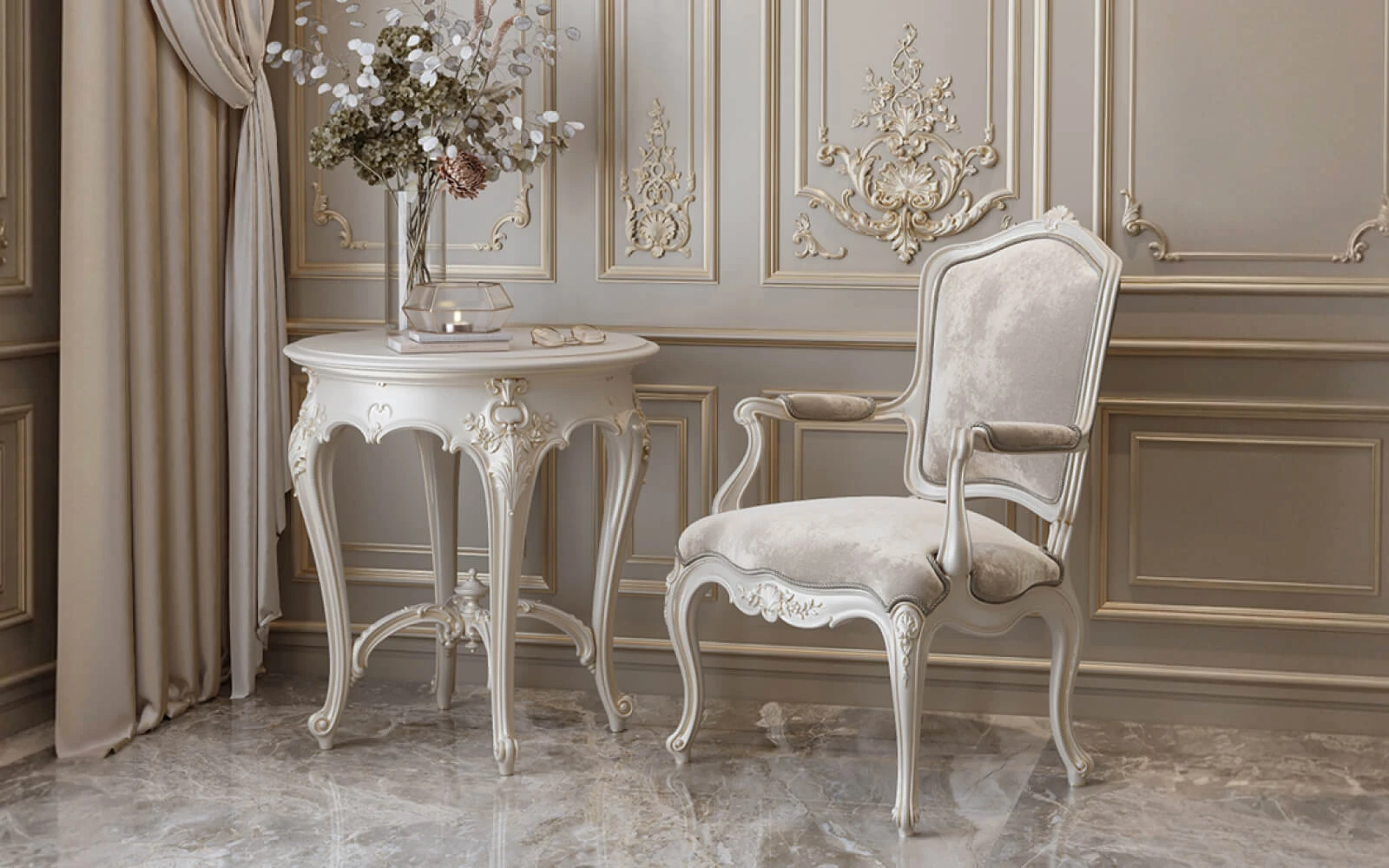
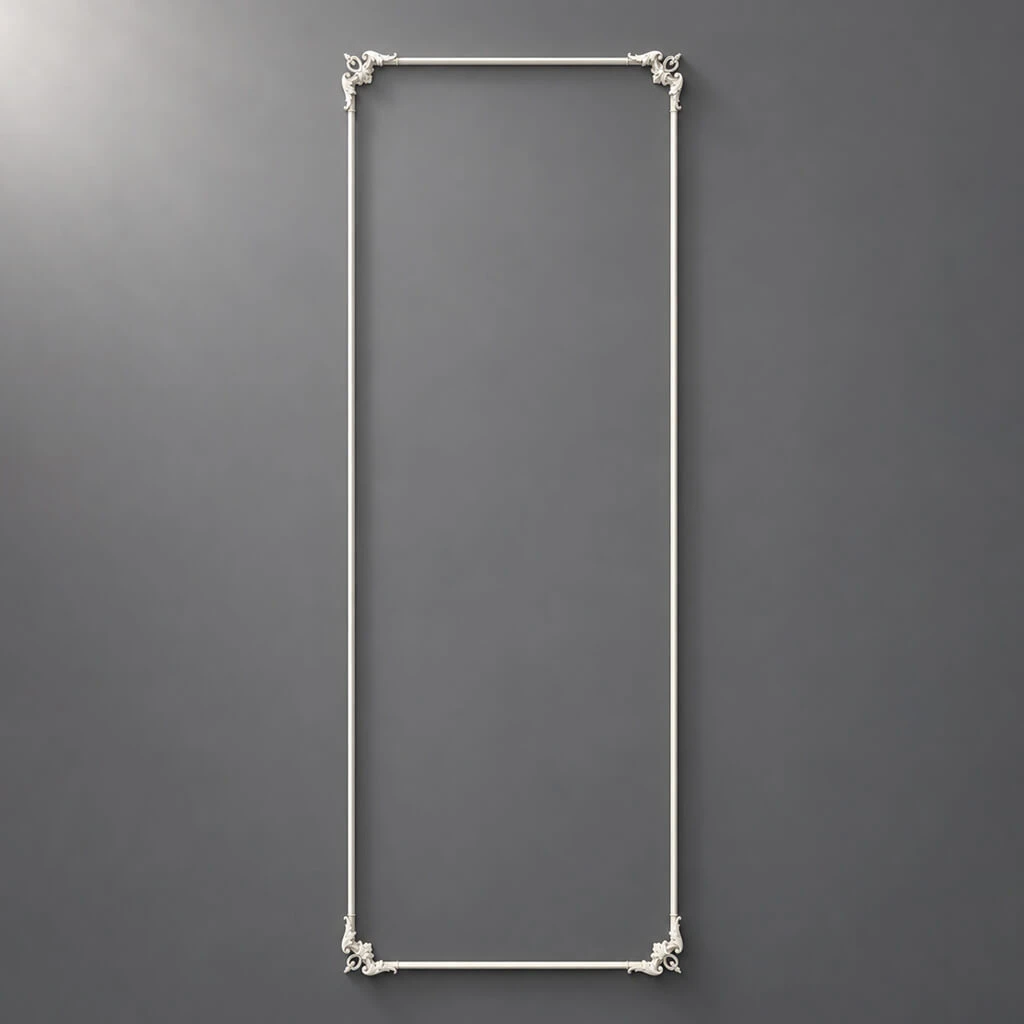
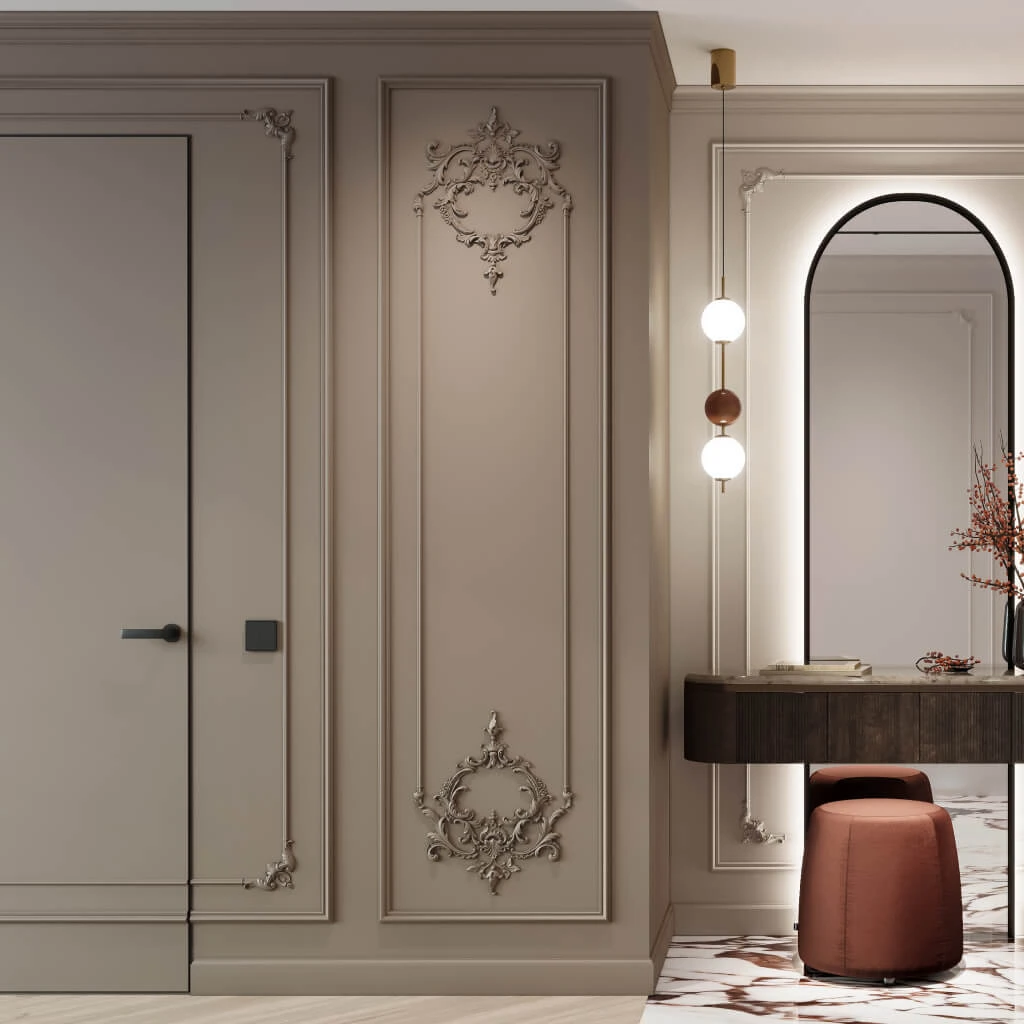
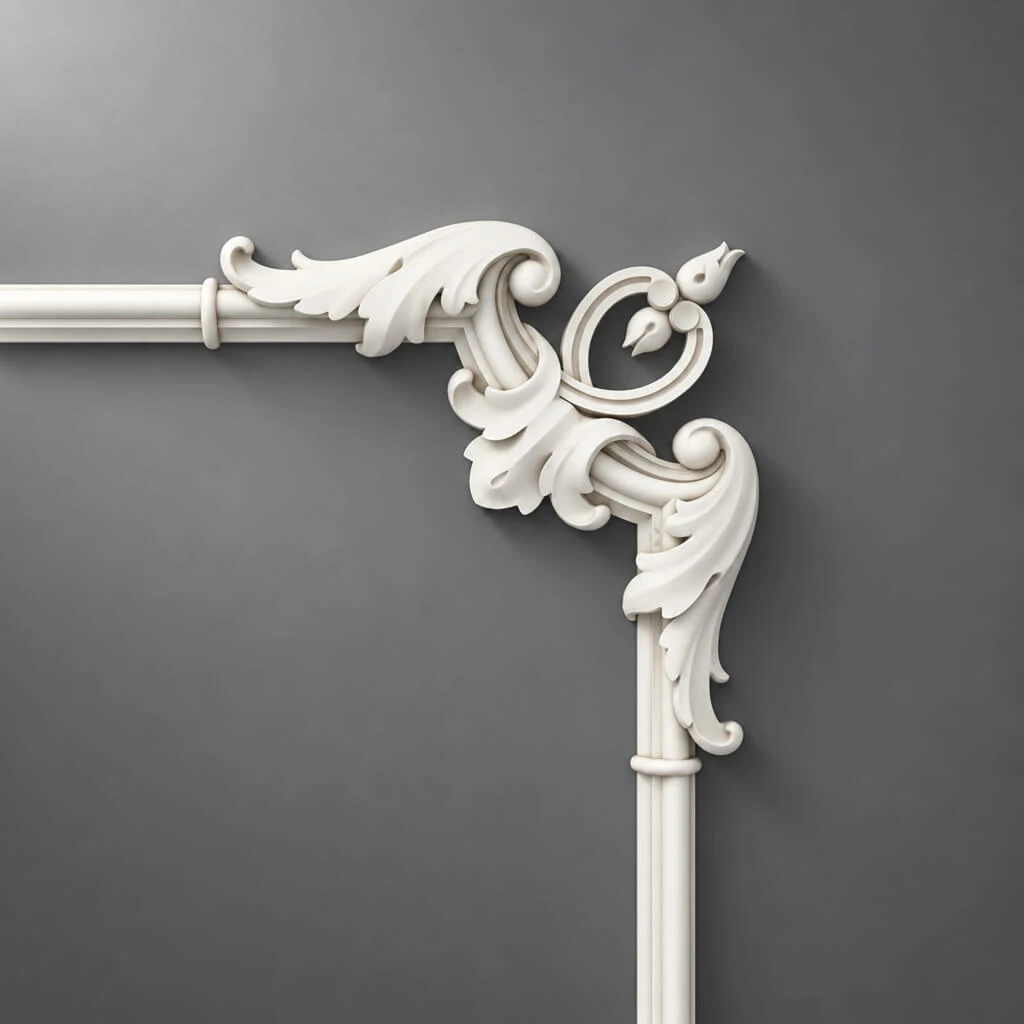
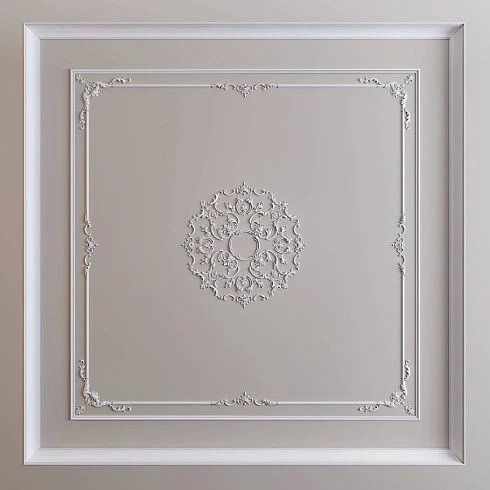
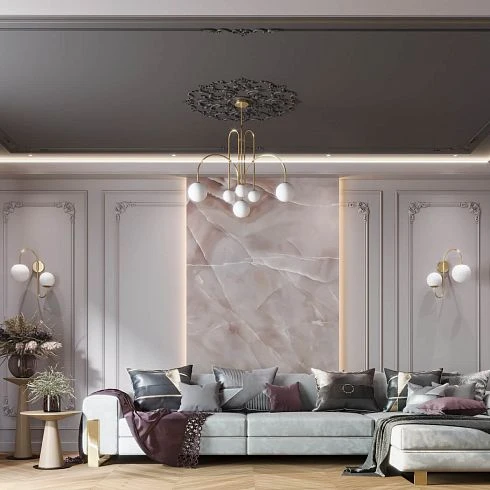
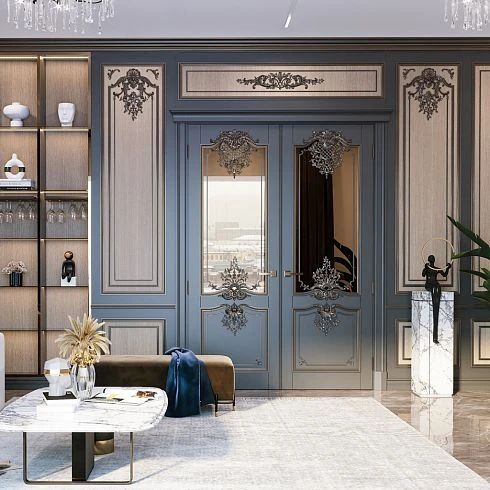
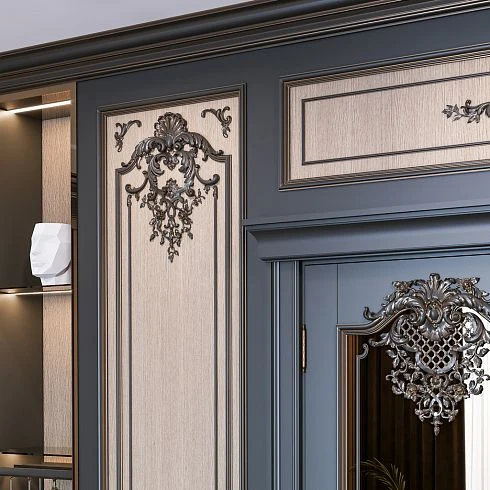
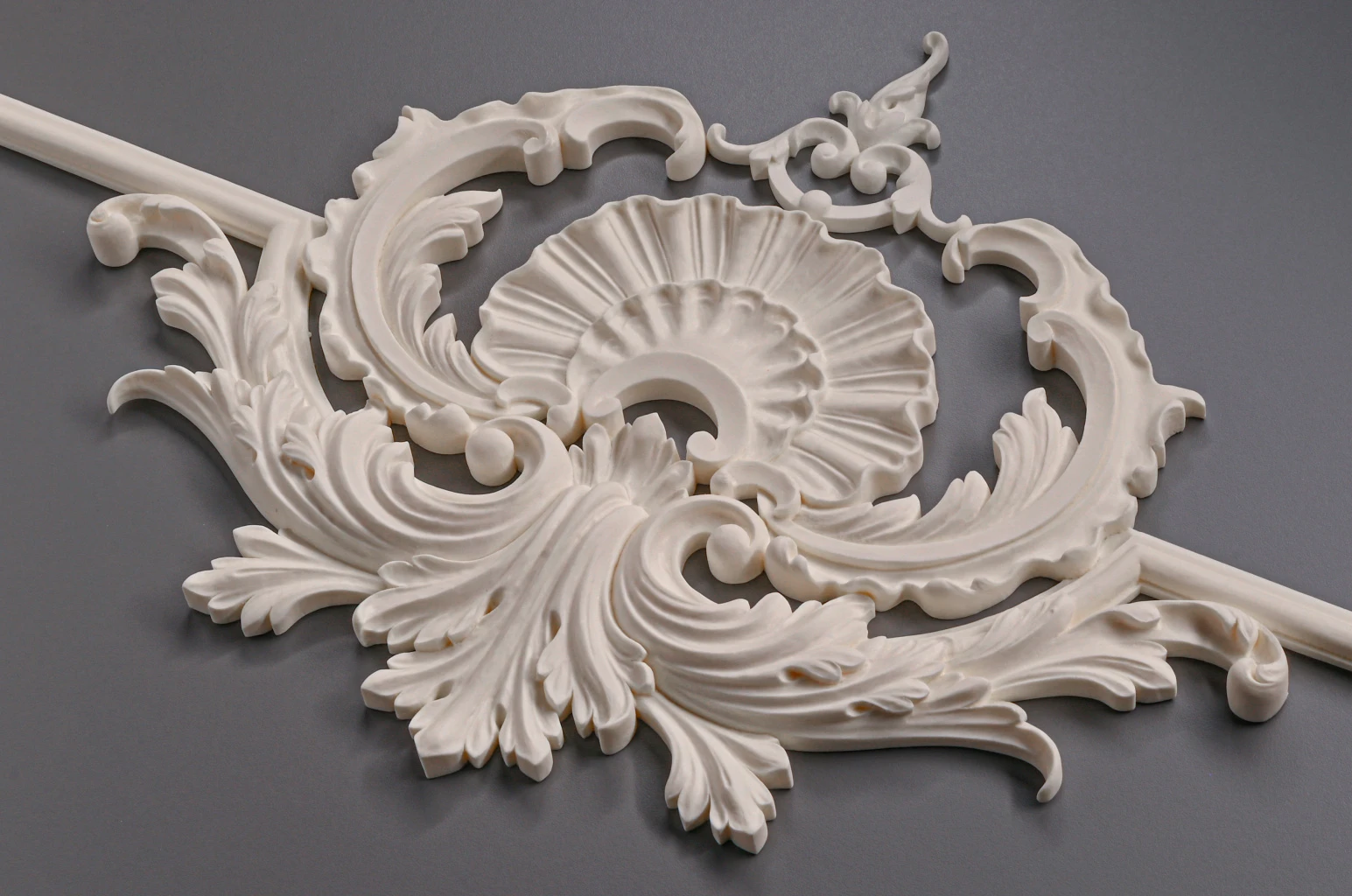
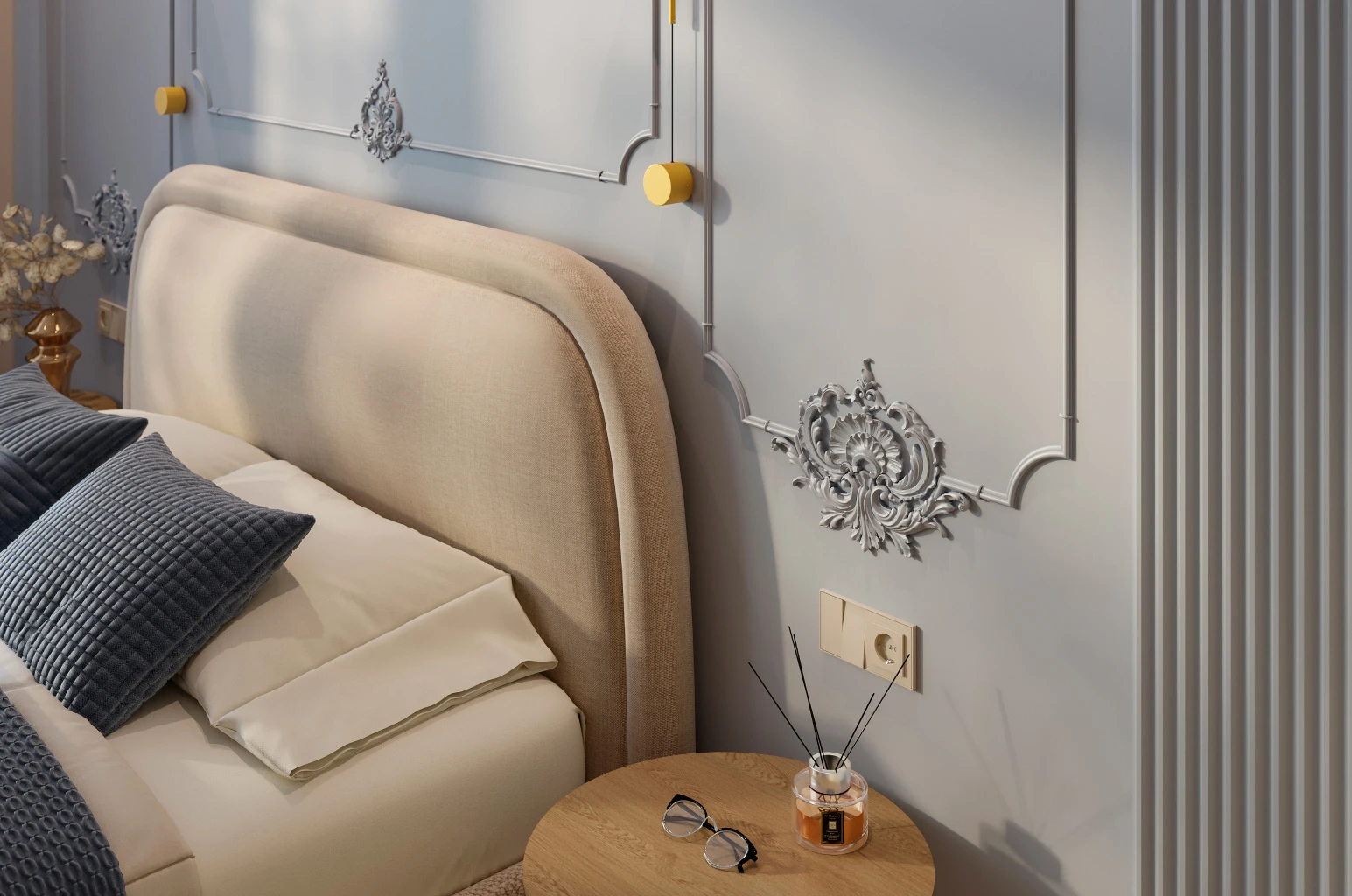
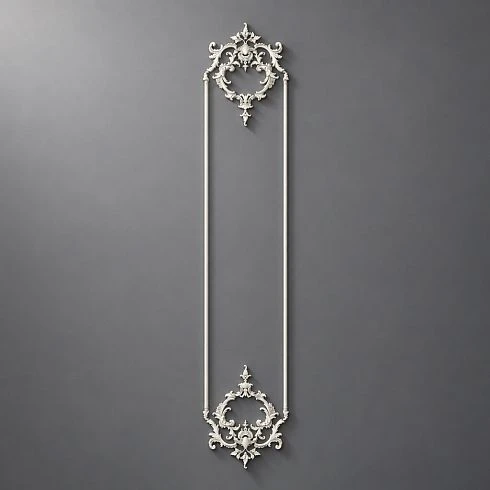
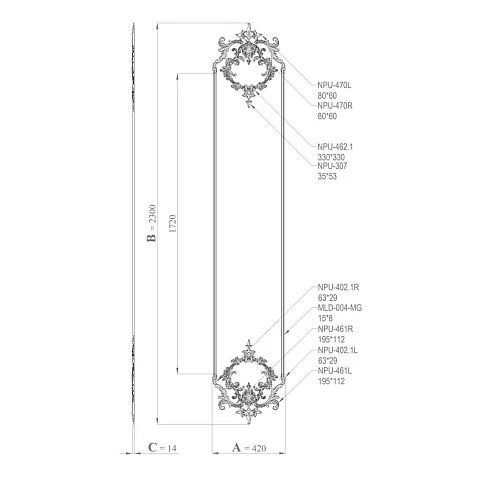
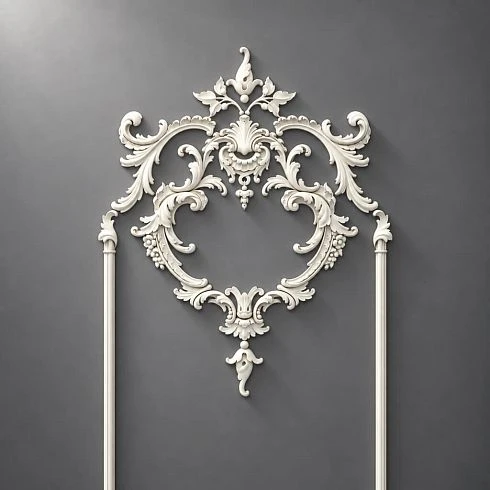
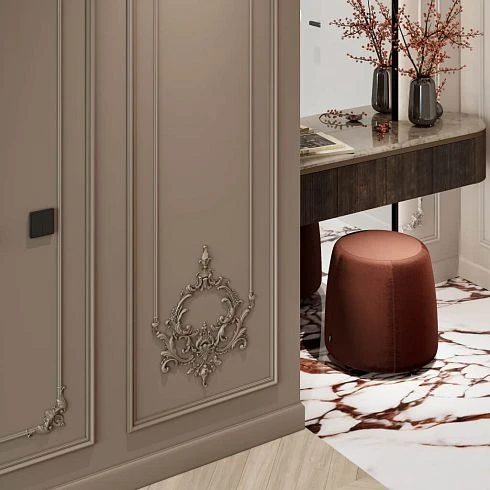
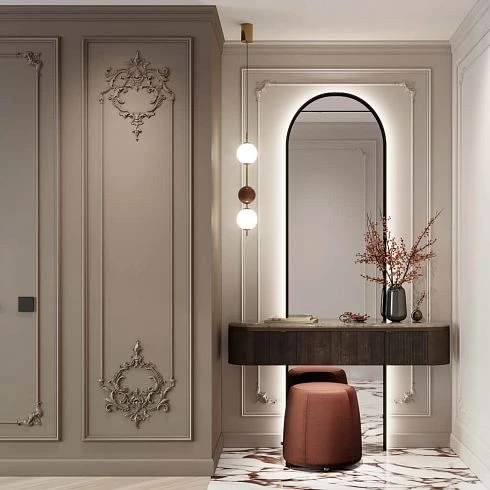
A strict vertical frame with decorative corners creates a neat classical accent on the wall. The slim moulding sets clear geometry, while the corner elements soften the lines and support the restrained character of the "Tauride Garden" collection.
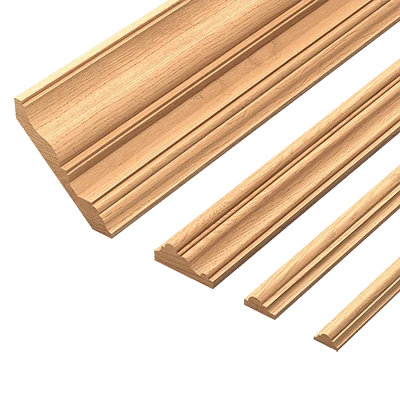
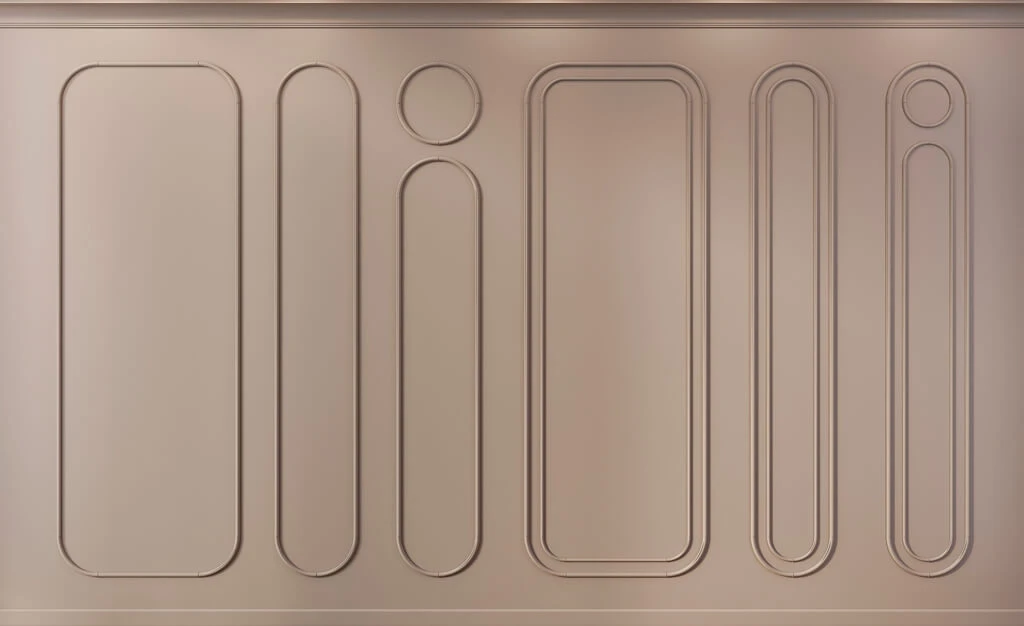
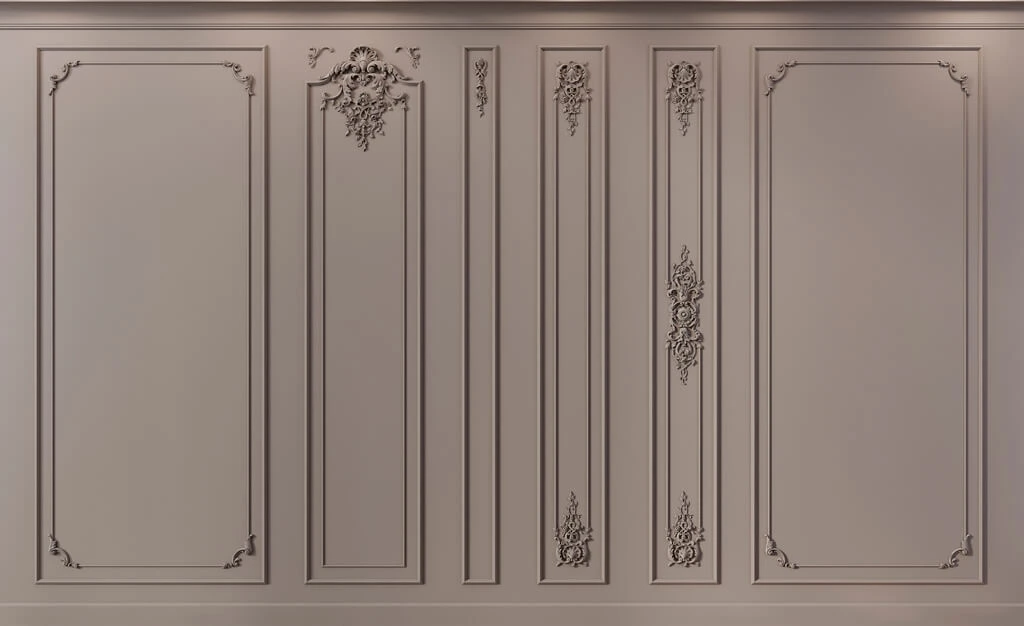
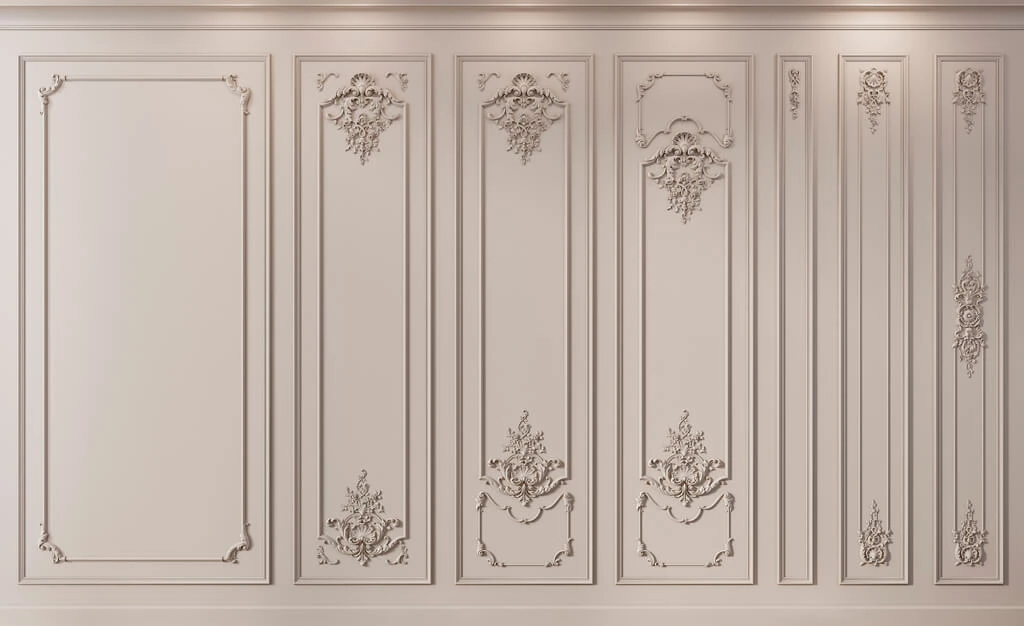
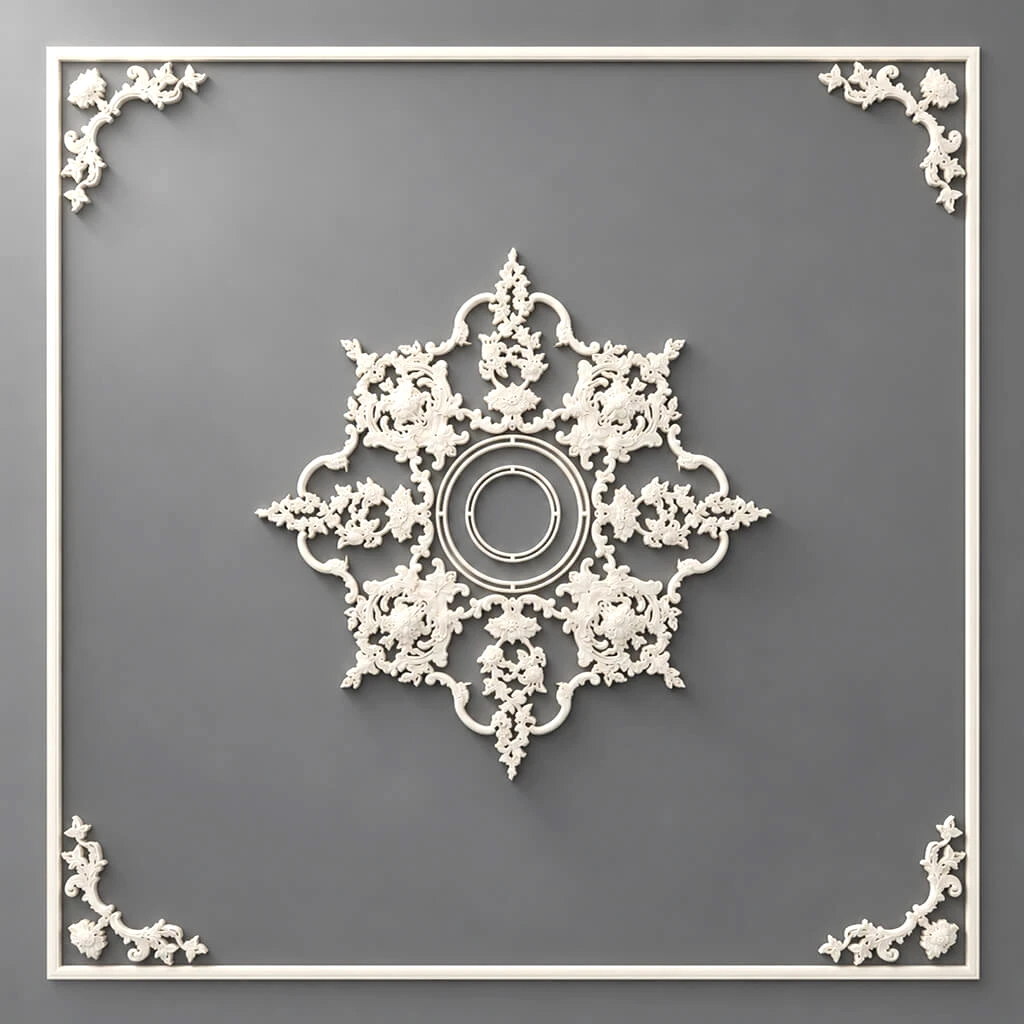
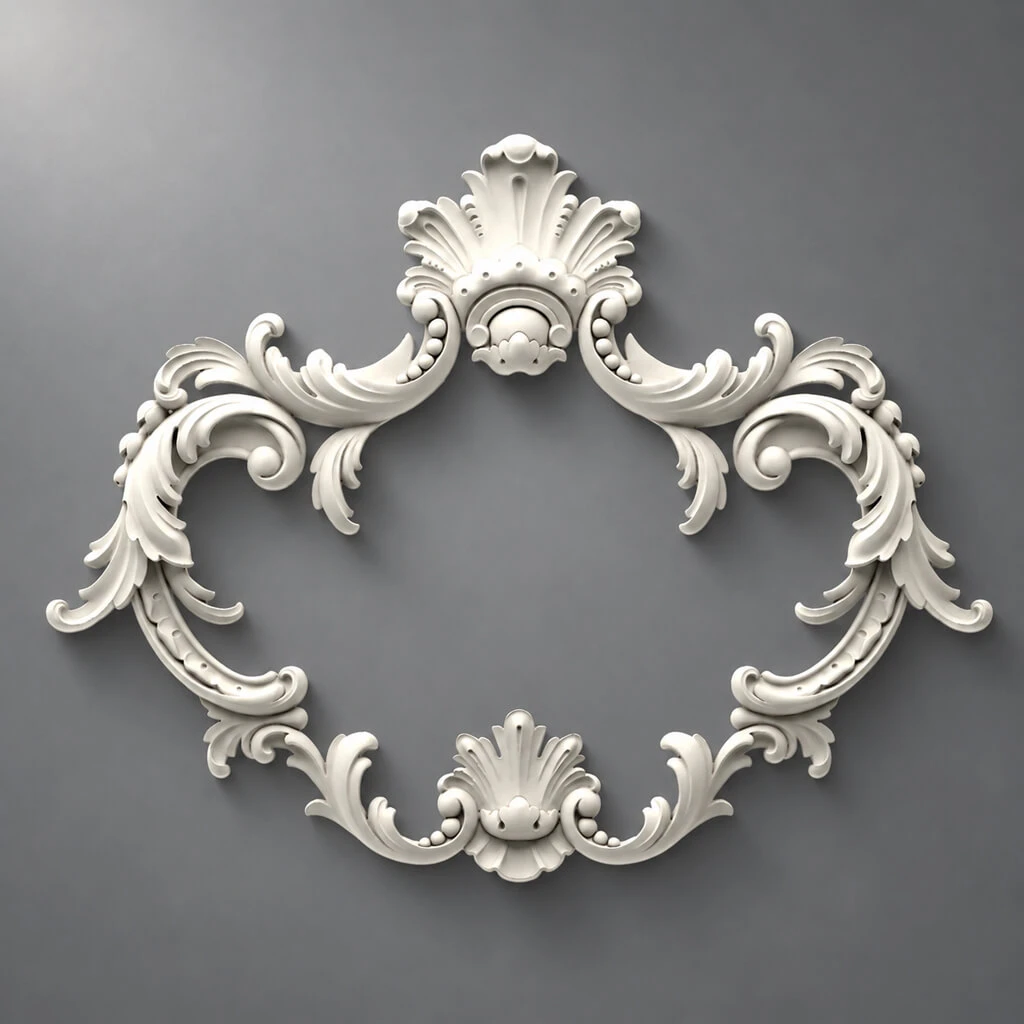
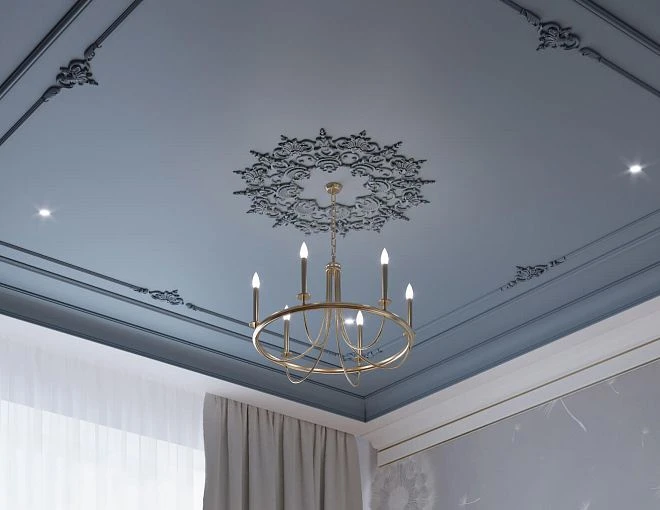
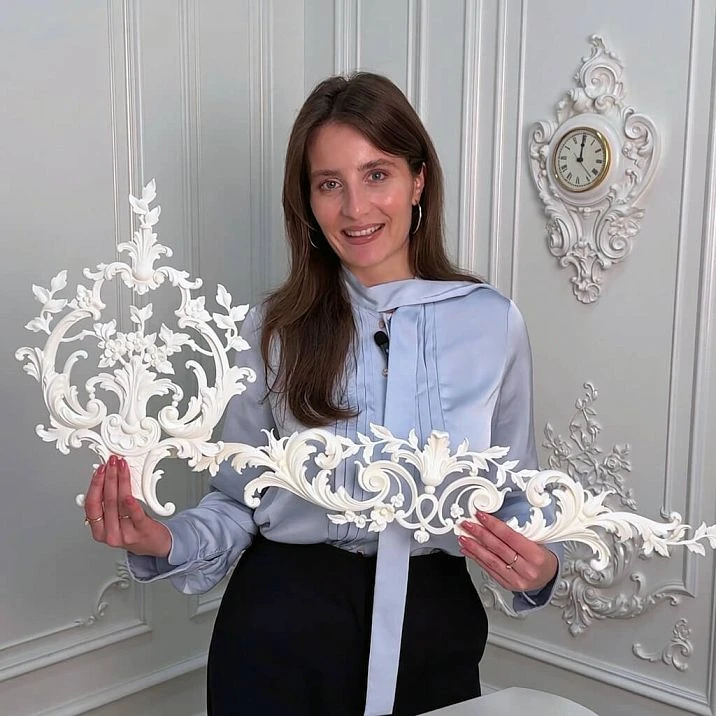
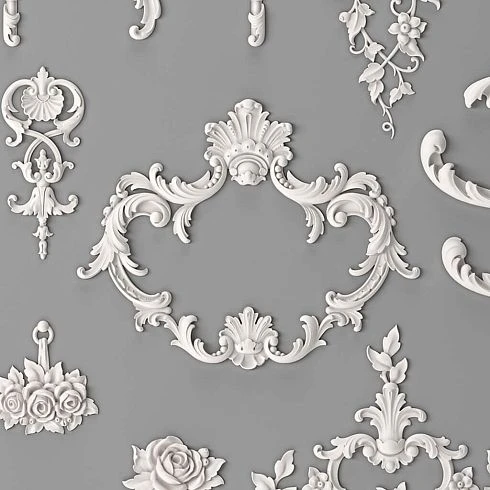
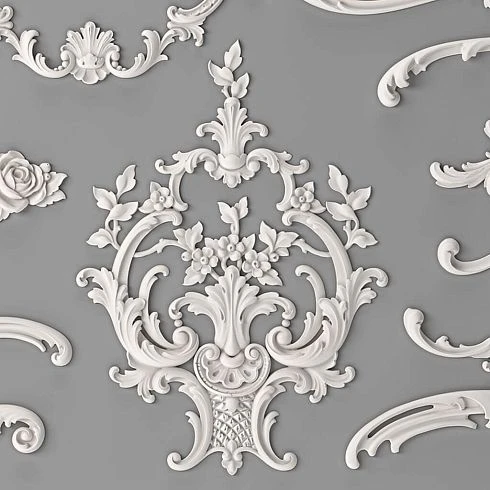
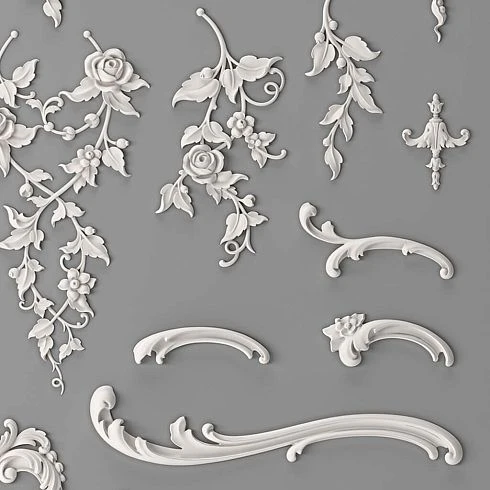
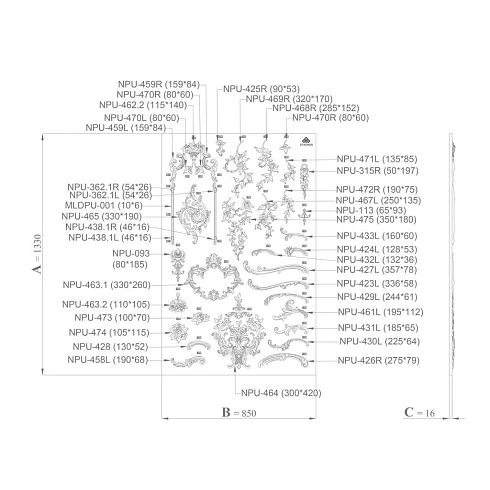
The ready-made wall decor set already combines a primed MDF moulding and polyurethane parts into a single composition. It can be used on its own or complemented with other elements from the collection. For your own layout, mouldings and decor can be selected separately and assembled into your own wall design.
Have questions?
Customers also buy
 In stock
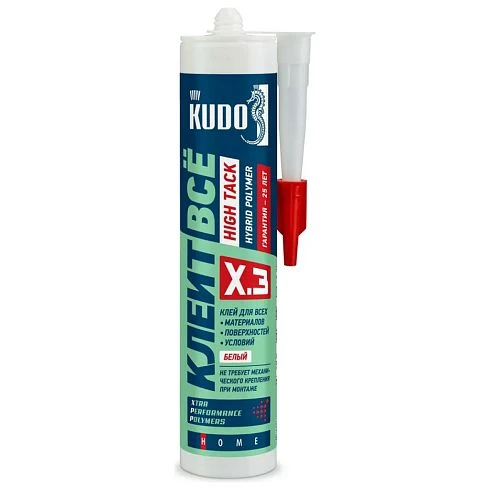
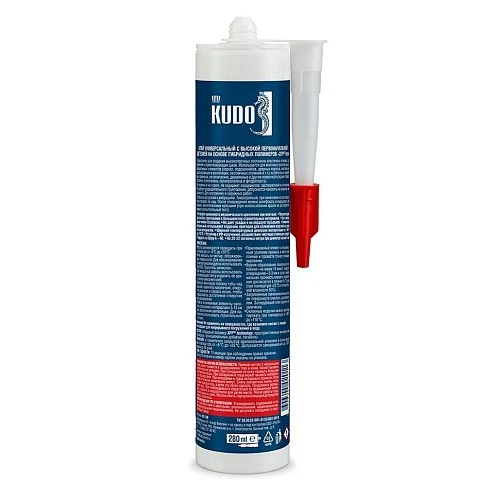
KUDO Adhesive, All-Purpose HIGH TACK, Hybrid Polymer Based, White, 280 ml
11.66 $

 New
5-10 days
New
5-10 days
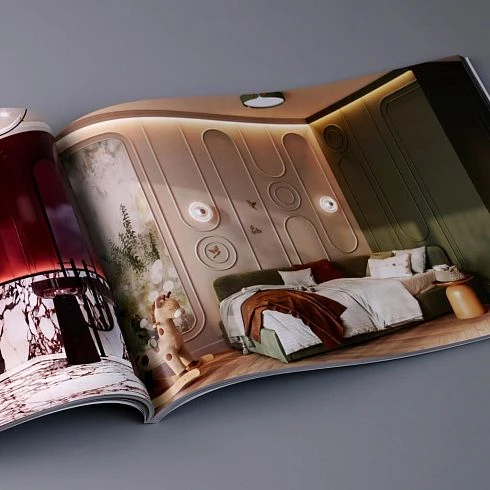
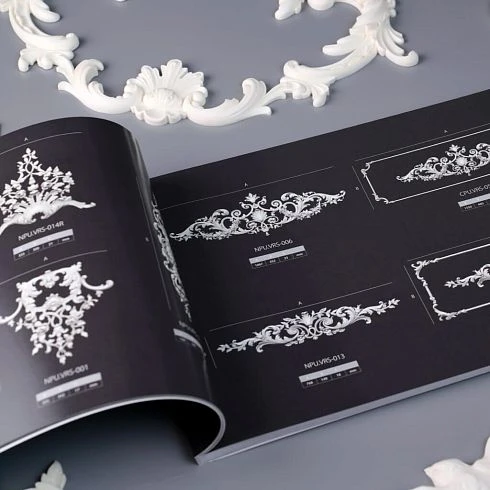
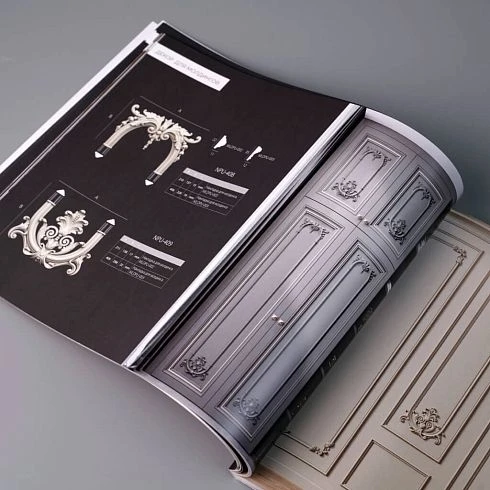
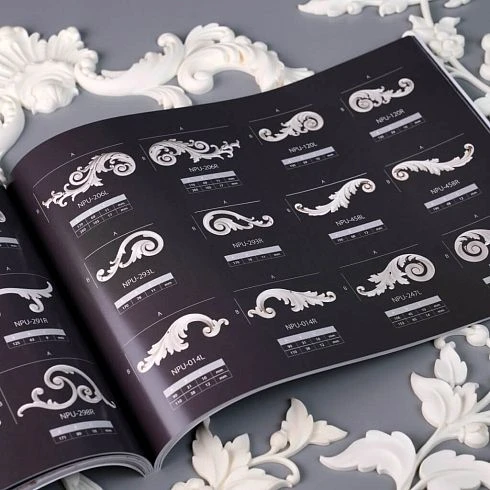
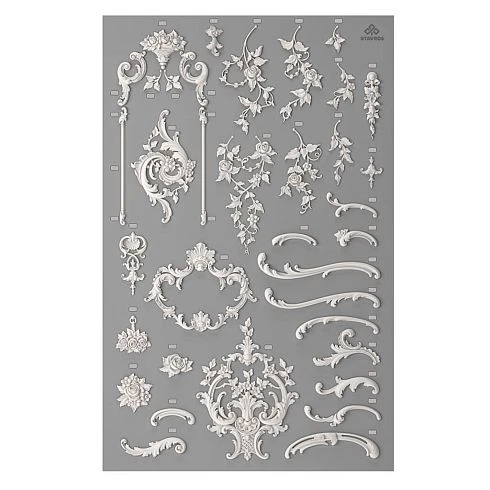
Printed catalog of polyurethane decor KATALOG-PU
6.60 $
 5-10 days
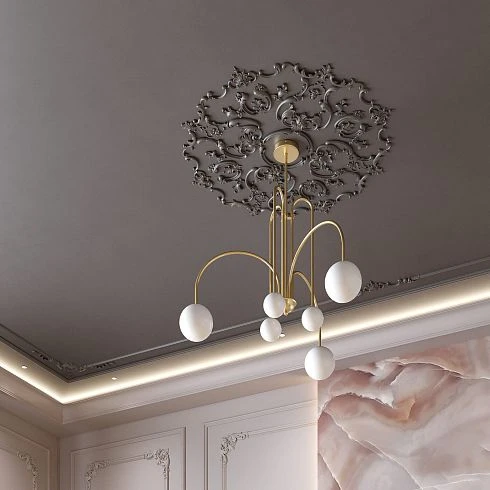
Exhibition stand SVPU-004
420.35 $
 5-10 days
CPU-P4 Molding Decor Kit
1,393.21 $
 5-10 days
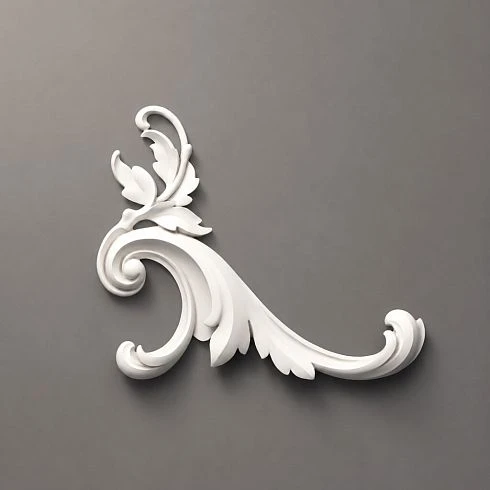
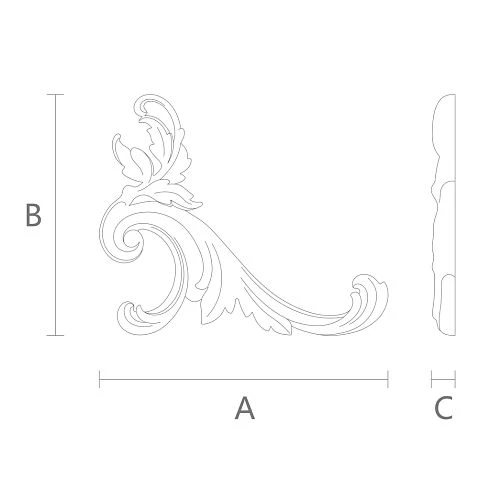
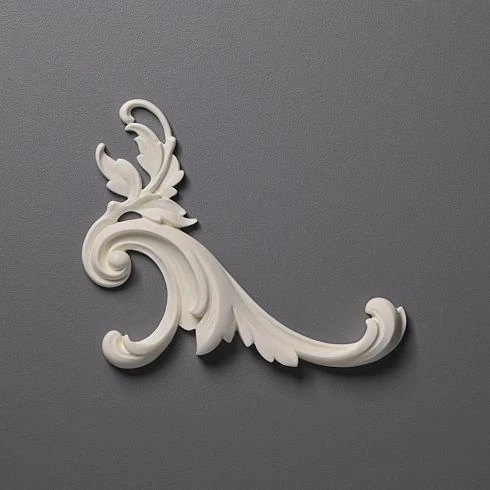
Relief Decoration NPU.VRS-002-4L
6.24 $

Ekaterina Y.
October 5, 2026
An excellent team! A huge selection of products! I recommend that craftsmen, designers, decorators, and home stagers take a tour of the production facility to immerse themselves and be inspired.
Alexander U.
October 2, 2026
I have been working with Stavros since 2024, and the quality of the products is top-notch. Customers are happy!!!
Elena G.
September 29, 2026
Daria is a very competent specialist; she provided consultation and helped us select items. They were sent promptly.
Polyurethane stucco decor
We have been on the market for over 20 years and are ready to offer you the best combination of aesthetics, quality, and practicality. Our polyurethane is not just a material, but a reliable foundation for flawless details, resistance to moisture and cracks, as well as convenient and quick installation. The company's success began in 2002, when two artists – Andrey Ragozin and Evgeny Tsapko – created a small creative workshop for making carved wooden products. The work of the craftsmen was quickly noticed, and within a year they were invited to participate in the reconstruction of the Konstantinovsky Palace in Strelna.
Every product in our range is the result of years of experience, thoughtful technology, and attention to detail. We constantly update our collections, follow and shape trends in interior design ourselves. From elegant neoclassicism to bold Art Deco, you will find the perfect accent for the interior of your dreams.
Choose durable polyurethane decor STAVROS — beauty proven by time and real projects, not just words.
STAVROS Guarantees
Quality of products without complaints
We save your time, peace of mind, and budget
Large warehouse program
We solve your tasks with maximum speed
Adherence to production deadlines
Streamlined process reduces all risks
Delivery from 1 piece throughout Russia
Quality service regardless of order volume
Your positive business reputation
Reliable partner — the foundation of your business
More products from the "Tauride Garden" collection
Frequently asked questions
Our showrooms are located in Saint Petersburg and Moscow. Production is located in Saint Petersburg.
Moscow contacts: https://www.stavros.ru/contacts_all/?tab=msk
Contacts of Saint Petersburg: https://www.stavros.ru/contacts_all/?tab=spb
- Send request by email [email protected]
- Write to us at Telegram
- Write to us at WhatsApp
- Order by phone +7 (800) 555-46-75
- Visit our showroom in Saint Petersburg and Moscow
Yes, we ship orders throughout Russia and to CIS countries.
We cooperate with transportation companies such as СДЭК and DPD.
You can also arrange pickup of your order through any convenient transportation company for you.
Delivery cost depends on the size, weight of the item, and delivery address.
When placing an order, the delivery cost is calculated automatically and displayed as a separate line on our website.
Prices and availability of items on the website are always current. Data is updated daily.
Note: items in stock are stored on the warehouse in unpolished form and shipped within 3 working days.
If the item is not in stock, average production time: 5–10 working days.
This is the quality of polishing of the items.
Standard — machine polishing, at a more attractive price.
Prestige — detailed hand polishing, items do not require further work.
More details: https://www.stavros.ru/information/kachestvo/
This is the type of veneer of the items.
Under enamel: produced by gluing wooden laminates without color and texture matching. Contrast tonal and textural differences are noticeable. This blank should be chosen if the item is intended for opaque coating.
Under tinting: produced by gluing wooden laminates with color and texture matching. Tonal and textural differences may occur. This blank should be chosen if the item is intended for semi-transparent finish.
More details: https://www.stavros.ru/information/kachestvo/
Beech — dense, non-porous wood, most often used for items covered with enamel.
Oak — dense, porous wood with clearly visible natural grain. Due to its strength and decorative properties, it is often used in items with semi-transparent coating, highlighting the wood pattern.
Custom-made, if non-standard items are required, we can produce products from other types of wood, including blanks provided by the customer, manufactured according to our technical specifications.
All our furniture legs can withstand a vertical load of at least 100 kg.
Average production time for custom-made items: 5–10 working days.
Most items are stored on the warehouse in unpolished form. We need time to polish and pack orders.
Yes, we manufacture non-standard items according to individual projects, but we only accept orders with a minimum quantity.
We can manufacture items of the desired size, but we only work with bulk orders. For details, please consult the sales department manager.
Yes, some of our products can be used outdoors. For example, polyurethane items, as well as carved door casings made of pine.
Other items are produced to order using PUR glue, if minimum quantity is available. No warranty is provided for such products, as outdoor conditions are considered aggressive.
Yes, we paint items when ordering products for a total amount of 150,000 rubles or more.
- Dust removal. After sanding, the surface must be dusted.
- Priming. Apply primer in an even layer.
- Matting. After the primer has fully dried, the surface should be matted (lightly sanded for better adhesion).
- Finish coating. Apply finish coating: lacquer or enamel, in 2 layers, with interlayer drying.
More details: https://www.stavros.ru/information/sovety/
Apply adhesive to the decor. Place it on the surface and press briefly. Then, lift the decor from the surface and leave it open for 3–5 minutes. Press the decor firmly onto the surface and hold for 5–10 seconds.
More details: https://www.stavros.ru/information/sovety/
Ideally, you should prepare a design project before placing an order.
You can do this yourself by downloading drawings of our products from our website, or you can order a project from us.
If the number of decorative elements and fittings is small, our company's manager can assist you with selection.
Unfortunately, this service is not provided.
The packaging method depends on the type of items, but in each case, we ensure sufficient protection for safe transportation.
We most often use corrugated cardboard and stretch film. Fragile items are additionally secured on a rigid base to prevent damage during transport.
We ship all items starting from 1 piece.
Room measurements and item installation can be performed by our partners — carpentry companies represented in most regions of Russia.
Often searched in category Wall Decor
Collection "Botanical Garden" — polyurethane stucco decor for walls
Select an element. Assemble the wall. Buy decor.
That's exactly how this page works. There's no fluff here — it's a catalog where every element has a size, purpose, and place in the interior composition. But before you start choosing, it's worth understanding: why do you need botanical stucco decor at all, what makes the "Botanical Garden" collection special, and why these elements should be considered first when planning wall decoration.
The STAVROS "Botanical Garden" collection is a series . Clear lines, created using modern technologies, emphasize the strict aesthetics of the room. Each decorative element harmoniously fits into the overall concept, creating a sense of order and thoughtfulness. with botanical motifs: leaves, flowers, scrolls, garlands, and natural ornaments. All of this is designed for walls, molding frames, decorative panels, and interior accent zones. By purchasing decor from this collection, you get not a random ornament, but elements of a unified stylistic system that combine with each other, scale to different wall sizes, and work equally well in residential and commercial spaces.
It's not just beautiful. It's functional, technologically advanced, and aesthetically flawless — exactly the combination that distinguishes thoughtful interior decor from decorative noise.
Botanical motifs as an architectural language
Leaves, flowers, curls, garlands — what do all great interior styles have in common? That's right: each of them features a botanical ornament. It was present in Greek, Roman, Renaissance, Baroque, Classicism, and Neoclassical interiors. It never disappeared — only its degree of conventionality, scale, and execution style changed.
Why did the natural ornament prove so enduring? Because it speaks a universal language. Leaves and flowers are images that are understandable without translation and without cultural codes. They evoke a feeling of life, growth, and organicity. Against the backdrop of a flat painted wall, a botanical relief produces an almost physical effect: the space begins to breathe.
It is on this effect that the "Botanical Garden" collection is built.Sculptural wall decorationfrom this series carries not just decoration, but meaning: a natural form, translated into a three-dimensional relief and placed on an architectural plane, makes the wall alive.
What is included in the collection: a full range of elements
"Botanical Garden" is not three or four items with a similar ornament. It is a full-fledged system covering the entire spectrum of elements necessary for creating complete interior compositions on the wall.
Corner elements L and R
Corner details are the most sought-after group in the collection. They are installed in the corners of a molding frame and perform a dual function: decorative (ornament the corner, create a floral or leaf accent) and structural (cover the 45° molding joints, making the corner visually monolithic).
Left-handed (L) and right-handed (R) versions are mirror-symmetrical details that are always used in pairs. A rectangular frame with four corners requires 2L + 2R; a more complex composition with additional horizontal moldings inside the frame requires more. When purchasing, it is important to consider this: strictly paired items go into the cart.
Central ornamental overlays
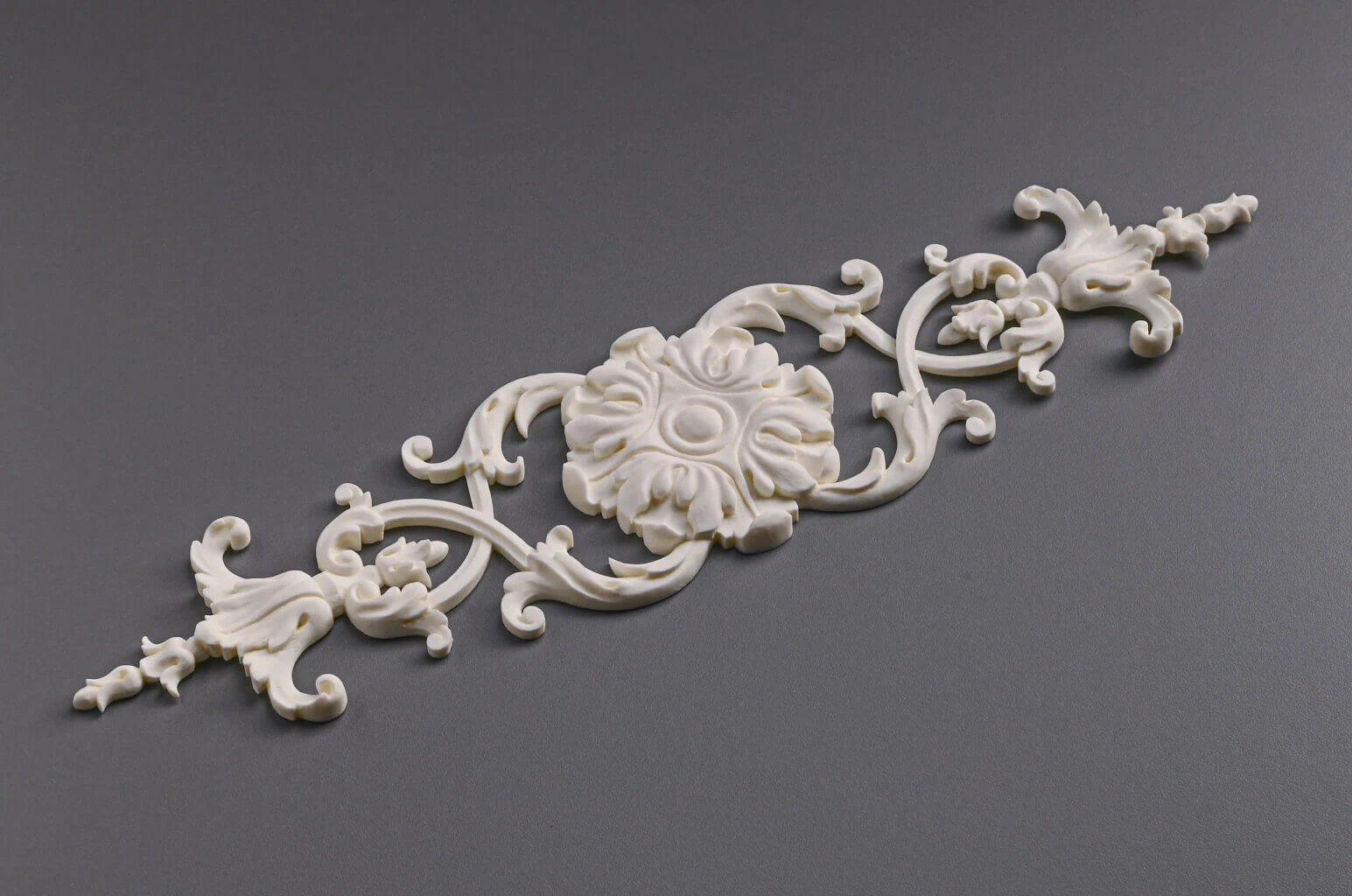
Key highlights of the collection. These are large square or rectangular decorative elements with elaborate floral ornamentation — medallions, cartouches, panels with flowers and leaves. They are placed along the axis of a vertical or horizontal panel and become its focal point.
The sizes of the central elements range from small (about 100–150 mm) to large (330 × 330 mm and larger). The choice of a specific size depends on the wall scale, panel height, and the distance from which the decor will be perceived.
Vertical inserts and border elements
These are intermediate elements that create an ornamental rhythm between corner details and the central accent. Their task is to avoid decorative gaps in the vertical span of the panel. Leaf and flower inserts of various sizes allow adjusting the density of the ornament to fit the specific wall size.
Horizontal accents and finishes
The lower and upper horizontal elements "close" the vertical panel from top and bottom. This is especially important for the lower part: the horizontal decor gives the entire structure a base, a "pedestal" — without it, the vertical frame looks like an unfinished draft.
Ready-made sets of stucco decor
A separate group within the collection is pre-assembled sets with moldings. Such kits, like CPU-6-1 and CPU-6-2, already include all necessary elements for creating one decorative panel: moldings, corner pieces, central accents, vertical inserts, horizontal finishes. This is the optimal choice for those who want a result without engineering calculations.
Polyurethane: why it is the right material for wall decor
This question arises for everyone who first choosesdecorative wall moldingand compares polyurethane with alternatives. Let's consider it honestly.
Ease and convenience of installation
Foamed polyurethane is 8–12 times lighter than plaster of the same volume. This means that a large ornamental element weighs grams, not kilograms. It does not need to be held with spacers while the adhesive sets, nor does it require additional anchoring to the wall. Ordinary mounting adhesive is enough, and the part holds securely on any prepared surface: puttied, painted, drywall, MDF.
This quality is especially valuable when working at height, installing on a ceiling cornice, or decorating large areas: the installer does not get tired from the weight of the parts and works faster.
Precision and stability of the relief
Polyurethane products are cast into precise molds. Each piece—whether the first in a series or the two-thousandth—is identical to the original form: sharp edges, pronounced volumes, finely detailed ornament.
This is important when purchasing several identical elements for a series of panels on one wall: all parts will match exactly in silhouette and relief. No "manual variability," which is considered a virtue in handcrafted plaster but becomes a problem in an interior project with a repeating module.
Compatibility with any paints
STAVROS Polyurethane DecorIt accepts paint without special primers. Light sanding of the surface with 180–220 grit sandpaper, and the part is ready for painting with any water-based or alkyd-based interior paint. White, cream, gray, bronze, gold, anthracite—any color supported by the chosen tinting system.
When repainting after several years (when changing the interior concept), polyurethane readily accepts the new color: just sand the old layer, and the surface is ready again.
Moisture resistance and durability
The closed porous structure of polyurethane does not absorb moisture. The decor does not crack with changes in humidity within the standard range of residential premises, is not damaged by point water exposure, and does not yellow without direct UV exposure for many years of use.
Compare with plaster: when wet, it swells, loses strength, and crumbles at the edges of the relief. Polyurethane remains stable under similar conditions.
Where to use elements from the "Botanical Garden" collection
Plant-basedWall-mounted stucco decorfrom this series is not tied to one type of space. Its application is determined not by walls, but by the concept.
Accent wall in the living room: from background to dominant
The main wall of the living room is the place that is visible from any point in the room and forms the first impression of the space. An empty painted plane here is perceived as incompleteness, as unfulfilled potential.
Decorated with molding frames and elements of the "Botanical Garden", the same wall turns into an architectural argument. Several vertical panels with a uniform step create a classic rhythm — exactly the one that makes living rooms "with character" recognizable in interior photos.
Bedroom: headboard, side walls, area behind the bed
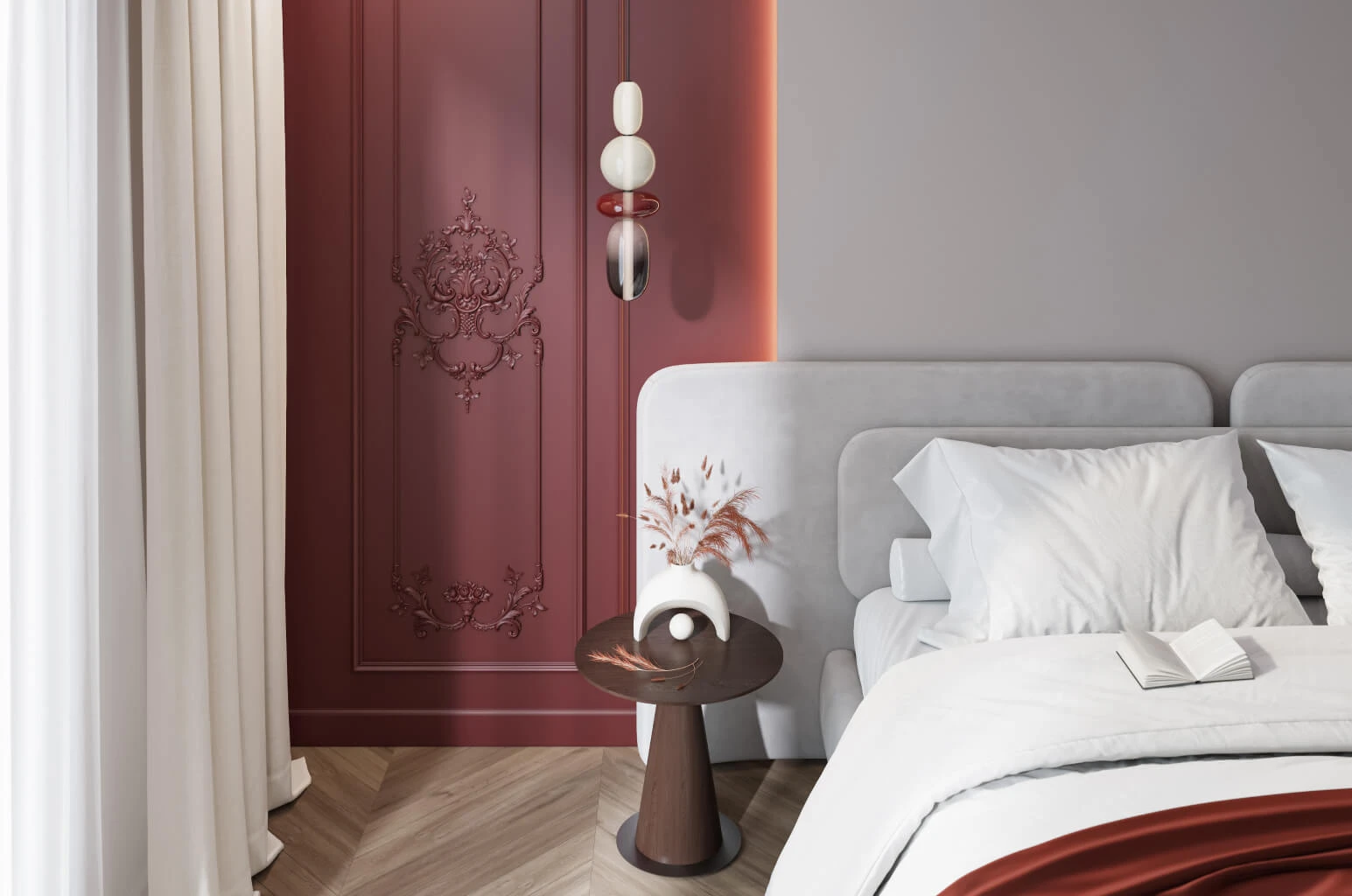
The headboard of the bed is where plastic decor works with particular force. A panel with a floral pattern behind the bed replaces soft upholstery, which costs several times more and requires special installation.
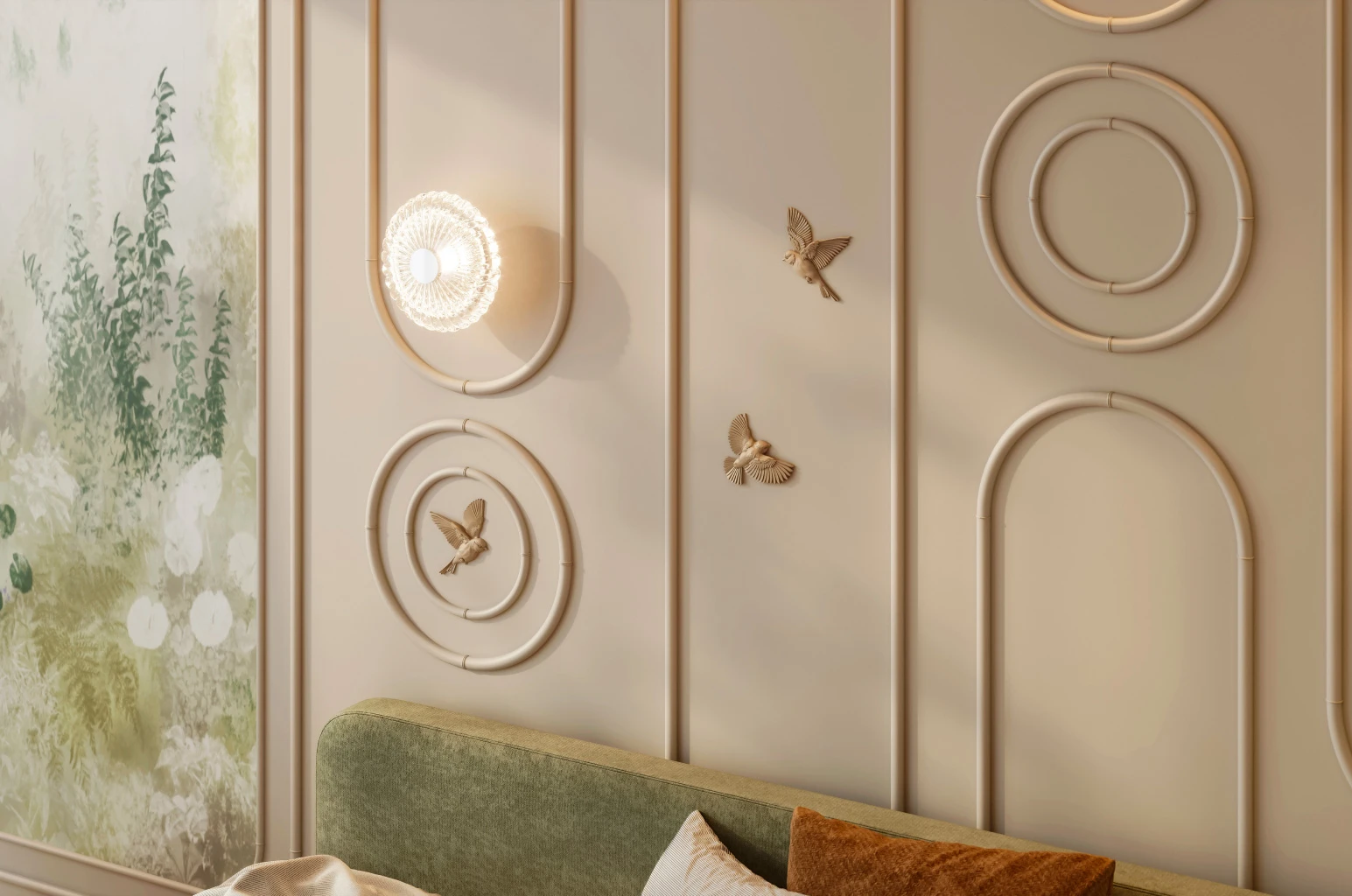
When painted in the color of the wall, the "Botanical Garden" pattern appears only in the evening side light from the sconces — creating the effect of a subtle texture that is not visible head-on but is felt as volume. This is one of the most exquisite decorative techniques in modern bedroom design.
Hallway and foyer: verticality as a solution to cramped space
The hallway is eternally narrow, eternally dark, eternally short on space. And eternally underestimated from a decor perspective. Yet it is the hallway that forms the first physical impression of an apartment — not the kitchen, not the living room, but the hallway.
Stucco decor for the hallwayfrom the "Botanical Garden" collection works here through verticality: a narrow panel 2300 mm high stretches the space upward, creating a sense of height and architectural significance that compensates for the crampedness. At the same time, the narrow format (from 430 to 500 mm) does not overload a small wall — it enriches it.
TV zone: the television as part of the interior, not a hole in the wall
Two vertical panels on either side of the screen is a working technique that integrates the appliance into the architectural context of the wall. The television ceases to be a black rectangle simply hanging on the wall. It becomes part of a symmetrical decorative composition, framed bywith polyurethane molding decorationwith a botanical pattern.
Spaces between doorways
Narrow wall sections are the decorative "blind spot" of most apartments. They are either left empty or a single painting is hung, which still looks random. Elements from the "Botanical Garden" offer a third path: a vertical ornamental panel 400–500 mm wide completely occupies the wall section and transforms it from a forced gap into an independent decorative element.
Study: an atmosphere of a place with history
In the study, decor should work differently than in the living room: not to impress, but to create a backdrop for serious work.Decorative molding for the studywith botanical motifs adds to the space what designers call "weight": the walls cease to be a neutral backdrop and begin to participate in shaping the atmosphere.
Commercial spaces: restaurant, boutique, salon, showroom
Commercial interior works on a simple principle: the more "expensive" a space feels, the higher the client's willingness to pay.Stucco decor for a restaurantof a boutique creates exactly this feeling: walls with ornamental panels from the "Botanical Garden" speak to attention to detail, an investment in quality, an establishment that does not skimp on atmosphere.
How to combine collection elements with moldings
This is the central practical question of the page, and it needs to be answered specifically.
Molding is geometry. The "Botanical Garden" decor is an ornament. Individually, each makes sense, but together they create a synergy that turns a simple wall into an architectural-decorative system.
Molding as a frame
STAVROS polyurethane moldings, cornices, and baseboardsprovide a strict perimeter for the frame. The straight profile sets the geometry — verticals and horizontals that hold the entire structure in architectural order. Molding is the frame for the ornament, it makes the decor "readable," separating it from the background.
Without molding, plant overlays on a bare wall look like individual stickers. In a molding frame, they look like part of a well-thought-out architectural detail.
Corner elements as transitions
The L/R corner details from "Botanical Garden" solve the main problem of molding frames — the corner. A 45° molding joint, no matter how neatly cut, always remains a visible seam. The corner overlay covers this seam while simultaneously decorating the corner.
Central element as a focal point
The central overlay — a medallion or ornamental panel — is placed strictly along the vertical axis of the panel. This is the point from which all symmetry is built: corner details symmetrically diverge left and right from this axis, and inserts fill the space between the center and corners.
Vertical inserts as a rhythmic component
Without intermediate inserts, a panel 2300 mm high will look "empty" between the corner details and the center. The inserts create an ornamental pulse: a small accent — pause — large accent — pause — small accent. It is this rhythm that makes the panel readable from bottom to top, like text.
Horizontal finishing element as a pedestal
The lower horizontal decor "roots" the vertical. It serves a dual purpose: it covers the bottom molding joint with the wall and creates a visual "base" on which the entire structure stands. This is psychologically important: the human eye seeks a foundation for any vertical object. Without a base, there is a feeling of instability and incompleteness.
Which interior styles suit "Botanical Garden"
Floral ornament is a supranational and timeless phenomenon. But there are styles in which it reveals itself most fully.
Neoclassicism
Neoclassicism — the first and obvious context.Stucco decor for a neoclassical interiorwith floral ornamentation is not a stylization, but a direct adherence to historical tradition: laurel leaves, acanthus scrolls, and floral garlands were indispensable attributes of neoclassical halls from St. Petersburg to Paris.
In modern neoclassicism, the "Botanical Garden" is used in a restrained form: not an overloaded ornament, but a delicate floral accent that reads as a quote from a high style, translated into the intimate scale of a city apartment.
Modern classic
Modern classicism is neoclassicism minus pathos and plus functionality. Molding frames with floral decor here are painted in the same colors as the walls, creating an architectural relief without color contrast. The result is a space with character that does not declare "I am classical," but simply is.
Art Deco
In Art Deco, floral ornament coexists with rigid geometry on equal terms. The geometry of the molding creates structure, the "Botanical Garden" ornament adds life to it. When painting the decor in metallic tones—bronze, gold, old silver—you get that very "luxurious minimalism" that made Art Deco an icon of style for decades.
Parisian style
A Parisian interior is multilayered: moldings, wallpaper, mirrors, paintings, textiles—each layer contributes its own note to the overall chord. The elements of the "Botanical Garden" here are one of these layers: they do not solo, but without them, the full sound will not be achieved.
The "Botanical Garden" collection among other STAVROS series: how to make a choice
On the page. Clear lines, created using modern technologies, emphasize the strict aesthetics of the room. Each decorative element harmoniously fits into the overall concept, creating a sense of order and thoughtfulness.STAVROS "Botanical Garden" coexists with other collections. Understanding the differences helps to find what you need faster.
"Botanical Garden" is a collection with a soft, natural, slightly lyrical ornament. The leaves here are recognizable, the flowers are alive, the scrolls are organic, not mechanical. This is a choice for those who want warmth and natural softness in wall decor.
If a different intonation is needed—more strict, more solemn, with a different character of floral ornament—nearby in the section you can considerthe "Tavrichesky Garden" collectionit has a different plasticity, a different scale, a different mood, and when choosing, it is worth studying both.
Collections"Summer Garden" in polyurethane and "Pavlovsk" are also in the wall decor section. Each of them has a distinct character, so before ordering, it is recommended to visually compare several options — especially if a large interior project is planned.
How to choose collection elements: a practical guide
Choosingpolyurethane molding decoration is not intuition, but calculation. A few questions to answer before placing an order.
Question 1: what is the size of the wall or panel?
Measure the width and height of the area you plan to decorate. The width determines whether you can use a ready-made set (e.g., 500 or 800 mm) or need an individual selection of elements. The height affects the choice of vertical inserts: the higher the panel, the more intermediate accents are needed for rhythmic filling.
Question 2: what is the role of each element?
Before adding items to the cart, create a diagram of the future panel: where the corner pieces are, where the central accent is, where the inserts are, where the horizontal finish is. This will take 15 minutes and save money on incorrect items.
Question 3: are L and R needed in pairs?
All corner elements of the collection are paired. For one rectangular frame, you need 2L + 2R. For a double frame with a horizontal divider — 4L + 4R. Don't forget about symmetry: one frame without a paired element is not decor, but an installation error.
Question 4: what is the overhang?
The overhang (relief depth) should be proportional to the distance from which the decor is perceived. In a narrow corridor — 8–13 mm, the relief is readable from 1–2 m. In a spacious living room — you can use 14–19 mm, the relief works effectively from 3–5 m.
Question 5: what color to paint?
If the paint matches the wall color, the pattern appears as a subtle shadow in side light. If contrasting, the silhouette of the decor becomes the main feature. With contrasting painting, it is more important to choose elements with a clear, large silhouette. With tone-on-tone painting, you can use smaller, more detailed patterns.
Installation: from the first marking to the final coat of paint
DIY installationpolyurethane wall moldings — a real task for anyone with basic construction skills. The process is divided into seven stages, each performed sequentially.
Stage 1. Surface preparation. The wall must be level (check with a straightedge), dry (check with a moisture meter), and clean. Final putty is mandatory before installation.
Stage 2. Marking. Plumb line or laser level — central axis. From it — symmetry to the left and right. All decor positions — with a pencil before opening the glue.
Stage 3. Trimming the molding. Miter saw or fine-tooth hacksaw. Angles — 45° for beveled joints. Cuts — sanding and priming.
Stage 4. Installing the molding. Glue in a zigzag pattern, press for 30–60 seconds, additional fixation with finishing nails for long vertical planks.
Stage 5. Installing decorative elements. Starting from the central accent, spreading to corner pieces. Glue in dots, press for 1–3 minutes for large elements.
Stage 6. Puttying joints. Acrylic sealant or finishing putty — all gaps and joints. Sanding after drying.
Stage 7. Painting. Two to three coats of interior paint, brush for ornament details, roller for molding.
Buy the «Botanical Garden» STAVROS stucco decor
In this section, you can select and buy molded decoration made of polyurethanewith plant motifs for any interior project. Corner elements, central medallions, vertical inserts, horizontal finishes, and ready-made complete sets with moldings — all are presented in one collection with a unified style and a unified quality standard.
Delivery across Russia. Wholesale purchase is available for construction and design projects. Products made from of polyurethane moldings STAVROSsuitable for private clients, designers, installation teams, and construction companies.
If you want to consider related solutions, check out the section. Clear lines, created using modern technologies, emphasize the strict aesthetics of the room. Each decorative element harmoniously fits into the overall concept, creating a sense of order and thoughtfulness., which features all collections of STAVROS wall decor, as well as in thethe "Tavrichesky Garden" collection— the closest in spirit, but different in ornament style.
FAQ: answering customer questions
What is better — to buy individual elements or a ready-made set?
A ready-made set (CPU-6-1, CPU-6-2, and others) is the optimal choice if you know the exact size of your panel and want a result without extra calculations. Individual elements are the best choice for non-standard sizes, custom compositions, or supplementing an existing panel.
Can elements of the "Botanical Garden" be used on the ceiling?
Polyurethane decor is light enough for ceiling installation. However, the elements of the "Botanical Garden" collection are primarily designed for walls. For ceiling decor, STAVROS has specialized series with corresponding proportions and profiles.
Is special paint needed for polyurethane?
No. Standard water-based interior paint (acrylic or latex) is the optimal choice. No special chemicals are required.
Can I glue decor over old wallpaper?
Not recommended. The mounting adhesive must contact the wall directly. Under load, the wallpaper may peel off along with the decor.
How to order elements for a non-standard panel size?
Select corner and insert elements manually, based on the catalog dimensions. If necessary, trim vertical inserts to length — polyurethane can be cut with a regular knife or hacksaw.
Is there a guarantee of compatibility between elements within a collection?
Yes. All elements of the "Botanical Garden" collection are designed in a unified style and scale, ensuring their visual compatibility in a single composition.
How long does the decor stay on the wall?
With a properly prepared surface and high-quality mounting adhesive — many years. Polyurethane does not react to seasonal changes in humidity and temperature in standard residential conditions.
Can I repaint already installed decor?
Yes, at any time. Light sanding of the old paint layer — and the surface is ready for a new color again.
Is the collection suitable for commercial properties?
Completely. Restaurants, salons, boutiques, showrooms, hotels —Decorative molding for commercial interiorsfrom this series is successfully used in a wide variety of objects.
How to choose between "Botanical Garden" and "Tauride Garden"?
"Botanical Garden" is softer, more natural, with living floral and leaf motifs."Tauride Garden"is a different interpretation of the plant ornament, with a different scale and plasticity. The best way to choose is to see both collections side by side.
Your request has been sent!
Our manager will contact you within 5 minutes