








































































Decorative elements
 New
In stock
New
In stock
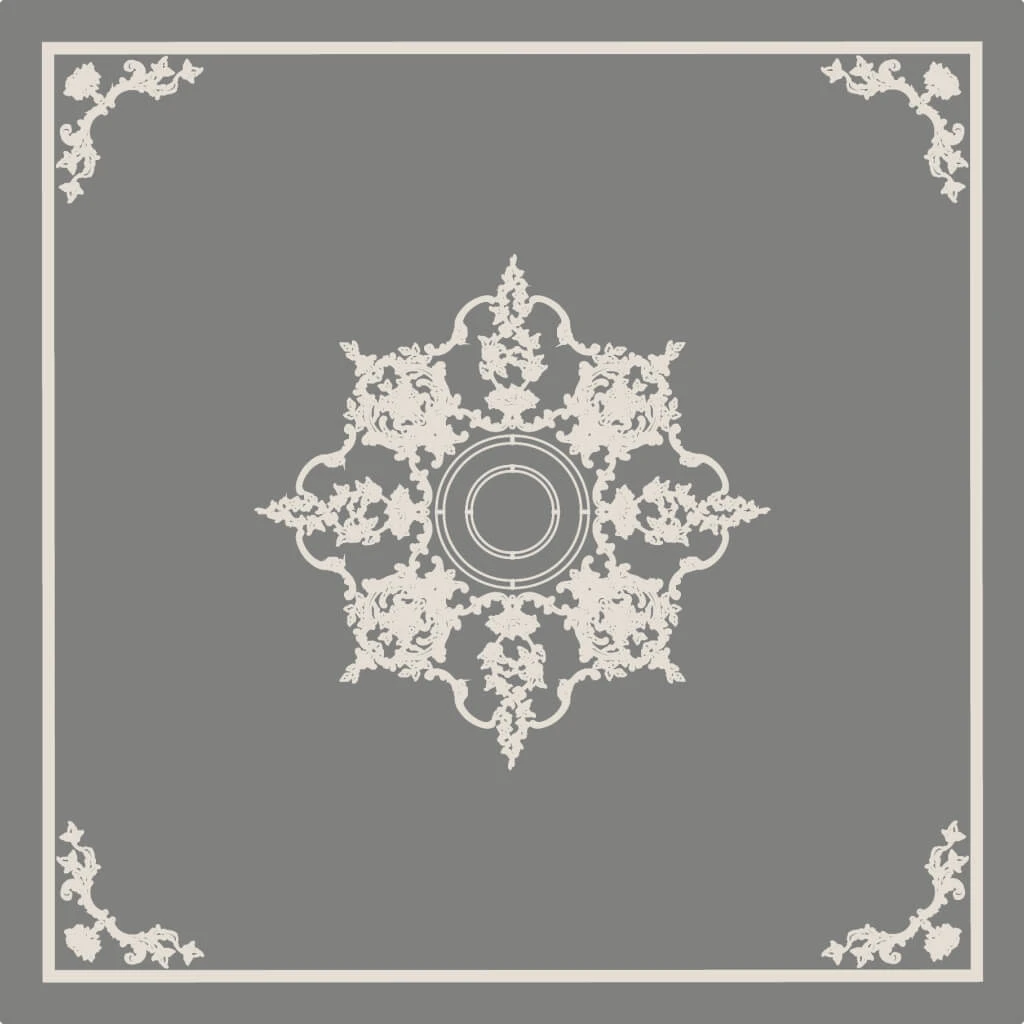
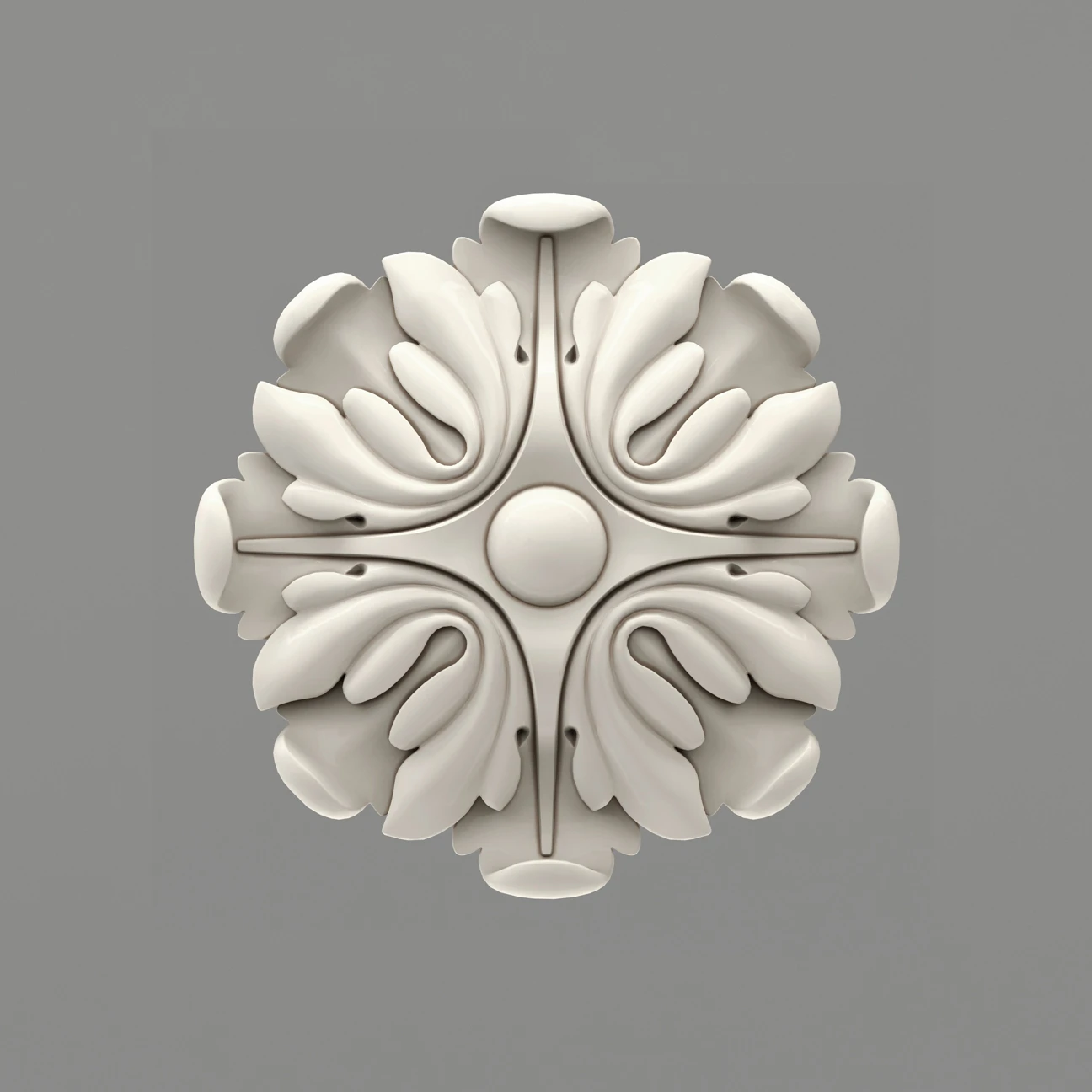
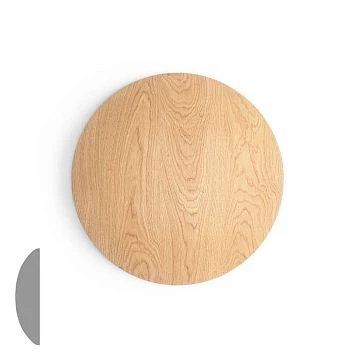
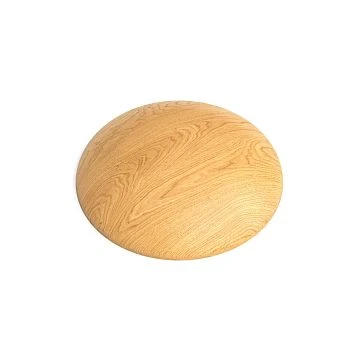
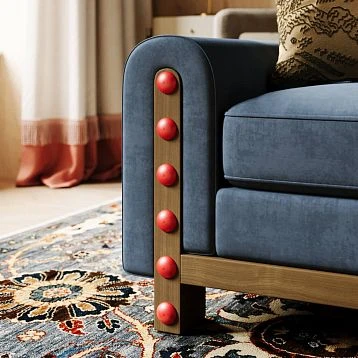
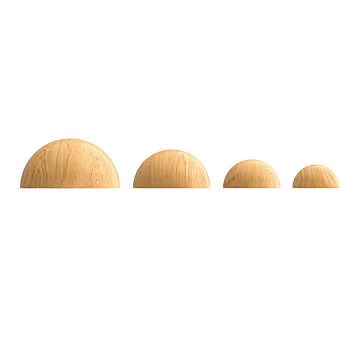
Wooden Rosette R-084
from 3.59 $
 New
In stock
New
In stock
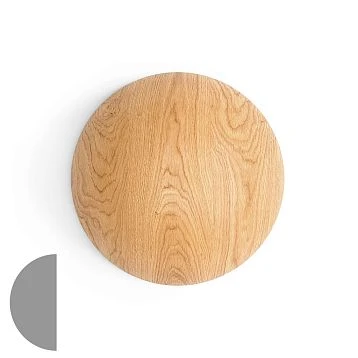
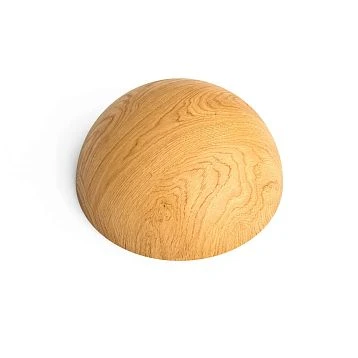
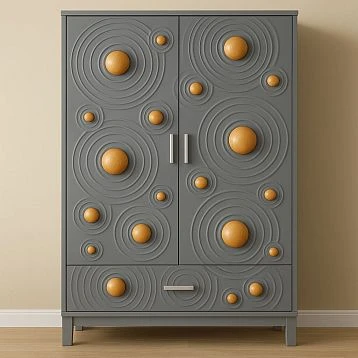
Wooden rosette R-085
from 3.95 $
 New
In stock
New
In stock
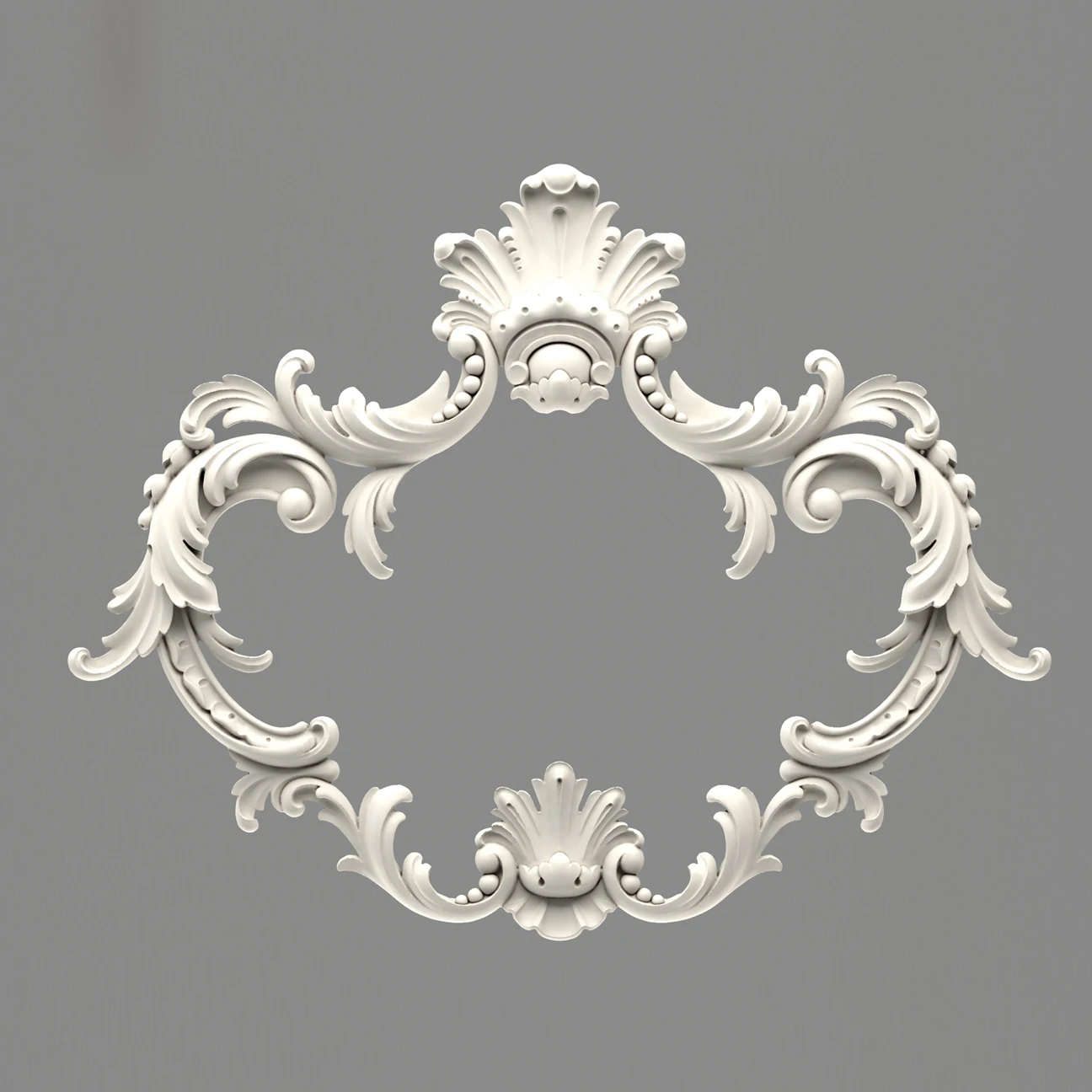
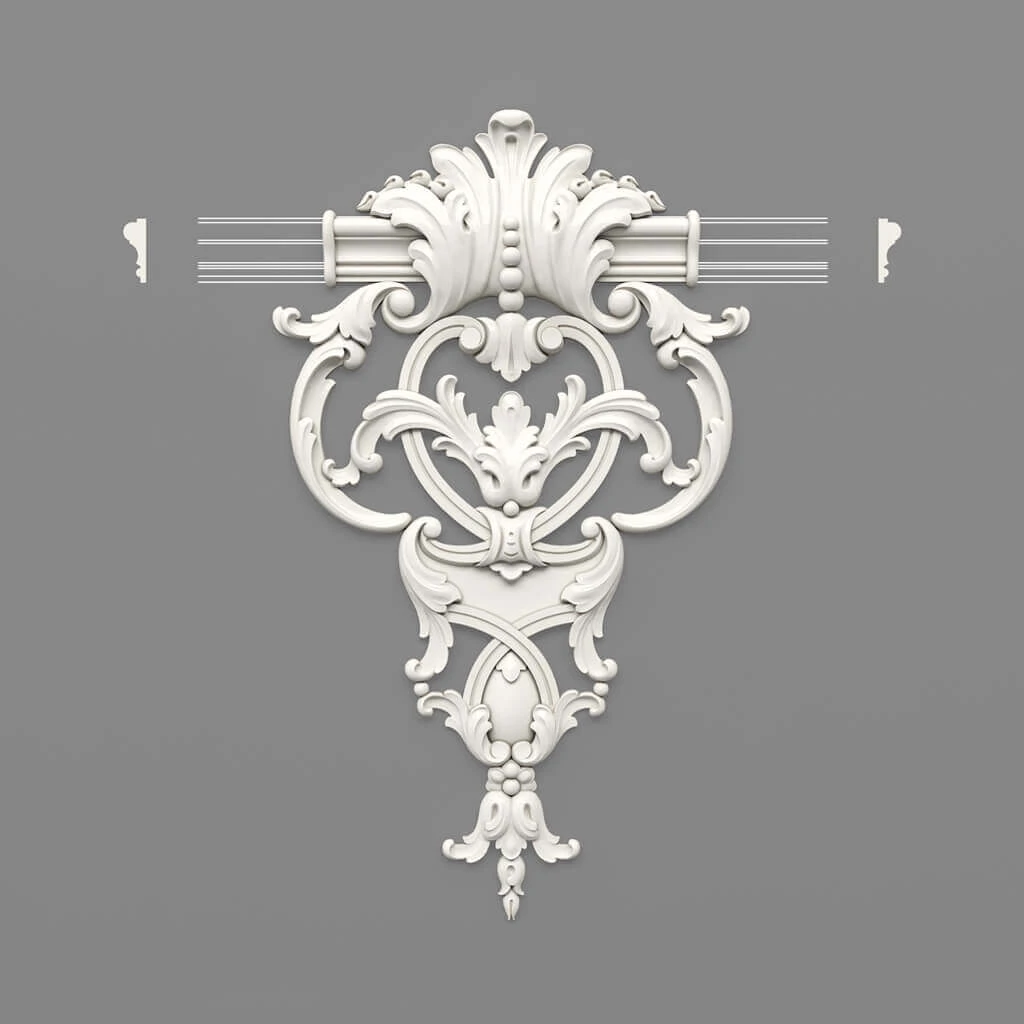
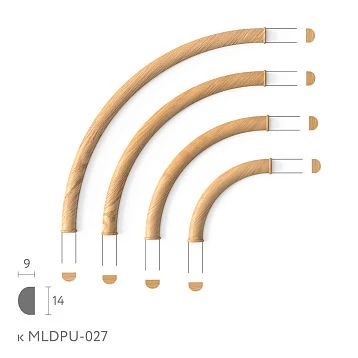
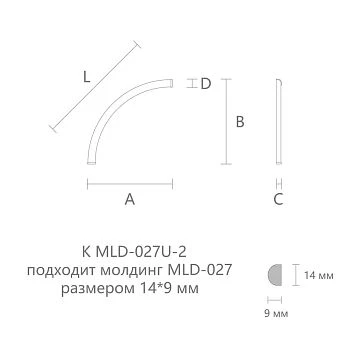
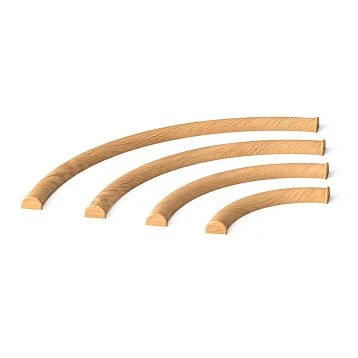
Corner Decorative Element MLD-027U-2
from 6.23 $
 In stock
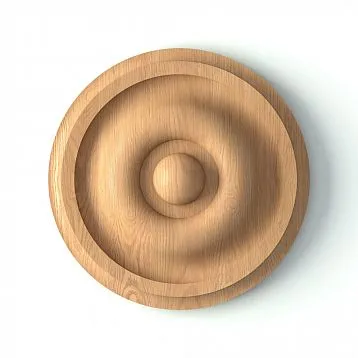
Wooden Rosette R-057
from 2.99 $
 New
In stock
New
In stock
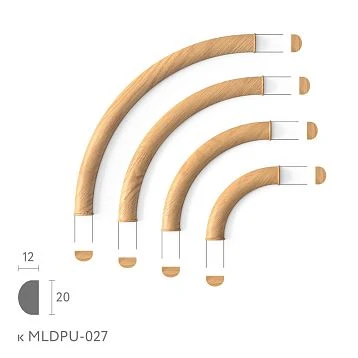
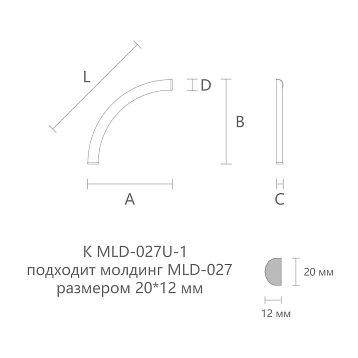
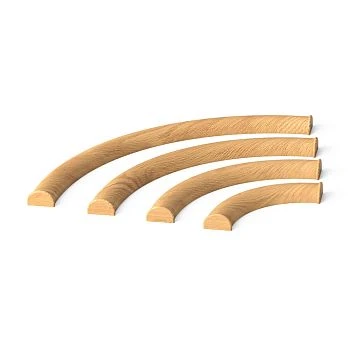
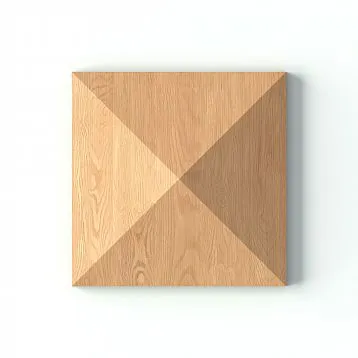
Decorative corner element MLD-027U-1
from 7.07 $
 Bestseller
In stock
Bestseller
In stock
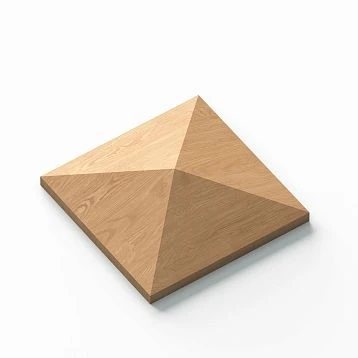
Wooden Rosette R-055
from 2.40 $
 In stock
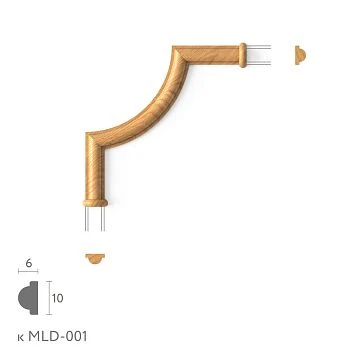
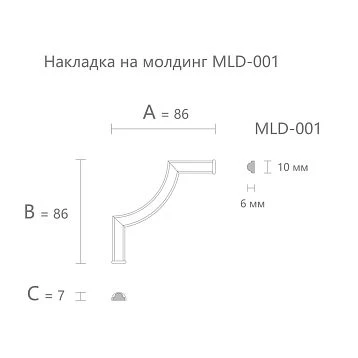
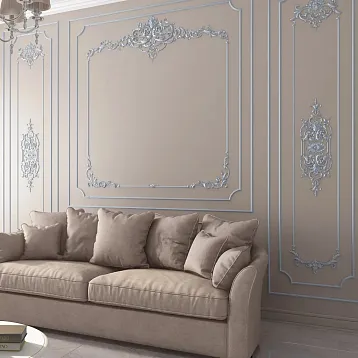
Decorative Corner Element MLD-001U
from 6.59 $
 5-10 days
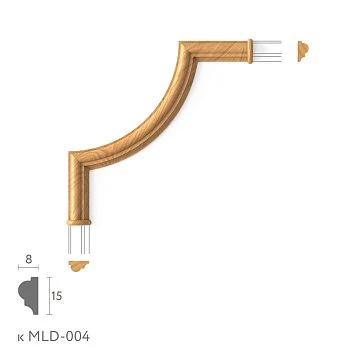
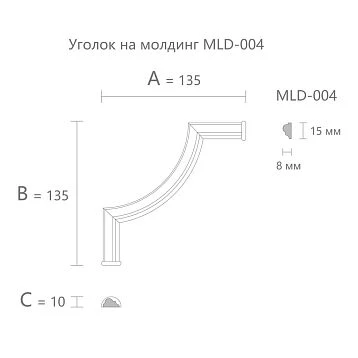
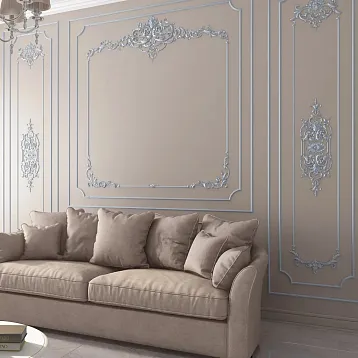
Decorative corner element MLD-004U
from 11.50 $
 In stock
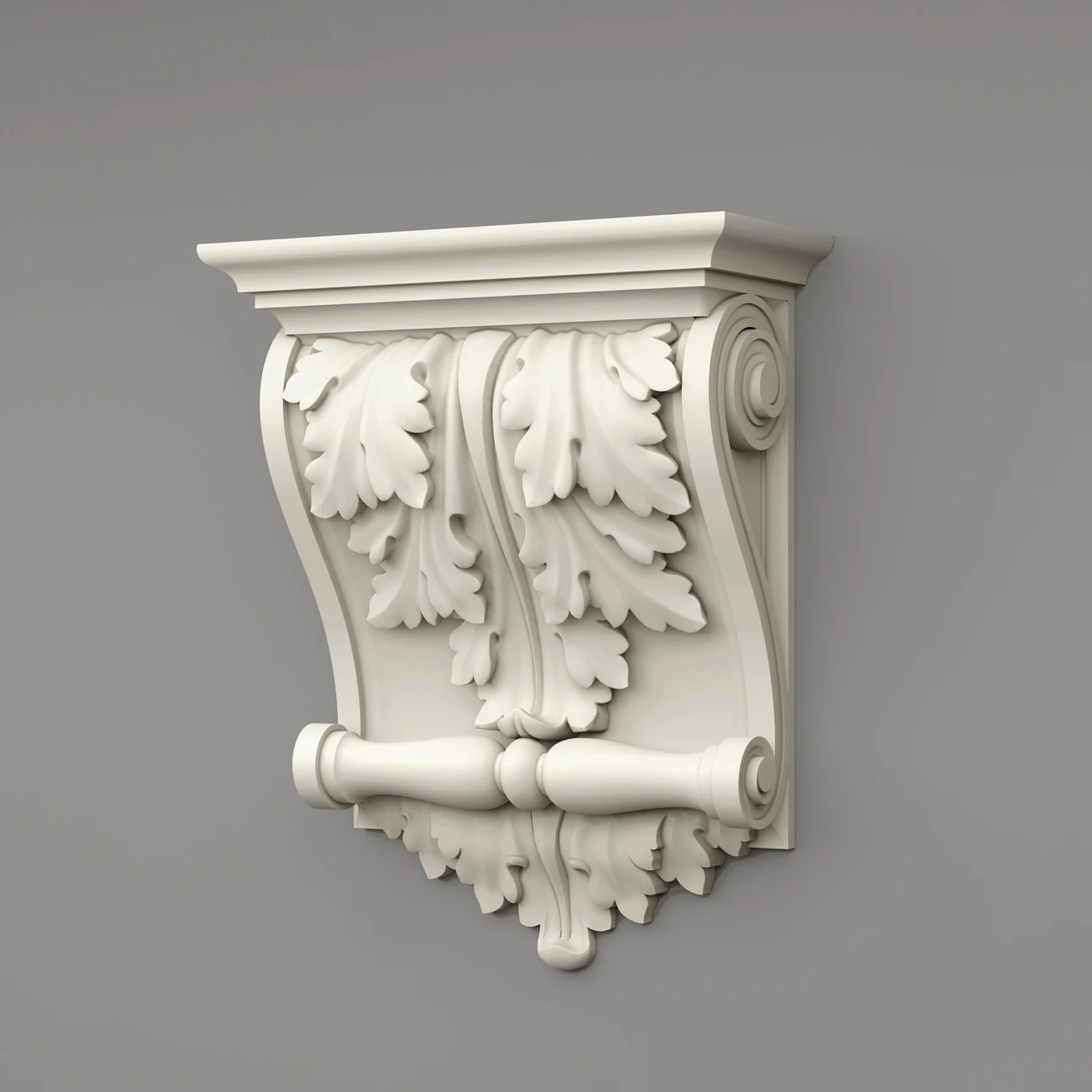
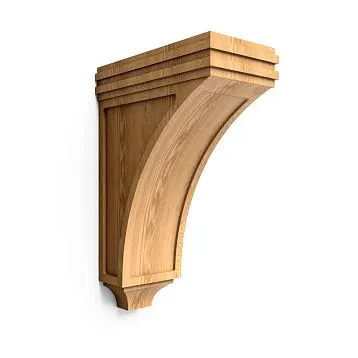
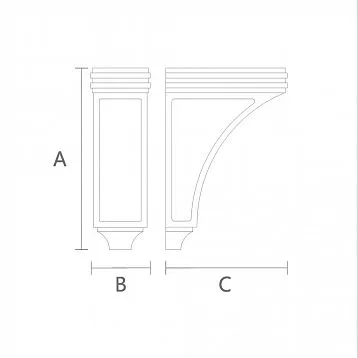
Wooden Bracket KR-062
from 117.39 $
 In stock
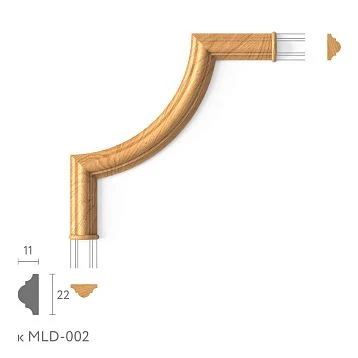
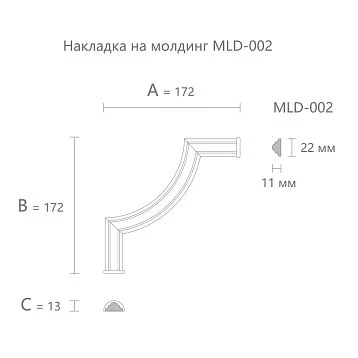
Corner decorative element MLD-002U
from 15.09 $
 5-10 days
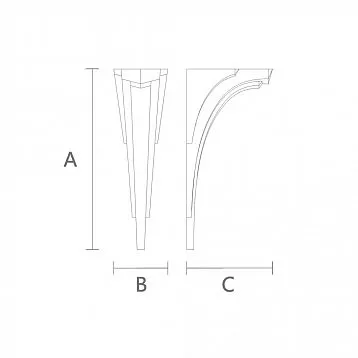
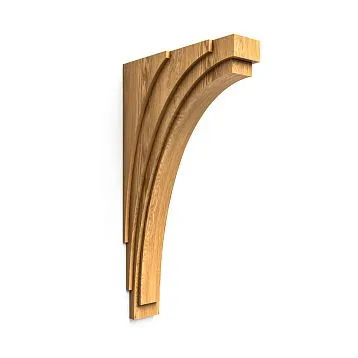
Wooden Bracket KR-067
from 57.50 $
 In stock
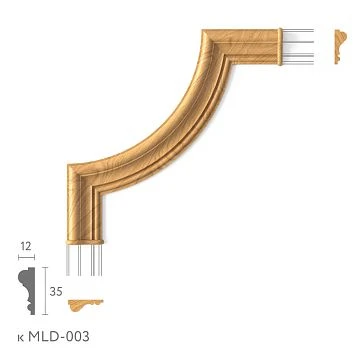
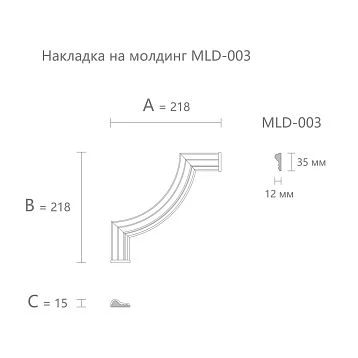
Corner decorative element MLD-003U
from 25.63 $
 5-10 days
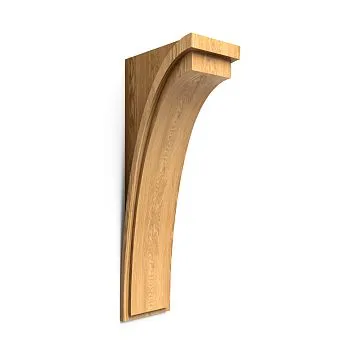
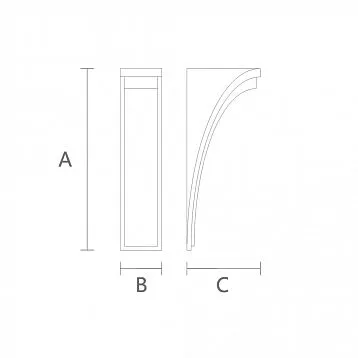
Wooden Bracket KR-066
from 73.43 $
 In stock
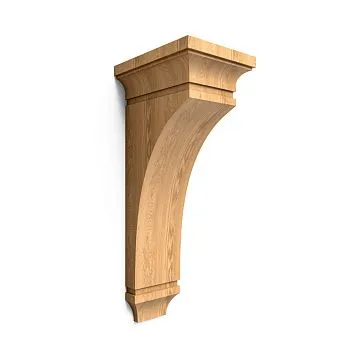
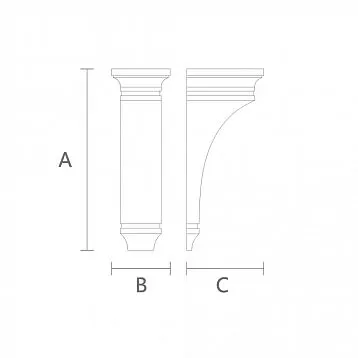
Wooden Bracket KR-065
from 85.65 $
 5-10 days
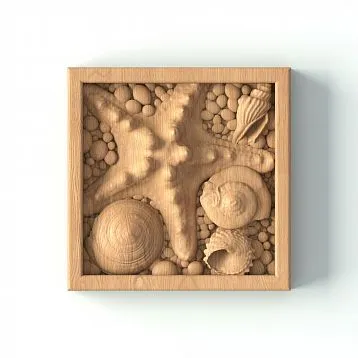
Wooden bracket KR-064
from 124.69 $
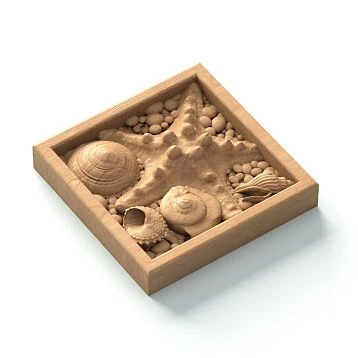
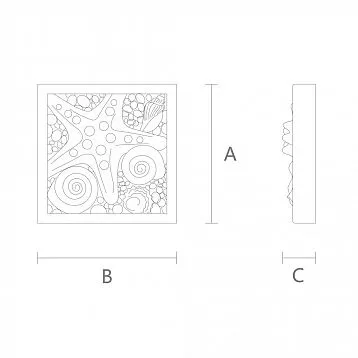 5-10 days
Wooden Outlet R-082
from 31.14 $
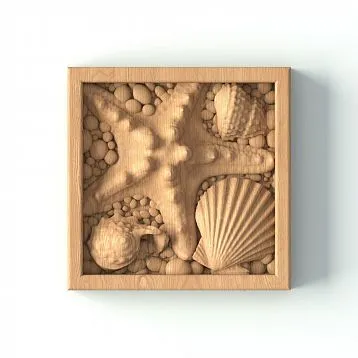
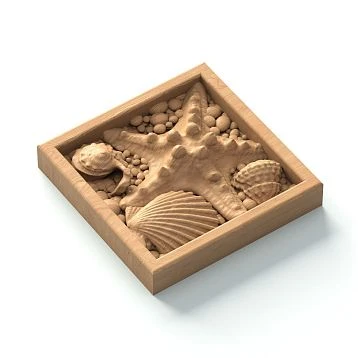
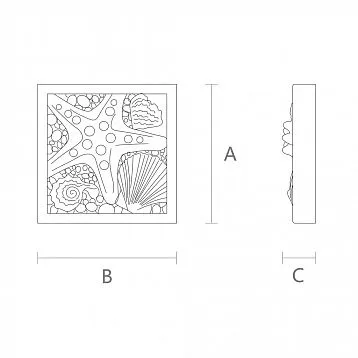 5-10 days
Wooden socket R-083
from 31.14 $
Decorative wooden elements for furniture, walls, and interior accents
wooden decorative elements is a selection of wooden details for finishing furniture, wall compositions, molding frames, shelves, panels, and interior nodes. The section combines rosettes, brackets, corner elements, overlays, and molding tips: everything that helps turn a joint, corner, composition center, or transition into part of a thoughtful decorative solution, rather than a technical flaw. Such to buy, which will allow you to transform your furniture using carved wooden elements. You can use the C-003-3 decor set to decorate furniture, walls, doors, or any other surface. The C-003-3 decor set is made of oak or beech, known for their strength, durability, and beauty. You can buy the C-003-3 decor set at the Stavros decor store, which specializes in producing and selling decorative elements and hardware for furniture and interiors. At the Stavros decor store, you will find a wide selection of decor sets of various shapes, sizes, and styles. You can choose is suitable for classic, modern, and art deco projects — both in residential and commercial spaces.
Decorative wooden elements help make interiors and furniture complete: emphasize a molding corner, design the center of a composition, add a carved accent, support a shelf with a bracket, or complement a wall panel with an expressive solid wood detail.
What products are included in the section
The section includes four main types of products, each solving a specific decorative task in the interior or furniture.
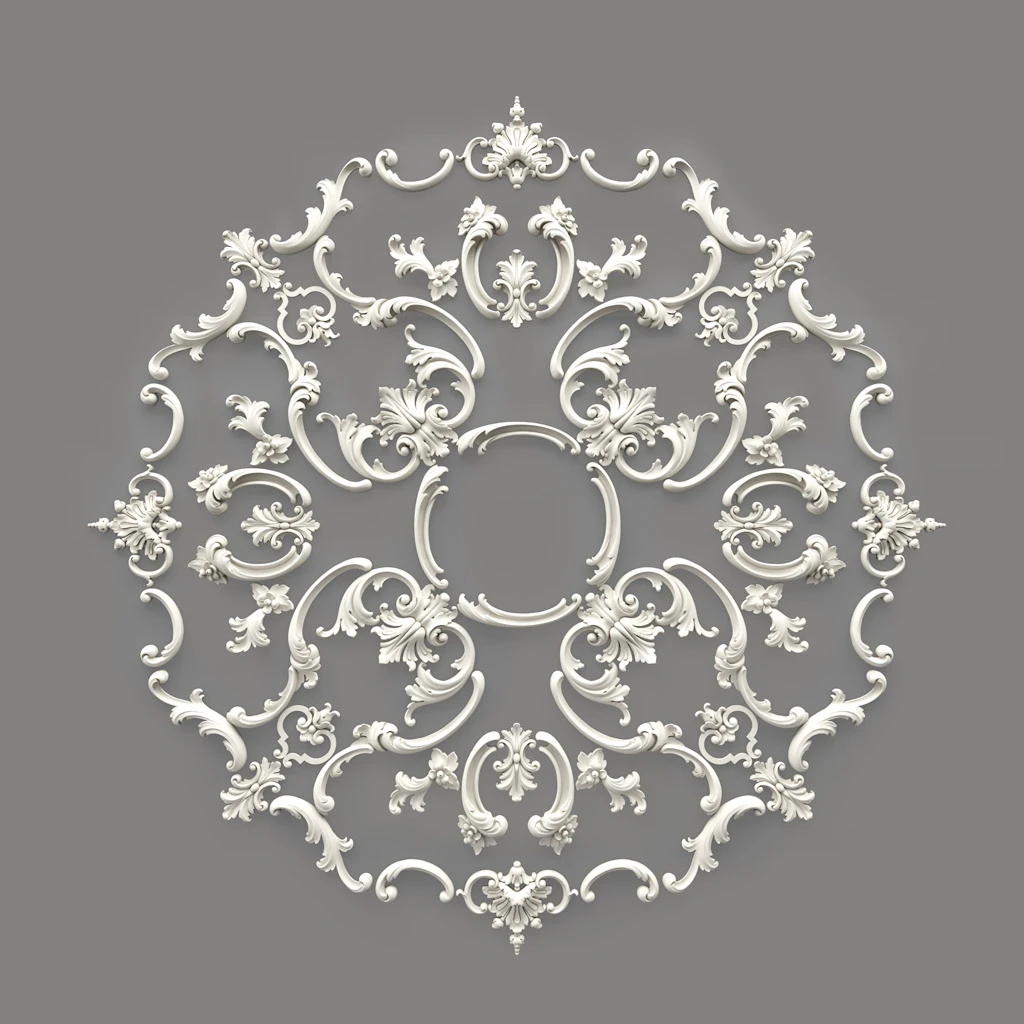
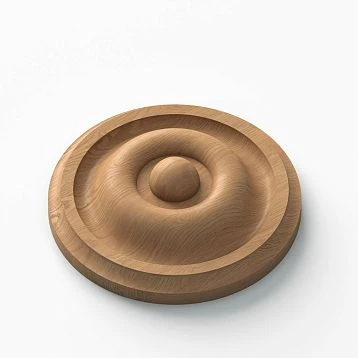
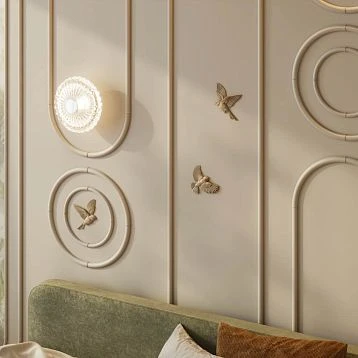
Wooden rosettes — a decorative central accent for walls, furniture, ceiling or wall layouts. The rosette is installed in the center of a molding frame, on a furniture facade, wall panel, or in a decorative niche, turning a technically neutral surface into an organized interior composition. Available in round, square, carved, and geometric options for different stylistic tasks.
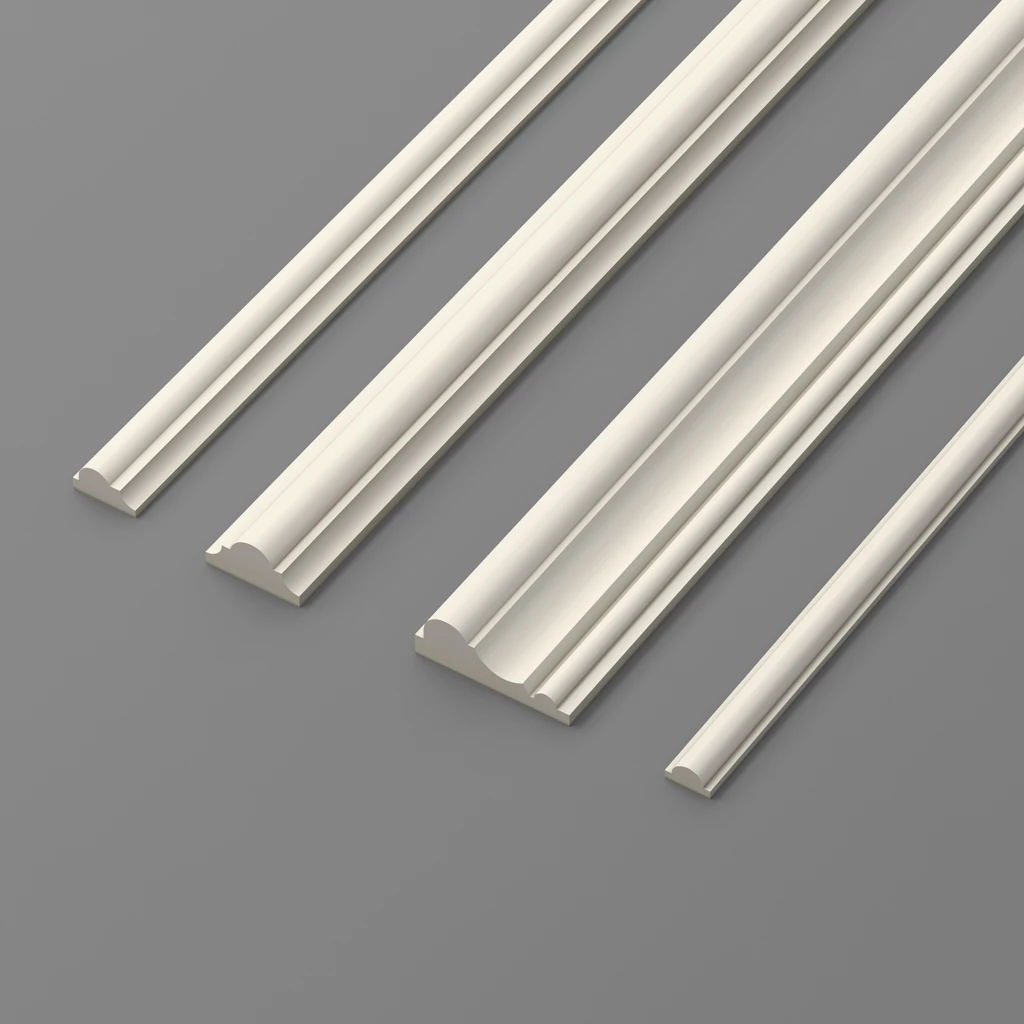
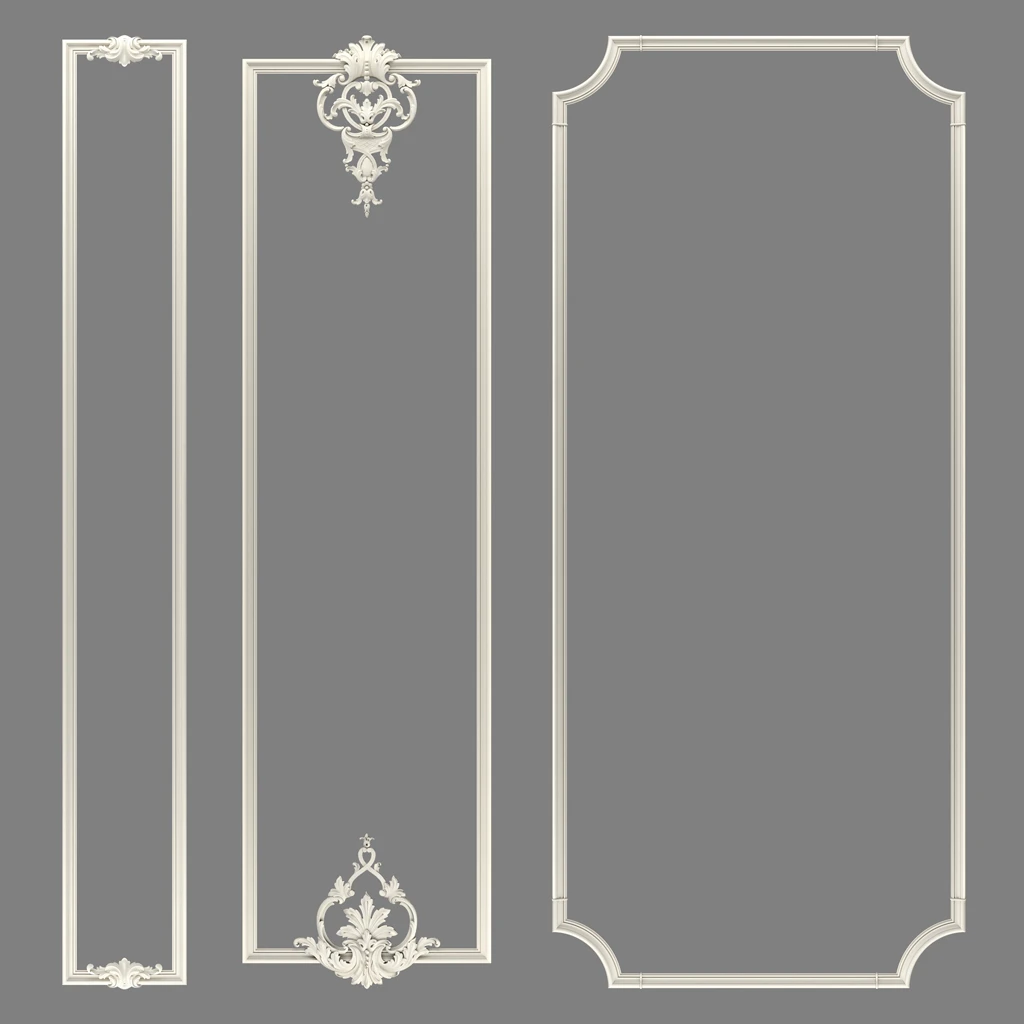
Corner elements for moldings — details for neat finishing of frame corners, wall molding compositions, and decorative lines. The corner element eliminates the need for precise miter cutting of the molding at 45 degrees and makes the frame corner visually complete, clean, and architecturally expressive. molding decorative elements is one of the most sought-after items for classic wall panel compositions.
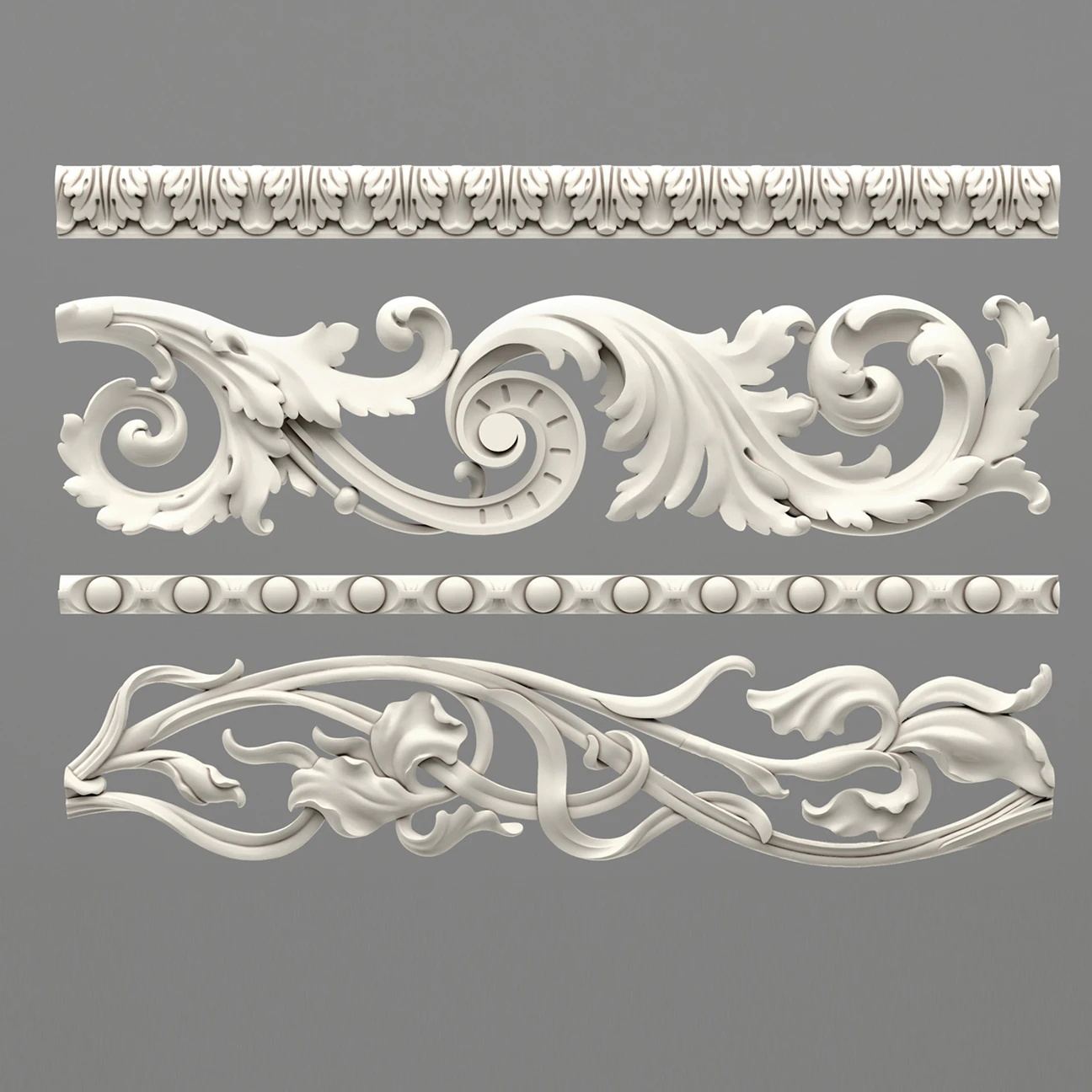
Overlays and molding tips — used to finish the molding line, design transitions, joints, and decorative endings. Where the molding line ends at a door, corner, or junction with another surface, the tip turns the technical ending into a decoratively finished element. Without this detail, the molding line looks incomplete; with it, it receives a proper beginning and end.
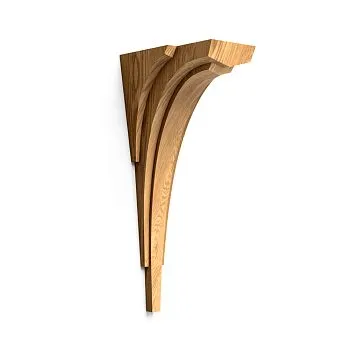
Wooden brackets are decorative supports for shelves, consoles, and hanging interior elements. A wooden shelf bracket serves both a structural and decorative function: it bears the load while being part of the visible composition, so its shape, proportions, and finish must align with the overall interior design.
Where decorative elements are used
Decorative wooden decor from this section covers a wide range of applications — from small details on furniture fronts to full-scale wall panel compositions.
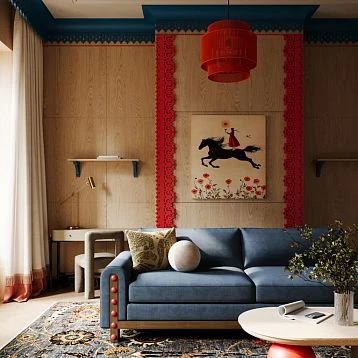
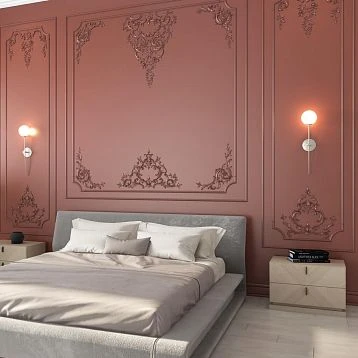
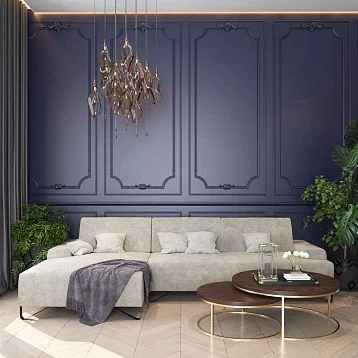
In residential interiors — wall molding frames in living rooms, bedrooms, and studies; TV zones with decorative panels and rosettes; areas behind a sofa or bed; door portals and arched openings; shelves and consoles on brackets; decorative niches.
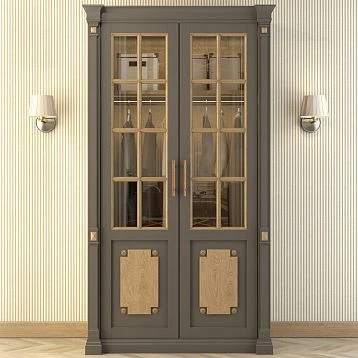
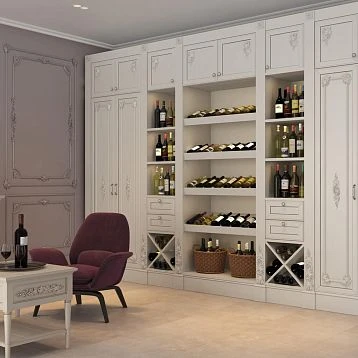
In furniture — cabinet fronts, dressers, nightstands, and consoles; furniture doors with rosettes in the center; corner overlays on molding fronts; decorative inserts in frame constructions.
In commercial spaces — restaurants, cafes, beauty salons, showrooms, and hotels, where Carved wooden decoration it creates an atmosphere of naturalness, quality, and thoughtful design. Decorative elements here work as details of a branded interior style.
In custom furniture — decorative rosettes and overlays in bespoke furniture projects, where every detail is created for a specific design concept. Wooden construction elements and decorative details from this section are often used in one project to create complex custom interior and furniture solutions.
Such elements are used where you need not just to cover a joint or corner, but to make it part of a decorative composition.
Carved and geometric decor: what to choose
The choice between carved and geometric decor is determined by the interior style and the nature of the desired result.
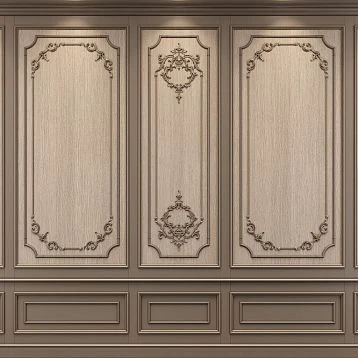
Carved decor — for classic, neoclassical, traditional, baroque, and more expressive interiors. Carved rosettes, overlays, and brackets add volume, ornamentation, and a handcrafted joinery character to the surface. Carving creates a rich play of light and shadow: each relief element changes its appearance depending on the angle of light, making the surface lively and dynamic. With classic tinting or wax finish, carved decor acquires a special depth and expressiveness characteristic of traditional European furniture.
Geometric decor — for modern interiors, art deco, minimalism, contemporary, and calm furniture compositions. Geometric elements look more laconic and combine easily with straight moldings, smooth facades, and panels in neutral tones. With white or colored enamel, geometric decor turns into a clear graphic accent that structures the surface without visual overload.
If you need an expressive ornament, choose carved elements. If you need a calm, modern, and graphic accent, geometric details will work.
Product shapes: round and square
The shape of the decorative element sets the tone for the entire composition it belongs to and must match the overall geometry of the interior or furniture solution.
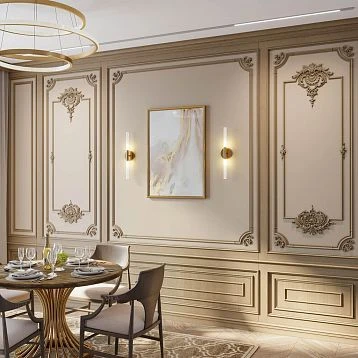
Round decorative elements — a versatile central accent. The circle softens the strictness of straight molding frame lines, adds plasticity to the composition, and creates a visual anchor in the center of a rectangular panel. Round wooden rosettes work well in classic molding frames on walls, on furniture doors, and in wall panel compositions with symmetrical frame solutions.
Square decorative elements — for strict, graphic, and geometrically clean solutions. The square shape fits organically into rectangular frames, symmetrical corner schemes, and modern interiors with an emphasis on geometry. Square corner elements for moldings create clear right angles of frames without rounding or plastic transitions — exactly what is needed for art deco and strict modern classic.
Collections: classic, art deco, and modern style
The section is organized into three stylistic collections to simplify selection for a specific interior project.
Classic — carved rosettes, brackets with profiles, and decorative overlays with ornamental relief. They help create a traditional European interior with detailed elements: from molding wall panels to furniture with classic layout. They pair with wooden moldings from the same stylistic family.
Art Deco — geometric forms with clear contours, symmetry, and accent details with characteristic Art Deco proportions. Suitable for decorative frames, furniture facades, and wall compositions where strictness, symmetry, and decorative graphic quality are important.
Modern collection — concise elements without overload: clean forms, minimal relief, or geometric pattern. They help add wooden decor to a modern interior while maintaining clean lines and a calm, restrained composition.
How to choose a decorative element for a project
Step 1 — define the task. A rosette as the center of the composition, a corner element for a molding frame, a finial to complete a line, an overlay for a transition, or a bracket for a shelf — each task requires a specific type of product.
Step 2 — choose the style. Classic, Art Deco, or modern interior. The style determines whether a carved ornament or geometric shape, complex relief or concise profile is needed.
Step 3 — select the shape. Round or square: base it on the geometry of the molding frame, furniture facade, and overall interior scheme.
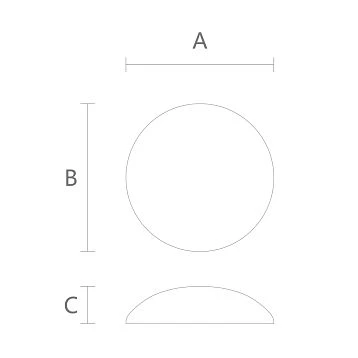
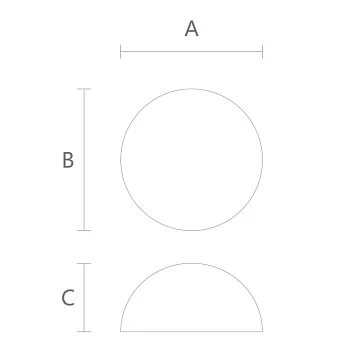
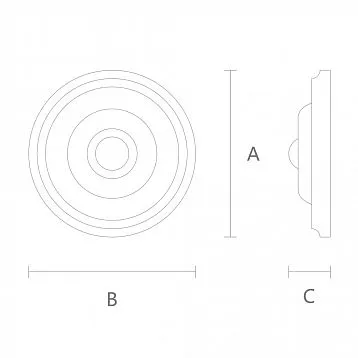
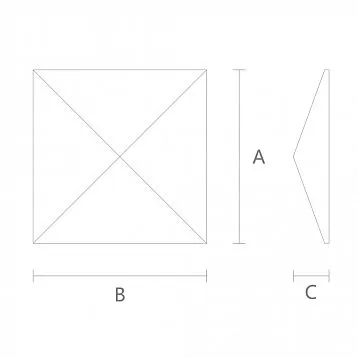
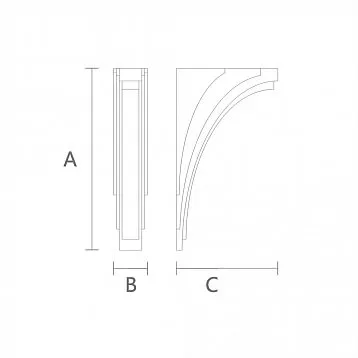
Step 4 — check dimensions A, B, and C. The size of the decorative element should be proportional to the molding, frame, and surface on which it is installed. A too-small element gets lost in a large frame, a too-large one disrupts proportions.
Step 5 — decide whether a carved or geometric type of decor is needed. Base this on the project style and the nature of the finish.
Step 6 — select the finish. For enamel, tinting, varnish, or oil — the type of coating must be determined before installation, since some work is more convenient to perform on a removed element.
Step 7 — for molding compositions, pre-calculate angles, joints, and the number of corner elements, finials, and rosettes. Systematic calculation helps avoid a shortage of elements during installation and ensures a rhythmic sequence for the entire wall scheme.
Material and finish
to buy, which will allow you to transform your furniture using carved wooden elements. You can use the C-003-3 decor set to decorate furniture, walls, doors, or any other surface. The C-003-3 decor set is made of oak or beech, known for their strength, durability, and beauty. You can buy the C-003-3 decor set at the Stavros decor store, which specializes in producing and selling decorative elements and hardware for furniture and interiors. At the Stavros decor store, you will find a wide selection of decor sets of various shapes, sizes, and styles. You can choose and walls in this section are made of natural wood and are designed for finishing treatment as chosen by the customer. The material determines the finishing possibilities and the appropriate style of use.
For painting and enamel — decorative elements made of MDF or beech with a neutral texture. White, gray, or colored enamel gives an even result, and geometric or carved details under enamel turn into clear sculptural elements with expressive relief.
For tinting and varnish — products made of oak and beech with a natural texture. Tinting emphasizes the relief of the carving, deepens shadows in the cutouts, and gives the elements a rich, warm character. Tinted carved decor looks especially impressive in classic and neoclassical wall panel schemes.
For oil — wooden elements with an open texture for natural and eco-friendly interiors. Oil finishing preserves the natural look of the wood, making the surface matte and pleasant to the touch.
Before installation, it is important to consider the base, the method of fastening, and the future finish. wooden furniture legs и wooden balusters from related sections are often used in the same project with decorative elements and must match in material and finish to maintain stylistic unity.
Who the "Decorative Elements" section is for
Interior designers and architects — a selection of ready-made wooden parts for implementing molding wall schemes, furniture facades, portal and door compositions within a specific project.
Furniture workshops and joinery productions — rosettes, overlays and corner elements for serial and single production of furniture with decorative finishing. Ready-made products reduce the time for manufacturing decorative parts from scratch.
Masters of wall panels and moldings — corner elements, tips and overlays for professional installation of molding wall schemes. With ready-made corner elements, you can avoid miter cutting and get a neat result on any corner.
Decorators and restorers — decorative elements for restoring or creating new interiors with historical or stylistic details made of natural wood.
Private customers — all items are available at retail, allowing you to select a specific element for a single task: decorate a shelf with a bracket, add a rosette to a furniture facade, or install corner elements in a molding frame in one room.
The section is suitable for those who want to select ready-made wooden parts for decorative design of furniture, walls, moldings, shelves and interior compositions without manufacturing each element from scratch.
Briefly about the section «Decorative Elements»
The section «Decorative Elements» combines wooden decorative elements for furniture, walls, moldings, shelves and interior compositions. Here you can select carved and geometric rosettes, corner elements for moldings, decorative overlays, tips and wooden brackets in classic, art deco and modern interior styles.
Such products help to design the interior neatly and expressively: emphasize a molding corner, complete a decorative frame, add a center of composition, decorate a shelf, furniture facade, wall panel or niche. The catalog features round and square elements for any type of decorative tasks.
Wooden decorative elements are suitable for residential and commercial projects: living rooms, bedrooms, studies, hallways, restaurants, salons, showrooms, and country houses. Before ordering, it is recommended to check the product dimensions, shape, type of decor, and compatibility with the project. Related assortment: Carved wooden decoration и Wooden moldings.
FAQ for the «Decorative Elements» section
What are wooden decorative elements used for?
They are used to decorate furniture, walls, moldings, shelves, panels, niches, and interior compositions. They help make a joint, corner, center, or transition visually complete and turn a technical node into a decorative detail.
How do carved elements differ from geometric ones?
Carved elements look ornamental and voluminous — suitable for classic and neoclassical styles. Geometric details look concise and graphic — better suited for modern interiors, art deco, and calm furniture compositions.
Where to use wooden rosettes?
Wooden rosettes are installed as a central accent in a decorative molding frame, on a wall panel, furniture facade, door portal, or interior niche. The rosette organizes the plane and creates a visual center of the composition.
What are corner elements for moldings used for?
They help neatly design the corners of frames and decorative lines made of moldings, make the composition visually complete, and avoid complex miter cutting of molding profiles on site.
Can decorative elements be painted?
Yes, wooden elements are suitable for enamel, paint, tinting, varnish, or oil. The choice of finish depends on the material, project style, and installation location. For an even result, it is important to prepare the surface and edges before applying the topcoat.
Order a call
Do you have questions? Fill out the form and send it.
Your request has been sent!
Our manager will contact you within 5 minutes