Article Contents:
- Philosophy of volume: why textured walls change everything
- Materials of the new generation: what professionals choose
- Natural wood — living texture
- Polyurethane — technologies serving aesthetics
- MDF with veneer — compromise without compromise
- Bio-tech: Organic forms of the future
- Classic interior: symmetry and proportions
- Modern style: purity of lines and expressiveness of materials
- Eclecticism: freedom of combinations
- Technological Solutions: From 2D to 3D
- New-level volumetric compositions
- Modular systems for quick results
- Implementation practice: from concept to realization
- Foundation Preparation
- Selection based on room specifics
- Installation and final finishing
- Color and light: creating atmosphere
- Color solutions
- Working with lighting
- Functional solutions for different zones
- Living Room: The Center of Attention
- Bedroom: oasis of tranquility
- Office: space for concentration
- Hallway and entryway: the home’s calling card
- Economic aspects: investment in quality of life
- Price categories and their features
- Return on investment through quality of life
- Trends and development prospects
- Ecology as a priority
- Smart home technologies
- Individualization as the norm
- Frequently Asked Questions
- Psychology of space: how walls shape mood
- Conclusion: art accessible to everyone

The space around us shapes our perception of life. Walls are not just room boundaries, but an opportunity to create an atmosphere, realize a dream, tell a story. Interior decorative wall finishing transforms ordinary housing into a work of art, where every detail serves the overall concept, and decorative panels inside become tools of self-expression. Relief interior finishing, textured walls — this is the language of modern design, speaking of taste, status, understanding of harmony.
In the era of mass production and standardized solutions, people strive for uniqueness. How to make your home different from hundreds of other apartments in typical high-rise buildings? The answer lies in details, material quality, and thoughtful design of each element.Internal decorative wall claddingopens up boundless creative possibilities, allowing you to create spaces reflecting your individuality.


Philosophy of Volume: Why Textured Walls Change Everything
Smooth painted surfaces have become a thing of the past, along with the minimalist austerity of the early 21st century. Today, multidimensionality, richness, and the ability of space to change depending on lighting, time of day, and mood are valued. Textured walls create this desired depth, transforming flat surfaces into living, breathing substances.
Relief interior finishes work with light and shadow. Morning sunlight highlights one facet of the relief, while evening side lighting creates a completely different image; artificial lamp light forms a third perception. The same wall lives many lives throughout the day, preventing the interior from becoming a static decoration.
Decorative panels insidespaces solve purely practical tasks. They conceal wall irregularities, eliminating the need for perfect leveling. Textured surfaces are less demanding in maintenance — minor dirt, scratches, and wear marks are less noticeable. Relief finishes improve room acoustics, absorbing sound waves and eliminating echo effects in large spaces.




Materials of the new generation: what professionals choose
Our factory also produces:


Natural wood — living texture
Wooden materials for interior wall finishingremain the gold standard of respectable interiors. Solid wood possesses a unique ability to create an atmosphere of warmth, coziness, and solidity. Each board has an unmistakable grain pattern, its own history, its own character.
Modern technologies allow the full potential of wood to be realized.Material for interior finishing made of woodundergoes a multi-stage treatment: vacuum drying, impregnation with protective compounds, brushing to emphasize texture, and toning in any shades, from natural to fantasy. The result is a finish combining natural beauty with high functionality.
Wooden wall finishingcan take various forms. This includes classic boiserie with framed compositions, modern slat systems creating graphic rhythms, three-dimensional carved panels transforming walls into sculptural reliefs. Wood easily combines with other materials — glass, metal, stone — creating complex multi-layered compositions.
Get Consultation
Polyurethane — technologies serving aesthetics
Plaster ornaments for wallsmade of polyurethane have brought about a true revolution in decorative finishes. This material combines lightness, strength, moisture resistance, and flawless relief detailing. Unlike traditional plaster, polyurethane does not crumble, crack, or fear moisture, and is easily installed even on complex surfaces.
decorative possibilities of polyurethane amaze the imagination. Fine ornamentation, deep reliefs, complex multi-level compositions — all of this is accessible thanks to modern molding technologies.Polyurethane wall claddingallows recreating classical architectural moldings, characteristic of palace interiors, without imposing colossal loads on building structures.
After installation, polyurethane elements can be painted in any colors, patinated, gilded, or silvered. This opens the possibility to perfectly integratePlaster ornament for walls and ceilingsinto the existing color palette of the interior, create contrasting accents, or, conversely, blend the decoration into the general background.
MDF with veneer — compromise without compromises
MDF veneer planksrepresents a technological solution for those who appreciate the aesthetics of natural wood but seek geometric stability and predictable performance characteristics. The MDF base ensures perfect flatness, absence of deformation under humidity changes, and ease of processing. Veneer of valuable species creates visual identity similar to solid wood at significantly lower cost.
Modern veneer processing technologies allow creating unique textures. Thermotreatment provides a richer color and increases stability. Pressing forms relief textures imitating various wood treatments.MDF laths for interiorwith textured veneer are especially popular in modern design, combining natural beauty with technological execution.
Stylistic Directions: From Classic to Avant-Garde
Classic interior: symmetry and proportions
Classic never goes out of fashion.Wall Panelsin the classical style are built on principles of symmetry, clear geometry, and harmonious proportions. Walls are divided into rectangular or square sections usingwooden moldingswithin which wall coverings, painted surfaces, or decorative plaster are installed.
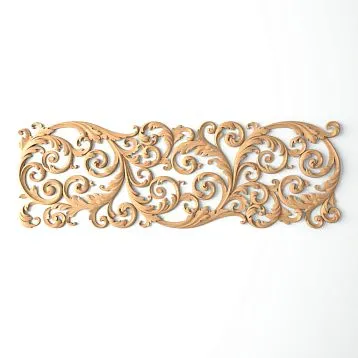
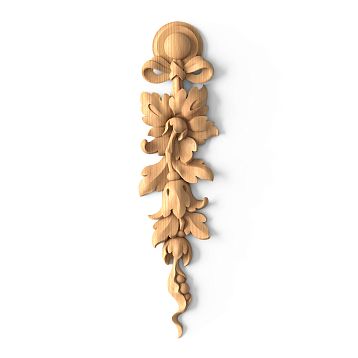
Classic finishinginvolves using cornices, skirting boards, pilasters, and rosettes, creating a volumetric architectural composition. It is important to observe scale: in high grand spaces, large decorations are appropriate, while in standard apartments, more delicate elements are suitable.carved appliquéswith classical ornaments — acanthus, palmettes, meanders — add elegance and emphasize the status of the space.
Modern style: purity of lines and expressiveness of materials
ModernInternal decorative wall claddingleans toward minimalist forms with maximum material expressiveness. Here, surface quality, noble texture, and restrained color palette take precedence. Minimal decorative elements, maximum attention to details.
Plank wall claddinghas become a hallmark of modern design. Vertical or horizontalWooden railscreate rhythmic structure, visually correct room proportions, and serve as zoning tools.wall finishing with lathsOften combined with built-in lighting, enhancing the visual effect and adding functionality.
Eclecticism: freedom of combinations
An eclectic approach allows combining elements of different styles, eras, and cultures into a single composition.Decorative interior elementsMay include classical moldings, modern graphic panels, ethnic ornaments, industrial metal details. The key is a sense of proportion and understanding of the overall concept.
Technological solutions: from 2D to 3D
Volume compositions of a new level
3D Wall FinishingOpens fantastic possibilities for creating truly unique interiors. Relief panels with deep volume, multi-layer compositions, sculptural elements transform a wall into a work of art.Relief wall finishingCreates visual depth, play of light and shadow, changing throughout the day.
Modern technologies allow creating reliefs of any complexity. These can be geometric patterns, natural motifs, abstract compositions.3D wall finishingEspecially effective in public spaces, halls, living rooms, creating a memorable wow effect.
Modular systems for quick results
Ready-madeDecorative wall panels wall finishingAre modular systems that allow creating a finished interior in the shortest time. Panels are mounted on a prepared surface using adhesive compounds or mechanical fasteners, forming a seamless or structured covering.
These systems include not only main panels, but also finishing elements — internal and external corners, connecting profiles,Wooden skirting boards, Wooden beamsThis ensures technological mounting and flawless appearance of the finished structure.
Practice of implementation: from concept to realization
Foundation Preparation
The quality of the finish coating directly depends on the correctness of wall preparation. The surface must be strong, dry, free of old coatings, dust, and oily contamination. For most typesof interior decorative finishingrequires preliminary priming, improving material adhesion.
The degree of leveling depends on the chosen coating type. For thin wallpapers or smooth painting, an ideally flat surface is required. Panel systems and relief coatings are less demanding, allowing minor surface irregularities.Wall cladding for paintingRequires special care — any defects will be visible after applying paint.
Material selection based on the specifics of the room
Interior decorative wall finishing in an apartmentMust take into account the functional purpose of each space. For wet zones — bathrooms, toilets, kitchen backsplashes — moisture-resistant materials should be chosen. Polyurethane, specially treated wood with moisture-resistant coatings, MDF with laminating are suitable for such conditions.
Wall finishing in a private houseOpens broader possibilities due to controlled microclimate and absence of restrictions typical for multi-apartment buildings.Materials for interior finishing of wooden housesRequire a special approach — wooden walls change geometry with humidity changes, so mounting systems must be flexible, compensating for these movements.
Installation and final finishing
DIY decorative wall finishingIs fully achievable with basic skills and following the manufacturer's technology. Most modern systems imply simple installation on specialized adhesive compounds or mechanical fasteners. It is important to strictly follow instructions for surface preparation, adhesive selection, and operation sequence.
After installing decorative elements, final finishing is performed: filling joints with special putty, sanding, priming, painting, or varnishing. Properly executed final finishing protects the material from external influences, simplifies subsequent maintenance, and significantly extends the coating's service life.
Color and light: creating atmosphere
Color solutions
Wall color determines the emotional tone of the space. Light shades visually expand the room, creating a sense of airiness and brightness. Dark tones add intimacy, drama, and coziness.Wall finishing photos in apartmentsdemonstrate how the same material changes character depending on the color solution.
Relief surfaces have the ability to change the perceived hue depending on lighting. Raised parts of the relief reflect more light, while recesses remain in shadow, creating a complex play of tones. This property is used to create lively, dynamic interiors.
Working with lighting
textured walls. Side lighting emphasizes relief, creating expressive shadows. Diffused lighting softens contrasts, creating a calm atmosphere. Accent lighting highlights the most striking elementsdecorative finish.
Built-in LED lighting behind slatted structures creates a floating wall effect, adding a futuristic touch to a modern interior. Hidden lighting along the perimeter of panel compositions gently defines the boundaries of decorative elements, creating a halo of illumination.
Functional solutions for different zones
Living room: the focal point
Living room — the formal space of the house, the place for meeting guests and family celebrations. Here, the most expressiveInternal decorative wall claddingaccent wall behind the sofa or TV, decorated with dimensional panels, carved ornamentation, or slatted structures, becomes the compositional center of the room.
Wall finishing samplesin the living room demonstrate the combination of various materials and textures. Wooden panels can be combined with painted sections, wallpaper inserts, decorative plaster.moldingsVertical division of the wall creates a classic framed composition, emphasizing the height of the room.
Bedroom: oasis of tranquility
Bedroom requires a more restrained approach to decoration. Here, calm tones, soft textures, and absence of visual tension are important.Wall room finishingFor sleeping, decoration is often limited to one accent wall at the headboard of the bed.
The headboard can be made of soft fabric panels, wooden slats with backlighting, pastel-toned decorative plaster. The technique of symmetrically framing the bed with vertical elements —pilastersmoldings, creating a niche-like effect.
Office: space for concentration
Home office — a place for work and focus.Wooden wall claddingcreates an atmosphere of respectability and sets a serious tone. Dark wood species — walnut, wenge, stained oak — form an intimate, private space conducive to concentration.
Classic solution for an office — a boiserie up to the middle of the wall or full height with built-in bookshelves.applied decorwith strict geometric ornaments emphasizes the professional character of the room.
Hallway and entryway: the home’s first impression
Decorative corridor wall finishingforms the first impression of the house. Here, practicality and aesthetics are equally important. Materials must withstand mechanical impacts, be easy to clean, and maintain an attractive appearance under intensive use.
Decorative slat finishhelps visually expand a narrow hallway, create dynamism, and conceal built-in storage systems. Vertical slats increase the perceived height of the space, horizontal slats widen it. Combined layouts create complex geometric patterns, transforming a utilitarian hallway into a striking interior element.
Economic aspects: investment in quality of life
Price categories and their features
Decorative wall finishing pricewhich varies over a wide range and is accessible for any budget. The budget segment includes painting with textured paints, basic decorative plaster, MDF panels with film coating. These solutions provide acceptable results with limited funds.
The mid-range price category includes quality wooden finishes from common species, polyurethane decor, MDF panels with veneer, ready-made modular systems.Interior decorative wall finishing priceThis segment provides an optimal balance of quality and cost.
Premium level — solid wood species, hand carving, exclusive moldings, natural stone, leather, metal. Such solutions create truly unique interiors, highlight the owner's status, and remain aesthetically intact for decades.
Return on investment through quality of life
QualityInternal wall finishingIt is a long-term investment, paying off not only financially through increased property value, but also emotionally. A beautiful, thoughtfully designed interior improves quality of life, creates comfort, inspires, and delights daily.
Professionally executed finishes last 15–20 years or more without requiring updates. This means that one-time expenses are spread over a long period, making premium solutions economically justified.
Trends and development prospects
Ecological priority
Modern trends in decorative finishes lean toward natural, eco-friendly materials. Wood, natural stone, clay plaster, linen and cotton coverings — all of this responds to the demand for creating a healthy living environment.wall finishing materialsThey are increasingly undergoing ecological certification, confirming the absence of harmful emissions.
Smart home technologies
Integration of smart home systems into decorative finishes — an emerging trend. Built-in lighting with adjustable color temperature, acoustic panels with integrated speakers, textile coverings with climate control systems — all of this is becoming a reality.Decorative wall finishing for interiorsThe future unites aesthetics with technological functionality.
Individualization as the norm
The era of mass production is giving way to customization. Designers create unique compositions for specific spaces and clients.decorative elementsThey are manufactured according to individual sketches, taking into account the architectural features of the room, the owner’s preferences, and the overall interior style.
Frequently asked questions
Which materials are the most durable for interior decorative finishes?
The most durable finishes are solid hardwoods properly processed and maintained, polyurethane moldings, and quality mineral plasters. The service life of such materials ranges from 15 to 50 years depending on usage conditions.
Can different types of decorative wall finishing be combined in one room?
Undoubtedly, combining materials is a common design technique. The key is to maintain stylistic unity, correct proportions, and color harmony. It is recommended to use no more than three different types of finishes in one room to avoid visual overload.
How complex is the installation of decorative panels?
Complexity depends on the material type and mounting system. Lightweight polyurethane elements on adhesive bases are suitable for DIY installation. Heavy wooden panels and complex multi-level compositions require professional installation using specialized tools.
How to care for textured walls?
Most modern finishes are low-maintenance. Painted and varnished surfaces are wiped with a damp cloth. Textured surfaces are cleaned with a soft brush or vacuum cleaner with a brush attachment. Wooden elements are periodically refreshed with protective finishes — waxes, oils, varnishes.
Does quality finishing affect property value?
Professionally executed decorative finishes significantly increase property attractiveness in the market. When selling an apartment or house, quality finishing can increase the price by 10–20% compared to similar properties with standard finishes.
Which rooms require special materials?
Bathrooms, toilets, and kitchens require moisture-resistant materials. Suitable materials include polyurethane, specially treated wood with moisture protection, MDF with laminate, stone, and ceramic tiles. In living rooms, any materials can be used depending on stylistic preferences.
How to choose the right shade for decorative finishes?
When choosing color, consider the room’s lighting, size, functional purpose, and overall interior style. Always test samples on-site under different lighting — natural and artificial. Remember that textured surfaces alter color perception due to the interplay of light and shadow.
Psychology of space: how walls shape mood
Interiors affect a person’s emotional state much more strongly than commonly believed. Textured walls create tactile richness perceived not only visually but also subconsciously. Natural wood evokes a sense of safety and connection to nature. Relief compositions stimulate visual perception, preventing the eye from gliding over flat surfaces.
Wall cladding optionsThey affect room acoustics, which directly impacts comfort. Textured surfaces absorb sound, eliminating echoes and creating a cozy, intimate atmosphere. Smooth hard surfaces reflect sound, which may be appropriate in public spaces but uncomfortable in living areas.
The color and texture of walls form the lighting environment of a room. Light, textured finishes diffuse light, creating soft, even illumination. Dark glossy surfaces reflect light directionally, creating highlights and visual accents. Matte textured surfaces absorb part of the light, creating a calm, eye-friendly environment.
Conclusion: art accessible to everyone
Creating a harmonious interior is a task requiring a comprehensive approach, professionalism, and a sense of proportion.Wall finishing photowhich inspires experimentation, should consider the architectural features of the room, the lifestyle of its occupants, and the owner's personal preferences.
There are no universal recipes for the perfect interior. There are principles of harmony, balance, and quality, following which guarantees success. When choosingWall Finishing Elements, remember the balance between aesthetics and functionality, between current trends and timeless values, between individuality and harmony with the surrounding space.
Quality interior decorative finishes last for decades, preserving freshness and relevance. This is an investment not only in real estate, but also in quality of life, daily comfort, and aesthetic pleasure. Every morning, waking up in a beautifully designed space, you receive a boost of positivity, inspiration, and confidence.
If you aim to create an interior that will delight, inspire, and create an atmosphere of harmony and well-being, consult professionals. The company STAVROS offers a full range of solutions for interior decorative finishes: from classic moldings to modern panel systems, from natural solid wood to innovative composite materials. Years of experience, attention to detail, individual approach to each project, and use of only quality materials — this is what distinguishes STAVROS in the decorative finishing market. Create the space of your dreams with proven solutions, flawless execution quality, and warranty of longevity.