Article Contents:
- What is soft classic: a language without shouting
- How soft classic differs from just 'classic'
- What furniture suits modern classic
- Facades: frames without carving
- Furniture legs and supports
- Handles
- Classic Wooden Furniture
- Moldings for soft classic: parameters for the right choice
- Molding width
- Depth of Relief
- Profile: which shape to choose
- Cornice for soft classic
- Baseboard in modern classic
- Where and how to place moldings: soft classic principles
- Wall behind the sofa or bed: the main decorative accent
- Cornice around the perimeter: architectural ceiling frame
- Side walls: neutral background or minimal accent
- TV zone in soft classic
- Combination of wood and polyurethane in soft classic
- Ceiling rosette: when needed and when unnecessary
- Decorative elements in soft classic: targeted and intentional
- Ready-made sets for different spaces
- Soft classic living room
- Soft classic bedroom
- Hallway: console, mirror, moldings
- Study: strictness without decor
- Kitchen-living room: zoning through moldings
- Soft classic color system: how to choose and not make a mistake
- White and neutral
- Two-Color System
- Monochrome system with a nuance
- Dark accents
- Installation technology: from the first molding to the final color
- Complete shopping list for soft classic interior
- Mistakes when buying: learning from others' mistakes
- FAQ: questions about soft classic and moldings
- About the Company STAVROS
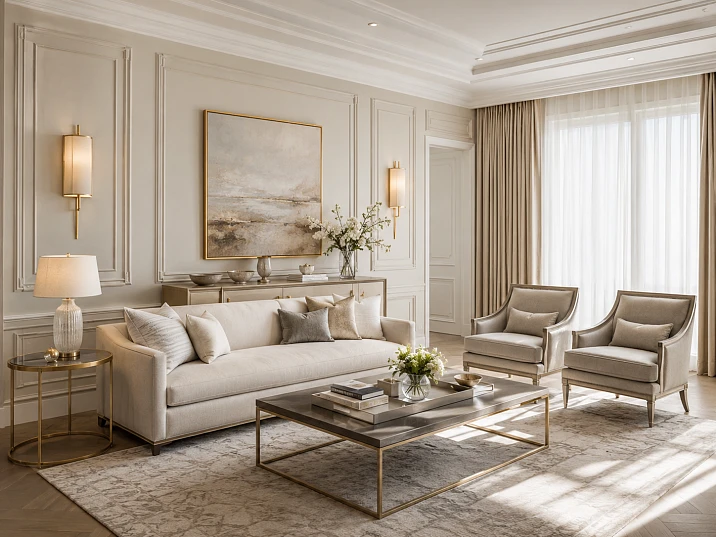
There are interiors that feel oppressive. Heavy velvet drapes, lush baroque curls, carvings on every inch of furniture, stucco overlapping in three layers. This is classic — but classic from a different era, a different scale, a different pace of life. Modern people want something else: the same sense of dignity, the same architectural quality of space — but without pressure, without overload, without the feeling of walking into a museum.
That's exactly what soft classic is about. modern classic furniture — not simplified classic or modernized baroque. It's a separate language in which classical forms speak calmly, without exclamation marks. And Moldings made of polyurethane here — it's not decoration on top of the interior, but its architectural framework: clean, proportionate, appropriate.
This article is about how to assemble a soft classic interior from the right components. What to buy, how to logically choose moldings for furniture, how not to cross that fine line where modern classic turns into overloaded decoration.
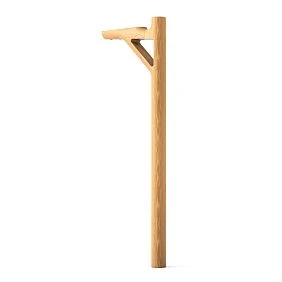
What is soft classic: a language without shouting
Before talking about purchases, it's worth understanding the essence. Soft classic is not a style with strict rules, it's more of an approach. An interior intonation in which:
-
classic forms are present, but they are simplified;
-
relief is present, but it is moderate and clean;
-
wood is used sparingly, without total carving;
-
moldings create an architectural structure, not a decorative background;
-
color is light, neutral, warm or cool, but never loud;
-
stucco supports the furniture, rather than competing with it.
If heavy classic is an orchestra where all instruments play simultaneously at maximum volume, then soft classic is a chamber ensemble. The same instruments, but each is heard separately, and between them there is silence.




How soft classic differs from just "classic"
The question that is constantly asked: what is the difference between traditional classic furniture and soft classic? The difference is in measure and proportion.
| Parameter | Heavy Classics | Soft classic |
|---|---|---|
| Furniture Carving | Developed, Multi-Level | Minimal or None |
| Stucco Relief | Deep, 15–25 mm | Moderate, 8–12 mm |
| Molding Width | 50–80 mm and More | 20–40 mm |
| Number of Decorative Zones | All space | Accent zones |
| Color | Often contrasting, dark | Light, neutral |
| Textiles | Heavy, with ornament | Solid, light |
| Overall impression | Grand hall | Living space with dignity |
This table explains why for soft classic you cannot simply take "classical" stucco — you need to choose it differently, with different parameters and a different logic of arrangement.
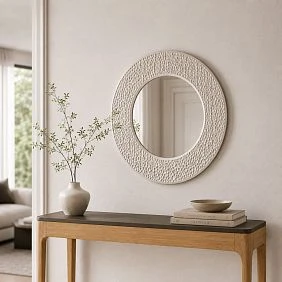
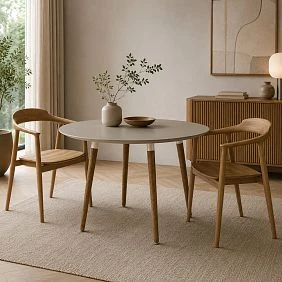
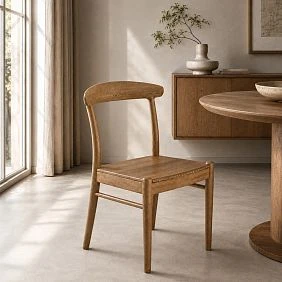
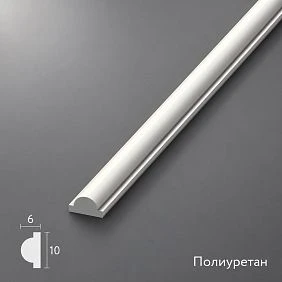
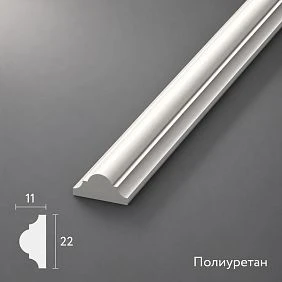
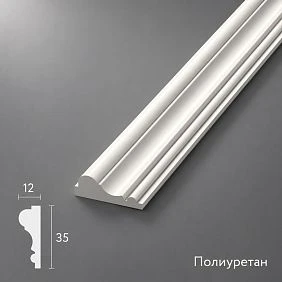
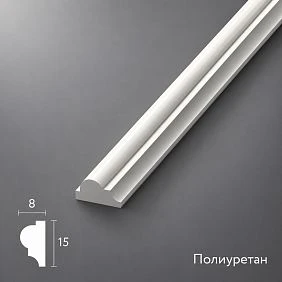
Our factory also produces:
Which furniture suits modern classic
Classic Furniture soft classic differs from traditional classic in several ways that are worth understanding before going to the store.
Get Consultation
Facades: frames without carving
For soft classic, facades with frame moldings — rectangular or oval frames — without carving and without deep milled profiles are ideal. This is the type of furniture that looks structured and classic, but not heavy. The frame facade creates shadow, volume, character — and remains calm.
Frame depth on the facade — 5–8 mm. Molding profile width — 15–25 mm. Corners — at 45° or with corner inserts. Facade color — white, ivory, powder, light gray, mint.
Furniture legs and supports
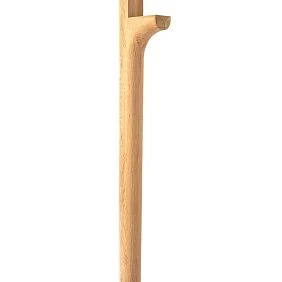
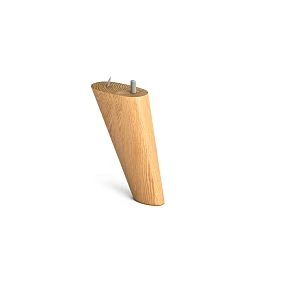
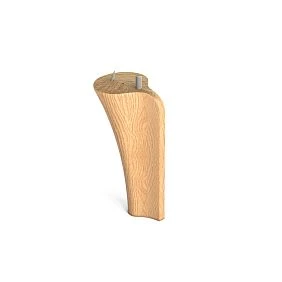
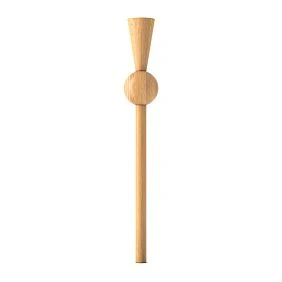
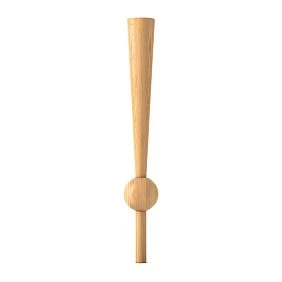
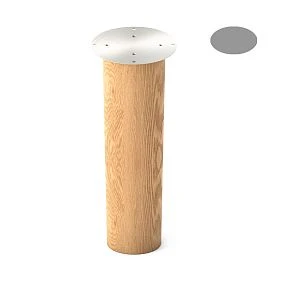
furniture legs for soft classic furniture — turned, tapered, or slightly shaped. Height is moderate: for a cabinet — 60–80 mm, for a console — 100–130 mm. No ornate cabriole legs with paws — only an elegant turned shape with a moderate profile.
Furniture legs in soft classic are often painted to match the body — white or light gray. This creates a monochrome, calm solution that reads well in both small apartments and spacious rooms.
Handles
Furniture Handles — a detail often chosen at random. In soft classic, the handle should be wooden or metal with a clean shape: oval, cylinder, bracket with a soft profile. Decorativeness is restrained. The handle should support the style without overloading the facade with additional decor.
Classic wooden furniture
Classic wooden furniture — a separate conversation. The open texture of wood in soft classic works as a natural accent among neutral painted surfaces. One piece with open wood — for example, a dining table or console — against a backdrop of painted walls with moldings creates a tactile and visual counterpoint that enlivens the interior.
Important: wood in soft classic — one or two points, not the entire interior. A total wooden interior transitions into another style — rustic or Scandinavian classic.
Moldings for soft classic: parameters for the right choice
Choosing of polyurethane moldings for modern classic — a task requiring precision. A molding that is too thin gets lost. One that is too wide with deep relief creates a feeling of heavy classic. A golden mean is needed.
Molding width
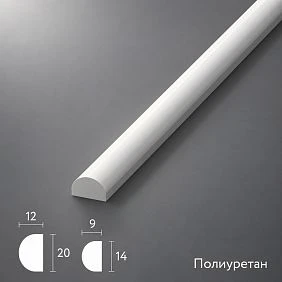
For soft classic, the optimal molding width is 20–40 mm. This is enough for the molding to be visible and create a decorative shadow, but not so wide as to create a sense of massiveness.
Moldings 20–25 mm — for walls of small rooms, for frame divisions in tight spaces. Moldings 30–40 mm — for standard apartment spaces of 15–25 sq. m. Moldings 40–50 mm — for high ceilings from 2.9 m and large rooms.
Relief Depth
The relief depth in the molding profile for soft classic is 8–12 mm. This is moderate: the shadow from the relief is readable, there is volume, but the molding does not protrude from the wall like a bas-relief. Profiles with a relief depth of 18–25 mm are typical for traditional classic and are excessive for soft classic.
Profile: which shape to choose
For modern classic, profiles of the following shapes work well:
-
Straight cove — a concave transition. Calm, clean, reads as an architectural detail.
-
Heel — a small protrusion with a concave transition. A laconic classic profile.
-
Quarter round — a rounded transition. Soft, suitable for light interiors.
-
Stepped profile — strict, geometric. For neoclassicism and modern classicism in the Empire style.
Profiles with acanthus leaves, complex floral ornaments, cartouches — this is the realm of traditional classicism and baroque. For soft classic — only pure geometric forms.
Cornice for soft classic
Cornice — the transition from wall to ceiling — is one of the key elements in any classic interior. In soft classic, the cornice should be proportionate: not too small (otherwise it gets lost against the wall), not too massive (otherwise it 'lowers' the ceiling).
Cornice height for an apartment with a 2.7 m ceiling — 60–80 mm. For ceilings 2.8–3.0 m — 80–100 mm. The profile should be calm, without a developed overhang. The overhang value of the cornice in soft classic is 20–35 mm. This is enough to create an expressive shadow without a 'hovering' effect.
Baseboard in modern classicism
Baseboard — the lower horizontal line of the room. For soft classic — profiled, 80–100 mm high. This is not a plastic baseboard or MDF without a profile. A polyurethane baseboard with a neat profile is painted white or to match the walls and creates a clear lower line.
The baseboard profile in soft classic should echo the cornice profile: if the cornice has a heel, the baseboard should have one too. This creates mirror symmetry of the upper and lower horizontal lines of the room.
Where and how to place moldings: principles of soft classic
One of the main mistakes when working with moldings in modern classic style is trying to decorate the entire space. Covering all four walls with moldings, adding a cornice, baseboard, overlays, and a rosette — results in an overloaded interior that ceases to be soft classic and turns into something heavy.
The principle of placement in soft classic: one main decorative accent — the rest in support.
Wall behind the sofa or bed: main decorative accent
The main wall of the room — the one you see from the entrance, where the main piece of furniture stands — should be decorated with moldings. Frame panels creating an architectural division — two or three rectangles horizontally, symmetrical relative to the center. This creates 'wallpaper from architecture': a subtle, delicate structure that works as a backdrop for furniture.
For the bedroom — moldings behind the headboard of the bed. For the living room — behind the sofa. Height of the frames — 60–75% of the wall height. Scale of the frames is proportionate to the furniture: the width of the frame is approximately equal to the width of the sofa divided by the number of frames.
Cornice around the perimeter: architectural frame of the ceiling
The cornice is installed around the entire perimeter — this is a mandatory condition. A cornice on only one wall looks like an unfinished solution. It is the perimeter cornice that creates the feeling of architectural space: the ceiling turns from a 'plane' into a 'vault', separated from the walls.
Side walls: neutral background or minimal accent
Side walls in soft classic are best left calm: only a cornice at the top and a baseboard at the bottom. Without frame moldings. This creates the right rhythm: the main wall is decorative, the side walls are a neutral background. Visual emphasis on one wall, not total filling of the space.
Exception — if the side wall carries a functional accent: a mirror, a painting in a classic frame, a TV zone with a frame molding. Then one local molding element on the side wall is appropriate.
TV zone in soft classic
TV zone in modern classic — a delicate task. Technology and classic style meet, and their peaceful coexistence must be achieved. Frame molding around the TV — a symmetrical frame into which the screen fits organically — creates integration of the technical object into the architectural system of the wall.
Polyurethane wall decor — overlay frame elements around the TV zone — should be calm: thin profile, clean corners, absence of ornamental details.
Combination of wood and polyurethane in soft classic
A question designers and buyers ask: can you combine decor for furniture natural wood and polyurethane moldings on walls? Not only can you — you should, if combined correctly.
Logic of separation:
-
Wood — in furniture, in handles, in supports, in details that are touched by hands or bear load.
-
Polyurethane — on walls, ceiling, in architectural details that are visible but not tangible.
What unites both materials into a single system is color and scale. If the furniture is painted ivory, the moldings are in the same tone. If the wood is Wooden decoration left with an open texture, the moldings on the walls should be in a neutral color that does not compete with the wood.
The scale of the decor on the furniture and the scale of the moldings on the walls are proportionate. If the furniture has thin frame fronts, the moldings on the walls are also thin. If the furniture has a more developed profile, the moldings are slightly larger. Mismatch in scale is one of the main sources of visual discomfort in classic interiors.
Ceiling rosette: when needed and when unnecessary
Polyurethane moldings in the form of a ceiling rosette in soft classic is a detail that should be used consciously. A rosette is appropriate only when there is a central chandelier and ceilings no lower than 2.7 m. In other cases, it is better to do without it.
If a rosette is needed, choose models with a geometric or light floral ornament, 35–55 cm in diameter for a standard apartment room. No lush baroque rosettes with acanthus in several tiers — that is a different style.
Decorative elements in soft classic: selectively and consciously
Decorative stucco in modern classic is a selective tool. One decorative overlay above the mirror, corner rosettes at the intersection points of moldings, a keystone above the doorway — these are accents that work precisely because there are few of them.
The rule for soft classic: if you see a decorative element, that's good. If you see only decorative elements, that's bad. They should be noticeable as details, not as a background.
Decor for polyurethane moldings — corner inserts at the intersections of frame moldings — are used calmly in soft classic: small rosettes, square inserts with a simple geometric ornament. Not large floral rosettes, not baroque cartouches.
Ready-made sets for different spaces
Living room soft classic
The living room is a space where soft classic unfolds in full force. It is not a formal hall, but also not just a "living room." It is a place with character.
What to buy:
-
classic furniture — sofa group, display cabinet or console with framed facades;
-
Moldings made of polyurethane — for frame panels on the main wall: profile width 25–35 mm;
-
cornice — along the perimeter, height 70–90 mm;
-
baseboard — 80–100 mm, profile matching the cornice;
-
Decor for Molding — corner inserts for frames;
-
Furniture Handles — wooden or metal, of a calm shape;
-
glue, sealant, primer, paint.
Bedroom in the spirit of soft classic
The bedroom is the most personal space. Here, soft classic works especially well: softness and dignity at the same time.
The main decorative accent of the bedroom is the wall behind the headboard. Frame moldings from the headboard level to the ceiling create an architectural "backdrop" for the bed. This wall can be painted in a color different from the other walls — then the moldings in a darker shade will create a beautiful bas-relief effect.
What to buy:
-
classic-style furniture — a bed with a framed headboard, bedside tables on neat legs;
-
Moldings made of polyurethane — on the wall behind the headboard, profile 20–30 mm;
-
cornice around the perimeter, height 60–80 mm;
-
80–100 mm baseboard;
-
decorative polyurethane elements — accent spots as desired;
-
furniture legs — for the nightstands, if they are not part of a set.
Hallway: console, mirror, moldings
The hallway in soft classic is a space that welcomes. Here, every centimeter is in plain sight, and this is exactly where it is appropriate to focus the decorative accent.
The wall with the mirror is the main decorative object of the hallway. A frame molding around the mirror, a decorative overlay above it, a console with framed facades under the mirror — this is a complete classic composition without a single unnecessary element.
What to buy:
-
classic-style console with neat supports;
-
Moldings made of polyurethane — frame around the mirror and along the wall contour behind the console;
-
cornice along the corridor perimeter, height 50–60 mm (for low hallway ceilings);
-
baseboard 80 mm;
-
decorative polyurethane elements — overlay above the mirror;
-
Furniture Handles — in tone or in slight contrast to the console.
Study: strictness without decor
Study in soft classic — a space for work and concentration. Here, furniture and stucco should speak calmly. A wooden desk with classic proportions, bookcases with framed fronts, strict moldings on the walls — minimal relief, maximum purity of lines.
Wooden decoration in the study can be more pronounced than in the living room: wooden overlays on cabinet fronts, open texture of the desk — this creates a warm working atmosphere. Polyurethane — only for wall moldings and cornice.
Kitchen-living room: zoning through moldings
An open kitchen-living room space in soft classic is a complex task because you need to create a unified style while functionally separating zones. Moldings can work as a zoning tool: framed panels in the dining area mark it as a "classic" space, while the calmer walls of the kitchen area create a neutral backdrop for the kitchen set.
A cornice around the entire perimeter unifies the space. The baseboard is uniform. Moldings are only in the dining and living room areas, not in the kitchen area above the work surface.
Soft classic color system: how to choose and not make a mistake
Color in soft classic is a separate tool that deserves attention before purchasing furniture and stucco molding.
White and neutral
White is the most common choice for soft classic. Furniture is white, moldings are white, walls are white or slightly cream. The difference is created only by the shadow from the relief. This is the most elegant solution — monochrome, architectural, giving maximum lightness to the space.
Two-color system
Walls in a neutral color — powder pink, sage, gray-blue, warm beige — and white moldings. White stucco comes to the forefront as a graphic element, creating expressive contrast. Furniture matches the moldings (white) or the walls (light neutral).
Monochrome system with nuance
Moldings, walls, and furniture are in the same color family, but with nuanced differences. Walls are light gray, moldings are slightly lighter, furniture is even lighter. This is a complex but very refined system that works in interiors with good natural light.
Dark accents
In soft classic, dark accents are acceptable — a dark niche behind the headboard, a dark wall in the study, dark molding frames on a light wall. This works as a graphic contrast, provided there are few dark zones — one or two in the space.
Installation technology: from the first molding to the final color
installing polyurethane molding — a process requiring precision, but not difficult with proper preparation. For soft classic, the cleanliness of joints is especially important: in an uncluttered interior, every seam is visible, and a careless corner joint ruins the impression.
Marking. Start with a pencil diagram on the wall: axes, frame dimensions, checking horizontals and verticals with a level. Don't rush: one inaccurate measurement ruins the symmetry of the entire wall.
Cutting corners. Corner joints of frame moldings — at 45°. Precise cutting is possible with a miter saw with an accurate angle. An alternative is ready-made corner inserts from polyurethane molding decor, which completely eliminate the need for precise cutting and provide a perfect result.
Installation with glue. The right glue for polyurethane is a topic for a separate discussion. Not all construction adhesives are compatible with this material. Detailed instructions on choosing glue and application — in the material what to glue polyurethane molding with.
Puttying joints. Acrylic sealant in the joints, sanding after drying. This is a key stage — this is where the "seamlessness" of the decor is formed.
Primer and painting. Polyurethane is primed with an adhesion primer — without it, the paint won't hold. Two coats of finish paint with sanding between coats is the standard for a clean professional result.
Complete shopping list for a soft classic interior
Here's what you need to buy to avoid multiple trips and not have to buy "a little more" in the middle of the project.
Furniture:
-
Classic Furniture — main items for this room;
-
Furniture Handles — if the furniture comes with handles separately;
-
furniture legs — if cabinets or consoles are without supports.
Architectural decor made of polyurethane:
-
Moldings made of polyurethane — calculated according to the scheme + 15% reserve;
-
cornice — along the perimeter of the room;
-
baseboard — along the perimeter;
-
Decor for polyurethane moldings — corner inserts;
-
decorative polyurethane elements — spot accents according to the scheme.
Wood:
-
decor for furniture — wooden overlays if necessary.
Consumables:
-
mounting adhesive for polyurethane;
-
acrylic sealant;
-
adhesive primer;
-
paint — the desired shade;
-
spare of all elements 10–15%.
Mistakes when buying: learning from others' blunders
Choosing too prominent molding. A molding with a relief depth of 20 mm and a width of 60 mm is traditional classic, not soft classic. Check the parameters, not just the photo.
Mixing soft classic with baroque. A lush ceiling rosette with multi-tiered acanthus and neat thin moldings on the walls is a conflict of styles within one space. All elements should be from the same style vocabulary.
Buying moldings without a plan. Without a plan of frames with exact dimensions, the purchase turns into a guessing game. First the plan, then the linear footage calculation, then the order.
Forgetting the baseboard. A cornice at the top and moldings on the walls are half of the architectural line. Without a baseboard, the lower part of the room remains unfinished.
Decorating all four walls with moldings. Total frame division of the entire perimeter is no longer soft classic, it's classic without measure. One main wall plus neutral others is the right balance.
Not checking the color in daylight. Moldings and furniture that look equally white under artificial lighting may differ in daylight: one is cool white, the other is warm cream. Check color samples under the lighting in which the interior will live.
Not considering the ceiling height. A cornice 120 mm high in a room with a 2.5 m ceiling 'eats' the space. The scale of the molding must match the scale of the room.
FAQ: questions about soft classic and moldings
Which moldings are suitable for modern classic?
Profiled polyurethane moldings 20–40 mm wide with a relief depth of 8–12 mm. Profiles: heel, scotia, quarter-round, stepped. Without deep ornamentation, without wide acanthus cornices. buy polyurethane moldings for soft classic — means choosing exactly within this parameter range.
Can you combine wooden furniture and polyurethane stucco?
Yes. Wood — in furniture, handles, supports. polyurethane decor — on walls and ceiling. They are united by a single color and proportionate scale of elements.
What to buy for a soft classic interior?
modern classic furniture, Moldings made of polyurethane, cornice, baseboard, moderate decorative overlays, Decor for Molding, glue, sealant, primer, and paint.
Is a ceiling rosette necessary in modern classic?
Only if there is a central chandelier and the ceiling is no lower than 2.7 m. Choose rosettes with geometric or light floral ornamentation, 35–55 cm in diameter. It is worth buying a polyurethane ceiling rosette for soft classic considering the chandelier diameter and ceiling height.
How not to overload modern classics with stucco molding?
The main principle: one decorative accent. One wall with molding frames — and neutral others. Cornice around the perimeter. Baseboard. Accent decorative inserts — no more than 2–3 per room. Look at the diagram and ask yourself: is there enough air here?
Which molding profile to choose for light furniture?
For light classic wooden furniture for painting or varnish — a molding with a heel or quarter-round profile, 25–30 mm wide, white or matching the walls. Light, expressive, without deep relief.
How to calculate the linear footage of molding for frames on a wall?
Wall diagram with frame dimensions → perimeter of each frame (2 × width + 2 × height) → sum of perimeters → + 15% reserve. Separately — corner inserts: 4 pieces per frame.
About the company STAVROS
All components for a soft classic interior — from classic furniture и of polyurethane moldings to wooden handles и furniture supports — are collected in the catalog of the STAVROS company. This is a Russian manufacturer and supplier of products made from natural wood and polyurethane for the furniture industry, design studios, and private interior projects.
STAVROS produces a full range moldings from polyurethane for architectural finishing: moldings, cornices, baseboards, decorative overlays, decor for moldings, and ceiling rosettes. In parallel — products from solid wood: overlays, handles, furniture legs.
The company was founded in St. Petersburg in 2002. Among the completed projects are the Hermitage, the Konstantinovsky Palace, the Alexander Palace, and the Trinity Cathedral. This experience sets the standard: precision of profile, surface quality, and adherence to historically accurate forms of classical decor.
If you are designing a soft classic interior, start with the STAVROS catalog. It contains the complete set: from the first molding to the last handle.