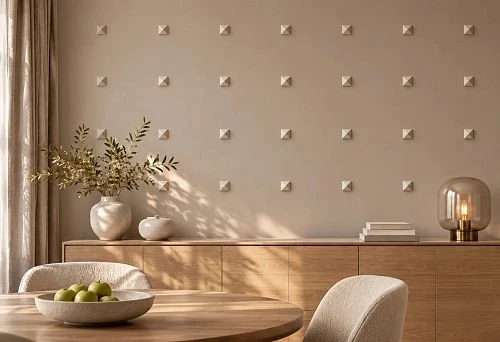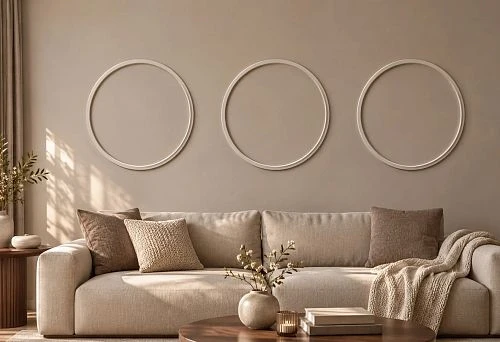

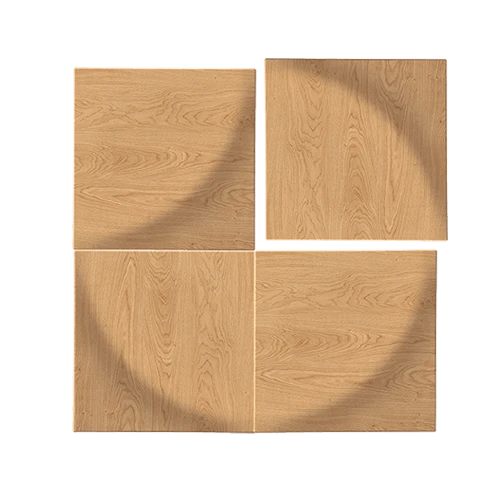

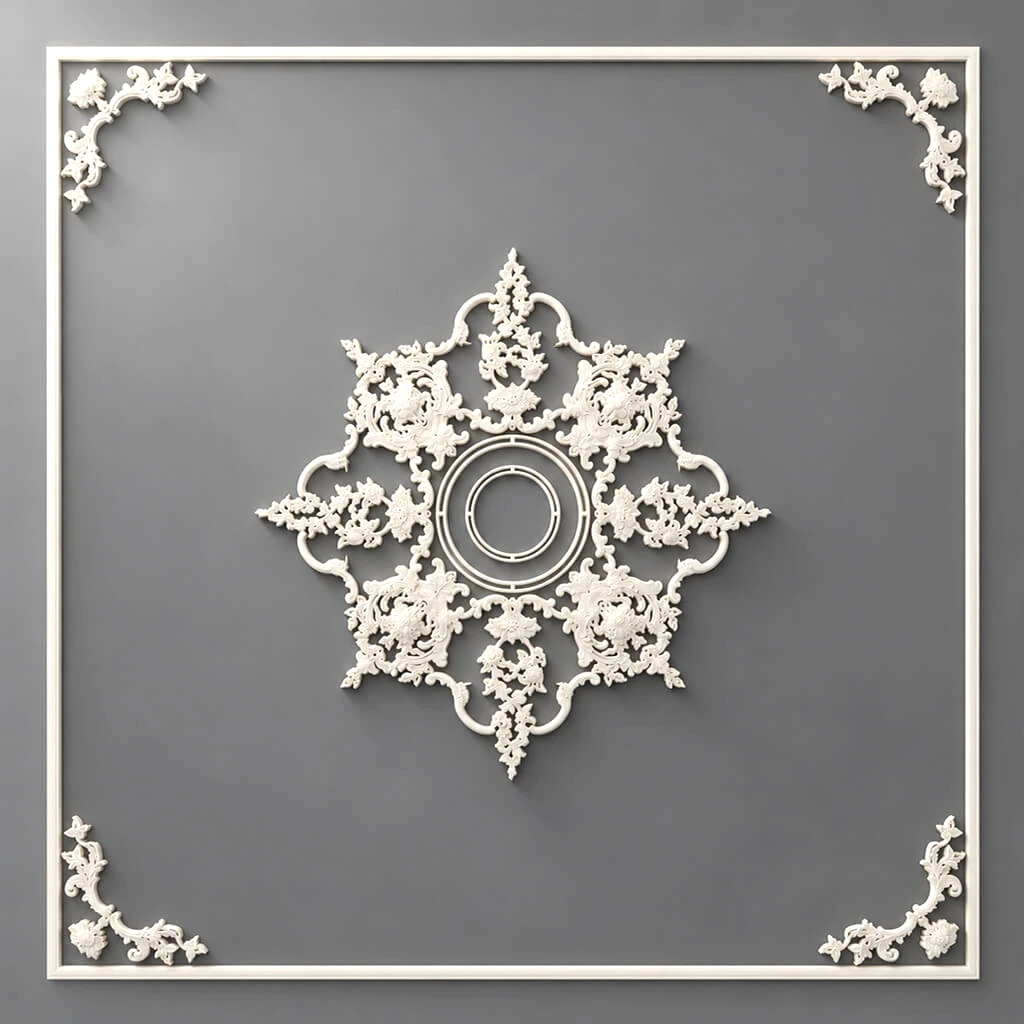
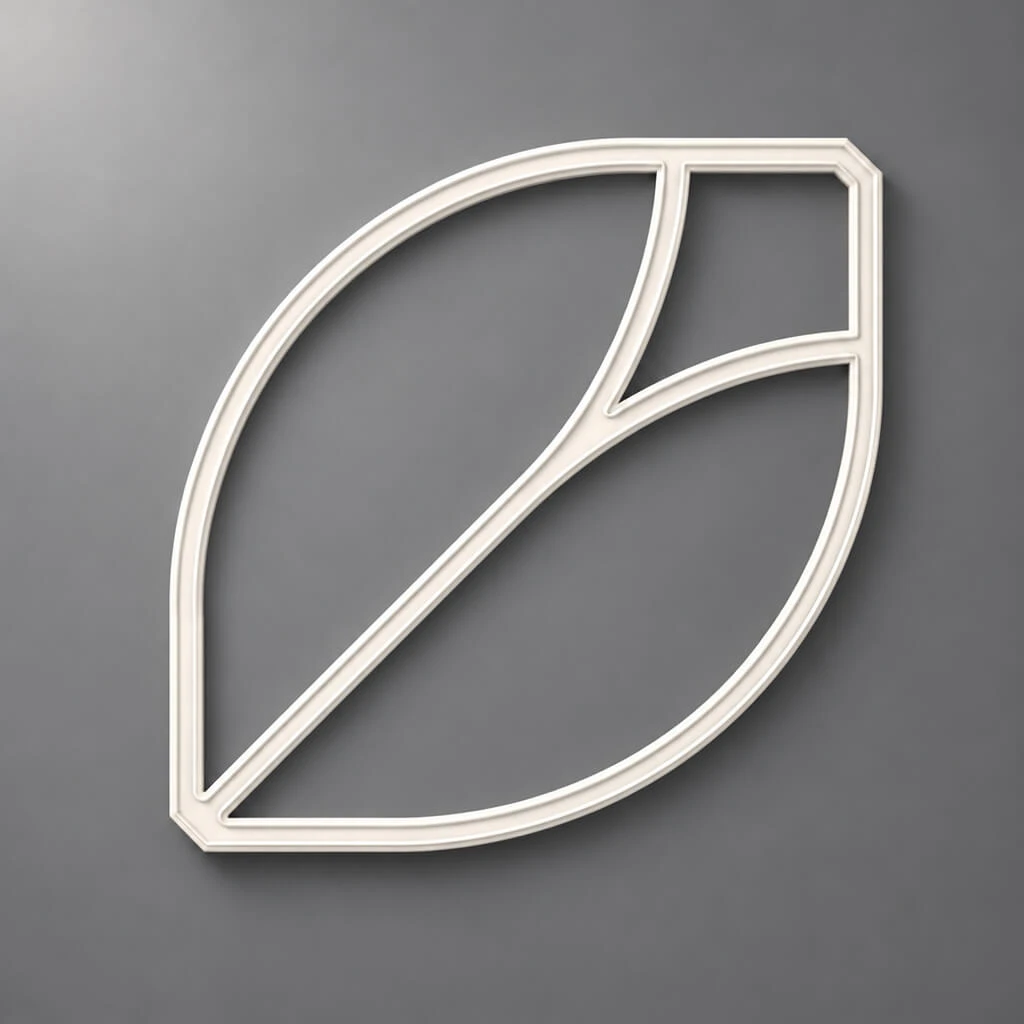

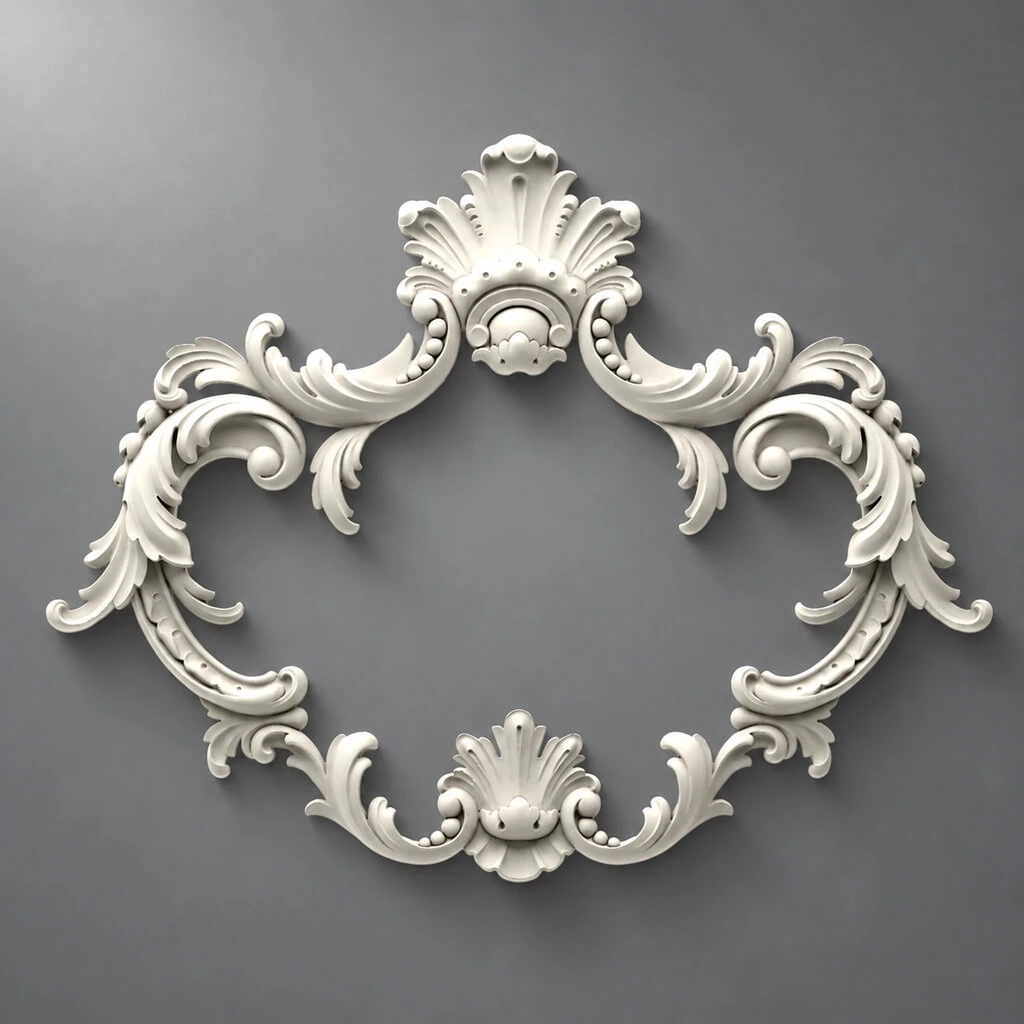
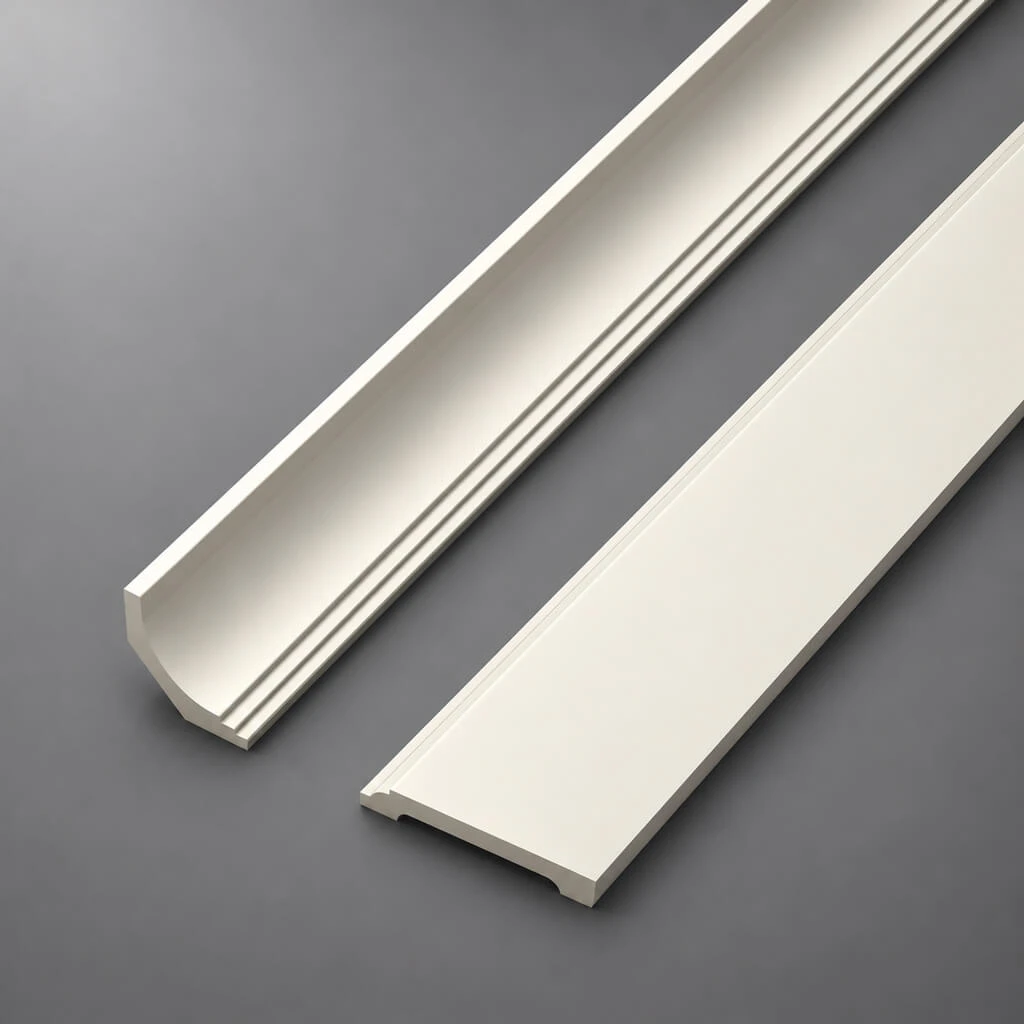

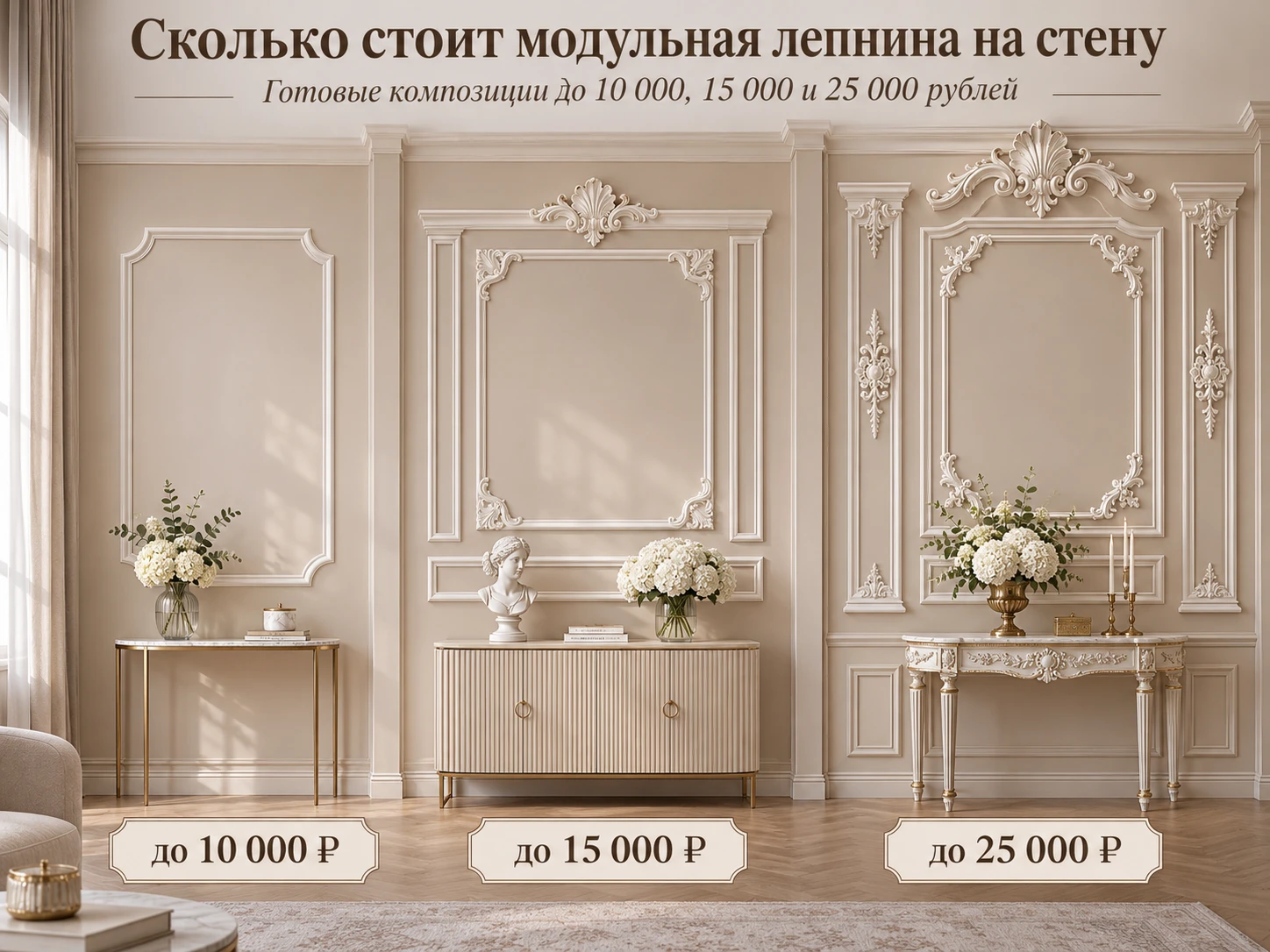
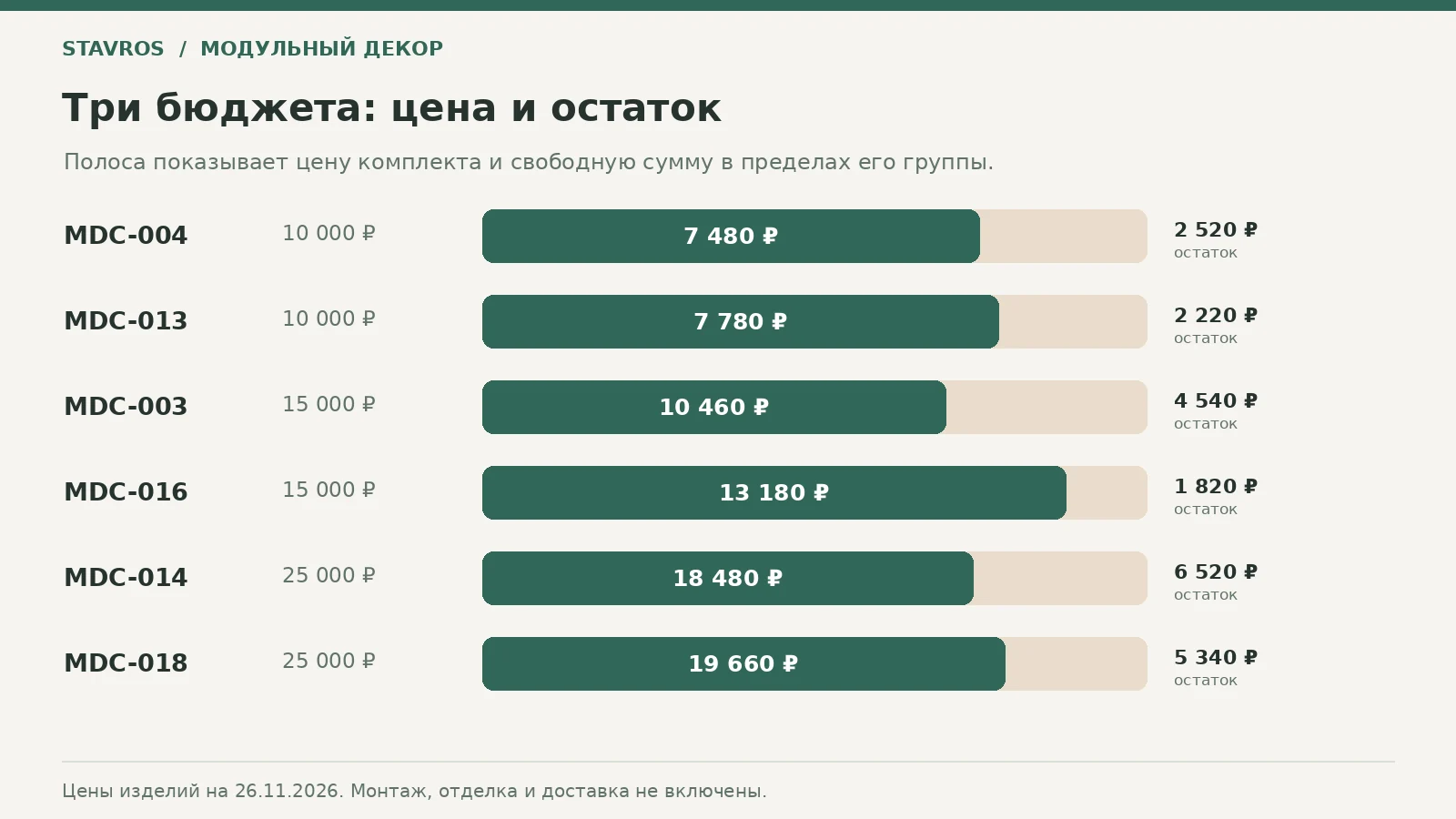
If 15,000 rubles is allocated for wall molding, you can purchase a geometric panel measuring 1290 × 1290 mm for 10,460 rubles or a larger composition 1545 × 1545 mm for 13,180 rubles. In the first case, 4,540 rubles will remain; in the second, 1,820. However, the remaining money after purchase does not yet mean that the project fits the budget: you must pay for surface preparation, adhesive, finishing materials, delivery and, if necessary, the installer's work. Sometimes a more modest ornament turns out to be the best solution precisely because it allows the entire finishing work to be completed to a high standard.
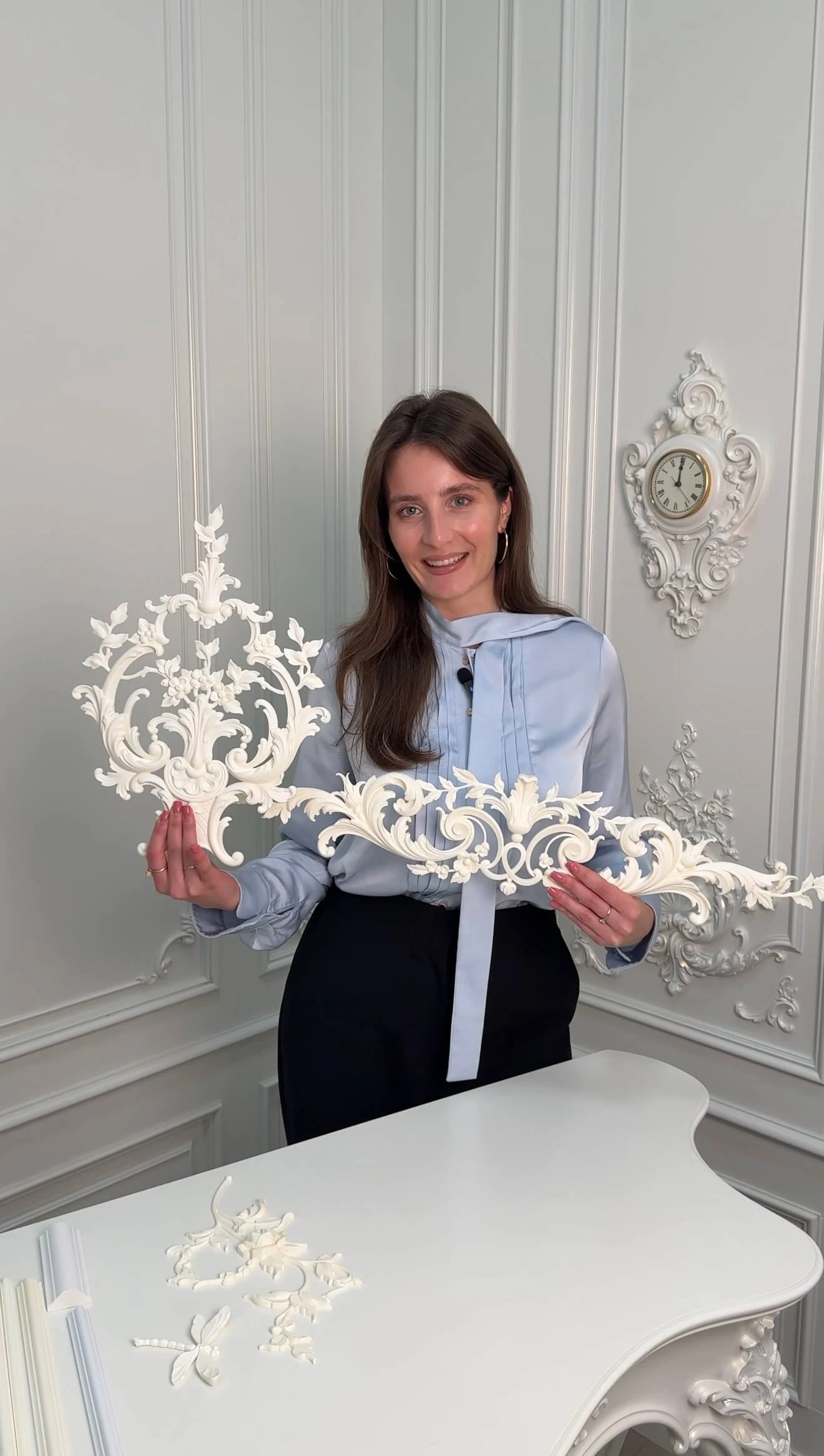
In the STAVROS catalog modular polyurethane decor is offered as individual parts and sets, from which a complete relief pattern is formed according to a specific scheme. Let us compare six ready-made wall sets distributed across three price ranges. The buyer needs to determine not only the amount they are willing to spend, but also the desired scale of the pattern, the acceptable number of joints and the degree of density of the decorative field. All these parameters influence the choice far more than the conventional division into inexpensive and expensive molding.
Prices and set contents are based on STAVROS product pages as of November 26, 2026. This is the cost of the products themselves, excluding delivery, wall preparation, painting and installation work. The current price, availability and manufacturing terms should be confirmed on the product page when placing an order. All spatial and financial examples below are calculation scenarios, not descriptions of completed interiors.
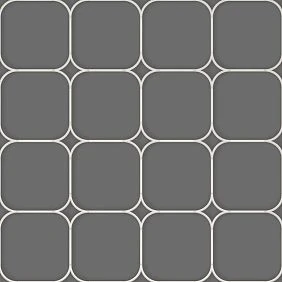
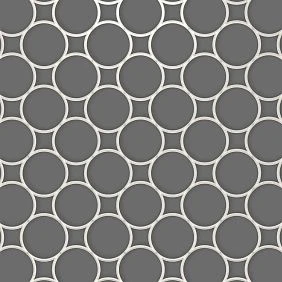
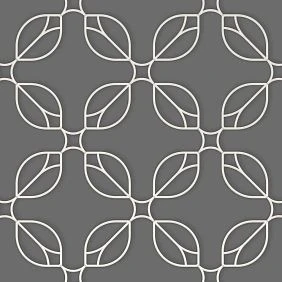

How much modular decor costs and what exactly the buyer gets for this amount
In the range up to 10,000 rubles, you can choose the compact figured set MDC-004 for 7,480 rubles or the MDC-013 composition, more than a meter wide, for 7,780 rubles. With a budget of 10,000 to 15,000 rubles, the previously reviewed options MDC-003 and MDC-016 are available. If 15,000 to 25,000 rubles is allocated for the products, it is worth comparing the dense geometric ornament MDC-014 and the botanical-geometric MDC-018. These are six examples from the catalog, not an exhaustive list of all possible combinations.
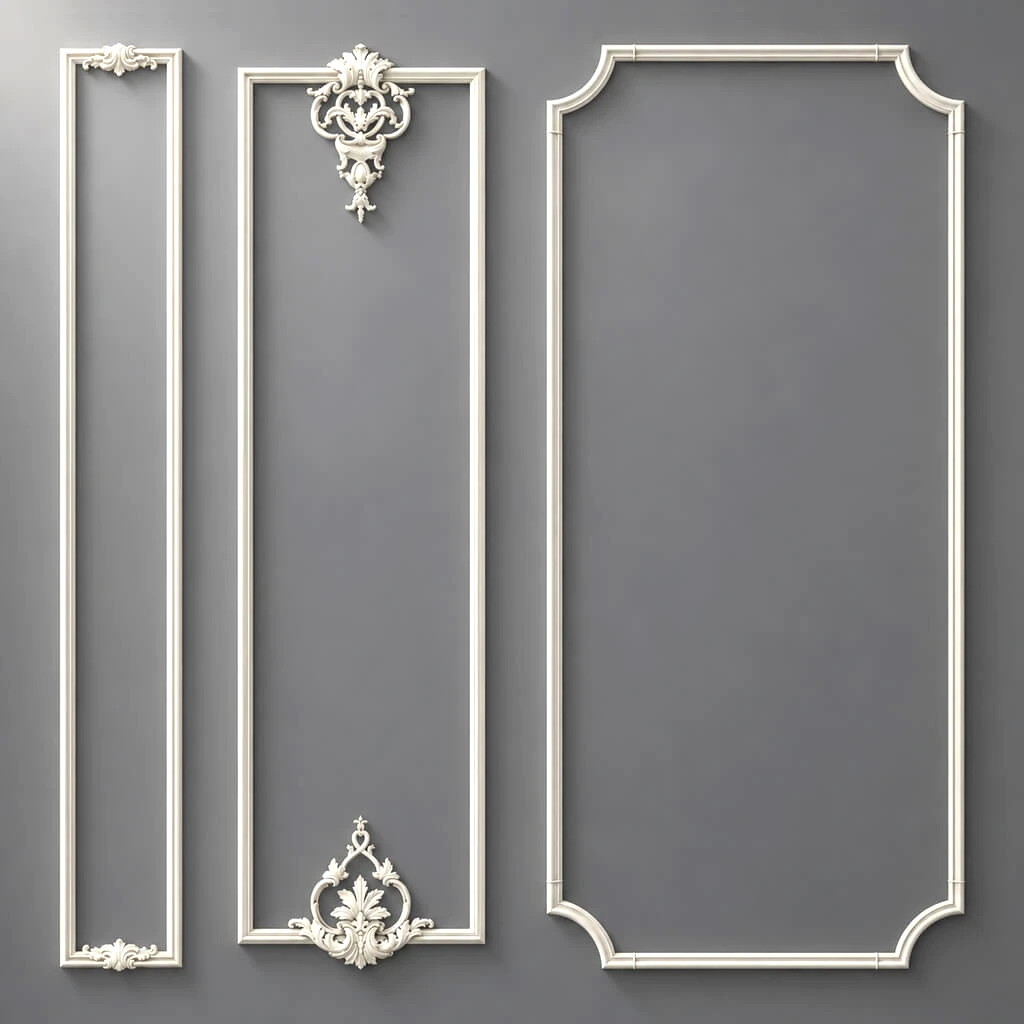
The word "set" in this case refers to a collection of source decorative parts. It should not be imagined as a single rigid slab that only needs to be unpacked and attached to the wall. What is ready is primarily the design idea: the product pages indicate the outer dimensions of the intended composition, the contents and the layout scheme. On site, the individual elements must be laid out, checked against the axes, prepared for installation, and after installation treated and finished in accordance with the chosen technology. Straight profiles are cut to the working scheme if necessary. Ordering them as segments that already fully match each section of the pattern, without clarifying the set contents, is not advisable.
This principle differs from buying a painting, a ready-made mirror or a solid decorative panel. A modular ornament does not cover the entire wall square with its own material. The open space between the lines is part of the composition and preserves the visible color of the base. If the wall is painted in a complex gray-green tone, it remains visible inside the pattern as well. This allows decorative elements to be combined with the room's finish, but at the same time it means that the quality of the surface under the panel is no less important than the quality of the products themselves.
The nominal size of the composition is convenient for preliminary selection. For example, MDC-004 occupies a square with a side of 705 mm, while MDC-016 has a side of 1545 mm. When compared on the same wall, these are significantly different scales, although both sets have a maximum thickness of 8 mm. Thickness characterizes the depth of the relief of individual elements, not the height or width of the entire ornament. The thicknesses of adjacent modules should not be added together: they are positioned on the surface according to the scheme and do not necessarily overlap one another.
If the budget is fixed, start not by choosing the most expensive option that fits within the monetary limit, but by dividing the estimate. Its first part is the amount for the decorative products. The second is the funds that must be kept for installation. The third is costs that depend on the specific site, such as correcting wall unevenness or delivering long profiles. Only the first part is directly compared with the MDC price. The others should be determined separately before ordering, so as not to cut the necessary scope of work at the last moment.
What makes up the price of a finished modular composition
Number of source products and types of modules
Two compositions with identical external dimensions can have completely different specifications. One is made up of several large motifs, while the other consists of many short repeating lines and small accents. The buyer is purchasing specific products, not an abstract square metre of pattern. To understand the price difference, it helps to break down the cost of the set by item code.
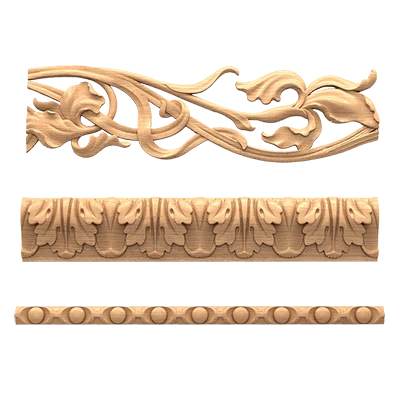
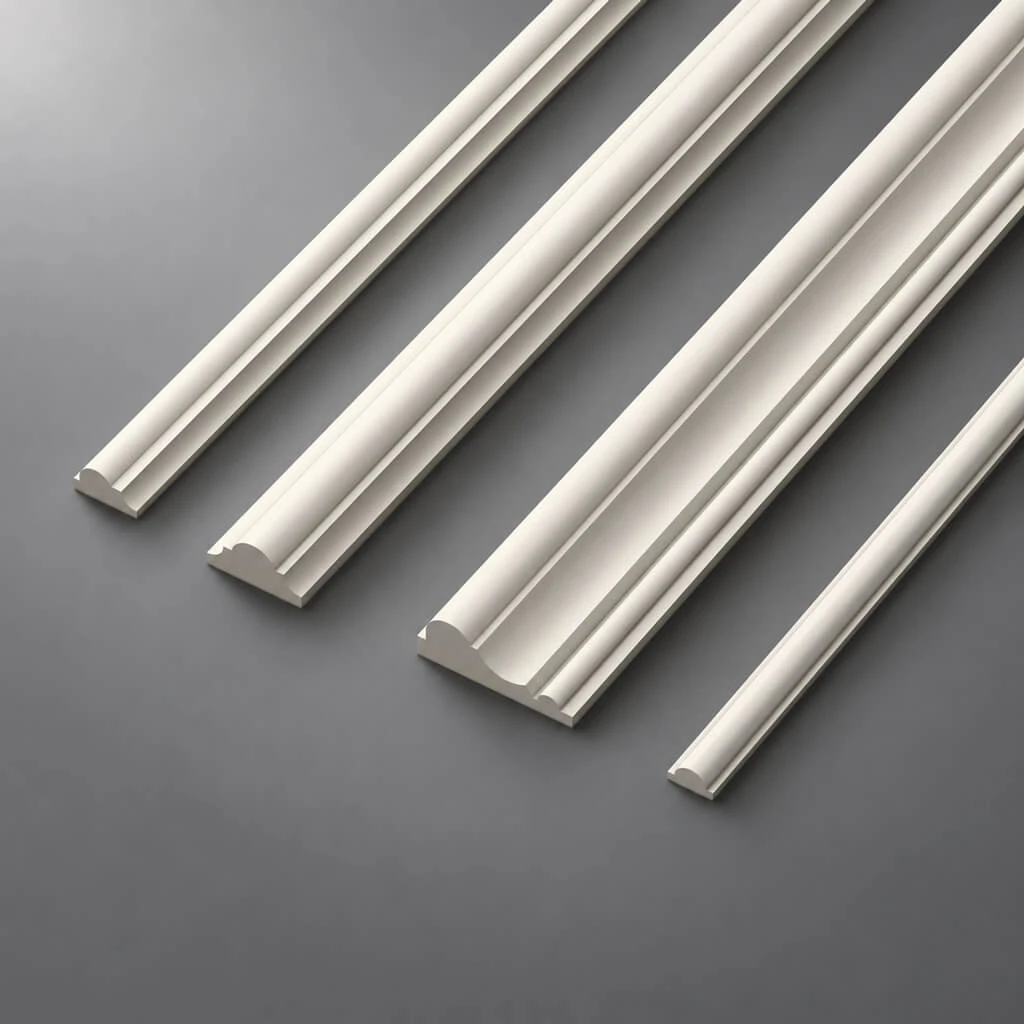
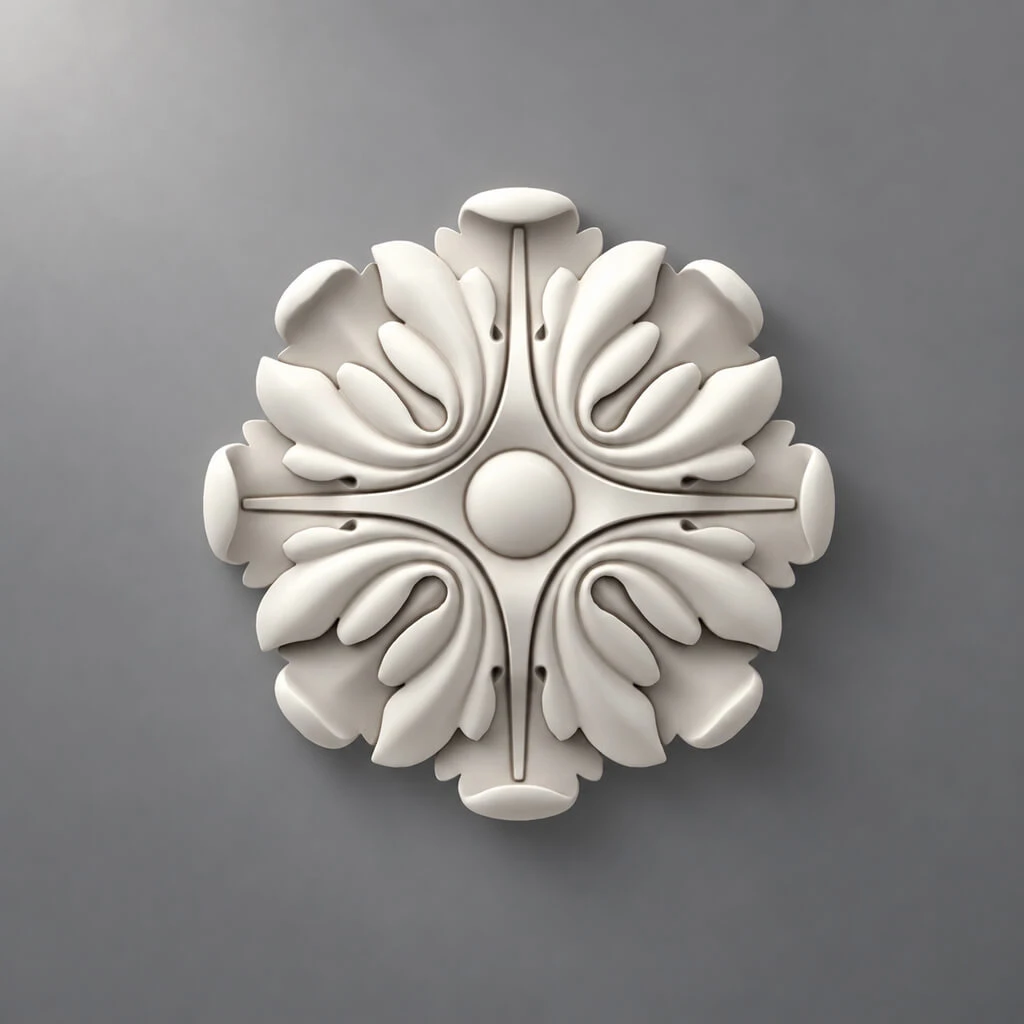
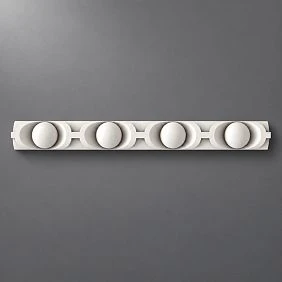
The sets under consideration use four types of source parts. MD-001 is an openwork botanical motif measuring 439 × 439 × 6 mm; its price is 3,980 roubles. MD-005 is a symmetrical four-ray figure with an open centre measuring 326 × 326 × 8 mm, priced at 1,870 roubles. MD-007 is a small cross-shaped overlay measuring 66 × 66 × 8 mm for 530 roubles. MD-004 is a straight decorative profile 20 mm wide, 6 mm thick and 2,600 mm long for 2,980 roubles.
In the specifications and composition of the sets, the MD-004 profile is described as polyurethane, yet the short description on its individual product page also mentions MDF. Before ordering this item and selecting a compatible adhesive, confirm the actual material of the supplied version. This distinction is especially important when choosing the cutting method, edge preparation and finishing. Instructions for one material cannot automatically be applied to another simply because the products belong to the same collection.
The amounts in the table below are obtained by multiplying the quantity of parts by their published prices. They match the set prices indicated on the date of verification. This comparison reflects the purchase cost of the source products, but it does not reveal the internal production cost and does not confirm whether a commercial discount was or was not available at another time.
| Set | Contents of the source products | Quantity | Price, ₽ |
|---|---|---|---|
| MDC-004 | 4 × MD-005 | 4 | 7480 |
| MDC-013 | 1 × MD-004, 2 × MD-005, 2 × MD-007 | 5 | 7780 |
| MDC-003 | 1 × MD-004, 4 × MD-005 | 5 | 10460 |
| MDC-016 | 3 × MD-004, 8 × MD-007 | 11 | 13180 |
| MDC-014 | 3 × MD-004, 18 × MD-007 | 21 | 18480 |
| MDC-018 | 4 × MD-001, 2 × MD-005 | 6 | 19660 |
Here, quantity means the number of source product units. It is not equal to the number of pieces after cutting long profiles and does not automatically indicate the number of installation operations. A 2,600 mm profile may need to be divided into several sections. Conversely, a large shaped module is installed as a single part, even though it already features a complex ornament. For a preliminary estimate of labour intensity, it is more important to open the installation diagram and count the actual cut pieces, joints and individual fixing points.
The size of the decorative field does not equal material consumption
A pattern with an open centre or wide intervals can visually occupy a lot of space with a small number of elements. This is precisely why modular stucco moulding can be an interesting alternative to continuous wall cladding. However, the price of such a pattern cannot be compared with the cost of a square metre of wooden panelling or plaster without further explanation. With a continuous material, the covered surface is close to the area of the product, whereas with an openwork ornament, areas of wall remain between the elements.
The overall footprint can be used to assess scale: it shows how much space the composition will require within a conventional outer rectangle. The actual paintable surface is determined by the geometry of the front face, side edges and individual parts. It cannot be calculated by simply multiplying the width and height of the entire layout. If paint is purchased based on this rectangle, you may end up with either an excessive surplus or an insufficient amount of product, especially when additionally painting the base and applying repeat coats.
From the point of view of an interior project, money is spent not only on size but also on the character of the decorative solution. In a strict room with architecturally expressed verticals, a small number of elongated profiles may be sufficient. In a rich interior, a more fragmented rhythm of repeating overlays is often required. If the wall already has patterned wallpaper or furniture with active milling, an overly complex panel can create competition with the existing details. At the same time, reducing the number of elements in such a case improves the result rather than simply lowering the price.
Why assembly and finishing change the total cost
A pattern made of a large number of small overlays requires careful repeatability of the gaps. Under side lighting, a slight displacement of one element can disrupt the reading of the entire group. Straight profiles, by contrast, are especially sensitive to deviations along an extended line and to the quality of the joints. Therefore, when requesting a quote, the installer should be given not only the external dimensions of the panel but also a specification with a layout drawing.
Painting is a separate issue. A monochrome solution with the same finish for the wall and the moulding can be simpler in terms of color matching. But with different substrate and relief materials, even the same paint does not guarantee a completely identical visual effect. To obtain a predictable coating, the instructions for the primer and paint must be followed, and if necessary a test patch should be applied. A contrasting composition adds the task of precisely finishing the boundaries. The cost of the relevant work is determined by the chosen technology, not only by the size of the panel.
Sets costing up to 10,000 rubles: a compact accent or a large pattern
MDC-004 — four shaped elements for 7,480 rubles
Compact modular decor MDC-004 is formed from four identical MD-005 parts. The external size of the finished composition is 705 × 705 mm, maximum thickness — 8 mm. By repeating a single motif, a consistent pattern is obtained that does not require coordinating several types of overlays. At the same time, it is important to reproduce the position of the four parts specified by the scheme, rather than simply placing them at approximately equal distances.
The small size is convenient on a wall divided by doors, tall cabinets or other large objects. In such a space, one large composition often does not fit entirely, but a square with a side of about 70 cm allows a small area to be highlighted. For example, in a hallway the width of the pier between door casings may be 1050 mm. When MDC-004 is centered, 172.5 mm remains from the edge of the composition to the boundary of the area. For MDC-013 with a width of 1122 mm, the same pier is already insufficient even without free margins. Thus, a compact set cannot be judged as unprofitable simply because it occupies less area.
Shaped modules read well where a person sees the wall from a relatively short distance. In a small hall, the character of the lines can be appreciated without resorting to additional contrast. In a very large room, where the viewer perceives the entire wall from the other end of the space, the same ornament may look intimate; in that case it is useful to first compare its scale with the furniture. If the width of the pattern is insufficient, it is not necessarily worth buying a second identical set: it may be better to choose one large set or place the compact composition within an existing decorative field.
Of 10,000 rubles, 2,520 remains after purchase. This is the estimated balance from which additional expense items must be paid. If the wall is already level and suitable primer and paint are available after the general room renovation, the estimate will differ from that for an uneven base that needs preparation. Therefore, the remaining amount should be compared with a specific list of works, not with an average finishing cost.
MDC-013 — five original products for 7,780 rubles
Geometric set MDC-013 has external dimensions of 1122 × 1122 mm with a maximum thickness of 8 mm. It includes one long profile MD-004, two shaped modules MD-005 and two overlays MD-007. The combination of extended and shaped elements increases the scale of the pattern without a proportional increase in price.
This solution has a different practical specificity. Before starting finishing, you need to check what lengths the profile must be divided into. The set specifies one original profile 2600 mm long, not an unlimited supply of straight elements. When transferring the scheme to the wall, it is important not to add arbitrary connecting sections whose consumption is not accounted for. If the desired pattern differs from the standard layout, a separate cutting plan will help you understand whether the original strip is sufficient or an additional one will be needed.
The panel is suitable for a wider field above a low cabinet, behind a dining group or on a free section of the bedroom. Thanks to the combination of motifs, it can be perceived as an independent architectural accent. When the pattern must be inside a frame made of ordinary moulding, first determine its internal dimensions and only then try on the dimensions of the modular panel. In this case, it is the internal light of the frame, not the width of the entire wall, that determines the available space. Measuring dimensions from the outer edge of the framing is a mistake: part of the field is already occupied by the profile itself.
With a budget of 10,000 rubles, 2,220 rubles remains. The difference between the two sets is only 300 rubles, but this does not mean that their full installation cost differs by the same amount. MDC-013 includes a long-length product, cutting is required, and the number of elements and the nature of the joints differ. If you request two estimates from the installer, passing the corresponding schemes, the result will be significantly more useful than comparing a single price per square meter of wall.
| Parameter | MDC-004 | MDC-013 |
|---|---|---|
| Field size, mm | 705 × 705 | 1122 × 1122 |
| Product price, ₽ | 7480 | 7780 |
| Overall area, m² | 0,497 | 1,259 |
| Balance from 10,000 ₽ | 2520 | 2220 |
The area of the external square of MDC-013 is approximately 2.53 times larger than that of MDC-004. In a spacious field, this is a useful opportunity to expand the pattern at a similar product price. But if a small medallion is required, a compact layout will better suit the purpose. A set that solves the task at hand without buying unnecessary parts and does not force changes to neighboring interior elements should be considered economical.
Modular mouldings for 10,000–15,000 rubles: working with wall scale
MDC-003 — composition 1290 mm wide for 10,460 rubles
Modular polyurethane panel MDC-003 consists of one MD-004 profile and four MD-005 shaped elements. The dimensions of the finished layout are 1290 × 1290 mm, with a maximum thickness of 8 mm. Compared with MDC-004, the number of shaped parts is preserved here, but an extended line has been added that contributes to a larger ornament. The price difference between the sets corresponds to the cost of the additional source profile: 10,460 − 7480 = 2980 rubles.
This set is convenient when a striking geometric pattern is needed but wall width remains a constraint. For example, with an available field of 1600 × 1700 mm, the nominal side margins will be 155 mm each, and the top and bottom margins when centred will be 205 mm each. They remain noticeable even with a relatively large composition. If a rosette, switch or wall light is planned in the centre of the decorative square, it is necessary to check not only the outer dimensions but also the position of specific parts on the drawing. An open area may be convenient for an electrical fitting, but the combination must not compromise serviceability.
After purchasing MDC-003, 4540 rubles remain from the 15,000 ruble budget. Such a reserve is useful if individual finishing materials are yet to be chosen and part of the work cost is not yet determined. Do not automatically allocate the entire difference to additional overlays: first make a list of necessary expenses. Supplementing a finished composition makes sense only when it corrects a specific proportion or functional conflict, rather than simply allowing the allocated sum to be spent.
MDC-016 — large geometric composition for 13,180 rubles
Large decorative composition MDC-016 has outer dimensions of 1545 × 1545 mm. It comprises three MD-004 profiles and eight cross-shaped MD-007 overlays. The three source strips have a total length of 7800 mm before cutting. However, the sections obtained from them cannot be considered interchangeable without reviewing the diagram: for a specific pattern, the length of each fragment and the nature of the joints matter.
In relation to large smooth walls, the set is interesting primarily for its scale. A width of more than one and a half metres allows the relief to be tied to a large furniture group. If the pattern is located behind a sofa, check how its lower boundary relates to the backrest. Part of the panel should not accidentally disappear behind the furniture: otherwise the intended proportion will be disrupted, even though the set formally fits on the wall. When measuring, it is important to take into account the height of the visible area specifically, not just the height from floor to ceiling.
In a room with a low ceiling, a square composition of this scale may require adjusting the mounting height of furniture or doing away with existing wall lights. You shouldn't move the design upward just so it doesn't overlap the back of the sofa: the top margin can become too small, and the composition will look visually pressed against the ceiling. In a tight space, the more modest MDC-003 can provide more harmoniously distributed free space.
With a maximum budget of 15,000 rubles, 1,820 rubles remain after purchasing MDC-016. If the price covers only the products, you need to find out before paying what additional scope of work will be required. Installing a large design with straight profiles and small repeating overlays may take more time for marking out than installing several shaped modules. An exact comparison depends on the condition of the wall, the actual number of joints, and the painting method.
| Parameter | MDC-003 | MDC-016 |
|---|---|---|
| Field size, mm | 1290 × 1290 | 1545 × 1545 |
| Product price, ₽ | 10460 | 13180 |
| Overall area, m² | 1,664 | 2,387 |
| Remaining from 15,000 ₽ | 4540 | 1820 |
The price difference is 2,720 rubles. The outer field of MDC-016 is approximately 43.4 percent larger. This is not a linear increase in the size of the original decorative pieces, but a different way of forming the ornament. If expressive shaped motifs are preferred, MDC-003 remains a valid choice in its own right, even when the budget allows purchasing a larger set. Compare the layouts on a photo of the specific wall at the same scale: this way the difference in the artistic design becomes visible regardless of the price tag.
Sets up to 25,000 rubles: ornament density and character of the details
MDC-014 — a compact ornament with repeating overlays for 18,480 rubles
Geometric modular decor MDC-014 occupies a 974 × 974 mm square and has a maximum thickness of 8 mm. It comprises three straight MD-004 profiles and eighteen small MD-007 overlays. The profiles cost 8,940 rubles, and the overlays cost 9,540 rubles. This set should be evaluated primarily by the repetition and density of the geometric pattern, rather than by the maximum width that can be achieved within the allocated budget.
This option is especially useful where a rich ornament is needed but the space is limited on several sides. Imagine an office with symmetrically installed bookcases, with a free field of 1300 × 1450 mm between them. When MDC-014 is placed in the center, 163 mm remain on each side and 238 mm at the top and bottom. In such a wall section, the larger MDC-016, 1545 mm wide, will not fit. The buyer gets the opportunity to choose a rich design without redoing the furniture or reducing the scale of the original layout.
The small overlays have their own role. A single element has a side of 66 mm, yet eighteen repetitions create a system of visual accents. In a project with a close viewing point, the individual motifs will be clearly distinguishable. If there is no directional light on the wall, the relief with monochrome painting may appear more subdued than in an image with pronounced shadows. Therefore, when approving the appearance, it is worth looking at a finish sample under normal room lighting. Evaluating the ornament solely by a high-contrast catalog image is not enough.
When purchasing within a budget of 25,000 rubles, 6,520 rubles remain. This margin is larger than when choosing MDC-016 from a 15,000 ruble limit, even though the MDC-014 set itself is noticeably more expensive. Budget groups are conventional comparison brackets, not an indicator of finishing complexity. If all work is funded from a single sum, the installer's preliminary quote for this set is especially useful: multiple repeats and profile joints must be reproduced precisely on the wall.
MDC-018 — a botanical-geometric composition for 19,660 rubles
Botanical-geometric panel MDC-018 consists of four botanical modules MD-001 and two shaped modules MD-005. Its external dimensions are 1315 × 1315 mm, maximum thickness is 8 mm. This set does not include the long MD-004 profiles. The cost of four botanical pieces is 15,920 rubles, and of two shaped pieces — 3,740 rubles. Even with a relatively small number of source elements, the total price turns out higher than that of a set with a larger number of small appliqués.
The botanical form changes the character of the wall. If a geometric grid emphasizes the architectural lines of the room, openwork stylized leaves can become a linking element between strict finishes and the softer forms of furniture, textiles, or decorative objects. This does not mean classical interiors are required: a botanical motif in a calm monochrome palette can pair well with the simple surfaces of a modern space. The final decision is determined by adjacent materials, furniture shapes, and lighting.
When approving the composition, it is important not to confuse the overall dimensions of a botanical module with the amount of material. The MD-001 motif has external dimensions of 439 × 439 mm, but its openwork silhouette is not a square slab. If individual botanical pieces are placed close to the shaped ones in the working layout, their outer rectangles may visually overlap without the pattern itself intersecting. Connection points cannot be determined by overall dimensions alone: use the manufacturer's layout and the actual contours of the pieces.
Against a smooth wall, MDC-018 can work as a standalone decorative object that needs no additional frame. If the room already has a large botanical print, check how the motifs combine so that the wall molding does not become a second competing pattern. Sometimes it is useful to choose a single color for the base and appliqués, leaving the expressiveness to the relief and moving the color accent to furniture or textiles. If the rest of the finish is extremely restrained, a contrasting solution can emphasize the character of the composition.
| Parameter | MDC-014 | MDC-018 |
|---|---|---|
| Field size, mm | 974 × 974 | 1315 × 1315 |
| Product price, ₽ | 18480 | 19660 |
| Overall area, m² | 0,949 | 1,729 |
| Remaining from 25,000 ₽ | 6520 | 5340 |
The difference is 1,180 rubles. The area of the second set is approximately 82 percent larger, but the sets are not enlarged and reduced versions of the same ornament. If you need to create a strict geometric composition with many repeats, the first option is preferable. When the main task is combining a botanical motif with shaped pieces and the specification has no extended source profiles, the second should be considered. The decision is made based on how the pattern matches the room's architecture and the budget, not on the size of savings in absolute numbers.
Summary comparison: cost per square meter of overall field
To make a preliminary comparison of scale and price, we will introduce two indicators. The first is the overall field area: the product of the composition's width and height in meters. The second is the ratio of the set's cost to this area. If we denote the cost of the items as C, the width as A, and the height as H, then the comparative indicator equals C / (A × H). All six ornaments under consideration have a square outer field, so calculations can be based on the square of one side.
For MDC-004, the area is 0.705 × 0.705 = 0.497025 m². Dividing 7480 rubles by the exact area value gives approximately 15,050 rubles per square meter of overall field. For MDC-016, the analogous indicator is about 5522 rubles. When calculating, you should preserve the original precision until the result is obtained, and round only the final number; otherwise, the comparison of close values is distorted. In the table, the area is presented with three decimal places, and the price indicator is rounded to the nearest ruble.
| Set | Price, ₽ | Overall area, m² | Price per m² of field, ₽ |
|---|---|---|---|
| MDC-004 | 7480 | 0,497 | 15050 |
| MDC-013 | 7780 | 1,259 | 6180 |
| MDC-003 | 10460 | 1,664 | 6286 |
| MDC-016 | 13180 | 2,387 | 5522 |
| MDC-014 | 18480 | 0,949 | 19480 |
| MDC-018 | 19660 | 1,729 | 11369 |
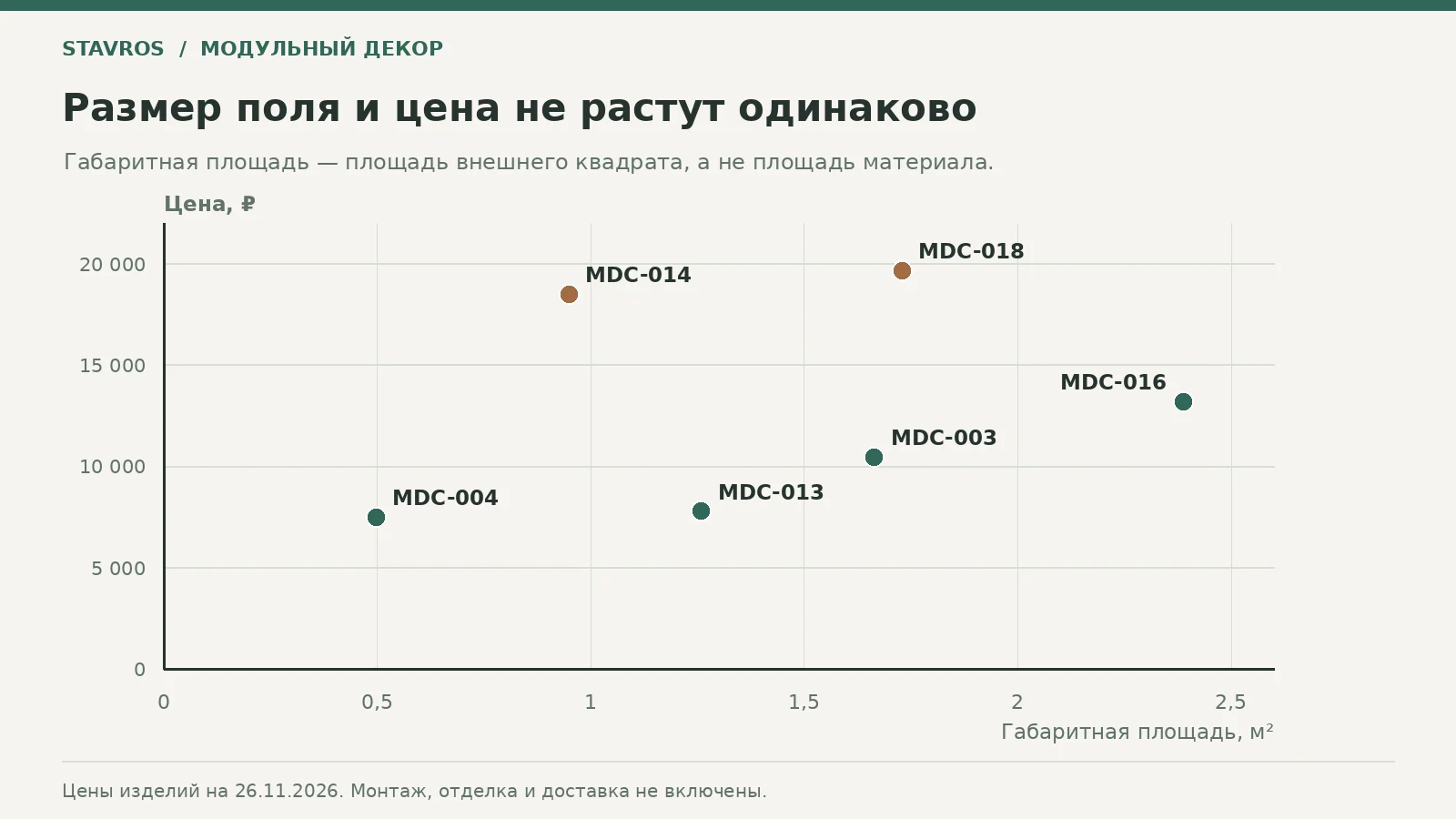
The indicator answers a specific question: how much does it cost to decorate a conventional outer field using the selected set. It does not mean the cost of a square meter of polyurethane, does not show the thickness or weight of the items, does not include installation, and does not measure the artistic value of the ornament. This indicator should not be used to calculate the number of parts for the entire area of a room. For example, if the walls have an area of 20 m², multiplying it by the value for MDC-016 will not give a reliable estimate: specific decorative fields need to be designed and the number of individual compositions determined.
There is also a more subtle limitation. Two sets with a similar ratio of price to overall area may differ in the proportion of exposed base. If the buyer wants to achieve the effect of a dense relief carpet, a more affordable openwork pattern relative to area will not always allow the desired result to be achieved. Conversely, if the task is only to emphasize the axes of a large wall section, a small number of extended parts may be quite sufficient. First determine the required visual effect, and only then use the number to choose between suitable options.
Why MDC-016 is larger but costs 5300 rubles less than MDC-014
Both sets include three original MD-004 profiles. MDC-014 uses eighteen MD-007 overlays, while MDC-016 uses eight. The difference of ten overlays at 530 rubles each is exactly 5300 rubles. Here the difference can be explained not by assumptions about manufacturing technologies, but by the actual contents of the sets. Their prices are 18,480 and 13,180 rubles respectively, while the more affordable composition occupies a substantially larger field.
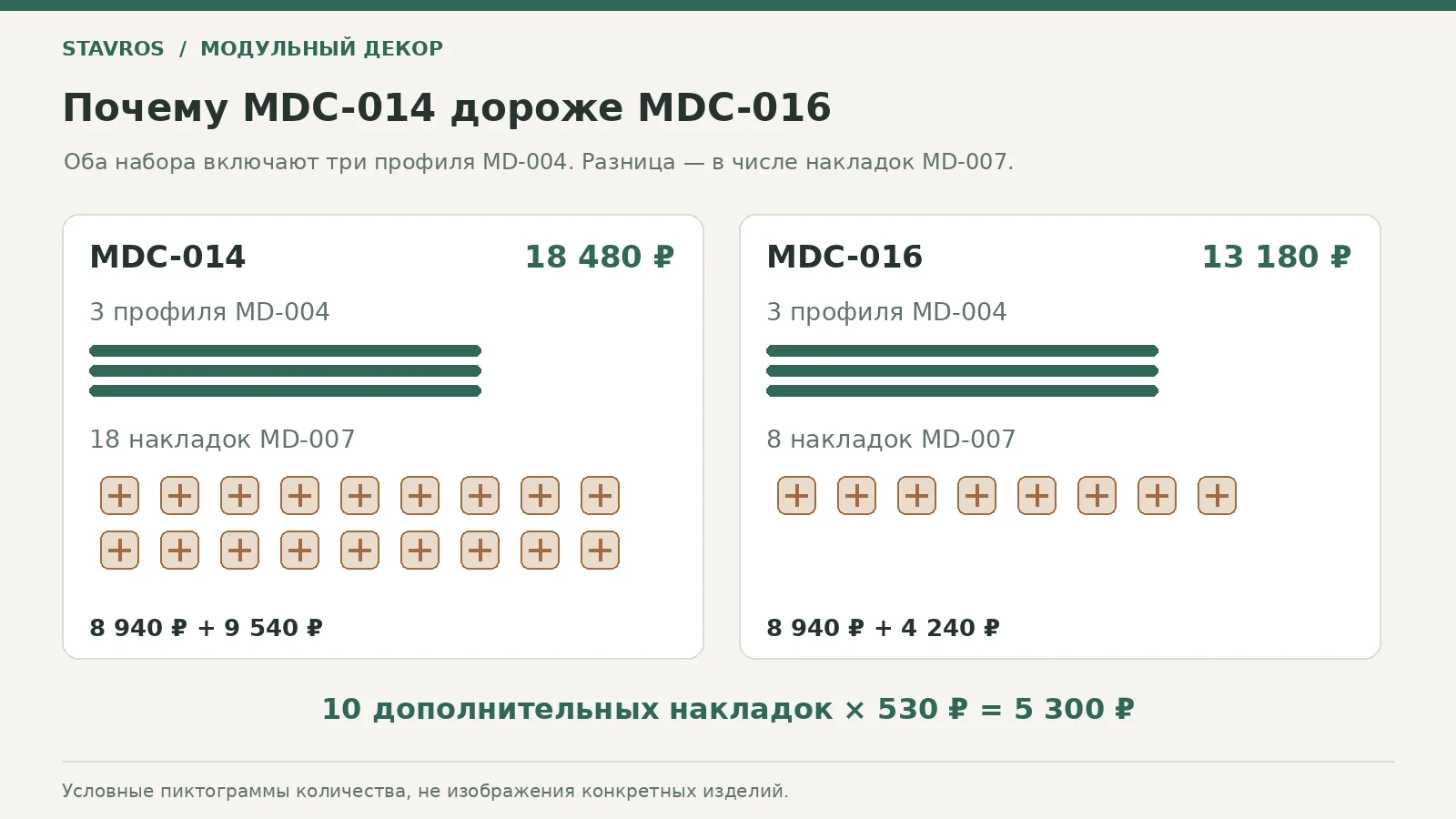
This should not lead to the conclusion that a large pattern is always more advantageous. What matters is the transition from the quantity of specific items to the spatial scheme. The compact MDC-014 contains more original decorative accents. Their repetition over a smaller area creates a different character of decoration. For a wall with a narrow free section and richer finishing, this result may be desirable. MDC-016 is more appropriate where a larger surface needs to be covered while preserving noticeable areas of the base.
When requesting a calculation from a craftsman, you can additionally compare the number of parts to be installed and the number of joints after cutting. Both sets have the same number of original long strips, but the ten additional small overlays in MDC-014 add separate positioning points. The number of profile fragments and joint processing operations depends on the scheme. It cannot be stated in advance that one of the installations will necessarily be more expensive than the other by a fixed percentage. This is determined by the technology and the conditions of the site.
Six layout options for a single decorative field
To compare all sets regardless of differences between rooms, let us assume the same initial task. There is a free square wall area of 1800 × 1800 mm with no switches, door casings, protruding objects or other obstacles. It is not necessary to fill the entire surface with material: the goal is to place one complete ornament with a visible base band around it. Such an area may be located above a low cabinet, inside an architectural frame, or on a specially designated wall. The dimensions in the example refer to the finished surface.
With symmetric centering, the margin S = (W − A) / 2, where W is the available field width and A is the composition width. The same principle applies to the vertical direction using heights. Since in our example all compared fields are square, the four margins for each set are equal. If the calculation yields a negative number, the set extends beyond the boundary and is unsuitable without revising the layout. A zero result means the outer dimensions of the design and the field coincide; from a practical standpoint, the absence of free space can complicate marking or make the composition look visually cramped.
| Set | Side, mm | Margin around the perimeter, mm | Price, ₽ | Remaining balance of the group limit, ₽ |
|---|---|---|---|---|
| MDC-004 | 705 | 547,5 | 7480 | 2520 |
| MDC-013 | 1122 | 339 | 7780 | 2220 |
| MDC-003 | 1290 | 255 | 10460 | 4540 |
| MDC-016 | 1545 | 127,5 | 13180 | 1820 |
| MDC-014 | 974 | 413 | 18480 | 6520 |
| MDC-018 | 1315 | 242,5 | 19660 | 5340 |
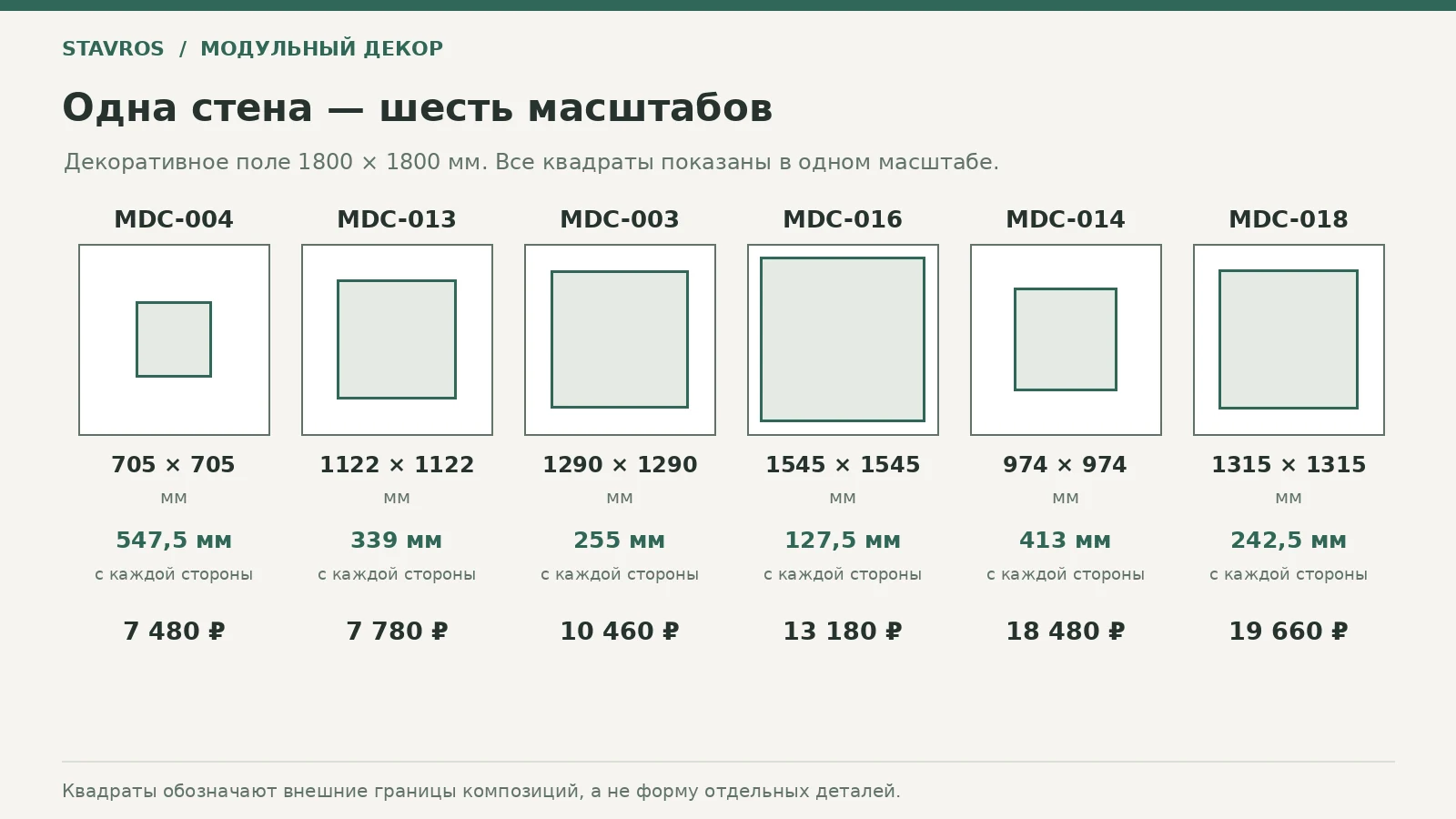
Each row is a separate calculation option. When choosing MDC-004, wide margins are preserved around the ornament. It can be perceived as a medallion placed inside a larger architectural zone. If the surrounding wall is divided by moldings or has a beautiful texture, the free areas will serve an independent decorative function. If the wall is completely smooth and the composition should become the main focal point of the room, a size of about 70 cm may prove too modest relative to the overall scale.
MDC-013, at almost the same price, leaves 339 mm on each side. This is an option for those who want to increase the size of the design without significantly changing the price of the items and to preserve a wide surrounding space. When placing it above a console, it is important to consider the objects on its surface: tall vases or lamps may overlap the lower part of the design when viewed from the room. It is useful to take a photo of the wall with the actual furniture and overlay a square of the required size onto it. Such a mockup helps evaluate not only the boundaries but also the relationship with the objects below.
MDC-003 occupies a large share of the field, leaving 255 mm of free space on each side. This is an intermediate scale, convenient for an accent wall where it is important to preserve a visible base band. If there is a separate frame, you need to check that the specified 1800 mm is measured between its inner edges. If the initial dimension was taken along the outer contour of the frame, the actual margins will be reduced by the width of the surround. The larger the selected design, the more noticeable this difference becomes.
MDC-016 leaves 127.5 mm on each side. In our example the set fits, but the free band becomes much smaller. If there is an additional protrusion, a decorative rosette or a change in plane near the edge of the field, you need to check the actual contours of the outermost elements. Unlike a picture in a rigid frame, an openwork ornament may have unfilled corners; this allows individual conflicts to be assessed from the working image, but is not a reason to ignore the specified outer dimensions. A large design requires precise axial marking and especially careful checking of the wall condition across the entire area.
With a wide outer free margin, MDC-014 retains its rich inherent pattern. When placed in an office or room with an already pronounced furniture composition, this can be an advantage. The buyer pays for a specific combination of straight and small figured elements, not for the need to occupy as much of the surface as possible. In this case, the size of the free wall by itself does not determine the preference.
MDC-018 leaves 242.5 mm on each side, meaning it is close in scale to MDC-003. Therefore, these options are convenient to compare on a single interior mockup: the difference will primarily be shaped by the character of the motifs, not the size. If the interior already has geometric grids, strict furniture lines, or a patterned floor, a plant motif can soften the overall pattern. When the main concept is built on repeating four-ray forms, a geometric composition will be a more consistent solution. This task cannot be solved by simply comparing prices.
How to transfer the calculation to real walls
First, measure the width of the free zone at several cross-sections, especially if the area is bounded by furniture or a decorative frame. On a wall with small deviations, the nominal size along one line does not always correspond to the narrowest point. Then determine the available height: from the upper boundary of the furniture or another obstacle to the lower boundary of the cornice, frame, or light fixture. If there are sockets, switches, or wall brackets, record their coordinates relative to the chosen axis.
Separately determine what the pattern should be centered on. If the sofa is offset relative to the wall, the geometric center of the wall section and the visual center of the furniture group may not coincide. Do not automatically place the ornament along one of these axes: first assess which group will be the main object when entering the room. For an asymmetric placement, instead of two equal margins, set the left and right ones separately, checking their sum: it equals the difference between the field width and the composition. Similarly, the pattern can be shifted up or down if this is justified by the furniture arrangement.
Finally, compare the product diagram with a photo of the room. The outer square drawn on paper is only the first level of verification. At the second level, you need to determine the position of each module so that the overlays do not cover electrical installation products or inspection hatches. At the third, evaluate the image from a normal viewing distance, including the side perspective. This order is especially useful when the budget allows several options and the wall dimensions do not give an unambiguous answer. It reduces the risk of buying a beautiful product that will have to be redone after delivery.
A ready-made set or buying modules separately
The MD series is intended for working with individual parts, the MDC series for choosing a developed combination of such parts. A ready-made set is useful when you need to know the appearance and nominal dimensions of the pattern in advance. The buyer receives a specification that can be used to compare the composition with the estimate and then transfer the recommended layout to the wall. Individual design is required if you need to go around an architectural protrusion, place the ornament in a non-standard elongated area, or continue an existing pattern without repeating the entire composition.
Let's consider a simple example. One shaped decorative module MD-005 costs 1,870 rubles. Four modules will cost 7,480 rubles — the same as a ready-made MDC-004 on the date of checking. Ordering a set makes sense if the recommended layout suits you, while individual elements make sense if a different arrangement is required. When buying separately, you must check not only the number of parts but also their orientation, the gaps, and the overall outer contour. It cannot be guaranteed that an arbitrary arrangement of four elements will automatically form a 705 × 705 mm square.
Linear pieces are more challenging. Suppose that for a custom design, four straight segments of 900 mm and two segments of 500 mm have been pre-calculated. The total length is 4600 mm. Two stock strips of 2600 mm give 5200 mm, but they must be distributed across the cutting plan. On each strip, two 900 mm segments and one 500 mm segment can be preliminarily placed: 2300 mm in total, excluding kerf width and end machining. This leaves 300 mm of nominal reserve per strip. This calculation must be adjusted according to the selected tool and the joint configuration.
If, however, three continuous segments of 1500 mm are required, the total length is also less than 5200 mm, but two continuous 1500 mm segments cannot be obtained from a single 2600 mm strip. Three stock strips or another agreed design configuration will be needed. It is precisely in such cases that pricing by total linear meters leads to a shortfall. Before changing a finished composition, it is useful to check each required part by length and to allocate an allowance for end machining. The material remaining after cutting can be used only where it genuinely fits in dimensions and profile shape.
When adding to an already selected set, it is important to consider the thickness of adjacent items. In the sets being compared, the maximum thickness is 8 mm, but individual profiles and floral elements are 6 mm thick. If a new part will be placed in direct contact with an existing one, their actual contours and position on the surface must be checked. The mere fact of belonging to the same collection does not guarantee a seamless joint at an arbitrary rotation. For a custom ornament, first develop a layout and cutting plan, then use ready-made modular decor sets as a basis for comparing cost and completeness.
Additional costs: how to determine the full cost of finishing
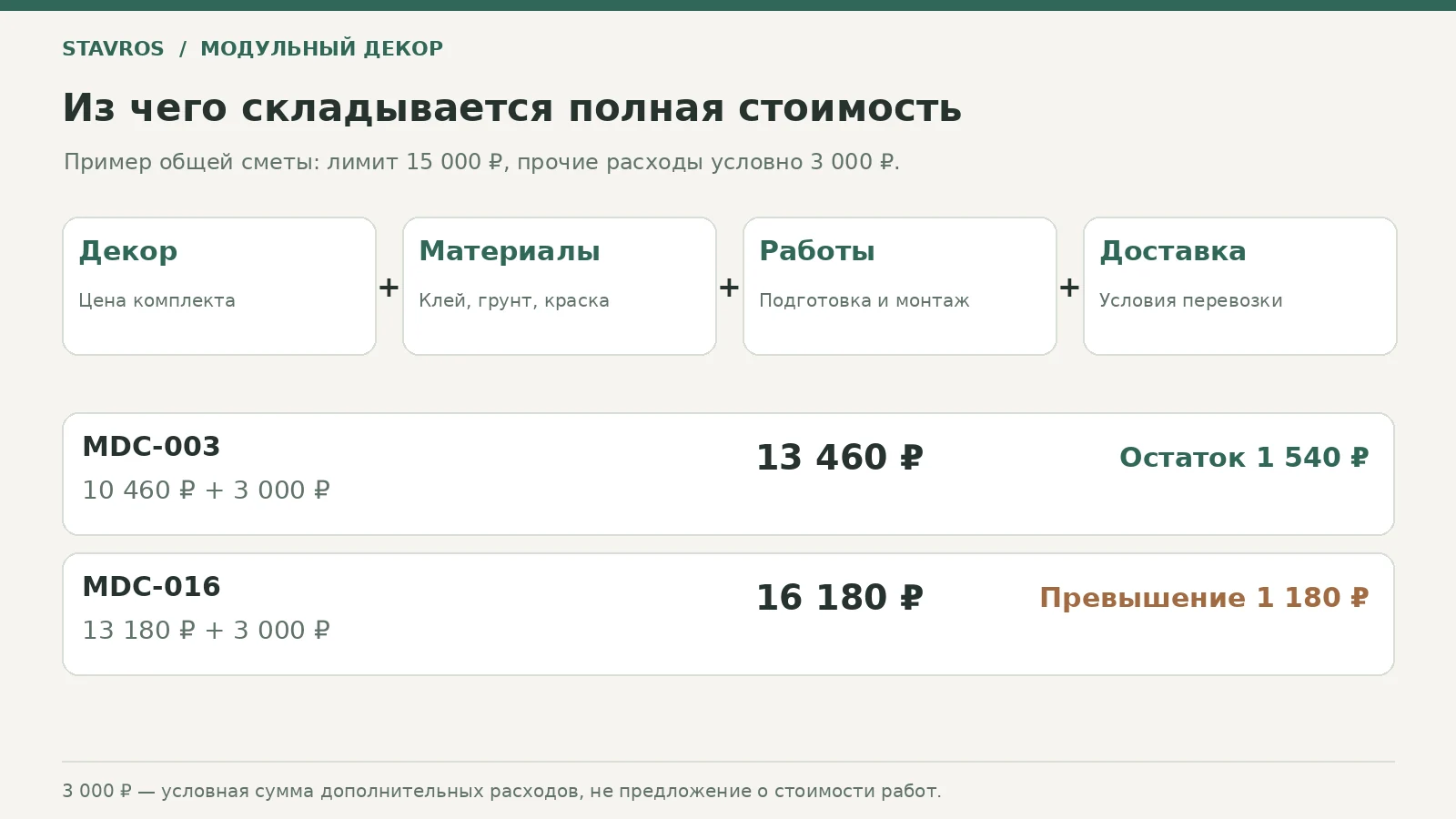
The price of decorative elements is only one line in the estimate. For a complete project, add up the cost of the items, preparatory and finishing materials, labor, and delivery. With self-installation, there may be no monetary cost for an installer's services, but this does not eliminate the need for suitable tools, time, and preliminary checking of the substrate. Before approving a budget, request separate amounts for work that has not yet been performed as part of the overall renovation.
| Expense item | What must be determined before purchase |
|---|---|
| Decorative products | Item codes, quantity, current price, additional profile if needed |
| Base preparation | Area of local leveling, condition of the coating, primer compatibility |
| Installation materials | Type of substrate and part material, recommendations for adhesive and joint treatment |
| Finish | Color, number of coats according to instructions, surface to be painted, protective materials |
| Installation | Marking, cutting, fixing, joint treatment, painting and cleanup |
| Delivery | Address, package dimensions, order handover conditions |
Wall preparation and installation materials
On a finished wall, first check the stability of the coating: a weak layer of paint or filler cannot be considered a reliable base just because it has no visible cracks. If local surface repair is required, determine its boundaries and agree on the sequence of operations with the requirements of the selected installation system. Sometimes painting the entire accent wall proves more rational than several local touch-ups if the restored area differs noticeably in tone. This is an expense that is not determined by the price of the decorative set.
Installation adhesive is selected based on compatibility with the product material, its condition and the type of base. A smooth painted area and a prepared mineral surface may require different application conditions. It should be clarified whether the joints need additional treatment and which compound is permissible for this. Consumption is calculated according to the manufacturer's instructions for the installation material, the actual contact length and the application method. When calculating, the contact area must not be substituted with the area of the outer rectangle of the ornament.
Pay special attention to the areas where the straight profile connects to the shaped module. A difference that is invisible in the general photo may stand out after painting under side lighting. If the layout requires complex cutting, it is useful to agree on the preparation of the parts with the craftsman before purchasing consumables. Current Advice on finishing and installation should be used together with the instructions for the specific products, adhesive and paint.
Painting and color selection
For a monochrome finish, the color of the relief is selected relative to the actual wall, and not only by the catalog designation of the shade. If the base was painted previously, it is useful to find out the exact name of the paint, the degree of gloss and the possibility of recoating. Even material of the same brand from a different batch may be perceived differently due to the condition of the old coating and the lighting. A test paint will help determine whether it is enough to paint the parts or whether the entire decorative field needs to be refreshed.
For a contrasting pattern, also consider how neat the boundary between the base and the overlays is. You can discuss pre-painting the elements or the final finish after installation, but the decision depends on the chosen installation technology: the contact surfaces must retain the properties needed for reliable fixing. If the decorative ornament contains many small elements, the order of painting and installation affects how convenient the work is. You should not choose a more complex scheme just because of a picture of a beautiful contrast without finding out how much effort it will require on a specific wall.
Delivery and craftsman's work
Sets with MD-004 profiles include original products 2600 mm long. Before placing an order, it is worth checking the actual dimensions of the packaging, the method of collection and the transportation conditions. The option made of individual shaped parts may impose different packaging requirements. Do not compare delivery costs based on the number of product items alone: the carrier may take into account dimensions, weight and address. Current conditions are published in the section Payment and delivery.
To request a quote for installation, prepare the same initial information for all contractors: a photo of the wall, finished dimensions, the selected article, the layout plan, the number of original profiles and the intended finish. Ask whether the quote includes surface preparation, cutting, joint treatment, consumables and painting. You should compare the same scope of work. If one estimate lists only installation while another lists fully completed finishing, the difference in the total amounts alone says nothing about the first offer being better value.
As a conditional calculation, let us take an overall budget of 15,000 rubles and an agreed amount of additional expenses of 3,000 rubles. This is purely an arithmetic example, not a market estimate of the work. 12,000 rubles remain for the products: MDC-003 fits within this limit, the total will be 13,460 rubles, while MDC-016 will lead to an overrun of 1,180 rubles. If the buyer chooses the second set, they must either increase the overall budget or obtain a reliably lower estimate of additional expenses without giving up the necessary technological operations. This approach allows a decision to be made before ordering, rather than after receiving the goods.
How to reduce costs without losing the decorative result
Saving begins with identifying the place that truly requires a relief accent. If the room already has an expressive stone backsplash, large furniture, paintings or wall lights, it is not necessary to add a modular pattern to every free wall. One carefully chosen ornament can organize an interior better than several competing decorative objects. For a small room this is especially important: at a limited viewing distance, excessive motifs are perceived simultaneously.
The second possibility is to choose not by the upper budget limit but by the most suitable size. If MDC-013 is suitable for a certain area, moving to MDC-014 just for a more expensive version will not increase the scale of the pattern. These sets solve different tasks. Directing the remaining funds to a quality base or color coordination is sometimes more useful than buying additional elements that the original composition does not need. In an open layout, the visible wall becomes part of the finish, so trying to save specifically on its preparation can worsen the overall result.
The third possibility is precise coordination of the scheme and the set contents. Do not buy a reserve of all modules at the same percentage without understanding their purpose. Long strips require a cutting calculation, shaped elements require an exact number of repeats, and overlays require the number of specific installation locations. An extra part can be a reasonable reserve if there is a justified risk of damage or if the pattern is intended to continue. However, an arbitrary reserve increases the cost and does not always help to fix a problem if the site is short of a part of exactly a different type.
The fourth possibility is combining decorative work with other renovation stages. If the wall is still at the finishing stage, the location of the panel can be coordinated in advance with the electrics, furniture and color schemes. This reduces the likelihood of having to move switches or repaint an already finished base. If the room is fully furnished, choose a composition based on the existing free areas, and treat changes to the interior as a separate decision with its own estimate. Additional work may cost more than the price difference between two sets.
How to choose modular decor for different rooms
In a hallway, it is useful to consider the free wall not only in terms of dimensions, but also with the traffic route in mind. The relief should not interfere with opening doors, accessing switches, or using a built-in wardrobe. MDC-004 is suitable for small wall sections; MDC-013 can be considered if there is a wider field above the console. In a bedroom, it is advisable to relate the pattern to the headboard and wall lights. Here you can choose between a relatively calm wide pattern and the more pronounced geometry of MDC-003. If the headboard itself has a rich pattern, a preliminary visual try-on is especially important.
In a living room, free surfaces are more often associated with the sofa, dining area, or low storage system. MDC-016 will allow you to create a large-scale geometric accent given suitable wall dimensions. MDC-018 is worth considering when botanical motifs are combined with the shape of the furniture and textiles. In a study, MDC-014 may be appropriate between cabinets if the wall section is wide enough; many small overlays set a richer rhythm. For a spacious hall, both large sets can be interesting if the pattern is clearly visible from the entrance and is not blocked by an opening door or a tall piece of furniture.
| Room | Sets for preliminary comparison | What to Check |
|---|---|---|
| Hallway | MDC-004, MDC-013 | Wall section width, doors, switches |
| Bedroom | MDC-003, MDC-013 | Visible height above the headboard, lights |
| Living room | MDC-016, MDC-018 | Scale of the furniture group and viewing distance |
| Office | MDC-014 | Pattern density and width of the field between cabinets |
| Spacious hall | MDC-016, MDC-018 | Visibility of the composition from the entrance, clear margins |
These combinations are not manufacturer restrictions. If the actual field and pattern suit the interior, the same set can be used in different rooms. If, however, the wall requires not a separate composition but an extended frame, consider Moldings made of polyurethane as a standalone type of decoration. For small, targeted accents, suitable Polyurethane moldings in the form of individual parts. These solutions differ in specification and calculation rules.
Mistakes when calculating the budget and placing an order
The first common mistake is to treat the stated width of the composition as the width of a single supplied product. For a modular set, the size refers to the finished layout. Before accepting delivery, check each item against the packing list rather than looking for a single solid panel in the packaging. The second mistake is to measure the entire wall instead of the available decorative area. The free height above the furniture, the inner width of the frame, and any protrusions should be recorded separately. If the composition is calculated to fit tightly against the door casing, a small measurement error may require reconsidering the placement.
The third mistake is to infer the number of source parts from the external area. The example of MDC-014 and MDC-016 shows that with significantly smaller dimensions, a higher product price can result from a different composition. The fourth mistake is to treat the remainder of the maximum budget as pure savings. First subtract the confirmed cost of additional expenses, and only then determine how much money remains for other renovation tasks. The fifth is to order everything needed based on an outdated price snapshot. Before paying, you need to compare the product page and the cart, especially when buying several sets or changing the number of modules.
Finally, do not replace the specified elements with similar-looking products without checking. Differences in thickness, width, and shape change the nature of the joints and may disrupt the axial pattern. If the scheme needs to be changed, approve the new specification specifically. Keep the item codes and the number of product units in a separate list so that after delivery the order can be matched against the project. This is especially useful for a set in which several types of elements are visually close in shade and require different places in the layout.
Where to buy modular decor and how to place an order
It is convenient for the buyer to start by choosing two suitable options and comparing them in a single photo of the wall. After that, open the product pages, check the composition, external dimensions, drawings, and current price. In the catalog buy modular decor you can go through the pages of ready-made sets or select individual elements for a custom project. If, in addition to the panel, you need Moldings for other areas of the room, compare the finishing methods in the general assortment. To Buy molding specifically for walls, open the dedicated section and match the selected elements by purpose and dimensions.
Before placing your order, prepare a photo of the surface and the dimensions of the free area, and confirm the number of sets, the actual material and the manufacturing conditions if the product is made to order. Check whether an additional profile is required for the modified layout and what finishing work will be carried out on site. The product cards contain links to drawings and purchasing options. If needed, use the option to ask a question about a specific item code. The final order total should be assessed taking into account delivery and the agreed specification, not just the advertised price range.
For a compact accent, compare MDC-004 and MDC-013; for a large geometric field — MDC-003 and MDC-016; for a rich or floral ornament — MDC-014 and MDC-018. The main rule of selection is that the dimensions, pattern and full estimate should all match the same interior task. There is no need to exhaust the entire decor budget if a more affordable set fits the free field better and allows you to keep funds for quality finishing.
Frequently asked additional questions about purchasing and preparing an order
Can I buy one set for a trial installation and order a second one later?
A phased purchase can be considered if each composition stands on its own. Save the item code and specification of the first order. Before placing the second order, check the current composition, price and manufacturing conditions. For adjacent patterns, it is useful to compare color and finish on samples before installing the second group.
What should I do if one part is missing from the received package?
Check the number of items against the list in the order, keep the packaging and record the discrepancy. Do not begin irreversible cutting of the remaining elements until the seller confirms the completeness of the set, if the missing part may affect the layout. The terms of handling are determined by the rules of sale and order receipt.
How can I avoid buying extra profiles when changing the pattern?
Ask for a working specification with the length of each solid fragment. Determine the distribution of cut pieces across the original strips and only then add product units to the cart. For symmetrical halves of the pattern, check whether the lengths of the paired parts match.
Can leftover profile pieces be used in another room?
Yes, if its actual length, cross-section and condition are suitable for the new area. It is convenient to label the leftovers after cutting. Do not install a short fragment on a visible line just to save material if this creates an undesirable joint.
How can a project be coordinated with the designer if the customer is in another city?
Provide the item code, the product drawing, a photo of the wall with dimensions and the selected color scheme. To agree on scale, ask for the design to be shown at the same scale as the furniture. After approval, save the final specification, and clarify the delivery terms separately.
What should I do if the catalog shows a price but availability is not confirmed?
The price in the product card helps you navigate the assortment, but it does not mean guaranteed availability. Check whether the order can be placed and clarify the manufacturing or delivery terms. If the timing is critical for the renovation, agree on it before starting the related finishing work.
Can I order several identical sets in different colors?
First, find out whether the seller offers the required delivery and finish option. If painting is done on site, each set can be included in its own color scheme if the coating technology is compatible. Custom painting cannot be considered automatically included in the catalog price.
How can I evaluate a design on a wall with a pronounced texture?
Attach a sample or a scale mock-up to the actual substrate and look at it under daylight and artificial lighting. Separately check whether the surface is suitable for adhesion. The texture may interfere with contact between parts and visually compete with the relief, so this issue requires more than just a color assessment.
Should you keep the batch number of the finishing paint?
This is useful for local touch-up after repairs or accidental damage. Record the manufacturer, name, shade and gloss level. If you need to touch up later, do a test on an inconspicuous area: the original coating may change over time.
How do you allow for a possible future relocation of the wall light?
Do not place decorative elements in areas where access to the mounting or electrical connections is required. If the position of the fixture is still under discussion, agree on the electrical solution first. Changing the position of the light after the ornament is installed may require additional finishing of the base.
Can the ornament be installed on a removable panel instead of the wall?
This is possible only after a separate assessment of the base, the rigidity of the panel, the mounting method and the acceptability of the entire structure. Access to the fasteners, the load on the supports and adhesive compatibility must be taken into account. A standard calculation of the dimensions of a wall composition is not a calculation of the load-bearing capacity of a removable structure.
How should I prepare a photo of the wall for a product selection consultation?
Take a frontal shot with the boundaries of the area visible, as well as an overall shot with the furniture and adjacent walls. Provide at least one verified dimension for scale. Separately photograph switches, protrusions and areas that cannot be covered. This makes it easier to discuss the actual installation location.
What should I do if the pattern is noticeably misaligned after installing one piece?
Do not continue mechanically placing the following pieces along the offset line. Check the original axis, the position of the module and the reference marks. Whether a correction is possible depends on the stage of fixing and the properties of the adhesive; follow the adhesive manufacturer's instructions so as not to damage the element and the base.
Should the layout plan be kept after the renovation is complete?
Yes, especially if the composition consists of a large number of repeats. The drawing and the list of item codes help when restoring a separate section, selecting an additional module, or continuing the ornament on another wall. This is also useful when handing the interior over to a new owner.
How can you agree on the result of the work with the installer in advance?
Provide the approved plan, agree on the position of the composition relative to the wall and furniture, the method of finishing the joints, and the boundaries of painting. Agree on who is responsible for accepting the products and purchasing consumables. Evaluate the result against the approved design, geometry, and coating quality, not just whether the total cost matches the estimate.