Article Contents:
- Philosophy of Modern Decoration
- Materials: Technical Specifications and Applications
- Style Directions and Compositional Solutions
- Ceiling Compositions and Lighting Solutions
- Decorating door and window openings
- Corner Elements and Accent Details
- Paintable Moldings: Universality of Application
- Fascia, Sash, and Architectural Details
- Facade Elements and Exterior Decoration
- Details and Small Decorative Elements
- Assembly Technology: Step-by-Step Guide
- Painting and final finishing
- Visual Effects and Color Solutions
- Integration of modern technologies
- Mistakes in selection and installation
- Maintenance and operation
- Budgeting and Planning
- Frequently Asked Questions
- Conclusion

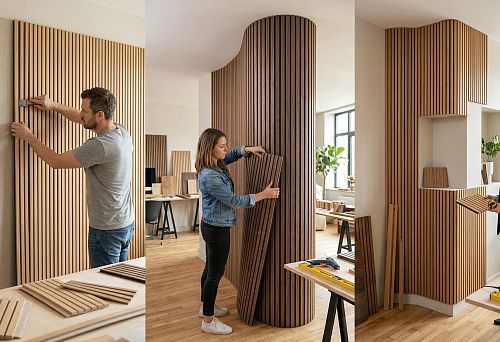
Can decorative wall treatment transform an ordinary dwelling into a space filled with character and style? Yes, and today, molding demonstrates an amazing ability to combine classic elegance with modern functionality.Sculptural wall decorationIn 2025, it is experiencing a true renaissance, offering designers and property owners limitless opportunities to create unique interiors reflecting individuality and taste.


Philosophy of Modern Decoration
Interior fashion for 2025 is built on principles of awareness and harmony. Designers move away from overloaded spaces, choosing minimalist forms with distinct character. Geometric ornaments with clear lines integrate organically into modern styles — high-tech, loft, minimalism — creating visual dynamics without compromising spatial purity. Monochromaticism becomes a key technique: using one color formolded decor and wall coveringsforms a calm, harmonious perception.
How to choose the right size of elements for a specific room? For rooms up to 20 square meters, professionals recommend narrow moldings up to 5 centimeters wide. In spacious halls, profiles from 7 to 10 centimeters are acceptable. Ceiling height directly affects the choice of cornice size — the higher the ceiling, the wider the decorative element may be.Moldings for wallsThey serve not only as decoration but also as functional tools for zoning space.
Combining classic forms with modern materials — metal, glass, concrete — creates unique interior solutions. Natural textures mimic wood, stone, fabric, adding a tactile dimension to visual expressiveness.decorative elementsThey are no longer just decoration — they conceal communications, integrate lighting systems, and create accent zones. The functionality of molding is today as important as its aesthetics.




Materials: Technical Specifications and Applications
Material selection determines durability, visual qualities, and installation characteristics of the decor.polyurethane moldingsIt has gained popularity due to its resistance to moisture, temperature fluctuations, and mechanical impacts. Cast polyurethane has high strength relative to its low weight, simplifying transportation and installation. The working range of quality polymer is from minus 40 to plus 80 degrees Celsius without loss of operational properties.
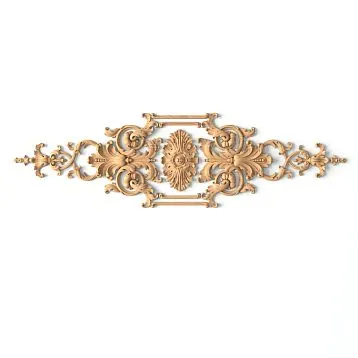
Wooden molding retains its status as a premium solution for those who appreciate natural texture. Hardwoods — oak, beech, ash — are indispensable for carved decoration, where detail clarity and relief longevity are critical.carved inlays from solid woodThey preserve the finest ornament details for decades. However, wood is sensitive to sharp temperature fluctuations and humidity, requiring protective treatment in environments with special usage conditions.
Gypsum molding is traditional for classic interiors, allowing creation of complex architectural compositions. The material is eco-friendly and regulates room microclimate due to its ability to absorb and release moisture. The main drawbacks of gypsum are brittleness and significant weight, complicating installation.Paintable MDF ProfilesThey offer a budget-friendly solution for modern interiors where natural wood texture is not a priority.
Which material is better to choose for a bathroom or kitchen? Polyurethane is the ideal option for rooms with high humidity. For a living room or bedroom, any materials will do, including gypsum and wood.Polyurethane moldingsdo not deform under the influence of steam and temperature fluctuations, maintaining their original appearance for years.
Our factory also produces:


Style directions and compositional solutions
Neo-classicism in 2025 demonstrates restraint — refined proportions, minimalist ornamentation, elegant symmetry.Collection "Neo-classic"combines classical aesthetics with modern requirements for space. Minimalist interiors use moldings sparingly — strict moldings frame zones, creating structure without overload. Art Deco is revived through geometric panels with metallic accents — gold, silver, bronze.
Boho and eclectic styles combine elements from different periods — carvedWooden Inlayscoexist with smooth polyurethane profiles. Scandinavian style prefers simple forms without ornamentation, painted in neutral tones. Loft integrates moldings as a contrasting element against brick and concrete — whiteCrown Moldingemphasize industrial brutality.
How to properly combine different styles in one space? The key principle — maintaining balance. If a classicalCarved Trimis chosen for door frame decoration, other elements should be more restrained. The reverse approach also works — with minimalist wall finishes, you can allow yourself more expressiveceiling outlet.
Get Consultation
Ceiling compositions and lighting solutions
Ceiling moldingtransforms the space, adding volume and architectural expressiveness. Thin cornices 3-5 cm wide create the necessary accent without overwhelming visual perception.cornice under the chandeliertransforms a light source into a fully decorative interior element, framing it with an elegant frame.
Integrating LED backlighting intoCeiling molding elements— one of the main trends of 2025. Hidden light lines create a stunning visual effect, allowing to realize the most daring design ideas. The backlighting can be warm or cool, monochromatic or multicolored — the choice depends on the overall interior concept.
What mistakes are most often made when decorating a ceiling? The first — installing bulky elements in rooms with low ceilings, which visually "presses" on the space. The second — not observing the proportions between room size and cornice width. The third — ignoring stylistic unity — classicalRosettewill be inappropriate in a high-tech interior.
Door and window openings trim
door frame trimtransforms a utilitarian element into an architectural accent.Sundial above the door— a horizontal decorative cornice — gives the opening completeness and solidity.Cornice elementscan be simple or carved, depending on the interior style.
Door Frame Installationincludes door casings, pilasters, consoles.Framing a Doorway Without a Doorcreates an arch or portal effect, visually dividing the space into functional zones.Decorative door frame trimmay include carved elements, capitals, friezes.
Do you need to frame all openings identically? Professional designers recommend creating a hierarchy — the main entrance opening is decorated most expressively, while internal openings are more restrained.Window and Door Framingshould match in style but do not necessarily have to be identical.Casingsfrom one collection will ensure harmony in the interior.
Corner elements and accent details
Corner decorative elementssolve several tasks simultaneously — protect corners from mechanical damage, hide molding joints, create decorative accents.Corner Element for Moldingallows creating perfect joints without the need for precise 45-degree beveling.
Corner elements for wallscan be flat or three-dimensional, smooth or carved.Corner element for ceilingusually repeats the pattern of the main cornice, creating visual continuity.Wooden Corner Elementsrequire careful fitting and professional installation.
When is it appropriate to usecorner molding? Almost always, when creating framed compositions on walls.Corner molding elementsimplifies installation and guarantees an aesthetic result.Polyurethane corner element— optimal choice for beginners in decoration.
Paintable moldings: versatility of application
Paintable Moldingprovides freedom in choosing color solutions.paintable wall moldingscan be painted to match wall tones for a monochromatic effect or choose contrasting shades for visual emphasis.Ceiling moldings for paintingare usually painted white, but modern trends allow using gray, beige, even dark tones.
MDF paintable molding— budget alternative to wooden items.— is a horizontal element that frames the room at the bottom of the walls where the wall meets the floor. Skirting boards perform several functions: they hide the technological gap between the wall and floor covering (necessary for thermal expansion), protect the lower part of the wall from mechanical damage, create visual completion, and may conceal wiring.harmonizes well with laminate and parquet flooring.MDF Hangers for Furniture for Paintingcreate stylistic unity between kitchen facades and interior finishes.
How to paint moldings correctly? The surface must be primed with a special compound that improves paint adhesion and reduces paint consumption. The first layer is applied thinly, and after drying, the surface is lightly sanded with fine-grit sandpaper. The second layer creates the final finish.White Paintable MDF Skirting Boardusually requires only one layer of quality paint.
Cornices, sash moldings, and architectural details
Center molding in plasterwork— decorative element placed in the center of the ceiling or wall panel.Medium in Furnitureperforms a structural function while also serving as a facade ornament.Cornice in architecture— horizontal projection above an opening, protecting from precipitation and adding architectural expression.
Sandrok cornicecombines functionality and decorative appeal.Sash Rail for Doorcan be minimalist or carved, depending on interior style.framing the doorway with a casingin combination with a sash molding, creates a classic architectural composition.
Can sash moldings be used in modern interiors? Absolutely, but their shape should be more minimalist.Framing Doorway OpeningsMinimalist style implies strict geometric forms without ornamentation.Decorative molding for door openingsMay include a simple rectangular sarking.
Facade elements and exterior decoration
decorative gableTransforms the building's appearance, giving it individuality.Carved pedimentMade from solid wood — a tradition of Russian wooden architecture, remaining relevant.Carved Gable on a Wooden HouseCreates an atmosphere of a cozy country residence.
Facade Corner ElementsProtect the building's corners from atmospheric effects and mechanical damage.Facade Corner ElementsMay imitate rusticated stone, creating an effect of massiveness.Decorating the house facade gable with decorative elementsIncludes pilasters, consoles, carved appliqués, and arched frames.
What materials are suitable for facade decoration? Polyurethane and polymer concrete are optimal due to resistance to ultraviolet radiation, moisture, and temperature fluctuations. Wood requires regular treatment with protective compounds.Decorative Elements of the Facade GableMade from quality materials, they serve for decades without losing their appearance.
Details and small decorative elements
Interior decoration detailsComplete the overall composition, creating a sense of thoughtfully designed space.Wooden decorative detailsInclude outlets, appliqués, consoles, and carved inserts.MDF furniture partAllows updating cabinet and commode facades without replacing the entire furniture.
Wall decorative ornamentsCreate accents and draw attention to specific areas.decorative interior ornamentsMay be symmetrical or asymmetrical, repeating or unique.decorative interior ornamentsFrom collections of well-known manufacturers ensure stylistic harmony.
How many decorative elements are allowed in one room? The rule is simple — better less, but better.Decorative Accents for FurnitureShould match wall decoration in style and scale.Door decorative trimIs selected according to the overall interior concept.
Assembly technology: step-by-step guide
Quality installation begins with surface preparation. Walls must be leveled, cleaned of dust, dirt, and remnants of previous coatings. Primer improves adhesive bond of the adhesive compound, prevents moisture from the adhesive from penetrating into the substrate. Gypsum elements are soaked in water and scored on the back side for better adhesion.
The choice of adhesive depends on the weight of the element, type of material, and characteristics of the substrate. LightweightPolyurethane profilesAre mounted on special polymer adhesives providing elastic connection. Heavy elements require additional mechanical fixation — self-tapping screws or anchors. After gluing, details are pressed and rubbed, excess adhesive is removed with a damp sponge.
Tools required for installation: a minimum set includes a tape measure, level, pencil, hacksaw with fine teeth or a miter saw, putty knife, sandpaper. For cutting polyurethane, a standard office knife is suitable. Wooden elements require a circular saw for precise angular cuts. Joints between elements are filled with acrylic putty and sanded smooth.
Painting and final finishing
Preparation for painting includes cleaning the surface from dust, filling minor defects, priming. Primer creates uniform absorbency, reduces paint consumption. Formolding for paintingUse acrylic or alkyd compounds — the first practically odorless, the second forms a more durable coating.
Painting technique depends on the relief of the decoration. Smooth surfaces are painted with a roller, carved elements — with a brush, hard-to-reach areas — with an airbrush. The first layer is applied thinly, in parallel strokes. After drying, perform light sanding to remove raised fibers and minor irregularities. The second layer creates the final shade and texture.
Is it necessary to cover painted stucco with varnish? It depends on the conditions of use. In rooms with high humidity, protective coating extends the service life of the decoration. Matte varnish preserves the natural appearance of the painted surface, glossy varnish creates a ceramic or enamel effect. Wax-based compounds highlight wood texture, creating a tactilely pleasant surface.
Visual Effects and Color Solutions
Metallic shades — gold, silver, bronze, copper — add luxury and glamour. Such finishes are suitable for neoclassical and art deco interiors. Matte surfaces appear restrained and elegant, creating a sense of calm. Textured moldings imitate natural materials — stone, wood, leather — giving the interior a unique character.
Monochromatic solutions imply decorating in the same tone as the walls. This technique creates a textured, volumetric effect without color contrasts, ideal for minimalist interiors. Contrasting finishes — white moldings on dark walls or vice versa — highlight the architecture of the space, making the decoration a central compositional element.
Can different colors be combined in one room? Yes, but with caution.Ceiling elementsandwall moldingsElements can be painted in different shades of the same color palette. The key is to maintain a consistent style and avoid chaos.
Integration of Modern Technologies
Built-in LED lighting transforms moldings into functional lighting elements. Hidden LED strips are placed in special grooves of cornices, creating a floating ceiling effect. Colored lighting allows changing the room’s atmosphere with a single button press — from cozy warm glow to cold futuristic shine.
Sensors for motion and light automate lighting control. Embedding sensors into decorative elements makes the technology inconspicuous. Smart home systems integrate with moldings, turning them into part of an intelligent space. Acoustic systems are concealed behind decorative panels, ensuring high-quality sound without compromising aesthetics.
Incorrect style selection — a common mistake. Classical moldings look out of place in ultra-modern interiors, while futuristic forms are inappropriate in historic buildings. Mismatched scale — large elements in small rooms create a sense of confinement, while small decor disappears in spacious halls.
Errors in Selection and Installation
Installing without preliminary marking leads to misalignment and asymmetry. Using low-quality adhesives risks element detachment. Neglecting surface preparation — priming, leveling — reduces fixation reliability. Ignoring material thermal expansion may cause decorative deformation.
How to avoid typical mistakes? Carefully plan the composition, create sketches, and lay out elements on the floor beforehand. Use only manufacturer-recommended adhesive compositions. Follow installation technology, avoid rushing, and respect adhesive curing time. If inexperienced, entrust the work to professionals.
How to avoid common mistakes? Carefully plan the composition, create sketches, lay out elements on the floor beforehand. Use only adhesive compositions recommended by the manufacturer. Follow the installation technology, avoid rushing, and observe the adhesive setting time. If lacking experience, entrust the work to professionals.
Care and Maintenance
Regular maintenance of moldings includes dry cleaning with a soft brush or cloth. Relief elements are cleaned with a vacuum cleaner using a soft attachment. Wet cleaning is permissible for polyurethane decor; for plaster and wood — with caution and minimal water.
What to do if decor is damaged? Minor chips and scratches are filled with putty and repainted to match. Serious damage requires replacing the element. For restoring historical interiors, professional restorers are consulted, capable of recreating lost fragments.
What to do in case of damage to the decor? Minor chips and scratches are filled with putty and then painted to match. Serious damage requires replacing the element. For restoring historical interiors, professional restorers are consulted, capable of recreating lost fragments.
Budgeting and planning
Project cost depends on material, decor complexity, and scope of work. Polyurethane is more affordable than plaster or wood. Ready-made elements are cheaper than custom orders. DIY installation saves money but requires skills and time.
Professional installation accounts for 30-50% of material cost. Complex compositions with carved elements require experienced craftsmen. Painting and patination increase final cost by 20-30%. Integrating lighting adds electrical installation expenses to the budget.
How to optimize costs without compromising quality? Combine materials — use expensive wooden elements in key zones, budget-friendly polyurethane ones in less noticeable areas. Choose ready-made collections instead of individual sketches. Perform part of the work yourself under professional supervision.
Frequently asked questions
Can moldings be installed on uneven walls? No, the surface requires prior leveling. Irregularities will cause gaps between decor and base, leading to unreliable fixation.
How long does molding installation take in a standard room? For a 20-square-meter room with ceiling cornices and several wall elements — 1-2 days of professional crew work.
Can polyurethane moldings be painted? Yes, after priming with a special plastic primer. Acrylic or latex paints are used.
Does wooden molding require special care? Regular treatment with protective compositions and humidity control in the room are necessary. Under stable microclimate conditions, it lasts for decades.
Is molding suitable for small apartments? Yes, with proper scale selection. Thin moldings and small elements visually structure space without overloading it.
Is molding suitable for small apartments? Yes, provided the scale is chosen appropriately. Thin moldings and small elements visually structure the space without overloading it.
Conclusion
Choosing molding decor is a creative process requiring a balance between aesthetic preferences and practical considerations. Material, style, scale, color, and installation technology — each aspect affects the final result. Properly selected and professionally installed molding transforms the interior, creating an atmosphere of sophistication and comfort.
Company STAVROS offers a full range of decorative elements for walls, ceilings, door and window openings. Products made of natural wood, MDF, and polyurethane combine high-quality craftsmanship with affordable prices. Professional consultants will help you select the optimal solution for your interior, considering style, budget, and operational requirements. Create a space reflecting your individuality with STAVROS molding decor.
STAVROS Company offers a full range of decorative elements for walls, ceilings, door and window openings. Products made of natural wood, MDF, and polyurethane combine high-quality craftsmanship with affordable prices. Professional consultants will help select the optimal solution for your interior, taking into account style, budget, and functional requirements. Create a space reflecting your individuality with STAVROS’s molding decor.