






































Article Contents:
- Why baseboard is important for interior design
- Which baseboard to choose for interior: what determines the choice
- Baseboard for modern interiors
- Minimalism
- Modern classicism
- Light interiors
- Interiors with white doors
- Spaces with clean geometry
- Baseboard for classic interiors
- Which material is better: MDF or wood
- When it's better to choose MDF
- When is it better to choose wood
- Which option is better for an apartment
- Which option is better for a house
- How to choose baseboard for a room
- living room
- for the bedroom
- For the hallway
- For Kitchen
- For the apartment in general
- For private house
- How to choose baseboard by color
- Matching the floor color
- Matching the wall color
- White baseboard
- Matching doors and trims
- Contrasting skirting board
- How to choose skirting board height and profile for interior
- Low profile (40–60 mm)
- Medium profile (60–80 mm)
- High skirting board (100–120 mm)
- Wide skirting board
- When high skirting board is appropriate and when it's not
- How to match skirting board with floor, walls, doors and panels
- Common mistakes when choosing skirting board for interior
- 4 ready-made scenarios: what to choose
- For a light modern apartment
- For classic interiors
- For kitchens and active zones
- For interiors with panels and decorative finishes
- Skirting board and decorative molding system
- Skirting board for non-standard interiors: loft, Scandinavian, neoclassical
- Where to buy skirting board for interiors and what else to see
- FAQ: Answers to Popular Questions
- About the Company STAVROS
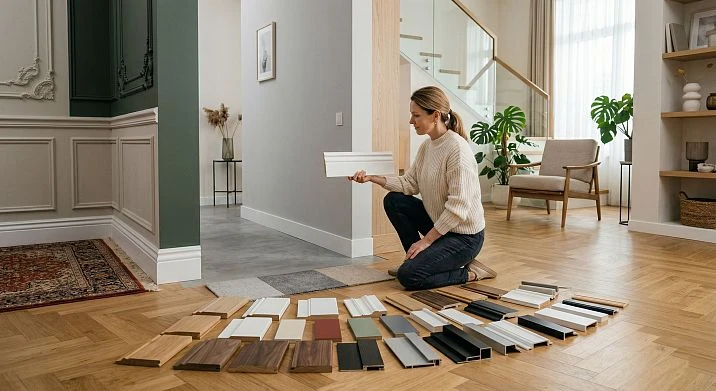
There are things you don't notice right away—but they determine whether an interior looks finished or just filled. Skirting board in an interior is one of those things. It doesn't demand attention, doesn't shout about itself—but remove it or install it haphazardly, and something breaks in the overall picture. The space stops being cohesive. The walls seem unsure where they end. The floor loses its horizontality.
Skirting board for interiors is a quiet architectural tool. It conceals technical joints, creates a horizontal frame for the space, and, most importantly, sets the tone for the entire finish. A correctly chosen skirting board is when the interior looks expensive, though you can't articulate exactly why. An incorrect one is when a profile from another style, the wrong color, or an alien scale reveals carelessness that expensive furniture can't hide.
This guide is an honest discussion on how to choose skirting boards for interiors consciously: by style, by room, by material, by color, and by height. With specific scenarios, without unnecessary theory.
Select a skirting board for your interior:
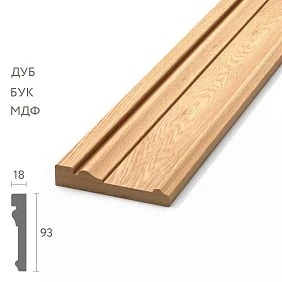
MDF Skirting Board— white, paintable, in wood decor
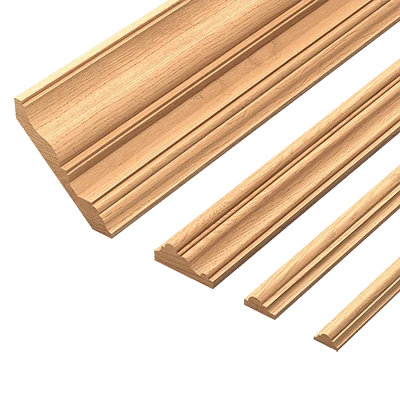
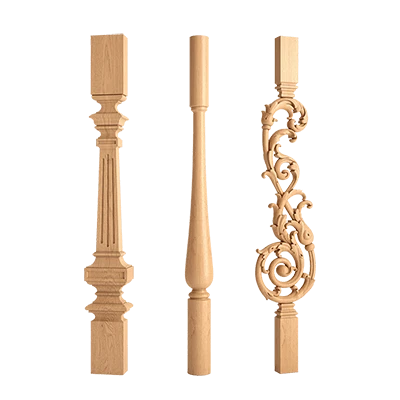
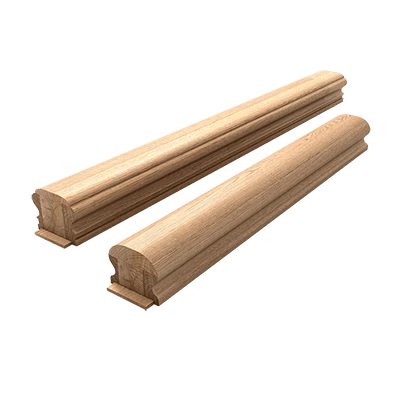
Wooden baseboard— oak and beech array, natural texture
wide baseboards— from 80 mm, all formats and profiles
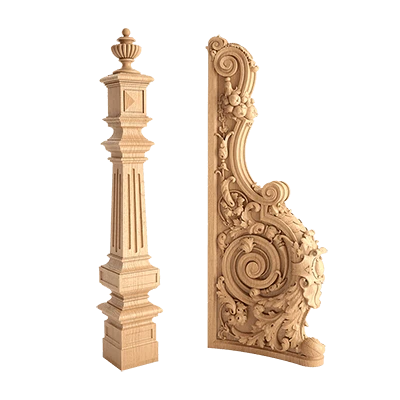
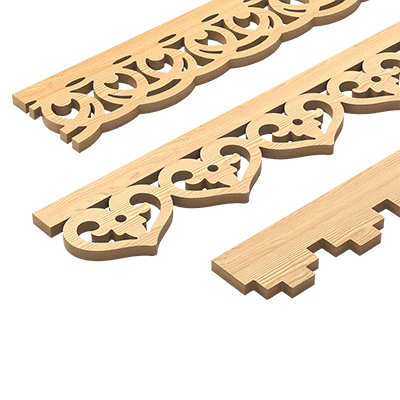
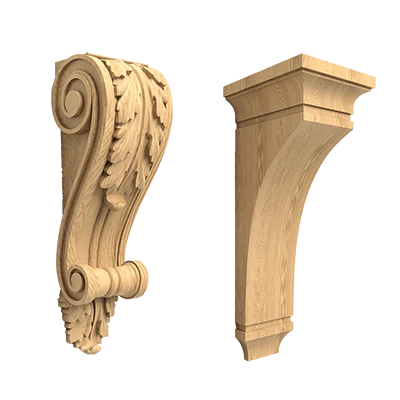
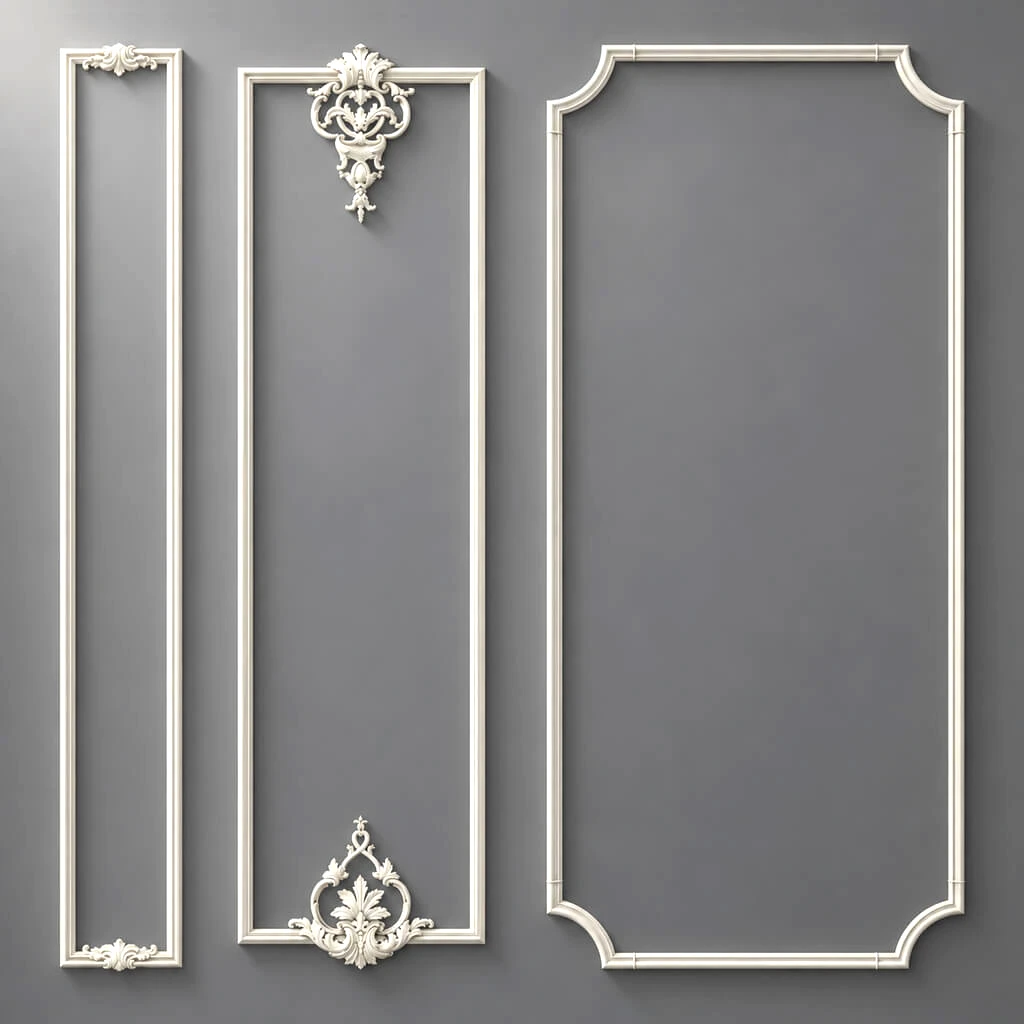
moldings, cornices, and baseboards— unified decorative molding system
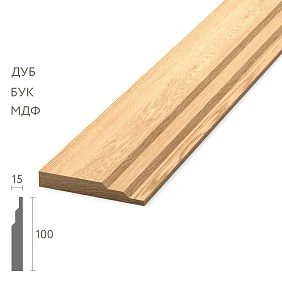
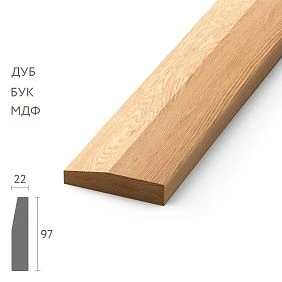
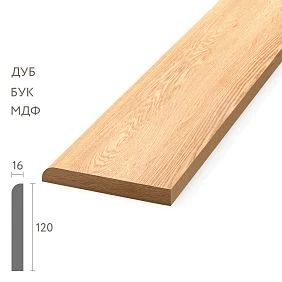
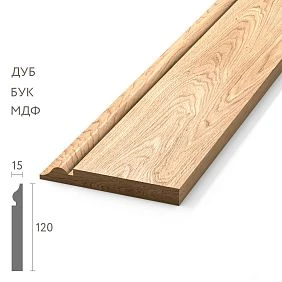
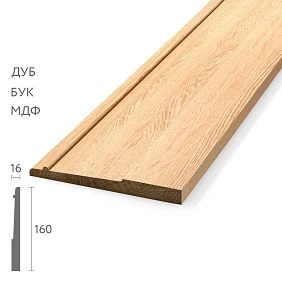
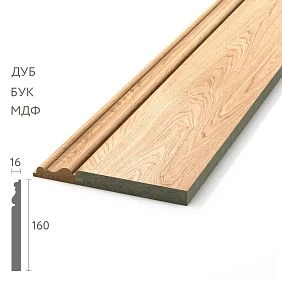
Why baseboard is important for interior design
Ask any experienced designer — they'll say that interior design is built on the principle of a frame: the more precisely the boundary between elements is constructed, the more convincing the center appears. Baseboards in interior design are the horizontal frame at the base of the wall. They work just like a picture frame: by itself it doesn't attract attention, but without it the artwork looks unprotected and unfinished.
What a properly chosen decorative baseboard specifically provides for interior design:
-
Completes the wall line — creates a clear horizontal cutoff between the vertical plane and the floor
-
Connects floor and walls into a unified system — especially important with contrasting finishes
-
Affects height perception — wide and tall profiles visually 'raise' the ceiling, narrow ones make the space feel slightly more grounded
-
Can serve as background — white baseboard in white interiors disappears, working as a neutral transition
-
Can be an accent — a dark or contrasting skirting board in a light space becomes an independent design statement.
-
Hides technical elements — expansion gaps, covering joints, cable routing.
A skirting board in an apartment interior is not an expense item of renovation that needs to be chosen quickly and forgotten. It is the final touch that determines whether the room will have a professional look or remain 'almost finished'.


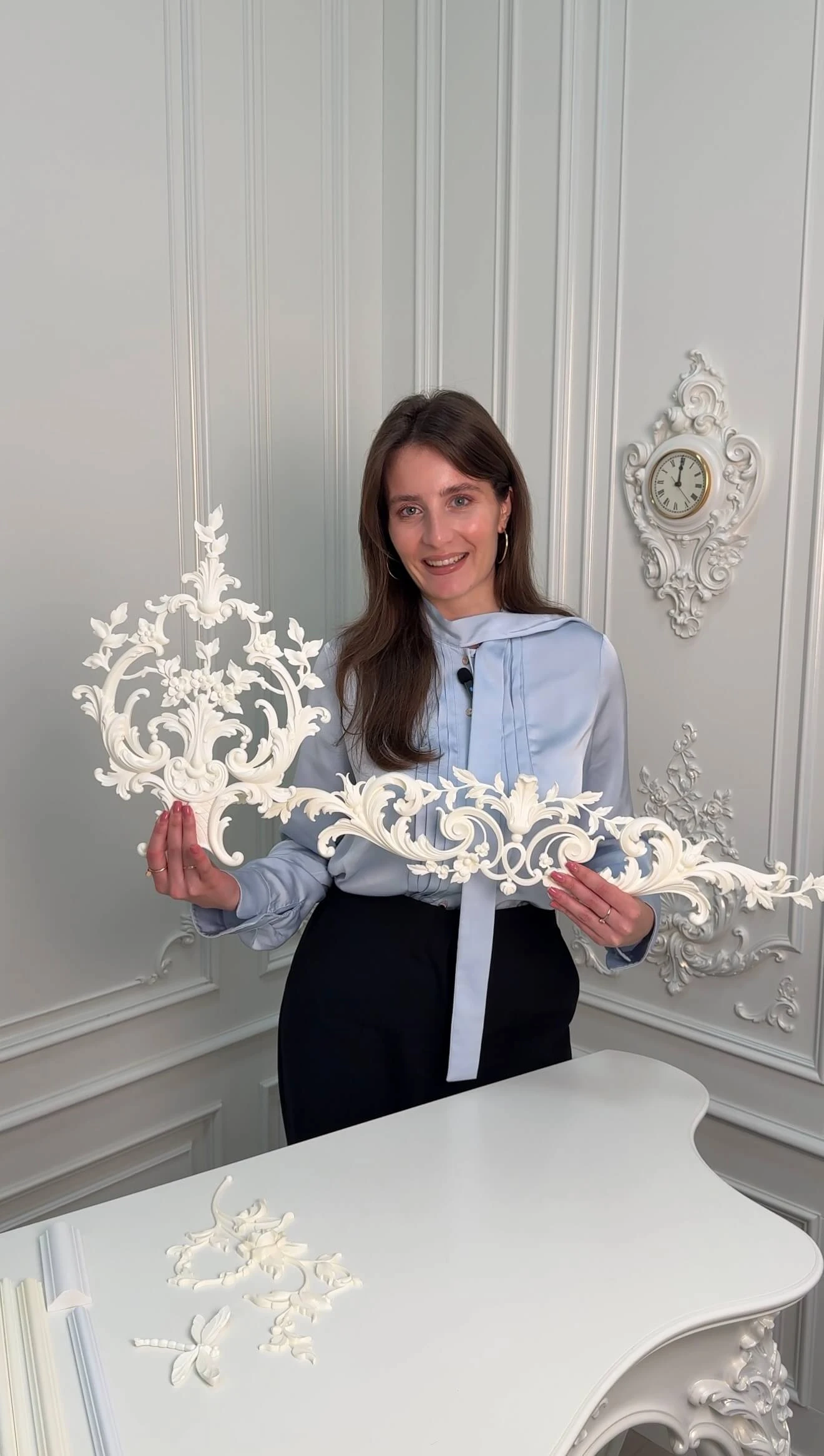
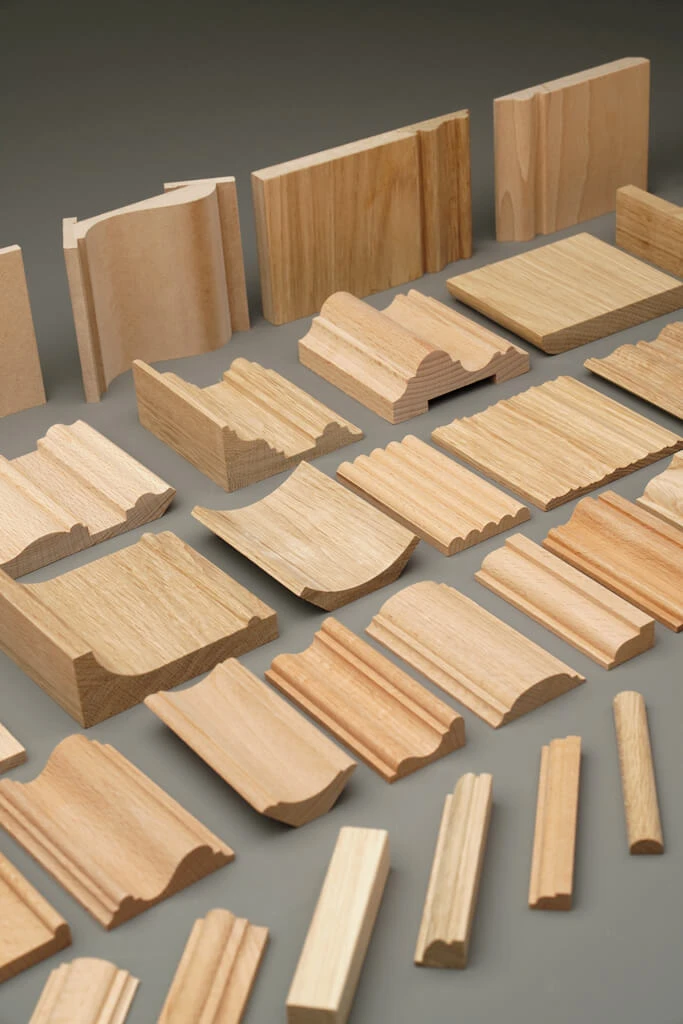
Which skirting board to choose for the interior: what the choice depends on.
Before choosing a specific model, you need to understand the parameters by which the selection is made. There are several — and each affects the final result.
Room style. This is the first and most important. For a modern minimalist interior — one skirting board, for classic with moldings — a completely different one. Choosing a skirting board for an interior without understanding its style means leaving it to chance.
Ceiling height. The higher the ceiling — the higher the skirting board should be. A standard 40 mm with three-meter ceilings looks like a random strip. At 2.5 m — it's fine. At 3.5 m — you need from 120 mm.
Floor type. For parquet — one solution, for laminate — another, for quartz vinyl under concrete — a third. The skirting board should support the character of the covering, not conflict with it.
Wall color. White walls — white skirting board. Colored walls — either a skirting board in their tone (for a monolith), or white (for a clear frame). Dark walls — dark or white skirting board, depending on the concept.
Doors and trims. This is a system. White doors — white skirting board. Wood-look doors — wood-look skirting board. Mixing systems is possible, but consciously.
Furniture. In minimalist spaces, the baseboard should support conciseness. In rich interiors, it should create order.
Baseboard material. MDF or solid wood — each has its own logic, its own strengths, and its own audience.
How to choose a baseboard for an interior without getting confused by these parameters? Go from general to specific: first style — then height — then material — then color. Further in the text — each stage in detail.
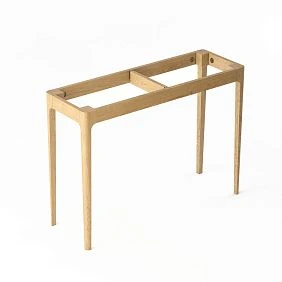
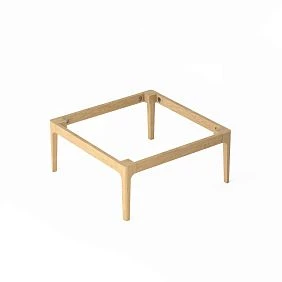
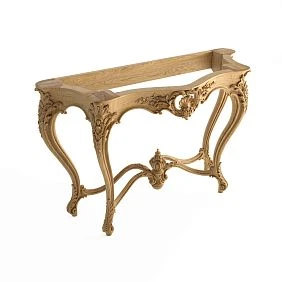
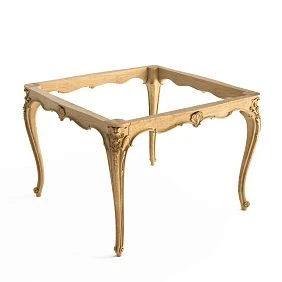
Our factory also produces:


Baseboard for modern interiors
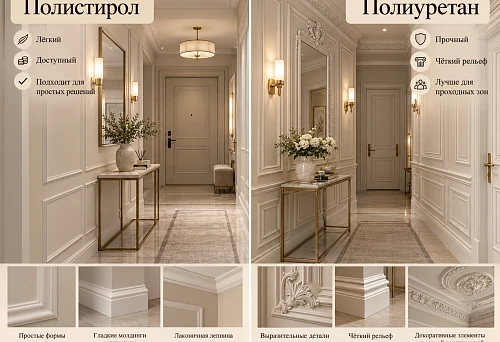
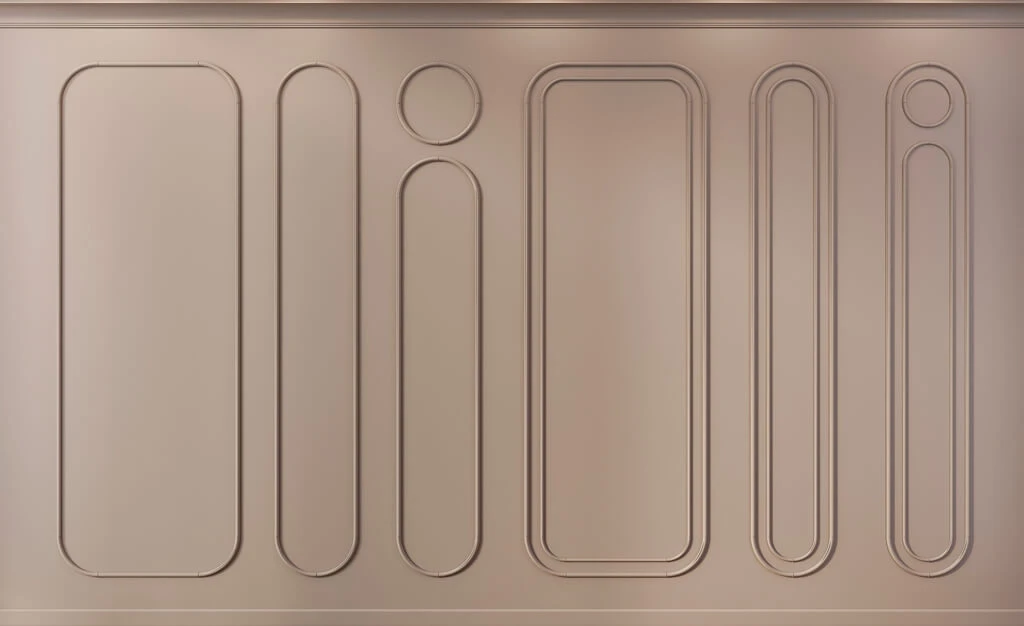
Modern interior is a broad concept. It can encompass both stark minimalism with concrete walls, cozy Scandinavian style, strict neoclassicism, and laconic modern classic. But all these directions have a common trait: emphasis on clean lines, absence of excessive decorativeness, and geometric precision of details.
Get Consultation
Minimalism
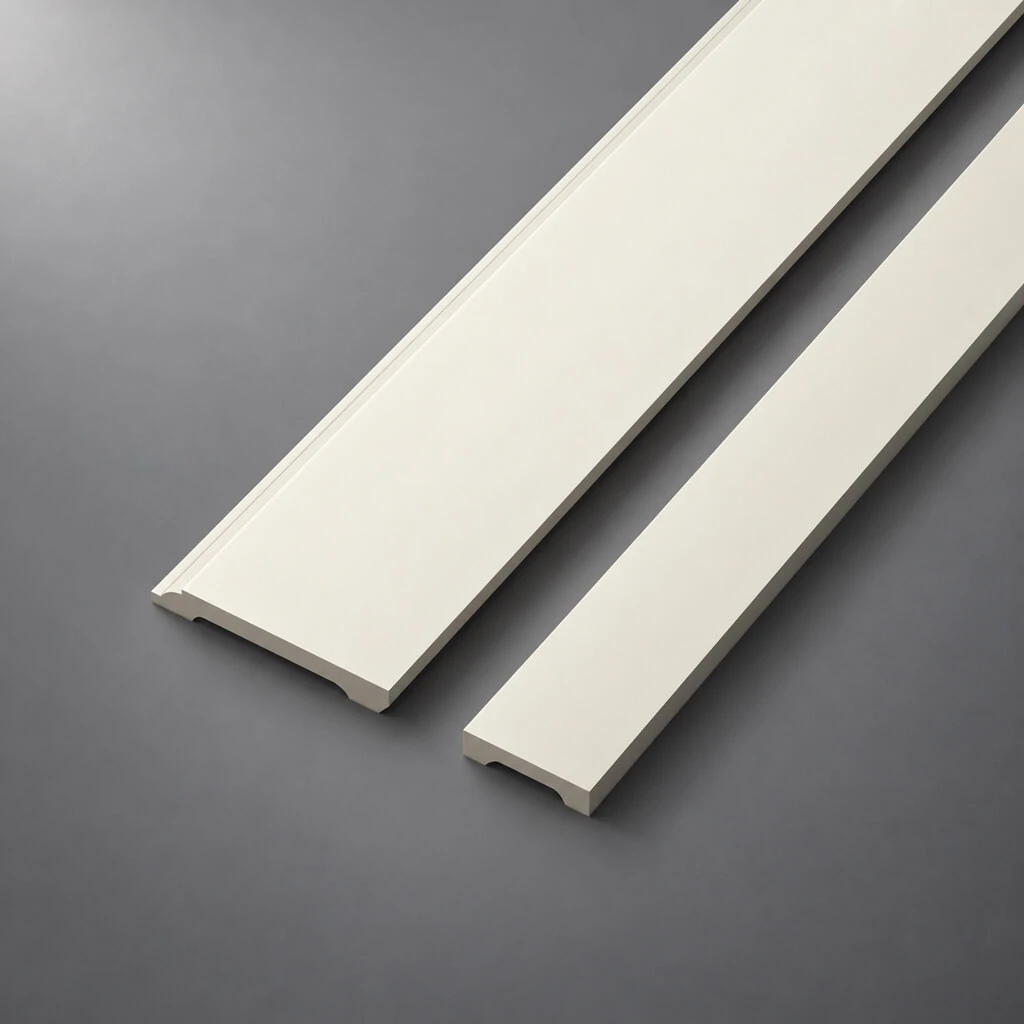
For minimalism, a narrow or medium profile with a smooth flat front surface works best — without curves, shelves, or complex milling. Height — 60–80 mm. Color — white, matte, matching the walls or floor.
Minimalism does not tolerate decorative noise. The baseboard here should be almost invisible: it is present, marks the boundary — and fades into the background.
Modern classic
This direction allows for a more pronounced profile — a bevel, a slight curve, a small step. Height — from 80 to 120 mm. White MDF baseboard for painting is just right. Next to classic door frames and white trims, such a baseboard looks professional and well-coordinated.
Light interiors
In light spaces — white walls, light laminate, light furniture — the baseboard should blend in. WhiteMDF Skirting Boardwith a matte surface creates a perfect neutral transition. It does not attract attention but makes the interior neat and finished.
Interiors with white doors
If the doors are white, the baseboard in most cases should also be white. This is not a rule without exceptions, but the default rule. A white baseboard in an apartment interior with white doors creates a unified architectural theme: frames, transitions, boundaries—all in the same language.
Spaces with smooth geometry
Apartments with open layouts, studios, lofts with open spaces—here the baseboard carries an additional load: it creates a horizontal band that structures the large wall plane. For such spaces, a high baseboard for the interior is appropriate—from 100 mm, with a clear profile and strict geometry.
A modern baseboard for the interior is a combination of precision, neutrality, and scale. Read more about choosing MDF profiles in the articleMDF skirting board: types, sizes, installation and care.
Baseboard for classic interiors
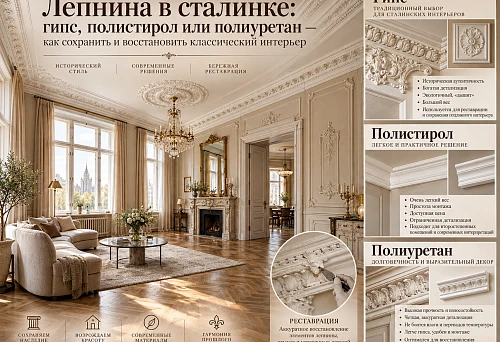
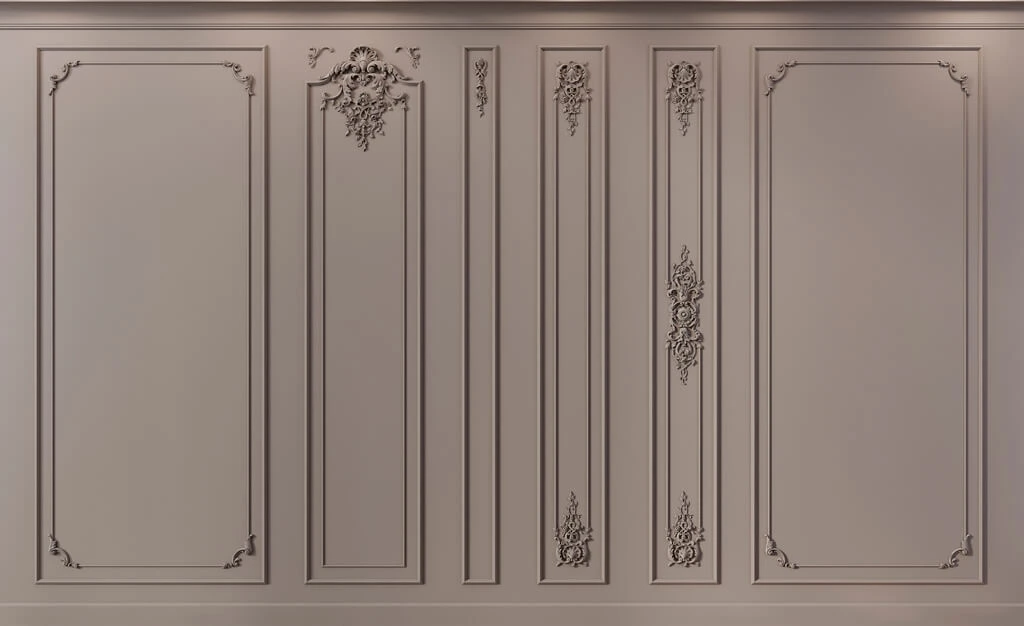
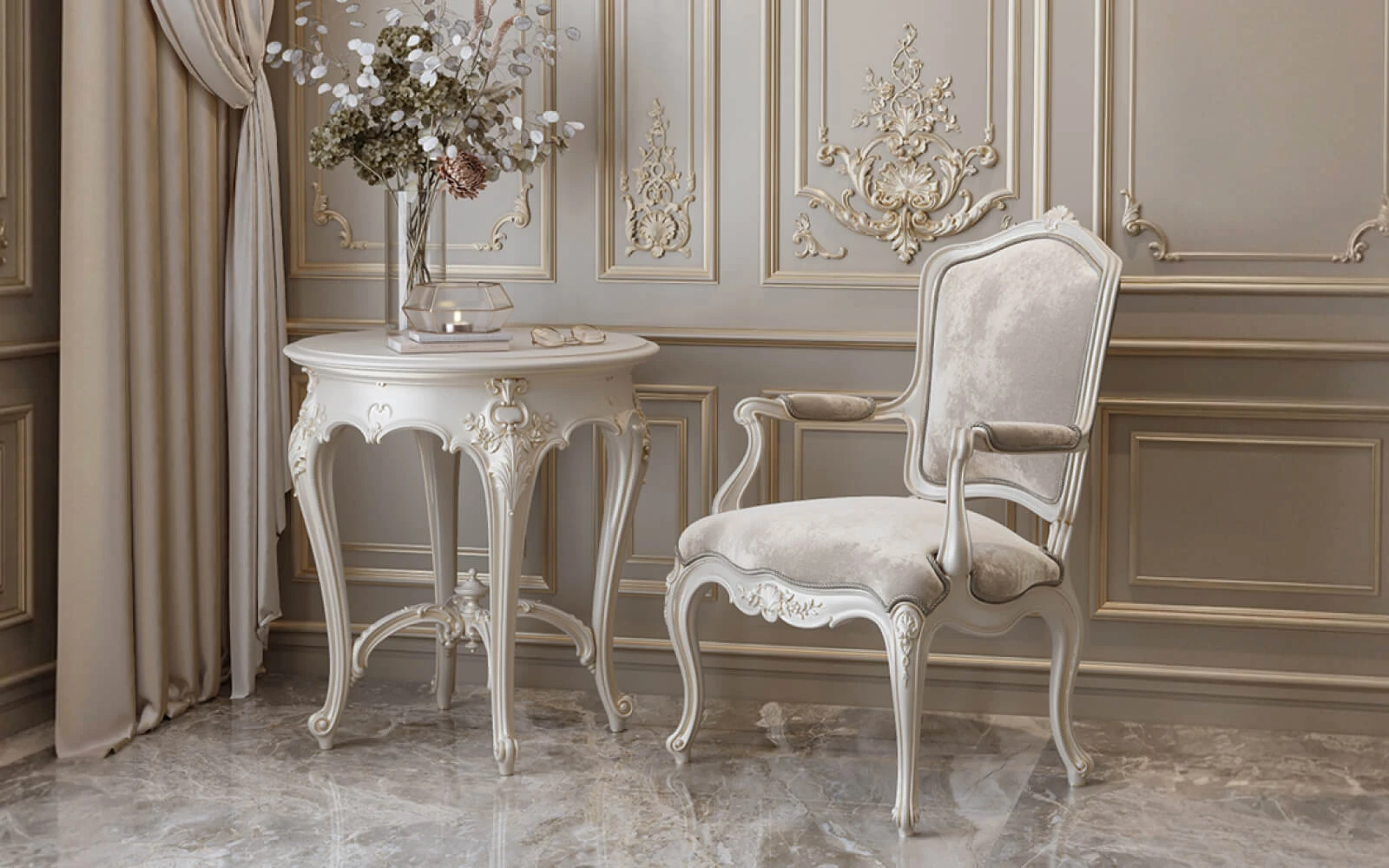
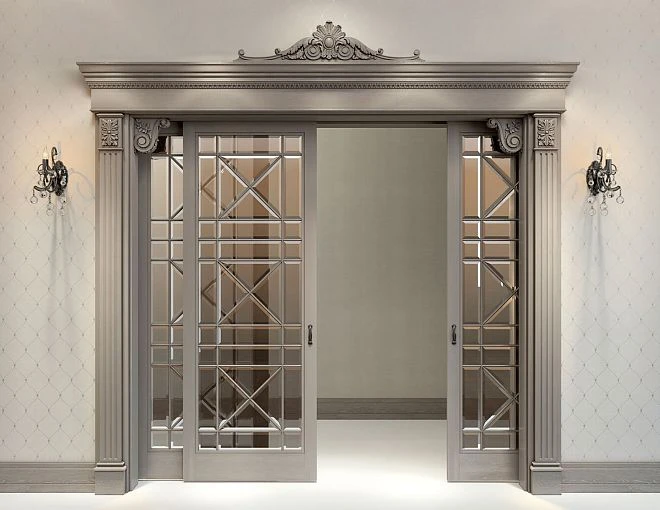
Classic is an architectural system where every element follows proportion. In a classic interior, the baseboard is part of a larger composition: molded ceiling cornices, moldings, pilasters, door frames with a profile. Using a flat 60 mm MDF baseboard here would disrupt this entire ensemble.
For classic styles, the following solutions work:
-
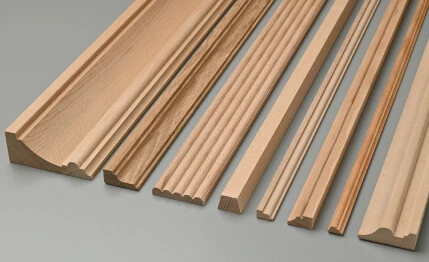
Wooden skirting board made of hardwood — oak, beech — with pronounced relief (cove, shelf, stepped profile)
-
Height — from 100 to 150 mm, depending on ceiling height
-
Color — natural solid wood, varnish, or white enamel in a unified system with doors
-
Mandatory connection with architraves: the skirting board profile should echo the architrave profile
Wooden baseboardFor classic style — it's not just beauty, it's material concreteness. Solid oak or beech next to parquet creates a single wooden story. They are connected by material, texture, and temperature of tone. This is an internal consistency that cannot be imitated.
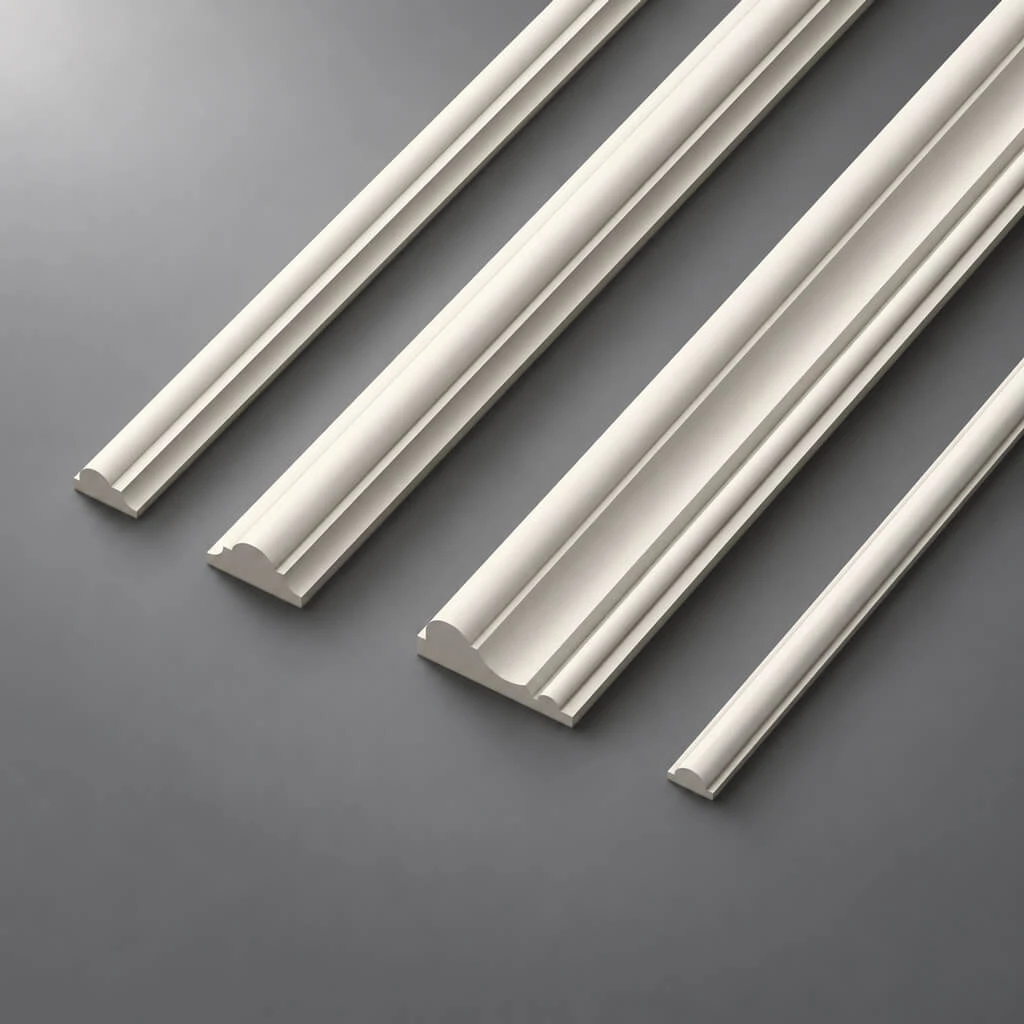
A beautiful skirting board for a classic style interior is always a profile with movement. Not a flat board, but a relief detail that catches light and creates shadow. It is the shadow — an indicator of a quality architectural solution. More about wooden profiles — in the articleWide Wooden Skirting Board.
Which material is better: MDF or wood
This is the main question most buyers come with. And the answer is not 'one is better than the other', but 'each is stronger in its own scenario'.
When is it better to choose MDF
MDF skirting board for interior— is precision and versatility. MDF has no natural defects: no knots, no warping, no color variations. Each plank is geometrically perfect. This makes it the first choice for:
-
White and painted interiors
-
Spaces where an accurate color system is important (skirting matches doors, slopes, window sills)
-
Modern, minimalist, Scandinavian spaces
-
Laminate and quartz vinyl floors
-
Budgets requiring high surface quality without solid wood prices
MDF for painting is a separate category. The skirting is primed, accepts any acrylic or alkyd enamel, and allows precise matching to RAL or NCS shades. Indispensable for designer interiors with exact color development.
When to choose wood
Wooden skirting in an interior is a material argument. Natural texture, living surface, possibility of restoration. Wood is suitable for:
-
Parquet and plank floors made from natural wood species
-
Classical, neoclassical, Scandinavian, rustic spaces
-
Country houses and cottages with high ceilings
-
Interiors where wood is a through material (doors, stairs, furniture)
-
Spaces with the task of creating a unified natural environment
Wooden skirting board for interiors made of oak or beech is a long-term investment. It can be sanded and repainted after 10–15 years without replacement. This is an architectural element, not a consumable.
Which option is better for an apartment
For a city apartment with laminate or quartz vinyl flooring and white doors — MDF skirting board in the interior will be more precise and economical. A white profile will unite all vertical elements into a single theme.
For an apartment with parquet or engineered wood flooring, with wood-look doors —with a classic profile creates a sense of solidity, reliability.will create a natural completeness that MDF cannot replicate.
Which option is better for a house
In a country house with wooden stairs, beams, and floors — the answer is unequivocal: solid wood. In a house with quartz vinyl, laminate flooring, and modern finishes — MDF. The main criterion: consistency with other wooden elements.
Popular interior solutions:
How to choose a skirting board for the room
One common mistake is to choose the same skirting board for all rooms in the apartment 'by default'. This works if the ceiling height and style are the same everywhere. But if the hallway differs from the living room in terms of load and proportions — the selection logic will be different.
For the living room
The living room is a representative space. Here, the interior should work for the first impression. A wide skirting board for the living room interior — from 80 to 120 mm — creates the necessary visual scale. In a living room with high ceilings, a 100–120 mm skirting board looks organic. In a living room with a 2.5 m ceiling — 80 mm will be more precise.
For a living room with wooden parquet — a wooden skirting board. With laminate or quartz vinyl — MDF in the color of the doors or for painting. A restrained profile supports the space without distracting from the furniture and decor.
For the bedroom
In the bedroom, the priority is silence and tranquility. The skirting board for the bedroom interior should be calm: 60–80 mm, smooth or with a slight bevel, white or matching the walls. No bright contrasts, no massive architectural forms — only a neat horizontal border that creates coziness.
For a bedroom with wooden furniture and warm textiles, a wood-look skirting board will support the overall theme.
For the hallway
The hallway is a high-traffic area. Here, skirting boards are most often bumped during furniture rearrangement, kicked by shoes, and come into contact with cleaning equipment. Therefore,wooden floor baseboardhardwood here is a reliable solution. A height of 80–100 mm provides additional protection for the wall from impacts.
For a modern hallway with tile or quartz vinyl flooring — white MDF. The key is a tight fit of the profile to the wall and high-quality finishing of the seams.
For Kitchen
The kitchen is an area of moisture, grease, and active cleaning. Kitchen skirting boards must withstand these conditions. MDF with a good paint coating is a workable option with normal ventilation. Wooden skirting boards in the kitchen require treatment with oil or protective varnish.
An important point for the kitchen: the skirting board near the floor often comes into contact with cleaning water. Joints must be thoroughly sealed with acrylic sealant. For kitchen skirting boards, a height of 60–80 mm is optimal.
For the apartment as a whole
A unified solution throughout the apartment is a sign of mature design thinking. The same profile, one height, one color. This creates a sense of integrity that is hard to explain in words but is unmistakably felt.
If ceilings vary in height in different rooms, it is acceptable to use 100 mm skirting boards in high areas and 80 mm in low ones. However, the profile and color should preferably be uniform. To select a solution for the entire apartment, the catalog ofall STAVROS skirting boards is convenient..
For a private house
In a country house, the logic of scale is different. High ceilings — from 3 m — require baseboards from 100 mm. Natural interior materials — wood, stone, brick — gravitate towards a massive wooden baseboard. All elementssolid wood trim— baseboards, battens, moldings — are made from the same wood species, allowing for a unified wooden environment.
How to choose a baseboard by color
The color of the baseboard is not a final touch, but a strategic decision. It affects the perception of space, its width, height, and atmosphere. Let's examine three working strategies.
Matching the floor color
A baseboard matching the floor color is a visual extension of the horizontal plane. The floor appears to rise upward to the height of the baseboard, and the wall gets a clear architectural frame from below. This technique works especially well with dark or richly colored floors: a dark baseboard along a dark floor creates an expressive base contour.
For warm wooden floors — a wood-look baseboard for interiors of the same species. For dark laminate — MDF with a film in a similar shade.
Matching the wall color
A baseboard matching the wall color 'dissolves' into the interior. The wall visually extends all the way to the floor — the space appears taller. This is a technique for small rooms and spaces with low ceilings: it works as an optical illusion, adding centimeters to the height. A white baseboard in an interior with white walls is a classic example of this strategy.
White baseboard
White baseboards in apartment interiors are the most common and versatile solution in Russian residential housing. Why? Because they are compatible with any floor, any walls, and any style—provided there are other white elements (doors, reveals, frames). White creates architectural neutrality—it doesn't impose itself but structures the space. Read more about this solution in the article.White MDF Skirting Board.
To match doors and casings
This is a professional standard. Baseboards, casings, and door frames are one system. When they match in color, the interior acquires that very 'expensive' sense of completeness that's hard to explain but easy to feel. The opposite—baseboards separately, casings separately—looks like inconsistency and carelessness.
Contrasting baseboard
A dark baseboard on a light wall is a deliberate design technique. It creates a graphic accent around the perimeter of the room, making the space more structured and expressive. Suitable in lofts, in Scandinavian interiors with dark floor finishes, and in spaces where contrast is part of the concept.
The main rule: contrast must be intentional. If a dark baseboard is chosen randomly—it doesn't work as a technique, it works as a mistake.
How to choose baseboard height and profile for an interior
Baseboard height is one of the most important decisions. It determines how well the profile corresponds to the scale of the room.
Low profile (40–60 mm)
Low baseboard—for small rooms with ceilings up to 2.5 m. It doesn't overload the wall, doesn't weigh down the space, works neatly and quietly. In a minimalist interior with an emphasis on emptiness and air—this is the precise solution.
Pros: cost-effectiveness, ease of installation, neutrality.
Cons: with high ceilings, it gets lost and looks disproportionate.
Medium profile (60–80 mm)
The most common format. With ceilings 2.6–2.8 m — a universal choice for living spaces of any style. Sufficient height to create proportion, but not so large as to dominate.
High skirting board (100–120 mm)
A high skirting board for interiors — for spaces with ceilings from 2.8 to 3.2 m. It gives the room scale, seriousness, architectural significance. In a living room with parquet and classic doors — such a skirting board completes the system. In a bedroom with minimal decor — it can be overwhelming.
Wide skirting board
A wide skirting board for interiors is synonymous with 'high' in relation to floor profiles. The higher the profile, the wider it looks along the wall. A wide skirting board in interiors from 80 mm is an architectural declaration that says: everything here is thought through to the foundation.
When a high skirting board is appropriate and when it is not
Appropriate: with ceilings from 2.8 m, in classic style, in modern classic, in large living rooms, in corridors with expressive architecture, next to massive door casings.
Not appropriate: in small rooms with low ceilings, in bathrooms and toilets, in spaces emphasizing minimalist emptiness.
How to match skirting boards with floors, walls, doors, and panels
This is the most practical section — because this is where most people make mistakes.
Skirting board for laminate flooring. Laminate with a wood-grain pattern — MDF skirting with a finish in a similar shade or white. Solid-color laminate — paintable. Key point: laminate requires an expansion gap of 8–12 mm, which the skirting must fully cover. More details — in the article.Skirting board for MDF.
Skirting board for wooden floors. Parquet, engineered wood, solid wood — natural wooden skirting of the same or a similar species works best. MDF with a wood imitation is acceptable, but in daylight, the difference in material is visible.
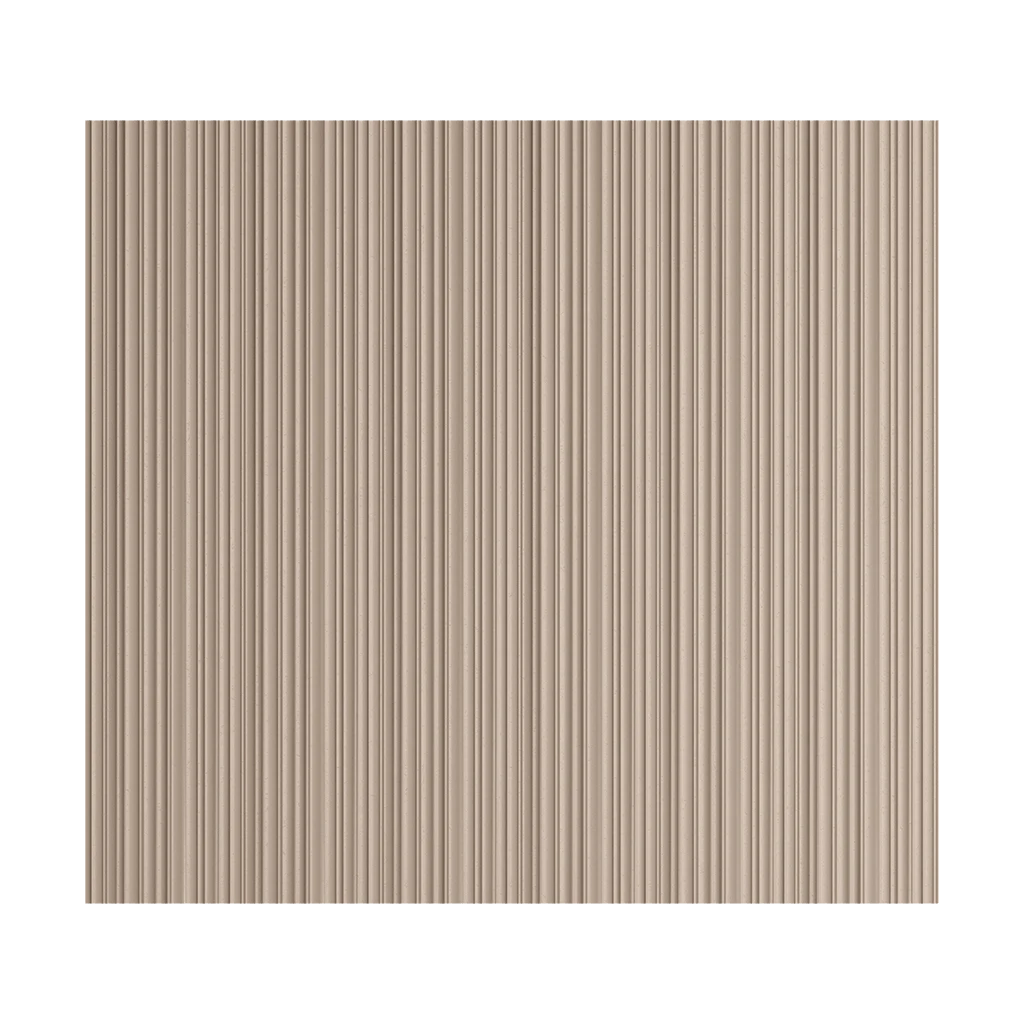
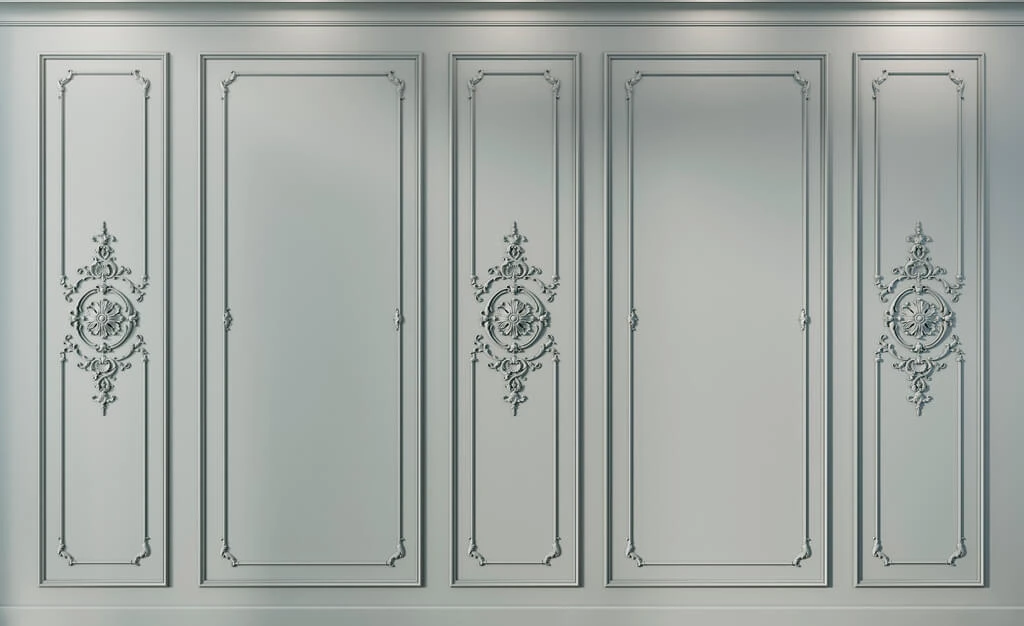
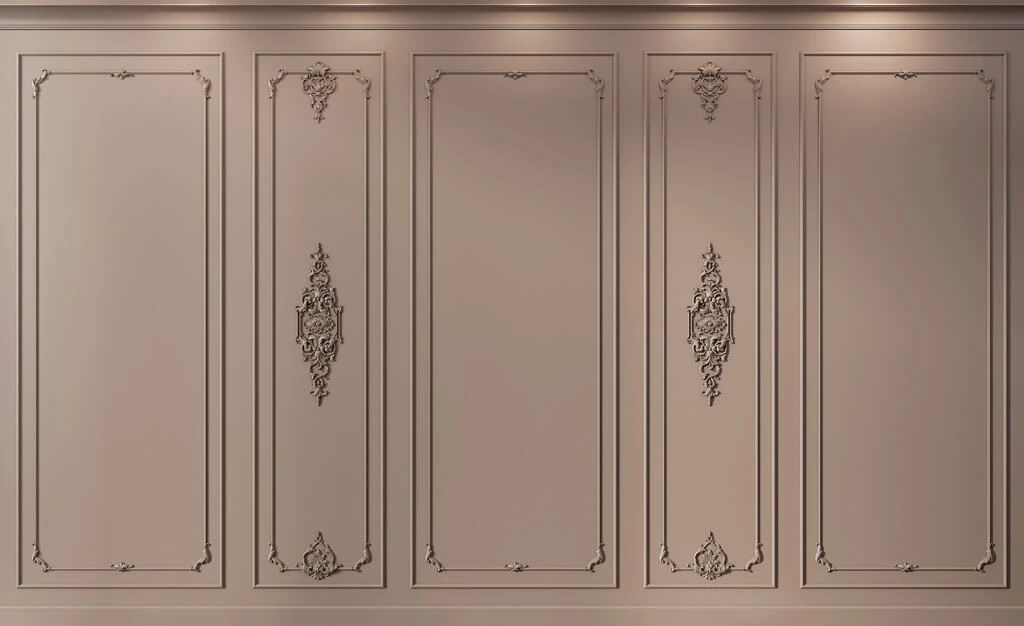
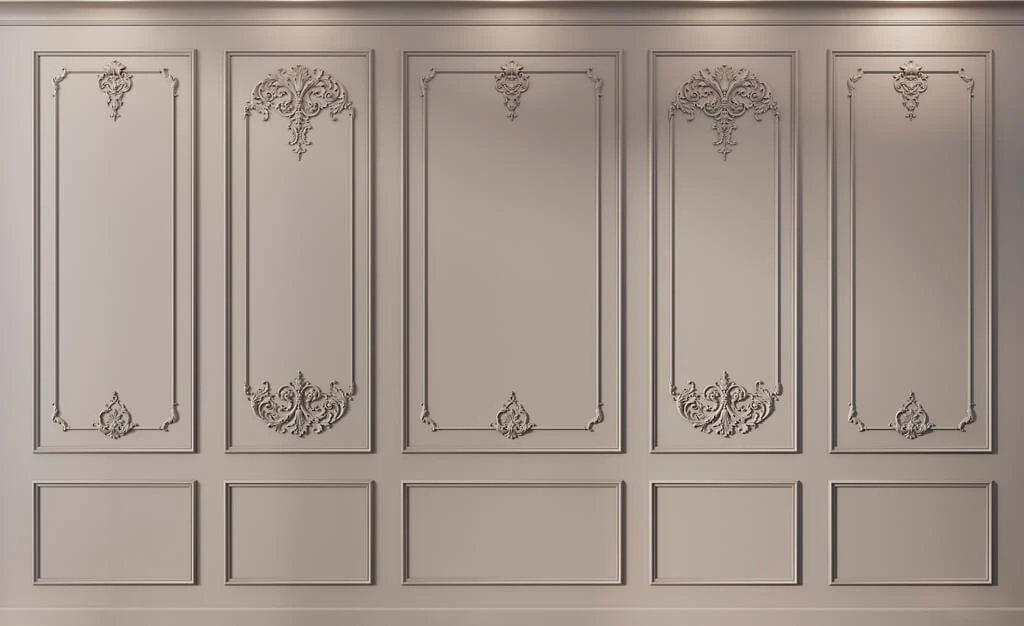
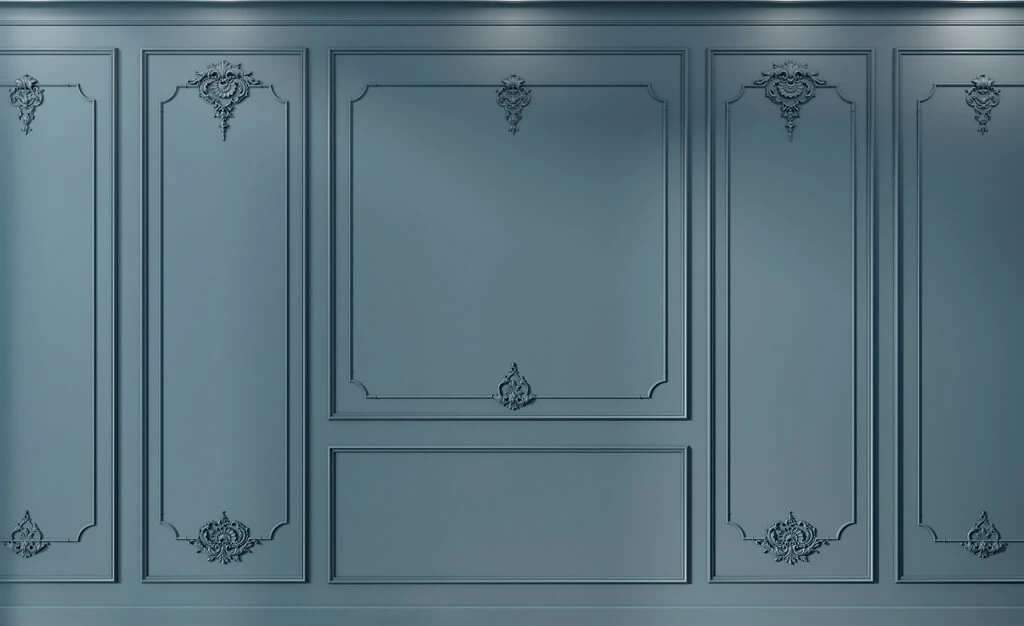
Skirting board for MDF panels. If walls are finished with MDF panels — the skirting should follow their logic. Same material, same finish, coordinated profile. This creates a monolithic wall finishing system.
Skirting board for quartz vinyl. For quartz vinyl with a concrete, stone, or neutral wood texture — white or gray MDF skirting. For quartz vinyl with a warm finish — skirting in a similar tone. Quartz vinyl is a modern material, leaning toward clear geometry and minimalism.
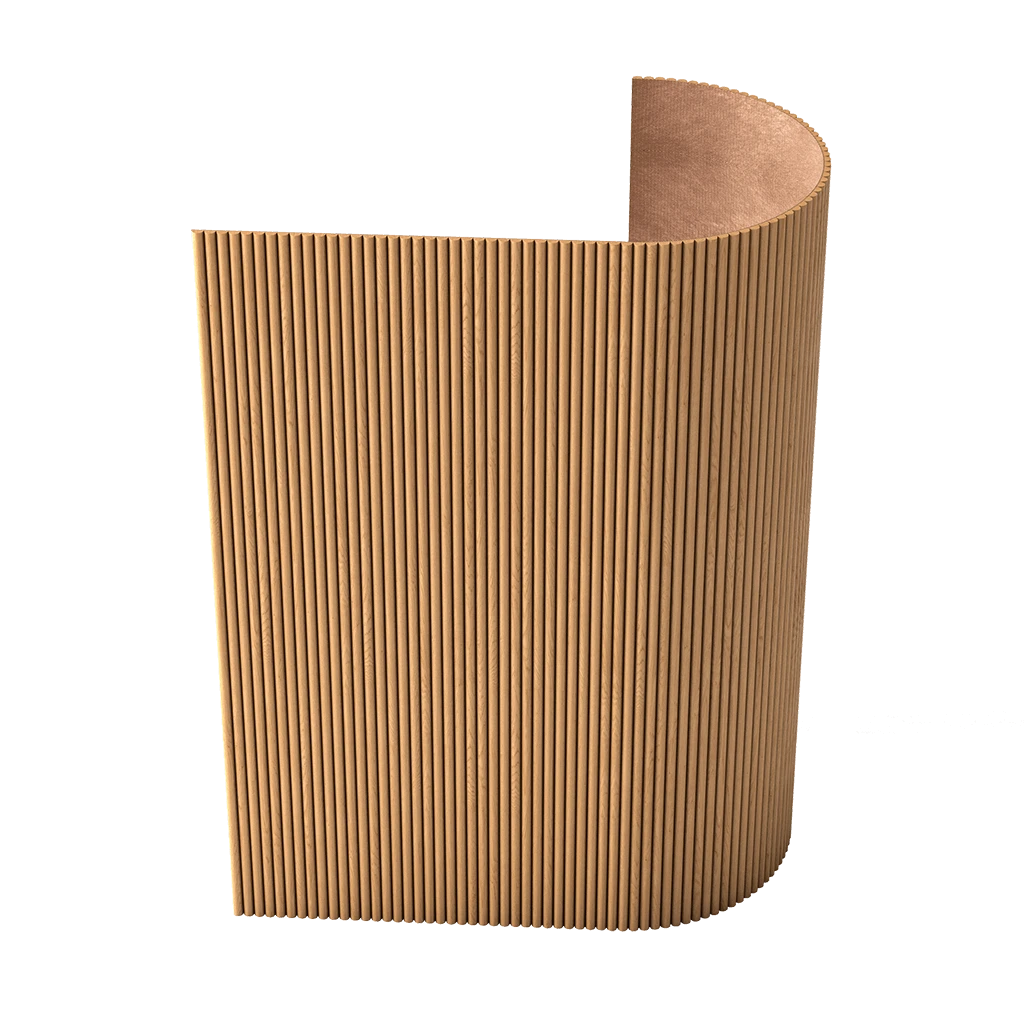
Skirting board for wall panels and battens. More and more interiors combine floor skirting with vertical decorative battens and panels. Here, system is key:Rafter panelsandWooden planksfrom the same line as the skirting create a unified space — from the floor to the middle of the wall or up to the ceiling.
Skirting board for doors and architraves. The rule is simple: choose doors first, then skirting. White doors — white skirting. Walnut doors — walnut skirting. Deviating from this rule is possible if the designer intentionally creates a color contrast — and knows what they're doing.
Common mistakes when choosing skirting boards for interiors
They are almost always the same — and easy to avoid if you know in advance.
Mistake 1. Too low a profile for a high wall. With 3 m ceilings, a 40 mm skirting board looks like a random strip at the base of the wall. It doesn't create proportion — it only highlights its absence.
Mistake 2. Random color. The skirting board is chosen at the last moment, they take 'what was available', resulting in a mismatch with doors, walls, or floors. The result is a feeling of carelessness.
Mistake 3. Lack of coordination with architraves. A white skirting board next to dark wooden architraves is not a design technique, but most often simply a selection error. The skirting board and architraves should be part of the same system.
Mistake 4. Choosing based only on price. Saving on the skirting board and losing the final touch is a common decision. A skirting board is an inexpensive element compared to flooring and furniture. But it is precisely what answers the final question: does the interior look finished?
Mistake 5. Too massive a skirting board in a small room. A 150 mm skirting board in an 8 sq.m. kitchen with a 2.5 m ceiling is visual pressure. The scale must correspond to the space.
Mistake 6. Ignoring the style. A skirting board with expressive classical milling in a strict minimalist interior is a stylistic error. The profile should support the concept, not contradict it.
Mistake 7. Different profiles in adjacent rooms. When the living room has one profile, the bedroom another, and the hallway a third, the interior loses cohesion. Changing the profile should be a conscious decision, not a random one.
4 ready-made scenarios: what to choose
Theory is good. Specific scenarios are better. Here are four practical cases.
For a bright modern apartment
Conditions: light wood laminate flooring, white walls, white doors, 2.7 m ceilings.
Solution:A white MDF baseboard creates visual continuity with white door casings, white ceiling cornices, and white window frames. When all architectural details are executed in the same color, they form a unified system, a spatial framework that connects disparate elements — floor, walls, ceiling, furniture — into an integral composition. This technique is fundamental to Scandinavian design, where white architectural decor creates a light shell within which the most diverse colors and textures can coexist.80–100 mm high with a smooth flat surface for painting in matte white. A profile without excessive decorativeness. It will blend into the white wall background, create a clear horizontal line, and support the theme of white doors and reveals.
For a classic interior
Conditions: oak parquet, doors in natural oak, 3 m ceilings, molded cornices.
Solution:Wooden baseboardMade of oak, 120 mm high, with a classic relief profile — a round and a fillet. Color — matching the parquet or slightly darker. Pairing with architraves of a similar profile creates a unified wooden architectural system.
For the kitchen and active zones
Conditions: tile or quartz vinyl, contact with water, high load, 2.6 m ceilings.
Solution: white MDF skirting board 70–80 mm with a high-quality paint coating. Seal joints with acrylic sealant. Profile — simple, without complex protrusions that accumulate dirt.
For an interior with panels and decorative finishes
Conditions: walls clad with vertical wooden slats, oak engineered plank flooring, 3 m ceilings.
Solution: wooden skirting board from the same wood species as the battens, 100–120 mm, as part of a unified system withwooden planksandplank panels. All elements are from one catalog, one wood species, and a unified finish. The interior gains a rare thing—consistency from floor to ceiling.
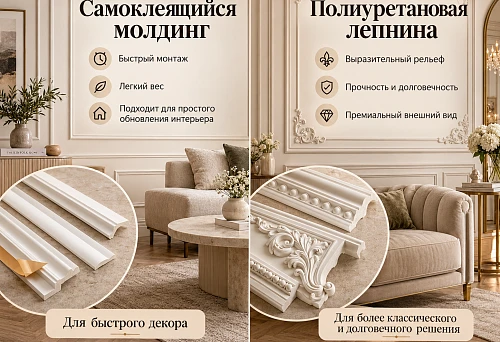
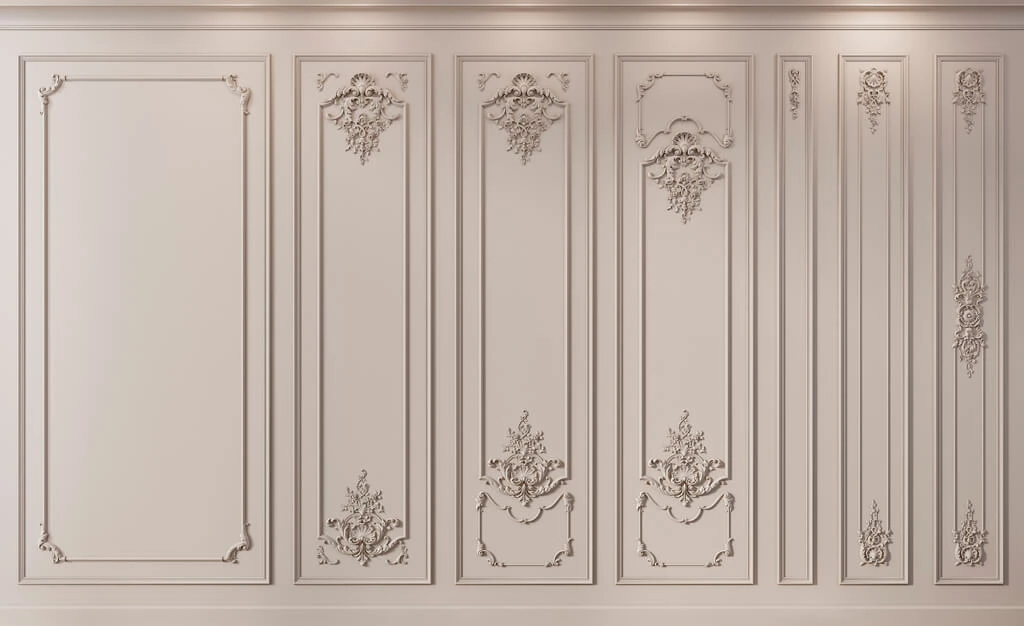
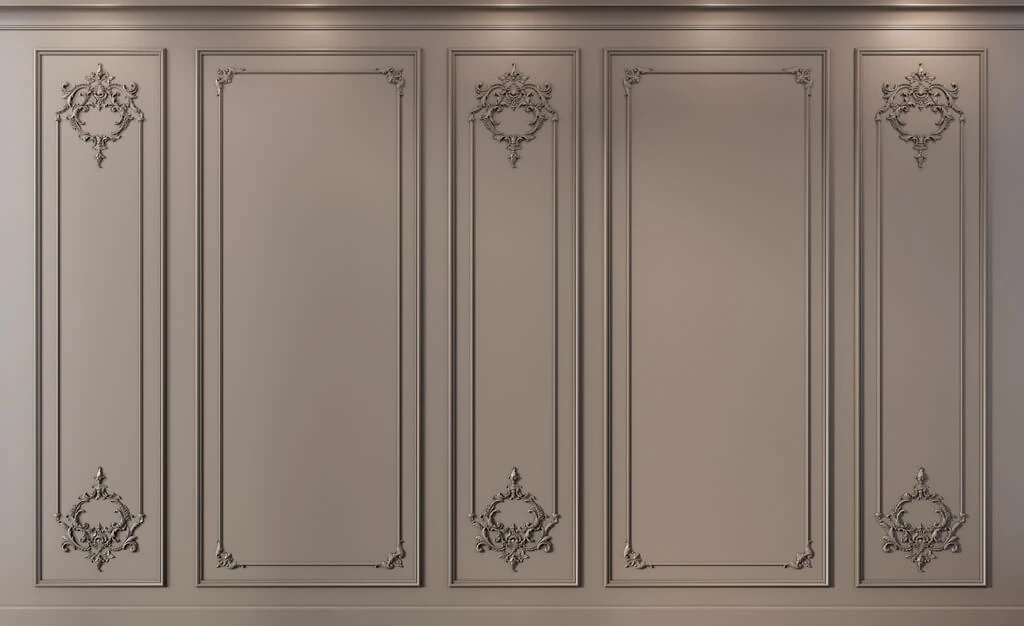
Skirting board and decorative trim system
One of the most underrated aspects is the skirting board as part of a larger system. In a well-thought-out interior, it doesn't stand alone. It works together with:
-
Moldings—horizontal profiles on walls that separate finishing zones
-
Cornices—ceiling profiles that create a transition from wall to ceiling
-
Door casings—door frames that should echo the skirting board in profile and color
-
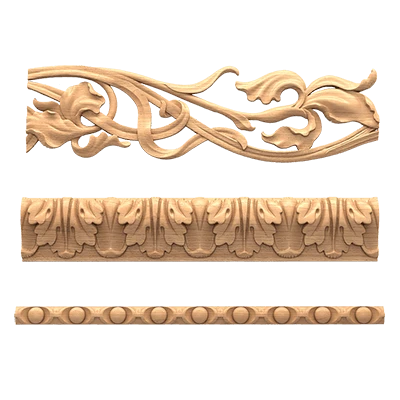
Decorative overlays—additional elements that enrich the wall
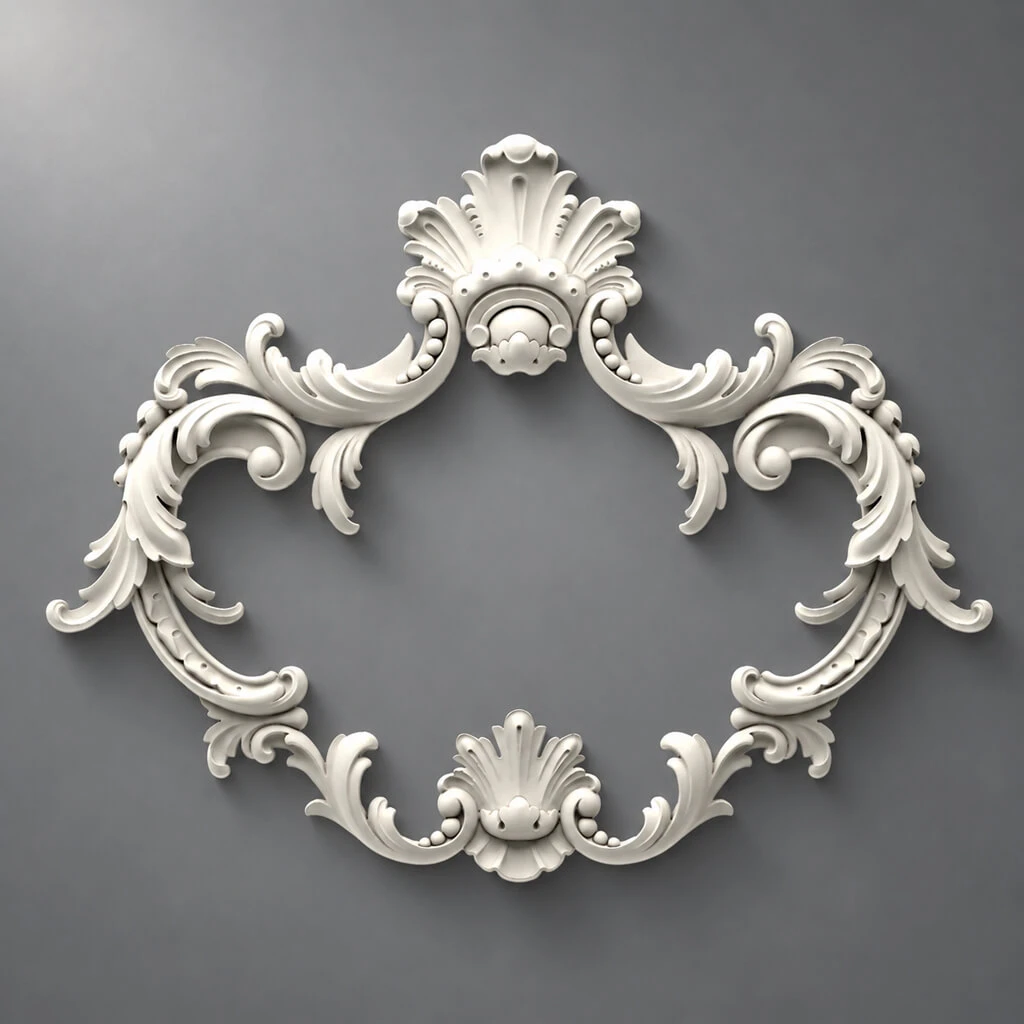
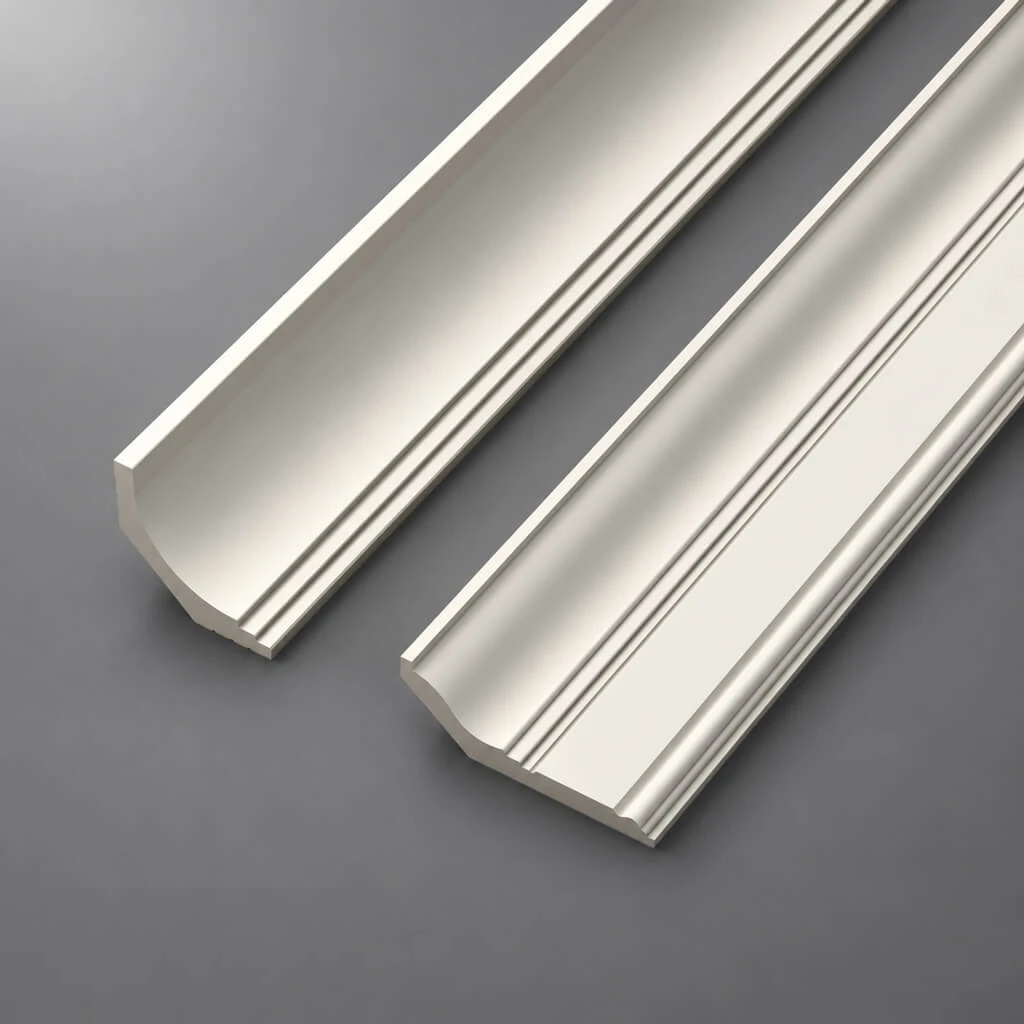
All these elements in one space and from one material give what is called an 'interior with a history.' The full range is in the catalogmoldings, cornices, and baseboards. Decorative accent details are in the sectionOverlays and decorative elements.
What to pair with baseboards for interior design:
moldings, cornices, and baseboards— complete decorative molding system
Rafter panels— for accent walls and decorative finishing
Wooden planks— vertical decorative wall solution
Pogonazh iz massiva— full range of wooden profiles
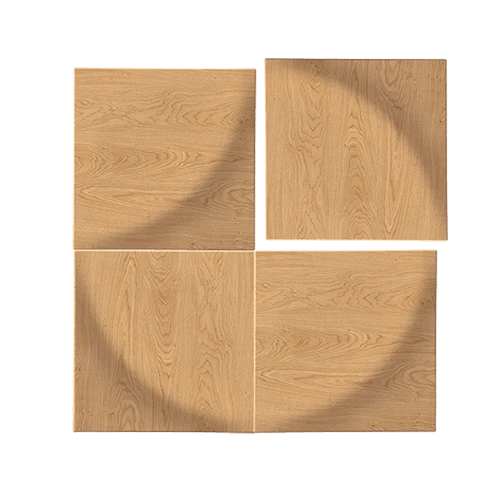
Decorative Inserts— accent details for a unified style
Baseboards for non-standard interiors: loft, Scandinavian, neoclassical
Three trending styles — each with its own logic for choosing baseboards.
Loft. Exposed brick walls, concrete floors or dark quartz vinyl, metal. Here, baseboards are either eliminated entirely (technical minimalism) or dark ones are used — anthracite, black, dark gray. White baseboards in a loft are a common mistake: they 'soften' the brutality that is the essence of the style.
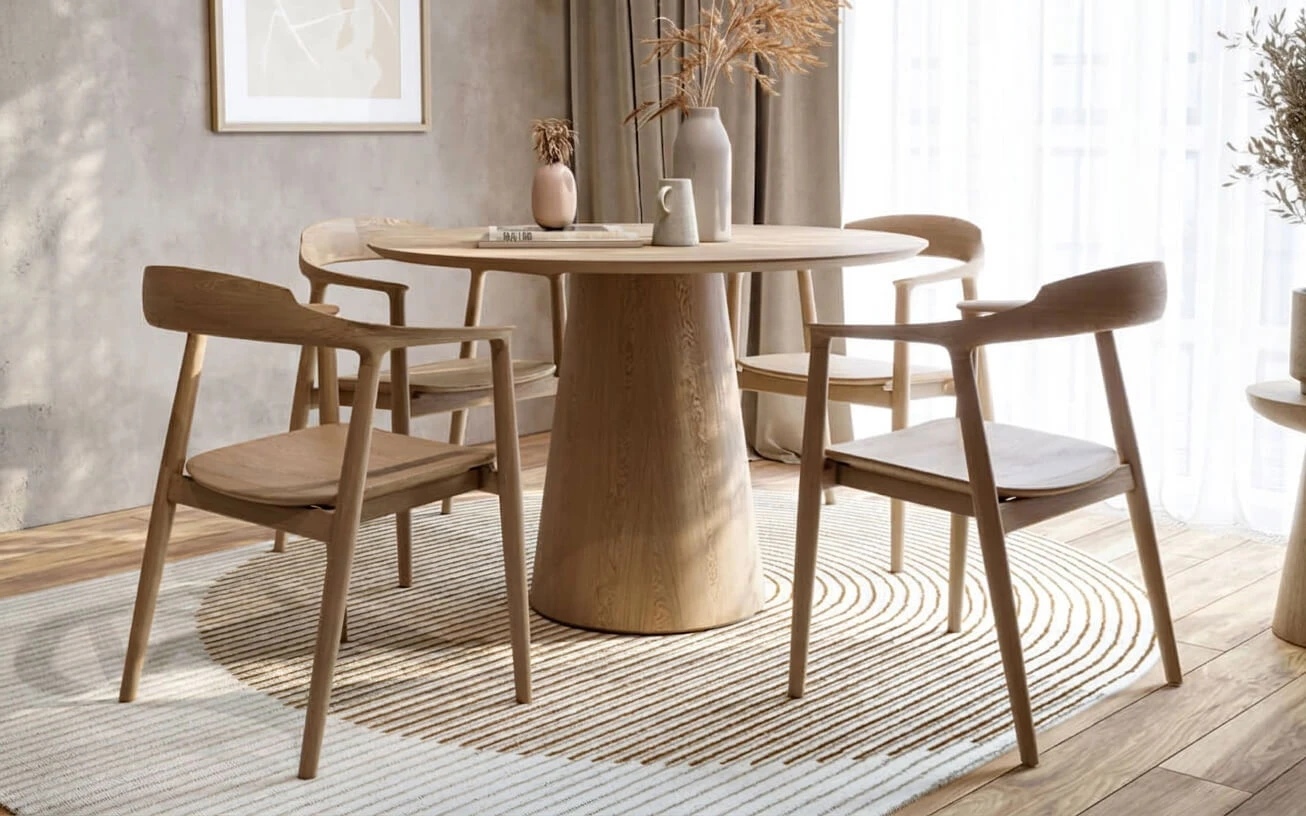
Scandinavian style. White walls, light floors, wooden accents, textiles. White skirting board 70–80 mm is the perfect solution. It maintains a neutral light theme and doesn't interfere with the decorative textural accents of the style. Wooden skirting board is also appropriate — if wooden accents are sufficiently pronounced.
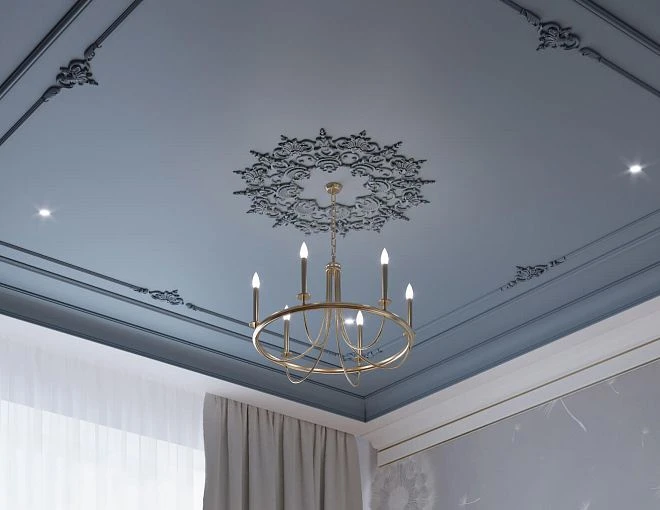
Neoclassical. This is a modern style that takes proportions from classicism and purity of details from modernity. Skirting board profile — pronounced, but without Baroque overload. Height from 100 mm. MDF for painting in white or cream — a working solution. Wooden — for a warmer version of the direction. For details on choosing skirting board for floors — in the articleBaseboard MDF.
Where to buy skirting board for interiors and what else to see
Buying skirting board for interiors is not about finding the nearest hardware store. It's about finding a solution that precisely matches your requirements for material, height, profile, and color.
In the STAVROS catalog — a full range of solid wood and MDF skirting boards that cover all scenarios: from modern apartments to classic country houses. All products are made from selected wood with chamber drying, precise milling, and finishing.
Also see related categories that will help create a unified interior:
-
MDF Skirting Board— for modern and painted spaces
-
Wooden baseboard— for natural and classic interiors
-
All STAVROS skirting boards— full catalog of all formats
FAQ: Answers to popular questions
Which skirting board is better to choose for the interior?
Depends on the style and type of flooring. For modern interiors with laminate — white MDF. For classic with parquet — wooden. Both options are in the catalog.all STAVROS skirting boards is convenient..
How to choose a skirting board for a modern apartment?
MDF profile with a smooth surface for painting or in white. Height — 70–100 mm depending on the ceilings. Profile — without excessive decorativeness.
What is better for the interior: MDF or wood?
MDF — for white, painted, and minimalist spaces. Wood — for natural, warm, classic interiors with wooden floors and furniture.
White skirting board in the interior — when is it appropriate?
Almost always — if there are other white elements: doors, slopes, window sills. It creates a neutral horizontal frame and doesn't clash with the color theme of the space. More details —White MDF Skirting Board.
Which skirting board to choose for the kitchen?
MDF with high-quality coating, height 60–80 mm, mandatory sealing of joints. Profile — simple, without complex reliefs.
How to match skirting boards to doors and architraves?
Baseboards, trims, and door frames should match in color. White doors — white baseboard. Wood-look doors — wood-look baseboard of the same shade.
What height of baseboard is best for the interior?
For ceilings up to 2.5 m — 50–70 mm. 2.6–2.8 m — 70–100 mm. 3 m and above — from 100 mm.
When is a wide baseboard needed?
For high ceilings, in classic and neoclassical interiors, in large living rooms and hallways, next to massive trims. A wide baseboard in the interior is a sign of an architecturally conscious approach.
How to choose a baseboard to match the floor color?
Three strategies: match the floor color (horizontal monolith), match the wall color (wall appears visually higher), match the door color (unified architectural system).
How to choose a baseboard to match wall panels?
From the same material and the same wood species.Wooden planksandRafter panelstogether with the baseboard from the same line create a unified wall finishing system.
Where to buy baseboards for interior?
In the STAVROS catalog — MDF and solid wood, all formats and heights. Details on the pageMDF Skirting BoardandWooden baseboard.
About the company STAVROS
STAVROS is a Russian manufacturer of wooden architectural millwork made from solid oak and beech. The company specializes in producing baseboards, moldings, cornices, door surrounds, paneling, and decorative elements — everything that turns ordinary renovation into a refined interior.
All STAVROS products are made from kiln-dried wood with precise milling and fine surface finishing. The catalog offers solutions for any type of interior: from minimalist white apartments to classic mansions with high ceilings. Baseboards for interiors of any style, material to choose from, Contact us to confirm shipping to your destination.
SelectBaseboard for Interiorin the STAVROS catalog — and get not just a profile, but an architectural detail that completes your interior as it deserves.