Article Contents:
- What is Baroque furniture
- Baroque, Rococo, Classicism: what is the difference
- How Baroque differs from ordinary classic: the fundamental difference
- Which Baroque furniture is most often chosen
- Baroque furniture for the living room: how to create an expressive look
- Baroque style console table
- Baroque armchair for the living room
- Baroque sideboard in the living room
- Mirror in a carved frame
- Baroque dining room furniture: triumph at the table
- Baroque dining table
- Baroque sideboard for dining room
- Chairs and armchairs
- Baroque office furniture: power and intellect
- Baroque office armchair
- Baroque writing desk
- Baroque library
- Carved decor for baroque furniture: create style from scratch
- Overlays and carved elements
- Moldings
- Carved rosettes
- Baroque furniture legs
- Capitals and pilasters
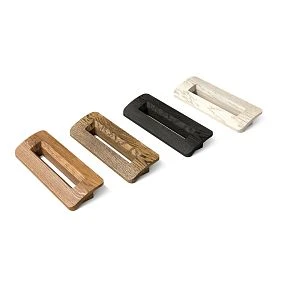
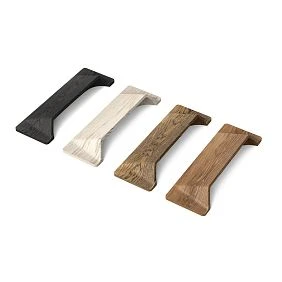
- Handles
- How to choose material and coating for baroque furniture
- Wood species
- Coating options
- Combining with Textiles
- How not to overload an interior with Baroque furniture
- Rule of one main item
- The rule of space
- Rule of three zones
- Rule of neutral background
- Lighting as a tool
- Mistakes when choosing baroque furniture
- Baroque in an apartment: is it possible?
- Where to buy baroque furniture and decor
- FAQ: Answers to Popular Questions
- About the manufacturer
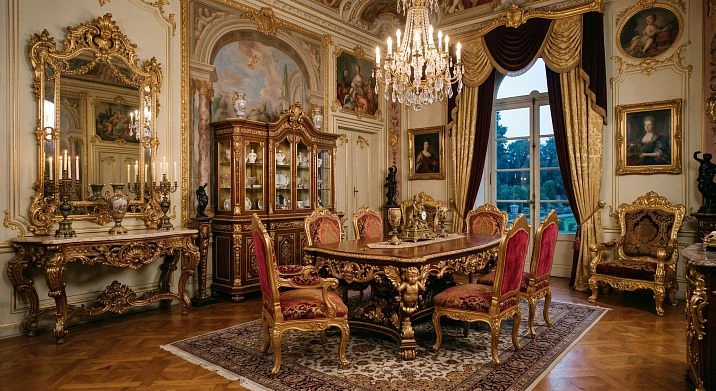
There are styles that don't ask for attention—they demand it. Baroque is exactly that. It's not a delicate hint at an era, not a restrained nod to classicism. Baroque is a statement. Loud, confident, unprecedented in decorative power. When it enters a room, Furniture in Baroque styleit occupies the space entirely—leaving no room for random objects or vague decisions.
Buying baroque furniture today is not just acquiring a few items. It's choosing an aesthetic that obligates. It obligates to scale, to thoughtfulness, to attention to every detail: to carved legs, to the shape of a handle, to the profile of a cornice, to the surface tinting. Baroque does not forgive random neighbors—but generously rewards those who understand its language.
This article is a detailed practical guide for those who want to create a baroque interior consciously: choose the right items, the right details, and the right accents. Without overload. Without chaos. With an understanding of how luxury turns into style.
What is baroque furniture
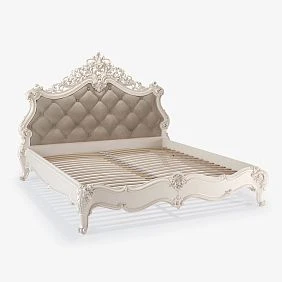
Baroque as an artistic style emerged in Europe in the 17th century and existed in various forms until the 19th century. Its furniture is a direct imprint of the era's worldview: excess as the norm, decor as the language of status, form as a statement.
Classic Furniture in the baroque style is instantly recognizable by several characteristic features:
-
Complex silhouette. Not a single straight line where a curve can be placed. Carved legs with breaks, figured chair backs, wavy chest fronts—all this is baroque.
-
Abundant carving. Acanthus leaves, flower garlands, putti, shells, cartouches, masks—the ornamental vocabulary of baroque is vast.
-
Gilding and patina. Gilded details on dark wood—a classic combination. Patinated surfaces imitating the age and value of the material.
-
Massiveness. Baroque furniture is weighty — not only visually, but also physically. It occupies its place in space with a persuasiveness unattainable by lightweight modern structures.
-
Expensive materials. Oak, beech, walnut, mahogany, tortoiseshell in marquetry, bronze overlays — Baroque never skimped on material.
A modern interpretation of Baroque retains these features to varying degrees — depending on the depth of immersion in the style. You can choose authentic carved solid wood furniture with gilding. You can opt for a neoclassical version with moderate decor and curved legs. In any case, it is an expressive style with a strong character.




Baroque, Rococo, Classicism: what is the difference
These three styles are often confused. Let's clarify.
Baroque is formal, solemn, monumental. Symmetry is observed, but the decor is heavy, rich, with pronounced sculptural quality.
Rococo is a lighter Baroque. Asymmetry, pastel tones, lightness of silhouette, elegance of details. Rococo is Baroque that decided to become more playful.
Classicism is a reaction to the excess of Baroque. Rigor, symmetry, restrained decor, straight lines. Less gold, more clarity.
For our article, it is important: when a user searches for Buy Baroque furniture — they are usually looking for expressive, decorative, carved furniture with a sense of a palace interior. Both Classicism and Rococo differ from this request.
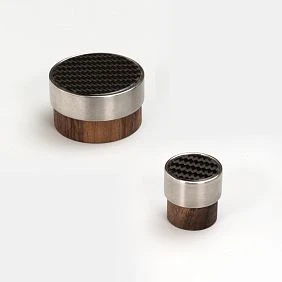
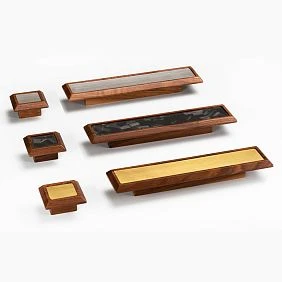
Our factory also produces:
How Baroque differs from ordinary classic: the fundamental difference
A question many people ask: "How does Baroque differ from ordinary classic furniture?"
Classic Furniture — is a broad concept. It can be strict, moderate in decor, with straight or slightly curved lines. Classics are appropriate everywhere: in an apartment, in a country house, in an office, in a bedroom. It creates order and comfort.
Baroque is classic taken to the extreme. The same value system (natural wood, handcraft, durability, status) — but taken to the decorative maximum. The main differences:
| Parameter | Classic | Baroque |
|---|---|---|
| Carving | Moderate, linear | Abundant, voluminous, sculptural |
| Legs | Straight or slightly shaped | Curved, shaped, carved |
| Gilding | Rare or absent | Characteristic technique |
| Silhouette | Clear, geometric | Complex, multi-component |
| Decorative overlays | Moldings, frames | Rosettes, cartouches, masks, garlands |
| Scale | Various | Typically large |
| Interior intensity | Medium | High |
Practical conclusion: if you want a calm, noble interior — choose classic. If you want an expressive, stately, palatial character — choose baroque.
Get Consultation
Which baroque style furniture is most often chosen
Before breaking down specific items — here's a map of the most popular choices.
Most often in baroque style, people choose:
-
Console — the most compact and expressive piece. Works well as an accent in the hallway, living room, or by a mirror.
-
Armchair — a strong, image-defining piece. One baroque armchair in a room changes its entire character.
-
Sideboard — for the dining room and living room. Large, stately, with carved fronts.
-
Display cabinet — for showcasing collections. With carved elements, with shaped legs.
-
Mirror in a carved frame — the most affordable way to introduce baroque into an interior.
-
Dining table — with shaped legs and carved details.
-
Chest of drawers — with a curved front, decorative overlays, and gilded handles.
Each of these items can work as a standalone accent — or as part of an ensemble.
Baroque furniture for the living room: how to create an expressive look
The living room is the main room of the house. This is where Baroque works at full strength.
Baroque style console
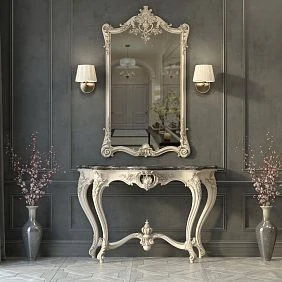
A console is perhaps the best way to start getting acquainted with Baroque. It is compact, does not take up much space, and at the same time creates a powerful decorative effect. A Baroque-style console features curved legs with acanthus leaf carvings, a tabletop with a profiled edge, and possibly a lower traverse shelf.
A Baroque console is installed:
-
at the entrance to the living room as a welcoming piece;
-
under a framed mirror in the hallway or living room;
-
on either side of the fireplace mirror as paired decorative elements;
-
in the space between windows.
A mirror is important for a console — also with a carved frame. The pair "console + mirror" is a classic Baroque duo that works flawlessly.
Baroque armchair for the living room
One or two Baroque armchairs in the living room create a powerful visual accent. An armchair with a high back, carved wooden details on the armrests and legs, upholstered in expensive fabric — velvet, jacquard, or silk — is an object you want to examine.
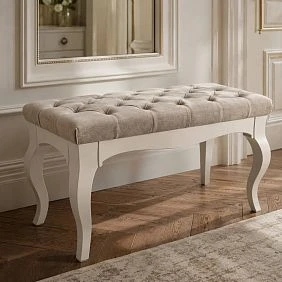
wooden furniture legs in the Baroque style — shaped, carved, with a break. It is the legs that determine whether an armchair belongs to the Baroque style. A straight leg is already Classicism.
A Baroque armchair in the living room does not necessarily have to be "in ensemble" with all the other furniture. It can be the only accent piece in a modern or neutral interior — and that will be stronger than an entire hall furnished according to style rules.
Baroque sideboard in the living room
A large sideboard with carved facades decorative inlays, carved rosettes and gilded handles is an object that establishes one of the living room walls as the main one. A Baroque sideboard is appropriate in a living room only if the room is spacious enough: at least 25–30 sq. m.
In smaller rooms, a large sideboard feels overwhelming. An alternative is a lighter display cabinet with carved details or open shelves with decorative Baroque-style framing.
Mirror in a carved frame
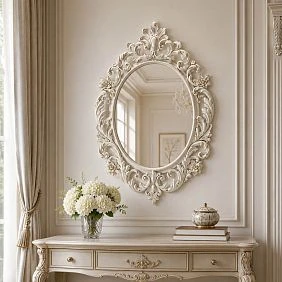
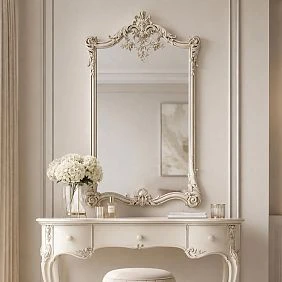
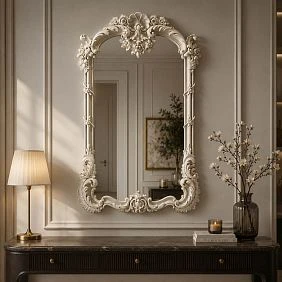
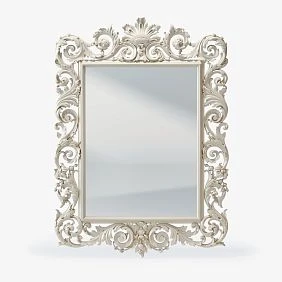
A mirror in a carved wooden frame is the most accessible and least risky way to introduce Baroque into any interior. A frame with abundant carving, gilding, or patina works even in a modern space — as an artistic accent, as an object that does not require 'all the rest of the Baroque' around it.
To create the frame, the following are used Carved wooden decoration: corner elements, overlays, cartouches, ornamental bands — all of this comes together into a complete frame composition.
Baroque dining room furniture: a feast at the table
A Baroque-style dining room is a room where food turns into a ceremony. Properly selected furniture creates exactly this feeling.
Baroque dining table
A Baroque-style table is a large piece with massive carved legs, a profiled tabletop, and possibly carved details on the apron. The traditional shape is rectangular with cabriole legs (curved legs resting on a 'paw' or ball).
To create the desired look, not only the tabletop but also the legs themselves are important. wooden furniture legs in the Baroque style — shaped, with carving, possibly with gilded details in the lower part.
A Baroque table is for large dining rooms. The minimum recommended room size for such a table is 20 sq. m. In a small dining room, a massive Baroque table creates a feeling of claustrophobia.
Baroque sideboard for dining room
The sideboard is the main piece of the Baroque dining room. The lower body with doors and drawers, the upper body with glazed display doors, a figured cornice on top, pilasters at the corners and Capitals — this is the classic structure of a Baroque sideboard.
On the facades — Wooden Inlays with ornament: leaves, garlands, cartouches. In the center of each door — Carved rosette. Handles — Wooden furniture handles in the form of rings with rosettes or classic figured handles.
Chairs and armchairs
Baroque dining chairs — with carved details on the back and legs, with a soft seat in expensive fabric. It is the fabric — velvet, jacquard, brocade — that completes the look. Without the right upholstery, a carved chair looks unfinished.
Baroque furniture for the study: power and intellect
A Baroque-style study is a space that speaks about its owner without words. Dark wood, leather, gold, heavy curtains, books in leather bindings. This image exists in culture as a synonym for the "study of power."
Baroque armchair for a study
An armchair in a Baroque study is a throne. Not literally, but in feeling. A high back with a carved finial, wide armrests, massive legs. Upholstery — dark leather or dark velvet. Wood color — dark walnut, wenge, black.
It is the armchair that sets the tone for the entire study. Everything else — the desk, the library, the console — is arranged around it.
Baroque desk
A Baroque-style desk is a large piece: a wide tabletop covered in leather or laid with wooden overlays with moldings, drawers with shaped handles, carved facades of side cabinets, massive legs.
Quality is important for a study desk wooden furniture handles and the overlays — it is they that create the decorative detail that distinguishes a Baroque piece from just a "large table."
Baroque library
Bookcase-library with with wooden pilasters at the corners, with capitals at the top, with a carved cornice — this is architectural furniture. Such a library does not stand against the wall; it becomes part of the wall. The sections between the pilasters are filled with books or collection items — and the entire ensemble looks like a built-in architectural structure.
Carved decor for Baroque furniture: creating a style from scratch
Important commercial scenario: you have furniture that needs to be "translated" into the Baroque style. This is achievable with properly selected decorative elements.
Overlays and carved elements
wooden furniture appliqués — ornamental elements that are attached to the facades and create a decorative layer. For Baroque, use:
-
overlays with leaf ornamentation — in the center of the facades;
-
corner overlays with plant motifs;
-
horizontal ornamental belts — between the tiers of furniture;
-
cartouches — in the center of the upper crosspiece of a sideboard or display cabinet.
Moldings are linear profiles used to create framed compositions, zone walls, and frame openings. They come in various widths (from 20 to 150 mm) and relief complexity — from smooth to richly decorated.
Wooden moldings they create a frame structure on the facades. In Baroque, moldings are wider and more profiled than in strict classicism. They form frames on the doors, set the rhythm of the facades, and create the necessary decorative richness of the plane.
Carved rosettes
Carved outlets from wood in the center of frame moldings on the doors — a mandatory attribute of a Baroque facade. For Baroque, rosettes with floral or petal ornamentation are chosen, with a diameter of 60–120 mm — large enough to be visible.
Legs for Baroque furniture
wooden furniture legs — a key element of Baroque furniture. For Baroque, specifically shaped, carved legs are needed: cabriole legs with a break, lion's paw legs, carved tapered legs with ornamentation. Replacing straight legs with shaped carved ones is the fastest and most effective way to 'baroquize' any piece of furniture.
Capitals and pilasters
Wooden capitals on the corner verticals of a cabinet or sideboard and pilasters on the sides of the facades — these are techniques that elevate furniture to an architectural level. A sideboard with corner pilasters and Corinthian capitals is no longer just furniture; it is an item of a palace interior.
Handles
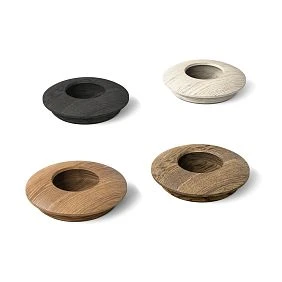
wooden furniture handles in the Baroque style — ring-shaped, figured, with decorative rosette backplates. Replacing ordinary handles with figured carved wooden handles is an instant and inexpensive way to change the character of furniture.
How to choose material and coating for Baroque furniture
Wood species
Oak. Traditional material for Baroque furniture — especially in German and Flemish tradition. Dark stained oak with patina creates a deep, heavy, weighty look.
Walnut. Favorite material of Italian and French Baroque. Beautiful swirling grain, takes dark staining well.
Beech. Dense wood, holds carving well. Detailed carved elements from beech have sharp edges.
Pine. For painting — an affordable and easy-to-work material. Carved wooden decoration Pine under paint — a popular choice for white or cream Baroque furniture.
Coating options
Dark stain + varnish. Dark walnut, wenge, cherry — classic shades for Baroque furniture. Pairs well with gilded details and dark textiles.
White or cream enamel + gilding. French Baroque tradition. White body with gilded carved details — a light, bright version of Baroque. Works well in light interiors.
Patina. Aging technique: dark layer in recesses, light on protruding parts. Patinated furniture looks antique — exactly the feel Baroque buyers seek.
Gilding. Applying gold leaf or gold powder to carved details — a characteristic technique. Gilding is appropriate on rosettes, overlays, capitals, legs, handles. A fully gilded piece is too much. Gilded details on a dark or white body — ideal.
Combination with Textiles
Baroque furniture requires appropriate textiles. Upholstery for armchairs and chairs — velvet, jacquard, patterned silk, brocade. Curtains — heavy, cascading, with a lambrequin. Carpet — patterned or solid, but dense and heavy.
Textiles don't just complement furniture — they complete the look. Without the right textiles, even the finest carved Baroque furniture looks unfinished.
How not to overload the interior with Baroque furniture
This is the most important practical question. Baroque is a style with high decorative pressure. It's easy to overdo it.
The Rule of One Main Item
If you're starting your journey with Baroque — choose one main item. A console with a mirror. A single armchair. A carved frame. One accent sideboard. This item will set the tone for the room without overwhelming it.
Support it with details: the right handles on existing furniture, carved appliqués on the facades, Decorative legs instead of straight ones. This way, Baroque will enter the interior organically, not as a foreign body.
Rule of space
Baroque requires space. This is not a style for small rooms. The minimum ceiling height for a Baroque interior is 2700 mm. The minimum room area with large Baroque furniture is 20 sq. m. Exception — compact items: console, armchair, mirror.
The Rule of Three Zones
In a large Baroque room, there should be three zones: one large piece of furniture (sideboard, library), one medium piece (armchairs, console), and one small accent (mirror, vase, table decor). This creates a sense of style as a system, rather than a random set of objects.
The rule of a neutral background
Walls in a Baroque interior should not compete with the furniture. The ideal background is plain wallpaper or painted walls in neutral or muted tones: cream, gray, powder, dark green, burgundy. Against such walls carved Baroque furniture reads with maximum expressiveness.
Lighting as a tool
Baroque without proper lighting loses half its power. Warm light emphasizes gilding, reveals the relief of carvings, and creates the right atmosphere. Cold LED light kills the Baroque image. Use warm lamps, sconces with diffused light, candles (or their imitations). The chandelier is also part of the image: crystal or gilded metal, but not a simple modern form.
Mistakes when choosing baroque furniture
Let's analyze typical mistakes — so you don't repeat them.
Buying too much carved furniture for a small room. In a small space, Baroque becomes claustrophobic. One or two items are enough.
Mixing Baroque with minimalism without a concept. This can work — but only as a conscious design technique, with a clear logic of contrast. 'Random Baroque' in a modern interior looks thoughtless.
Do not ignore ceiling height. A high back of a baroque chair in a room with a 2500 mm ceiling creates a feeling of crampedness. The scale of objects should match the scale of the room.
Choosing gold without considering lighting. Gilded details look cheap under cold light. Gold only reveals itself in warm lighting.
Forgetting about textiles and wall color. Carved baroque furniture against white walls with plastic baseboards is a dissonance. Baroque requires an appropriate background.
Buying furniture separately from handles, legs, and decor. A carved body with ordinary modern handles is half a job. Details must be stylistically coordinated: shaped Legs, carved Handles, Decorative Inserts — all together.
Do not consider the scale of the room. A large baroque sideboard in a small dining room is not luxury, but a mistake. The scale of the object should match the scale of the room.
Confusing baroque with ordinary classic. If you want expressive, carved, with gilding — that's baroque. If you want noble strictness — that's classicism. Understand the request before making a choice.
Baroque in an apartment: is it possible?
A common doubt: "Baroque is for palaces and mansions. It doesn't work in an apartment." That's not true.
Baroque works in an apartment under several conditions:
-
Ceiling height — from 2700 mm. This is sufficient for most Baroque items.
-
Room area — from 16–18 sq. m for one large item.
-
Using Baroque as an accent, not as a total style for the entire interior.
-
Proper lighting — warm light.
One Baroque item in a modern apartment is not a historical museum, it is a design choice. This technique is used by the best interior stylists: one antique or Baroque item in a modern space creates tension, interest, dialogue.
Where to buy Baroque-style furniture and decor
Buy Baroque Furniture it is important to choose a manufacturer that works with natural wood and masters the language of decorative finishing: carving, tinting, patina, gilding.
In the Stavros catalog — Classic Furniture made of solid wood, Carved Decor for creating Baroque accents, Wooden Inlays, wooden furniture legs, Furniture Handles, Capitals и pilasters — a complete system of wooden decor for forming a Baroque or classical interior.
FAQ: Answers to popular questions
What is Baroque style furniture?
Furniture with abundant carving, complex silhouettes, shaped legs, gilded details, and patina. Characterized by leaf ornaments, cartouches, and garlands. It creates a palatial, status-oriented interior look.
How does Baroque differ from classic furniture?
Classic — moderate decor and strict lines. Baroque — abundant carving, curved silhouettes, gilding, ornamental richness. Baroque is classic taken to a decorative maximum.
Which Baroque furniture should I choose for a living room?
A console with a mirror, an armchair with carved details, a buffet or display cabinet with framed fronts and carved overlays. You can start with one piece and support it with decorative elements.
Is baroque furniture suitable for an apartment?
Yes, with a ceiling height of at least 2700 mm and a room area of 16–18 sq m. One or two Baroque pieces as an accent work in any interior.
What elements make furniture look Baroque?
Carved shaped legs, decorative overlays with leaf ornament, carved rosettes in the center of facades, profiled moldings, gilded handles and capitals on corner verticals.
Can Baroque be used only as an accent?
Yes, and it is often the best choice. One armchair, a console with a mirror, or a carved sideboard in a neutral space is stronger and more convincing than a total "palace" throughout the entire apartment.
What colors are suitable for Baroque furniture?
Dark walnut, wenge, cherry — for classic dark Baroque. White or cream enamel with gilding — for light French Baroque. Patina — for the look of antique furniture.
How to choose carved decor for Baroque furniture?
Focus on leaf and floral ornaments, cartouches, garlands. Choose overlays and rosettes from the same wood species and the same tint as the main furniture.
How to avoid overloading an interior in the Baroque style?
One main item + details as support. Neutral wall background. Warm lighting. Matching the scale of the furniture to the scale of the room.
Where to buy Baroque-style furniture?
In the STAVROS catalog: Classical furniture made of wood and a complete system of decorative elements — Carved Decor, applique, Legs, Handles.
About the manufacturer
STAVROS is a Russian manufacturer of wooden products, furniture, and decor for classic and Baroque interiors. The company's catalog includes — Classic furniture made of solid wood, Carved wooden decoration, Wooden Inlays, Furniture legs, Furniture Handles, Capitals и pilasters — everything you need to create an expressive Baroque or Classical interior. If you want Buy Baroque Furniture or choose carved decor — STAVROS offers the quality of natural wood with Contact us to confirm shipping to your destination.