































































Article Contents:
- Why walls look unfinished after redevelopment
- What tasks stucco decor solves after renovation
- Where decor is especially needed after redevelopment
- After combining kitchen and living room
- After demolishing a partition: a wide opening as an opportunity
- After adding a corridor or hall
- In a new building with an open plan
- In an old building with high ceilings
- Which elements to use after redevelopment
- Moldings: the foundation of the system
- Pilasters: architectural accent for openings and columns
- Corner Elements and Decor for Moldings
- Decorative appliqués
- Cornices and baseboards: lines that tie everything together
- Five design schemes after redevelopment
- Scheme 1. Wide opening as a portal
- Scheme 2. Moldings along the boundary of two zones
- Scheme 3. Decor of the remaining load-bearing wall
- Scheme 4. Unified frame system on a long wall
- Scheme 5. Cornice and baseboard as the main connecting line
- How to design a wide opening without a door: detailed breakdown
- Opening as a portal: full framing
- Opening with a molding frame: light framing
- Opening with vertical accents
- How to hide the joint after demolishing a partition: a strategy that works
- How to choose moldings after redevelopment
- For apartments with ceilings 2.5–2.7 m
- For old buildings with ceilings 3 m and higher
- For a kitchen-living room
- For a wide opening with pilasters
- By style
- How to calculate decor for a combined room
- Algorithm of operation
- Calculation example for a combined kitchen-living room
- Combining decor with different styles
- Neoclassicism
- Modern classicism
- Jatoba
- Versailles Light
- Minimalism with an architectural accent
- Mistakes when decorating walls after redevelopment
- What to buy for wall decoration after redevelopment
- FAQ: answers to questions about stucco decor after redevelopment
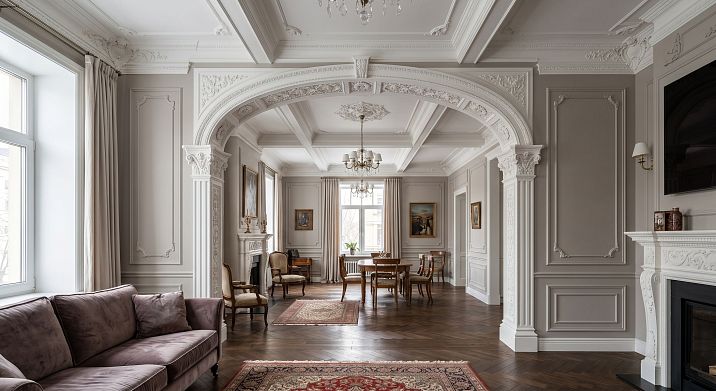
The redevelopment is ending — and another task begins. The walls are leveled, the surfaces are puttied, the painting is done. But something is wrong. The wide opening after demolishing the partition looks like a hole in the space. The place where the wall used to be gives itself away with a slightly different plaster relief. The kitchen and living room are formally combined, but are perceived as two independent pieces of the room that happened to be next to each other.
This is not a finishing problem. This is a problem of architectural logic. After redevelopment, the space has changed — but it has not yet become whole. And here comes into play stucco decor after redevelopment: moldings, pilasters, cornices and decorative elements made of polyurethane, which turn a set of new planes into a single space with rhythm, symmetry and character.
This is not about beauty for beauty's sake. It's about architectural honesty: the interior should look as if it was conceived exactly like that — and not assembled from remnants of different layouts.





Why walls look unfinished after redevelopment
There are several typical situations that are familiar to almost everyone who has gone through combining rooms or changing openings.
Wide opening without framing. When a partition between the kitchen and living room is removed, an open opening 2–4 meters wide appears. Or more. This is no longer a door and not yet a wall. The eye doesn't understand how to relate to it. The opening needs to be turned into an architectural element — otherwise it will forever remain "the place where the wall was."
Remnant of a load-bearing wall. After redevelopment, a part of the load-bearing structure often remains — a pier, a column, a ledge. Technically — a necessity. Visually — a problem. An incomprehensible protrusion in the middle of the space looks like incompleteness if it is not included in the decorative system.
Joint of old and new finishes. Even with quality work, the location of the demolished partition "shows through" under certain lighting. Different planes, different wall history. This place doesn't need to be hidden — it needs to be turned into a deliberate decorative line.
Different rhythm of walls in the combined space. The former kitchen had one scale, the former living room had another. By combining them, you got a long wall with a different "character" in different sections. Moldings create a single rhythm — and the wall becomes whole.
Lack of vertical and horizontal connections. Baseboard, cornice, decorative frames — these are horizontal and vertical lines that assemble the wall into a system. After redevelopment, these connections are often broken: the baseboard is interrupted, the cornice does not pass through the entire opening, the height of the finish is different.
The solution is not cosmetic, but systemic.Wall decor after redevelopmentmade of polyurethane is a way to create a new architectural logic for the altered space.




What tasks does stucco decoration solve after renovation
Let's list specifically — without embellishments:
-
Frames a wide opening as a portal or architectural transition between zones
-
Emphasizes the transition between kitchen and living room, dining room and hall, corridor and living area
-
Turns the junction into a deliberate vertical: a molding or pilaster where there was a wall is not a compromise, but design
-
Makes the remainder of a load-bearing wall part of the composition: a column with pilasters is an architectural accent, not a technical flaw
-
Creates symmetry on asymmetrical walls: when walls are different after redevelopment, a molding system can smooth out this difference
-
Connects the baseboard, cornice, and wall plane into a single vertical logic
-
Unites different zones through a repeating rhythm: identical frames in the kitchen and living room — and both zones start speaking the same visual language
-
Makes renovation more expensive without heavy structures and large investments
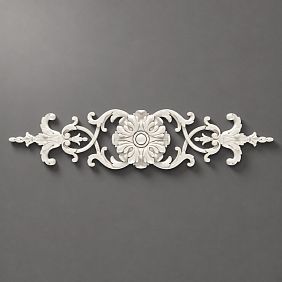
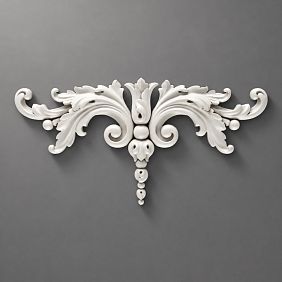
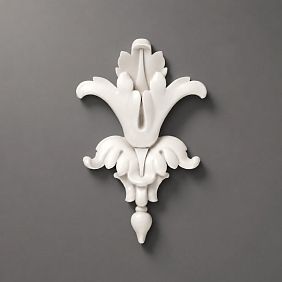
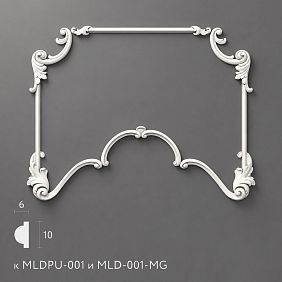
Our factory also produces:


Where decor is especially needed after redevelopment
Get Consultation
After combining the kitchen and living room
This is the most common scenario. A kitchen-living room is a popular solution for apartments of any size. After combining, a long shared wall and a wide opening or open space between the zones appear.
stucco decor for a kitchen-living room — about molding systems for combined spaces: how to divide zones without partitions and maintain the unity of the interior.
Moldings here work in two modes simultaneously: they zone (one zone gets frames, the other a calm wall) and unite (a single cornice, a single baseboard, identical profiles).
After demolishing the partition: a wide opening as an opportunity
An opening 1.5 meters wide or more is no longer just an "entrance." It is an architectural transition. And how it is designed determines the entire character of the combined space.
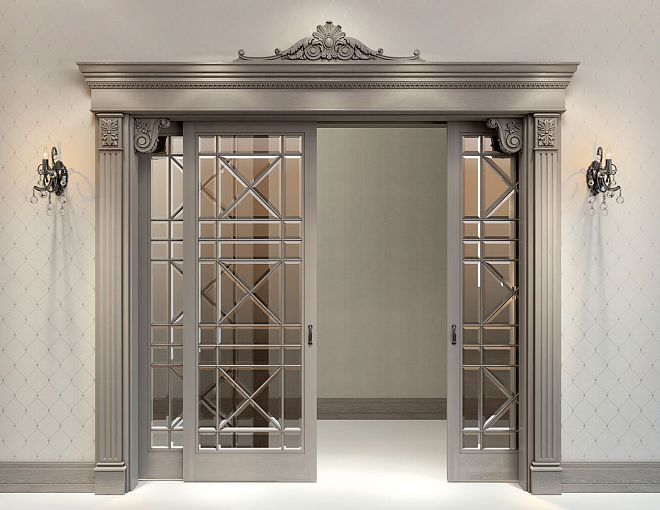
An unframed wide opening looks unfinished. An opening with moldings, pilasters, or vertical elements is a portal.Stucco decor around doors and openings— about the principles of framing openings of different widths with decorative polyurethane elements.
After joining a corridor or hall
Another common scenario is joining a corridor to the living room or expanding the hallway at the expense of part of a room. In this case, a new joint appears, new proportions, and a new task: how to visually unite the passage area with the living area.
Zoning walls with polyurethane moldings— about the logic of zoning through decorative lines in spaces without partitions.
A simple technique works well here: a molding belt or a vertical line at the site of the former partition. This does not hide the change — it makes it a decorative fact.
In a new building with an open plan
Apartments with an open plan are a blank slate. But a blank slate without architectural lines is just emptiness.Stucco decor for a new building— about building wall systems from scratch, when the redevelopment is already set by the apartment plan and needs to be played up with decor.
In old housing stock with high ceilings
Stalinka buildings, pre-revolutionary houses, and "Tsek" houses from the 1950s–60s have their own complexities. High ceilings, uneven geometry, old plaster, non-standard proportions. After renovation, this space requires a special approach: more expressive moldings, deep-profile cornices, and pilasters for large openings.Polyurethane moldings for wallsin the STAVROS catalog include both laconic profiles 10×6 mm for modern apartments and architectural profiles 35×12 mm and wider — for high walls with classical ambitions.
Which elements to use after renovation
Moldings: the foundation of the system
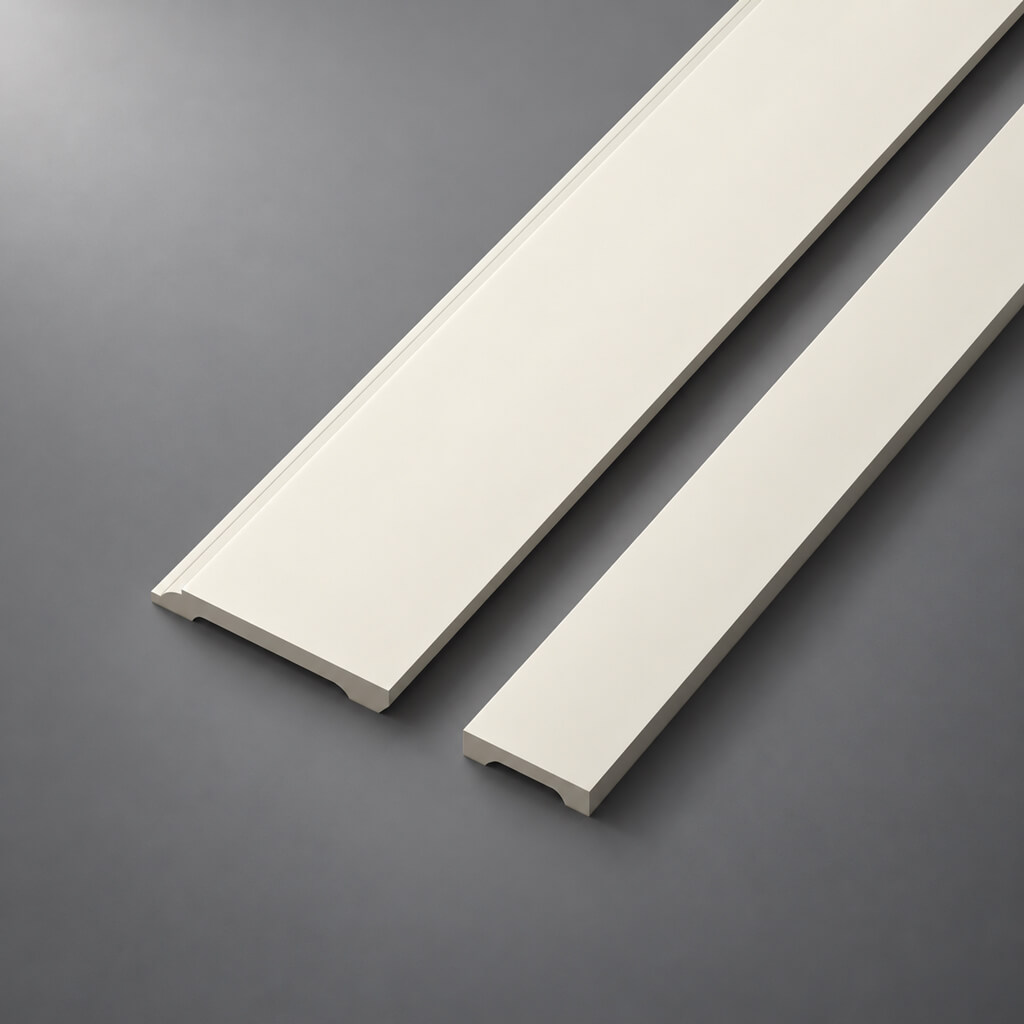
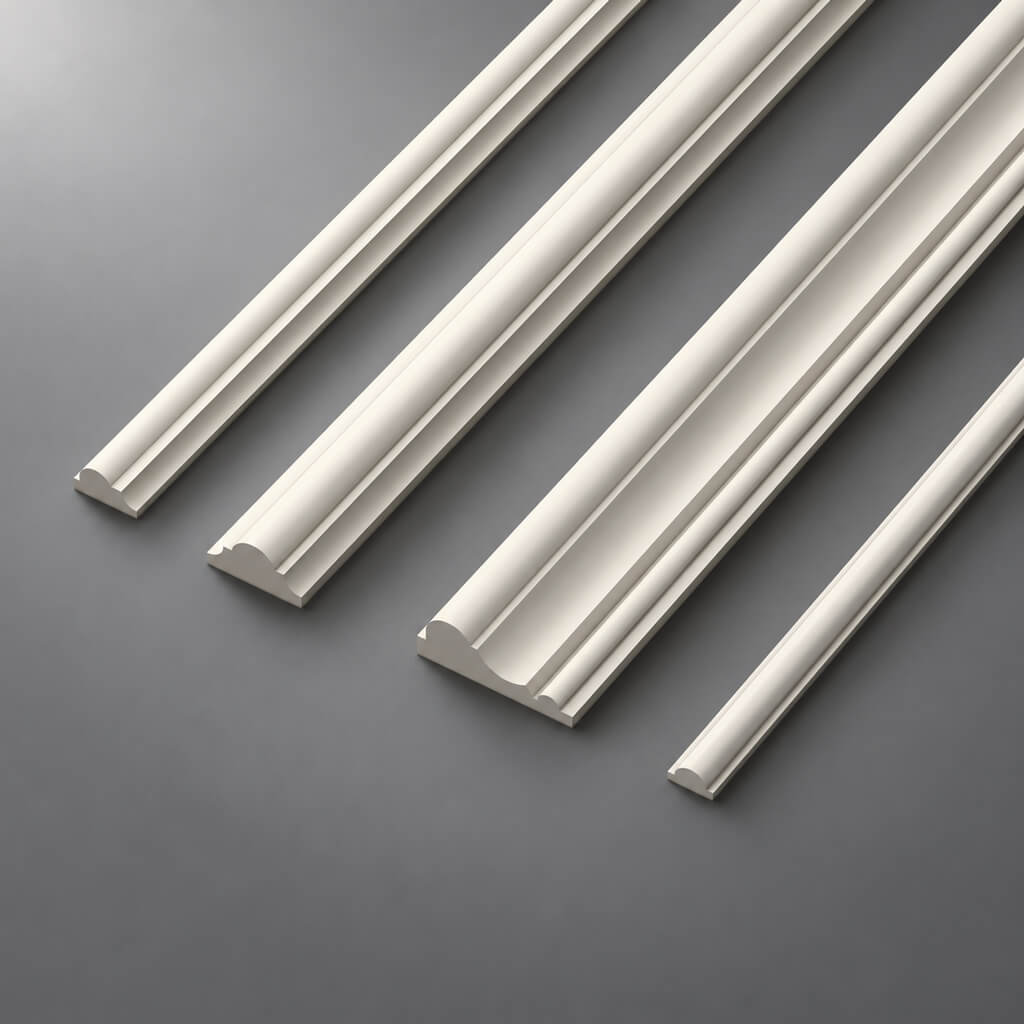
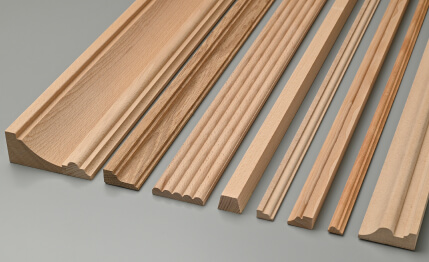
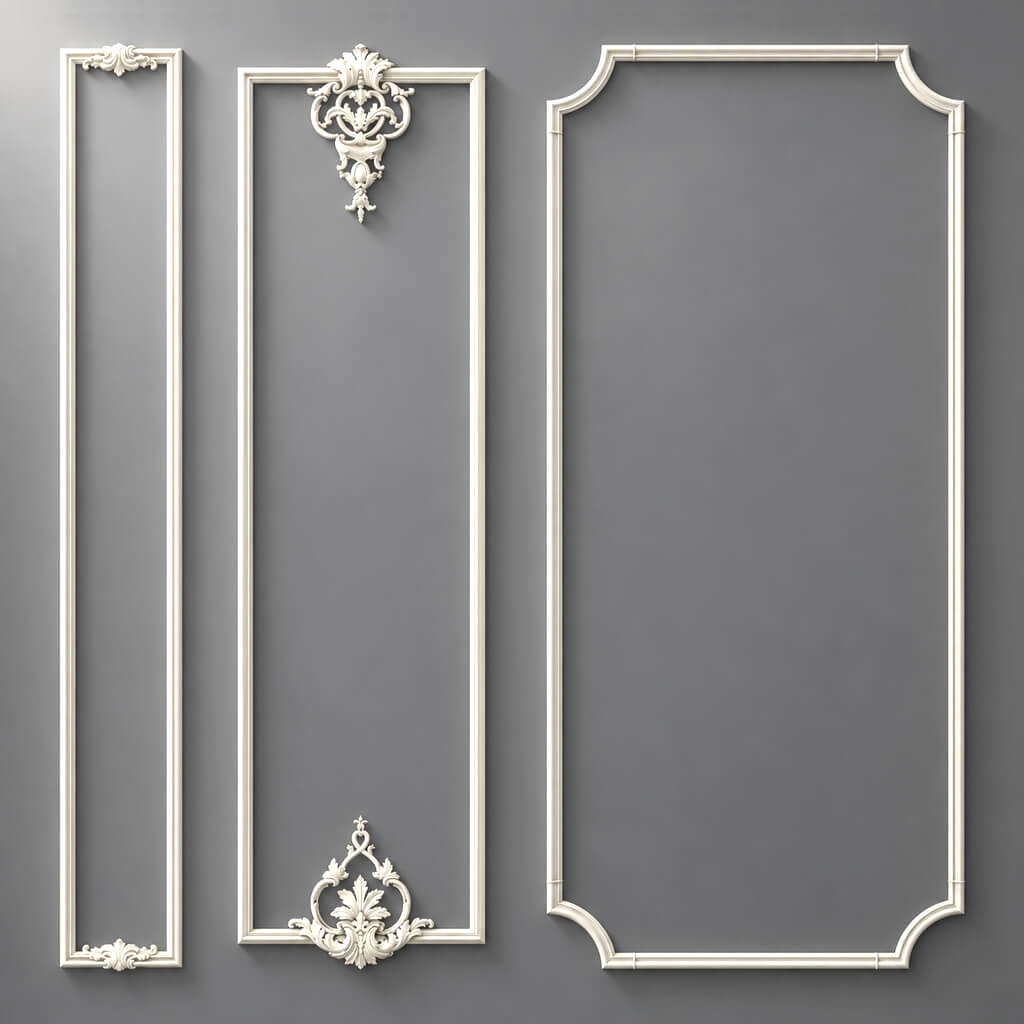
Moldings for framing an openingand walls — linear profile that creates lines, frames, and belts. For post-renovation space, moldings work in several modes:
-
Framing an opening: molding around the perimeter of a wide opening creates a "frame," turning a technical gap into an architectural object
-
Frames on walls: rectangular frames in each zone — a tool for rhythm and order
-
Horizontal belts: molding running at the same height along the entire length of the wall visually "stitches" different sections together
Pilasters: architectural accent for openings and columns
Polyurethane pilasters for walls— is a separate and very important topic for post-replanning tasks. A pilaster is a vertical decorative element with a base and capital, imitating a column. Unlike molding, a pilaster has volume and creates a strong architectural accent.
Where pilasters are especially needed:
-
On the sides of a wide opening: pilasters turn the opening into a monumental portal
-
On the remainder of a load-bearing wall: the pilaster "includes" the protrusion or column into the decorative system
-
At the transition point between zones: the pilaster at the former partition point marks the transition without a physical wall
Corner elements and molding decoration
Where moldings meet at the corners of frames, you needMolding corner pieces. In a post-replanning space with non-standard proportions, this is especially important: the corner element covers the joint and creates a decorative accent that holds the entire frame.
Decorative appliqués
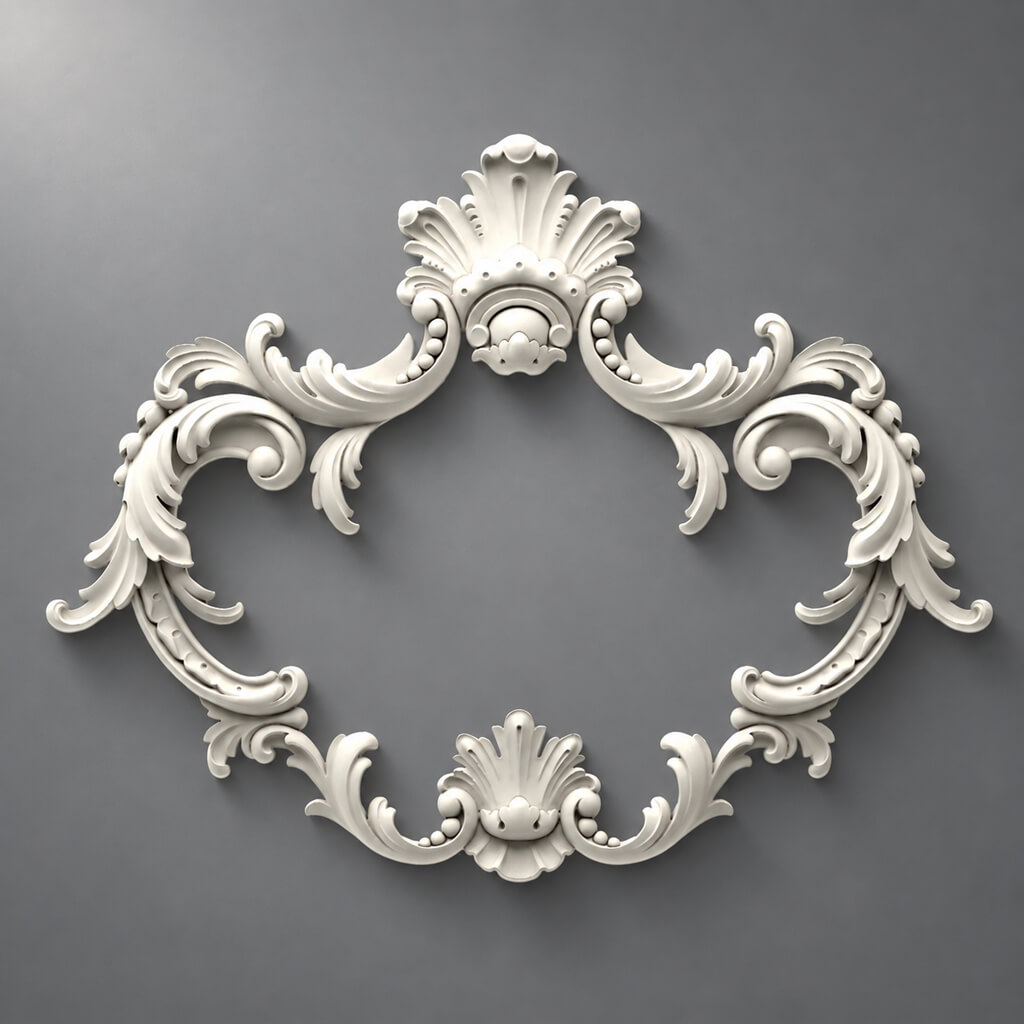
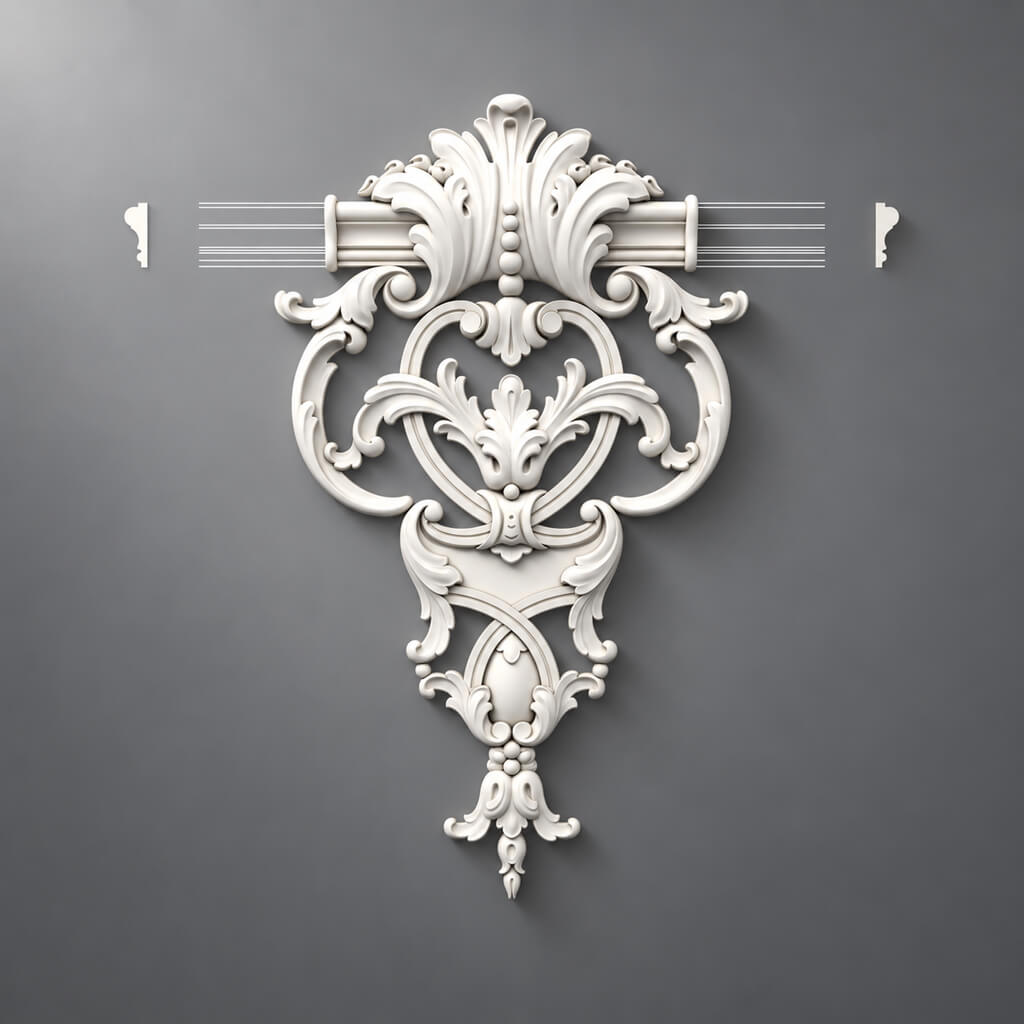
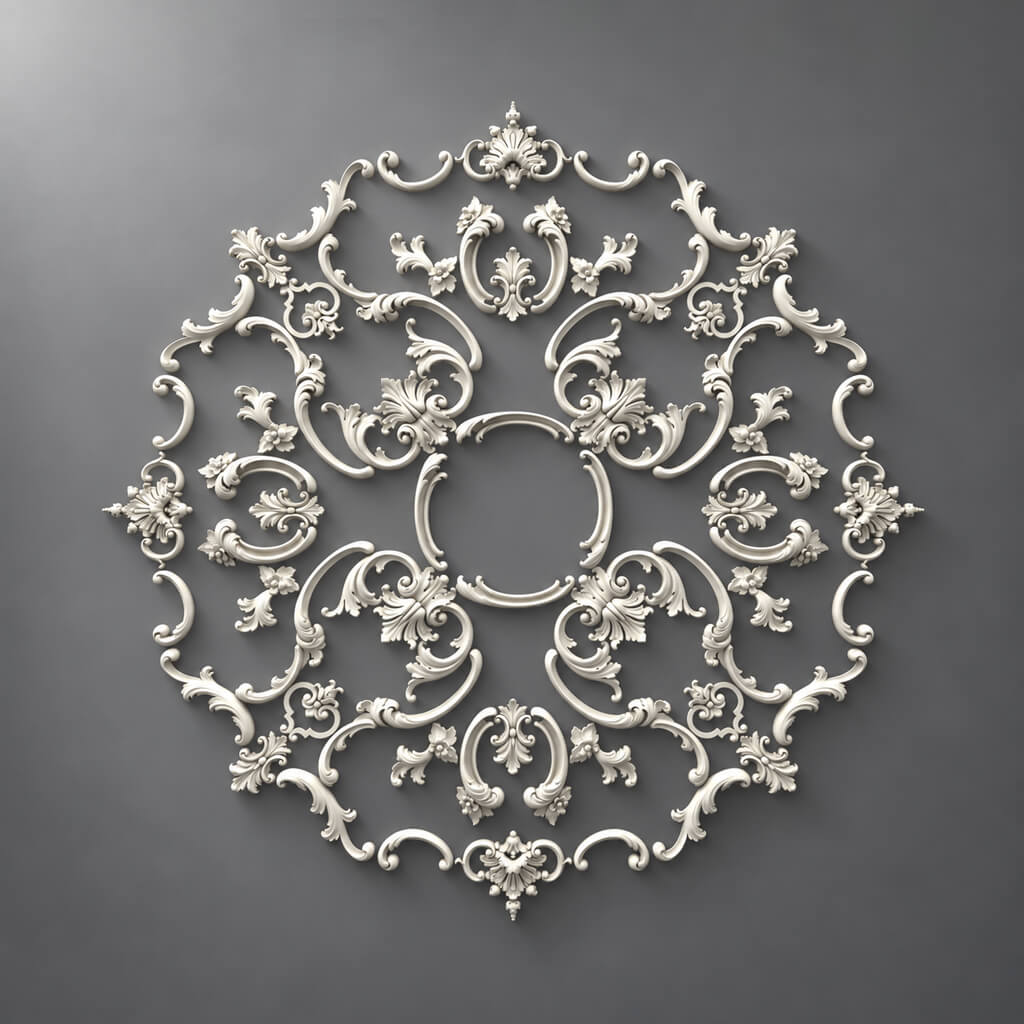
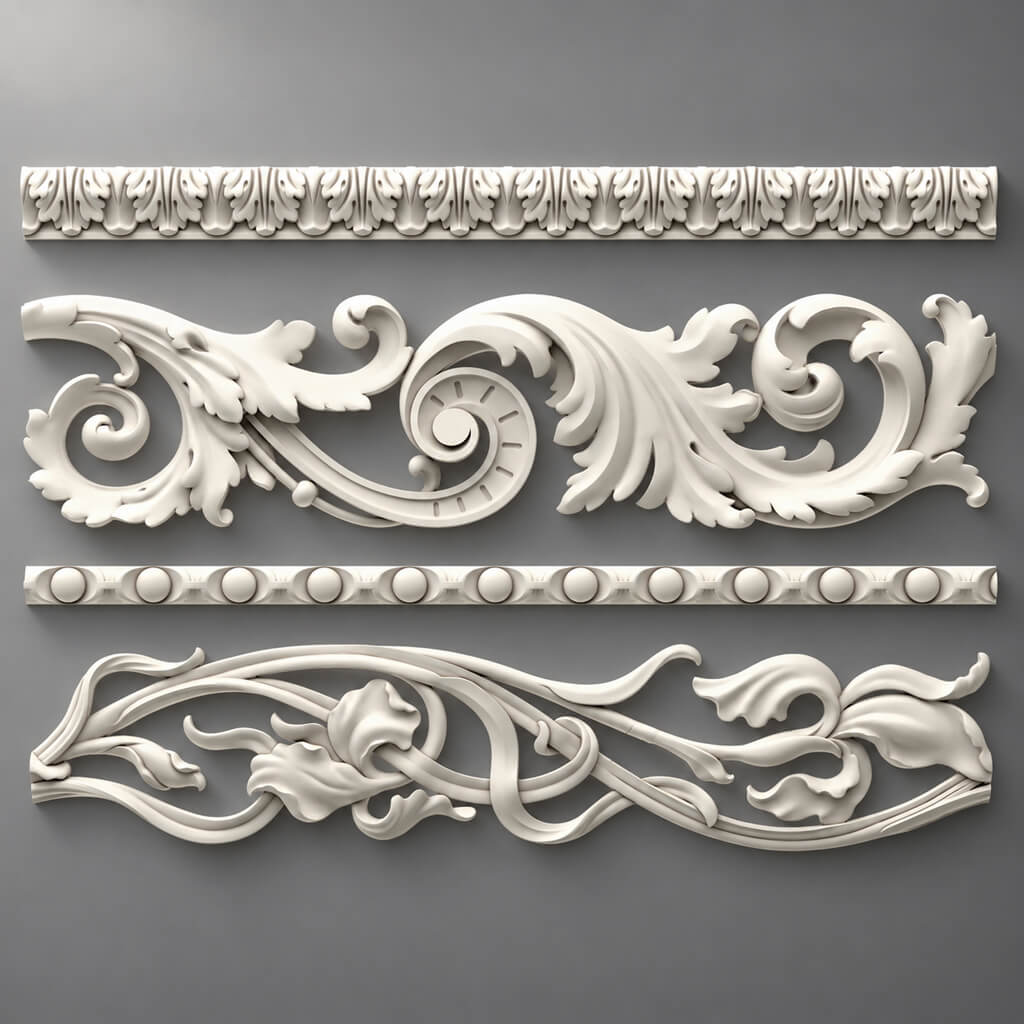
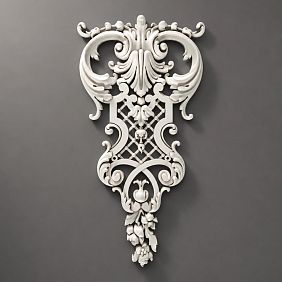
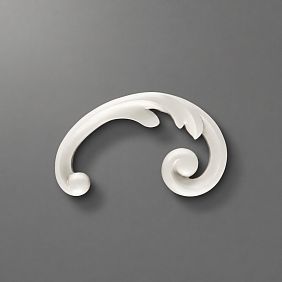
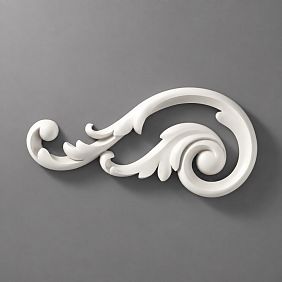
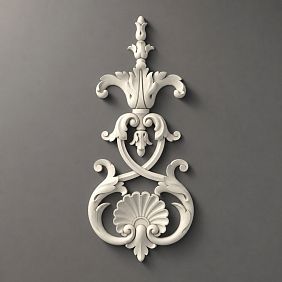
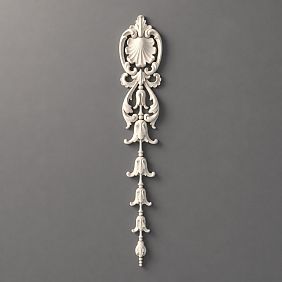
Polyurethane decorative appliques— are ornamental elements for the centers of frames, horizontal bands, and upper parts of pilasters. In a post-replanning space, they are used sparingly: one or two accent elements at key points of the system are enough.
Cornices and baseboards: lines that bring everything together
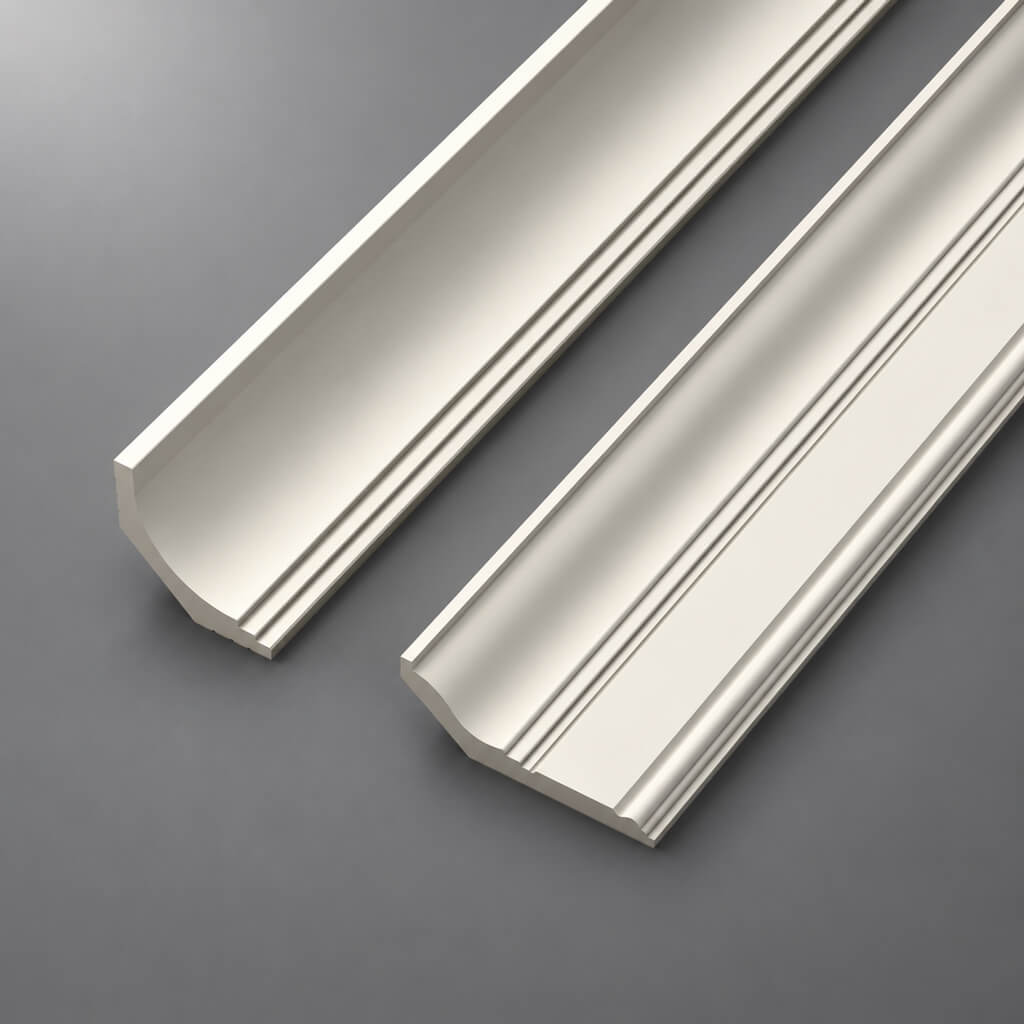
Polyurethane cornices and baseboards— these are the horizontal boundaries of the system. After redevelopment, when different zones have different wall "histories," a single cornice and a single baseboard become the most important connecting elements.
The cornice must run continuously across the entire opening, through both zones, along the entire length of the wall. This is the main horizontal line that unifies the space more strongly than any other element.
how to combine stucco decor with baseboards and cornices— about the vertical logic of the "baseboard–wall–cornice" system and the rules for working with it in spaces altered after redevelopment.
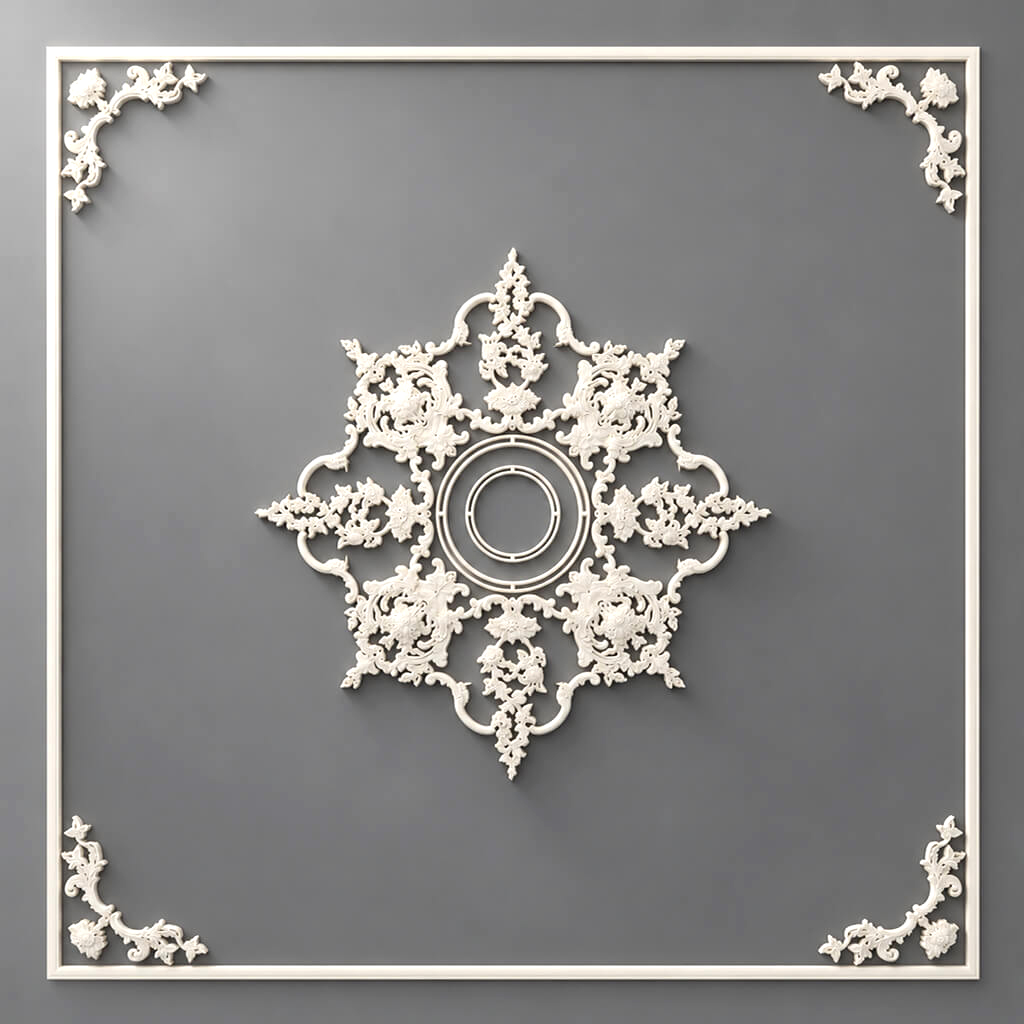
All listed elements are presented in a single catalogpolyurethane products for interiorSTAVROS — moldings, cornices, baseboards, pilasters, corner decor, and overlays were created as a system compatible with each other in scale and style.
Five design schemes after redevelopment
Scheme 1. Wide opening as a portal
This is the strongest architectural move for a post-redevelopment space. Instead of leaving the opening "empty," it is framed with decorative elements, turning it into a portal — a monumental transition between zones.
Contents:
-
Pilasters on the sides of the opening (from floor to ceiling or to the cornice)
-
Molding along the top of the opening — a horizontal "lintel"
-
Cornice above the opening, continuously transitioning into the cornice along the walls
-
Optional: corner elements at the top corners of the portal
For what width: from 1.2 m. The wider the opening, the more important the vertical elements — pilasters maintain the scale.
Style: neoclassicism, Versailles Light, modern classic. For Japandi — a simplified version without ornament.
Scheme 2. Moldings along the border of two zones
Not all combined spaces need a portal. Sometimes a more subtle solution is enough: different zones receive different decor, but in a unified profile.
Logic: living room — frames on the walls. Kitchen area — calm wall or minimal horizontal belt. The transition between them — where the partition used to be — is marked by a molding or a pair of vertical lines.
This is not a division — it's architectural punctuation. A comma between two parts of one sentence.
stucco decor for a kitchen-living room — about building such systems in open floor plans.
Scheme 3. Decor of the remaining load-bearing wall
After redevelopment, is there a ledge or a wall section 20–40 cm wide left? This is not a problem — it's an opportunity. The remainder of a load-bearing wall can be turned into a decorative element.
Options:
-
Pilaster on the ledge — the ledge becomes a mini-column that divides the space without a partition
-
Molding frame on the wall section — a small vertical rectangle that 'integrates' the ledge into the system
-
Ornamental overlays — for a more decorative solution in a classic interior
stucco decor for niches, ledges, and piers — about working with non-standard wall sections that appear after changing the layout.
Scheme 4. Unified frame system on a long wall
When two rooms become one space, a long wall is formed — possibly 5–8 meters. Without a decorative system, it looks like an empty field. With a molding layout — like a designed architectural surface.
Building the system:
-
Central frame along the axis of the main element (sofa, fireplace, TV area)
-
Side frames symmetrically on both sides
-
A single horizontal belt or cornice along the entire length of the wall
-
At the point of the former partition — either a pilaster, or alignment with the vertical of the molding
stucco decor for a long wall— about rhythmic systems on walls of 4 meters and more.
symmetric polyurethane wall decor— about the laws of symmetry when constructing frame systems on long surfaces.
Scheme 5. Cornice and baseboard as the main connecting line
Sometimes the most powerful solution is the most restrained. A single continuous cornice across the entire volume, a single baseboard — and the space is glued together. No frames, no pilasters. Only two horizontals — top and bottom — that say: 'this is one space.'
This approach works especially well in minimalist interiors, where moldings are used sparingly, and the decorative load is distributed through furniture and textiles.
For such a solution, the choice of cornice profile is important: it must be expressive enough to 'hold' the long horizontal line. A thin delicate cornice on a 6-meter-long wall will get lost — a profile with sufficient height and relief is needed.
How to design a wide opening without a door: a detailed breakdown
A wide opening is an architectural operator of space. It says: 'here one thing ends and another begins.' And the entire character of the combined interior depends on how it is designed.
Opening as a portal: full framing
Portal framing — for openings from 1.5 meters wide. Moldings on three sides (two verticals + horizontal), pilasters on the sides, cornice above the opening.
Polyurethane pilasters for wallsin such a solution, they are installed flush with the edges of the opening or slightly set back (5–10 cm). The height of the pilaster is from the baseboard to the cornice or to the upper lintel of the portal.
For a classic portal: a pilaster with a base, shaft, and capital. For a modern one: a simplified pilaster without ornamentation — just a vertical rectangular profile.
Opening with a molding frame: light framing
For a more concise solution — molding on three sides of the opening without pilasters. Profile: medium, 15–25 mm. Painted in the color of the wall. Effect: neat, unobtrusive framing.
This option is suitable for Japandi, modern classic, and any interiors where lightness is important.
Opening with vertical accents
Only two vertical lines on the sides of the opening — from floor to ceiling. No horizontal line at the top. Moldings or narrow pilaster-posts.
This is the most minimalist option. It 'marks' the transition point but does not create heavy framing. Works well in open spaces where it is important to maintain a sense of freedom.
How to hide the joint after demolishing a partition: a strategy that works
Key psychological shift: you don't need to "hide" the joint. You need to turn it into part of the system.
The joint is where the partition was. It's a vertical line. And a vertical line is always a potential molding, pilaster, or decorative line.
What to do:
-
Determine the exact location of the joint on the wall.
-
Decide whether it will be marked by a vertical molding, pilaster, or part of a frame.
-
Repeat this element in another part of the room — for symmetry. A single vertical molding on a wall without a pair looks random. A pair of moldings at symmetrical points is already a system.
-
Connect the vertical line with the baseboard below and with the cornice or horizontal band above.
Example: a 5-meter wall, the joint is at 2.5 m from the left edge. Place a vertical molding at the joint. Mirror it at 2.5 m from the right edge. This gives a symmetrical division of the wall into three equal parts — and no trace of "where the wall was."
symmetric polyurethane wall decor — on the principles of symmetry when working with non-standard post-renovation walls.
How to choose moldings after renovation
For apartments with ceilings 2.5–2.7 m
Thin and medium profiles: 8–20 mm. A wide molding in a standard apartment creates a feeling of heaviness. For post-redevelopment spaces, it is important not to overload the wall, which already bears a new "architectural load."
STAVROS offers moldings from a 10×6 mm profile — thin, laconic, suitable for modern apartments — to more expressive options that create noticeable shadow and relief.
For older buildings with ceilings 3 m and higher
Here the scale changes. Wider cornices with developed profiles, pilasters with high capitals, moldings with expressive cross-sections.Polyurethane wall decorin the STAVROS catalog includes collections for both modest and tall spaces.
For a kitchen-living room
Calm profiles without active ornamentation. Priority is a unified rhythm along the entire long wall, not the decorative richness of each element.Wall decor Neoclassic Lightis the optimal collection for modern open-plan layouts.
For a wide opening with pilasters
Pilasters and molding trims should be from the same stylistic register. A thin molding with a massive classical pilaster is a conflict of scales. Either everything is laconic, or everything is architectural.
By style
-
Neoclassicism: Wall decor in neoclassicism — symmetry, soft relief, portal framing of openings
-
Modern classic: clean geometry, minimal ornament, painting in the color of the wall
-
Japandi: Wall decor in Japandi style — thin verticals, no ornament
-
Versailles Light: Classic wall decor Versailles Light — expressive portal, pilasters, overlays for country houses and formal interiors
-
Minimalism: stucco decor is used selectively — only cornice, baseboard, and one vertical line in a key place
How to calculate decor for a combined room
Algorithm of work
Step 1. Take all measurements after finishing. New planes, opening width and height, width of walls, ledges, columns.
Step 2. Mark zones on the plan. Kitchen, living room, dining room, walk-through area — mark the boundaries of each.
Step 3. Determine the type of decor for each zone. Frames, verticals, portal, horizontal belt.
Step 4. Calculate the perimeter of each frame. For frames: perimeter = 2 × (width + height).
Step 5. Calculate the molding footage. Sum of perimeters of all frames + horizontal belts + vertical lines + opening framing.
Step 6. Add cornice and baseboard. Cornice: sum of lengths of all walls + 10% reserve. Baseboard similarly.
Step 7. Count corner elements. 4 pieces for each frame.
Step 8. Count pilasters. 2 pilasters for each portal opening. 1 pilaster for each ledge or column.
Step 9. Add a 10–15% reserve to the total molding footage.
Step 10. Check the location of sockets and switches — they should not fall on the moldings.
how to calculate moldings and stucco decor for a wall — a complete algorithm with examples for non-standard spaces after redevelopment.
Example calculation for a combined kitchen-living room
Space: a long wall 6.5 m × 2.7 m high. An opening of 1.8 m in the middle (the former partition was removed, leaving an opening in the load-bearing part). Two zones of 2.35 m to the left and right of the opening.
Solution: a portal with moldings on the opening, frames on each side zone, a single cornice and baseboard along the entire length.
Portal (opening 1.8 m × 2.4 m high):
-
Perimeter of the trim: (1.8 + 2.4) × 2 = 8.4 m (three sides: top + two sides = 1.8 + 2.4 + 2.4 = 6.6 m)
-
Pilasters: 2 pieces of 2.4 m each = 4.8 m (if the pilasters are composite from molding)
Frames on the side zones (1 frame each):
-
Frame size: 1.9 × 2.1 m (taking into account indents)
-
Perimeter of one: 2 × (1.9 + 2.1) = 8 m
-
For two frames: 16 m
-
Corner pieces: 4 × 2 = 8 pieces
Cornice: 6.5 m + 10% = 7.2 m
Baseboard: 6.5 m + 10% = 7.2 m
Total molding: 6.6 + 16 = 22.6 m + 15% allowance = ~26 m molding + 2 pilasters + 8 corner pieces + 7.2 m cornice + 7.2 m baseboard.
Combining decor with different styles
Neoclassicism
Symmetrical frames on each zone, a portal with pilasters on the opening, moldings in the wall color. For an ornamental accent — corner pieces with classic relief and overlays on horizontal belts.
The STAVROS collectionNeoclassical — for living rooms with high ceilings and formal ambitions.
Modern classic
Clean geometry without ornament. Frames on walls, a portal with straight moldings (without pilasters or with simplified pilasters), a single cornice with a delicate profile. Painting in the wall color or with a slight contrast.
Wall decor Neoclassic Light — an ideal collection for modern apartments with classic notes.
Japandi
Minimum decor. Vertical moldings at key points — where the former partition was, along the sides of the opening. No ornament. No corner elements. Only lines. Painting strictly in the wall color.Wall decor in Japandi style — minimalist systems for calm open-plan layouts.
Versailles Light
For country houses, grand halls, living rooms with high ceilings. A monumental portal, pilasters with developed capitals, frames with corner elements and central overlays. The decor speaks in full voice.
Classic wall decor Versailles Light — a collection for interiors where architectural decor is the main statement.
Minimalism with an architectural accent
Stucco decor is used at one key point. For example: only a portal on the opening — strict, without ornament. Everything else — clean walls. This is a concentrated, precise statement that works stronger than evenly distributed decor.
Stucco decor for turnkey renovation — about building decorative systems within a renovation project with different styles in different zones.
Mistakes when decorating walls after redevelopment
After redevelopment, the cost of a mistake is higher than in a standard interior: the space is already complex, and incorrect decor only amplifies the feeling of "unfinishedness."
The decor is placed only on one joint, ignoring the rest. A single molding at a joint without a system is not design. Logic is needed: either all joints are marked, or none.
The opening is designed too massively. A heavy portal with massive pilasters in a small combined apartment presses and narrows the space. The scale of the decor must match the scale of the room.
The moldings do not match the height of the baseboard and cornice. A horizontal molding belt that is not coordinated with the cornice and baseboard destroys the vertical logic of the system.
Outlets, switches, and appliances are not accounted for. In combined spaces, there are often many outlets — kitchen, TV, charging. A molding interrupted by an outlet looks like a mistake.
Different zones are decorated in different styles. The kitchen is in Japandi, the living room is in classic. This is not 'zoning,' it's chaos. One style — one profile system — two modes (active zone with frames and calm zone without them).
Too many frames in the combined space. A large open space does not require the same number of frames per square meter as a small enclosed room. Here, expressiveness is needed through rhythm, not density.
No allowance was left for trimming. After redevelopment, non-standard sizes are common. Without a 15% reserve on moldings, there is a risk of running out of linear footage for trimming in non-standard corners.
Moldings were chosen before calculation. Buying a molding of a 'liked profile' and then starting to calculate the layout is a path to leftover stock or a shortage of linear footage. First the plan, then the purchase.
Forgot that the kitchen-living room is a single space. The decorative system should work for unity, not division. Otherwise, the point of the redevelopment is lost.
What to buy for wall decoration after redevelopment
Final list — everything needed for the system:
-
Polyurethane moldings for walls — main profile for frames, opening surrounds, and horizontal belts
-
Polyurethane cornices and baseboards — upper and lower boundaries of the system
-
Decor for polyurethane moldings— corner elements for frames
-
Polyurethane decorative appliques — central accents
-
Polyurethane wall molding — ornamental details for classic systems
-
polyurethane wall decor— ready-made systems and collection solutions
By style — choose a collection for the task:
-
Neoclassical — for classic living rooms and halls
-
Neoclassic Light — for modern apartments and kitchen-living rooms
-
Versailles Light — for country houses and formal spaces
-
Japandi — for minimalist open-plan layouts
-
Botanical Garden— for interiors with natural motifs
Additional Items:
-
installing polyurethane molding— step-by-step installation guide for the system on new surfaces
-
installation of polyurethane molding— working with cornices, pilasters, and large decorative elements
FAQ: answers to questions about stucco decoration after redevelopment
What to use for wall decoration after redevelopment?
Walls after redevelopment are best decorated withpolyurethane moldings, pilasters, decorative frames, cornices, and baseboards. This system creates architectural logic for the altered space — openings, joints, and combined areas become part of a unified interior.
How to decorate a wide opening after removing a partition?
A wide opening is designed as a portal: moldings around the perimeter + pilasters on the sides + a cornice above the opening. For a more concise solution — only molding on three sides without pilasters.Stucco decor around doors and openings— detailed principles for framing openings of different widths
Can moldings hide the joint after wall removal?
Yes, but it's better not to hide the joint, but to turn it into a deliberate vertical line: a molding or pilaster at the point of the former partition, symmetrically repeated on the wall, creates rhythm, not a "patch."
Which moldings to choose for a kitchen-living room after redevelopment?
For open layouts, calm profiles without active ornamentation are better suited — the collection Neoclassic Light. They unite zones through a single rhythm and do not overload the large open space.
Are pilasters needed after redevelopment?
Pilasters are needed where there is a wide opening (from 1.2–1.5 m), a remnant of a load-bearing wall, or a column. In other cases, it's optional and depends on the style. Polyurethane pilasters for walls — about choosing and using pilasters in different scenarios.
How to connect the decor of different zones in a combined space?
The main connecting tool is a single cornice and a single baseboard around the entire perimeter. The second tool is identical molding profiles in all zones (different layout density, but the same profile). how to combine stucco decor with baseboards and cornices — about the systemic logic of combining horizontal elements.
Where to buy moldings for redevelopment?
The STAVROS catalog includes all necessary elements: moldings, pilasters, cornices, baseboards, corner decor, and overlays.polyurethane wall decor— with Contact us to confirm shipping to your destination.