
































Article Contents:
- Why the hallway requires a systematic approach to decor
- Where wooden slats work in the hallway
- Wall at the entrance door
- Area with a mirror
- Pier between doors
- Wall behind the banquette
- Long corridor and hall
- How to combine slats and stucco decor: working schemes
- Scheme 1: vertical accent + moldings on the adjacent wall
- Scheme 2: stucco frame around the mirror + slats on the sides
- Scheme 3: slats from floor to ceiling + thin molding on top
- Scheme 4: moldings in wall color + slats as an accent
- Scheme 5: polyurethane decor for piers + wood for the entrance area
- Ceiling cornice in the hallway: how to choose and why you need it
- Why you need a cornice in the hallway
- Wooden ceiling cornice: for whom and when
- MDF and polyurethane cornice: practicality without losing aesthetics
- How the cornice works with slats
- Which baseboard to choose for the hallway
- MDF baseboard for the hallway
- Wooden baseboard for the hallway with slats
- MDF or wooden baseboard: how not to make a mistake in choosing
- Moldings, corners, and strips: precision in details
- Wooden corner: a solution for external corners
- Wooden strip: where a backing or trim is needed
- Molding products as a system
- Design ideas for different types of hallways
- Narrow corridor: how to make it wider and taller
- Hallway with a mirror: emphasis on stucco decor
- Hallway with a wardrobe: slats as an extension of the facades
- Hall in the house: full program
- Wooden slats from floor to ceiling: installation features in the hallway
- How to close the ends of the slats
- How slats adjoin the trim
- Spacing of slats for a narrow hallway
- Stucco decor in the hallway: how not to overdo it
- Where stucco works best in the hallway
- Where stucco is excessive in the hallway
- Polyurethane decor: why it's popular for hallways
- Typical mistakes in hallway design
- Too frequent slats in a narrow corridor
- Massive cornice with a low ceiling
- Baseboard that breaks off at the slat zone
- Uncovered ends of slats
- Moldings conflicting with door trims
- Different shades of wood without any logic
- Excess stucco molding in a small hallway
- Wooden elements for hallway interior: a full arsenal
- Color solutions and materials: how to create a unified ensemble
- Practical recommendations for choosing hallway materials
- About the Company STAVROS
- Frequently Asked Questions (FAQ)
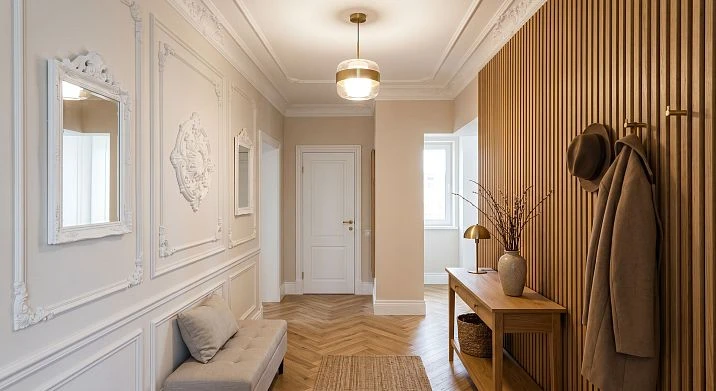
The hallway is the first thing a guest sees when crossing the threshold. But it is often the neglected stepchild of apartment design: a narrow corridor, awkward corners, overhanging cabinets, perpetually insufficient light, and a feeling of chaos from outerwear, umbrellas, and bags. Most apartment owners deal with the hallway on a "good enough" basis. And completely in vain. Because it is here — in these few square meters — that the first impression of the home, the owner's taste, and the character of the interior lives.
Wooden planks, stucco decor, moldings, a ceiling cornice, and a properly selected baseboard are not a random set of finishing elements. This is a system. A cohesive, well-thought-out one, working in a unified key. And it is this approach that turns an ordinary hallway into a full-fledged architectural zone that sets the tone for the entire home.
Why the hallway requires a systematic approach to decor
The hallway is the area with the highest density of architectural tasks per unit area. It concentrates: the front door with architraves, a doorway to a room or corridor, corner junctions, a built-in wardrobe or dressing room, a mirror, a bench, a coat rack, and possibly a pair of passage doors. And all of this is within an area of three to twelve square meters.
It is precisely in such a compressed space that any randomness in decor becomes especially noticeable. If the baseboard is one shade, the slats another, and the moldings are chosen as an afterthought, the interior begins to conflict with itself. Therefore, the task of a designer or attentive owner is not to select "beautiful" elements individually, but to create a unified visual logic where each linear element supports its neighbor.
The second important aspect is the functional load of the hallway. This is the most walked-through place in the house. Here, walls are constantly brushed against, corners are bumped, and suitcases are dragged. This means the finish must be not only beautiful but also durable. Natural wood, MDF, polyurethane—each material has its own characteristics, and you need to know them before making a decision.
The third point is lighting. Hallways typically suffer from a lack of it. Wooden slats placed vertically create a play of light and shadow and visually elongate the space upward—this is one of the most effective techniques for low and narrow corridors. Moldings and stucco decor, with proper lighting, provide relief and depth where there was once a flat, monotonous wall.

Where wooden slats work in the hallway
Before thinking of slats as decoration, you need to understand: where exactly are they appropriate? The hallway is not a homogeneous zone. It consists of several functional areas, each requiring its own decorative solution.
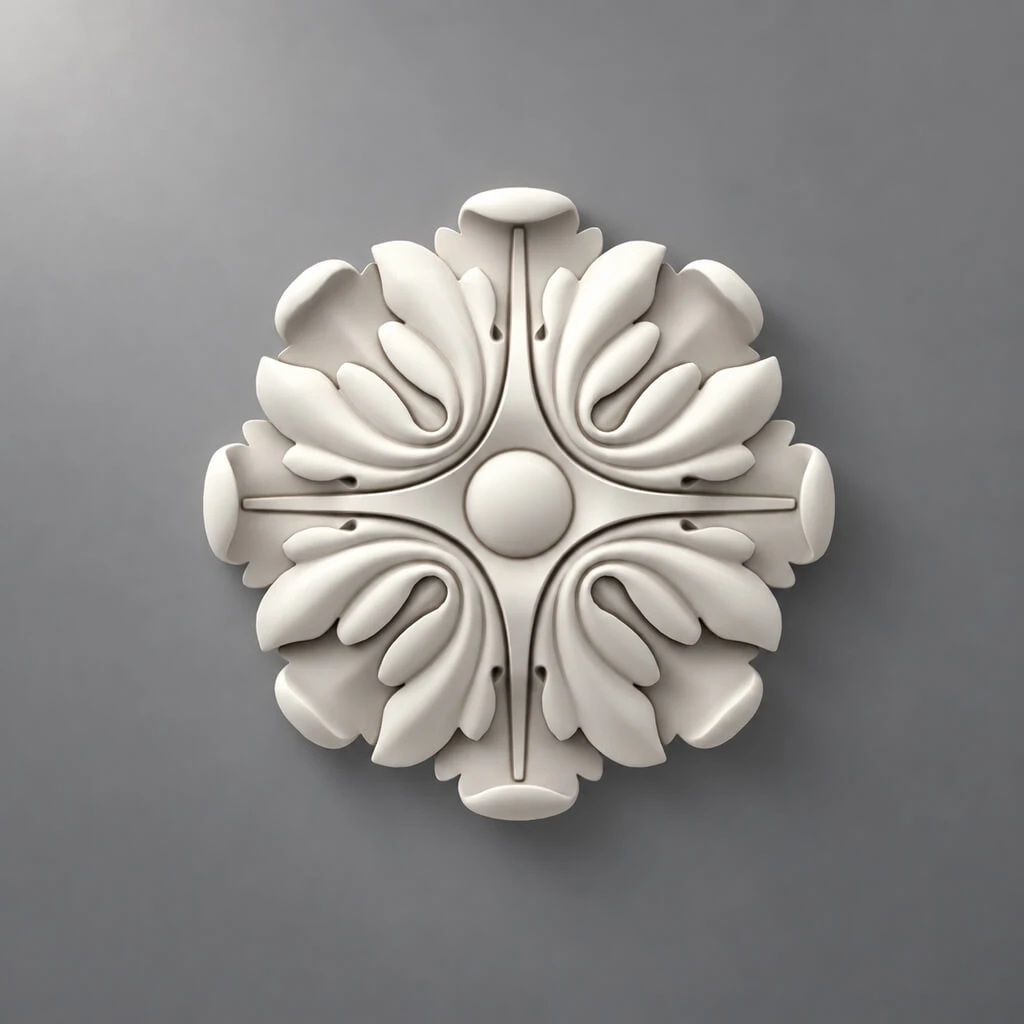
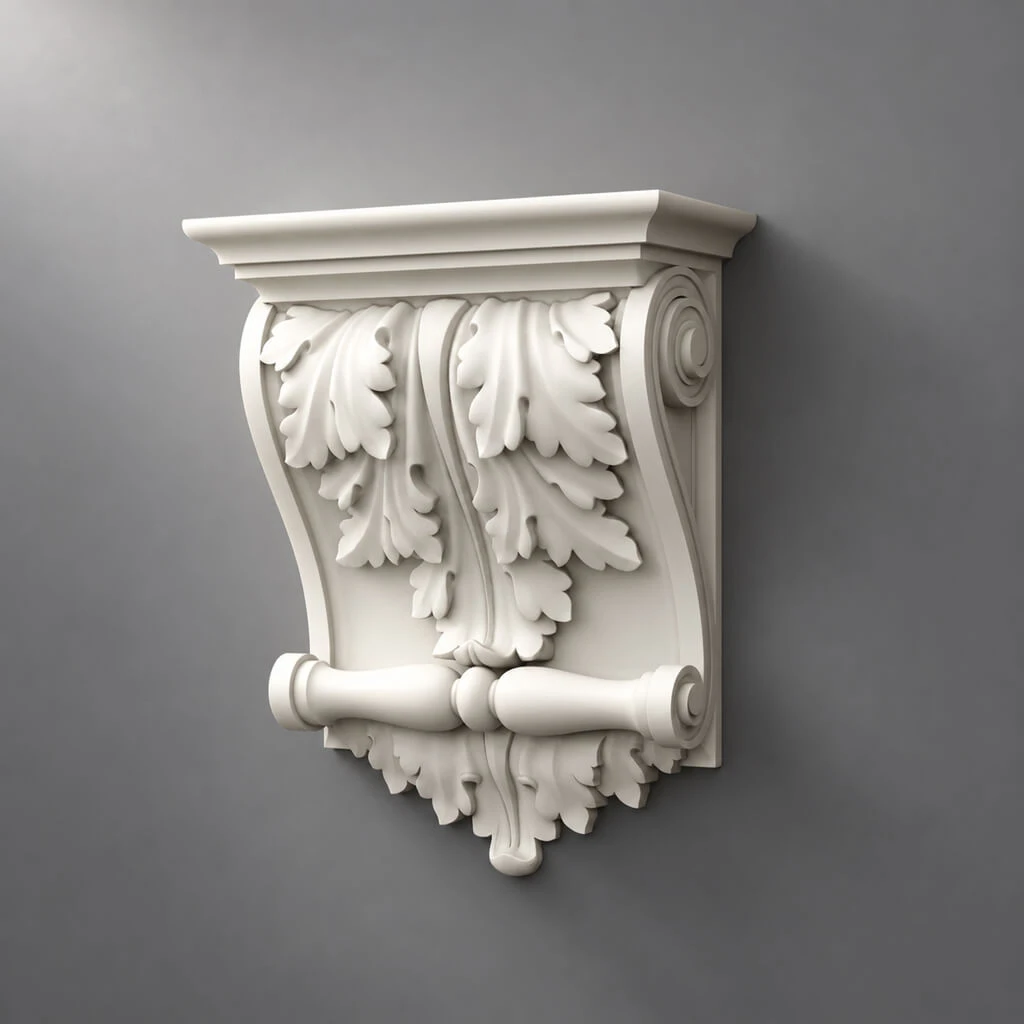
Our factory also produces:

The wall by the front door
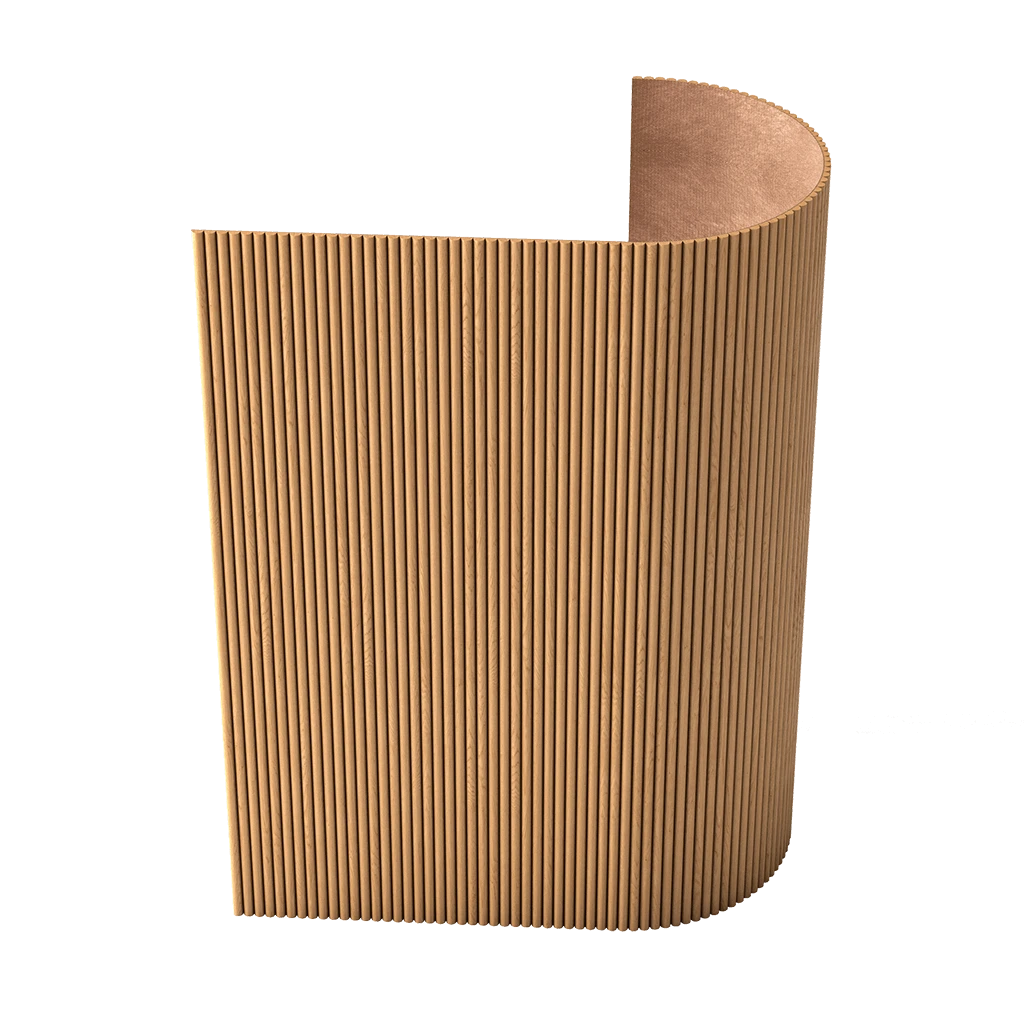
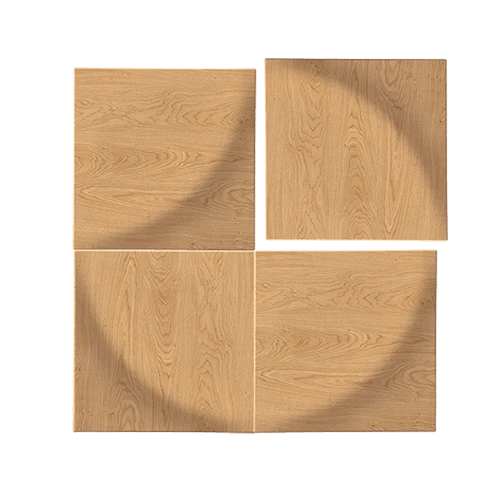
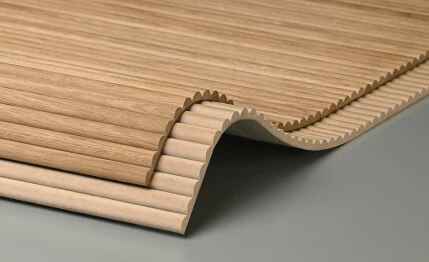
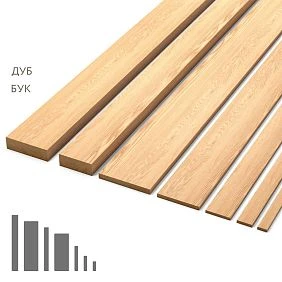
This is the first thing a guest sees when entering the apartment. Here, slats work most effectively.Wooden slats on the wall in the entrance hallThey create an accent background that sets the tone for the entire space. A vertical layout from floor to ceiling makes the entrance visually taller and slimmer.
It is important to consider the proximity to door architraves. The slats should either organically transition into the plane of the architrave (in a unified style) or clearly contrast with it in color. Mixing without logic is the main mistake, which we will discuss in more detail below.
Get Consultation
Area with a mirror
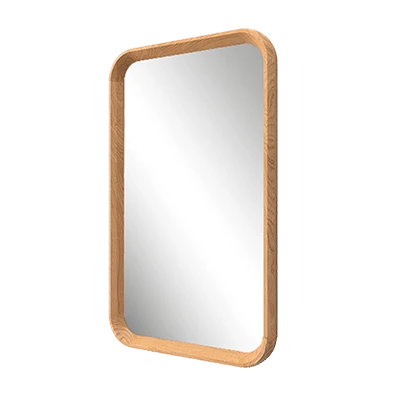
A mirror in the hallway is almost a must-have element. And it is around it that the decor unfolds to its full potential.Wooden rails for decorationon the sides of the mirror serve a dual role: they create a vertical accent and simultaneously act as a visual frame, without requiring traditional framing. This technique is especially relevant for modern, Scandinavian, and neoclassical interiors.
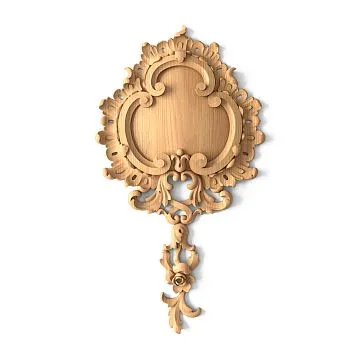
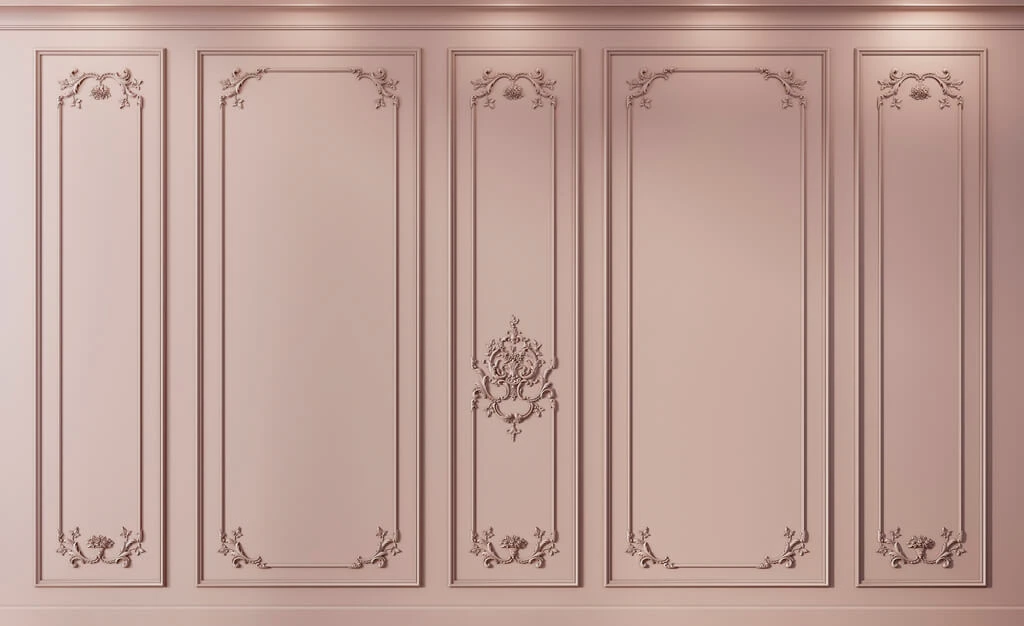
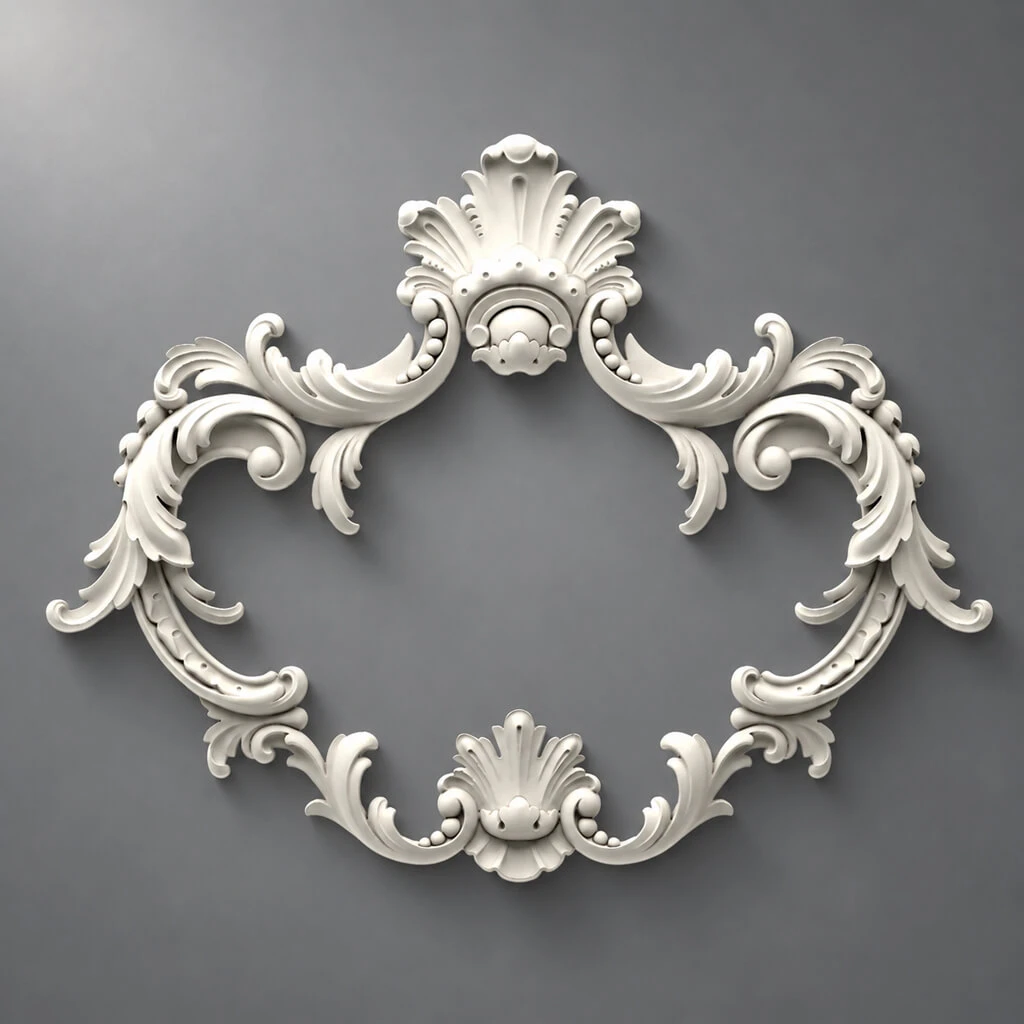
Combination: slats on the side + a stucco frame around the mirror made of polyurethane — gives a rich, saturated result for a classic or neoclassical style. In this case, the slats take on the role of texture, and the molding takes on the role of calligraphy.
Pier between doors
A narrow section of wall between two doorways — an area where most designers give up and simply paint the wall. Yet this is an ideal place for vertical slats with a decorative molding on top. Even on a width of 40–60 cm, three or four slats with the correct spacing create a complete composition.
Wall behind the bench
A bench or ottoman at the entrance is already an architectural zone that requires a backdrop.wooden slats for wall finishingbehind the bench form a classic 'accent wall' technique: the space gains depth and logic, and the bench gets an architectural background instead of bare painted drywall.
Long corridor and hall
For a long corridor, slats are one of the best visual tools.wooden rakes for zoningallow you to mentally divide the space into zones: entry zone, wardrobe zone, transition zone. This is especially relevant for private houses with spacious halls.
How to combine battens and stucco decor: working schemes
Decorative battens and stucco are two powerful tools that can either enhance each other or come into conflict. It all depends on the logic of the combination.
Scheme 1: vertical accent + moldings on the adjacent wall
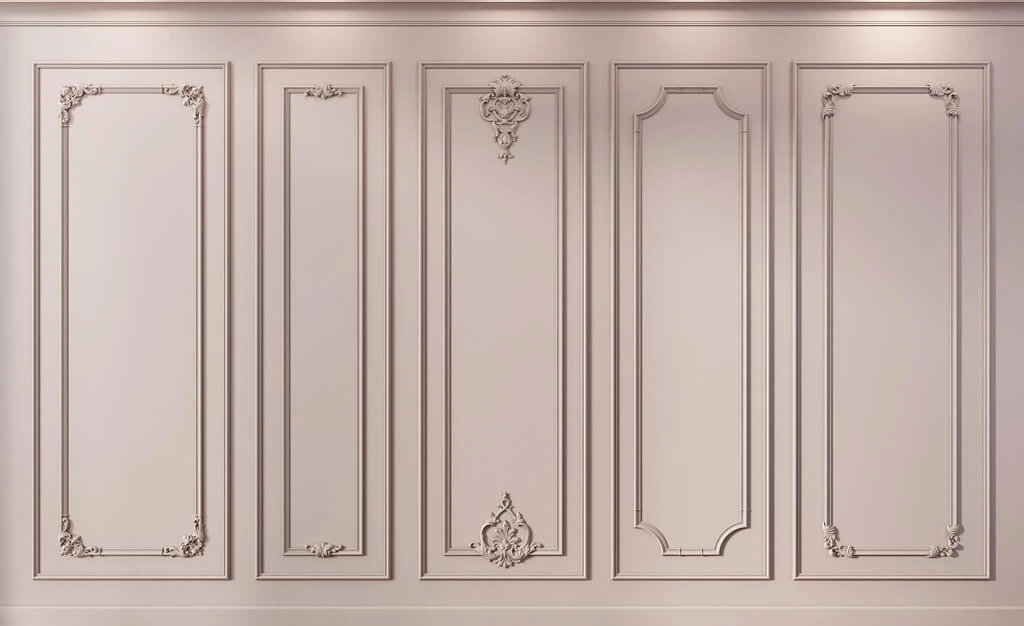
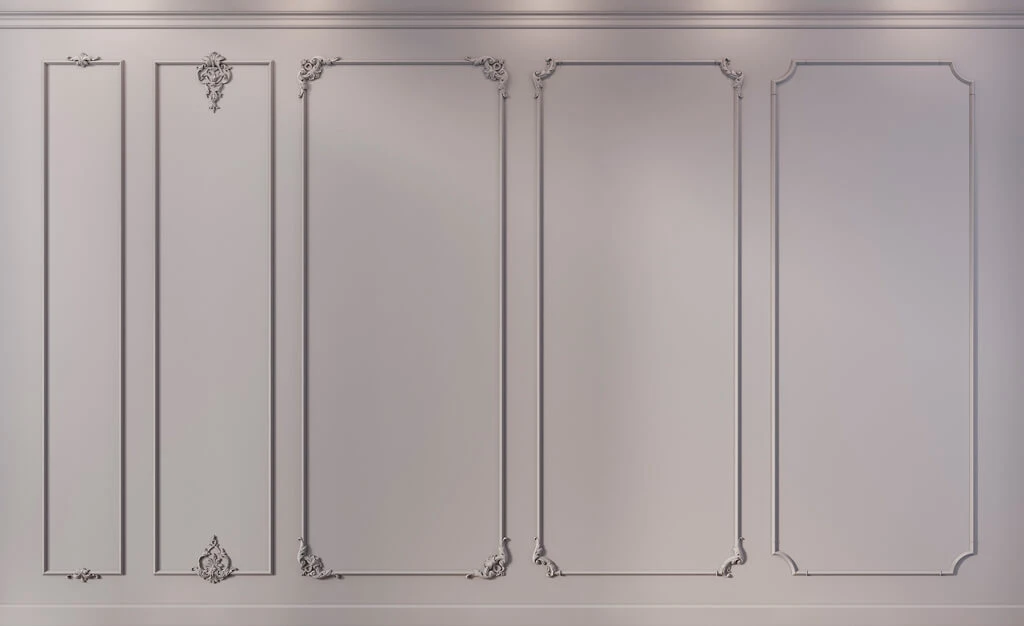
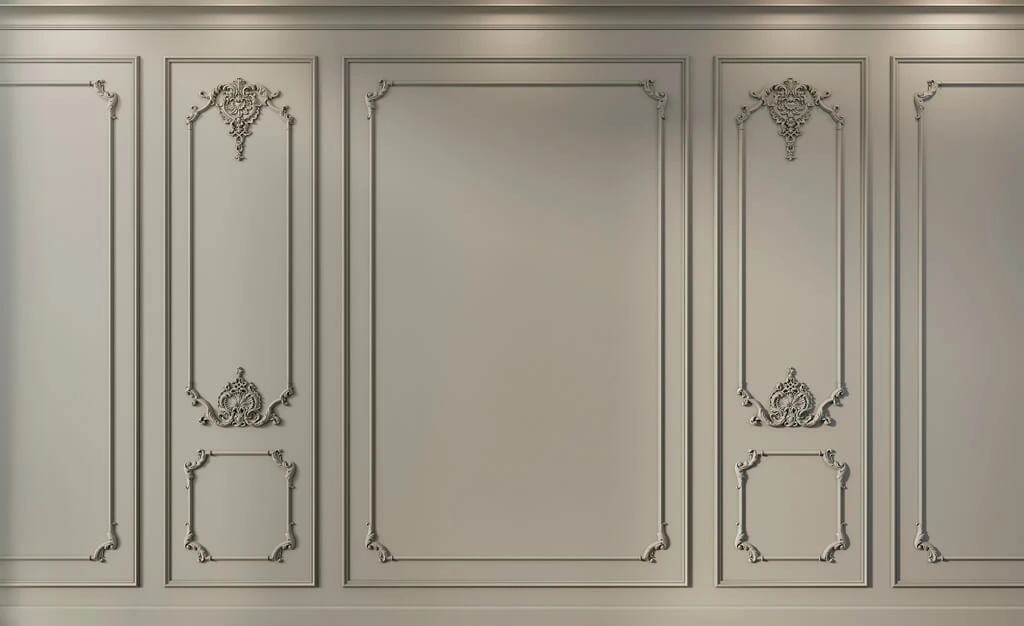
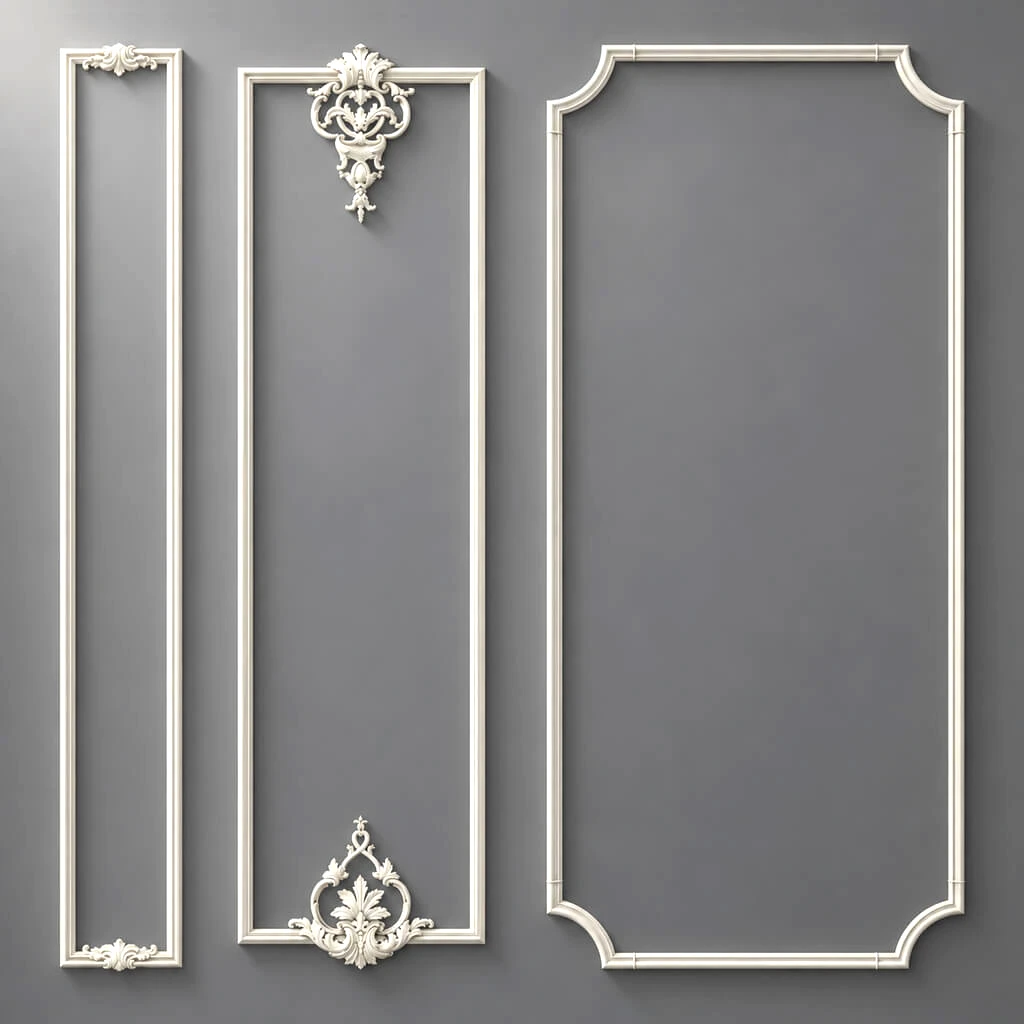
The most common and win-win scheme. One wall (entrance or accent) receives wooden planks on the wall as a vertical accent. The adjacent wall — Decorative wooden moldings in a frame layout. Colors are in a single register (wood of the same shade or a unified paint-ready finish).
Result: the space is structured, visually rich, but not overloaded.
Scheme 2: stucco frame around a mirror + battens on the sides
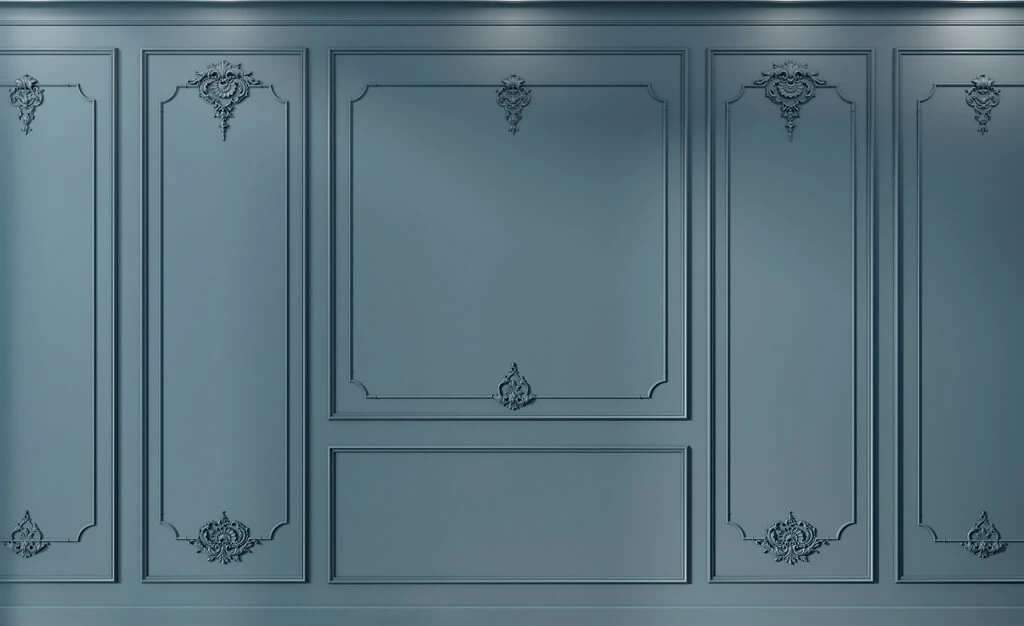
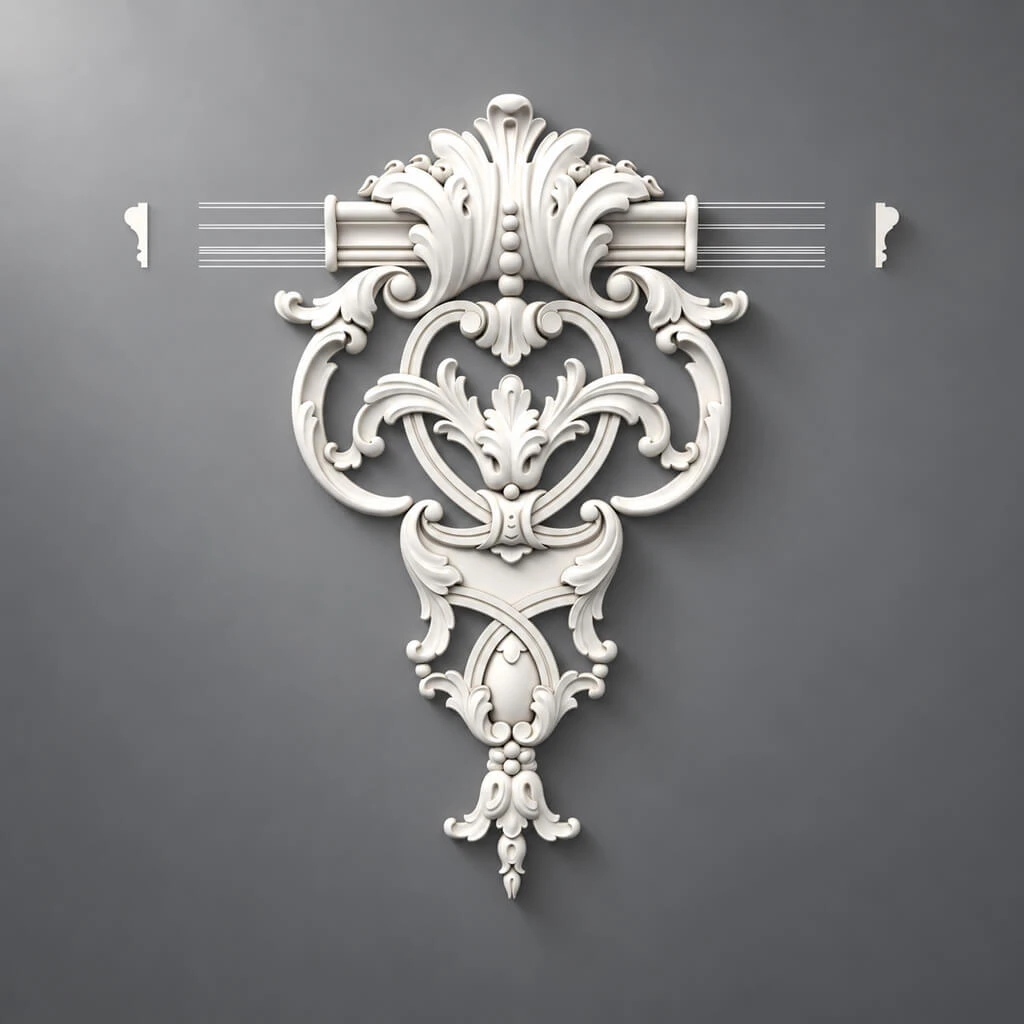
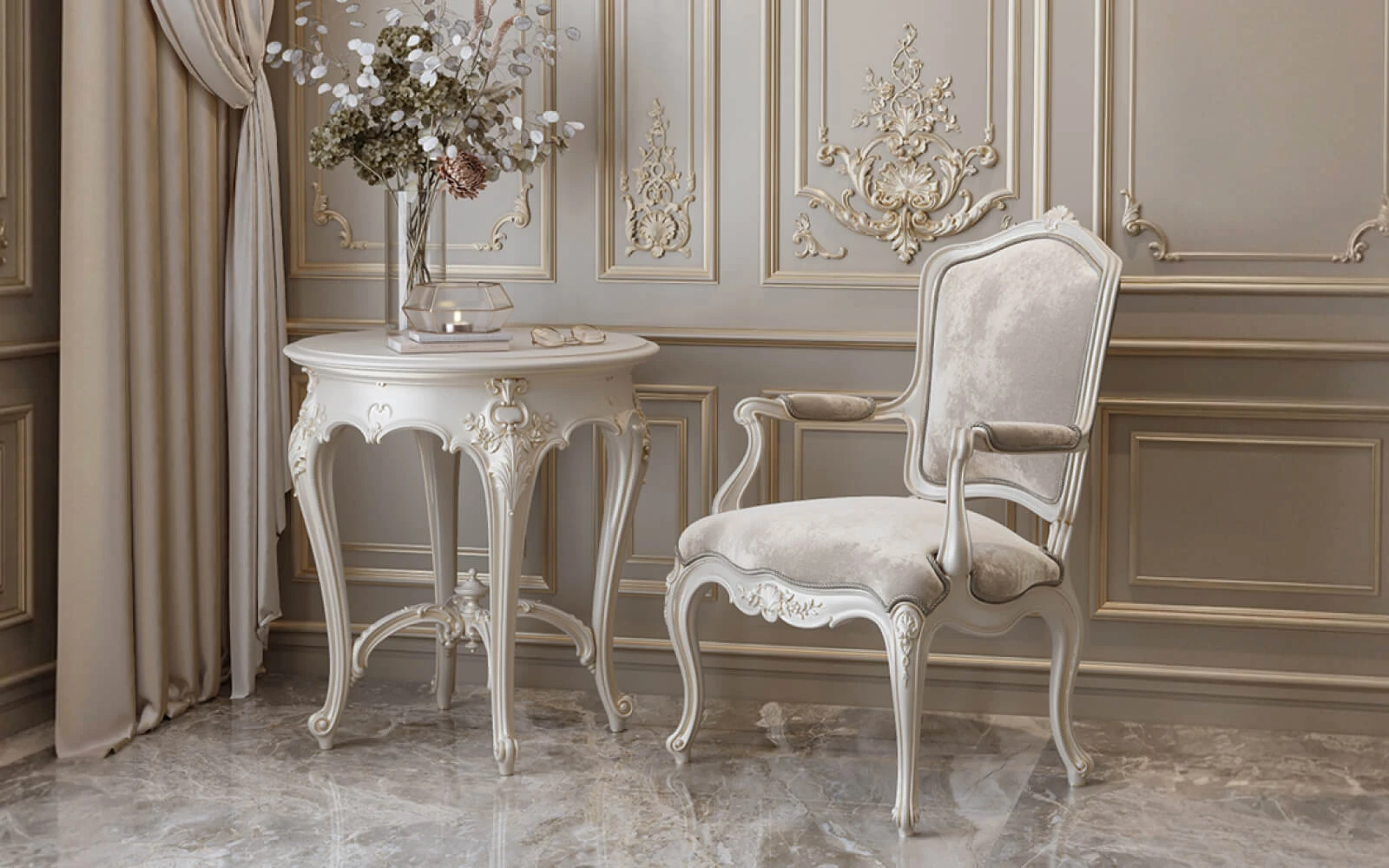
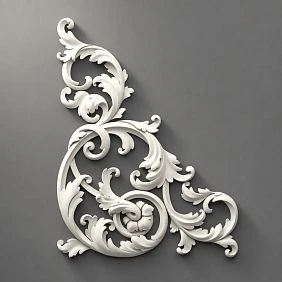
Battens occupy the side planes of the wall, and the center is a mirror framed with polyurethane molding. Moldings made of polyurethane are ideal for this task: they are lightweight, easy to paint, simple to install, and provide precise relief. This scheme works in neoclassicism, French style, and art deco.
Scheme 3: slats from floor to ceiling + thin molding on top
The slats run from the baseboard to the ceiling transition, where they are finished with a thinPolyurethane wall decor— a narrow profile, horizontal strip, frieze, or simple molding. This is a concise technique that simultaneously clearly marks the upper boundary of the slat zone and connects the wall to the ceiling.
Scheme 4: moldings in the color of the wall + slats as an accent
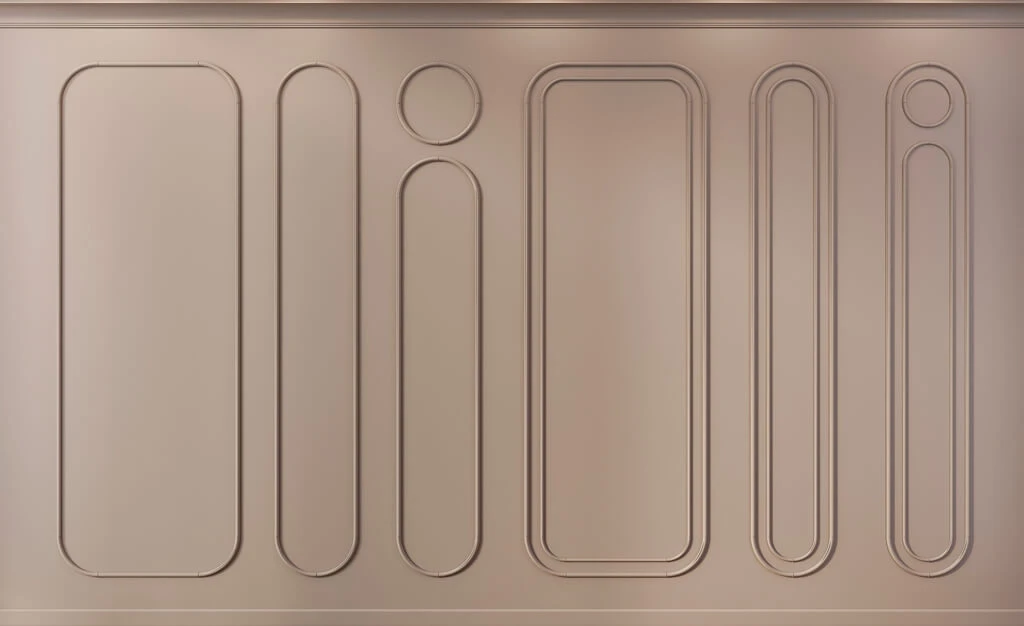
Moldings for walls and ceilingare painted the same color as the wall — they create relief but no color contrast. In this case, the slats can be presented in natural wood or in a contrasting tone — they become the main textural accent. The technique is very modern, works in contemporary, Scandinavian, minimalist styles.
Scheme 5: polyurethane decor for piers + wood for the entrance area
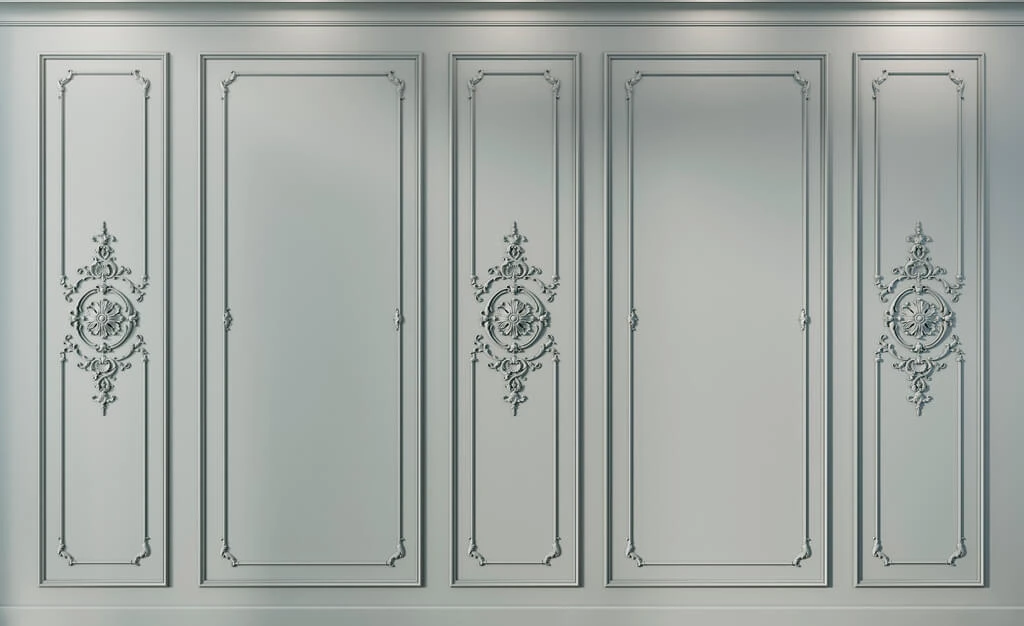
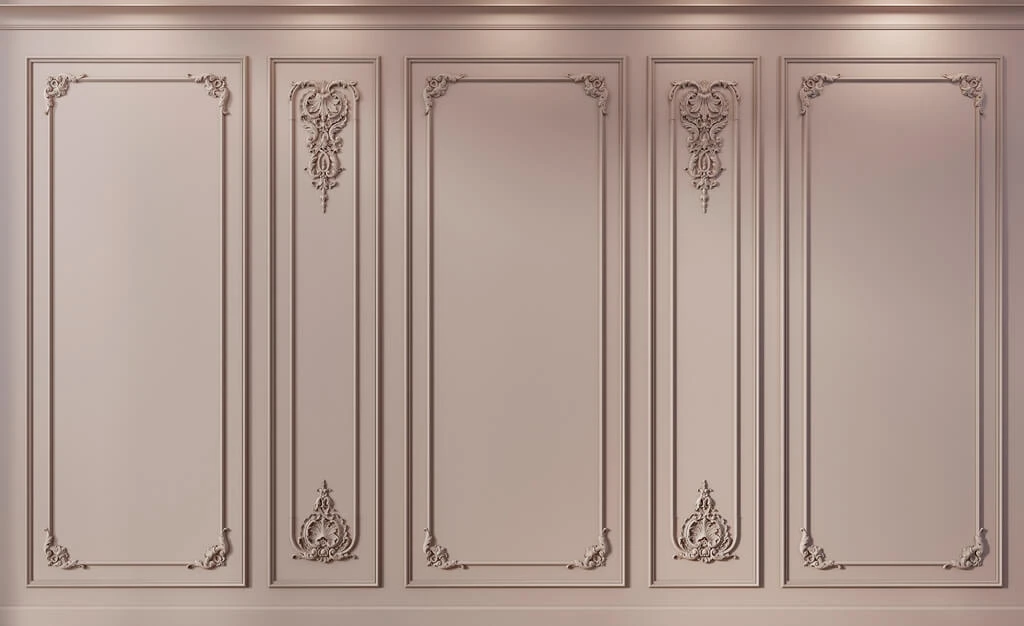
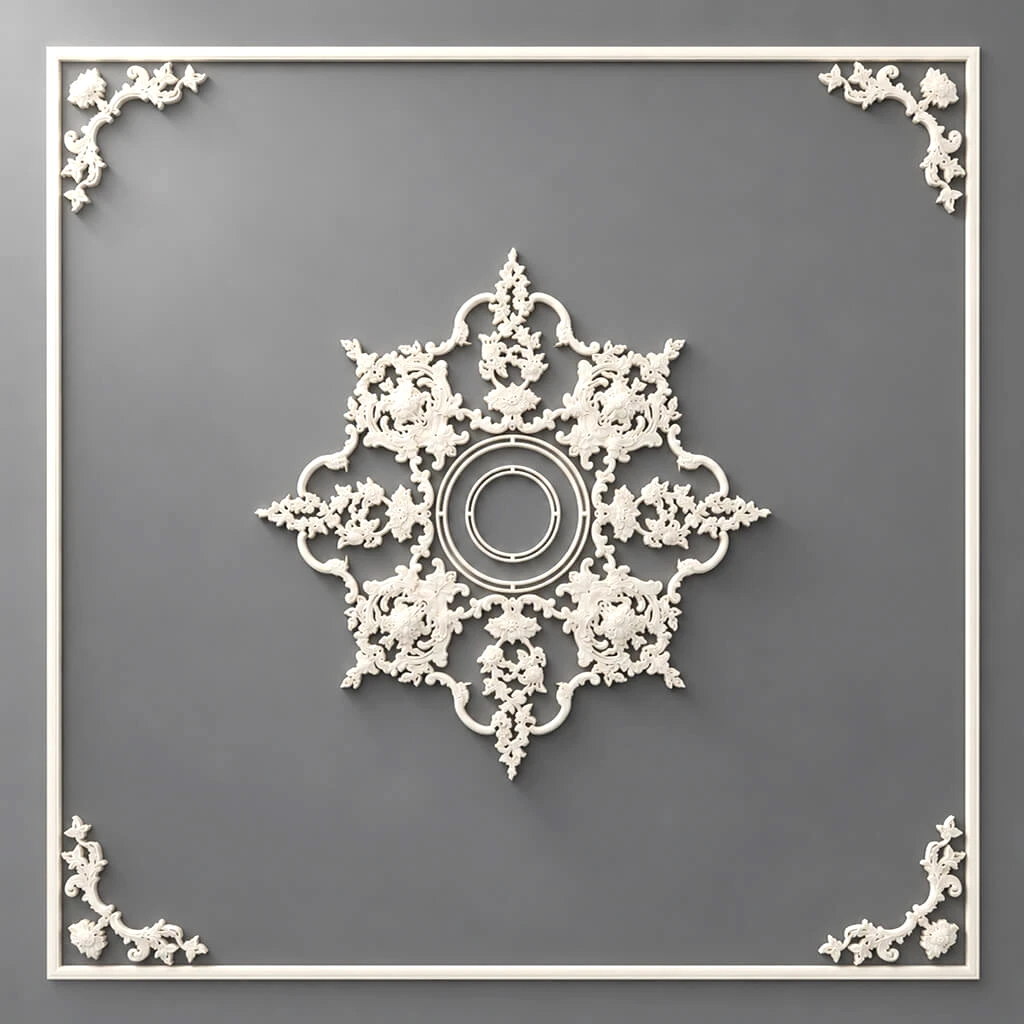
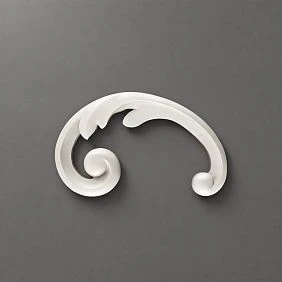
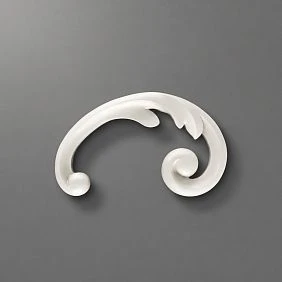
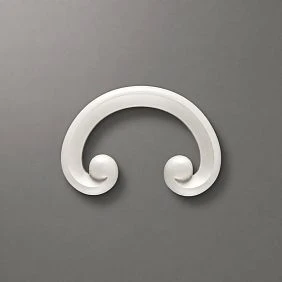
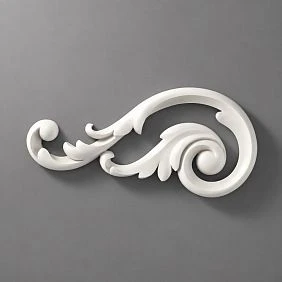
Narrow piers between doors receivePolyurethane wall decor— small frames, medallions, corner elements. The entrance area — wooden slats. Materials different in nature, but united by a single color — for example, white polyurethane and white painted slats — give a cohesive, harmonious result.
Ceiling cornice in the hallway: how to choose and why you need it
The ceiling in the hallway is an area that is usually forgotten. Yet it is the upper line of the space that determines how we perceive the height of the room. The ceiling cornice is the final point that closes the wall-ceiling transition and visually connects the hallway with the rest of the apartment's rooms.
Why a cornice is needed in the hallway
Firstly, it hides technical irregularities and differences at the junction of the wall and ceiling — and in hallways, where there is a lot of installation work, this is especially relevant. Secondly, the cornice creates a sense of completeness: without it, the interior looks "cut off." Thirdly, the right cornice enhances the vertical effect of slatted or molding finishes.
Wooden ceiling cornice: for whom and when
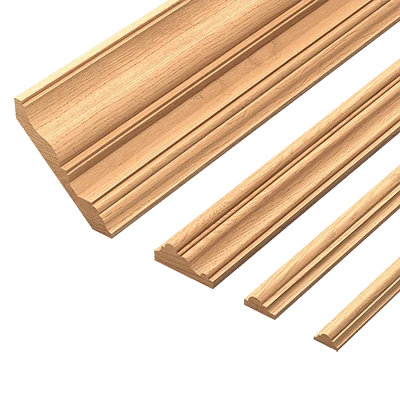
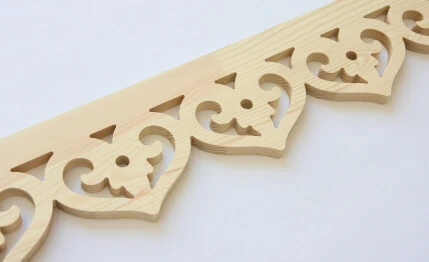
Wooden ceiling corniceIt is organic where there are wooden elements in the hallway: slats, solid wood or veneer doors, wooden architraves. It creates a single material story and supports the overall warmth of the texture.Wooden beamsMade of oak or beech — a choice for classic, neoclassical, Scandinavian style, interiors with rich wood finishes.
For a narrow hallway, it is better to choose a wooden cornice with a small projection: a massive profile with a low ceiling only aggravates the situation. Lightweight, with minimal relief — an ideal solution.
MDF and polyurethane cornice: practicality without losing aesthetics
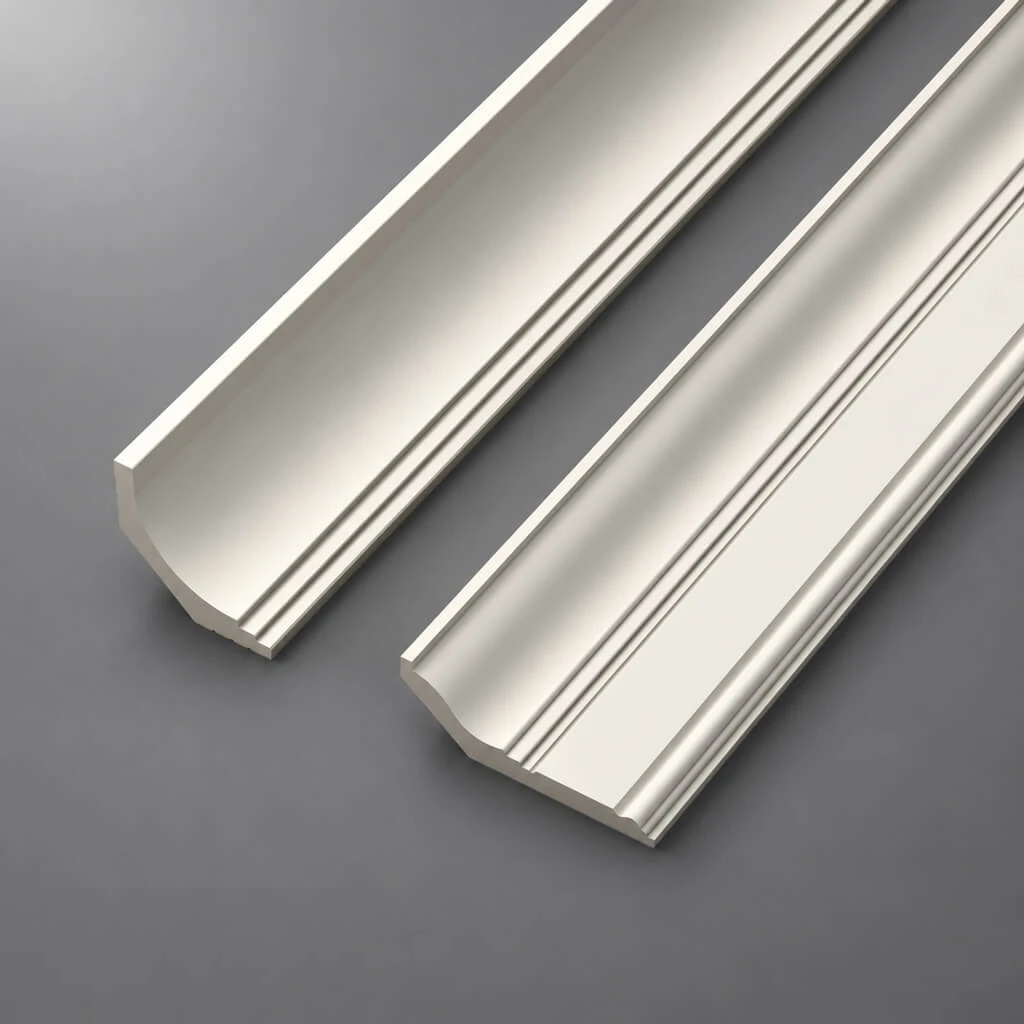
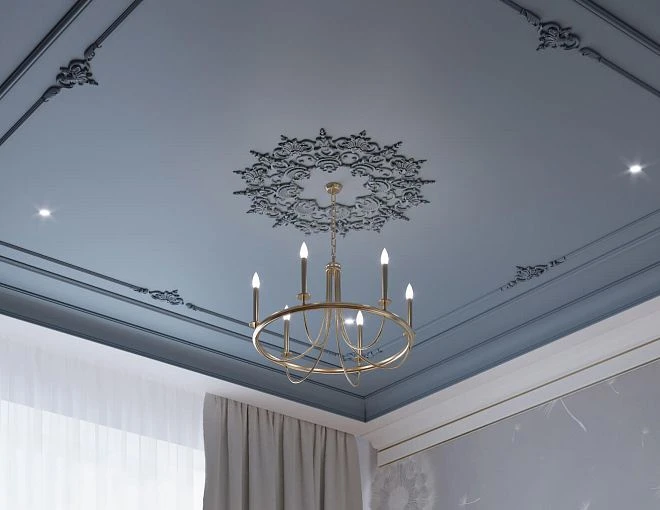
If the hallway is designed in a modern style — without pronounced wood, with painted walls and laminate on the floor —polyurethane ceiling decorIt will become the optimal solution. A polyurethane cornice is easy to paint, easy to install, does not react to humidity changes, and does not deform over time.
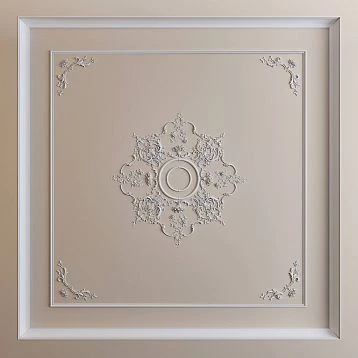
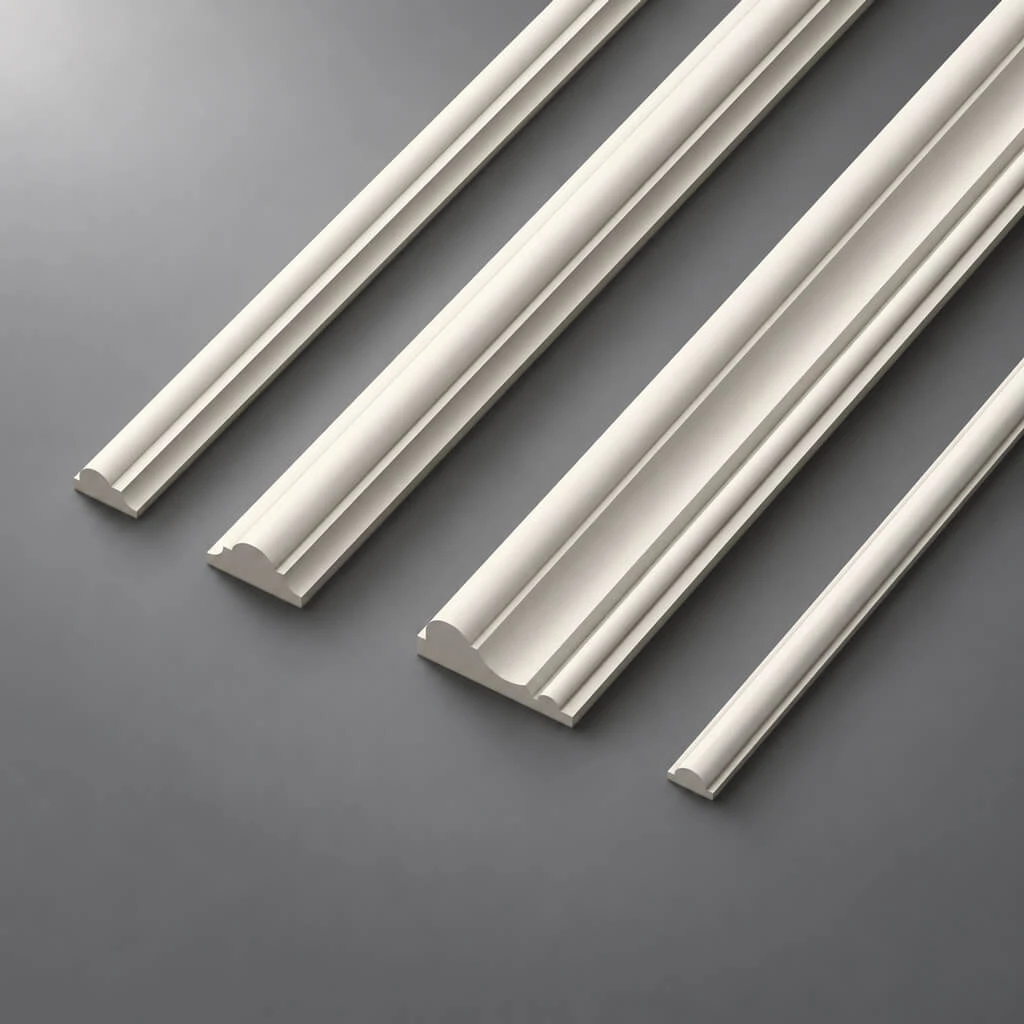
Moldings for walls and ceilingmade of polyurethane also solve the problem of connecting the wall and ceiling — while offering a rich choice of shapes: from a strict smooth profile to rich classic stucco molding.
How a cornice works with slats
The most important rule: the cornice must be positioned above the top edge of the slat zone or exactly align with it. If the slats go up to the ceiling, the cornice is mounted at the boundary of the ceiling plane, and the slats seem to "butt" into it. If the slats do not reach the ceiling and end with a frieze molding, the cornice is placed on the ceiling itself — as an independent element.
Which baseboard to choose for the hallway
The baseboard in the hallway is a detail that is underestimated, and for good reason. It closes the bottom line of the entire finish, connects the wall with the floor, and creates a sense of neatness. An incorrectly chosen baseboard can ruin even a very well-thought-out interior.
MDF baseboard for the hallway
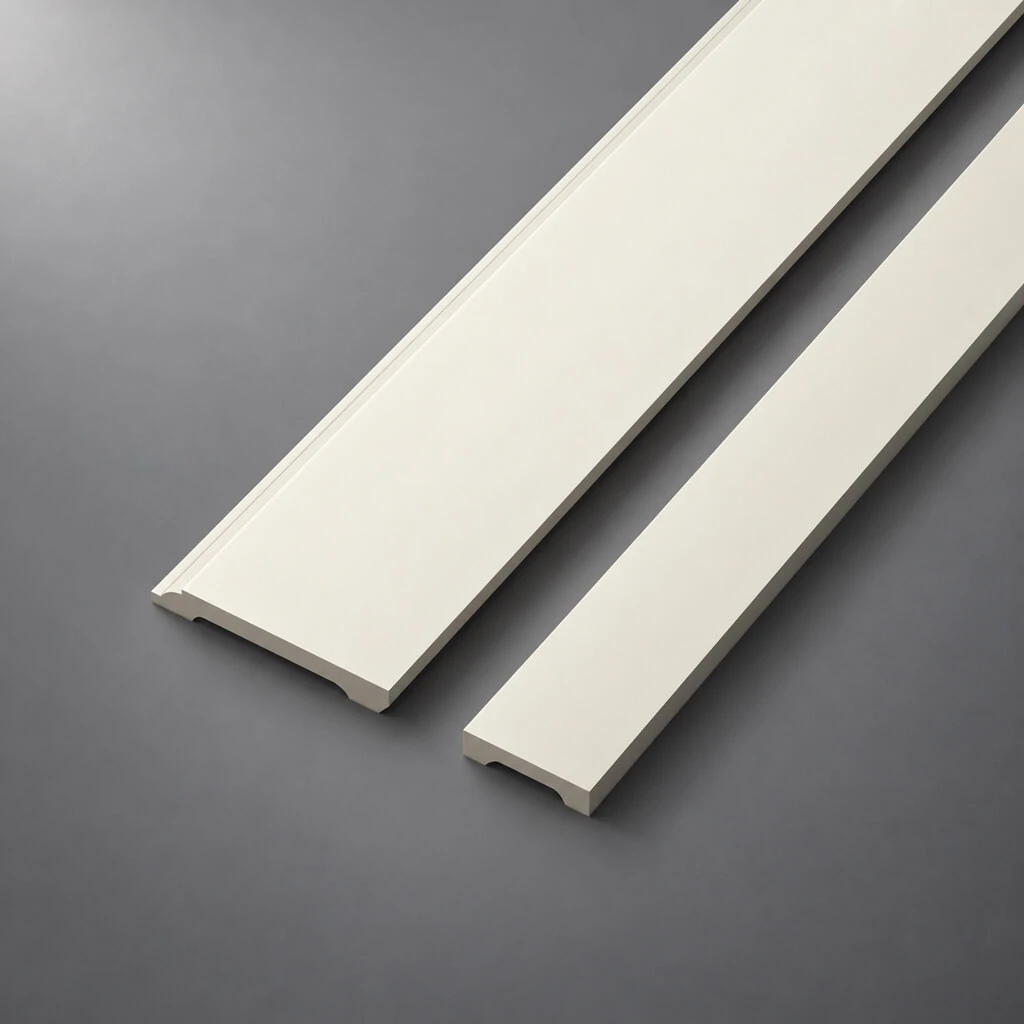
MDF Skirting Boardis a universal solution for most modern hallways. Its main advantages: stable geometry, a smooth surface without defects, an affordable price, and excellent paintability. MDF baseboard is perfect for hallways with painted walls, laminate, or quartz vinyl flooring.
MDF baseboard for painting is a particularly valuable option where a uniform color with the wall is needed. In modern interiors, the "baseboard in wall color" technique creates the effect of visual space expansion: the lower boundary disappears, and the room seems larger. For a narrow corridor, this technique is one of the best.
White MDF baseboard is a classic for light hallways. A white baseboard clearly defines the lower contour of the wall and does not distract attention. It perfectly combines withwooden planksany natural shade.
Wooden baseboard for hallway with slats
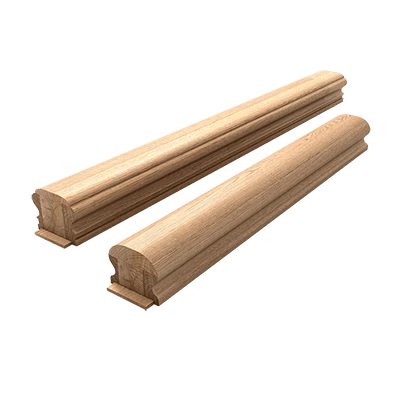
Where in the hallway there areWooden rails for decoration, wooden doors or wooden architraves,Wooden baseboard made of solid oak or beech becomes a logical choice. It closes a single material line: slats — architraves — doors — baseboard.
with a classic profile creates a sense of solidity, reliability. made of oak is a durable, impact- and abrasion-resistant option. In a hallway where people constantly walk, things fly in and hit the walls, this is not a luxury but a practical choice. The solid wood surface can be sanded and repainted if necessary — MDF does not offer this possibility.
Wide wooden baseboard — a choice for a house hall, for spacious entry areas in neoclassical or classical style. A baseboard height of 80 mm and above gives the room solidity, creates a distinct architectural base, and visually "raises" the ceiling.
MDF or wooden baseboard: how not to make a mistake with the choice
The question "MDF baseboard or wooden baseboard for hallway" does not have a universal answer — it depends on the style, budget, and overall ensemble of the hallway. Simple logic: if the hallway has wooden slats and solid wood doors — choose a wooden baseboard. If the walls are painted, the floor is laminate or tile, and the slats are white for painting — MDF will do the job just as well and save the budget.
Moldings, corners, and strips: precision in details
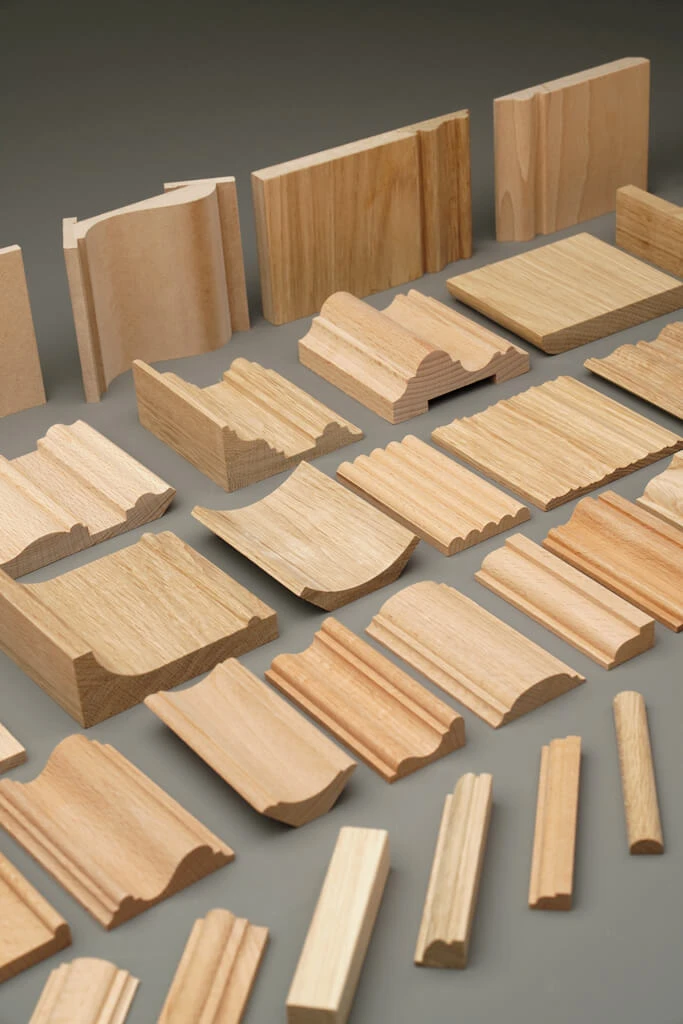
The hallway is an area where all uncovered ends, untreated corners, and unresolved joints are especially noticeable. It is here thatwood trim itemsit is not decor but technical and aesthetic precision that plays a role.
Wooden corner piece: a solution for external corners
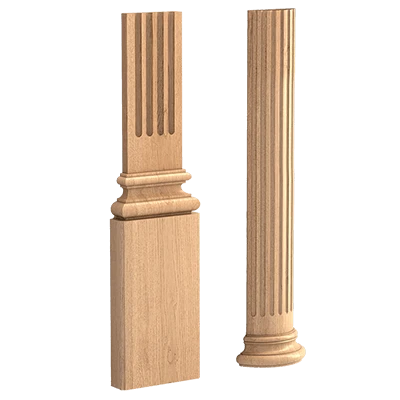
Where slats or slatted panels transition across an external corner, aWooden angleis needed. It covers the ends and creates a clear transition line. A solid wood corner piece in the same tone as the slats is a flawless solution. A corner piece in a contrasting color serves as a decorative accent.
In the hallway, external corners near the front door are especially important: that is where walls suffer the most from mechanical impact. Here, a wooden corner piece serves not only a decorative but also a protective function.
Wooden block: where a backing or trim is needed
Wooden blockis used in the hallway in several scenarios. First, as a horizontal limiting strip above or below the slatted area — it provides a clear horizontal line and completes the panel. Second, as a vertical element separating the slatted finish area from the smooth wall area. Third, as a support strip for mounting slats on uneven surfaces.
Molding products as a system
Trimming Itemsis not a set of individual items, but a system. A baseboard + cornice + molding + corner piece + block, all made from the same material and in the same color scheme, create the feeling of an interior done with intelligence and attention to detail. In a hallway, where there are many junctions, doorways, and transitions, such a system is indispensable.
Design ideas for different types of hallways
Narrow corridor: how to make it wider and taller
A narrow corridor is a chronic headache in city apartments. Slats, moldings, and baseboards help if used wisely.
The main technique: vertical wooden slats on one of the long walls. The vertical line stretches the space upward, creating the illusion of a high ceiling. The spacing between slats should be at least 3–4 cm, otherwise the pattern becomes too dense and, conversely, narrows the space.
Baseboard in a narrow corridor — — is a horizontal element that frames the room at the bottom of the walls where the wall meets the floor. Skirting boards perform several functions: they hide the technological gap between the wall and floor covering (necessary for thermal expansion), protect the lower part of the wall from mechanical damage, create visual completion, and may conceal wiring. matching the wall color, or white. Not wide — 60–80 mm. A wide baseboard will "lower" an already low ceiling.
Moldings in a narrow corridor — minimal. A lightweight polyurethane cornice at the transition between wall and ceiling. No heavy stucco profiles: they will make the corridor look like a tunnel.
Entryway with mirror: emphasis on stucco decor
The mirror in the entryway is the focal point. The entire composition is built around it. Sculptural wall decoration in the form of a frame around the mirror instantly gives the effect of an "expensive interior" with modest investment. Slats on the sides of the mirror create a rhythmic background that emphasizes the vertical line of the mirror surface.
The baseboard in this scheme is either the color of the wall or matching the slats. The cornice is thin, matching the color of the molding around the mirror.
Hallway with a wardrobe: slats as a continuation of the facades
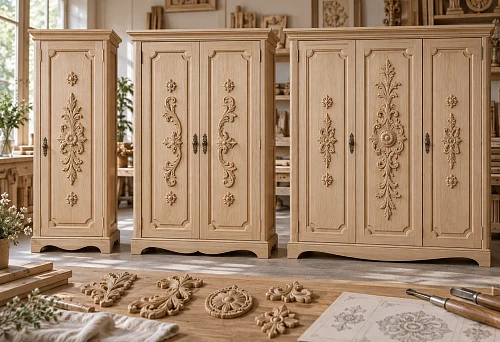
A built-in wardrobe takes up most of the wall. How to fit slats into such a hallway? The slats are mounted on the wall next to the wardrobe as a continuation of its facade rhythm — especially if the wardrobe doors themselves are slatted or have horizontal or vertical milling.
Rafter panelson the wall next to the wardrobe create a single material row. The baseboard and cornice run in a single line along the entire perimeter — including the wardrobe area. The joints at the wardrobe are coveredwooden corner piece.
Hall in the house: full program
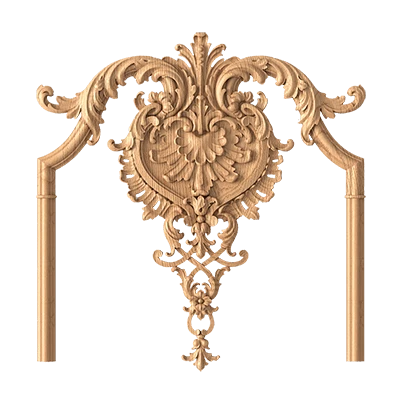
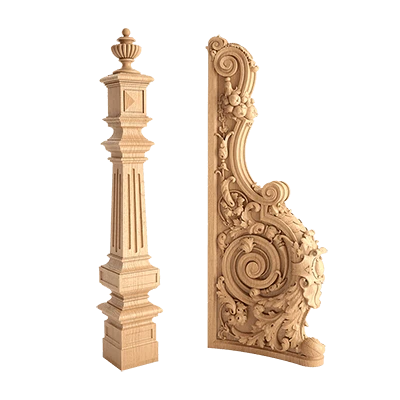
A spacious hall in a private house is a platform for fully unlocking decorative possibilities. Everything is appropriate here:Wooden slats from floor to ceilingon one of the walls,Decorative wooden moldingsin a frame layout on the others,Wide Wooden Skirting Boardaround the perimeter, an expressivewooden corniceon the ceiling transition andSculptural wall decorationon the piers.
Hall materials should be coordinated with the rest of the house: one type of wood, one color scheme, a unified molding style.
Wooden slats from floor to ceiling: installation features in the hallway
Installing slats in the hallway is more challenging than it seems. Because there are many junctions: to the baseboard at the bottom, to the cornice at the top, to the door casing on the side, to the corner near the cabinet.
How to cover the ends of the slats
The ends of vertical slats are open cuts that are clearly visible when looking along the wall. They can be covered in several ways:
-
a horizontal strip at the bottom and top (made of the same or contrasting wood);
-
Wooden blockas a limiting profile;
-
molding in the color of the slats;
-
a baseboard at the top (if the slats are a panel on part of the wall, not from floor to ceiling).
How slats adjoin the trim
This is the most complex junction in the hallway. If the trim and slats are of the same material and shade, the joint must be as precise as possible — at 90°, butt-to-butt. If they are different, a vertical dividing strip is placed between them:Wooden angleor a narrow molding.
Slat spacing for a narrow hallway
In a narrow corridor, slats should not create a "grille" effect. The optimal spacing is 4–7 cm with a slat thickness of 2–3 cm. A more frequent spacing gives a feeling of heaviness and enclosure.
Stucco decor in the hallway: how not to overdo it
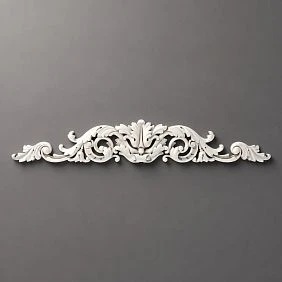
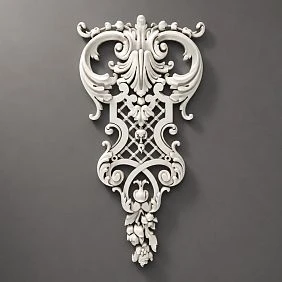
Sculptural wall decorationin the hallway is a powerful tool that requires precision in dosage. The amateur's mistake is to use stucco everywhere: on all walls, ceiling, around every opening. The result is an overloaded space that overwhelms rather than delights.
Where stucco works best in the hallway
-
A frame around the mirror is a classic, flawless technique.
-
Molding along the ceiling perimeter ties the space together.
-
Decorative frieze on the pier — an aristocratic accent.
-
Corner rosettes or consoles — a point element that does not overload the space.
-
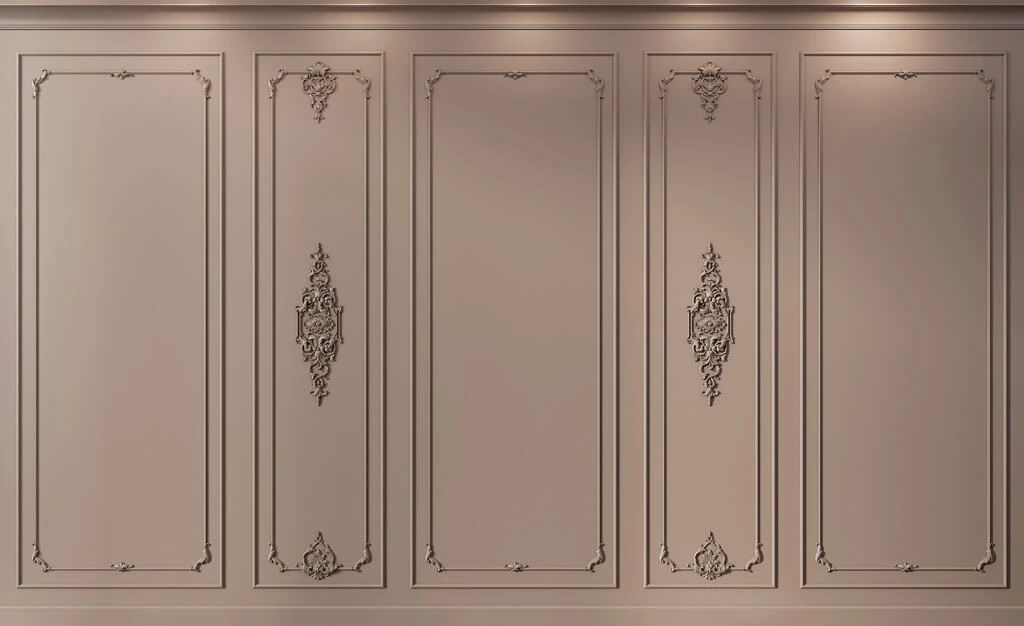
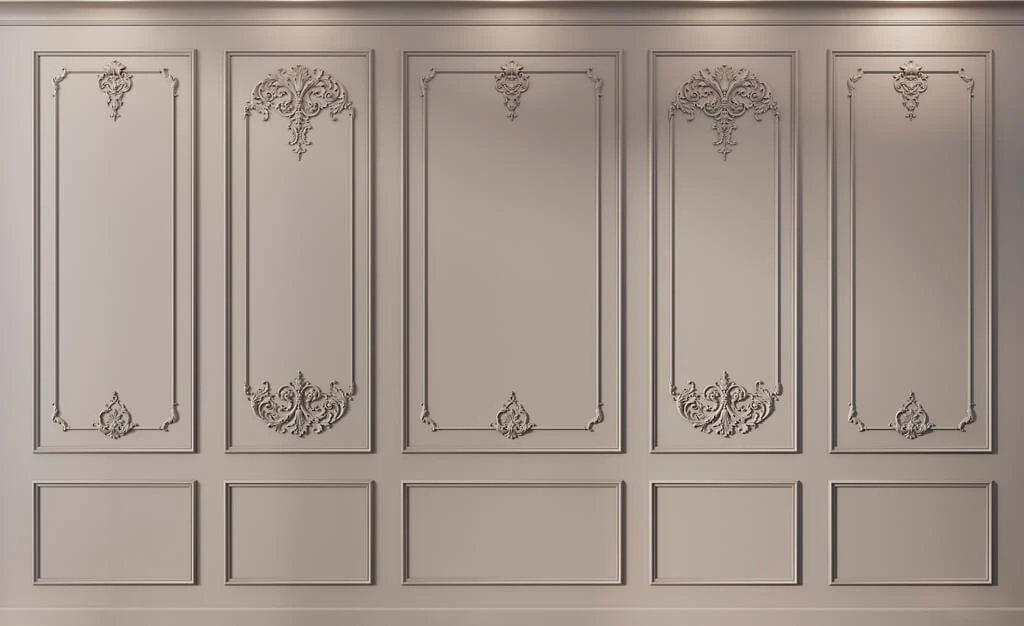
Frame moldings on a smooth wall — create rhythm and architectural scale.
Where stucco in the hallway is excessive
In a small hallway up to 5 sq. m — stucco should be minimal. One element is enough: either a cornice or a frame around the mirror. Two active stucco elements in a small space are already overload.
In a hallway with a low ceiling (up to 2.5 m) — a massive cornice is contraindicated. Only a thin profile or no cornice at all, replaced with a decorative cove molding.
Polyurethane decor: why it is popular for hallways
Polyurethane Itemshave conquered hallways for several reasons. First, they are lightweight — installation does not require special tools. Second, polyurethane is evenly painted, does not delaminate, and does not react to humidity. Third, a wide range of profiles allows you to find the right scale for any space.
At the same time,installing polyurethane moldingrequires attention to one critical point — the quality of the corners. It is in the hallway, with its abundance of corner junctions, that it is important to properly cut and join the moldings. A separate article on the STAVROS website is dedicated to this.
Typical mistakes when decorating a hallway
Error analysis is no less valuable a part of any design solution than inspiring examples. Here's what most often goes wrong when decorating a hallway with wooden slats and stucco decor.
Slats too frequent in a narrow corridor
A dense slat layout with a spacing of 1–2 cm in a narrow corridor creates visual noise. The space does not open up — it shrinks. In this case, the slats work against the interior.
Massive cornice with a low ceiling
polyurethane ceiling decorwith a large projection (from 10 cm) with a ceiling of 2.5 m is a direct path to the feeling of a "low grotto." In hallways with low ceilings, the cornice should be light, with minimal relief and a projection of no more than 5–7 cm.
Baseboard that breaks off at the slat area
A common installation error: the baseboard runs along the wall, and ends at the slat panel because "there are slats." In fact,MDF Skirting Boardit should run continuously around the entire perimeter — the slats are mounted on top or flush with it, but the bottom line should be unified.
Uncovered ends of slats
This is the most noticeable technical error. Open ends look sloppy and reveal amateur installation. Always cover the top and bottom of the slat area with horizontal strips,with wooden beamsor moldings.
Moldings conflicting with door casings
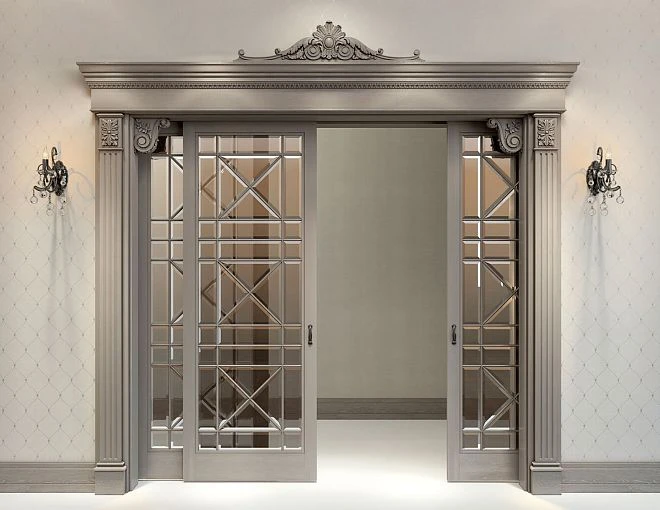
If the door casing is straight and smooth, and the wall moldings have a rich relief, they conflict. Either the casing should be in the same style (classic profile), or the moldings should be chosen in a more neutral design.
Different wood shades without a single logic
Slats — light oak, baseboard — dark walnut, doors — medium brown. Without a color concept, this looks like a random collection of materials. Solution: either choose all wooden elements from the same species and the same tinting layer, or paint everything in one color.
Excess stucco in a small hallway
Three types of stucco elements in an area of 4 sq. m is not luxury, it's panic. Stucco decor in a small hallway works only pointwise: one element, maximum two, in well-thought-out places.
Wooden elements for hallway interior: a full arsenal
If you look at the hallway as an architectural task, and not just as a "space by the door," then the list of wooden and linear elements looks as follows.
Walls:
-
wooden planks on the wall— vertical or horizontal accents;
-
Rafter panels— ready-made modules for quick installation;
-
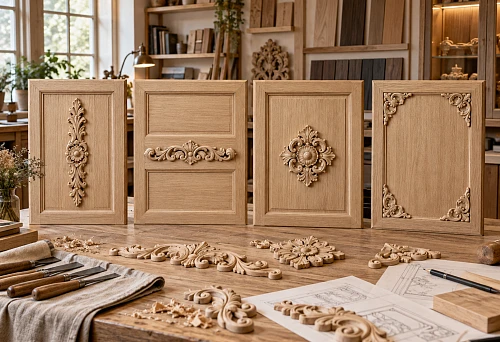
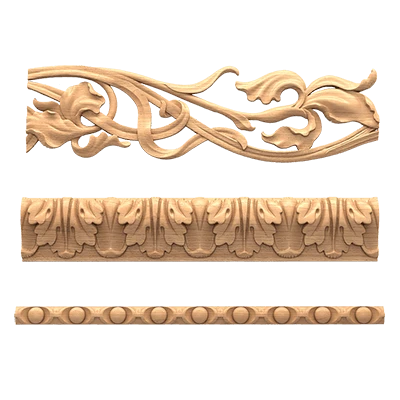
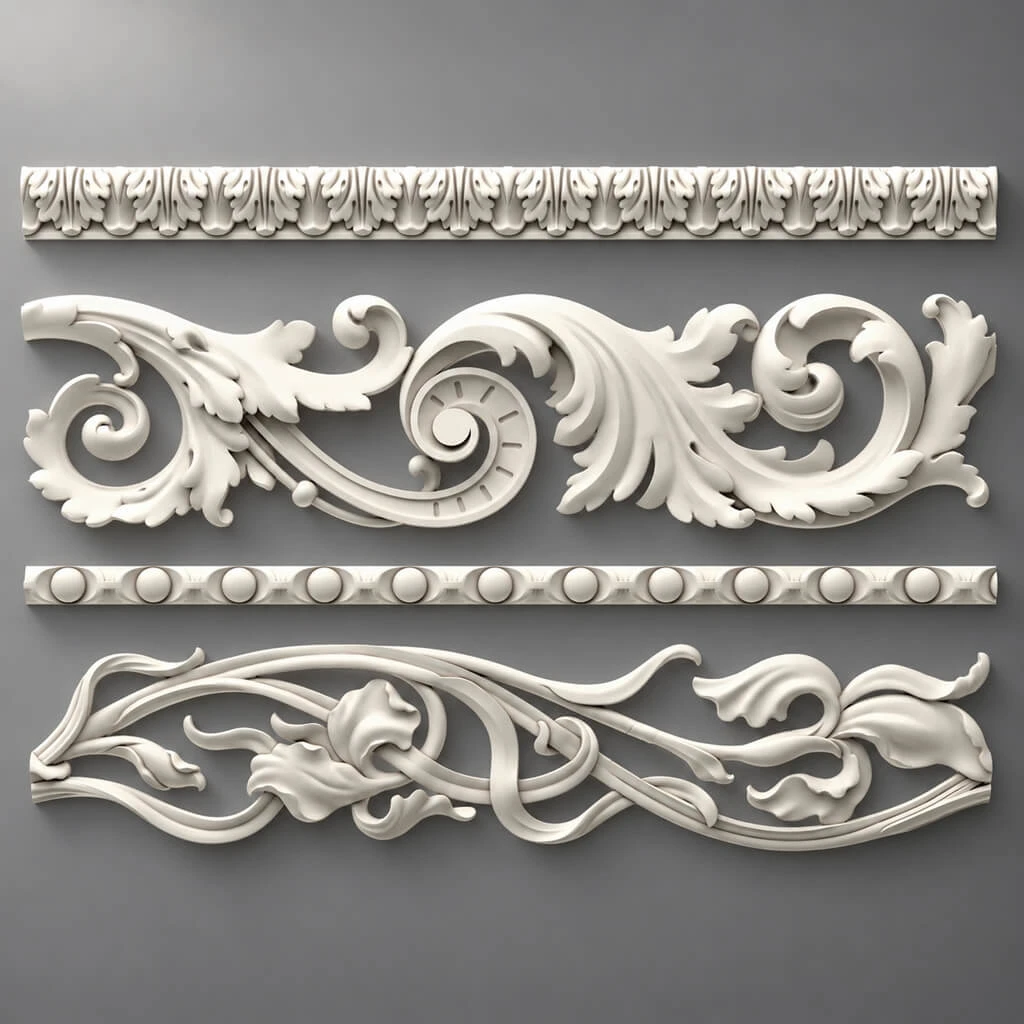
Decorative wooden moldings— frame layouts, friezes, pilasters;
-
Polyurethane wall decor— stucco frames, moldings, corner elements.
Ceiling:
-
Wooden beams— ceiling coves made of solid wood;
-
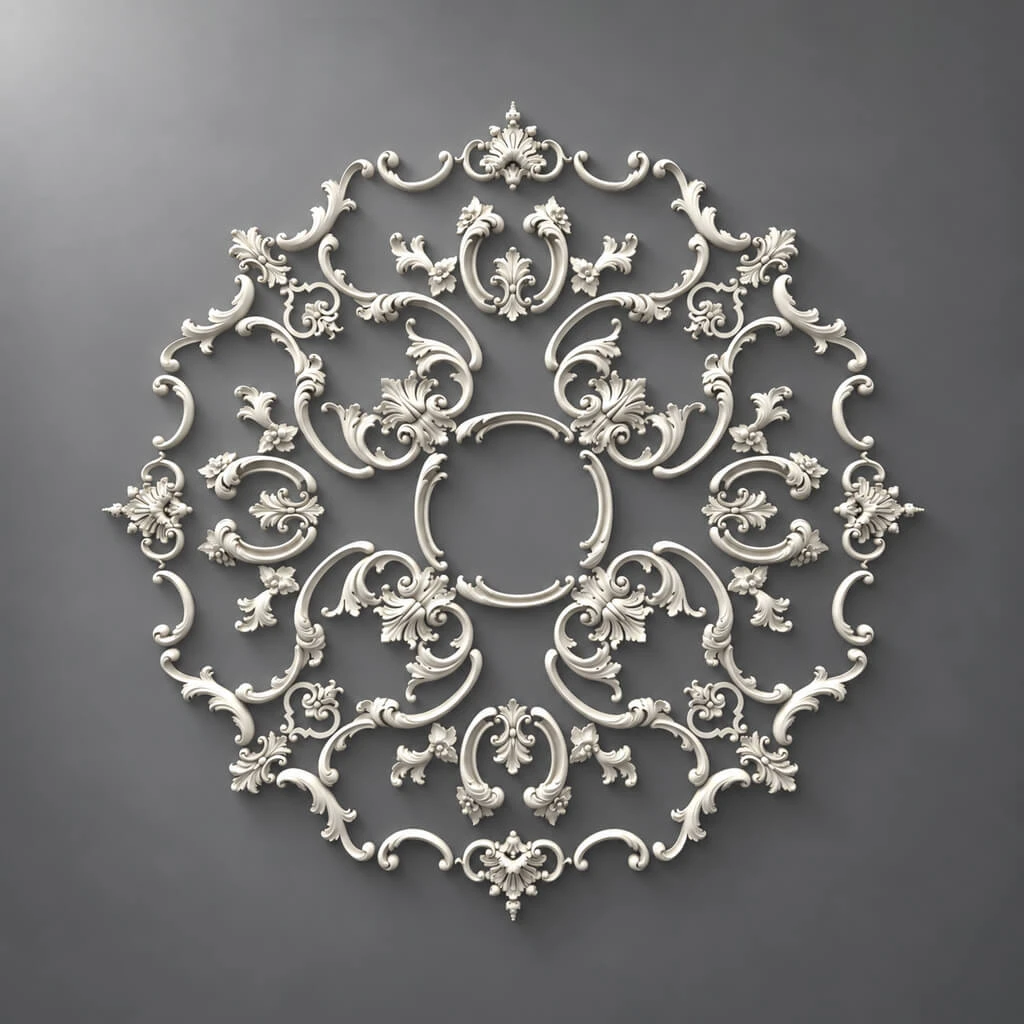
polyurethane ceiling decor— cornices, rosettes, coffers;
-
Moldings made of polyurethane— thin profiles for zoning.
Floor:
-
MDF Skirting Board— for modern and budget solutions;
-
Wooden baseboard— for classic and rich interiors.
Joints and transitions:
-
Wooden angle— for external corners and junctions;
-
Wooden block — for limiting strips and substrates;
-
wood trim items — the full range of profiles and connecting elements.
Color schemes and materials: how to create a unified ensemble
The hallway is assembled from many materials — and the task is not to mix them chaotically, but to build harmony.
Monochrome scheme. All wooden elements are white: slats, baseboard, cornice, moldings. Walls are light gray or white. Effect: an airy, light hallway, visually spacious. Material for the monochrome scheme — MDF for painting and polyurethane.
Warm wooden scheme. Slats in natural oak, wooden baseboard from the same species, wooden architraves. Walls are white or neutral beige. Effect: coziness, natural warmth, organic feel. Suitable for Scandinavian and eco-styles.
Contrast scheme. Dark slats (wenge, mocha, graphite) on a light wall, white MDF baseboard. Effect: modern, expressive, bold. For contemporary and loft interiors.
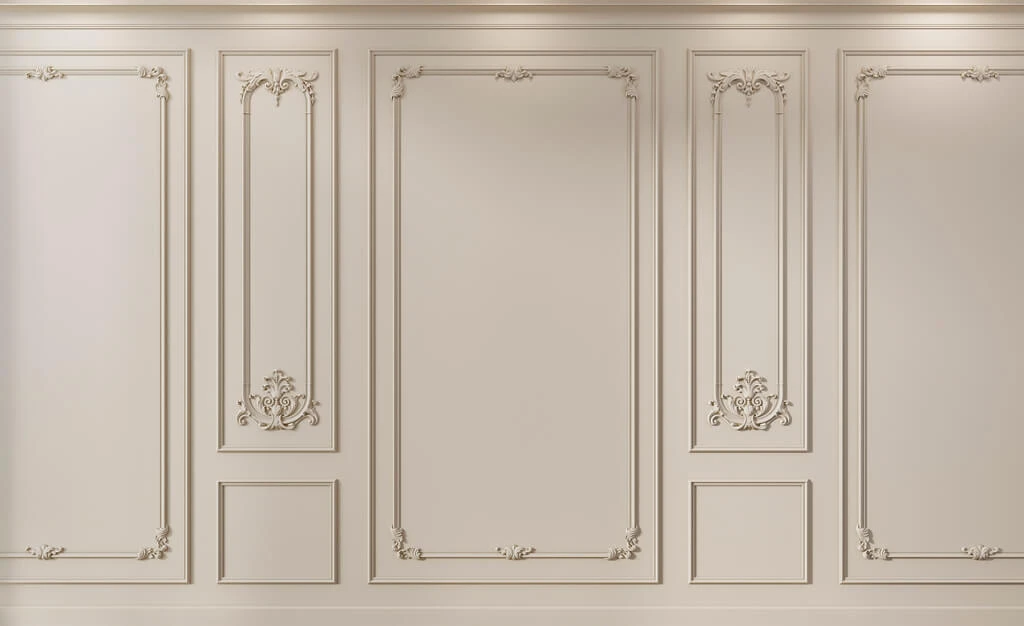
Classic scheme. White moldings and stucco decor, wooden oak baseboard, wooden cornice. Walls are cream or light olive. Effect: nobility, classic elegance.
Practical recommendations for choosing material for the hallway
Before choosing slats, baseboard, and moldings, answer a few questions for yourself.
1. What is the style in the other rooms? The hallway is not an isolated space. Materials and style should be consistent with the living room, corridor, and staircase. Stucco molding in the hallway with complete minimalism in the living room is a dissonance.
2. What is the ceiling height? Up to 2.5 m — lightweight slats, thin cornice. From 2.7 m — complete freedom. From 3 m and above — you can use a wide baseboard, massive cornice, and full-height slats.
3. Is there natural lighting in the hallway? With good light, slats create a beautiful play of shadows. In a dark hallway, light, lacquered, or white materials work better.
4. What is the budget?MDF Skirting Board + polyurethane cornice + slats for painting — an optimal budget set. Massive wooden baseboard + wooden cornices + oak slats — a premium option.
About the company STAVROS
When selectingWooden planks, Rafter panels, MDF Skirting BoardorWooden baseboard for the hallway, it is important to work with a manufacturer where all these elements are coordinated into a single system. This is exactly how the STAVROS catalog is organized.
STAVROS produces wooden slats from solid oak and beech, slatted panels on rigid and flexible bases, wooden baseboards of various profiles, MDF baseboards, cornices and moldings from solid wood, as well as a full range of polyurethane stucco decor — moldings, cornices, wall and ceiling decor. All this is in one place, with the ability to select a coordinated set for the hallway, corridor, or hall.
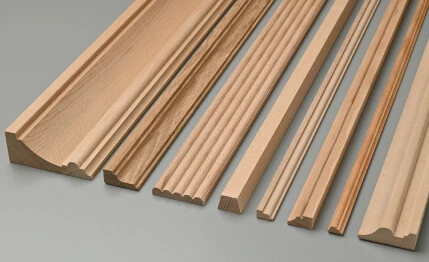
wood trim items STAVROS include corners, bars, connecting profiles — everything needed for neat joints and junctions in the complex space of the hallway.Polyurethane Items are represented by moldings, cornices, wall and ceiling decor with a wide selection of profiles.
The STAVROS catalog allows you to create a cohesive design code for the hallway: from baseboard to ceiling cornice, from slatted panel to stucco molding around the mirror — all in a unified system, without random elements or inappropriate combinations.
Frequently Asked Questions (FAQ)
Can wooden slats be used in a narrow hallway?
Yes, but with caveats. Vertical slats with a spacing of 4–7 cm visually elongate the space upward, making the corridor feel taller. Avoid too frequent spacing — it creates a cage-like feeling. One accent wall with slats in a narrow corridor is the best solution.
Which baseboard is better for the hallway: MDF or wooden?
It depends on the interior. If the hallway is modern with laminate or quartz vinyl — an MDF baseboard for painting or white. If there are solid wood slats, wooden doors, parquet — a wooden baseboard will create a cohesive system. Choose the same wood species and shade.
Is a ceiling cornice necessary in the hallway?
Desirable, but not mandatory. The cornice completes the top of the wall and ties the space together. In hallways with ceiling heights from 2.7 m, a cornice is always appropriate. In low hallways (up to 2.5 m) — choose a thin profile or replace it with a decorative polyurethane cove molding.
How to combine moldings and slats without overloading a small hallway?
Use the 'one accent' principle. Either slats on one wall without moldings, or moldings in a frame layout without slats. If you want both elements — slats on one wall, moldings on another, in the same color.
How to cover the ends of wooden slats in the hallway?
With horizontal strips at the top and bottom of the slat zone. A wooden block, molding, or a limiting strip of the same material will work. Be sure to close the ends — an open cut looks sloppy.
Why are solid wood slats better than MDF slat panels?
Solid oak slats are a natural material with a living texture, durable, sandable, and repaintable. MDF panels for painting have a smooth surface without defects, ideal for color solutions and monochrome interiors. Both options are available in the STAVROS catalog — the choice depends on style and task.
How to properly install polyurethane moldings in the hallway?
The key point is precise angle cutting. In the hallway, there are many junctions: to the trim, to the cabinet, to the front door. Detailed instructions for installing moldings, including working with angles and joints, are provided in the STAVROS article on installing polyurethane moldings.