




























































Article Contents:
- Why combine slats, stucco, and backlighting: physics and aesthetics
- What backlighting does to wooden slats
- What backlighting does to moldings
- Where to use wooden slats with backlighting: ten zones
- TV zone: technology behind wood
- Wall behind the sofa: atmosphere and scale
- Bed headboard: intimate light
- Hallway: light welcomes the guest
- Office: professional background with light
- Reception area: brand in light
- Restaurant and cafe: zoning with light
- Hall: scale and grandeur
- Decorative niche: light in depth
- Wall with mirror: playing with reflection
- How to combine wooden slats and stucco decor: six working schemes
- Scheme "center and contour"
- Scheme "backlight between slats and smooth wall"
- Scheme "molding as a light belt"
- Stucco frame and hidden light scheme
- Natural wood slats, moldings in wall color scheme
- Light above slats through molding scheme
- Ceiling cornice with backlight: light line under ceiling
- Operating principle of LED niche in cornice
- Wooden cornice matching slats
- Polyurethane cornice for hidden lighting
- Light line around room perimeter
- Thin molding instead of cornice: delicate light line
- Baseboard with backlight and lower light line
- MDF baseboard for modern interior
- Wooden baseboard for slatted wall
- Wide wooden baseboard for classic space
- Combining baseboard and cornice in a unified lighting scheme
- Moldings, corners, and bars: technical precision of the lighting system
- Wooden bar as a support strip and light channel
- Wooden corner for external corners
- Molding products for ends and junctions
- How moldings connect slats with baseboard and cornice
- Ideas for five types of rooms
- Living room: cinema and living room in one
- Bedroom: comfort and tranquility
- Hallway: first and last impression
- Study: light of the workspace
- Reception area: brand in light
- Mistakes when working with backlighting: eight warnings
- Too bright light line
- Backlight shows uneven installation
- Open ends of slats are light gaps
- Cornice without proper geometry
- Baseboard conflicting with slatted wall
- Too many wood shades
- Slats + large stucco + bright backlighting all at once
- No access for tape maintenance
- About the Company STAVROS
- FAQ: Answers to Popular Questions
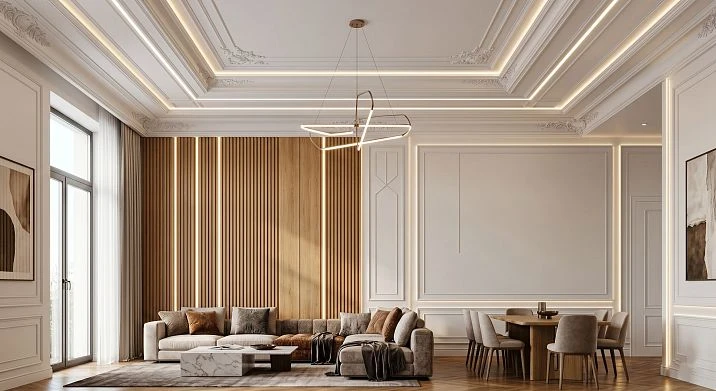
There is a moment when an ordinary interior becomes extraordinary. It is the moment the light turns on. Not overhead, not floor lamp — but hidden, built behind slats, under the cornice, along the molding. That is when the wall transforms from a plane into a light sculpture, the slats come to life, shadows place accents, and the space acquires that very depth that cannot be bought with expensive wallpaper or bright paint.
Wooden slats with backlighting — not just a trendy technique. It is a constructive system where each element plays its role: slats create rhythm and material, light creates depth and atmosphere,Moldings for walls and ceiling — an architectural frame,MDF Skirting Board or wooden — the lower contour, andCeiling cornice — the top finish with the ability to hide the light line. Together they create an interior that is memorable.
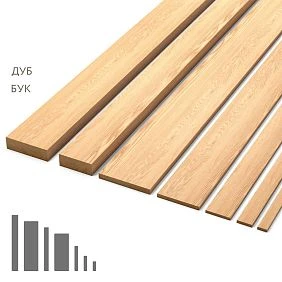
Why combine slats, stucco, and backlighting: physics and aesthetics
The question is not rhetorical: why exactly slats — and exactly with backlighting? The answer lies in the nature of the material and the nature of light.
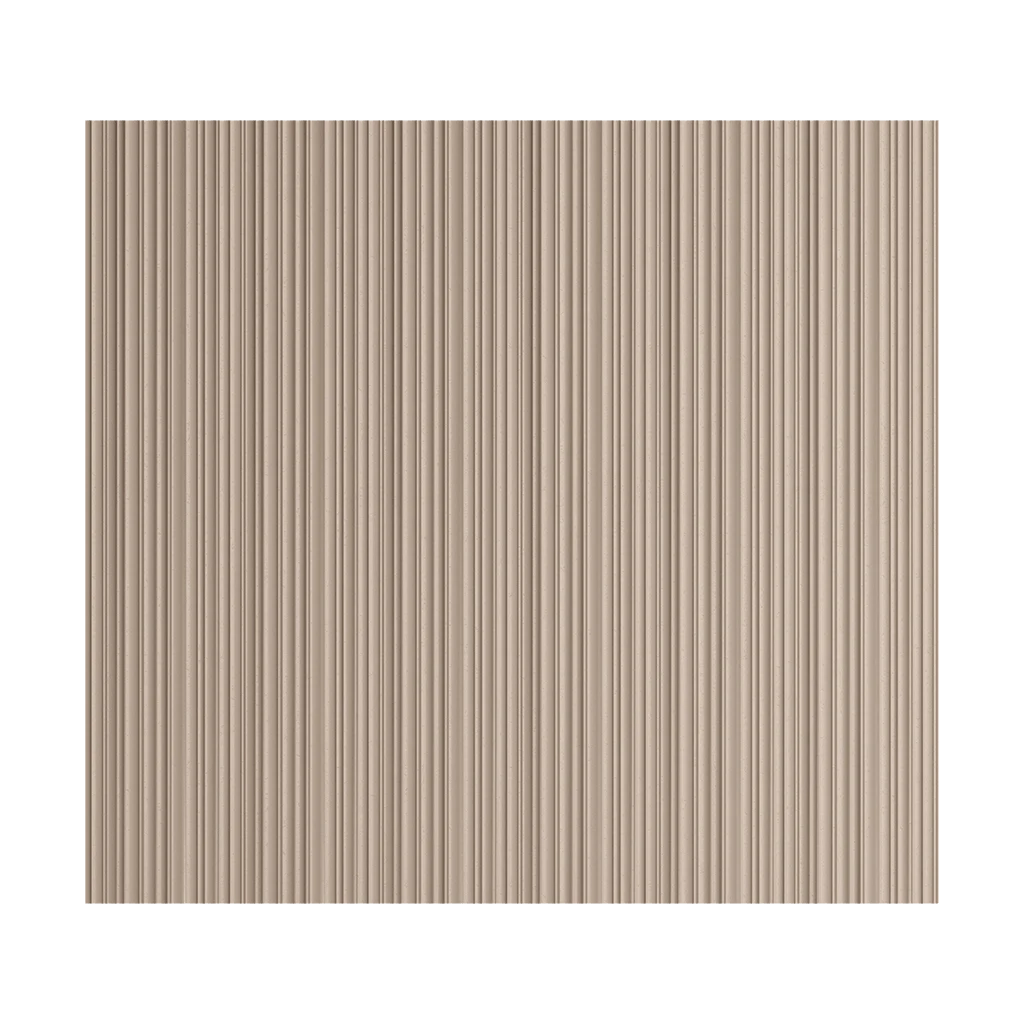
Wood is a material with a pronounced texture. Light directed along the grain reveals its structure: the pattern of oak or ash in backlighting acquires a depth that cannot be conveyed in daylight. Vertical slats at an angle to the light source create a play of shadows and highlights — rhythmic, lively, changing depending on the angle and intensity of the lighting.
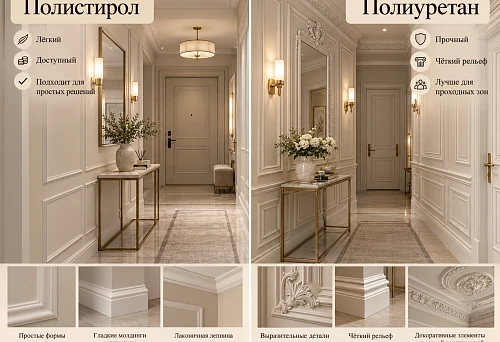
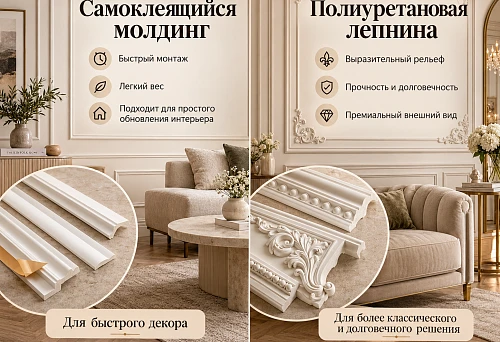
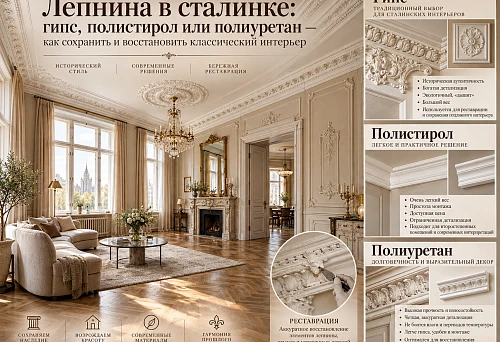
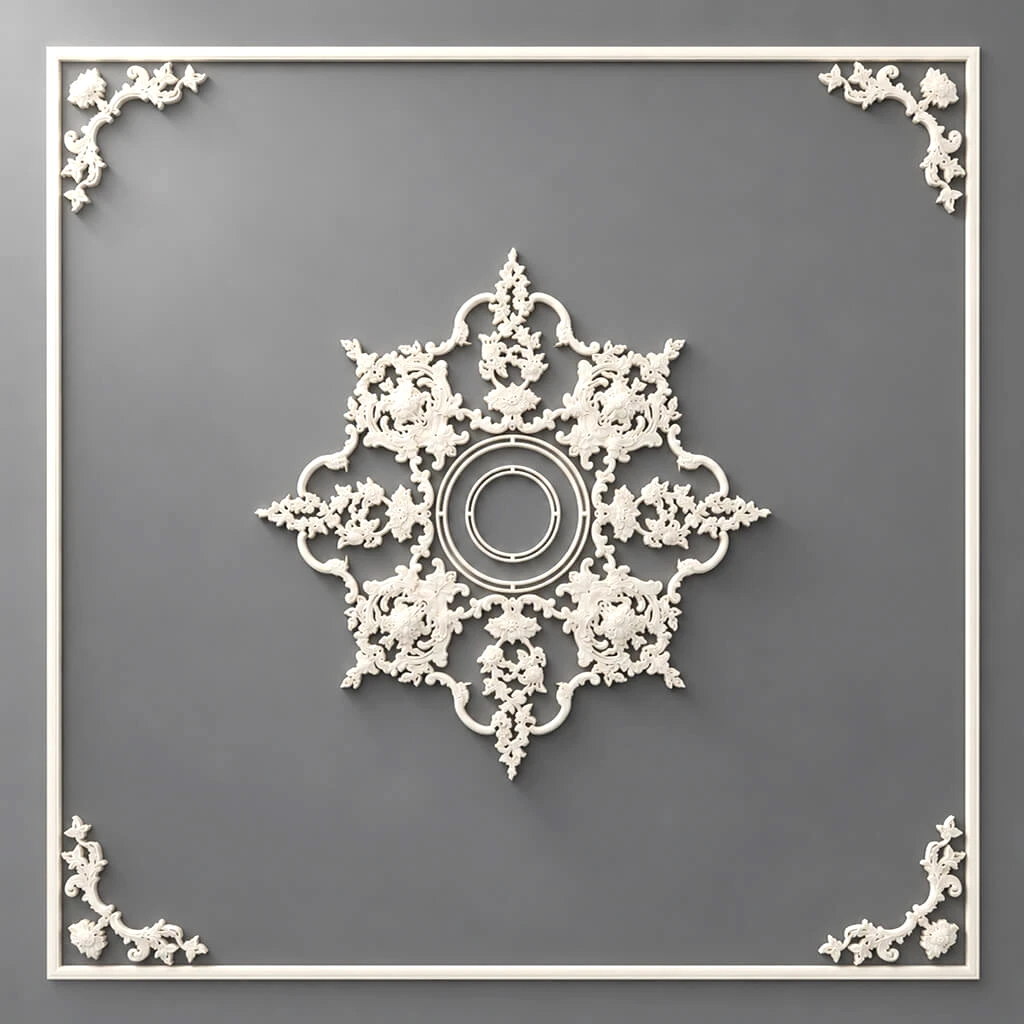
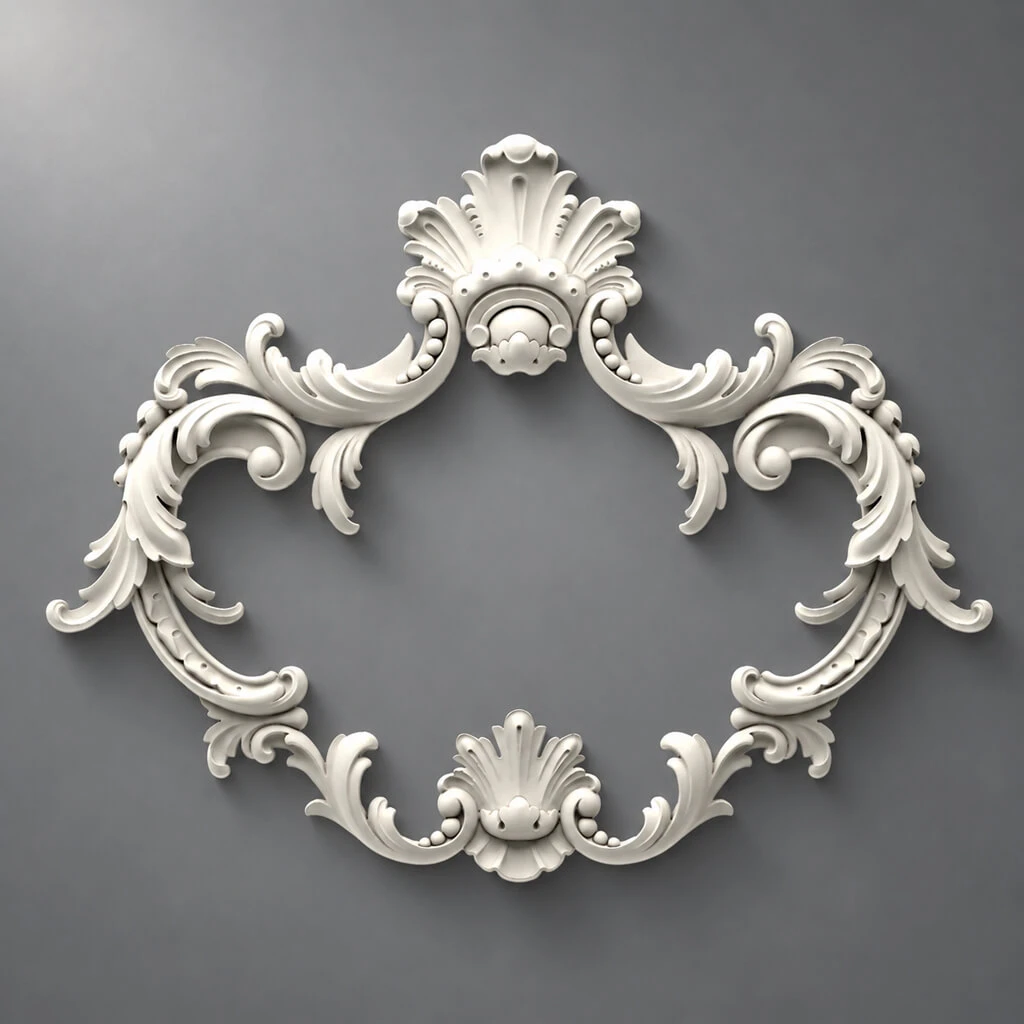
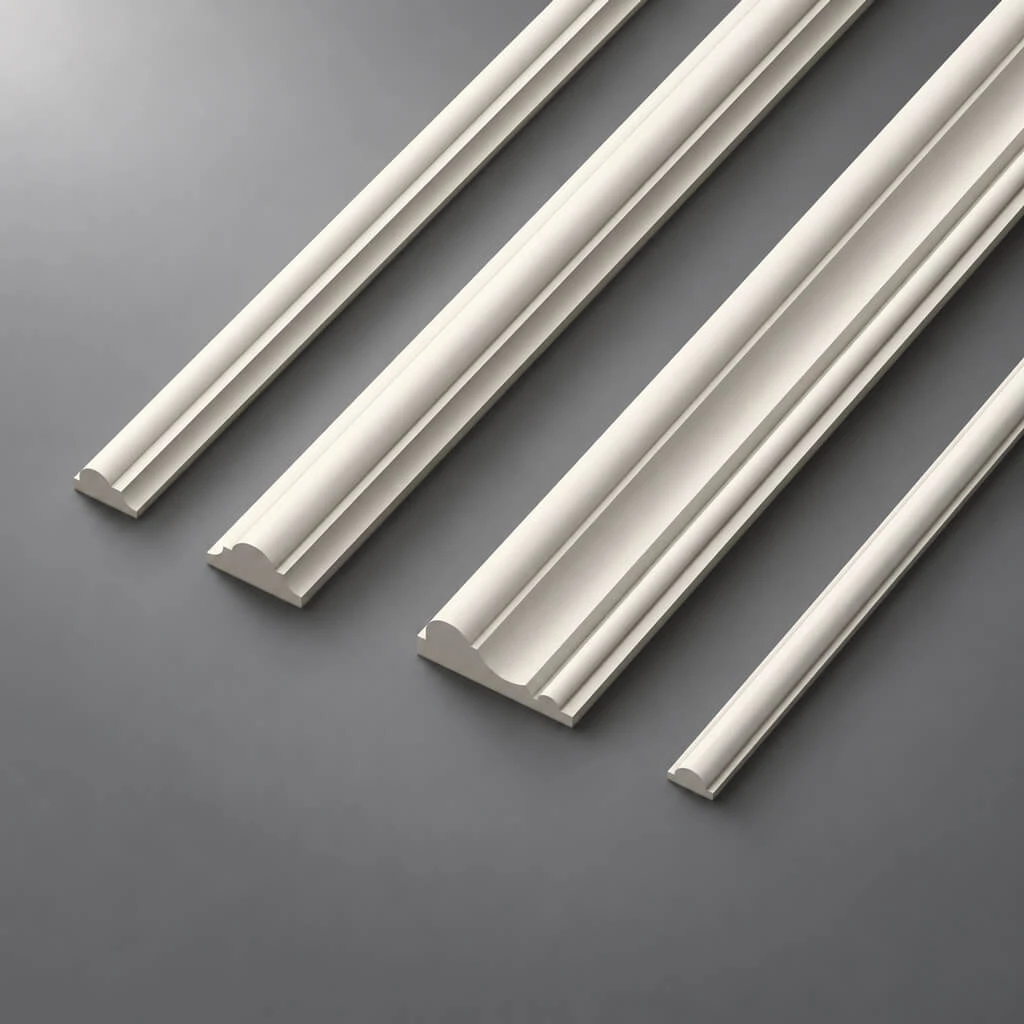
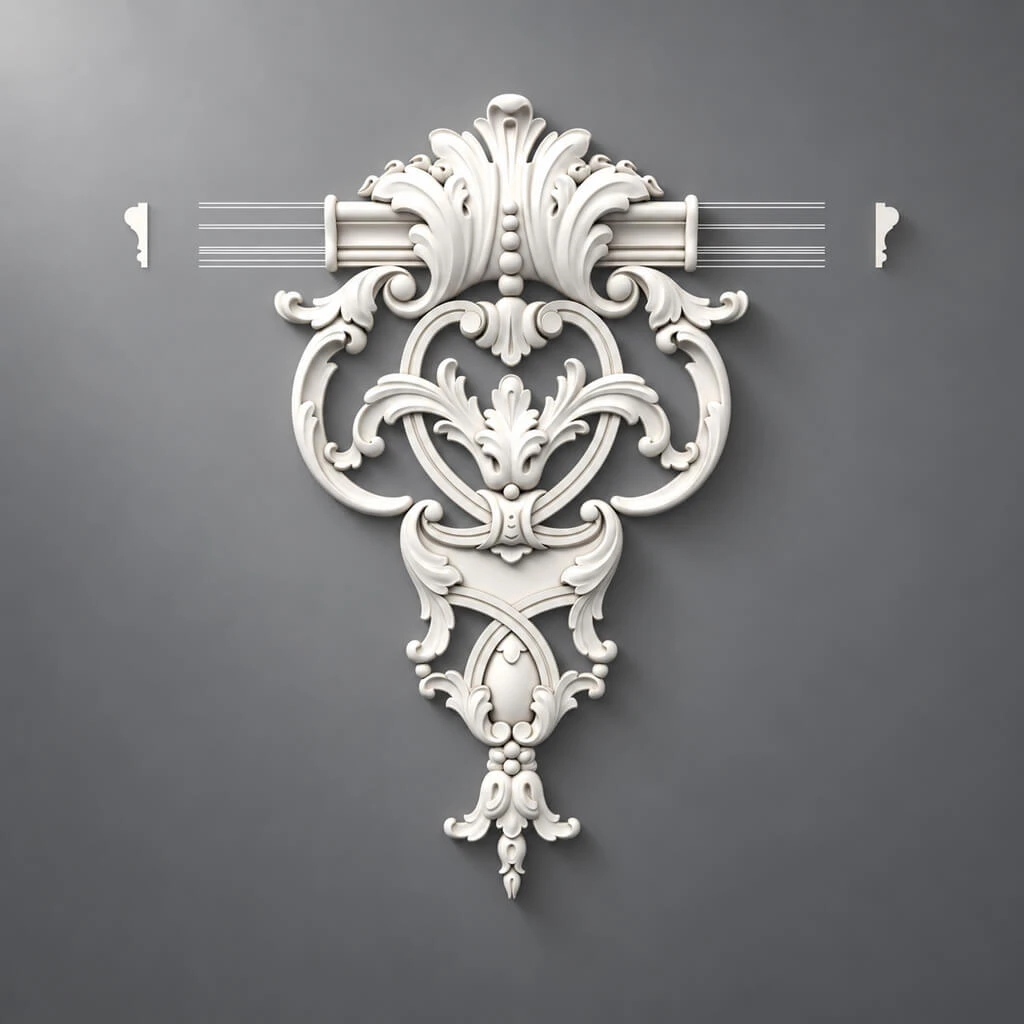
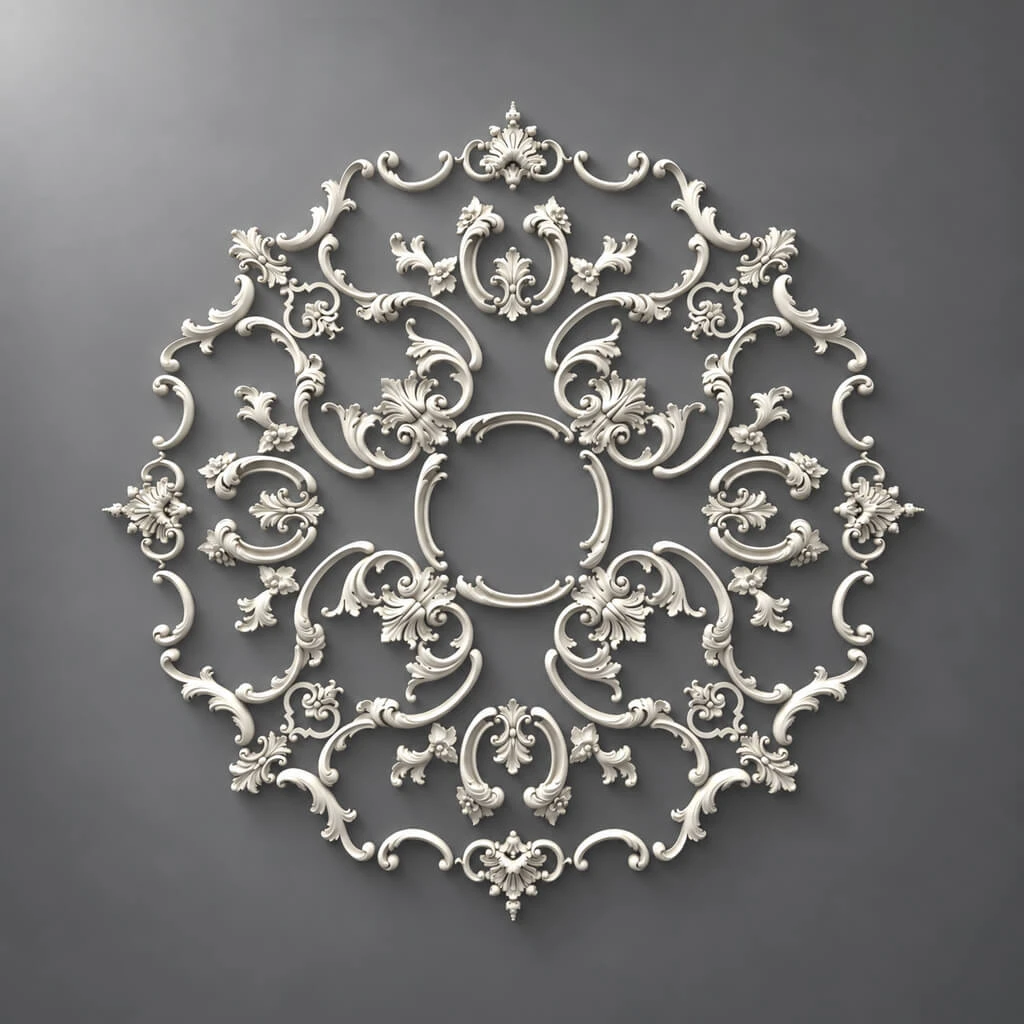
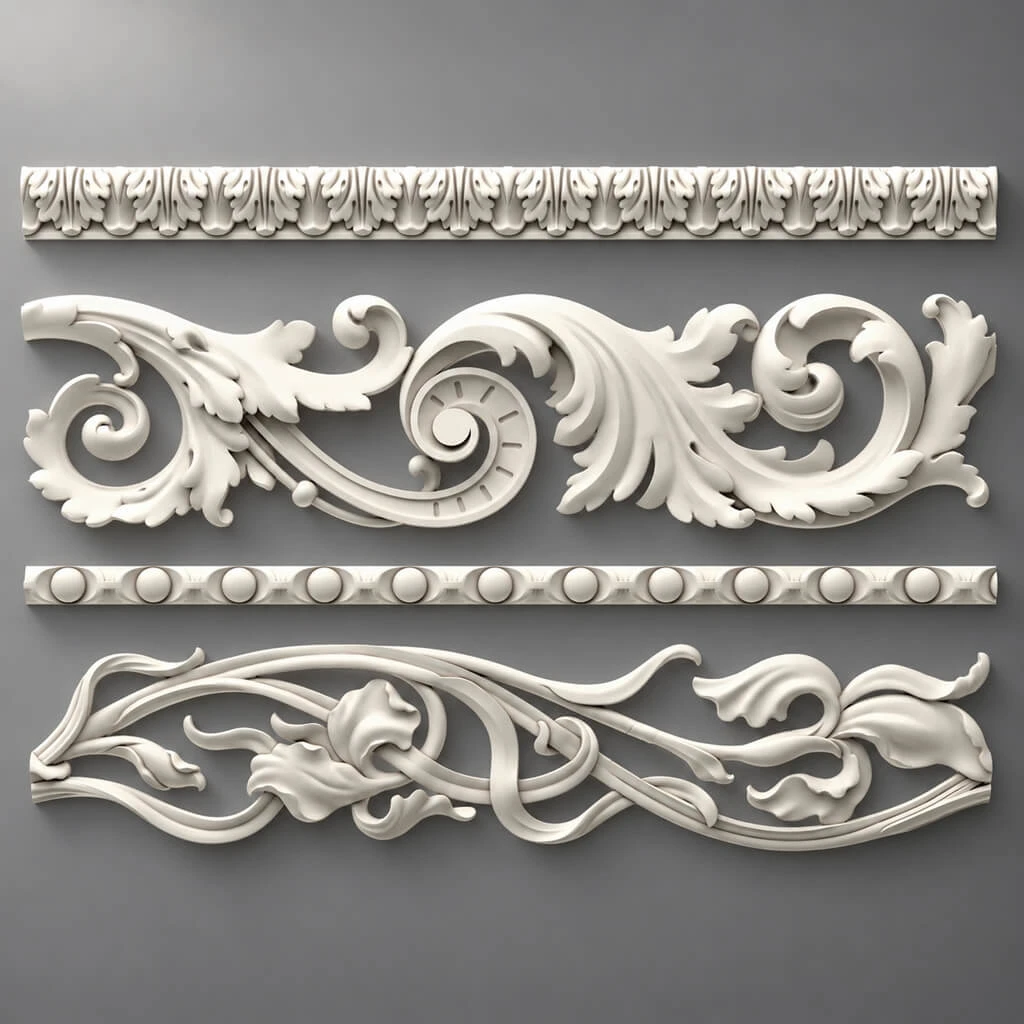
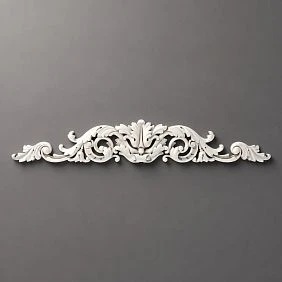
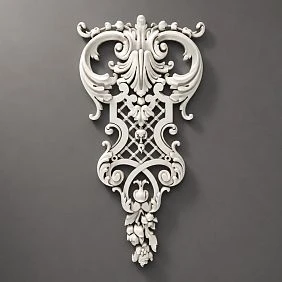
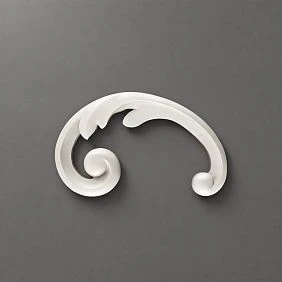
Sculptural wall decorationworks similarly: the profile of a molding, cornice, or frame is perceived completely differently when illuminated. The shadow from the edge of the profile makes the molding "architectural," while backlighting or top lighting creates a floating effect.
The light line between the slatted area and the smooth wall — the so-called "light gap" — visually separates the slatted panel from the background, creating an illusion of volume where there is none. This is a technique that designers use to visually expand space, increase ceiling height, and zone large rooms without partitions.
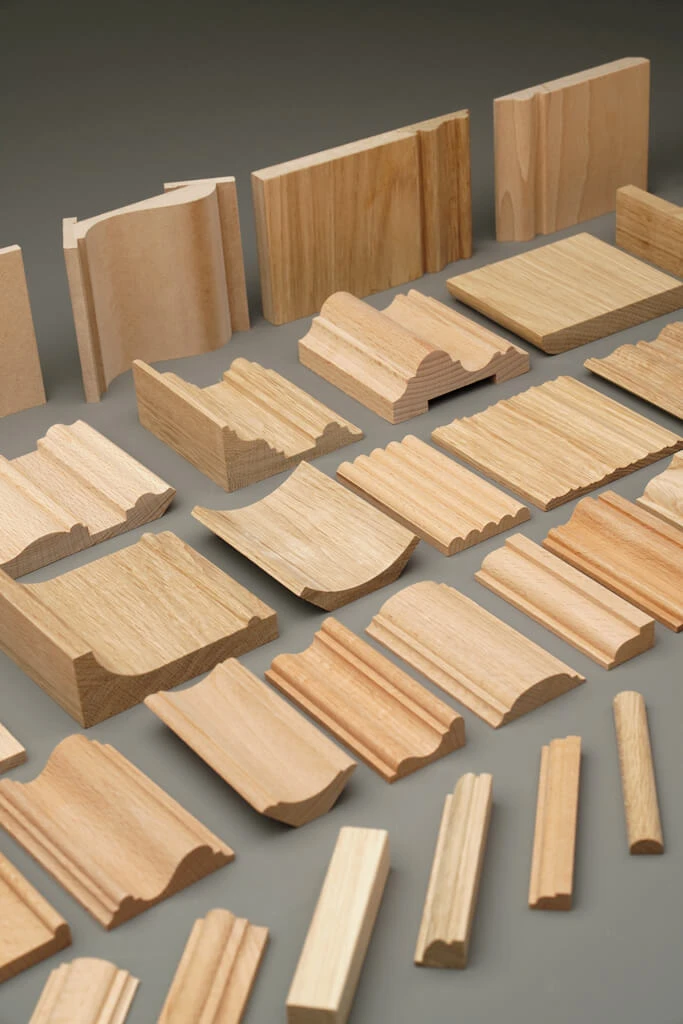


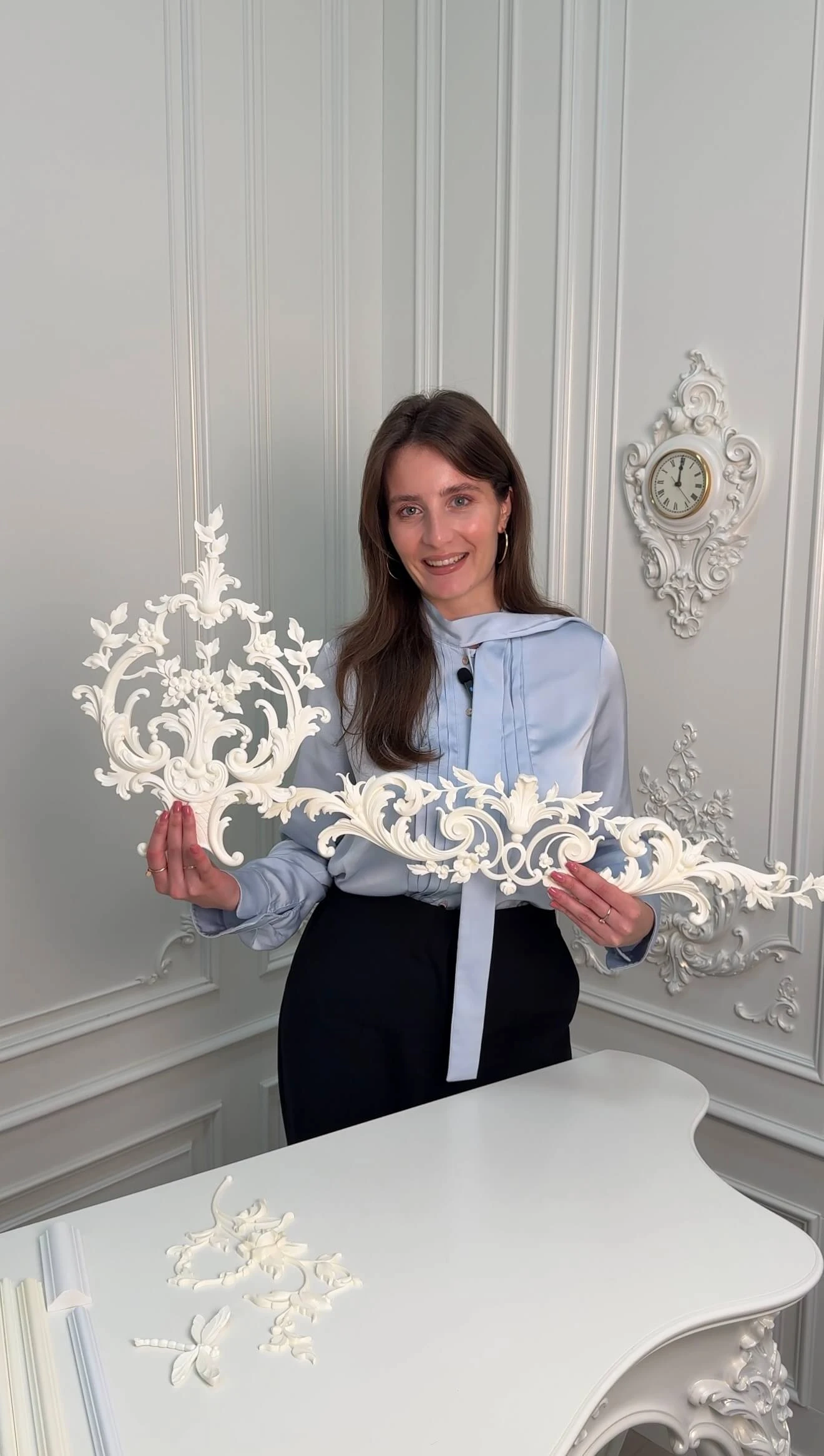
What backlighting does to wooden slats
-
Reveals the natural texture of oak, beech, ash — especially with a warm LED color (2700–3000 K)
-
Creates depth in the slatted plane — slats visually "recede" from the wall
-
Separates the slatted zone and adjacent planes with a light line
-
Works as a night lighting mode — soft, non-glaring, atmospheric
-
In combination with moldings, creates a multi-level light pattern
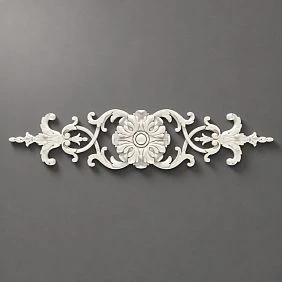
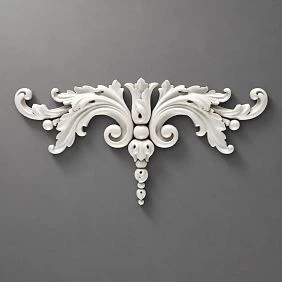
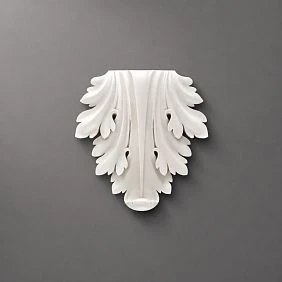
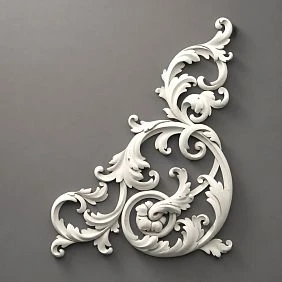
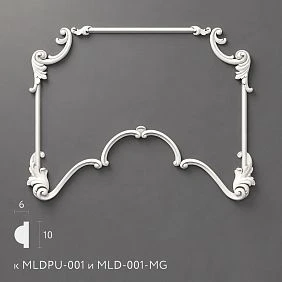
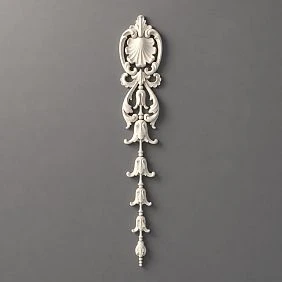
Our factory also produces:
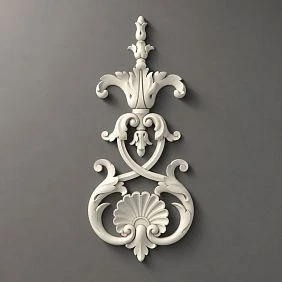

What backlighting does to moldings
Molding with top lighting directs light upward — the ceiling appears higher. Molding with bottom lighting emphasizes the lower part of the wall, creating a sense of solidity. Double-sided molding lighting — light both up and down simultaneously — gives the effect of a "floating" strip: the molding seems to detach from the wall and hang in the air.
Get Consultation
Where to use wooden slats with lighting: ten zones
TV zone: technology behind wood
The wall behind the TV is a traditional place for a slatted panel with lighting.wooden planks on the wallwith lighting on the sides or behind soften the contrast between the dark screen and the light wall, reducing eye strain while watching. The LED strip behind the slatted panel creates a soft halo around the TV — this is both function and aesthetics at the same time.
A good technique for the TV zone: slats from floor to ceiling, a light line behind the slatted field,molding framearound the perimeter of the slatted zone,Wooden baseboardmatching the slats at the floor.
Wall behind the sofa: atmosphere and scale
The slatted wall behind the sofa is a zone visible upon entering the living room. Here, the lighting works as a night scenario: during the day, the texture and color of the wood; in the evening, a soft glow that turns the wall into a light object.Stucco decor and wooden slatson one wall — slats in the center, molding frames on the sides — create a complex, multi-layered composition.
Bed headboard: intimate light
Decorative planks with backlightingbehind the headboard is one of the most effective uses of this technique in the bedroom. The light line behind the slats creates a halo around the sleeping area: soft, warm, non-blinding. This replaces several bedside lamps, creating a single diffused light without shadows or glare.
Important detail: for the headboard, a warm LED color, 2700 K. Cold light in this zone creates the feeling of a workspace, not a relaxation area.
Entryway: light welcomes the guest
Vertical slats with backlighting in the entryway is a technique that works in several directions at once. First, the light line along the slatted wall creates additional illumination in the narrow, often dark space of the entryway. Second, it sets a rhythm — the space no longer feels cramped.
For the entryway:wooden slats for wall finishingvertically, backlighting from behind,Wooden angleon the outer corners,— is a horizontal element that frames the room at the bottom of the walls where the wall meets the floor. Skirting boards perform several functions: they hide the technological gap between the wall and floor covering (necessary for thermal expansion), protect the lower part of the wall from mechanical damage, create visual completion, and may conceal wiring.in the color of the wall.
Office: professional background with light
About the office and slats in detail — in a separate article. Here we note the main thing: backlighting behind the slats in the work area creates an ideal background for video calls. Warm diffused light from behind is like a fill light in photography: it removes shadows on the face, makes the image soft and professional.
Reception area: brand in light
Wooden slats for commercial interiorwith backlighting behind the administrator's desk — this is a decorative wall that works even at night. The logo against the background of illuminated slats reads as three-dimensional and significant.
Restaurant and cafe: zoning with light
In a restaurant interior, slats with backlighting are used for zoning: separating tables, marking bar areas, creating atmospheric "pockets" of space. The light line between zones is a delicate separation without partitions.
Hall: scale and grandeur
In a spacious hall — at a dacha, in a country house, in a hotel — a slatted wall with backlighting from floor to ceiling works as an architectural object.Rafter panelsin combination withwooden ceiling corniceand a light line along the perimeter create an interior that is memorable at first glance.
Decorative niche: light in the depth
Slats on the back wall of the niche with backlighting behind them are not just decor. This creates depth where there is physically none. A niche with illuminated slats is perceived as an independent architectural volume: the space "goes" deeper, creating the illusion of more space.
Wall with mirror: playing with reflection
Slats on the sides of the mirror with side lighting is a technique that turns a functional mirror into a decorative object. Light lines on the sides of the mirror provide even illumination of the face — ideal for a hallway, bedroom, or fitting room.
How to combine wooden slats and stucco decor: six working schemes
Scheme "center and contour"
Slats occupy the central zone of the wall — a rectangular field. Around the perimeter of this field — Decorative wooden moldingsorMoldings made of polyurethanein the form of a frame. Between the frame and the slatted field there is a light gap: 3–5 mm of open space, behind which an LED strip is hidden. When the light is on, the molding frame glows from within, and the slatted panel is in a light halo.
This is a complex but highly effective technique for living rooms and restaurants.
Scheme "backlight between slats and smooth wall"
The slatted panel is attached to a frame with a 20–30 mm gap from the wall. An LED strip is placed in this gap. Light passes through the gaps between the slats and creates shimmering light lines on the wall surface behind. This is a technique for those who want the most expressive lighting effect.
Decorative wooden stripin this case — simultaneously a decorative element and "blinds" for light: the narrower the gap between the slats, the thinner the light lines on the wall.
Scheme "molding as a light belt"
A horizontal molding on the wall is installed with lighting from above and below. The slats are above or below the molding belt. The molding light accentuates the horizontal line: the upper part of the wall and the lower part end up in different light zones. The molding becomes a light divider that is visible even in daylight — due to the shadow from the profile.
The width of the molding for this scheme: 60–100 mm — sufficient for placing the strip on both sides.
Scheme "stucco frame and hidden light"
Polyurethane wall decorin the form of a frame is installed around the slatted area. The inner part of the frame has a groove or shelf for laying the LED strip. The light is directed at the slats inside the frame. The frame becomes a "spotlight frame" — it illuminates the decorative element without revealing the light source.
This technique works well in classic interiors where active stucco molding is combined with the natural texture of wood.
Scheme "natural wood slats, moldings in wall color"
The most delicate scheme.vertical wooden slats— an accent element in a natural shade. Moldings match the exact wall color. Lighting is behind the slats. Result: the wall has three levels: illuminated slats, a smooth painted surface, and molding relief in the background color. All together — complex but not overloaded.
Scheme "light above slats through molding"
Slat panel occupies lower part of wall — up to height of 140–160 cm. Above — horizontal molding with backlight directed downward: onto slats. Upper part of wall — smooth. Molding becomes "glowing cornice" for slat panel: light falls from above, emphasizing vertical rhythm of slats and creating shadows between them.
Ceiling cornice with backlight: light line under ceiling
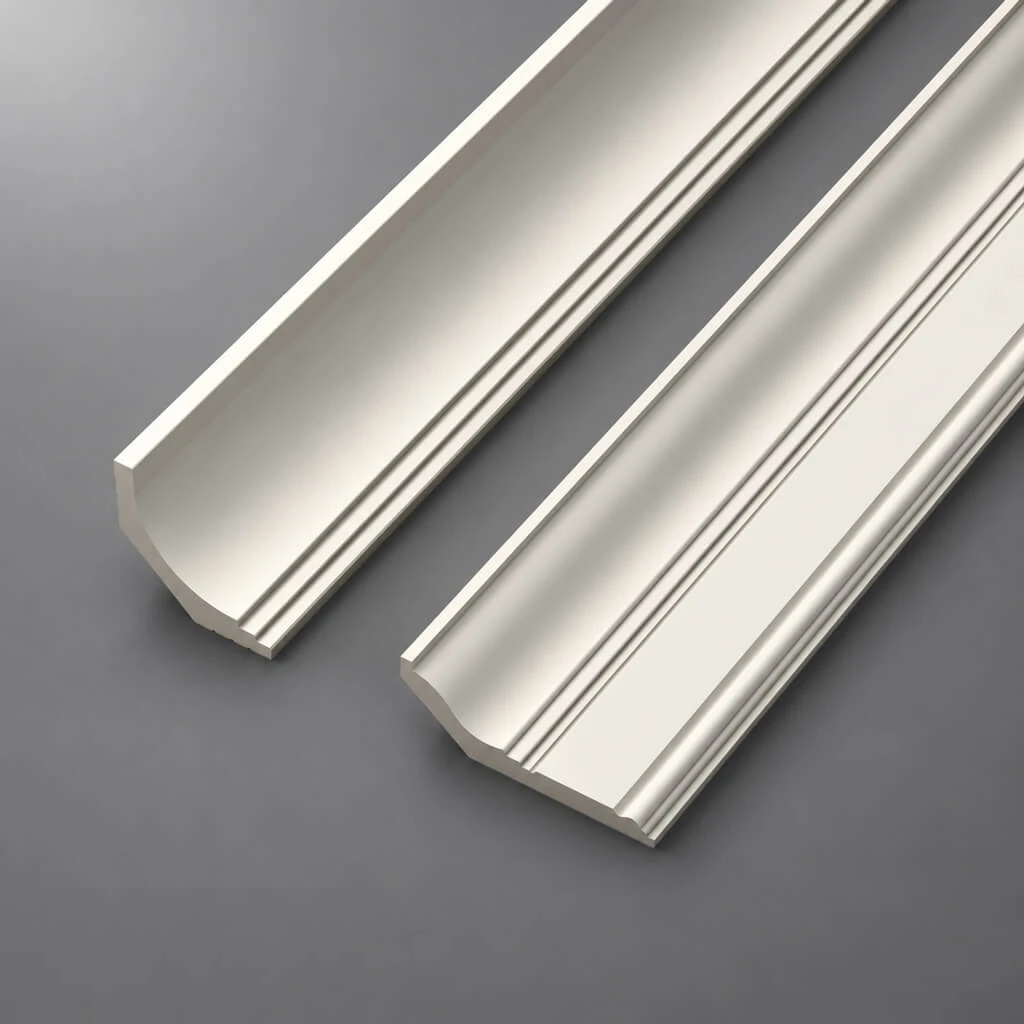
Ceiling cornice with backlight — one of the main tools of interior light architecture. Its task is not only to create an architectural transition from wall to ceiling, but also to hide the light source, creating the illusion of a glowing strip from which the ceiling "grows" upward.
Operating principle of LED niche in cornice
Cornice with groove for LED strip is mounted with a gap from ceiling: 7–12 cm — optimal distance for light diffusion. Smaller gap gives more concentrated and bright strip. Larger gap — softer, widely diffused glow.
The light is directed upward: it reflects off the ceiling and creates the effect of a glowing field above the cornice. The ceiling appears higher. The room feels more spacious. This is not an optical illusion — it is the property of diffused light to create a sense of space.
A wooden cornice matching the slats
wooden cornicemade from the same solid wood as the slats on the walls creates a material connection between the wall and the ceiling. Wood below — the slats. Wood above — the cornice. A single natural material, illuminated by hidden light, creates a warm, organic lighting environment.
Wooden beamsfor hidden lighting must have the correct geometry: an inner shelf for the strip, an overhang that hides the source from direct view from below. This is a structural requirement, not an aesthetic preference.
Polyurethane cornice for hidden lighting
polyurethane ceiling decor— cornices, profiles, bands — work well as light diffusers. Polyurethane accurately reproduces the shape of the groove, accepts painting in any color, and creates an even, smooth surface from which light reflects without distortion.
For a modern interior — a cornice in the color of the ceiling. For a classic interior — a cornice in the color of the wall, creating a monolithic upper perimeter.
Light line along the perimeter of the room
A cornice with lighting along the entire perimeter is a powerful technique for large spaces: living rooms, halls, restaurants. The light perimeter structures the room, marking its boundaries with a warm line. In combination with a slatted wall, it is an architectural ensemble of material and light.
Thin molding instead of a cornice: a delicate light line
For small spaces or low ceilings —Moldings made of polyurethaneas a light belt. A 40–60 mm profile with backlighting behind it creates a minimalist light line that doesn't weigh down the ceiling. Suitable for studio apartments, compact bedrooms, and work areas.
Baseboard with backlighting and lower light line
The lower light line is not new. But it still works: a baseboard with backlighting creates the effect of "floating walls," where the floor and wall are separated by a light gap. This technique makes even a small room visually taller and more spacious.
MDF baseboard for a modern interior
MDF Skirting Boardfor the lower light line: a baseboard with a groove on the top edge. The LED strip in the groove directs light upward onto the wall. This creates a soft glow on the lower part of the wall. Works well in corridors, hallways, and reception areas.
— is a horizontal element that frames the room at the bottom of the walls where the wall meets the floor. Skirting boards perform several functions: they hide the technological gap between the wall and floor covering (necessary for thermal expansion), protect the lower part of the wall from mechanical damage, create visual completion, and may conceal wiring.allows painting the baseboard to match the exact wall color — and when the backlighting is on, the boundary between the wall and baseboard disappears. Only the light strip near the floor remains.
White MDF Skirting Boardfor interiors with light walls. A white baseboard with warm backlighting from above creates a soft halo — neutral and unobtrusive.
Wooden baseboard for a slatted wall
If the slats on the walls are natural oak or beech, thenWooden baseboardat the floor creates a material rhyme: the wood of the wall — the wood of the floor. In this case, the lighting is directed upward, onto the slats — the light seems to rise from the floor to the wooden wall.
with a classic profile creates a sense of solidity, reliability.with a selected groove on the top edge — a structural solution for hidden bottom lighting. A groove 8–12 mm wide is sufficient for a standard LED strip 8 mm wide.
Wide wooden baseboard for a classic space
Wide Wooden Skirting Board— 80–120 mm — for halls, libraries, formal rooms of a country house. The wide front plane of the baseboard with lighting creates a wide light strip near the floor — soft, solemn, characteristic of hotel interiors.
Combination of baseboard and cornice in a single lighting scheme
Lower light line (baseboard with lighting) + upper light line (cornice with lighting) — a classic two-level lighting scheme. The space is literally "wrapped" in light: soft glow from above and below, main wall finish in the center. This works in any room, from a living room to a commercial reception.
Moldings, corners, and bars: technical precision of the lighting system
Lighting is merciless to installation. With ordinary lighting, minor carelessness is invisible. With side lighting or hidden light — every gap, every open end, every crooked joint comes to the forefront. That is whywood trim itemsin a system with lighting — not an auxiliary element, but a mandatory one.
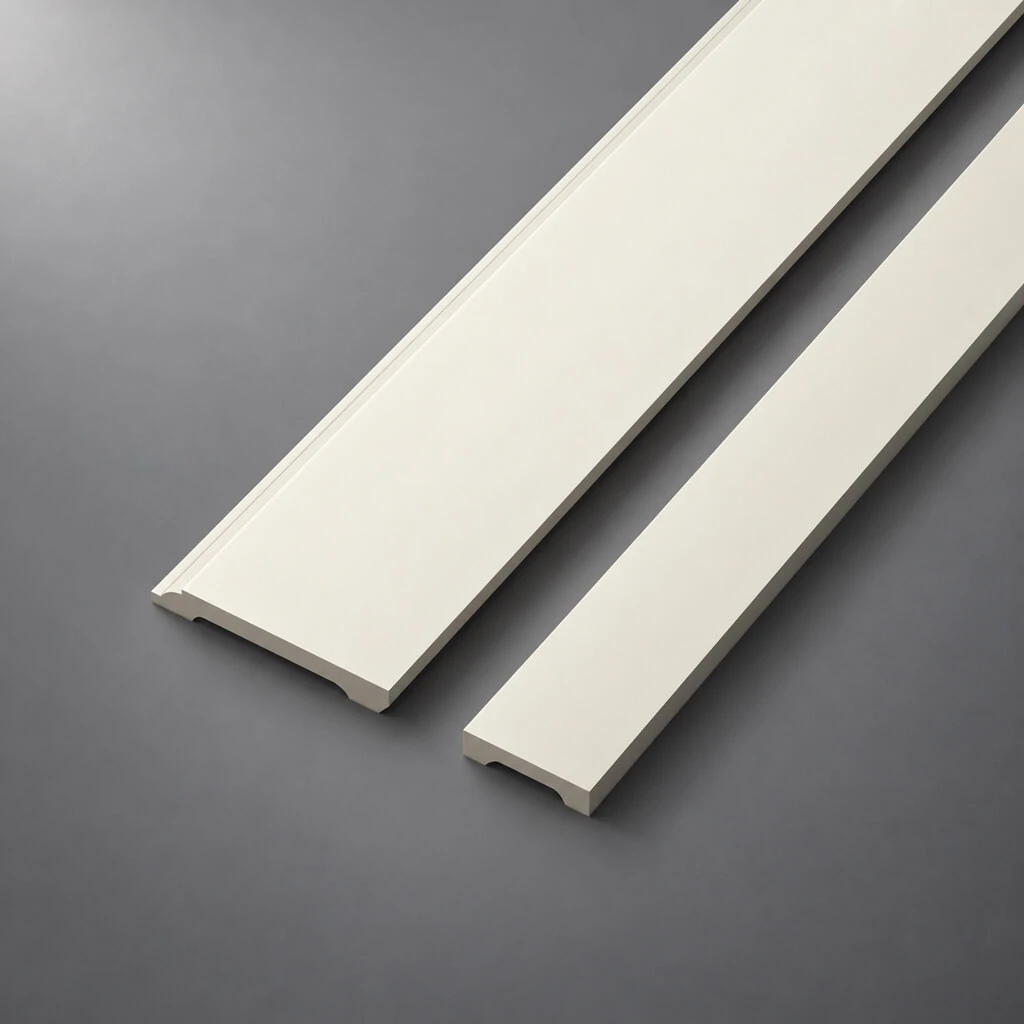
Wooden bar as a support strip and light channel
Wooden blockperforms a dual function in a slatted system with backlighting. First, it is a load-bearing horizontal bar to which vertical slats are attached. Second, it is the side wall of the light channel: the bar at the bottom and top of the slatted zone covers the ends of the slats and limits the light field. Without these bars, light "leaks" beyond the slatted zone in an uncontrolled manner.
A bar 20–30 mm thick is optimal for creating a gap between the wall and the slat: the LED strip is placed in this gap.
Wooden corner for external corners
Wooden anglecovers external corners where the slatted panel transitions to an adjacent wall. In a system with backlighting, the corner additionally functions to block light at the corner transition: without the corner, light escapes through the corner gap and creates a "light spill" on the adjacent wall.
The corner is mounted tightly to the slats, using glue or liquid nails, with size adjustment.
Linear profiles for ends and junctions
Trimming Itemscover the junctions of the slatted zone with doorways, window slopes, posts, and partitions. In a system with backlighting, each junction is a potential point of light leakage. Linear profiles matching the slats create a sealed side boundary: light remains inside the lighting system.
How linear profiles connect slats with baseboard and cornice
The system works as follows: the horizontal bar at the bottom of the slatted zone adjoins thewooden skirting boardorMDF baseboardat the floor. The horizontal bar at the top adjoins the cornice at the ceiling. The vertical corners adjoin the moldings or adjacent walls. All transitions are closed, all ends are hidden, all light lines are controllable. This is professional installation of a slatted system with backlighting.
Ideas for five types of rooms
Living room: cinema and living room in one
Wooden boards in interiorin the living room — on the wall behind the TV with backlighting behind the slats.Moldings made of polyurethanewith frame layout on the side walls — in the color of the wall. Cornice with backlighting around the perimeter of the ceiling — warm white, 2700 K.White MDF Skirting Board— around the entire perimeter.
Evening scenario: TV backlight is on, cornice is dimmed to 30% power. The living room transforms into a cinema with atmospheric lighting — without a single visible light fixture.
Bedroom: coziness and tranquility
Slats behind the headboard — natural oak. Backlighting behind the slatted panel — warm yellow, 2700 K, dimmable.Polyurethane wall decorwith frame moldings on the side walls — in the color of the wall.Wooden baseboardflush with the slats — 60 mm. Cornice with top lighting — soft diffused light on the ceiling.
Night mode: backlight behind the slats at 10–15% — a night light replacing the bedside lamp.
Hallway: the first and last impression
vertical wooden slatson the side wall of the hallway with backlight behind the slats from below. The light is directed upward — it illuminates the slats and creates soft diffused lighting in the hallway.— is a horizontal element that frames the room at the bottom of the walls where the wall meets the floor. Skirting boards perform several functions: they hide the technological gap between the wall and floor covering (necessary for thermal expansion), protect the lower part of the wall from mechanical damage, create visual completion, and may conceal wiring.matching the wall color — the bottom line without accent.Wooden angleon the outer corners — clean vertical lines.
Result: a hallway that is pleasant to enter and hard to leave.
Study: work area lighting
Wooden planks for decorationon the wall behind the desk, backlight from the rear. A molding frame around the slat area —Decorative wooden moldingsmatching the slats.wooden cornicewith top lighting — like professional work area lighting.Wooden baseboardmatching the furniture color.
Reception area: brand in light
Wooden slats for the reception area— behind the reception desk, lighting behind the slats.Polyurethane Items— a molding frame around the slatted area with a logo. Cornice with lighting — along the ceiling perimeter.Trimming Items— for all junctions and ends.MDF Skirting Boardfor painting — in the brand color.
Mistakes when working with lighting: eight warnings
Too bright light line
Lighting behind the slats should not be blinding. Maximum — 300–400 lumens per meter for decorative lighting. High brightness turns an atmospheric element into a "neon sign". Always use a dimmer.
Lighting reveals uneven installation
Side or back lighting highlights all installation flaws: uneven slat placement, gaps at joints, inconsistent spacing. Preparation for installation with lighting must be an order of magnitude more thorough than without it.
Open ends of slats are illuminated gaps
Without horizontal limiting strips, light 'leaks' through the ends of the slats as unsightly spots.Wooden blocktop and bottom is a mandatory element.
Cornice without proper geometry
If the cornice does not have sufficient overhang and a proper niche, the LED strip will be visible when viewed from below — instead of a hidden light line, you get a visible source. Check: the viewing angle of the strip must be hidden by the cornice overhang.
Baseboard conflicting with the slatted wall
White MDF baseboard with dark oak slats — a sharp contrast that reads as a color conflict in the light (especially lower light). The baseboard must be part of the material system.
Too many wood shades
Three different shades — slats, cornice, baseboard — are especially visible in a system with lighting: the light emphasizes the difference in tones. A single species or a single shade of finish is a rule without exceptions.
Slats + large stucco molding + bright backlighting simultaneously
Three active elements on one wall — overload. Either slats with backlighting — and delicate moldings, matching the wall color. Or large stucco molding with backlighting — without slats. You cannot compete with yourself.
No access for tape maintenance
LED strip requires replacement every 3–5 years. If it is permanently hidden — behind slats without removal capability, behind a baseboard glued on — replacement will require dismantling. Provide removable panels or accessible gaps.
About the company STAVROS
For those creating decorative walls with backlighting — whether in an apartment, a country house, or a commercial property — STAVROS offers a full range of elements proven in real projects.
In the STAVROS catalog for lighting interior systems:Wooden planksmade of solid oak and beech with precise profile,Rafter panelsfor quick installation,wooden corniceandWooden beamsvarious profiles for hidden backlighting,MDF Skirting BoardandWooden baseboardwith the ability to choose for any lighting scheme.
For installation precision:Wooden block, Wooden angleandwood trim itemsfor closing all ends, corners, and junctions. For decoration —Decorative wooden moldings, Moldings made of polyurethane, Wall Decorandpolyurethane ceiling decor, as well as the full rangepolyurethane productsfor architectural design of the space.
Detailed diagrams for working with LED niches in cornices, baseboards, and moldings — in the practical material aboutinstalling polyurethane moldingson the STAVROS website.
FAQ: Answers to popular questions
How to attach LED strip behind wooden slats?
The strip is mounted on an aluminum profile channel, which is fixed to the wall in the gap between the wall and the slats. The gap must be at least 20 mm to accommodate the profile and ensure proper light diffusion. The slat itself is then attached to horizontal support planks — a bar.
What color of LED to choose for wooden slats?
For natural wood — warm white, 2700–3000 K. It highlights the warm tones of oak and creates a cozy atmosphere. Cold white (4000–6500 K) conflicts with wood: the wood starts to look gray and 'dead'.
Can wooden slats with backlighting be used in the bathroom?
With proper protection of the slats (minimum — water-repellent oil, better — high-protection varnish) and a correct LED strip with protection class IP65 and above — it is possible in areas away from direct splashes. Direct contact with water is excluded.
How to install a polyurethane mounting molding for hidden lighting?
The molding is installed with a gap of 10–12 cm from the ceiling. In the space between the molding and the ceiling, an LED strip on an aluminum profile is placed. The molding is mounted using specialized adhesive sealant and additional point fasteners. Detailed technique is in thearticle on installing polyurethane molding.
How not to overload the interior with slats and lighting?
The rule of one accent: illuminated slats on one wall. A cornice with lighting is a separate, background scenario. Moldings are delicate, in the color of the wall. Everything at once and at full brightness is a mistake. A dimmer and lighting scenarios are mandatory.
Which baseboard to choose for an interior with wooden slats and lighting?
If the slats are natural oak, then a wooden baseboard made of the same material creates a material rhyme. If the slats are for painting, then an MDF baseboard for painting in the same color. A baseboard with a groove for the strip is an additional light layer for the lower part of the wall.
Is a dimmer needed for slatted wall lighting?
A dimmer is mandatory. Without a dimmer, decorative lighting is either too bright and blinding, or you have to choose one fixed brightness. With a dimmer, there is one scene in the morning, another in the evening, and a third at night. This fundamentally changes the perception of the interior.