




























Article Contents:
- A book zone is a visually rich space: how to work with it
- Anatomy of a book zone: what needs to be decorated
- Wall with bookshelves: background and framing
- Side walls next to the shelving unit
- Top of the bookcase: the most underrated element
- Bottom line: baseboard at the shelving unit
- Reading area: armchair, lamp, and decorated wall
- Wooden slats in a home library: seven usage scenarios
- Scenario 1: Slats on side walls next to shelves
- Scenario 2: Slats on the wall behind shelves — vertical rhythm
- Scenario 3: Slats as vertical inserts between cabinets
- Scenario 4: Slats on the wall behind the reading area
- Scenario 5: Slats as a frame for a book niche
- Scenario 6: Slats on the wall with a desk and shelves
- Scenario 7: Slats as dividers between living room-library zones
- How to choose slats for a book wall: sizes, tinting, wood species
- Stucco decor and moldings for a home library: from light contour to classic portal
- Moldings around a built-in bookcase: portal frame
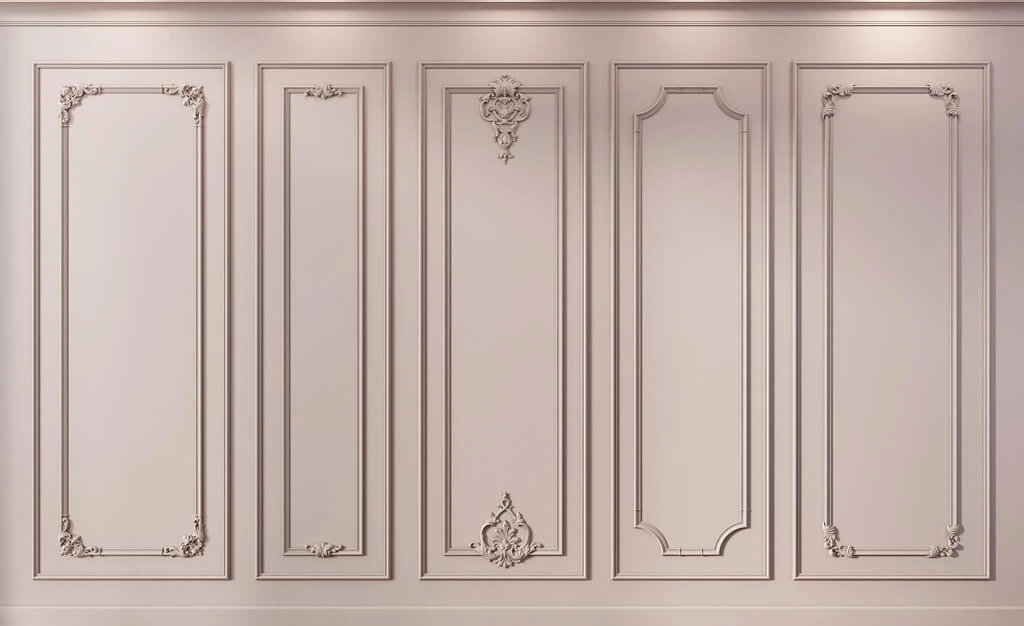
- Frame panels on side walls: architectural support
- Horizontal molding belt above the book area
- Stucco decoration in wall color: invisible structure
- Wooden moldings matching shelves: material cohesion
- Cornice above the book area: architectural top finish
- MDF furniture cornice: practical and beautiful finish
- Wooden cornice for a classic library
- Ceiling cornice for library: perimeter finish
- Light cornice above the library: architecture and lighting
- Baseboard for home library: bottom line as an architectural detail
- MDF baseboard for a modern library
- Wooden baseboard for a library with slats
- Wide wooden baseboard for a classic library
- How to join baseboard with a bookshelf
- Moldings, corners, and strips in a home library: the power of details
- Wooden corner: covering all open ends
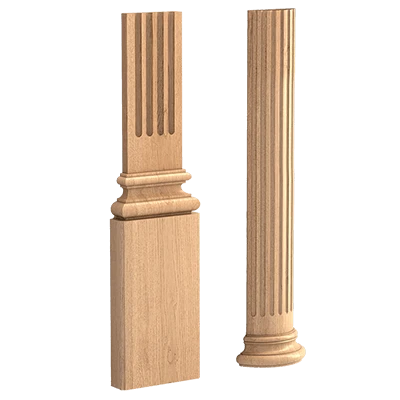
- Wooden strip: load-bearing base for slats
- Molding products for furniture and interior: system solutions
- Ready-made design schemes: five types of libraries
- Scheme 1: Modern library — slats, MDF baseboard, thin cornice
- Scheme 2: Classic library — moldings, wide wooden baseboard, wooden cornice
- Scheme 3: Library in the living room — shelves, slats nearby, stucco decor on the adjacent wall
- Scheme 4: Reading area — armchair, slats behind, moldings in wall color
- Scheme 5: Study-library — wooden trim, cornice, baseboard, strict moldings
- Eight mistakes in designing a home library: an honest analysis
- FAQ: most common questions about home library decor
- STAVROS: complete system for a home library
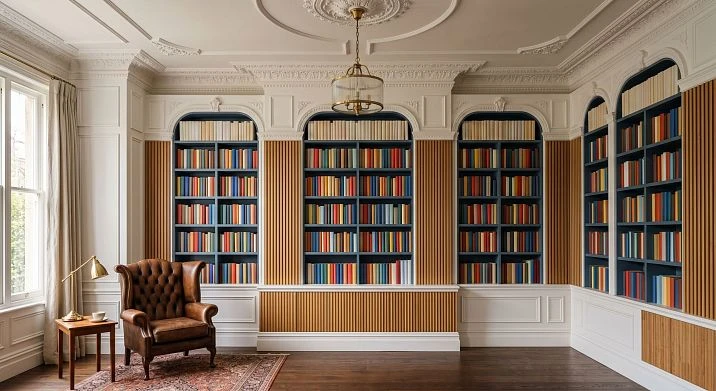
There are spaces that define a person. Not the bedroom, not the kitchen — the library. The place where books, thoughts, discoveries, and silence come together. A home library is not just a wall with shelves. It is an architectural statement where every detail speaks of the owner's taste, style, and depth of perspective.
But this is where most make a mistake: bookshelves are placed against the wall — and that's it. No framing, no matching baseboard, no cornice above the cabinet, no slats connecting the book area with the rest of the space. There are shelves — but no library.
This article is about how to create a real home library — not a furniture one, but an architectural one. Wherewooden slats for the library, molded decor for a wall with shelves, moldings, cornice, baseboard, and linear elements form a system — cohesive, thoughtful, and alive.
Book zone — a visually rich space: how to work with it
Before choosing decor, you need to honestly answer one question: what exactly are you working with? A book wall itself is already a complex visual environment. Multi-colored spines, varying book heights, open shelves, closed sections, items on shelves, light, shadow — all of this creates a high visual load.
Therefore, the decor of a home library should be structuring, not adding. Its task is not to enrich the wall with another layer, but to gather everything existing into a single image.
That is why professional designers, when working with book zones, choose one of two approaches. The first is decor in the color of the wall and furniture, structurally invisible. Moldings in the color of the wall,wooden slats for wall finishingin a neutral tint, a baseboard blending with the background. The second is decor as an accent, deliberate contrast: dark slats on a light wall, an expressive cornice above the cabinet, a wide wooden baseboard as a monumental lower boundary.
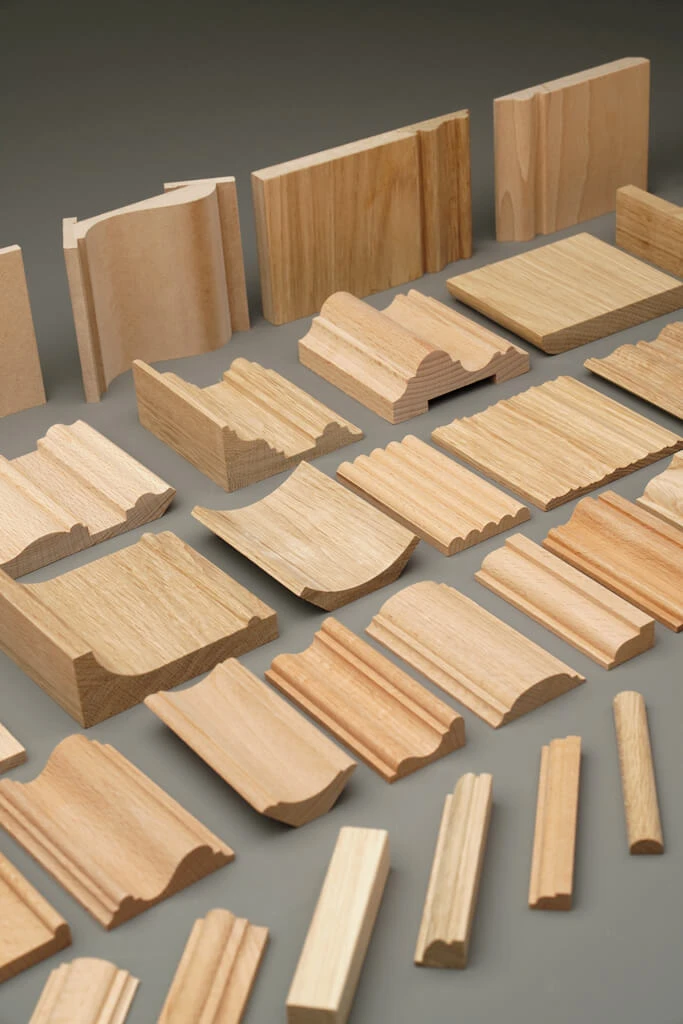
Both approaches work. Both require a system. And both rely on the same materials:Rafter panels, Decorative wooden moldings, wood trim items, cornices and baseboards.


Anatomy of a book zone: what needs to be decorated
A home library is not a single object, but several interconnected elements. To design it correctly, you need to see each of them.
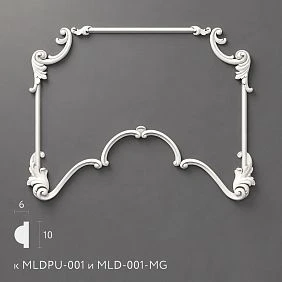
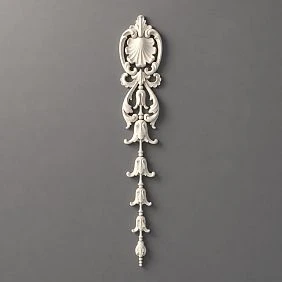
Our factory also produces:
Wall with bookshelves: background and framing
The wall behind or around the shelves is a plane that is partially visible: between the shelves, above the cabinet, on the sides. This is where it worksWall decoration with wooden slatsas a vertical rhythm, coordinated with the rhythm of book spines. Or molding frames as an architectural framing of sections.
Get Consultation
Side walls next to the shelving unit
If the bookcase or built-in shelves do not occupy the entire width of the wall, there are side walls left on the sides. This is a critically important area. Untreated, they "cut off" the cabinet from the room space. Decoratedwith wooden slats near the bookcaseor moldings — they become a transition zone that integrates the library into the overall interior of the room.
Top of the bookcase: the most underestimated node
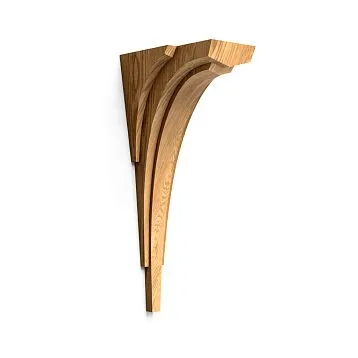
When a cabinet doesn't reach the ceiling (which is the case with most ready-made bookcases), a gap remains between the top surface of the cabinet and the ceiling. This space is an architectural problem that is solved either sloppily (with a piece of plywood) or beautifully — usingan MDF cabinet corniceorwooden cornice.
Bottom line: baseboard at the shelving unit
Baseboard for a wall with shelves — another detail that is often ignored. The cabinet is placed against the wall, and the baseboard is either interrupted behind the cabinet or "forgotten" at the base. The correct solution: the baseboard is coordinated with the material and tint of the shelves, wraps around the sides of the cabinet, and creates a neat bottom line for the entire book area.
Reading area: armchair, lamp, and decorated wall
An armchair by the bookshelves is a separate decorative object. The wall behind it should be a calm but expressive backdrop.Wooden slats for the reading area behind the armchair — a warm tactile backdrop that creates a feeling of coziness and security. A molding frame on the wall behind the armchair — an intimate framing for the relaxation area.
Wooden slats in a home library: seven application scenarios
Wooden slats for a book wall are a versatile tool. But 'versatile' doesn't mean 'simple.' It's important to understand where and how exactly slats work in the context of a library.
Scenario 1: Slats on side walls next to shelves
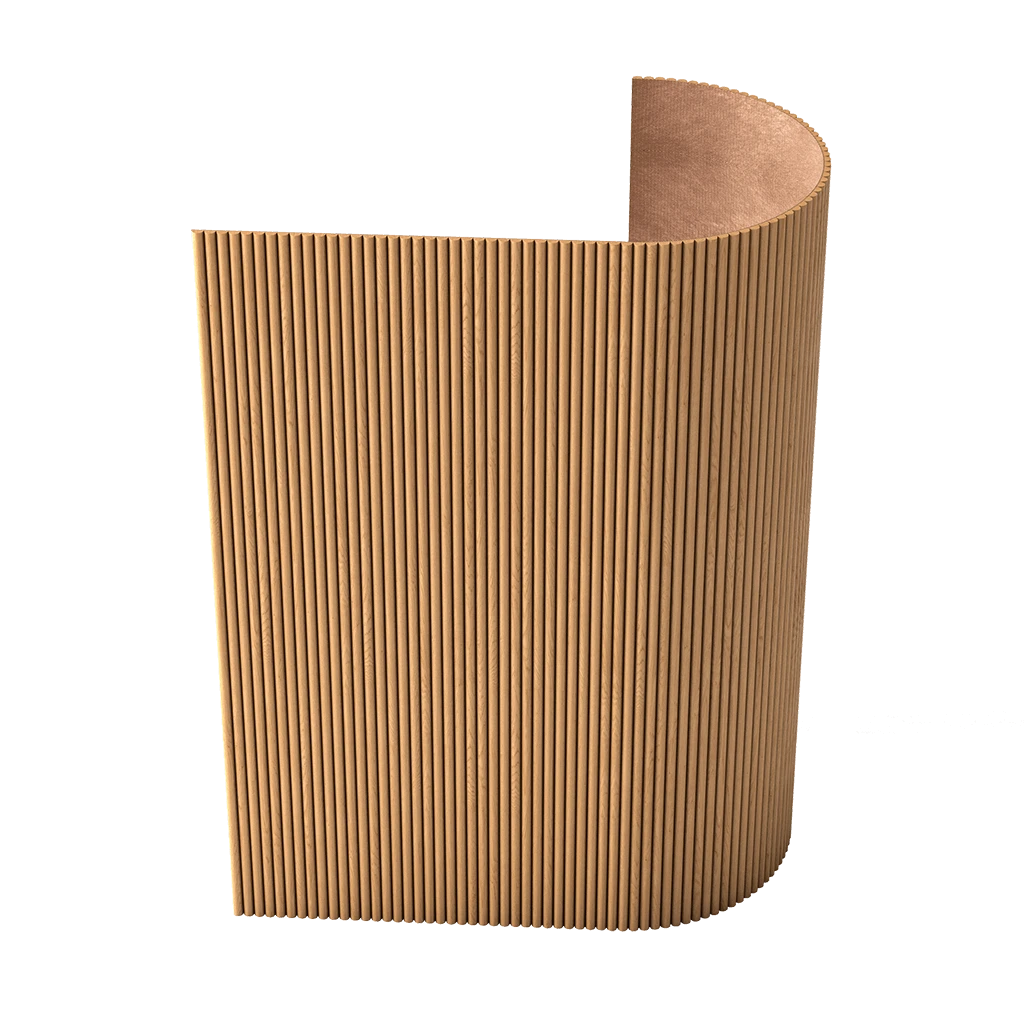
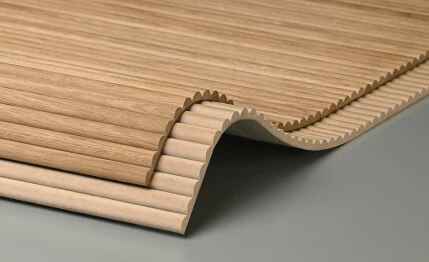
This is the most common and organic scenario.vertical wooden slats on the walls on either side of the bookcase visually 'frame' the case — just as molding frames a painting.
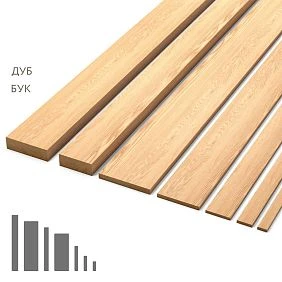
The slats are mounted from the baseboard to the ceiling. Their width and spacing should be coordinated with the width of the cabinet bodies: wide slats (40–60 mm) with a small step for massive classic cabinets, narrow ones (20–30 mm) with a more open step for light Scandinavian shelving.
Scenario 2: Slats on the wall behind shelves — vertical rhythm
If the library is open (without fronts, only shelves), the wall behind the books is partially visible — between the spines, in unfilled sections, above and below the rows of books.Buy oak wooden planks for walls and mounting them behind open shelves means creating depth: the slats add a second visual layer behind the books, the shadow between the slats creates perspective.
This works especially effectively when the tint of the slats is coordinated with the color of the shelf bodies: dark slats behind dark shelves create a monolithic dark background, light ones create airiness and lightness.
Scenario 3: Slats as vertical inserts between cabinets
In modular built-in libraries, decorative gaps of 5–15 cm often remain between individual cabinet sections.vertical wooden slatsIn these gaps, slats create a visual "bonding" between modules: the sections cease to be separate pieces of furniture and turn into a single built-in structure.
Slats in the gaps are mounted onwooden barsbetween the sides of the cabinets. The ends are closed withwooden corner pieces.
Scenario 4: Slats on the wall behind the reading area
Behind the reading chair, there is always a wall. Often it is empty or has a single painting. Butwooden slats next to shelveson the wall behind the reading area create a warm tactile background. This is not "decoration for decoration's sake" — it is a psychologically important plane: it shelters, creates a sense of intimacy and coziness.
Scenario 5: Slats as a frame for a book niche
A built-in niche with books is an architectural element that itself requires framing.Wooden slats near the bookshelfaround the niche — vertical on the sides, horizontal on top — create a portal framing for the niche. Inside — books, the wall is painted in an accent color. Outside — a wooden frame. This is an architectural object.
Scenario 6: Slats on the wall with a desk and shelves
A study-library, where the desk is built under the shelves, is a special scenario.Wooden planks for decorationon the wall next to the work area create a "wooden cocoon" — a feeling of seclusion and concentration. The width of the slats for the study is 30–50 mm, the tint is dark or neutral.
Scenario 7: Slats as dividers between zones of a living room-library
In an open living room, where the book area neighbors the relaxation area,Wooden boards in interioron the accent wall behind the shelves help visually separate the "library" part from the "living room". Different widths or tints of slats in different zones create soft zoning without partitions.
How to choose slats for a book wall: sizes, tint, wood species
| Library style | Batten width | Step | Tinting | Species |
|---|---|---|---|---|
| Classic | 40–60 mm | 20–35 mm | Dark oak, walnut | Oak, walnut |
| Neoclassical | 35–55 mm | 25–40 mm | Tobacco, bronze | Oak, ash |
| Modern | 25–40 mm | 15–25 mm | Light oak, beige | Ash, oak |
| Scandinavian | 20–35 mm | 12–20 mm | Bleached oak, white | Ash, birch |
| Japandi | 30–40 mm | 20–30 mm | Natural wood | Oak, bamboo |
| Country study | 40–65 mm | 25–40 mm | Dark walnut, wenge | Walnut, oak |
Stucco decor and moldings for a home library: from a light outline to a classic portal
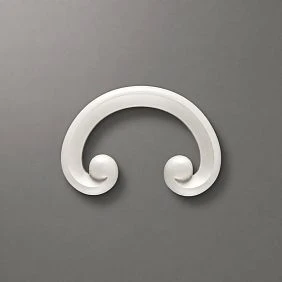
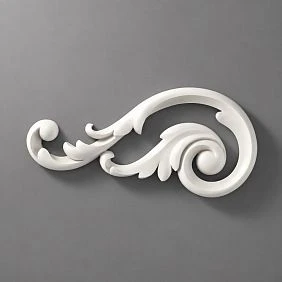
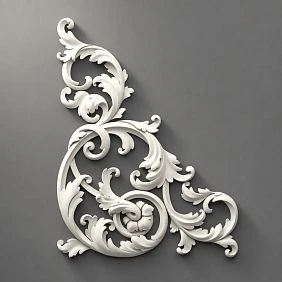
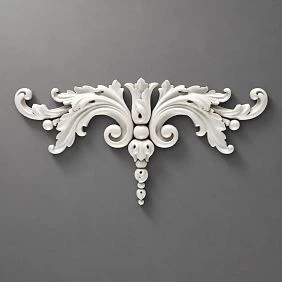
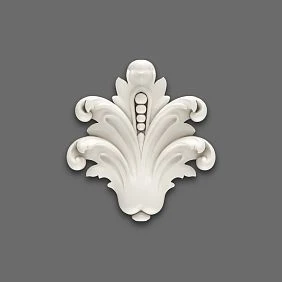
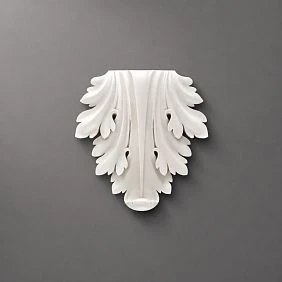
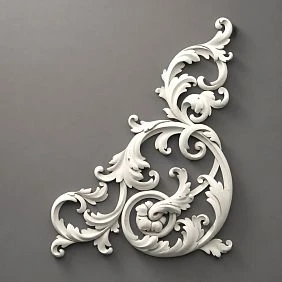
Stucco decor for a book wall — this is not an ornament on the wall next to books. It is an architectural system in which the book area is embedded as a central element.
Moldings around a built-in bookcase: portal frame
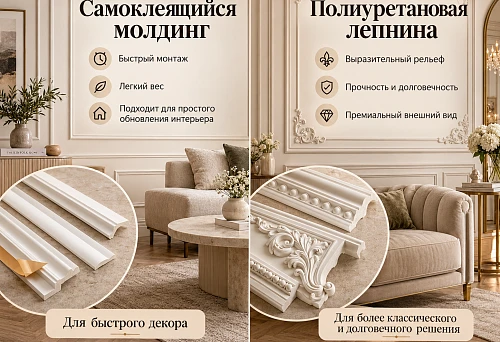
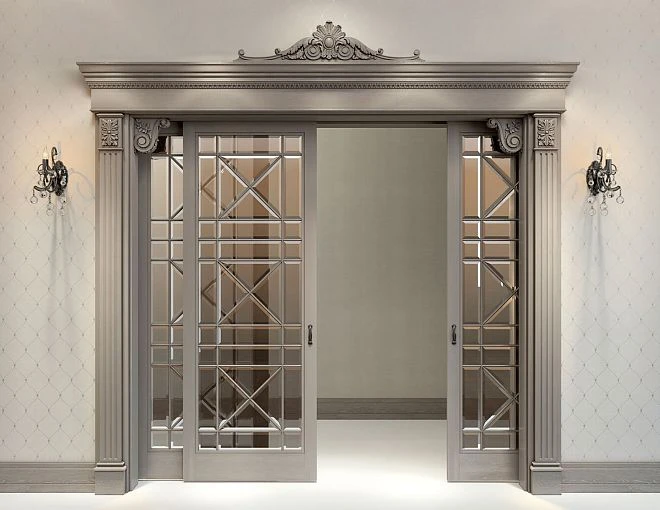
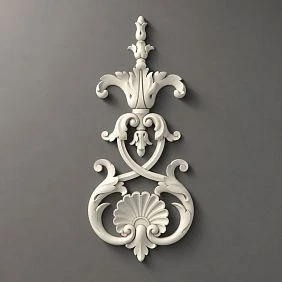
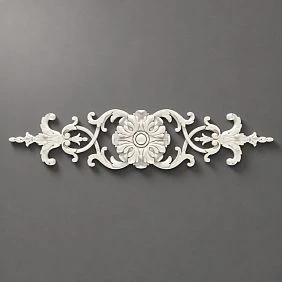
A built-in bookcase covering the entire wall is almost an architectural opening. It works with polyurethane wall decor as a framing molding. The principle is simple: vertical moldings along the side edges of the cabinet from the baseboard to the ceiling, a horizontal molding above the top plane of the cabinet. If the cabinet reaches the ceiling, the molding runs along the perimeter of the cabinet niche on the wall.
Moldings are installed with a small gap from the cabinet body — 5–8 cm. This "air" makes the frame an independent decorative element, not a glued-on part.
Frame panels on side walls: architectural support
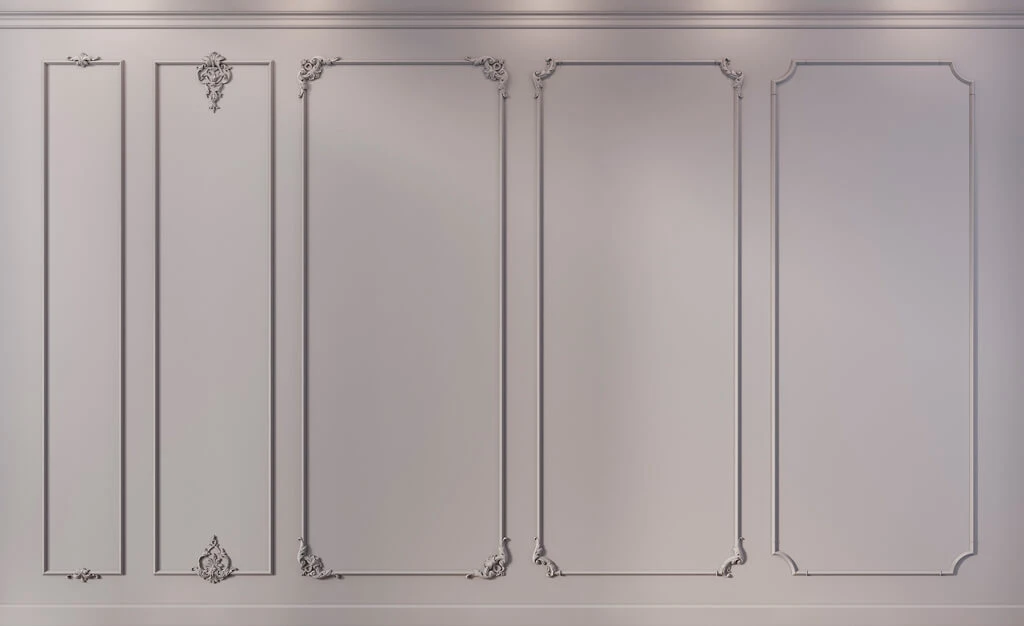
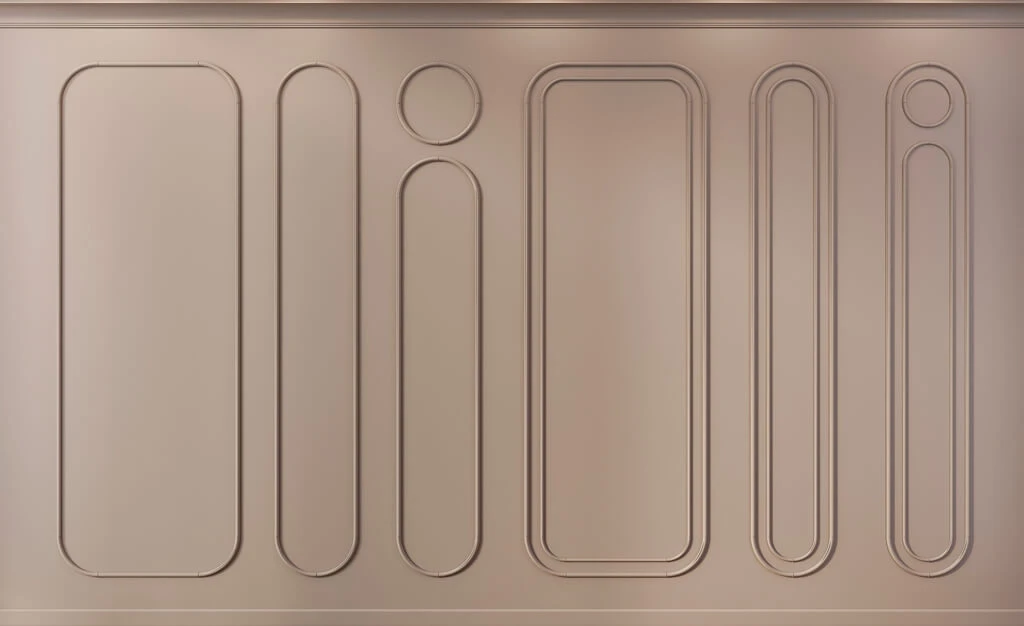
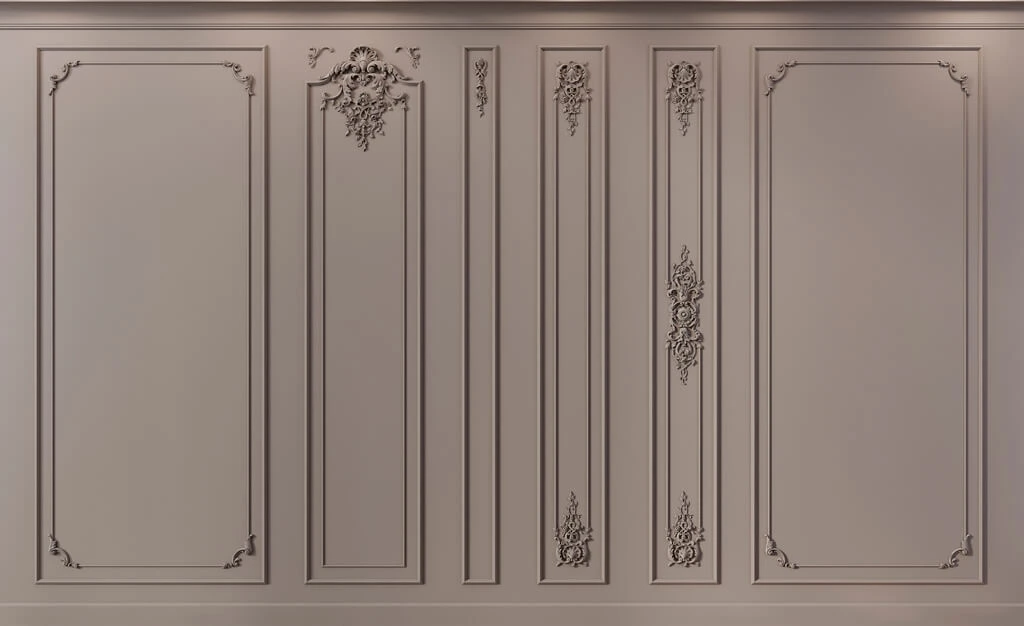
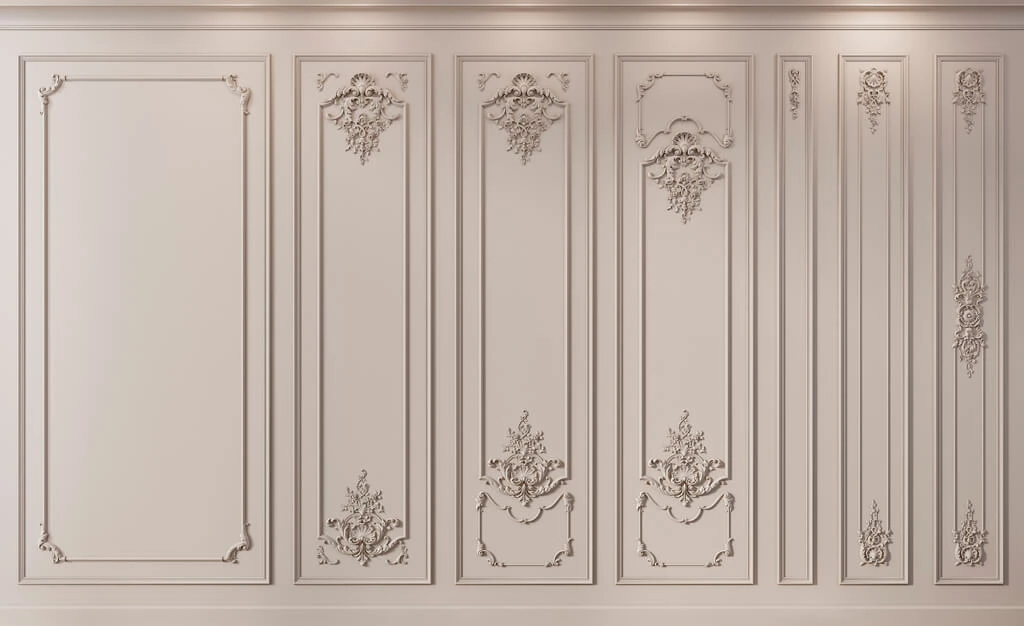
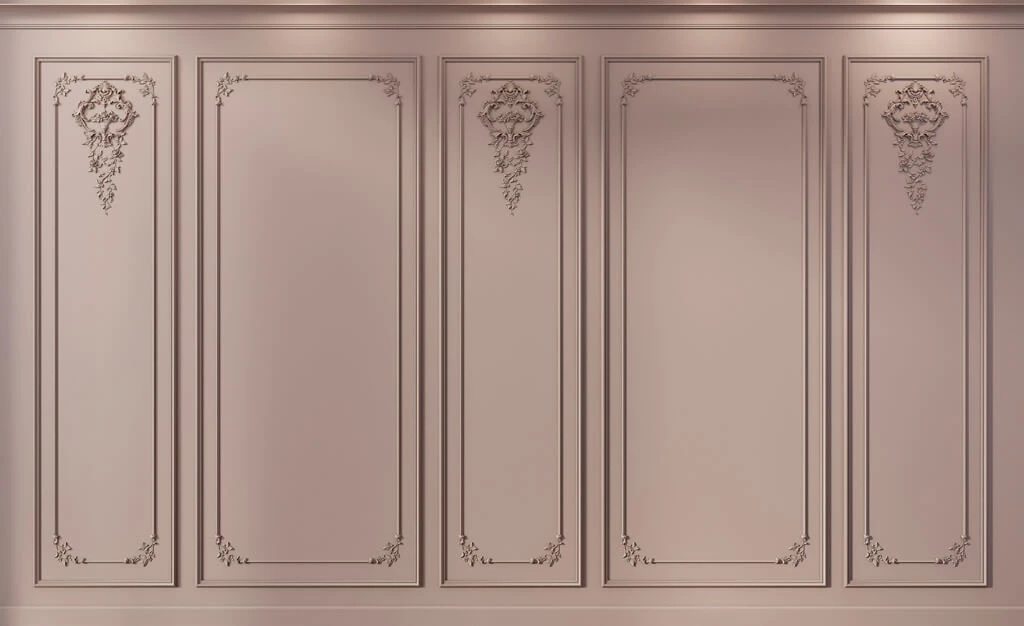
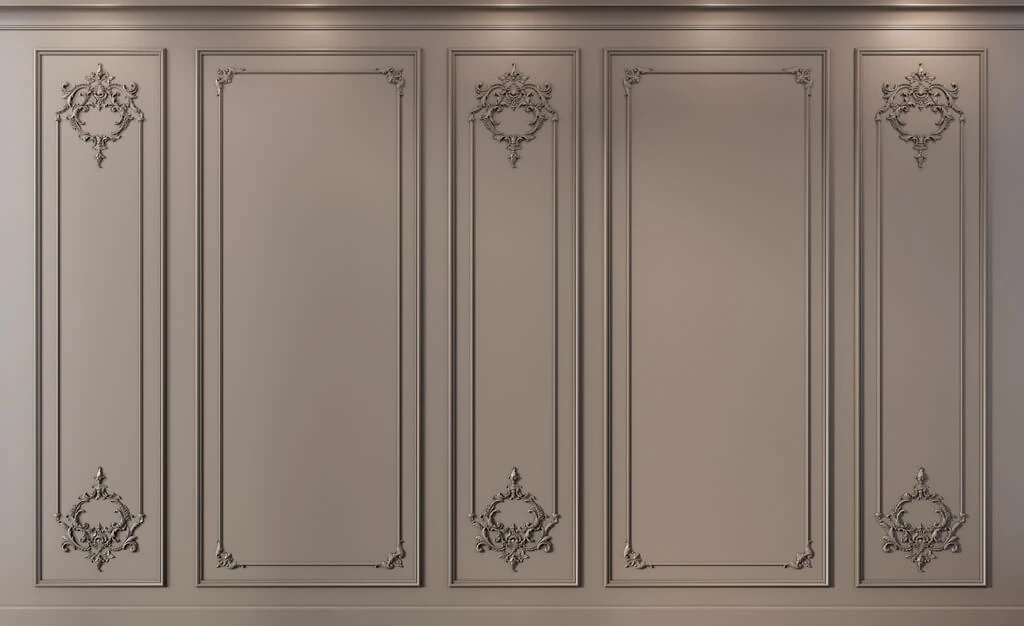
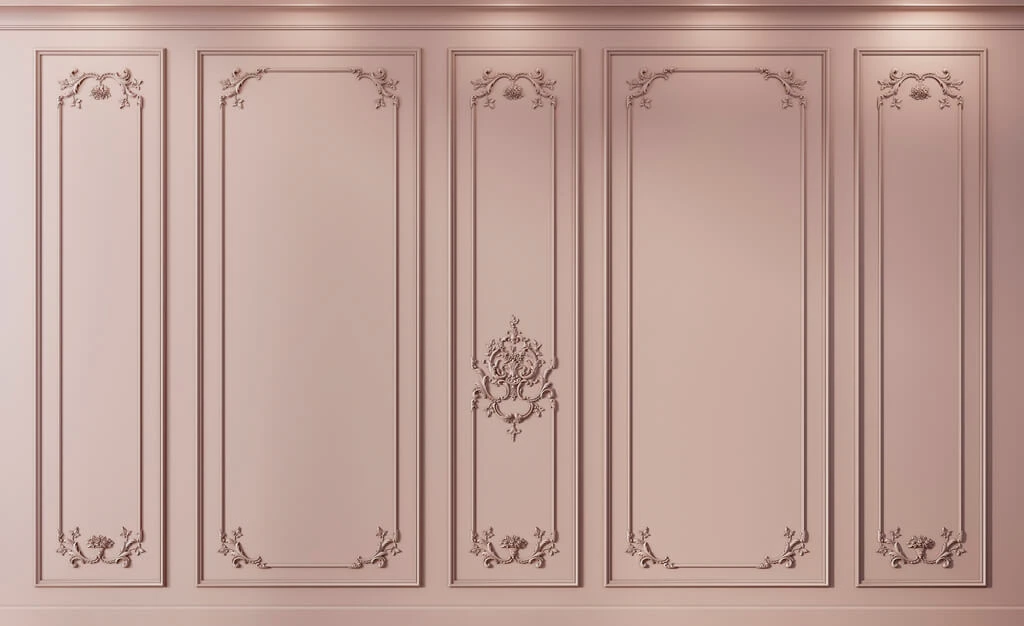
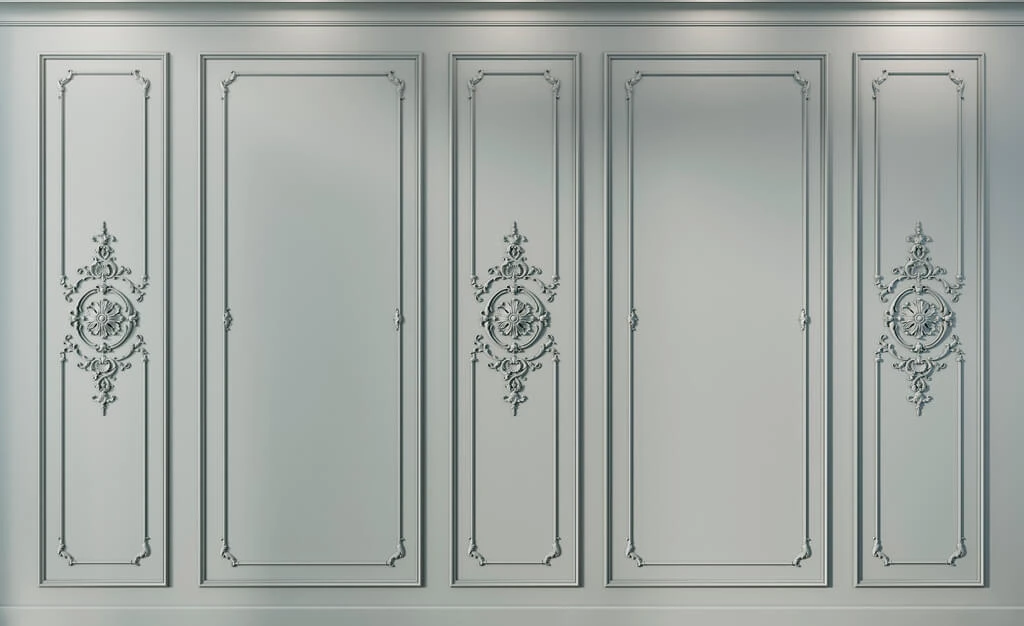
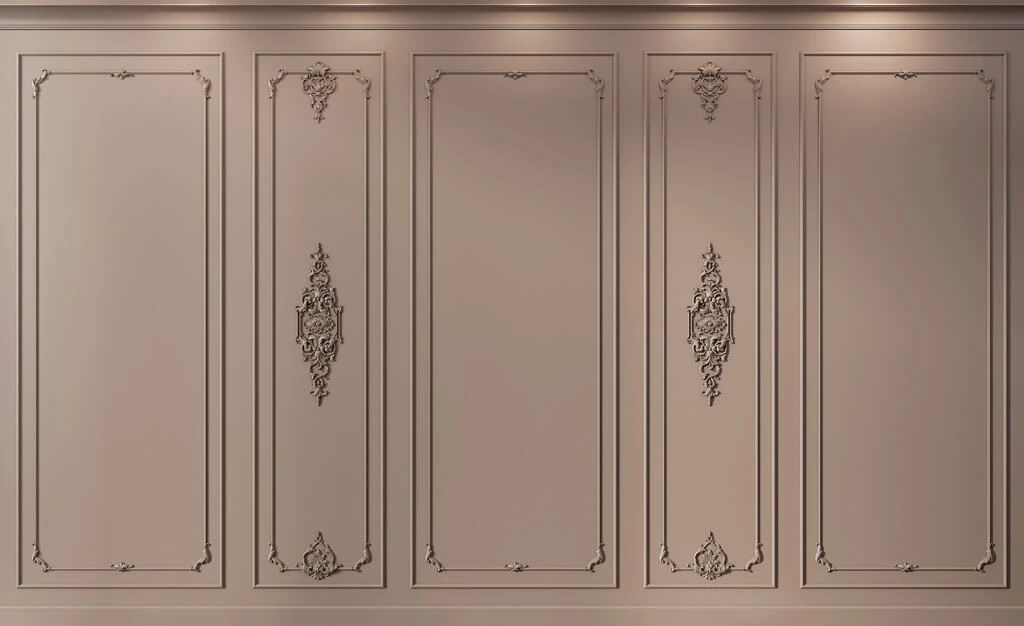
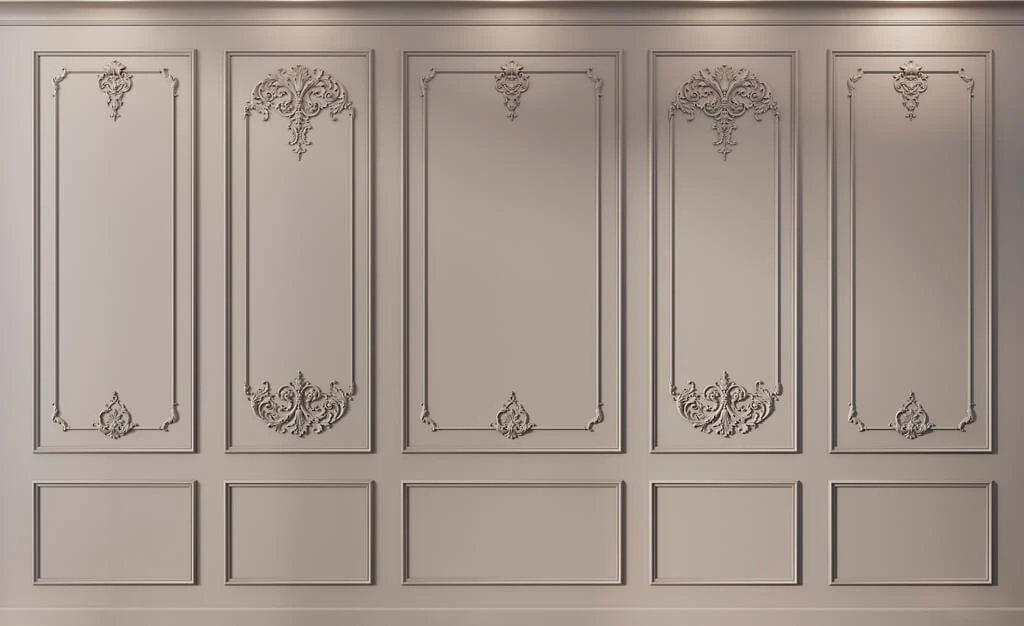
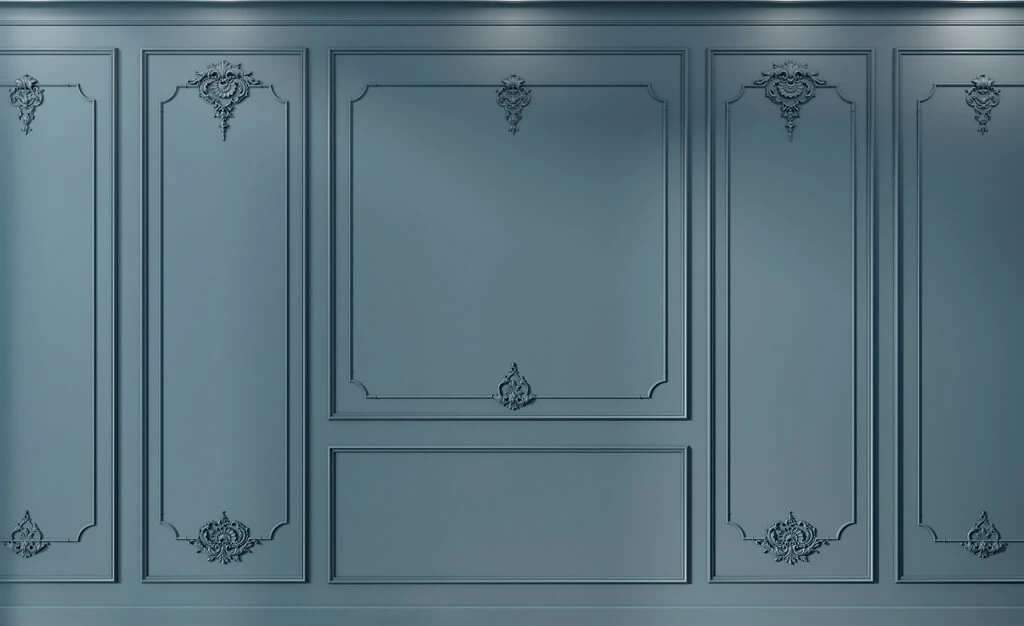
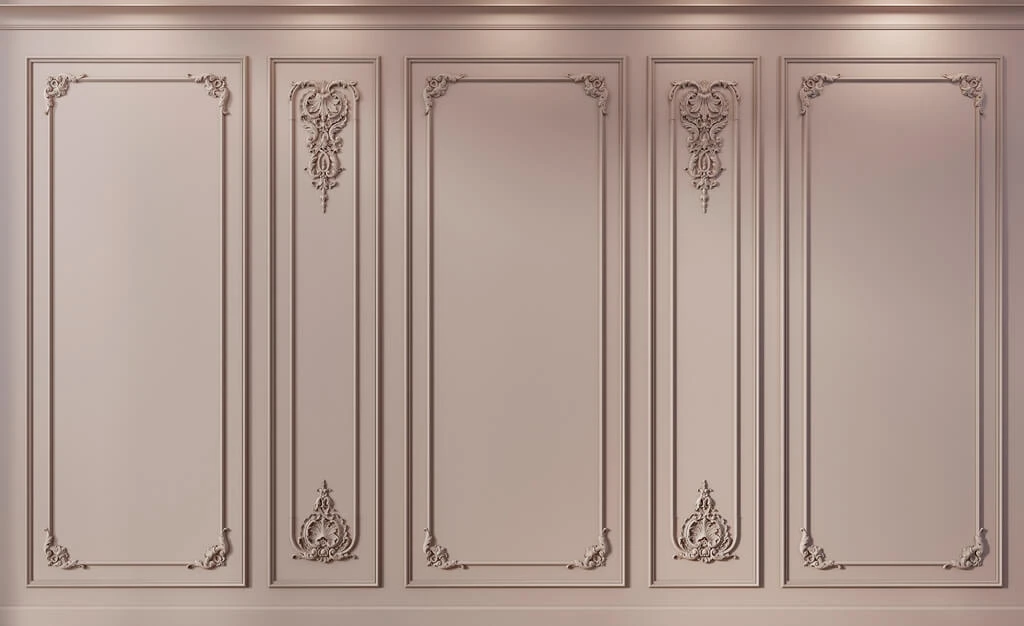
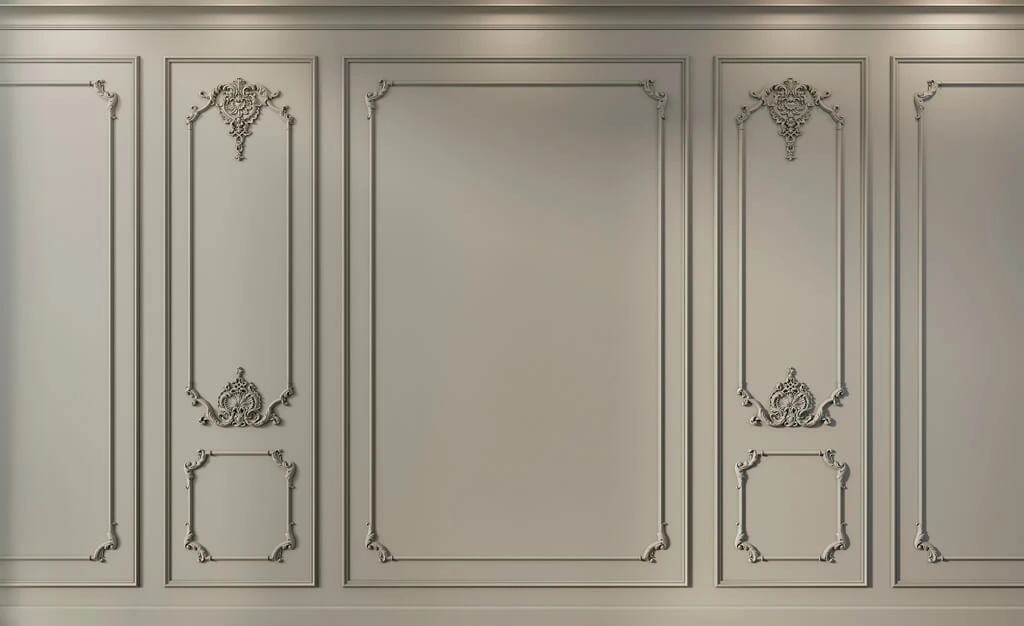
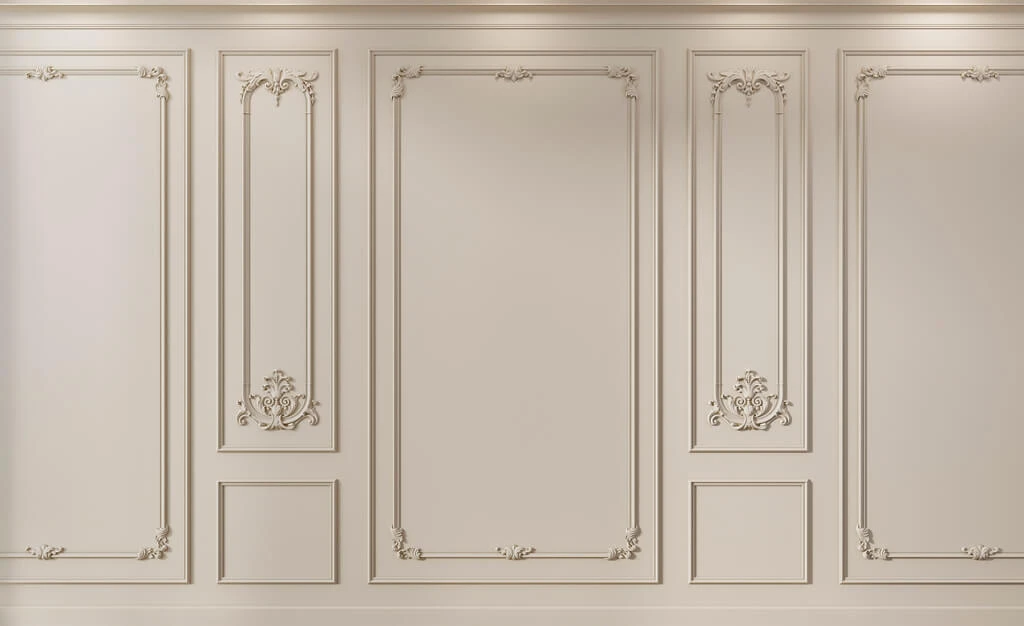
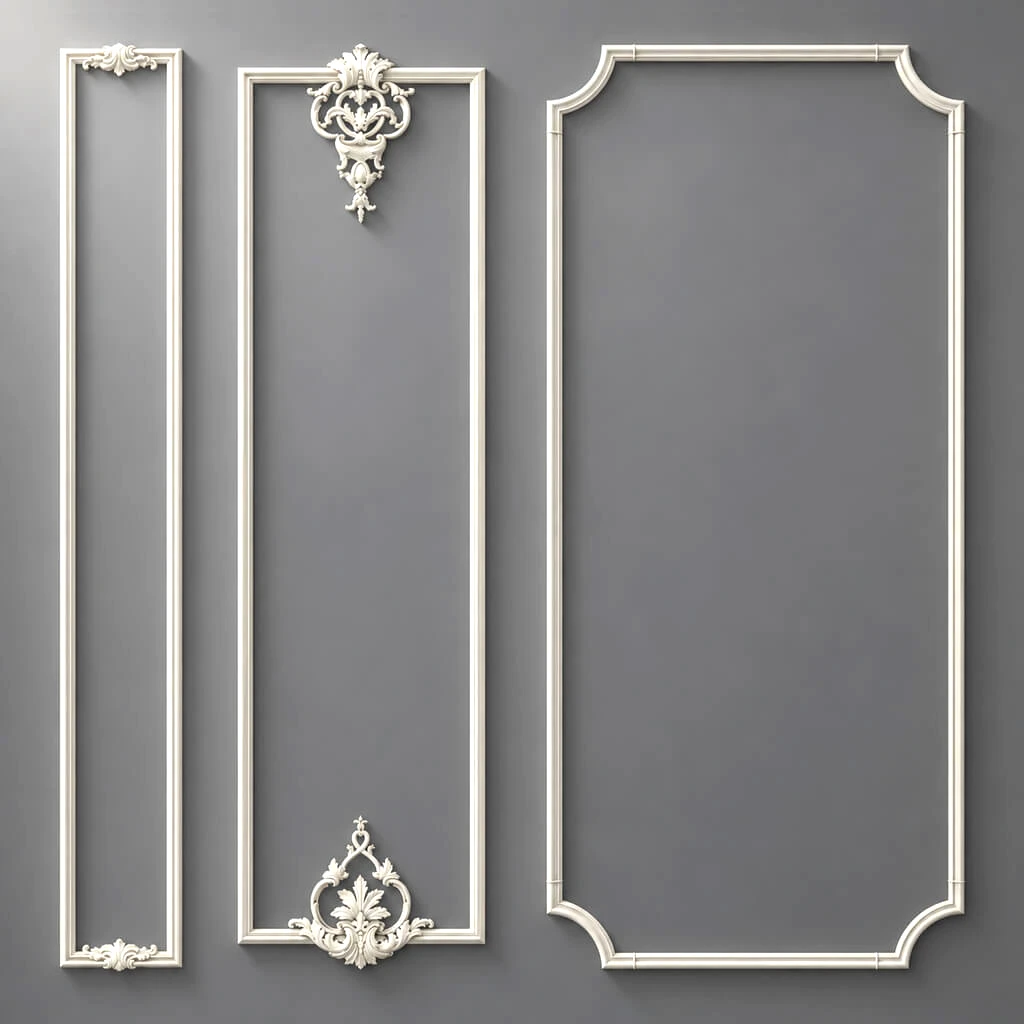
Moldings made of polyurethane in the form of frame panels on the side walls of the library room is a way to transfer architectural expressiveness from the wall with shelves to the entire space. Frame panels create the feeling that the entire room is a library-study, not just "a room with a cabinet."
For a classic library — frames in two to three rows in height, with precisely calibrated proportions. For a modern one — minimalist rectangular frames with a narrow profile in the color of the wall.
Horizontal molding belt above the book zone
A horizontal molding at the height corresponding to the top of the cabinet (if the cabinet does not reach the ceiling) is a solution that "closes" the upper part of the wall and makes the space above the cabinet intentional, not accidental.Moldings for a wall with shelvesIn the form of a horizontal belt, they can run along the entire perimeter of the room — then it is a cornice-belt. Or only on the wall with the library — then it is an architectural accent of the book zone.
Stucco decor in the color of the wall: invisible structure
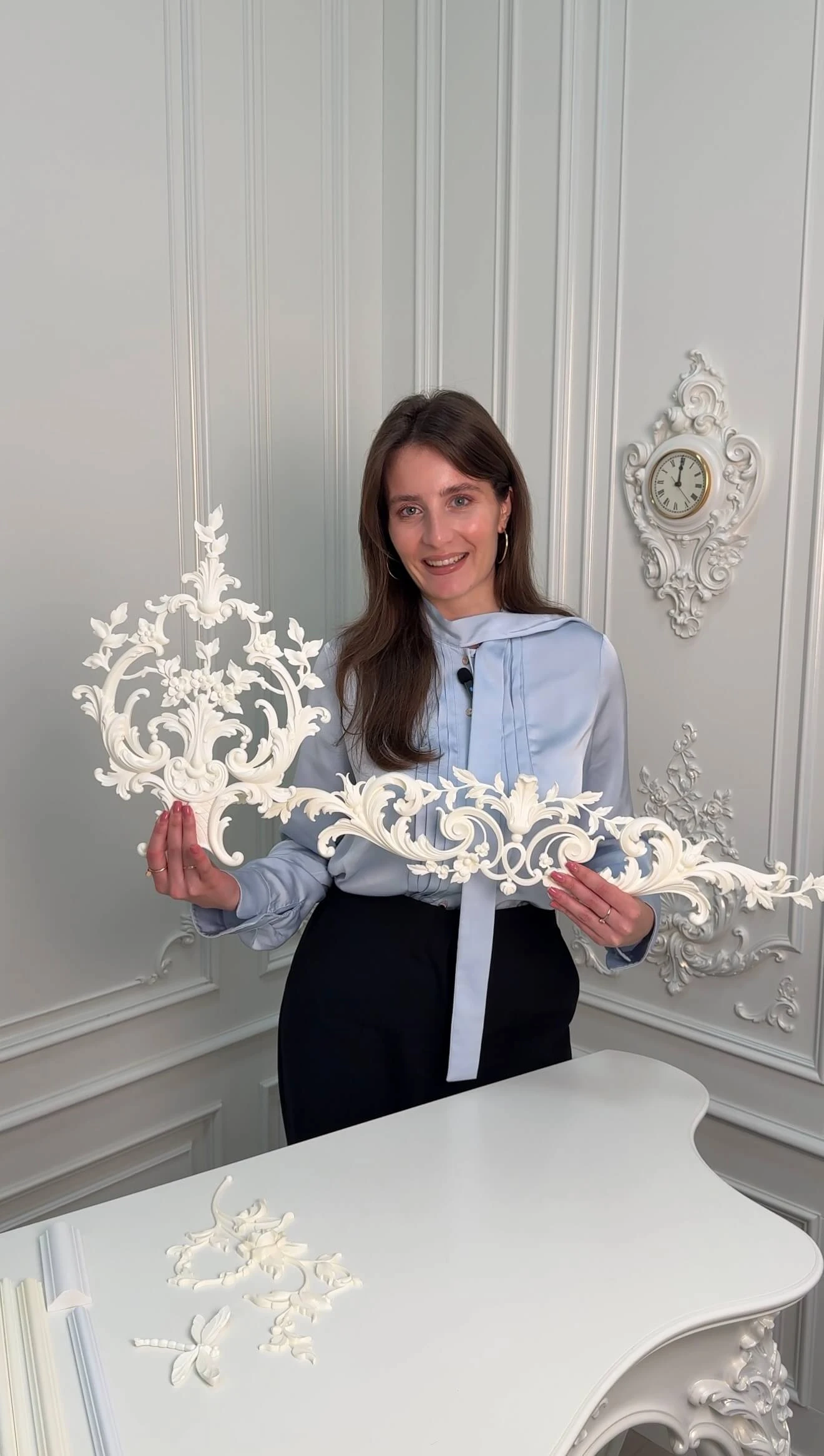
This is the most sophisticated technique — and the most universal.Polyurethane moldingsIn the color of the wall, they create a relief pattern without color contrast. The wall is perceived as a three-dimensional architectural surface, not just a painted plane — but the moldings do not compete with the books for attention.
This is an ideal solution for libraries where the books themselves are colorful and rich — the moldings provide structure while remaining in the shadows.
Wooden moldings in the tone of the shelves: material coherence
Decorative wooden moldingsin a tint that matches the material of the shelves and cabinet bodies — this is a way to create material cohesion. If the cabinet is made of oak, the moldings are also made of oak with the same tint. Then the wall decor and furniture look like a single object, not a random juxtaposition.
Cornice above the book area: architectural top finish
When the cabinet does not reach the ceiling, a horizontal strip of wall forms between them. This is a "dead zone" — it is either ignored (and then the library looks unfinished) or handled sloppily (a dust-collecting horizontal shelf). The correct solution is a cornice.
MDF furniture cornice: a practical and beautiful finish
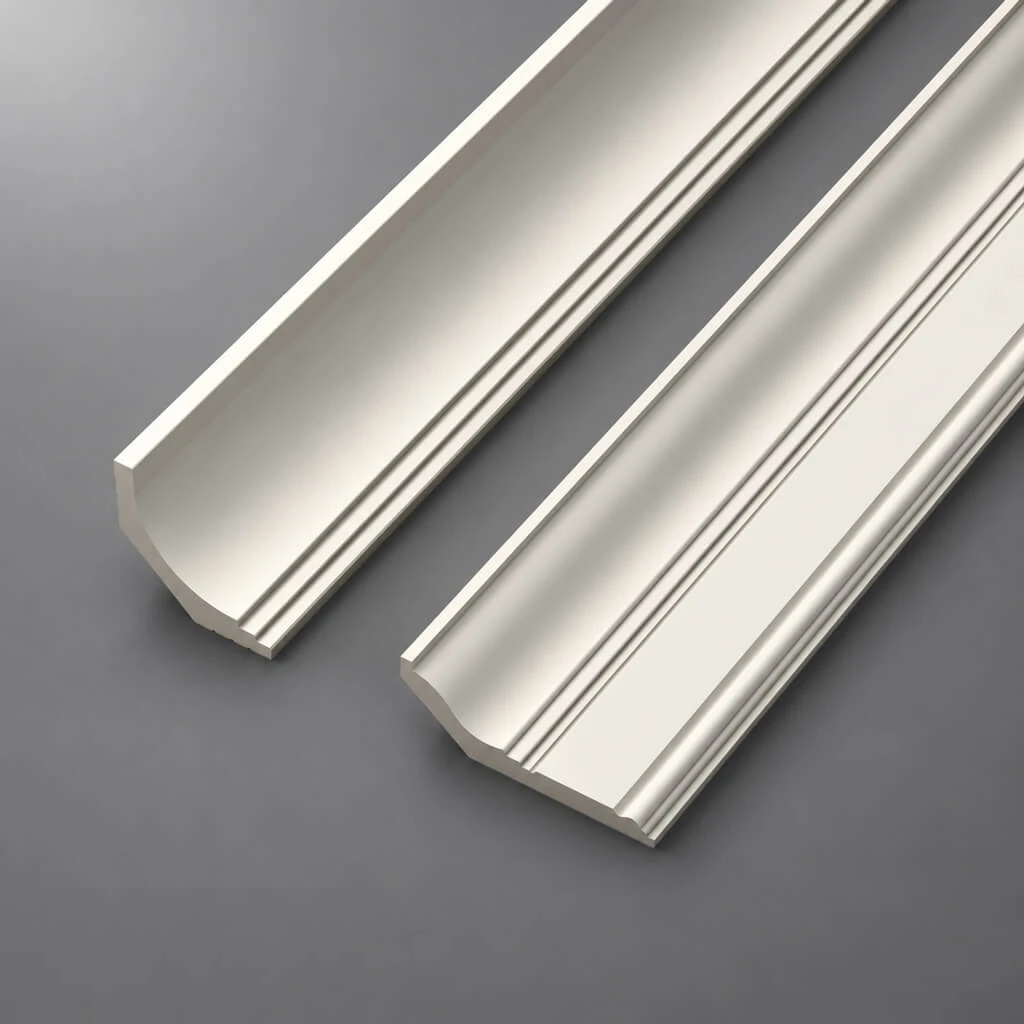
MDF Crownis mounted on the top plane of the cabinet as a horizontal strip with a profiled cross-section. It covers the gap between the cabinet and the ceiling, creates a clear top line for the library, and is perceived as an architectural detail.
For painted cabinets — an MDF cornice for painting in the color of the body. For cabinets with a wood texture — a cornice with a film or veneer of the same texture.
An important nuance: the MDF cornice is mounted on the cabinet with a slight forward overhang (20–40 mm from the plane of the body). This overhang creates a shadow under the cornice — and the library is perceived as a built-in architectural structure, not a freestanding cabinet.
Wooden cornice for a classic library
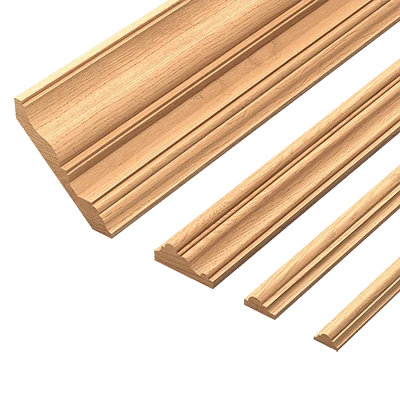
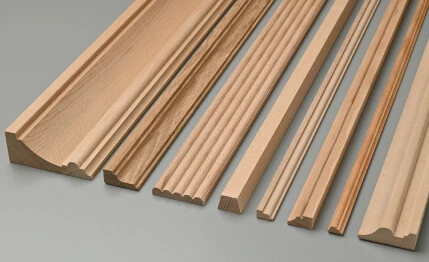
Buy wooden crownfor a home library means getting a finishing element that is coordinated with the wooden slats, baseboard, and shelves in a unified system.Wooden beamswith a profiled cross-section are mounted above the cabinet and create an architectural "entablature" — a horizontal strip with a profiled relief.
For high ceilings (from 2.9 m) — a cornice with a projection of 70–90 mm, expressive profile. For standard ones (2.5–2.7 m) — a cornice of 50–60 mm, moderate profile without overload.
Ceiling cornice for a library: perimeter finish
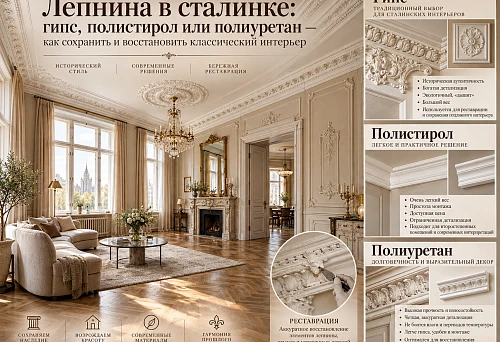
Polyurethane ceiling decorationin the form of a cornice around the entire perimeter of the library room — this is no longer just a cabinet finish, but an architectural solution for the entire space. The ceiling cornice visually "lowers" the ceiling to the desired level and creates a feeling of completeness and monumentality.
Important: the ceiling cornice around the perimeter of the room and the furniture cornice above the cabinet must be coordinated. If they are on the same horizontal line — the space reads as a single whole. If the cabinet is lower than the cornice — a zone is created between them that needs to be thought through: filled with decor, highlighted, or closed with an additional horizontal molding.
Light cornice above the library: architecture and lighting
If a small space (15–25 cm) is left above the cabinet to the ceiling, an LED strip can be mounted there. Thenwooden corniceorMDF profileserves simultaneously as a light shelf: behind it, backlighting is hidden, which softly illuminates the ceiling. Books under such lighting look like exhibits — illuminated from below or above through reflection from the ceiling.
Baseboard for a home library: the bottom line as an architectural detail
In a book area, the baseboard is often perceived as a secondary detail — "well, it's just a baseboard." This is a mistake. It is the baseboard that determines whether the library looks "built-in" into the room space or accidentally placed against the wall.
MDF skirting board for a modern library
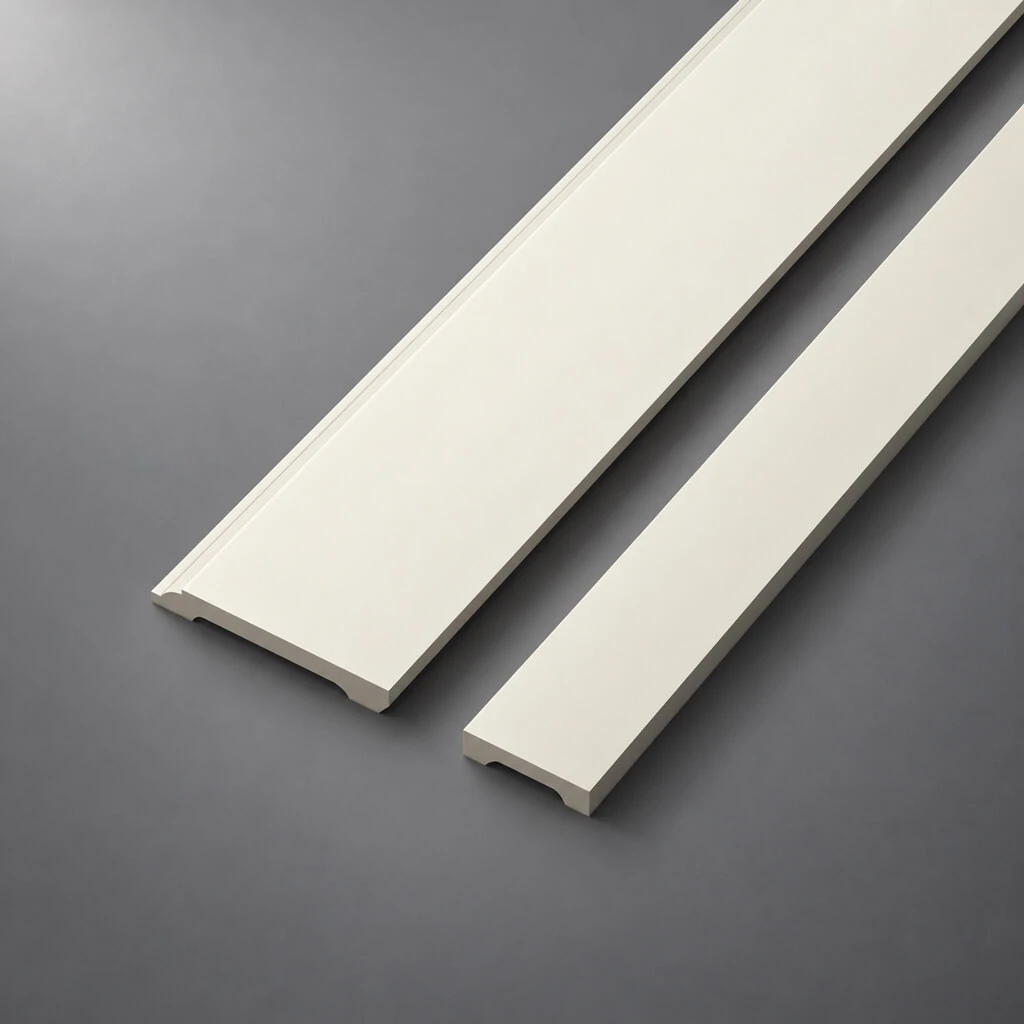
MDF Skirting Board — the right choice for modern and Scandinavian libraries, where the bottom line should be calm and unaccented.— is a horizontal element that frames the room at the bottom of the walls where the wall meets the floor. Skirting boards perform several functions: they hide the technological gap between the wall and floor covering (necessary for thermal expansion), protect the lower part of the wall from mechanical damage, create visual completion, and may conceal wiring. allows it to be painted in the exact color of the wall or furniture — then it 'disappears' and the book area is perceived as floating above the floor.
White MDF Skirting Board — for light libraries with white or light gray walls. Creates a clear bottom line without a wooden accent — clean and structural.
MDF skirting board height for a library: 60–80 mm for modern style, 80–100 mm for a more classic one.
Wooden skirting board for a library with slats
If slats are used in the book areaWooden planks, wooden shelves or solid wood furniture —Wooden baseboard of the same species and tint is mandatory. It creates material connectivity of the entire wooden 'layer' of the interior: slats on the walls, shelves, skirting board, cornice — all from the same wood, the same tint.
to buy wooden baseboard made of oak for a classic or neoclassical library — a standard for a country house, an apartment with parquet, or apartments with wooden trim.
Wide wooden baseboard for a classic library
Wide Wooden Skirting Boardfrom 80–120 mm in height — a monumental lower boundary that gives the library architectural weight. In a country house study with high ceilings, a wide baseboard made of oak or walnut is the standard for a classic interior.
Such a baseboard continues the logic of classic cornices: if the top of the wall is finished with a wide cornice, the bottom should be finished with a wide baseboard. The top/bottom proportion creates the feeling of an architectural "frame" for the entire library space.
How to join the baseboard with a bookcase
This is a technically important question. If the cabinet is flush against the wall, the baseboard runs to the side of the cabinet and ends. The side must be coveredwooden corner piece— with a vertical finisher that covers the joint between the baseboard and the side wall of the cabinet.
If the cabinet is built-in and the baseboard runs along the perimeter of the entire room, at the corners of the built-in sides,Wooden anglea precise 45° cut is used. This is a neat point that, when executed correctly, looks like part of the design, not a compromise.
Moldings, corners, and strips in a home library: the power of details
Between a beautiful idea and a beautiful result, there are always details. In a book area, there are especially many of them: joints, ends, abutments, niche corners.
Wooden corner: closing all open ends
Wooden angle — an inconspicuous element with a huge role. Every open end of a wooden slat, every external corner of a slatted section, every joint between a baseboard and a cabinet side — all of this needs to be covered. An untreated wood end quickly delaminates, absorbs moisture and dust, and looks untidy.
A corner made of the same species as the slats is the only correct choice. Chrome-plated metal corners in a wooden system violate material logic.
Wooden block: load-bearing base for slats
Wooden block — this is a structural element that, when used properly, becomes decorative. Horizontal blocks on side walls create a load-bearing base for vertical slats. The distance from the wall, set by the block's thickness, is the gap that creates a shadow. Without the block, the slats lie flat against the wall and lose their volume.
In niches with books, the block is often mounted as a horizontal profile on the back wall of the niche — the slats that create a decorative background are attached to it. For a niche 25–30 cm deep (standard for A4 books), a 20–25 mm block provides sufficient gap for a good shadow.
Linear products for furniture and interiors: system solutions
wood trim items cover the entire range of profile elements needed for a home library:
-
Vertical profiles along the side edges of built-in cabinets
-
Horizontal profiles along the top plane of the cabinet (furniture linear products)
-
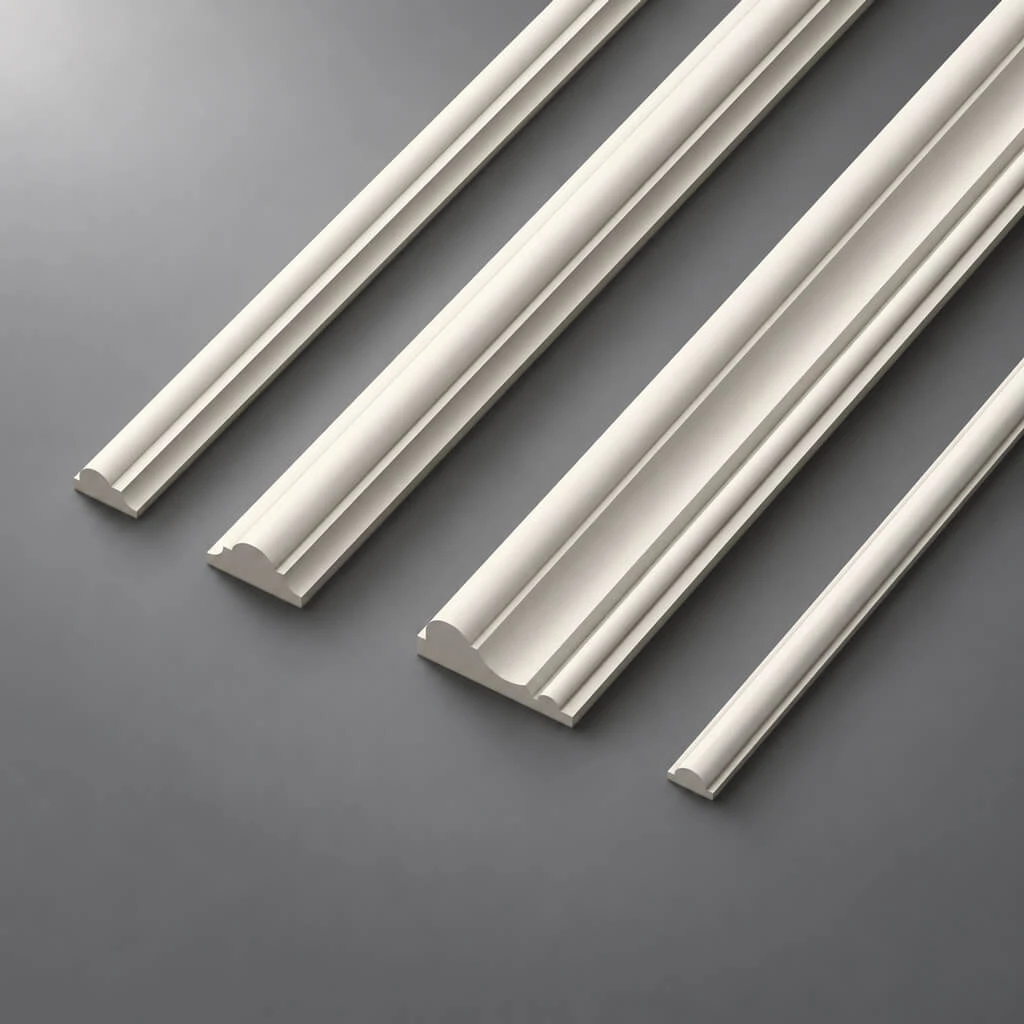
DecorativeWooden Mouldingsaround the perimeter of slatted sections
-
Transition profiles between different materials
-
Wooden corner piecesfor external and internal corners
Systematically selected trim is the difference between "done smart" and "done haphazardly". In the book area with its abundance of joints, junctions, and corner transitions, it is the trim that determines the final quality.
Ready-made design schemes: five types of libraries
Scheme 1: Modern library — slats, MDF baseboard, thin cornice
For whom: urban apartment with open plan, Scandinavian or modern style.
-
Side walls of the shelving unit:Wooden planksash wood in light tint, width 25–35 mm, spacing 15–20 mm
-
Top of the cabinet:MDF Crownin body color with 25 mm offset
-
Skirting board:— is a horizontal element that frames the room at the bottom of the walls where the wall meets the floor. Skirting boards perform several functions: they hide the technological gap between the wall and floor covering (necessary for thermal expansion), protect the lower part of the wall from mechanical damage, create visual completion, and may conceal wiring.in wall color, height 60–70 mm
-
Ceiling cornice: thinpolyurethane ceiling decorin ceiling color, 40–50 mm
-
Slat ends:Wooden anglematching the slats
Result: light, airy library. Slats create rhythm, cornice completes the cabinet, baseboard blends into the background.
Scheme 2: Classic library — moldings, wide wooden baseboard, wooden cornice
For whom: apartment or house in classic, neoclassical style. Ceilings from 2.8 m.
-
Built-in wardrobe across the entire wall:Decorative wooden moldingsaround the niche perimeter — vertical on the sides, horizontal above the top edge
-
Side walls: framed molding panels made ofof polyurethane moldingsin the color of the walls
-
Skirting board:Wide Wooden Skirting Boardoak, 90–110 mm
-
Crown molding:wooden cornicearound the perimeter of the room, matching the tint of the baseboard and shelves
-
All ends and corners:Wooden corner piecesoak
Result: a monumental, dignified library. The space reads as an architectural interior, not as a set of furniture.
Scheme 3: Library in the living room — shelves, slats nearby, stucco decoration on the adjacent wall
For whom: an open living room with a book area along one wall.
-
Wall with shelves:Rafter panelson the free part of the wall next to the shelves — a wooden background behind the books
-
Adjacent walls:Polyurethane wall decorin the form of framed molding panels — a unified style of the entire space
-
Skirting board:Wooden baseboardin tone with the rails, uniform around the entire perimeter
-
Ceiling cornice:polyurethane ceiling decor— a light profile around the perimeter
-
Gaps and ends:Trimming Items— vertical profiles along the sides of the shelves
Result: a living room where the book area is organically integrated into the overall look — through coordinated decor on all walls.
Scheme 4: Reading area — armchair, rails behind, moldings in wall color
For whom: a corner area in a bedroom, study, or living room — with one armchair and a floor lamp.
-
Wall behind the reading area:Wooden slats for the reading areain a warm tint, from floor to ceiling
-
On the side walls:Moldings made of polyurethanein the color of the walls — create a frame framing of the area without color contrast
-
Skirting board:Wooden baseboardin the tint of the slats — a single bottom line
-
Ceiling: without a cornice or with a thin molding belt in the color of the ceiling
-
Ends of the slatted wall:Wooden angleon each open end
Result: an intimate, warm area. The slats create shelter and coziness — a feeling that the space embraces.
Scheme 5: Study-library — wooden trim, cornice, baseboard, strict moldings
For whom: a study in a country house or city apartment, style — strict, working.
-
Wall with desk and shelves:Wooden planksmade of dark oak on free wall sections
-
On the sides of the built-in cabinets:Decorative wooden moldings— vertical posts from baseboard to cornice
-
Top of the cabinet:wooden cornicewith moderate projection, tinting — dark walnut
-
Skirting board:Wooden baseboardmade of oak, 80–100 mm — monumental bottom line
-
All junctions:wood trim items + wooden beamsas a load-bearing base
Result: a strict, masculine study with rich wood paneling. The library looks like an architectural interior.
Eight mistakes in designing a home library: an honest analysis
Mistake one: overly active slats next to dense shelves. Narrow slats with frequent spacing next to tightly packed bookcases create visual chaos — too many vertical lines. Solution: wide slats with open spacing or changing their application area — to side walls or the wall behind the reading area.
Mistake two: the top of the built-in cabinet is not closed. The most common one. A beautiful cabinet, perfectly assembled — and a dusty gap to the ceiling.MDF Crownorwooden cornice— this error is fixed in one day.
Error three: the baseboard near the shelving unit is forgotten. The shelving unit is installed, and the baseboard behind it is not mounted. Or it is mounted, but not coordinated with the shelf material.MDF Skirting BoardorWooden baseboardis mounted before or after the cabinet is installed, depending on the design.
Error four: different wood shades are mixed. Light oak shelves, dark slats, walnut-colored cornice, and white baseboard — this is not eclecticism, it's a mess. A single wood species and tinting for all wooden elements in the library is a must.
Error five: open ends of slats. The slats are cut, and the ends remain unfinished.Wooden angleon each open end — protection and aesthetics simultaneously.
Error six: a massive cornice in a low room. Ceiling 2.5 m and cornice 120 mm. It eats up visual space and creates a feeling of pressure. For standard ceilings — cornice 50–70 mm maximum.
Mistake seven: lots of small decor around books. Books themselves are rich decor. Adding small ornaments, frequent moldings, and fragmented stucco patterns to them creates visual noise. Around books, large-scale, structural decor works — frames, bands, large cornices.
Error eight: no unified logic. Shelves in one style, cornice in another, baseboard in a third, slats on their own. One rule: all decor elements in the library must follow a single stylistic and material solution.Polyurethane Itemsor wood — the choice must be made once and consistently maintained.
FAQ: most common questions about home library decor
Do you need moldings if the library is in a modern style?
Yes — but different moldings. For a modern styleMoldings made of polyurethanein the color of the wall, with a minimalist rectangular profile. No ornamentation, no curls — only geometry. Such moldings create structure without disrupting the laconic image.
How to design a library if the ceiling is low (2.5 m)?
Vertical slats from floor to ceiling — they visually raise the height.Wooden baseboardminimum height (40–50 mm). The cornice — either very thin (40 mm frompolyurethane), or absent altogether. Molding frames — tall and narrow, emphasizing the vertical.
What to do with the gap between the cabinet and the ceiling?
Closean MDF corniceorwith wooden corniceswith a slight offset. If the gap is large (from 25 cm), install lighting in it and close the front with a cornice profile. The gap becomes a light niche.
How to match the color of the slats with the bookshelves?
Three options: slats tinted to match the cabinets (monolithic look), slats a shade darker (depth and contrast), slats matching the wall color (they recede into the background and highlight the books).Wooden plankis tinted to the desired color with varnish or oil — the flexibility of choice is great.
Is a baseboard needed behind a built-in wardrobe?
If the wardrobe is built-in and does not require moving, the baseboard is installed before the wardrobe is placed; it will be hidden behind it. Or it is not installed at all under the wardrobe — only along its sides. If the wardrobe is freestanding, the baseboard is installed flush against the sides of the wardrobe withwooden corner pieceat the joint.
Can slats and stucco decor be combined in one library?
Yes — under one condition: zoning. Slats — on free wall sections and behind shelves.Relief Decoration— on adjacent walls or as framing for cabinet niches. Slats and moldings should not be on the same plane simultaneously.
How to properly join the baseboard with the side panel of a bookcase?
The baseboard approaches the side panel of the cabinet and endswooden corner piece— with a vertical finisher that covers the end of the baseboard and the joint with the side panel. If the side panel of the cabinet protrudes beyond the plane of the baseboard, the baseboard is cut along the plane of the side panel. If the side panel is flush with the wall, the baseboard continues along the side panel.
STAVROS: a complete system for a home library
A home library is an interior project with many nodes. Each node requires the right solution: the top of the cabinet, side walls, the bottom line of the baseboard, the transition of slats to the ceiling, joints, and ends. When all these nodes are covered systematically, the library becomes architecture.
STAVROS produces a full range of products to create just such a system:
-
Wooden planks— for walls, niches, the background for shelves, and a reading area
-
Buy wooden skirting board— with a choice of section, tint, and wood species
-
Rafter panels— for quick installation of ready-made slatted sections
-
Decorative wooden moldings— for framing cabinet niches, pilasters, and frame schemes
-
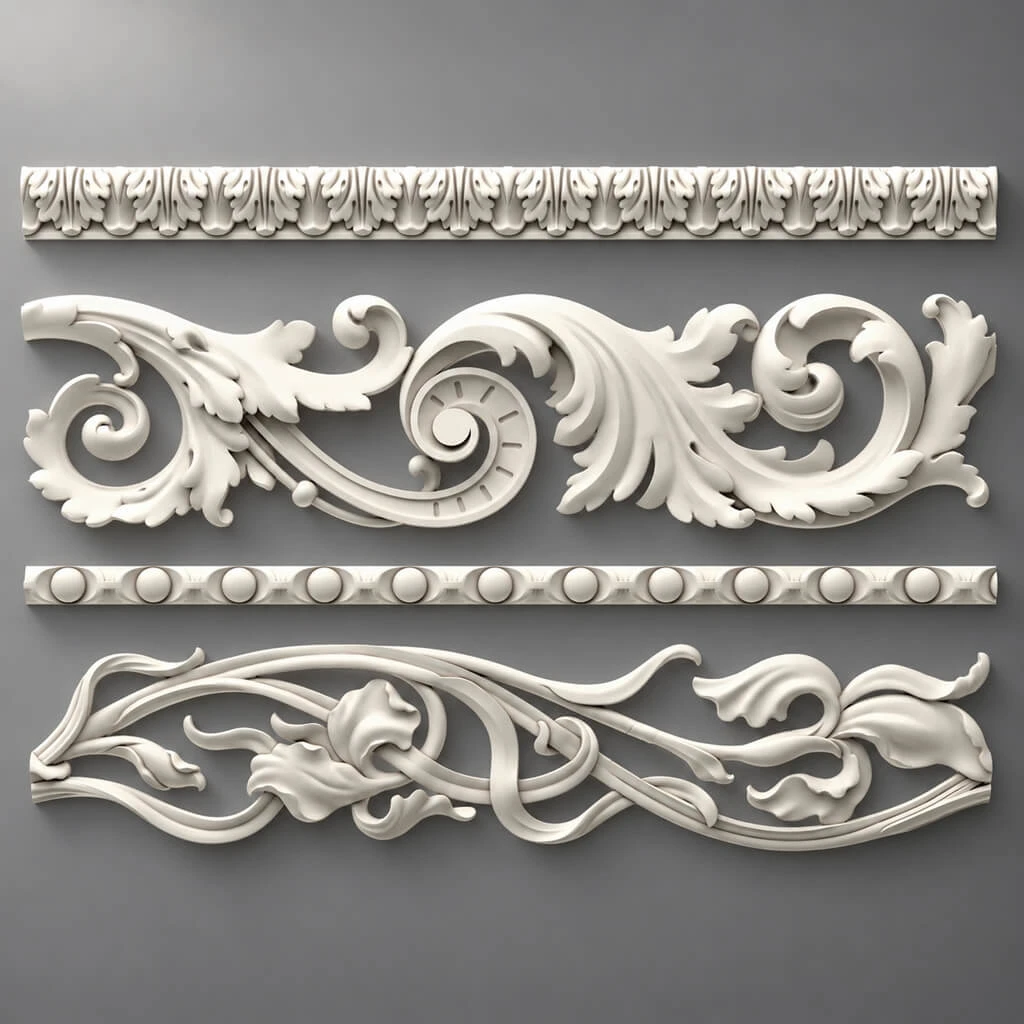
Moldings made of polyurethane — for frame panels, horizontal belts, and stucco framing
-
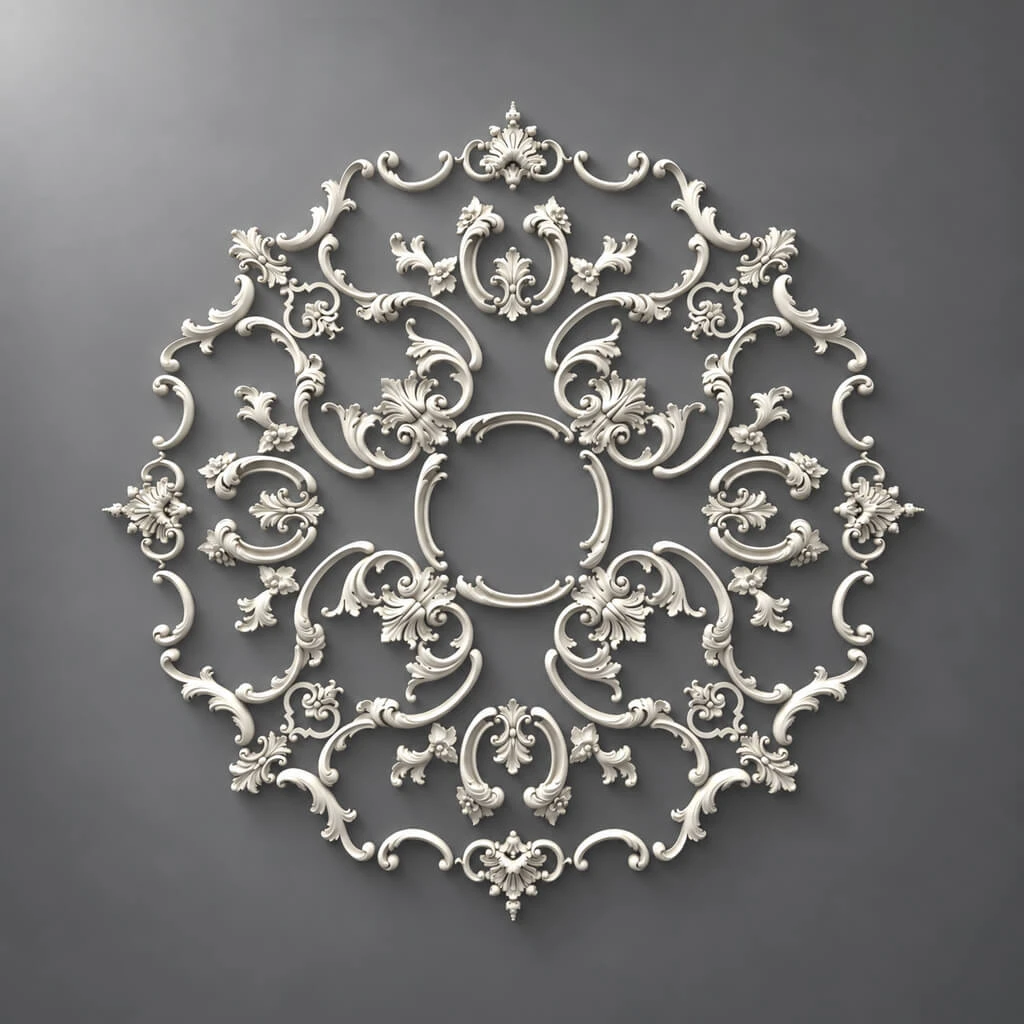
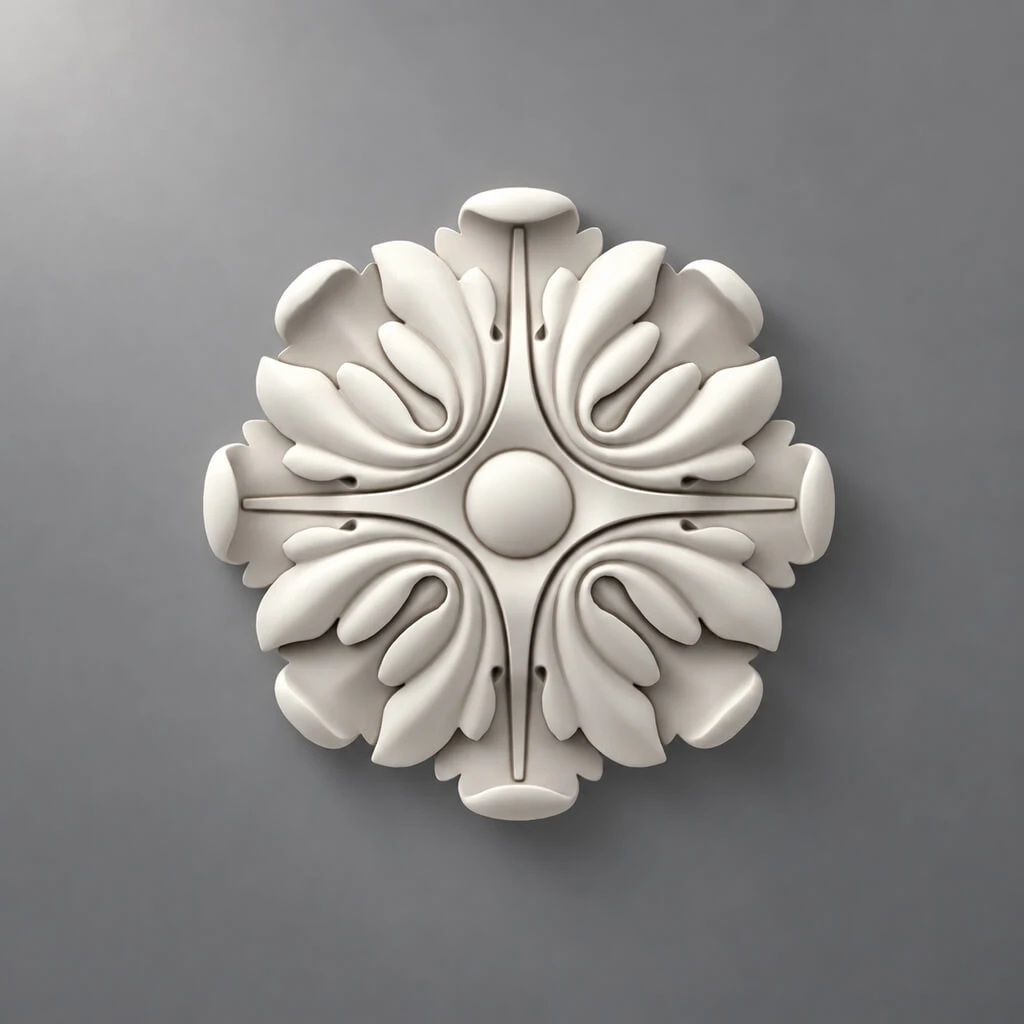
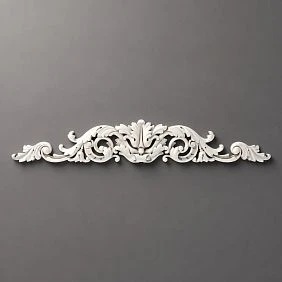
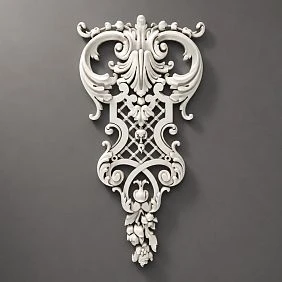
Polyurethane wall decor — stucco elements for library walls
-
polyurethane ceiling decor — ceiling cornices and profiles
-
wooden corniceandWooden beams — for classic studies and country houses
-
MDF Crown — for cabinet furniture and built-in libraries
-
MDF Skirting Board — practical and precisely paintable
-
Wooden baseboard— for wooden systems and premium housing
-
Wooden angle — for all ends, joints, and corners
-
Wooden block— load-bearing base for slatted structures
-
wood trim items — system profiles for all abutments and transitions
-
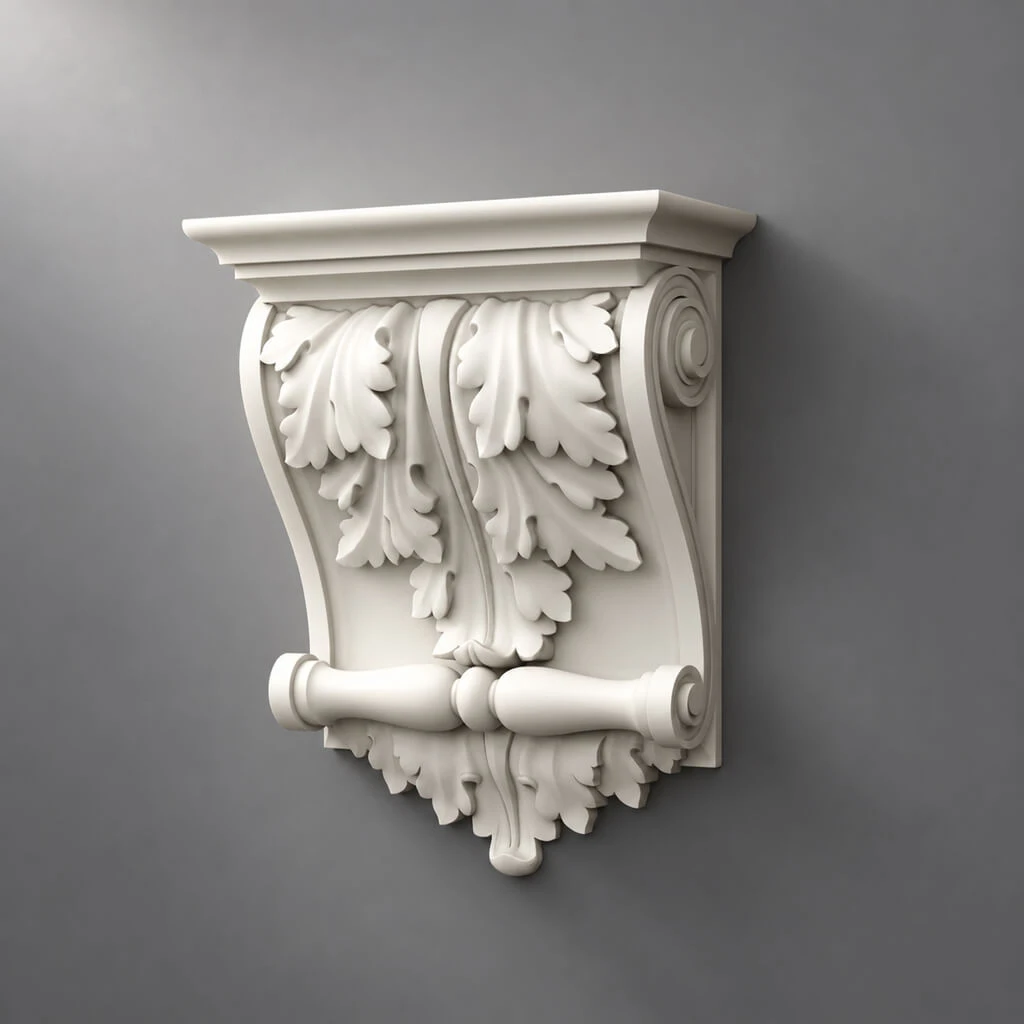
Polyurethane Items— full range of stucco decor
A library begins not with books. It begins with a space that invites reading. STAVROS helps create just such a space — where every detail is in its place, and a wall of books becomes a true architectural statement.