Article Contents:
- How to combine white surfaces and wood tones
- Philosophy of contrast: light and texture
- Proportions of white and wood
- Transitions between materials
- MDF as a neutral base, wood as an accent
- White MDF: universal background
- Wood as a compositional center
- Scale play: from details to surfaces
- Effect of volume and depth when combining materials
- Visual stratification of space
- Shadows as an architectural tool
- Color temperature and perception of distance
- STAVROS solutions examples for walls, floor, ceiling
- Walls: from neutral background to accents
- Floor: foundation of material composition
- Ceiling: completion of composition
- Tips for selecting finish and color
- Shades of white: from cool to warm
- Wood treatment: oil, wax, lacquer
- Wood tinting
- Execution options and durability
- Classic combination: white perimeter, wooden accent
- Scandinavian minimalism: dominance of white
- Natural maximalism: dominance of wood
- Conclusion

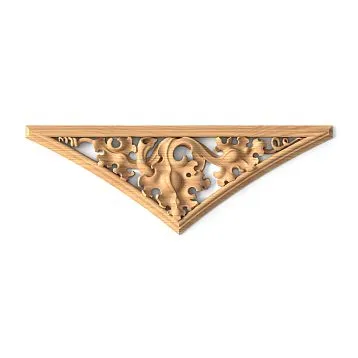
The combination of technological purity of white MDF and the natural complexity of solid wood creates visual and tactile harmony.White MDF Skirting BoardForms a neutral base that highlights the expressiveness of natural texture.Oak skirting boardBecomes an accent element, demonstrating the nobility of solid wood.Wooden plankCreates warmth and tactile pleasure against the cold purity of white surfaces.Wooden corniceCompletes the composition, adding natural expressiveness at the upper level.— is a horizontal element that frames the room at the bottom of the walls where the wall meets the floor. Skirting boards perform several functions: they hide the technological gap between the wall and floor covering (necessary for thermal expansion), protect the lower part of the wall from mechanical damage, create visual completion, and may conceal wiring.allows creating white elements exactly matching the wall tones, ensuring perfect visual unity.


How to combine white surfaces and wood tones




Philosophy of contrast: light and texture
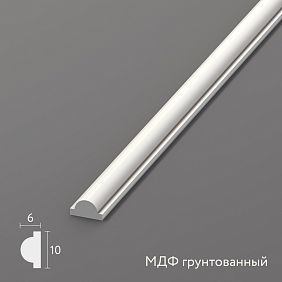
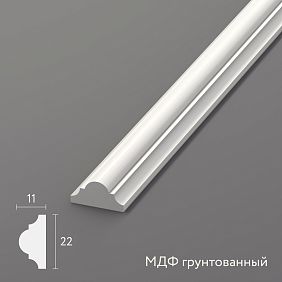
White color represents maximum brightness without hue. Reflecting 80-90 percent of incident light, a white surface creates a sense of spaciousness, purity, airiness. Psychologically, white is associated with purity, simplicity, perfection. In interior design, white acts as a universal background that does not compete with other elements for attention.White MDF Skirting Boardcreates a neutral horizontal line organizing space without visual dominance.
Natural wood is visually opposite to white in complexity. The characteristic pattern of oak growth rings with alternating light and dark bands creates visual vibration. Heartwood rays — radial lines intersecting growth rings — add an additional layer of texture. Color transitions from light sapwood to dark heartwood form a natural gradient.Oak skirting boarddemonstrates visual complexity that attracts the eye and holds attention.
The contrast between the smoothness of white MDF and the texture of wood creates tactile tension. An MDF surface coated with paint is absolutely smooth — touch does not perceive irregularities, pores, fibers. Wood with oil finish retains tactile texture — slight roughness of pores, direction of fibers. This tactile contrast is equally important as visual contrast. Interiors are perceived not only visually, but also through touch.
Temperature contrast enhances material differentiation. White MDF is perceived as cool — high thermal conductivity of synthetic material quickly removes heat from the hand. Wood is perceived as warm — low thermal conductivity of 0.15–0.20 W/(m·K) does not remove heat. Subjectively, wood appears 3–5 degrees warmer, although physically it has the same ambient temperature.
Our factory also produces:



Proportions of white and wood
Dominance of white with wooden accents creates a bright, spacious interior with natural inclusions. Walls, ceiling, most of the furniture — white.White MDF Skirting Boardforms a neutral base around the perimeter. Wooden accents —Wooden plankon one wall, wooden floor, several pieces of furniture — constitute 20–30 percent of visual volume. This proportion is characteristic of Scandinavian style.
50:50 balance of white and wood creates a balanced composition. Half the surfaces are white — walls, ceiling, part of furniture. Half are wooden — floor, accent wall, wooden furniture,Oak skirting board, Wooden cornice. No material dominates, creating a dialogue between technological purity and natural warmth. This proportion is characteristic of modern classicism.
Dominance of wood with white accents creates an interior rich in natural materials with refreshing white elements. Wooden walls, ceiling, floor, furniture constitute 70–80 percent of visual volume. White elements —White MDF Skirting Board, white furniture, textiles — refresh the intensity of wood, preventing visual heaviness. This proportion is characteristic of Alpine chalet and ecological styles.
Get Consultation
Transitions between materials
Clear boundary between white and wood creates a graphic effect.White MDF Skirting Boardon white walls meets wooden floor — a clear horizontal line separates materials. Wooden accent wall borders white walls — a vertical line marks the transition. Clear boundaries emphasize contrast, creating a structured composition. This approach is characteristic of minimalism and high-tech.
Smooth transition through an intermediate element softens contrast.Wooden plankon a white wall creates gradual wood saturation — from white wall through sparse planks to dense lath structure. Visually, the transition is perceived as a gradient from white to wood. Softness of transition creates a harmonious composition without sharp boundaries.
Public zone — living room, dining room — receives white walls withwhite MDF skirting board. Private zone — bedroom — wooden walls withoak skirting board. Material change at zone boundaries creates a psychological boundary, requiring no physical partitions. Spatial perception is structured through material differentiation.
MDF as neutral base, wood as accent
White MDF: universal background
— is a horizontal element that frames the room at the bottom of the walls where the wall meets the floor. Skirting boards perform several functions: they hide the technological gap between the wall and floor covering (necessary for thermal expansion), protect the lower part of the wall from mechanical damage, create visual completion, and may conceal wiring.after priming and painting creates an ideally smooth matte or glossy surface. Absence of texture, pores, fiber direction forms a visually neutral surface. White MDF does not attract attention, does not create visual accents, serves as a background for other elements. This neutrality is the main advantage of MDF as a primary material.
Stability of MDF geometry ensures ideal architectural lines. Linear expansion coefficient of 0.02 percent per 10 degrees Celsius is minimal. Skirting boards retain straightness for years without deformation.White MDF Skirting BoardA 2.4-meter-long base remains perfectly level, creating a clear horizontal line around the perimeter of the room.
The uniform color of MDF baseboards ensures visual unity. All strips from the same batch have an identical white shade. Solid wood, even from a single tree, exhibits color variations between sapwood and heartwood. These differences create visual variety when using wood as the primary material. MDF lacks this drawback — perfect uniformity creates visual calm.
Cost-effectiveness of MDFwhite MDF baseboardThe cost is 2-3 times lower than that of wooden analogs. Using MDF as the primary material with wooden accents saves 40-60 percent of the budget for architectural elements compared to a fully wooden solution. The saved funds are invested in the quality of wooden accents — premium species, complex processing, unique profiles.
Wood as a compositional center
Oak skirting boardAgainst white walls, it becomes an expressive horizontal line. The natural wood texture attracts attention, creating visual interest. The characteristic pattern of growth rings is readable even from a distance of 5-7 meters. The wooden baseboard becomes an architectural accent that organizes the perception of the lower part of the wall.
Wooden plankOn an accent wall, it creates a focal point in the interior. The vertical plank structure made of solid oak contrasts with smooth white walls. The natural texture of each plank is unique — it is impossible to find two identical strips. This uniqueness creates a lively, dynamic surface that changes perception depending on lighting and viewing angle.
Wooden corniceIt completes the vertical composition with a wooden accent. White walls are framed at the top by natural material, creating a visual conclusion. The complex profile of the oak cornice creates a shadow pattern that changes throughout the day. Morning sunlight creates one set of shadows, evening another. The dynamics of the shadow pattern enliven the static architecture.
Wooden furniture enhances the accent role of natural material. A dining table made of solid oak, a coffee table, and a shelving unit create natural inclusions in the white space. Unity of material in the baseboard, planks, cornice, and furniture forms a cohesive composition. Wood is perceived not as random elements, but as a thoughtfully designed system of natural accents.
Scale play: from details to surfaces
Pointed wooden accents create minimal presence of natural material.Oak skirting boardAround a room of 20 square meters, it totals 18 linear meters. At a height of 100 millimeters, the wooden surface area is 1.8 square meters — less than 2 percent of the wall area. Minimal presence creates a delicate accent that does not dominate but is perceptible.
Linear wooden accents increase the presence of material.Wooden plankOn a 12-square-meter wall with 50 percent plank density, it creates 6 square meters of wooden surface. This is 15 percent of the total wall area of 40 square meters in the room. Linear accents create a pronounced presence of wood, forming a balance with the white background.
Planar wooden accents create dominant presence of material. A 12-square-meter wooden accent wall in a room with 40 square meters of total wall area constitutes 30 percent. Addingoak baseboardandwooden corniceincreases presence to 35-40 percent. This ratio creates richness with natural material while preserving white as the primary background.
Effect of volume and depth through material combination
Visual stratification of space
Material differentiation creates visual layers of varying depth. White walls are perceived as a distant background due to their high reflectivity. Light reflected from the white surface creates an illusion of greater distance.White MDF Skirting BoardIt blends with the walls, not creating a visual barrier.
Wooden plankOn an accent wall, it is perceived as a protruding foreground. The natural texture with characteristic growth rings attracts attention, creating a sense of proximity. The low reflectivity of wood (30-40 percent) absorbs light, creating visual massiveness. The plank wall is perceived as closer to the viewer than the white walls.
Wooden furniture creates a third visual layer. A massive oak dining table is perceived as the closest element in space. Material unity between the table andoak skirting boardthe baseboard and plank wall creates a visual connection between different depth layers. Wood forms the foreground, white forms the background, creating three-dimensionality in the perception of flat space.
Shadows as an architectural tool
The relief profile of wooden elements creates a complex shadow pattern.Wooden corniceA classic profile with moldings and rounded elements forms alternating light and shadow. Morning side lighting creates long diagonal shadows, emphasizing the relief. Daylight from above creates short vertical shadows. Evening artificial lighting forms deep contrasting shadows.
Smooth profilewhite MDF baseboardDoes not create shadows — light reflects evenly, forming a flat light band. The absence of shadow pattern emphasizes the neutrality of white MDF. The contrast between the complex shadow pattern of the wooden cornice and the absence of shadows on the white baseboard enhances the distinction between materials.
Wooden plankVertical orientation creates a rhythmic pattern of shadows. Gaps between slats form dark vertical stripes. Side surfaces of the slats reflect light at different angles depending on the direction of illumination. The dynamic shadow pattern throughout the day animates the static surface, creating a visual event from an ordinary architectural element.
Color temperature and perception of distance
Warm wood tones visually bring surfaces closer. Golden oak, honey beech, amber ash have a color temperature of 2000–2500 Kelvin, analogous to light. Warm colors are perceived by the brain as near—evolutionarily, warm color is associated with fire, sun, danger, requiring attention.Oak skirting boardNatural tone is perceived as protruding forward.
Cool white color visually removes surfaces. White with a slight bluish undertone has a color temperature of 5000–6000 Kelvin. Cool colors are perceived as distant—sky, horizon, water have cool tones.White MDF Skirting BoardCool tone visually recedes, increasing perceived depth of the room.
Contrast between warm wood and cool white creates maximum visual depth. A color temperature difference of 3000–4000 Kelvin produces a strong effect of proximity and distance. A wooden accent wall is perceived as 20–30 centimeters closer than white walls, although it is physically in the same plane. This illusion expands the perceived volume of the room without altering actual dimensions.
STAVROS Solutions Examples for Walls, Floor, Ceiling
Walls: From Neutral Background to Accents
White walls with wooden skirting create a classic base. Walls are painted in warm white RAL 9010 or neutral white RAL 9003.Oak skirting board100 mm high with a classic profile, it frames the base of the wall. Natural oak color with oil finish creates a warm contrast against cool white walls. The perimeter of the room receives a wooden frame that structures the space.
An accent wall with vertical slats creates a focal point. One wall in the living room behind the sofa or TV is finishedwooden plankfrom solid oak. Slats with 40x40 mm cross-section are installed vertically with 50–60 mm spacing. Density of slats creates an expressive textured surface that contrasts with smooth white walls. LED backlighting is placed behind the slats, creating a lighting effect.
A panel system of white moldings on white walls creates classic architecture. Rectangular frames fromMDF skirting boards for painting50 mm wide form panels measuring 800x1200 mm. The interior of the panels is painted the same white, creating a delicate relief through play of light and shadow on the moldings. The floorOak skirting boardadds a natural accent to the snowy composition.
Floor: Material Composition Base
Wooden floor creates a warm base for the space. Parquet with natural oak tone and oil finish forms an expressive surface with a distinctive geometric pattern.Oak skirting boardIn tone with the parquet, it creates material unity between floor and skirting. White walls contrast with warm wooden floor, forming a clear horizontal division of space.
Light laminate under whitewashed oak creates a neutral base. Laminate color is close to white but retains wood texture.White MDF Skirting BoardBlends with laminate and walls, creating visual continuity. Natural oak accents—Wooden plankon the wall, wooden furniture—stand out against the light neutral background of floor and walls.
Dark floor made of walnut or stained oak creates a contrasting base. Nearly black floor surface sharply contrasts with white walls.White MDF Skirting BoardMarks a clear boundary between dark floor and light walls. Medium-toned natural oak accents create an intermediate level between dark floor and white walls, balancing contrast.
Ceiling: Composition Completion
White ceiling with wooden cornice creates a classic finish. Ceiling is painted white, matching walls.Wooden corniceSolid oak cornice 120 mm high creates transition between wall and ceiling. Classic cornice profile with ogee forms a complex shadow pattern. Natural oak color contrasts with white ceiling and walls.
White ceiling without cornice creates a minimalist composition. Ceiling meets walls at a right angle without architectural detailing. Absence of cornice corresponds to Scandinavian minimalist philosophy.Oak skirting boardAt the base of the wall, it becomes the only wooden architectural element, creating a natural accent without excessive ornamentation.
Wooden beams on white ceiling create expressive architecture. Imitation of load-bearing beams from solid oak with 150x200 mm cross-section are placed at 1.2–1.5 m spacing. Beams contrast with white ceiling, creating a rhythmic structure.Wooden corniceThe beams frame the ceiling perimeter.oak baseboardIt creates a cohesive composition.
Tips for selecting finish and color
White shades: from cool to warm
Cool white with a bluish undertone creates a feeling of freshness, purity, and northern light. Shades RAL 9003 Signal White, NCS S 0502-B have a color temperature of 5000–6000 Kelvin.White MDF Skirting BoardCool tones harmonize with cool natural lighting in northern rooms. Contrast with warm oak is maximal, creating a pronounced temperature difference.
Neutral white without color impurities creates a universal background. Shades RAL 9010 Pure White, NCS S 0500-N have a neutral color temperature of 4000–4500 Kelvin. This shade harmonizes equally with cool and warm lighting and does not conflict with any wood tones.— is a horizontal element that frames the room at the bottom of the walls where the wall meets the floor. Skirting boards perform several functions: they hide the technological gap between the wall and floor covering (necessary for thermal expansion), protect the lower part of the wall from mechanical damage, create visual completion, and may conceal wiring.Neutral white — a universal solution for any interior.
Warm white with cream or yellow undertones creates a feeling of coziness, warmth, and southern light. Shades RAL 1013 Oyster White, NCS S 0502-Y have a color temperature of 2700–3000 Kelvin. Warm white harmonizes with natural oak tones, creating a smooth color transition. Temperature contrast is minimal, and the composition is perceived as warm and cozy. Suitable for bedrooms, living rooms, and relaxation zones.
Wood treatment: oil, wax, lacquer
Oil finish preserves the natural wood texture. Oil penetrates into the wood pores to a depth of 2–3 millimeters, emphasizing texture and creating a matte surface with a slight silk-like sheen.Oak skirting boardWith oil finish, the characteristic pattern of annual rings is displayed most expressively. Tactilely, the surface remains natural — the slight roughness of the pores is pleasant to the touch.
Oil-wax finish creates a more protected surface. The combination of oil and wax unites deep oil penetration with a protective wax film on the surface. The wax layer creates a water-repellent effect and protects against dirt. The sheen is slightly higher than that of pure oil.Wooden plankWith oil-wax treatment, suitable for rooms with increased humidity.
Lacquering creates a hard protective film on the surface. Polyurethane lacquer in three to four layers forms a coating 100–120 micrometers thick. The surface is absolutely smooth, and the sheen is adjustable depending on the lacquer chosen — matte, semi-gloss, or glossy.Wooden corniceWith glossy lacquer, it creates a mirror-like surface that reflects light. Lacquered surfaces are less tactile than oiled ones but more resistant to abrasion.
Wood tinting
Natural oak color varies from light straw to medium brown with a golden hue. The sapwood is lighter than the heartwood by 2–3 tones, creating a natural gradient. Preserving the natural color demonstrates the authenticity of the material.Oak skirting boardNatural color harmonizes with white of any shade, creating a classic combination.
Light tinting enhances texture contrast. Water-based stain penetrates wood unevenly — more porous early wood of annual rings absorbs more pigment, becoming darker. Dense late wood absorbs less, remaining lighter. The contrast between light and dark stripes increases from 2–3 tones to 4–5 tones. The texture becomes more pronounced and dramatic.
Deep tinting creates a dark, noble color. Solvent-based or oil-based stain colors wood from dark brown to nearly black. Texture is preserved, but contrast is reduced — the dark pigment equalizes color differences.Wooden plankDark walnut on a white wall creates maximum contrast between light and dark.
Execution options and durability
Classic combination: white perimeter, wooden accent
Three-room apartment of 85 square meters with ceiling height of 2.8 meters is styled in modern classic. All walls are painted in neutral white RAL 9010.White MDF Skirting BoardBeams 80 millimeters high are installed around the entire apartment perimeter — 78 linear meters. Simple rectangular profile creates a delicate line that blends with walls.
Accent wall behind the TV in the living room iswooden plankmade of solid oak. The 10 square meter wall is covered with vertical boards 40x40 millimeters in cross-section, spaced 60 millimeters apart. Boards are treated with natural-tone oil. The TV is mounted on an invisible bracket, creating an effect of floating on the wooden surface. Board density of 40 percent creates a balance between wood and gaps.
Floor — oak parquet in the same tone as the board wall. Material unity of the floor and accent wall creates visual connection between horizontal and vertical planes. Other walls are white with white skirting boards, creating a neutral background. Wooden furniture — dining table, coffee table — complements natural accents. Composition lifespan 20–25 years until renewal is needed.
Scandinavian minimalism: dominance of white
The 55-square-meter two-room apartment with 2.6-meter ceiling height is styled in a Scandinavian style. Walls, ceiling, and most of the furniture are white. Floor - light laminate in whitewashed oak.White MDF Skirting BoardThe 60-millimeter height creates a minimal line at the base of the walls. The absence of ceiling moldings corresponds to a minimalist philosophy.
Wooden accents are minimal -Oak skirting boardonly in the bedroom, creating warmth in the private zone. Height 70 millimeters, simple profile, natural oil finish. Other rooms - living room, kitchen, hallway - have white MDF skirting boards. Wooden furniture - bed, bedside tables, dining chairs - adds natural accents to the white space.
The proportion of white to wood is 80:20. The dominance of white creates a sense of spaciousness, light, and airiness. The small area of the apartment visually expands due to light surfaces. Wooden accents add warmth, preventing a sterile feeling. The economic efficiency of the solution is high - using white MDF saves 50 percent of the budget compared to wooden elements throughout the apartment.
Natural maximalism: dominance of wood
The 180-square-meter country house with 3.2-meter ceiling height is styled in a modern chalet style. First-floor walls - larch siding, ceiling - imitation of solid oak beams.Oak skirting boardThe 120-millimeter height with a classic profile frames the wooden walls. The unity of wall and skirting board material creates the monolithic character of wooden architecture.
White accents refresh the intensity of wood. The second-floor ceiling is painted white, creating a visual contrast with wooden walls.Wooden corniceThe 150-millimeter height creates a transition from wooden walls to the white ceiling. White furniture - sofa, chairs, part of wardrobes - dilutes the dominance of wood.White MDF Skirting BoardThe 100-millimeter height on the second floor with white walls creates a neutral base.
The proportion of wood to white is 70:30. The dominance of natural material creates a sense of a country house, closeness to nature, alpine atmosphere. White accents prevent visual heaviness from excess wood, adding freshness and light. The longevity of the composition is maximum - solid oak and larch last 50-70 years without loss of functionality or aesthetics.
Conclusion
The contrast of textures between white MDF and natural wood creates visual and tactile harmony, uniting technological perfection with natural beauty.White MDF Skirting BoardForms a neutral base that highlights the expressiveness of natural texture.Oak skirting boardbecomes an accent element, demonstrating the nobility of solid wood and the uniqueness of each plank.
Wooden plankcreates expressive textured surfaces that contrast with smooth white walls.Wooden cornicecompletes the vertical composition with a natural accent.— is a horizontal element that frames the room at the bottom of the walls where the wall meets the floor. Skirting boards perform several functions: they hide the technological gap between the wall and floor covering (necessary for thermal expansion), protect the lower part of the wall from mechanical damage, create visual completion, and may conceal wiring.allows creating white elements exactly matching any wall shade, ensuring perfect visual unity.
Since 2002, STAVROS has created architectural elements that allow implementing any material combinations - from minimalist compositions dominated by white to rich interiors with natural materials. Professional consultation helps select optimal proportions of white and wood, choose correct shades and finishes, create a harmonious composition that serves for decades, preserving original beauty and functionality.