Article Contents:
- Why old furniture doesn't always need to be replaced
- When updating through parts works especially well
- What can be replaced to make furniture look new
- Legs: change height, silhouette, and feel of furniture
- Handles: the fastest way to change style
- Overlays: relief, focal point, and decorative accent
- Decorative elements: when a cohesive composition is needed
- Dresser: legs, handles, and center overlays
- Nightstand: a light update without full restoration
- Kitchen fronts: handles and overlays for finishing
- Console or small table: supports as the main accent
- Bed or bench: height and stability
- Need to quickly update a dresser
- Need to update an old cabinet
- Need to update old kitchen furniture
- Need to make furniture visually lighter
- Need to add a classic character
- Need to make furniture for a client's project
- Can you update furniture just by replacing the handles?
- Which legs to choose for a cabinet or chest of drawers?
- What is better: unpainted or ready-made handles?
- Can decorative overlays be glued onto old furniture?
- How to know if the overlay matches the handles and legs?
- What to order together with legs and handles?
- Can old kitchen furniture be updated with wooden handles?
- How to update old wooden furniture without full restoration?
- When is it better to replace furniture completely?
- How do legs differ from the underframe?
- Can carved overlays be combined with modern handles?
- Do legs, handles, and overlays need to be painted the same color?
- Is this method suitable for a designer project?
- What should I check before ordering?
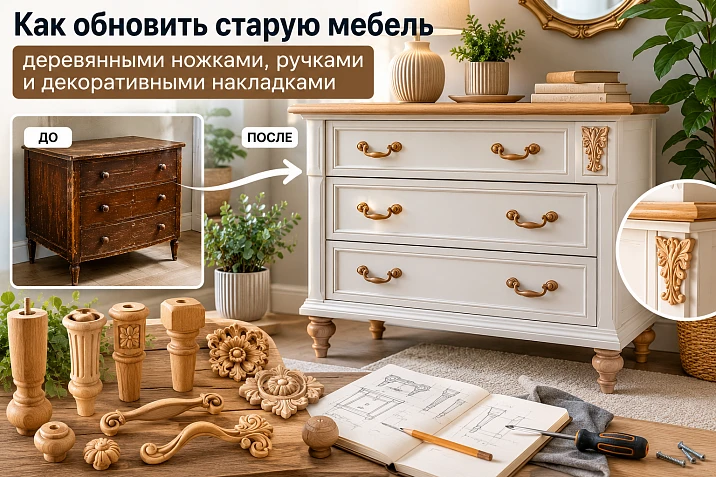
How to update old furniture is a question that often arises not when the item is completely ruined, but when it simply stops pleasing. The dresser is sturdy but looks a bit heavy. The nightstand is convenient but no longer fits the interior. The kitchen fronts are still serviceable, but the handles are outdated. A small table could be kept if it had a new silhouette. In such cases, buying new furniture isn't always necessary. Sometimes it's enough to replace a few parts: supports, handles, decorative overlays, hardware, and finishing.
Old furniture often has a good body, a clear size, and a familiar place in the room. The problem isn't that it's unnecessary, but that its appearance no longer works for the interior. Wooden legs change height and proportions. Handles immediately change the style of the facade. Overlays add relief, symmetry, and a decorative focal point. Hardware helps secure elements neatly, and materials for installation and finishing tie everything into one solution.
This approach is suitable not only for home repairs. A designer can offer a client to update a dresser, nightstand, console, or kitchen fronts without completely replacing the furniture. A workshop can turn an ordinary item into an expressive piece for a project. A private buyer can keep convenient furniture but make it visually lighter, taller, calmer, more classic, or, conversely, more modern.
At STAVROS you can select Buy furniture legs for a 200-room hotel project — this is not an ordinary deal, but a partnership requiring a special approach., wooden handles, decorative overlays, hardware, and finishing materials so that updating old furniture doesn't look like a random alteration. The main task is not just to replace one part, but to assemble a set: supports, handles, facade decor, fasteners, and finishing in one logic.
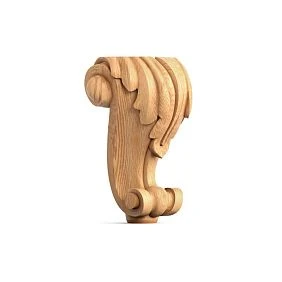
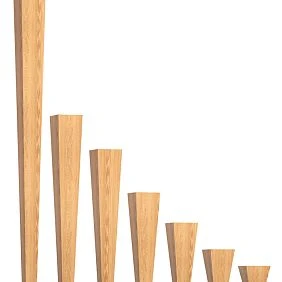

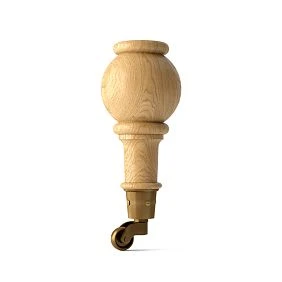
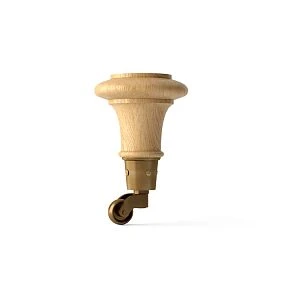
Why old furniture doesn't always need to be replaced
Old furniture is often written off too early. The frame is still sturdy, the drawers move, the size fits the room, a familiar place has been found, but the appearance seems outdated. Buying a new piece in such a situation is not always rational. New furniture may not fit the required size, may not match the style, may be inferior in material, or may require a complete rearrangement of the room.
Updating through components works differently. You keep the base but change the areas that most affect perception. For a dresser, these are the legs, handles, and fronts. For a cabinet, these are the supports, handles, top line, and decorative accent. For a kitchen, these are the handles, overlays, finish, and hardware. For a console or small table, these are the legs and proportions. For a bench or bed settee, these are the height, stability, and decorative nature of the supports.
Three areas change furniture the most. First is the bottom. Legs are responsible for the silhouette, height, and feeling of lightness or solidity. Second is the front. Handles are in plain sight and are touched every day, so even a small replacement is immediately noticeable. Third is the plane of the front or side part. Decorative overlays add relief and help create furniture with an individual character.
This type of update has another advantage: it can be done in stages. First, replace the handles. Then, raise the furniture on new legs. Then, add overlays if the front is too plain. After that, select finishing materials so that all details look cohesive. This is more convenient than immediately starting a complex restoration or buying a new item without being sure it will fit the interior.




When updating through details works especially well
This approach works best on furniture with a simple frame. A dresser without complex decoration can be made more expressive with legs and overlays. A cabinet with flat fronts can be changed with handles and small wooden accents. Old kitchen fronts can be updated with handles, finish, and neat decor if the surface allows mounting. A console or table can be turned into a more noticeable piece with new supports.
Updating through components is well-suited if the furniture has the right size but an outdated character. For example, a low dresser seems heavy because it sits almost on the floor. Replacing the supports can visually lift it and make it lighter. A cabinet looks too simple—a decorative overlay creates a focal point. The front seems flat—handles and overlays add depth.
But there are situations where replacing parts won't help. If the frame is warped, the wood is damaged, the drawers don't hold, the load-bearing structure is compromised, the mounting points are broken, and the surface cannot withstand installation, the structural problem must be addressed first. Decor should not mask a dangerous or weak base. In this case, it is better to repair the frame, replace the carcass, or choose new furniture.
Another important point is managing expectations. Components change the appearance and convenience but do not turn a weak base into new factory furniture. If the buyer wants a completely new item with a warranty on the entire piece, it is better to look at ready-made furniture or custom manufacturing. If the task is to update a good frame, add character, and create an individual look, legs, handles, and overlays provide a strong effect.
Our factory also produces:
What can be replaced to make furniture look new
It's better to start updating furniture not with paint or random decor, but with an analysis of the item. Look at it like a designer: what makes the piece outdated? Low seating? Heavy supports? Plastic handles? Empty facades? Different colors of parts? Too simple a silhouette? The answer determines which components are needed.
Often, it's enough to replace one group of parts. For example, new handles change a kitchen faster than a complete redo of the facades. But a set gives a stronger result. Legs change proportions, handles change contact and style, overlays change the decorative plane, finishing materials change the overall color and texture. When everything is matched together, the furniture looks not hastily redone, but thoughtfully designed.
Get Consultation
Legs: change the height, silhouette, and feel of the furniture
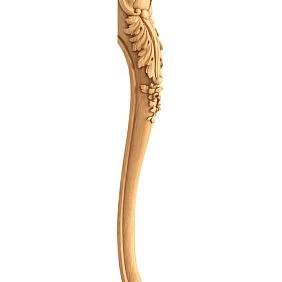
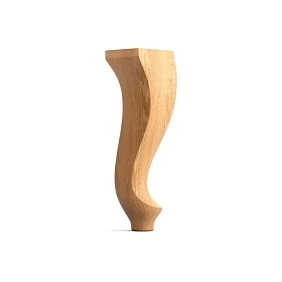
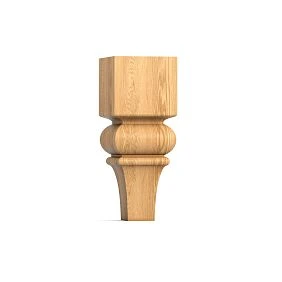
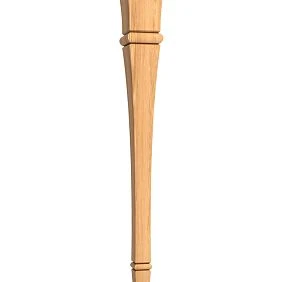
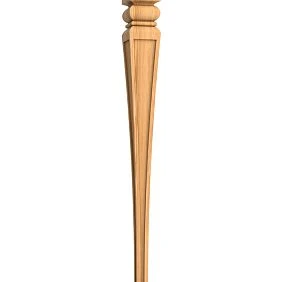
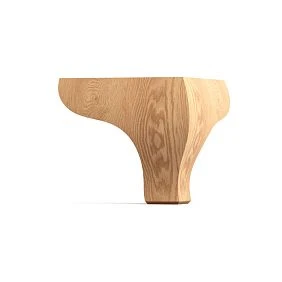
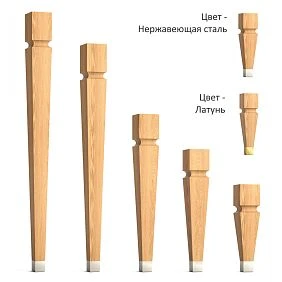
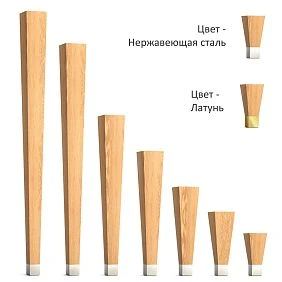
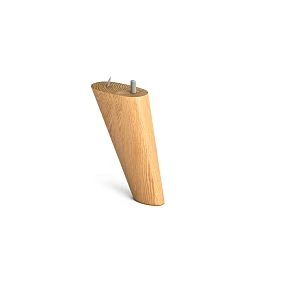
Furniture legs are one of the most noticeable details. They affect height, ease of cleaning, feeling of lightness, proportions, and style. A low dresser on a massive base can seem heavy, while the same body on new wooden legs will become visually lighter. A cabinet on thin or turned supports can look more elegant. A bench or small table gets a different character just by replacing the supports.
If you need Buy furniture legs for a 200-room hotel project — this is not an ordinary deal, but a partnership requiring a special approach., first look not only at the beauty of the shape, but also at the height, load, method of attachment, material, and compatibility with the body. Legs should not be random. They work as the lower architecture of the item. Too thin supports under a heavy dresser will look weak. Too large legs under a small cabinet will weigh the piece down.
For projects with DIY finishing, convenient from STAVROS open boundless possibilities for designers, furniture makers, and anyone striving to create unique high-quality furniture.. They can be selected to match the future color of the facade, tinting, oil, varnish, or enamel, if the chosen material and processing conditions allow. When a ready-made visual finish is important, you can look at Legs with Finish and check if they match the furniture in color and style.
Handles: the fastest way to change the style
Handles are in the foreground. A person opens drawers, doors, facades, touches handles with their hands every day. Therefore, replacing handles often gives a quick effect even without complex restoration. Old metal, plastic, or too modern handles can completely change the character of the facade. Wooden handles make furniture warmer and softer, especially if they are matched in color with the legs or decorative overlays.
If you need Buy wooden furniture handlesIt is important to consider the shape, size, fit, grip comfort, and future finish. The handle should suit not only the style but also the hand. A beautiful small element may be uncomfortable on a heavy drawer. A handle that is too large may conflict with the facade. A handle with an active shape requires a calm background.
For a ready-made solution, you can consider Handles for furniture with coating. This option is convenient when you don't want to deal with finishing or need to assemble a set faster. But before ordering, you still need to check the color, shape, size, and mounting parameters in the product card.
Overlays: relief, composition center, and decorative accent
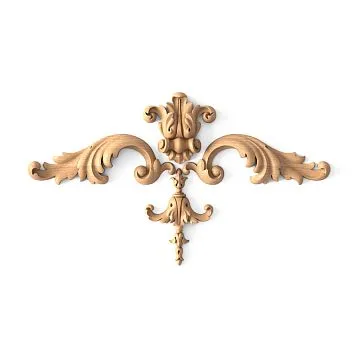
Decorative overlays help refresh furniture more than simply replacing handles. They add relief to the facade, create a central axis, help design an empty surface, visually cover a weak spot, or connect furniture with classic, neoclassical, vintage, or object design.
If the facade is too simple, the overlay can become the main accent. If the furniture is symmetrical, paired elements can be used. If you need to emphasize corners or the central part, appropriate shapes are selected. It is important not to perceive overlays as random decorations. They must work with the size of the facade, handles, legs, and overall finish.
For such a task, you should look at buy decorative overlays for furniture. Before ordering, you need to check the size, material, pattern, installation location, and future finishing method. The overlay should not interfere with opening the drawer, fall under the handle, conflict with the facade frame, or look too small on a large surface.
Decorative elements: when a cohesive composition is needed
Sometimes one overlay is not enough. For example, a designer wants to update a chest of drawers so that it looks like a piece with character: new legs, handles, central decor, side accents, overall color. In such a situation, it is useful to look not only at overlays but also at Wooden decorative elements for furniture.
Such elements help to assemble a wider furniture composition. They can support facades, ends, the top line, decorative zones, and transitions between parts. But here it is especially important not to overload the item. If the legs are already expressive, the handles are active, and the facades are small, extra decor can make the piece heavy. If the body is simple and calm, wooden elements help add depth.
General section Carved wooden decoration useful when furniture updating becomes part of a larger interior project. For example, a chest of drawers is updated for a hallway with a wooden frame, a study with carved decor, or a bedroom where furniture should support the overall style.
Quick reference for components
Before purchasing, it is useful to break down the task by groups of parts. Then the cart is assembled not randomly, but according to project logic.
| What we change | How it affects furniture | When it is especially useful | What to check before ordering | Where to look |
|---|---|---|---|---|
| Legs | Change height, silhouette, stability, visual lightness | Chests of drawers, cabinets, benches, small tables | Height, load, attachment method, material, finish | Buy furniture legs for a 200-room hotel project — this is not an ordinary deal, but a partnership requiring a special approach. |
| Unpainted legs | Allow you to choose a finish to match the facade or project | Furniture for painting, restoration, designer finishing | Coating compatibility, surface preparation | from STAVROS open boundless possibilities for designers, furniture makers, and anyone striving to create unique high-quality furniture. |
| Legs with coating | Accelerate renewal if color and style match | Quick replacement of supports without self-finishing | Color, texture, combination with the body | Legs with Finish |
| Wooden handles | Change the style of the facade and tactile sensation | Chests of drawers, cabinets, kitchens, cupboards | Size, shape, grip comfort, fit | Buy wooden furniture handles |
| Handles with coating | Give a finished appearance | Projects without additional handle finishing | Color, coating, combination with legs | Handles for furniture with coating |
| Decorative overlays | Add relief, center, and facade accent | Flat facades, dressers, cabinets, kitchens | Size, installation location, symmetry | buy decorative overlays for furniture |
| Decorative elements | Help create a more cohesive look | Custom furniture, object design | Scale, style, combination with other details | Wooden decorative elements for furniture |
| Hardware | Helps secure elements and assemble the update technically neatly | Replacing legs, mounting parts | Compatibility with the body and selected elements | Furniture leg hardware |
| Finishing materials | New parts are matched to the body by color and texture | Painting, tinting, installation, finish | Compatibility with material and surface | Mounting and finishing materials |
This table helps to see an important thing: furniture renovation is not a single product. Even if the purchase starts with handles or legs, the result depends on the set. A new support requires fasteners. A handle requires checking the facade. An overlay requires a flat surface and a well-thought-out composition. The finish must tie new and old elements together.
How to assemble a set: legs, handles, and overlays
A good renovation starts with style. First, you need to decide what look you want: light modern, calm classic, neoclassical, vintage, more decorative, or restrained. You can't just buy legs you like first, then handles separately, then a random overlay. It's easy to collect a set of beautiful parts that don't work together.
The second step is color and finish. If the body will be repainted, you can choose unpainted parts and coat them in one solution. If the body remains its old color, new legs and handles must match it. If elements with a ready-made finish are used, the color must be checked especially carefully. Photos help to get an idea, but the final choice is best made through the product card, samples, or consultation if the project is complex.
The third step is the height and shape of the legs. Supports change not only the appearance but also the furniture's stance. A dresser will become taller. A cabinet may change ease of use. A bench should remain comfortable in height. A table should not become disproportionate. Therefore, legs are chosen not only by sight but also by size.
The fourth step is handles. They are selected after understanding the facade. If the facade is large, a small handle will get lost. If the facade is narrow, a large handle will feel overwhelming. If overlays are planned near handles, you need to check in advance that they won't interfere with each other.
The fifth step is overlays and decorative elements. They are added at the end not because they are less important, but because they depend on the entire composition. When the legs, handles, color, and style are clear, it's easier to choose an overlay. It should complete the facade, not argue with the other details.
Comparison of update options
Different furniture items require different depths of updating. Sometimes it's enough to replace the handles. Sometimes a full set is needed. The comparison helps to understand which path to choose.
| Update option | What we change | Effect | When it fits | Risk of error |
|---|---|---|---|---|
| Only handles | Old handles to wooden ones | Quick visual and tactile effect | Facades in good condition, the body is satisfactory | The new handle does not fit in size or mounting |
| Only legs | Supports or base | The furniture becomes taller, lighter, or more expressive | Chest of drawers, cabinet, ottoman, small table with a good body | Legs not adjusted for height or load |
| Handles + legs | Front and bottom | Item looks noticeably newer | Cabinets, dressers, consoles | Different style of handles and supports |
| Legs + overlays | Silhouette and decorative front | Furniture gains character and relief | Flat fronts, classic, neoclassical | Overload of decor |
| Handles + overlays | Front transformation | The face of furniture is changing | Kitchen, chest of drawers, cabinet | The overlay interferes with the handle or opening |
| full set | Legs, handles, overlays, fittings, trim | The strongest effect without full replacement | Design project, restoration, workshop | No unified scheme and size verification |
| Deep rework | Components + body changes | Almost new item | When the body requires serious rework | A master and precise calculation are needed |
If the furniture only needs refreshing, there is no need to complicate the project. If the task is to create an expressive piece, it is worth working with a kit. The most important thing is not to confuse decorative renewal with repairing a damaged structure. Components reveal themselves better on a solid base.
Ideas for different furniture pieces
Chest of drawers: legs, handles, and central overlays
A chest of drawers is great for updating with components. It has fronts, drawers, a bottom, and usually a large enough surface for a decorative solution. If the body is sturdy, you can replace the legs, install new wooden handles, and add overlays to the central areas of the fronts.
Legs change the seating of the chest of drawers. If it stood low and looked heavy, new supports will lift the body. Handles will create new contact with the front. Overlays will help decorate flat drawers, add symmetry, or create a central accent.
For such tasks, it is useful to look at ideas for chests of drawers and cabinets. This helps to think not only about details but also about the finished piece: how the furniture will look in the room, what height is convenient, where to place accents, how not to overload the fronts.
Nightstand: a light update without full restoration
A nightstand can be updated faster than a large wardrobe or kitchen. Often, it's enough to replace the handles and legs. If the facade is simple, you can add one or two overlays. For a small nightstand, scale is especially important. Too large handles and active decorative elements quickly overload the piece.
If the nightstand is in the bedroom, it's better to choose a softer and calmer look. If in the hallway, practicality and convenience are more important. If in the living room, you can make it more decorative so it looks like part of the overall composition.
Kitchen facades: handles and overlays for finishing
Kitchen furniture is more complex because it is actively used every day. Handles here should be comfortable, durable, and appropriately sized. Decorative overlays can only be used where they do not interfere with opening, cleaning, and operation.
The query 'how to update old kitchen furniture' often starts with a desire to repaint the facades. But without replacing the handles, the result may remain weak: old hardware gives away the furniture's age. Wooden handles for finishing help tie the facades to the new color. Overlays can add relief if the kitchen is being done in a classic or neoclassical style.
Console or small table: supports as the main accent
For a console, side table, or small piece, the supports play a huge role. Sometimes, it's the legs that make the item expressive. Replacing the supports changes the character immediately: the piece can become lighter, taller, more decorative, or stricter.
If the table requires a more thorough rework, it's worth distinguishing legs from a ready-made base. For self-assembly or serious modification, you may need furniture frames and under-table structures. Legs work as separate supports, while the underframe or frame forms the base of the item. These are different tasks and cannot be mixed without a project.
Bed or bench: height and stability
For a bed, bench, seat, or pouf, not only beauty matters, but also height, stability, load capacity, and attachment. You cannot choose legs based solely on style. The support must suit the task and not compromise seating comfort or usability.
For a bench, new legs can completely transform its look: make it lighter, more classic, or decorative. But before ordering, you need to check the height, attachment method, and base. If the item is used daily, durability is more important than decorative impression.
How to choose furniture legs
Choosing legs starts with height. Measure your current furniture and decide how much you can raise it. A chest of drawers that becomes a few centimeters taller may look lighter, but using the top surface will change. A bedside table should remain comfortable relative to the mattress. A bench should not become too high or too low.
The shape of the legs determines the style. Straight and calm shapes suit modern and restrained interiors. Turned or carved shapes are closer to classic, neoclassical, vintage furniture, and object design with wooden details. But the shape must match the body. If the body is very simple, expressive legs can become the main accent. If the fronts are already decorated with overlays, it is better not to make the supports too active.
Material affects perception and finish. Wooden legs pair well with wooden handles, overlays, and decorative elements. If all parts will be painted, it is important to check if they are suitable for the chosen treatment. If ready-made coatings are used, you need to match the color with the body.
Load and attachment are the practical core of the choice. A leg does not just decorate furniture. It holds the body. Before purchasing, you need to check if the selected model is suitable for the item's weight, base, installation method, and future use. If in doubt, it is better to clarify the parameters with a specialist or STAVROS manager.
Visual mass also matters. A heavy, wide chest of drawers on thin legs may look unstable even with technically correct attachment. A small cabinet on massive supports seems rough. Good legs should not only support the furniture but also look proportionate.
How to choose wooden furniture handles
The handle should be beautiful, comfortable, and compatible with the facade. For drawers that are frequently opened, a good grip is important. For a decorative cabinet, you can choose a more expressive shape. For the kitchen, convenience is especially important: handles come into contact with hands every day, as well as moisture, grease, cleaning products, and constant movement.
A knob handle is suitable for small facades, lightweight drawers, nightstands, and decorative cabinets. It looks neat and doesn't overload the furniture. However, for a heavy drawer, it may be less comfortable than a wider handle.
A pull handle is more convenient for active use. It's easier to grasp with your hand and is suitable for kitchens, dressers, and cabinets. It's important to check the center-to-center distance if the handle is being installed into old holes. If the old holes don't match, the facade will need to be modified.
A profile handle or a more elongated shape helps create a modern look. However, wooden handles of this type need to be selected especially carefully in terms of size and style so that they don't look heavy on a small facade.
A shell handle or decorative shape can support a vintage or classic character. But it must match the overlays and legs. If all details are active, the facade quickly becomes overloaded.
Unpainted handles are convenient for projects where you need to match the color. They can be finished together with the legs and overlays, if the material and chosen coating allow it. Handles with a coating are convenient for quick updates but require careful color selection.
How to choose decorative overlays
A decorative overlay must have a place. You can't just buy a beautiful piece and attach it to the facade without a composition. First, you need to understand where the center will be, where the handles are, how the drawers open, whether there is a face frame, and how much flat surface remains.
A central overlay works well on a dresser, cabinet, decorative panel, door, or facade where a focal point is needed. It can be placed in the center of a drawer, on the top frieze, on the lower part, or on a side panel. The main thing is to maintain symmetry and not interfere with function.
Paired elements help support the facade on the sides. They are good when the furniture is symmetrical: two drawers, two doors, identical sections. Pairing makes the update neater and visually more expensive because the details don't look random.
Corner elements are suitable for frames and facades where you need to emphasize edges. They help create a sense of completeness, especially if the furniture is painted after installation. But if the facade is small, corner decor can take up too much space.
Vertical accents help elongate furniture and make it look slimmer. This is useful for cabinets, narrow cupboards, side zones, and decorative panels. However, the vertical overlay must match the height of the facade and not conflict with handles.
If painting or tinting is planned, you need to check the overlay material and surface preparation in advance. The part must be compatible with the future finish. You cannot assume that any glue, varnish, oil, or enamel will work automatically. For such tasks, you need Mounting and finishing materials and careful base preparation.
How to decorate furniture without overloading
The query "how to decorate furniture" often leads to a mistake: a person adds too many details. New handles are put on old furniture, overlays are glued, the body is painted, decorative elements are added, legs are changed, and then the item starts to look heavy. A beautiful update relies not on the number of details, but on precise selection.
It's better to choose one main accent. If the legs become the main focus, handles and overlays should be calmer. If the facade decor becomes the main focus, supports should be more restrained. If furniture is updated through color, wooden elements can support the form but don't have to be too active.
For old furniture, proportion is especially important. A small dresser won't handle overly large overlays. A narrow cabinet doesn't like huge handles. A low bench can look ridiculous on too-high legs. Even a good detail will ruin an item if the scale is chosen incorrectly.
Color helps bring different details together. If legs, handles, and overlays have the same finish, the furniture looks cohesive. If they are contrasting, the contrast should be intentional. For example, a light body and dark wooden handles can look beautiful, but then the legs should also support that line.
What to buy together
Furniture updating almost always requires accompanying purchases. Legs without suitable hardware are difficult to install. Handles require checking the fastening. Overlays need surface preparation and mounting materials. For a design project, samples may be needed to coordinate color and texture with the client.
If you are buying legs, check them immediately Furniture leg hardware. This helps avoid a situation where the supports are chosen, but there is nothing to install them neatly. If the update involves painting, tinting, or installing decorative parts, check in advance Mounting and finishing materials.
Useful for designers and workshops conditions for designers and architects, if furniture updating becomes part of a project for a client. And when you need to show the material, color, or texture before ordering, you can look Product samples.
| Main purchase | What to buy together | Why this is needed | What to pay attention to |
|---|---|---|---|
| Furniture legs | Hardware for fastening | To install the supports neatly and securely | Compatibility with the body and legs |
| Unpainted legs | Finishing materials | To match the color of the body or project | Coating, surface preparation |
| Wooden handles | Materials for finishing or ready-made coating | So that the handles match the facades | Size, fit, color |
| Handles with coating | Legs with a similar finish | So that the bottom and facade look cohesive | Shade, style, scale |
| Decorative overlays | Materials for installation and finishing | To secure and arrange the decor neatly | Base, symmetry, installation location |
| Carved decoration | Decorative wooden elements | To create a more cohesive composition | Do not overload the facade |
| Chest update | Legs, handles, overlays | To change the silhouette and facade at once | Height, handles, composition |
| Project for client | Product samples | To coordinate material and shade | Timelines, availability, project compliance |
Buying as a set saves time and reduces the risk of mismatch. When all parts are selected together, it's easier to control the style, color, height, installation, and final look of the furniture.
How not to confuse similar products
Legs and underframe are often confused, but they are different things. Legs are placed as separate supports under the body, cabinet, chest, bench, or table. The underframe or frame forms a more solid base, especially for a table or serious assembly. If the task goes beyond simply replacing supports, it's worth looking furniture frames and under-table structures.
Handles and overlays are also not the same thing. A handle is functional: you use it to open a drawer or door. An overlay is decorative: it adorns the facade, creates relief, center, or symmetry. You cannot replace a handle with an overlay if the facade needs to open conveniently. And you cannot expect the same decorative effect from a handle as from a large overlay.
Overlays and moldings work differently. An overlay is a separate accent. A molding more often builds a line, frame, or extended contour. If you need to create a center on the facade, an overlay will work. If you need to design a perimeter, frame, or long line, a different type of decor is required. This article uses only those URLs that relate to the selected scheme.
Decorative elements and finished furniture are also different categories. Wooden decor helps create a unique look, but it is not a finished item in itself. It requires a body, installation, finishing, and understanding of the task.
Hardware and finishing materials should not be put off for later. These are not minor details, but part of the result. A beautiful leg without suitable fastening will not solve the problem. A good overlay on an unprepared surface may hold poorly or look untidy.
Practical selection for specific situations
Need to quickly update a dresser
Start with handles. This is the fastest way to change the facade. Then evaluate the legs. If the dresser looks heavy, new supports will give a strong effect. Add overlays only after you understand where they will be located and whether they will interfere with the handles.
For a dresser, a set works well: legs, handles, and one central decorative line. It is not necessary to decorate every drawer. Sometimes it is enough to highlight the top or central tier.
Need to update an old nightstand
For a nightstand, the main thing is not to overload the scale. Choose handles that are comfortable and not too large. The legs should match the size of the body. If the nightstand is small, active carving on every detail can look heavy.
If the nightstand is by the bed, check the height after replacing the legs. It should remain comfortable relative to the mattress. If the nightstand is in the hallway, pay attention to stability and practicality.
Need to update old kitchen furniture
In the kitchen, handles work the hardest. They are visible every day and used constantly. If the fronts are to be painted, unpainted wooden handles will help match the overall color. If the fronts remain as is, it's better to choose a coating that matches the existing tone.
Overlays in the kitchen should be used carefully. They must not interfere with cleaning, opening, and closing the fronts. The surface must be prepared. For an active kitchen, decorativeness should not compromise practicality.
Need to make the furniture visually lighter
Check the bottom. Often furniture looks heavy due to a solid base or low supports. New legs help lift the body, open up space underneath, and make the piece lighter. This is especially noticeable on dressers, cabinets, and benches.
But don't choose overly thin legs just for lightness. They must match the weight of the body and the visual mass of the furniture. If the piece is large, the supports should be sturdy.
Need to add a classic character
A classic character can be created through turned or decorative legs, wooden handles, and overlays. But all elements must be proportionate. It's better to choose a calm body, neat finishing, and a few precise accents than to cover the front with a lot of decor.
If the furniture already has frames, panels, or carved parts, new overlays should be added carefully. Perhaps it's enough to replace the handles and legs.
Need to make furniture for the client's project
For a design project, it's important not just to buy parts, but to coordinate the look. First, determine the style, color, material, height, finish, and place of the furniture in the interior. Then select components and, if necessary, order samples.
For such tasks, it is useful to study the conditions for designers and architects in advance to understand how to work with product selection for the project.
Installation, preparation, and finishing
Before installation, you need to check the body. New legs cannot be placed on a weak base. If the lower part of the furniture is damaged, the fastening may be unreliable. First, you need to strengthen the structure or change the installation method.
For handles, you need to check the old holes. If the new handles match the fit, the update is easier. If they don't match, the old holes will have to be closed, puttied, masked, or a different type of handle used. You cannot install a new handle crookedly just because the old holes remain that way.
For overlays, a smooth, clean, and prepared surface is needed. Dust, old paint, grease, peeling, unevenness, and varnish can interfere with neat installation. If the overlay is installed for painting, it is better to think through the order in advance: first fitting, then installation, then preparation and final finishing.
The finish should be unified. Legs of one color, handles of another, overlays of a third shade can look random. Sometimes contrast is needed, but it must be thought out. If the task is a calm update, it is easier to paint or tint the new elements in one direction.
Care after the update depends on the surface. If the furniture is painted, it cannot be cleaned with harsh abrasives. If the wood is coated with oil, varnish, or other material, care must match the coating. Exact recommendations depend on the chosen materials and operating conditions.
Mistakes when choosing components
The first mistake is buying beautiful legs without checking the height. In photos, the supports may look perfect, but after installation, the dresser becomes too tall, the nightstand no longer matches the bed, and the bench loses its comfortable seating. The height must be calculated before ordering.
The second mistake is not considering the load. Legs support the body, not just decorate it. If the furniture is heavy, the supports and fastening must match the task. If in doubt, it is better to clarify the parameters with a specialist.
The third mistake is choosing handles that don't match the facade. The handle must fit in size, grip, fit, and facade thickness. This is especially important for kitchens and dressers with heavy drawers.
The fourth mistake is to install overlays without composition. One beautiful overlay in the wrong place can look alien. Before installation, you need to lay out the facade: center, axes, distance to handles, edges, symmetry.
The fifth mistake is to mix different styles without a common color. Carved legs, modern handles, vintage overlays, and random paint rarely come together for a good result. If styles are different, they should be tied together by color, material, or proportion.
The sixth mistake is to forget about the hardware. The buyer chooses legs and handles but does not think about the fasteners. As a result, installation is delayed or done with unsuitable tools.
The seventh mistake is not checking the surface before installation. Old varnish, grease, dust, chips, and unevenness interfere with overlays and finishing. Surface preparation is no less important than choosing the decor.
The eighth mistake is expecting decorative updates to repair the body. If the furniture is structurally weak, you need to fix the foundation first. Legs, handles, and overlays work well on a sturdy piece.
Who is this update method suitable for
This method is suitable for interior designers who want to offer their client not a complete furniture replacement, but a more subtle decorative transformation. Sometimes it is cheaper in terms of resources, faster to agree on, and more interesting in terms of result: an old piece gets a new character and stays in the interior.
For furniture makers, this approach helps create custom solutions from ready-made components. You can take a sturdy body, select legs, handles, overlays, and finish, and get a piece with a new look without making every detail from scratch.
For decorators and restorers, components are useful for working with facades, old furniture, vintage pieces, cabinets, dressers, small tables, and ottomans. The main thing is not to hide body problems with decor, but to work with items that can truly be updated.
For homeowners, this method is suitable if the furniture is valuable in terms of size, memories, quality, or convenience, but no longer fits the look. Replacing parts helps preserve the item and adapt it to a new interior.
This path is not suitable for those whose body is destroyed, load-bearing elements are damaged, there is no way to securely attach legs or handles, a factory warranty on the entire item is required, or there is no willingness to check dimensions, fasteners, and materials. In such cases, it is better to consider repair, making new furniture, or buying a ready-made item.
How to buy on STAVROS and assemble an order without surprises
Start with a piece of furniture. Determine exactly what you are updating: a dresser, a cabinet, a kitchen front, a console, a bench, a table, or another object. Then decide which areas are changing: the bottom, the front, the decorative plane, the fastening, the finish.
After that, select the main category. If you are changing the silhouette, look at furniture legs. If you need to quickly update the front, start with handles. If you want to add relief and individual character, move on to decorative overlays. If you need a broader decorative set, look at wooden decorative elements and carved decor.
Then check the related products. For legs, you need hardware. For overlays and finishes, materials for installation and processing. For the project, product samples. For designer selection, terms of working with architects and designers.
Before ordering, you need to check dimensions, material, coating, purpose, installation method, compatibility with the body, and the final look. If the update is complex, it is better not to rely only on the impression from the photo. You need to check product cards and, if necessary, clarify details with a STAVROS manager.
This route helps you buy not a set of individual parts, but a kit for updating furniture. It is the kit that gives the effect of a new thing: legs change the silhouette, handles change the front, overlays add character, and hardware and finishing make the result neat.
FAQ
Can you update furniture by only replacing handles?
Yes, if the body and fronts are in good condition. Replacing handles quickly changes the style of furniture, especially on dressers, cabinets, and kitchen fronts. But a set works better: handles, legs, and a small decorative accent.
Which legs to choose for a cabinet or dresser?
First, look at the height, weight of the furniture, base of the body, and style. For a light modern look, calm shapes are suitable. For classic and neoclassical styles, more decorative wooden legs can be considered. Before ordering, you need to check the fastening and load.
What is better: unpainted or finished handles?
Unpainted handles are convenient for projects that require painting, tinting, or matching the facade color. Coated handles are more convenient if you need a ready-made option without additional finishing. In both cases, it is important to check the size and fit.
Can decorative overlays be glued onto old furniture?
Yes, if the surface is smooth, clean, and prepared. Old varnish, grease, dust, chips, and peeling can interfere with installation. Before installation, you need to check the base and select suitable materials for mounting.
How to know if the overlay matches the handles and legs?
Look at the style, scale, symmetry, and color of the future finish. If the legs and handles are active, the overlay should be calmer. If the facade is simple, the overlay can become the main accent.
What to order together with legs and handles?
Most often, you need fittings, materials for installation and finishing, and for a design project, product samples. If the update is comprehensive, it is worth immediately selecting legs, handles, overlays, and finish.
Can old kitchen furniture be updated with wooden handles?
Yes, if the facades are in good condition and the handles fit in size, placement, and comfort. For the kitchen, it is especially important that the handles are practical and do not interfere with daily use.
How to update old wooden furniture without full restoration?
You can replace handles, legs, add decorative overlays, and update the finish. If the body is sturdy, this approach often gives a strong visual effect without a complete overhaul.
When is it better to replace furniture entirely?
If the body is destroyed, fasteners are loose, facades are warped, the base is weak, or the furniture is unsafe, decorative updates won't solve the problem. First, structural repair or new furniture is needed.
How do legs differ from underframes?
Legs are separate supports. An underframe or frame forms a more solid base, especially for a table. If you need not just to replace supports but to reassemble the item, it's worth considering frames and underframes.
Can carved overlays be combined with modern handles?
Yes, but carefully. The details should be connected by color, scale, or a common idea. If the handles are too modern and the overlays are active classic, the facade may look disjointed.
Do legs, handles, and overlays need to be painted the same color?
Not always, but it's the easiest way to achieve a cohesive look. If the details are contrasting, the contrast should be thoughtful. For a subtle update, it's better to maintain a single finishing logic.
Is this method suitable for a design project?
Yes. A designer can select components for a specific interior, coordinate the look with the client, use samples, and assemble a custom piece without fully replacing the furniture.
What should be checked before ordering?
Check the dimensions, leg height, attachment method, handle fit, space for overlays, surface condition, materials, finish, hardware, and compatibility of all parts with each other.
Bottom line: old furniture doesn't have to be written off—it can be reimagined
Updating old furniture with wooden legs, handles, and decorative overlays is not minor cosmetic work, but a clear way to transform a piece without full replacement. Legs change the silhouette and height. Handles refresh the facade and daily feel of the furniture. Overlays add texture and a decorative focal point. Hardware and finishing materials help assemble everything neatly and reliably.
The key is not to buy parts randomly. First, understand what exactly is outdated: the base, facade, color, lack of texture, proportions, or overall style. Then select components, check dimensions, attachments, material, finish, and compatibility. Only then does an old dresser, cabinet, kitchen, console, or bench become furniture with a unique character.
STAVROS makes it possible to assemble such an update from real wooden components: choose legs, handles, overlays, decorative elements, hardware, and mounting materials. Before ordering, carefully review product cards and plan the entire set. Then old furniture won't just be "refreshed"—it will gain a new look that works in the interior consciously and lasts.