
































Article Contents:
- When a mirror really needs a wooden frame
- Ready-made frame or baguette: what to choose and why
- Ready-made wooden frame
- Baguette and molding: custom frame
- When overlays and moldings are added
- Wooden mirror frame for the hallway: first impressions must be flawless
- What to consider when choosing a frame for the hallway
- Wooden frame above the console: proportions
- Mirror frame for the bedroom: softness and decorativeness
- Above a dresser or vanity table
- Frame that supports the headboard
- Bedroom frame profile
- Bathroom mirror frame: wood vs. humidity
- Why wood in the bathroom
- Which wood to choose for the bathroom
- Bathroom frame coating
- Bathroom frame shape and size
- How to choose a frame shape: five options and their context
- Rectangular vertical frame
- Rectangular horizontal frame
- Square frame
- Oval frame
- Round frame
- How to choose baguette width: from thin profile to monumental frame
- Thin profile: 15–30 mm
- Medium profile: 35–60 mm
- Wide profile: 70–120 mm
- Carved Profile
- Table: choosing baguette width by situation
- Frame color and finish: how to match the interior tone
- Guidelines for choosing frame color
- Special color solutions
- Mounting a wooden mirror frame: safety first
- How to calculate weight
- Choosing Fasteners
- Features for the bathroom
- Mirror frame for the dressing room and living room: additional scenarios
- Mistakes when choosing a wooden mirror frame: a substantive analysis
- Wooden frame as part of a general wooden decor system
- FAQ: answers to popular questions about wooden mirror frames
- How to choose a wooden mirror frame?
- Can a mirror frame be made from a baguette?
- Is a wooden frame suitable for a bathroom?
- Wide or narrow mirror frame — which is better?
- How to choose the color of a mirror frame?
- How to hang a heavy mirror in a wooden frame?
- How does a carved frame differ from a frame with overlays?
- Round or oval mirror frame — what's the difference?
- About the Company STAVROS

A mirror without a frame is just glass on the wall. It has function, but no character. It is the frame that turns a mirror from a utilitarian object into a decorative piece — into an accent in the hallway, a warm detail in the bedroom, an expressive element in the bathroom. And when it comes to frame material, wood wins over any alternative: it is warm, lively, stylistically flexible, and — with the right choice — can make the mirror look like the most expensive item in the room.
Mirror wooden frame — it is both the completion of the mirror surface and an architectural accent on the wall. It is chosen based on the size of the mirror, its shape, installation location, and interior style. For the hallway, durability and an expressive look are important. For the bedroom, softness and decorativeness. For the bathroom, coating protection. For classic style, carved or profiled Wooden Picture Frame.
View wooden frames, baguette, and moldings STAVROS →


When a mirror really needs a wooden frame
There are several situations where the question of a frame becomes not a wish, but a practical necessity. Let's break them down honestly — without marketing fluff.
A mirror without a frame looks unfinished. This is the most common case: the mirror is bought and hung, but the wall around it does not 'hold' the object. The surface just hangs — and does not engage in any dialogue with the interior. A wooden mirror frame in such a situation is not a decoration, but an architectural framing that puts the mirror in its place in the space.
The mirror needs to be updated. An old mirror with a chipped frame or without one, which you want to keep (often it's high-quality old glass), is a great reason to assemble a new frame from wooden molding to the exact dimensions of the mirror sheet.
The mirror should become the central accent. Above a console in the hallway, above a dresser in the bedroom, above a vanity in the bathroom — the mirror is often the main vertical object in the area. The frame emphasizes its status, turning a utilitarian item into a decorative anchor.
You need to connect the mirror with the interior. Wooden doors, wooden moldings on the wall, wooden baseboard, wooden console — and against this background, a mirror in a plastic or metal frame. This is a dissonance that is felt even when it cannot be put into words. A wooden frame matching the tone of the other elements connects the mirror to the system.
The bathroom looks cold and "hospital-like." Tile, plumbing, metal — in bathrooms, wood works as an antidote to sterility. mirror in wooden frame instantly adds warmth and a residential character to the room.


Ready-made frame or baguette: what to choose and why
This is the first practical question from which the selection begins. And the answer depends on the specific task.
Our factory also produces:


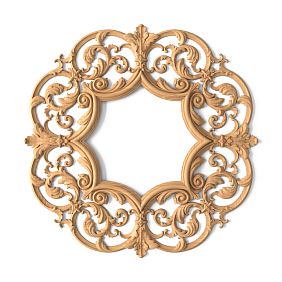
Ready-made wooden frame
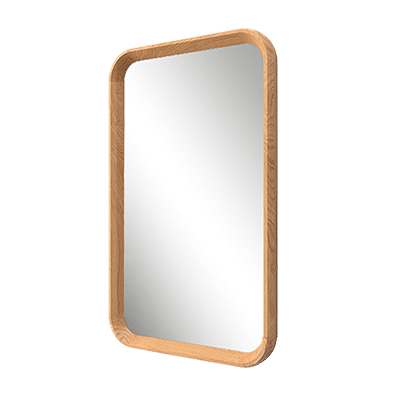
Ready-made mirror frame — this is a standard-size product with pre-assembled corners, ready for installation. Its advantages are obvious: buy it, hang it. The joints are already cut and glued, the proportions are verified by the manufacturer, and the shape — whether it's a rectangle, oval or circle — is already determined.
A ready-made frame is suitable where the mirror is of a standard size and the selected frame size matches the required format. In the hallway, bedroom, or above a vanity in the bathroom — a ready-made frame solves the problem quickly and without extra steps.
There is one limitation: if the mirror is of a non-standard size or a frame with precise parameters for a specific location is needed, a ready-made frame may not fit.
Get Consultation
Molding and linear profiles: custom-made frame
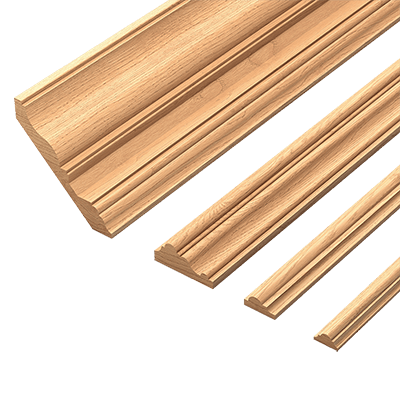
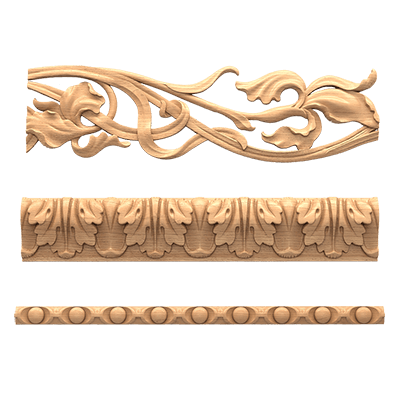
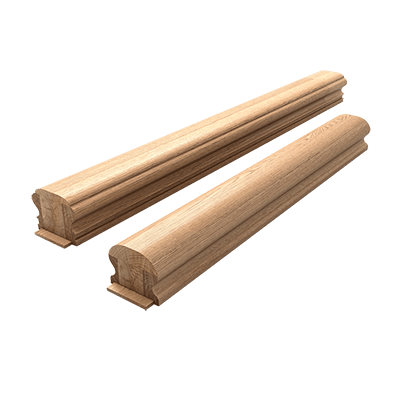
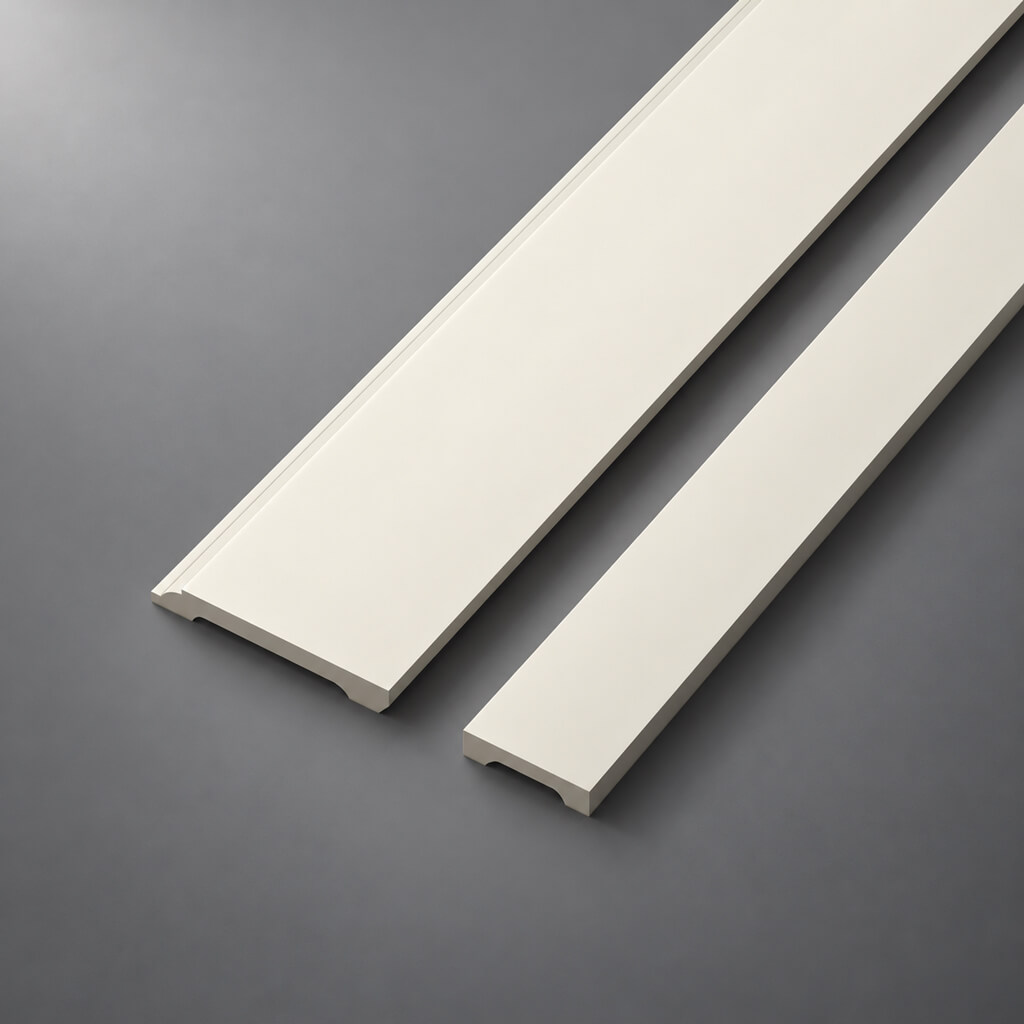
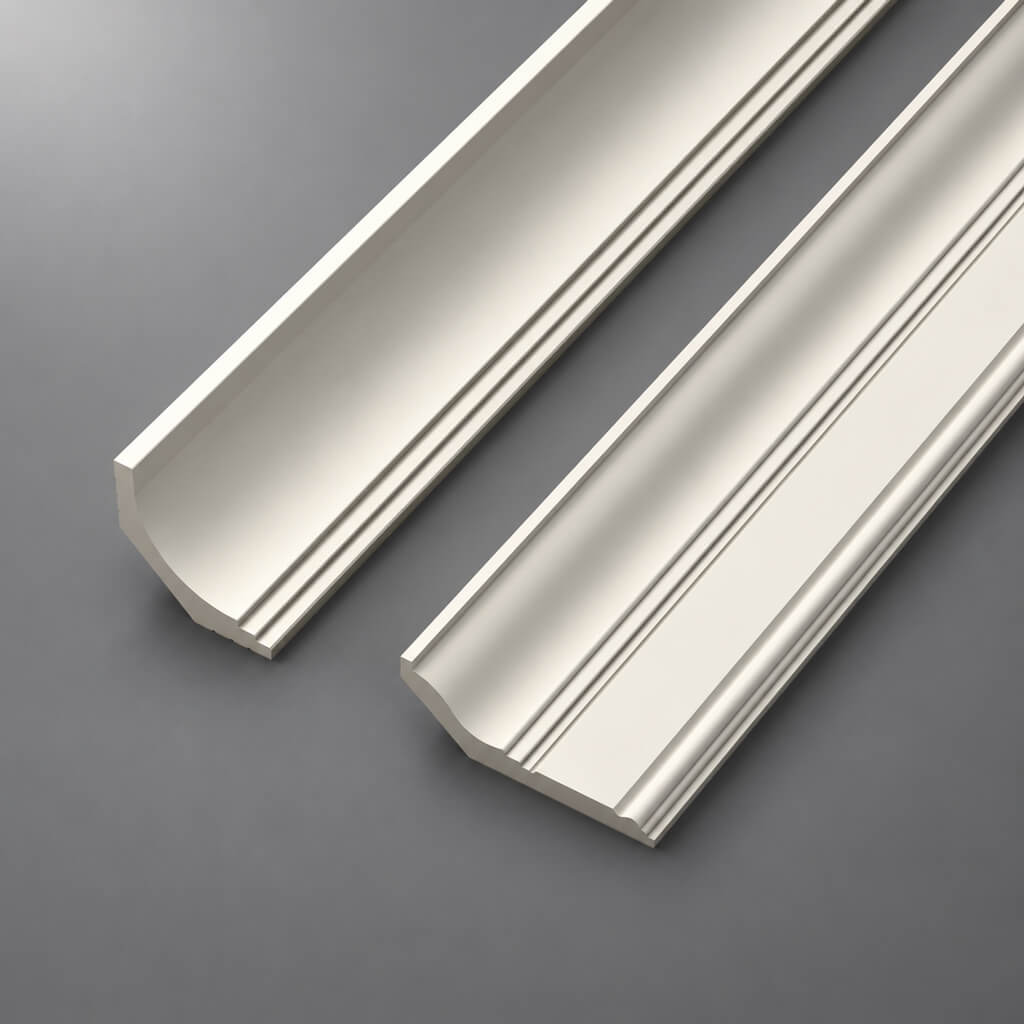
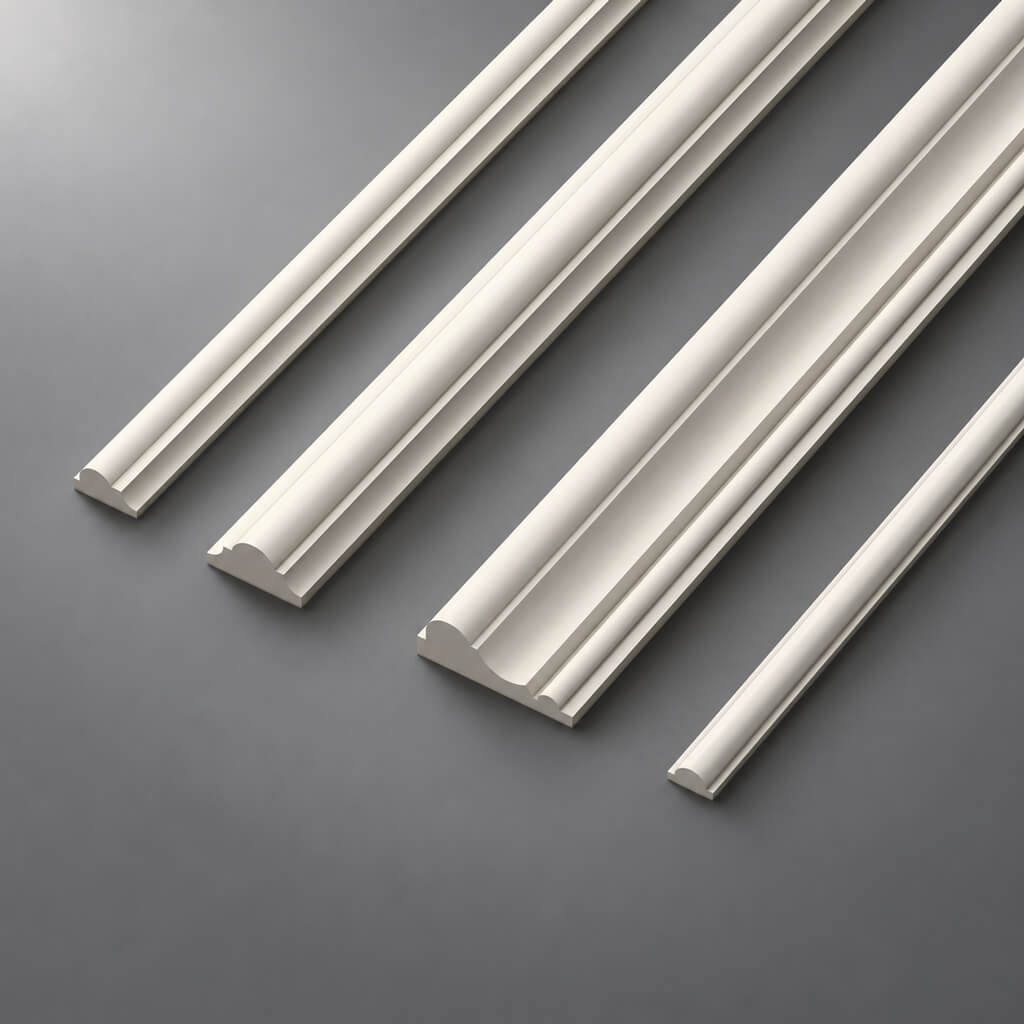
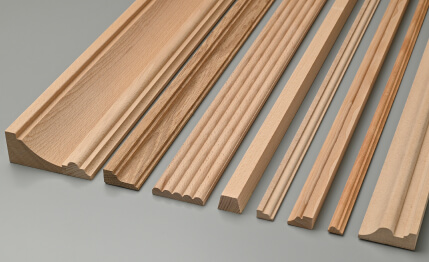
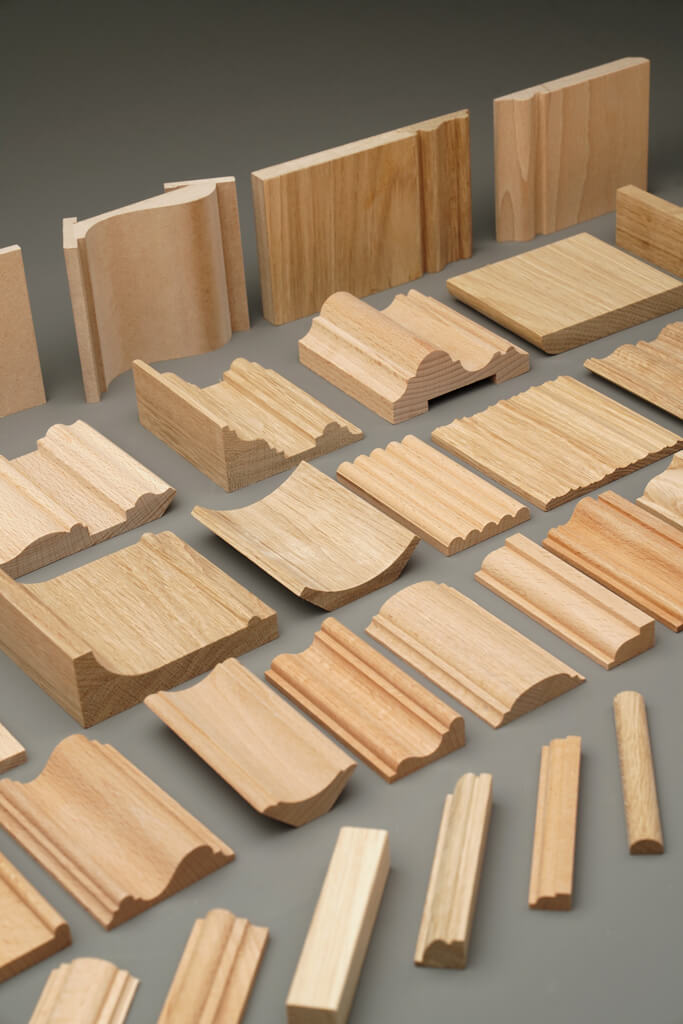
Wooden frame for a mirror — this is a profile molding from which the frame is assembled independently or by a craftsman. This option is chosen when a non-standard size, special profile, or specific style is needed.
From wooden trim you can assemble a frame for absolutely any mirror size: from a small vanity mirror of 300×400 mm to a large floor mirror of 800×1800 mm. The joints are cut at 45°, glued, and secured. The result is a frame with precise dimensions for a specific mirror.
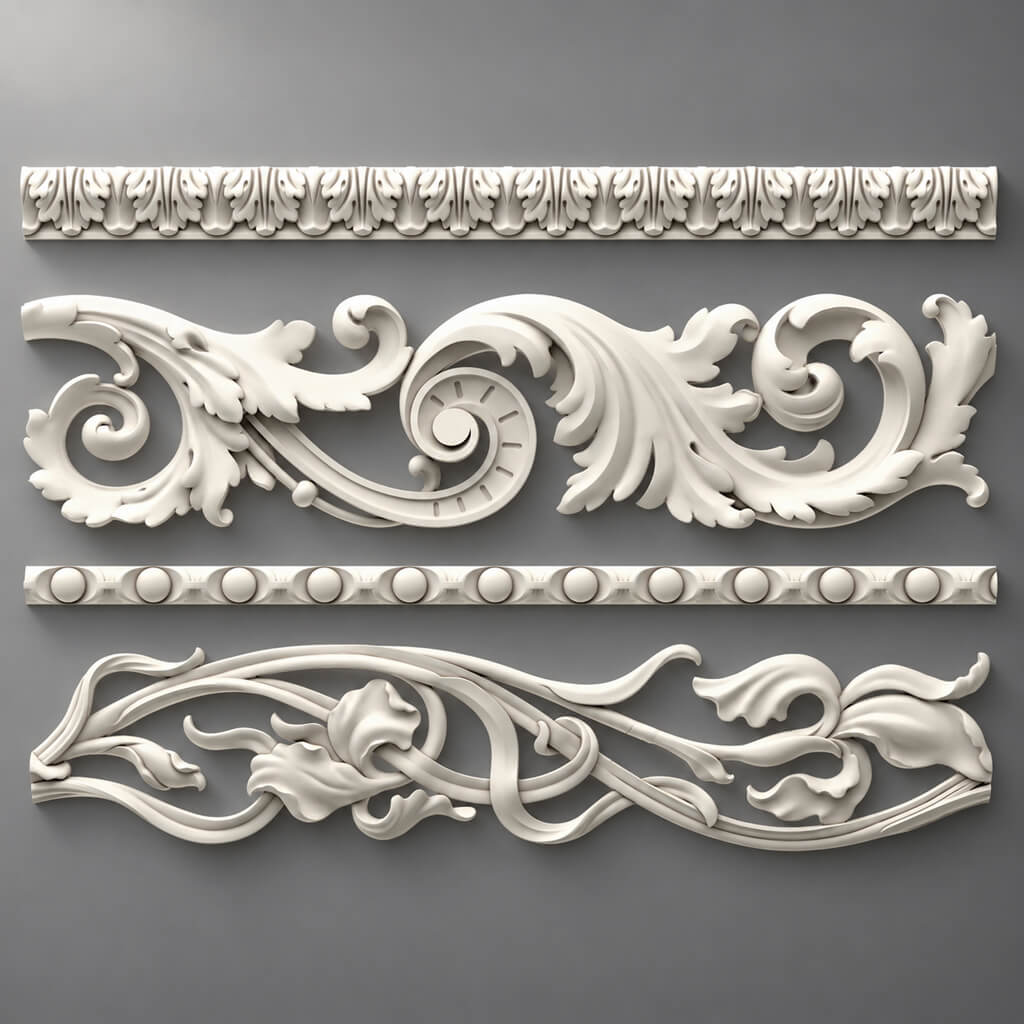
This is also the best choice for design solutions: a wide profile molding with a fillet for classic styles, a narrow smooth profile for minimalism, a stepped profile for Art Deco — all of this can be found in the assortment solid wood moldings.
When overlays and moldings are added
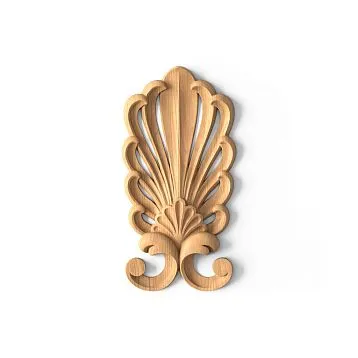
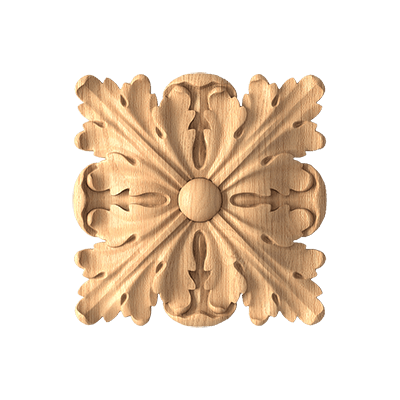
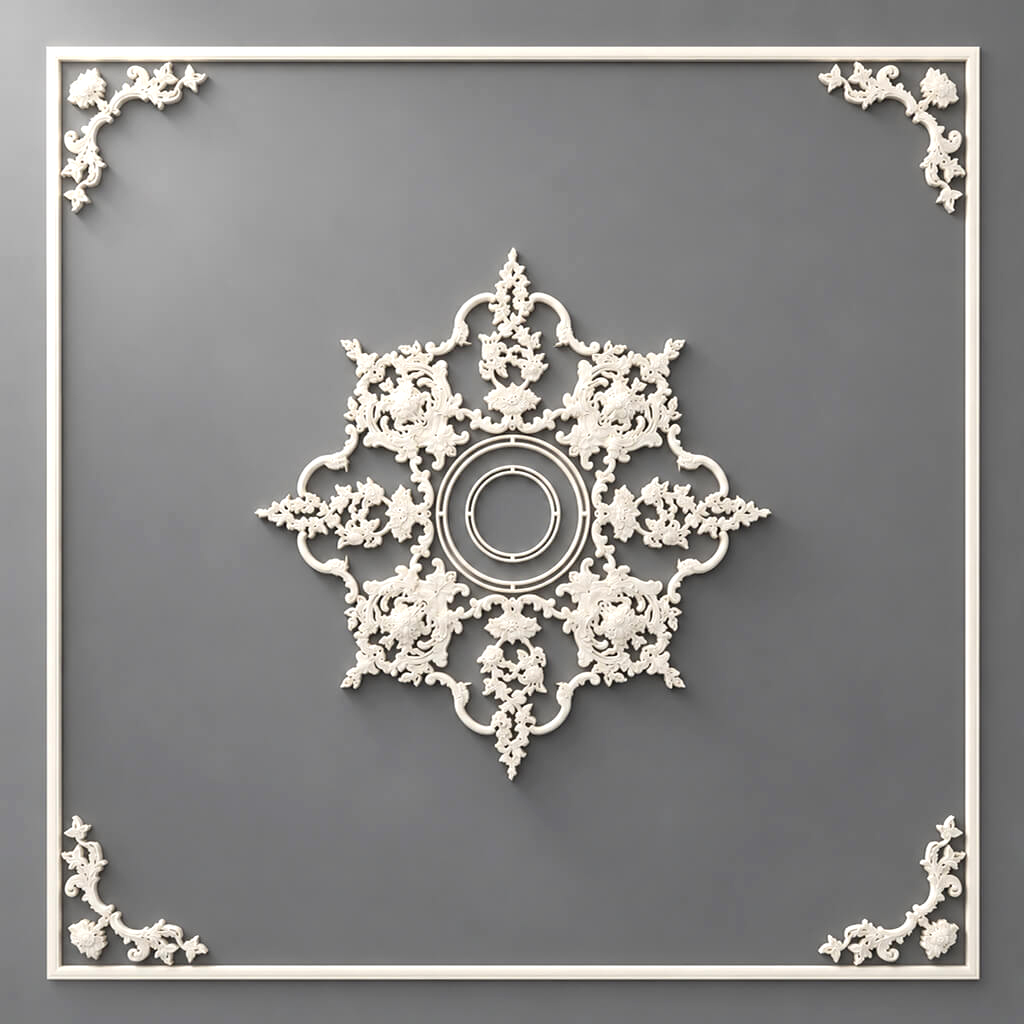
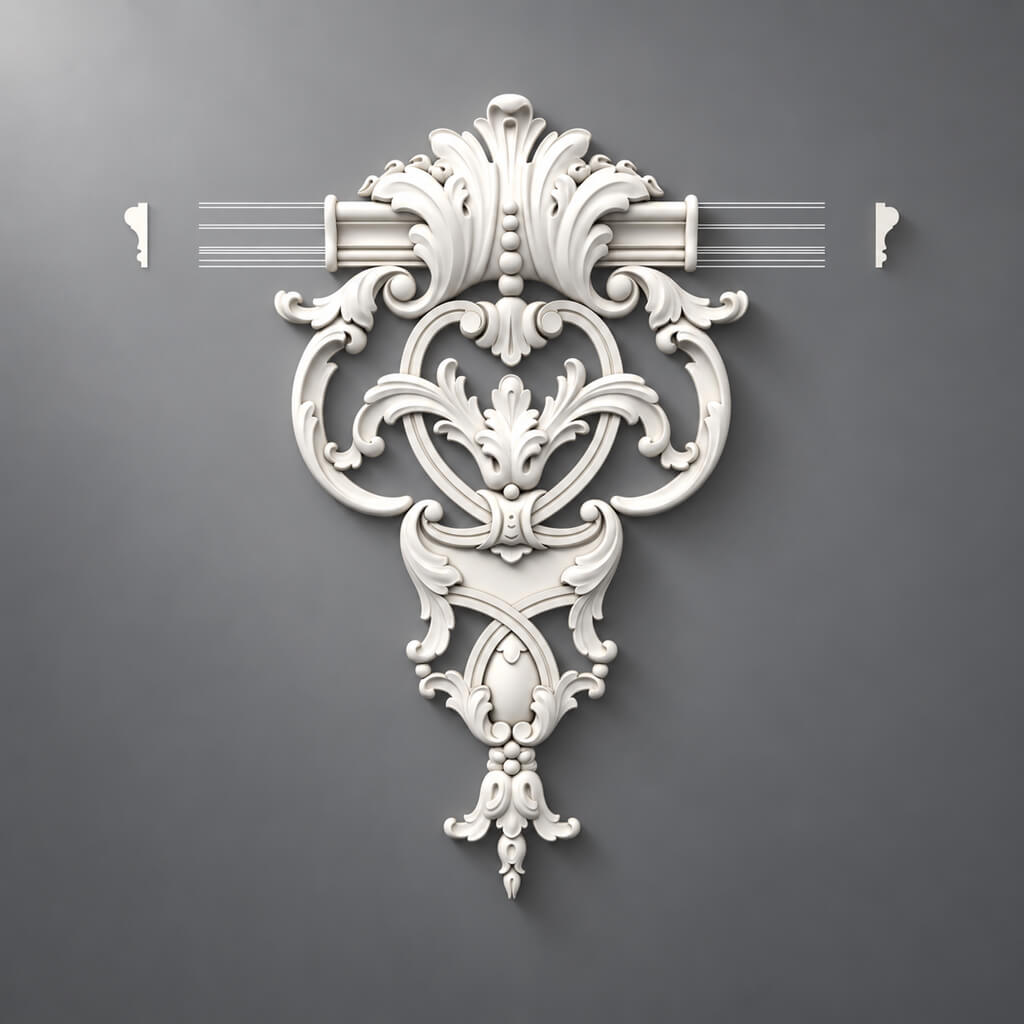
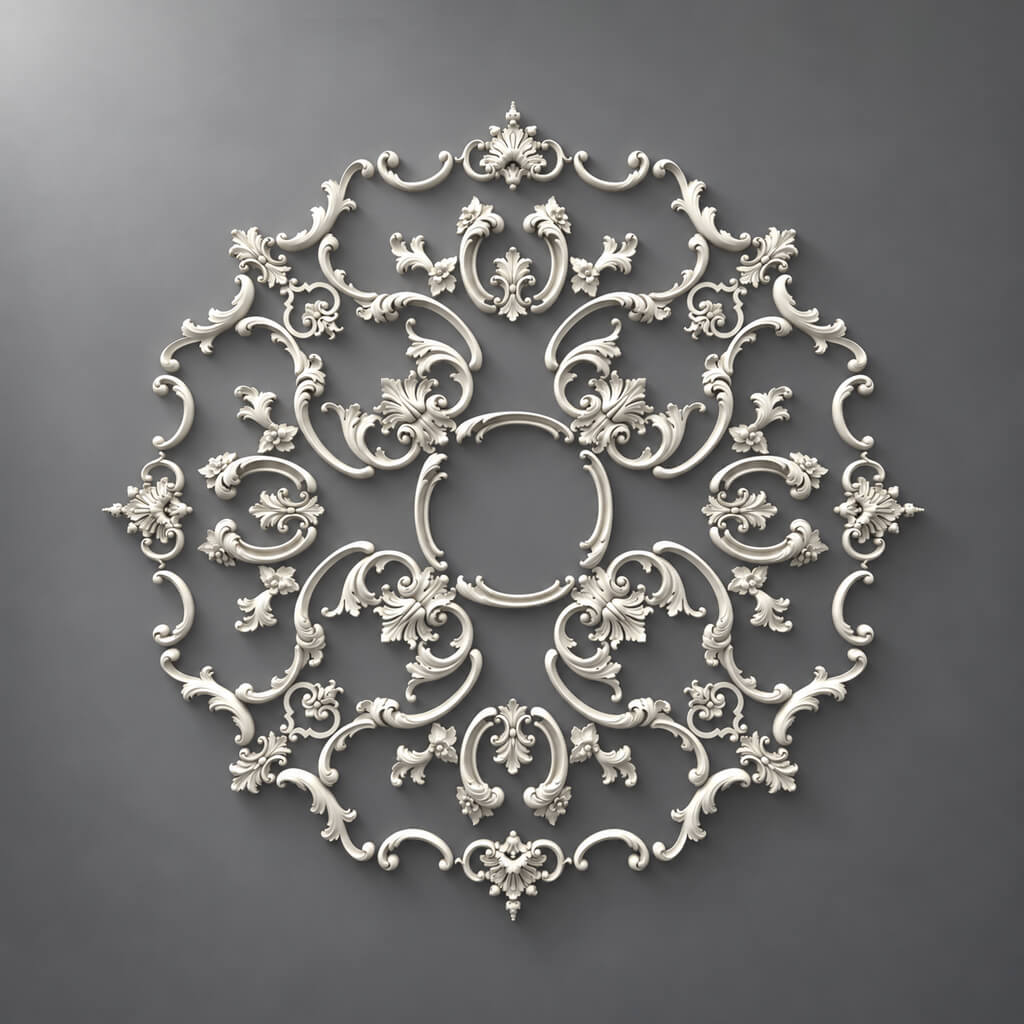
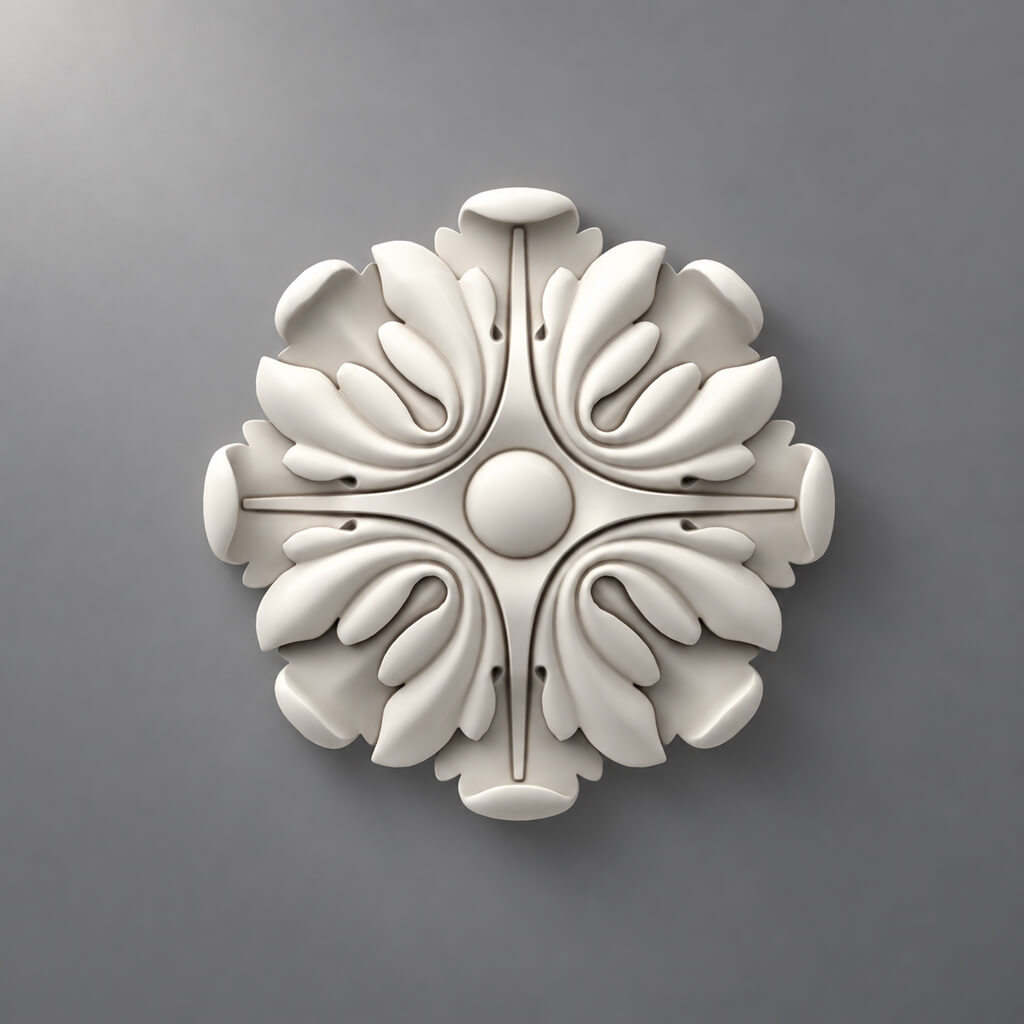
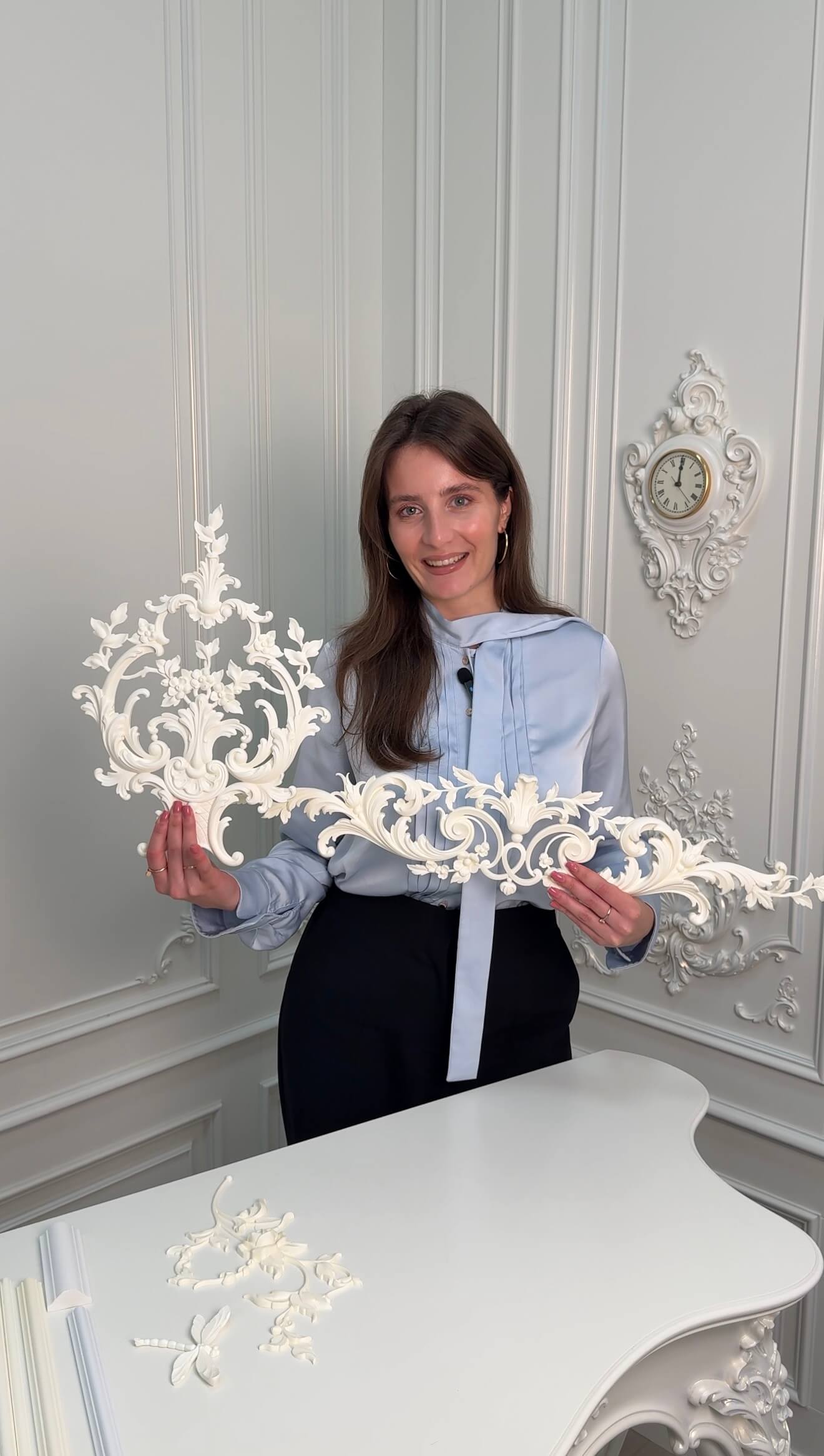
In some design solutions, the frame is complemented decorative inlays — at the corners, in the center of the side strips, or as an ornamental border. This enhances the decorative value of the frame: from a simple wooden strip, it transforms into an architectural object.
Overlays at the corners of the frame are a classic technique for neoclassicism and Empire style. They create "nodal" accents that give the frame a rich look without continuous carving around the entire perimeter.
Wooden frame for a hallway mirror: the first impression must be flawless
The hallway is the space of first impressions. It is here that a guest forms their opinion of the home as a whole. And the mirror in the hallway is almost always the central object of the entry area. It hangs above a console, next to a coat rack, or on a wall section — and its frame works as the main decorative accent.
What to consider when choosing a frame for the hallway
The console and frame are a single group. If you have a hallway mirror console, then the frame should be coordinated with the console in tone and style. A white console — a white frame or a frame in light wood. A dark walnut console — a frame in a similar tone. A mismatched "console + frame" pair creates a sense of randomness.
Doors and trims set the color reference. In the hallway, there is usually an entrance door and a passage door. wooden moldings and architraves on these doors set the style and color reference. The mirror frame does not have to match them exactly, but should belong to the same color scheme.
The size of the hallway dictates the scale of the frame. In a narrow hallway with a width of 1.2–1.5 m, a heavy carved frame with a wide profile will feel oppressive. Here, a medium or thin profile works better — it does not take up space but gives the mirror the necessary framing. In a spacious hall, on the contrary, you can afford a wide expressive frame — it scales with the large space and works as an architectural accent.
The shape of the frame in the hallway. For the hallway, a rectangular vertical frame works best — it visually stretches the wall upward, which is especially valuable in low rooms. an oval frame for the mirror is also appropriate in the hallway, especially in classic and neoclassical interiors — it adds softness and elegance.
Wooden frame above the console: proportions
Above the console, the mirror in the frame should be proportional: in width — no more than the width of the console plus 15–25 cm on each side. In height — so that the lower edge of the frame does not "press" on the console, and the upper edge leaves air to the ceiling or upper molding. The center of the mirror in the frame is at eye level of an average-height person: 140–160 cm from the floor.
Frame for a mirror in the bedroom: softness and decorativeness
The bedroom requires a different discussion. There is no entrance bustle, no first impression for guests — there is silence, coziness, and personal space. And a mirror in a wooden frame in the bedroom is a detail that should support this character, not disrupt it.
Above the dresser or vanity table
The classic place for a mirror in the bedroom is above a chest of drawers or next to a dressing table. The frame here should complement the furniture: if the chest has wooden handles and wooden legs, the frame should be in the same tone. If the furniture is lacquered white, the frame should be in white enamel or light natural wood.
The width of the frame for a mirror above a chest of drawers: from 700 to 900 mm, rarely up to 1000 mm. The height depends on the height of the chest and the distance to the ceiling. A standard solution: a mirror in a vertical frame, with the lower edge 15–20 cm above the chest surface.
A frame that supports the headboard
If the bedroom has a wooden headboard or the wall behind the bed is decorated wooden moldings, the mirror frame should fit into this system. The same molding profile on the wall and in the mirror frame is a sign of a well-thought-out interior.
Frame profile for the bedroom
In the bedroom, a medium profile with a soft pull works well—neither too thin nor too heavy. A carved frame with ornamentation is appropriate in a rich classic bedroom. A smooth frame with clean geometry suits modern neoclassicism or Scandinavian style.
an oval frame for the mirror in the bedroom is a delicate solution that softens the strictness of right angles and adds femininity and lyricism to the room. It looks good above a dressing table and next to the bed.
Frame for a mirror in the bathroom: wood against humidity
The bathroom is a space with special conditions: steam, moisture, temperature changes. That is why the idea of a wooden frame in the bathroom raises doubts. But they are unfounded—with the right choice of material and coating, wood in the bathroom lasts a long time and looks incomparably better than any plastic or metal.
Why wood in the bathroom
Tile, plumbing, glass — cold hard materials dominate the bathroom. Wood works here as a warm contrast: it softens the atmosphere, adds tactile warmth, and turns a functional space into a cozy one. A mirror in a wooden frame above the vanity is an architectural pair that immediately elevates the perception of the bathroom.
Which wood to choose for the bathroom
For areas with high humidity, dense species are preferred — oak and beech. Oak is dense, absorbs moisture slowly, and with proper coating serves well in wet rooms. Beech has a more uniform structure and is ideal for painting with opaque enamels.
Pine in the bathroom is acceptable with a good coating, but is less resistant to humidity fluctuations. In areas where steam is particularly intense (near the shower), a pine frame needs to be refreshed more often.
Coating for a bathroom frame
This is a key parameter. Untreated wood in the bathroom is taboo. It quickly darkens, gets moldy in joints, and loses its shape.
Acrylic enamel is the best choice for the bathroom. It creates a hard, waterproof film. White enamel on beech is a classic in modern bathrooms, pairing well with white plumbing and light tiles.
Alkyd varnish for wet rooms — for those who want to preserve the natural look of wood. The varnish film protects against moisture but requires renewal when cracks appear.
Oil with water-resistant additives — for a natural look with maximum protection. Suitable for oak: the oil penetrates the structure, does not form a film, and does not peel off.
Shape and size of the frame for the bathroom
In the bathroom, the mirror is usually placed above the vanity with a sink. The width of the frame is typically equal to the width of the vanity or slightly less. A mirror in a frame that is too wide above a narrow vanity looks disproportionate.
Round frame for a mirror is a very popular solution for modern bathrooms. The circle softens the straight lines of tiles and plumbing, creating lightness and airiness. A round mirror in a wooden frame above a rectangular vanity is a play of shapes that works well in Scandinavian, Japanese, and modern styles.
For classic bathrooms, a rectangular or oval frame with a profiled molding is better.
How to choose the shape of the frame: five options and their context
The shape of the frame is not just about aesthetics. It is also about working with the space and the proportions of a specific location.
Rectangular vertical frame
The most versatile shape. It works everywhere: in the hallway, bedroom, bathroom, dressing room, living room. A vertical rectangle visually elongates the wall — this is especially valuable in rooms with low ceilings (2.4–2.6 m). Standard aspect ratios: 2:3, 3:4, 1:2 — all of them look good in most interiors.
Rectangular horizontal frame
A wide horizontal mirror in a wooden frame is placed above a chest of drawers, above a wide vanity in the bathroom, or above a bench. The horizontal orientation creates a sense of calm and width. It is suitable where furniture is lower than average height and you need to "fill" the wall horizontally.
Square frame
A square represents balance. It is appropriate where strictness without direction is needed: in niches, above low consoles, in symmetrical spaces. A square mirror in a wooden frame works well in pairs — two identical squares side by side above a double sink in the bathroom.
Oval frame
an oval frame for the mirror — is softness and elegance. The oval is historically associated with palace classics, dressing tables, and boudoirs. It is suitable in classic and neoclassical bedrooms, in delicate Provence-style hallways, in bathrooms with soft lighting and neutral tiles.
Important: an oval frame requires more skill in manufacturing from wooden molding — curved slats are either bent from steamed wood or cut from a solid panel. Therefore, a ready-made Oval frame is often more convenient than assembly from baguette.
Round frame
Round frame for a mirror — is one of the most popular trends in recent years. The circle is an absolute form that does not create a dominant direction and works well in any corner of the interior. In the bathroom, hallway, above a console, in a children's room, in a study — a round mirror in a wooden frame is suitable almost everywhere where a light, casual accent is needed.
Diameter: from 400 mm (a small accent) to 900 mm (a full-fledged architectural object). For the hallway and bathroom, a diameter of 600–750 mm is optimal.
How to choose the width of the baguette: from a thin profile to a monumental frame
The width of the frame profile is a tool for managing visual weight. A narrow frame is delicate, almost invisible. A wide one is commanding, like a picture gallery.
Thin profile: 15–30 mm
A thin wooden profile — for small mirrors, for Scandinavian and minimalist interiors, for bathrooms with light finishes, for children's rooms. It doesn't assert itself but gives the mirror a neat frame — a line that separates the mirror from the wall.
Medium profile: 35–60 mm
The working range for most residential interiors. Such a profile Wooden Picture Frame reads well from a distance, creates a tangible relief, and works both in classic and modern styles. For hallways and bathrooms — an optimal choice.
Wide profile: 70–120 mm
A wide frame makes the mirror the main object on the wall. This is a choice for large formats — full-length mirrors, floor mirrors, large mirrors in halls and living rooms. A wide profile Wooden frame for a mirror with a profiled molding is already a museum-level decorativeness. It is appropriate in classic interiors with high ceilings.
Carved profile
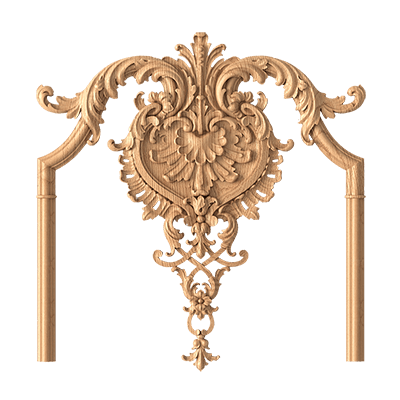
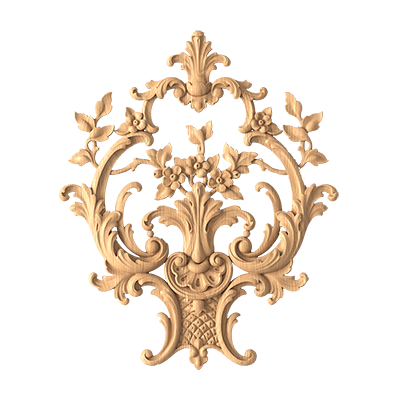
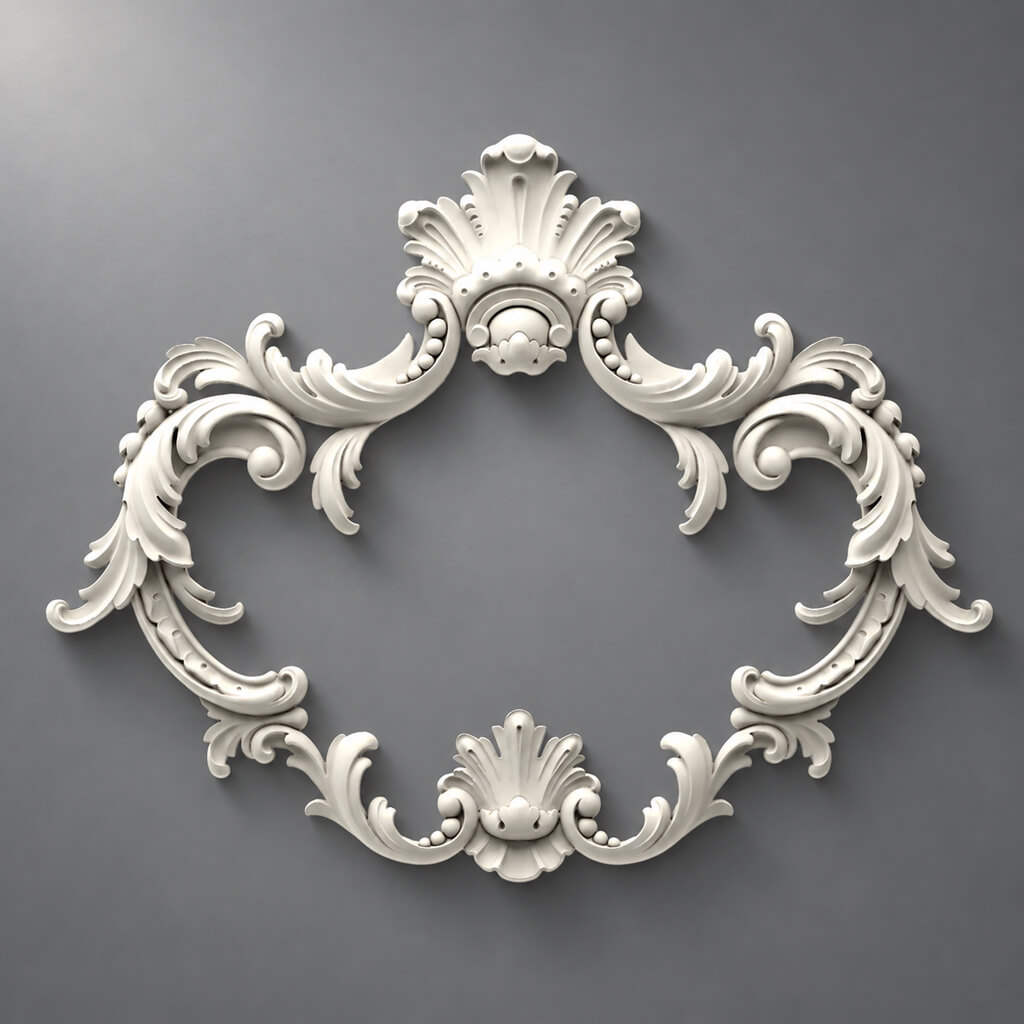
A carved mirror frame is a special case. Carving on the profile or Decorative Inserts on the frame creates an ornamental accent that works as an independent decorative object. This is a choice for classic, Empire, pompous Art Deco styles. In modern and Scandinavian interiors, a carved frame would be superfluous.
Table: choosing baguette width by situation
| Situation | Recommended profile |
|---|---|
| Small mirror in bathroom, Scandinavian style | 15–25 mm, smooth |
| Mirror in hallway above console | 35–55 mm, with molding |
| Large mirror in classic living room | 70–100 mm, with ornament |
| Oval mirror in bedroom, neoclassical | 40–60 mm, soft profile |
| Round mirror in modern bathroom | 20–35 mm, smooth or light relief |
| Floor mirror in the hallway | 60–100 mm, profile baguette |
Frame color and finish: how to match the interior
This is one of the most practical solutions — and one of those that are often put off 'for later.' And then it turns out the frame is bought, but it looks out of place in the interior.
Guidelines for choosing the frame color
Nearby furniture. If the mirror hangs above a console or a dresser — the frame should match the color and tone of that furniture. Not necessarily an exact match, but belonging to the same tonal range: dark oak to dark oak, white enamel to white furniture.
Doors and Casings. The color of doors and their trims is one of the most stable color references in the interior. A frame matching the doors creates a sense of a unified wooden decor system.
Baseboard and floor profiles. Wooden trim — baseboards, thresholds, corners — sets the basic wood tone in the room. The mirror frame, as part of this system, should support it, not contradict it.
Bathroom vanity. In the bathroom, the main color partner of the frame is the vanity cabinet under the sink. A white vanity means a white frame. A dark wenge vanity means a dark frame.
Floor. Wooden flooring is a strong color reference for the entire interior. The mirror frame can be slightly darker or slightly lighter than the floor, but should not sharply contrast with it.
Special color solutions
Frame for painting. If you want an exact match with the color of the walls, furniture, or trim, the frame made of beech or pine is coated with the desired enamel color. This works especially well in interiors where white or cream is the dominant color.
Wooden frame. Natural tone with oil or varnish — for interiors where the texture of live wood is valued. Oiled oak gives a warm golden-brown shade that looks good in interiors with natural materials.
Contrasting frame. A dark frame on a light wall is a deliberate accent. This solution works when the mirror should be the main decorative object and you are ready for it to attract special attention.
Mounting a wooden mirror frame: safety first
A framed mirror is a heavy object. Especially if the mirror is large and the frame is made of solid wood. Incorrect mounting is a direct path to falling and broken glass.
How to calculate weight
Glass weighs approximately 2.5 kg per square meter (for a 4 mm mirror sheet). A 600×900 mm mirror weighs about 1.4 kg. Plus a solid oak frame adds another 1.5–3 kg depending on the profile width. Total: a 600×900 mm mirror with frame can weigh 3–5 kg. A large 800×1200 mm mirror with a wide frame — 8–12 kg.
Choosing fasteners
Dowel + screw — standard solution for brick and concrete walls. For mirrors up to 5 kg — two attachment points. For heavier ones — four points or special Z-mount.
Z-shaped brackets — a reliable method for heavy frames. The top bar is attached to the wall, the bottom one to the frame. The frame "sits" on the brackets and is pressed against the wall. This method distributes the load evenly.
Tension cable or metal wire — for decorative hanging. Looks beautiful, but requires a reliable attachment point in the wall (dowel with load capacity at least double the weight of the frame).
Features for the bathroom
In the bathroom, fasteners must be made of stainless steel or corrosion-protected materials. Standard galvanized screws will start to rust in a humid environment — and rust stains will appear on the wall and frame.
Mirror frame for the dressing room and living room: additional scenarios
The dressing room is a special place where the mirror works daily. Here, a large full-length mirror in a wide frame is appropriate: it turns the dressing room from a technical space into a real boudoir. A frame matching the shelves and rod — white or natural wood — creates unity.
In the living room, a framed mirror can take a place above the fireplace, above the sideboard, or on an accent wall. Here, the scale can be maximal: a large wooden mirror with a wide frame made of wooden molding — this is a decorative object at the level of a painting. This works especially well in living rooms with wooden moldings on walls and wooden parquet — the framed mirror becomes part of a unified wooden interior system.
Mistakes when choosing a wooden frame for a mirror: a substantive analysis
Buying a frame without precise mirror measurements. This sounds trivial, but this is where most mistakes begin. Before purchasing a frame or baguette, you need to know the exact dimensions of the mirror panel — not approximately, but in millimeters.
Choosing a baguette that is too narrow for a large panel. A thin frame on a large mirror looks like a random line — it doesn't create the necessary framing. For mirrors from 600 mm on the smaller side — a profile of at least 35–40 mm.
Putting a heavy carved frame in a small hallway. A monumental frame in a cramped space feels oppressive and 'eats up' the air. In a small hallway, a lightweight frame with a thin or medium profile works better.
Not considering humidity in the bathroom. An untreated frame or a frame with a coating for dry rooms will last one or two seasons in the bathroom. A coating for wet areas is mandatory.
Mixing different wood shades. Beech with a yellowish tone next to dark walnut console is a color conflict. With transparent coatings, all wooden elements nearby should belong to the same color group.
Not connecting the mirror with nearby furniture. A frame chosen in complete isolation from the console, cabinet, or dresser next to which the mirror hangs almost never creates the desired ensemble.
Forgetting about weight and mounting. A massive frame with a large mirror on a single dowel is an accident waiting to happen. The mounting hardware is calculated in advance — based on the actual weight of the structure.
Buying a plastic frame for an interior with natural wood. This is a case where the compromise is immediately visible. Wood and plastic are different material categories. In an interior with wooden doors, baseboards, and furniture, a plastic frame looks out of place.
Choosing a profile separately from the overall style. Even a beautiful profile may not work in a specific interior if it doesn't belong to its stylistic language. Choosing a frame is always a choice in context.
A wooden frame as part of a unified wooden decor system
A mirror with a wooden frame does not exist in isolation. In a well-designed space, it is part of a cohesive wooden system: the mirror frame — the console — Wooden moldings on the wall — Wooden trim — baseboards and trim. Together, these elements create an environment where wood is a recurring theme.
That is why, when choosing a frame, it is important to look not only at the mirror itself but also at the entire range of solid wood products — baseboards, trim, moldings, millwork, decorative overlays. When all wooden elements come from a single source, they are consistent in tone, wood species, and finish — and the interior achieves harmony.
FAQ: answers to popular questions about wooden mirror frames
How to choose a wooden frame for a mirror?
Start by measuring the mirror glass — precisely, in millimeters. Determine the shape (rectangle, oval, circle), installation location, and interior style. Then choose the profile width, wood species, and finish. Coordinate the frame color with furniture, doors, and baseboards in the same room.
Can a mirror frame be made from a picture frame molding?
Yes. solid wood millwork allows assembling a frame for any non-standard mirror size. The strips are cut at 45°, glued at the corners — resulting in a frame with precise dimensions that perfectly fits the specific glass.
Is a wooden frame suitable for a bathroom?
Yes, under the mandatory condition: the frame coating must be designed for wet areas — acrylic enamel, alkyd varnish for wet zones, or water-resistant oil. Preferred wood species: oak or beech. Untreated wood is not allowed in the bathroom.
Wide or narrow frame for a mirror — which is better?
The choice depends on the size of the mirror and the scale of the space. For a large mirror (from 600 mm), a confident profile of 40–70 mm works better. For small mirrors in the bathroom or in a light interior — 20–35 mm. In small rooms, a wide frame can visually reduce the space.
How to choose the color of the frame for a mirror?
Focus on the nearest furniture (console, cabinet, dresser), on the color of doors and their trims, on the tone of baseboards and wooden floors. The frame does not have to match them perfectly, but should belong to the same color scheme. A contrasting frame is only appropriate as a deliberate decorative accent.
How to hang a heavy mirror in a wooden frame?
For mirrors weighing up to 5 kg — two dowels with screws. For heavy frames (5–15 kg) — Z-shaped brackets with four attachment points. In the bathroom — stainless steel fasteners. Calculate the fasteners for double the weight of the structure — this provides a safety margin.
How does a carved frame differ from a frame with overlays?
A carved frame is a profile with ornamentation along the entire perimeter. A frame with overlays is a smooth profile with decorative inlays in the corners or in the center of the slats. The second option provides a similar decorative effect at a lower cost and greater design flexibility.
Round or oval mirror frame — what's the difference?
Round frame — a modern, lightweight, versatile solution. Works well in the bathroom, hallway, and modern interiors. Oval frame — a more classic, elegant shape. Suitable for the bedroom, Provence style, and neoclassicism. Both shapes add softness to spaces with rectangular geometry.
About the company STAVROS
STAVROS is a Russian manufacturer of wooden products for interiors and architectural decor. The company's assortment includes a complete set for decorating a mirror and the surrounding space: wooden frames rectangular, round и oval shapes, Wooden trim for self-assembly of a frame from a baguette, Decorative Inserts, Moldings for decorating the wall around the mirror and solutions for console groups.
STAVROS products are made from solid oak, beech, and other wood species. All range of solid wood products is designed with system compatibility in mind — frames, moldings, millwork, and overlays are coordinated with each other by wood species, tone, and style character.