












































































Article Contents:
- Philosophy of space: why wall finishing changes everything
- How finishing affects human psychology
- Materials that create masterpieces
- Wood: the living soul of interior
- Lath systems: geometry of modern design
- Cornice: when walls become sculpture
- Stylistic worlds: from classic to avant-garde
- Classic interiors: dialogue with history
- Minimalism: philosophy of emptiness
- Loft: industrial romance
- Scandinavian style: northern simplicity
- Functional solutions for different zones
- Living Room: Theater of Everyday Life
- Bedroom: temple of rest
- Kitchen: where tastes are born
- Bathroom: oasis of relaxation
- Hallway: first impression
- Office: space for concentration
- Color and light: creating atmosphere
- Light palette: space and air
- Dark accents: depth and drama
- Natural wood tones
- Innovative technologies in finishing
- Three-dimensional panels: volume on a plane
- Paintable materials: endless possibilities
- Integration of lighting into finishing
- Practical aspects of implementation
- Planning and budgeting
- DIY installation or professionals
- Surface Preparation
- Sequence of work
- Maintenance and Durability
- Care Specifics for Different Materials
- Repair and restoration
- Regional characteristics and accessibility
- Where to buy materials
- Logistics and delivery
- Combination with Other Interior Elements
- Furniture and finishing
- Textiles and finishing
- Art and Decoration
- Trends and future of finishing
- Ecology and sustainability
- Personalization and uniqueness
- Technologies in finishing
- Common Mistakes and How to Avoid Them
- Error #1: Mismatch with style
- Error #2: Overloading with decor
- Error #3: Ignoring proportions
- Error #4: Incorrect material selection
- Error #5: Cutting corners on preparation
- Inspiration and Ideas
- Classic Interiors
- Modern spaces
- Eclectic mixes
- Conclusion: your home, your creation
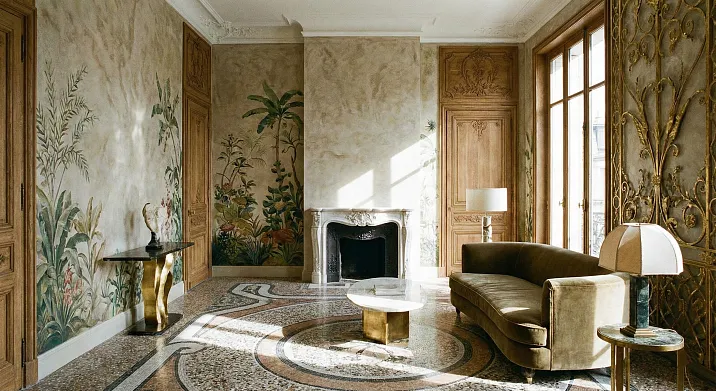
Walls speak. They tell stories about those who live in the house, reflect the owner's character, create the mood of each day. Want to know how to turn blank surfaces into works of art? The answer is simple: proper decorative wall finishing can transform any space beyond recognition. This is not just cosmetic repair — it is a philosophy of life embodied in materials, textures, and colors.
Interior wall decoration is experiencing a true renaissance today. Forget about monotonous painted surfaces and boring wallpaper. Modern finishing styles offer thousands of ways to express individuality. Custom-designed walls have become the home’s calling card, a place where technology meets aesthetics, and practicality does not contradict beauty.


Philosophy of space: why wall finishing changes everything
Enter the room — and the first thing you see is the walls. They surround you, create volume, form the atmosphere.Internal wall finishing— not a technical necessity, but a powerful tool for managing space. Properly chosen finishing can visually enlarge a room, raise the ceiling, fill the space with light, or, conversely, create an intimate, cozy atmosphere.
Each material has its own energy. Wood breathes warmth and coziness. Stone radiates strength and reliability. Metal sounds modern and technological. Fabric wraps with softness. When you choosedecorative wall finishesyou choose the language on which your home will speak.




How wall finishing affects human psychology
Wall color and texture directly affect emotional state. Smooth light surfaces calm, create a sense of order and cleanliness. Textured dark walls add drama, encourage focus. Warm wood tones invite conversation, cool metal tones promote concentration on work.
— people spend up to 90% of their time indoors. The quality of this time is largely determined by what surrounds them.Internal decorative wall cladding— an investment not only in beauty, but in quality of life, psychological comfort, and daily enjoyment of being at home.
Our factory also produces:


Materials that create masterpieces
Get Consultation
Wood: the living soul of interior design
Wood — a material with a history spanning millennia.Wooden wall cladding— never goes out of fashion because it appeals to deep human instincts. We are genetically programmed to love wood — thousands of generations of ancestors lived among forests, built homes from timber.
— each species has a unique character. Oak — symbol of solidity and longevity. Its strong fibers and rich color create a sense of reliability. Ash — embodiment of elegance. Light, with fine texture lines, it fills space with air. Walnut — aristocrat among woods. Deep brown color with reddish undertones adds nobility to the room.
Wall cladding options— wood impresses with its variety. Plank creates a cozy atmosphere in a country house or Scandinavian apartment. Wall-mounted parquet — a bold design solution, turning vertical surfaces into works of art. Rough, unprocessed boards in loft interiors tell stories of the industrial era.
Modern wood processing technologies expand possibilities. Thermally treated wood changes color, darkening it without using dyes. Brushing reveals texture, creating an expressive relief. Aging gives new boards the appearance of century-old beams.
Lath systems: geometry of modern design
Plank wall cladding— has won the hearts of designers and homeowners. The secret to its popularity is simple: laths are universal, modern, and functional. They look equally good in minimalist apartments and spacious country homes.
Vertical laths create magic with space. They visually raise the ceiling, making the room higher. This is a find for rooms with standard 2.7-meter height, which you want to visually enlarge. Horizontal laths work differently — they expand space, which is indispensable for narrow rooms.
wall finishing with laths— solves not only aesthetic, but also practical problems. Behind a lath structure, it is easy to hide wall imperfections — no need to level the surface to perfection. You can hide wiring, pipes, cables — everything that spoils the room’s appearance.
— are made from different materials. Natural wood — classic, eco-friendly, tactile pleasure. MDF for painting — practicality and the ability to create any color. Metal laths — ultra-modern and industrial chic.
Racks for internal wall claddingMade from different materials. Natural wood — classic, eco-friendliness, tactile pleasure. MDF for painting — practicality and the ability to create any color. Metal slats — ultra-modern and industrial chic.
Moldings: when walls become sculpture
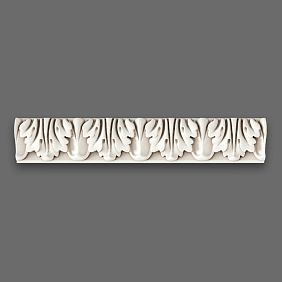
Sculptural decorationsTransforms a flat wall into a relief canvas. This art originated from ancient times — palaces and temples were always adorned with stucco. Today, this beauty is accessible to everyone thanks to modern materials.
Polyurethane revolutionized the world of decor.Sculptural wall decorationMade from this material, it possesses incredible advantages. First, lightness — an element of meter length weighs only a few hundred grams. This means simple installation without special fasteners. Second, moisture resistance — polyurethane stucco can be used even in bathrooms. Third, detail — the material can convey the finest nuances of relief.
Wall and ceiling decorative moldingCreates architectural expressiveness. Ceiling rose brackets frame chandeliers, turning them into compositional centers of the room. Cornices conceal the junction between wall and ceiling, visually increasing the room's height. Cores — recessed areas of regular shape — add volume and complexity to the ceiling.
moldings for walls and ceilingsIncludes a vast variety of elements. Mouldings — straight decorative strips — create frames and panels on walls. Corner elements frame window and door openings. Pilasters — flat columns — establish vertical rhythm and divide walls into sections. Consoles support shelves and create an illusion of support.
Gypsum stucco retains its position in the premium segment.Plaster wall finishing— the choice of connoisseurs of natural materials and handcrafted work. Gypsum breathes, regulates humidity, creates a unique microclimate. Each element of gypsum stucco is unique — the artisan infuses their work with a piece of soul.
Stylistic worlds: from classic to avant-garde
Classic interiors: dialogue with history
Classic is not outdated. It is a statement of eternal values: harmony, proportion, beauty.Wall finishing photoClassic interiors demonstrate elegance proven over centuries.
The foundation of classic style — symmetry and rhythm. Walls are divided into zones using mouldings. The lower part — the plinth — is distinguished by a darker color or panels. The middle part — the main field — is decorated with classic-patterned wallpaper or monochromatic finishes. The upper part — the frieze — is finished with a cornice that meets ceiling decoration.
Wall finishing with moldingsCreates architectural depth. Mouldings form rectangular or square panels on walls. Within these frames, contrasting finishes — wallpaper of another color, textiles, mirror panels — are placed. This creates a layered effect, playing with planes and relief.
Decorative wall panels wall finishing— boiserie — the hallmark of classic interiors. These wooden panels cover the wall from 90 to 150 centimeters high. They protect the lower part of the wall from damage, create a noble texture, and lend the room a sense of dignity. Boiserie is made from natural wood or MDF, painted, lacquered, or retaining the natural wood grain texture.
Minimalism: philosophy of emptiness
Minimalism is not poverty, but a conscious choice. Rejecting the superfluous makes each element significant.Wall cladding in an apartmentIn minimalist style, perfection is required — here, there is nowhere to hide errors behind decorative excesses.
The main thing in minimalism is surface quality. Walls must be perfectly flat and smooth. The slightest irregularity, bump, or dent will be noticeable. Therefore, surface preparation takes more time than the finishing itself. But the result is worth it — flawless walls create a sense of order, cleanliness, and control over space.
The color palette of minimalism is restrained. White, gray, beige — favorites of the style. These neutral shades visually expand space, reflect light, and create a sense of air. Against this backdrop, furniture, art, and people — what is truly important — stand out.
Plank wall cladding— seamlessly integrates into minimalist interiors. The strict geometry of planks, monochromatic coloring, and absence of unnecessary details align with the philosophy of the style. At the same time, planks add texture and rhythm, saving minimalism from coldness and anonymity.
Loft: industrial romance
Loft was born in industrial buildings that artists converted into homes. This style celebrates the beauty of incompleteness and the charm of rough materials.Wall finishing in a houseIn loft style, it may include exposed brickwork, concrete surfaces, and metal panels.
Brick wall — symbol of loft. Red brick creates a warm industrial atmosphere. Whitewashed brick softens the brutality, making the interior lighter. If a house does not have real brick walls, they can be imitated using decorative tiles or panels.
Wooden wall claddingIn loft, rough, untreated wood is used. Boards with traces of time, cracks, knots create an authentic atmosphere. Weathered wood contrasts with modern technology and furniture, creating a unique blend of eras.
Metal — another key material of loft. Metal panels, exposed pipes, steel beams emphasize the industrial origin of the style. Rust on metal — not a defect, but a decorative element, a sign of authenticity.
Scandinavian style: northern simplicity
Scandinavian design emerged from the need to maximize precious short northern daylight.Interior wall finishing in an apartmentIn Scandinavian style, it leans toward light shades, natural materials, and functionality.
White color dominates in Scandinavian interiors. White walls reflect light, making the room brighter and more spacious. This is not cold medical white, but warm shades — milk, cream, white with gray or beige undertones. Such nuances add coziness.
Wood — an essential element of Scandinavian style. Light woods — pine, birch, beech — create a connection with nature.Interior Wall Finishes PhotoScandinavian homes often feature one accent wall made of wood, the rest painted. This creates a balance between the warmth of wood and the lightness of white surfaces.
Functional solutions for different zones
Living room: the theater of everyday life
The living room is the formal space of the home. Here guests are received, family gathers, and celebrations take place.Buy internal wall claddingFor the living room — it means investing in a space that represents your home to the world.
An accent wall is a popular solution for the living room. One wall stands out by color, texture, or material, drawing attention. Behind the sofa, it is often placeddecorative wall finishesmade of wood, stone, or created with moldings. This creates a focal point around which the entire room composition is built.
The television zone requires special attention. The wall behind the TV may be finishedwith decorative wall panelswhich hide wires and create a tech-savvy look. Dark finishing behind the screen improves image perception and reduces glare.
Bedroom: Sanctuary of rest
The bedroom is the most intimate space in the home. Here, the atmosphere of peace and tranquility is essential.Wall room finishingFor sleeping, it should be restrained, not overloaded with details.
The wall behind the headboard is the natural center of the bedroom. It can be highlighted with soft panels that create coziness and comfort.Wooden wall claddingMade of light woods, it creates a calm atmosphere. Dark wood adds drama and intimacy.
Textile wall finishing is a luxurious solution for the bedroom. Fabric on walls creates acoustic comfort, absorbing sound. Velvet, velour, linen add a tactile dimension — in the bedroom, it’s pleasant to surround yourself with soft, pleasant-to-touch materials.
Kitchen: Where tastes are born
The kitchen is a space with special requirements. Here, there is high humidity, temperature fluctuations, and contamination.wall finishing materialsKitchen surfaces must be moisture-resistant, heat-resistant, and easy to clean.
The backsplash — the working zone between the countertop and wall cabinets — is traditionally finished with tiles. But this is not the only option. Glass, metal, moisture-resistant panels expand design possibilities. The main thing — practicality and ease of maintenance.
Decorative wall finishingIn the dining area of the kitchen, it creates coziness. If the kitchen is combined with the living room, the dining area can be highlightedwith panelingwith wooden panels or moldings. This visually separates functional zones without erecting walls.
Bathroom: Oasis of relaxation
The bathroom is a place of purification not only of the body, but also of the soul.Polyurethane wall claddingIt is ideally suited for humid spaces. Polyurethane does not fear water, does not deform, and does not develop mold.
Traditional tile remains a practical solution, but it can be enhanced with decorative elements.moldings for walls and ceilingsPolyurethane panels transform an ordinary bathroom into a luxurious restroom. Cornices, moldings, outlets create classic elegance.
Mirrors in the bathroom can be framed with polyurethane frames, turning them into decorative elements. Niches in the walls can be highlighted with contrasting tiles or lighting. Every detail matters in the small space of the bathroom.
Hallway: First impression
The hallway is the first thing guests see upon entering the home.Decorative corridor wall finishingIt must be both striking and practical. Walls in the entryway are exposed to dirt, so materials must be easy to clean.
The lower part of walls is often covered with panels — wooden, MDF, or plastic. They protect the surface from damage that is inevitable in high-traffic areas. The upper part is painted or covered with washable wallpaper.
A narrow corridor can be visually expanded using horizontal lines.wall finishing with lathsHorizontally, it creates an illusion of space. Light tones and mirrors further enhance the effect.
Office: space for concentration
A home office requires an atmosphere conducive to work.Wall finishing in a private houseFor an office, this often includes noble materials — dark wood, leather panels, classical moldings.
Wooden wall claddingWood from dark species creates a respectable atmosphere. Walnut, oak, mahogany give the office a solid appearance. Built-in bookshelves framed with wooden panels create a cozy library atmosphere.
Acoustics are important for an office, especially if video conferences are held there. Textile panels and wooden finishes absorb sound, improving audio quality. This is a practical solution that also looks stylish.
Color and light: creating atmosphere
Light palette: space and air
Light-colored walls — a classic way to visually enlarge a room. White, beige, light gray reflect light, making the room appear more spacious and brighter.Wall finishing samplesIn a light palette, they demonstrate a variety of shades.
White has many shades. Cool white with a blue undertone creates a feeling of freshness, suitable for modern interiors. Warm white with yellow or pink undertones adds coziness, ideal for bedrooms and living rooms. White with gray undertones — universal, elegant, suitable for almost any style.
Beige — the most cozy of neutral colors. It is warm, welcoming, and creates a feeling of comfort. Beige walls suit living rooms where a relaxing atmosphere is important. Combining beige with white creates a soft contrast.
Dark accents: depth and drama
Dark walls — a bold solution that creates a dramatic atmosphere. Deep blue, emerald green, burgundy, anthracite gray transform the room into an intimate, private space.Wall finishing photos in apartmentsWith dark accents, it demonstrates the power of saturated shades.
A dark wall becomes a backdrop for art. Paintings, photographs, posters appear more expressive on a dark surface. Gold frames on a dark blue wall create a luxurious classic look. Black-and-white photos on an anthracite background appear especially contrasting.
It is important to remember: dark colors absorb light. A room with dark walls requires strong lighting. Multi-level lighting — ceiling, wall, floor — creates a comfortable lighting environment.
Natural Wood Tones
Wall finishing with wood photoIt shows the richness of natural shades. From nearly white ash to black ebony wood — the wood palette is endless. Each shade creates its own atmosphere.
Light wood — pine, birch, maple — creates Scandinavian lightness. These species fill the space with light, making it airy. Light wood is versatile — suitable for any style, from minimalism to country.
Medium tones — oak, beech, cherry — are a classic choice. They are expressive enough to create character, but do not overwhelm the space. Medium-brown wood creates a sense of stability and reliability.
Dark wood — walnut, wenge, stained oak — is chosen for luxurious interiors. Deep brown with black veins creates a noble atmosphere. Dark wood requires spacious rooms and good lighting.
Innovative technologies in finishing
Three-dimensional panels: volume on a plane
3D wall finishingIt opens a new dimension of design. Three-dimensional panels create relief on the surface, playing with light and shadow. Geometric patterns, waves, abstract shapes turn a wall into a sculpture.
Three-dimensional panels are made from various materials. Gypsum creates classic reliefs with sharp lines. Polyurethane allows creating complex shapes with minimal weight. MDF — an economical option for creating geometric patterns.
Relief wall finishingIt changes the acoustics of the room. A textured surface scatters sound waves, reducing echo. This is especially important in large rooms with high ceilings, where sound can become echoey.
Lighting of three-dimensional panels — the key to unlocking their potential. Side lighting highlights the relief, creating dramatic shadows. Hidden backlighting turns panels into a light mural. By changing the direction and intensity of light, you can completely alter the perception of the finish.
Paintable materials: endless possibilities
Wall cladding for paintingIt provides maximum freedom in choosing color. MDF panels, moldings, and rails are primed and ready to be painted in any shade.
The advantage of this approach is flexibility. Want to change the color scheme in a few years? Simply repaint the elements. You don't need to change the entire finish — just a few cans of paint and a couple of days of work.
Painting allows creating complex color schemes. Gradients, ombre, geometric patterns in different colors — all this is possible with paintable materials. You can even create painting on a three-dimensional surface, adding another artistic dimension.
Integration of lighting into finishing
Modern finishing integrates lighting during the design phase.Decorative wall panelingWith built-in lighting, it creates a futuristic look. LED strips are mounted between rails, behind cornices, inside niches.
Dynamic lighting allows changing the atmosphere with one movement. In the morning — bright cool light for alertness. In the evening — warm dimmed glow for relaxation. Colored backlighting creates the mood for parties or romantic dinners.
Lighting can be functional. A glowing skirting board serves as a nightlight, helping to navigate in the dark. Lit shelves highlight collections and decor. Light lines on the ceiling zone the space without physical partitions.
Practical aspects of implementation
Planning and budgeting
Decorative wall finishing priceIt varies widely. Simple painting — the most budget-friendly solution.Sculptural decorationsFrom polyurethane — mid-price segment. Natural wood of valuable species, handcrafted plaster — premium solutions.
It is important to plan the budget with a reserve. Unexpected expenses arise almost always — additional materials, wall leveling work, tool replacement. Allocate 15-20% over the initial estimate.
Decorative interior wall finishing priceIt includes not only materials but also labor. Installing simple elements — rails, panels — can be done independently. Complex plasterwork, painting, work with valuable wood species requires professionals.
DIY or professionals
DIY decorative wall finishingIt — is a real task for many types of finishing. Painting, wallpapering, installing polyurethane elements do not require special skills. Manufacturers provide detailed instructions, and there are plenty of instructional videos online.
Tools for self-installation are available. For installing polyurethane decor, you need: mounting adhesive, miter saw, circular saw or hacksaw, putty knife, sandpaper. All this costs several thousand rubles and pays off through saved labor costs.
Complex tasks are better entrusted to professionals. Creating plasterwork, installing heavy wooden panels, artistic painting require experience and special tools. Mistakes cost more than paying for a professional’s work.
Surface preparation
The quality of finishing depends 80% on surface preparation.Wall Finishing ElementsThey require a smooth, clean, strong base. Neglecting preparation leads to peeling, cracks, and unevenness.
First stage — removal of old finishing. Wallpaper, paint, plaster that is peeling — all must be removed. The surface must be strong. Tap the wall — a dull sound indicates peeling plaster that needs to be removed.
Leveling is a critically important stage. For painting, a perfectly smooth surface is required — every bump will be noticeable. For panels and rails, requirements are less strict, but the base must still be relatively even. Use plaster for large unevenness, spackle — for final leveling.
Priming is mandatory. Primer strengthens the surface, improves adhesion, reduces adhesive or paint consumption. Different primers are used for different materials — consult the seller.
Work sequence
Correct sequence saves time and nerves. First, perform all preparatory work — leveling, priming. Only after complete drying (usually 24 hours) can you proceed to decorative finishing.
If different materials are used, start with the most complex ones. First installWooden wall cladding, then — moldings, and finally — painting or wallpapering. This allows adjusting joints and transitions between materials.
Final stage — finishing. Painting elements if they were not painted beforehand. Filling joints and gaps with acrylic sealant. Light sanding of unevenness. Final cleaning and admiring the result.
Care and longevity
Care specifics for different materials
Internal decorative wall finishingIt — is an investment that should serve for decades. Proper care extends the life of the finishing and preserves its beauty.
Polyurethane elements are low-maintenance. They are easily cleaned with a damp cloth and mild detergent. Do not use abrasive materials — they scratch the surface. You can periodically repaint if the color fades.
Wooden wall claddingIt requires more careful maintenance. Wood is sensitive to humidity — it swells at high humidity and dries out at low humidity. Maintain humidity at 40-60%. Treat wood with protective oils or wax every few years.
Wipe painted surfaces with a damp cloth. Avoid stiff brushes and aggressive chemicals. If stains appear, use special paint-cleaning agents. Scratches and scuffs can be touched up — keep leftover paint for exact color matching.
Repair and Restoration
Even quality finishing can be damaged. Mechanical damage, leaks, natural wear require repair. Good news: most types of decorative finishing are easy to repair.
A damaged polyurethane element can be replaced. Carefully remove the old one, install the new one with adhesive. Fill the joint with sealant, paint — and the damage is invisible. This is significantly simpler and cheaper than full finishing replacement.
Scratches on wood can be removed by sanding and re-treatment. Deep damage is filled with wood putty, then sanded and painted to match the wood tone. Professional restoration can make a damaged wooden panel indistinguishable from new.
Regional characteristics and accessibility
Where to buy materials
Buy decorative wall finishesYou can buy in construction hypermarkets, specialized stores, directly from manufacturers. Each channel has its advantages.
Construction hypermarkets offer a wide assortment at moderate prices. Here you can see samples and get consultations. The downside — limited selection of designer items, focus on mass-market segment.
Specialized decor boutiques offer premium materials.Decorative wall finishing in MoscowPresented in dozens of showrooms, where you can see materials in interior compositions. Consultants will help select elements, create a project, calculate the amount of materials.
Buying directly from the manufacturer usually gives the best prices. Many manufacturers have online stores with nationwide delivery.Buy internal wall claddingWith delivery — a convenient solution for residents of remote regions.
Logistics and delivery
Large-format elements — long moldings, large panels — require special delivery. Check if the material will fit into the elevator, pass through the stairs. Sometimes elements have to be lifted through the window using a crane.
Wooden materials require careful transportation. Wood is easily scratched, dents on the surface are not always removable. Demand reliable packaging, inspect the goods upon receipt, document damages.
Storing materials until installation is also important. Wood must acclimate — rest in the room where it will be installed, at least 48 hours. This allows the wood to take on the shape corresponding to the room's humidity, preventing deformation after installation.
Combination with other interior elements
Furniture and finishing
Wall finishing does not exist in a vacuum. It must harmonize with furniture, creating a unified composition.Wall finishing and decorationPlanned with regard to existing or planned furniture.
Classic furniture requires appropriate finishing. Carved wooden cabinets, soft furniture with curved forms harmonize withornamental moldingsand panels. Classicism loves symmetry — if a chair stands to the right of the fireplace, there should be the same one to the left.
Modern furniture with clean lines requires minimalist finishing.Plank wall claddingPerfectly complements minimalist sofas and tables. The geometry of planks corresponds to the geometry of modern furniture.
Textiles and finishing
Curtains, carpets, cushions — textile elements create softness and coziness. They must harmonize with wall finishing in color and style. If walls are bright, textiles can be neutral. If walls are calm, textiles add color accents.
The texture of textiles corresponds to the texture of finishing. Smooth silk curtains complement glossy surfaces. Rough linen harmonizes with untreated wood. Velvet cushions against classical moldings create a luxurious atmosphere.
Art and decor
Paintings, photographs, sculptures enliven the interior.Types of decorative wall finishes photoThey demonstrate how finishing becomes a backdrop for art or is art itself.
Neutral finishing is the best backdrop for art. White or light-gray walls do not compete with paintings, allowing them to be the focus. Gallery-style hanging — several paintings in a row — requires a calm background.
Wall finishing with moldingsMoldings can create frames for art. Moldings frame a section of the wall where a painting or photograph is placed. This is a classic technique, creating a museum-like atmosphere.
Trends and the future of finishing
Ecological and sustainable design
Modern consumers are increasingly concerned about ecology.Decorative wall finishing optionsThey include eco-friendly materials — wood from managed forests, recycled materials, water-based paints without volatile organic compounds.
Natural materials are returning to fashion.Internal wooden wall finishesThey are valued not only for their beauty but also for their eco-friendliness. Wood is a renewable resource; it absorbs carbon during growth and creates a healthy microclimate indoors.
Durability has become a criterion for selection. It is better to buy high-quality finishing that will last 20-30 years rather than replace cheap materials every 5 years. This is more economically and ecologically beneficial — less waste, less resource consumption.
Personalization and uniqueness
The era of mass production is giving way to personalization. People want unique interiors that reflect their individuality. Digital technologies make personalization accessible.
Printing on panels allows creating unique images. Photo wallpapers of the new generation are printed on various materials with high resolution. Any image — from family photos to abstract patterns — can be placed on the wall.
Customization of elements has become the norm.Sculptural decorationsCan be manufactured according to an individual sketch. Wooden panels are cut into unique shapes. Possibilities are limited only by imagination and budget.
Technologies in finishing
Decorative Wall Finishing in a RoomThe future integrates technologies. Smart surfaces with changing colors, panels with built-in screens, air-purifying coatings — all of this is no longer science fiction.
Antibacterial coatings are relevant after the pandemic. Special compositions destroy bacteria and viruses on wall surfaces. This is especially important in children's rooms, medical facilities, and public spaces.
Thermoregulating materials maintain a comfortable temperature. Special panels absorb heat during the day and release it at night, reducing heating costs. Other materials reflect heat in summer, lowering air conditioning expenses.
Common mistakes and how to avoid them
Error #1: Style mismatch
The most common mistake — mixing incompatible styles. Classical moldings in a loft interior, industrial beams in baroque — such combinations destroy the integrity of the space. Choose a style and follow it consistently.
Error #2: Over-decorating
More does not mean better. An abundance of decorative elements creates visual noise and fatigues the eye.Decorative wall and ceiling finishingIt should be balanced. If walls are heavily decorated, the ceiling should be calm, and vice versa.
Error #3: Ignoring proportions
Large elements in a small room overwhelm the space. Small decor in a large room disappears. The scale of elements must match the room's size. In a room with 2.7-meter ceilings, moldings 5-10 cm wide are appropriate. In a hall with 4-meter ceilings, elements 15-20 cm wide can be used.
Error #4: Incorrect material selection
Using inappropriate materials leads to rapid deterioration of the finish. Paper wallpapers in hallways quickly get scuffed. Unprotected wood in bathrooms deforms from moisture. Choose materials according to the conditions of use.
Error #5: Cutting corners on preparation
Trying to save on leveling and priming results in additional expenses. Poorly prepared surfaces lead to peeling, unevenness, and cracks. Quality preparation is the foundation of long-lasting finishes.
Inspiration and Ideas
Classic Interiors
Imagine an office with dark walnut wooden panels.Decorative wall panels wall finishingCover walls up to 150 cm. Above the panels — solid color in deep green. WhitePlaster ornaments for wallsFrame bookshelves. The ceiling is adorned with coffered panels with gilded rosettes. A massive desk, leather chair, table lamp with green shade — the space exudes aristocracy.
Modern spaces
Living room in minimalist style. Three walls are painted in warm gray. The fourth wall — accent — is clad with vertical light beech slats.Decorative wall panelingCreates rhythm and texture. Behind the slats, an LED strip creates soft evening glow. A white modular sofa, glass and chrome coffee table, one large abstract painting — everything harmonizes in restrained elegance.
Eclectic mixes
Bedroom where eras meet. The wall behind the bed is finished withwood— untreated boards with patina. Other walls are painted in powder pink. The ceiling is adorned with a classic polyurethane cornice. Bed with wrought iron headboard, modern bedside tables, vintage mirror in gold frame — eclecticism works when unified by color palette and thoughtful composition.
Conclusion: your home, your creation
Decorative wall finishing for interiorsThis is not just a construction operation. It is a creative process where you are the author, director, artist. Every choice — of material, color, texture — reflects your view of the world, your understanding of beauty, your lifestyle.
Walls surround us daily. They can be a blank backdrop, or become a source of inspiration, joy, pride. Investing in quality finishing is an investment in the quality of life, in daily enjoyment of being at home, in a space that reflects your essence.
STAVROS understands the importance of every detail. For more than two decades, we have helped create unique interiors, offering materials of the highest quality. Our assortment includes everything needed to bring the boldest design ideas to life.
Sculptural decorationsSTAVROS polyurethane reproduces classic beauty with modern practicality. Each element is crafted with jewel-like precision, capable of conveying the finest nuances of relief. The material’s lightness simplifies installation, its moisture resistance expands application possibilities, and its durability guarantees a flawless appearance for decades.
Racks for internal wall claddingSTAVROS — the choice of lovers of modern design. High-quality natural wood, flawless geometry, the ability to paint in any color. Create spaces that inspire.
Decorative wall panelsSTAVROS — boiserie — embody classic elegance. Made from premium-grade wood or MDF, they transform ordinary walls into works of art. A variety of designs — from strict classicism to modern geometry — allows finding a solution for any interior.


