Article Contents:
- Hallway: the theater begins with the coat rack
- Practicality as the foundation
- Visual Space Correction
- Stylistic solutions for the hallway
- Functional zones in the hallway
- Bedroom: Intimacy and Peace
- Accent wall: the composition's focus
- Zoning of open spaces
- Styles of the living room and specific finishing
- Ceiling as part of the composition
- Bedroom: temple of rest
- Headboard: compositional center
- Color psychology of the bedroom
- Zoning of the bedroom
- Lighting and finishing
- Kitchen: function and aesthetics
- Work zone: maximum protection
- Dining zone: comfort and coziness
- Kitchen styles
- Children's room: a world growing with the child
- Safety and eco-friendliness
- Zoning of the children's room
- Adaptability of finishing
- Bathroom: oasis of relaxation
- Traditional solutions
- Modern alternatives
- Zoning in the bathroom
- Office: space for concentration
- Color and concentration
- Materials and style
- Acoustics of the office
- Unity in Diversity: How to Connect All Rooms
- Color Palette
- Materials and Textures
- Transitional Zones
- Practical aspects of implementation
- Planning and budgeting
- Sequence of work
- Professionals or DIY?
- Frequently Asked Questions
- How to Choose a Finishing Style for the Entire House?
- Can Different Styles Be Combined in Different Rooms?
- How Often Should Finishing Be Updated?
- How to Consider the Needs of All Family Members?
- What Are the Most Common Mistakes in Finishing?
- How to Make Finishing Last Long?
- STAVROS: Your Partner in Creating a Harmonious Home
- Comprehensive Solutions for All Rooms
- Individual approach
- Quality and durability
- From Consultation to Implementation
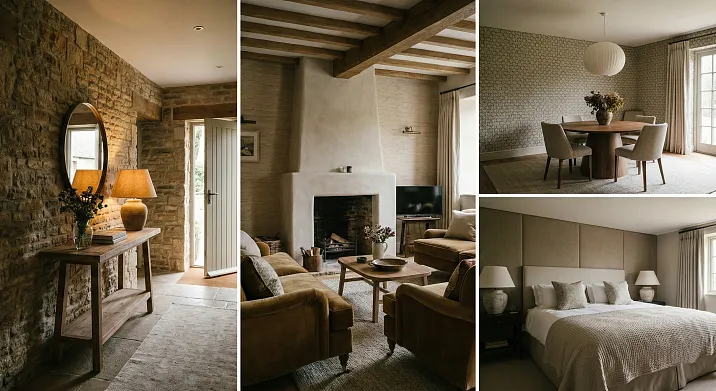
A house is not just a set of rooms. It is a living organism, where each room plays its own role, performs unique functions, and requires an individual approach. The entryway welcomes and sees guests off, the living room gathers the family, the bedroom offers rest, the kitchen brings people together around the table. Finishing different rooms cannot be universal — it must take into account the specifics of each space, the lifestyle of the owners, functional requirements, and aesthetic preferences.
Decorative Wall Finishing in a RoomIt is the art of creating a harmonious space, where beauty works in tandem with practicality. Styling finishing by zones forms the character of the house, creates logical transitions between rooms, supports a unified concept, without losing the individuality of each room.
Room decoration is not a final touch added at the last moment. It is a comprehensive approach, starting with planning and ending with the smallest details that transform a set of rooms into a home with soul and character.


Entryway: The Theater Begins with the Coat Rack
First impressions are formed in seconds. The entryway is the prologue to your home’s story, the business card that sets the tone for everything that follows. Here, contradictory requirements converge: the need for practicality due to high traffic, dirt from the outdoors, constant mechanical impacts — and the desire to create a beautiful, welcoming space.




Practicality as the Foundation
Decorative corridor wall finishingIt begins with analyzing loads. The lower part of the walls is subjected to the maximum impact: splashes, bag and umbrella strikes, shoe scratches, friction from outerwear. A rational solution is to zone the wall by height.
Materials most resistant to wear are used up to 100-120 cm.Decorative wall panels wall finishingMDF panels, covered with wear-resistant laminate or veneer, protect the base surface while looking aesthetically pleasing. Wooden panels with hard lacquer finish combine the nobility of natural material with practicality. Polyurethane panels imitating wood or stone provide the visual effect of expensive materials at a democratic price and ease of maintenance.
The upper part of the walls, less exposed to dirt, can be more delicate. Painting in light tones visually expands the typically narrow entryway. Decorative plaster with a light texture adds character without being overwhelming. Wallpaper with small patterns or texture creates intimacy and coziness.
The boundary between zones is decorated withmoldinga visual transition, giving the finishing a sense of completion.
Our factory also produces:


Visual Space Correction
Most entryways are narrow, elongated corridors, often without natural lighting.Wall cladding in an apartmentThe entryway should visually correct these shortcomings.
Vertical reliefs — rails, strips, elongated panels — visually increase the ceiling height.Plank wall claddingEspecially effective: vertical boards with even spacing create a rhythm that directs the gaze upward. Light wood or white-painted planks add airiness, making the space feel lighter.
Horizontal elements expand a narrow hallway. Horizontal panel layouts, molding strips running along walls visually widen the boundaries. Mirrors framed with decorative molding are not only functional but also optically double the space.
Light tones — white, light gray, beige, pastel shades — reflect light, making the entryway appear more spacious. Dark accents are used sparingly: one wall, a panel near the entrance door, the mirror zone.
Get Consultation
Entryway Styling Solutions
Modern minimalism implies clean lines, a monochromatic palette, and the absence of decorative excess.wall finishing with lathsMade from painted MDF or solid wood, smooth panels without ornamentation, simple geometric moldings. Colors — white, gray, black, natural wood.
Classic style uses symmetry; boiserie — panel compositions with molding framing.Wood Decor for the EntrywayClassic style features oak or beech panels with noble grain, ornate cornices, carved appliqués. Color palette — shades of brown, beige, white with gold accents.
Scandinavian style combines light wood with white. Simple forms, natural materials, functionality. Light wood panels (pine, birch, beech) paired with white walls. Minimal decor, maximum natural light.
Loft welcomes brickwork (natural or imitation), concrete textures, metallic elements.Decorative Wall Finishing in a RoomIndustrial style features rough surfaces, exposed utilities, contrasting combinations.
Functional Zones in the Entryway
Even a small entryway includes several functional zones: entry (immediately by the door), storage zone (cabinets, hooks), mirror zone.Decor Styling by ZonesHelps organize the space.
The entry zone requires maximum protection. Here, durable dark-toned panels, ceramic tiles on the floor, and moisture-resistant wall finishes are appropriate.
The storage zone is often furnished with built-in cabinets.Decorative wall finishingSurrounding cabinets creates their integration into the overall composition. Cabinet facades may match wall finishes or contrast with them.
The mirror zone is an accent. A mirror framed with molding, with backlighting, set against a decorative panel becomes the compositional center of the entryway.
Living room: the heart of the home
The living room is a multifunctional space where the family spends time together, receives guests, relaxes, works, and sometimes eats.Decorating Different RoomsIt begins precisely with the living room as the main room of the house.
Accent Wall: Composition Focus
A classic modern design approach — highlighting one wall with a different finish. Usually, this is the wall behind the sofa or the wall with the TV.Wall room finishingCreating an accent allows organizing space without overloading it.
Accent Wall Variants:
Wooden panels create warmth, coziness, and a connection to nature.Wooden wall claddingBehind the sofa, it makes the relaxation zone intimate and inviting. Panels can be smooth, brushed (with pronounced texture), or with geometric carving.
Relief 3D panels create volume and play of light and shadow. Geometric patterns for modern interiors, botanical motifs for classic styles, abstract compositions for creative spaces.
Molding compositions — a classic solution.Wall finishing with moldingscreates boiserie — symmetrical sections framed by profiles. Inside the sections — paint, wallpaper, textile.
Decorative plaster — from Venetian with noble sheen to textured with pronounced relief. A plaster accent wall — it's a play of textures, colors, light.
Louvered systems — a trend of recent years.Decorative wall panelingcreates a modern, dynamic interior. Vertical, horizontal, diagonal slats form rhythm and structure.
Zoning of Open Spaces
Modern layouts often imply combining the living room with the kitchen, dining room, and office.Wall cladding optionsallow visually dividing zones without physical partitions.
Color zoning — different zones are painted in different shades. Living room — warm beige, dining room — accent terracotta, office — restrained gray. Transitions may be contrasting or nuanced.
Material zoning — use of different materials. Living room — wooden panels, dining room — decorative plaster, office — louvered system. Unified color palette unites space despite material diversity.
Relief zoning — one zone with textured finish, another smooth.Relief wall finishingin the living room zone creates volume, the rest of the space remains calm and neutral.
Living room styles and specific finishes
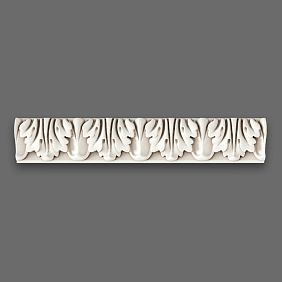
Classic living room requires symmetry, proportionality, use of traditional materials and decor.Plaster ornaments for walls— cornices, moldings, rosettes, pilasters — create architectural expressiveness. Wooden panels from noble woods, decorative plaster, textile wallpaper. Colors — shades of white, beige, brown, golden accents.
Modern living room strives for minimalism, clean lines, functionality. Smooth surfaces painted in neutral colors. Accents are created through relief —Rafter panels— geometric 3D panels. Materials — stained MDF, polyurethane, glass, metal.
Scandinavian living room — light wood, white walls, textiles, plants.Internal wooden wall finishesfrom light woods (birch, beech, pine) create warmth. Minimal decor, maximum naturalness.
Loft living room — brick, concrete, metal, exposed utilities. One wall — natural brickwork or its imitation with decorative tiles. Others — painted gray or white. Wooden beams on ceiling, metal shelves.
Neoclassicism combines classical proportions with modern restraint.Plaster ornament for walls and ceilingsmore laconic than in classicism. Moldings with simple profiles, symmetrical compositions without excess. Colors — white, gray, pastel shades.
Ceiling as part of composition
Ceiling in the living room — not just a plain white surface.Decorative wall and ceiling finishingcreates a cohesive composition. Ceiling cornices creating transition from walls to ceiling. Rosettes around chandeliers. Cores — recessed sections creating volume. Beams — natural wood or polyurethane imitation.
Bedroom: Temple of Rest
Bedroom — an intimate, personal space where atmosphere of calm, relaxation, and comfort is most important.Room decorationbedroom should promote rest, not excite or distract.
Headboard: compositional center
Wall behind the bed — natural focus of the bedroom. Its decoration defines the character of the entire room.
Soft panels create coziness, tactile comfort. Upholstery with fabric — velvet, velour, linen — adds texture. Carved plaster with buttons — classic solution. Smooth panels — modern.
Wooden panels behind the headboard add natural warmth.Wall finishing with wood photoHorizontal boards create calmness, vertical ones — dynamism.
Molding compositions — an elegant solution for classic bedrooms.Wall finishing and decorationMoldings frame the headboard and highlight the bed area.
Wallpaper with patterns — botanical motifs, geometry, abstraction — creates an accent on one wall. Other walls remain neutral.
Decorative plaster with soft texture — travertine, marbled wax — creates a delicate finish that doesn’t overwhelm the bedroom space.
Color Psychology of the Bedroom
Color in the bedroom is critically important. It affects sleep quality, mood, and ability to relax.
Pastel shades — soft blue, pink, lavender, peach, mint — soothe and create a light, airy atmosphere. Ideal for small bedrooms with insufficient light.
Neutral tones — beige, gray-brown, ivory — are universal, suitable for any style, creating a calm, balanced background.
Dark colors — deep blue, graphite, emerald — create intimacy, drama. Require good lighting and sufficient space. In small bedrooms, dark tones are used only for the wall behind the headboard.
White color — purity, freshness, visual expansion. A fully white bedroom may feel cold — warm accents are essential: wood, textiles, soft tones.
Bedroom Zoning
Modern bedrooms often include not only the sleeping area, but also a wardrobe, a workspace, and a seating area for relaxation.
Sleeping zone — the main area, most expressively designed. Accent wall, decorative lighting, quality textiles.
The wardrobe can be separated by a glass partition, sliding doors, or an open shelving unit.Internal decorative wall claddingThe wardrobe is more practical — washable surfaces, neutral colors.
The workspace stands out with a different color, lighting, and finish.Wall Finishing ElementsShelves, panels, moldings — create a work atmosphere in the desk area.
Lighting and Finishing
Lighting in the bedroom should be multi-level and adjustable.Wall finishing photoWith proper lighting, it demonstrates how light reveals texture.
General lighting — ceiling chandelier or recessed lights. Nightstand lighting — wall sconces or table lamps. Decorative lighting — backlighting for niches, headboards, moldings. Lighting scenarios — bright for cleaning and organizing, dim for evening, nightlight for nighttime.
Kitchen: Function and Aesthetics
The kitchen is a specific space. Here, high humidity, temperature fluctuations, contamination, and intensive use occur.Wall finishing in a houseThe kitchen requires materials capable of withstanding these loads.
Work Zone: Maximum Protection
The backsplash — the wall area between the countertop and wall-mounted cabinets — is subjected to the most exposure. Traditionally, ceramic tiles, ceramic granite, or tempered glass (skinari) are used here. These materials are easy to clean, resistant to water, temperature, and cleaning agents.
The backsplash’s decor is created by tile color, pattern, and texture. Modern ceramics offer imitations of any material — wood, stone, metal, concrete.
Walls around the work zone also require protection.Buy internal wall claddingwater-resistant materials — the right solution. Washable paints, water-resistant wallpapers, MDF panels with water-resistant coating.
Dining area: comfort and coziness
The dining area of the kitchen is less exposed to influences. Here, more decorative materials can be used.
An accent wall in the dining area creates intimacy, highlighting this part of the kitchen. Decorative wallpapers, wooden panels, textured plaster.Wall finishing photos in apartmentsdemonstrates how the dining area becomes an independent element of the interior.
If the kitchen is combined with the living room, the dining area becomes a transitional space. Its finishing should harmonize with both the kitchen and the living room, creating a smooth transition.
Kitchen styles
Classic kitchen uses wooden facades, molding decorations, symmetry. Walls — neutral, light, serving as a backdrop for furniture.wall finishing materials— washable paints, water-resistant wallpapers with a delicate pattern.
Modern kitchen — smooth facades, built-in appliances, minimal decor. Walls are painted in neutral colors or contrasting accents. Backsplash — glass, solid tiles, metal.
Scandinavian kitchen — light wood, white color, open shelves. Walls are white or light gray, wooden elements create warmth.
Loft kitchen — brick, concrete, metal. One wall — brickwork (natural or imitation). Others — painted in gray or white. Exposed utilities, metal lighting fixtures.
Children's room: a world growing alongside the child
Children's room interior— a special task. The child grows, their needs, interests, and tastes change. The finishing should be sufficiently neutral to easily adapt, but sufficiently interesting to stimulate development.
Safety and ecological safety
Main requirement forwall finishing in private homesfor a children's room — ecological safety. Materials must not emit harmful substances and should be hypoallergenic.
Solid wood panels with safe coatings — an excellent choice. Wood breathes, regulates humidity, creates a healthy microclimate. Water-based paints, free of volatile organic compounds. Paper or vinyl-free wallpapers.
Polyurethane wall claddingsafe — quality polyurethane does not emit harmful substances, is hypoallergenic, and easy to clean.
Children's room zoning
A children's room includes several functional zones: sleeping, playing, studying, storage.Decor Styling by ZonesHelps organize the space.
Sleeping zone should be calm, conducive to falling asleep. Pastel tones, soft lighting, minimal distracting details.
Play zone can be more vibrant and active. Accent wall with an interesting pattern or relief. Chalk or marker paint on part of the wall — possibility to draw directly on the wall.
Study zone requires neutral, non-distracting finishing. Light tones, good lighting, functional shelves and boards.
Adaptability of finishing
Children grow quickly. What interests a three-year-old may bore a teenager.DIY decorative wall finishingshould be easily updated.
Basic finishing — neutral, durable. Wooden panels on lower parts of walls, upper parts painted in light tones. Accents are created with removable elements — posters, stickers, textiles. As the child grows, accents change, while basic finishing remains.
One wall can be designated for creativity — covered with chalk paint (can be drawn with chalk) or marker paint (can be drawn with markers). This develops creativity and provides an outlet for energy.
Bathroom: oasis of relaxation
The bathroom is a space with extreme conditions. Constant high humidity, direct water exposure, temperature fluctuations.wall finishing materialsBathroom surfaces must be absolutely moisture-resistant.
Traditional Solutions
Ceramic tile is a classic bathroom finish. It is water-resistant, easy to clean, and durable. Modern tiles offer endless variety in formats, colors, and textures. Large-format tiles (60x120 cm) create a monolithic surface with minimal grout lines. Mosaic adds detail and decorative flair.
Ceramica granite is an even more durable material, often used not only on walls but also on floors.
Modern Alternatives
Microcement is a thin-layer coating that creates a seamless, water-resistant surface. It mimics polished concrete and creates a modern, minimalist aesthetic.Wall finishing samplesMicrocement demonstrates the monolithic nature of the surface.
Moisture-resistant paints are specially developed for humid spaces. They contain antibacterial additives, are resistant to condensation, and are easy to clean.
Glass panels — a modern solution. Tempered glass with photo printing creates striking accents. Glass is completely water-resistant and hygienic.
Bathroom Zoning
Even a small bathroom has zones: shower/tub, sink, toilet.Decorating Different RoomsZoning creates structure.
The shower zone requires maximum protection — here, tile or glass. Other zones may have more decorative finishes — moisture-resistant decorative plaster, paint, panels.
Accent wall — behind the tub or sink — stands out with a different color, texture, or material.
Office: space for concentration
A home office is a work atmosphere conducive to concentration, productivity, and creativity.Internal decorative wall finishingMaterials that create a serious, professional atmosphere.
Color and Concentration
Color in the office affects productivity. Blue and green promote concentration and calm. Gray creates a professional atmosphere. Beige and brown — classic office colors — create a sense of stability.
Avoid overly bright, stimulating colors — red, orange, bright yellow. They distract and hinder focus.
Materials and Style
A classic office uses wooden panels, leather, heavy textiles.Decorative wall finishing with woodMade from dark woods (oak, walnut, mahogany) creates solidity and respectability. Molding, floor-to-ceiling bookshelves, heavy desk.
A modern office — minimalism, functionality, technology. Smooth painted walls, built-in storage systems, ergonomic furniture.Plank wall claddingCreates structure without overwhelming space.
A creative office — for creative professions. Bright accents, unconventional solutions, artistic elements. Chalkboard wall for notes and sketches, open shelves with inspiring objects.
Office Acoustics
If video conferences are held or podcasts recorded in the office, acoustics are important.Relief wall finishingImproves sound absorption. Textured panels, textile coverings, special acoustic panels diffuse sound and reduce echo.
Unity in Diversity: How to Connect All Spaces
Each room is individual, but the house should be perceived as a whole.Wall finishing and decorationAll rooms should be connected by a common concept.
Color palette
A unified color palette unites the space. This does not mean that all rooms are of one color. It means that shades of one palette or harmonious combinations are used. A neutral base (white, gray, beige) in all rooms. Accent colors may differ but should be compatible.
Materials and textures
Repetition of materials creates a connection between rooms. Wooden elements of the same species and shade in different rooms. Identical moldings throughout the apartment. Similar textures — if the living room has textured plaster, the bedroom may also have textured plaster but of a different pattern.
Transitional zones
Hallways, foyers — transitional spaces between rooms. Their finishing should be neutral and unifying.Modern hallway interiorWorks as a backdrop on which the individuality of each room unfolds.
Practical aspects of implementation
Planning and budgeting
Buy decorative wall finishesMaterials for the entire house — a significant investment. Planning begins with defining priorities. Which rooms are most important? Where do you spend the most time?
A rational approach — start with common areas (living room, kitchen, entryway), then move to personal spaces (bedrooms, office). Bathrooms and children's rooms are often done last, as they require specific solutions.
Budgeting by rooms allows controlling expenses.Decorative wall finishing priceIncludes materials and labor. Different price categories of materials can be used in different rooms — premium in the living room, mid-range in bedrooms, economy in utility rooms.
Work sequence
Finishing begins after all rough work is completed — wall leveling, utility installation, electrical work. Sequence by rooms — from farthest to closest to the exit, to avoid walking through finished rooms.
In each room, work proceeds from top to bottom: ceiling first, then walls, then floor.Decorative Wall Finishing in a RoomBegins with surface preparation, then basic finishing, then decorative elements.
Professionals or DIY
Some work can be done independently — painting, installing simple panels, hanging wallpaper. Complex techniques — Venetian plaster, carved moldings, intricate molding compositions — require professional execution.
Wall cladding optionsCombining DIY and professional work is optimal in terms of cost-to-quality ratio.
Frequently asked questions
How to choose a finishing style for the entire house?
Start by defining your lifestyle, preferences, and functional requirements. Classic for lovers of tradition, modern for admirers of minimalism, eclectic for creative souls. The style may be unified or vary by room within a common concept.
Can different styles be combined in different rooms?
Yes, if a common logic is maintained. Unifying factors may include color palette, repeating materials, similar level of detail. Transitions should be smooth, avoiding dissonance.
How often should finishes be renewed?
Depends on materials and usage. Quality finishing lasts 10–15 years without updating. Cosmetic updates (repainting, replacing wallpaper) may be needed every 5–7 years. Durable materials (panels, plaster) last for decades.
How to account for the needs of all family members?
Common areas (living room, kitchen) are designed with everyone in mind. Personal spaces (bedrooms) may reflect individual preferences. Dialogue, compromise-seeking, and professional design help find solutions that satisfy everyone.
What are the most common mistakes during finishing?
Ignoring room-specific characteristics (using inappropriate materials), lack of a common concept (each room in its own style without connection), underestimating budget and timelines, cutting corners on surface preparation, following trends without considering personal needs.
How to make finishing remain current for a long time?
Choose classic, timeless solutions for basic finishing. Add trends as accents that are easy to replace. Quality materials, professional execution, and timely maintenance extend the lifespan of the finishing.
STAVROS: your partner in creating a harmonious home
For more than two decades, the company STAVROS has helped create interiors where each room is perfect, and the entire house is harmonious.
Comprehensive solutions for all rooms
STAVROS offers materials and elements for finishing all types of rooms:
-
Decorative wall panelsfor living rooms, bedrooms, offices
-
Sculptural decorationsfor classic interiors
-
Slatted systemsfor modern spaces
-
Moldings, cornices, skirting boards for finishing touches
-
Carved decor from natural wood for uniqueness
Individual Approach
Each home is unique. STAVROS develops individual projects taking into account:
-
Architectural features of rooms
-
Lifestyle and preferences of the owners
-
Functional requirements of each room
-
Budget constraints of the project
-
Project timelines
Quality and durability
In-house full-cycle production guarantees:
-
Quality control at all stages
-
Use of premium materials
-
Accuracy of dimensions and details
-
Durability of products
-
Ability to produce to custom sizes
From consultation to implementation
STAVROS accompanies the project at all stages:
-
Consultations on material and style selection
-
Design project development
-
Calculation of required materials
-
Production of elements
-
Delivery to site
-
Professional installation
Visit STAVROS showrooms in Moscow and St. Petersburg, where you will findWall finishing samplesfor all types of rooms. Professional consultants will help select solutions, develop a concept, and calculate the budget.
Decorative finishing of various rooms is the art of creating a harmonious, functional, beautiful home. From the entryway to the bedroom, from the kitchen to the office — each space requires an individual approach, taking into account the specifics, lifestyle, and aesthetic preferences.
Finishing different rooms, decorating spaces, and stylistic finishing by zones come together to form a complete picture of a home where it’s pleasant to live, comfortable to work, and easy to relax. Properly designed and quality-executed finishing lasts for decades, retaining its relevance and beauty.
Create spaces that reflect your individuality with STAVROS — a partner who values your home as much as you do.